Article

Adaptive Pathways Using Emerging Technologies: Applications for Critical Transportation Infrastructure


by
Nisrine Makhoul
1,*,
Dimitra V. Achillopoulou
2,
Nikoleta K. Stamataki
3 and
Rolands Kromanis
4
1
École Spéciale des Travaux Publics (ESTP), 94230 Cachan, France
2
James Watt School of Engineering, University of Glasgow, Glasgow G12 8QQ, UK
3
Department of Civil Engineering, Democritus University of Thrace, 671 00 Xanthi, Greece
4
Department of Civil Engineering, Faculty of Engineering Technology, University of Twente, 7522 NB Enschede, The Netherlands
*
Author to whom correspondence should be addressed.
Sustainability 2023, 15(23), 16154; https://doi.org/10.3390/su152316154
Submission received: 29 September 2023 / Revised: 13 November 2023 / Accepted: 15 November 2023 / Published: 21 November 2023
(This article belongs to the Special Issue Artificial Intelligence (AI) in Structural Health Monitoring)

Abstract

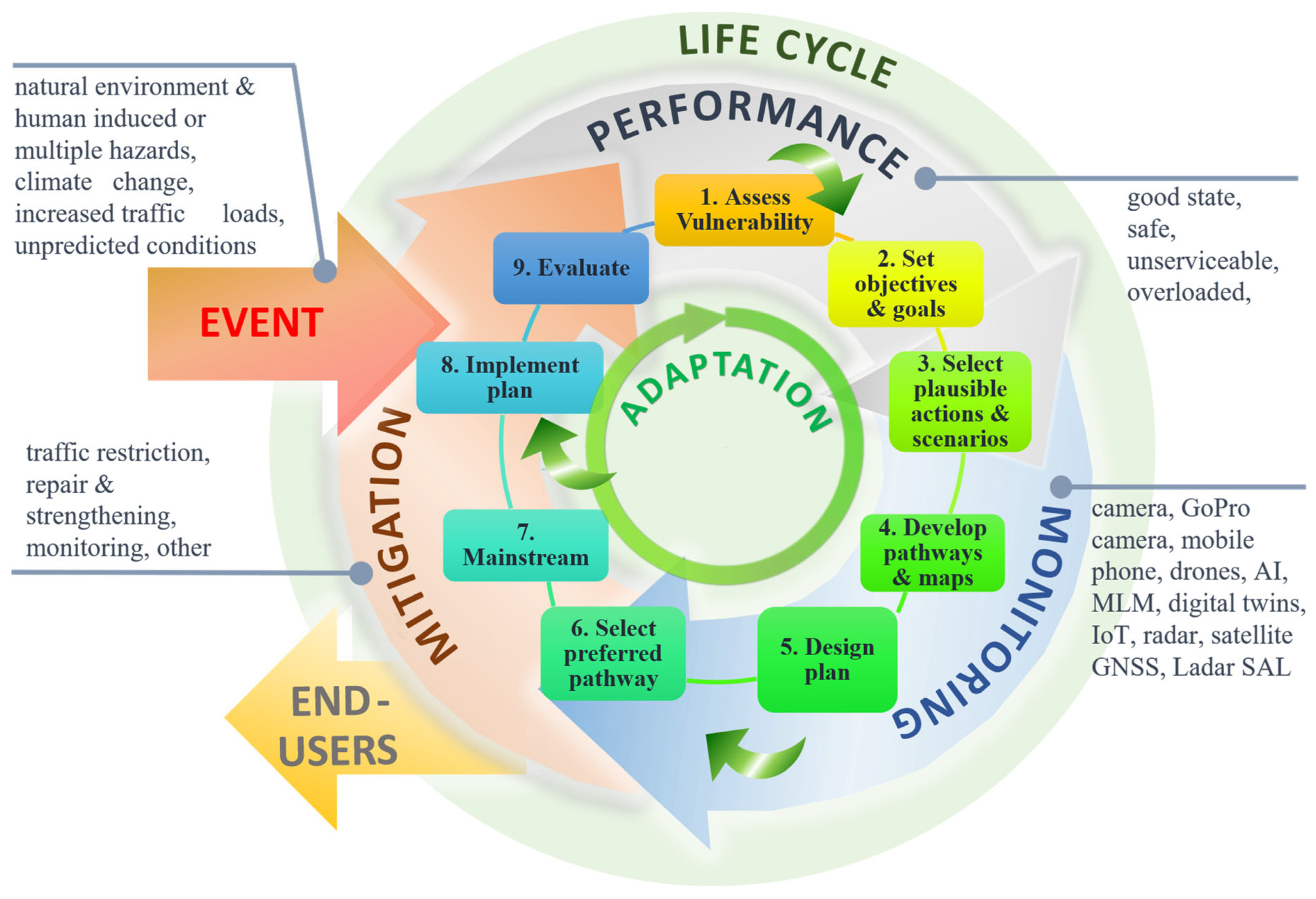
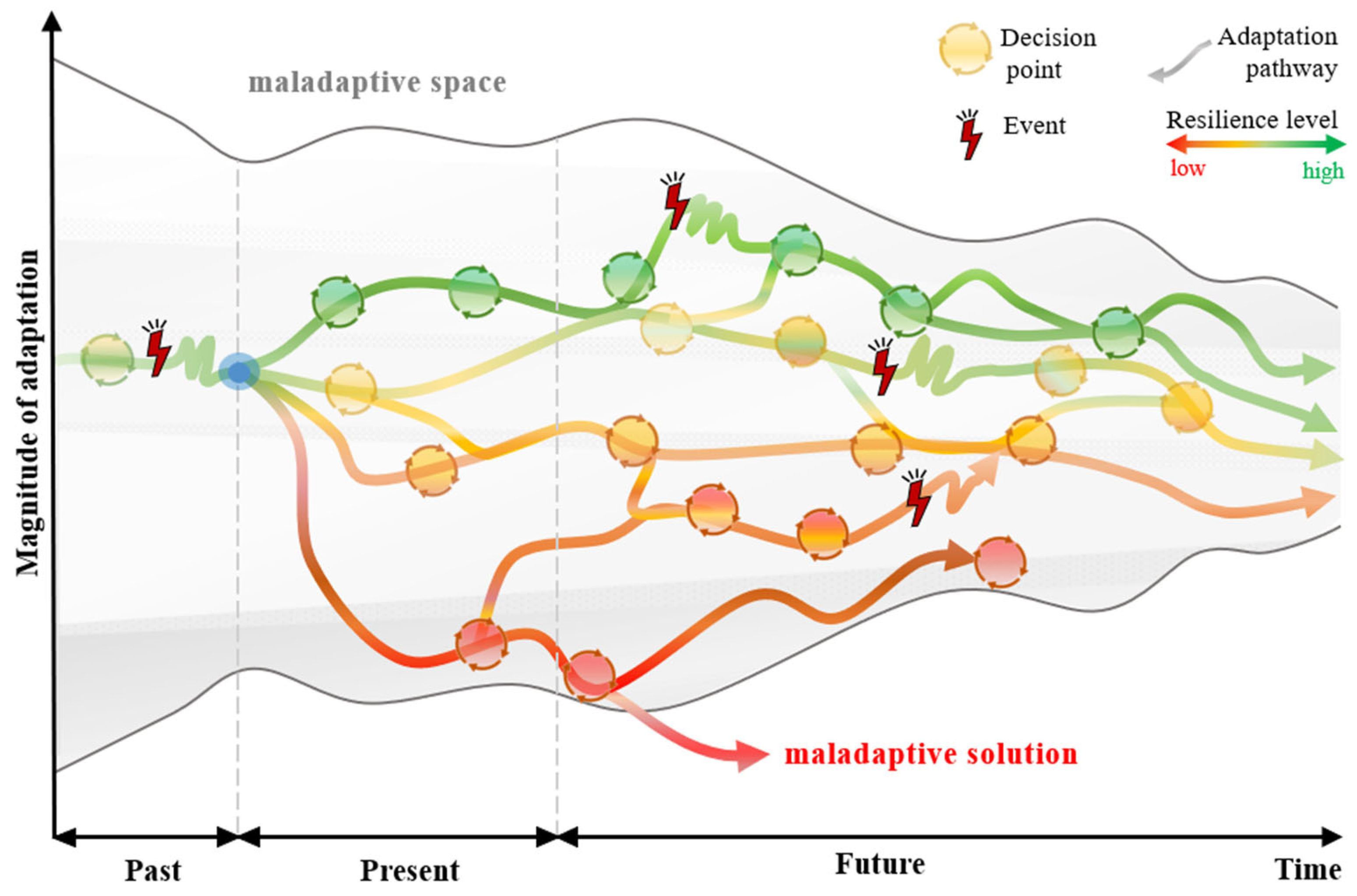
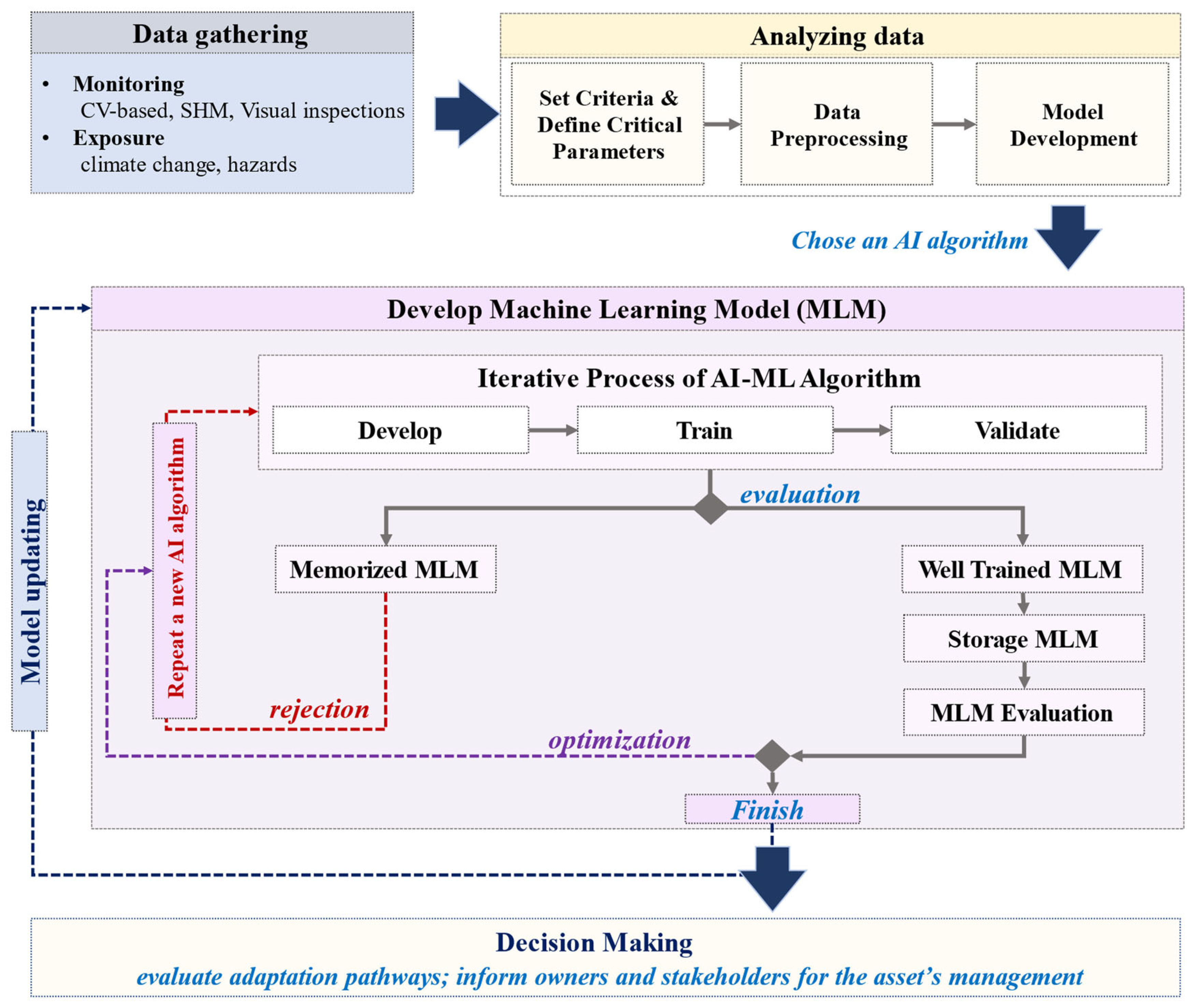
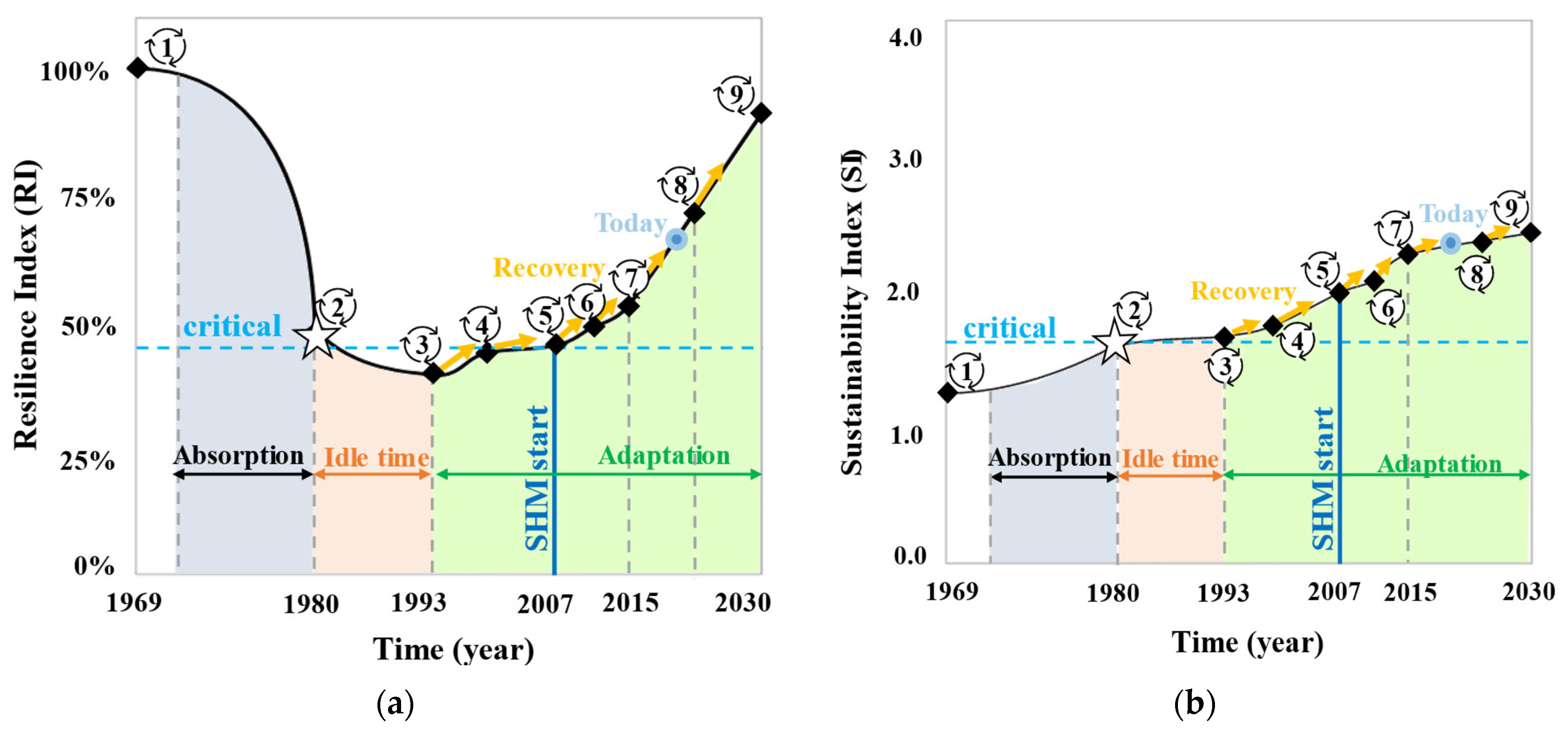
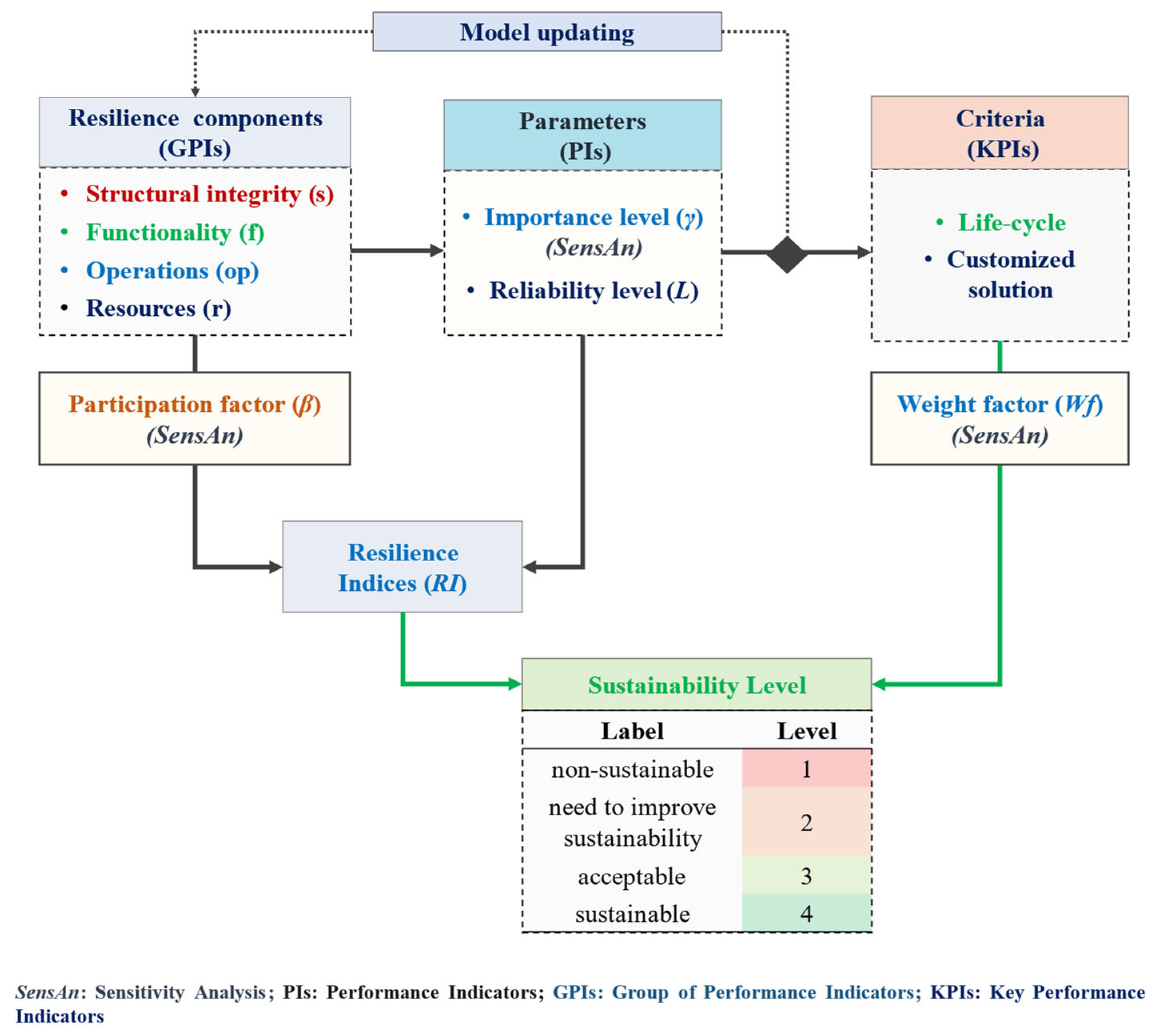
Hazards are becoming more frequent and disturbing the built environment; this issue underpins the emergence of resilience-based engineering. Adaptive pathways (APs) were recently introduced to help flexible and dynamic decision making and adaptive management. Especially under the climate change challenge, APs can account for stressors occurring incrementally or cumulatively and for amplified-hazard scenarios. Continuous records from structural health monitoring (SHM) paired with emerging technologies such as machine learning and artificial intelligence can increase the reliability of measurements and predictions. Thus, emerging technologies can play a crucial role in developing APs through the lifetimes of critical infrastructure. This article contributes to the state of the art by the following four ameliorations. First, the APs are applied to the critical transportation infrastructure (CTI) for the first time. Second, an enhanced and smart AP framework for CTI is proposed; this benefits from the resilience and sustainability of emerging technologies to reduce uncertainties. Third, this innovative framework is assisted by continuous infrastructure performance assessment, which relies on continuous monitoring and mitigation measures that are implemented when needed. Next, it explores the impact of emerging technologies on structural health monitoring (SHM) and their role in enhancing resilience and adaptation by providing updated information. It also demonstrates the flexibility of monitoring systems in evolving conditions and the employment of AI techniques to manage pathways. Finally, the framework is applied to the Hollandse bridge, considering climate-change risks. The study delves into the performance, mitigation measures, and lessons learned during the life cycle of the asset.
Keywords: adaptive pathways; resilience; sustainability; critical transportation infrastructure; structural health monitoring; artificial intelligence adaptive pathways; resilience; sustainability; critical transportation infrastructure; structural health monitoring; artificial intelligence