Article

How Did Urban Environmental Characteristics Influence Land Surface Temperature in Hong Kong from 2017 to 2022? Evidence from Remote Sensing and Land Use Data

1
Key Laboratory of Poyang Lake Wetland and Watershed Research (Jiangxi Normal University), Ministry of Education, Nanchang 330022, China
2
Institute of Space and Earth Information Science, The Chinese University of Hong Kong, Shatin, Hong Kong
3
Department of Geography and Resource Management, The Chinese University of Hong Kong, Shatin, Hong Kong
4
Shenzhen Research Institute, The Chinese University of Hong Kong, Shenzhen 518063, China
5
Institute of Future Cities, The Chinese University of Hong Kong, Shatin, Hong Kong
*
Author to whom correspondence should be addressed.
Sustainability 2023, 15(21), 15511; https://doi.org/10.3390/su152115511
Submission received: 29 August 2023 / Revised: 20 October 2023 / Accepted: 21 October 2023 / Published: 1 November 2023

Abstract

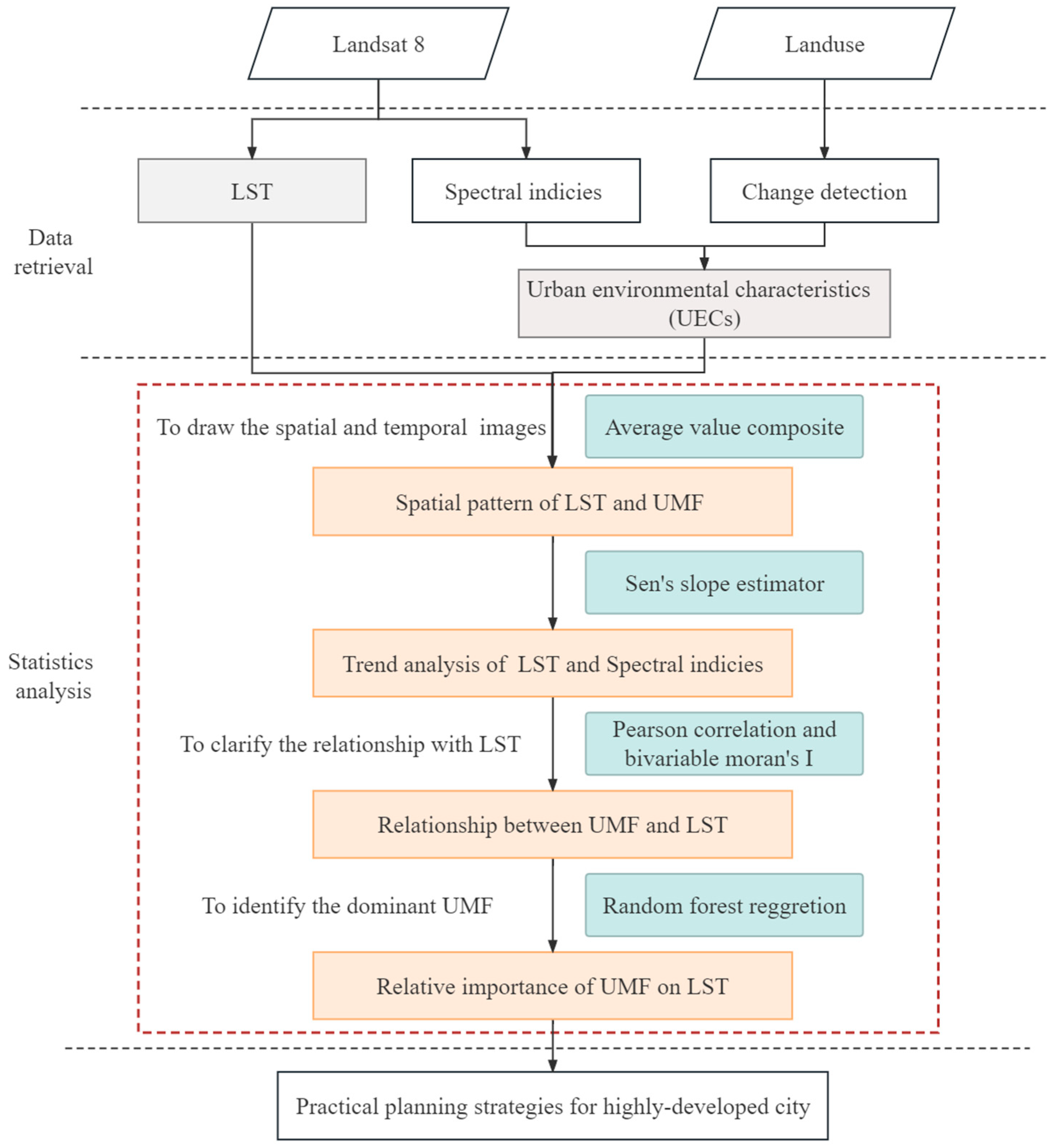
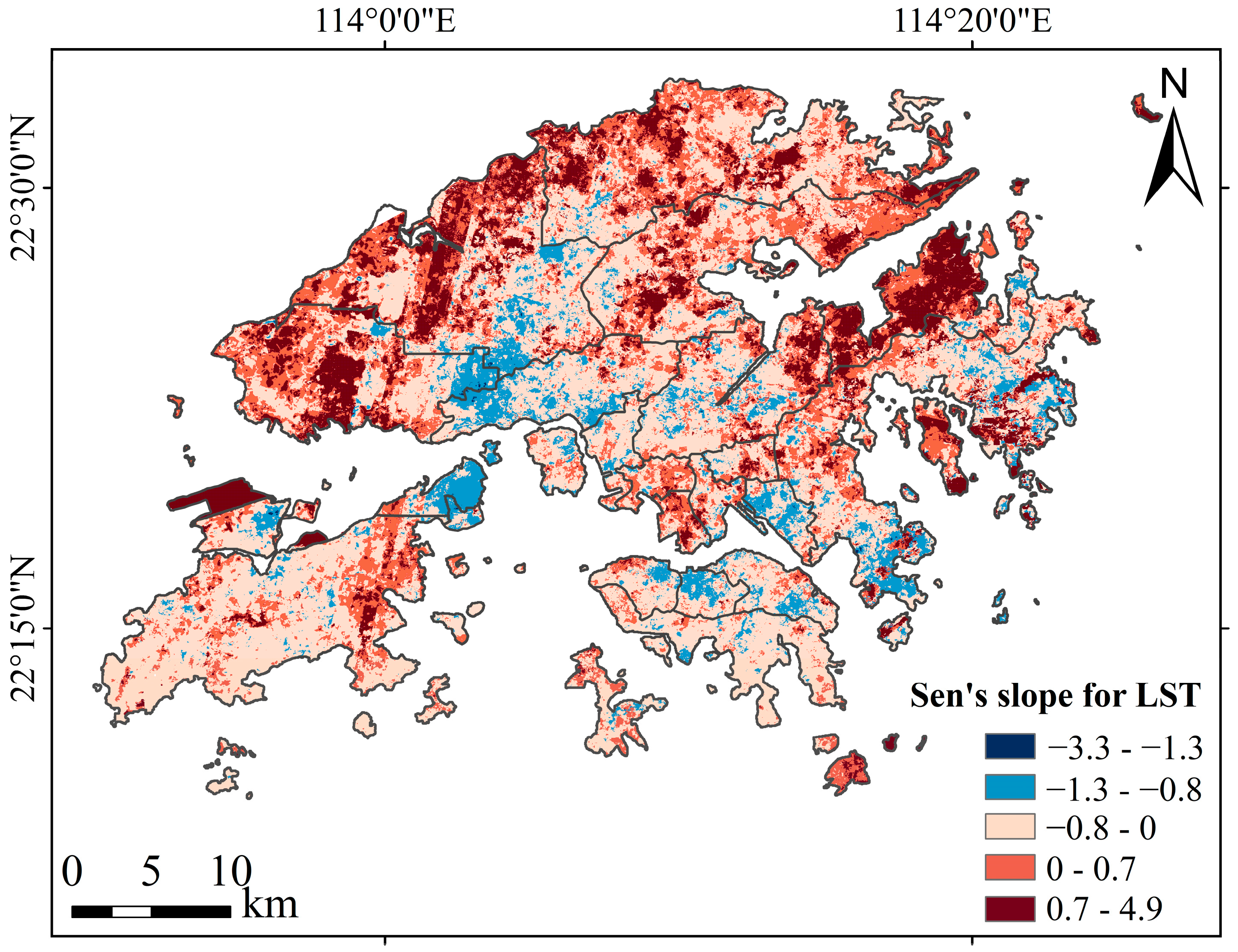
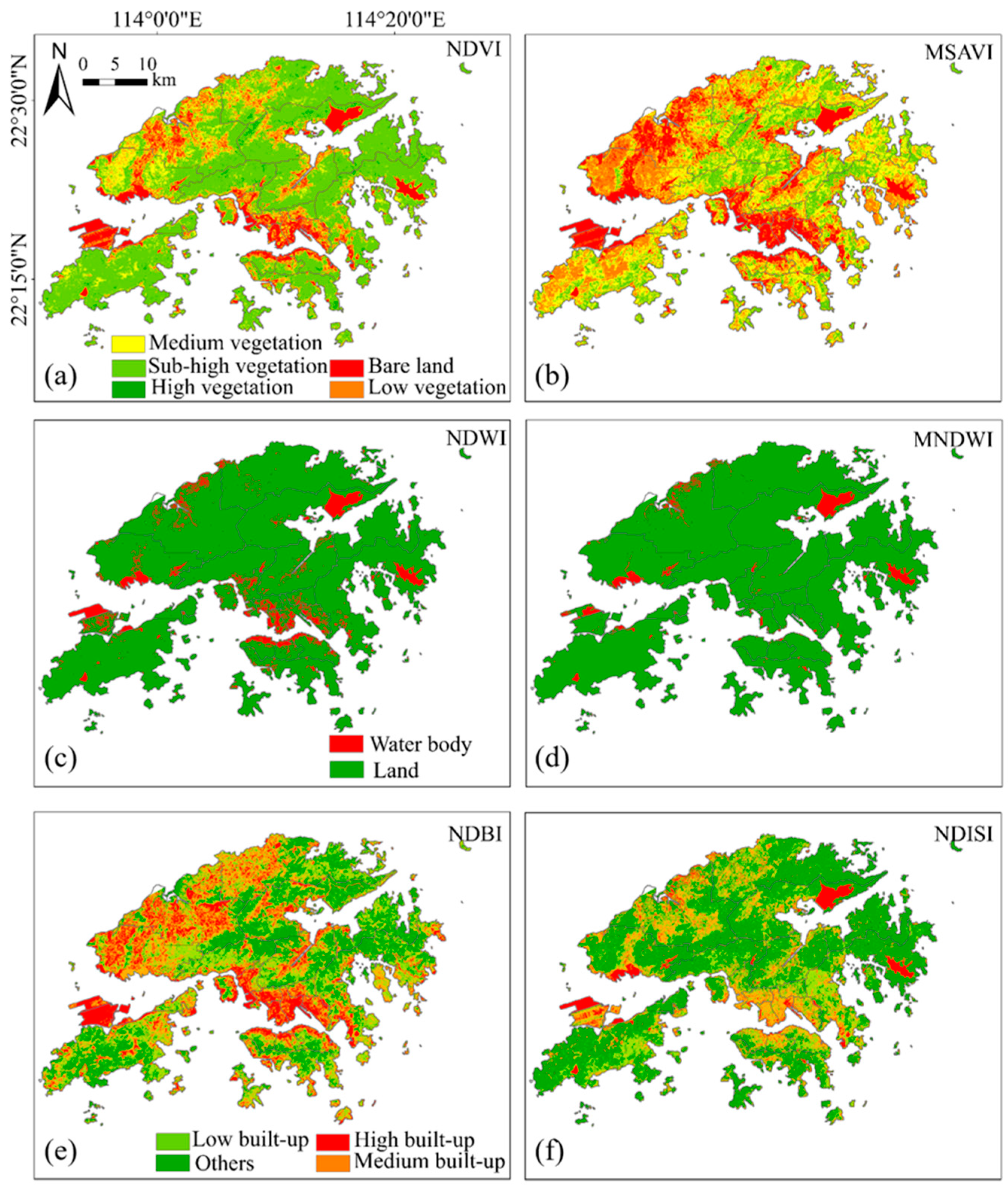
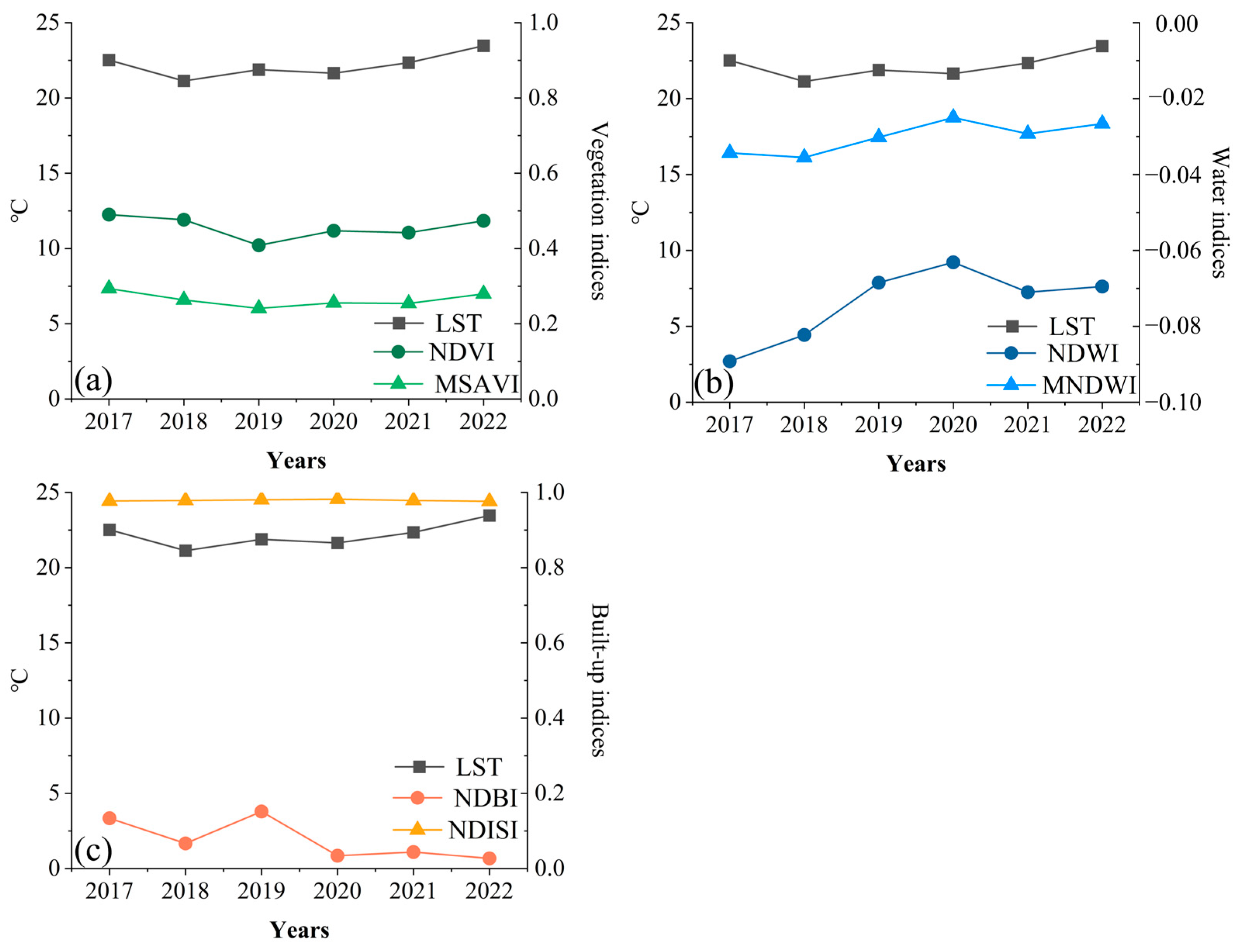
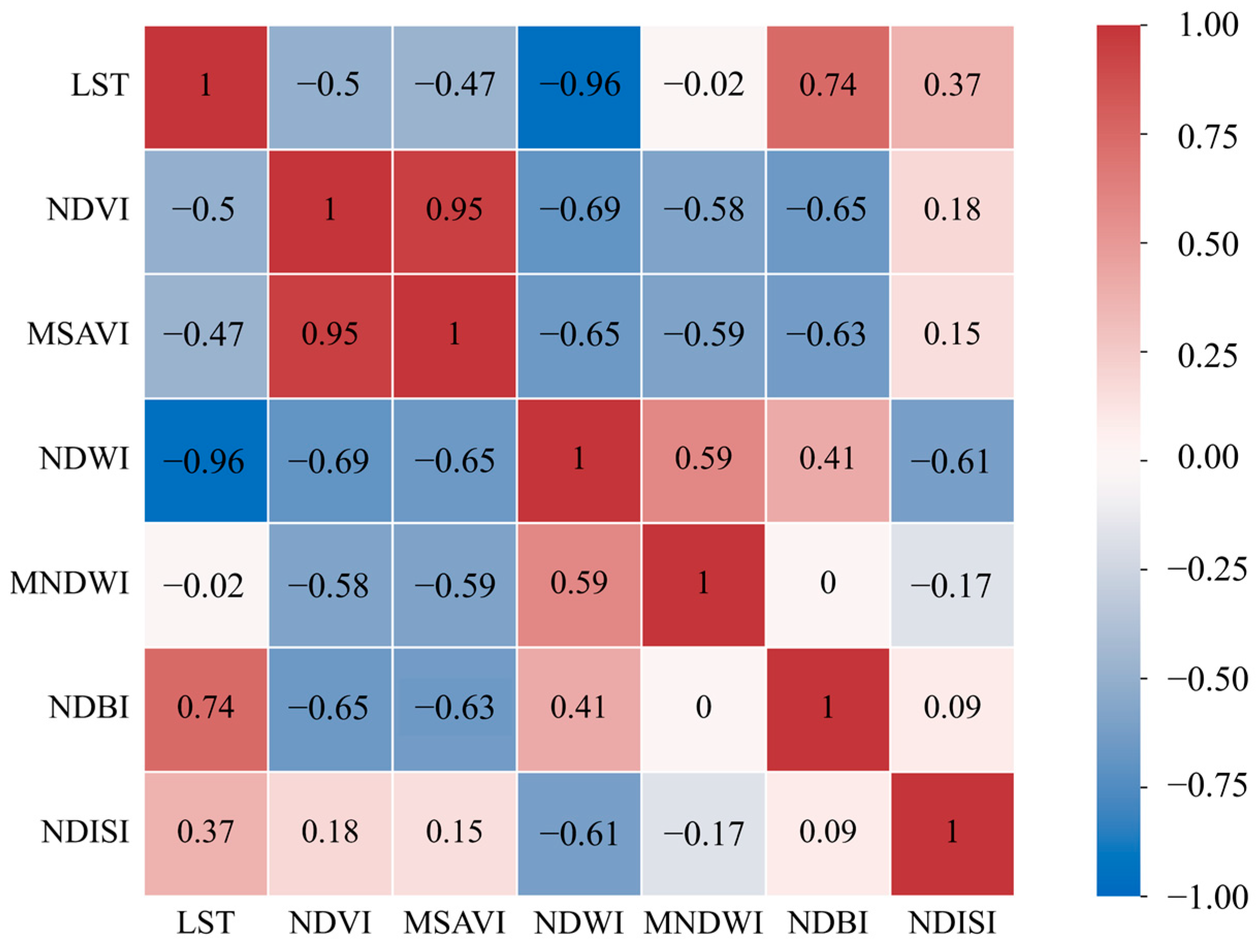
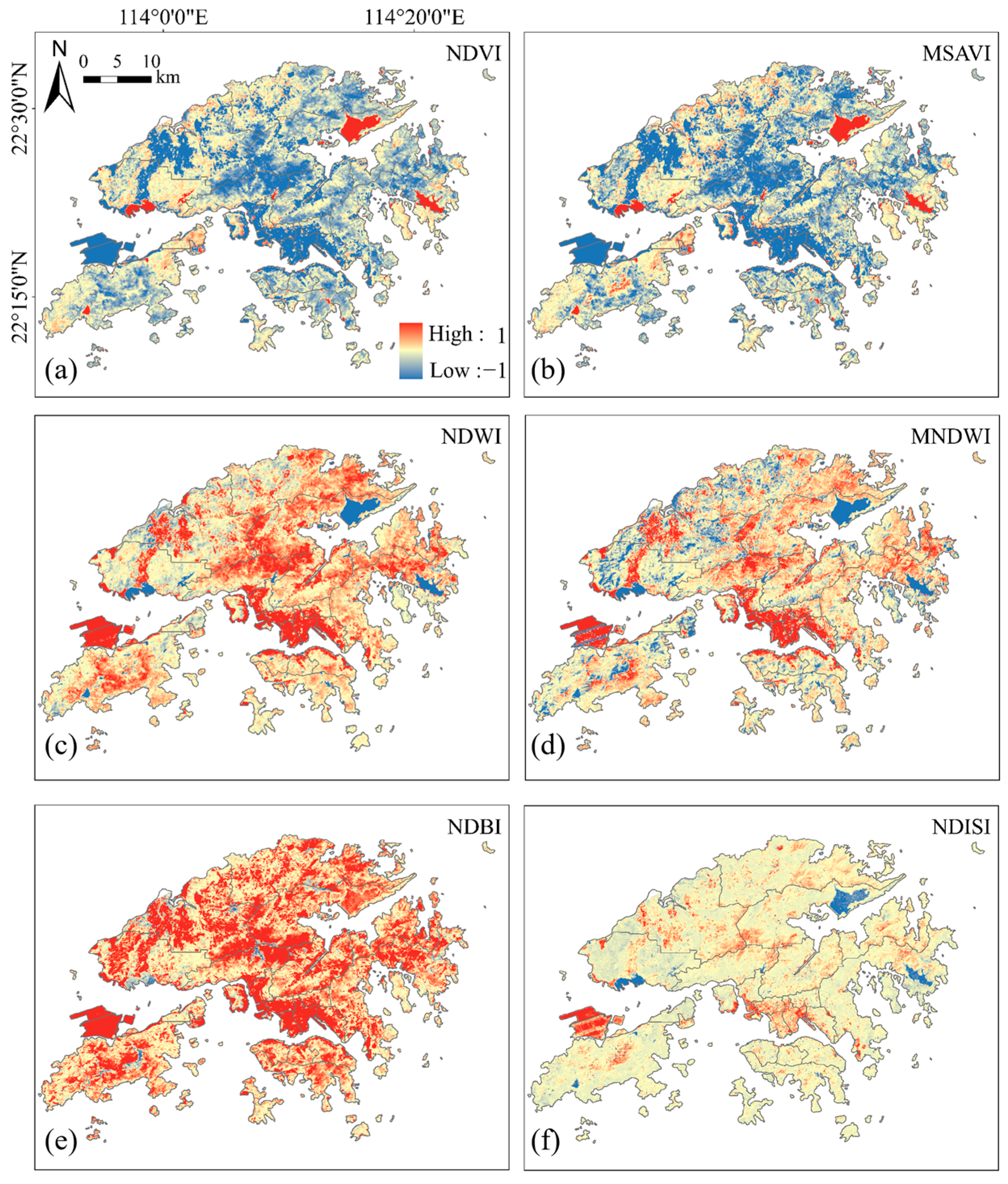
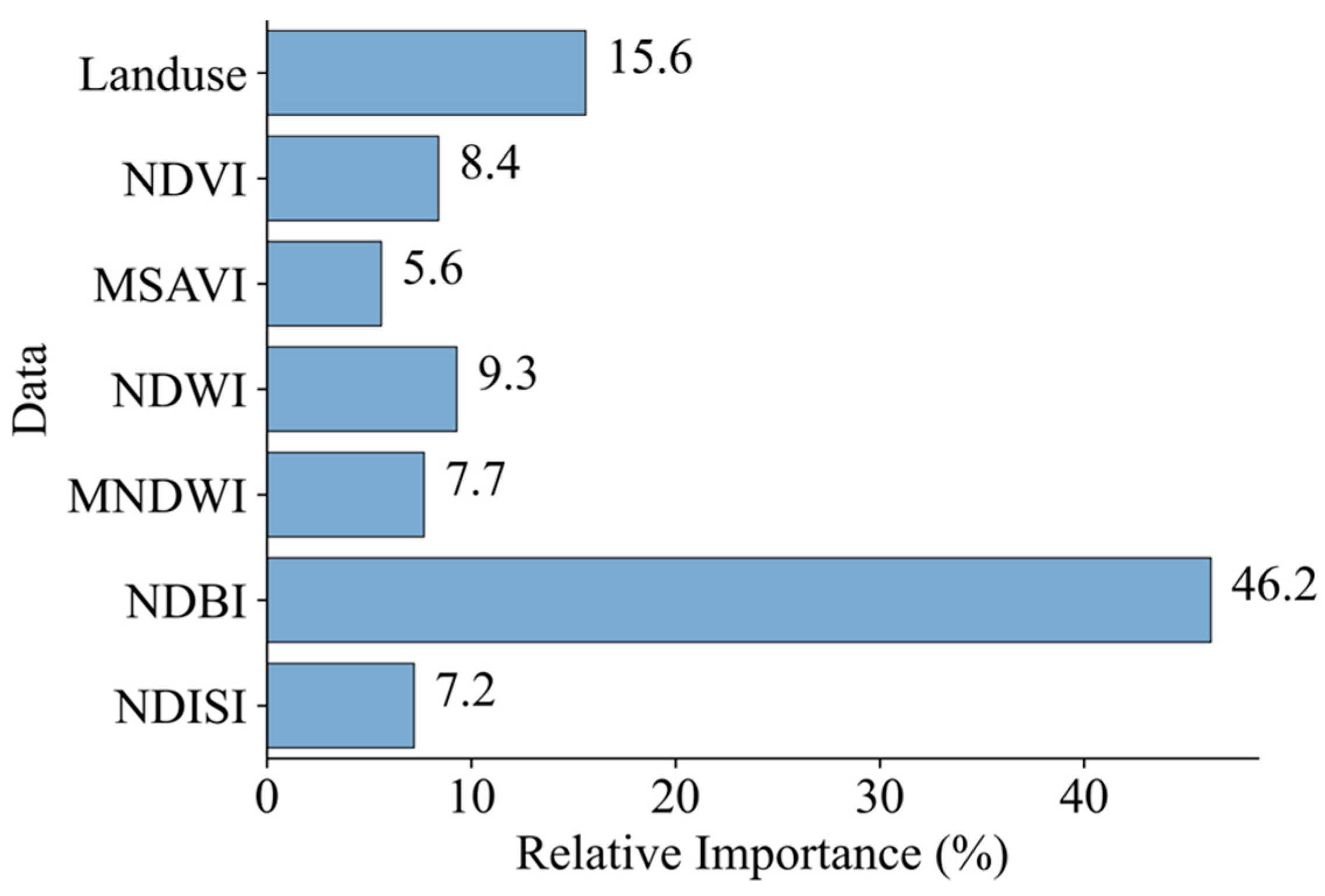
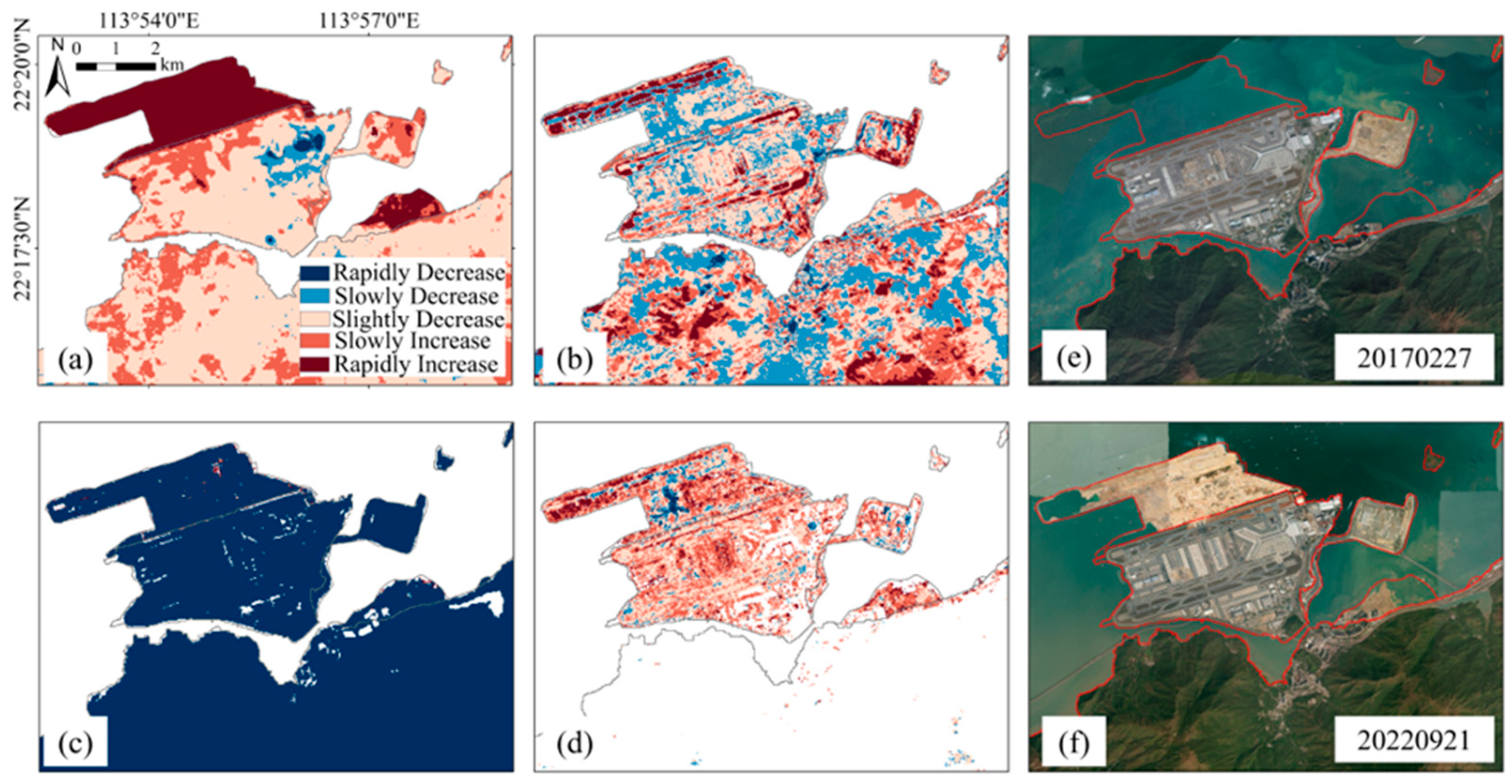
Urbanization has led to environmental challenges, with the urban heat island effect being a prominent concern. Understanding the influence of urban environmental characteristics (UECs) on land surface temperature (LST) is essential for addressing this issue and promoting sustainable urban development. The spatiotemporal characteristics and influencing factors of LST have been investigated in past studies, but research that explicitly investigates the key factors and long-term spatial relationships affecting LST in city-scale urban areas is limited. Remote sensing techniques provide valuable insights into LST patterns and the relationship between urban environment and temperature dynamics. We utilized Landsat 8 images to derive the LST and six spectral indices from 2017 to 2022 in Hong Kong, a city characterized by high population density and rapid urban growth. We also acquired land use data to reflect Hong Kong’s dynamic urban landscape. The complex interactions between urban environment and LST were analyzed using various analytical techniques, including slope trend analysis, land use change detection, and correlation analysis. Finally, we constructed a random forest model to assess the importance of each environmental characteristic. Our findings provide three key insights for regions experiencing rapid urbanization. First, the LST showed an increasing trend in Hong Kong from 2017 to 2022, with the annual LST rising from 21.13 °C to 23.46 °C. Second, we identify negative relationships between LST and vegetation (−0.49)/water bodies (−0.49) and a positive correlation between LST and built-up areas (0.56) utilizing Pearson’s correlation. Third, the dominant influence of built-up areas was underscored, contributing as much as 53.4% to elevated LST levels, with specific attention to the substantial reclamation activities in Hong Kong. The insights from this study provide valuable guidance for policymakers, urban planners, and environmental researchers to formulate evidence-based strategies to achieve a resilient, livable urban future.
Keywords: urban climate; urban heat island; land surface temperature; remote sensing index; random forest method urban climate; urban heat island; land surface temperature; remote sensing index; random forest method