Article

Types of E-Consumers and Their Implications for Sustainable Consumption—A Study of the Behavior of Polish E-Consumers in the Second Decade of the 21st Century


1
Department of Industrial Informatics, Faculty of Materials Engineering, Silesian University of Technology, 40-019 Katowice, Poland
2
Department of Digital Economy Research, Faculty of Economics, University of Economics in Katowice, 40-287 Katowice, Poland
*
Author to whom correspondence should be addressed.
Sustainability 2023, 15(16), 12647; https://doi.org/10.3390/su151612647
Submission received: 21 June 2023 / Revised: 8 August 2023 / Accepted: 18 August 2023 / Published: 21 August 2023
(This article belongs to the Special Issue Business Models for Sustainable Consumption in the Circular Economy)

Abstract

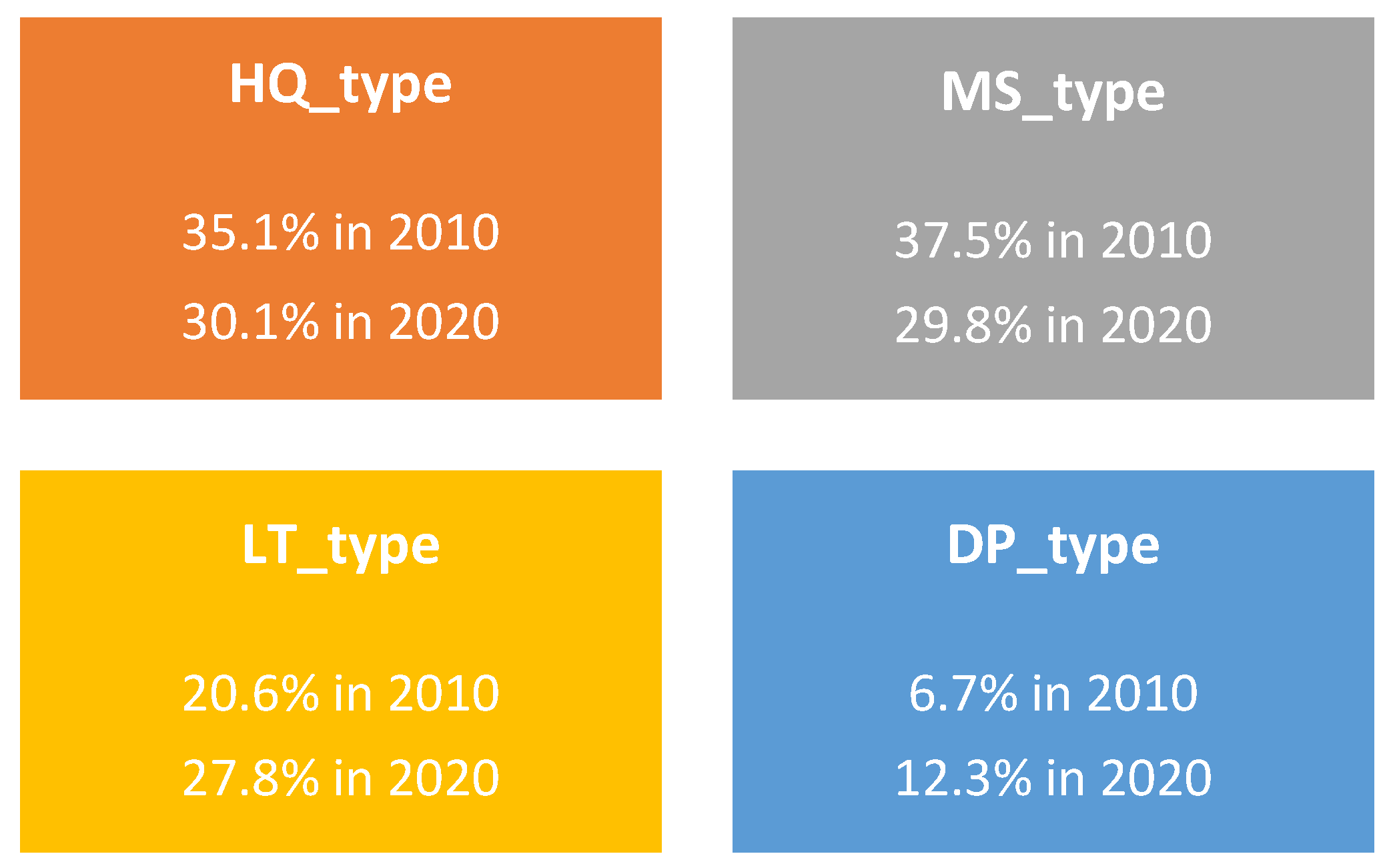
This article is based on the findings of a longitudinal study examining the behavior of Polish e-consumers. A series of methodically planned and executed surveys was conducted to elucidate the evolution of online consumer behavior over the past decade. The objective of this article is to diagnose changes in the behavior of selected types of e-consumers from Generations X and Y over the last decade, and link them to the concept of sustainable consumption. The 2020 study employed a sample possessing attributes similar to the 2010 research study, maintaining the sample distribution in terms of gender, education, and age. Characterizations of the identified consumer types were derived from prevalent psychographic traits, attitudes towards oneself and others, behavioral patterns, and determinants of buying behavior. Four distinct types of Polish e-consumers were identified: HQ_type (those seeking the Highest Quality products), MS_type (those intending to Save Money during shopping), LT_type (those dedicating the Least amount of Time to shopping), and DP_type (those Deriving Pleasure from the shopping experience). The identified Polish e-consumer types were subjected to a comparative analysis spanning a decade. The findings reveal significant alterations in the behavior of e-consumers representing various types, with a trend favoring sustainable consumption. Generally, Polish e-consumers are shown to demonstrate conscious and sustainable consumption behaviors, such as effective financial management, especially evident in the MS_type group. They typically purchase products within their means, avoiding expensive credits to fulfill their “needs.” Half of the HQ_type, MS_type, and LT_type e-consumers recognize the importance of budgeting and spending tracking for informed consumption, whereas the DP_type, who enjoy shopping, tend to overlook active financial management, perceiving it as a burdensome task. Over the years, a positive shift in the HQ_type’s attitude towards spending management has been observed. A significant aspect of conscious and sustainable consumption involves planned purchases. More than half of the HQ_type, MS_type, and LT_type e-consumers adhere to ready-made shopping lists, while the more impulsive DP_type frequently opts to shop in-store without any preceding planning. This research carries both theoretical and practical implications. The repeatability of the studies renders them a fundamental source of knowledge about the studied populations over time, and serves as an exclusive means of learning about changes in market phenomena and processes in a scientific manner. The findings of this article may prove valuable for e-commerce managers in devising strategies for effective sales promotion and customer communication for different types of e-consumers.
Keywords: e-consumer; sustainable consumption; consumers’ behaviors; Polish market; types of e-consumers; generation X and Y e-consumer; sustainable consumption; consumers’ behaviors; Polish market; types of e-consumers; generation X and Y