1. Introduction
COVID-19 is spreading swiftly around the world and poses a huge threat to security, public health, education, economy, and employment stabilization. Based on the statistics of UNESCO, there are 1.21 billion students who will not be able to go back to school and university in May 2020, accounting for 69.3% of the total number of students [
1].
With the current COVID-19 epidemic also influencing China, the application of online education is suggested to sustain educational events in schools at a national level. To further promote undergraduate teaching during the epidemic prevention and control period, according to the relevant requirements of the competent department of education, the school, and the basic medical college plan in advance, it is necessary to carefully deploy, closely promote, and take multiple measures to carry out online teaching. To guarantee the smooth, orderly, and effective running of undergraduate teaching during the epidemic prevention and control period, the exploration and experimentation of new online teaching are essential. With the development of Massive Open Online Courses (MOOC), the University of California, Berkeley Professor Armando Fox took the lead in proposing a small-scale private online course (SPOC), which mainly focuses on students [
2]. Professor Fox believes that the adoption of the teaching paradigm of SPOC in the classroom is not only conducive to strengthening teachers’ guidance to students but also promotes students’ participation through learning platforms and corresponding curriculum resources [
3,
4].
The Flipped Classroom Model (FCM) is a blended learning model that aims to facilitate teachers to make better use of the face-to-face sessions by minimizing teacher lectures and increasing students’ active learning, collaboration, and scaffolding. In recent years, the flipped classroom model (FCM) has constantly shocked, thrilled, and inspired faculty via the incorporation of PowerPoint-based presentations into conventional classroom instruction. Moreover, FCM supposes a general designer for online and face-to-face learning, that is, the in-school tutor.
SPOCs provide an alternative to the design of flipped learning, where instructors are able to flip their classes with available SPOCs. With this method, in-school course students are required to attend SPOCs that are designed and deployed by other organizations. SPOCs are a fairly novice technology that has not yet been “normalized” for daily practical purposes [
5]. A growing body of SPOC studies centers on the integration of SPOCs as part of a more general pedagogy. The SPOC-based flipped classroom is an effective and sustainable teaching model to promote teaching. Nevertheless, SPOC-based flipped classroom remains in an early phase. While research on the perceptions and behaviors of students is scarce and no comparative analysis of SPOC-based flipped classroom and traditional learning has been conducted, studies on its practicality and strengths from a teaching and mental science viewpoint have been deficient. As a quasi-experimental study, the purpose of this research is to incorporate shared SPOCs into typical classroom practices in bachelor’s courses. In particular, it examines the experiences and academic performance of students under this burgeoning learning paradigm. Before presenting the research methodology, a summary of related literature on the practice of SPOCs and flipped classrooms will be provided.
2. Literature Review
2.1. SPOCs
SPOC is an acronym that refers to a small-scale, limited online course. Small is changed to massive in MOOC, which refers to the implementation of the flipped classroom. The number of objects is the number of school students, and the number is small; private is changed to open in MOOC, which means that only recognized learners on campus have access to these resources. “Minority” means that the number of students is generally in the dozens. Therefore, it has also become a “private broadcasting class” [
6]. The advantage of SPOC lies in its customization and privacy. SPOC can fully customize a series of teaching links from time and space to learning objects and teaching contents. At the same time, SPOC teachers can choose whether the customized teaching contents are public, which not only ensures the teaching quality of SPOC but also protects the personal privacy of SPOC learners. SPOC provides more detailed and accurate personal data analysis services, which effectively monitor learners’ learning behavior and the learning effect in each specific time period. In the online learning stage, SPOC teachers make some important teaching arrangements (such as homework, experiment, examination, etc.) and adopt the mixed teaching mode most prevalent in flipped offline classrooms to enhance the teaching quality in traditional classrooms. This new model not only incorporates the unique strengths of MOOC and SPOC but also makes up for the quality crisis caused by MOOC large-scale learning [
7]. In MOOC, the content and style of teaching, educational philosophy, and technological platforms are enhanced [
8,
9]. SPOC classroom activities adopt a variety of learning methods, such as team learning, collaborative training, and inquiry learning [
10], which realizes the comprehensive and in-depth integration of online learning and traditional classroom teaching to a certain extent.
2.2. SPOCs-FCM
The research on the flipped classroom model (FCM) based on SPOC originated from Harvard University. Researchers carefully created small-scale and restrictive online courses for teaching students. In addition, the FCM also creatively teaches by combining SPOC and flipped classrooms so as to promote an efficient connection between MOOC high-quality resources and the online evaluation system, and thus ensure high-quality teaching in the offline physical classroom.
In 2013, the first SPOC platform in China created by Tsinghua University—“zhixueyuan”—was officially launched, and teaching practice based on flipped classrooms was carried out successively. So far, China has begun to focus on the integration of SPOC and flipped classrooms. On the basis of the background of the post-“MOOC” era, Li et al. [
11], based on the background of the post-“MOOC” era, deeply analyzed the connotation of SPOC, advocated taking “experience and personalization” as the internal source of power of learning, and created an SPOC experiential learning model based on distribution reversal. Xue et al. [
6] first analyzed the essence and advantages of the teaching model of the SPOC flipped classroom and then designed the teaching model of a flipped classroom of SPOC with the typical characteristics of “four threes” in computer foundation courses.
Lin et al. [
12] looked at the dilemma in that students’ innovation abilities could not be sufficiently supported under the conventional teaching model and constructed a teaching model integrating “online and offline” SPOC and a flipped classroom. Based on the learning characteristics and practical needs of college students, Zhu [
13] strived to study the localization of SPOC and flipped classrooms and designed a flipped classroom teaching model for higher education institutions on the basis of SPOC. Ding et al. [
14] improved and sublimated the flipped classroom. While emphasizing the importance of knowledge and skills, they advocated paying attention to students’ personalization and comprehensive ability training and carefully constructed a “flipped classroom 2.0 teaching mode based on SPOC”. Chen et al. [
15] put forward the mixed teaching mode of analytical chemistry course based on SPOC and expounded the principles and ideas of course analysis, overall design, resource development, teaching process, and evaluation design. The mixed teaching environment and the implementation of analytical chemistry based on flipped classrooms were discussed.
2.2.1. Students’ Participation
As a teaching model with stronger teacher–student interaction, the flipped classroom helps to improve the engagement of students. The class time can be occupied by student-centered learning activities, such as exploring and problem-solving, through face-to-face instruction by the teachers. As a result, the class time becomes more interactive [
16]. The typical practice of flipping the classroom combines microlectures with practices based on the theory of humanistic learning, which achieves “re-education with video”. One study compared student performance in flipped-learning and traditional classes. Student performance was enhanced when using the flipped-classroom methodology, with 83% of the students gaining a C grade or better, compared to 56% when using a traditional course methodology [
17]. Currently, only a few studies have compared student grades of students in a traditional classroom with those in a flipped classroom using SPOC technology.
Wang et al. [
18] introduced the novel concept of “MOOC + SPOC + flipped classroom” hybrid teaching and proposed that local universities should “make good use of MOOC”, building “SPOC” and grasping “flipped classroom” as the foundation, and build a new mixed teaching model in line with the reality of local universities to achieve the expected results. Based on Flanders’ interactive analysis system theory [
19], three experiments were carried out in three classes of the same major, using the same heterogeneous class model, and classroom records were used to evaluate and make comparisons between the interactions in the traditional and flipped classroom. The results showed that the proportion of students’ effective discussion, communication, and speech in class increased greatly; the students actively participated in learning; and student-centered teaching gradually took shape.
Zheng et al. [
20] combined SPOC online learning activities with the process design of the flipped classroom and built the structural framework of a teaching model from four parts: curriculum objective and content design, teaching strategy design, learning activity design, and teaching evaluation design. According to the findings, the application of SPOC flipped-classroom teaching was conducive to stimulating students’ enthusiasm for participation and promoting the development of students’ thinking skills and hands-on operation abilities, thus contributing remarkably to the improvement of the teaching effect.
2.2.2. Experience and Academic Performance of Students
Concerning student experiences, there are a variety of studies indicating that students share favorable perspectives regarding the flipped-classroom approach. For instance, a report used SPSS to conduct an independent sample t-test on the midterm exam scores and compared experimental and control classes. The results showed that the scores of the experimental and control classes were dramatically different at the level of
p = 0.05 (F = 3.282, SIG = 0.041), and the experimental class had higher test scores than the control class obviously (M experimental class = 89.000, m control class = 81.406) [
21]. A questionnaire was designed using Likert’s five-point scale, which was scored from negative to positive according to 1–5 points, including 3 dimensions: basic situation, teaching form, and teaching effect. After the initial test, the questionnaire yielded a Cronbach’s alpha coefficient of 0.964, so the reliability of the questionnaire was good [
22].
A study involving 752 undergraduates showed that they preferred SPOC rather than traditional pedagogical methodologies [
23]. Lu Hua reported that in linguistics courses, the students preferred SPOC over MOOC, and a SPOC-based learning model had its advantages and was shown to be effective in a demonstration of its application [
24].
Research on flipped learning has been increasing dramatically in recent years as its utilization in educators’ practices has increased [
25,
26]. Flipped classrooms can generate higher final exam scores compared to online and traditional studying. Egbert, Herman, and Lee [
27] and Leis, Cooke, and Tohei [
28] affirm that flipped learning can be of great help to students’ language learning. Strayer [
29] states that flipped classrooms facilitate students to be more open to cooperative study in courses on statistics. An increasing number of studies have centered on flipped-classroom design, with an emphasis on the ways in which flipped classrooms can facilitate student engagement and achieve better academic performance [
30,
31].
2.2.3. The Role of Student Variables
This study concentrates on the impacts of flipped learning based on SPOC on two student-centered variables, SN (subjective norms) and SE (self-efficacy). SN reflects an individual’s perception of the importance of using SPOC cloud class. Teo et al. found that the higher the subjective norms of students, the stronger the learning intention [
32]. Zhao et al., through an empirical study, claimed that subjective norms positively influence students’ continuous learning in online open courses in a significant way [
33]. Yuan et al. used a structural equation model to explore the pronounced positive effect of subjective norms on students’ mathematics learning behavior [
34]. SE is described as a person’s faith in his or her capacity to accomplish the actions required to generate a specific achievement of performance [
35]. SE indicates confidence regarding one’s capacity to manipulate their motives, actions, and social context. Lai and Hwang [
36] asserted that the methodology of the flipped classroom has obvious benefits for students’ SE. In a study, similar efficacy was also observed, wherein students taught with flipped learning methods were superior in SE to those who learned with conventional teaching [
37].
2.2.4. Research Objectives and Research Questions
This study aims to examine how SPOC-based flipped learning (SBFL) influences students’ academic performance in inorganic chemistry courses at the undergraduate level. In particular, there are four key research questions in this study: (1) what kind of challenges do students face, and what adaptation strategies do they use to cope with these challenges while studying inorganic chemistry in a flipped classroom? (2) What are their perceived learning outcomes due to participation in SBFL? (3) How do the students think about the learning platform they choose in the flipped classroom? (4) After completing the program, do students have an increased SN and SE in the SBFL environment?
3. Methodology
To examine and compare the validity of flipped learning based on SPOC, this research adopted a quasi-experimental design. Moreover, it combined the collection of both quantitative and qualitative data to enable us to obtain a more holistic knowledge of the experiences and opinions of students in the context of SPOC-based flipped learning. Our data consisted of three categories: firstly, student engagement, that is, viewing of microlessons and taking online tests. Secondly, data were grouped in the experience as well as the pre- and post-test academic performance of the students. Finally, we also included students’ interview data from the quasi-experimental group.
3.1. Participants and Setting
This study chose two classes of first-year chemistry majors from Harbin University in 2019, with 34 and 35 students in each class, respectively. Most of the students utilized SPOCs for the first time. SPOC-based flipped learning was applied to a group of 34 students. The control group comprised 35 students, and both groups were given lessons by the same instructor. Inorganic chemistry is a three-credit course that is taught two times per week for 90 min on Mondays and Thursdays in the winter 2019 semester. Courses lasted 18 weeks, and our quasi-experiment ran for 6 weeks, commencing in week 12 and ending at the end of the semester. A number of higher education institutions provide similar courses on the MOOC platform of Chinese universities. Upon discussion with the instructor, we chose to adopt the course on inorganic chemistry produced by Dalian University of Technology, which consists of 11 chapters, each comprising 6 to 8 microlessons, each of which is around 12 min in length.
3.2. Learning Process and Events
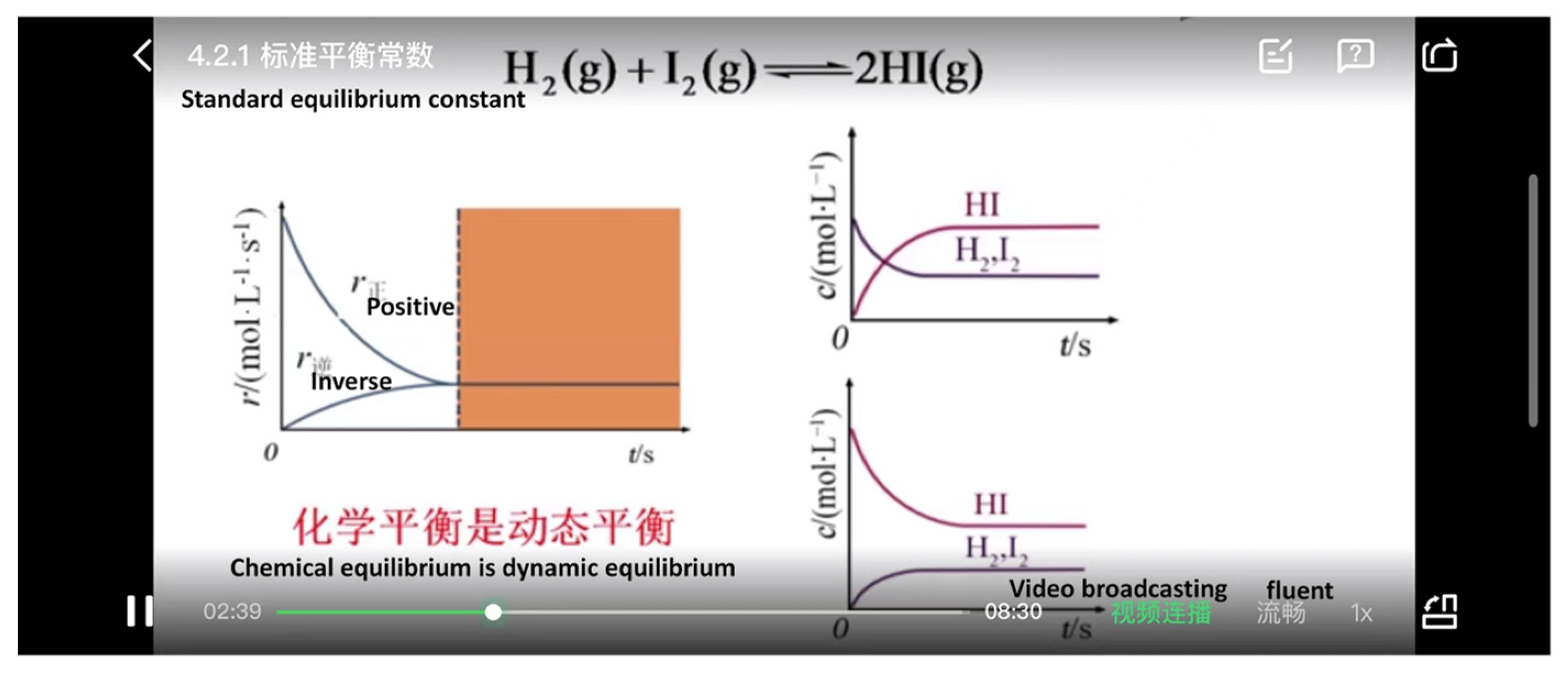
Once the quasi-experiment starts, an account on the SPOC platform is required for every student in the flipped classroom to watch the microlessons and complete the online practices. The flipped classroom consisted of two sections: pre-class and classroom events. Students were requested to view two to 3 microlectures on the SPOC platform prior to every class, an example of which is shown in
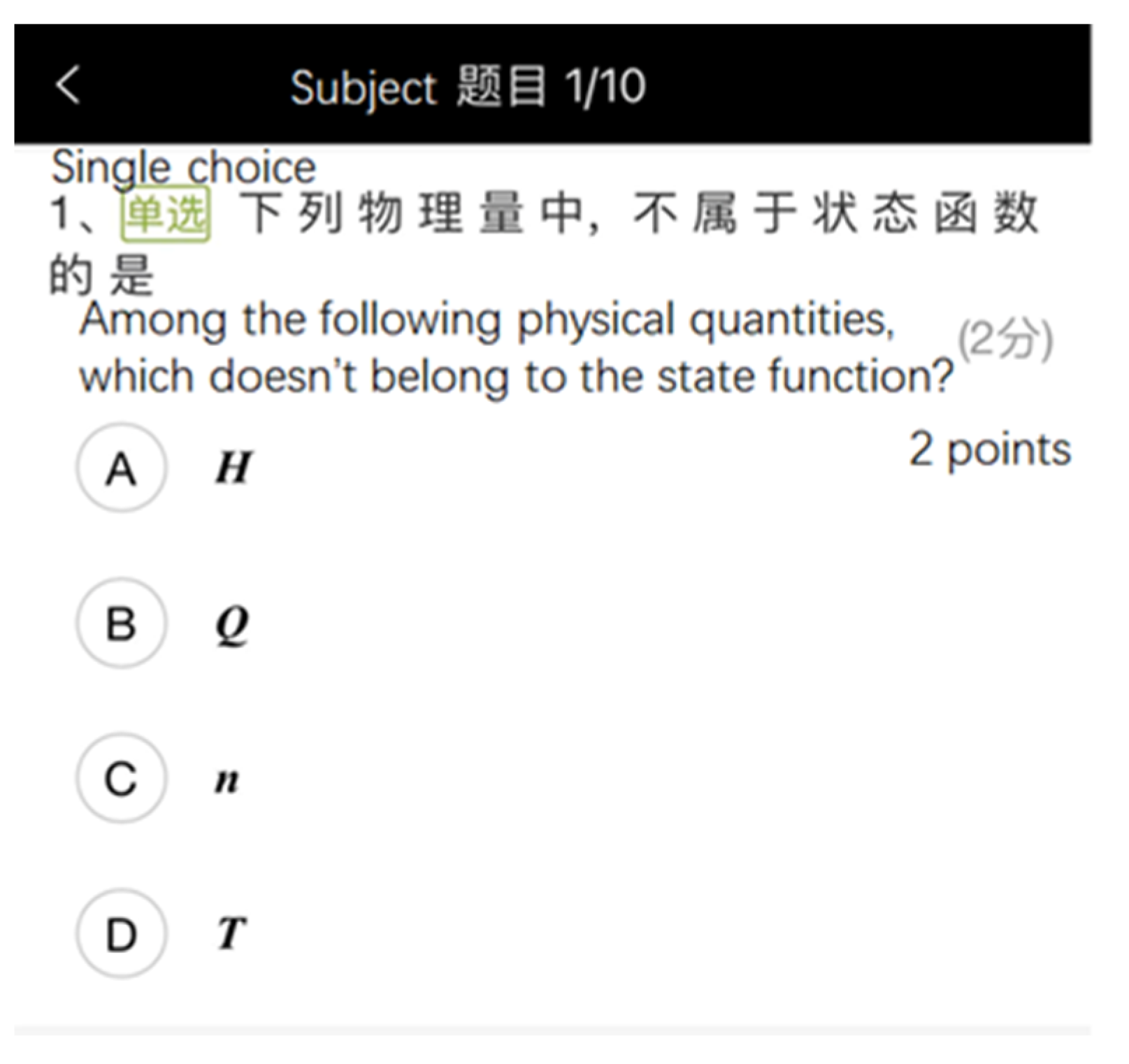
Figure 1. Once the microlectures were viewed, students were asked to finish 10 drills. Because faculty in the prospective experimental class lacked access to see the data of students on the platform, students were required to note their wrong answers to the exercises by hand upon completion of the task, which is shown in
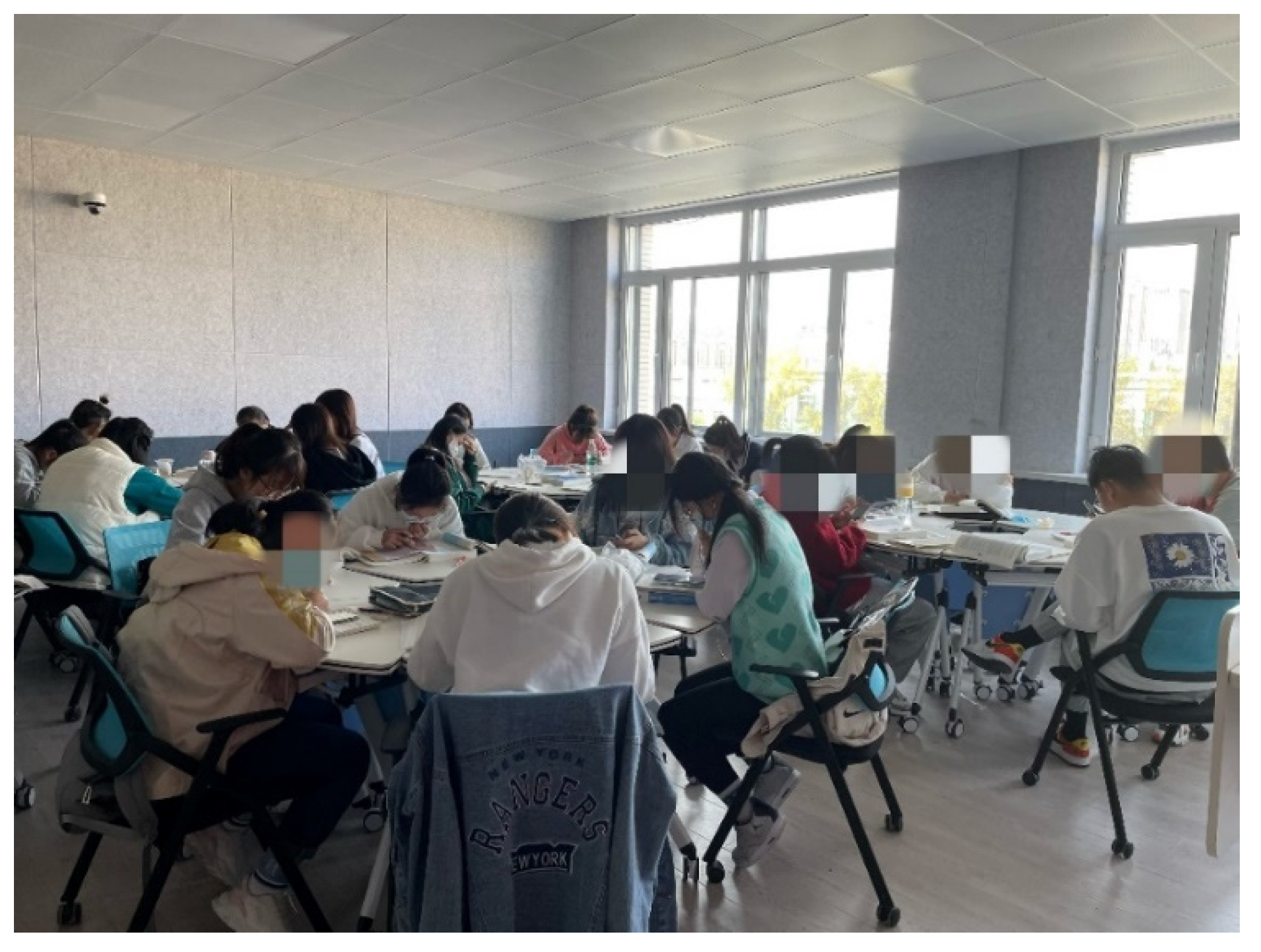
Figure 2. In the classroom, students were separated into 7 groups of about 5 students each. For the first 45 min, students attended group discussions, exchanged their ideas, and talked about the reasons for their erroneous answers to the online practice. The instructor provided instruction individually to the students who raised questions throughout the discussion, and the engagement of the students is shown in
Figure 3. In the closing of the discussion, students were requested to present issues and themes which they had not fully understood. After that, in the following 45 min, the lecturer highlighted the topics presented by every group. Accordingly, traditional class students received conventional face-to-face teaching for 90 min. In a traditional class, the instructor guided the teaching, lectures, or presentations while students viewed, heard, and made notes.
3.3. Tools
Students were given a research instrument that comprised two subscales with an emphasis on SN and SE at the start and end of the study [
20,
38]. Learner SN was measured by five items, and a sample statement was “SPOC has a significant meaning to me”. Learner SE was measured by four items, and a sample statement was “I have the ability to use SPOC to study the materials from both computer and mobile”. Detailed questionnaire survey is labeled in
Appendix A. The questionnaire was administered on a five-point Likert scale using “strongly disagreed (SD) as 1, “disagreed (D)” as 2, “agreed (A)” as 4, and “strongly agreed (SA)” as 5, whereas “neutral (N)” was 3. To measure students’ experience of flipped learning based on the SPOC, we also carried out a post-mission questionnaire, which was adjusted from the Student Perception of Instruction Questionnaire (SPIQ). The questionnaire consisted of 15 closed-ended questions about students’ perceptions of the content and instruction of the course, evaluation and assessment, and exchange and study experiences. Students were surveyed by the time they finished the course. Responses to each question were devised with a 5-point Likert scale, which is shown in
Table 1.
3.4. Interview
Following the flipped-learning experience, qualitative data were captured through semi-structured face-to-face interviews, which were conducted in accordance with the following ten instructional questions: (1) How did you feel in flipped classroom? Why? (2) What challenges did you face at the beginning? How did you solve them? Where teachers’ support sufficient to adjust to flipped classroom learning? (3) Please share how did you study on SPOC cloud class? How did it help your learning? How effective was the platform? (4) How did you feel sharing your views/comments on SPOC cloud discussion forum? What are the benefits of sharing views in your learning? What challenges did you experience? (5) Please give an example of the video materials that you liked most. Why? What skills were developed? How? Please comment on the quality and quantity of the videos/lecture materials? (6) It is seen in most classes you took quiz using mobile phone. What are the benefits of taking quiz using mobile phone. What are the benefits of taking quiz using technology in your learning? How? (7) Please share one classroom activity that helped you in your learning. What parts of the class were most difficult? (8) What study habits have changed as a result of taking this class? How would you describe your relationship with your classmates? Please describe your views on teachers’ role? (9) Did you face any challenges in performing in class activities? In which flipped classroom did you learn more? How? (10) Would you recommend this type of learning method to other students? Why?/Why not? Interviews lasted from 30 to 40 min, and all were recorded with audio, annotated, and transcribed to allow later analysis of the data.
3.5. Academic Performance
Academic performance was assessed by the final mark obtained by the end of the semester to investigate the level of change caused by the variables studied in the quasi-experimental conditions, and the final mark was calculated on a scale from 0 to 100.
3.6. Data Analysis
The present study employed SSPS 23.0 to perform an analysis of the data gained from the questionnaire, the pre-test, and post-test. Initially, we investigated the data through descriptive statistics to examine the means, standard deviations, and frequencies. This study then employed independent t-tests to identify differences in previous knowledge, SN and SE, and their opinions of the flipped learning context between the two groups. Pairwise t-tests were conducted to examine the differences in SN and SE between the experimental groups. We proceeded to employ an analysis of covariance (ANCOVA) to measure differences in the post-test academic performance between the two groups, with prior knowledge being included as a covariate. Lastly, we utilized MAXQDA 12 to conduct an analysis of data obtained from semi-structured interviews regarding students’ views on the flipped-learning context.
4. Results
4.1. Students’ Engagement in Completing Microlessons and Exercises
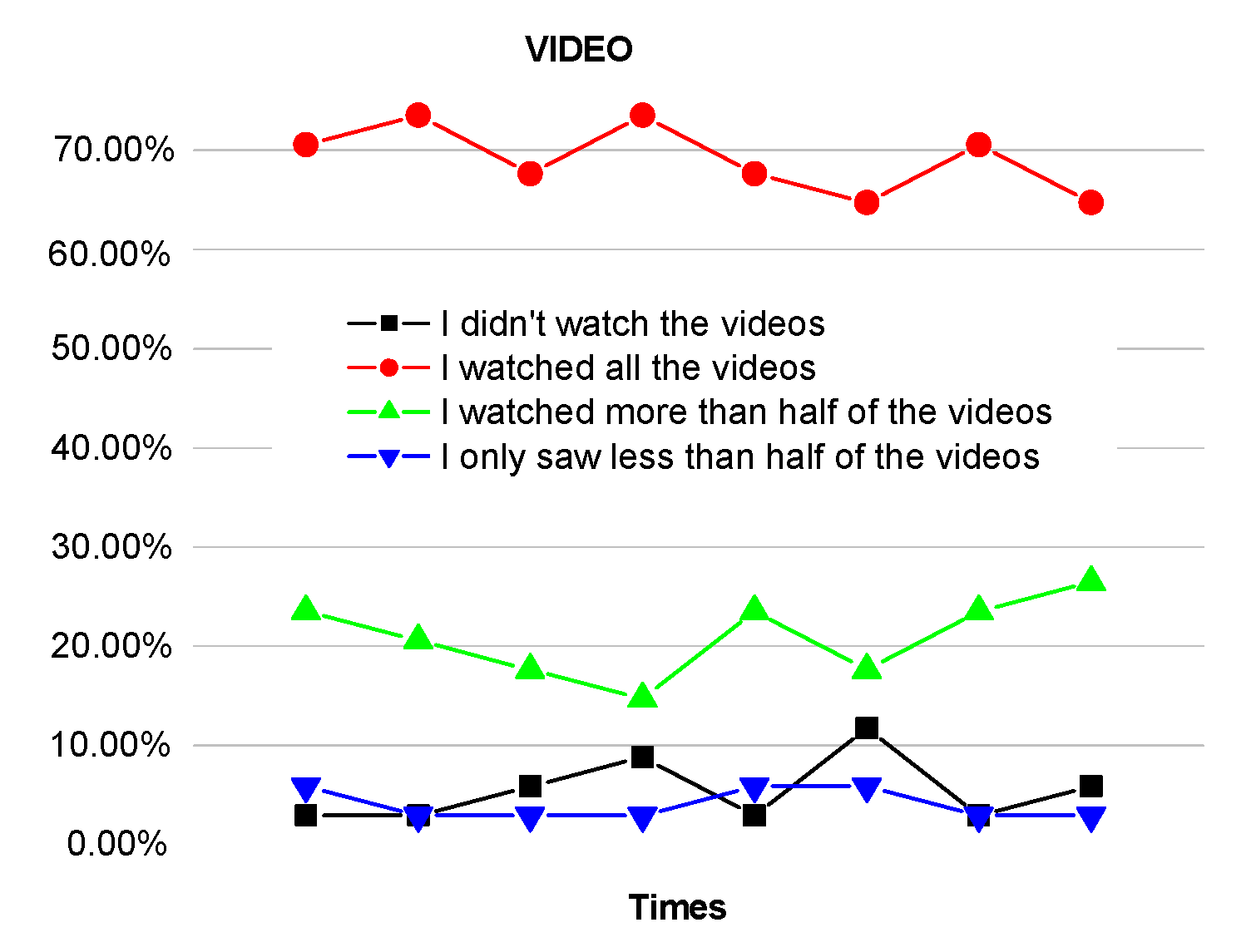
Completion of the microlearning showed a higher percentage than 60%, shown in
Figure 4, demonstrating that students were inclined to finish the videos as they participated in them. It is estimated that 75% stated that they viewed over half of the videos in their experiment completely. In addition, there was a maximum number of students who watched all of the videos in week 4.
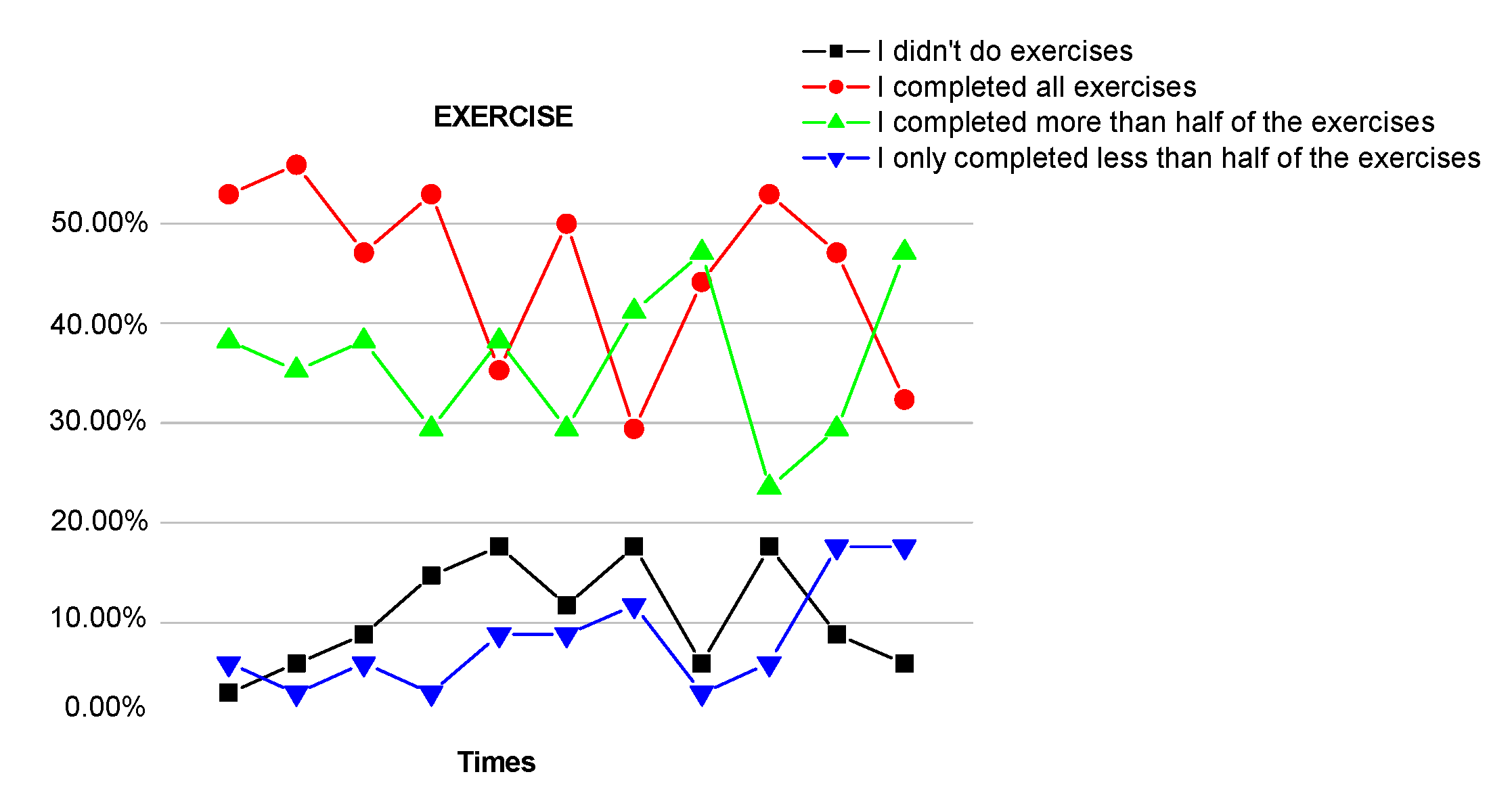
Around 50% of the students accomplished an excess of half of the online exercises (as shown in
Figure 5), and there were 19 students who finished everything in the second week. Nevertheless, this dropped to approximately 16 every time in the following weeks. From week one to week five, the number of students who failed to perform the practices increased from one to six (17.6%), a number that fluctuated over the next few weeks.
Along with the course, the timing of the microlessons and assignments was distributed differently. Students who engaged in the SPOC were driven and motivated to view the microlessons and perform the drills before the initial two sessions, which enabled students to originally cover a high proportion of the videos. The practices occasionally did not appeal to students because they did not offer explicit interpretations of the right responses.
4.2. Analysis of Students’ SE and SN
To explore if there were major differences between pre-test and post-test SN and SE in a flipped-learning environment, this study conducted a comparison of testing scores by applying a paired-samples t-test. According to the results, there was no major discrepancy between the SN and SE scales before and after the test (t = 0.75, p > 0.05), so there was no obvious difference between the students’ SN and SE pre- and post-flipped learning.
4.3. Learning Performance
Pre-tests were carried out in both groups to evaluate students’ previous cognition of the curriculum content. The mean score for the control group was 38.20, and the mean score for the experimental group was 40.16. It was revealed by an independent t-test that there was no apparent disparity between the pre-test scores of both groups (t = 0.81, p > 0.05), which indicated that the two groups possessed similar prior knowledge regarding the course curriculum ahead of the experiment. Upon conducting the learning sessions, ANOVA was selected to investigate the relationship among the post-test scores of both groups—with the pre-test marks as the covariate, the post-test marks as the dependent variable, and “different learning environments (two groups)” as the controlled variable. Findings of the ANOVA showed a considerable difference between the post-test scores (t = 4.82, p < 0.001) of the experimental group (M = 72.92) and the controlled group (M = 64.61) while keeping the pre-test scores under control.
4.4. Student Experience Analysis
Survey results are shown in
Table 1, where we merged “strongly disagree” and “disagree” as negative replies, while “agree” and “strongly agree” were merged as affirmative replies. Across the 15 items, 70.6% of students mastered basic theory and knowledge. Students were further questioned about their participation in the content and materials they learned, and the majority of interviewees (64.7%) found it interesting to expand their knowledge of this course in the previous 6 weeks. Most interviewees felt that they made comprehensive use of what they had learned (70.6%). Meanwhile, skills such as learning efficiency (64.7%), learning interest (76.5%), teamwork and cooperation (64.7%), technical communication ability (58.8), interdisciplinary and professional vision (73.5%), practical ability (61.8%), innovation (58.8%), and autonomous-learning skills (73.5%) were highly developed. A total of 73.5% of the interviewees showed positive opinions about teacher–student communication.
Semi-structured interviews were then administered to interpret this finding more fully. A total of 10 of the 34 students interviewed took part in these interviews. Using five instructional interview questions, the researcher managed to code each recording, and the findings are presented in
Table 2. 80% of the students replied that it was their first time taking this course. They were only initially intrigued during the study, after which 70% of the students remained in favor of conventional face-to-face instruction for different reasons. Eighty percent of the students gave high marks to the quality of the microlessons, and the majority stated that they enjoyed viewing the microlessons through the platform in order to gain a better insight into a concept or a topic from the textbook. More importantly, a number of students had absolutely no trouble seeing the videos but had trouble figuring them out on their own. Relatively speaking, a mere 30% of students felt that the overall quality of the online practices was found to be at a generally high standard. A total of 80% of students rated student–student communication, and 70% of students rated student–teacher communication favorably, stating that they felt the flipped classroom enabled them to take a significant amount of time in class to discuss their issues with the instructor and classmates. A total of 90% of the students used their time outside of class to see the microlessons, and 80% of the students felt that they were able to become more active in their learning by flipping their studies.
5. Discussion
With regard to RQ1 (what are the challenges faced by the students and what adaptation strategies do they take to cope with these challenges while studying inorganic chemistry in the flipped classroom?), the research instruments employed in this study consistently gave evidence that students experienced various challenges, namely, a lack of confidence to communicate, forgetfulness, a lack of self-learning skills, and workload, when they entered the flipped classroom. The students faced these challenges because of their long exposure to traditional teacher-centric and textbook-dependent learning practices in their schools. Therefore, to cope with the active learning environment of the flipped classroom, the students took various initiatives, such as motivating themselves to communicate, acquiring autonomous learning skills and self-control, developing cooperative learning, and managing learning through technology. Students took these initiatives on their own because they found the flipped classroom opportunistic and supportive of learning.
Secondly, as for the RQ2 (what are their perceived learning outcomes due to participation in SBFL?), the flipped classroom creates a more engaging learning environment than the usual traditional classroom. Therefore, students’ experiences with this more engaging and less-effective learning environment help them to develop confidence, performance, and various lifelong learning skills. As Chinese students tend to be quiet, their engagement in various cooperative activities promotes them to be active and expressive. It was shown that in contrast to students in the controlled group of conventional learning, students who were taught in a flipped learning environment showed superior achievement in academics. This finding is in line with other studies [
38,
39]. This may be associated with students’ proactive participation in watching the microlessons and due to the curriculum design that allowed them to spend additional time beyond class to deal with the information presented in the microlessons. Students were able to avail themselves of the microlectures they viewed in this course, backing up the assertion that microlectures are an effective instrument for reaching the intended academic objectives [
40]. In addition, the online practices presented a just-in-time approach to reinforcing learning after viewing the microlectures, by facilitating students’ greater command of acquired knowledge. It has been shown that when lessons are individualized and tailored to personal needs, students perform better and gain a deeper appreciation of notions [
41]. In line with earlier studies, our findings suggest that flipped learning causes higher levels of student readiness for the classroom [
42], as it permits a more efficient use of class time and empowers students to incorporate information and to reflect critically on it [
43]. Different from typical classroom settings, the flipped method facilitates student involvement [
44] and promotes collaborative problem-solving. Our outcomes are consistent with Richardson, Abraham, and Bond’s [
45] description of proactive learning, who believe that flipped-teaching methods have a favorable influence on in-class learning by enabling students to assume responsibility and take initiative. This is due to the fact that prompt person-to-person instruction in question-and-answer periods with the instructor aids students in perceiving that their private matters and attention count. Furthermore, following small group presentations, the instructor can readily respond to frequently asked questions before the class.
Thirdly, another very important finding is the reason for students’ behavioral intention to use the SPOC cloud class and how much they are satisfied with the platform, which answered RQ3 (how do the students perceive the platform selected for learning in the flipped classroom?). Although previous studies have worked on SPOC cloud classes, almost none of them particularly focused on first-year students majoring in inorganic chemistry. Therefore, this study’s findings can be used to appropriately design a flipped classroom equipped with an SPOC cloud class for freshmen. It is evident that Chinese freshmen have positive subjective norms of using the online platform.
Fourthly, regarding RQ4 (will students’ SN and SE in the SBFL setting increase after the completion of the course?), one needs not only an insight into the supervisory process but also into its determinants for the facilitation of SN. To what degree students utilize their SN will greatly rely on their motives [
46,
47], and students could possibly develop their SN through the use of controlled or self-directed motivational procedures [
48]. Moreover, Hart and Friesner suggested that Chinese learners may possibly find themselves submissive to their tutors [
49]. The results of our interviews reveal that these students entered university just after passing the college entrance exam, so they have become familiar with their instructors’ routines for study. Although some students engaged in flipped learning on demand, they displayed almost no indication of SN in terms of watching microlessons, tending to do so only when the teacher declared the deadline in an online group of the class. The findings of our study are in disagreement with prior research findings [
50] indicating that the experience of the context of learning leads to alterations in SE levels, for which several interpretations can be proposed. To begin with, a six-week research duration is likely too limited to allow for the detection of variation in SE. Furthermore, variations in student variables are likely to be influenced by students who operate in an unknown learning context.
6. Conclusions and Implications
The efficacy of flipped learning based on SPOC was proven in this study through an applicable quasi-experimental study. It was shown that the flipped learning design based on SPOC could boost students’ academic achievement. A further important discovery was that students experienced microlearning and online practices in a positive way. This study holds vital significance that can inform instructors and SPOC developers in the future. Firstly, we identified challenges that students faced while attending SPOC flipped classrooms in inorganic chemistry. The challenges students faced and strategies that students took to cope with the student-centric learning environment were cross-verified. In combining SPOCs with their own teaching approaches, faculty require reflection on ways to make sure that their pedagogical resources and online materials accompany each other to assist students in the comprehension and grasp of challenging issues and knowledge.
Despite the fact that the primary goal of the study was accomplished, it is important to be aware of the limitations of this study. In our quasi-experiment, the first constraint is the possible influence of extrinsic circumstances on the results. Cause–effect extrapolation from the quasi-experiment would be finite because attendees had not been stochastically allocated to a given condition. Due to the syllabus and course setting, students in two college classes frequently could not opt for the experimental or controlled group willingly.
In conclusion, for future studies, experiments in which there is a random allocation of persons to situations under conditions will contribute to the reproduction or examination of our findings. The next constraint is that the limited sample size of the quasi-experiment probably does not allow extrapolation of the outcomes to other examples or other contexts. In addition, the SPOC design of our study is designed to look only at campus students in China; it is possible that future research in other nations with different scholastic cultures, in terms of attitudes, values, and other modes of behavior, may yield diverse findings. Furthermore, the analytical findings and results of this study are subject to interpretation with caution due to time limitations since the curiosity of students to use SPOC may affect the findings of the research over a short period of time. Last but not least, though visibly in the flipped classroom responsibility is shifted from teachers to students, it actually diversifies teachers’ roles as an instructor and increases their working hours. The influencing factors of teachers are also worth studying. Accordingly, further studies may investigate matters of interest through bigger sample sizes and lengthier time trials.
Author Contributions
Conceptualization, W.J.; methodology, Z.L.; data curation, Z.L.; writing—original draft, Z.L.; writing—review and editing, Z.L. All authors have read and agreed to the published version of the manuscript.
Funding
This research was funded by the Higher Education Teaching Reform Project of Heilongjiang province of China, grant number SJGY20200418.
Institutional Review Board Statement
The study was conducted according to the guidelines of the Declaration of Helsinki, and approved by the Institutional Review Board of Harbin University (protocol code 34757, 4 March 2020).
Informed Consent Statement
Informed consent was obtained from all subjects involved in the study.
Acknowledgments
The authors acknowledge the School of Food Engineering of Harbin University and Harbin Institute of Technology. Z.L. would like to thank the Higher Education Teaching Reform Project of Heilongjiang province of China.
Conflicts of Interest
The authors declare no conflict of interest.
Appendix A
This survey is to understand your overall learning perception of the use of SPOC in the course. There is no right or wrong answer. Please circle the answer which best reflects your overall thoughts about each statement. Your answers are ANONYMOUS and CONFIDENTIAL. Thank you in advance for your time.
Table A1.
The survey of Subjective norms and Self-efficacy.
Table A1.
The survey of Subjective norms and Self-efficacy.
| Strongly Disagree | Disagree | Neutral | Agree | Strongly Agree |
|---|
| 1 | 2 | 3 | 4 | 5 |
| Subjective norms (SN) |
| SN1 | SPOC has a significant meaning to me. | 1 | 2 | 3 | 4 | 5 |
| SN2 | It is necessary to conduct SPOC to meet the need of society. | 1 | 2 | 3 | 4 | 5 |
| SN3 | It is beneficial for me to experience SPOC for my future job. | 1 | 2 | 3 | 4 | 5 |
| SN4 | People who are important to me think that I should use SPOC. | 1 | 2 | 3 | 4 | 5 |
| SN5 | It is necessary to learn more use of technology in classroom for better future. | 1 | 2 | 3 | 4 | 5 |
| Self-efficacy (SE) |
| SE1 | I have the ability to use SPOC to study the materials from both computer and mobile. | 1 | 2 | 3 | 4 | 5 |
| SE2 | I have the ability to find the learning resources on SPOC. | 1 | 2 | 3 | 4 | 5 |
| SE3 | I know how to watch videos and write comments on SPOC. | 1 | 2 | 3 | 4 | 5 |
| SE4 | I have the skills required to use to enhance the quality of my learning. | 1 | 2 | 3 | 4 | 5 |
References
- United Nations Maintenance Page. COVID-19 and School Closures: Are Children Able to Continue Learning; UNICEF DATA; UNICEF: New York, NY, USA, 2020. [Google Scholar]
- Fox, A. From MOOCs to SPOCs. Commun. ACM 2013, 56, 38–40. [Google Scholar] [CrossRef]
- Fox, A.; David, A. Software Engineering Curriculum Technology Transfer: Lessons Learned from MOOCs and SPOCs. 2014, pp. 18–26. Available online: http://www2.eecs.berkeley.edu/Pubs/TechRpts/2014/EECS-2014-17.pdf (accessed on 16 January 2022).
- Fox, A.; Patterson, D. What We′ve Learned from Teaching MOOCs. 2013. Available online: https://www.edx.org/blog (accessed on 5 February 2022).
- Bax, S. MOOCs as a new technology: Approaches to normalising the MOOC experience for our learners; paper posthumously transcribed by Marina Orsini-Jones. In Flipping the Blend through MOOCs, MALL and OIL—New Directions in CALL; Orsi-ni-Jones, M., Smith, S., Eds.; Research-publishing.net: Voillans, France, 2018; pp. 9–16. [Google Scholar] [CrossRef]
- Yun, X.; Li, Z. Exploration and Reflection of SPOC: Based Teaching Model in Flipped Classroom. China Educ. Technol. 2016, 5, 132–137. [Google Scholar]
- Kang, Y. An Analysis on SPOC: Post-MOOC Era of online Education. Tsinghua J. Educ. 2014, 35, 85–93. [Google Scholar] [CrossRef]
- Xu, W.; Jia, Y. From MOOC to SPOC: Lessons from MOOC at Tsinghua and UC Berkeley. Mod. Distance Educ. Res. 2014, 4, 13–22. [Google Scholar]
- Li, H.L.; Li, X.L. Discussion on SPOC experiential learning based on distribution reversal in the “post MOOC” era. e-Educ. Res. 2015, 11, 44–47. [Google Scholar] [CrossRef]
- Ji, H.; Lei, T. Research on the Design and Practice of Deep Learning Process Based on the Platform of ITtools3.0. Mod. Educ. Technol. 2015, 25, 40–46. [Google Scholar] [CrossRef]
- Li, Y.; Zhang, M. Integrating MOOC and flipped classroom practice in a traditional undergraduate course: Students’ experience and perceptions. Int. J. Emerg. Technol. Learn. 2015, 10, 4–10. [Google Scholar] [CrossRef]
- Lin, X.F.; Hu, Q.T. Research on innovation ability training mode based on SPOC. e-Educ. Res. 2015, 36, 46–51. [Google Scholar] [CrossRef]
- Zhu, M. The Research on College School of Flipped Classroom Teaching Model Based on Small Private Online Course. Master’s Thesis, Henan Normal University, Xinxiang, China, 2016. [Google Scholar]
- Ding, Y.G.; Jin, M.T. Design and Implementation Process of the Teaching Model of Flipped Classroom 2.0 Based on SPOC. China Educ. Technol. 2017, 6, 95–101. [Google Scholar]
- Chen, S.B.; Hu, Z. Construction of Blended Teaching Mode of Analytical Chemistry in Higher Vocational College during Post-MOOC Period. Chin. J. Chem. Educ. 2019, 40, 67–73. [Google Scholar] [CrossRef]
- Aidinopoulou, V.; Sampson, D.G. An Action Research Study from Implementing the Flipped Classroom Model in Primary School History Teaching and Learning. J. Educ Technol. Soc. 2017, 20, 237–247. [Google Scholar]
- Kim, G.J.; Patrick, E.E. Perspective on flipping circuits I. IEEE Transac. Educ. 2014, 57, 188–192. [Google Scholar] [CrossRef]
- Wang, L.; Wang, Y. Exploration and practice of innovating MOOC teaching mode in local colleges and Universities—Taking the mixed teaching reform of “University Computer Foundation” of Southwest Petroleum University as an example. China Univ. Teach. 2016, 12, 59–64. [Google Scholar]
- Freiberg, H.J. Three Decades of the Flanders Interaction Analysis System. J. Classroom Interact. 1981, 16, 1–7. [Google Scholar]
- Zheng, X.; Yan, H.Y. SPOC Flipped Classroom Teaching Practice in Medical University Chemical Experiment. Chin. J. Chem. Educ. 2020, 41, 74–81. [Google Scholar] [CrossRef]
- Fang, X.; Gao, R.Y. The Teaching Application of Flipped Classroom based on the SPOC-Taking “Introduction to Performance Technology” Course for Example. Mod. Educ. Technol. 2016, 26, 86–92. [Google Scholar] [CrossRef]
- Wang, J.J. Research on flipped classroom teaching mode and its effect based on SPOC-taking “Fundamentals of photography” as an example. Mod. Distance Educ. 2018, 1, 44–49. [Google Scholar] [CrossRef]
- Liu, Z.; Pinkwart, N. Exploring Students′ Engagement Patterns in SPOC Forums and their Association with Course Performance. EURASIA J. Math Sci. Technol. Ed. 2018, 14, 3143–3158. [Google Scholar] [CrossRef]
- Hua, L. Construction of SPOC-based Learning Model and its Application in Linguistics Teaching. Int. J. Emerging Technol. Learn. 2018, 13, 157–169. [Google Scholar] [CrossRef]
- Hao, Y. Exploring undergraduates’ perspectives and flipped learning readiness in their flipped classrooms. Comput. Hum. Behav. 2016, 59, 82–92. [Google Scholar] [CrossRef]
- Wu, W.C.V.; Hsieh, J.S.C.; Yang, J.C. Creating an online learning community in a flipped classroom to enhance EFL learners′ oral proficiency. J. Educ. Technol. Soc. 2017, 20, 142–157. [Google Scholar]
- Egbert, J.; Herman, D. Flipped instruction in English language teacher education: A design-based study in a complex, open-ended learning environment. Tesl-Ej 2015, 19, n2. Available online: https://www.researchgate.net/publication/325997474_Flipped_Instruction_in_English_Language_Teacher_Education_A_Design--based_Study_in_a_Complex_Open--ended_Learning_Environment (accessed on 22 February 2022).
- Leis, A.; Cooke, S. The effects of flipped classrooms on English composition writing in an EFL environment. Int. J. Comput. -Assist. Lang. Learn. Teach. 2015, 5, 37–51. [Google Scholar] [CrossRef]
- Strayer, J.F. How learning in an inverted classroom influences cooperation, innovation and task orientation. Learn. Environ. Res. 2012, 15, 171–193. [Google Scholar] [CrossRef]
- Geist, M.J.; Larimore, D. Flipped versus traditional instruction and achievement in a baccalaureate nursing pharmacology course. Nurs. Educ. Perspect. 2015, 36, 114–115. [Google Scholar] [CrossRef]
- Harrington, S.A.; Bosch, M.V. Quantitative outcomes for nursing students in a flipped classroom. Nurs. Educ. Perspect. 2015, 36, 179–181. [Google Scholar] [CrossRef]
- Teo, T. Modelling technology acceptance in education: A study of pre-service teachers. Comput. Educ. 2009, 52, 302–312. [Google Scholar] [CrossRef]
- Zhao, W.; Liu, M. Practice of practical training teaching system based on the concept of OBE. Exp. Technol. Manag. 2018, 3, 185–189. [Google Scholar]
- Yuan, L.; Yuan, Y. The Influence of Subjective Norms on Mathematical Learning Behavior: The Mediating Effect of Mathematical Interest. J. Math. Educ. 2020, 29, 4–19. [Google Scholar]
- Bandura, A. Self-efficacy mechanism in human agency. Am. Psychol. 1982, 37, 122–147. [Google Scholar] [CrossRef]
- Lai, C.L.; Hwang, G.J. A self-regulated flipped classroom approach to improving students’ learning performance in a mathematics course. Comput. Educ. 2016, 100, 126–140. [Google Scholar] [CrossRef]
- Lin, Y.N.; Hsia, L.H. Effects of integrating mobile technology-assisted peer assessment into flipped learning on students’ dance skills and self-efficacy. Interact. Learn. Environ. 2018, 27, 995–1010. [Google Scholar] [CrossRef]
- Baepler, P.; Walker, J.D. It’s not about seat time: Blending, flipping, and efficiency in active learning classrooms. Comput. Educ. 2014, 78, 227–236. [Google Scholar] [CrossRef]
- Thai, N.T.T.; De Wever, B. The impact of a flipped classroom design on learning performance in higher education: Looking for the best “blend” of lectures and guiding questions with feedback. Comput. Educ. 2017, 107, 113–126. [Google Scholar] [CrossRef]
- Boateng, R.; Boateng, S.L. Videos in learning in higher education: Assessing perceptions and attitudes of students at the University of Ghana. Smart Learn. Environ. 2016, 3, 8. [Google Scholar] [CrossRef][Green Version]
- Thyagharajan, K.K.; Nayak, R. Adaptive content creation for personalized e-learning using web services. J. Appl. Sci. Res. 2007, 3, 828–836. [Google Scholar]
- Findlay-Thompson, S.; Mombourquette, P. Evaluation of a flipped classroom in an undergraduate business course. Bus. Educ. Accredit. 2014, 6, 63–71. [Google Scholar]
- Enfield, J. Looking at the impact of the flipped classroom model of instruction on undergraduate multimedia students at CSUN. TechTrends 2013, 57, 14–27. [Google Scholar] [CrossRef]
- Davies, R.S.; Dean, D.L. Flipping the classroom and instructional technology integration in a college-level information systems spreadsheet course. Edu. Technol. Res. Dev. 2013, 61, 563–580. [Google Scholar] [CrossRef]
- Richardson, M.; Abraham, C. Psychological correlates of university students’ academic performance: A systematic review and metaanalysis. Psychol. Bull. 2012, 138, 353–387. [Google Scholar] [CrossRef]
- Pintrich, P.R. A conceptual framework for assessing motivation and self-regulated learning in college students. Edu. Psychol. Rev. 2004, 16, 385–407. [Google Scholar] [CrossRef]
- Zimmerman, B.J. A social cognitive view of self-regulated academic learning. J. Educ. Psychol. 1989, 81, 329–339. [Google Scholar] [CrossRef]
- Vansteenkiste, M.; Lens, W. Intrinsic versus extrinsic goal contents in self-determination theory: Another look at the quality of academic motivation. Educ. Psychol. 2006, 41, 19–31. [Google Scholar] [CrossRef]
- Hart, M.; Friesner, T. Plagiarism and poor academic practice–a threat to the extension of e-learning in higher education? Electron. J. e-Learn. 2004, 2, 89–96. [Google Scholar]
- Shea, P.; Bidjerano, T. Learning presence: Towards a theory of self-efficacy, self-regulation, and the development of a communities of inquiry in online and blended learning environments. Comput. Educ. 2010, 55, 1721–1731. [Google Scholar] [CrossRef]
| Publisher’s Note: MDPI stays neutral with regard to jurisdictional claims in published maps and institutional affiliations. |
© 2022 by the authors. Licensee MDPI, Basel, Switzerland. This article is an open access article distributed under the terms and conditions of the Creative Commons Attribution (CC BY) license (https://creativecommons.org/licenses/by/4.0/).