Article

Morphological and Biochemical Properties in Fruits of Naturally Grown Cornelian Cherry (Cornus mas L.) Genotypes in Northwest Bosnia and Herzegovina
1
Department of Agriculture, Biotechnical Faculty, University of Bihac, 77000 Bihac, Bosnia and Herzegovina
2
Department of Agriculture, Agromediterranean Faculty, Dzemal Bijedic University of Mostar, 88104 Mostar, Bosnia and Herzegovina
3
Department of Horticulture, Agricultural Faculty, Ataturk University, Erzurum 25240, Turkey
4
Department of Zoology, College of Science, King Saud University, P.O. Box 2455, Riyadh 11451, Saudi Arabia
5
Zoology Department, Faculty of Science, Cairo University, Giza 12613, Egypt
6
Department of Pharmacognosy, College of Pharmacy, King Saud University, P.O. Box 2455, Riyadh 11451, Saudi Arabia
7
Laboratory of Functional Ecology and Environment, Faculty of Sciences and Technology, Sidi Mohamed Ben Abdellah University, Imouzzer Street, Fez P.O. Box 2202, Fez 30000, Morocco
*
Authors to whom correspondence should be addressed.
Sustainability 2022, 14(8), 4579; https://doi.org/10.3390/su14084579
Submission received: 18 February 2022 / Revised: 16 March 2022 / Accepted: 8 April 2022 / Published: 12 April 2022
(This article belongs to the Special Issue Agroecology and Sustainable Organic Farming Systems)

Abstract

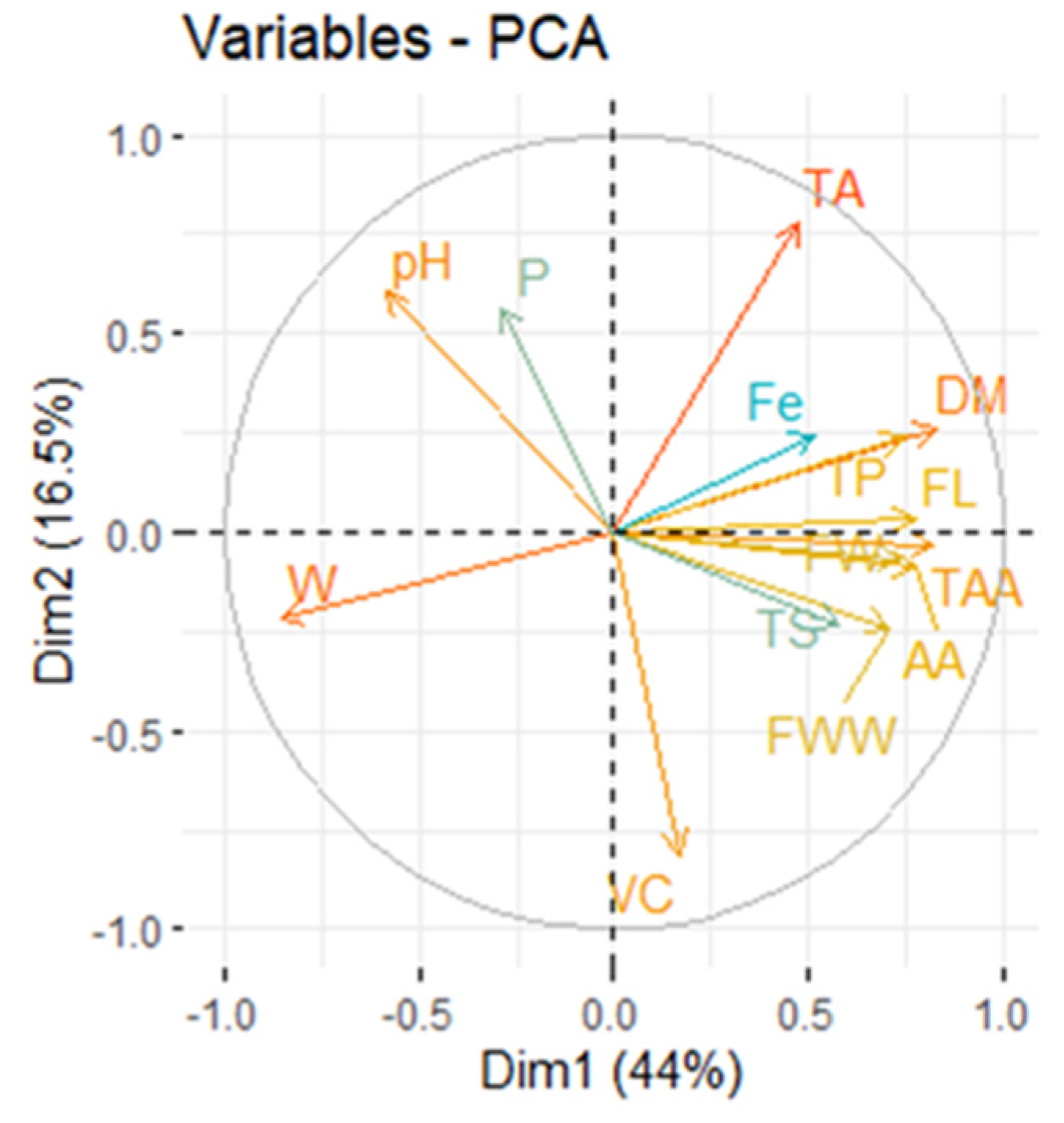
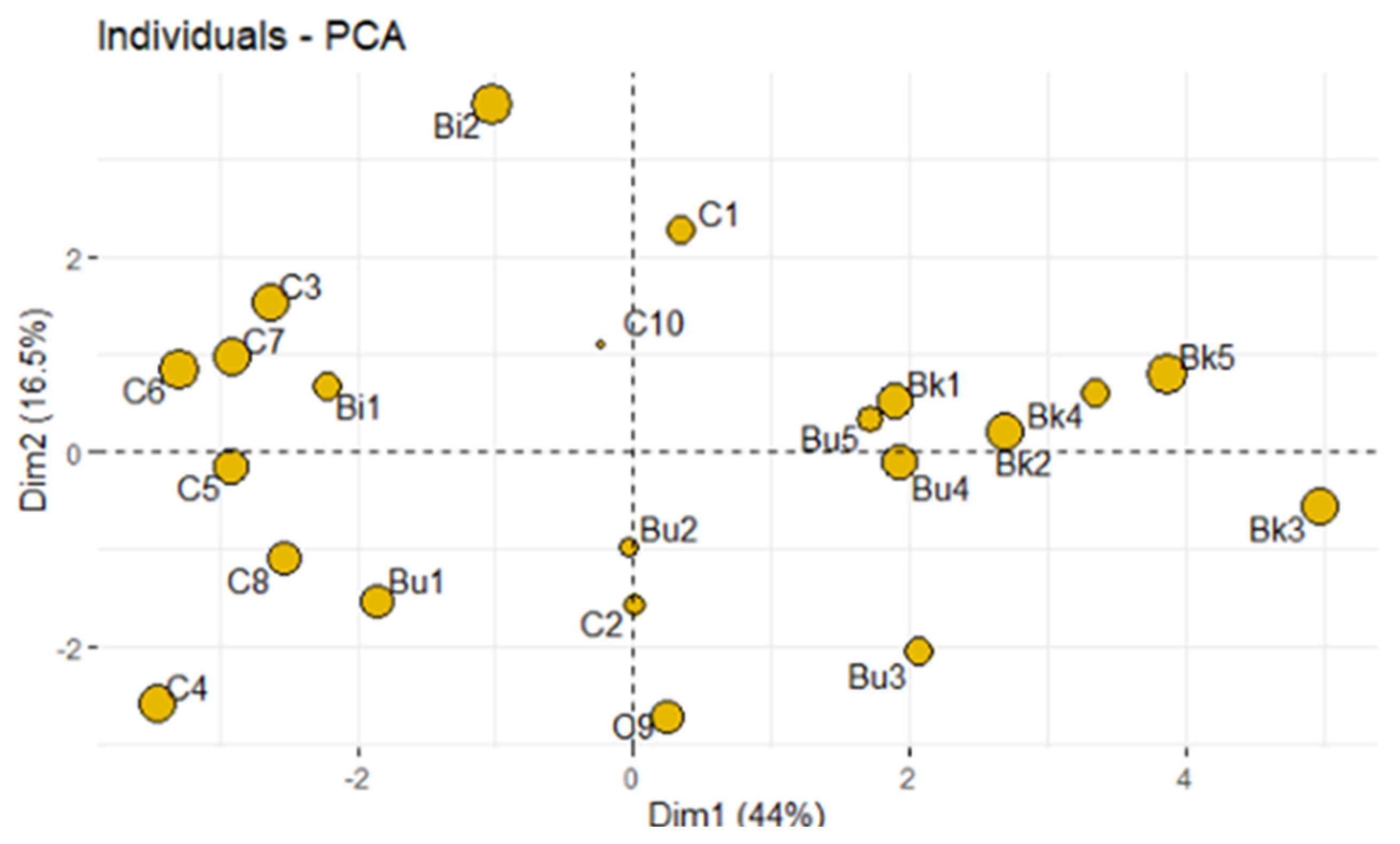
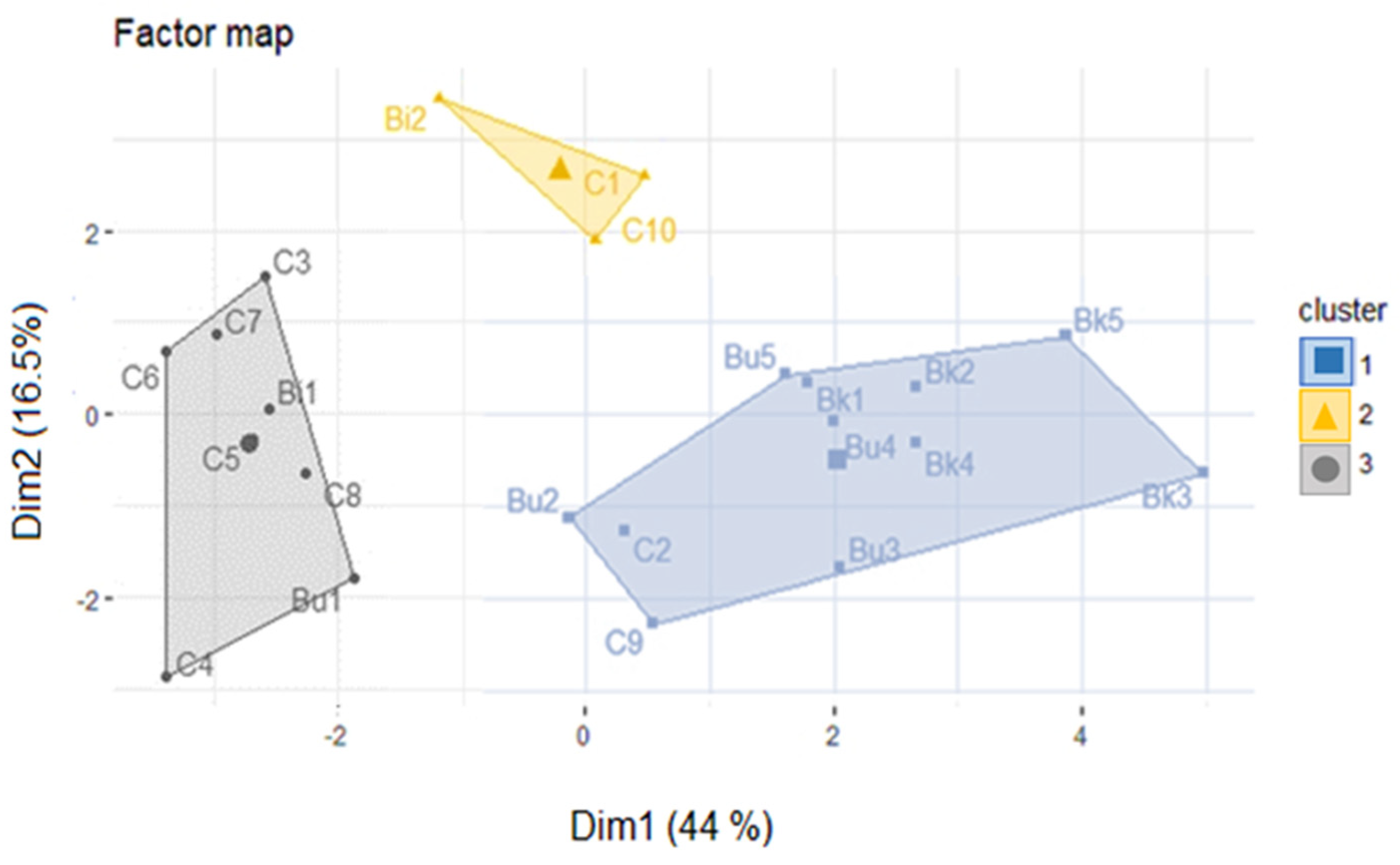
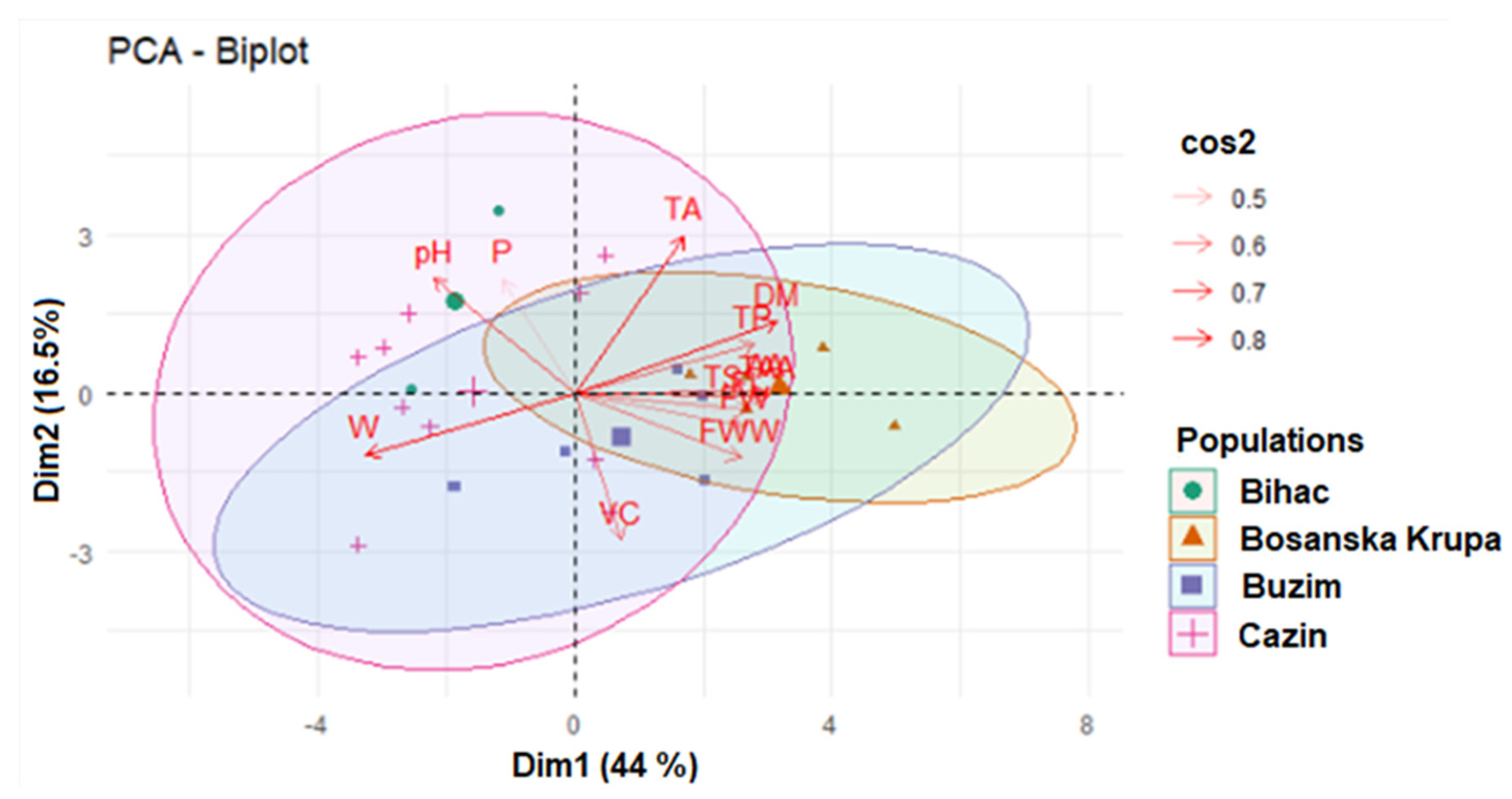
The cornelian cherry (Cornus mas L.) is considered to be one of those medicinal plants with important nutritional and therapeutic properties. The plant shows resistance against abiotic and biotic stressors in natural growing conditions and could be suitable to use in sustainable fruit production. This study was carried out on 22 local cornelian cherry (Cornus mas L.) genotypes, which were grown northwest of Bosnia and Herzegovina. Fruits of these 22 genotypes were harvested and analyzed during the ripening period in 2018/2019. Fruit weight, length, and width ranged from 1.38 to 3.01 g, 13.84 to 19.43 mm, and 10.92 to 14.79 mm, respectively. Dry matter content was determined to be the lowest at 11.67% and the highest at 21.89%. The genotypes had vitamin C content between 25.85 and 58.75 mg/100 g. Total phenolic and anthocyanin content were found to be quite variable among genotypes and ranged from 1240 to 6958 mg gallic acid equivalents (GAE) per 100 g fresh weight (FW) and 55.57 to 205.6 mg cyaniding-3-glucoside equivalents (CGE) per 100 g FW, respectively. The content of phosphorus and iron were between 155.52 to 263.06 mg per 100 g and 0.25 to 0.93 mg per 100 g, respectively. Principal Component Analysis (PCA) showed that the first and second components accounted for 44.05% and 60.50% of the total variance, and the major proportion of the first and second components were the morphometric properties and chemical traits of the cornelian cherry fruits. The results revealed that the characterized genotypes could be important for cornelian cherry breeders as ready crossing materials to obtain new cornelian cherry varieties and shows the potential of certain genotypes as a valuable source of natural antioxidants. The results may have served as a guide towards the development of sustainable production programs for cornelian cherries as well.
Keywords: cornelian cherry; morphology; chemical content; diversity; cluster analysis cornelian cherry; morphology; chemical content; diversity; cluster analysis