Article

Ecopolitana: A Plan of Cities, Territory, Landscape, and Ecology
by
Luca Del Fabbro Machado
1,*,
Adriano Venudo
1,*,
Alfredo Altobelli
2,
Jennifer Bertuzzi
2,
Francesca Zampieri
2 and
Angela Gatti
2
1
Department of Engineering and Architecture, University of Trieste, 34127 Trieste, Italy
2
Department of Life Sciences, University of Trieste, 34127 Trieste, Italy
*
Authors to whom correspondence should be addressed.
Sustainability 2022, 14(7), 4044; https://doi.org/10.3390/su14074044
Submission received: 16 November 2021 / Revised: 4 March 2022 / Accepted: 21 March 2022 / Published: 29 March 2022
(This article belongs to the Special Issue Towards a Sustainable Urban Planning for the Green Deal Era)

Abstract

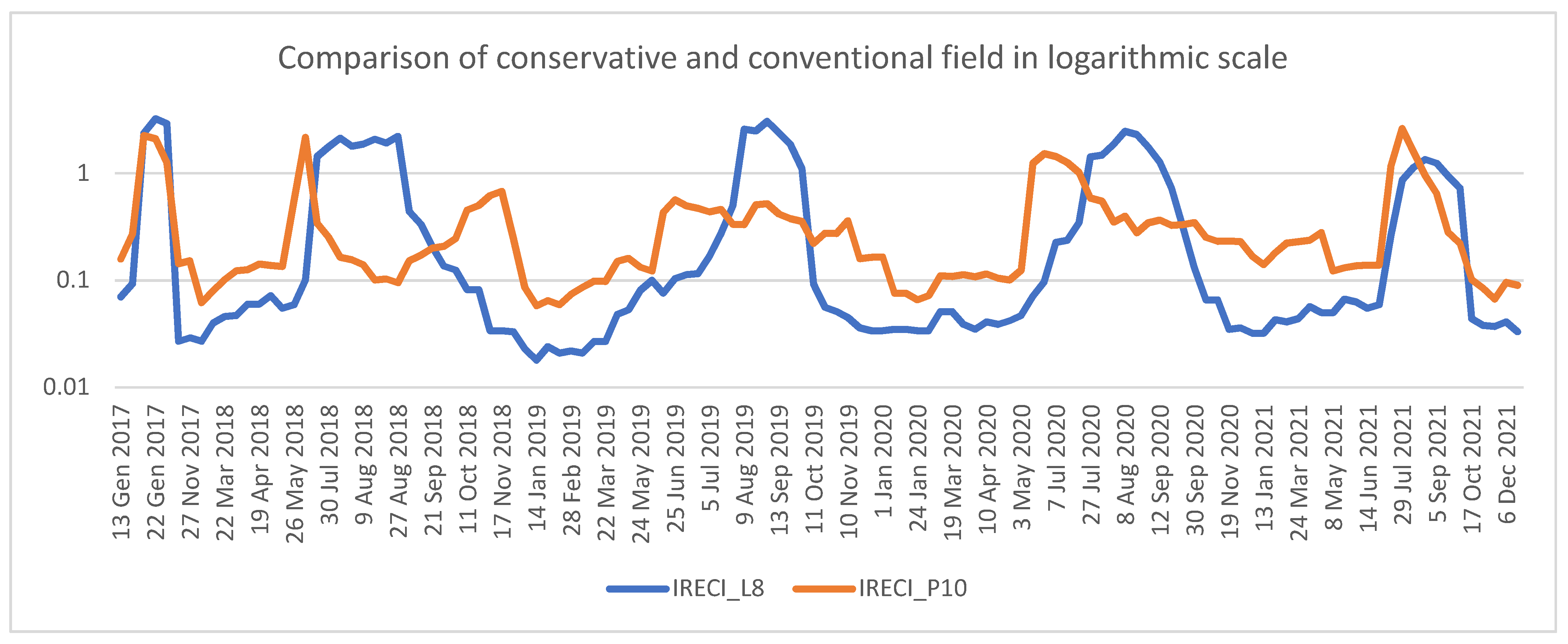
A national green planning strategy has recently been introduced in the Italian urban planning sector, aimed at making all local initiatives undertaken nationwide consistent with each other. At a regional level, Friuli Venezia-Giulia has recently implemented a Landscaping Plan, which is of an urban planning and ecological nature at an intermediate level between national and local. This article describes the local green plan of Latisana, which has been titled Ecopolitana, given that it represents the experimental phase, at a regional level, of the possibilities offered by landscape planning and design. Specifically, it outlines the multi-disciplinary approach used, demonstrating how landscape planning can be compared to the sustainable development of cities, with specific regard to the agricultural sector. In this regard, a low-intensity cropping model is also suggested, based on the principles of agroecology and landscape ecology, which has already been implemented in the historical rural landscape of Plasencis (UD) and investigated through GIS analysis and remote sensing processes. Its aim is to be the starting point for the achievement of the goals set in the 2030 Agenda, especially Goals 13 (climate action) and 15 (life on land), given the current scarcity of agroecological infrastructures in the area of Latisana (UD) and the high percentage of soil used for intensive cropping.
Keywords: Ecopolitana; greenscape; forestry plan; ecological network; green infrastructures; biodiversity; agroecology; conservation agricolture; Sentinel 2; LiDAR Ecopolitana; greenscape; forestry plan; ecological network; green infrastructures; biodiversity; agroecology; conservation agricolture; Sentinel 2; LiDAR