Article

Random Forests Assessment of the Role of Atmospheric Circulation in PM10 in an Urban Area with Complex Topography

1
Faculty of Physics and Applied Computer Science, AGH University of Science and Technology, 30-059 Kraków, Poland
2
Institute of Meteorology and Water Management, National Research Institute, IMGW-PIB, 01-673 Warszawa, Poland
3
Institute of Geography and Spatial Management, Jagiellonian University, 30-387 Kraków, Poland
*
Author to whom correspondence should be addressed.
Sustainability 2022, 14(6), 3388; https://doi.org/10.3390/su14063388
Submission received: 20 January 2022 / Revised: 8 March 2022 / Accepted: 10 March 2022 / Published: 14 March 2022
(This article belongs to the Collection Air Pollution Control and Sustainable Development)

Abstract

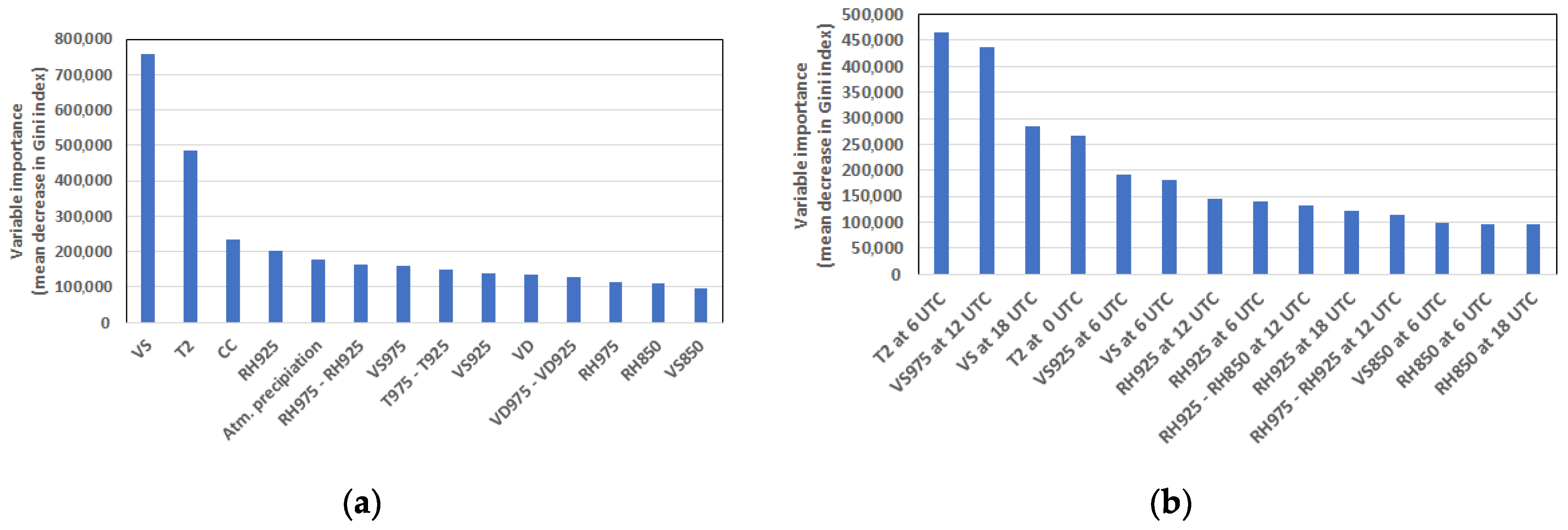
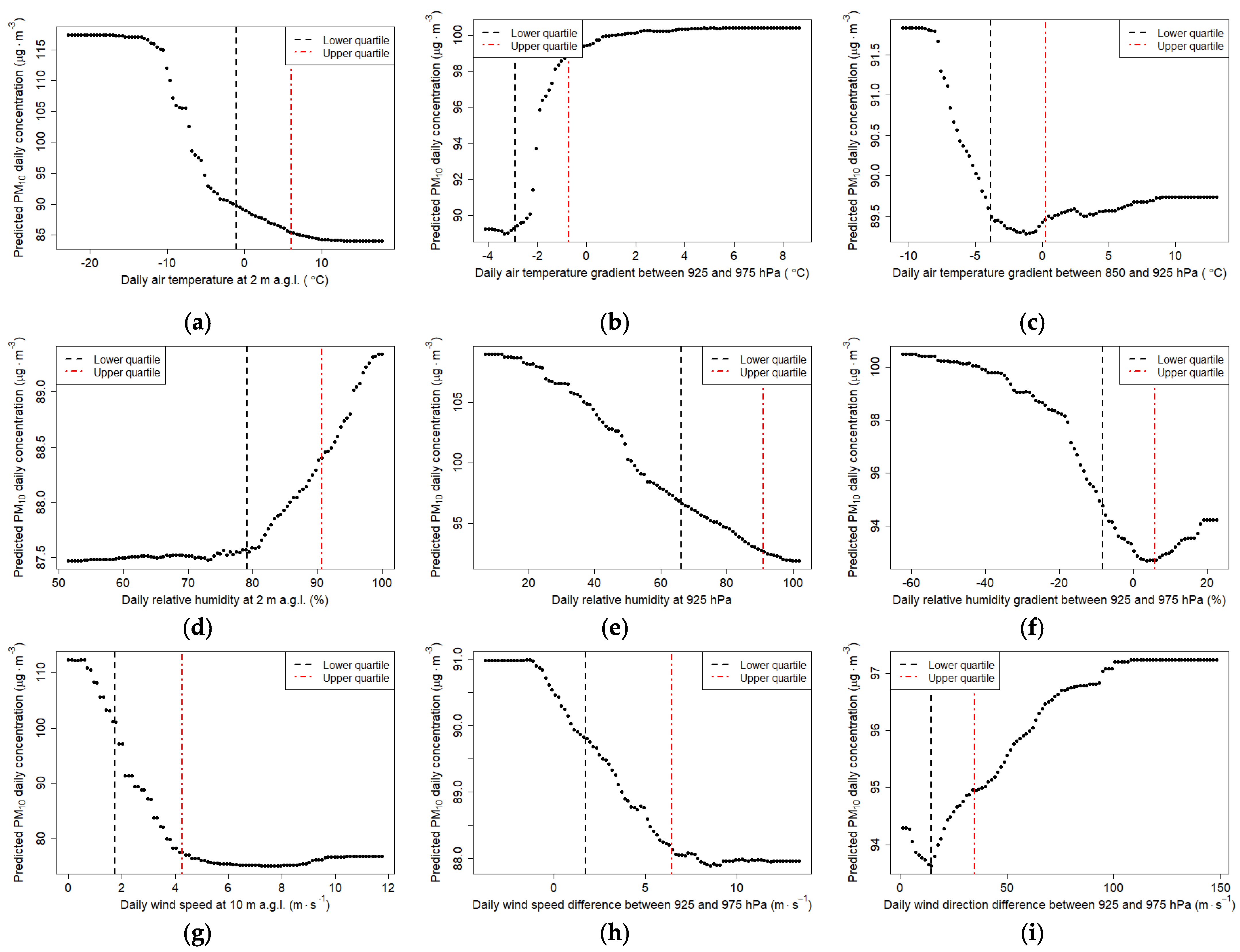
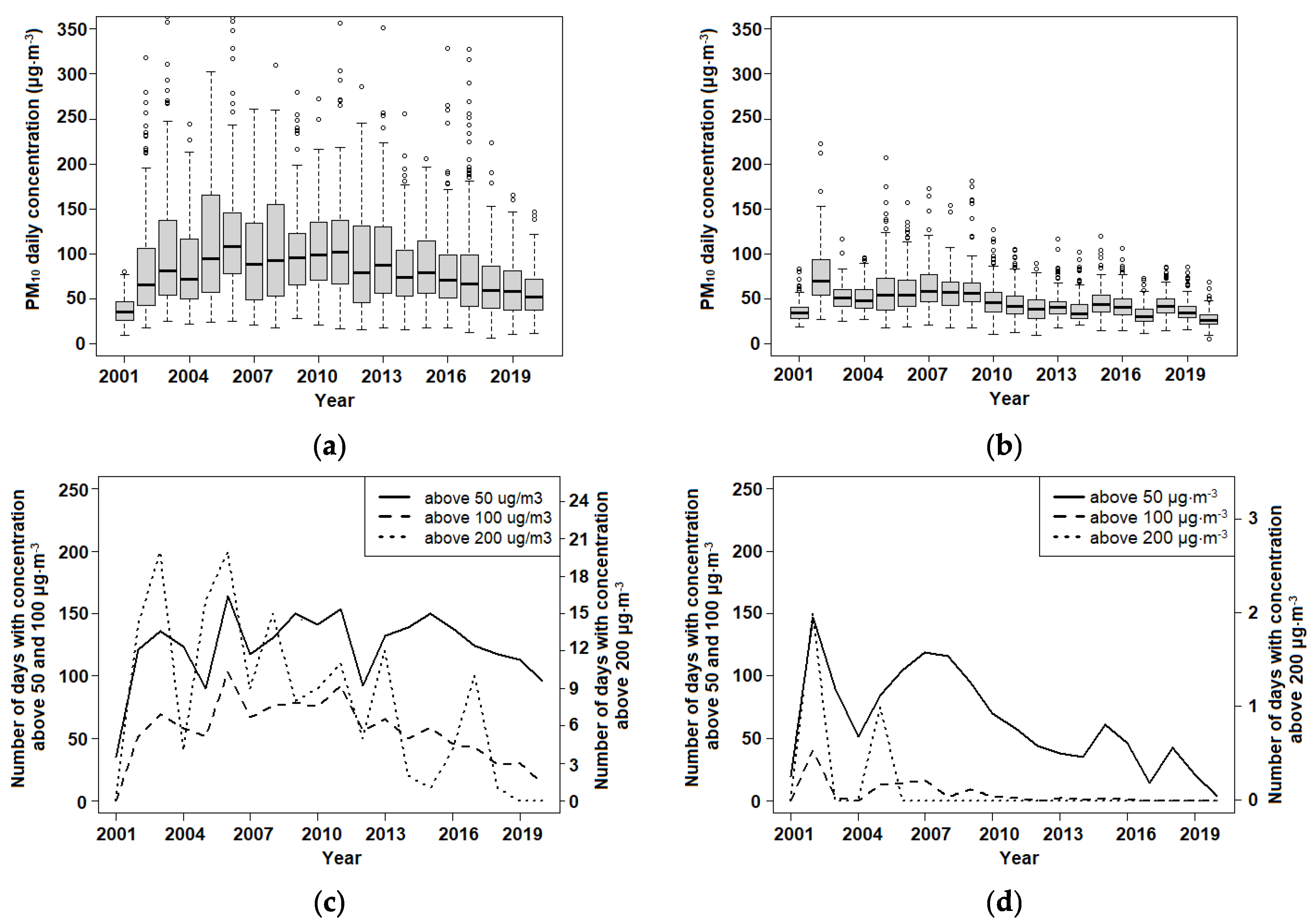
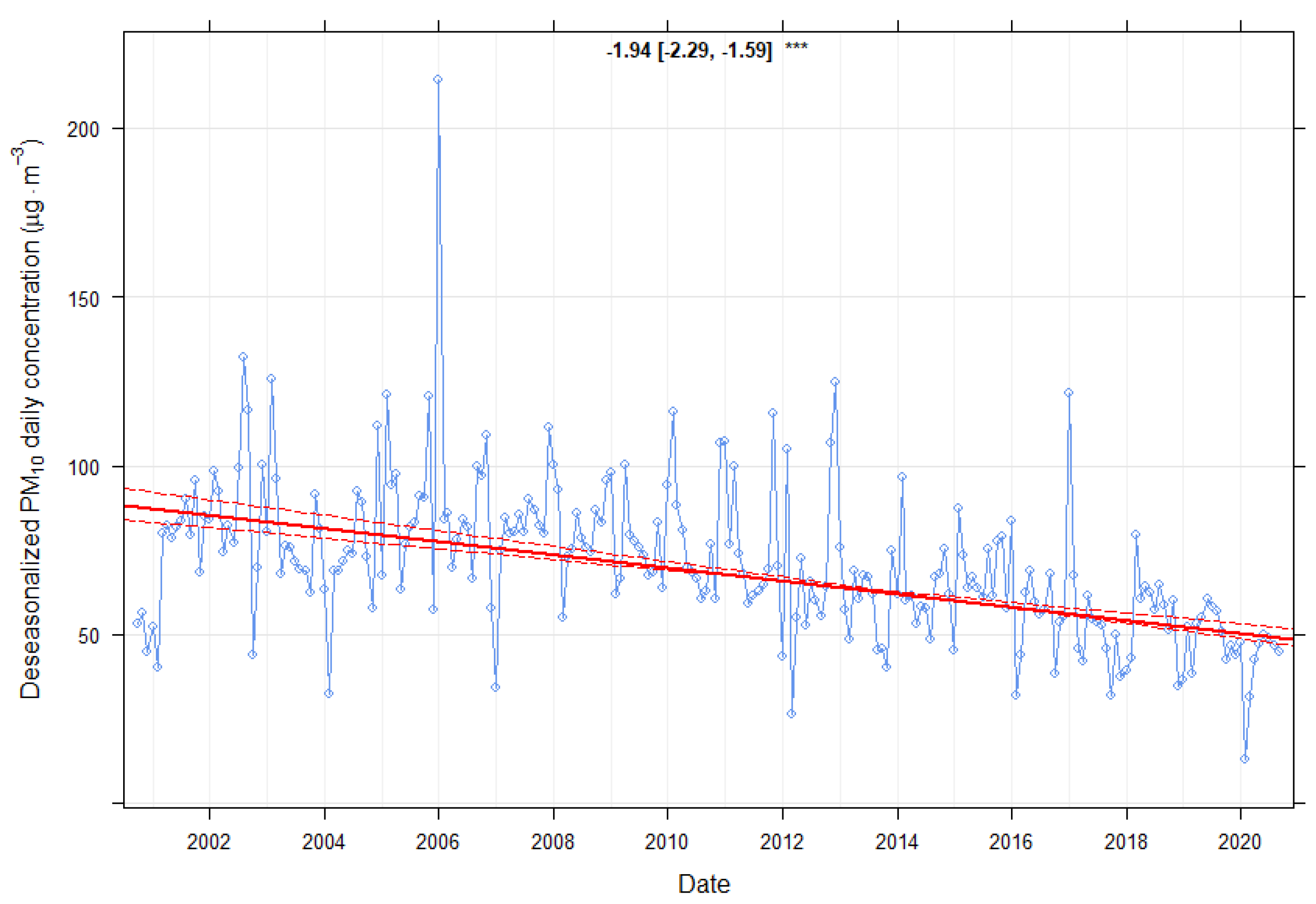
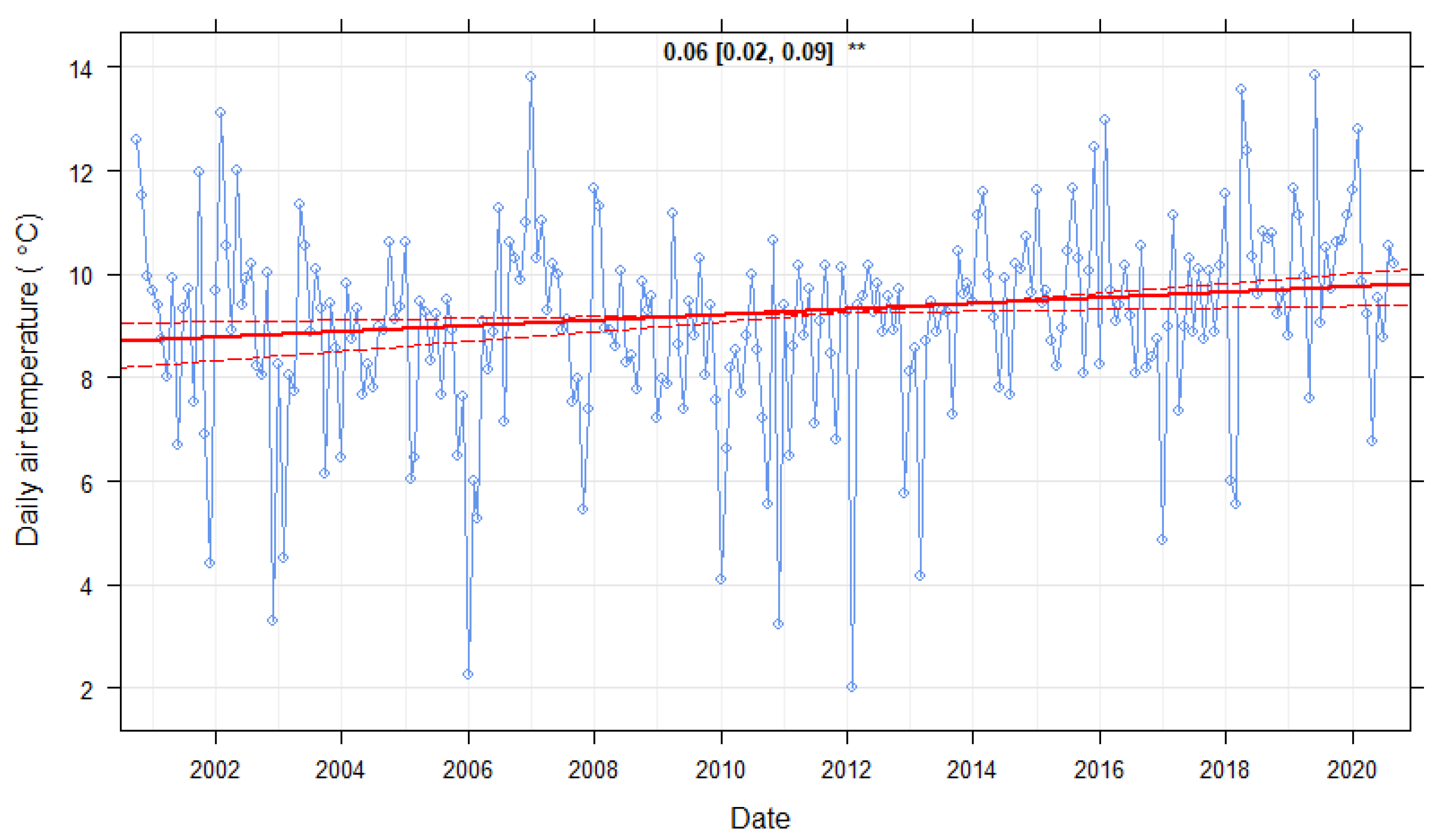
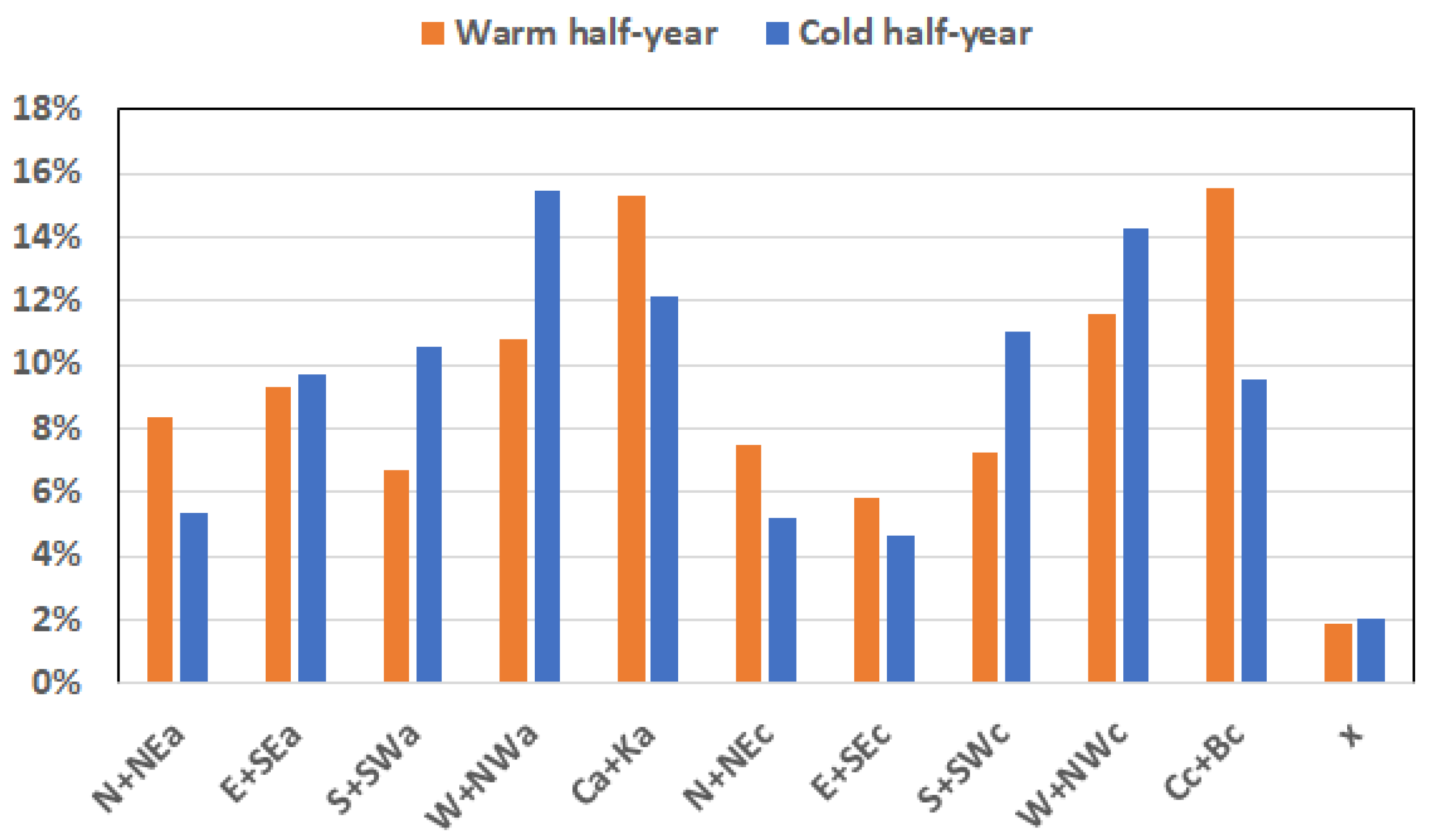
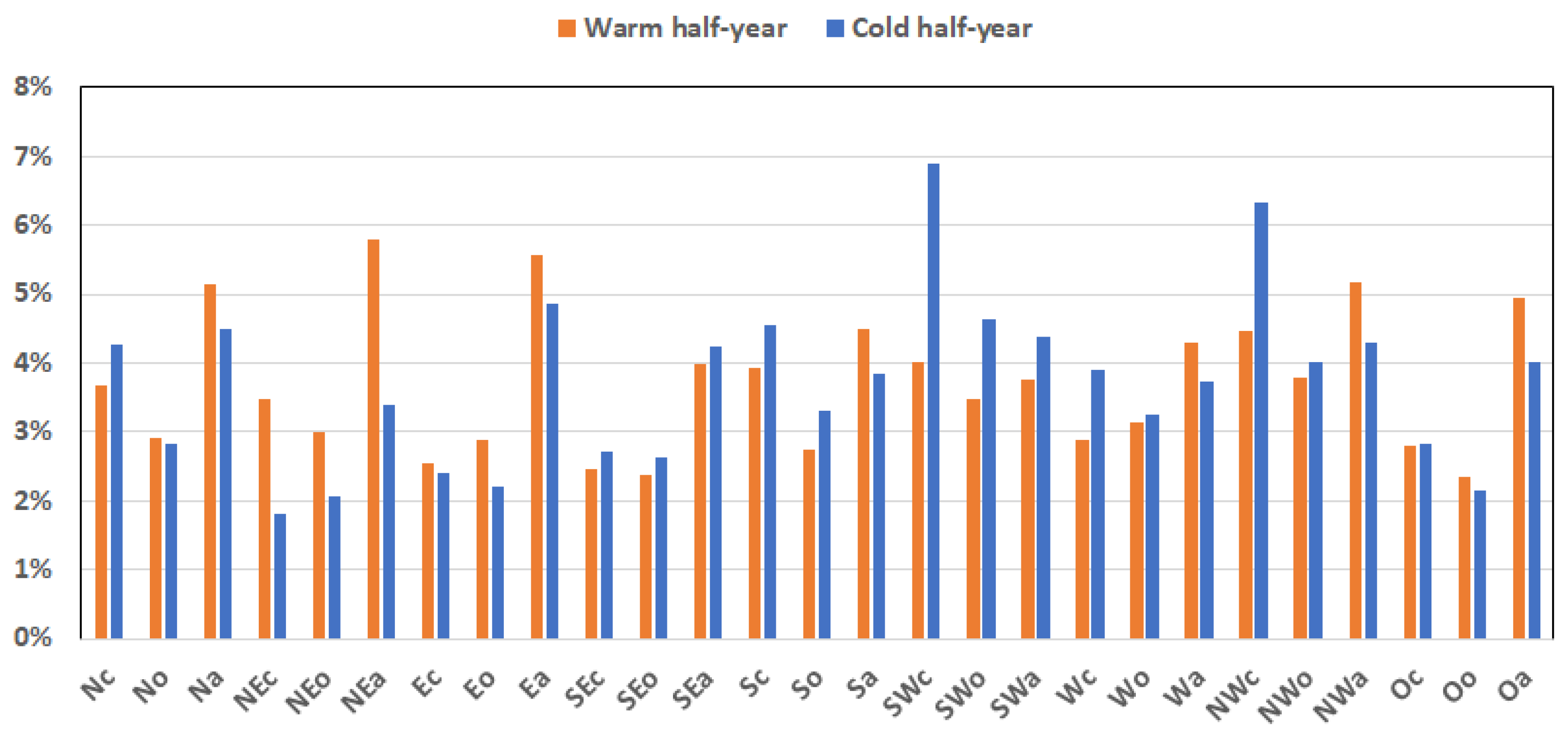
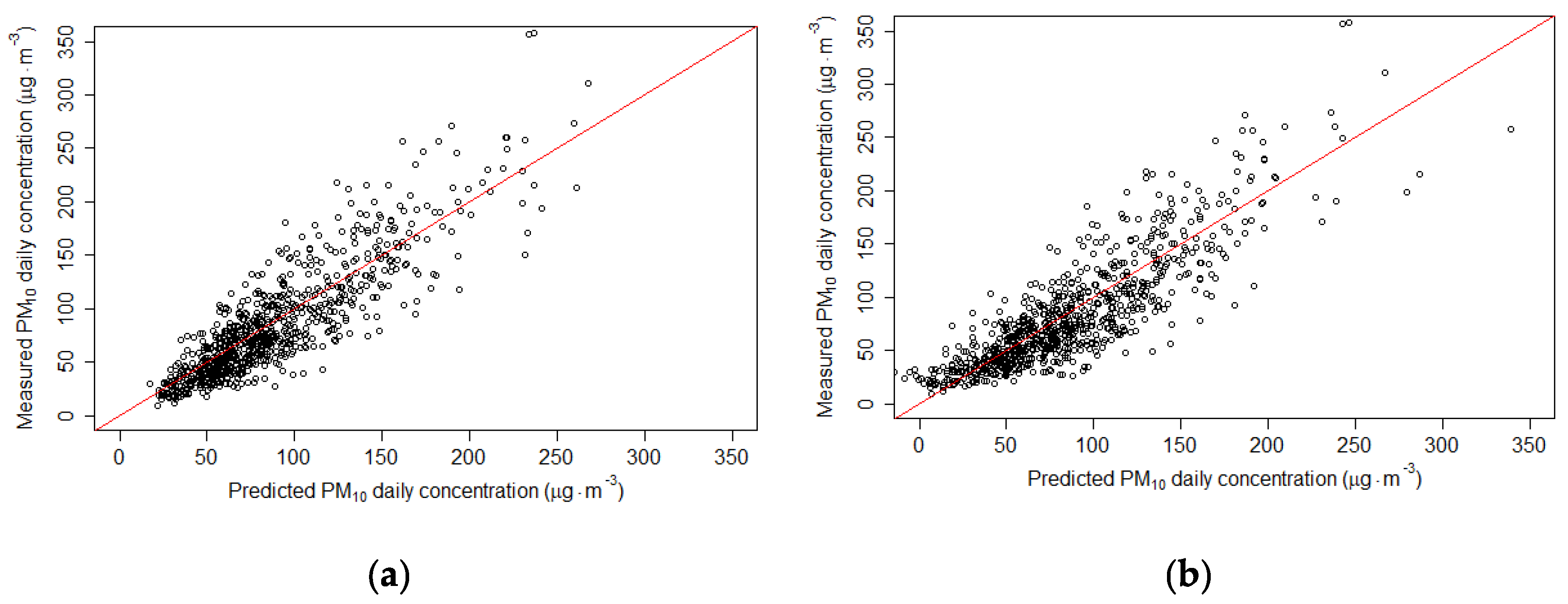
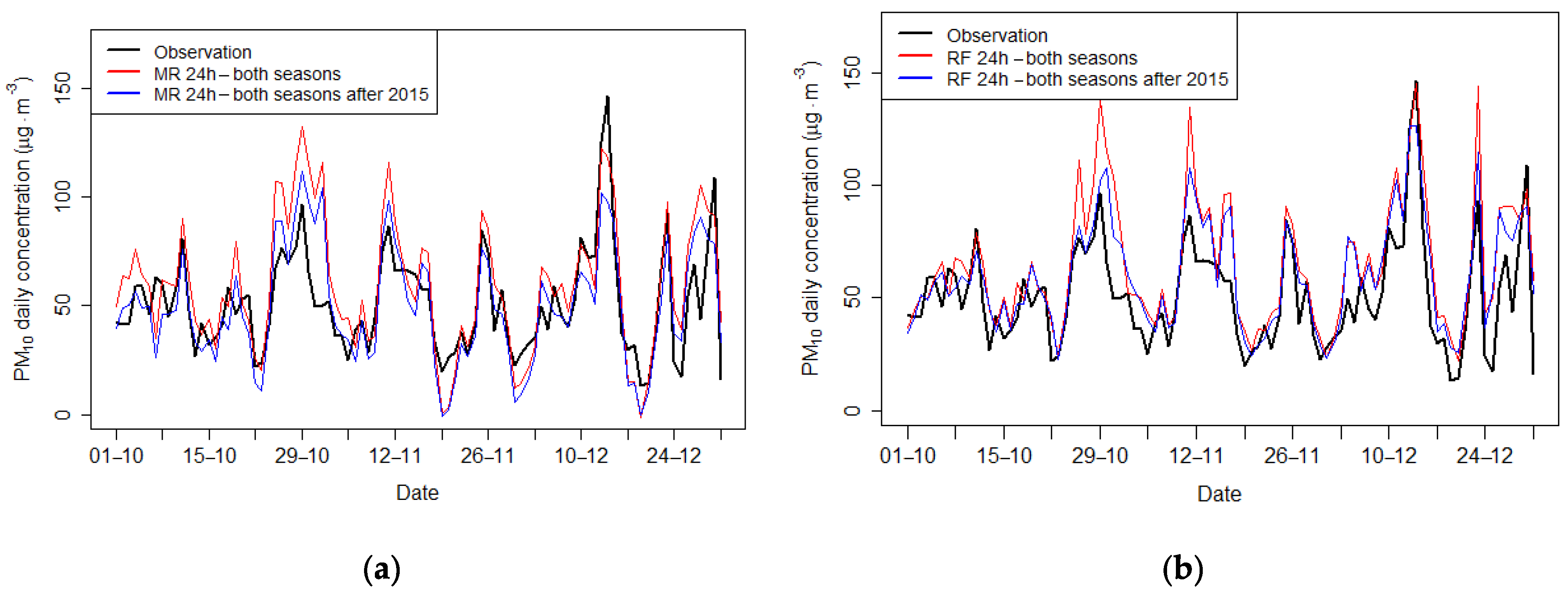
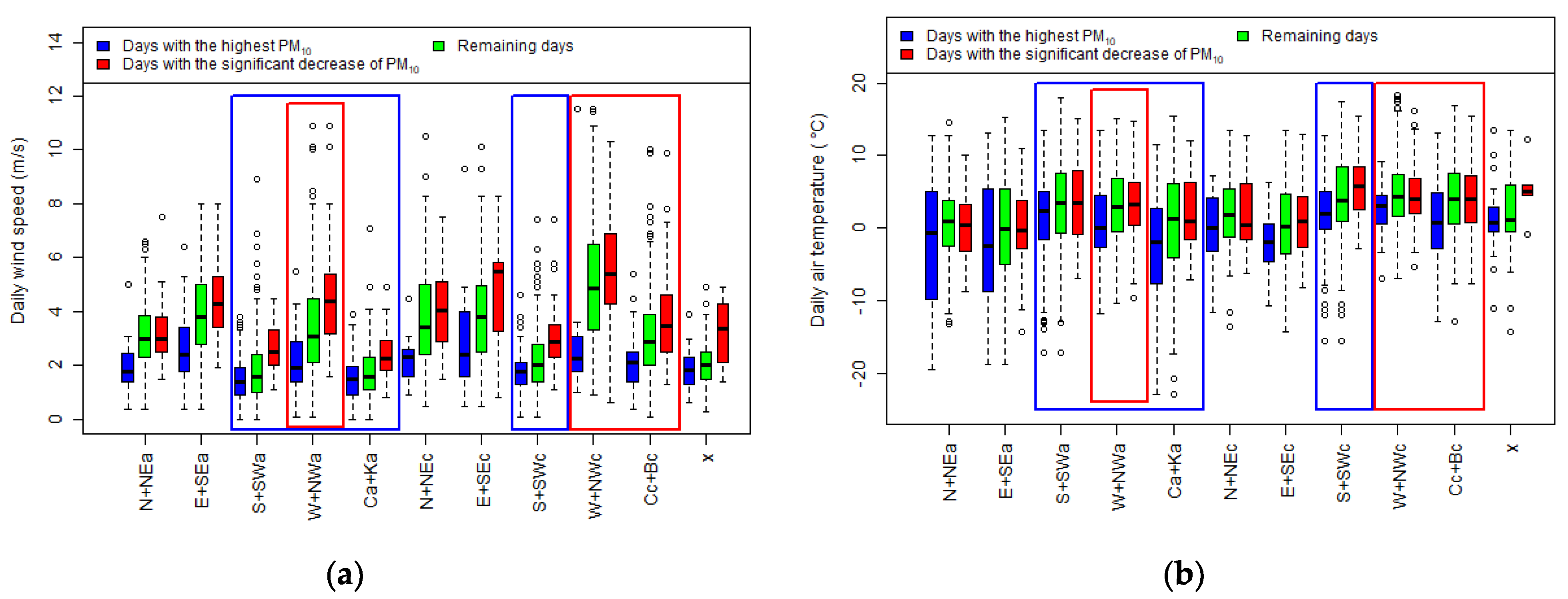
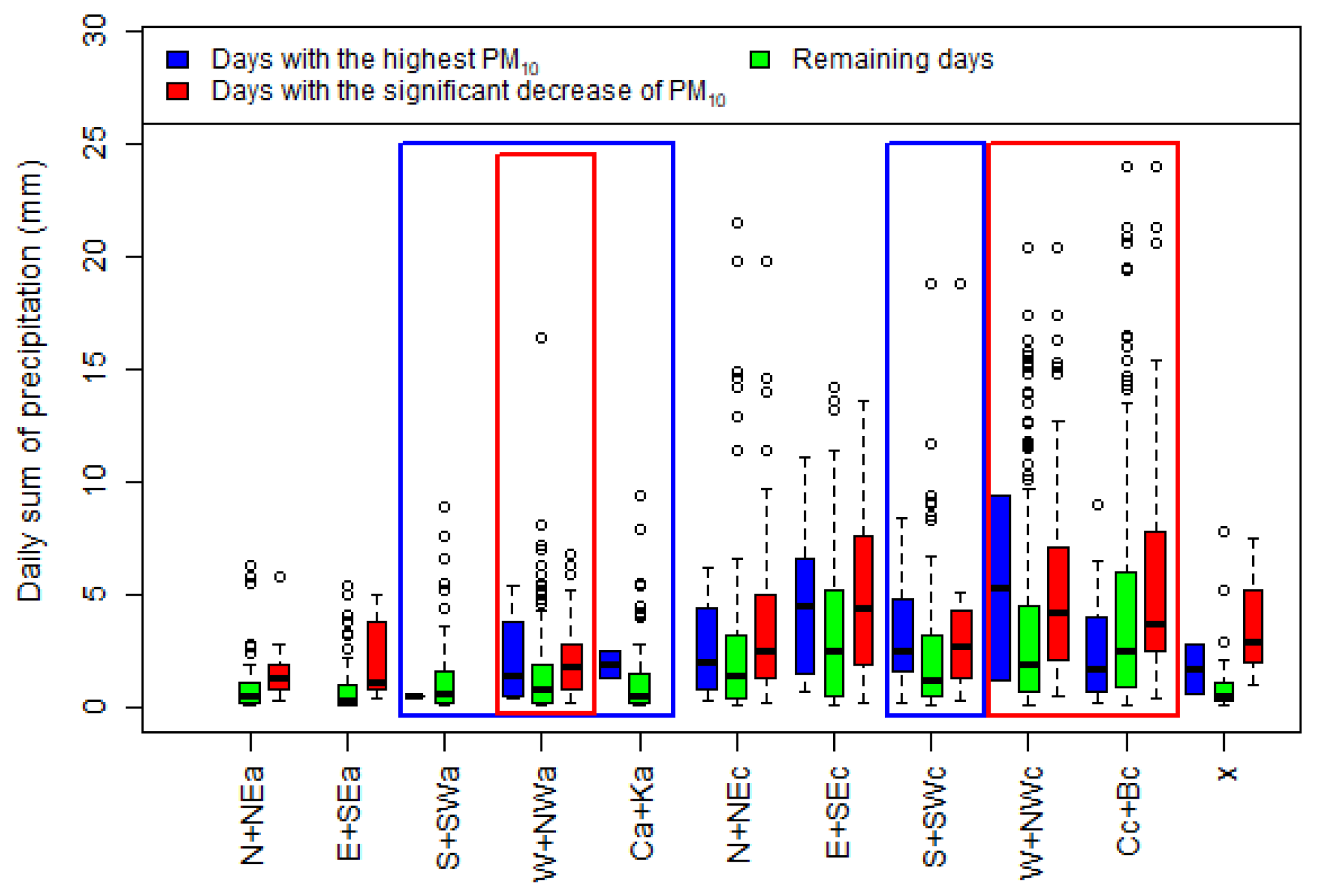
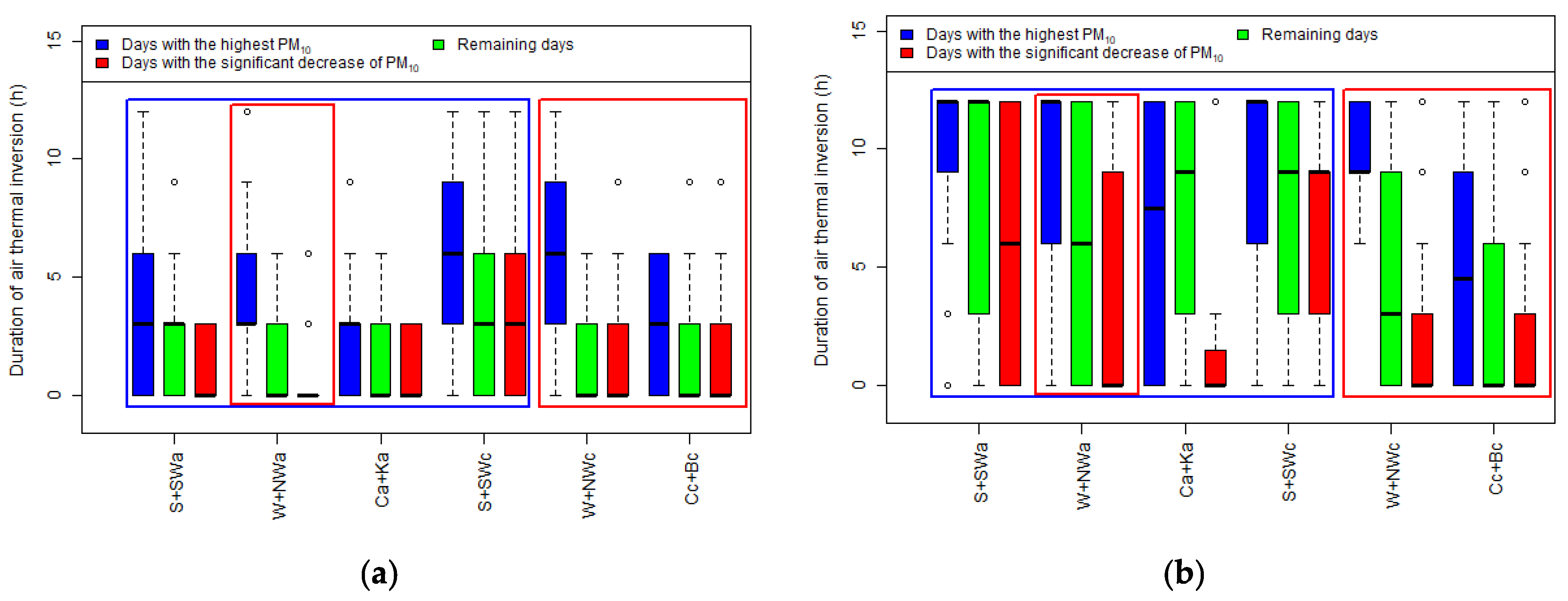
This study presents the assessment of the quantitative influence of atmospheric circulation on the pollutant concentration in the area of Kraków, Southern Poland, for the period 2000–2020. The research has been realized with the application of different statistical parameters, synoptic meteorology tools, the Random Forests machine learning method, and multilinear regression analyses. Another aim of the research was to evaluate the types of atmospheric circulation classification methods used in studies on air pollution dispersion and to assess the possibility of their application in air quality management, including short-term PM10 daily forecasts. During the period analyzed, a significant decreasing trend of pollutants’ concentrations and varying atmospheric circulation conditions was observed. To understand the relation between PM10 concentration and meteorological conditions and their significance, the Random Forests algorithm was applied. Observations from meteorological stations, air quality measurements and ERA-5 reanalysis were used. The meteorological database was used as an input to models that were trained to predict daily PM10 concentration and its day-to-day changes. This study made it possible to distinguish the dominant circulation types with the highest probability of occurrence of poor air quality or a significant improvement in air quality conditions. Apart from the parameters whose significant influence on air quality is well established (air temperature and wind speed at the ground and air temperature gradient), the key factor was also the gradient of relative air humidity and wind shear in the lowest troposphere. Partial dependence calculated with the use of the Random Forests model made it possible to better analyze the impact of individual meteorological parameters on the PM10 daily concentration. The analysis has shown that, for areas with a diversified topography, it is crucial to use the variability of the atmospheric circulation during the day to better forecast air quality.
Keywords: random forests; atmospheric circulation; air quality; machine learning; complex topography random forests; atmospheric circulation; air quality; machine learning; complex topography