Article

Analysis of Influencing Factors of Embodied Carbon in China’s Export Trade in the Background of “Carbon Peak” and “Carbon Neutrality”

1
Business School, University of Shanghai for Science and Technology, Shanghai 200093, China
2
Antai College of Economics and Management, Shanghai Jiao Tong University, Shanghai 200030, China
*
Author to whom correspondence should be addressed.
All the authors contributed equally to this work.
Sustainability 2022, 14(6), 3308; https://doi.org/10.3390/su14063308
Submission received: 25 January 2022 / Revised: 3 March 2022 / Accepted: 10 March 2022 / Published: 11 March 2022
(This article belongs to the Collection Air Pollution Control and Sustainable Development)

Abstract

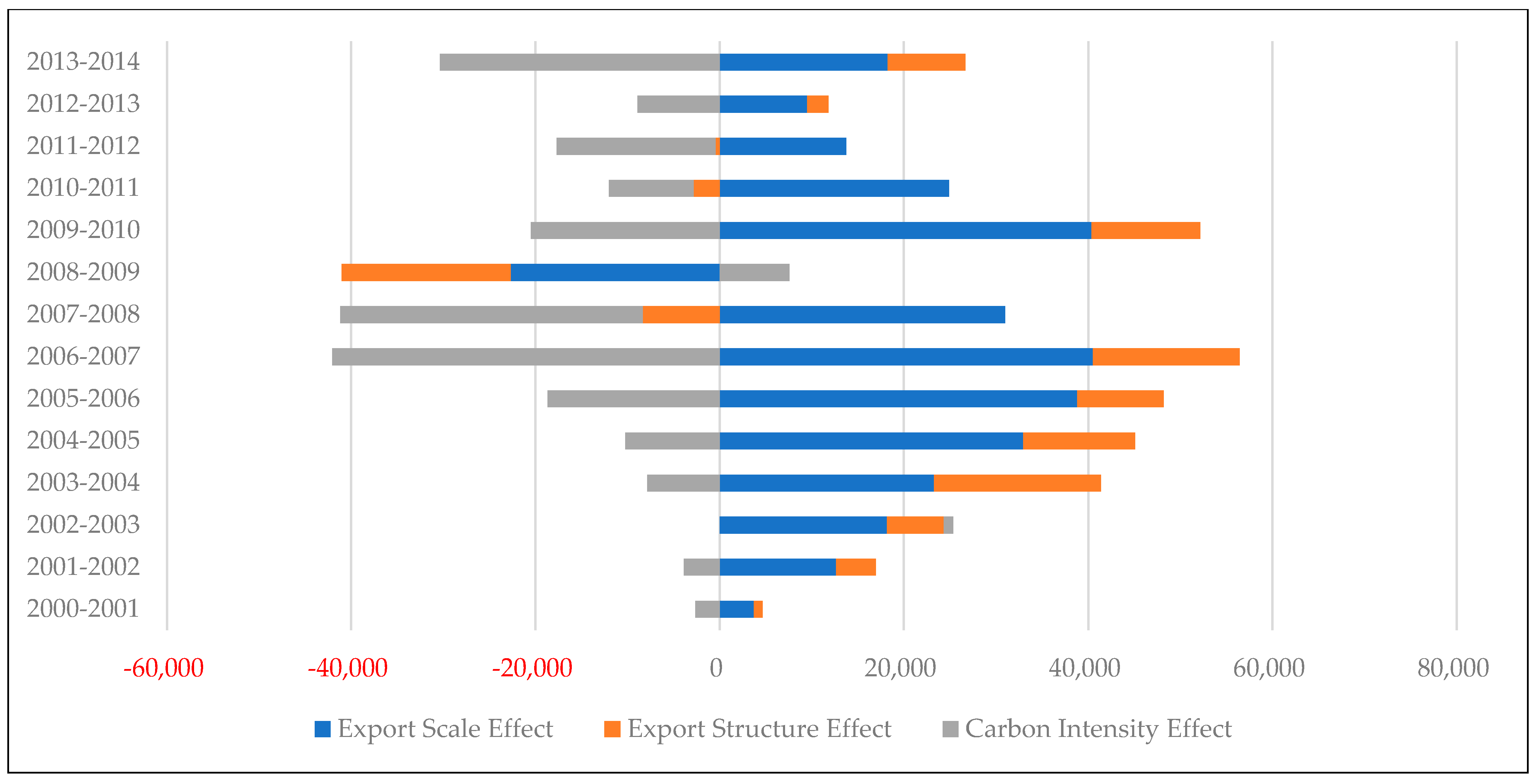
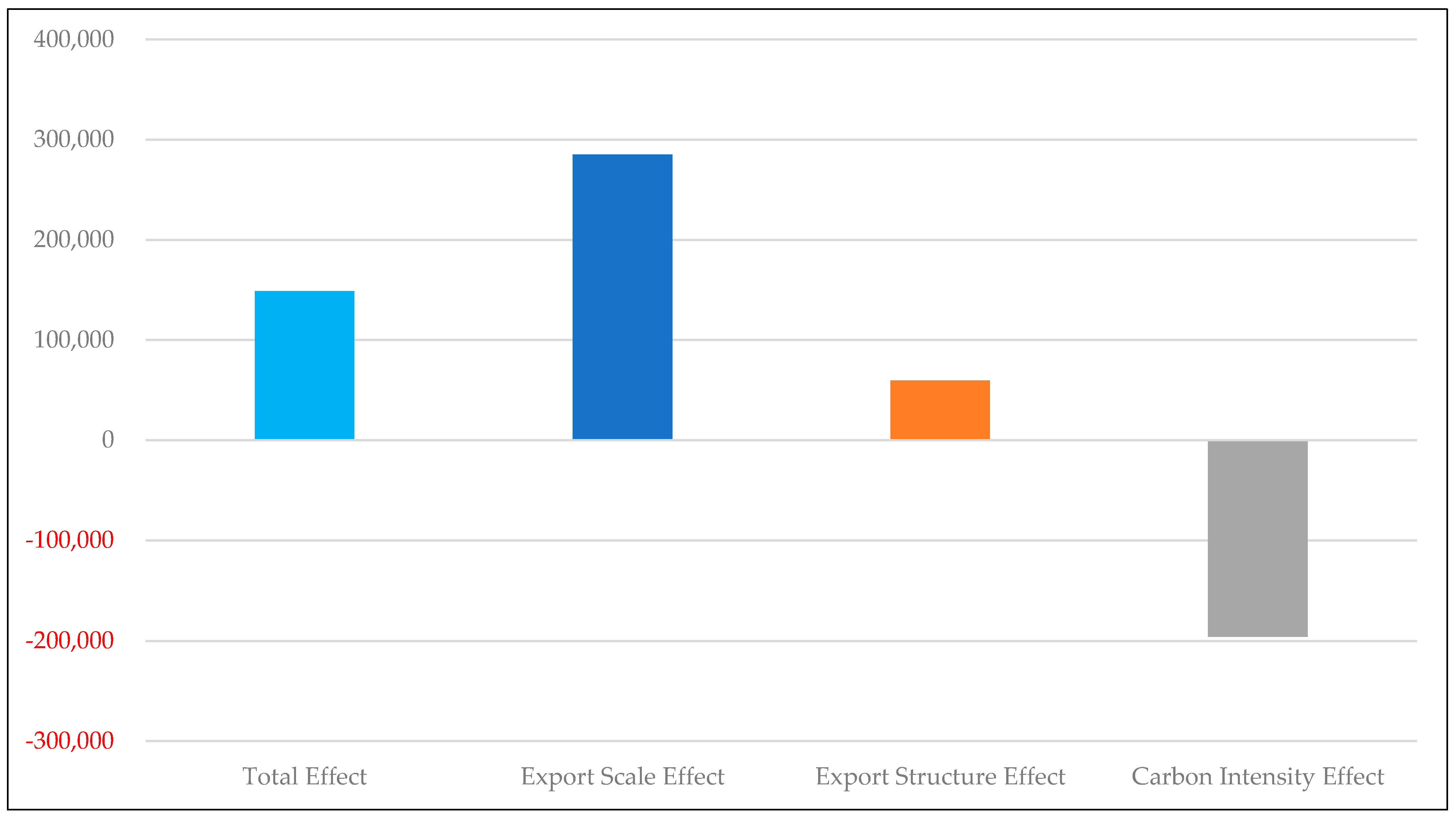
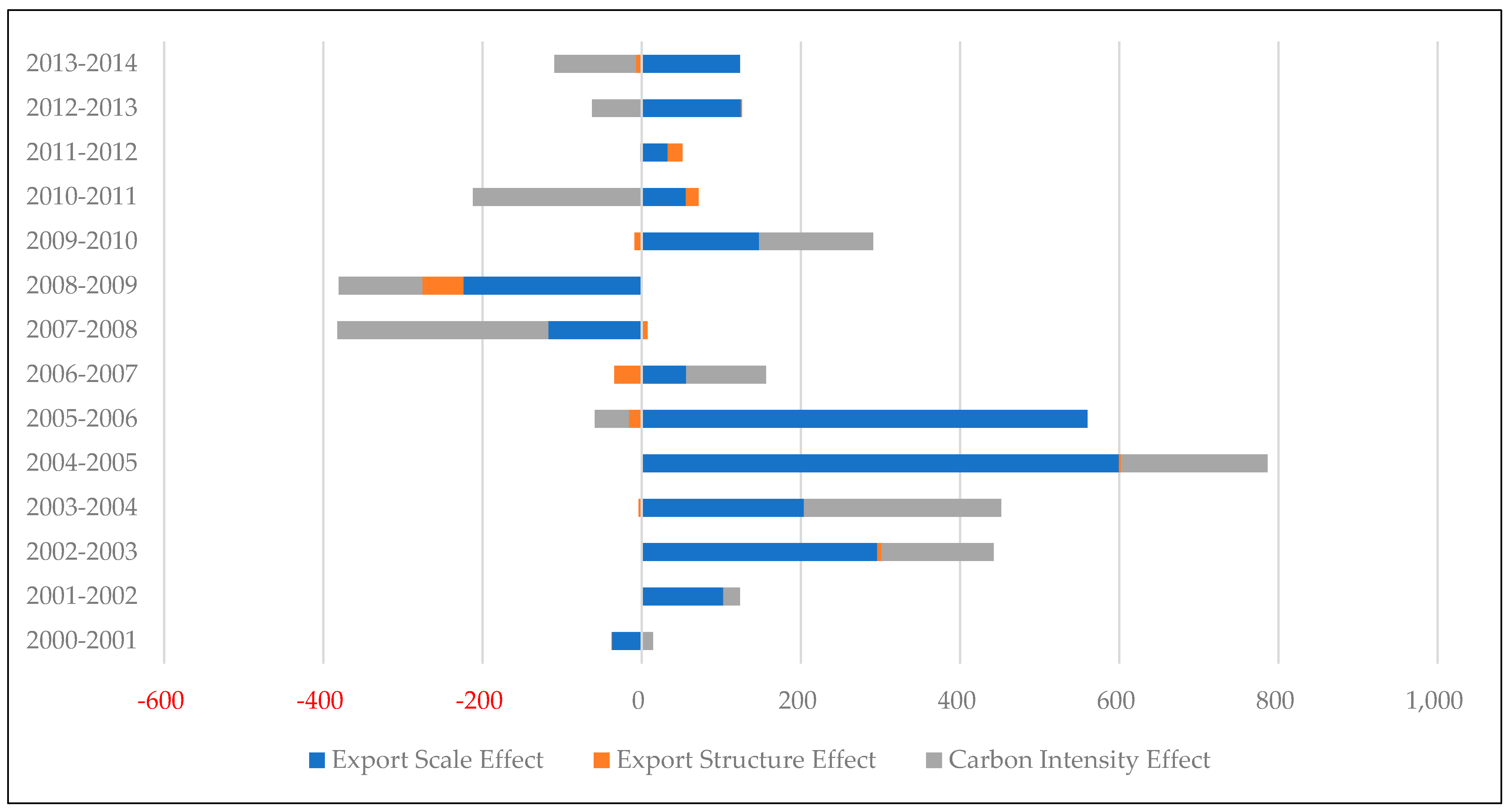
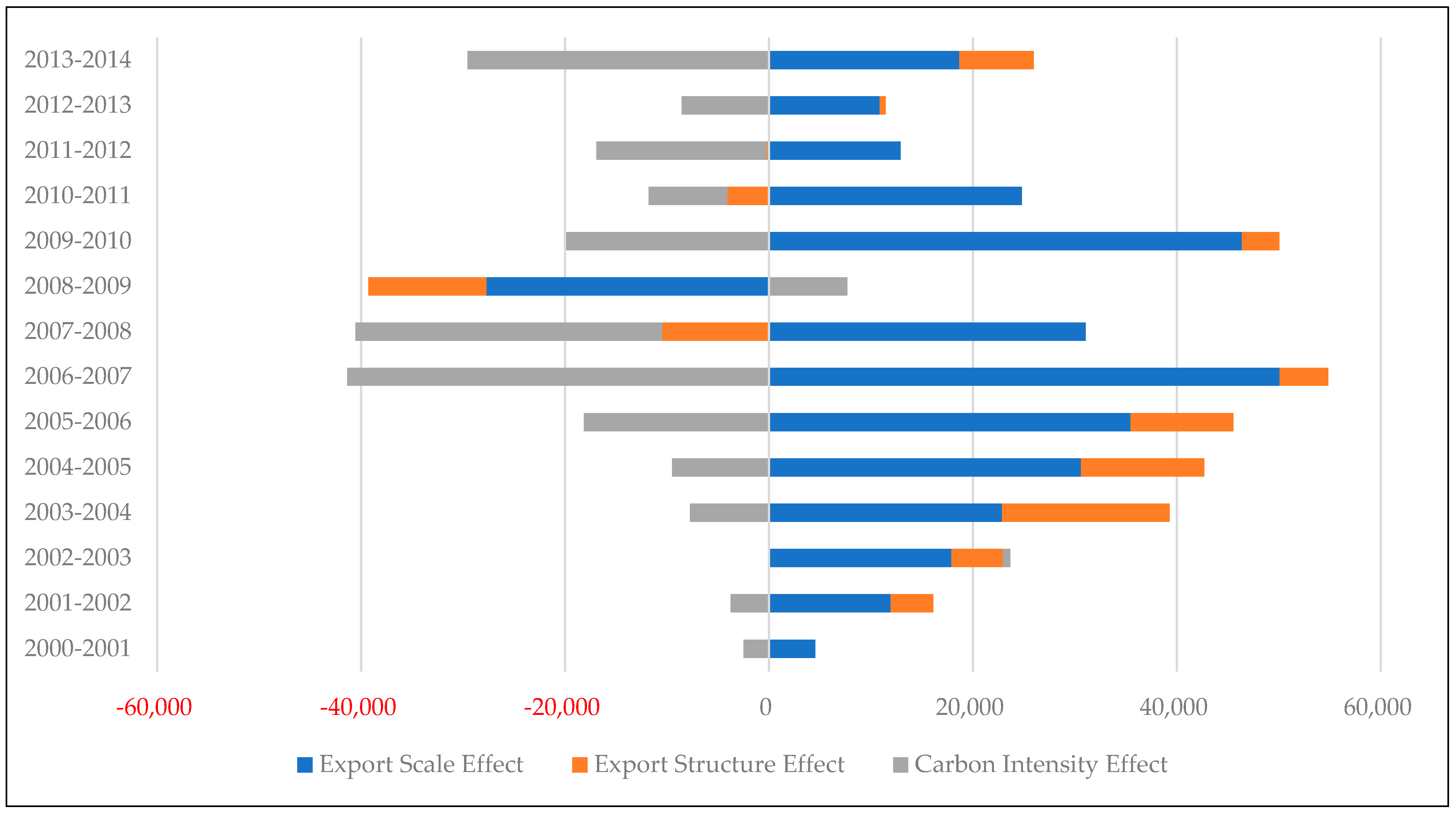
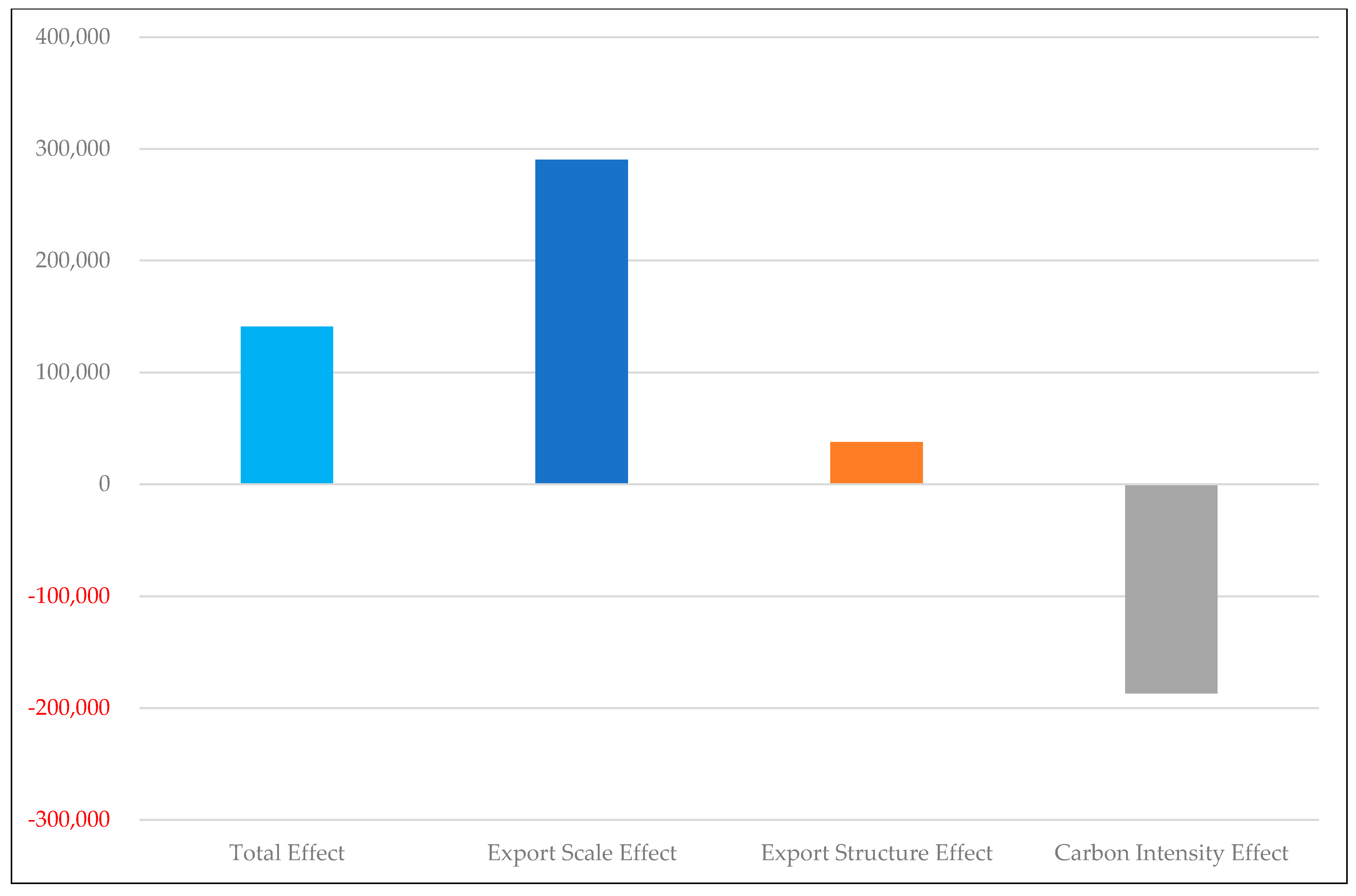
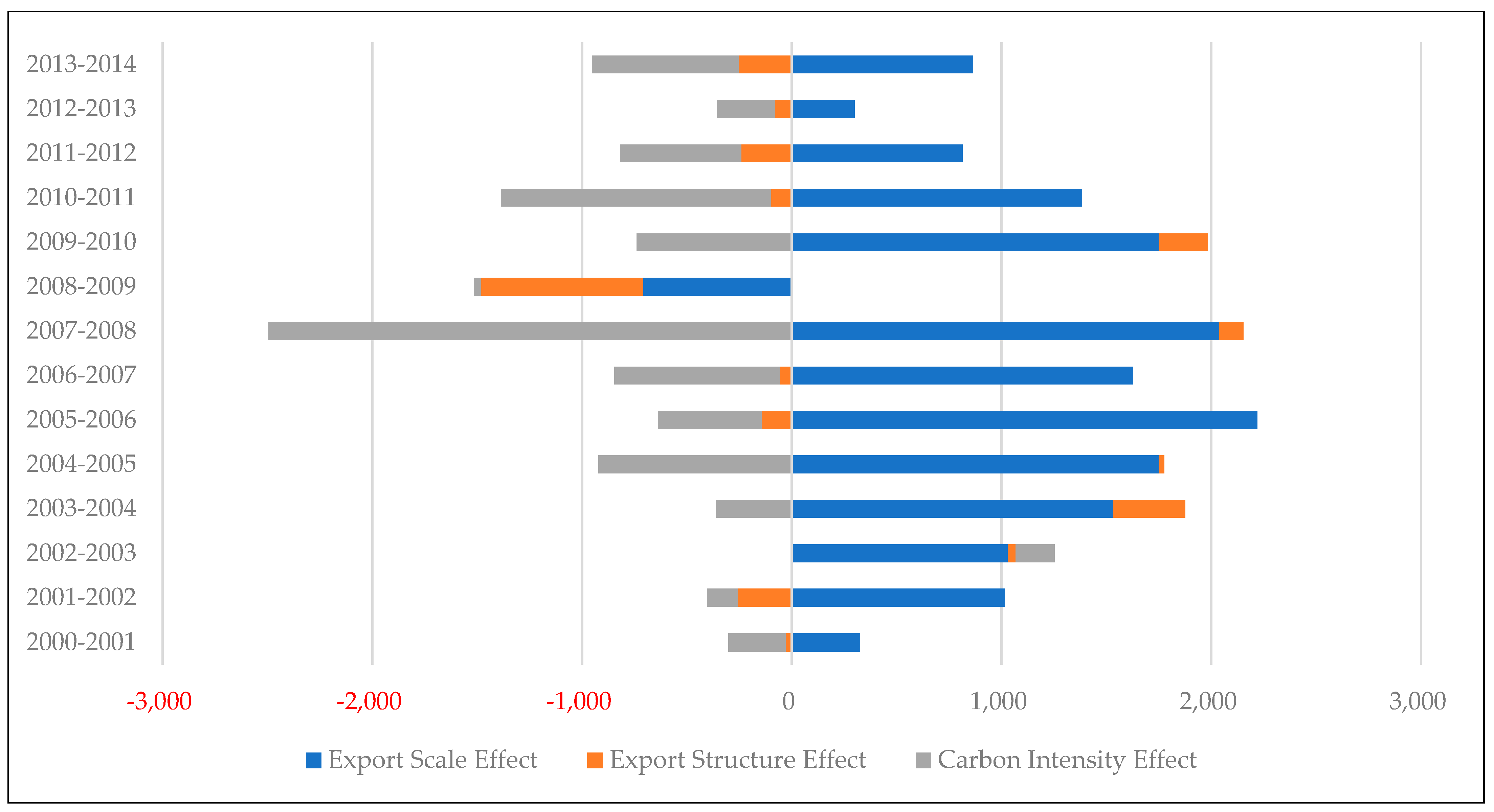
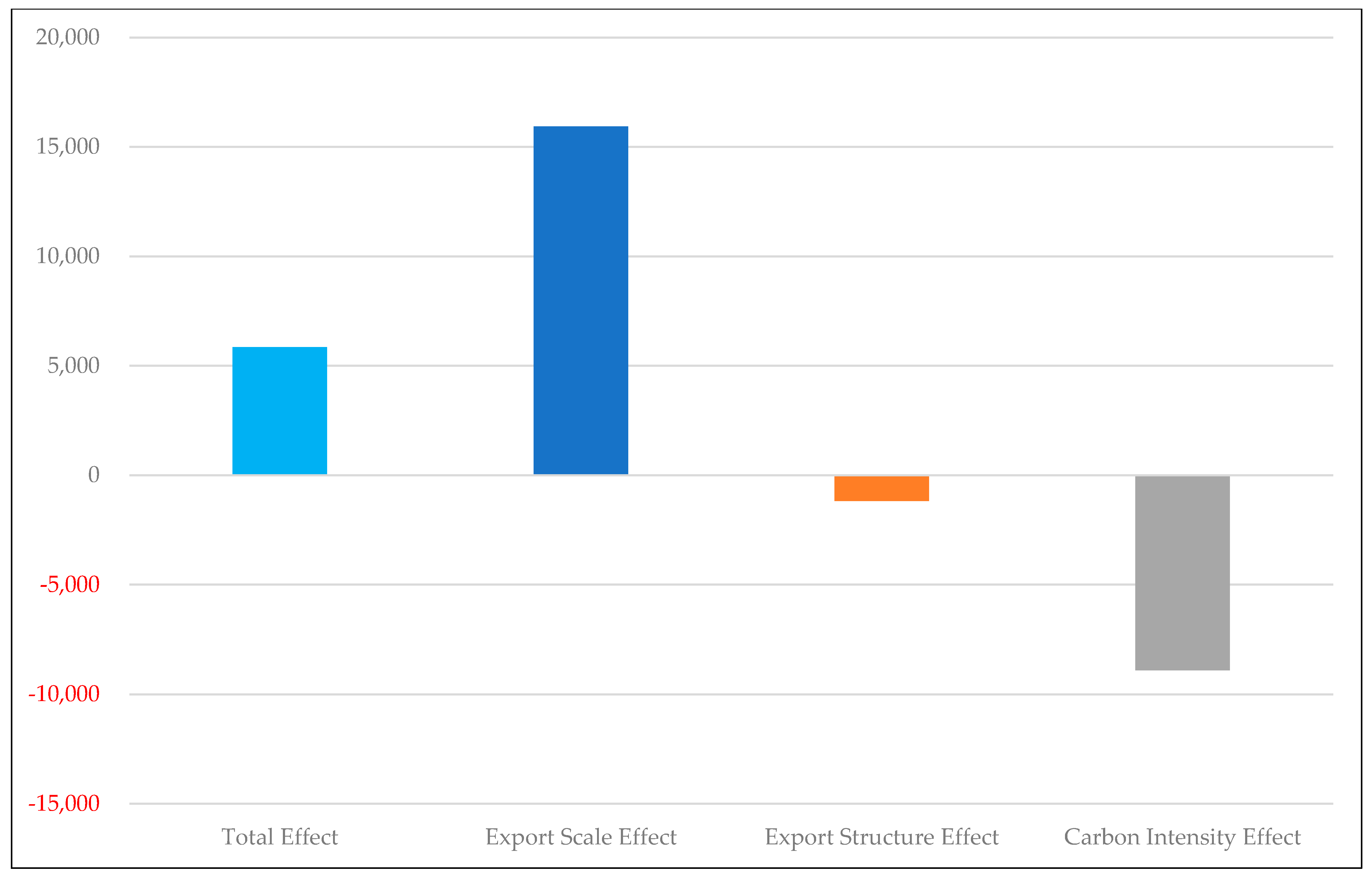
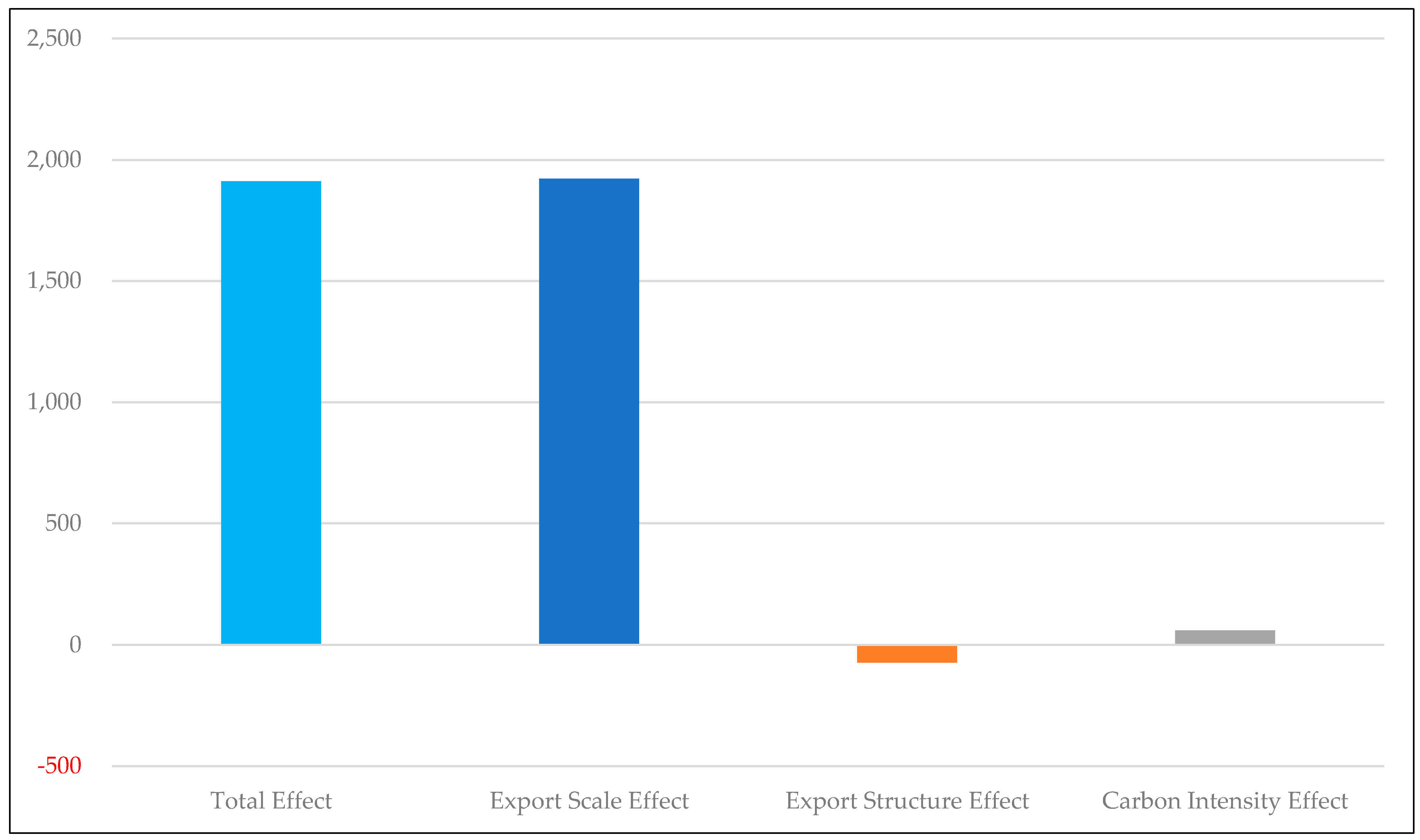
Since China’s reform and opening up, especially after its accession to the World Trade Organization, its foreign trade has achieved fruitful results. However, at the same time, the extensive foreign trade growth model with high energy consumption and high pollution has also caused a rapid increase in carbon emissions. There is a large amount of embodied carbon emissions in the export trade. In order to achieve the strategic goals of “Carbon Peak” and “Carbon Neutrality’, and at the same time build a green trading system to achieve coordinated development of trade and the environment, it is of great significance to study embodied carbon emissions and how to decouple them with China’s foreign trade. This paper uses the Logarithmic Mean Divisia Index method to decompose the influencing factors of the embodied carbon in China’s export trade in order to study the impact of three factors: export scale, export structure, and carbon emission intensity. The results show that the change in export scale is the most important factor affecting the embodied carbon of China’s export trade, and the expansion of export scale has caused the growth of trade embodied carbon. Carbon emission intensity is the second influential factor, and the decline in carbon intensity would slow down the growth of trade embodied carbon, while changes in the export structure have the smallest impact on trade embodied carbon. The high carbonization of the overall export structure will cause growth of trade embodied carbon, but the tertiary industry has seen some improvement in the export structure, which could facilitate the decline of trade embodied carbon.
Keywords: carbon peak; carbon neutrality; export trade; embodied carbon; Logarithmic Mean Divisia Index carbon peak; carbon neutrality; export trade; embodied carbon; Logarithmic Mean Divisia Index