Article

Achieving Competitive Sustainable Advantages (CSAs) by Applying a Heuristic-Collaborative Risk Model


1
Project Management Department at Tetra Pak, Wilhelm-Bergner-Straße 9c, 21509 Glinde, Germany
2
Project Management Department, University Medical Center Eppendorf, Martinistraße 52, 20251 Hamburg, Germany
3
Department of Mechanical Engineering, Polytechnic Institute of Lisbon, 1959-007 Lisbon, Portugal
4
CTS Uninova, 2829-516 Caparica, Portugal
5
Department of Informatic Engineering, UTAD-IST, Quinta de Prados, 5000-801 Vila Real, Portugal
6
Data Scientist—Senior Data Analyst at Deutsche Bank, AG 1 Great Winchester Street, London EC2N 2DB, UK
7
Commodity & Services Buyer—Supply Chain at Borgwarner, 4925-432 Lanheses, Portugal
*
Author to whom correspondence should be addressed.
Sustainability 2022, 14(6), 3234; https://doi.org/10.3390/su14063234
Submission received: 25 January 2022 / Revised: 12 February 2022 / Accepted: 15 February 2022 / Published: 9 March 2022

Abstract

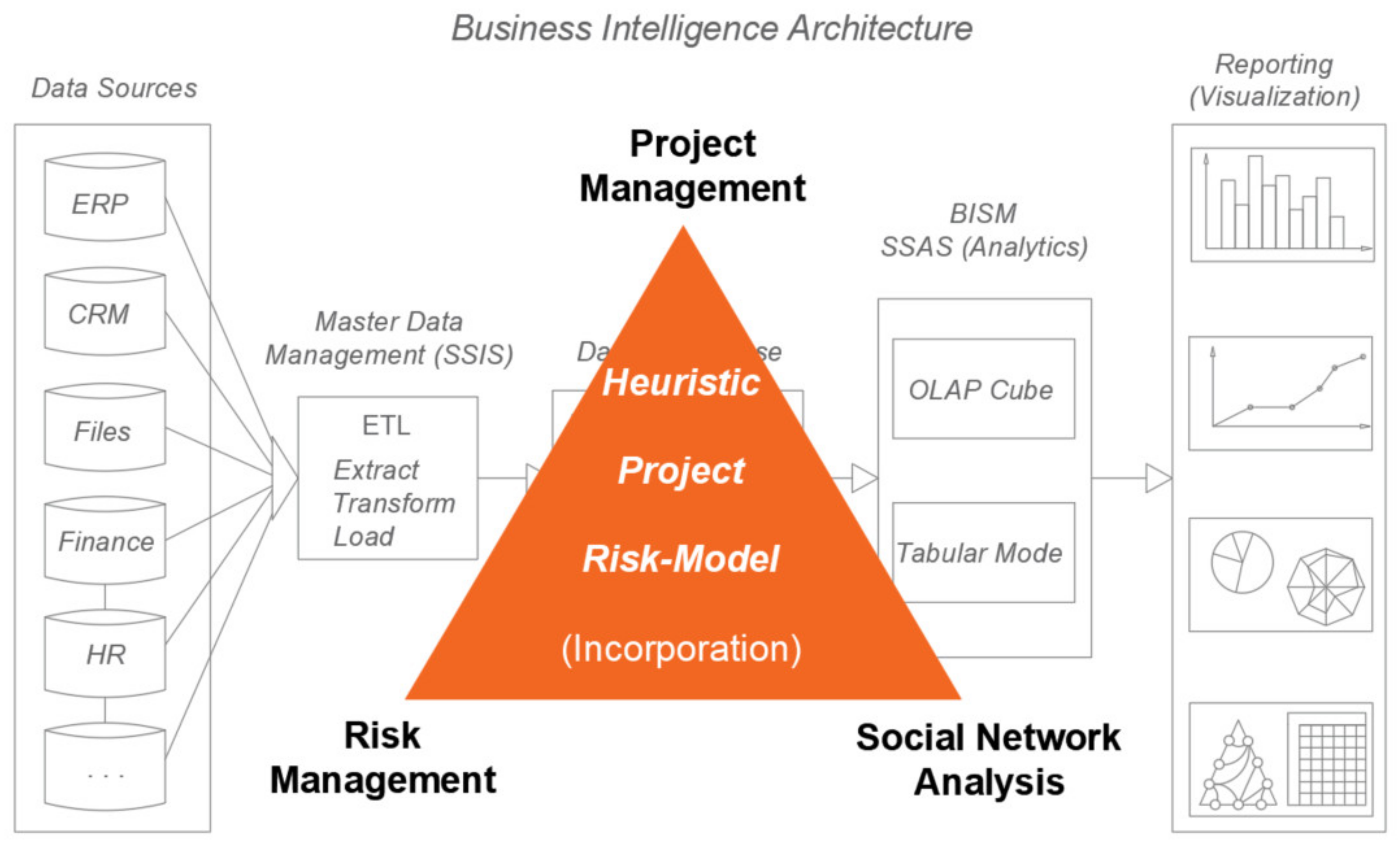
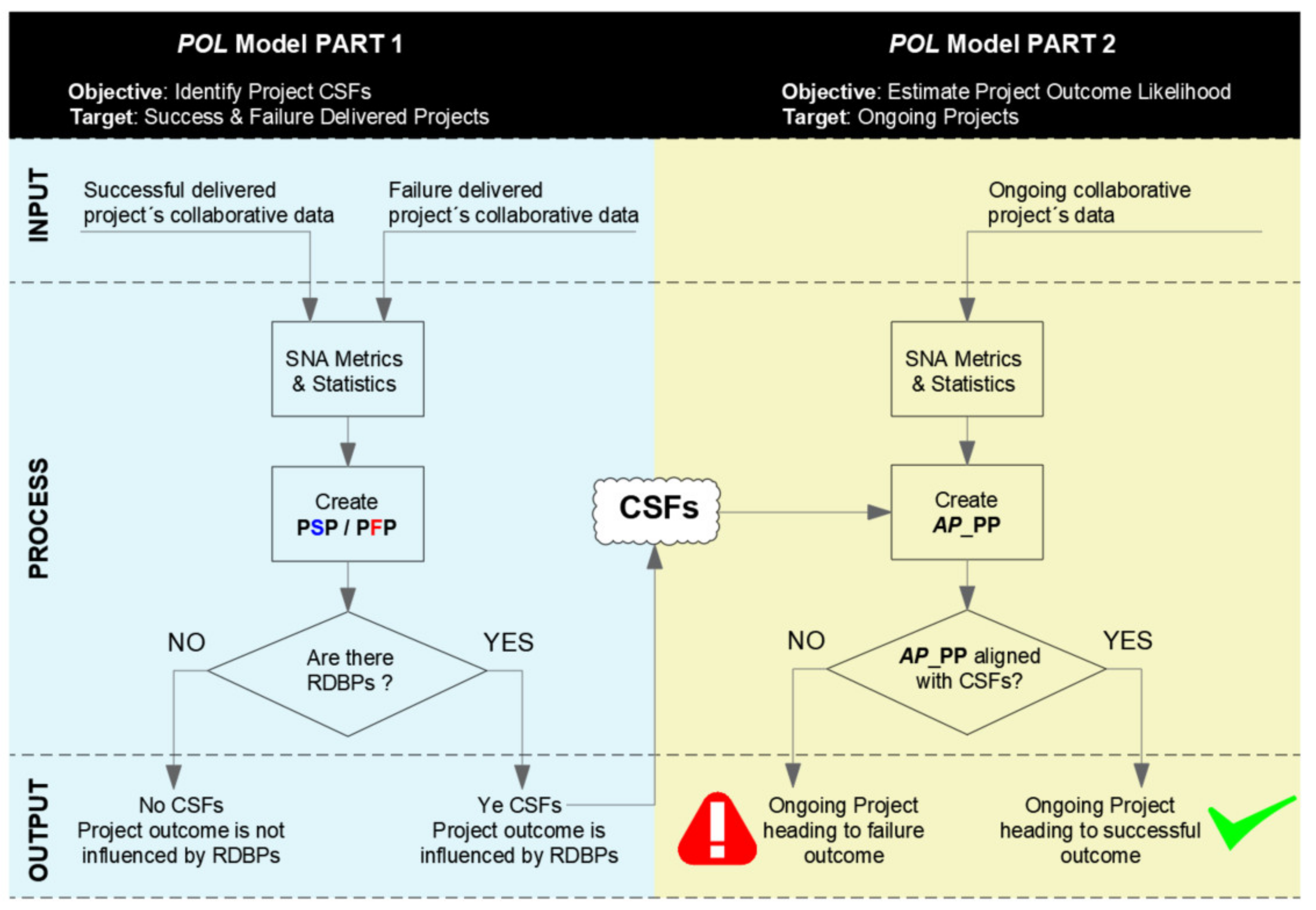
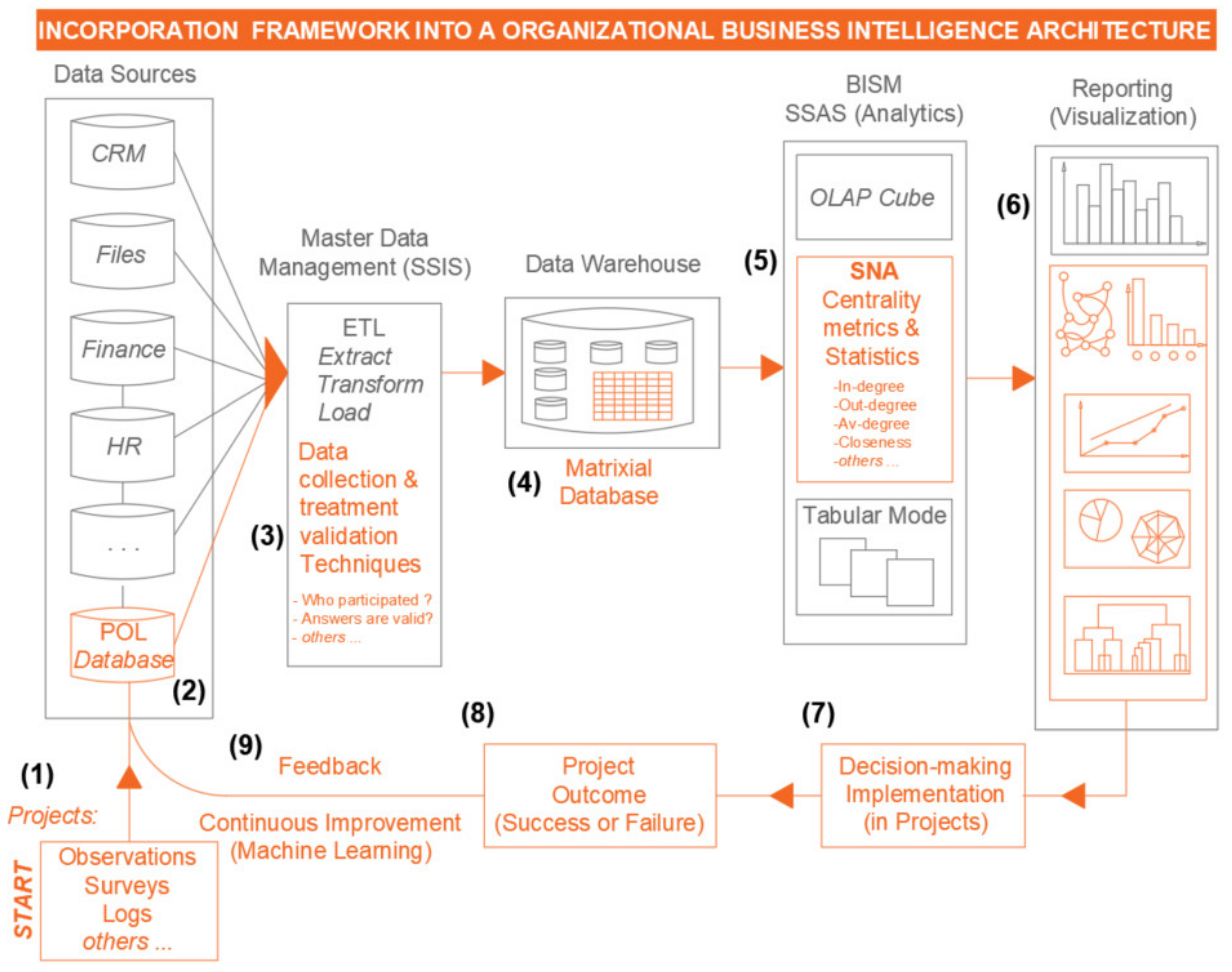
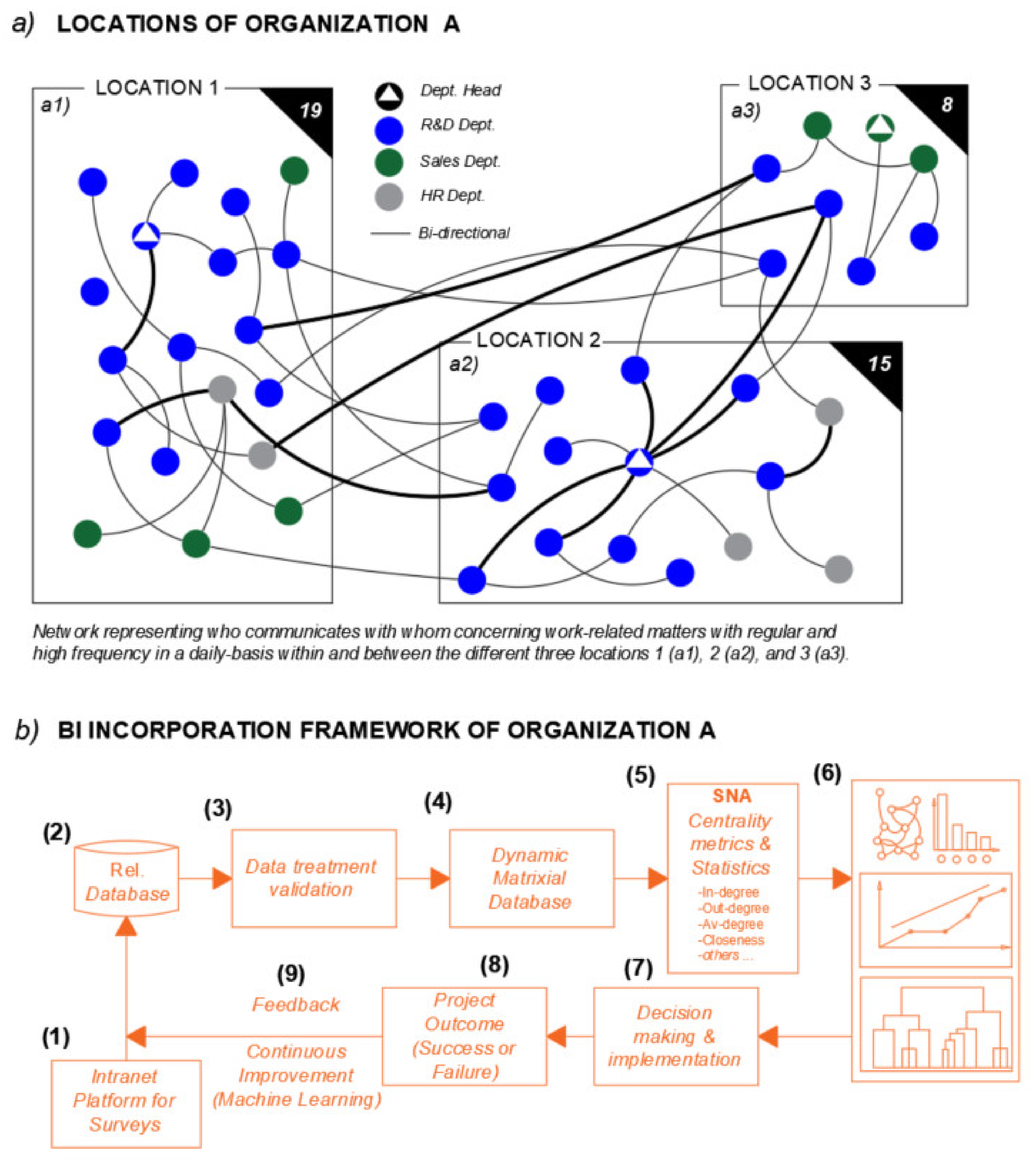
Increasing disruption and turmoil continuously challenges organizations regarding the achievement of short- and long-term objectives. Such a hostile environment results from both the natural evolution of the business landscape complexity and the emergence of unpredictable disruptive evets such as the COVID-19 pandemic. More than ever, organizations should continuously develop business strategies that help them to become more agile, adaptative, sustainable, and effectively respond to the countless business risks (threats and opportunities). Innovation, such as the development and implementation of new technology, new ways of thinking and executing work, are just some of the major factors that can help organizations to increase their likelihood of success. In this work, is proposed the incorporation of a heuristic risk model into a typical organizational business intelligence architecture, to identify collaborative critical success factors across the different phases of a project life cycle which can be used to guide, monitor, and increase the success outcome likelihood of ongoing and upcoming projects. Some benefits of the incorporation include: a higher speed regarding the collection and treatment process of project collaborative data, the output of more accurate results with residual bias associated, a timely and efficient 360° view regarding the identification of project collaborative risks, and the impact (positive or/and negative) of these on a project’s outputs and outcomes. Finally, the model capabilities of performing descriptive, predictive, and prescriptive analysis, enables the generation of unique and actionable project’s lessons learned which can be used to make more data-informed decisions, and thus enhances the achievement of sustainable competitive advantages. The development and implementation of the proposed incorporation is illustrated with a with a real case study.
Keywords: organizational risk management; organizational network analysis; critical success factors; business intelligence architecture; sustainability; organizational digital transformation; industry 4.0 organizational risk management; organizational network analysis; critical success factors; business intelligence architecture; sustainability; organizational digital transformation; industry 4.0