You are currently viewing a new version of our website. To view the old version click .
Sustainability
  • Article
  • Open Access

9 March 2022

Crack Propagation Assessment of Time-Dependent Concrete Degradation of Prestressed Concrete Sleepers
,
and
1
Department of Civil Engineering, School of Engineering, University of Birmingham, Birmingham B15 2TT, UK
2
TOFU Lab (Track Engineering and Operations for Future Uncertainties), School of Engineering, University of Birmingham, Birmingham B15 2TT, UK
3
Railway Engineering Institute, China Academy of Railway Sciences, Beijing 100081, China
*
Author to whom correspondence should be addressed.
This article belongs to the Special Issue Sustainable Organic Materials Used in the Construction Sector

Abstract

As prestressed concrete sleepers are continuously exposed to various environmental and loading conditions, it is increasingly crucial to analyse their current and future serviceability performance. In practice, the main cause of cracking in prestressed concrete sleepers is usually induced by impact loads. The most heavily influenced sections are the midspan and rail-seat area of sleepers. This paper investigates the effects of time-dependent concrete strength degradation on the capacity of prestressed concrete sleepers. The factors affecting concrete strength degradation are analysed in order to evaluate the crack behaviour of prestressed concrete sleepers. A finite element modelling approach is developed for prestressed concrete sleepers, which is used to assess the effects of structural behaviour in railway sleepers. The sleeper model has been calibrated and validated. This research firstly discusses time-dependent behaviour using load–crack length responses. It is shown that various cracking modes cause an overall increase in the maximum cracking length as prestressed concrete sleepers age. This paper demonstrates that initial cracking loads and ultimate crack lengths have significant change in first 20 years. After 40 years of service life, the crack resistance of prestressed concrete sleepers becomes very weak which is only 61.32% of the new sleeper. In long term, the initial cracking load keeps reducing, and the crack propagation rate becomes sharp. The presented methodology and results can greatly assist in decision-making for the repair or replacement of prestressed concrete sleepers and aid in the design of new prestressed concrete sleepers considering their future performance.

1. Introduction

Nowadays, it is believed that railway transport is the safest transportation system around world [1]. Railway sleepers are an important component of track systems, which transfer and distribute loads from the train to subgrade of track [2]. Railway sleepers are usually manufactured by timber, concrete, steel, and any other engineered materials. Prestressed concrete is the most common type used in railway sleeper because of its durability, low maintenance cost, and long lifespan [3,4,5]. Prestressed concrete sleepers are usually designed for 50 years’ service life which is longer than timber and steel sleepers. However, many prestressed concrete sleepers do not reach their expected life span due to damage or deterioration [6,7]. The replacement of damaged concrete sleepers is an expensive and time-consuming process. Under aggressive environmental conditions, prestressed concrete sleepers degrade with time similar to other concrete structures. The penetration of chloride in a prestressed concrete sleeper could result in bar corrosion [8]. The cement of concrete sleepers could react with soil and groundwater which contain sulphate of sodium, potassium, magnesium, and calcium. These reactions cause degradation of the concrete [9]. The aggregate of concrete sleepers could be attacked by alkali, which promoted cracking is called alkali–aggregate reaction [10]. In cold environment, the damage of concrete sleepers could be caused by the freeze–thaw cycles [11]. All those time-dependent behaviour affects the serviceability performance of prestressed concrete sleepers. Since railway sleepers are a necessity to the track systems, it is important to understand their degradation mechanisms and consequent vulnerabilities that have the potential to cause or advance structural failure.
Dyk et al., conducted a worldwide survey that ranked the most common causes of concrete sleeper failures [12]. Table 1 indicates the results obtained from their worldwide surveys. It can be seen cracking from centre binding due to vertical dynamic loads is a critical issue for concrete sleepers around the world. Most cracking occurs in prestressed concrete sleepers usually caused by impact load [13]. Amount of experimental and numerical investigations were carried out by Kaewunruen and Remennikov in order to analyse the effect of dynamic behaviour on prestressed concrete sleepers [14,15,16,17,18]. They presented the typical magnitude of impact loads can vary between 100 kN and 750 kN. These high magnitude impact loads are induced by high-speed trains with heavy haul or track irregularities and imperfections in wheel–rail contact. The cracking and breakage could happen in prestressed concrete sleepers under high magnitude impact loads.
Table 1. Most critical causes of concrete sleeper failures (ranked from 1 to 8, with 8 being the most critical) [12].
In the concrete sleeper design, the bending moments at rail-seat and midspan are the most critical that are the most likely sections for cracking [13]. Rail-seat cracking could be caused by positive bending moment, abrasion, hydro erosion, hydraulic pressure, and freeze–thaw etc. [14]. The continuous support caused by ballast changes could result in the central section presented the maximum bending moment that leads to crack [15]. Previous research stated the centre cracking is observed more commonly occurring in prestressed concrete sleepers [16,17]. Therefore, crack propagation at centre section of the prestressed concrete sleeper is investigated.
Fracture mechanics of concrete structures has been extensively studied in terms of material properties. However, very few studies focused on prestressed concrete sleepers [18]. Farnam and Rezaie investigated the propagation of mode I crack in prestressed concrete sleepers by fracture mechanics’ approach [19]. They conducted the experimental and numerical analysis of crack parameters of prestressed concrete sleepers [20]. Jokūbaitis et al., discussed possible causes of cracking of prestressed concrete sleepers [21]. Montalbán Domingo et al., analysed the effect of cracked concrete sleepers under static loading [13]. Previous investigations focused on structural performance and did not consider the effect of time-dependent actions in crack behaviour of prestressed concrete sleepers. In actual track systems, the durability and serviceability performance of prestressed concrete sleepers vary with time. The concrete strength degrades under aggressive environmental conditions.
This paper aims to study the crack propagation of prestressed concrete sleepers at midspan subject to concrete degradation. The structural responses of degraded concrete sleepers are characterised for 50 years under centre static loading in order to compare the crack lengths in different periods. The variation of concrete strength due to time-dependent actions is also investigated. A numerical study is rigorously conducted to comprehensively assess the structural performance of prestressed concrete sleepers exposed to concrete degradation. The three-dimensional model of prestressed concrete sleeper has been developed in order to simulate the crack propagation at midspan. The static capacity experiment of prestressed concrete sleepers conducted by Jing is used for the verification of numerical crack results [22]. This paper reinforces the time-dependent design guideline for prestressed concrete sleepers to suit any local track.

2. Fracture Analysis and Assessment Method

2.1. Fracture Mechanics

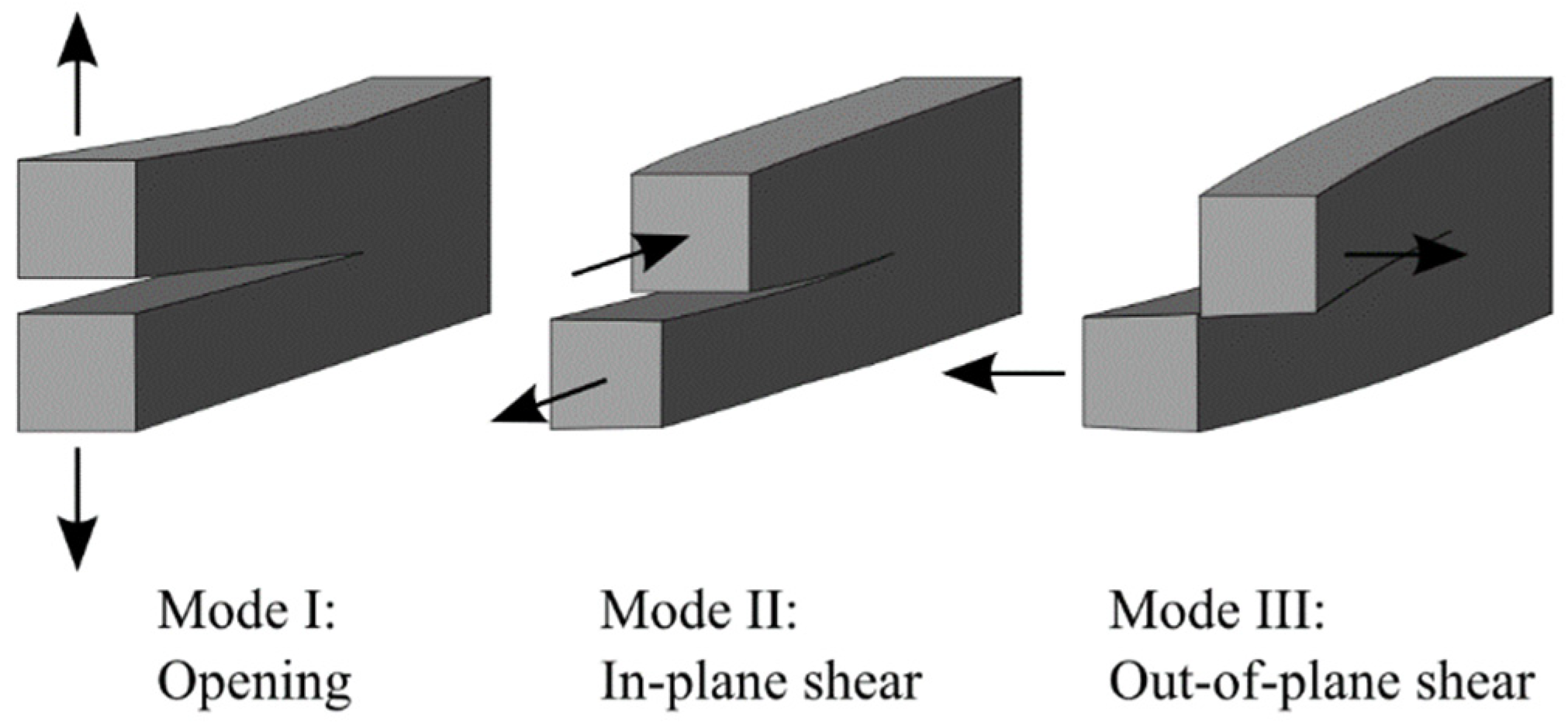
Fracture mechanics investigates the cracking behaviour of a structure under applied loads. It involves correlating analytical predictions of crack propagation and failure with experimental results. The analytical predictions are made by determining fracture parameters such as stress intensity factor (SIF) in the crack area. The stress intensity factor which determines the fracture toughness subject to linear-elastic fracture mechanics (LEFM) is a function of the stress on the flaw, flaw size, and structural geometry. The three basic modes of fracture associated with stress intensity factors are shown in Figure 1. In this study, Mode I is considered as the crack pattern for analysis of crack propagation of prestressed concrete sleepers. The stress intensity factor can be calculated as follows [23]:
K I C = σ β π α
where σ is the applied stress; β is the dimensionless correction factor dependent on specimen geometry; and α is the crack length.
Figure 1. Three basic modes of fracture.

2.2. Numerical Crack Assessment Method

In crack simulation, two models are utilised: traditional cohesive zone modelling (CZM) and extended finite element method (XFEM) [24]. CZM is mostly used for simulating debonding between surfaces attached adhesively. However, CZM is generally not suitable for simulating crack propagating in the bulk of a material. XFEM is more recently used in crack calculations instead of CZM, as XFEM eliminates the need for remeshing crack tip regions and it defines an extended finite element enrichment area around a crack tip and in regions where it is plausible that the crack tip might grow [25]. In this way, a finer mesh by splitting existing cells is created instead of remeshing. The disadvantage of XFEM is the enrichment area usually takes a long time to compute, and so in large projects with large enrichment areas, the simulation becomes very slow.
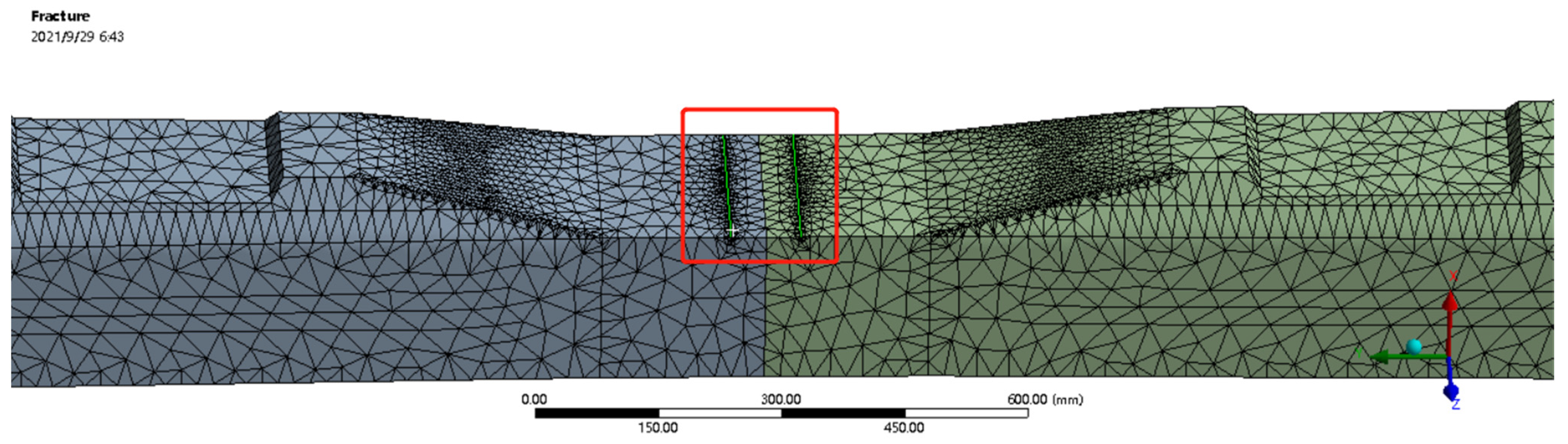
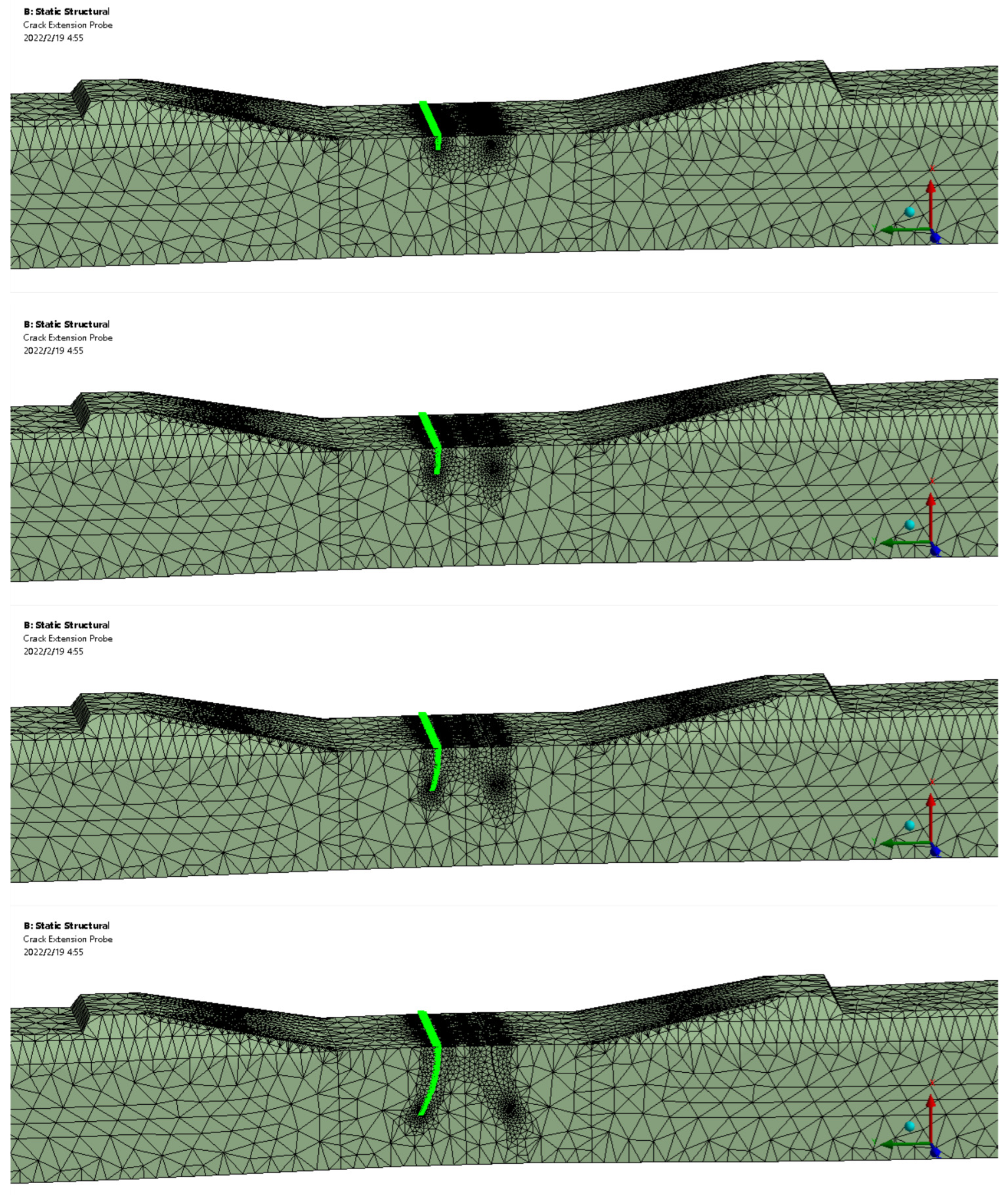
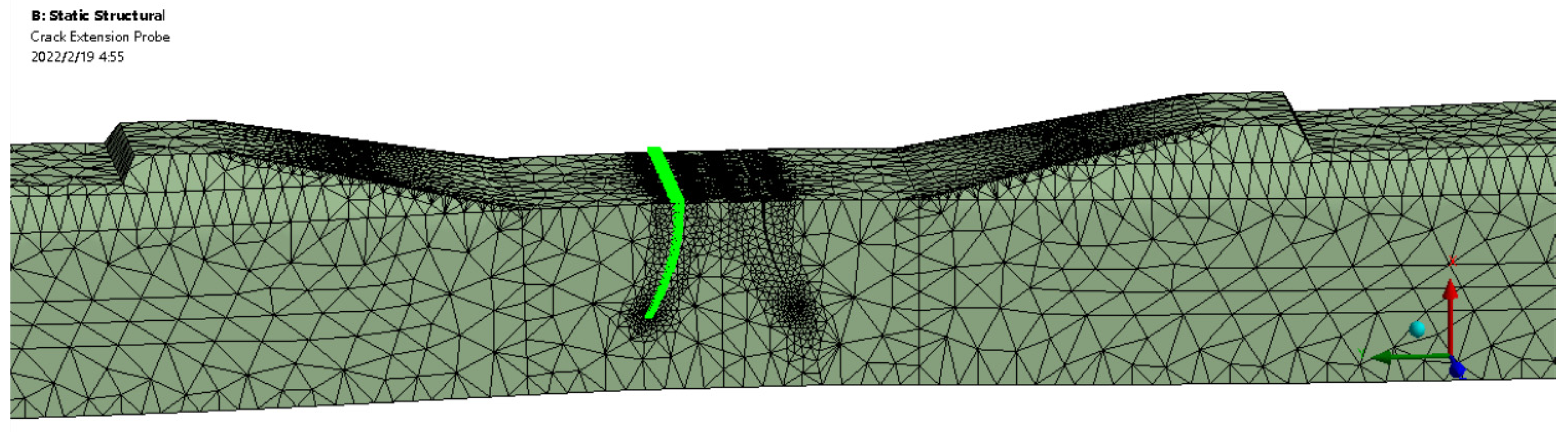
To assess crack behaviour, the commercial finite element package, ANSYS Workbench, is employed. The new feature in ANSYS is Separating Morphing and Adaptive Remeshing Technology (SMART) crack growth simulation, which is based on the new Unstructured Mesh Method (UMM). The UMM generates all-tetrahedral (tet) mesh automatically for crack fronts which is easier to use than previous fracture simulation method. It also reduces pre-processing time. SMART updates the mesh from crack-geometry changes due to crack growth automatically at each solution step instead of using the enrichment area (splitting) of XFEM. Unlike XFEM, SMART can be scaled up for larger projects because remeshing is limited to a small area around the crack tip at each iteration. The SMART crack growth aims to simulate static or fatigue crack growth.

3. Time-Dependent Concrete Strength Model

Concrete strength of structures is not constant with time during service life. The mechanical properties of the concrete structure gradually degrade due to various time-dependent actions. The most significant factors affecting concrete strength are chloride corrosion, sulphate attack, freeze–thaw cycle, carbonation, alkali attack, and effect of temperature etc [26]. These factors could occur simultaneously and the combined actions of loading and environmental conditions accelerates degradation of the concrete. In practice, prestressed concrete sleepers as a concrete structure also experience in harsh environments. The factors affecting concrete strength result in concrete degradation which causes premature cracking in prestressed concrete sleepers. Therefore, it is important to understand the time-dependent concrete strength behaviour before analysis of crack propagation of prestressed concrete sleepers.
There are many existing time-dependent concrete strength models. However, most of models consider incomprehensive factors in the laboratory. The main existing time-dependent concrete strength models are presented as follows [27,28,29,30,31,32,33].
CEB-FIP model:
f c ( t ) = f c e s ( 1 28 t )
where f c is the mean value of concrete compressive strength in 28 days; s is the factor determined by cement type and mineral additives.
AFREM model:
f c ( t ) = t 1.5 + 0.95 t f c
where f c is the mean value of concrete compressive strength in 28 days.
ACI model:
f c ( t ) = t α + β t f c
where f c is the mean value of concrete compressive strength in 28 days; α is the constant that depends on the cement type; β is the constant that depends on the curing method. For general purpose Portland cement, α and β are 4.0 and 0.85 respectively for moist cured concrete. α and β are 1.0 and 0.95 respectively for steam cured concrete.
Plowman model:
f c ( t ) = [ a + b log ( t ) ] f c
where D and b are the factors dependent on cement type; f c is the mean value of concrete compressive strength in 28 days.
Nykanen model:
f c ( t ) = f u l t [ 1 exp ( k t ) ]
where k is the factor dependent on cement type; f u l t is the concrete ultimate strength.
Freiesleben and Pederson model:
f c ( t ) = f u l t exp [ ( τ t ) α ]
where τ and α are the factors dependent on cement type; f u l t is the concrete ultimate strength.
Lew and Reichard model:
f c ( t ) = f u l t 1 + D · log ( t t 0 ) b
where D and b are the factors dependent on cement type.
These models are normally based on experiential equations and experimental data under laboratory conditions. The field investigation related time-dependent concrete strength conducted by Gao et al. [34] studied more than 400 existing concrete structures service life between 1 to 60 years. Field data are the best solution for analysis of time-dependent concrete strength in concrete structures. Therefore, Gao’s model is adopted for investigation of crack propagation of prestressed concrete sleepers. The predicting time-dependent concrete strength model is given by:
f c u = f c u , k ( 0.0003 t 2 + 0.281 t + 0.8822 )
where f c u , k is the cubic compressive strength standard value of concrete.

4. Structural Details of Prestressed Concrete Sleeper

4.1. Geometric and Material Details of the Prestressed Concrete Sleeper

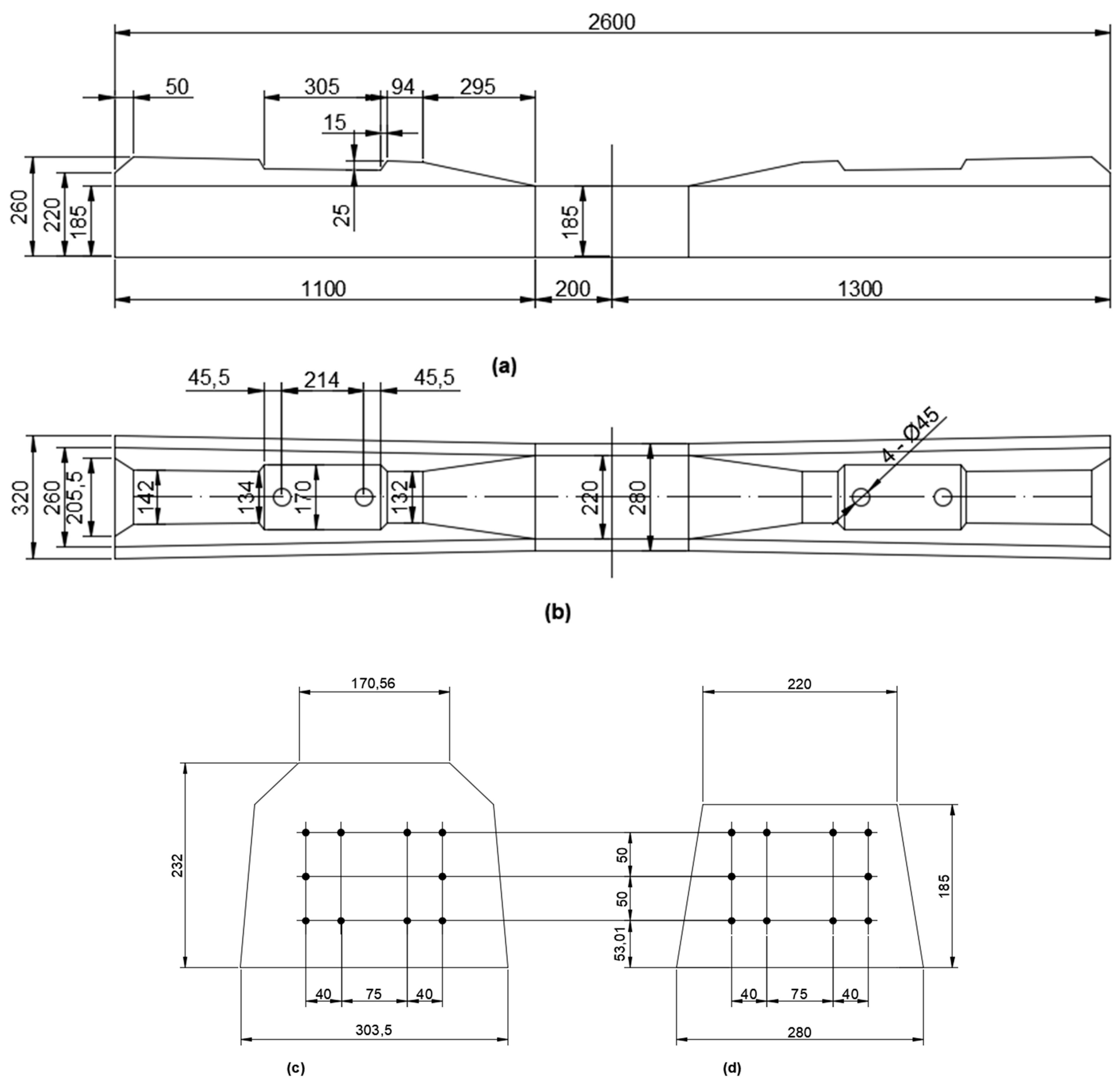
In this study, the 2600 mm long Chinese Type III prestressed concrete sleeper is assessed using experimental and numerical method to analyse crack behaviour subject to concrete degradation. This type of sleeper is widely used for high-speed railways in China, Africa, Southeast Asia etc. The concrete sleeper meets the technical requirements of EN 13230 [35,36,37]. The dimension of the sleeper is approximately 2600 mm × 320 mm × 260 mm including 10 prestressing tendons with 7 mm diameters. The material properties are shown in Table 2 and the geometric details of concrete sleeper are illustrated in Figure 2.
Table 2. Material properties of the Chinese Type III prestressed concrete sleeper.
Figure 2. Geometric details of the Chinese Type III prestressed concrete sleeper: (a) Front elevation; (b) Plan; (c) Rail seat section; (d) Midspan section.

4.2. Finite Element Sleeper Model

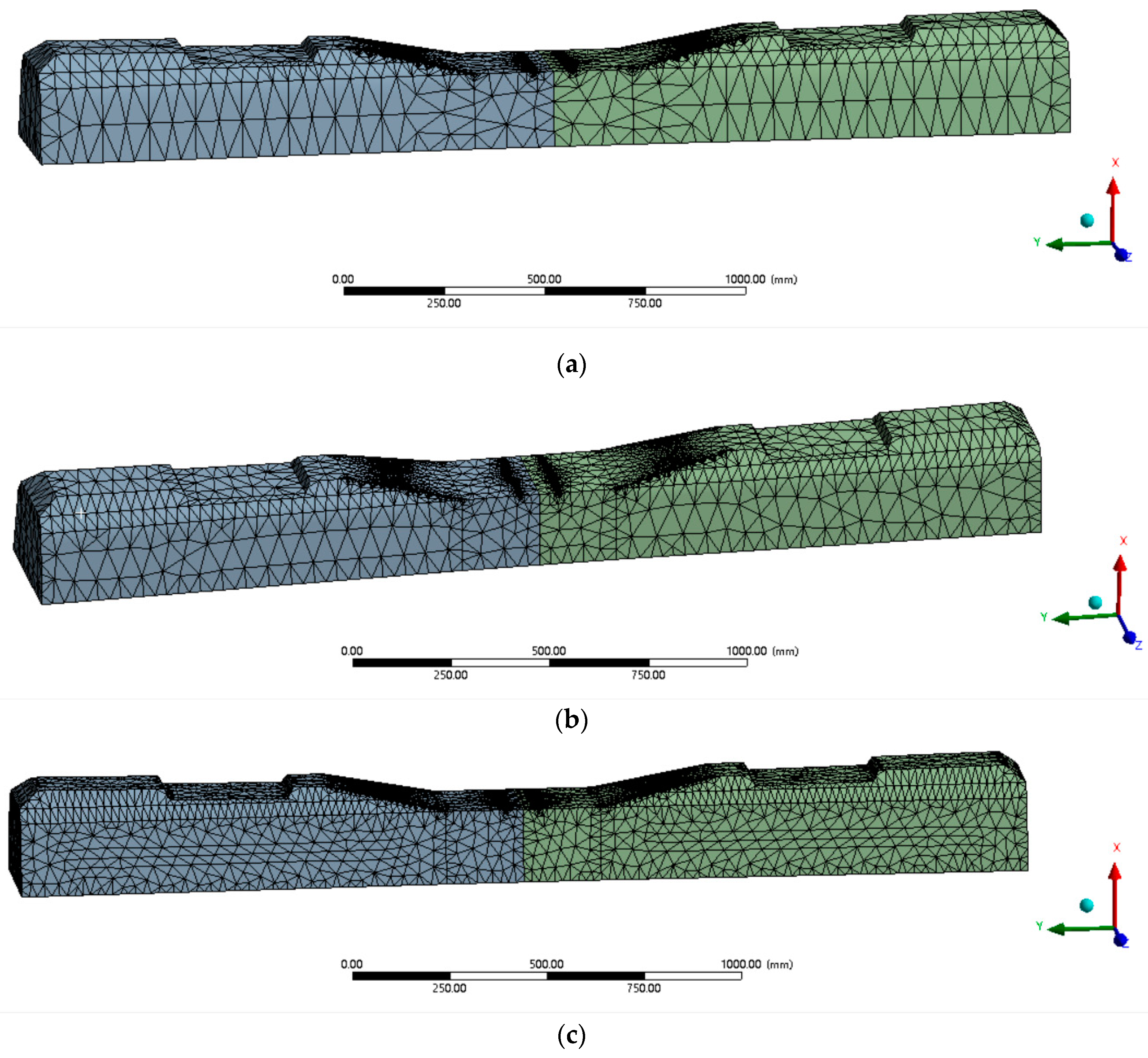
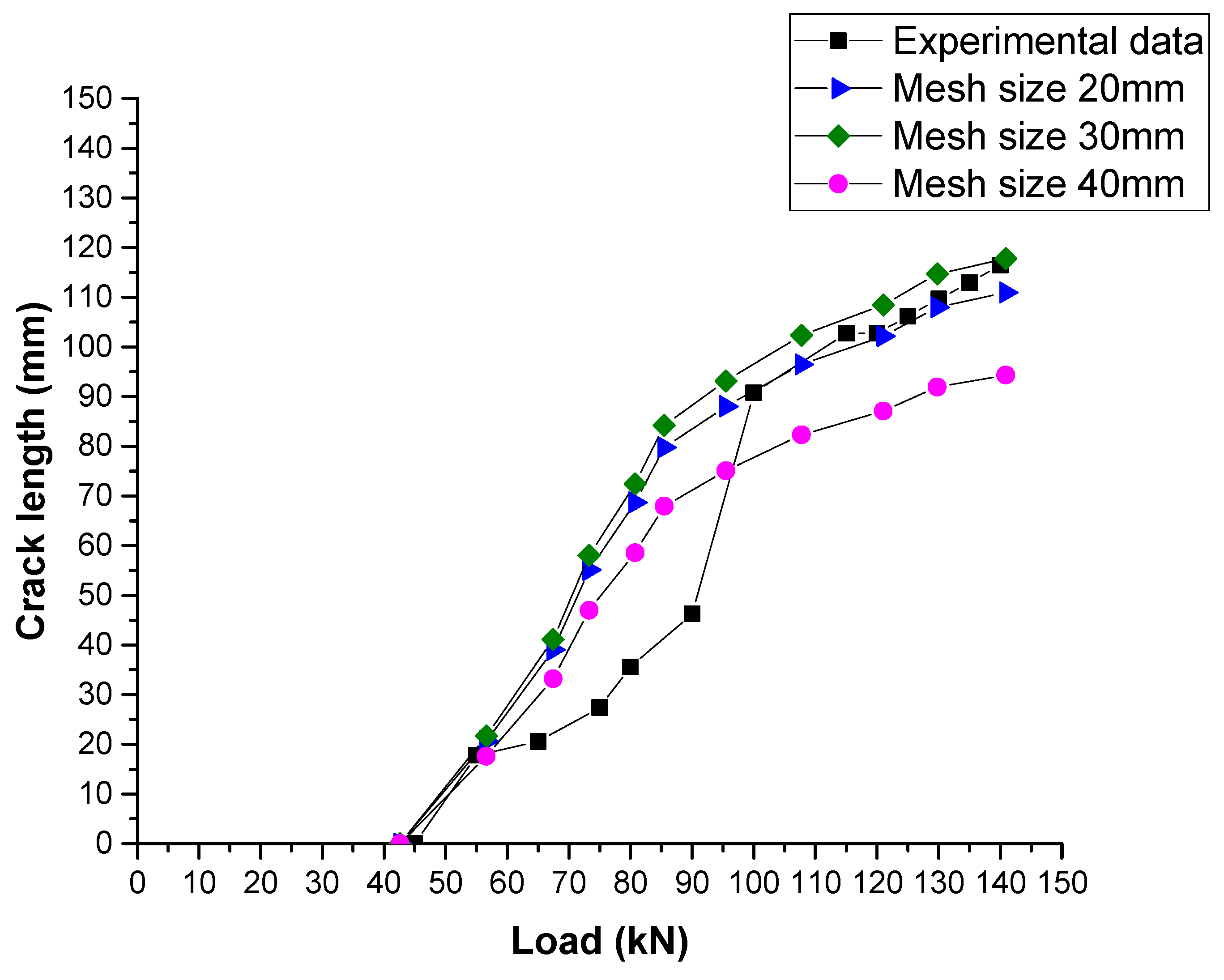
In this study, the finite element model of Chinese Type III prestressed concrete sleeper is developed using ANSYS Workbench. The geometry of the sleeper model is established the same as the real product with minimal differences. The concrete of sleeper is modelled as solid elements with most of these elements being 10-node tetrahedron elements, while the prestressed tendons are modelled as beam elements. It should be noted that the tetrahedron element is the only supported element type in the simulation. In this study, three mesh sizes (20 mm, 30 mm, 40 mm) are attempted to analyse crack propagation. Cracking simulation usually takes a long time, thus a proper mesh size of elements for analysing the FE sleeper model also determines due to computational time considerations. The Bonded contact type is applied to prestressing tendons and concrete of the sleeper model, in which no slip or separation between concrete and tendons is allowed. The prestressing force is modelled using Thermal Condition in the tendon elements. Figure 3 shows the finite element prestressed concrete sleeper model.
Figure 3. Finite element prestressed concrete sleeper model. (a) Mesh size 40 mm; (b) Mesh size 30 mm; (c) Mesh size 20 mm.

4.3. Model Validation

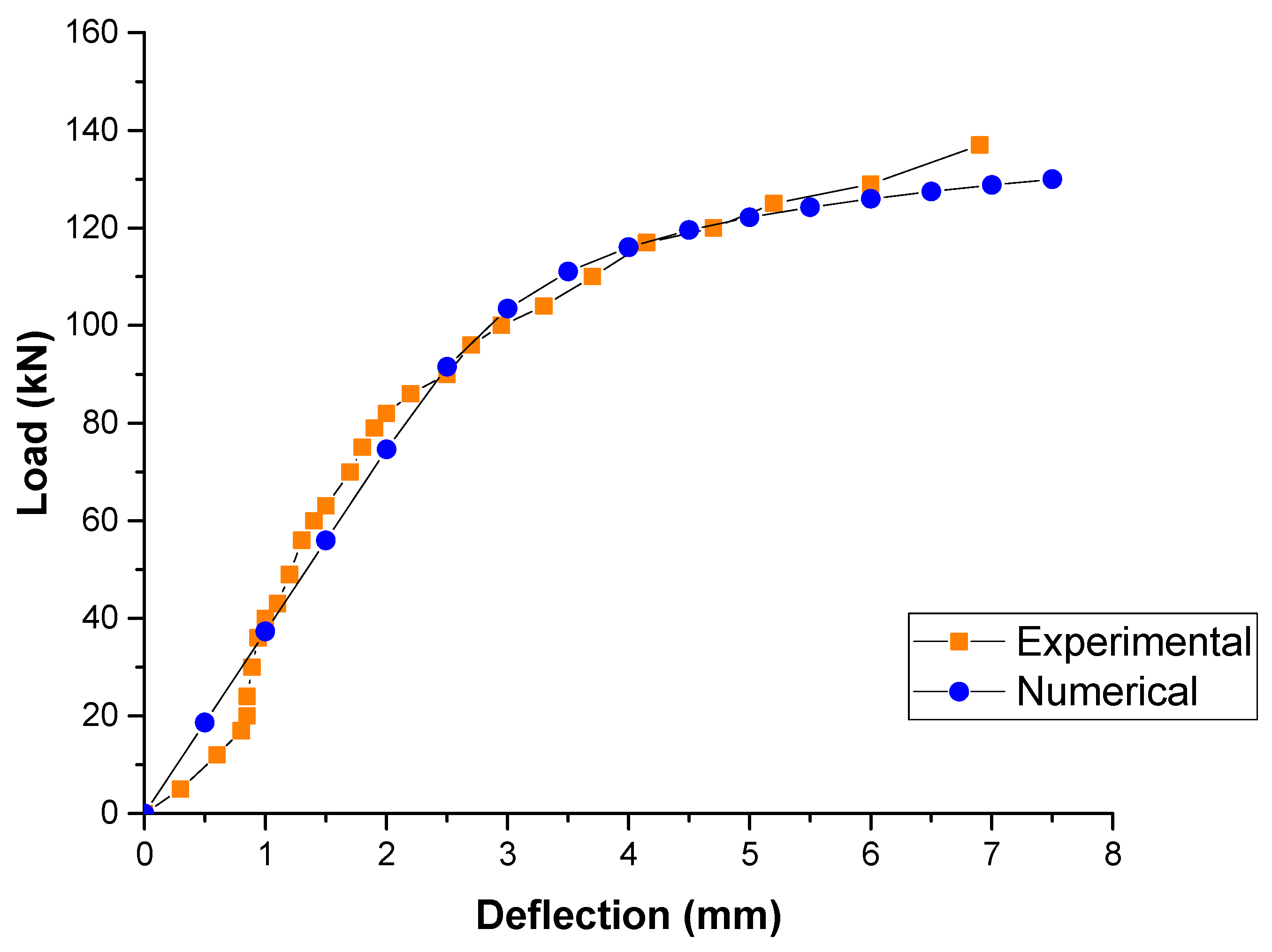
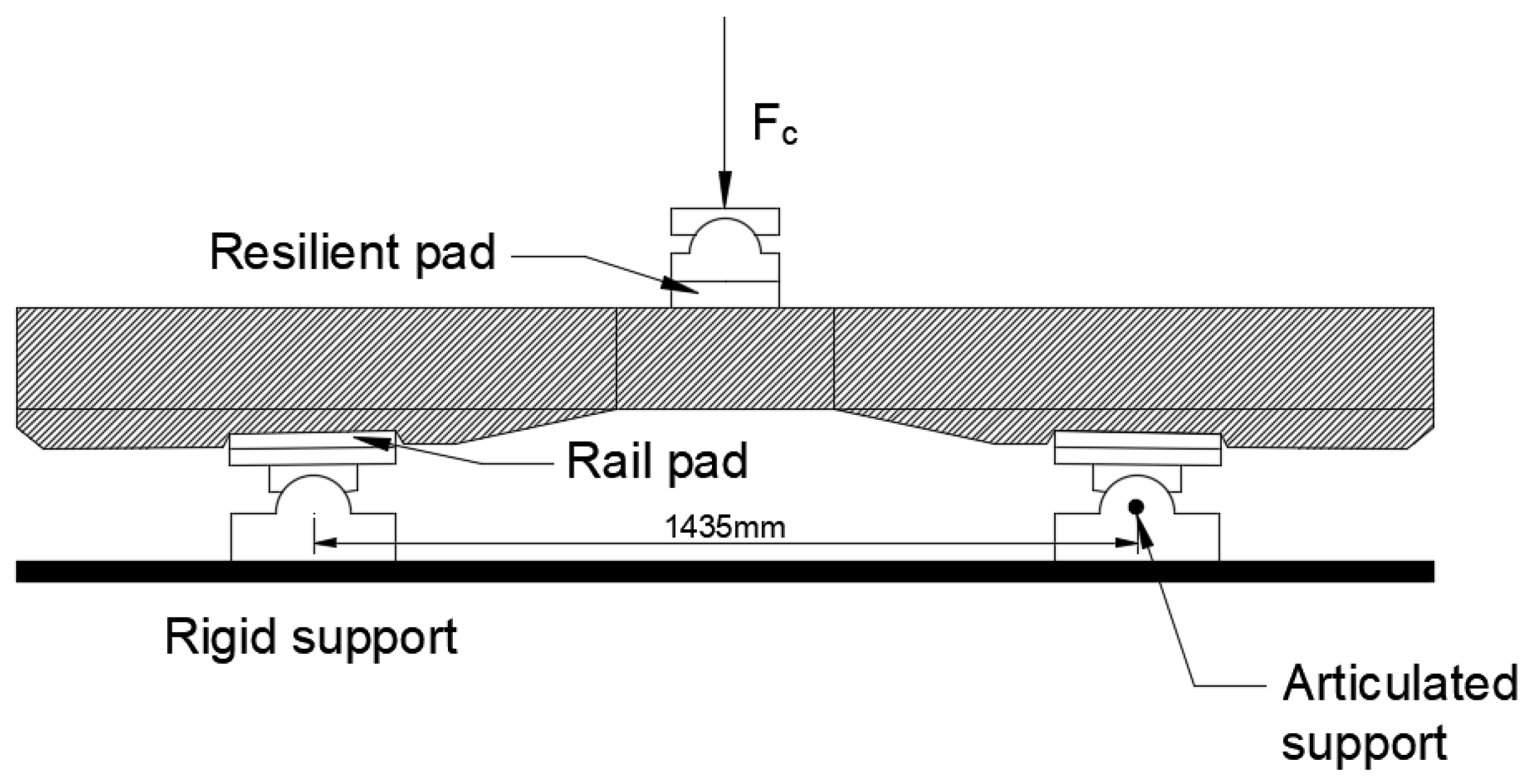
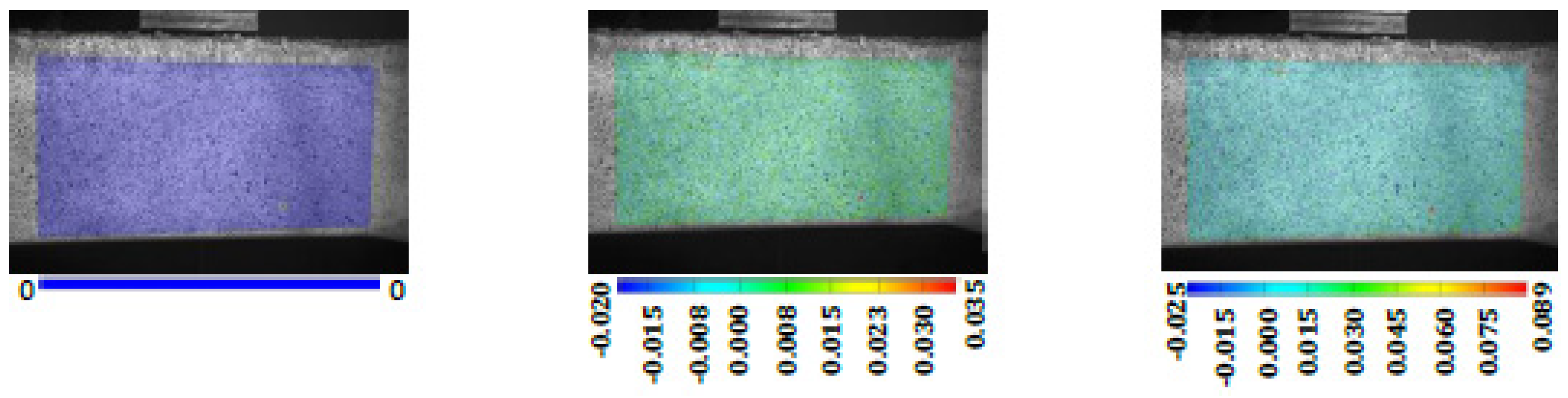
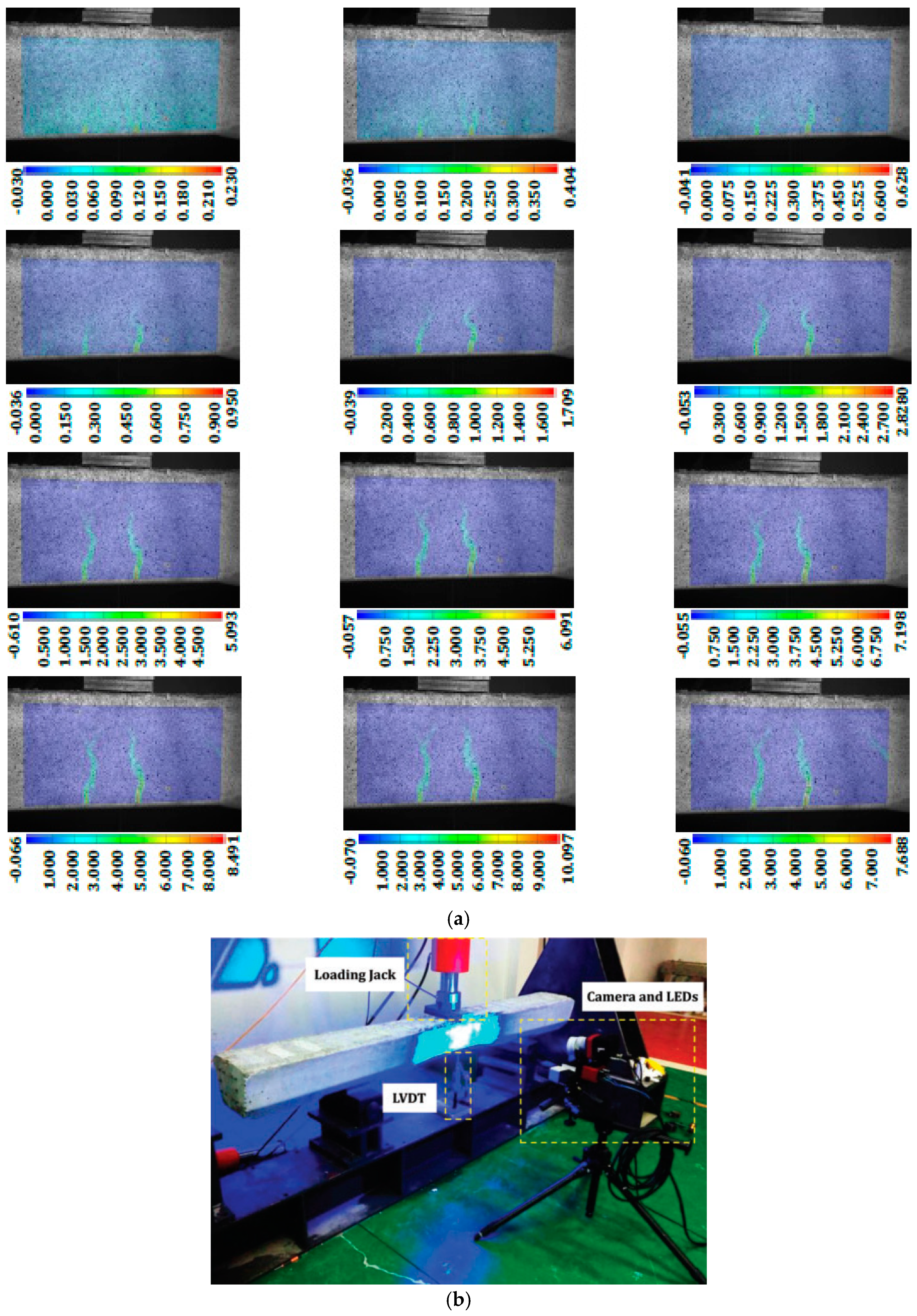
The material and structural performance of the FE sleeper model needs to be validated. Previous research has presented the validation of the FE sleeper model in reference [4]. The experimental static load–deflection response is presented for comparing with numerical results. The results of the negative bending moment test at midspan using the digital image correlation method (DIC) are used for validation [22]. Comparison between experimental and numerical load–deflection responses is plotted in Figure 4. The numerical results show a good agreement with experimental results. The mesh study of FE sleeper model is also carried out for the models with 20 mm, 30 mm, and 40 mm mesh size. The results between each mesh size are quite similar whereas the average maximum error rate is only 6% in experimental results.
Figure 4. Load–deflection responses of the prestressed concrete sleeper.
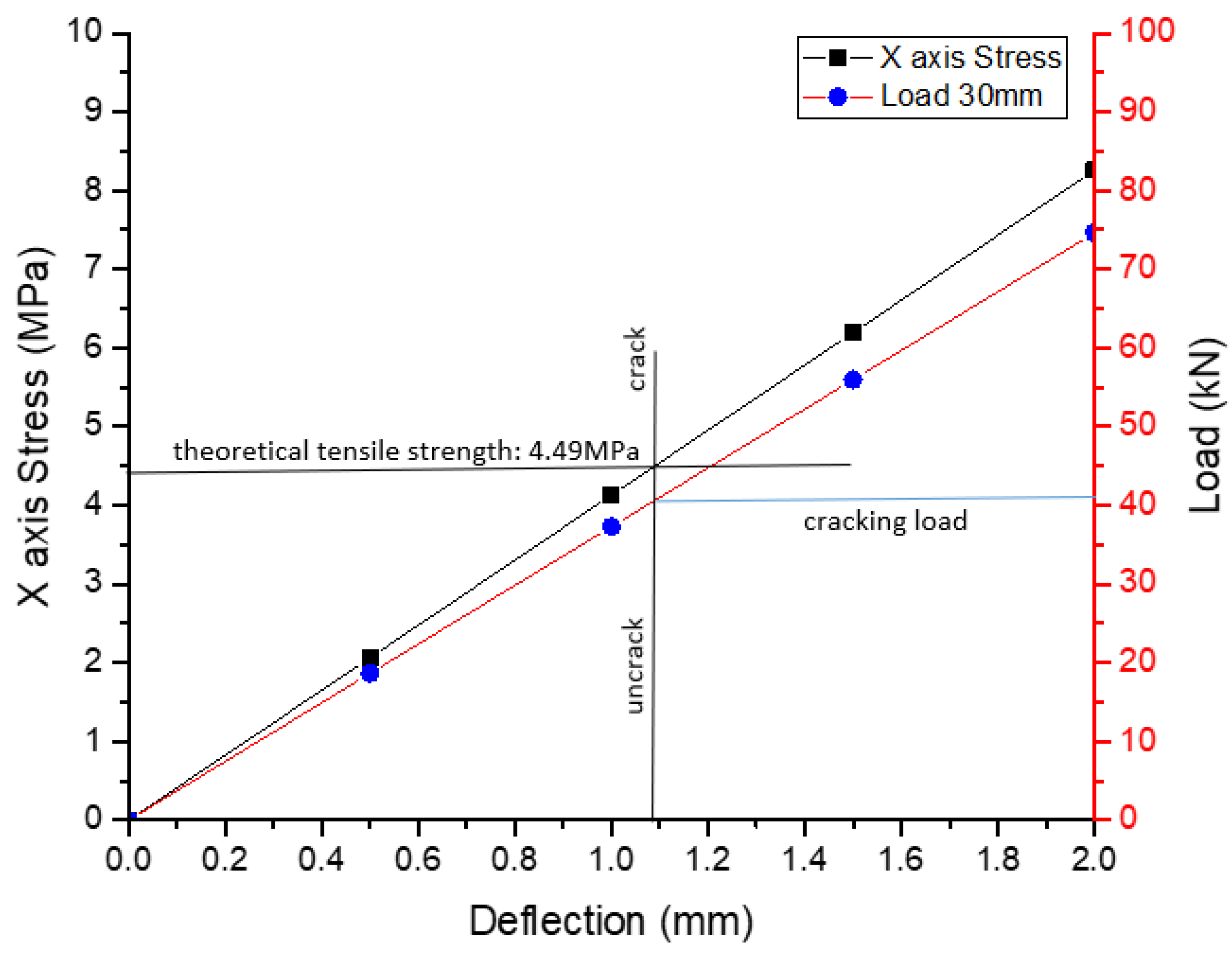
In crack analysis, initial cracking point needs to be confirmed. Therefore, the failure mode of the FE sleeper model is validated. As we know, concrete starts cracking when the load exceeds maximum tensile strength. The theoretical tensile strength according to Eurocode 2 is calculated in order to determine initial cracking point. The theoretical tensile strength is input in numerical load–deflection curve to find initial cracking deflection. In the theoretical calculation, initial crack occurs at 4.49 MPa with 1.09 mm deflection shown in Figure 5. Therefore, the initial cracking point of FE sleeper model converted into force is 42.16 kN. In comparison with experimental initial cracking force (45 kN), the deviation is only 6.30%.
Figure 5. Initial cracking point determination of the FE sleeper model [4].

6. Conclusions

Cracking at midspan is one of the most common forms of railway sleeper damage in conventional tracks, especially in heavy-duty railway tracks. The bending cracks in a prestressed concrete sleeper are often detected at midspan and eventually reduce the structural performance. Centre cracking is commonly related to axle load, support conditions, wheel-rail contact condition, and impact load etc. As a concrete structure, prestressed concrete sleepers are also affected by environmental factors such as freeze–thaw, sulphate attack, chloride corrosion, carbonation, and temperature effect. This paper presents experimental and numerical investigations into the cracking behaviour of prestressed concrete sleepers subject to time-dependent concrete degradation. The time-dependent concrete degradation is studied and the existing predicting models of time-dependent concrete strength are introduced in order to analyse cracking behaviour at various time periods. The Gao’s model is applied as an input for time-dependent concrete strength in the sleeper cracking modelling. In this study, a nonlinear 3D finite element sleeper model was developed to simulate the cracking behaviour. FE sleeper model was validated by the centre negative bending moment test. A new numerical crack model in accordance with fracture toughness theory, Separating Morphing and Adaptive Remeshing Technology (SMART), is employed for crack propagation simulation. The growth of crack simulation shows a fairly good agreement with the experimental data.
The key findings are revealed by the obtained results as follows.
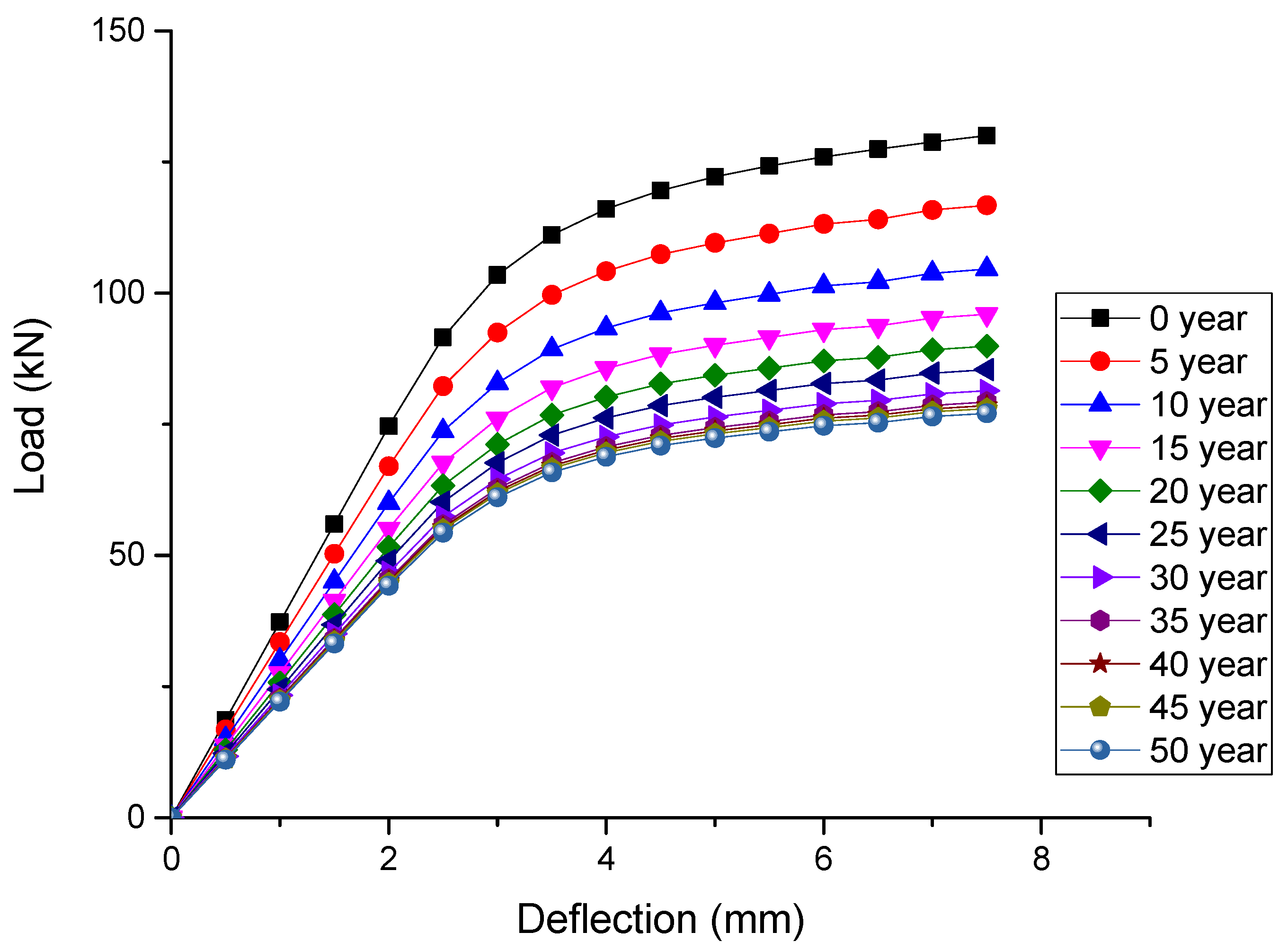
  • Generally, time-dependent concrete degradation affects both material properties and structural performance of prestressed concrete sleepers. The effect of time-dependent concrete degradation for prestressed concrete sleepers has more significant change in relative early age especially in first 20 years. The load–deflection curves indicate the stiffness of sleeper reduces with time due to degradation.
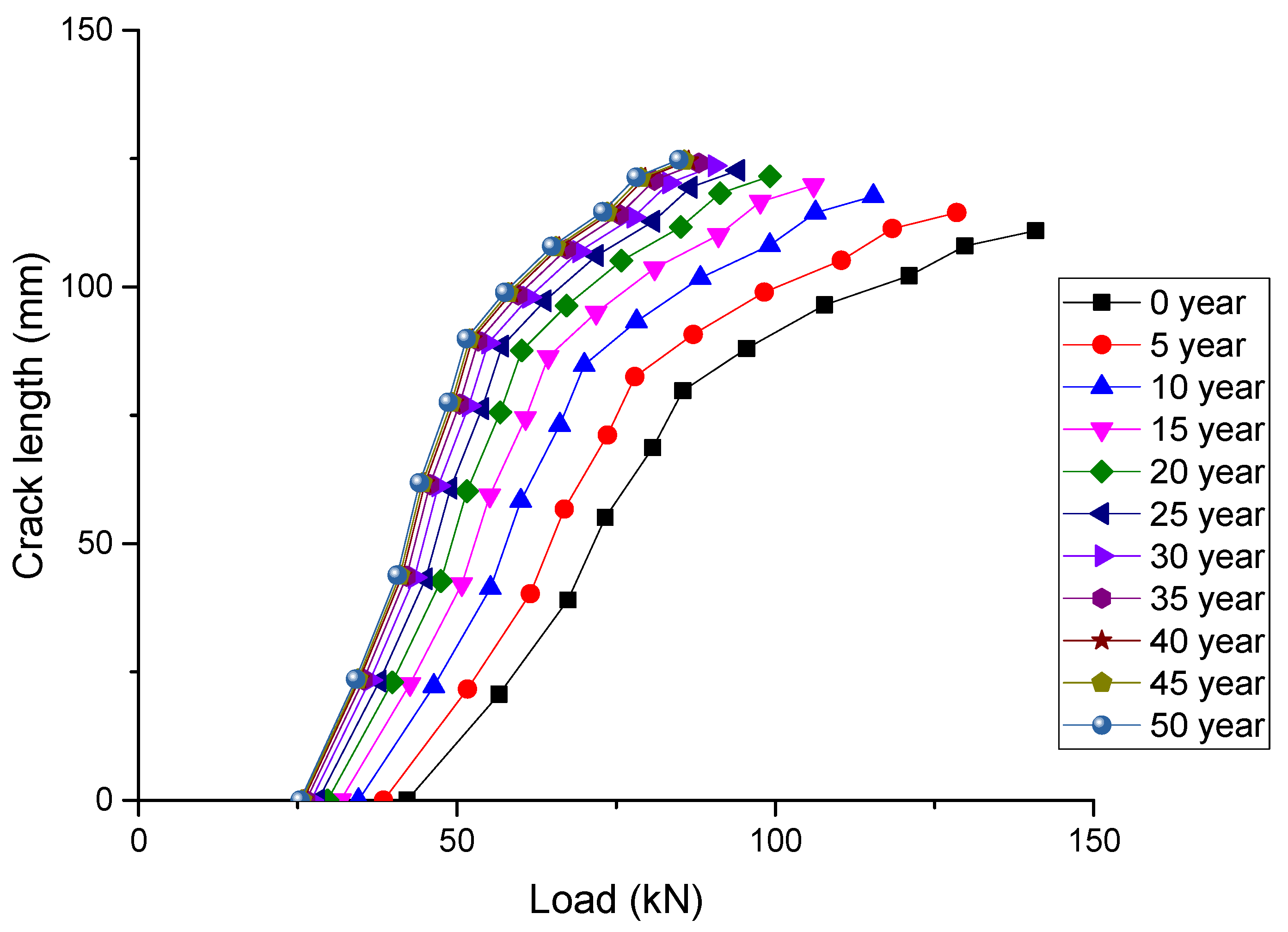
  • The initial cracking load of the prestressed concrete sleeper decreases with time. In the first 20 years, the reduction of the initial cracking load is from 42.16 kN to 29.67 kN, which the crack resistance reduces by 29.67%. After 40 years of service life, the crack resistance of the sleeper only reaches 61.32% of a new one.
  • Ultimate crack length at midspan increases with time. The ultimate crack in 50 years increases by 12.45% in comparison with new sleepers. However, long-term crack propagation shows that lower applied load causes higher crack length due to degradation. The failure load also decreases with time.
  • After 30 years, the effect of time-dependent concrete degradation in material properties and structural performance of prestressed concrete sleepers do not have significant change.
The results demonstrate that time-dependent concrete degradation significantly affects the material properties and structural performance of prestressed concrete sleepers. Therefore, the inspection of railway sleepers is essential especially for the service life of more than 20 years. The findings can help railway operators evaluate the service performance of prestressed concrete sleepers and provide a guideline for periodic maintenance of railways. The outcome of this paper will enhance the inspection of prestressed concrete sleepers in railway systems and mitigate the risk of unplanned maintenance. The railway sleeper manufacturers could use the numerical model to assess their product designs.

Author Contributions

Conceptualization, D.L. and S.K.; methodology, D.L.; software, D.L.; validation, D.L., R.Y. and S.K.; formal analysis, D.L.; investigation, D.L. and R.Y.; resources, R.Y.; data curation, D.L.; writing—original draft preparation, D.L.; writing—review and editing, S.K.; visualization, D.L.; supervision, S.K.; project administration, S.K.; funding acquisition, S.K. All authors have read and agreed to the published version of the manuscript.

Funding

This research was funded by the European Commission, grant number: H2020-MSCA-RISE No. 691135.

Institutional Review Board Statement

Not applicable.

Data Availability Statement

The data that support the findings of this study are available from the corresponding author upon reasonable request.

Acknowledgments

The authors are grateful to the Track Engineering and Operations for Future Uncertainties (TOFU) Lab, University of Birmingham for support throughout this study. The authors would like to thank the Commission for H2020-MSCA-RISE, Project No. 691135 “RISEN: Rail Infrastructure Systems Engineering Network” [41]. In addition, the first author wishes to thank the China Academy of Railway Science (CARS) for the collaborative project.

Conflicts of Interest

The authors declare no conflict of interest.

References

  1. Remennikov, A.M.; Murray, M.H.; Kaewunruen, S. Reliability-based conversion of a structural design code for railway prestressed concrete sleepers. Proc. Inst. Mech. Eng. Part F J. Rail Rapid Transit 2011, 226, 155–173. [Google Scholar] [CrossRef]
  2. Esveld, C. Modern Railway Track; MRT-Productions Zaltbommel: Delft, The Netherlands, 2001; Volume 385. [Google Scholar]
  3. Taherinezhad, J.; Sofi, M.; Mendis, P.; Ngo, T. A review of behaviour of prestressed concrete sleepers. Electron. J. Struct. Eng. 2013, 13, 1–16. [Google Scholar]
  4. Li, D.; Kaewunruen, S.; You, R. Time-dependent behaviours of railway prestressed concrete sleepers in a track system. Eng. Fail. Anal. 2021, 127, 105500. [Google Scholar] [CrossRef]
  5. Kaewunruen, S.; Remennikov, A.M. Impact capacity of railway prestressed concrete sleepers. Eng. Fail. Anal. 2009, 16, 1520–1532. [Google Scholar] [CrossRef]
  6. Thun, H. Assessment of Fatigue Resistance and Strength in Existing Concrete Structures. Ph.D. Thesis, Luleå Tekniska Universitet, Luleå, Sweden, 2006. [Google Scholar]
  7. Remennikov, A.M.; Kaewunruen, S. Experimental load rating of aged railway concrete sleepers. Eng. Struct. 2014, 76, 147–162. [Google Scholar] [CrossRef]
  8. Mohammadzadeh, S.; Vahabi, E. Time-dependent reliability analysis of B70 pre-stressed concrete sleeper subject to deterioration. Eng. Fail. Anal. 2011, 18, 421–432. [Google Scholar] [CrossRef]
  9. Neville, A.M. Properties of Concrete; Longman London: London, UK, 1995; Volume 4. [Google Scholar]
  10. Euro-International Committee for Concrete; Comité euro-international du béton. Durable Concrete Structures: Design Guide; Thomas Telford: Telford, UK, 1992; Volume 183. [Google Scholar]
  11. Zi, G.; Moon, D.Y.; Lee, S.-J.; Jang, S.Y.; Yang, S.C.; Kim, S.-S. Investigation of a concrete railway sleeper failed by ice expansion. Eng. Fail. Anal. 2012, 26, 151–163. [Google Scholar] [CrossRef]
  12. Van Dyk, B.J.; Dersch, M.S.; Edwards, J. International concrete crosstie and fastening system survey–final results. In Proceedings of the 2012 Joint Rail Conference, Philadelphia, PA, USA, 17–19 April 2012. [Google Scholar]
  13. Domingo, L.M.; Martin, C.Z.; Avilés, C.P.; Herraiz, J.I.R. Analysis of the Influence of Cracked Sleepers under Static Loading on Ballasted Railway Tracks. Sci. World J. 2014, 2014, 1–10. [Google Scholar] [CrossRef]
  14. Bakharev, T.; Struble, L.J. Microstructural Features of Railseat Deterioration in Concrete Ties. J. Mater. Civ. Eng. 1997, 9, 146–153. [Google Scholar] [CrossRef]
  15. Remennikov, A.; Kaewunruen, S. Resistance of railway concrete sleepers to impact loading. In Proceedings of the 7th International Conference on Shock and Impact Loads on Structures, Beijing, China, 17–19 October 2007; pp. 489–496. [Google Scholar]
  16. Edwards, J.R.; Gao, Z.; Wolf, H.E.; Dersch, M.S.; Qian, Y. Quantification of concrete railway sleeper bending moments using surface strain gauges. Measurement 2017, 111, 197–207. [Google Scholar] [CrossRef]
  17. Van Dyk, B. Characterization of the Loading Environment for Shared-use Railway Superstructure in North America. Master’s Thesis, University of Illinois at Urbana-Champaign, Champaign, IL, USA, January 2015. [Google Scholar]
  18. Rezaie, F.; Shiri, M.; Farnam, S. Experimental and numerical studies of longitudinal crack control for pre-stressed concrete sleepers. Eng. Fail. Anal. 2012, 26, 21–30. [Google Scholar] [CrossRef]
  19. Farnam, S.M.; Rezaie, F. Part A-Experimental: Experimental Analysis of Crack Propagation in Pre-stressed Concrete Sleepers by Fracture Mechanics. Int. J. Transp. Eng. 2017, 4, 163–177. [Google Scholar] [CrossRef]
  20. Farnam, S.; Rezaie, F. Simulation of crack propagation in prestressed concrete sleepers by fracture mechanics. Eng. Fail. Anal. 2018, 96, 109–117. [Google Scholar] [CrossRef]
  21. Jokūbaitis, A.; Valivonis, J.; Marčiukaitis, G. Analysis of strain state and cracking of cocnrete sleepers. J. Civ. Eng. Manag. 2016, 22, 564–572. [Google Scholar] [CrossRef]
  22. Jing, G.; Yunchang, D.; You, R.; Siahkouhi, M. Comparison study of crack propagation in rubberized and conventional prestressed concrete sleepers using digital image correlation. Proc. Inst. Mech. Eng. Part F J. Rail Rapid Transit 2021. [Google Scholar] [CrossRef]
  23. Roylance, D. Introduction to Fracture Mechanics; Department of Materials Science and Engineering, Massachusetts Institute of Technology: Cambridge, MA, USA, 2001. [Google Scholar]
  24. Bergara, A.; Dorado, J.I.; Martin-Meizoso, A.; Martinez-Esnaola, J.M. Fatigue crack propagation in complex stress fields: Experiments and numerical simulations using the Extended Finite Element Method (XFEM). Int. J. Fatigue 2017, 103, 112–121. [Google Scholar] [CrossRef]
  25. Ansys. ANSYS® Academic Research Mechanical, Release 18.1; Ansys: Canonsburg, PA, USA, 2018. [Google Scholar]
  26. Ferdous, W.; Manalo, A. Failures of mainline railway sleepers and suggested remedies–Review of current practice. Eng. Fail. Anal. 2014, 44, 17–35. [Google Scholar] [CrossRef]
  27. Comité Euro-International du Béton. CEB-FIP Model Code 1990: Design Code; Thomas Telford Publishing: Telford, UK, 1993. [Google Scholar]
  28. ACI. Report on Factors Affecting Shrinkage and Creep of Hardened Concrete; American Concrete Institute: Farmington Hills, MA, USA, 2005. [Google Scholar]
  29. De Larrard, F.; Bosc, F.; Catherine, C.; Deflorenne, F. La nouvelle méthode des coulis de l’AFREM pour la formulation des bétons à hautes performances. Bull. Des. Lab. Des. Ponts Et Chaussées 1996, 202, 61–69. [Google Scholar]
  30. Plowman, J.M.; Ockleston, A.J.; Mills, R.H.; Gard, J.A.; Klieger, P.; Powers, T.C.; Marshall, W.T.; McIntosh, J.D. Discussion: Maturity and the strength of concrete. Mag. Concr. Res. 1956, 8, 169–183. [Google Scholar] [CrossRef]
  31. Freiesleben Hansen, P.; Pedersen, E. Curing of Concrete Structures. Draft DEB–Guide to Durable Concrete Structures; Comité Euro-International du Béton: Lausanne, Switzerland, 1985. [Google Scholar]
  32. Lew, H.; Reichard, T.W. Prediction of strength of concrete from maturity. Spec. Publ. 1978, 56, 229–248. [Google Scholar]
  33. Nykanen, A. Hardening of concrete anade at different temperatures espeeially below the fieezing point. In Proceedings of the RILEM Symposium on Winter Concreting Session B, Copenhagen, Denmark, 1 February 1956. [Google Scholar]
  34. Gao, X.; Yan, Y.; Li, J. Time-dependent compressive strength of concrete in existing buildings. In Life-Cycle and Sustainability of Civil Infrastructure Systems, Proceedings of the Third International Symposium on Life-Cycle Civil Engineering (IALCCE’12), Vienna, Austria, 3–6 October 2012; CRC Press: Boca Raton, FL, USA, 2012. [Google Scholar]
  35. ECF Standardization. EN 13230-1: Railway Applications-Track-Concrete Sleepers and Bearers Part 1: General Requirements. 2009. Available online: https://standards.iteh.ai/catalog/standards/cen/585b1b1e-7d94-461a-aafb-466d4c61a1da/en-13230-1-2009 (accessed on 20 January 2022).
  36. ECF Standardization. EN 13230-2: Railway Applications-Track-Concrete Sleepers and Bearers Part 2: Prestressed Monoblock Sleepers. 2009. Available online: https://standards.iteh.ai/catalog/standards/cen/a89dad0f-fee7-432a-9fa7-f4c471d37d48/en-13230-2-2009 (accessed on 20 January 2022).
  37. ECF Standardization. EN 13230-6: Railway Applications-Track-Concrete Sleepers and Bearers Part 6: Design. 2009. Available online: https://www.en-standard.eu/csn-en-13230-6-railway-applications-track-concrete-sleepers-and-bearers-part-6-design/ (accessed on 20 January 2022).
  38. Sadeghi, J.; Barati, P. Comparisons of the mechanical properties of timber, steel and concrete sleepers. Struct. Infrastruct. Eng. 2012, 8, 1151–1159. [Google Scholar] [CrossRef]
  39. Arema, L. American railway engineering and maintenance-of-way association. Man. Railw. Eng. 2013, 2, 55–57. [Google Scholar]
  40. British Standard Institution. Eurocode 2: Design of Concrete Structures—Part 1-1: General Rules and Rules for Buildings; National Standards Authority of Ireland: Dublin, Ireland, 2004; p. 230. [Google Scholar]
  41. Kaewunruen, S.; Sussman, J.M.; Matsumoto, A. Grand Challenges in Transportation and Transit Systems. Front. Built Environ. 2016, 2, 4. [Google Scholar] [CrossRef]
Publisher’s Note: MDPI stays neutral with regard to jurisdictional claims in published maps and institutional affiliations.

Article Metrics

Citations

Article Access Statistics

Multiple requests from the same IP address are counted as one view.