Article

Sustainable Development and Canada’s Transitioning Energy Systems
1
College of Interdisciplinary Studies, Royal Roads University, Victoria, BC V9B 5Y2, Canada
2
Lund University Centre for Sustainability Studies, P.O. Box 170, SE-222 70 Lund, Sweden
3
School of Environment and Sustainability, Royal Roads University, Victoria, BC V9B 5Y2, Canada
4
The Co-Operators Group Limited, Guelph, ON N1H 6P8, Canada
*
Author to whom correspondence should be addressed.
Sustainability 2022, 14(4), 2213; https://doi.org/10.3390/su14042213
Submission received: 1 December 2021 / Revised: 19 January 2022 / Accepted: 11 February 2022 / Published: 15 February 2022
(This article belongs to the Special Issue Innovation and Governance in the Global Energy Transition)

Abstract

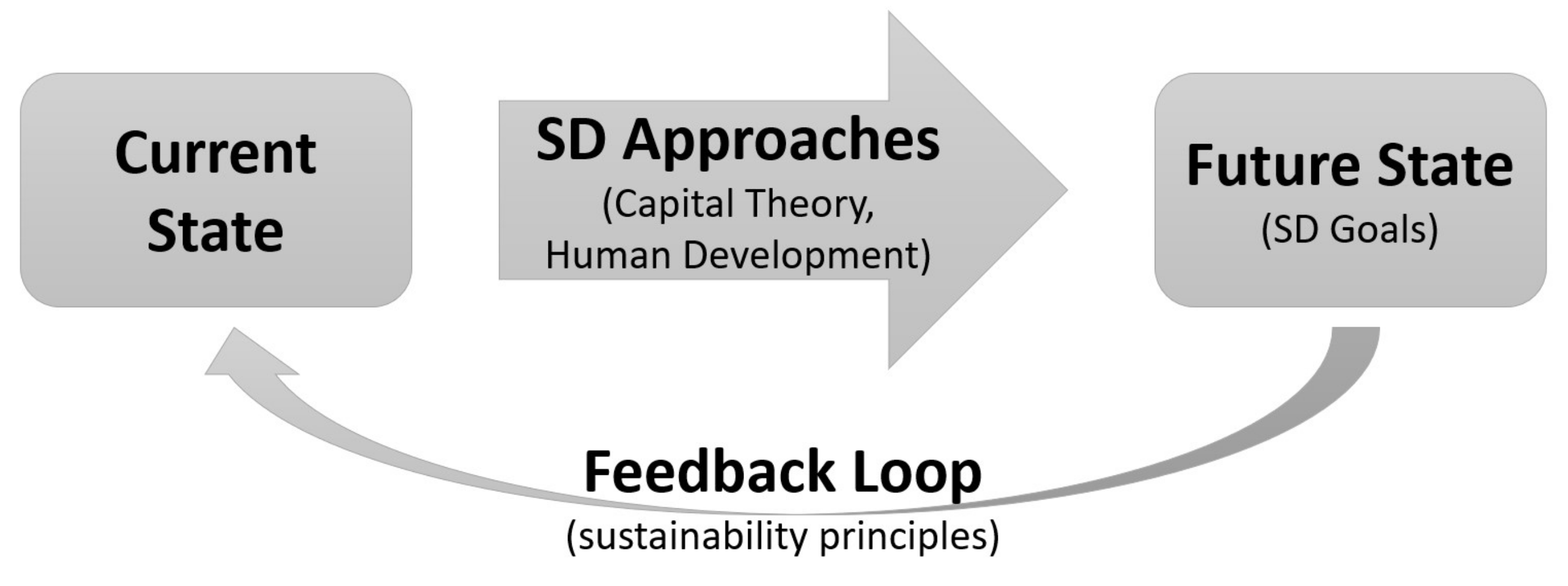
An energy transition is unfolding in Canada and across the world. During this transition, countries are facing increasing demands for their energy systems to address economic, social, and environmental considerations, including providing affordable and reliable energy, reducing inequality, and producing fewer environmental impacts. First, we identify key themes from the academic literature related to energy transitions: the systems perspective; economic, social, and environmental considerations; collaboration and dialogue; and social innovation. Second, we focus on a case study of a critical actor in Canada’s energy transition, the Energy Futures Lab (EFL), a social innovation lab that is actively working on the energy transition in Canada. We interviewed members of the EFL design team to investigate and deepen our understanding of the key themes identified in the academic literature. Third, we discuss how our research results relate to innovation and governance in the energy transition in Canada, and we offer an Integrated Model of Sustainable Development (SD) to help manage the common affairs of the energy transition. Fourth, we offer a theoretical contribution, arguing that both the ends and the means should be considered in an energy transition. It is important to keep in mind the overarching objective, or end, of the energy transition (e.g., alignment with the sustainability principles) to create the energy system that the future requires of us. Finally, we offer a practical contribution to show that SD can help inform a collaborative approach, that promotes innovation and increases knowledge, in an effort to address complex sustainability challenges.
Keywords: sustainable development; energy system; energy transitions; Canada sustainable development; energy system; energy transitions; Canada