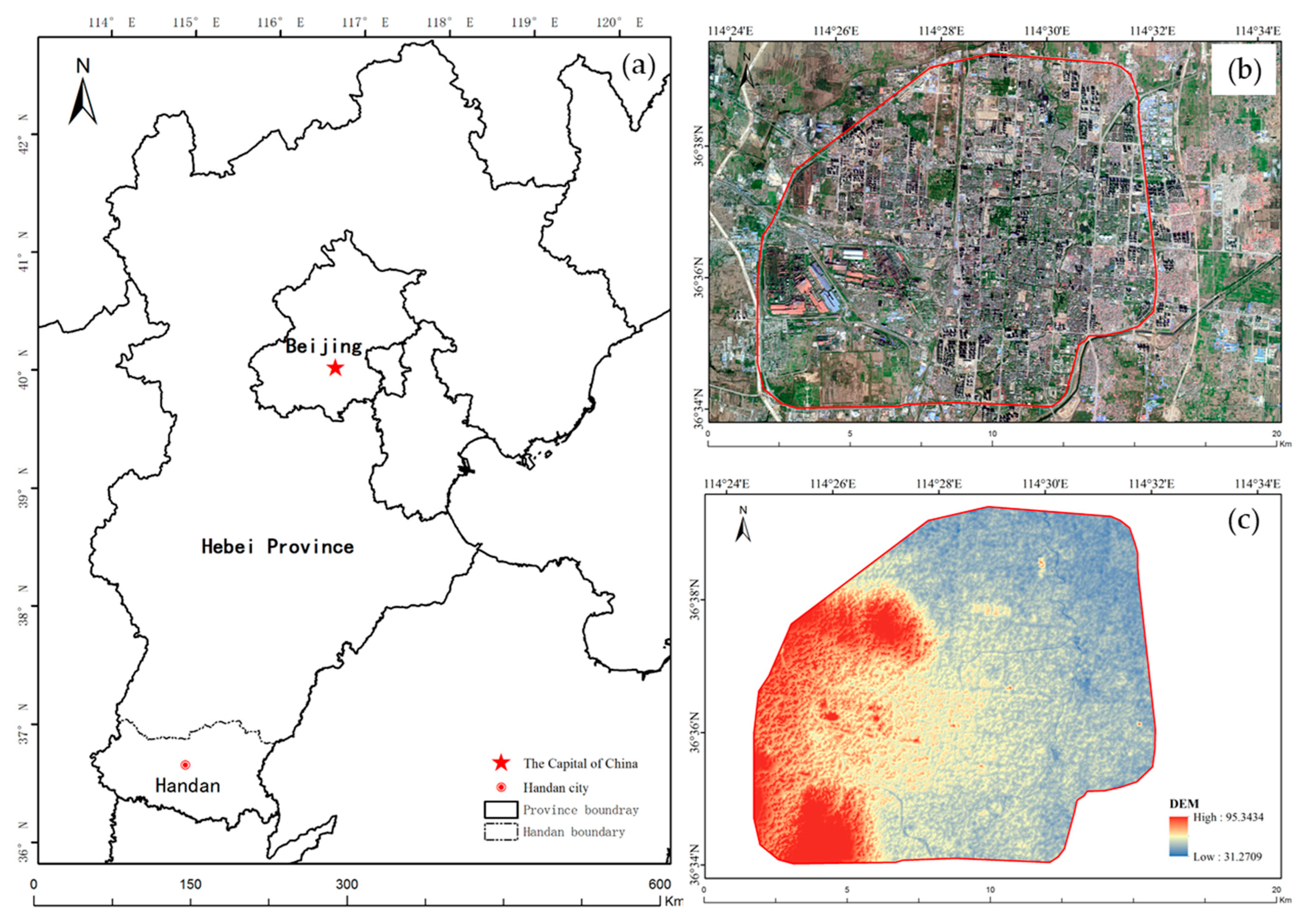
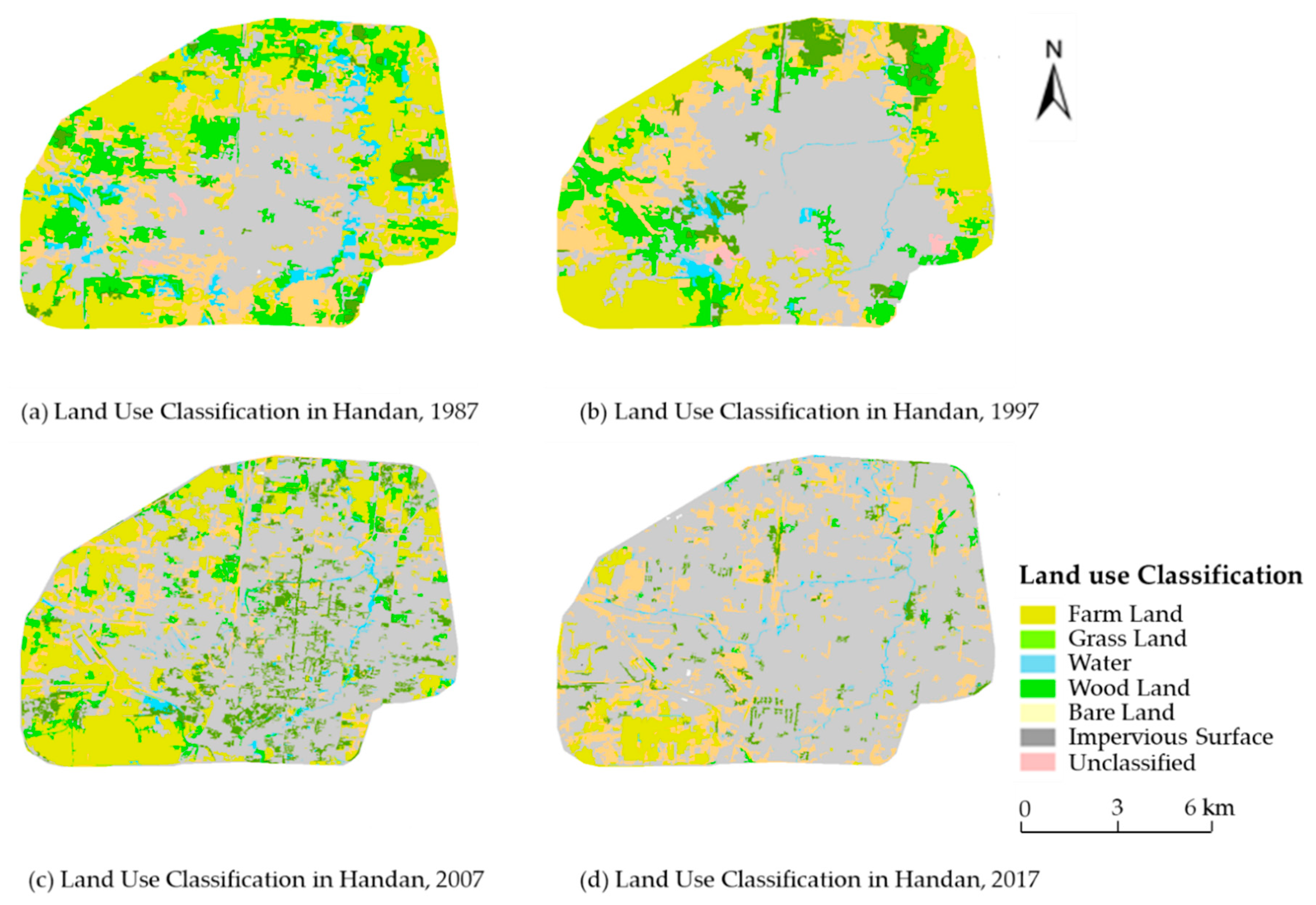
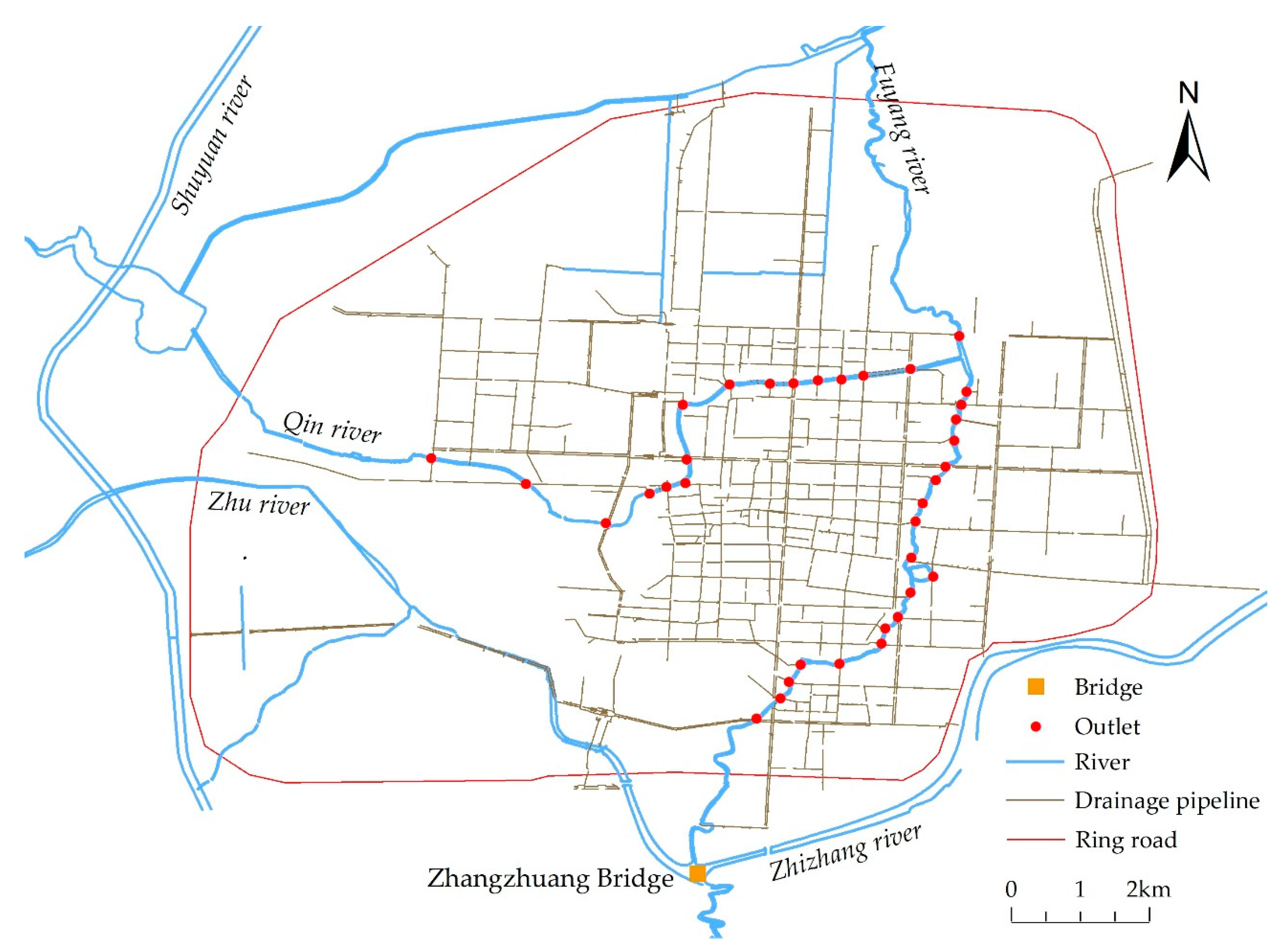
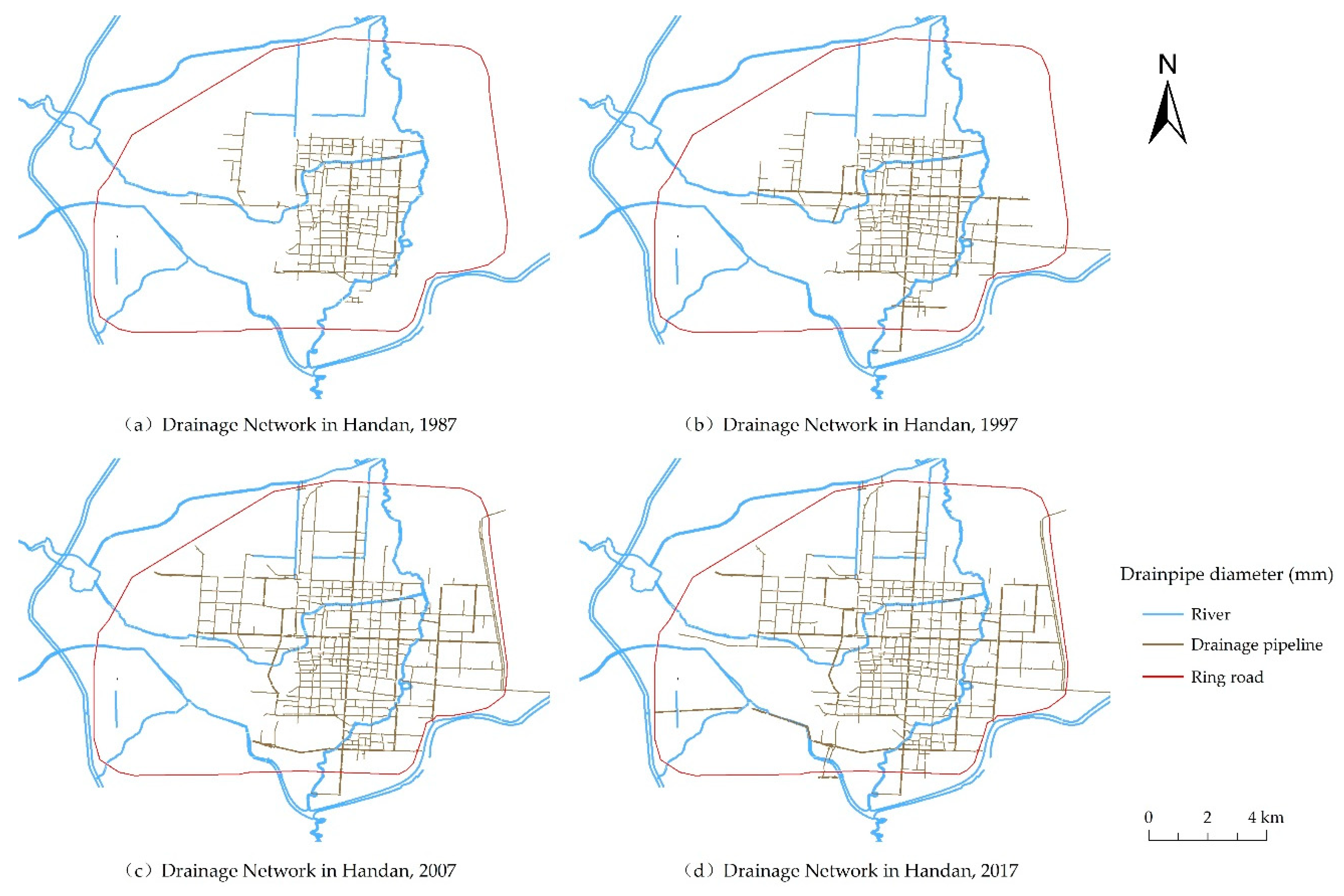
Effect of Land Use and Drainage System Changes on Urban Flood Spatial Distribution in Handan City: A Case Study


Abstract
Share and Cite
Liu, B.; Xu, C.; Yang, J.; Lin, S.; Wang, X. Effect of Land Use and Drainage System Changes on Urban Flood Spatial Distribution in Handan City: A Case Study. Sustainability 2022, 14, 14610. https://doi.org/10.3390/su142114610
Liu B, Xu C, Yang J, Lin S, Wang X. Effect of Land Use and Drainage System Changes on Urban Flood Spatial Distribution in Handan City: A Case Study. Sustainability. 2022; 14(21):14610. https://doi.org/10.3390/su142114610
Chicago/Turabian StyleLiu, Beibei, Chaowei Xu, Jiashuai Yang, Sen Lin, and Xi Wang. 2022. "Effect of Land Use and Drainage System Changes on Urban Flood Spatial Distribution in Handan City: A Case Study" Sustainability 14, no. 21: 14610. https://doi.org/10.3390/su142114610
APA StyleLiu, B., Xu, C., Yang, J., Lin, S., & Wang, X. (2022). Effect of Land Use and Drainage System Changes on Urban Flood Spatial Distribution in Handan City: A Case Study. Sustainability, 14(21), 14610. https://doi.org/10.3390/su142114610