Review

Ecohealth Villages: A Framework for an Ecosystem Approach to Health in Human Settlements
by
Laura F. Orlando
1,*,
Anthony J. DePinto
2 and
Kiri Joy Wallace
3
1
Department of Environmental Health, Boston University School of Public Health, 715 Albany Street, Boston, MA 02118, USA
2
EcoHealth Network, 11 Lowell Street, Cambridge, MA 02138, USA
3
Environmental Research Institute, University of Waikato, Hamilton 3240, New Zealand
*
Author to whom correspondence should be addressed.
Sustainability 2022, 14(12), 7053; https://doi.org/10.3390/su14127053
Submission received: 3 May 2022 / Revised: 4 June 2022 / Accepted: 6 June 2022 / Published: 9 June 2022

Abstract

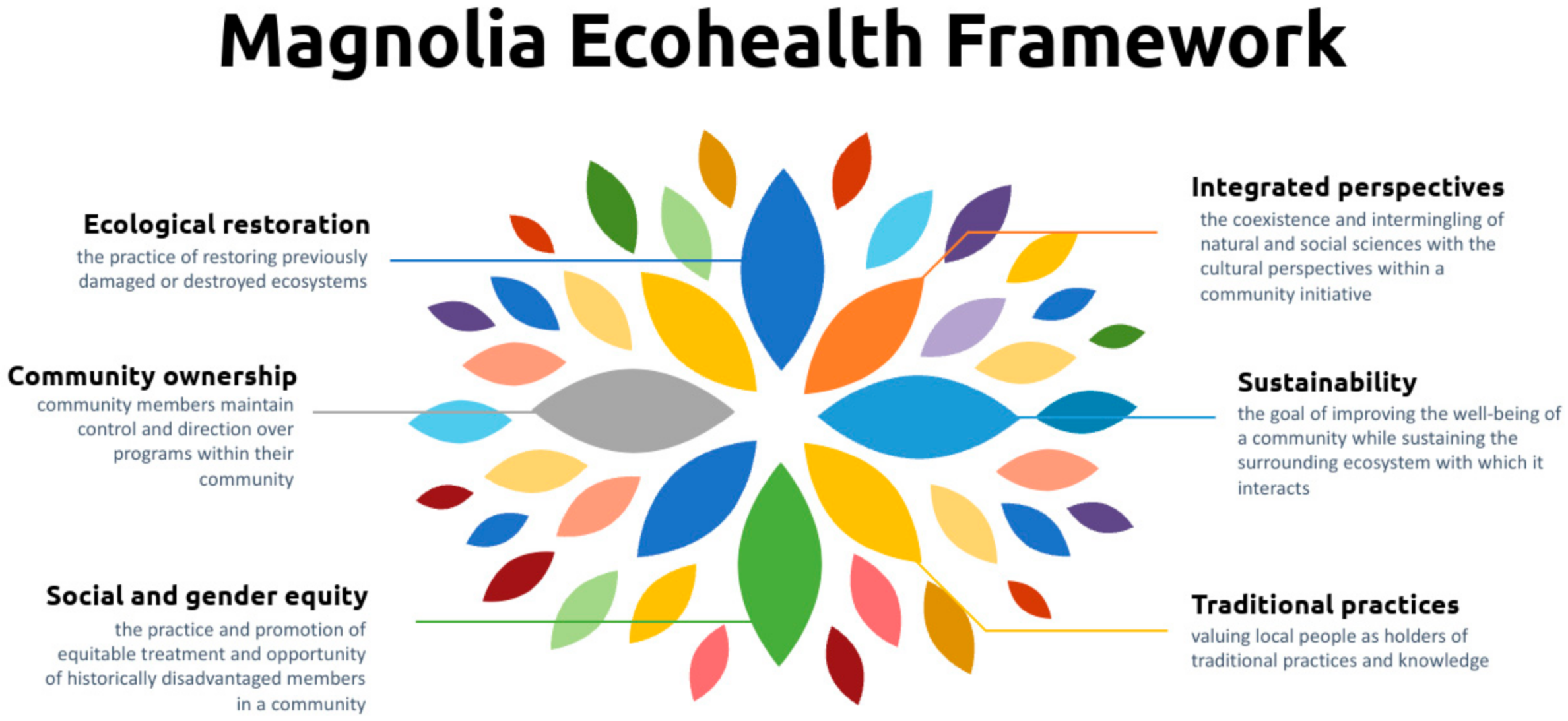
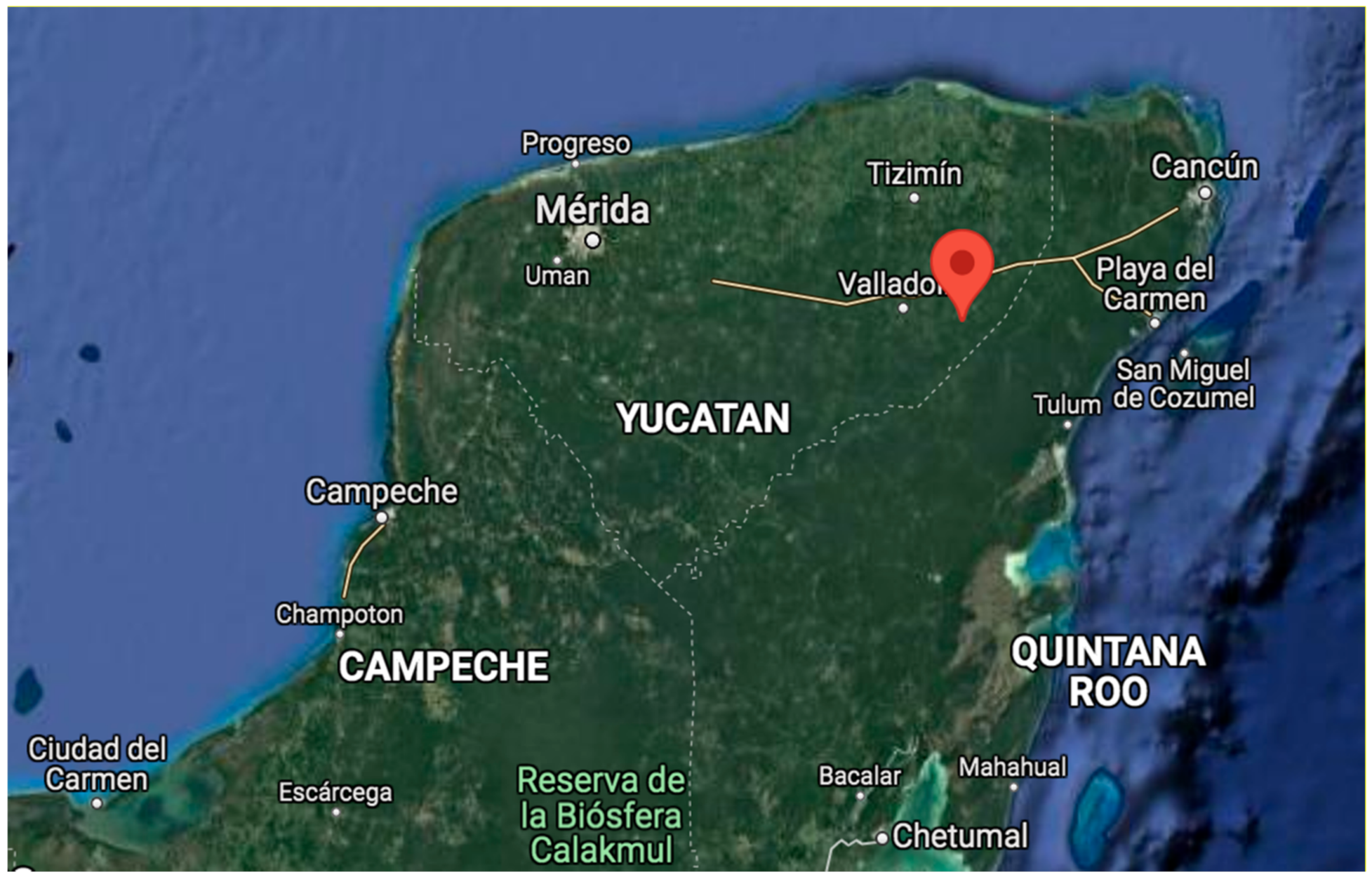
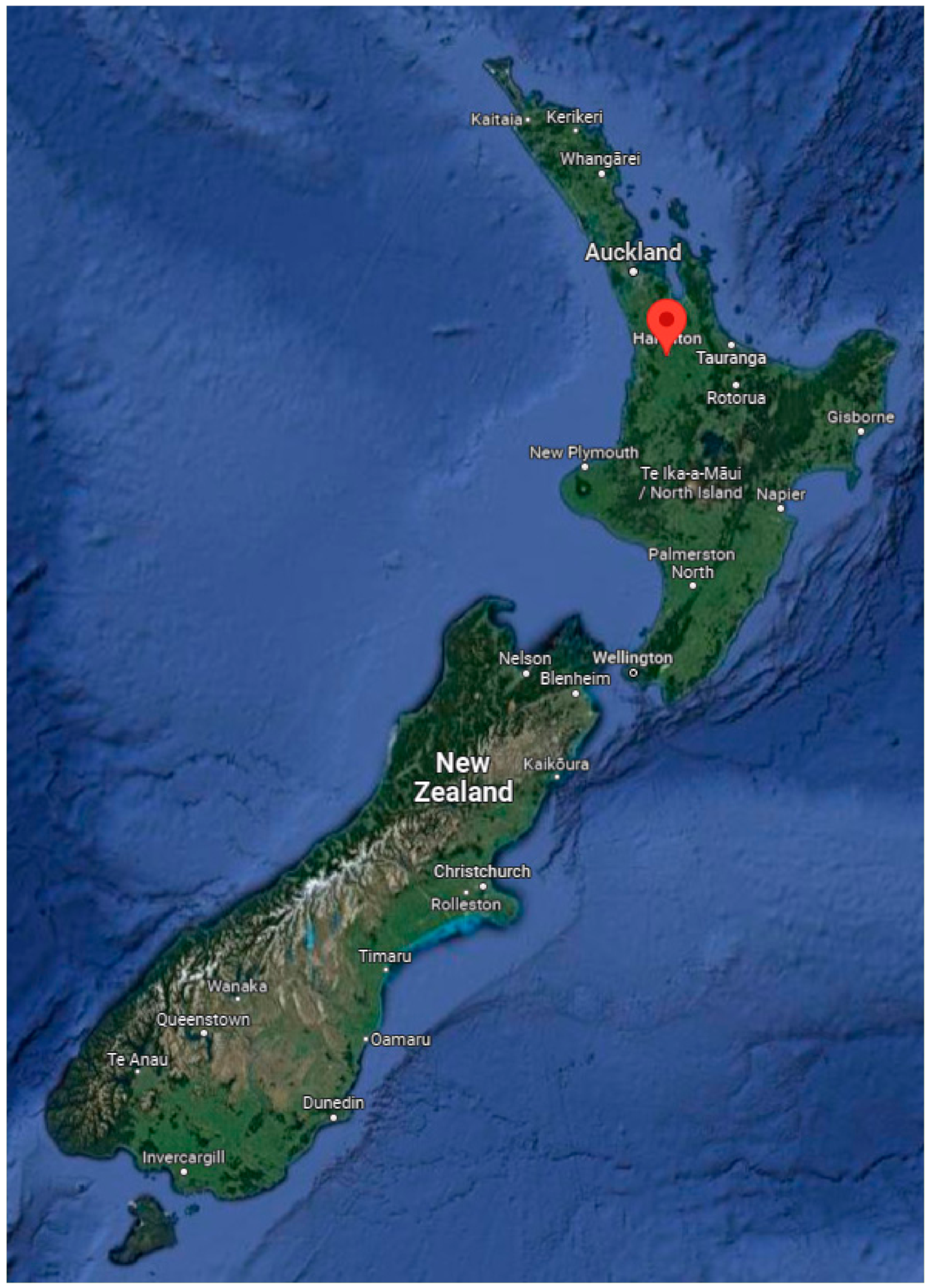
As life emerged on Earth, it began to affect its environments. It still does. The complex interactions between living things and their environments mediate the character of both. Today, this is apparent in the global impacts humans have made on ecosystems, with resultant reciprocal impacts on human health. This paper is concerned with that reciprocity, which may be considered as a link between ecosystems and human populations. We will distinguish an ecosystem approach to human health—or ecohealth—from One Health and planetary health perspectives. We will also propose a conceptual framework that can be used to distinguish human settlements as Ecohealth Villages. Broadly defined, an Ecohealth Village is a settlement that recognizes the interactions between healthy ecosystems and the health of people who live, work, learn, and play in it. The key principles of an Ecohealth Villages are as follows: community ownership, ecological restoration, sustainability, social and gender equity, integrated perspectives, and traditional practices and knowledge. Together, they support a holistic, ecosystem approach to health in human settlements, as demonstrated in case studies from Mexico and Aotearoa New Zealand.
Keywords: ecohealth; ecohealth villages; ecological restoration; ecosystem health; Mexico; Aotearoa New Zealand ecohealth; ecohealth villages; ecological restoration; ecosystem health; Mexico; Aotearoa New Zealand