Article

Effect of Temperature Fluctuations on the Bearing Capacity of Cold In-Depth Recycled Pavements

by
Andreas Loizos
and
Vasilis Papavasiliou
*
Laboratory of Pavement Engineering, National Technical University of Athens (NTUA), 15773 Athens, Greece
*
Author to whom correspondence should be addressed.
Sustainability 2022, 14(1), 426; https://doi.org/10.3390/su14010426
Submission received: 15 November 2021 / Revised: 19 December 2021 / Accepted: 27 December 2021 / Published: 31 December 2021
(This article belongs to the Special Issue Recycled Materials and Infrastructure Sustainability)

Abstract

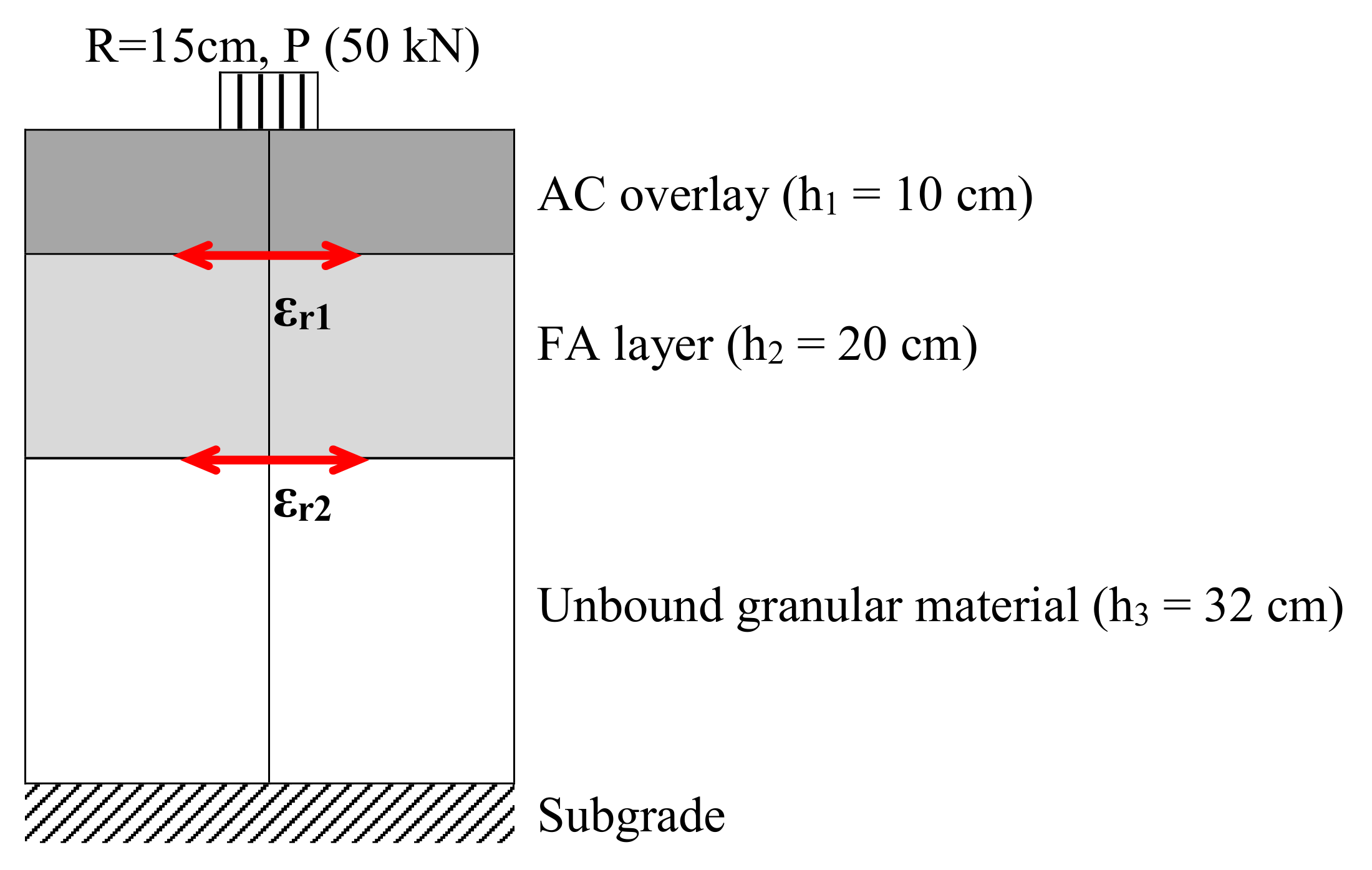
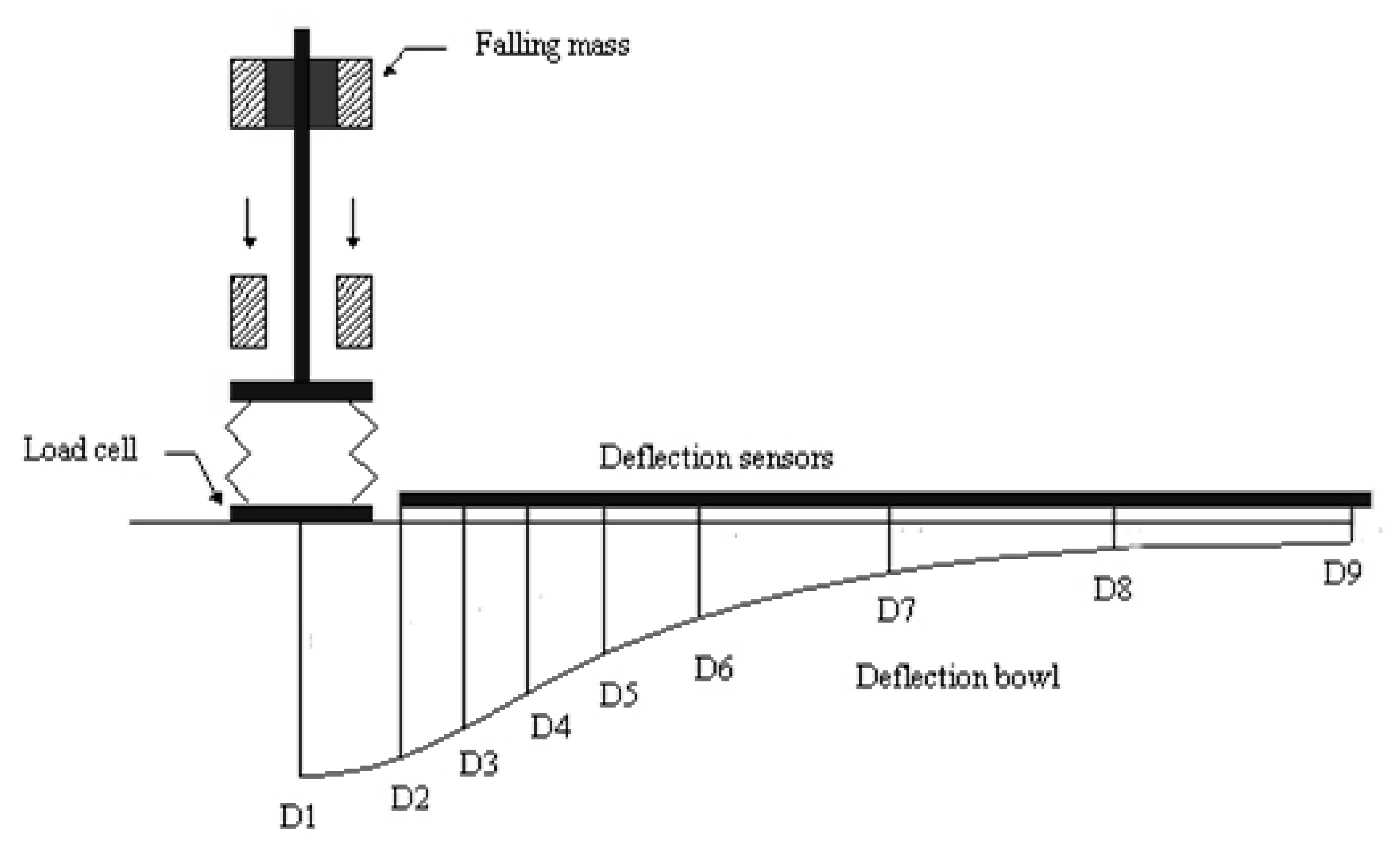
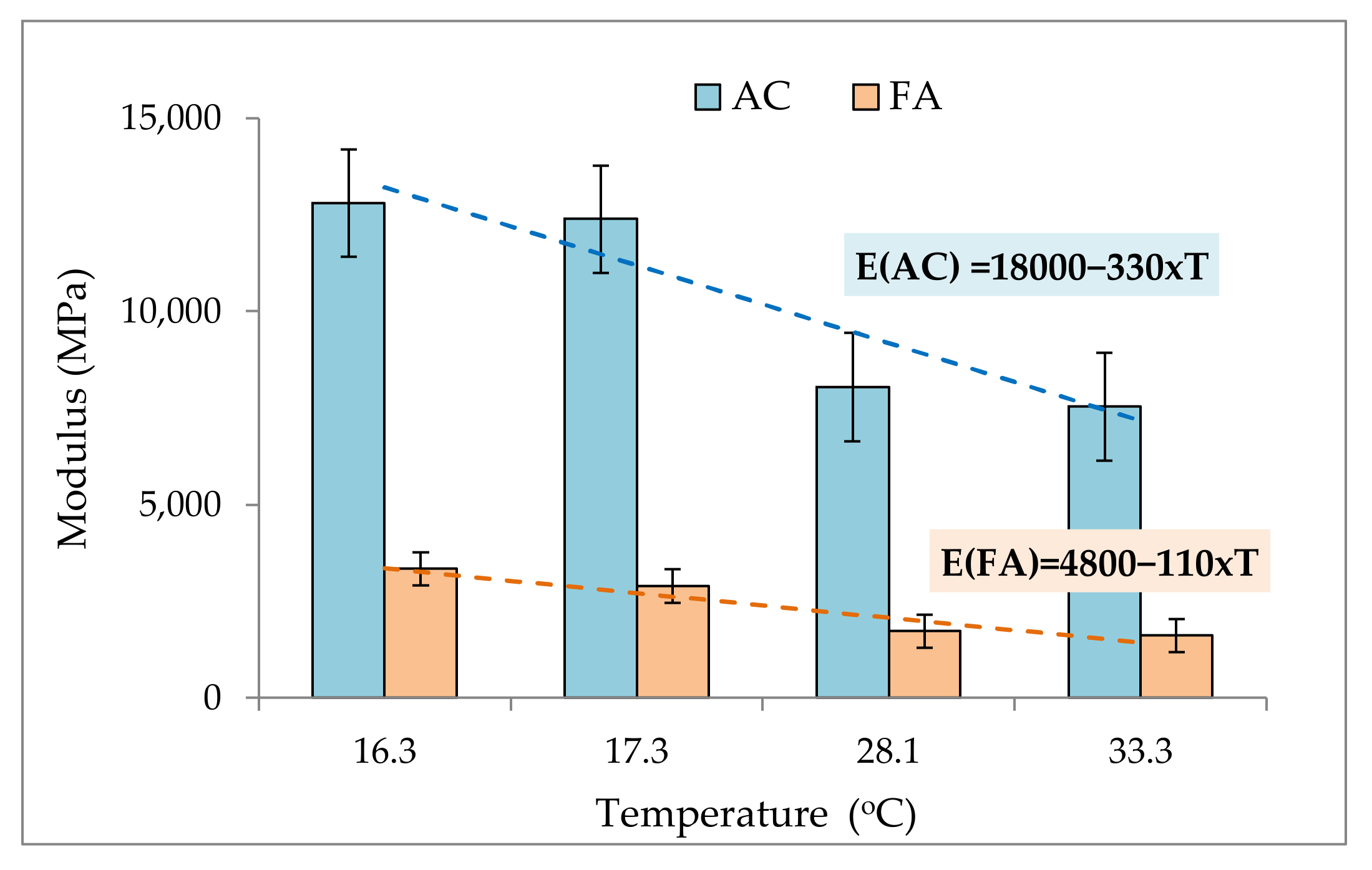
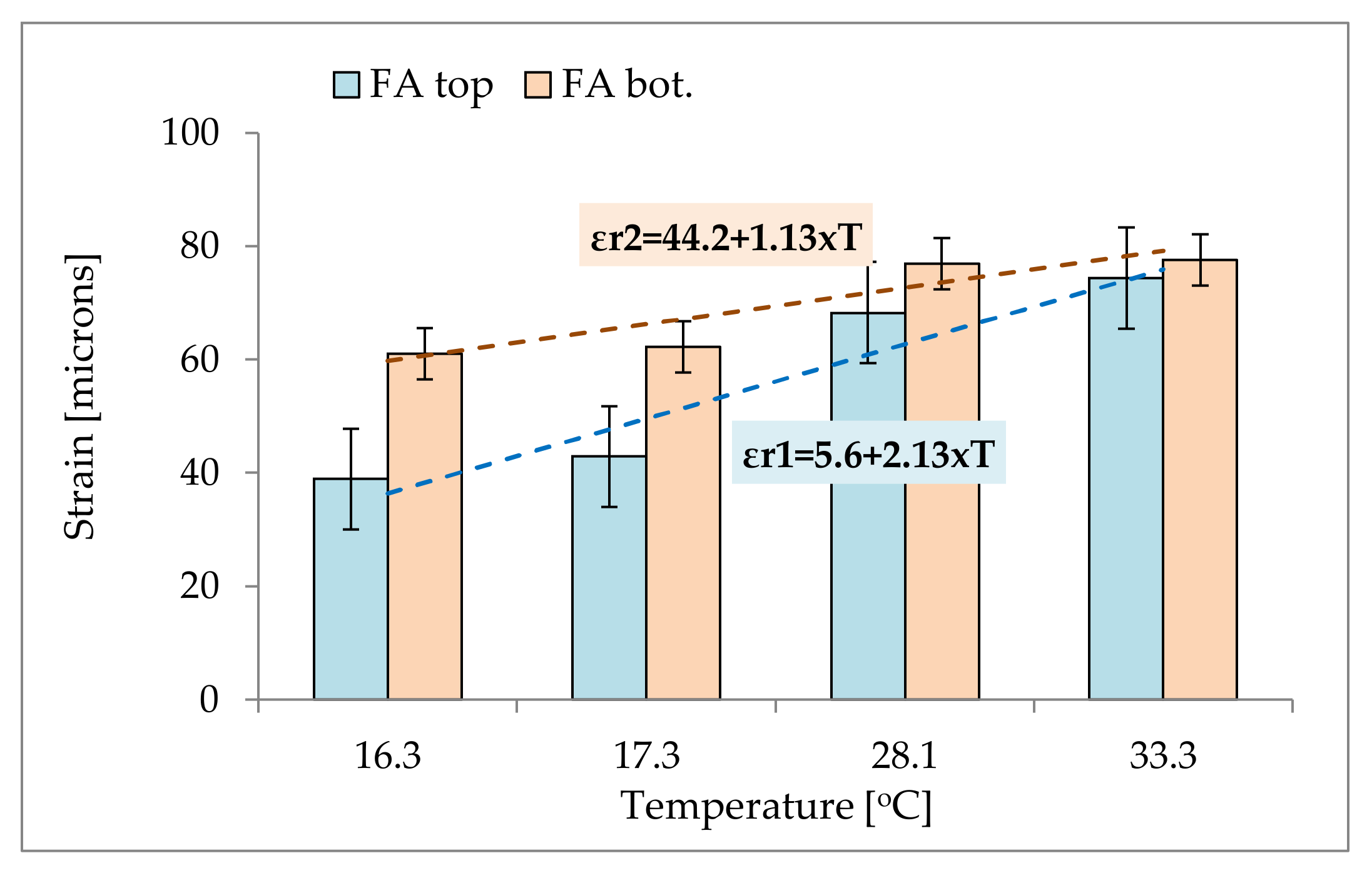
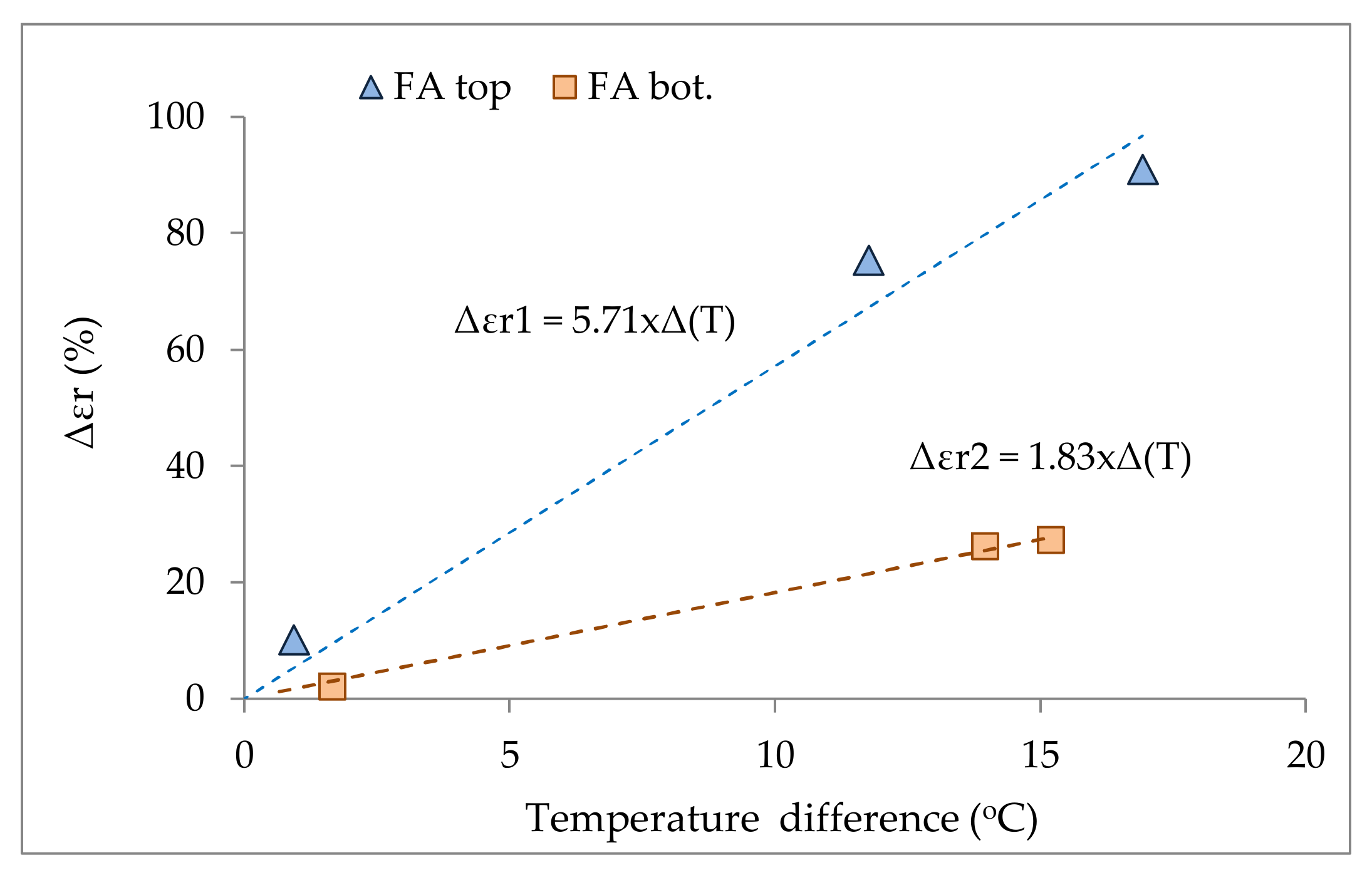
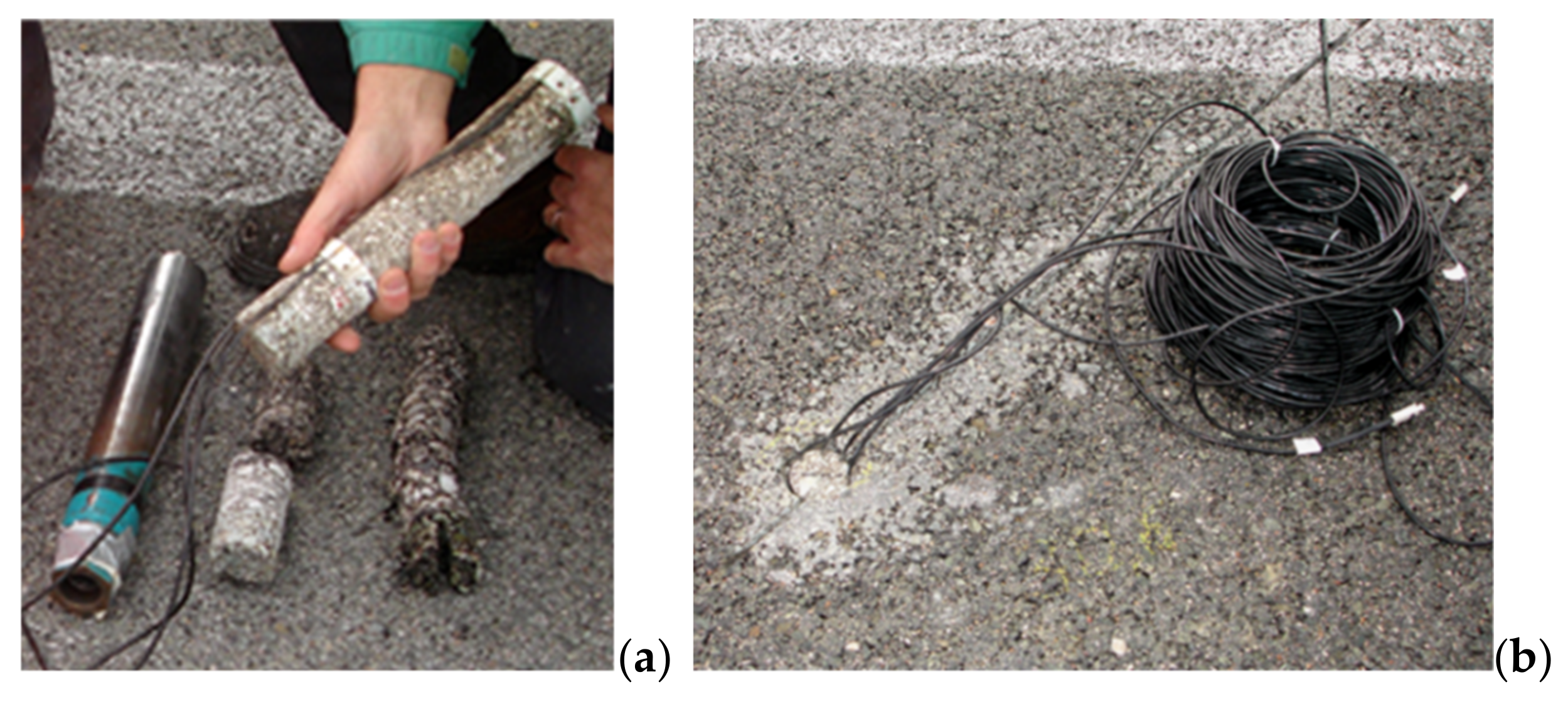
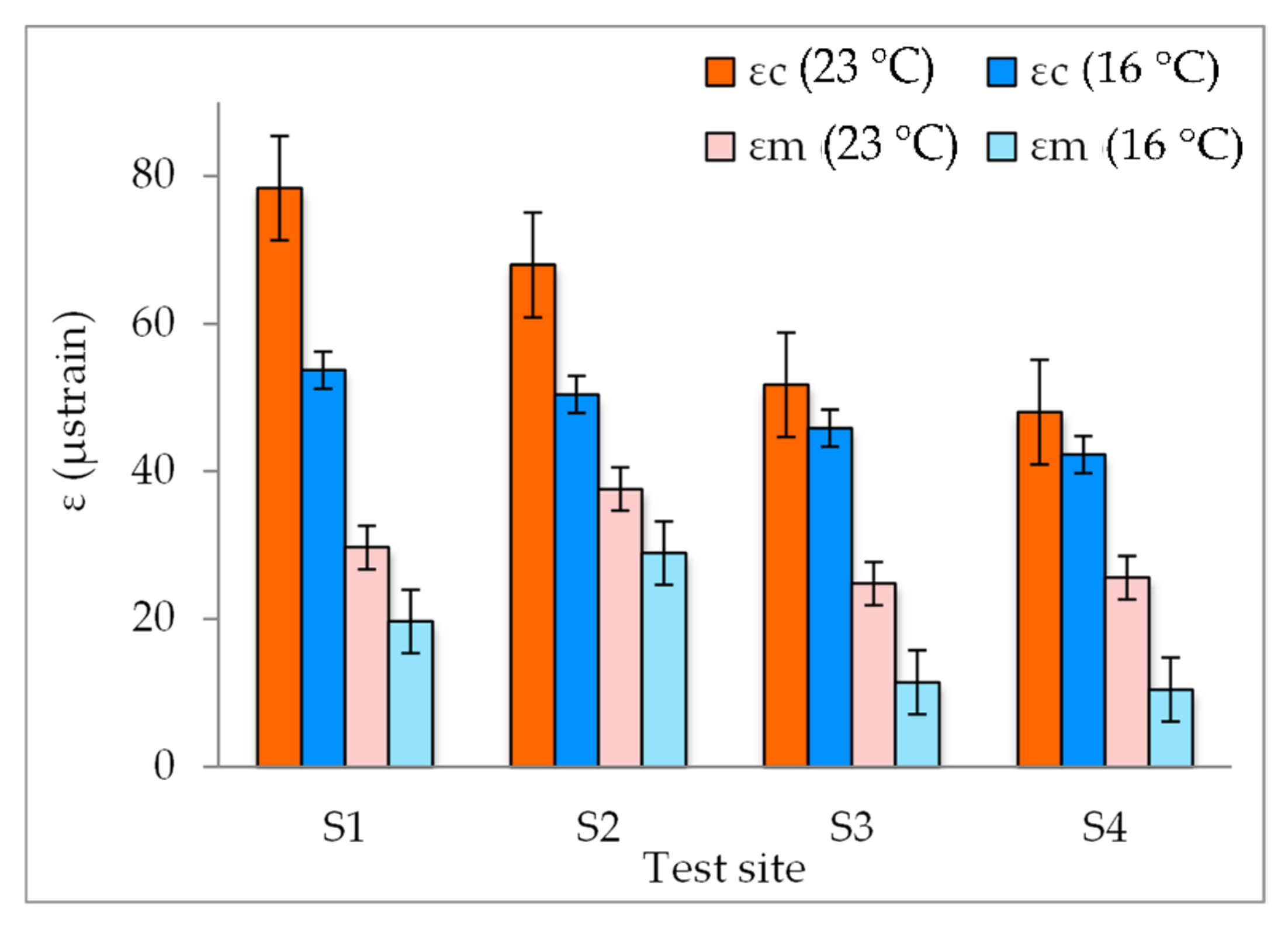
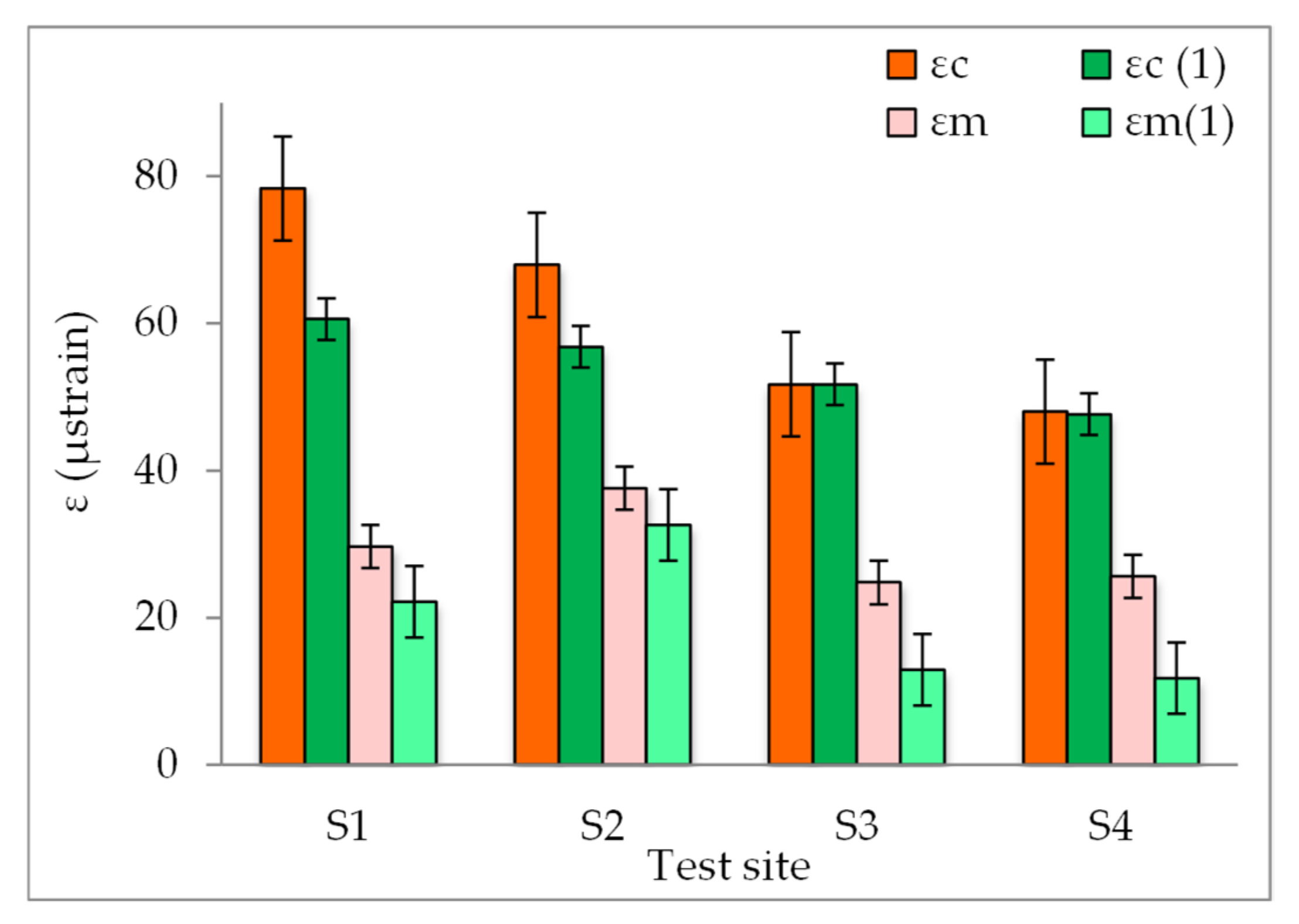
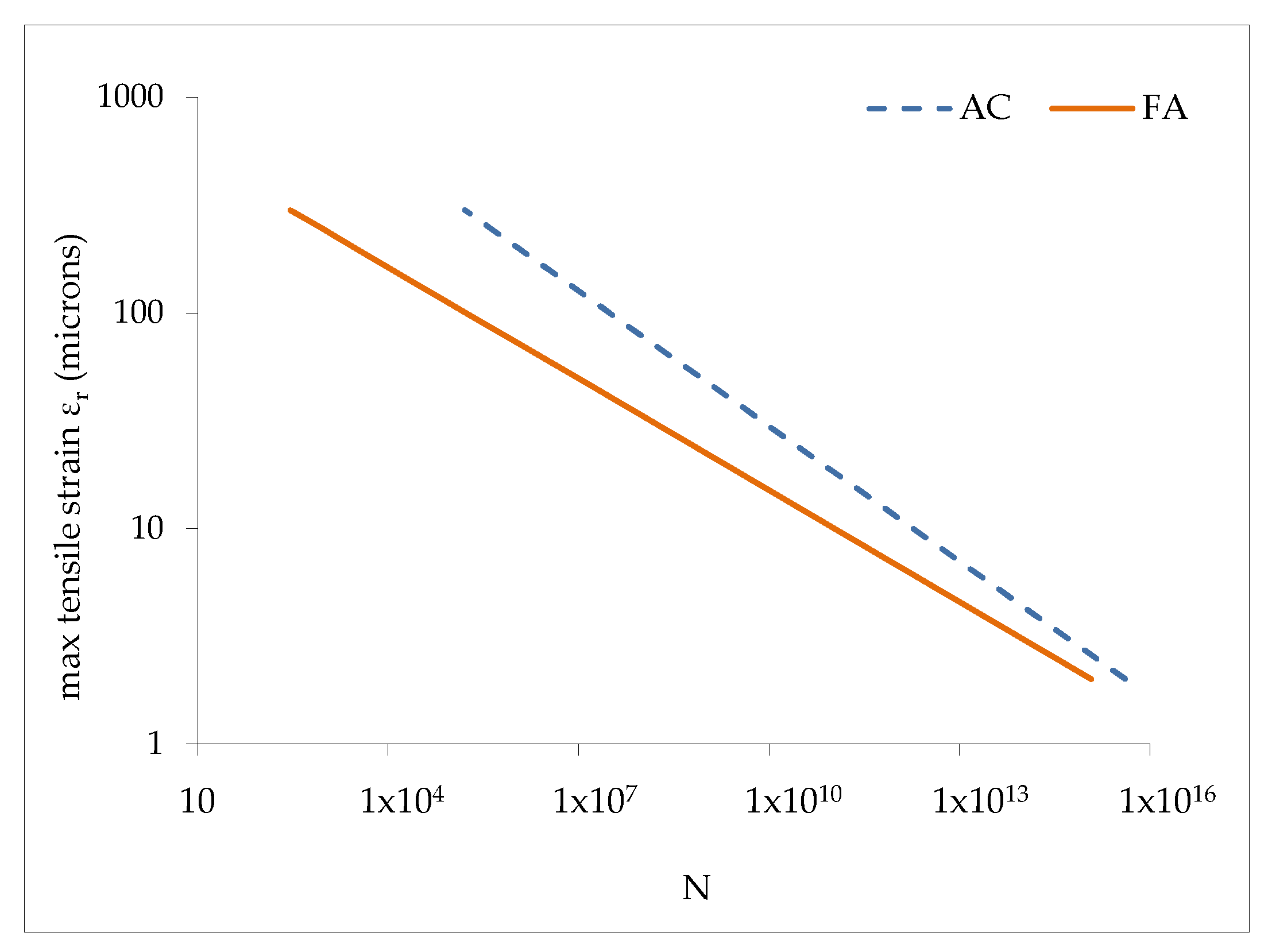
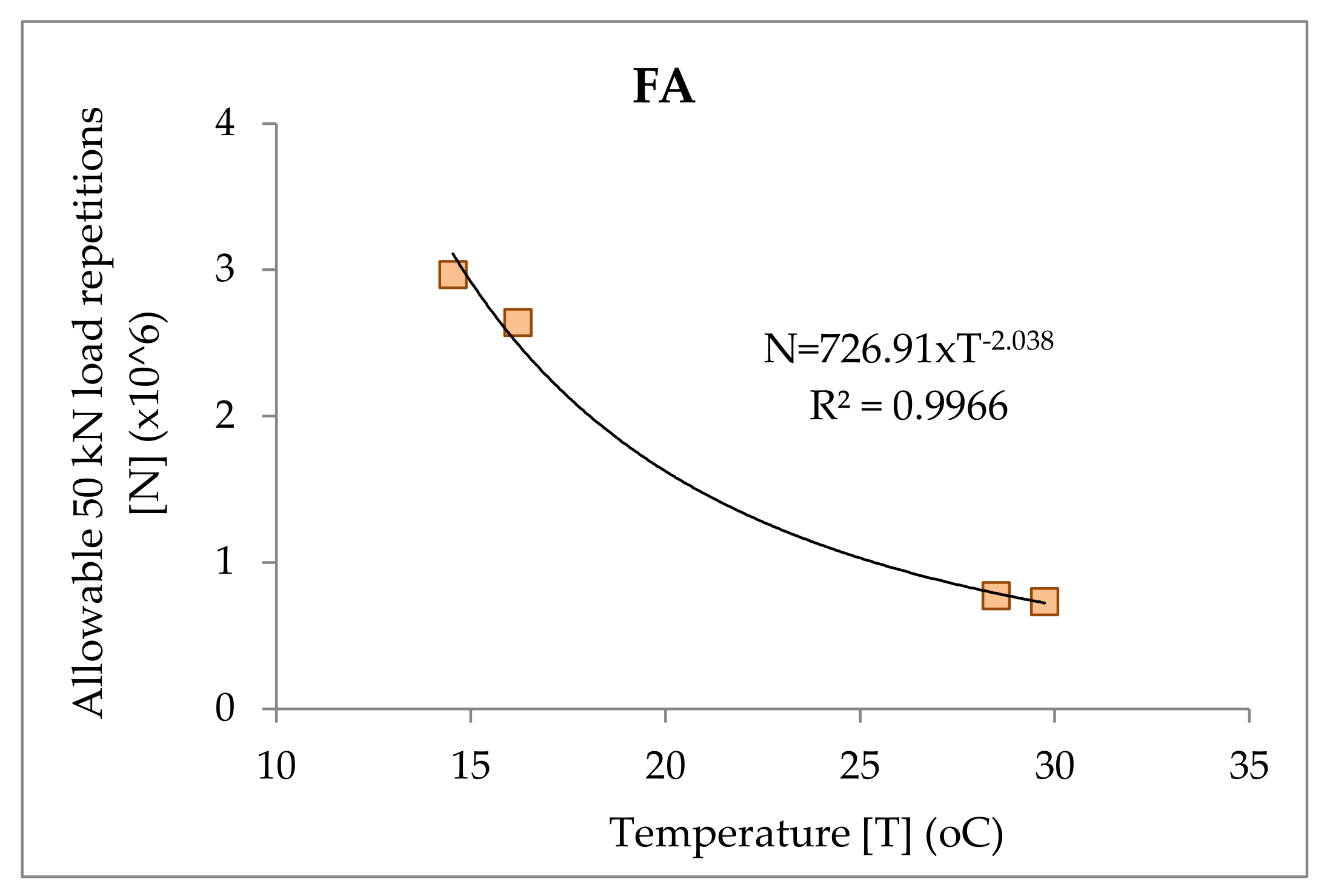
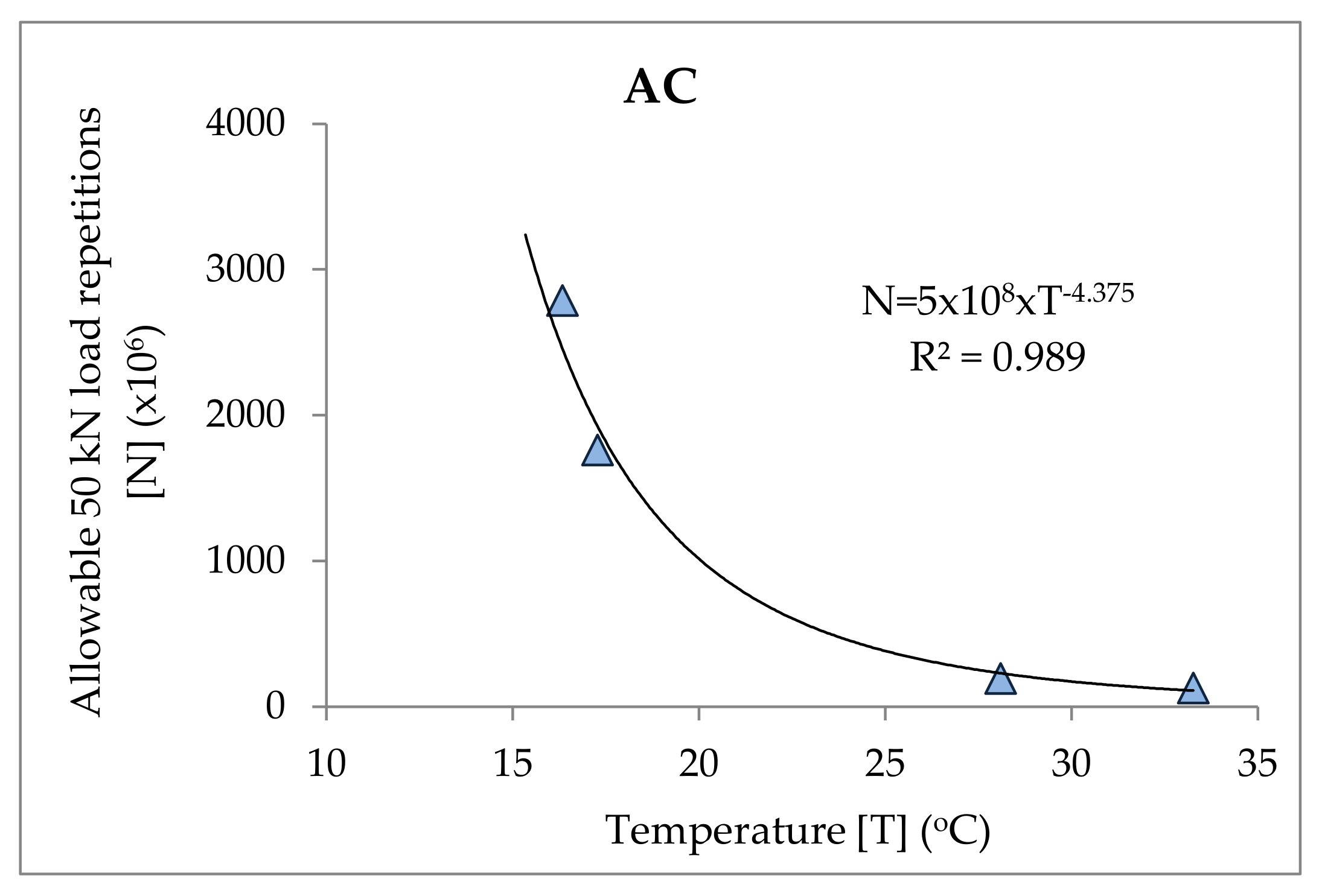
This study investigates the influence of the temperature fluctuations on the bearing capacity of cold in-depth recycled (CIR) pavements stabilized with foamed asphalt (FA). Aiming to achieve this goal, non-destructive testing was conducted during mild and high temperatures on a highway CIR pavement, utilizing mainly the FWD device. The back-calculated moduli values were utilized to estimate the strain values within the body of the pavement, while the strains induced using the FWD device were measured with a fiber optic sensors (FOS) system. Moreover, data from the fatigue behavior of the layer materials was also considered. The results of the related analysis indicate that for every 1 °C temperature increase within the body of the AC overlay, an approximately 5.7% increase of the critical tensile strain is expected. Moreover, for every 1 °C temperature increase within the body of the FA layer, an approximately 1.8% increase of the tensile strain at the bottom of the FA layer is expected. The new constructed layers, i.e., asphalt concrete (AC) and FA, sustain much more damage at high temperatures. This was more evident in the upper layer, i.e., the AC overlay.
Keywords: temperature fluctuations; foamed asphalt; non-destructive testing; fiber optic sensors temperature fluctuations; foamed asphalt; non-destructive testing; fiber optic sensors