Article

Consumer Motivation by Using Unified Theory of Acceptance and Use of Technology towards Electric Vehicles

by
Haider Ali Abbasi
1,*,
Satirenjit Kaur Johl
1,
Zullina Bt Hussain Shaari
1,
Wajiha Moughal
1,
Muhammad Mazhar
1,
Muhammad Ali Musarat
2,
Waqas Rafiq
2,3,
Asaad Salam Farooqi
4 and
Alexey Borovkov
5
1
Department of Management & Humanities, Universiti Teknologi PETRONAS, Seri Iskandar 32610, Malaysia
2
Department of Civil and Environment Engineering, Universiti Teknologi PETRONAS, Seri Iskandar 32610, Malaysia
3
Department of Civil Engineering, COMSATS University Islamabad, Wah Cantt 47040, Pakistan
4
Dongwu Business School, Soochow University, Suzhou 215006, China
5
Institute for Advanced Manufacturing Technologies, Peter the Great St. Petersburg Polytechnic University, 195291 St. Petersburg, Russia
*
Author to whom correspondence should be addressed.
Sustainability 2021, 13(21), 12177; https://doi.org/10.3390/su132112177
Submission received: 20 September 2021 / Revised: 18 October 2021 / Accepted: 22 October 2021 / Published: 4 November 2021

Abstract

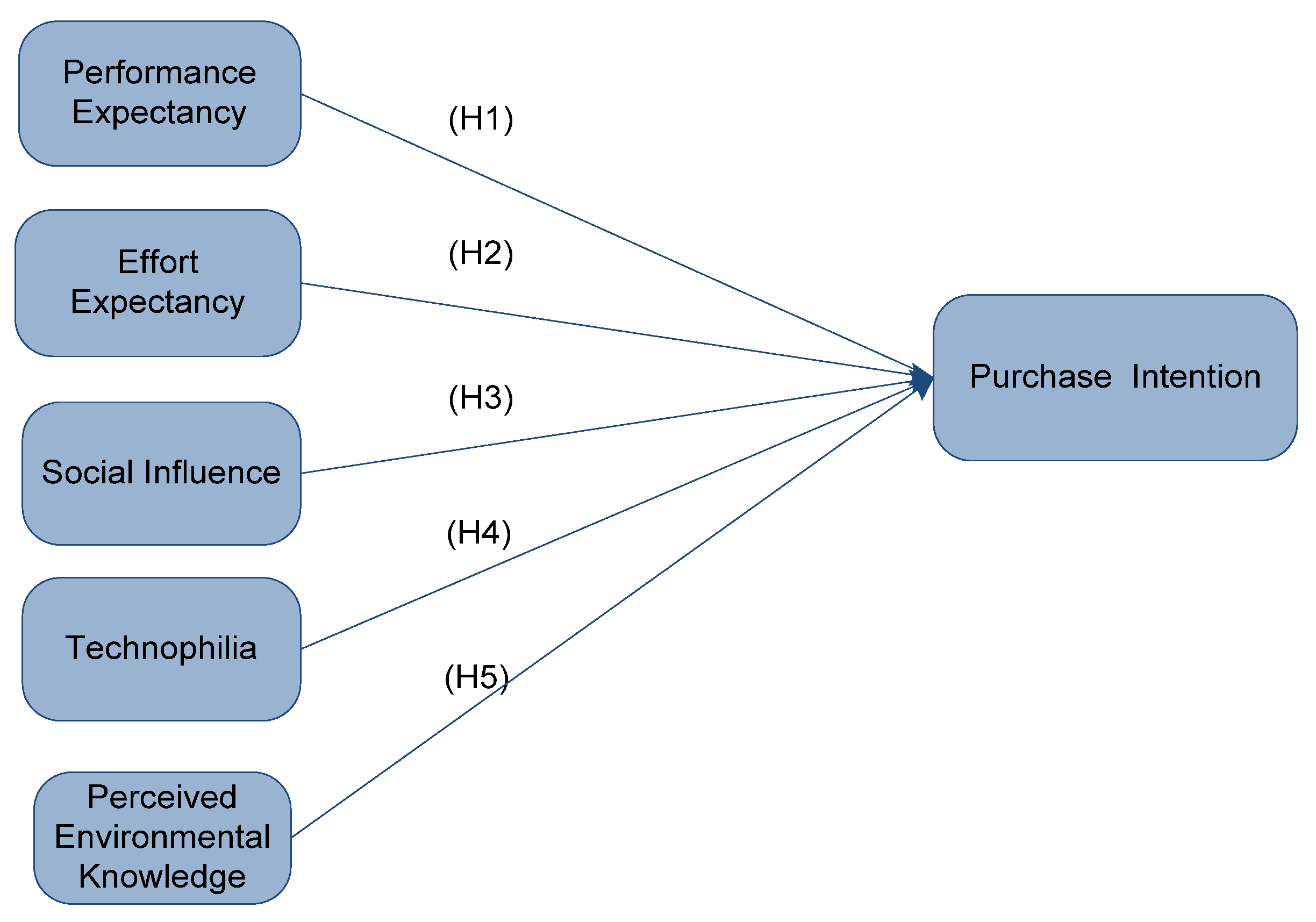
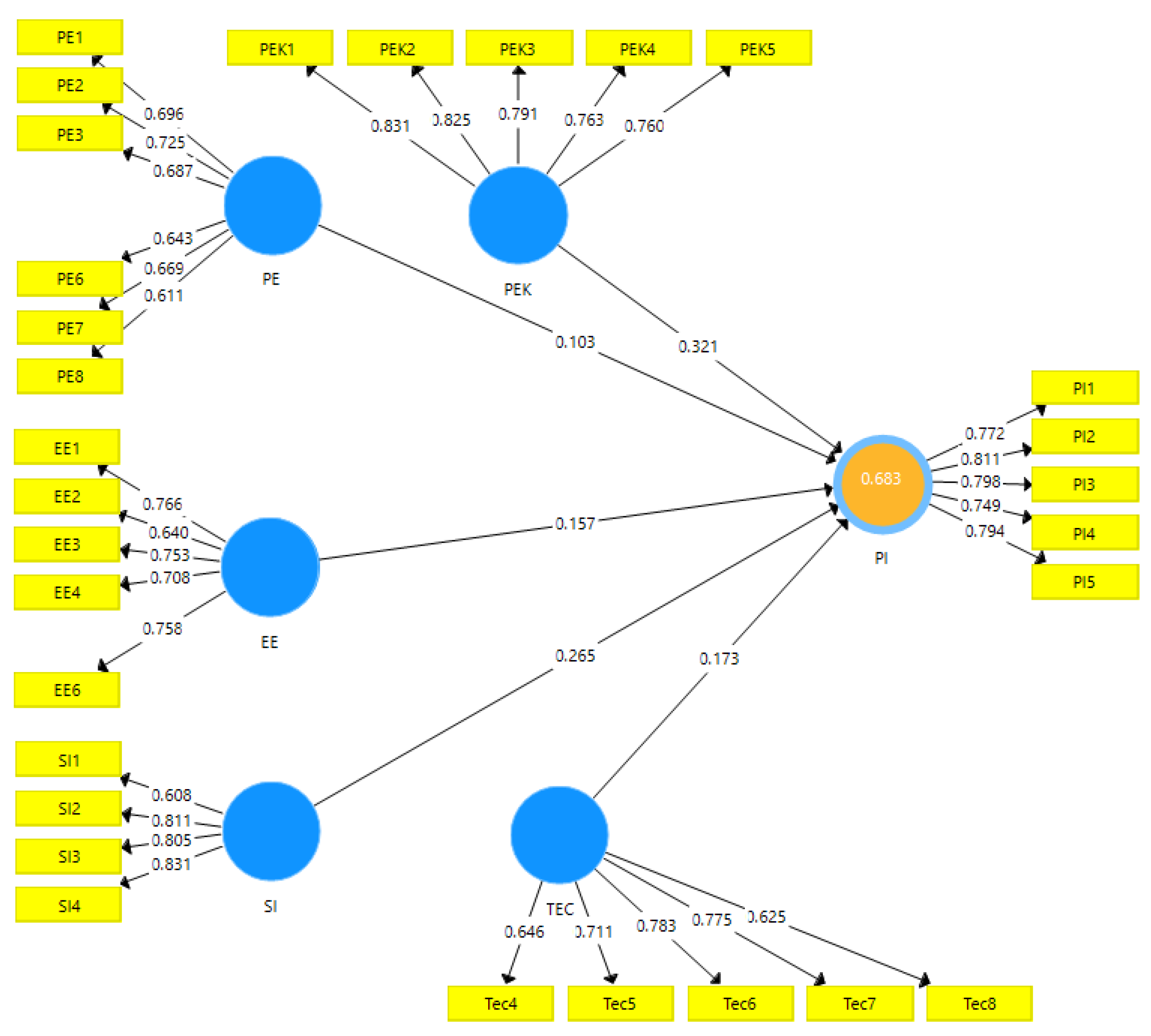
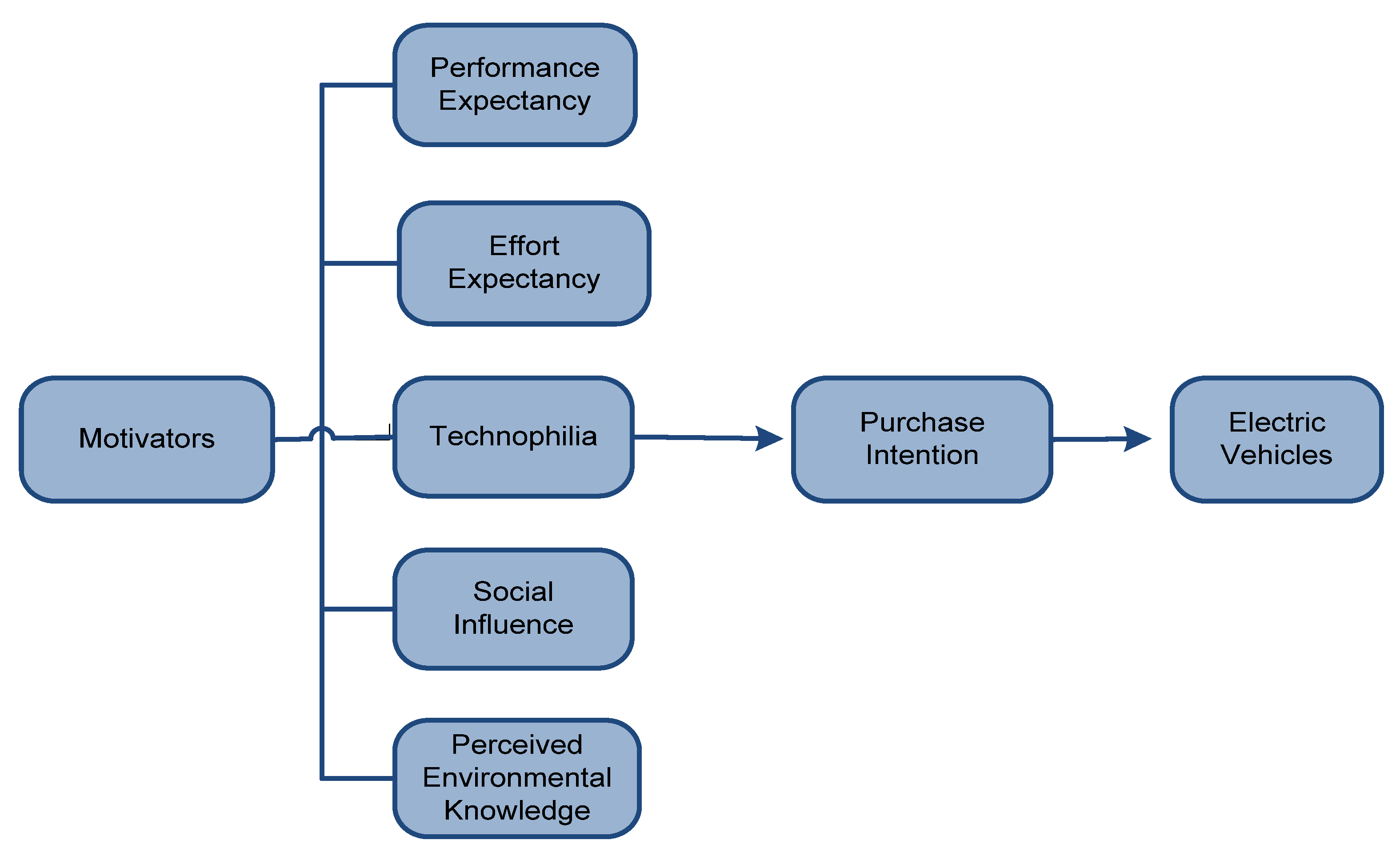
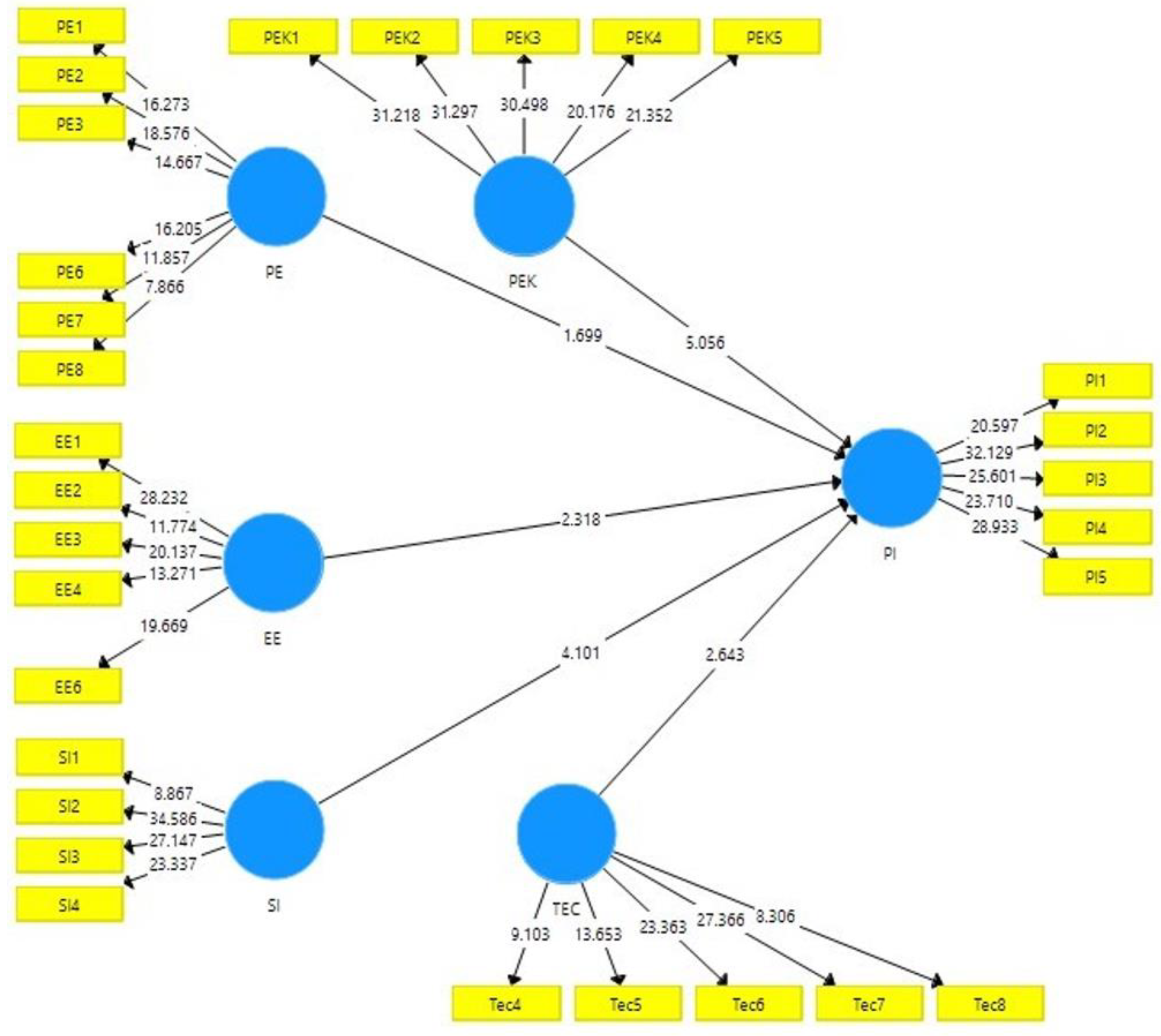
The transport sector is the leading source of growing greenhouse gas (GHG) emissions globally. To consider environmental degradation aspects due to transport, electric vehicles (EVs) have the prospect to lead road transport to electric mobility from conventional petroleum vehicles. Despite various eco-friendly benefits, the EV market penetration ratio is very low, especially in developing countries. The primary reason for low penetration is consumer limited motivation and knowledge about the EVs features. This paper uses a unified theory of acceptance and technology (UTAUT) model to assess consumer motivation and environmental knowledge towards EVs. This research used convenience random sampling to collect data and analyzed the results using the Partial Least Squares (PLS) method on the example of 199 respondents from Malaysia. The study results revealed that factors identified in the motivational context significantly influence consumer intentions to purchase EVs. Perceived environmental knowledge and technophilia have been included in UTAUT from a motivational perspective. Furthermore, a significant relationship between effort expectancy, social influence, technophilia, perceived environmental knowledge, and purchase intention towards electric vehicles has been observed, without performance expectancy. The study findings serve to inform policymakers and automakers to formulate effective marketing strategies to enhance consumer motivation, knowledge, and value creation for EVs in a sustainable era. Ultimately, the policies will help to encourage consumers to buy eco-friendly vehicles that will help reduce transport carbon emissions and attain sustainable development goals (SDGs).
Keywords: consumer motivation; sustainable; electric vehicle; perceived environmental knowledge; sales; business strategy consumer motivation; sustainable; electric vehicle; perceived environmental knowledge; sales; business strategy