Article

Critical Success Factors to Improve the Business Performance of Tea Drink Chains
1
Department of Industrial Education and Technology, National Changhua University of Education, Changhua 500, Taiwan
2
College of Management, National Changhua University of Education, Changhua 500, Taiwan
*
Authors to whom correspondence should be addressed.
Sustainability 2021, 13(16), 8953; https://doi.org/10.3390/su13168953
Submission received: 23 June 2021 / Revised: 2 August 2021 / Accepted: 5 August 2021 / Published: 10 August 2021

Abstract

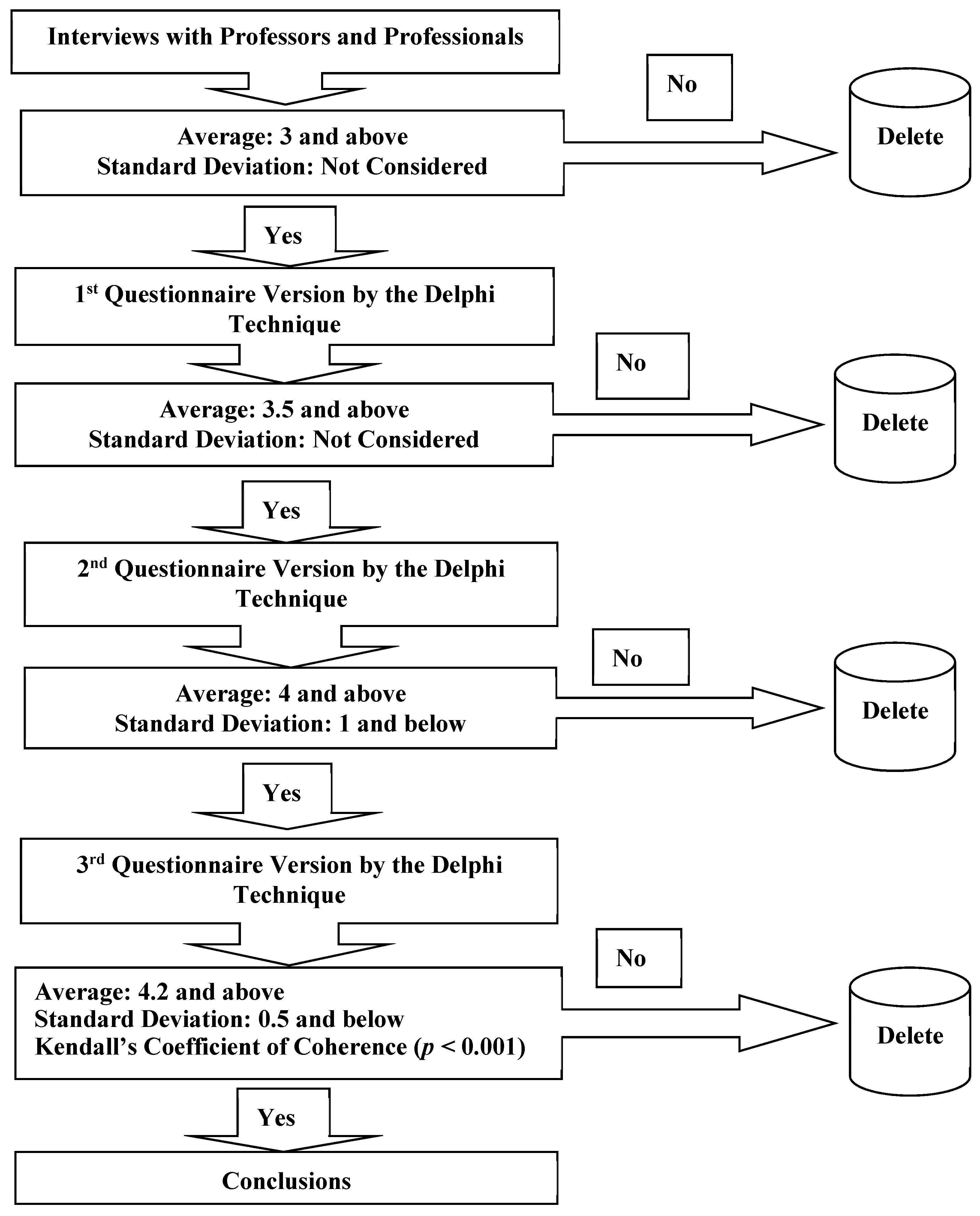
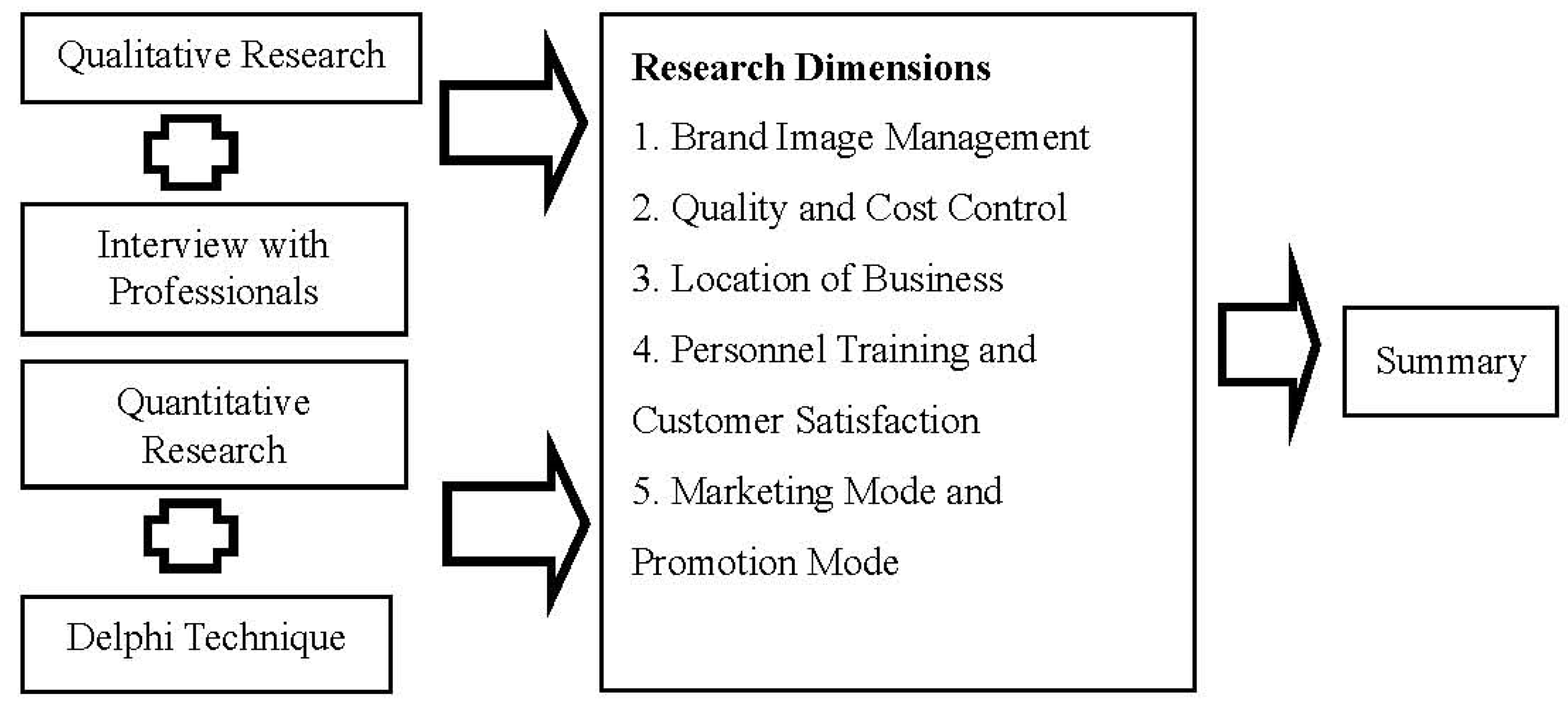
By determining critical success factors (CSFs), this study intends to identify indicators and offer suggestions for existing owners or operators to improve their critical works in business management, as well as for newcomers interested in investing or studying the chain business. To achieve the purpose of this study, document analysis, expert interviews, and the Delphi technique were used to verify that there are five-dimension indicators to explore the CSFs for tea drink chains. The critical success items in this study are as follows: (1) Regarding “brand image management”, the most critical factors unanimously agreed by the professionals are the certification of raw materials and the guarantee of food safety, which are mainly affected by the recent food safety crisis. (2) Regarding “quality and cost control”, the sub-items of raw material supplier’s stability and timeliness are the most important factors. (3) Regarding the “location of business”, the most important factors are the sub-items of visibility, convergence of people flow, and the structural consumption characteristics of the population in the area. Although these are not considered to be the most important factors in the questionnaires by professionals, the professors considered these sub-items to be the most critical factors in the dimension and should provide valuable references for CSFs. (4) Regarding “personnel training and customer satisfaction”, the sub-item of maintaining hygiene in shop fronts is the most important critical factor, followed by the attitude and affinity of the staff, as well as their clothing, appearance, and cleanliness. (5) Regarding the “marketing mode and promotion mode”, the two important sub-items include new product tasting and the irregular launch of new seasonal products.
Keywords: business performance; Delphi technique; critical success factors business performance; Delphi technique; critical success factors