Article

Sustainable Business Model Based on Digital Twin Platform Network: The Inspiration from Haier’s Case Study in China


Management School, Hangzhou Dianzi University, Hangzhou 310018, China
*
Author to whom correspondence should be addressed.
Sustainability 2020, 12(3), 936; https://doi.org/10.3390/su12030936
Submission received: 31 October 2019 / Revised: 22 January 2020 / Accepted: 23 January 2020 / Published: 27 January 2020
(This article belongs to the Special Issue Sustainable Business and Development II)

Abstract

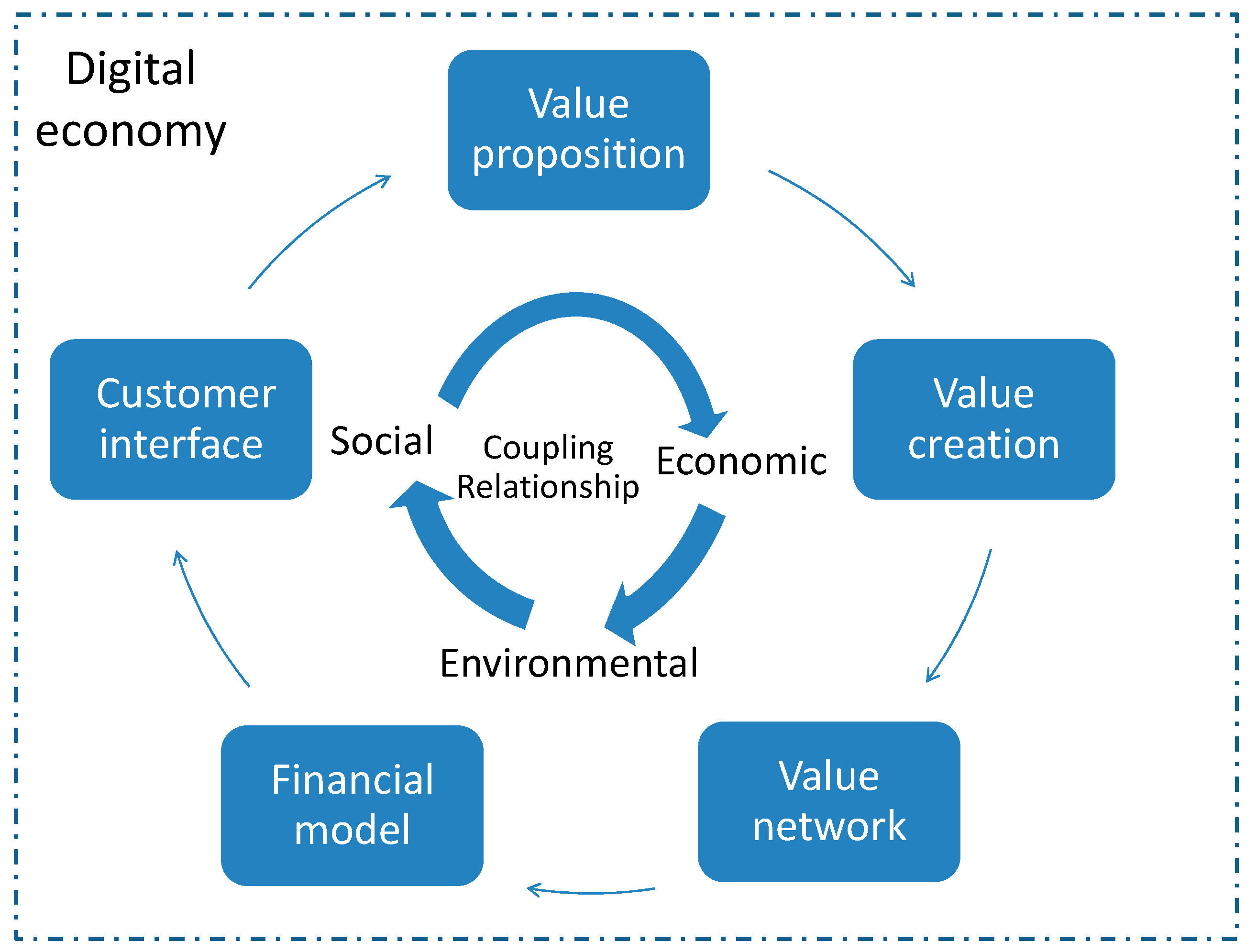
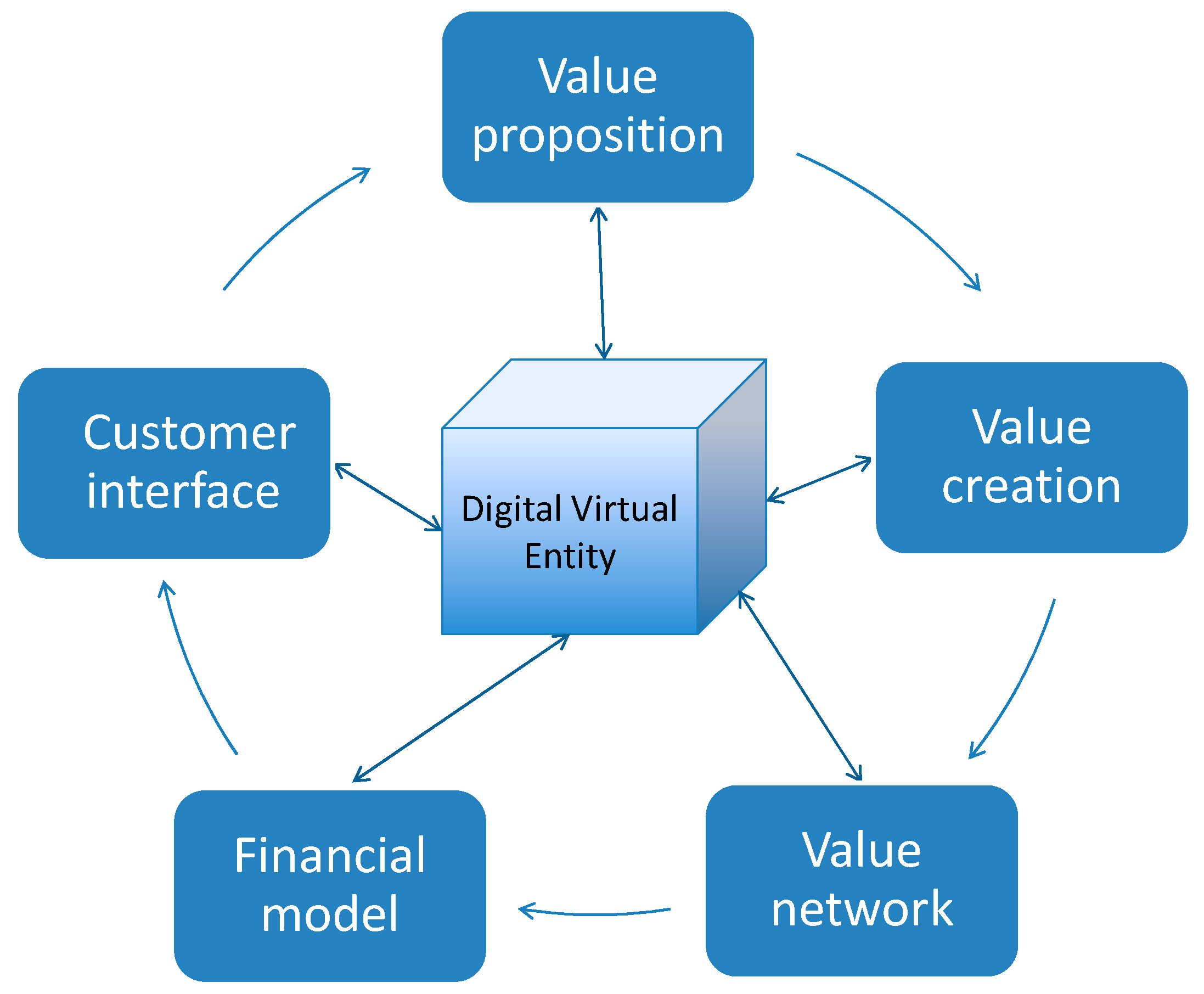
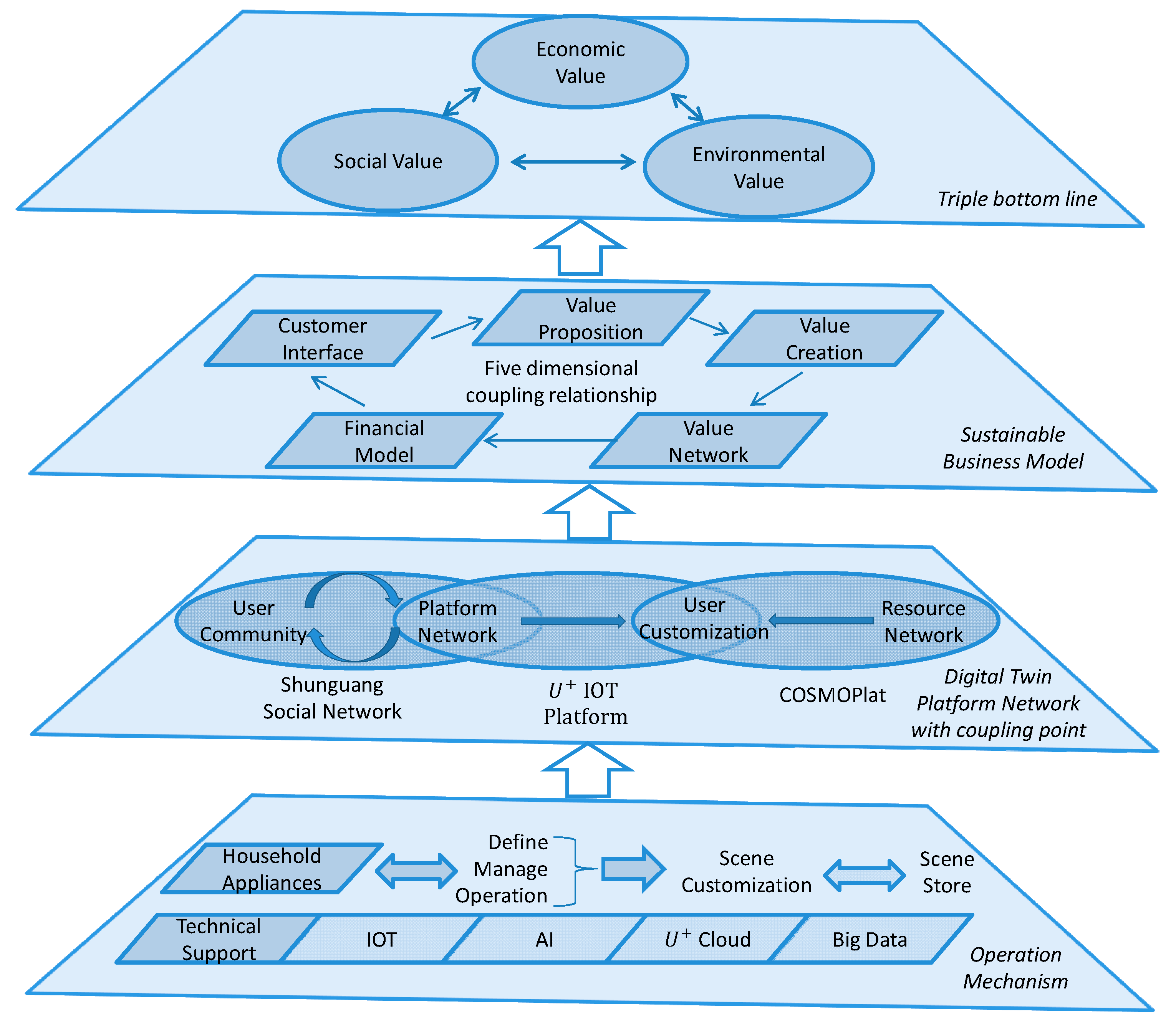
Sustainability and digitalization have become the main direction of transformation of enterprises. Building a digital twin platform network can provide enterprises with a comprehensive view of products, manufacture, supply chain, customer experience, and profitability, which is conducive to the construction of a sustainable business model. The purpose of this paper is to study how enterprises use digital twin platform networks to generate economic, social and environmental benefits in various dimensions and their coupling relationships. Based on the literature review, this paper constructs a five-dimensional framework of a sustainable business model, and analyses the coupling relationship between dimensions. Using Haier as a way to verify the five-dimensional framework, it explores the dynamic mechanism of the Haier digital twin platform network, constructs an integrated framework based on coupling perspective and compares it with other two home appliance enterprises. The study shows that, through the digital twin platform network, enterprises can remove the disadvantage of focusing on a single product life cycle, and form a comprehensive network, so as to promote overall sustainable upgrades. This paper draws generic strategies and digital transformation suggestions for enterprises to innovate the sustainable business model. The conclusion enriches the research on sustainable business models both theoretically and practically and provides a feasible reference for the transformation of enterprises in digital economy environment.
Keywords: digital twin platform network; sustainable business model; coupling relationship; transformation mechanism; Haier digital twin platform network; sustainable business model; coupling relationship; transformation mechanism; Haier