


Abstract
With the proliferation of cellular networks, the ubiquitous availability of new-generation multimedia devices, and their wide-ranging data applications, telecom network operators are increasingly deploying the number of cellular base stations (BSs) to deal with unprecedented service demand. The rapid and radical deployment of the cellular network significantly exerts energy consumption and carbon footprints to the atmosphere. The ultimate objective of this work is to develop a sustainable and environmentally-friendly cellular infrastructure through compelling utilization of the locally available renewable energy sources (RES) namely solar photovoltaic (PV), wind turbine (WT), and biomass generator (BG). This article addresses the key challenges of envisioning the hybrid solar PV/WT/BG powered macro BSs in Bangladesh considering the dynamic profile of the RES and traffic intensity in the tempo-spatial domain. The optimal system architecture and technical criteria of the proposed system are critically evaluated with the help of HOMER optimization software for both on-grid and off-grid conditions to downsize the electricity generation cost and waste outflows while ensuring the desired quality of experience (QoE) over 20 years duration. Besides, the green energy-sharing mechanism under the off-grid condition and the grid-tied condition has been critically analyzed for optimal use of green energy. Moreover, the heuristic algorithm of the load balancing technique among collocated BSs has been incorporated for elevating the throughput and energy efficiency (EE) as well. The spectral efficiency (SE), energy efficiency, and outage probability performance of the contemplated wireless network are substantially examined using Matlab based Monte–Carlo simulation under a wide range of network configurations. Simulation results reveal that the proper load balancing technique pledges zero outage probability with expected system performance whereas energy cooperation policy offers an attractive solution for developing green mobile communications employing better utilization of renewable energy under the proposed hybrid solar PV/WT/BG scheme.
1. Introduction
Over the last decade, telecom network operators have been continuously increasing the number of cellular base stations to support the higher number of mobile subscribers and to meet their huge amount of data demand [1]. This rapid and radical deployment of cellular base stations throughout the world has significantly increased energy consumption, resulting in decreasing the fossil fuel reservation and emitting harmful greenhouse gasses. As referred to [2], cellular base stations are the main parts of the telecom industry which consume around 57% of the total energy. Authors in [3] estimated that the amount of energy consumed by the telecommunication industry was 519 TWh in 2019, and this value is increasing at a yearly rate of 10%. Moreover, the international energy agency reported that global energy is expected to increase by around 27% from 2017 to 2040, which is equivalent to 3743 million tons of oil [4]. As a result, an average of 1.4% per year and around 2–2.5% of worldwide greenhouse gas discharges are caused by the information and communication technology (ICT) sector [5,6]. It is also estimated that the emission of carbon-dioxide () will rise around 6% per year and the annual electricity bill for the mobile industry will raise $10 billion [5,6].
Due to the aforementioned facts, telecom network operators are always trying to find out the alternative source of environment-friendly and cost-effective energy. As a consequence, harvesting energy from the locally available renewable energy sources has become one of the major concerns of academia and researchers [7,8,9]. Renewable energy sources such as solar, wind, biomass, hydro, geothermal, etc are reusable and widely available in many places throughout the world [10,11,12]. Moreover, a huge amount of energy can be harvested from renewable energy sources with the help of modern technology by minimizing cost [10,11,12]. Being inspired by the potential benefits of renewable energy sources, telecom operators are progressively installing cellular BSs powered by the locally available RES. Despite the potential benefits, there are some challenges of harvesting energy from renewable energy sources due to the dynamic nature of RES and its dependency on the condition of weather [11,12,13]. Moreover, the use of renewable energy in the telecom industry may cause a shortage or outage of energy that may arise due to the intermittency nature of RES. The shortage or outage of energy is not allowed in the telecom industry which may degrade the continuity of power supply and reliability. However, the reliability of the renewable energy-based supply system can be ensured in the following ways: (i) by integrating the renewable energy sources with the non-renewable energy source, (ii) by integrating different types of renewable energy sources, and (iii) by integrating the renewable energy source or sources with the adequate energy storage devices.
Bangladesh is a tropical and fourth rice-producing country in the world which is located between 33 and 39 N latitude and between 124 and 130 E longitude. The main renewable energy sources of the country are solar, wind, hydro, biomass (agriculture residue), geothermal, etc. [14,15]. As a tropical country, Bangladesh has enough potential to harvest a huge amount of green energy from the sunlight. The average sunlight intensity of the selected location is 4.59 kWh/m/day [14]. Authors in [16] reported that the country can harvest around 70 PWh electrical energy per year with the proper modeling of the solar PV system. In the meantime, the average wind speed of the selected location is 7.48 m/s that is sufficient for harvesting energy by the wind turbine [17]. Additionally, the country has started generating electricity using biomass resources on a small range but most of them are used for cooking and boiler purposes only. As referred to in [18], Bangladesh has approximately 90.21 million tons of biomass available whose energy potential is 1344.99 PJ equivalent to 373.71 TWh of electrical energy. Reference [19] also mentioned that with the help of modern technology, the country can harvest around 7682 GWh electrical energy from the biomass resources with a total capacity of 1066 MW in 2030.
In today’s world, energy-efficient cellular networks are highly desirable for developing a sustainable green mobile communication not only for the reduction of energy consumption but also for environmental considerations, such as the reduction of greenhouse gas [20]. It is a collective expression that can be used to explain how much energy a network uses, what the network currently uses the energy for, where the energy comes from, what impact it has on resource depletion, economy and environment, and what a network can do to reduce its consumption of energy and its unwanted consequences. As referred to in [21], the energy efficiency of the wireless network can be improved by integrating various technologies such as energy-sharing, resource allocation, spectral-sharing, device to device network, load balancing, ultra-dense network, and cell zooming. On the other hand, the sustainability of the network can be ensured by introducing a hybrid supply system and a proper energy co-operation management system [22]. For improving energy efficiency and ensuring long-term sustainability, authors in [23] proposed an energy-aware resource management technique where the heterogeneous networks (HetNets) are progressively powered by a hybrid supply system. However, the energy sustainability and OPEX savings of the cellular network can be attained by enhancing energy efficiency and incorporating a dynamic traffic/energy management system as stated in [24].
The major concern of this work is to develop a hybrid solar PV/WT/BG focused supply system for powering the macrocellular network in Bangladesh considering the dynamic profile of renewable energy sources and traffic intensity. The selected area of this work is Patenga under the Chittagong Division of Bangladesh whose geographical position is North, East. To the best knowledge of authors, we are the first to develop the energy efficiency analysis integrating load-balancing scheme and energy cooperation policies for the envisaged green wireless networks. The major contributions of this work are summarized below
- To determine the optimal system architecture and techno-economic (i.e., energy yields and net present cost evaluation) feasibility of the hybrid solar PV/WT/BG system using HOMER optimization software endeavoring a green cellular network.
- To evaluate the effectiveness of the energy-sharing mechanism for saving energy by maximum utilization of renewable energy sources. Particularly, we analyzed and developed the inter base station energy-sharing algorithm via a low loss resistive power line for off-grid condition and energy-trading policy with the electrical grid system for the grid-tied system. Based on the heuristic algorithms, we further analyzed the system reliability by means of loss of power supply probability (LPSP) term and energy-saving in terms of sold energy to the grid.
- To examine the performance of the proposed framework in terms of spectral efficiency, energy efficiency, and outage probability metrics of the user equipment under various system configurations (e.g., channel bandwidth, channel quality indicator) employing extensive Monte–Carlo simulation, taking into account uneven incoming traffic intensity, inter-cell interference, shadow fading, etc.
- A promising load balancing policy is developed for efficient utilization of resource blocks allocated in a cluster aiming at further energy-saving and enhancing the throughput with guaranteed quality of services (QoS). Afterward, spectral efficiency and outage probability metrics are assessed for different channel quality indicators (CQI) factor (i.e., in the form of physical resource block allocation) and channel bandwidth.
- To the end, a comprehensive feasibility comparison with other existing frameworks is conducted in the forms of greenness measurement (i.e., atmospheric pollutions) and economic factors for further validation. In addition, the collateral challenges and research opportunities are discussed for future works.
The rest of the paper is oriented as follows: Section 2 includes the literature review. Section 3 highlights the system architecture along with the mathematical modeling of the major system components. System implementation and cost modeling are presented in Section 4. The results and discussions of the proposed system are demonstrated in Section 5. Finally, Section 6 concludes this article by summarizing the key outcomes.
2. Literature Review
Numerous research works have been conducted to find a long-term sustainable, reliable, and energy-efficient supply system using locally available renewable energy sources [25,26,27]. Some of the researchers recommend the combination of different renewable energy sources or non-renewable energy sources with renewable energy sources, while others suggest the integration of the electrical grid system with renewable energy sources or a single renewable energy source with sufficient energy storage devices.
Authors in [2,10,28] have introduced a stand-alone solar PV powered green cellular base station, along with an adequate battery bank. In these works, the technical criteria and economic feasibility of the stand-alone solar PV system are critically analyzed considering the dynamic profile of the solar intensity. Due to the use of a single energy source, the shortage or outage of energy may arise in the case of a solar PV powered cellular networks. Hence, References [29,30] proposed the integration of renewable energy sources with the non-renewable energy source such as a solar PV system with diesel generator (DG) system for powering the off-grid cellular network. The key challenges and optimal solutions are critically analyzed by simulating the system under different network configurations using HOMER optimization software. As a result, Huawei technology has already installed a diesel generator focused hybrid system for powering the off-grid cellular network in Africa and the Middle East [31]. The integration of DG with the solar PV system can overcome the single renewable energy source related problems but the transportation of diesel is quite challenging in many places, and the burning of diesel emits toxic .
The combined utilization of different renewable energy sources such as solar PV with wind turbine and solar PV with a biomass generator based supply system has been recommended by the researchers as presented in [7,8,32,33]. The optimal sizing, energy issues, economic issues, and greenhouse gas emissions are thoroughly investigated for developing a green cellular network aiming to minimize the per unit electricity generation cost. Moreover, the authors examined the performance of the wireless network in terms of throughput and energy efficiency taking into account the tempo-spatial variation of traffic intensity. Being inspired by the potentials of renewable energy, Ericsson has developed a wind energy-based hybrid supply system for green-powering the cellular BSs of off-grid areas [34]. In the urban areas of Germany, Nokia Siemens has also established a hybrid solar PV and wind energy focused cellular base stations [35]. Reference [36], proposed a hybrid solar PV and PEM fuel cell-based supply system. Reference [37], investigated the technical criteria and economic feasibility of installing renewable energy and hydrogen-based power supply. The key challenges and potential solution of developing a hybrid solar PV and biomass gasifier based supply system for powering the off-grid residential areas in Bangladesh has been examined in [38].
Recently, renewable energy sources are being integrated with the conventional electrical grid system for powering the cellular BSs at the optimal level. The electrical grid system emits a significant amount of greenhouse gas that damages the ozone layer and increases global warming due to the burning of a huge amount of fossil fuel. Authors in [39,40] recommended a combined utilization of a solar PV system with the electrical grid system for enhancing the system reliability and ensuring the guaranteed continuity of services. Reference [41] examined the potential of different renewable energy sources in Malaysia and proposed three types of integration: (i) solar PV with electrical grid, (ii) solar PV and wind turbine with the electrical grid, and (iii) wind turbine with the electrical grid. In these papers, the optimal criteria and main challenges of utilizing the maximum renewable energy and possible solutions are addressed to minimize the grid pressure and greenhouse gas emissions.
Nowadays, modern cellular BSs are inter-connected to share the information to the control server, which will enhance the energy efficiency, spectral efficiency, and throughput performance of the wireless network. A lot of methods have been suggested by the researchers to improve energy efficiency and save energy though it is yet not saturated. A coordinated multipoint (CoMP)-based green cellular network has been proposed in [39,40] that can substantially improve the spectral efficiency of the network by minimizing the inter-cell interference. However, the authors did not consider the energy efficiency issue. Authors in [8,33], proposed a hybrid supply system where all the off-grid BSs are connected through a low resistive line to share the power among the neighboring BSs. In this work, the energy-sharing policy among the BSs and optimal criteria are critically analyzed considering the intermittency nature of renewable energy under different system bandwidth and transmission power. To increase energy efficiency, the infrastructure sharing concept is presented in [42,43], where the same radio access network (RAN) will be shared by the multiple network operators. For getting the same benefit, authors in [44], introduced a smart grid infrastructure sharing mechanism. For improving the energy efficiency, Reference [45], proposed base station sleep mode provision, Reference [46,47], proposed a cell-zooming concept. Although the sleep mode provision and cell zooming technique have many potential benefits, the sleep mode provision is not feasible for populated areas and the implementation of the cell-zooming technique involves a lot of challenges. In this trend, the authors in [48] proposed a distributed user association based load balancing algorithm to balance the load among the neighboring BSs. Reference [49] introduces an empirical load-balancing algorithm that can be used to optimize the range of heterogeneous networks. Therefore, the load balancing techniques are used for redistributing the load among the active BSs and can benefit in various ways including effective application of frequency bands, improvement in coverage for cell-edge users, and percentage increase in overall system throughput performance. In these papers, the idea of load-balancing is employed for increasing the energy efficiency performance under optimal power supply scenarios. However, some of the above models fail to capture the load-dependent power consumption in BSs causing overestimations. Besides, many of them offered either very simple algorithms overlooking the real locations of users, or no algorithm at all.
3. System Architecture and Mathematical Modeling
Figure 1 represents the schematic diagram of the proposed hybrid solar PV/WT/BG powered macro cellular network. It is mentioned that base stations are the DC load while some AC loads are also connected to the BSs such as AC lamp and air condition. The system essentially consists of a solar PV panel, wind turbine, biomass generator. For maintaining the continuity of power supply and enhancing the system reliability, a battery bank is connected to the supply system, which delivers backup power during the shortage or outage of RES. Moreover, a converter is needed to convert the AC into DC or vice versa. The mathematical modeling of the major components of the proposed system is presented below:
Figure 1.
Schematic diagram of the hybrid solar photovoltaic (PV)/wind turbine (WT)/biomass generator (BG)-powered cellular network.
3.1. Solar PV Panel
Solar PV panels are arrays consist of series/parallel connected multiple solar cells to transform sunlight into electricity. The amount of solar energy generated by the solar PV panel is mostly affected by the location, materials/tilt of the solar panels, and energy-harvesting technology. Moreover, the internet of things (IoT)-based smart monitoring system can be incorporated to control the generated power of the solar PV system [50,51]. The annual energy produced by the solar PV panel can be determined as follows [52,53]
where is the express rated capacity for solar PV panel (kW), means peak solar hour calculated from the average value, and is the panel efficiency. The monthly statistic of sunlight intensity and clearness index of the selected location are illustrated in Figure 2.
Figure 2.
Daily average solar intensity profile and clearness index of the selected area.
3.2. Wind Turbine
The electrical power generated by the wind turbine mainly depends on the speed of the wind, condition of weather, and the height of the turbine above the ground. The amount of power generated by the wind turbine can be estimated as follows [53,54]
where V is the average velocity of wind, is the coefficient of the Betz limit, and is monthly air density (kg/m). The monthly statistic of the wind speed of the selected area is shown in Figure 3.
Figure 3.
Wind profile of the selected area.
3.3. Biomass Generator
The amount of energy generated by the biomass generator mostly depends on the average biomass availability (), the calorific value of the biomass (), the efficiency of the biomass generator (), and BG running hours (). The output power of the BG can be expressed as follows [55,56]
The annual energy generated by the BG can be estimated as follows [55,56]
where 0.248 is the capacity factor that determines the actual electricity generated per day. The average biomass available in the selected area is 9 t/day. The characteristics of the biomass generator are shown in Figure 4.
Figure 4.
Characteristics of the biomass generator.
3.4. Battery Bank
The amount of back power supplied by the energy storage devices mostly depends on battery autonomy (). determines the number of potential hours that the battery bank can supply without support from the RES and can be expressed as follows [53]
where is the number of batteries in the battery bank, is the nominal voltage of a single battery (V), is the nominal capacity of a single battery (Ah), indicates the lower threshold limit of battery discharge and is the average daily BS load in kWh.
Moreover, the capacity of the battery bank () for providing the backup power up to t time can be expressed as follows [29]
where is the BS power consumption, is the dept of discharge of the battery bank, D is the backup days, is the battery capacity co-efficient factor ( = 1.4), and V is the DC bus-bar voltage (48 Volt).
Battery lifetime is another important issue that affects the replacement cost of the entire project. The lifetime of the battery bank can be evaluated as follows [29]
where is the lifetime throughput of a single battery (kWh), is the annual battery throughput (kWh/year), and is the battery float life (year).
3.5. Electrical Grid
Generally, the electrical grid is an interconnected system that is used for supplying power to the load. In this work, the proposed hybrid solar PV/WT/BG system has been connected to the utility grid system for sharing the excess electricity to the grid.
3.6. Load Profile
The proper dimensioning of the hybrid supply system mostly depends on the consumption of power by cellular networks. The total power consumption of a BS as a function of traffic intensity () is shown in Figure 5 and can be represented as follows [43]
where is the load dependency power gradient, is the power consumption at idle state, and is the power consumption at sleep mode. The individual power consumption by the macro cellular BS under 10 MHz bandwidth is presented in Table 1. On the other hand, the key parameters of the BS are summarised in Table 2.
Figure 5.
Dynamic traffic demand of the selected area.
Table 1.
Power consumed by the different parameters of the macro BS under BW = 10 MHz [29,43,44].
Table 2.
BS power consumptıon model parameters [29,43,44].
The maximum power consumption of the base station is directly related to the associated loss component that can be determined as follows [43]
where , , and respectively represent the loss component of DC-DC regulator, main supply, and cooling system. On the other hand, is the total number of antennas in a base station and is the maximum transmission power in W. The and are respectively the baseband and RF power consumption for the given 10 MHz transmission bandwidth.
3.7. Loss of Power Supply Probability
Loss of the power supply probability (LPSP) is used to measure the system reliability over the intended project duration. LPSP can be defined as the ratio of supply energy shortage to the total BS demand for a given period that ranges from zero to one. However, LPSP can also be designated as the loss of load probability (LOLP), load coverage rate (LCR), loss of power probability (LOPP) in some literature [57,58]. Note that a higher value of LPSP signifies lower system reliability. In order to ensure zero outage as well as guaranteed quality of experience, sufficient excess energy should be reserved for backup supply during unexpected energy shortage. In this paper, the optimum design configuration is determined assuming the tangent of the partial derivative of RE supplies including storage devices with desired LPSP. The LPSP of the system can be projected as follows [59]:
where loss of the power supply (LSP) identifies the power shortage while the power supply fails to satisfy the load demand (). Here, for a given period of time (t T). The higher values of LSP degrade the system reliability whereas the LPSP = 0 indicates the contemplated supply system can fulfill the BS energy demand entirely.
3.8. Energy-Sharing Model
In this subsection, a heuristic green energy-sharing technique has been proposed for ensuring the guaranteed continuity of supply by maximum utilization of renewable energy sources under different cases. In the case of the off-grid condition, the hybrid supply system can share green energy among the neighboring base stations. On the other hand, it can share energy to the electrical grid system for a grid-connected system. For both off-grid and on-grid conditions there arise three different cases which are as follow
Case I: Generation is higher than demand ()
If , then the harvested green energy is sufficient to fulfill the BS’s energy demand, and excess energy is stored in the battery bank for providing backup power and the remaining energy is used for sharing. Here, refers to the sum of energy generated by renewable energy sources (solar PV, WT, and BG) while includes both the energy demand for the base station and associated losses. In this case, there is no need for receiving energy from the other BSs and the loss of the power supply (LPS) will be zero as . The generated, excess, and shared energy can be expressed as follows [29]:
where involves both the converter and battery losses.
For an on-grid condition, it can share energy directly to the electrical grid system while for the off-grid condition, it can share energy to the neighboring needy BSs via a low resistive power line. If R is the resistance of the entire line, then the line losses () for the time t can be estimated by the following equation [29]
where I is the current flowing through the transmission line, V is the DC 48 volt and is the shared power. Hence, the total shared energy and average energy-saving by the inter BS sharing mechanism can be determined as follows [29]
where N is the number of sharing BS, typically 19 for the two-tier configuration, and is the required energy of BS.
Case II: Generation is equal to demand ()
If , then the base station will be served by the generated green energy and backup power will be supplied by the battery bank, hence = 0, and = 0. The reserved capacity of the battery bank () that is required for supporting the BS energy demand for t (in hours) time can be determined using (6).
Case III: Generation is lower than demand ()
If , then the harvested green energy cannot fulfill the BS energy demand entirely. Hence, the BS will receive energy from the electrical grid system (for the grid-tied system) or the neighboring over generated BS (via the low resistive power line for the off-grid interconnected system) as mentioned in case I. In this case, the loss of power supply will arise. The LPS and the total amount of energy needed for the BS at time t can be estimated as follows
where, for grid-tied system and for off-grid system.
For off-grid conditions, all the BSs are interconnected through a low resistive power line. Moreover, all the BSs are sorted according to the generated energy and traffic intensity as follows: = , , …….,, where M is the number of the adjacent base station of . Now, if the base station has sufficient excess energy then can receive this green energy in the case of shortage or outage of energy. However, a needy will search all the neighboring BSs to find out the over generated BSs to fulfill the required energy. If the base station takes green energy from the neighboring base station , the total amount of energy consumed from the neighboring BSs can be estimated as follows [29]
The algorithms of the green energy-sharing model for both off-grid and on-grid conditions are presented in Algorithms 1 and 2 respectively. In this algorithm, is the energy stored in the battery bank, and = 1 indicates that the battery bank is fully charged.
| Algorithm 1 Algorithm of off-grid energy-sharing for base station . |
1: Initialize: , , , , and 2: if 3: Find , , and 4: Start charging the battery bank 5: if then 6: Allowed sharing to the neighboring BSs 7: else stop sharing and go to Step 3 8: end if 9: if 10: Coordinate with the neighboring over generated BSs 11: Sort the neighboring M BSs with respect to stored energy i.e., find the set =, , ……., 12: for m=1:M 13: Calculate 14: if 15: Stop the algorithm and go to Step 19 16: else 17: m = m + 1 and go to Step 12 18: end if 19: end for 20: end if |
| Algorithm 2 Algorithm of on-grid energy-sharing. |
1: Initialize: , , , , and 2: if 3: Find , , and 4: Start charging the battery bank 5: if then 6: Start sharing to the electrical grid 7: else stop sharing and go to Step 3 8: end if 9: end if 10: if 11: Discharge battery bank to supply shortage energy 12: end if |
3.9. Energy Efficiency and Outage Probability
The throughput, spectral efficiency, and energy efficiency performance of the macro-cellular network are examined with the help of Matlab-based Monte–Carlo simulations under different network conditions. The key parameters for the Monte–Carlo simulation setup are obtained from [29]. According to Shanon’s information capacity theorem, total achievable throughput in a network at time t can be expressed by [29]
where N is the number of transmitting BSs, U is the total number of user equipment (UEs) in the network, and is the received signal-to-interference plus-noise-ratio at UE located in base station .
In this paper, energy efficiency is defined as the ratio of total network throughput and total power consumed by the network. Thus, the EE metric denoted as for time t can be written as [29]
where is the total power consumed in all the BSs at time t and can be calculated by using (8).
The spectral efficiency determines how efficiently a limited frequency can be utilized in wireless communication. Spectral efficiency measures the data rate that can be transmitted over a given system bandwidth. The spectral efficiency of the wireless network can be expressed by the following equation [29]
The term ‘outage probability’ determines the probability of outage of the user equipment in the wireless network and it arises when the required data rate is less than the threshold level of the data rate. We consider that is the threshold level of SINR for effective communication of UE from class j, then the outage probability of UE from class location in BS can be expressed as [60]
where } is the probability that user u is from class .
3.10. Load Balancing Algorithm
In this subsection, we propose a traffic-aware load balancing algorithm, which has the potential to exchange the peak traffic among the nearby base stations. An example of traffic-guided load balancing is shown in Figure 6. In this load balancing concept, all the nineteen BSs in a two-tier macro cellular network will be sorted according to their arrival of traffic rate. The higher traffic density BS will search the neighboring BSs to find out the lower traffic density BSs to shift the peak load (beyond the threshold value) to the neighboring lower density BS. This shifting of peak load increases the spectral efficiency and decreases the outage probability of the network. The detail of the load balancing algorithm is presented in Algorithm 3. The operation of the algorithm can be divided into two modes: firstly, the base stations are not allowed to shift the core zone load to the neighboring BSs. Secondly, if there is any high traffic density BS and the neighboring BSs can receive the load, the higher traffic density BS will shift the load to minimize the outage probability. Moreover, the amount of load received by the low traffic density BSs depends on their unused resource blocks and renewable energy generation.
Figure 6.
Traffic guided load balancing model.
However, the load balancing has appealed much consideration as a talented way out for higher resource allocation, better system enactment, and reduced operational expenditure as well. Load balancing is an efficient technique for adjusting the load and relieving the congestion among the neighboring BSs. With the introduction of load balancing techniques, a cellular network can gain in different ways, such as the effective exercise of frequency bands, improvement in coverage for cell-edge users, and boost in overall network spectral efficiency and outage probability.
Here, is the threshold level of traffic intensity that can be efficiently carried out by the i-th base station . In the load balancing algorithm, RB (resource block) is the smallest unit of resources that is assigned to the user. It is considered that at least one RB should be allocated for every user. On the other hand, multiple RBs are connected to a single user in the case of higher data demand and higher system bandwidth.
| Algorithm 3 Traffic-guided load-balancing algorithm. |
1: Initialize: , , 2: Sort the BSs according to the traffic intensity and stored energy 3: if > 4: for m=1:M 5: Find the neighboring lower density BS from the set =, , ……., 6: Shift 1% of edge zone load to the neighboring lower density BS 7: if = 8: Stop the algorithm and go to Step 11 9: else 10: m=m+1 and go to Step 4 11: Update 13: end if 14: end for 15: end if |
4. System Implementation and Cost Modeling
4.1. Simulation Setup
The optimal size and techno-economic feasibility of the proposed system are accomplished using the HOMER optimization software considering the 20 years project duration and 6.75% annual interest rate, which is the annual interest rate of Bangladesh [61,62,63]. The architecture of the proposed system in the HOMER platform is shown in Figure 7a,b respectively for the on-grid and off-grid conditions. The seasonal DC and AC load profile of the macro BS under 10 MHz is shown in Figure 8a,b respectively. It is seen that the DC load is time-varying due to the dynamic nature of the traffic intensity. On the other hand, the AC load remains constant due to the continuous use of the AC lamp from 6 p.m. to 6 a.m. For macro with RRH base station, no cooling system is required. The technical parameters and their value for the HOMER simulation setup are presented in Table 3.
Figure 7.
System architecture in the HOMER platform under BW = 10 MHz.
Figure 8.
Load profile of the macro BS under 10 MHz bandwidth.
Table 3.
Ker parameters and value for HOMER simulation setup [29,55,56].
4.2. Cost Modeling
In this work, different types of costs can be evaluated using the HOMER optimization software under different network conditions aiming to minimize the net present cost. The net present cost (NPC) of the proposed model as a summation of capital cost (CC), replacement cost (RC), net present cost (NPC), operation and maintenance cost (OMC), fuel cost (FC), and salvage value (SV) can be expressed as follows [53,64]
where the total annualized cost (TAC) and capital recovery factor (CRF) is calculated by (12) and (13), respectively [53,64].
where L is the lifetime of the project and i is the annual real interest rate. The salvage value of the system can be calculated by [53,64]
where , , and respectively are the replacement cost, remaining lifetime, and a lifetime of the component.
For ensuring guaranteed continuity of services, a significant amount of expressed electricity is required that can be express as follows
where comprises yearly losses of battery and inverter.
The key consideration of this work is to maintain the loss of power supply probability zero by maximum utilization of RES. The main objective function of the hybrid solar PV/WT/BG system along with battery bank can be illustrated as follows [29]
where is the annual BS load consumption as obtained from Table 1 and is the energy afforded by the battery bank. and signify the maximum and minimum storage capacity of the energy storage devices.
minimize NPC
subject to EPV + EWT + EBG > EBS,
EPV + EWT + EBG + Ebatt = EBS + El,
EShare = EPV + EWT + EWT − EBS − El − EExcess,
Ebattmin ≤ Ebatt ≤ Ebattmax
The constraint (30b) guarantees that the energy generated by the RES carries the annual BS consumption. The constraint (30c) represents that the total energy generation containing battery backup can satisfy the BS total energy demand and associated losses such. After fulfilling the BSs’ own energy demand, a minimum of 10% of the additional energy is stored in the battery bank (excess electricity) for use in the critical condition and the other 90% energy is allowed for sharing, which is represented in constraint (30d). The constraint (30e) indicates that the battery bank storage capacity should not exceed the maximum limit and not reach below the threshold level.
5. Results and Discussions
In this section, the results of the proposed system are critically analyzed considering the following key parameters: (i) optimization criteria, (ii) energy issues, (iii) economic issues, (iv) energy efficiency issues, (v) outage probability, and spectral efficiency via load balancing, (vi) waste issues, and (vii) challenges and opportunities analysis. Moreover, the proposed system has been compared with other supply systems in terms of technical and economic feasibility for justifying the validity of the present one.
5.1. Optimization Criteria
The optimal size of different components of the proposed hybrid solar PV/WT/BG system is summarized in Table 4. The system has been simulated in the HOMER platform taking the dynamic behavior of traffic and renewable energy sources into account. It is identified that a higher value of the component size is required for the grid-tied system due to the higher amount of energy generation by the on-grid system for transferring the higher amount of energy to the electrical grid system which minimizes the capital cost and grid pressure. It is also seen that the optimal size of the components is almost the same concerning the system bandwidth, which implies that the proposed system can fulfill the BS energy requirement under different network conditions without changing the system component on a large scale.
Table 4.
The optimal size of the hybrid solar PV/WT/BG system.
5.2. Energy Issues
The annual consumed energy (DC and AC load), excess energy, and shared energy for the macrocellular network under 10MHz bandwidth are shown in Figure 9. On the other hand, the individual energy breakdown of the hybrid solar PV/WT/BG system for on-grid and off-grid conditions is presented in Figure 10a,b respectively. The data of this figure have been found considering the dynamic profile of the RES under 10 MHz bandwidth. In both cases, the wind turbine is the highest energy contributor, solar PV panel is the second-highest, and the biomass generator is the lowest energy contributor. Figure 10a also tells us that no energy has been consumed from the electrical grid system for utilizing renewable energy sources at the maximum level. The main objective of the electrical grid system is to sell the excess renewable energy and receive energy back in case of a shortage or outage of RES.
Figure 9.
Energy breakdown for the 10 MHz system bandwidth.
Figure 10.
Energy breakdown for the on-grid and off-grid condition under 10 MHz system bandwidth.
The monthly statistic of the power production by the different renewable energy sources and power contribution by the electrical grid system is separately presented in Figure 11 and Figure 12. In line with our speculation, the ideal renewable energy sources i.e., solar PV and wind turbines contribute a higher amount of energy throughout the year. On the other hand, the biomass generator contributes a lesser amount of energy due to the optimal use of renewable energy. The proposed system can minimize the capital cost and carbon contents as the wind turbine generate a higher amount of energy in all conditions. However, the energy generated by the wind turbine requires a minimum amount of wind speed, which is not available throughout the year. During the time of lower wind speed and lower solar intensity, biomass generator provides additional power to maintain the continuity of the power supply. In this way, solar PV, wind turbines, and biomass generators complement each other. An extensive comparison of the annual energy generated by the different sources under various system bandwidth is shown in Figure 13 and Figure 14. The detailed calculation of annual energy generated by the solar PV panel, wind turbine, and biomass generator for 10 MHz bandwidth is given below:
Figure 11.
Monthly power contribution by the renewable energy sources (RES) under 10 MHz for on-grid.
Figure 12.
Monthly power contribution by the RES under 10 MHz for off-grid.
Figure 13.
Energy breakdown for the on-grid condition.
Figure 14.
Energy breakdown for the off-grid condition.
As referred to in Table 4, the optimal size of the solar PV panel for the grid-tied system is 2 kW under 10 MHz bandwidth. The annual generated energy is estimated using (1) as follows: 2 kW days/year = 3015.63 kWh. Moreover, due to the two-axis tracking mode, this value will be 4324 kWh.
The optimal size of the wind turbine is 1 kW and the generated electricity is 8902 kWh as obtain from (2) for the operating time of 7748 h per year. The optimal size of the biomass generator is 1 kW. The running hours of the BG are 2813 h per year (7.707 h per day) and the consumed bio-feedstock is 1.60 tones/year as obtaining from HOMER simulation. Hence, the annual generated power is calculated using (3) as follows: = (1.60 t/year () × 3411.33 KCal/Kg () × 0.30 () × 1000)/(365 × 860 × 7.707 h ()) = 0.677 kW.
On the other hand, the generated energy is estimated using (4) as follows: = 0.677 kW () × 365 × 24 × 0.248 (capacity factor) = 1472 kWh/year for macro BS, under 10 MHz bandwidth. In a similar process, the annual energy generated by the other system configurations are calculated.
Bio-feedstock is the fuel of biomass generators. A higher amount of energy-harvesting from the biomass generator contains a higher volume of bio-feedstock consumption. The amount of bio-feedstock consumed by the hybrid solar PV/WT/BG system under different system bandwidth is presented in Figure 15. It is found that the grid-connected hybrid solar PV/WT/BG system consumed a greater amount of biomass than the off-grid system. More especially, the grid-connected system always generates higher energy than it is necessary. So, there is the provision to transfer the excess energy to the electrical grid system which subsequently minimizes the grid pressure and capital cost by maximum utilization of RES.
Figure 15.
Bio-feedstock consumed for different conditions.
The total number of battery that is required for both on-grid and off-grid condition is 64: connected as 8 in series and 8 in parallel to support the load demand of the base station during the deficiency of RES. In this work, the “Trojan L16P” battery has been selected due to superior characteristics of charging and discharging rate. HOMER determines the battery bank autonomy 162 h for 10 MHz bandwidth which is calculated using (5). The annual throughput and autonomy of the battery bank under different network configurations are presented in Figure 16. According to the (5), the throughput value of the battery is directly proportional while the battery autonomy is inversely proportional to the BS energy demand. Hence, the higher system bandwidth exhibits a lower value of battery autonomy and a higher value of battery throughput. However, the reliability of the renewable energy-focused supply system can be increased by proper modeling of the battery bank and by controlling the charging and discharging rate of the battery bank.
Figure 16.
Battery autonomy for different system bandwidth.
(1) On-grid Condition:
Figure 17 represents a monthly statistic of energy sold to the electrical grid system using the energy-sharing mechanism. In line with our expectation, the grid-connected hybrid solar PV/WT/BG system can transfer a significant volume of renewable energy to the electrical grid system after fulfilling the required energy demand of the macro BSs. The amount of sold energy for different system bandwidth is demonstrated in Figure 18. It is seen that the curves of both the sold and excess energy are downward in trend because of the higher amount of energy consumed by the BS in higher system bandwidth. It is also remarkable that the sold energy curve stays above the excess energy curve which implies that the proposed system has sufficient generation capacity and a greater amount of energy is transferred to the electrical grid system and a small portion of the energy is used for pack up protection. However, the generated energy can perform three functions: (i) a major portion of the generated energy is essential to fulfill the BS’s load requirement, (ii) some amount of excess energy is stored in the battery bank to back up the system in the time of shortage or outage of renewable energy, and (iii) the remaining amount of energy is transferred to the electrical grid system for ensuring the continuity of power supply by maximum utilization of renewable energy sources.
Figure 17.
Monthly sold energy by grid sharing.
Figure 18.
Sold energy by the on-grid sharing facility.
(2) Off-grid Condition:
For the off-grid condition, we have planned to keep all the BSs connected through a low resistive power line as shown in Figure 19. The purpose of this interconnection is to send excess energy of a BS to the neighboring needy BSs or to receive excess energy from other BSs. The resistance of the power line is found from the American Wire Gauge (AWG) standard conductor size table [65]. The inter-site distance (ISD) is calculated as times of cell radius (i.e., ) and the cell radius is 1000 m for = 20 W. The total resistance of the transmission line between the two BSs is 5.67 . This inter-BS energy-sharing process enhances the continuity of power supply and ensures the optimal use of renewable energy sources. The amount of shared energy and subsequently saved energy for different system bandwidth is presented in Table 5. Numerical results depict that 793.07 kWh energy can be shared annually by applying the inter BS energy-sharing technique, and thus saves around 15.13% energy under 10 MHz bandwidth. Moreover, the performance of the sharing mechanism can be improved by reducing the resistance of the power line as summarized in Table 6. A throughout comparison of transferred energy for the different values of line resistance is illustrated in Figure 20. All the shared energy curves follow a similar pattern of decreasing nature which signifies that a lower value of line resistance can transfer a higher amount of energy.
Figure 19.
Energy-sharing among the neighboring BS for the off-grid condition.
Table 5.
Annual energy savings for energy-sharing mechanism.
Table 6.
Annual energy-sharing for various resistance losses under BW = 10MHz.
Figure 20.
Amount of shared energy using inter BS sharing mechanism.
5.3. Economic Issues
In this subsection, different types of costs that are associated with the hybrid solar PV/WT/BG system are evaluated using HOMER optimization software to develop a cost-effective hybrid supply system. The critical analyses of these types of costs have been carried out considering the dynamic nature of renewable energy sources under different network configurations.
The summary of the nominal cash flow of the hybrid solar PV/WT/BG system for the on-grid and off-grid system is sequentially shown in Figure 21 and Figure 22. The summary has been extracted from the HOMER software by simulating the system under 10 MHz bandwidth. It is observed that the battery bank in comparison with other types of components incurs a higher amount of cost for both on-grid and off-grid systems due to the smaller lifetime of the battery as compared to the project duration. It is also observed that the off-grid system involves higher NPC value through a greater amount of excess energy that can be sold to the electrical grid system which subsequently minimizes the net present cost by maximizing renewable energy utilization. An extensive comparison of the net present cost for the different network configurations is demonstrated in Figure 23. All the NPC curves increase linearly with the increment of system bandwidth to cope up with the higher energy demand. Additionally, the NPC curve for the off-grid system rises above the on-grid system which implies that the energy-trading policy to the electrical grid system can significantly minimize the capital cost. In the case of the off-grid system, a small amount of energy can be transferred, if the neighboring base stations are connected through a low resistive power line. The energy-trading policy for both on-grid and off-grid systems are extensively analyzed in this work for maximum utilization of renewable energy sources and enhancing the system reliability.
Figure 21.
Cash flow summary of the proposed system for on-grid condition under 10 MHz bandwidth.
Figure 22.
Cash flow summary of the proposed system for off-grid condition under 10 MHz bandwidth.
Figure 23.
NPC for the different configurations.
Figure 24 illustrates the quantitative comparison of the per-unit energy generation cost for the proposed system under different network configurations. In line with our expectation, a lower value of energy generation cost is found for the higher system bandwidth. Moreover, the energy generation cost is higher for the off-grid system than the on-grid system due to the higher amount of NPC involvement in the off-grid system as mentioned earlier. Figure 17 shows the monthly statistic of sold energy and Figure 18 shows the sold energy under different system bandwidth. By selling the excess energy to the electrical grid system, the proposed system can return around $7200 per year according to the data found from Figure 18. However, the grid-tied solar PV/WT/BG system can transfer a greater amount of renewable energy to the electrical grid system which will decrease the energy generation cost and grid pressure.
Figure 24.
Cost of electricity for different system bandwidth.
5.4. Energy Efficiency Issues
The throughput and energy efficiency performance of the wireless network under different system bandwidth are respectively shown in Figure 25 and Figure 26. These performance metrics have been evaluated considering the two-tier LTE cellular network with 19 base stations in hexagonal shape as shown in Figure 19. The throughput denotes the number of bits transmitted per second. On the other hand, the term ‘energy efficiency’ is used to measure the number of bits transmitted per watt, which is expressed as the ratio of total throughput to the total power required by the base station. It is always desirable to develop a system which provides sufficient throughput and energy efficiency performance. Figure 25 depicts that the proposed system has sufficient throughput performance and it is similar to the dynamic traffic intensity profile of Figure 5. Moreover, a better value of throughput performance is found for higher system bandwidth due to the higher amount of energy demand. According to (22), energy efficiency is directly proportional to the throughput performance of the network. As a consequence, energy efficiency curves increase with the increment of system bandwidth as demonstrated in Figure 26.
Figure 25.
Throughput over a day.
Figure 26.
Energy efficiency for different system bandwidth.
5.5. Outage Probability and Spectral Efficiency via Load Balancing
In a cellular network, voice is the major part of the data demand [66]. The maximum number of voice over LTE (VoLTE) users that can be carried by the wireless network depends on various factors such as physical resource blocks (PRBs), channel quality indicator (CQI), system bandwidth (BW), SINR, etc. [66]. The maximum number of the simultaneous users () that can efficiently be supported by the network is calculated as: (Number of Available PRB)/(Number of PRB per VoLTE call) × 20. According to [66], the number of required resource blocks and carried VoLTE users under different system bandwidth and CQI are summarized in Table 7. However, a base station can support a specific number of users/traffic based on the designed parameters. If the users/ traffic rates increase beyond this value, the performance of the network may decrease. For instance, with the increment of traffic intensity beyond the threshold value, the spectral efficiency of the network decreases, and the outage probability of the network increases. To overcome these problems, load balancing is an efficient technique. By proper modeling and implementing the load balancing technique, the spectral efficiency performance of the wireless network can significantly be improved as shown in Figure 27, where 0% shifted load indicates the spectral efficiency and outage probability of the network without applying the load balancing technique. Figure 27 implies that a 5% shifting of peak load to the neighboring low-density base station can improve the spectral efficiency up to around 4%.
Table 7.
Number of voice over LTE (VoLTE) users for different channel quality indicators (CQI) and system bandwidth.
Figure 27.
Spectral efficiency via load balancing technique under 10 MHz bandwidth.
An extensive comparison of outage probability of the wireless network for with and without load balancing technique is shown in Figure 28, Figure 29 and Figure 30 under different network conditions. All the figures have been drawn by shifting the load from 0% to 5%, where shifted load 0% means without load balancing and shifted load greater than 0% means by applying load balancing. Figure 28 represents the outage probability for three different additional users (additional users are 25, 50, and 75) beyond the standard user of CQI = 7 and BW = 10 MHz which is mentioned in Table 7. The outage probability for different CQI is presented in Figure 29 under 10 MHz bandwidth. On the other hand, Figure 30 outlines the outage probability for different system bandwidth under CQI = 7. All the curves follow a similar pattern of the downward trend which implies that balancing the load among the neighboring lower density BSs can significantly reduce the outage probability. To the end, Figure 28 has been drawn to find out the effect of additional users, Figure 29 has been drawn to calculate the effect of CQI, and Figure 30 has been drawn to observe the effect of system bandwidth on the simultaneous users. For all the cases, a better value of probability has been found by applying the load balancing technique.
Figure 28.
Outage probability via load balancing technique for different users under 10 MHz BW.
Figure 29.
Outage probability via load balancing technique for different CQI under 10 MHz BW.
Figure 30.
Outage probability via load balancing technique for different system BW.
5.6. Waste Issues
The sustainability of green mobile communication can be enhanced by controlling the waste of the supply system and telecommunication equipment. In this subsection, the waste of the proposed hybrid solar PV/WT/BG system is extensively evaluated for both on-grid and off-grid conditions. On the other hand, the waste of the proposed system is compared with other supply schemes in terms of as presented in Section 5.8. As an ideal renewable energy source, solar PV and wind turbines do not contribute to the emission of any carbon contents though a small amount of carbon content is released by the biomass generator due to the processing of biomass. The details of the waste emitted by the biomass generator are presented in Table 8. With the advancement of new technology, this waste can be kept at a negligible range. The negative sign of the emissions in Table 8 implies that a grid-connected solar PV/WT/BG system can significantly minimize the carbon footprints by sharing the excess green energy to the electrical grid system. Moreover, the proposed system can save the environment indirectly by reducing the burning of rice husk (the main source of biomass) for cooking and boiler purposes as shown in Table 9. However, the generation of carbon dioxide is directly related to the operating hours of the biomass generator. The amount of carbon dioxide emitted by the BG as a function of BG running hours is presented in Figure 31.
Table 8.
Carbon contents for the hybrid solar PV/WT/BG system under 10 MHz bandwidth.
Table 9.
Emissions by different sources.
Figure 31.
emission vs BG operating hours.
5.7. Challenges and Opportunities Analysis
The hybrid solar PV/BG/WT-powered green cellular network with energy-sharing and load balancing technique has many potential benefits but the implementation involves a lot of challenges. The key challenges and the possible solutions are listed below:
- The implementation of a hybrid solar PV/WT/BG system involves a greater amount of wind speed, biomass resources, water, and land, which may not always be available in many countries. As tropical and fourth rice (the main source of biomass) producing country, Bangladesh has enough potential to harvest energy from the solar PV and biomass resources. Besides, the selected location has sufficient wind speed throughout the year.
- The implementation of a hybrid solar PV/WT/BG system may require the release of a negligible amount of carbon footprints due to the processing of biomass. With the advancement of modern technology, the higher volume of carbon footprints can be confined to a lower value. Moreover, the biomass generator indirectly reduces carbon footprints by minimizing the burning of rice husks in cooking and heating in Bangladesh.
- The implementation of a hybrid solar PV/WT/BG system includes a huge number of energy storage devices for providing sufficient backup power in case of a shortage or outage of renewable energy sources. This problem can be overcome by integrating the electrical grid system with the hybrid solar PV/WT/BG system or by establishing inter-connection between the BSs via a low resistive power line in the case of off-grid conditions to facilitate sharing of power among the neighboring BSs.
- The implementation of the inter BSs energy-sharing technique requires to trace the actual energy consumed by the individual BS and energy stored in the storage device. This problem can be overcome by sharing the source and load information to the control unit or control server.
- The implementation of the load balancing technique also requires to trace the actual incoming traffic rate of the BSs. This problem can be solved by connecting the BSs to the control server where all the BSs will share their information with the control server and subsequently, the control server will sort the BSs according to the traffic density, transmission power, and stored energy.
5.8. Feasibility Comparison
An extensive comparison of optimal system criteria for the different types of hybrid supply schemes is presented in Table 10. These optimal criteria have been derived by simulating the macro-cellular BS under 10 MHz bandwidth considering the average value of solar intensity, wind speed, and available biomass resources of the selected location. From the data, it is concluded that the hybrid solar PV/WT provides better performance and the hybrid solar PV/DG system has poor performance among the different supply schemes. In contrast, our proposed hybrid solar PV/WT/BG system exhibits a satisfactory level of performance. Moreover, the proposed system has a higher green energy generation capacity than other systems which can also transfer a higher amount of energy to the electrical grid system by ensuring the maximum utilization of renewable energy sources. In the end, a hybrid solar PV/WT/BG system is an attractive solution for developing green mobile communication considering the geographical location of Bangladesh.
Table 10.
Optimal criteria comparison among the different supply scheme under 10 MHz bandwidth.
6. Conclusions
The fundamental goal of this work is to develop a sustainable, reliable, and energy-efficient cellular network by utilizing the locally available green energy sources by minimizing a considerable amount of both the net present cost and greenhouse gas emissions. Extensive simulations are carried out to develop effective ways of ensuring maximum utilization of renewable energy and assessing the quantitative benefits of the proposed scheme along with energy-sharing mechanisms and sufficient energy storage devices. It is observed that the optimal use of harvested green energy with a fruitful energy-sharing mechanism has enough potential to fulfill the own energy demand of BSs maintaining the guaranteed continuity of power supply in both off-grid and grid-tied systems. For off-grid conditions, the inter-BSs green energy-sharing mechanism can save energy up to 2%. On the other hand, for the grid-tied system, the energy-sharing facility to the electrical grid can sell an average of 793.07 kWh energy per year, which can reduce the grid pressure and save capital cost around $7194/year. The simulation results show that the energy storage systems can carry the load demand for around 162 h without any external sources, which is enough time to fix the renewable energy sources. Though the hybrid solar PV/WT/BG system releases a small number of carbon footprints, the biomass generator acts as a sustainable waste management system by reducing the burning of biomass (agriculture residue) for cooking and heating purposes.
The proposed system exhibits a satisfactory level of throughput, energy efficiency, and spectral efficiency performance that are extensively analyzed considering the tempo-spatial variation of traffic intensity and system BW. Moreover, the spectral efficiency and outage probably of UEs are thoroughly investigated under different system conditions such as different user conditions, different CQI, and different transmission bandwidth. Numerical results demonstrate that the integration of load balancing provides better spectral efficiency and outage probability as compared to those without load balancing condition. In summary, the proposed renewable energy-focused hybrid supply system along with the proper balancing of the load among the neighboring BSs can improve the outage probability of the user equipment and the green energy-sharing mechanism can overcome the loss of power supply probability. Countries like Bangladesh are in dire need of establishing such a hybrid power system to meet the increasing energy demand, save the environment, and ensure continual services to the users. Finally, the hybrid solar PV/WT/BG system is an attractive solution to develop a sustainable green mobile communication in Bangladesh for her position as the tropical and fourth rice-producing (the main source of biomass) country in the world.
Author Contributions
Conceptualization, M.S.H. and K.Z.I.; methodology, K.Z.I., A.J. and S.A.; software, M.S.H., K.Z.I. and S.A.; Data curation, M.S.H., A.J. and K.Z.I.; Formal analysis, K.Z.I., A.J. and S.A.; Investigation, K.M.R. and M.H.A.; Visualization, M.S.H., A.J. and K.M.R.; Writing–original draft, M.S.H., K.Z.I. and S.A.; Writing–review and editing, A.J., K.M.R. and M.H.A.; Supervision, K.M.R. and M.H.A. All authors have read and agreed to the published version of the manuscript.
Funding
This work is partially supported by the Faculty Research Fund of the Bangladesh University of Business and Technology (BUBT).
Conflicts of Interest
The authors declare no conflict of interest.
References
- Ericsson. Mobile Subscriptions First Quarter 2019. Available online: https://wwwricsson.com/en/mobility-report/reports/june-2019/mobile-subscriptions-q1-2019 (accessed on 10 October 2020).
- Alsharif, M.H. Techno-economic evaluation of a stand-alone power system based on solar power/batteries for global system for mobile communications base stations. Energies 2017, 10, 392. [Google Scholar] [CrossRef] [Scilit]
- Aris, A.; Shabani, B. Sustainable power supply solutions for off-grid base stations. Energies 2015, 8, 10904–10941. [Google Scholar] [CrossRef] [Scilit]
- World Energy Outlook 2018. Available online: https://wwwea.org/weo2018/ (accessed on 10 September 2020).
- Ahmed, F.; Naeem, M.; Iqbal, M. ICT and renewable energy: A way forward to the next generation telecom base stations. Telecommun. Syst. 2017, 56, 43–56. [Google Scholar] [CrossRef] [Scilit]
- Shakir, M.Z.; Qaraqe, K.A.; Tabassum, H.; Alouini, M.-S.; Serpedin, E.; Imran, M.A. Green heterogeneous small-cell networks: Toward reducing the CO2 emissions of mobile communications industry using uplink power adaptation. IEEE Commun. Mag. 2013, 51, 52–61. [Google Scholar] [CrossRef] [Scilit]
- Hossain, M.S.; Rahman, M.F. Hybrid solar PV/Biomass powered energy efficient remote cellular base stations. Int. J. Renew. Energy Res. (IJRER) 2020, 10, 329–342. [Google Scholar]
- Jahid, A.; Hossain, M.S. Energy-cost aware hybrid power system for off-grid base stations under green cellular networks. In Proceedings of the IEEE International Conference on Electrical Information and Communication Technology (EICT), Khulna, Bangladesh, 7–9 December 2017; pp. 1–6. [Google Scholar]
- Hossain, M.S.; Jahid, A.; Islam, K.Z.; Alsharif, M.H.; Rahman, M.F. Multi-objective optimum design of hybrid renewable energy system for sustainable energy supply to a green cellular networks. Sustainability 2020, 12, 3536. [Google Scholar] [CrossRef] [Scilit]
- Chamola, V.; Sikdar, B. Solar powered cellular base stations: Current scenario, issues, and proposed solutions. Commun. Mag. 2016, 54, 108–114. [Google Scholar] [CrossRef] [Scilit]
- Ismail, M.; Zhuang, W.; Serpedin, E.; Qaraqe, K.A. A survey of green mobile networking: From the perspectives of network operators and mobile users. Commun. Surv. Tutor. 2015, 17, 1535–1556. [Google Scholar] [CrossRef] [Scilit]
- Jahid, A.; Monju, M.K.I.; Hossain, M.S.; Hossain, M.F. Hybrid power supply solutions for off-grid green wireless networks. J. Green Energy 2018, 16, 12–33. [Google Scholar] [CrossRef] [Scilit]
- Huang, P.; Sun, S.; Liao, W. GreenCoMP: Energy-aware cooperation for green cellular networks. IEEE Trans. Mob. Comput. 2017, 16, 143–157. [Google Scholar] [CrossRef] [Scilit]
- Jahid, A.; Hossain, M.S.; Monju, M.K.H.; Rahman, M.F.; Hossain, M.F. Techno-economic and energy efficiency analysis of optimal power supply solutions for green cellular base stations. IEEE Access 2020, 8, 43776–43795. [Google Scholar] [CrossRef] [Scilit]
- Hossain, M.S.; Jahid, A.; Rahman, M.F. Dynamic load management framework for off-grid base stations with hybrid power supply. In Proceedings of the IEEE International Conference on Electrical Engineering and Information & Communication Technology (iCEEiCT), Dhaka, Bangladesh, 13–15 September 2018; pp. 336–341. [Google Scholar]
- Mondal, M.A.H.; Islam, A.K.M.S. Potential and viability of grid-connected solar PV system in Bangladesh. Renew. Energy 2011, 36, 1869–1874. [Google Scholar] [CrossRef] [Scilit]
- Islam, M.R.; Rahman, M.N.; Mannan, M.A. Study of wind power in different parts of Bangladesh. Int. Res. J. Eng. Technol. (IRJET) 2016, 3, 1290–1299. [Google Scholar]
- Halder, P.K.; Paul, N.; Beg, M.R.A. Assessment of biomass energy resources and related technologies practice in Bangladesh. Renew. Sustain. Energy Rev. 2014, 39, 444–460. [Google Scholar] [CrossRef] [Scilit]
- Huda, A.S.N.; Mekhilef, S.; Ahsan, A. Biomass energy in Bangladesh: Current status and prospects. Renew. Sustain. Energy Rev. 2014, 30, 504–517. [Google Scholar] [CrossRef] [Scilit]
- Mahapatra, R.; Nijsure, Y.; Kaddoum, G.; Hassan, N.U.; Yuen, C. Energy efficiency tradeoff mechanism towards wireless green communication: A survey. IEEE Commun. Surv. Tutor. 2016, 18, 686–705. [Google Scholar] [CrossRef] [Scilit]
- Sofi, I.B.; Gupta, A. A survey on energy efficient 5G green network with a planned multi-tier architecture. J. Netw. Comput. Appl. 2018, 118, 1–28. [Google Scholar] [CrossRef] [Scilit]
- Oviroh, P.O.; Jen, T.C. The energy cost analysis of hybrid systems and diesel generators in powering selected base transceiver station locations in Nigeria. Energies 2018, 11, 687. [Google Scholar] [CrossRef] [Scilit]
- Fletscher, L.A.; Suárez, L.A.; Grace, D.; Peroni, C.V.; Maestre, J.M. Energy-aware resource management in heterogeneous cellular networks with hybrid energy sources. IEEE Trans. Netw. Serv. Manag. 2019, 16, 279–293. [Google Scholar] [CrossRef]
- Danve, S.R.; Nagmode, M.S.; Deosarkar, S.B. Energy efficient cellular network base station: A survey. In Proceedings of the IEEE Pune Section International Conference (PuneCon), Pune, India, 18–20 December 2019; pp. 1–4. [Google Scholar]
- Kanwal, K.; Safdar, G.A.; Ur-Rehman, M.; Yang, X. Energy management in LTE networks. IEEE Access 2018, 5, 4264–4284. [Google Scholar] [CrossRef] [Scilit]
- Han, T.; Ansari, N. On optimizing green energy utilization for cellular networks with hybrid energy supplies. IEEE Trans. Wirel. Commun. 2013, 12, 3872–3882. [Google Scholar] [CrossRef] [Scilit]
- Gandotra, P.; Jha, R.K.; Jain, S. Green communication in next generation cellular networks: A survey. IEEE Access 2017, 5, 11727–11758. [Google Scholar] [CrossRef] [Scilit]
- Jahid, A.; Hossain, M.S. Feasibility analysis of solar powered base stations for sustainable heterogeneous networks. In Proceedings of the IEEE Region 10 Humanitarian Technology Conference (R10HTC), Dhaka, Bangladesh, 21–23 December 2017; pp. 686–690. [Google Scholar]
- Jahid, A.; Islam, M.S.; Hossain, M.S.; Hossain, M.E.; Monju, M.K.H.; Hossain, M.F. Toward energy efficiency aware renewable energy management in green cellular network with joint coordination. IEEE Access 2019, 7, 75782–75797. [Google Scholar] [CrossRef] [Scilit]
- Alsharif, M.H.; Nordin, R.; Ismail, M. Energy optimisation of hybrid off-grid system for remote telecommunication base station deployment in Malaysia. J. Wirel. Commun. Netw. 2015, 2015, 1–16. [Google Scholar] [CrossRef] [Scilit]
- Huawei. Mobile Networks Go Green. Available online: http://www.huawei.com/en/abouthuawei/publications/communicaite/hw-082734.htm (accessed on 10 October 2020).
- Jahid, A.; Monju, M.K.H.; Hossain, M.E.; Hossain, M.F. Renewable energy assisted cost aware sustainable off-grid base stations with energy cooperation. IEEE Access 2018, 6, 60900–60920. [Google Scholar] [CrossRef] [Scilit]
- Hossain, M.S.; Jahid, A.; Rahman, M.F. Quantifying potential of hybrid PV/WT power supplies for off-grid LTE base station. In Proceedings of the IEEE International Conference on Computer, Communication, Chemical, Material and Electronic Engineering (IC4ME2), Rajshahi, Bangladesh, 8–9 February 2018; pp. 1–5. [Google Scholar]
- Sustainable Energy Use in Mobile Communications, Ericsson Inc., White Paper. 2007. Available online: https://www.techonline.com/electrical-engineers/education-training/tech-papers/4136182/Sustainable-Energy-Use-in-Mobile-Communications (accessed on 10 October 2020).
- E-plus, Nokia Siemens Networks Build Germany First Offgrid Base Station. 2011. Available online: http://www.nokiasiemensnetworks.com (accessed on 10 October 2020).
- Bezmalinović, D.; Barbir, F.; Tol, I. Techno-economic analysis of PEM fuel cells role in photovoltaic-based systems for the remote base stations. Int. J. Hydrogen Energy 2013, 38, 417–425. [Google Scholar] [CrossRef] [Scilit]
- Luta, D.N.; Raji, A.K. Renewable hydrogen-based energy system for supplying power to telecoms base station. Int. J. Eng. Res. Afr. 2019, 43, 112–126. [Google Scholar] [CrossRef] [Scilit]
- Ahammad, S.; Khan, A.H.; Nur, T.E.; Ghose, S. A hybrid of 30 KW Solar PV and 30 KW Biomass System for rural electrification in Bangladesh. In Proceedings of the International Conference on Green Energy and Technology (ICGET), Dhaka, Bangladesh, 11 September 2015; pp. 1–5. [Google Scholar]
- Jahid, A.; Shams, A.B.; Hossain, M.F. PV Powered CoMP based green cellular networks with standby grid supply. J. Photoenergy 2017, 2017, 6189468. [Google Scholar] [CrossRef] [Scilit]
- Jahid, A.; Shams, A.B.; Hossain, M.F. Green energy driven cellular networks with JT CoMP technique. Phys. Commun. 2018, 28, 58–68. [Google Scholar] [CrossRef] [Scilit]
- Ani, V.; Ndubueze, N.A. Potentials of optimized hybrid system in powering off-grid macro base transmitter station site. Int. J. Renew. Energy Res. 2013, 3, 861–871. [Google Scholar]
- Bousia, A.; Kartsakli, E.; Antonopoulos, A.; Alonso, L.; Verikoukis, C. Game-theoretic infrastructure sharing in multioperator cellular networks. IEEE Trans. Veh. Technol. 2016, 65, 3326–3341. [Google Scholar] [CrossRef] [Scilit]
- Auer, G.; Giannini, V.; Desset, C.; Godor, I.; Skillermark, P.; Olsson, M.; Imran, M.A.; Sabella, D.; Gonzalez, M.J.; Blume, O. How much energy is needed to run a wireless network? IEEE Wirel. Commun. 2011, 18, 40–49. [Google Scholar] [CrossRef] [Scilit]
- Farooq, M.J.; Ghazzai, H.; Kadri, A.; ElSawy, H.; Alouini, M. A hybrid energy sharing framework for green cellular networks. IEEE Trans. Commun. 2017, 65, 918–934. [Google Scholar] [CrossRef] [Scilit]
- Li, Y.; Zhang, H.; Wang, J.; Cao, B.; Liu, Q.; Daneshmand, M. Energyefficient deployment and adaptive sleeping in heterogeneous cellular networks. IEEE Access 2019, 7, 5838–35850. [Google Scholar]
- Hossain, M.S.; Jahid, A.; Islam, K.Z.; Alsharif, M.H.; Rahman, K.M.; Rahman, M.F.; Hossain, M.F. Towards energy efficient load balancing for sustainable green wireless networks under optimal power supply. IEEE Access 2020, in press. [Google Scholar] [CrossRef] [Scilit]
- Niu, Z.; Wu, Y.; Gong, J.; Yang, Z. Cell zooming for cost-efficient green cellular networks. IEEE Commun. Mag. 2010, 48, 74–79. [Google Scholar] [CrossRef] [Scilit]
- Ye, Q.; Rong, B.; Chen, Y.; Al-Shalash, M.; Caramanis, C.; Andrews, J.G. User association for load balancing in heterogeneous cellular networks. IEEE Trans. Wirel. Commun. 2013, 12, 2706–2716. [Google Scholar] [CrossRef] [Scilit]
- Siomina, I.; Yuan, D. Load balancing in heterogeneous LTE: Range optimization via cell offset and load-coupling characterization. In Proceedings of the IEEE International Conference on Communications (ICC), Ottawa, ON, Canada, 10–15 June 2012; pp. 1357–1361. [Google Scholar]
- Hossain, M.S.; Rahman, M.; Sarker, M.T.; Haque, M.E.; Jahid, A. A smart IoT based system for monitoring and controlling the sub-station equipment. Internet Things 2019, 7, 100085. [Google Scholar] [CrossRef] [Scilit]
- Haque, M.E.; Asikuzzaman, M.; Khan, I.U.; Ra, I.-H.; Hossain, M.S.; Shah, S.B.H. Comparative Study of IoT-Based Topology Maintenance Protocol in a Wireless Sensor Network for Structural Health Monitoring. Remote Sens. 2020, 12, 2358. [Google Scholar] [CrossRef] [Scilit]
- Hossain, M.S.; Jahid, A.; Islam, K.Z.; Rahman, M.F. Solar PV and biomass resources-based sustainable energy supply for off-grid cellular base stations. IEEE Access 2020, 8, 53817–53840. [Google Scholar] [CrossRef] [Scilit]
- Alsharif, M.H.; Kim, J.; Kim, J.H. Energy optimization strategies for eco-friendly cellular base stations. Energies 2018, 11, 1500. [Google Scholar] [CrossRef] [Scilit]
- Hossain, M.S.; Raha, B.K.; Paul, D.; Haque, M.E. Optimization and generation of electrical energy using wind flow in rural area of Bangladesh. Res. J. Appl. Sci. Eng. Technol. 2015, 10, 895–902. [Google Scholar] [CrossRef] [Scilit]
- Chauhan, A.; Saini, R.P. A review on integrated renewable energy system based power generation for stand-alone applications: Configurations, storage options, sizing methodologies and control. Renew. Sustain. Energy Rev. 2014, 38, 99–120. [Google Scholar] [CrossRef] [Scilit]
- Islam, M.S.; Akhter, R.; Rahman, M.A. A thorough investigation on hybrid application of biomass gasifier and PV resources to meet energy needs for a northern rural off-grid region of Bangladesh: A potential solution to replicate in rural off-grid areas or not? Energy 2018, 145, 338–355. [Google Scholar] [CrossRef] [Scilit]
- Ayop, R.; Isa, N.M.; Tan, C.W. Components sizing of photovoltaic stand-alone system based on loss of power supply probability. Renew. Sustain. Energy Rev. 2018, 81, 2731–2743. [Google Scholar] [CrossRef] [Scilit]
- Rahil, A.; Gammon, R.; Brown, N. Techno-economic assessment of dispatchable hydrogen production by multiple electrolysers in Libya. J. Energy Storage 2018, 16, 46–60. [Google Scholar] [CrossRef] [Scilit]
- Tabak, A.; Özkaymak, M.; Güneser, M.T.; Erkol, H.O. Optimization and evaluation of hybrid PV/WT/BM system in different initial costs and LPSP conditions. Int. J. Adv. Comp. Sci. Appl. (IJACSA) 2017, 8, 123–138. [Google Scholar] [CrossRef] [Scilit]
- Hasan, S.M.; Hayat, M.A.; Hossain, M.F. On the downlink SINR and outage probability of stochastic geometry based LTE cellular networks with multi-class services. In Proceedings of the IEEE International Conference on Computer and Information Technology (ICCIT), Dhaka, Bangladesh, 21–23 December 2015; pp. 65–69. [Google Scholar]
- Jahid, A.; Hossain, M.S. Dimensioning of zero grid electricity cellular networking with solar powered off-grid BS. In Proceedings of the IEEE International Conference on Electrical & Electronic Engineering (ICEEE), Rajshahi, Bangladesh, 27–29 December 2017; pp. 1–4. [Google Scholar]
- Bangladesh Bank Monetary Policy. Available online: https://tradingeconomics.com/country-list/interestrate?continent=asia (accessed on 15 September 2020).
- Jahid, A.; Hossain, M.S. Intelligent energy cooperation framework for green cellular base stations. In Proceedings of the IEEE International Conference on Computer, Communication, Chemical, Material and Electronic Engineering (IC4ME2), Rajshahi, Bangladesh, 8–9 February 2018; pp. 1–6. [Google Scholar]
- Liu, C.; Natarajan, B. Power management in heterogeneous networks with energy harvesting base stations. Phys. Commun. 2015, 16, 14–24. [Google Scholar] [CrossRef] [Scilit]
- Solaris Technology Industry Inc. American Conductor Wire Size. Available online: https://www.solarisshop.com/content/AmericanWireGaugeConductorSizeTable.pdf (accessed on 15 September 2020).
- VoLTE Cell Capacity-Calculating Packet Size, PRBs and No. of Users. Available online: file:///D:/M%20Sc%20Thesis/New%20Journal/AJSE/VoLTE%20Cell%20Capacity-%20Calculating%20Packet%20Size,%20PRBs%20and%20No. %20of%20Users%20-%20Techplayon.html (accessed on 15 September 2020).
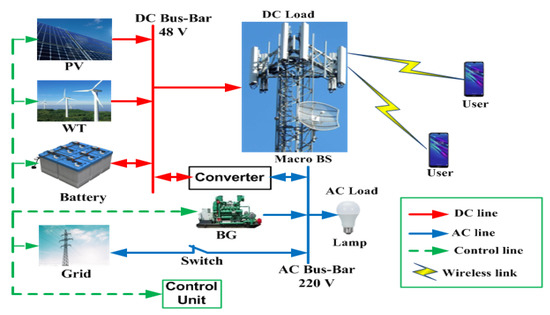
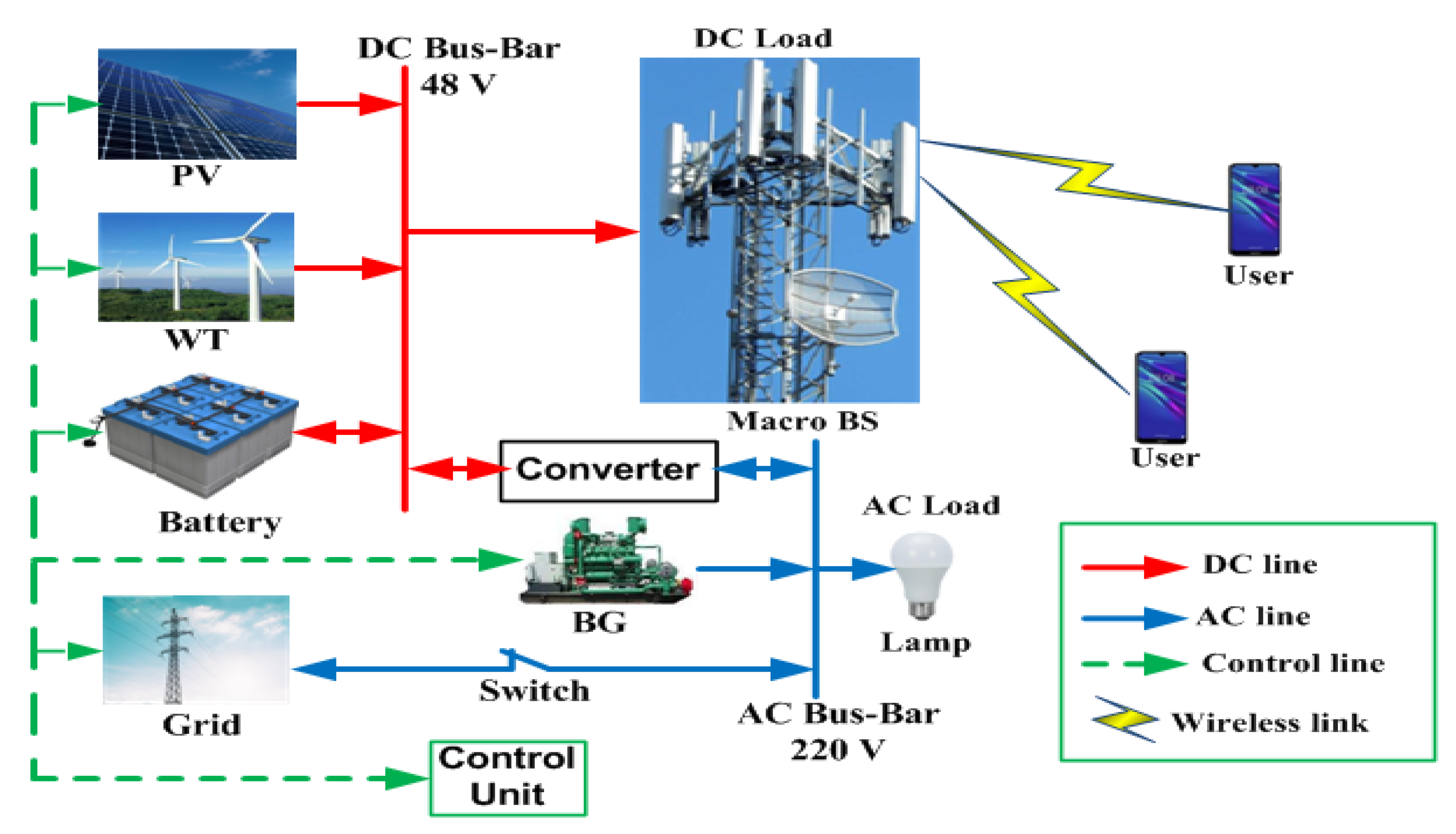
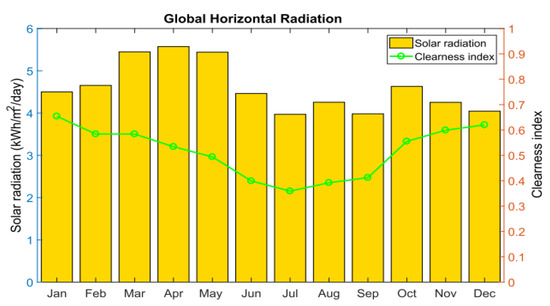
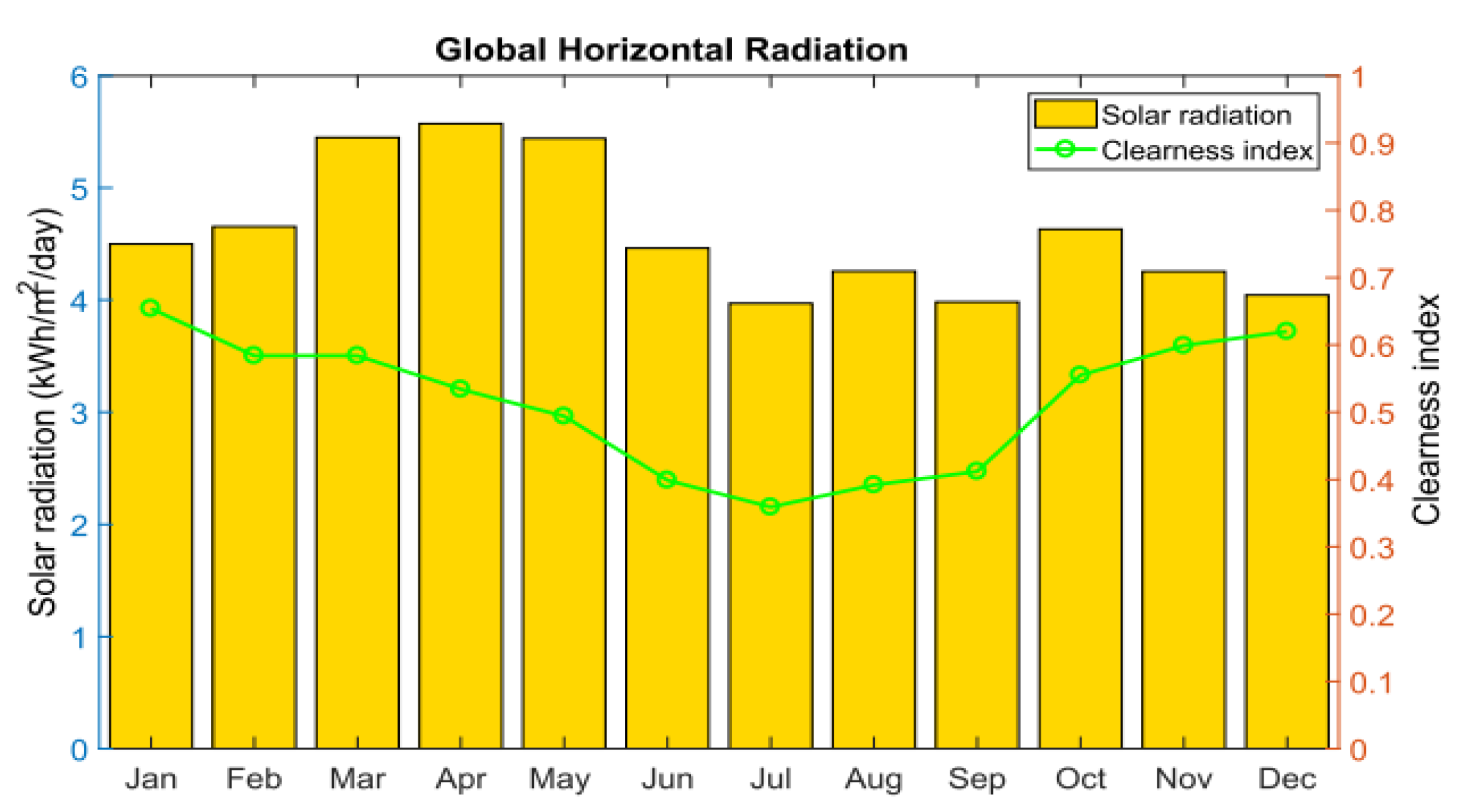
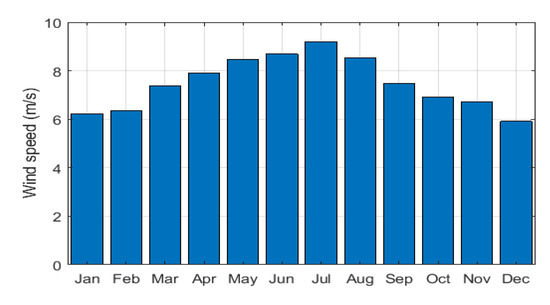
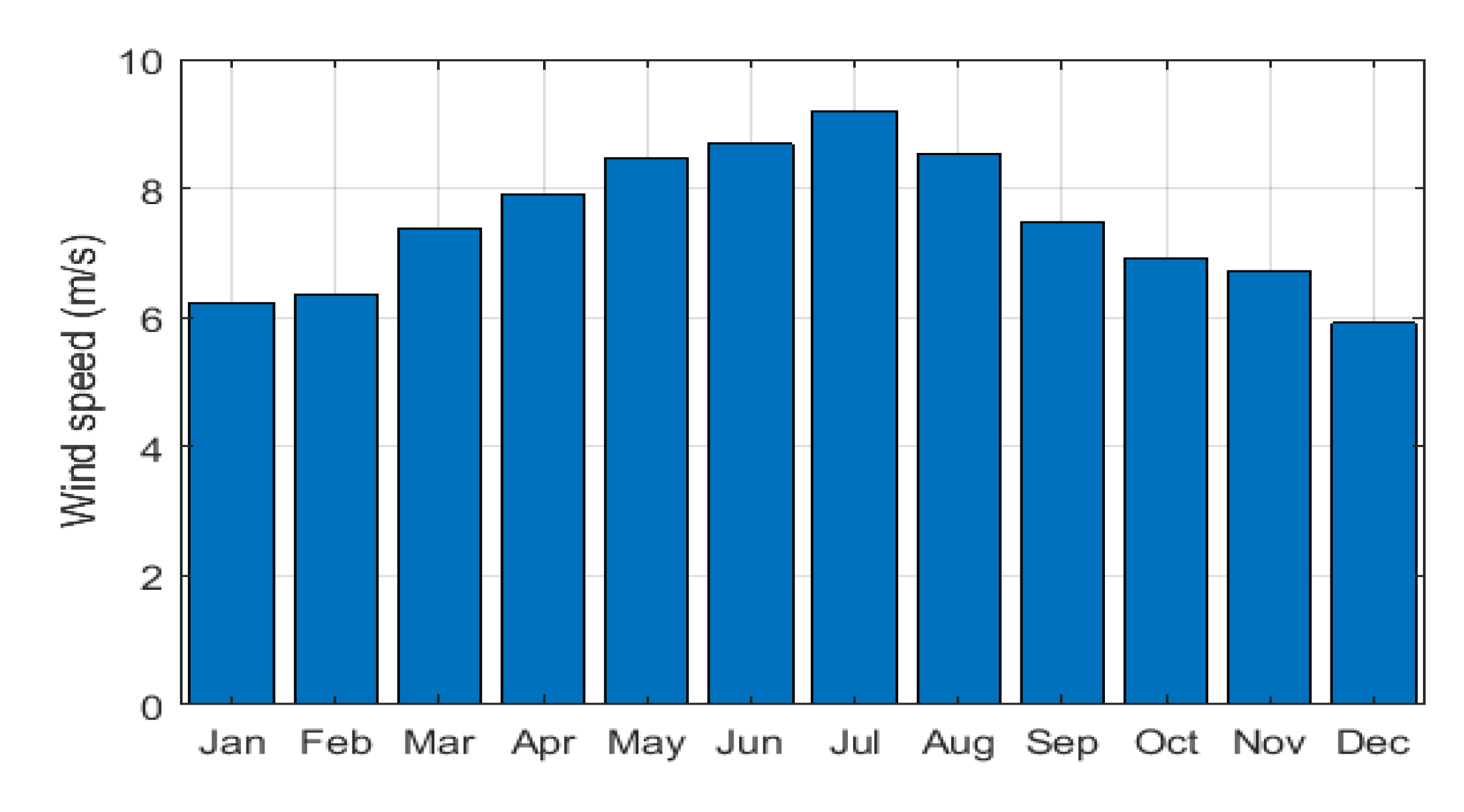
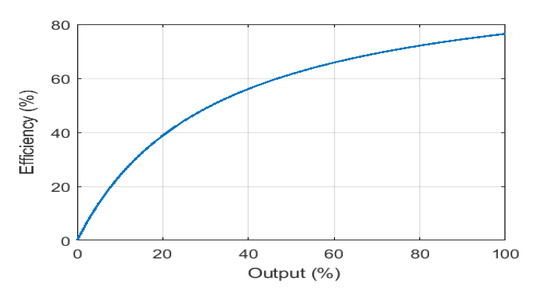
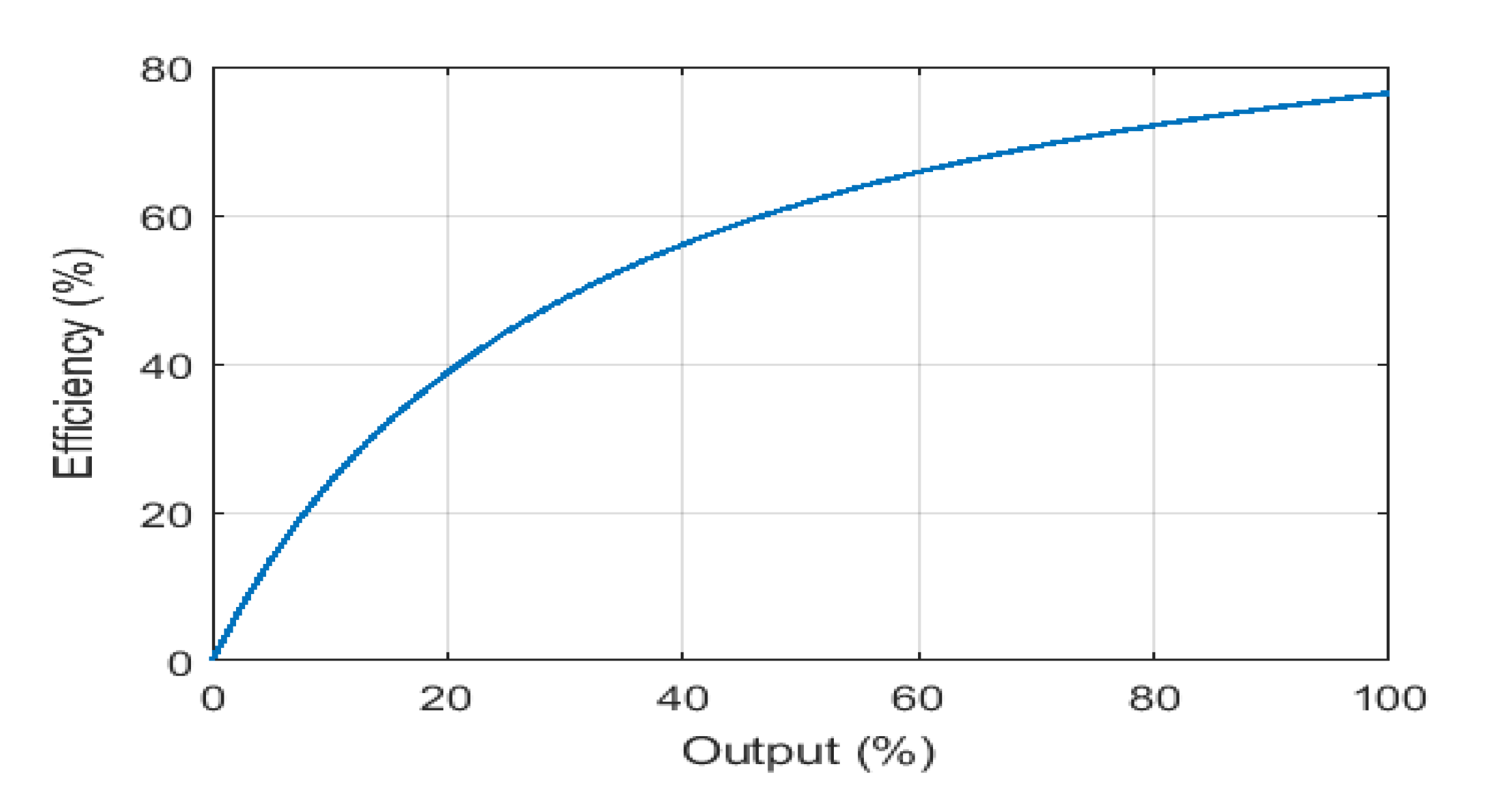
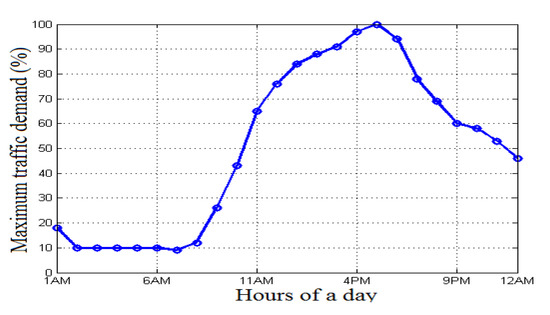
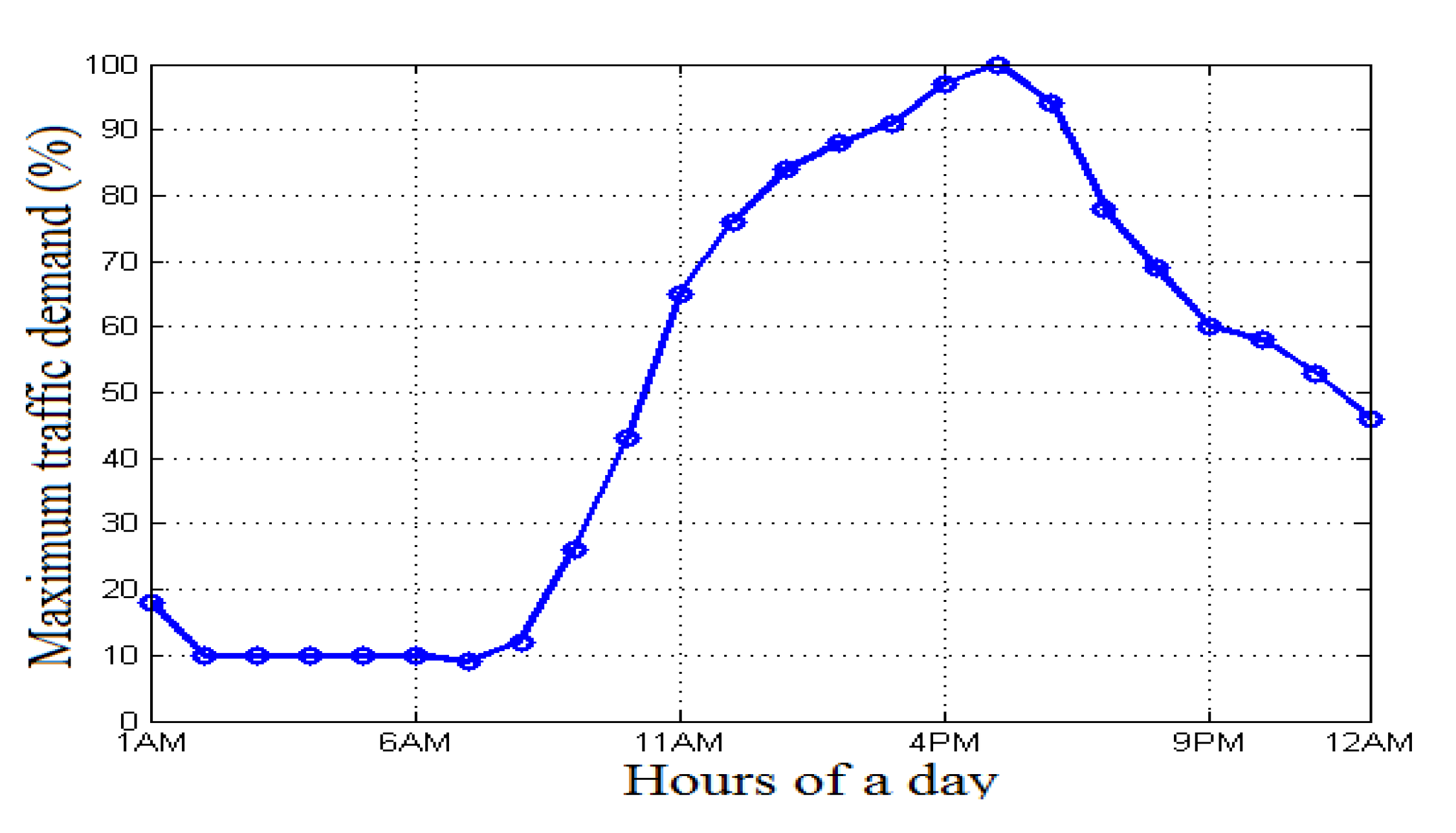
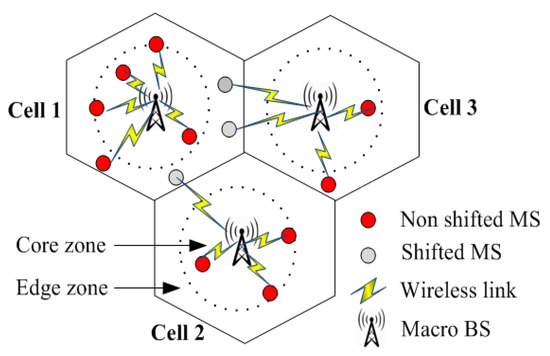
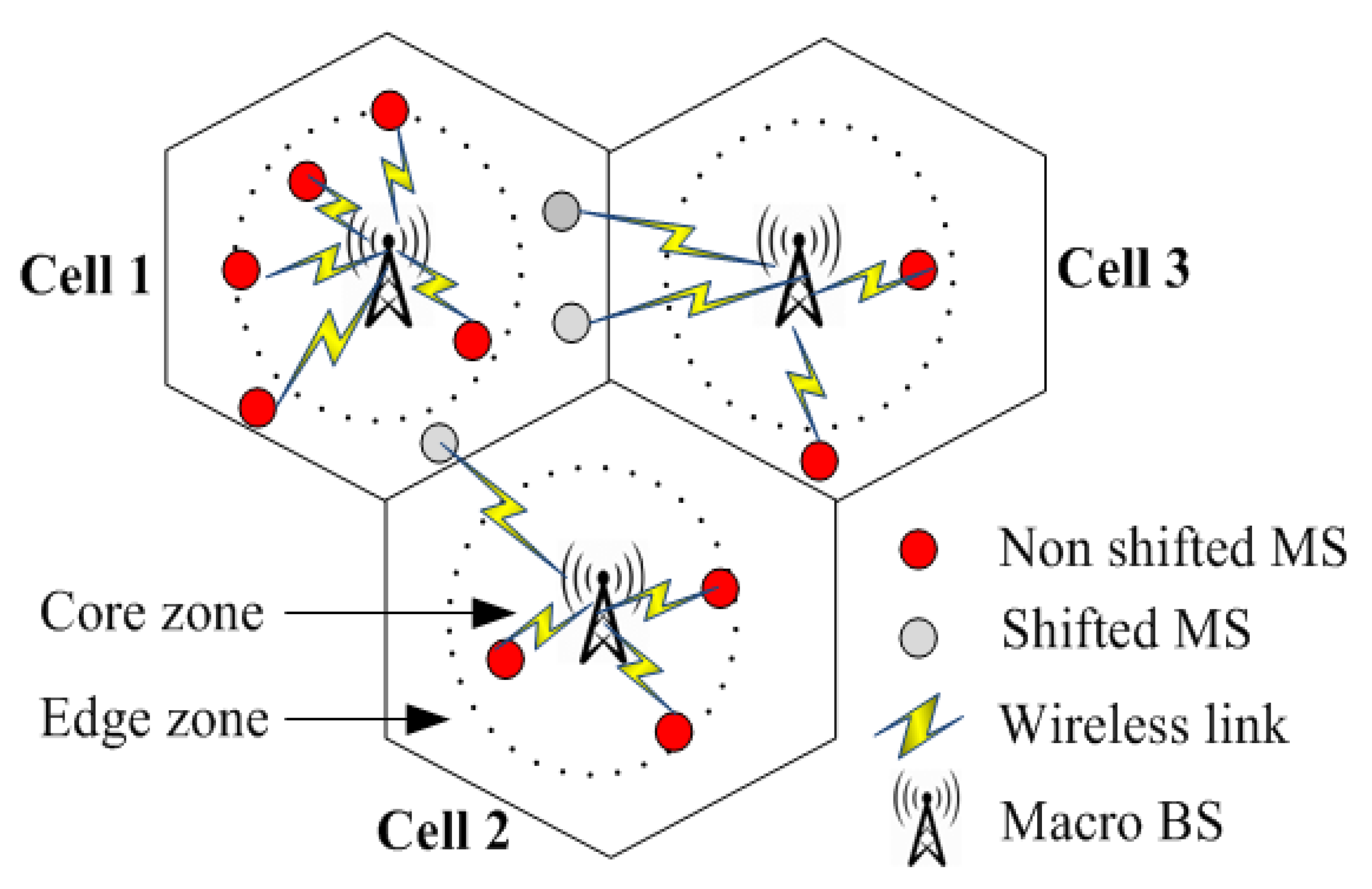
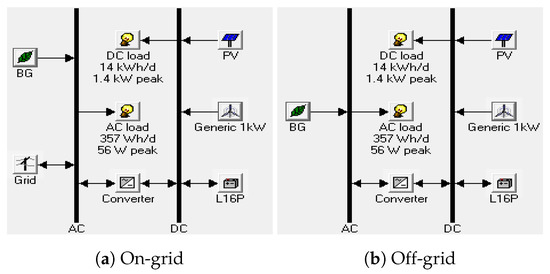
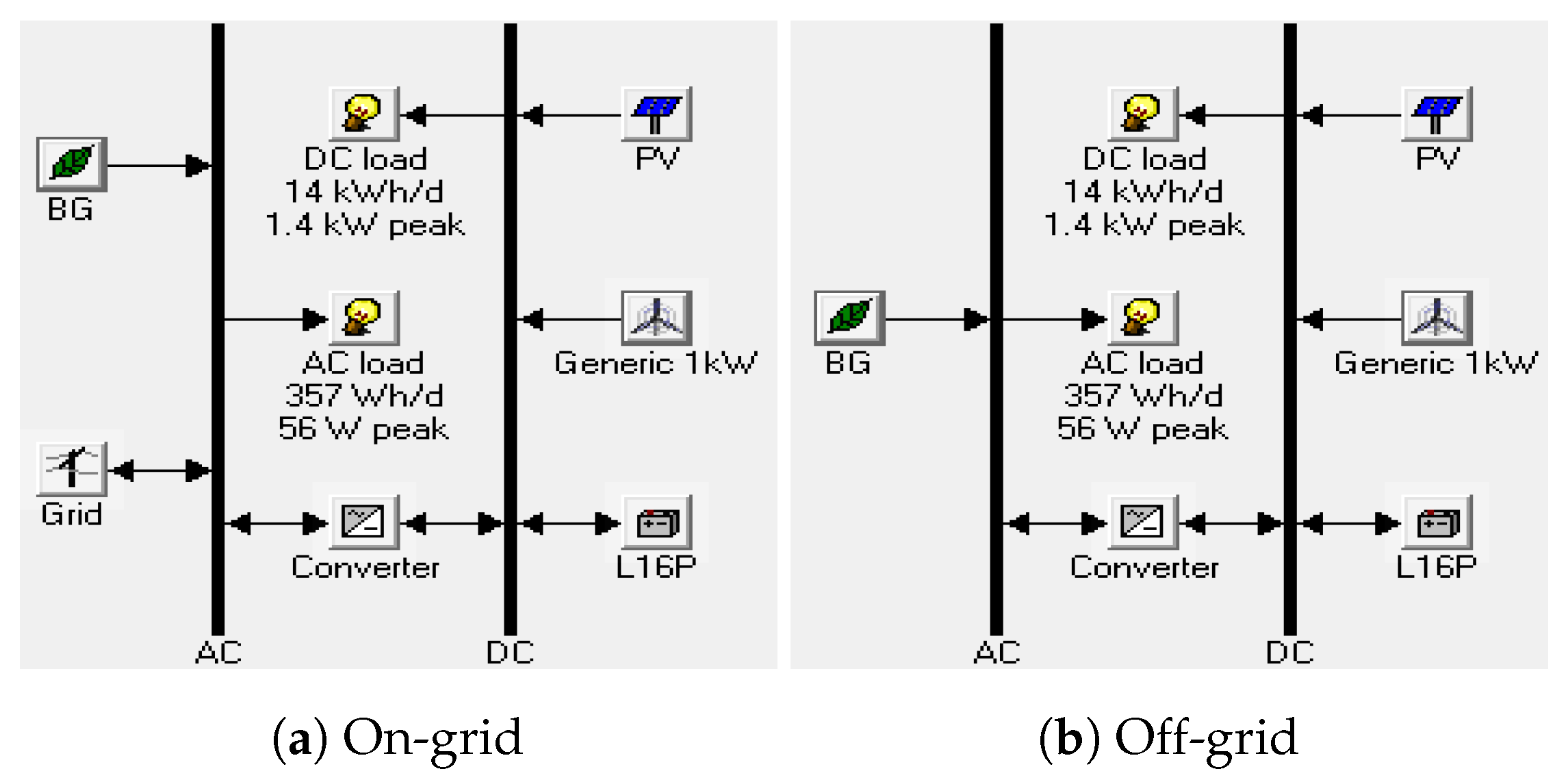
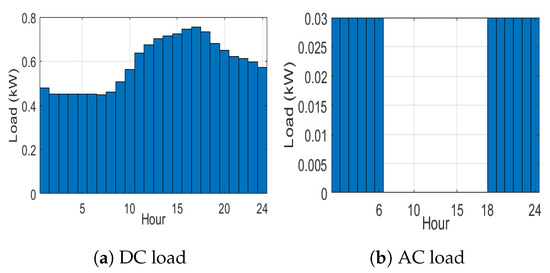
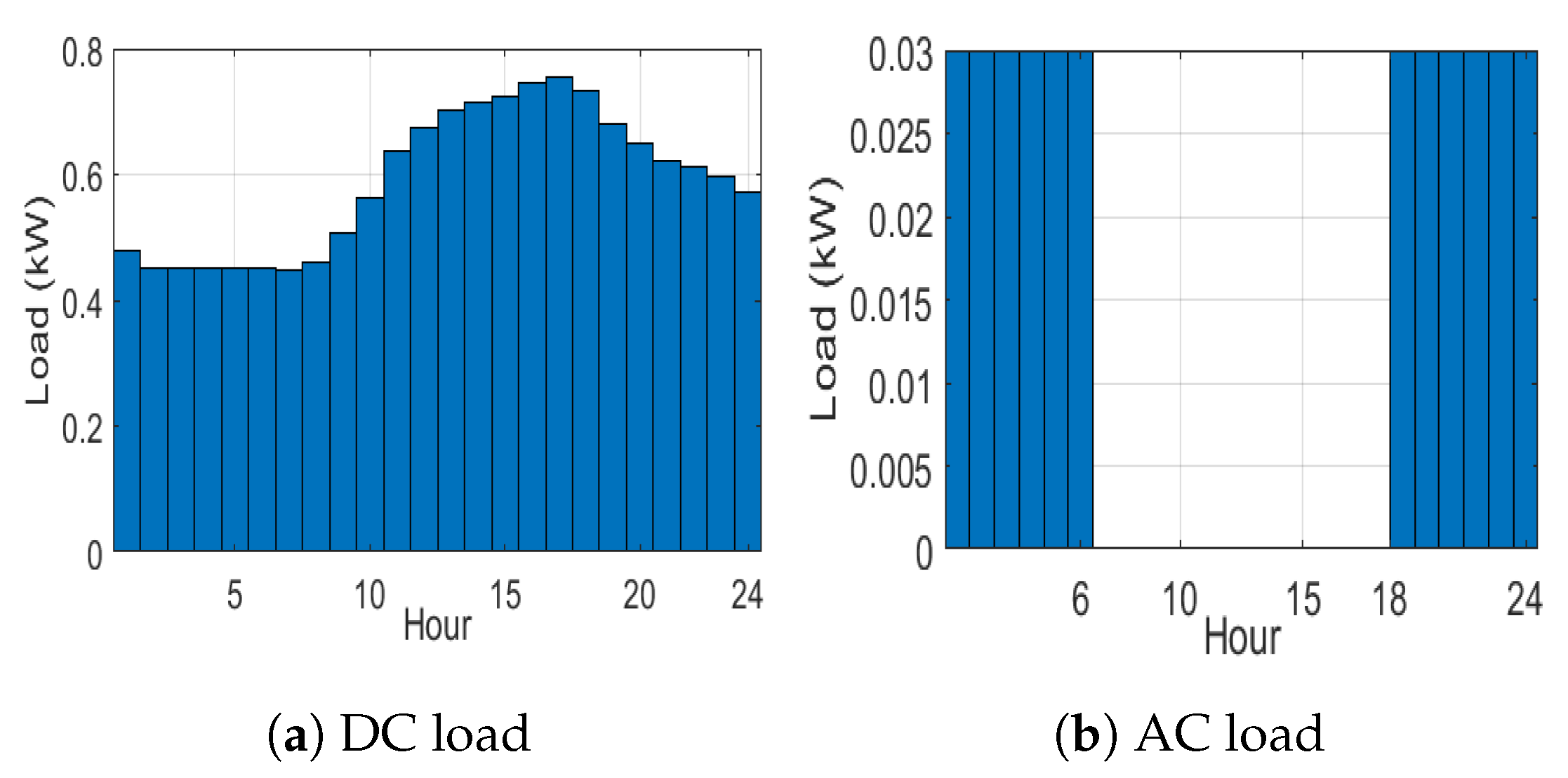
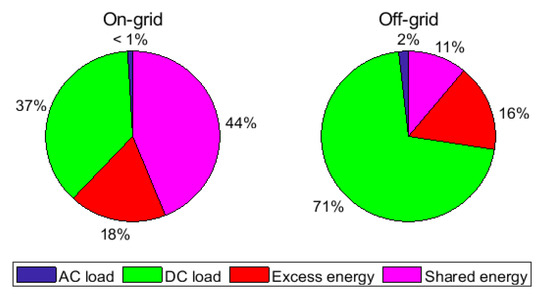
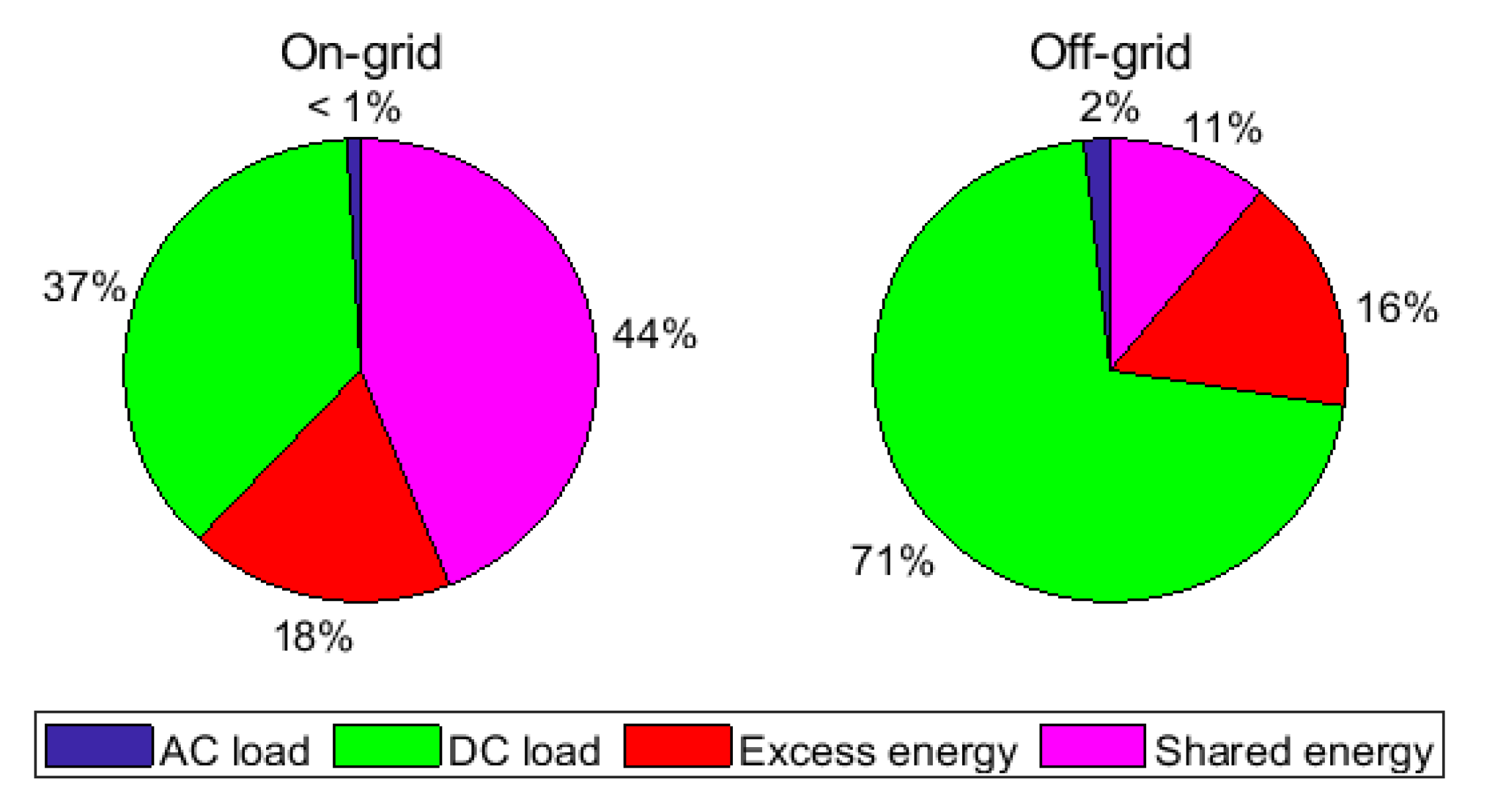
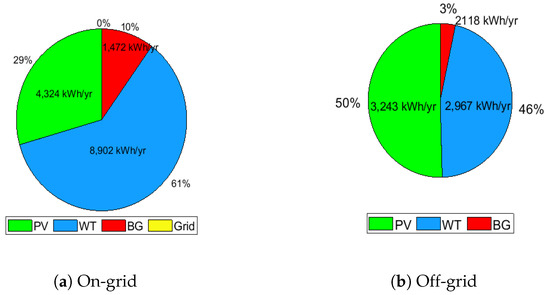
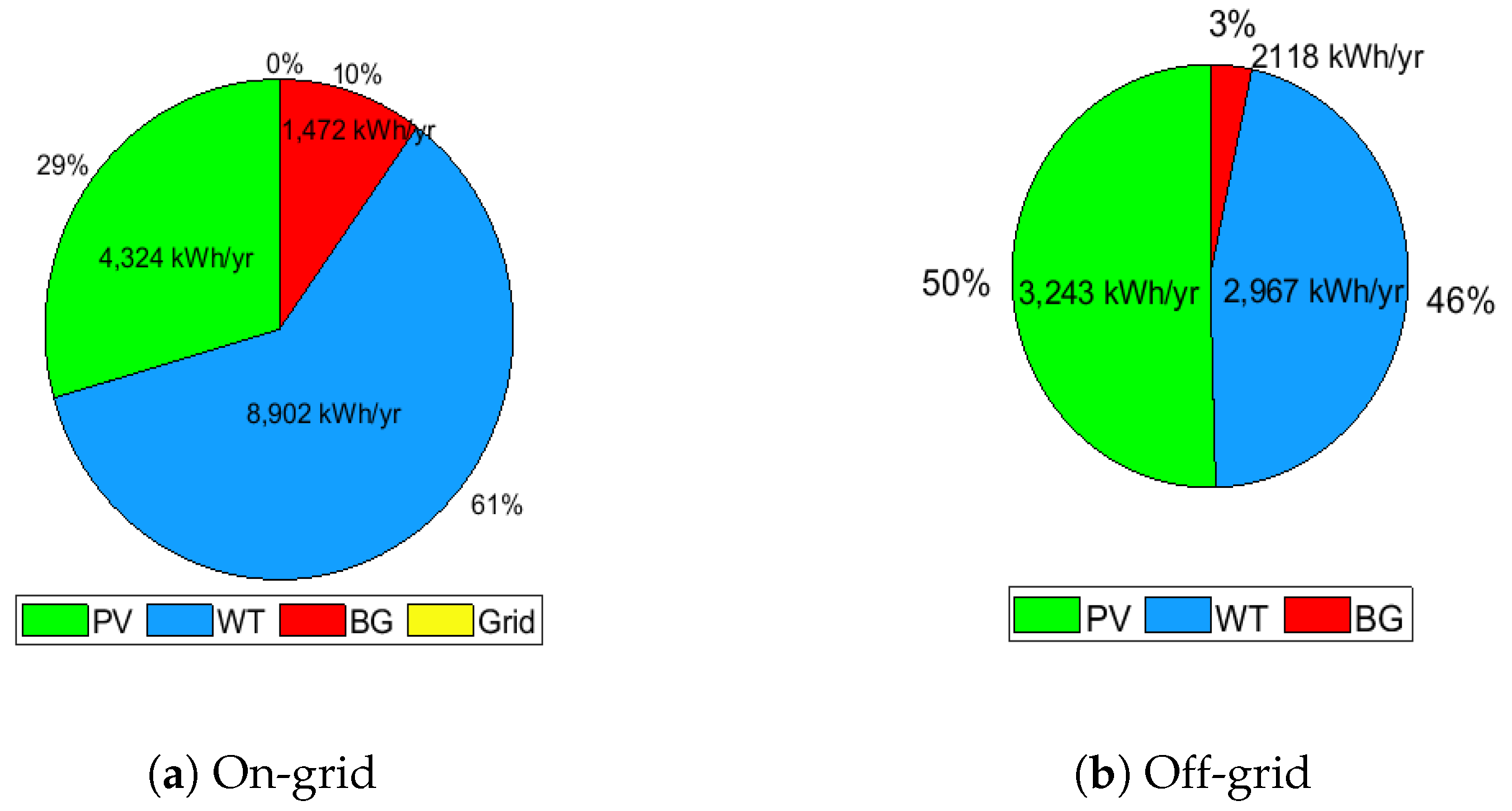
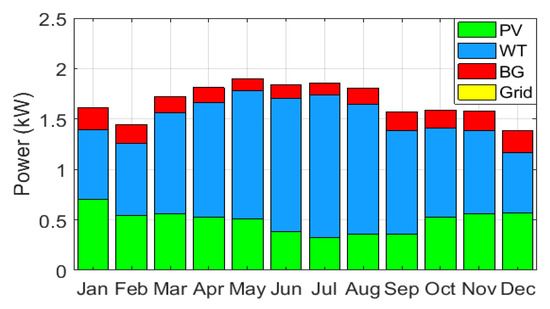
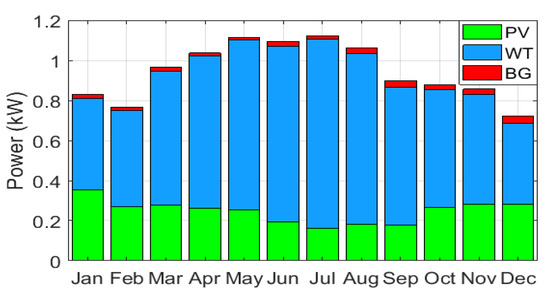
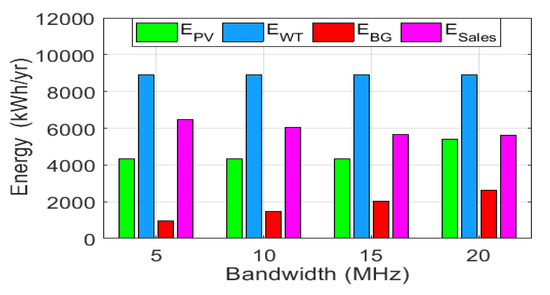
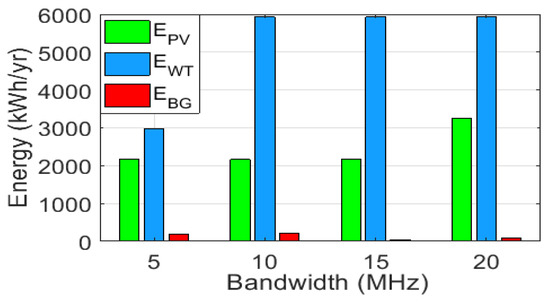
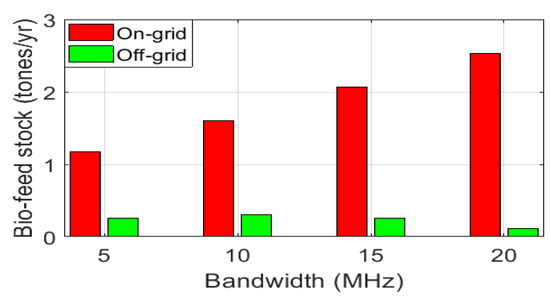
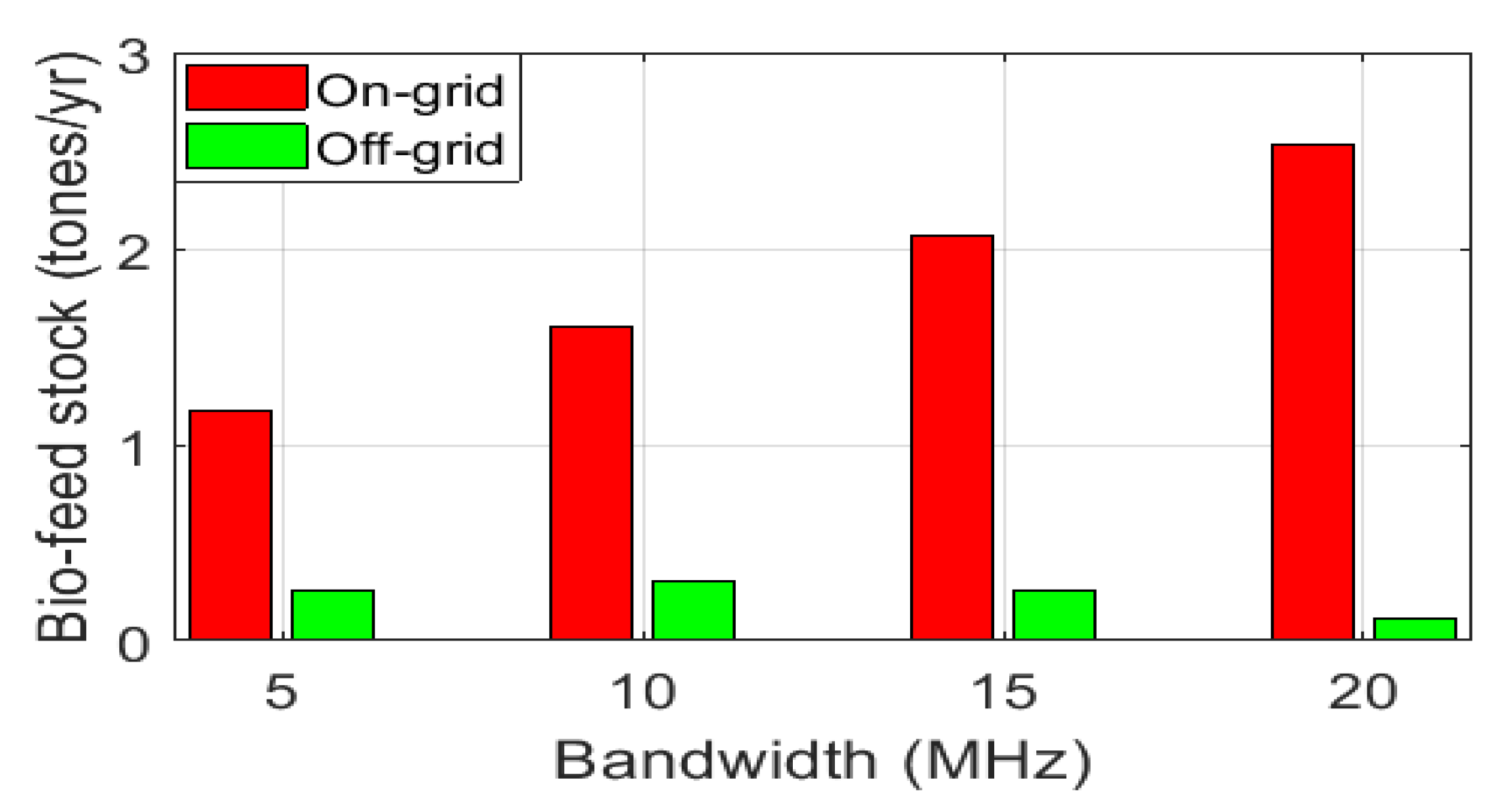
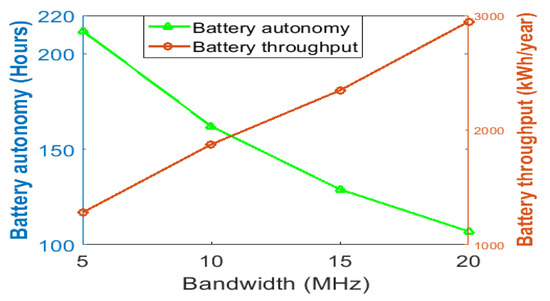
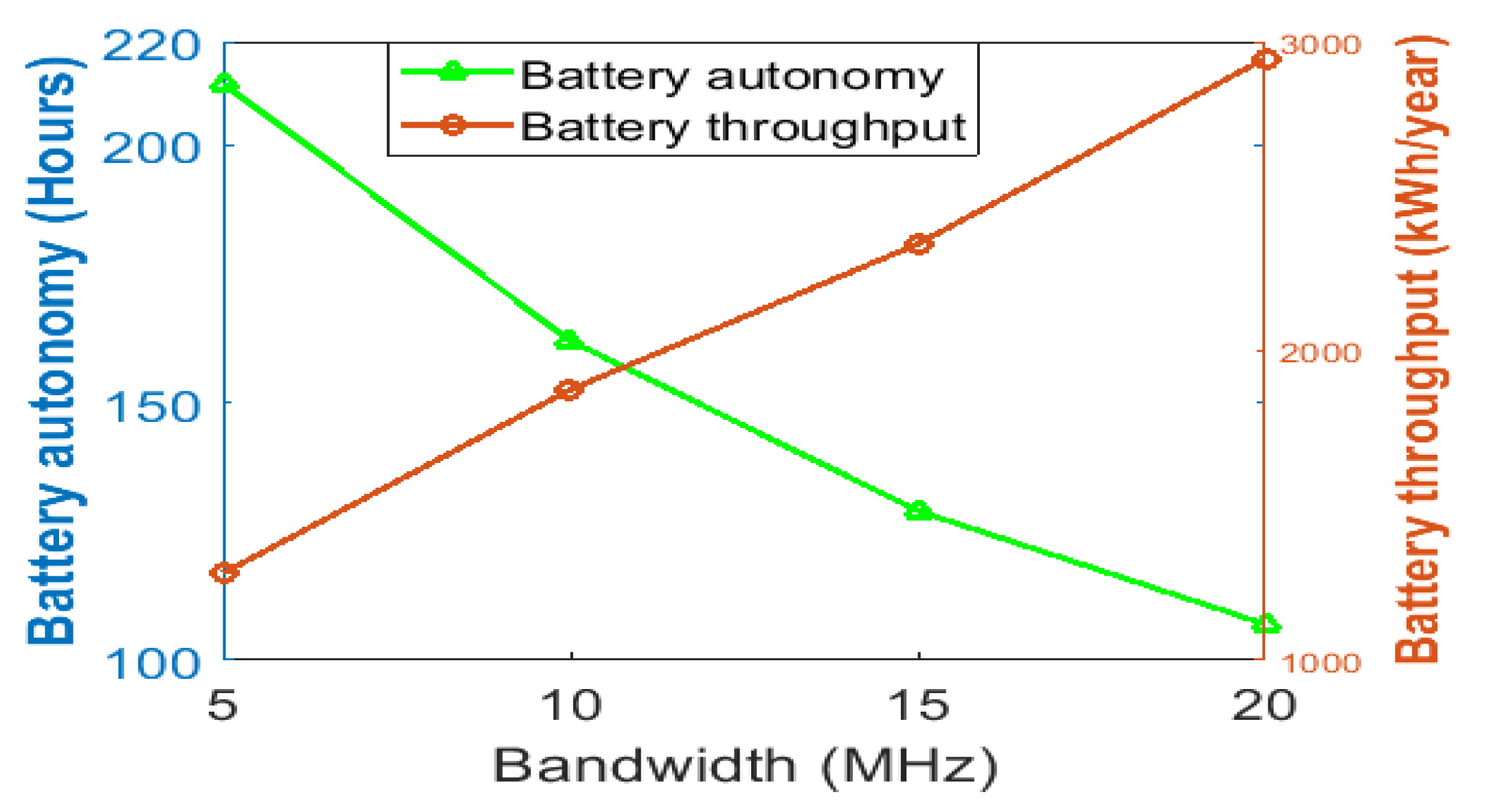
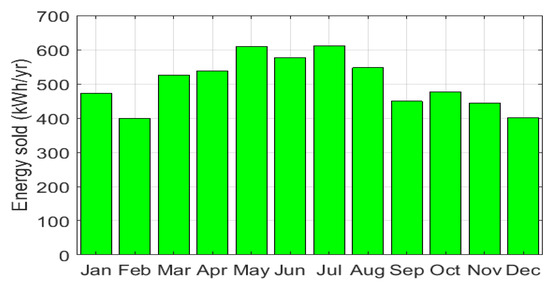
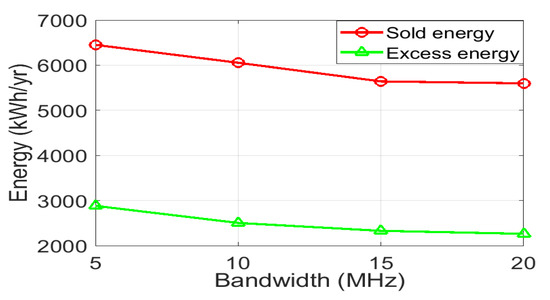
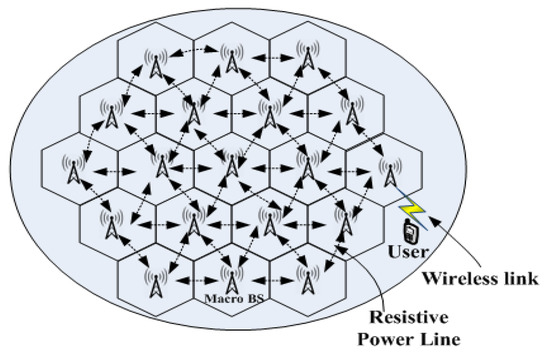
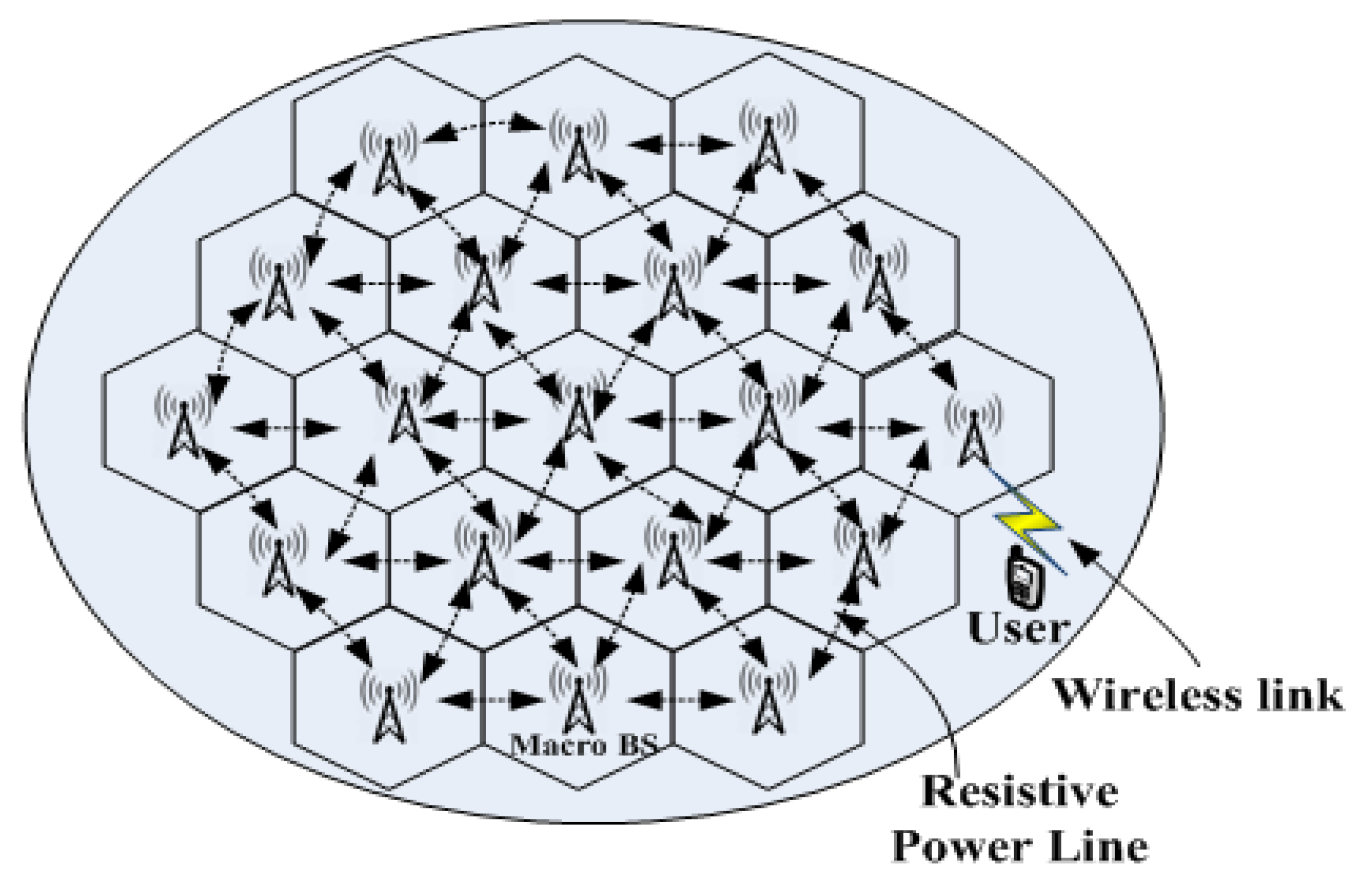
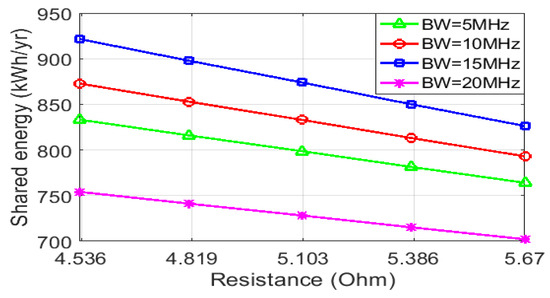
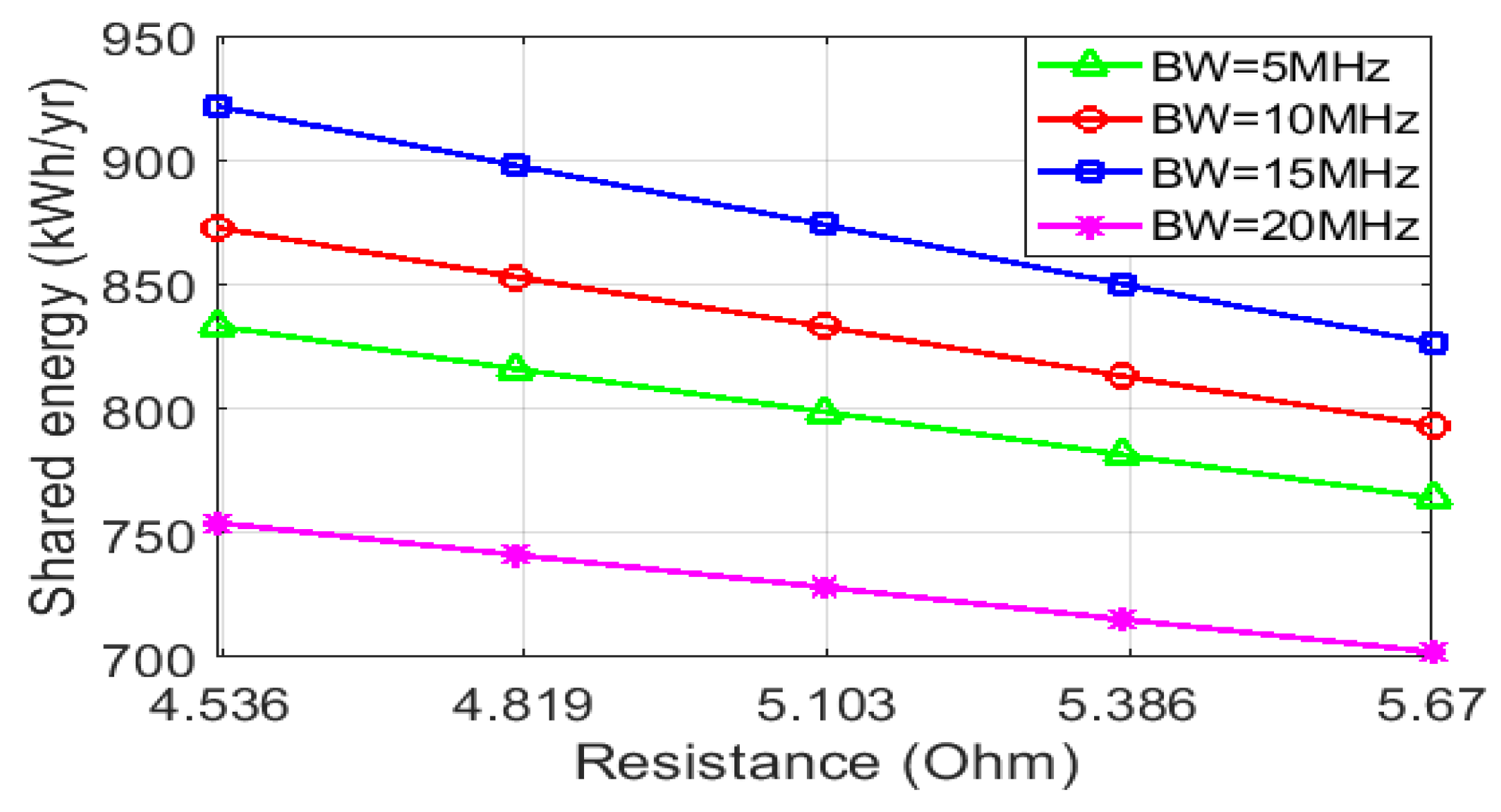
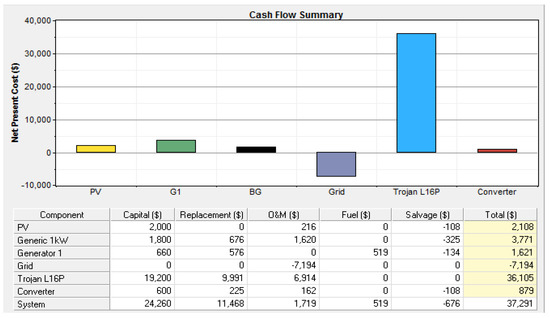
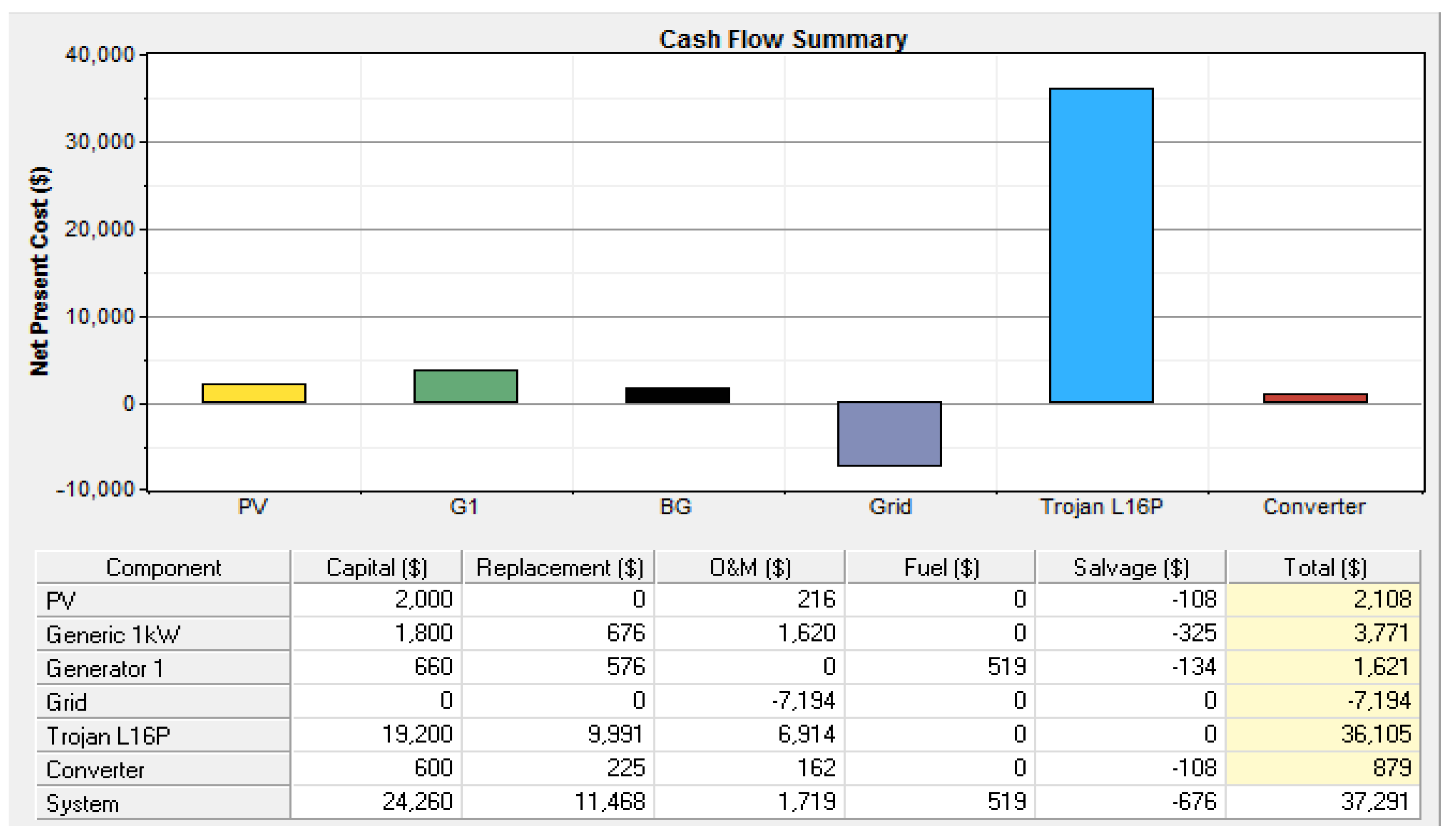
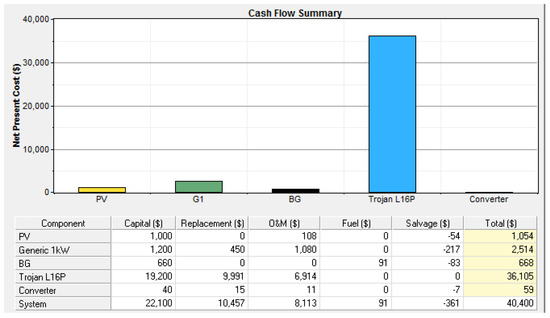
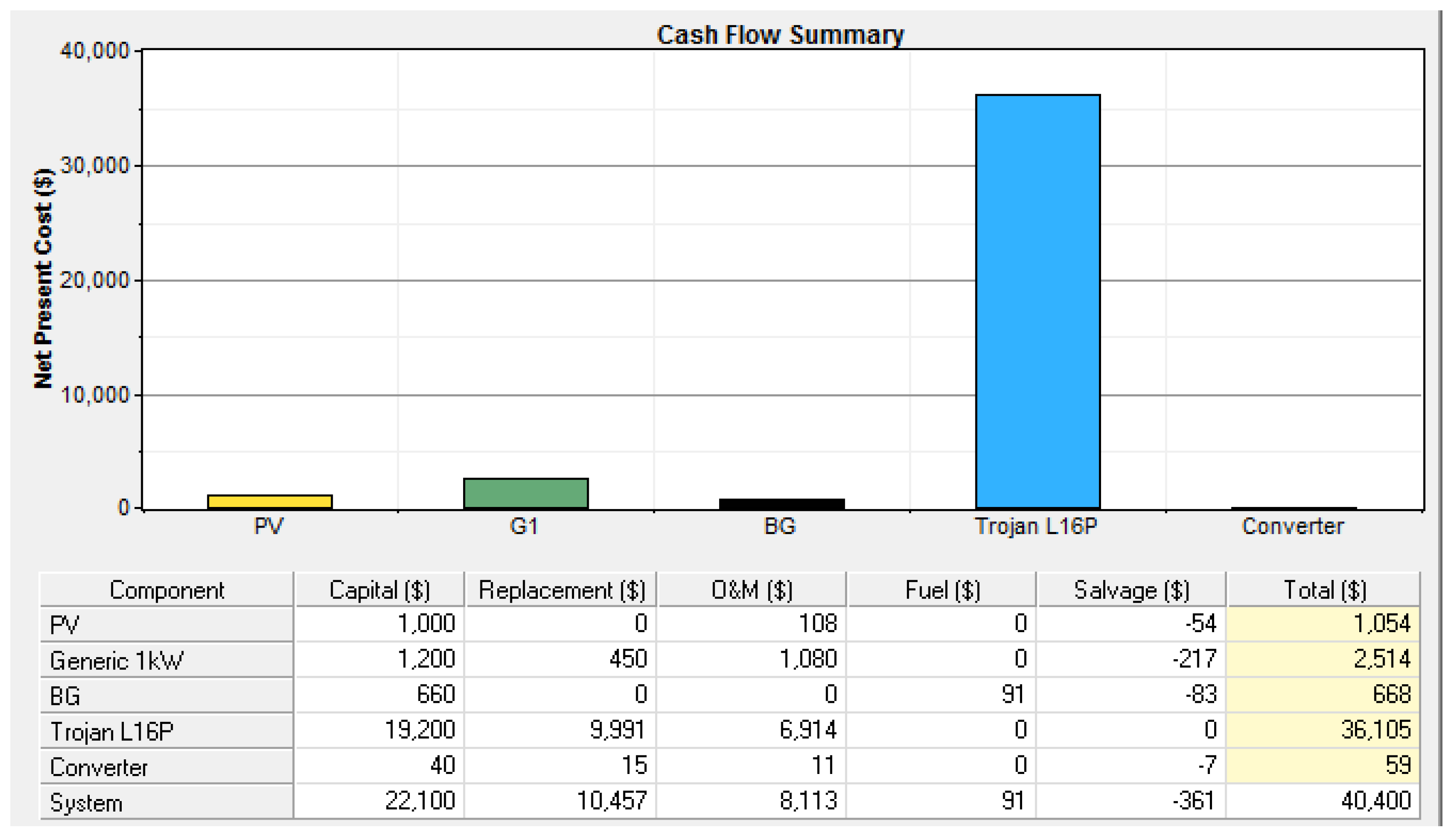
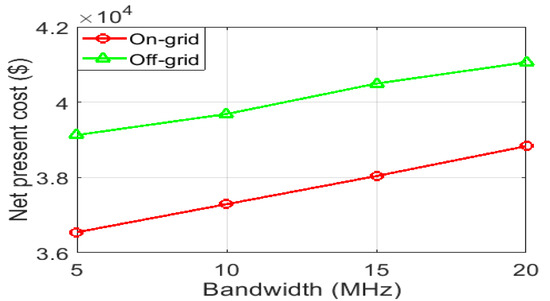
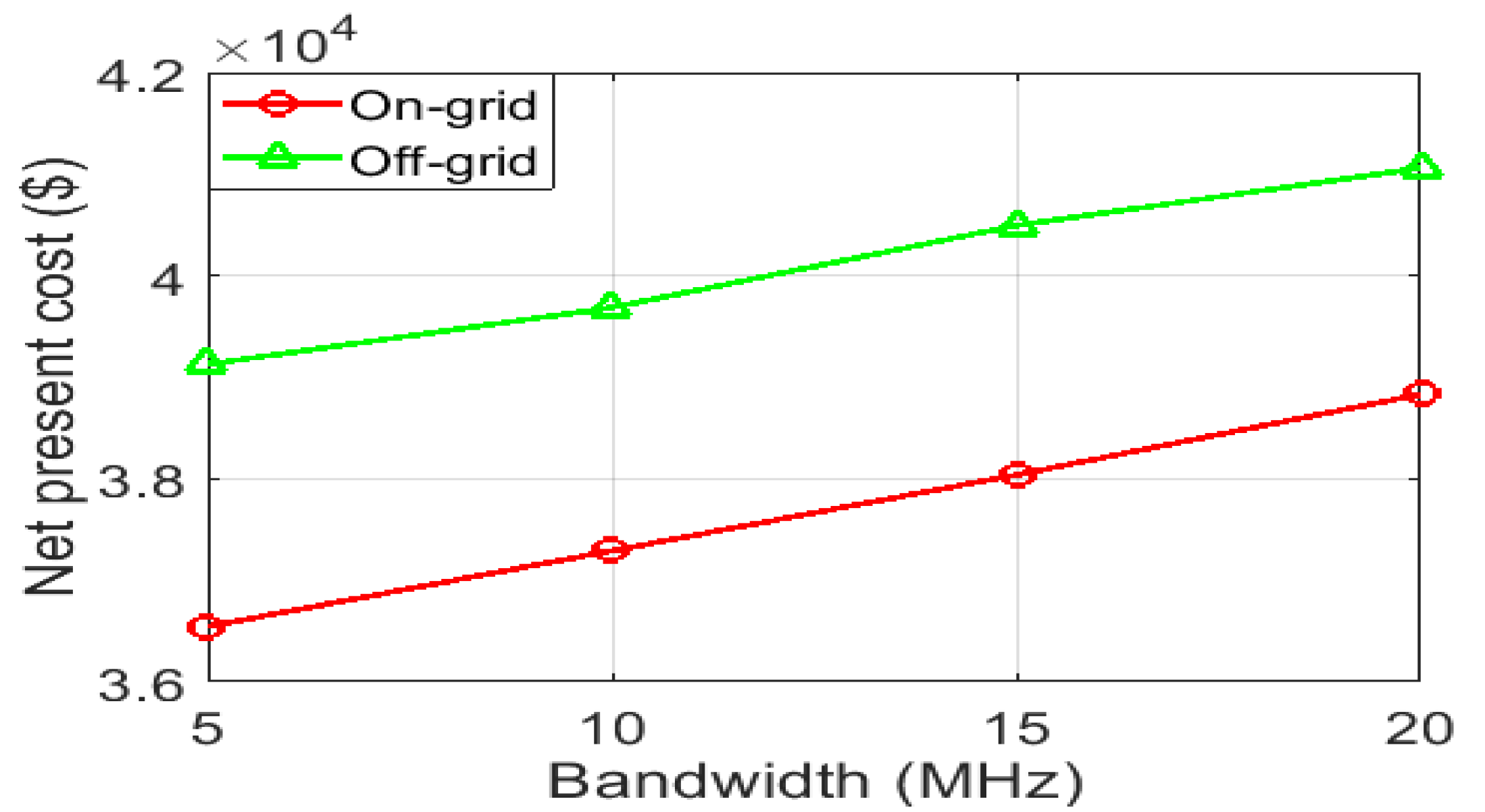
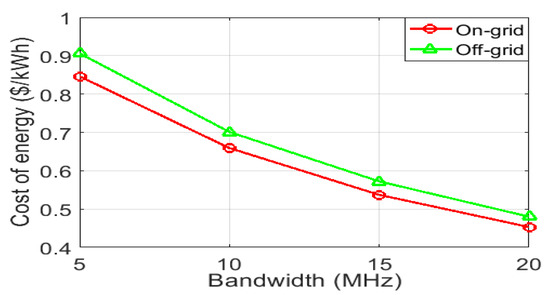
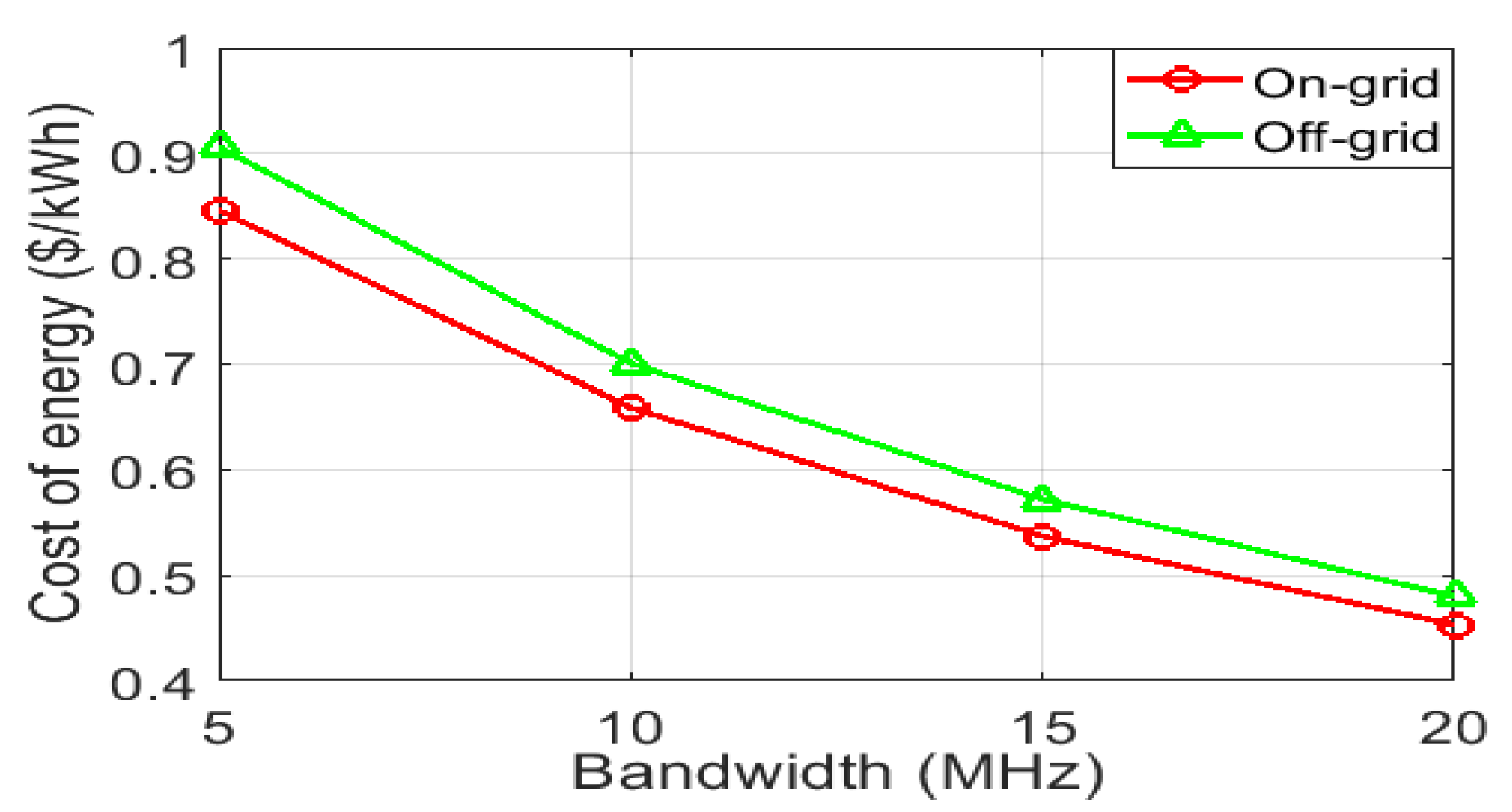
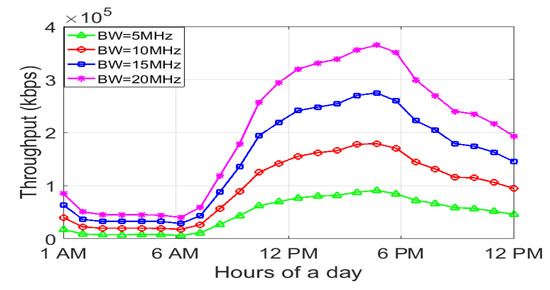
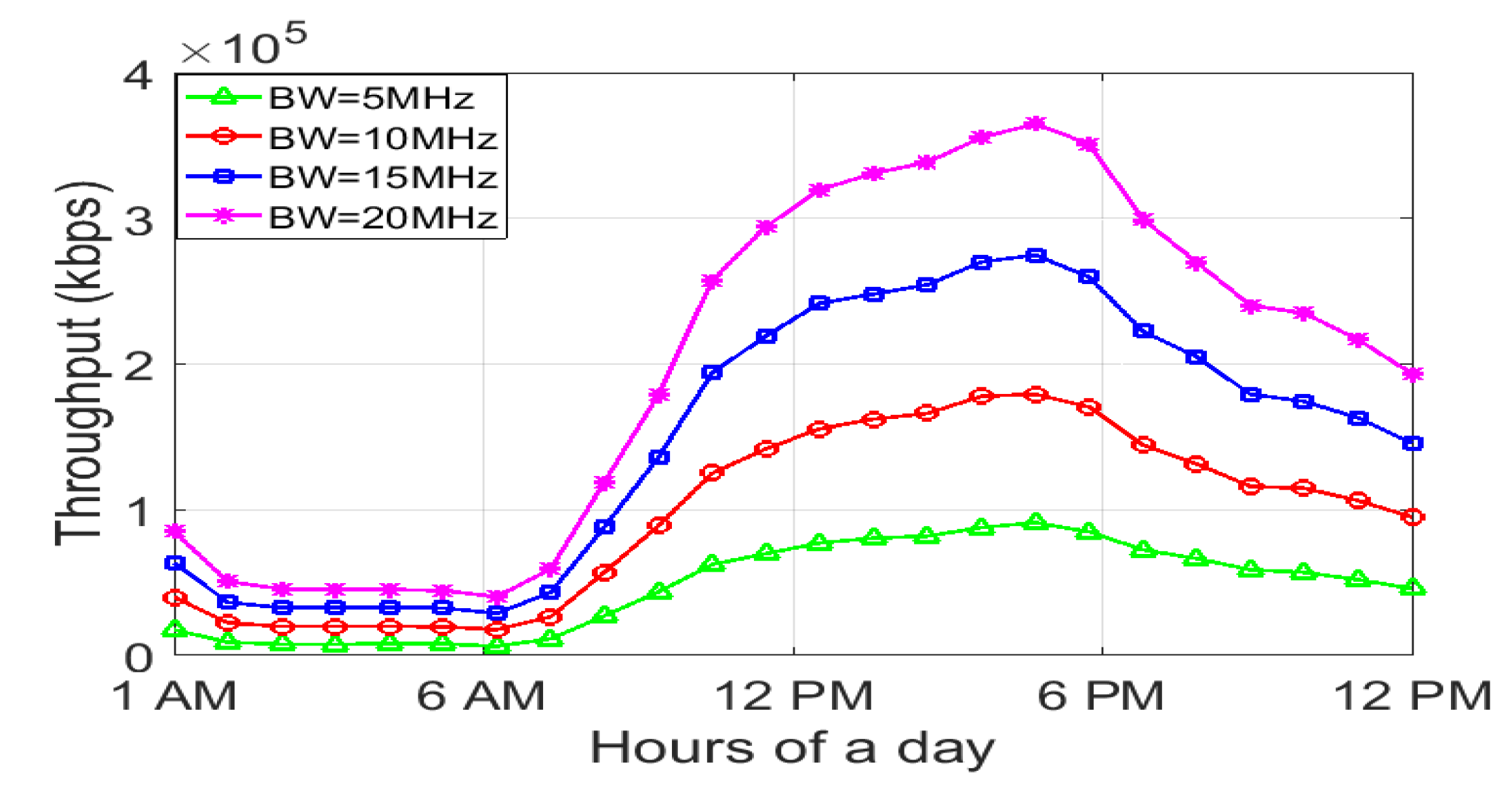
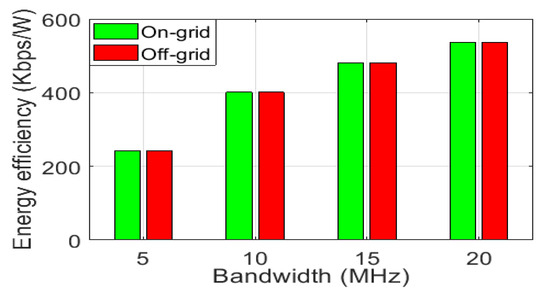
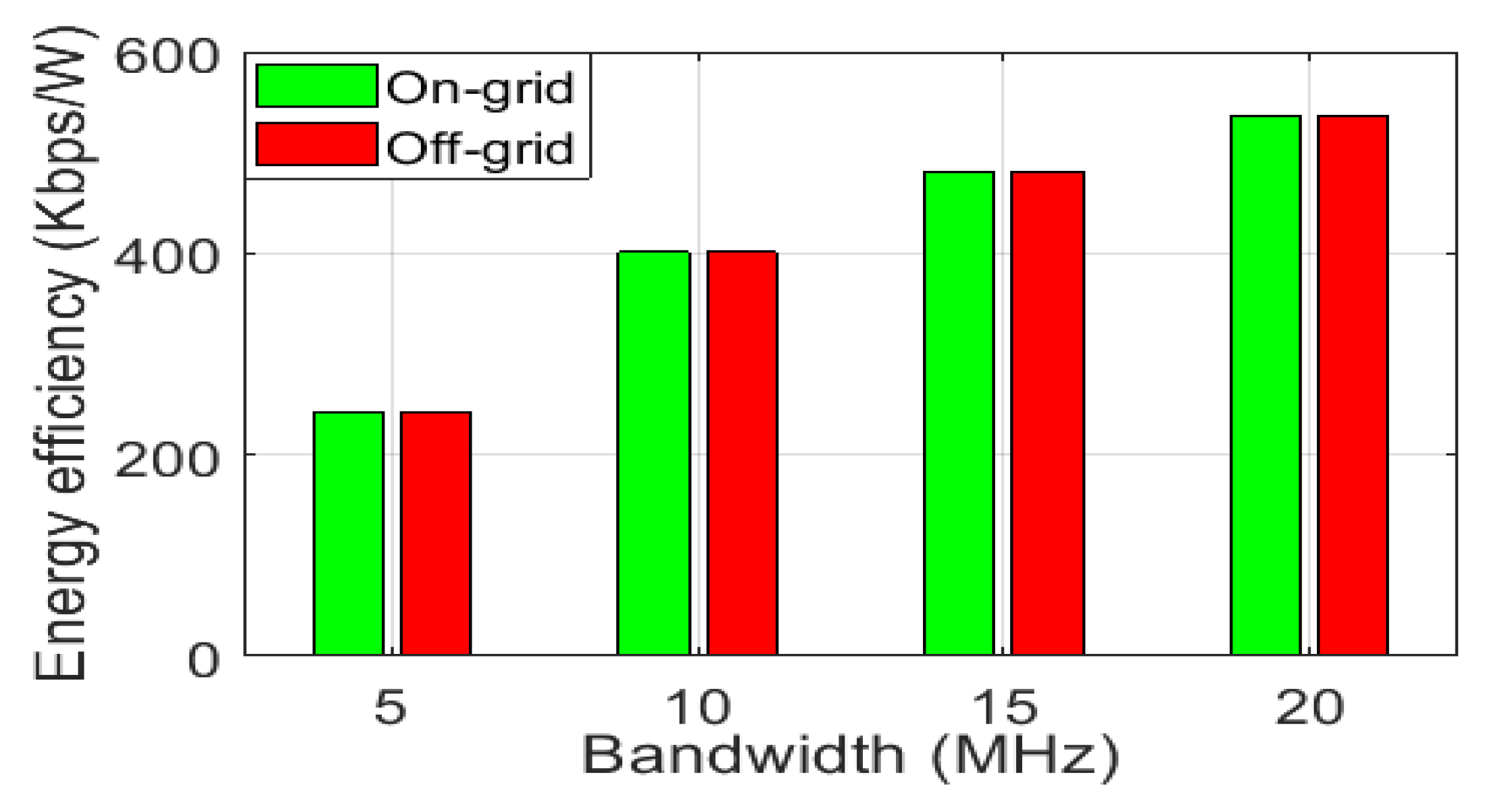
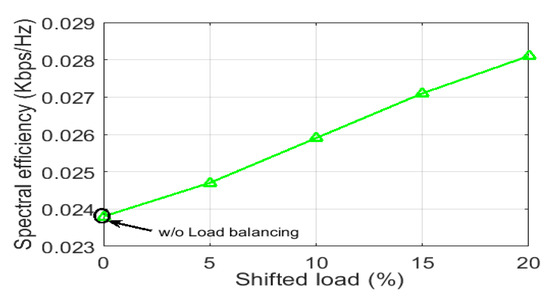
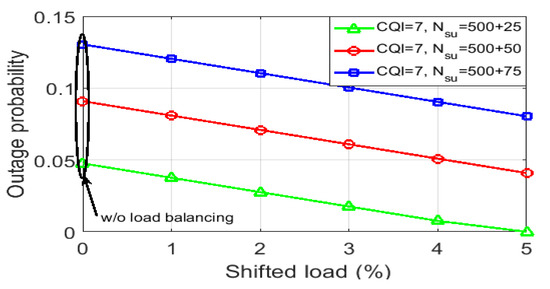
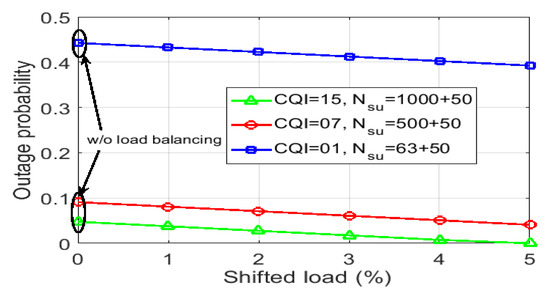
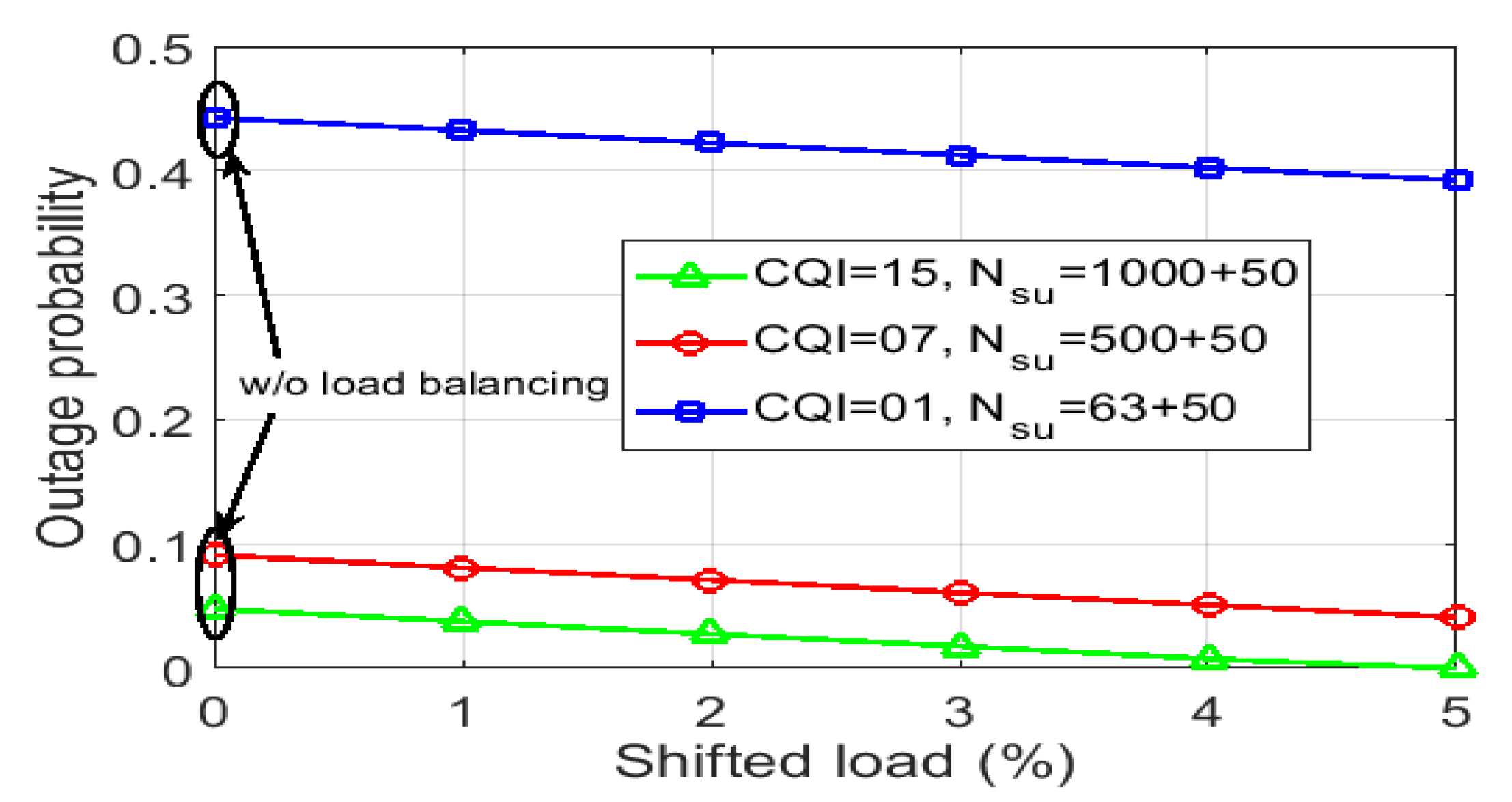
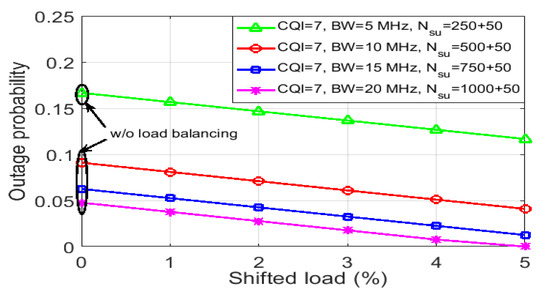
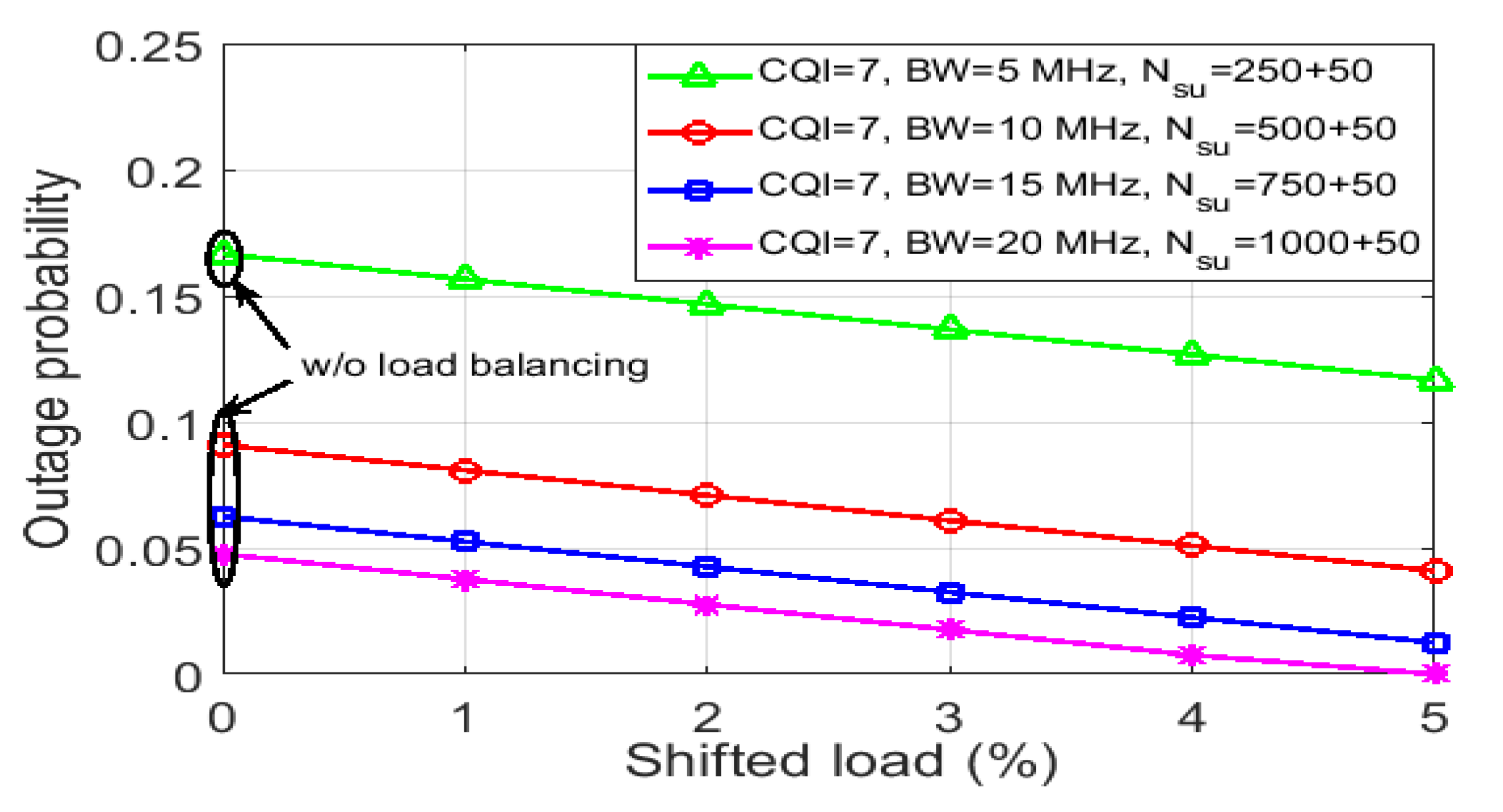
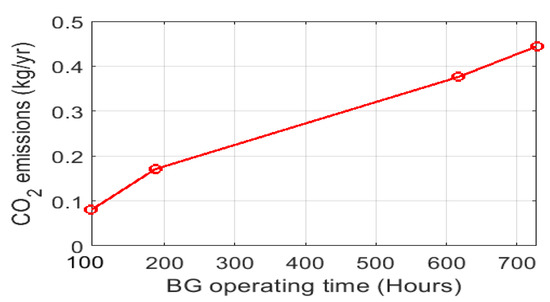
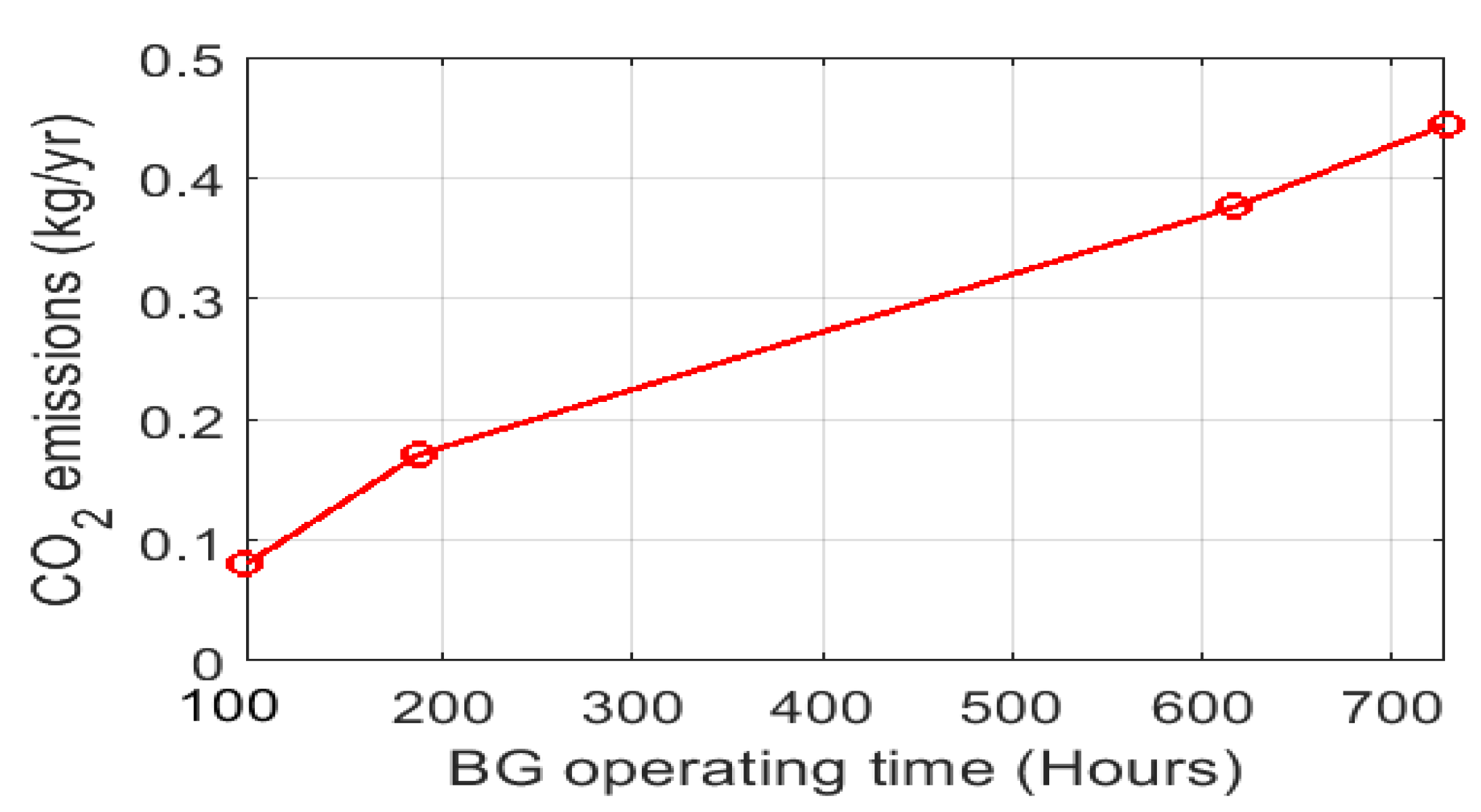

Publisher’s Note: MDPI stays neutral with regard to jurisdictional claims in published maps and institutional affiliations. |
© 2020 by the authors. Licensee MDPI, Basel, Switzerland. This article is an open access article distributed under the terms and conditions of the Creative Commons Attribution (CC BY) license (http://creativecommons.org/licenses/by/4.0/).