Article

Prioritizing Agricultural Patches for Reforestation to Improve Connectivity of Habitat Conservation Areas: A Guide to Grain-to-Green Project


1
Institute of Digital Agriculture, Zhejiang Academy of Agricultural Sciences, Hangzhou 310021, China
2
School of Resource and Environmental Sciences, Wuhan University, Wuhan 430079, China
*
Author to whom correspondence should be addressed.
Sustainability 2020, 12(21), 9128; https://doi.org/10.3390/su12219128
Submission received: 13 October 2020 / Revised: 28 October 2020 / Accepted: 29 October 2020 / Published: 3 November 2020

Abstract

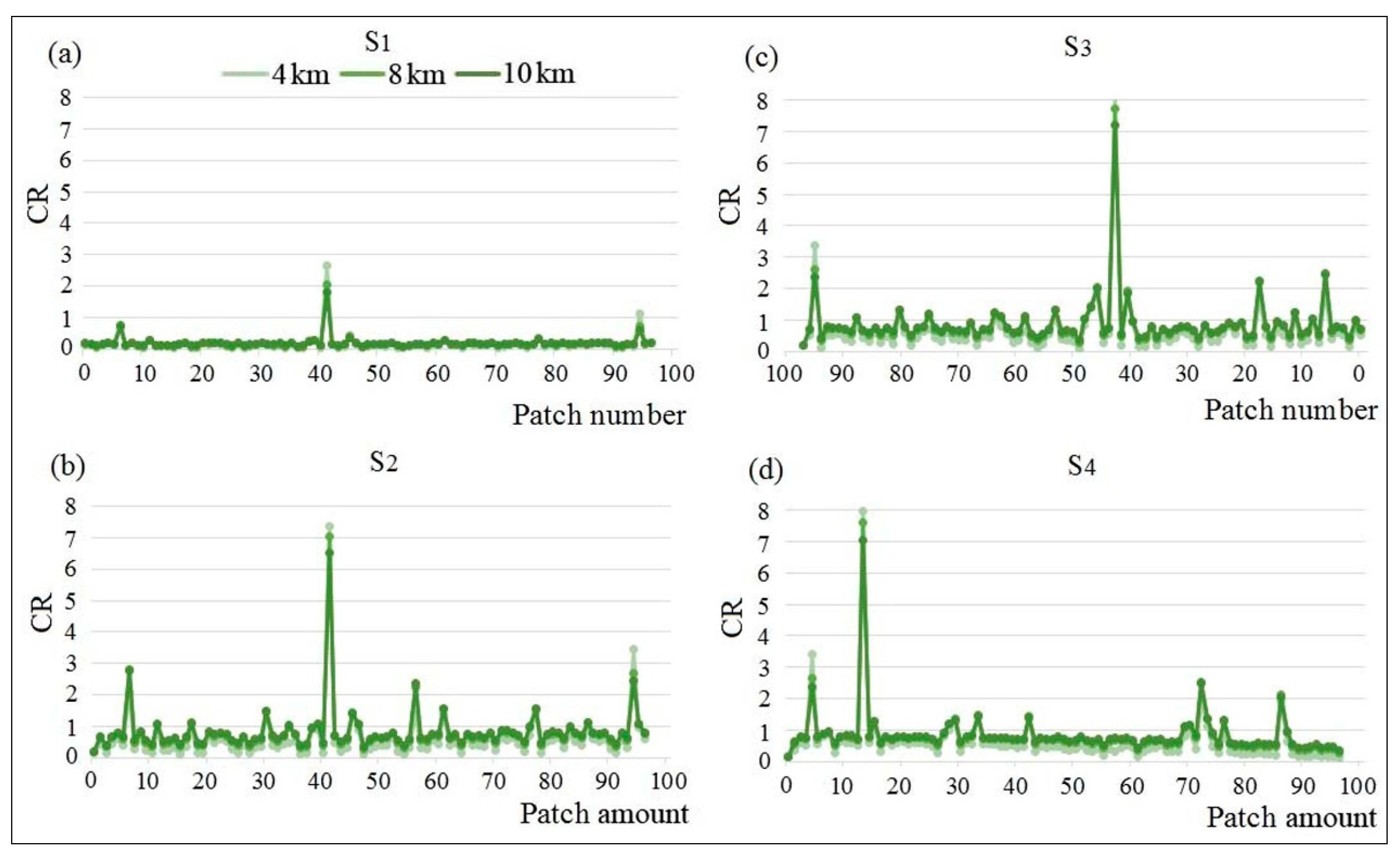
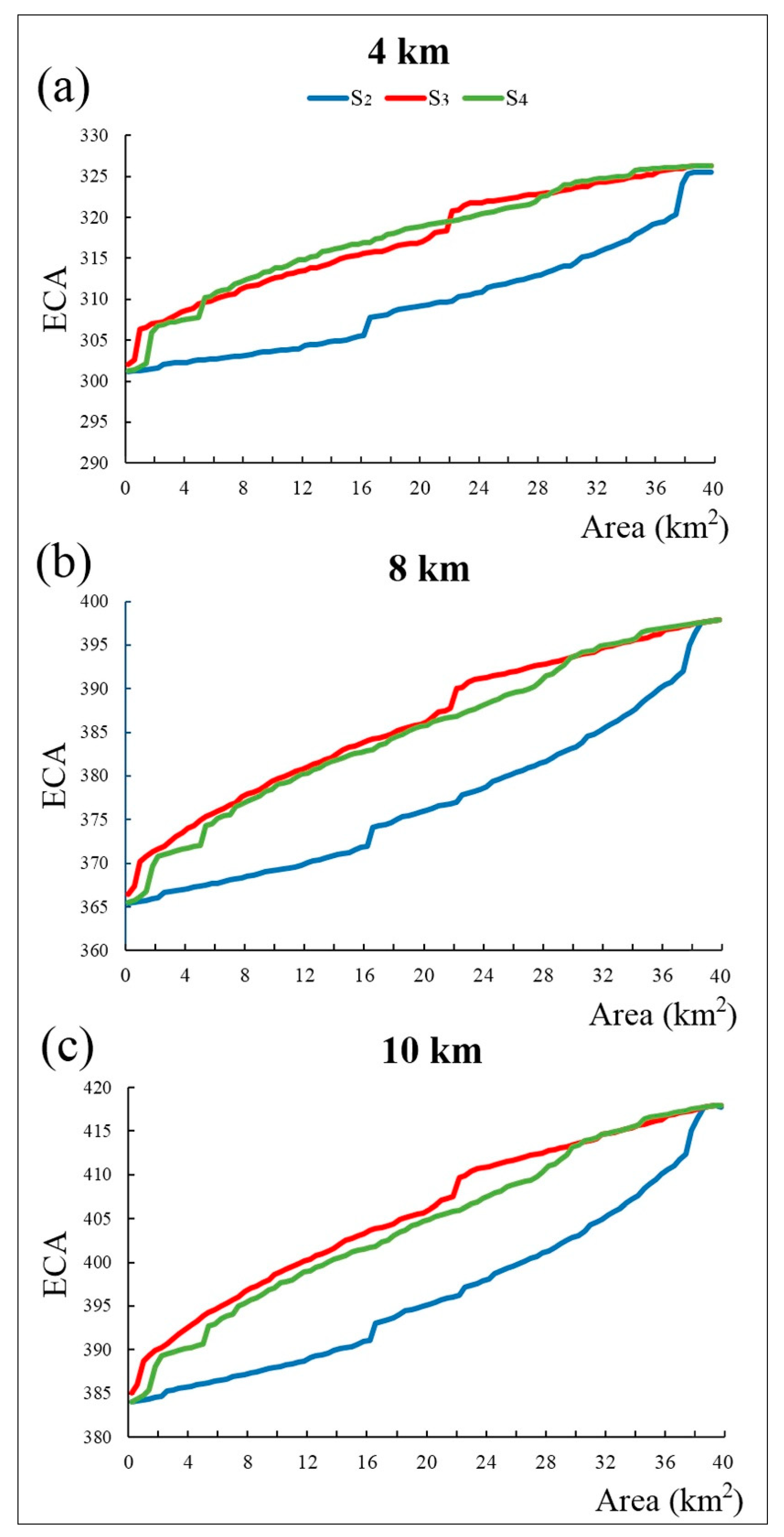
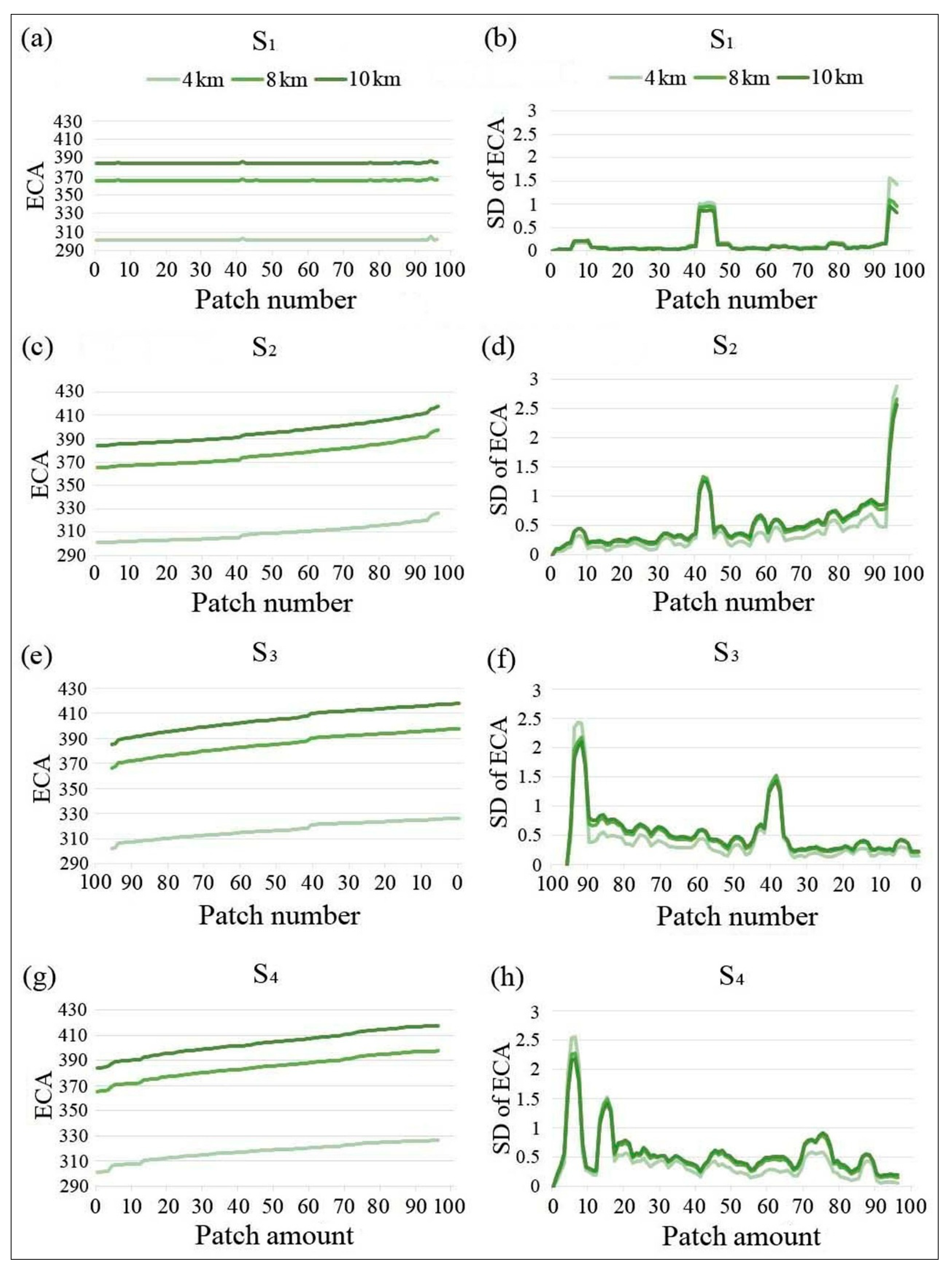
Landscape connectivity can largely affect the level of biodiversity and it is a key concern in conservation planning. Considering that protected areas (PAs) may become functionally isolated “islands” under rapid land-use change, there is an urgent need to expand and connect protected areas to prevent further biodiversity loss and improve PAs effectiveness. The Grain-to-Green Project (GTGP) is the largest reforestation program worldwide with the aim of controlling water and soil loss; however, the opportunities for connectivity gains through GTGP have been widely ignored. Here we provided a three-stage hierarchical framework incorporating soil erosion analysis, cropland suitability analysis and network analysis to prioritize agricultural patches for reforestation under the scheme of GTGP. The potential reforestation patches were identified in the first two stages. Then, four different GTGP strategies were designed, and a set of network metrics were used to determine the best strategy and prioritize patches that significantly enhance PAs connectivity. A typical GTGP region, Wanzhou district (Southwest China), was taken as the study area. We found that: (1) the agricultural patches with high reforestation suitability cover an area of c. 40 km2 (1% of the study area); and (2) the efficiency of GTGP strategies varies by species, species with intermediate and high mobility benefit more from a strategy that continuously adds reforestation patches close to PAs, while for species with low dispersal ability, the amount of patches added should also be taken into account to decide the appropriate strategy. We conclude that our framework can provide guidance to restore PAs connectivity with limited land resources in the context of GTGP.
Keywords: Grain-to-Green Project; network analysis; three-stage hierarchical framework; scenario analysis Grain-to-Green Project; network analysis; three-stage hierarchical framework; scenario analysis