1. Introduction
Understanding of land use change (LUC) dynamics is crucial for sustainable land resource management in developing countries, especially in Saharan Africa where the majority of the people depend on natural resources from the landscape for their livelihoods [
1]. LUC is linked with the sustainable development of a particular geographical area since it is associated with the flow of energy, landscape conditions, biotic conditions and chemical and physical characteristics. Sustainable development entails development that addresses the needs of the present generation without negatively affecting the ability of the future generation to meet their own needs [
2]. It refers to environmental sustainability (ecosystem protection, environmental management, etc.), economic prosperity (economic growth, employment opportunity, etc.) and social equity (socio-cultural development, political stability and decorum, etc.), which basically implies addressing issues relating to land use changes. LUC is widely acknowledged to increase soil erosion rates, land degradation, wetland conversion and degradation, habitat degradation and the loss of biodiversity on the earth [
3,
4,
5,
6]. Land use is referred to how the land with biophysical resources (land cover) is being utilized such as agriculture, logging, residential and industrial use, and so forth [
7]. Land cover refers to the actual cover (biophysical resources) on the surface of the earth. However, the term land use and land cover are used interchangeably in most studies [
8]. Land use and land cover change (LULCC) are the results of changes and/or the modification in the intensity of an existing land use and cover type due to natural factors and anthropogenic activities [
9]. According to the FAO [
10], land use changes are associated with agricultural expansion/intensification, urbanization, deforestation and the conversion of wetlands to pasture and agricultural lands. On a global scale, anthropogenic activities such as agriculture, industry and transport underlined with various socio-economic, political and institutional factors have resulted in land use changes [
11]. In Europe, for instance, it is evident that the landscape has been profoundly changed due to political and socio-economic changes that occurred in the first half of the 19th century [
12]. In some parts of Africa, the expansion of agriculture influenced by rapid population growth has been recognized as a primary driver of LUC [
1]. Despite the influence of anthropogenic activities on land use change, the variability in natural factors such as climate change and variability, soil conditions and terrain characteristics have also accounted for land use changes [
13,
14]. Therefore, the integration of natural and human factors in the explaining LUC dynamics has become the focus area for most LULCC research [
15].
The processes of LULCC have directly impacted the biodiversity, biosphere–atmosphere interactions, ecosystem service provisions and the sustainable utilization of natural resources [
16,
17]. These impacts have influenced a range of international organizations and scholars in the world to research on the driving force of LUCC, the temporal and spatial changes of LULCC and worldwide forecast model research for LUCC [
18]. As early as 1990, the America National Research Committee established the worldwide research framework of LULCC. In 1993, two major international organizations, the International Geosphere and Biosphere Programme (IGBP) and the International Human Dimensions Programme (IHDP) on Global Change, jointly initiated a program, called the Land Use/Land Cover Change (LULCC) Research Program, which addressed important global-change issues on the local, regional and global scales [
19,
20]. Moreover, in 2000, the Council of Europe adopted the European Landscape Convention due to accelerated land use changes in Europe that negatively impact the landscape ecosystem [
21]. To achieve sustainable land use management, it is necessary to understand LUC processes that happen in the use of land resources over time and identify its major driving factors. This will contribute to the improvement of land resource use efficiency, the mitigation of negative landscape impacts associated with LUC as well as the promotion of sustainable landscape ecosystem management practices, including wetland ecosystem.
Wetlands are among the ecosystems that are endangered globally due to land use changes [
22]. They account for approximately 6% of the Earth’s land surface [
23]. In Tanzania, wetlands cover approximately 10% of the total land area of the country, with four sites being designated wetlands of international importance, including Malagarasi-Muyovozi, Lake Natron Basin, Kilombero valley floodplain (KVFP) and Rufiji-Mafia Kilwa [
24,
25]. As one of the largest tropical freshwater wetland in Africa, the KVFP provides important ecosystem services and is a critical habitat for diverse assemblages of plant and animal species [
26]. Moreover, due to its abundant natural resources including fertile land, reliable water sources and extensive pastures land, the Tanzanian government has made Kilombero valley floodplain as the major focal area for agriculture development, as evidenced by the establishment of The Southern Agriculture Growth Corridor of Tanzania (SAGCOT) program, which has therefore increased the risk of environmental degradation [
27,
28,
29,
30,
31]. The SAGCOT program aims to bring 350,000 ha of farmland into commercial production [
31]. Other ongoing agriculture developments, such as the opening up of large scale commercial rice and sugarcane companies in this floodplain, have accelerated LUC, resulting in altered water regimes, the loss of habitat diversity and an increase in conflicts over resource use and economic opportunities [
32,
33,
34,
35].
To make informed local and national decisions on sustainable land use, enable environmental monitoring and support national reporting on global conventions and frameworks, examining the spatial and temporal processes of LUCC and its driving factors is essential [
36]. LULCC research uses various mathematical models, statistical models and, recently, remote sensing, geographic information system (GIS) and geo-information map analyses to examine the alteration of regional dynamics of land use and land cover changes [
37,
38,
39,
40,
41]. Macro scale studies on the dynamics of land use and land cover patterns use remote sensing, GIS, fractal and geo-information map analyses to describe the evolution of change [
41].
Moreover, land use change intensity analyses have been used to determine landscape changes of an ecosystem based on the landscape change index (LCI) and its driving factors in different parts of the world [
21,
42,
43]. However, in many cases, analyses of land use change ignore the identification of the factors that could have a significant influence on the change in an ecosystem [
20]. Meanwhile, understanding the reasons that underlie land use changes is crucial in the sustainable conservation and management of an ecosystem [
20,
21]. In the KVFP, for instance, there are numerous studies on LUC. Ntongani et al. [
44] examined land use change patterns for a period of 30 years using local knowledge. Leemhuis et al. [
36] analyzed land use change effects on water resources and ecosystems in the Kilombero valley floodplain using the SWAT analysis from 1994 to 2014. Seki et al. [
45] assessed land cover changes (1990, 1998, and 2011) in the Kibasira Swamp in the Kilombero valley, revealing an increase in agricultural land that affected trends of biodiversity. Kirimi et al. [
46] assessed seasonal land cover changes in the Kilombero floodplain to understand how land cover reflects the impact of water balance components. Based on these studies, the driving forces behind the observed land use changes and their relationship to LUC in KVFP have rarely been analyzed.
Land use is subject to the natural environment and intervention of human activities, thus understanding the driving factors behind the LUC is crucial for the land use planning and management of key wetland ecosystems services and functions [
36]. Therefore, it is necessary to analyze the land use changes as well as the driving forces behind these changes to lay the foundation for sustainable wetland management. An analysis of driving forces is based on the understanding the cause and effect relationship between the changes and their driving forces. The knowledge of the causes allows the main driving forces and categories of phenomena that cause the change to be classified [
21]. For instance, land use change that is mainly agriculture expansion and intensification in wetland ecosystem is caused by population growth that has increased the demand for the land resources to ensure food supply and improving income [
47,
48]. Other causes of changes are conflicts and unclear land tenure coupled with a desire for higher income, which has driven the community to convert and reclaim large parts of the wetlands in most of the world [
49]. Land use-related policies such as agricultural policies and forest policies have also been considered as the driving forces of land use change in wetland ecosystems [
50]. Moreover, economic factors such as the incentive for crop prices have resulted in the transition from traditional to extensive cropping systems and the expansion of cultivated land into protected wetlands [
25]. Thus, the main focus of our study was to undertake a spatiotemporal analysis of the land use changes and their major driving forces in KVFP.
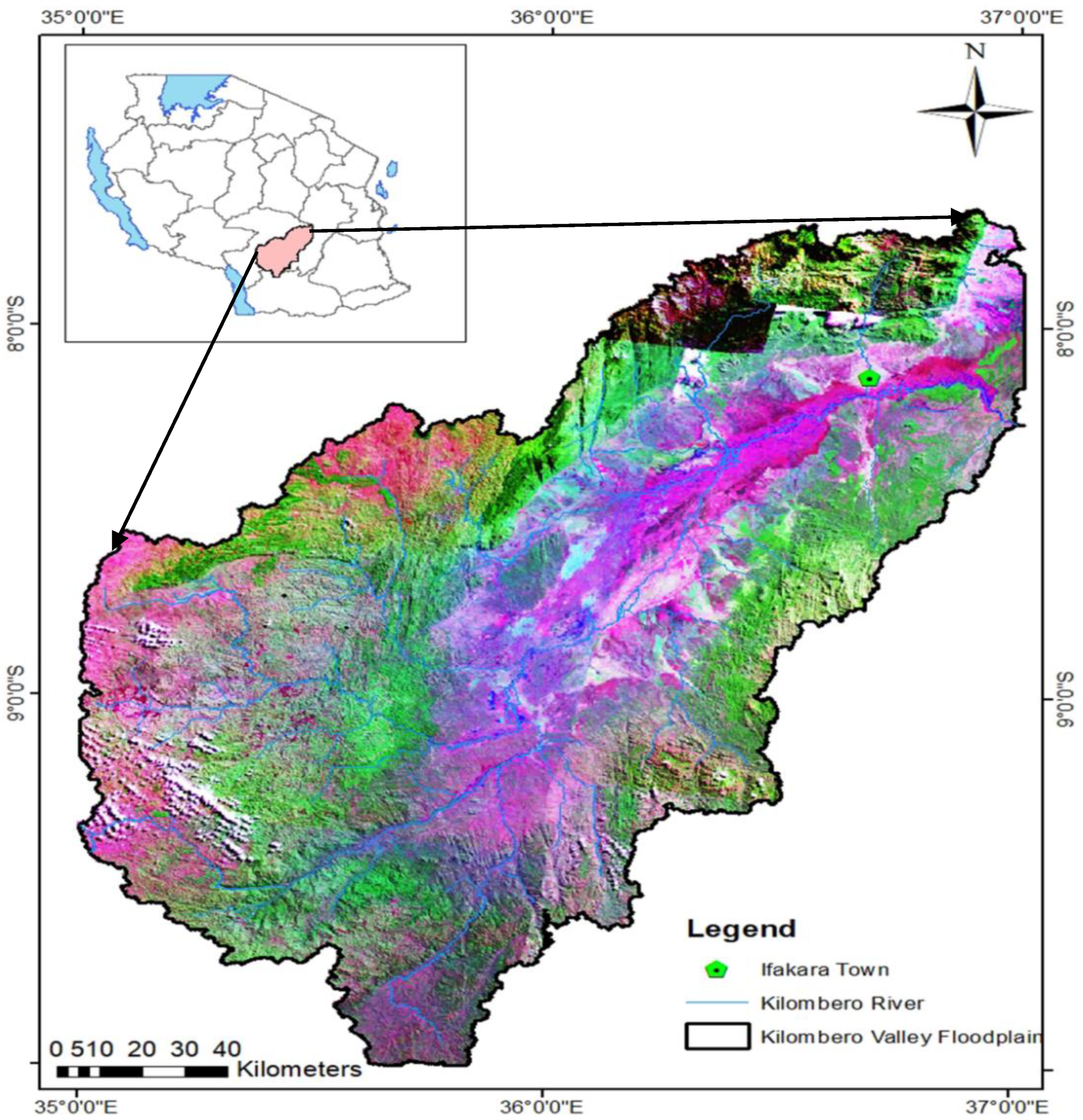
Within this broader context, the specific objectives of the present study were: (1) to determine of the spatiotemporal LUC trends during the past 25 years in the whole KVFP; and (2) to assess the driving factors that influenced the changes and provided recommendations for future development and sustainable land use management in the KVFP, Tanzania.
3. Results
3.1. Spatiotemporal Variation in the Trends of Land Use Change
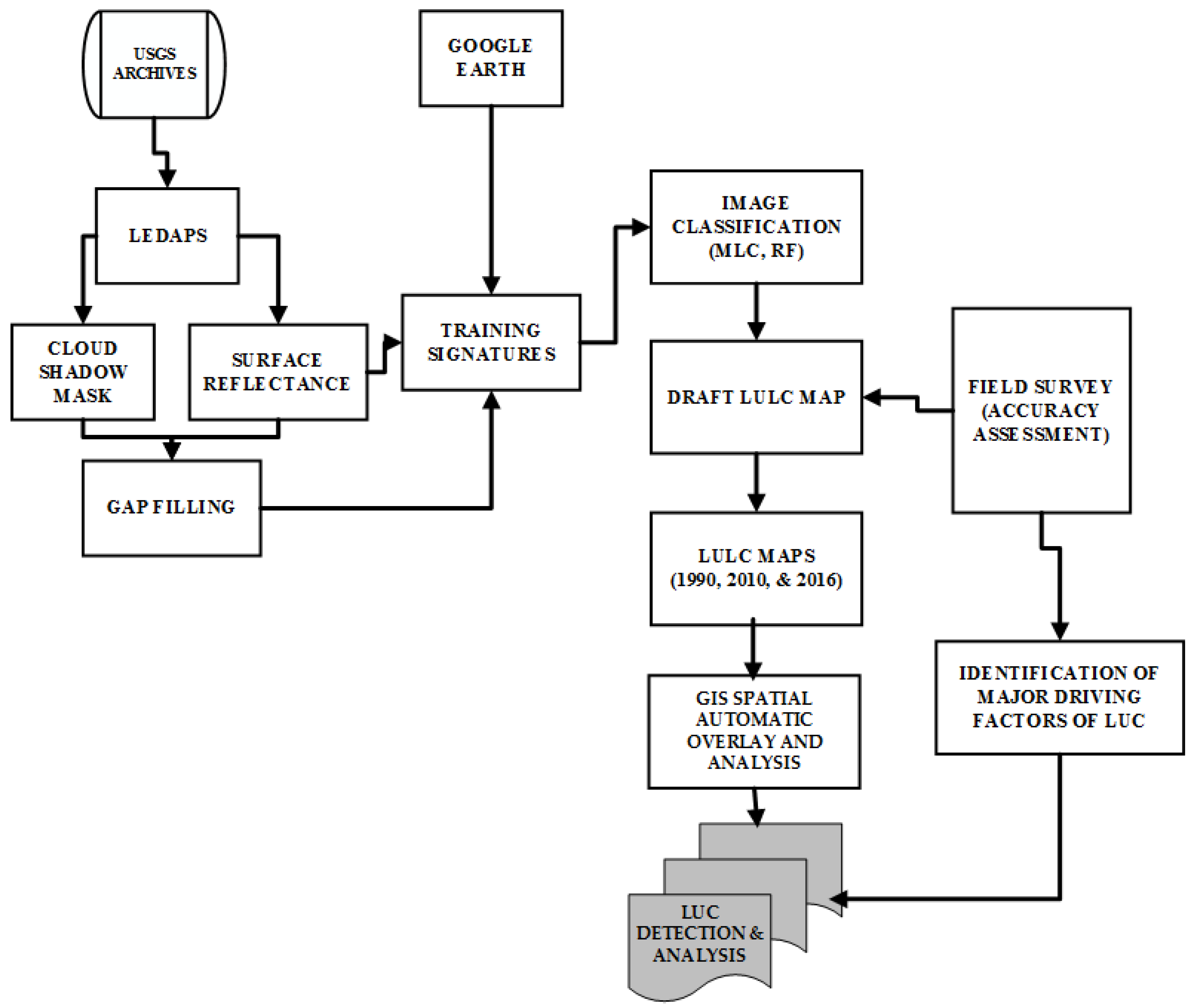
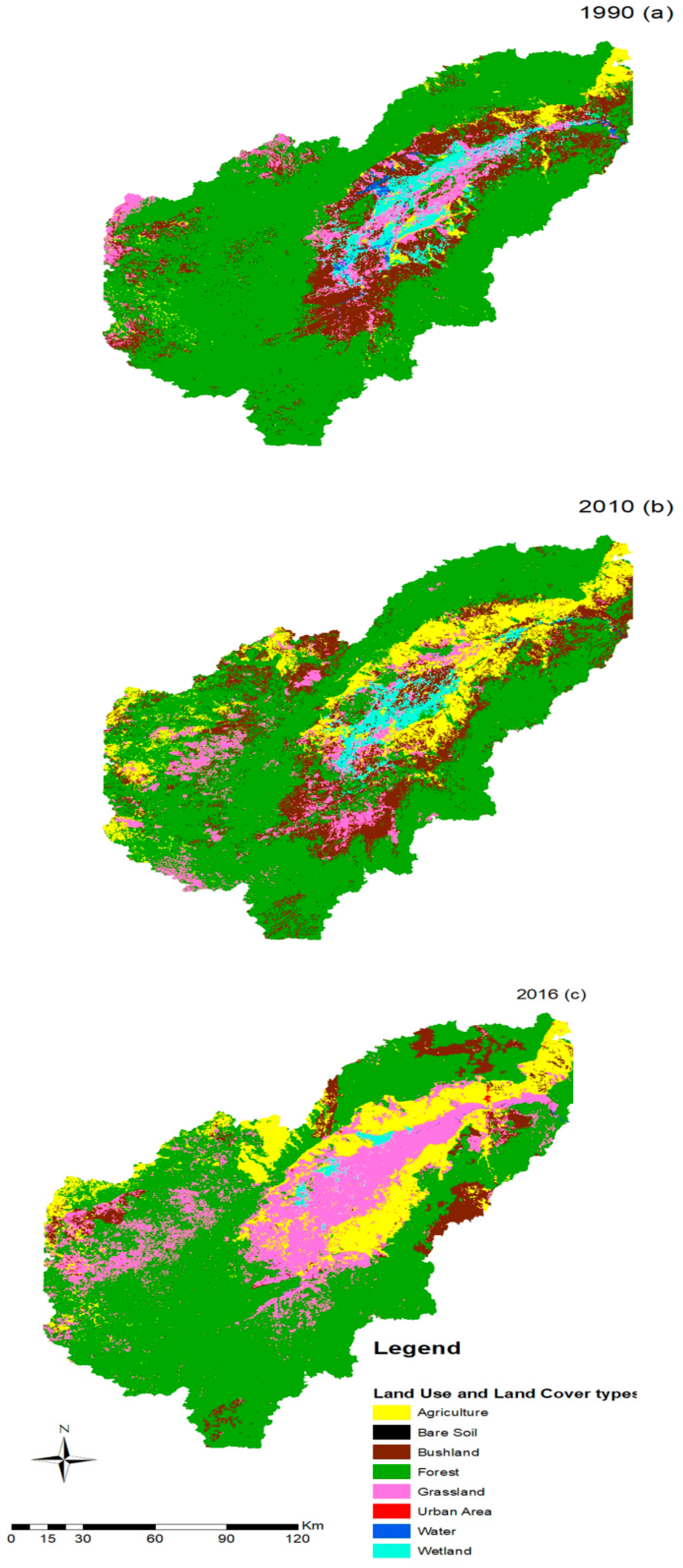
The spatial and temporal variations in land use change over the past twenty-five years in the KVFP were analyzed using the RF algorithm supervised classification method. The land-use classification maps produced for the study area in each year are presented in
Figure 4, and the area statistics of each land use type based on the classified images of the study area are shown in
Table 3.
Figure 4 and
Table 3 show that the Kilombero valley floodplain has experienced the following land use change trends: (1) In the last 25 years, agricultural land has substantially increased by 3430 km
2 (11.3%). (2) The area under forest, which is the largest part of land use class, comprising plantations, evergreen forest, open and closed Miombo woodland characterized by Brachystegia and Julbernardia species, has significantly decreased by 3037 km
2 (10.3%). (3) The area of bushland considerably decreased from 5497 km
2 (18%) in 1990 to 2459.62 km
2 (8.1%) in 2016, implying decreasing change of 10%, while the area of grassland substantially increased by 13.3%. (4) The wetland area decreased from 1415 km
2 (4.6%) in 1990 to 261 km
2 (0.9%) in 2016, while the area with water bodies, which mainly includes the Kilombero River and its tributaries, showed a decreasing trend, from 229 km
2 in 1990 to 30 km
2 in 2016, implying a decrease of 0.7%. (5) Urban area was also classified, although it was not a major land use and cover class because the area is comprised of low-density settlements blended with farm areas, and it increased by 0.1%. (6) Bare soil did not show a significant change (
Table 3).
The statistics of the main types of land use change in the area ratio show that forest, bushland and grassland are among the dominant land cover types in the Kilombero valley floodplain covering 64.1%, 18% and 7.8% of the total land cover types, respectively, in 1990 (
Table 3). From 1990 to 2010, agricultural land, grassland, bushland and urban area increased by 8.7%, 1%, 1.5% and 1%, respectively. However, during this period, the forest area decreased from 64% to 55.1%, implying a decrease of 9%. The wetland and water area also showed a decreasing trend of 1.5% and 0.6%, respectively. In particular, from 2010 to 2016, only agriculture, grassland and urban area showed an increasing trend, of 2.6%, 12.4% and 0.1%, respectively, while bushland, forest, wetland and water areas decreased by 11.4%, 1.2%, 2.3% and 0.1%, respectively (
Table 3).
3.2. The Land Use Transition Matrix from 1990 to 2016
This study used the spatial analysis tool in Arc GIS 10.2 software and the zonal tabulate area command to calculate the Markov chain transition matrix of land use change in Kilombero valley floodplain. The main goal was to analyze the changing trend of land use types (
Table 4 and
Table 5). Over twenty-five years, there has been a drastic increase in agricultural land and grassland at the expense of other land use and cover types in the Kilombero valley floodplain.
From 1990 to 2010, agricultural land has increased by 26741 km2, of which 38.4% was from bushland and 30.3%, 21.0% and 8.76.1% were from forest, grassland and wetland, respectively. From 2010 to 2016, agricultural land increased by 789 km2, of which 42% was derived from forest and 38.4%, 13.7% and 6.1% was from bushland, grassland and wetland, respectively. These changes imply that from 1990 to 2016, the increased trend in agricultural land is due to the conversion of forest and bushland to agricultural areas.
Grassland also showed a steady increase at the expense of other land use and cover types. From 1990 to 2010, grassland increased by 290 km2, of which 53.6% and 30.0% were converted from forest and bushland, respectively. From 2010 to 2016, grassland increased by 3765 km2, of which 34% and 32.5% were from bushland and forest, respectively. In addition, grassland gained 20.6% from agricultural land because some agricultural lands are left as grass fallow by local farmers.
Moreover, forest, bushland, wetland and water areas showed decreasing trend over the last 25 years. From 1990 to 2010, forest decreased by 2752 km2, of which 56% changed to bushland and 23.2% and 18.9% were converted to grassland and agriculture, respectively. Bushland during this period showed an increased trend associated with massive deforestation during this time, as 56% of the forest was converted to bushland. From 2010 to 2016, forest decreased by 377 km2, of which 39.5% changed to grassland and 30.5% and 27.0% were converted to bushland and agricultural land, respectively, and bushland decreased by 3483 km2 with 44.7%, 34.1% and 20.5% converted to forest, grassland and agriculture, respectively. From 2010 to 2016, 1359 km2 of bushland changed into forest in 2010 while an area of 2430 km2 of forest changed back to bushland in 2016. This shows that there are alternation changes in land cover between forest and bushland observed whereby bushland is one of the main sources changing to forest as well as forest changing back to bushland. Bushland is converted to agricultural land, showing that there is a considerable amount of transition between forest area, bushland, grassland and agricultural land.
Additionally, from 1990 to 2010, wetlands decreased by 449 km2, with 27.8% changed to grassland and 23.9% to agricultural land. From 2010 to 2016, wetlands were reduced by 705 km2, with 72.6% change to grassland and 18.9% to agricultural land. In summary, the land use changes in the study area are clustered into three major categories: agricultural land and grassland expansion (from forest and bushland to agricultural land and grassland); deforestation (conversion from forest to bushland, grassland and agricultural land); and wetland conversion involving the change from wetland to agricultural land and grassland.
3.3. The Land Use Dynamics from 1990 to 2016
In 25 years, the area of agricultural land increased significantly from 1990 to 2010 and then slowed in 2016. Bare soil showed a decreasing trend, but the reduction in the area of bare soil slowed down from 2010 to 2016. The change in the bushland area slightly increased and then decreased drastically. The area of forest land slightly decreased, while the grassland area dramatically increased. The urban area showed a rapid increase. Wetland and water areas decreased gradually (
Table 6).
3.4. Drivers of Land Use Change in the KVFP
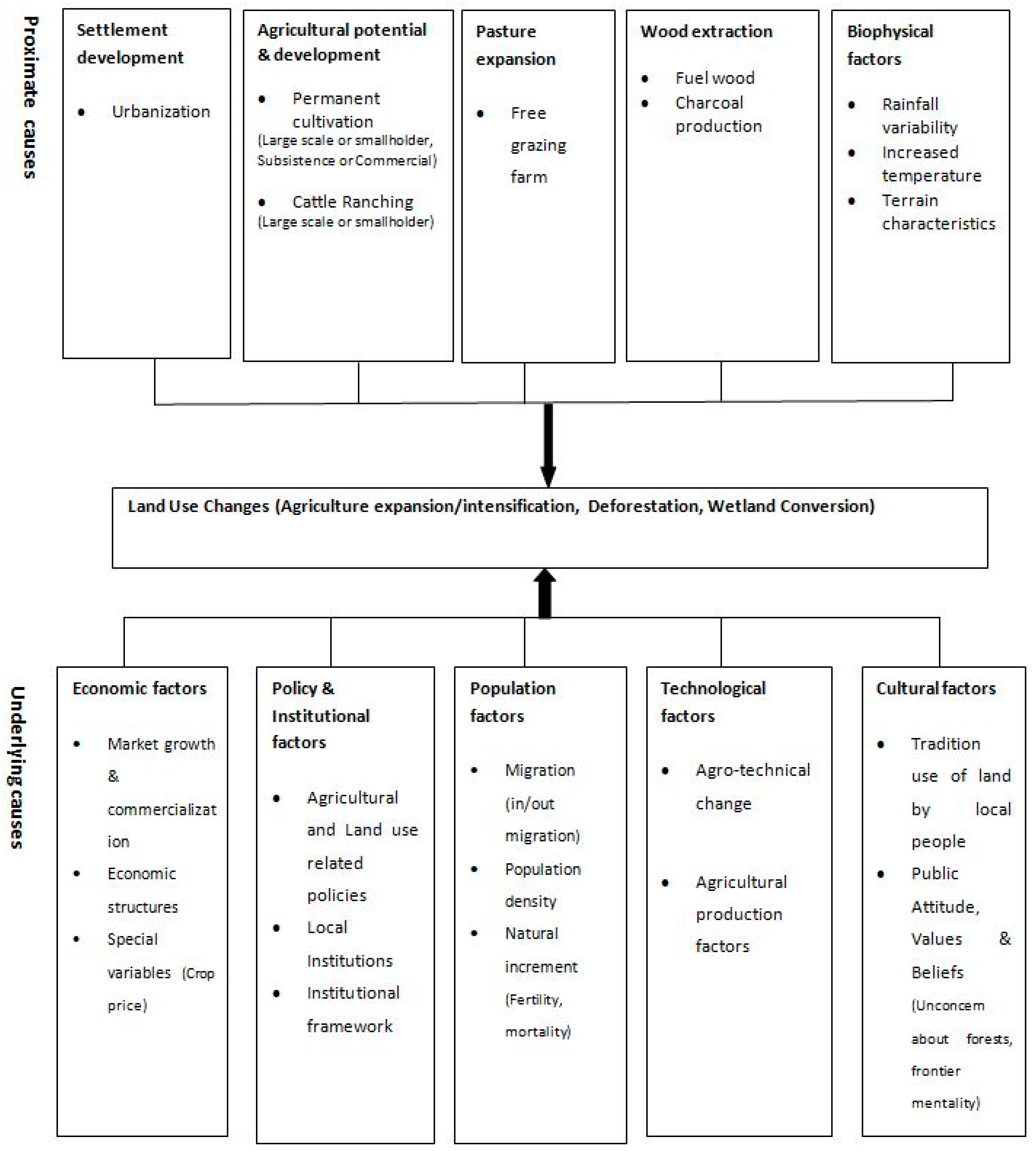
3.4.1. Proximate Driver of Land Use Change in the KVFP
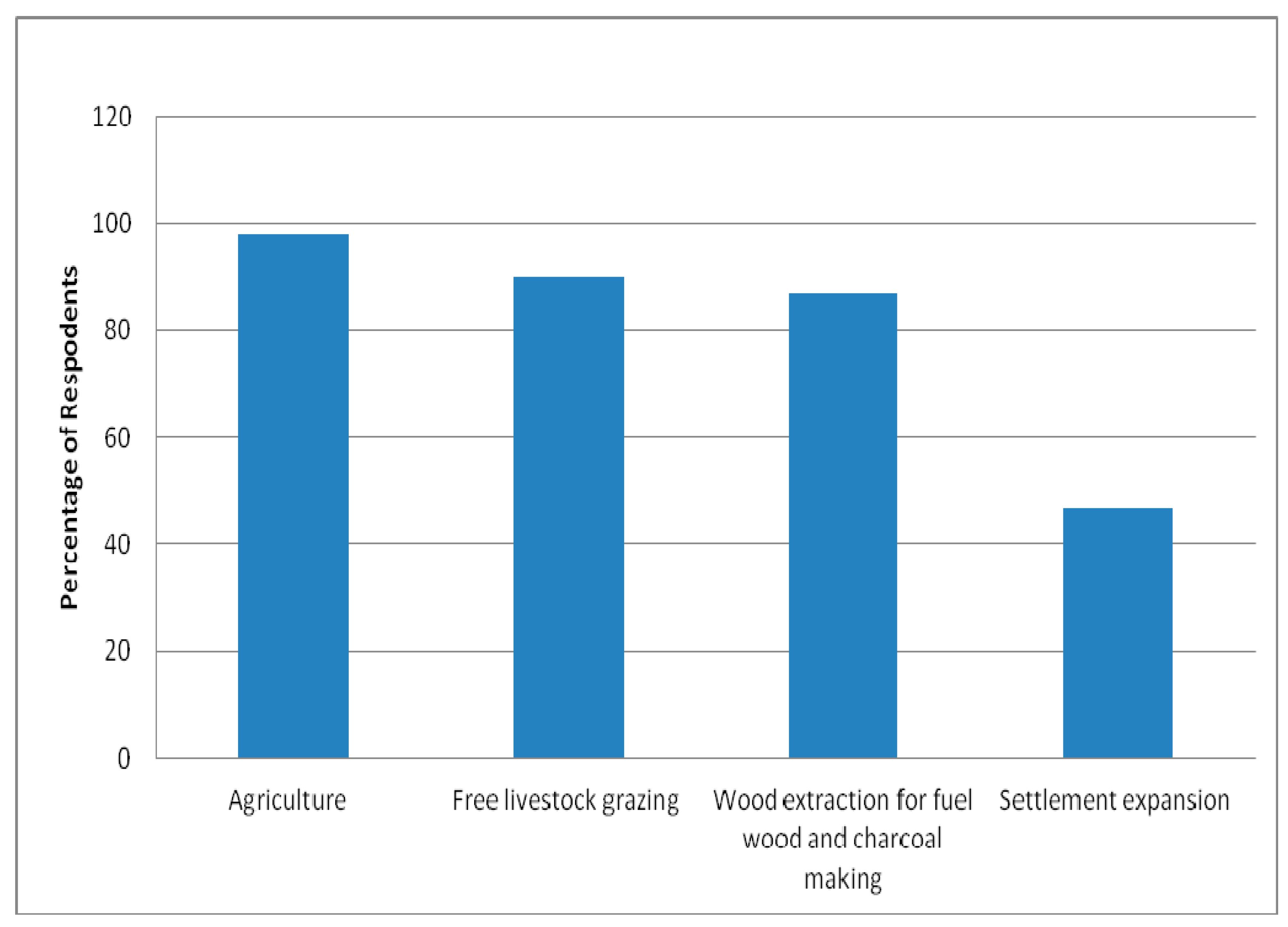
The intensification of human activities seeking to ensure the food supply and improve the income of the growing population is the major proximate driver of land use change [
67]. According to the analysis of the household survey, it was revealed that approximately 90% of the total respondents comprehend that the intensification of human activities is the main driver of changes in land use in the KVFP. The associated human activities that drive LUC are expansion of agriculture as reported by 98% of respondents, free livestock grazing (90%), wood extraction for fuel wood and charcoal-making as well as wood for domestic use (87%) and settlement expansion (47%) (
Figure 5).
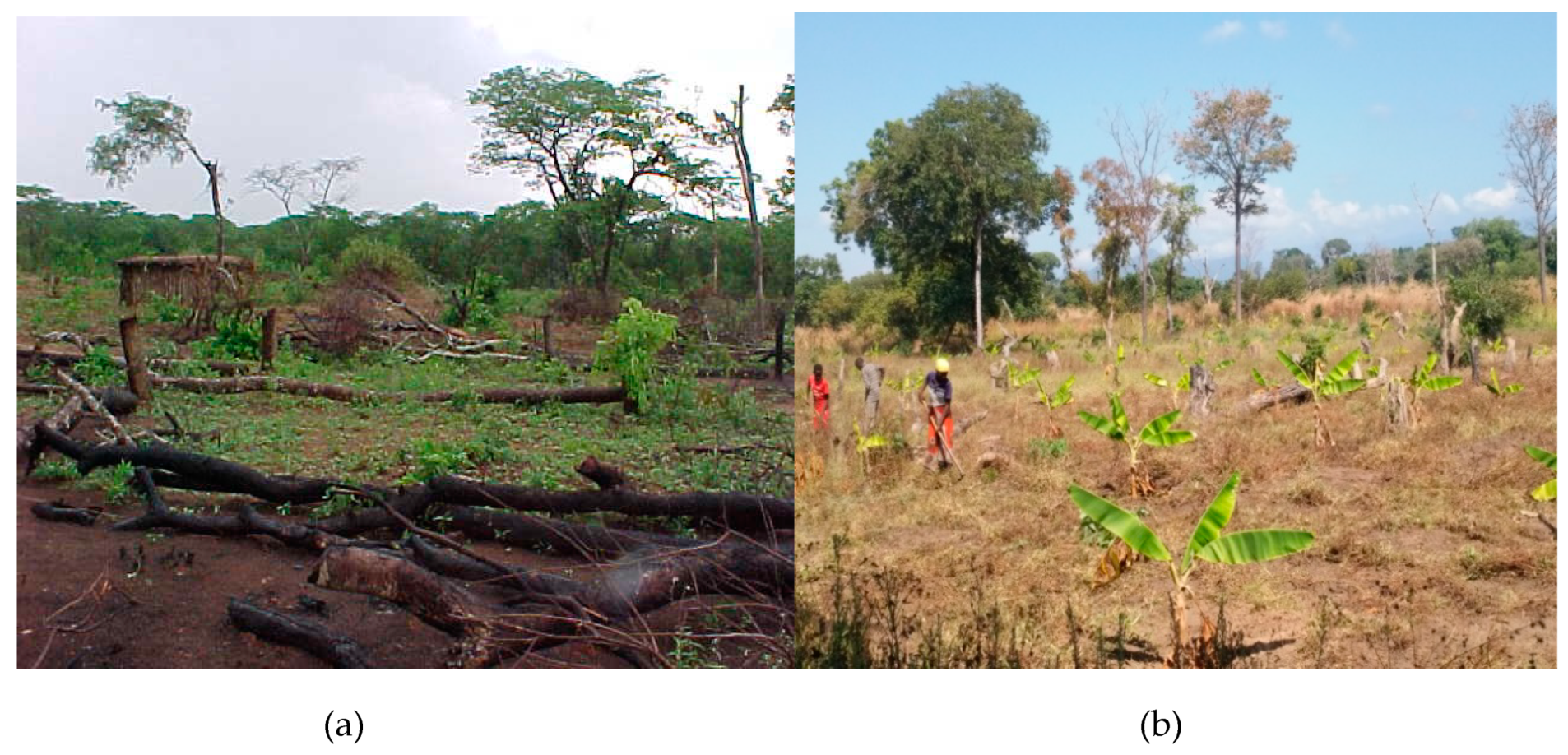
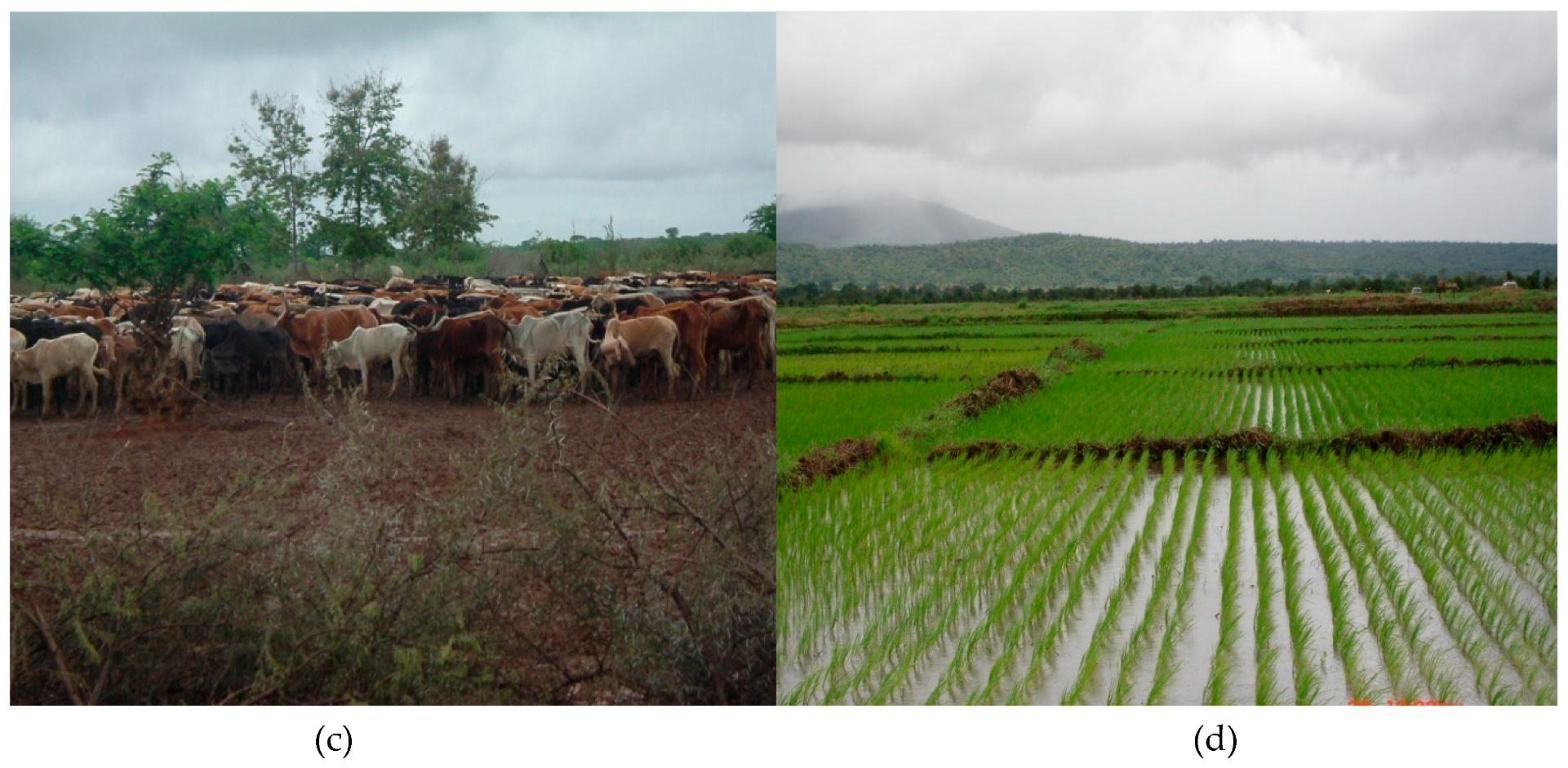
Through field observation, human activities were observed to adversely cause changes in land use in the study area, as shown in
Figure 6.
3.4.2. Underlying Drivers of Land Use Change in the KVFP
Economic Factors
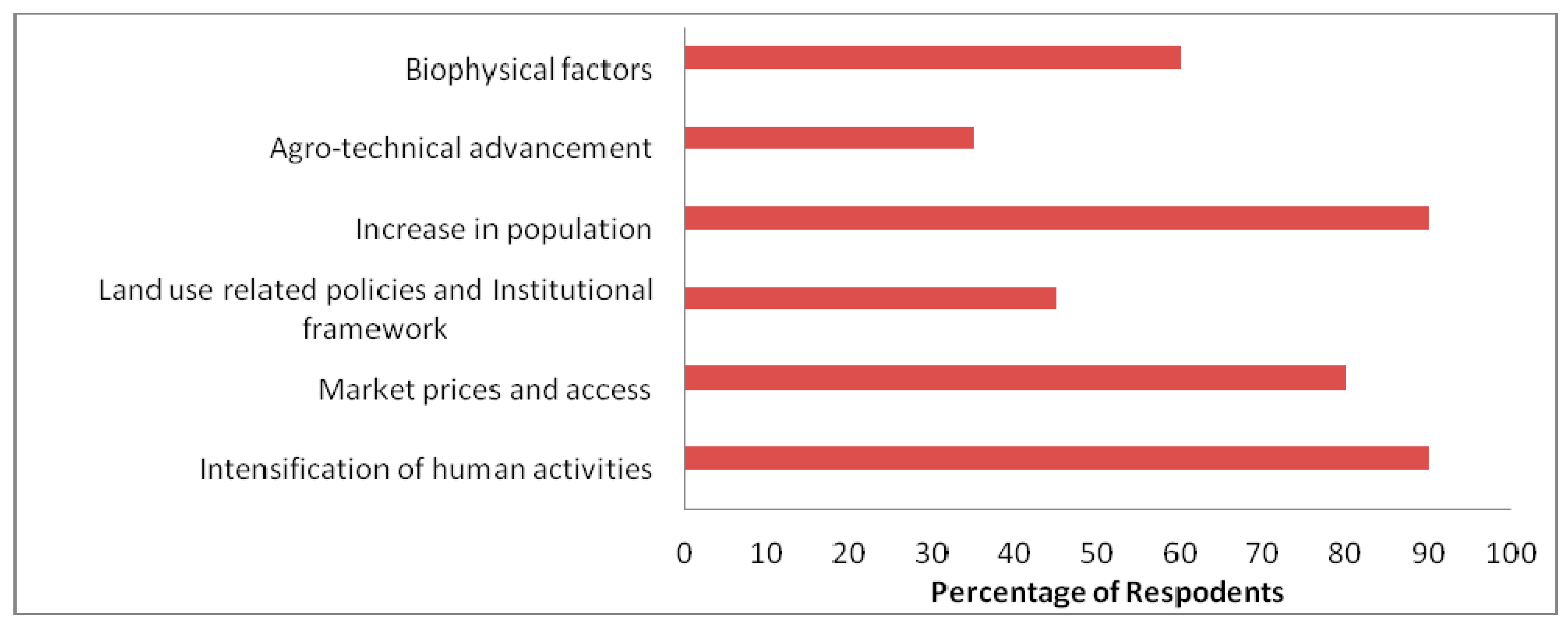
Over 80% of the total respondents in the study area agreed that increased consumption demand and the market price for rice, especially in urban centers, fuel wood and timber, contributed to agricultural expansion of rice fields towards the wetland area in the Kilombero valley floodplain (
Figure 6d and
Figure 7). This was further supported by the focus group discussion where the local representative said that “
The growing urban cities demands are high that increased demand for the fuel wood especially charcoal, this motivates us to cut down trees for charcoal making as the price for a bag of charcoal is rising every time”. Moreover, information from the key informant interviews revealed that the market access for agricultural products such as rice, sesame and sugarcane coupled with improved roads and railways in the study area have facilitated the expansion of agricultural land as compared to other land uses.
National Policies and Institution
Through a questionnaire survey and information from secondary data, this study revealed that 45% of the total respondents believed that the land-use related policies and government initiatives influenced LUC in the area (
Figure 7). This is also supported by an interview with district officials responsible for managing the land resources, who declared that the National Forest Policy of 1998, agriculture sector strategies and policies, MKUKUTA and the Structural Adjustment Program (SAP) associated with agricultural market liberalization, have significantly contributed to changes in land use in the KVFP.
Population Growth
The population in the study area has been increasing throughout the period assessed in this study. According to the national census reports [
54,
68,
69], the population in the Kilombero valley floodplain (KVFP), including Kilombero, Ulanga and Malinyi districts, has been increasing (
Table 7).
This increase in population has implications for land resources as the need to produce food and the demands for settlement and fuel wood increase in response to growing population needs. This is aligned with the questionnaire survey that revealed that 90% of the total respondents believed that population growth was attributed to land use change in their area (
Figure 7).
Agrotechnological Advancement
Based on the analysis of the household questionnaire survey, approximately 35% of the total respondents revealed that the advancement in agrotechnology in the KVFP has influenced land use change in their area (
Figure 7). Agrotechnology advancement in the study area includes the use of agriculture inputs such as fertilizers, pesticide, power tillers and tractors. The results from the interview with key informants also revealed that a significant number of people in the KVFP use power tillers, oxen and tractors to prepare farms and assist them in clearing an extensive area for agriculture, hence there is agriculture expansion at the expense of other land use types.
Biophysical Factors
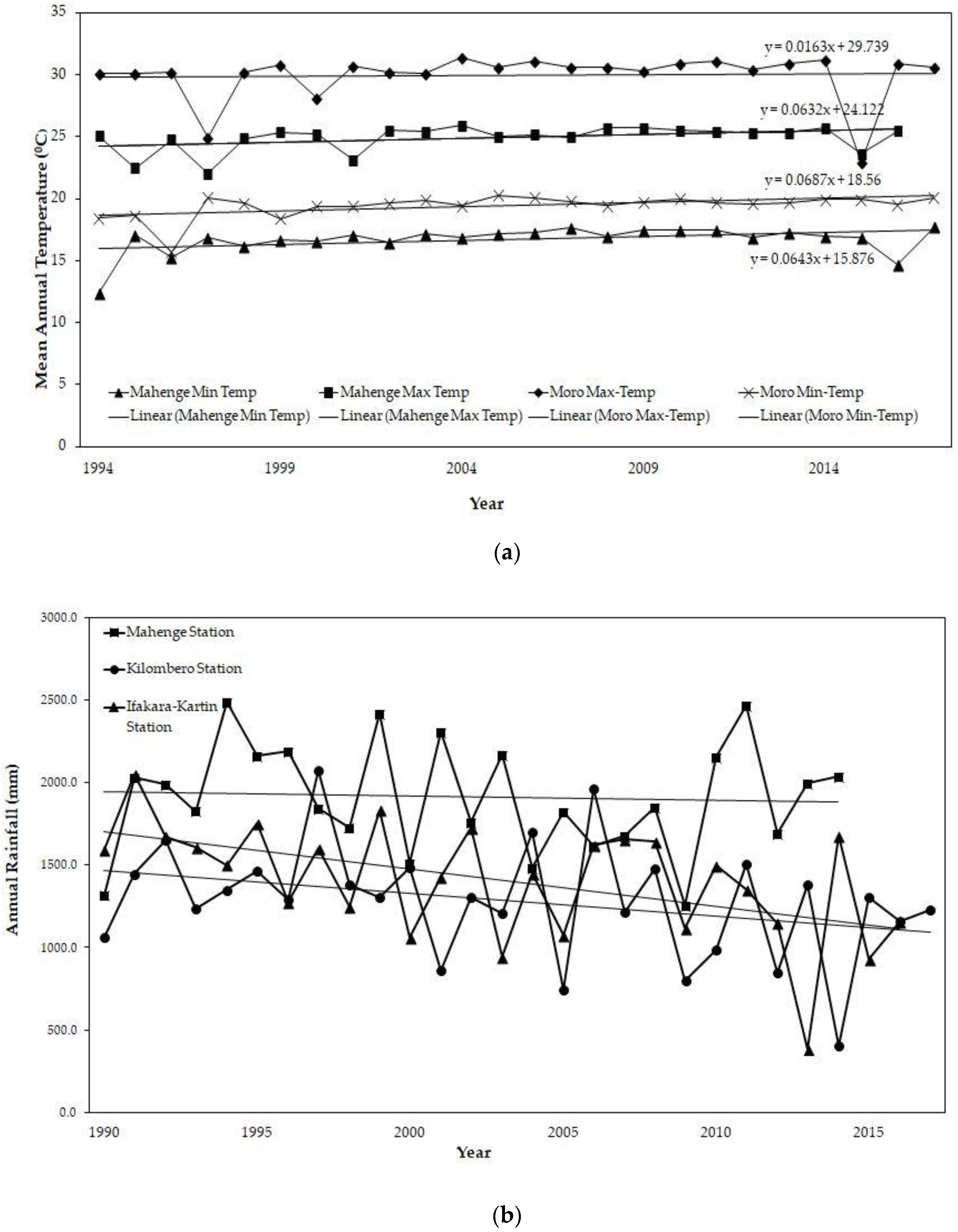
From the questionnaire survey, it was revealed that 60% of the total respondents in the study area considered soil condition, climate variability and terrain characteristics as among the main factors causing land use change in the study area. Moreover, this study analyzed the average temperature and rainfall in the Kilombero valley floodplain using the data from the Tanzania Meteorology Agency (TMA) to show how changes in rainfall and temperature have affected the ecology of the wetlands.
Figure 8a,b shows temperature and rainfall data, respectively. The analysis of the data shows that the rainfall has decreased steadily while the temperature has increased in the last 25 years (
Figure 8a,b).
4. Discussion
To date, there is an extensive body of literature and theories accounting for land use changes. Land use changes in this study imply agriculture expansion by clearing new land (extensification) or agriculture intensification involving the application of agriculture inputs to increase the output per unit of land, deforestation and wetland conversion. This is also in line with Bilsborrow [
70] and much of the land use change literature, especially in Africa, which has focused more on the ability of the ecosystem to respond to population growth and the market growth of crop and timber products. There are two main approaches that can be linked to LUC in the study area. One body of literature is based on consumption or needs-based approaches to land use change. This approach focuses on the relationship between land use changes and population growth. The second body of literature links land use changes with the market. In addition to these two approaches, other literature has considered the structural integration of small households into a large sphere of influence of biophysical (ecological) factors in influencing land use changes. Based on the results, change in land use in the KVFP include deforestation whereby forest area that covers the largest part of land use type in KVFP have decreased from 19,544 km
2 (64%) in 1990 to 16,415 km
2 (53.9%) in 2016. Deforestation in KVFP is attributed to the expansion of agricultural land to forests, illegal logging as well as the increased demand for the forest products such as fuel wood and charcoal. Similarly, Geist and Lambin [
9] reported that human activities and an increased demand of forest products such as fuel wood and logs were the primary drivers of tropical forest deforestation. Despite the decrease in forest area, some parts of the valley were observed to have small patches of teak plantations, replacing the natural forests [
36]. The results also show that agricultural land and grassland have substantially increased by 11.3% and 13.3%, respectively, mainly due to increased population growth (
Table 7). The increase in population has greatly enhanced the pressure on land resources, ensuing agriculture expansion and intensification, overgrazing and expansion of settlement (
Figure 6). Similarly, studies in south-central Senegal have found that increased demographic pressures have resulted in an increase in cultivated and settlement lands at the expense of other land covers [
1]. Additionally, bushland, which was the second largest land use type in 1990 covering 18% of the total area in the KVFP, decreased to 8.1% in 2016, implying a decreased change of 10%. On the other hand, the wetland area decreased from 1415 km
2 (4.6%) in 1990 to 261 km
2 (0.9%) in 2016, implying a decrease change of 3.8%.
Nevertheless, this paper has also shown that there are the proximate driver and underlying drivers that influence the land use changes in the KVFP. The proximate driver was observed to be the intensification of human activities, particularly agriculture expansion, free livestock grazing, wood extraction for fuel wood, charcoal-making and settlement expansion (
Figure 5). Government policies, an increased market demand and the prices for crop and timber products coupled with improved infrastructure, human population growth, agrotechnology advancement, soil properties, terrain characteristics and climate variability are the main underlying drivers of land use changes in the KVFP (
Figure 7). An interview with the key informants in Kilombero, Malinyi and Ulanga districts reported that implemented government policies such as structural adjustment programs (SAP) of the 1980s, the forest policies and action plans of 1997, the National Land Policy of 1997, the agriculture policy of 2013, the livestock policy of 1997 and the agricultural reform in the agriculture sector have influenced changes in agricultural land use in the KVFP.
The structural adjustment programs (SAPs) were economic reform programs that encouraged the development of the private sector in the economy [
71]. Under this reform, the government liberalized the marketing of agricultural inputs leading to the abolishment of pan-territorial pricing for fertilizers and complete removal of subsidies [
72]. This reform also removed the state monopoly on crop marketing, creating an opportunity for private sector participation in crop marketing as well as providing an opening for farmers to grow crops of their choice depending on the market condition. These aspects have considerably influenced the changes in agricultural land use systems in the KVFP. National forest policies and action plans also influence encroachment on forests by local people since the policies were formulated when exploitation was being controlled through licensing [
73]. Moreover, the implementation of private investment in the forestry sector encouraged by the national forest policy of 1998 influenced the conversion of Miombo woodlands into teak plantations in Kilombero and Ulanga districts. Additionally, land and agriculture policies have been providing an enabling environment for the international investment and private–public partnerships in the agriculture sector. This influenced the opening of large-scale commercial ventures for rice and sugarcane, such as Kilombero Plantation Limited (KPL) and Illovo Sugar Limited, which intensified the use of land resources in the KVFP. In 2008, KPL acquired over 5000 hectares of land in the Kilombero Valley for the establishment of commercial rice plantations in the village lands of Mngeta ward [
53]. Moreover, these large companies emphasized out-grower programs where smallholder farmers produce products on their own land according to the company’s specifications and then sell their product to the company that facilitates the agriculture expansion and intensification in the KVFP. In addition, agricultural policies created a favorable environment for many agricultural development programs in the KVFP, including the introduction of an agricultural green growth program which is funded primarily by the United States’ Feed the Future program and the World Bank in the Southern Agricultural Growth Corridor (SAGCOT) in Kilombero District. These programs and interventions have influenced the direction of agricultural land use changes in the KVFP. This study shows that the government decisions and policies have influenced household and national decisions in production, which have consequently determined the nature of land use changes in the study area. Similar observations have also been reported in [
11,
74].
Furthermore, the role of the market in influencing changes in agricultural land use has been facilitated by policy changes and transport infrastructure improvement [
75]. The market liberalization policy in Tanzania has contributed to rapid increase in the producer price for crops such as rice, thus encouraging farmers to increase production as well as to extend the area under production. These aspects have substantially influenced the changes in agricultural land use systems in the study area. Moreover, improved infrastructures such as main roads and TAZARA line link KVFP to urban/city centers, enabling farmers to transport their farm products to more central markets where they expect to fetch better prices, encouraging them to increase production through agricultural intensification and expansion into the marginal areas. Additionally, high urban demand and market prices for rice, cocoa and horticultural crops such as banana and vegetables have motivated farmers to increase production through land expansion and intensification into Kilombero wetlands.
It was further observed that there is a relationship between population increase and change in land use in the KVFP, as already indicated in
Section 3.4.2. The population in the KVFP has increased from 174,222 people in 1967 to 672,383 people in 2012 with annual growth rates of 2.4% and 3.7%, respectively, against the national rate of 2.7% (
Table 7). This shows that the annual growth rate of the population in Kilombero valley floodplain is higher than the national rate. It is projected that the population will increase to 973,433 people by 2022. This situation is attributed to the immigration of pastoralists and agro-pastoralists since the early 1990s following the Tanzanian government program of removing agro-pastoralists from Usangu Basin and the civil conflicts between pastoralists and farmers in Kilosa district, Tanzania. These groups are mainly engaged in both large-scale livestock keeping and farming since they have technological advancements in using their animals to clear large areas for crop production and capital for hiring tractors. Thus, population increase has increased the demand for arable land and caused excessive environmental degradation. This is in line with other schools of thought regarding the relationship between population growth and land use changes. According to Malthus [
76], growing rural population increases the demand for agriculture to feed the ever-increasing population, leading to the expansion of agricultural land into marginal land, land fragmentation, decreased productivity and famine, which are pathways to poverty and environmental degradation. However, Boserup [
77] considered that, as a population grows, arable land becomes scarce, which spurs scarcity, necessitating people to intensify agricultural production. From this perspective, agricultural change is driven primarily by the changing consumption need of the local population due to population growth.
Moreover, agrotechnological advancement has directly affected farmers’ behavior and decisions pertaining to resource utilization, contributing to agricultural expansion and intensification [
78]. The agrotechnological advancement in the study area includes the use of agriculture inputs such as fertilizers, pesticides, power tillers and tractors. The interviews with key informants also revealed that a significant number of people in the KVFP use agriculture inputs and agricultural machinery such as power tillers, oxen and tractors to prepare farms that assist them to clear extensive area for agriculture, hence agriculture intensification and agriculture expansion at the expense of other land use types. This is in line with Rowcroft [
11], who reported that technological innovations have increased the demand for agricultural land and created an incentive to further deplete natural forest resources.
Influence of policies through government intervention, good market incentive, high population growth and agrotechnological advancement are not the only factors, which can explicitly provide an explanation for land use changes in the study area. Biophysical factors such as soils, rainfall variability, prolonged drought, and inaccessibility to irrigation water also have an impact on land use changes. The biophysical factors may act as constraints to agriculture production as they offer certain kinds of limitations to production. It was revealed that climate variability has significantly caused the drying up of the Kilombero wetlands and water resources; added stresses to upland farming compelled farmers to expand cultivation into the wetlands to compensate for declining productivity. The climate variability will continue to have more impact as rainfall decreases and temperature increases (
Figure 8). Many ecosystems, particularly wetlands, are sensitive to climate change and variability that affect their hydrology, biogeochemical processes, plant communities and ecosystem function [
79]. Moreover, its flat terrain characteristics and heavy black alluvial soils coupled with high water holding capacity that support agricultural production especially for water loving crops such as rice in the Kilombero valley floodplain, have influenced agricultural land use change. In addition, these soils support natural vegetation and pasture for grazing during dry season hence wetland conversion. Through focus group discussion and key informant interviews, it was revealed that soil fertility is declining with continuous cultivation, consequently declining agricultural productivity. Such situation compelled farmers to opt for non-farming activities such as charcoal production, which, when not well controlled, leads to unsustainable wetland resource use. In line with this study, it has also been argued that agricultural land use change is a response to the interaction between human activities and the biophysical environment in which they exists [
80]. Based on the study findings, it can be revealed that human–environment relationships that contribute to land use changes are shaped by many obstacles rendered by the physical environment and the technological abilities of households to match with these constraints. It is crucial for us to evaluate the trends in the changes in land use and identify the predominant factors in LUC to contribute towards informing policy makers on appropriate policy-based interventions [
17,
81].