Article

Sustainable Livelihood Capital and Strategy in Rural Tourism Households: A Seasonality Perspective


1
Department of Tourism Management, Business School, Guangxi University, No.100 East Daxue Road, Nanning 530004, Guangxi, China
2
Department of Management, Jones College of Business, Middle Tennessee State University, MTSU Box75, Murfreesboro, TN 37132, USA
*
Author to whom correspondence should be addressed.
Sustainability 2019, 11(18), 4833; https://doi.org/10.3390/su11184833
Submission received: 5 August 2019 / Revised: 1 September 2019 / Accepted: 1 September 2019 / Published: 4 September 2019

Abstract

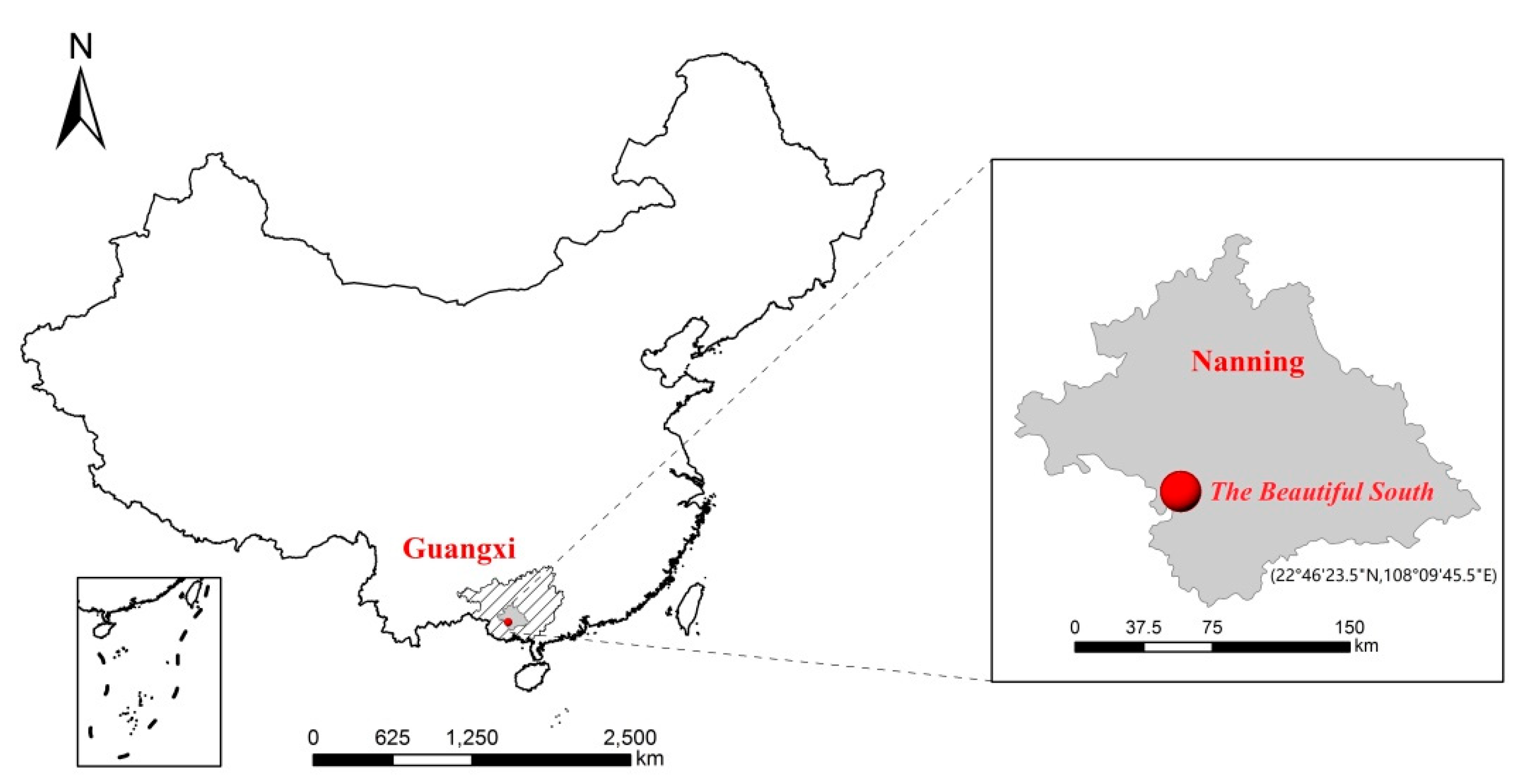
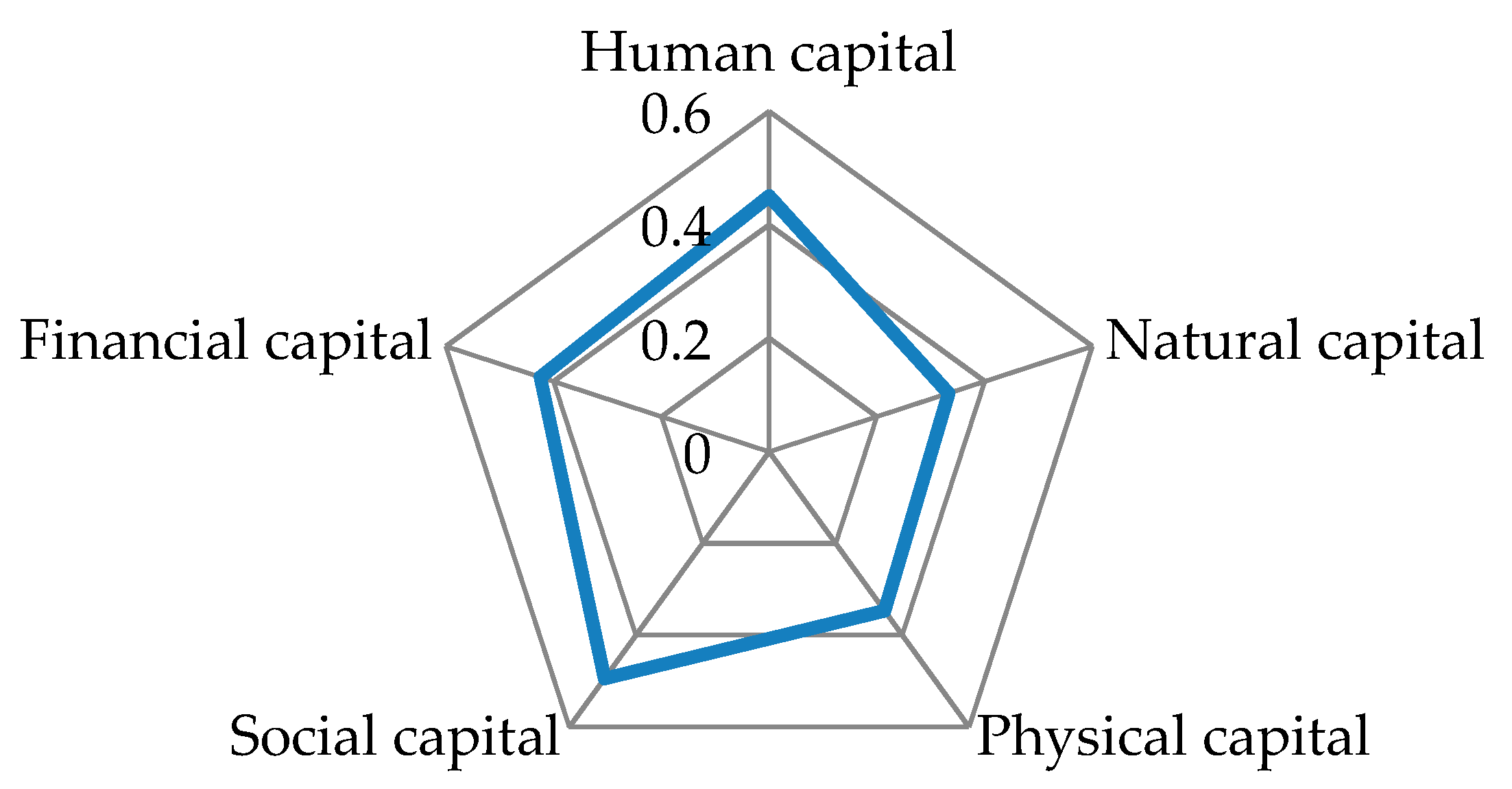
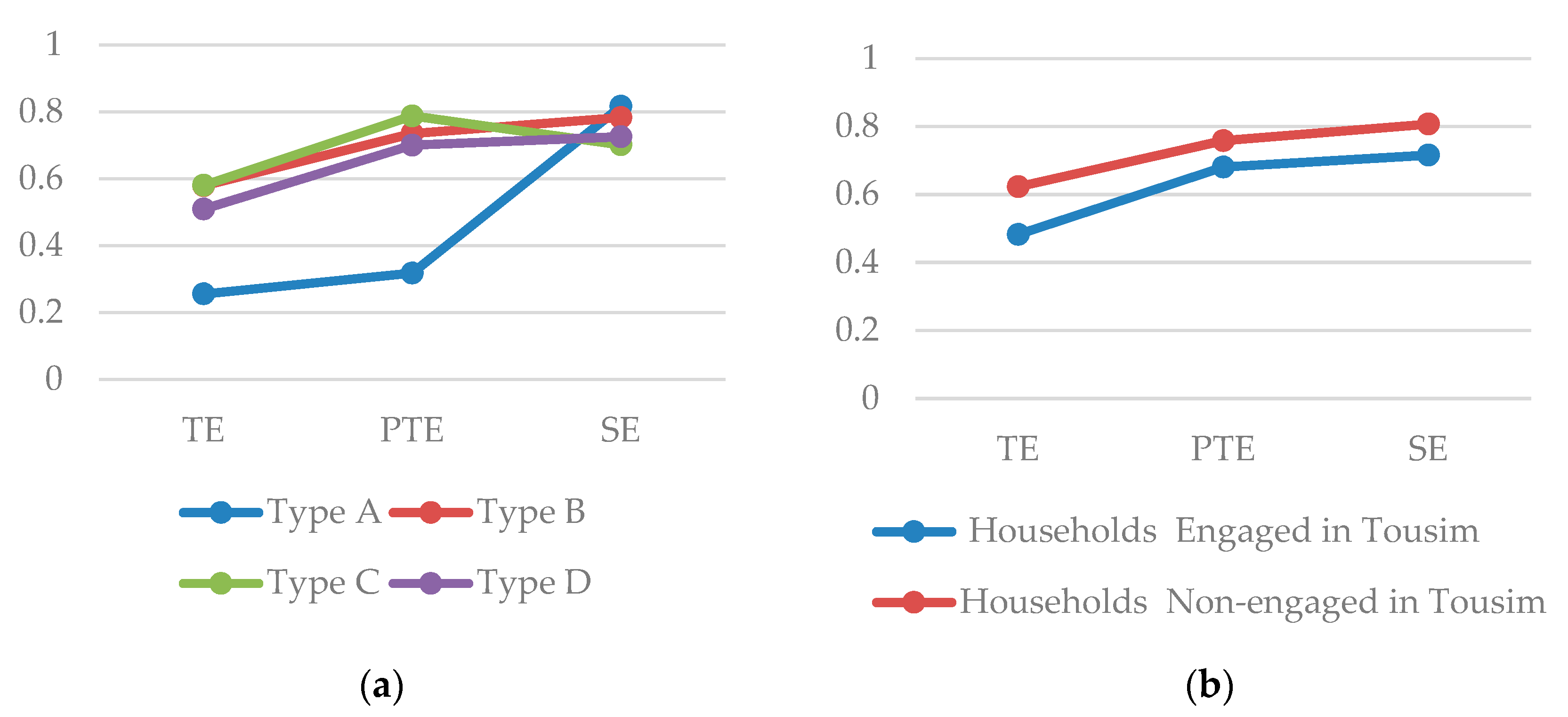
As an inherent characteristic and pervasive market phenomenon of the tourism industry, seasonality plays an important role in tourist business survivability and sustainability. It is also a significant factor for rural households involved in tourism as they plan their livelihood strategies around it. In this study, household surveys were conducted in The Beautiful South, an area for rural tourism in Guangxi of Southern China. We analyzed the livelihood capital and strategy of different household types in response to seasonal fluctuations in tourism by applying a mixed method that integrated livelihood capital index (LCI) evaluation and data envelopment analysis. The results indicate that LCI of tourism income-oriented households ranks second among the four types of households, while the LCI of tourism-engaged households in peak season performed better than that of those not engaged. However, the number of households participating in tourism nearly halved during the off season, and they are mainly diverted to temporary labor work, which may be one of the reasons for the low livelihood capital efficiency of tourism households. The implications of the findings and empirical solutions to mitigate the negative seasonal impact are discussed.
Keywords: seasonality; rural tourism; sustainable livelihood; households; seasonal fluctuation; China; the beautiful south seasonality; rural tourism; sustainable livelihood; households; seasonal fluctuation; China; the beautiful south