Article

The Millennials’ Concept of Sustainability in the Food Sector

by
Luigi Bollani
1,
Alessandro Bonadonna
2,3,* and
Giovanni Peira
2,3
1
ESOMAS Department, University of Turin, Corso Unione Sovietica 218 bis, 10134 Turin, Italy
2
NatRisk—Research Centre on Natural Risks in Mountain and Hilly Environments, University of Torino, Largo Paolo Braccini 2, Grugliasco, 10095 Turin, Italy
3
Department of Management, University of Turin, Corso Unione Sovietica 218 bis, 10134 Turin, Italy
*
Author to whom correspondence should be addressed.
Sustainability 2019, 11(10), 2984; https://doi.org/10.3390/su11102984
Submission received: 18 April 2019 / Revised: 20 May 2019 / Accepted: 22 May 2019 / Published: 25 May 2019
(This article belongs to the Special Issue Consumption, Consumer Behaviour and Sustainability)

Abstract

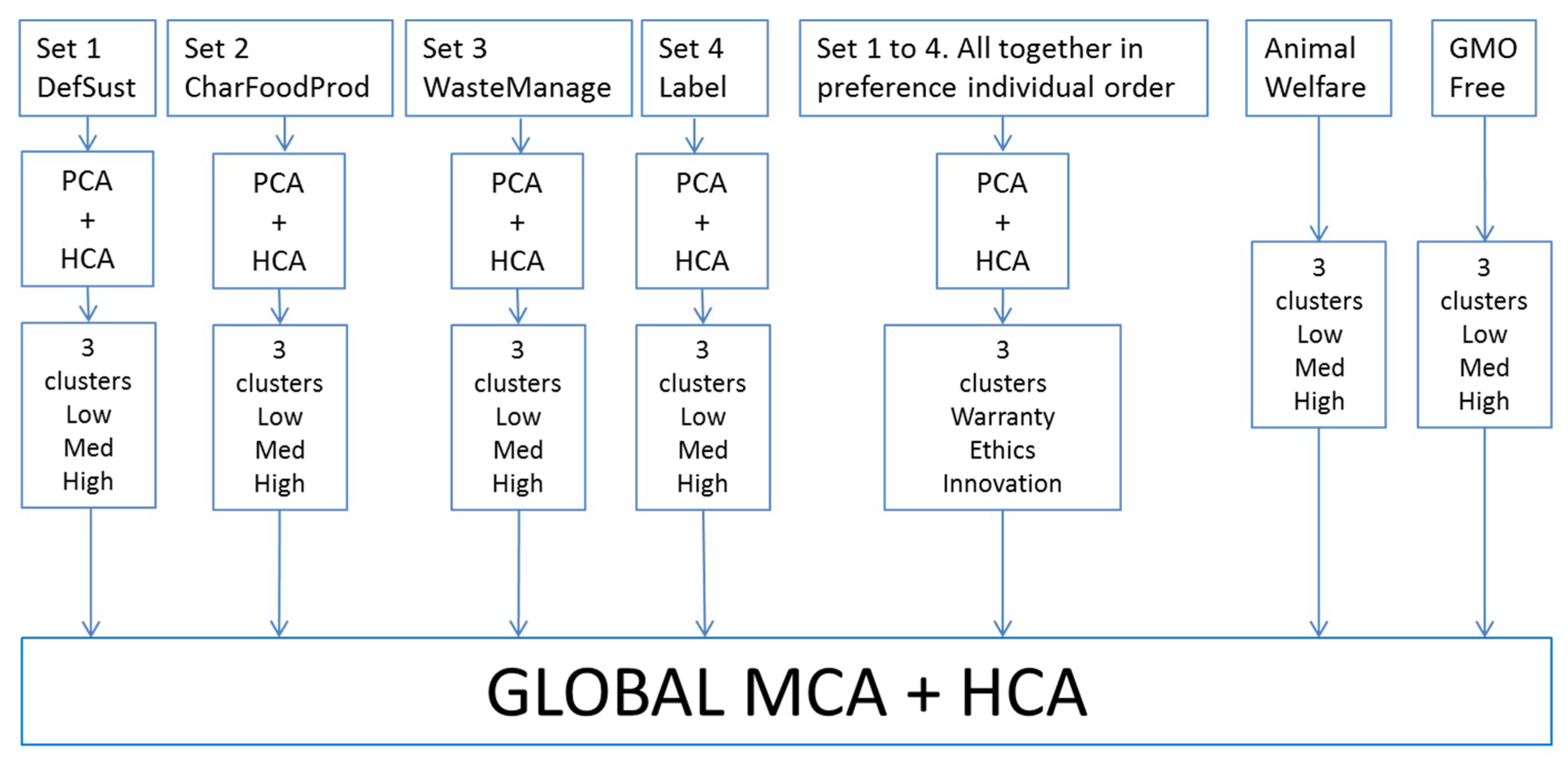
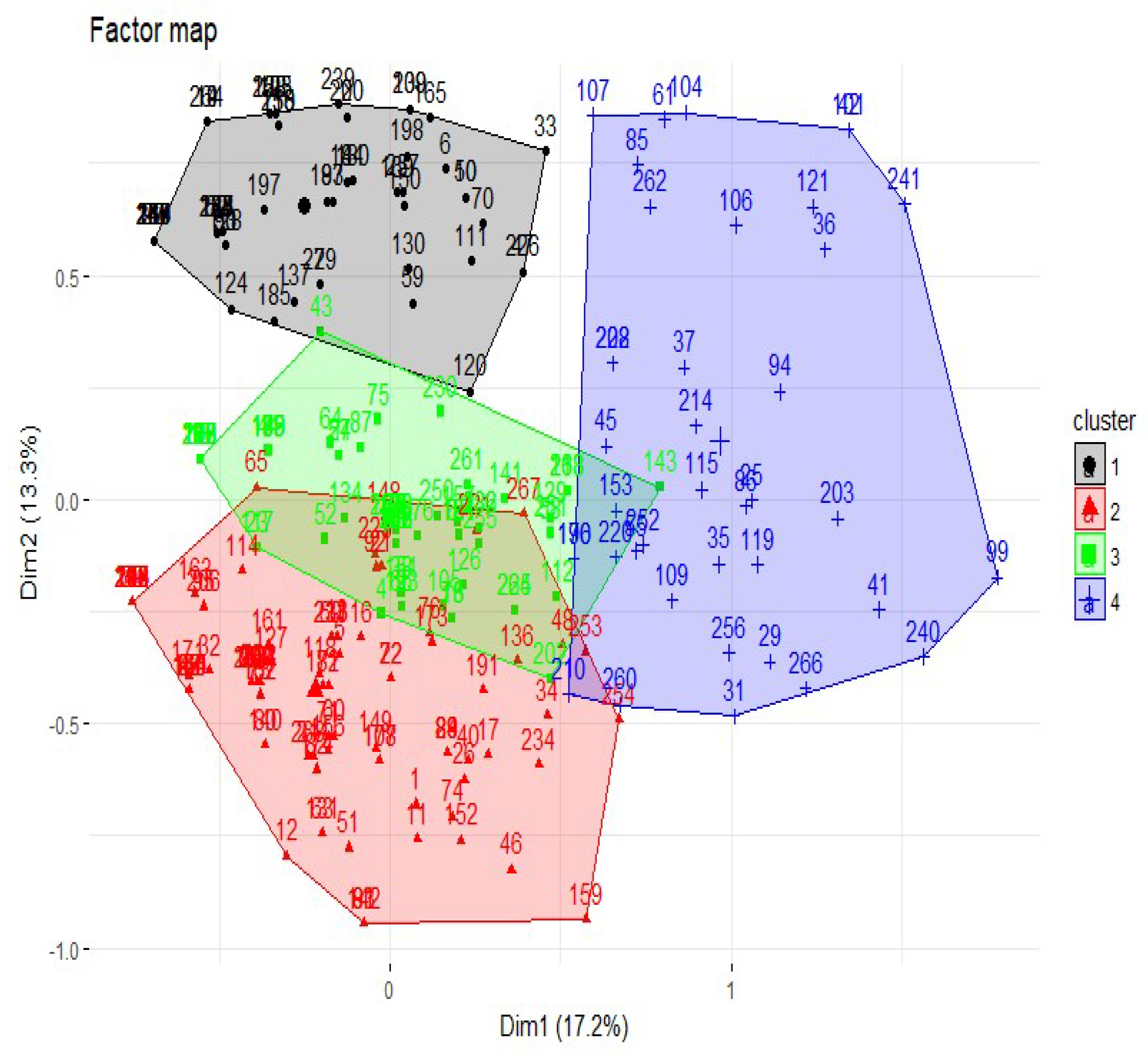
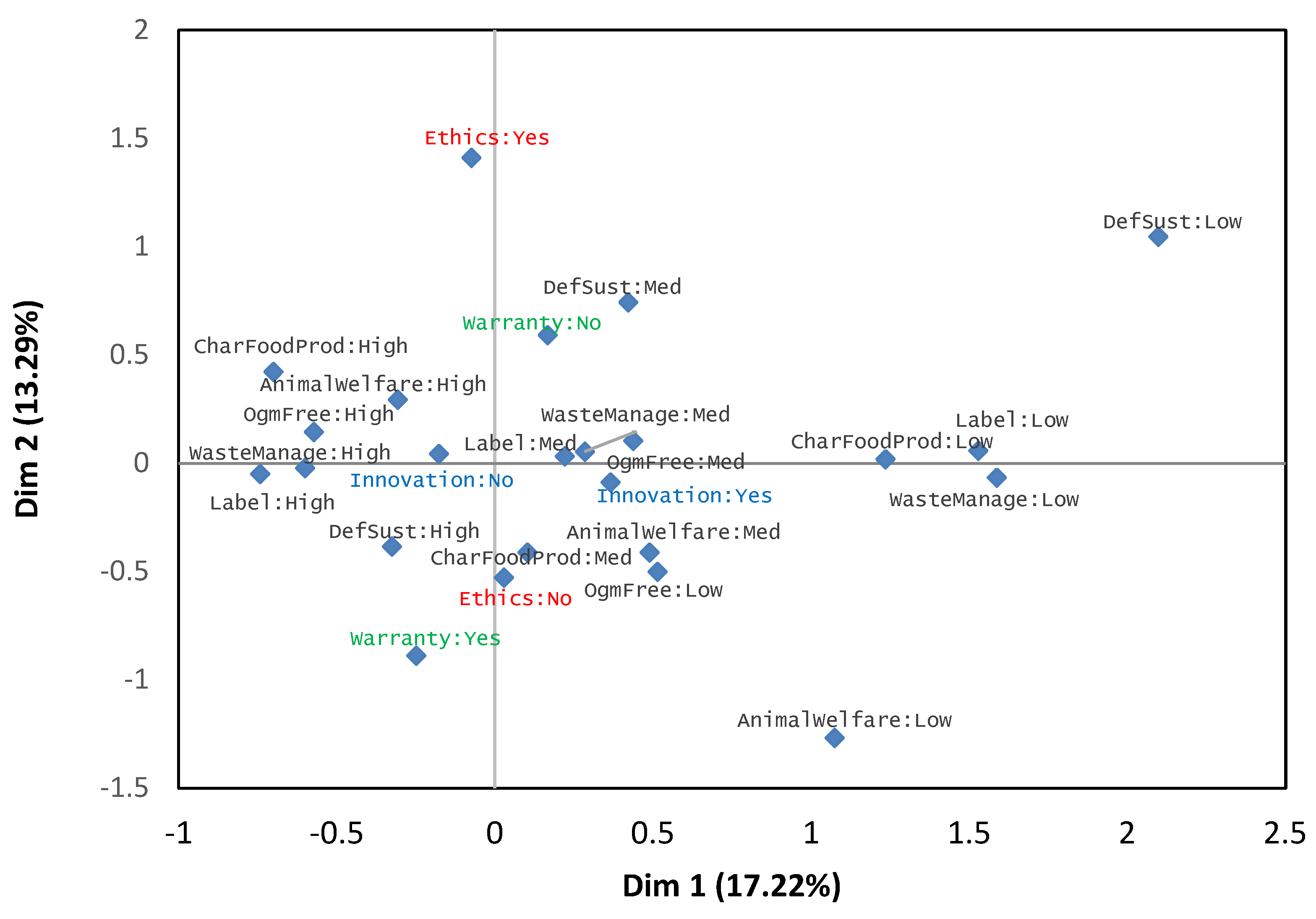
The aim of this study is to analyze the perception of the meaning of sustainability in the food sector. A sample of 268 University students belonging to the Millennial generation was identified and a survey was carried out to assess the interaction between this kind of Millennials and food sustainability. Collected data were explored with descriptive statistics, followed by multivariate statistical techniques to get an integrated vision of relationships among the variables. Outcomes evidence four groups of Millennials with specific peculiarities, i.e., “Socio-Nature Sensitives”, characterized by a high level of attention for the socio-economic dimension and sustainable ways of food production; “Info-Supporter”, very sensitive to labeling and warranty systems; “Proactive-Oriented”, interested in innovative activities; “Indifferent Millennials”, assigning the issue in general a low level of importance. Results provide useful information and some contribution to public institutions and private stakeholders so as to implement new rules and new tools in the food sector, so as to reach the target of reducing waste and pollution. Substantial literature on interaction between Millennials and sustainability in the food sector has not yet been developed; the aim of this pioneer study is to offer some contribution to the debate among stakeholders on driving choices towards new consumption rules and production patterns.
Keywords: sustainability; labeling; food industry; university students; Millennials; cluster analysis; factor analysis sustainability; labeling; food industry; university students; Millennials; cluster analysis; factor analysis