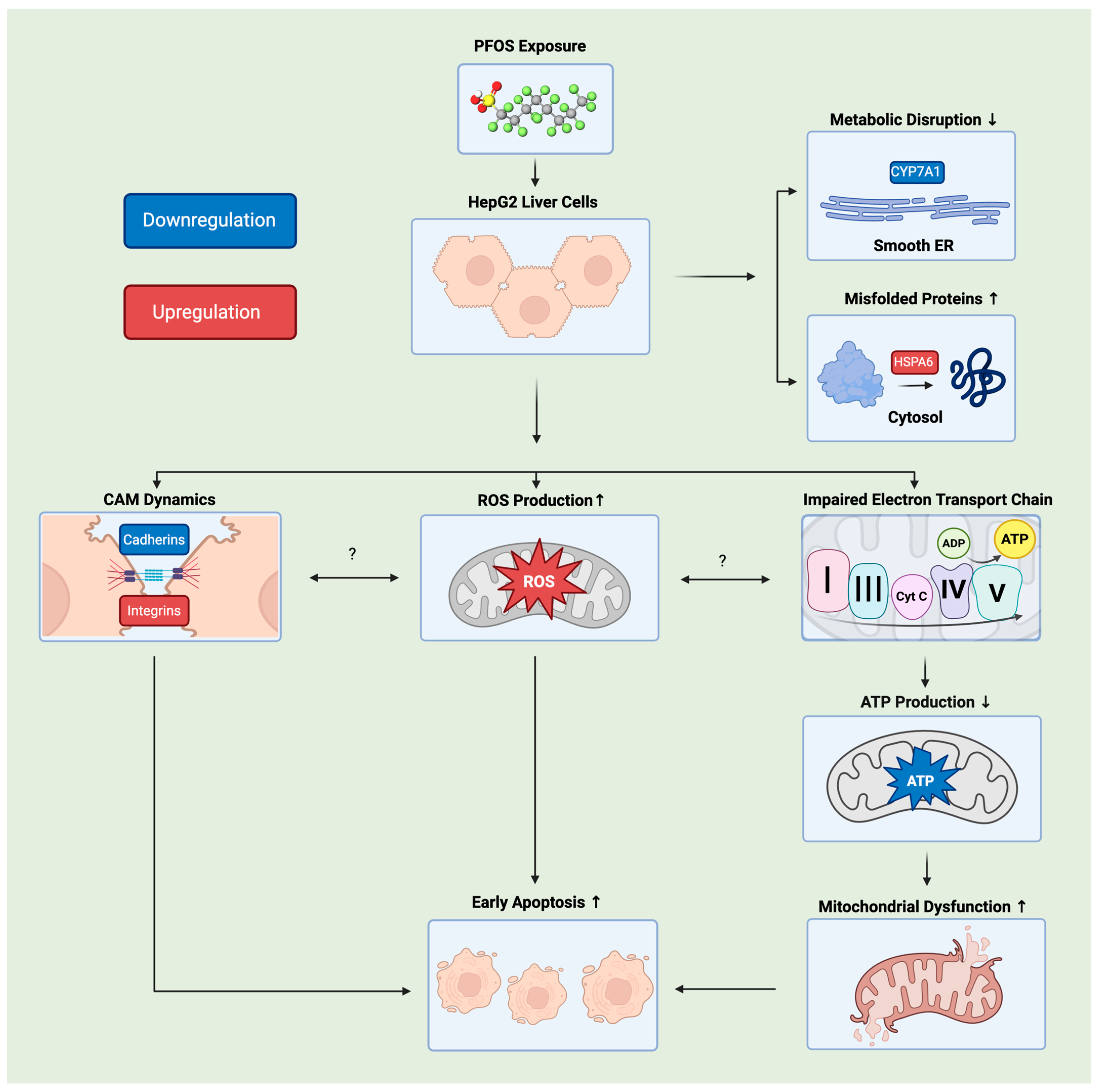

Perfluorooctane Sulfonate (PFOS) Disrupts Mitochondrial Activity and Cell Adhesion in Liver Cells


Abstract
1. Introduction
2. Materials and Methods
2.1. Materials
2.2. Cell Culture
2.3. Cell Viability
2.4. Morphological Studies and Cell Attachment Analysis
2.5. Intracellular ROS Formation
2.6. Apoptosis Assays
2.7. RNA-Sequence Analysis
2.8. PANTHER and KEGG Pathway Classification
2.9. RT-qPCR
2.10. ATP Assay
2.11. Statistical Analysis
3. Results
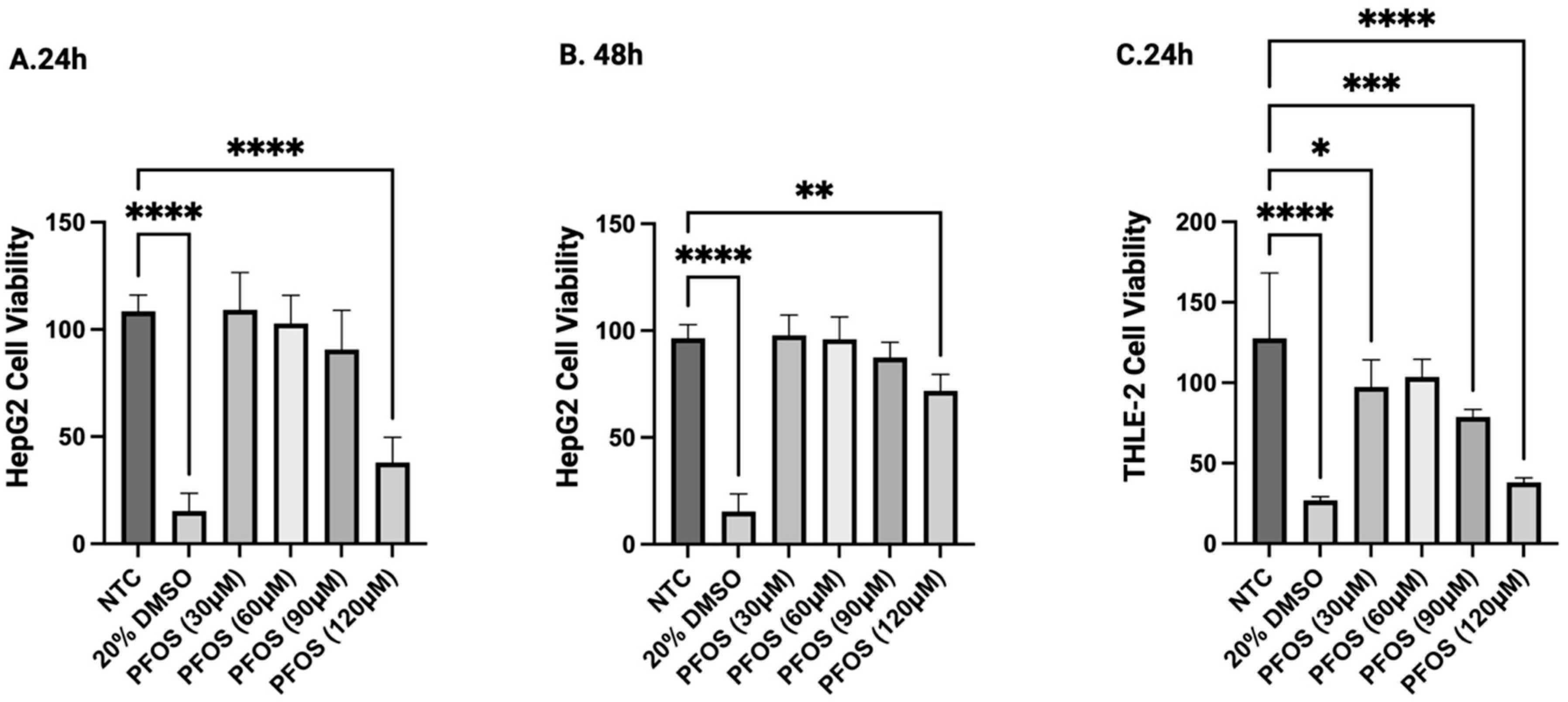
3.1. PFOS Inhibited Cell Growth in HepG2 and THLE-2 Cells
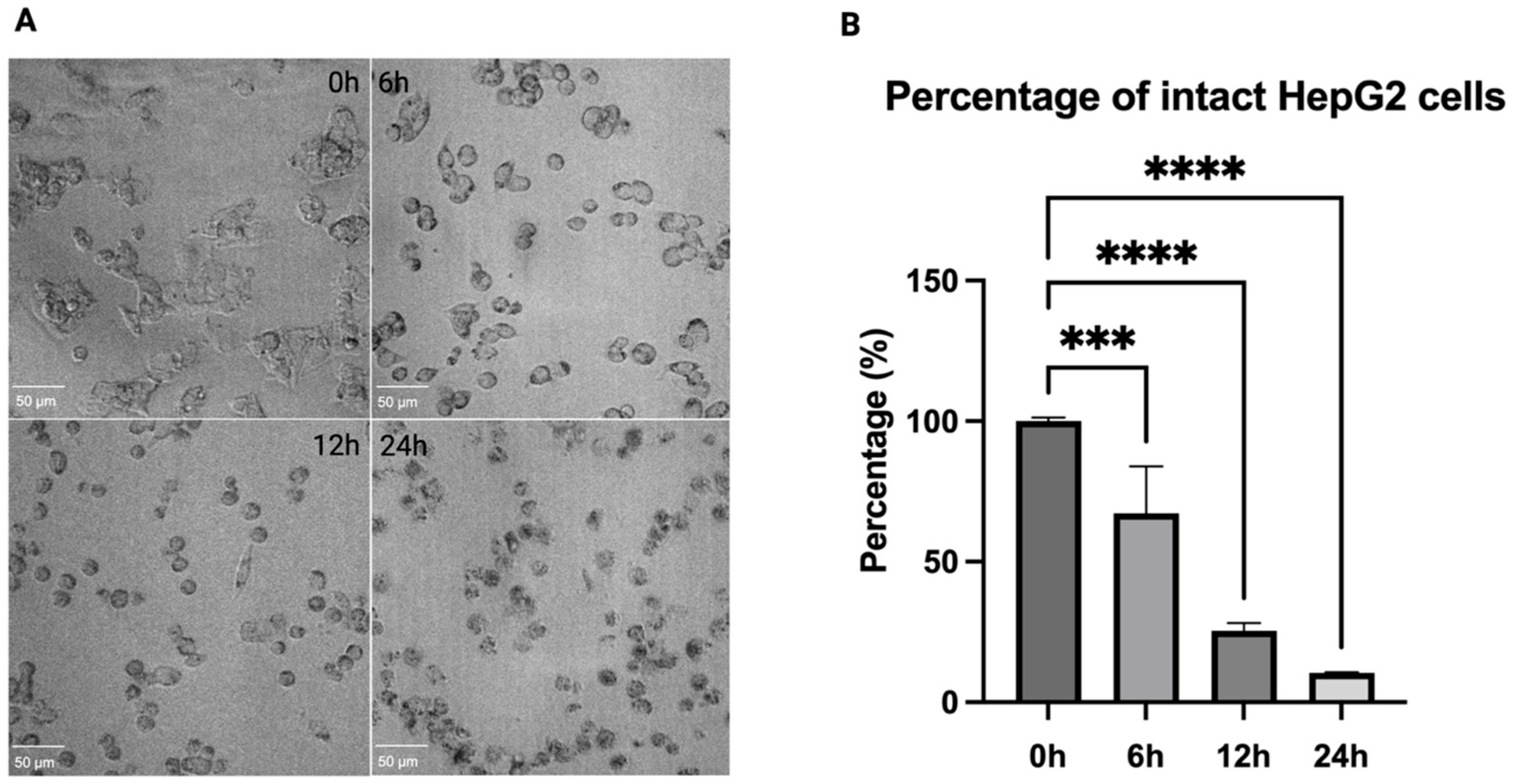
3.2. PFOS Induced Morphological Changes in HepG2 Cells
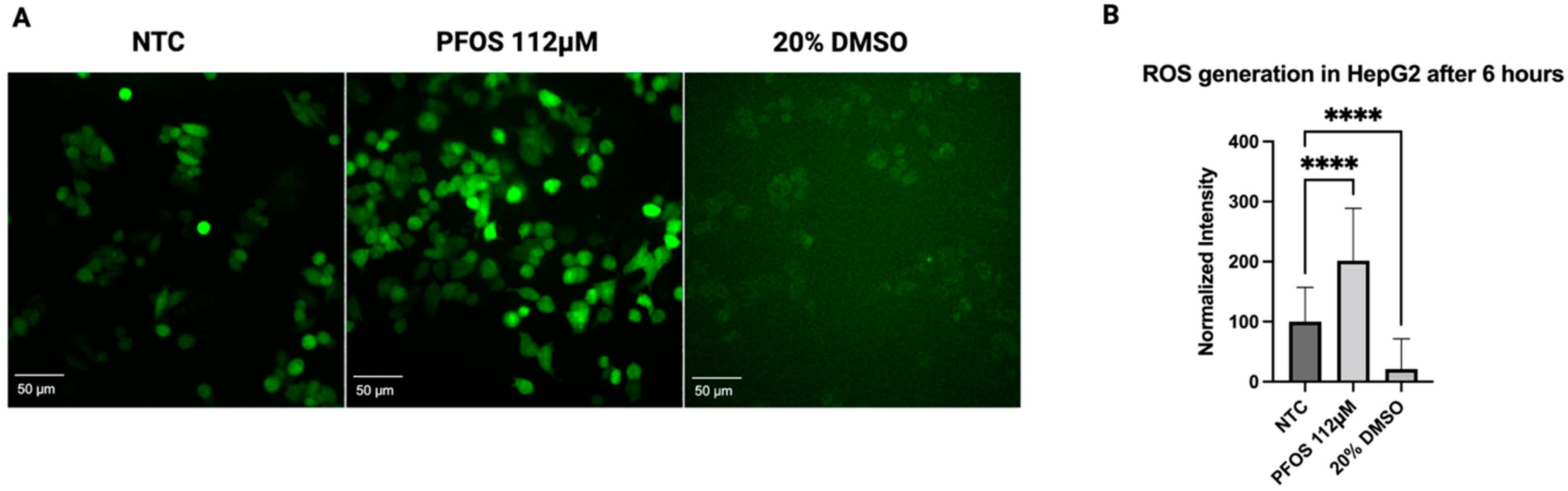
3.3. PFOS-Induced Intracellular Reactive Oxygen Species (ROS) Formation in HepG2 Cells
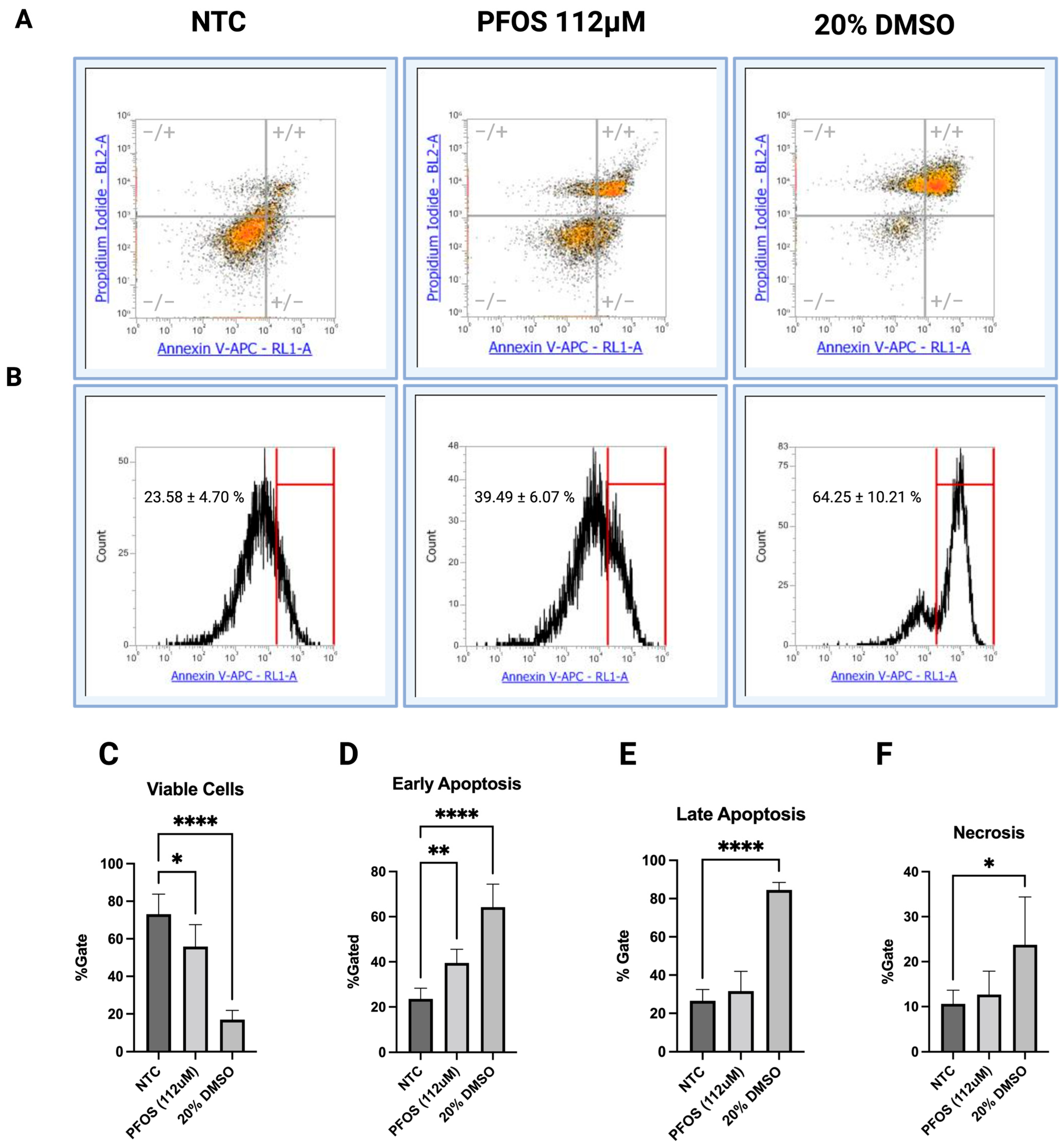
3.4. PFOS Induces Early Apoptosis in HepG2 Cells
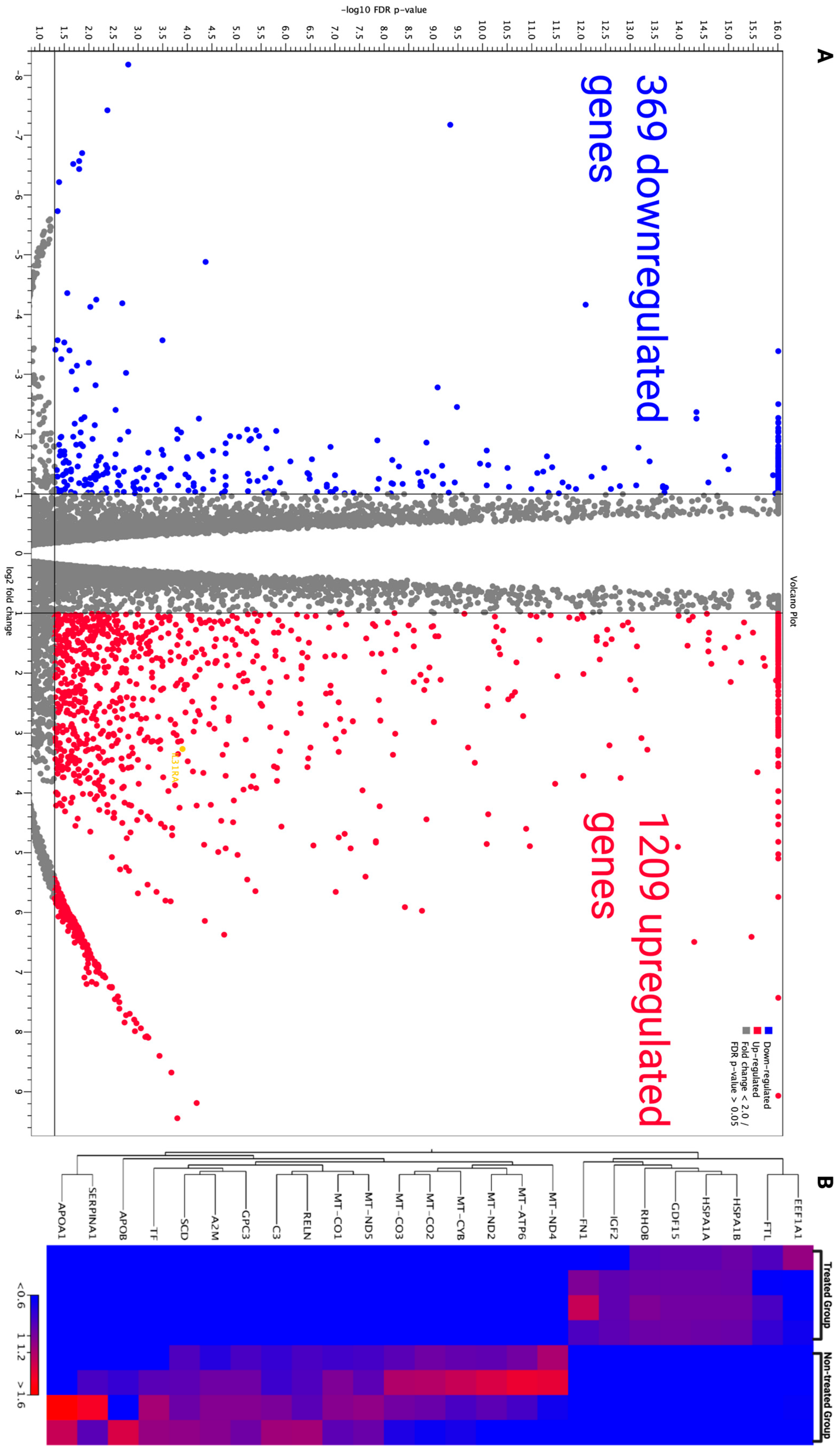
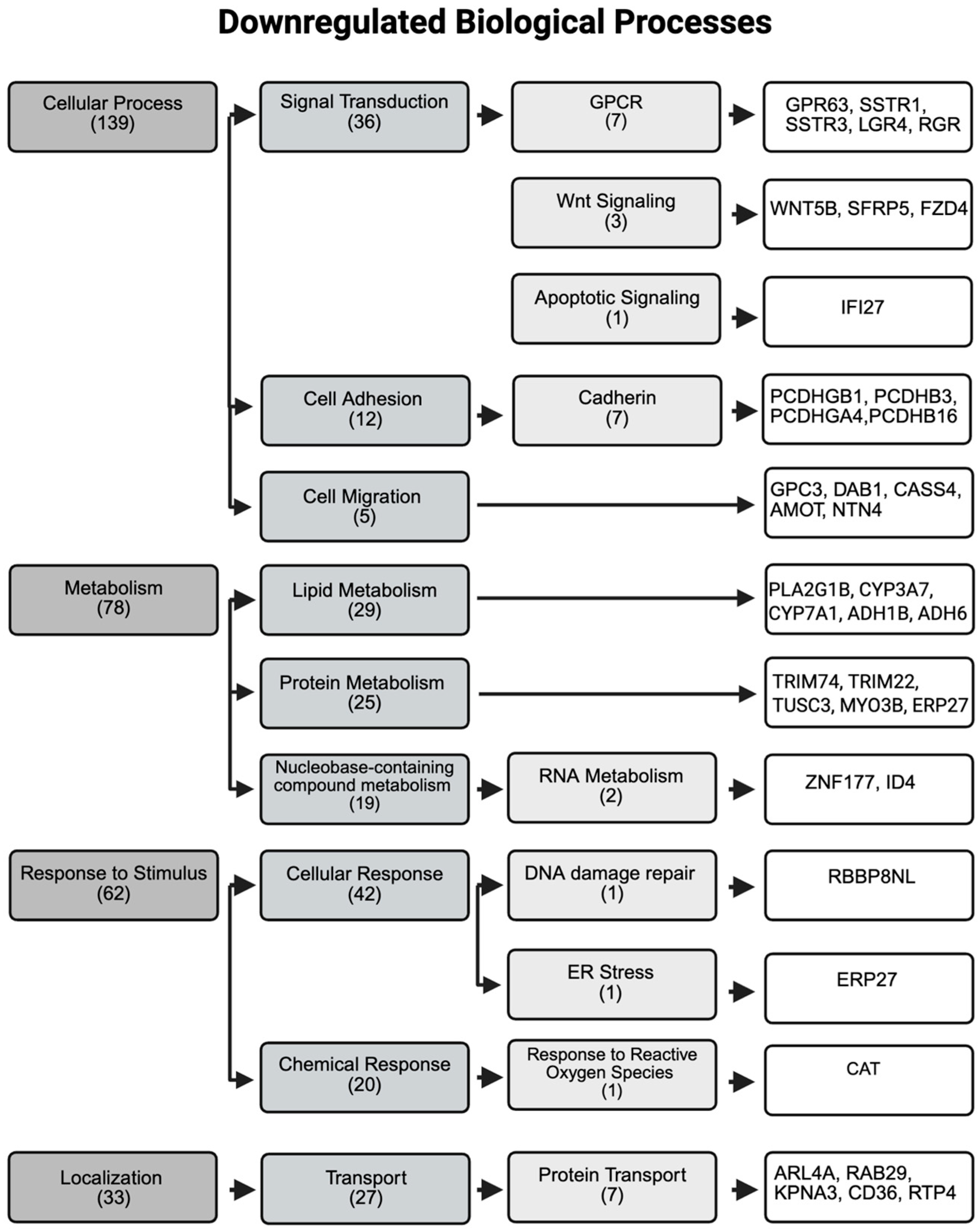
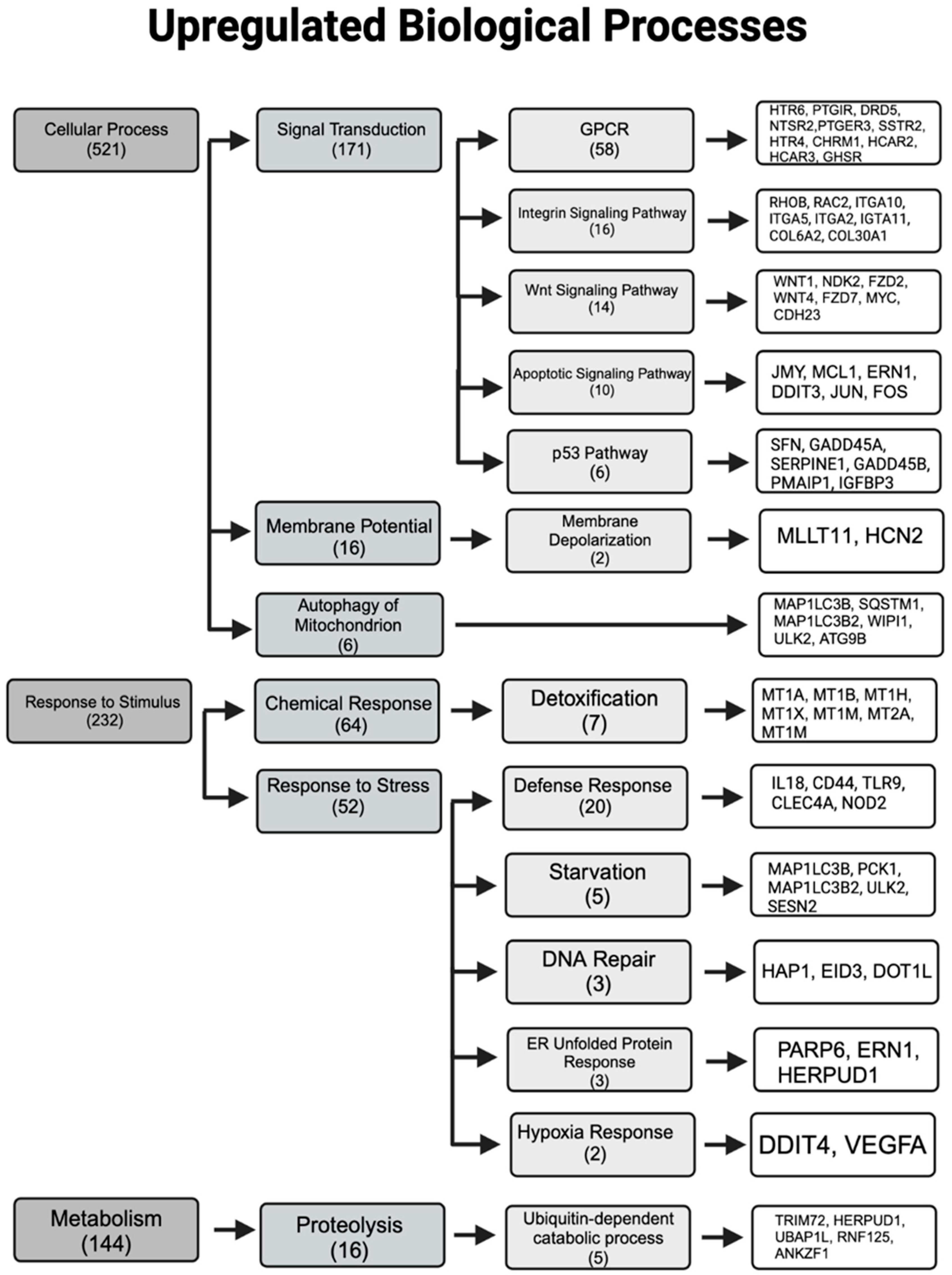
3.5. Transcriptomic Analysis Unravels Significant Differential Gene Expression in HepG2 Cells
3.5.1. Differentially Expressed Genes (DEGs)
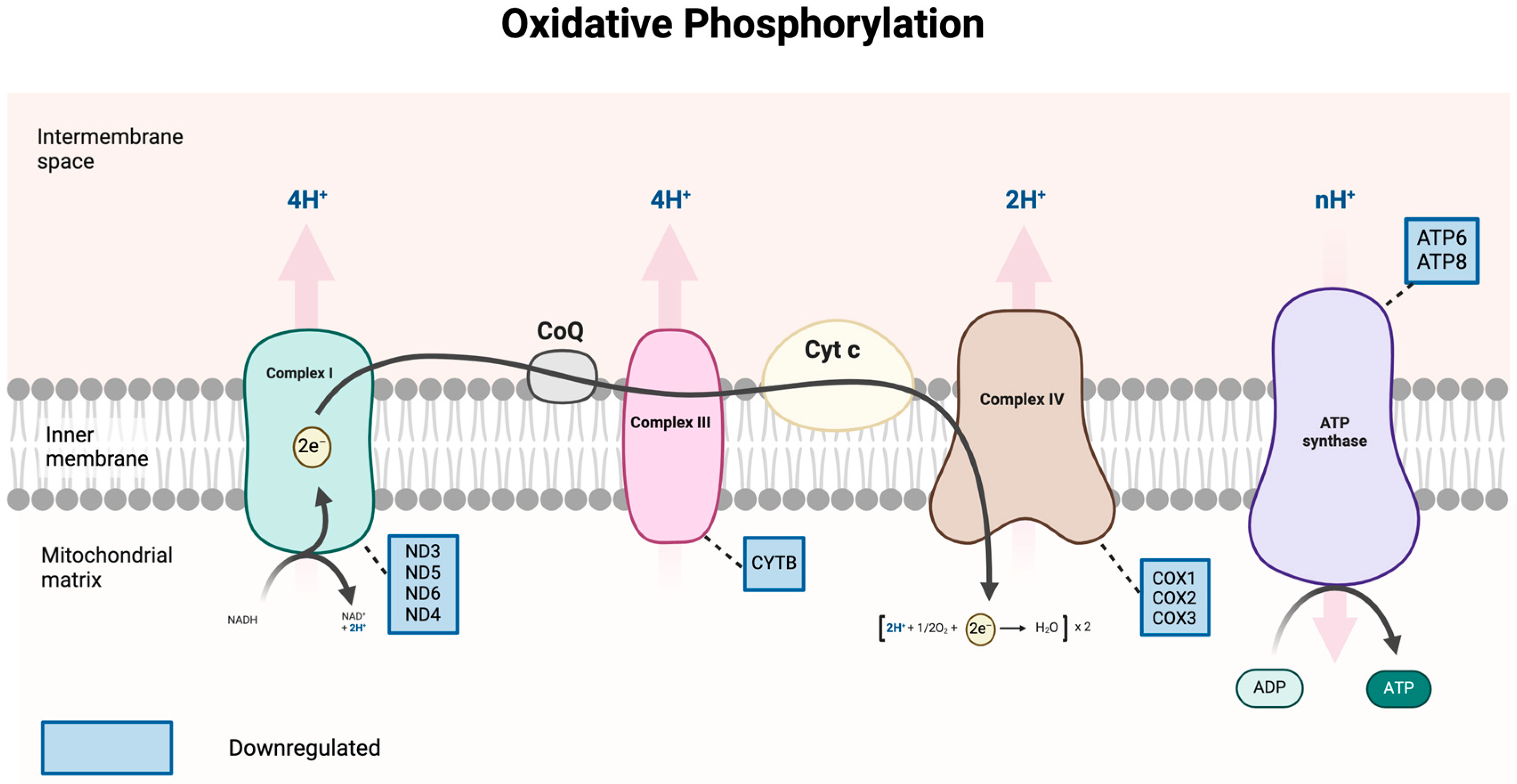
3.5.2. Downregulated Genes Associated with Oxidative Phosphorylation
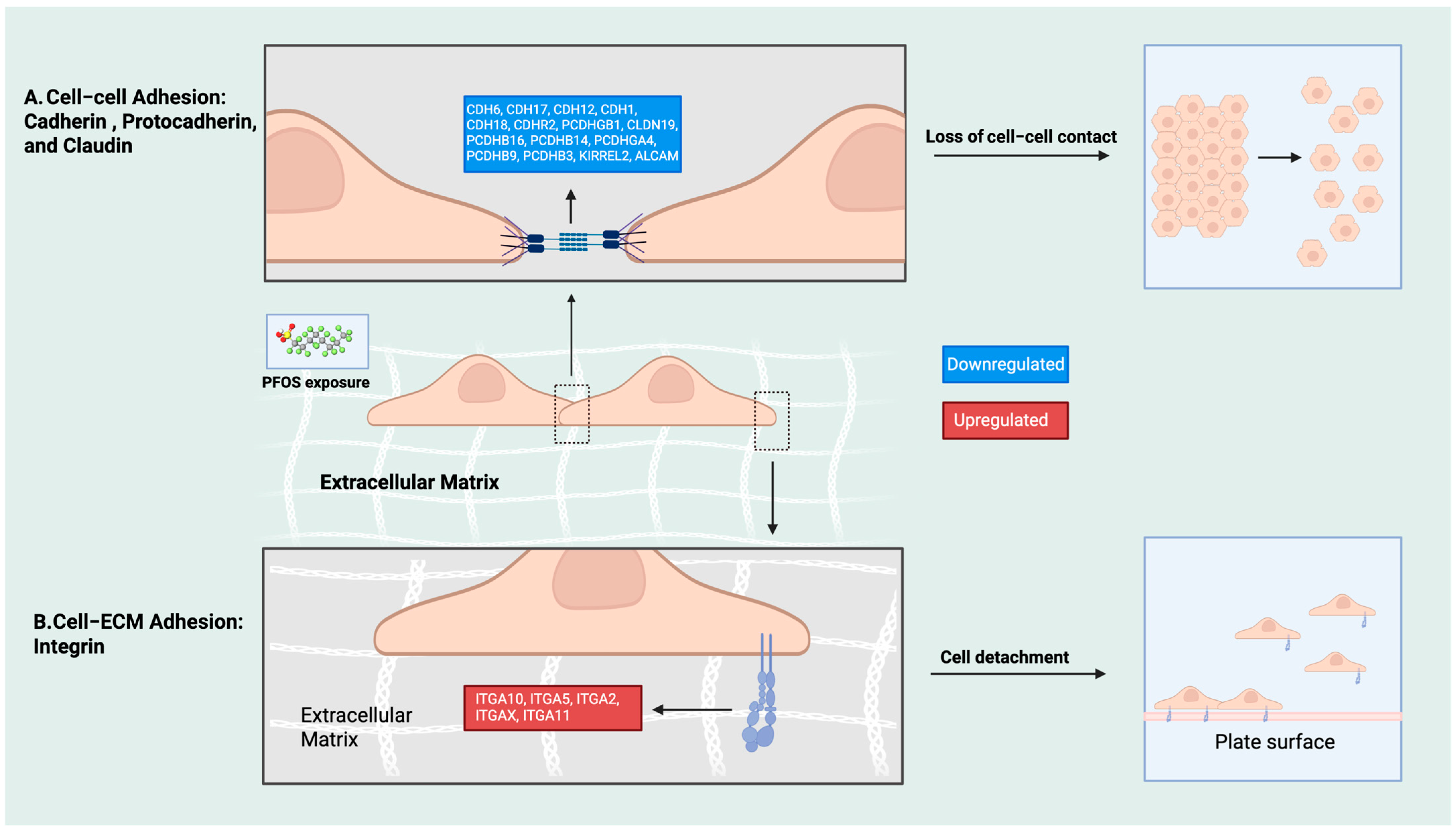
3.5.3. Dynamics of Cell Adhesion Molecules (CAMs) upon PFOS Exposure
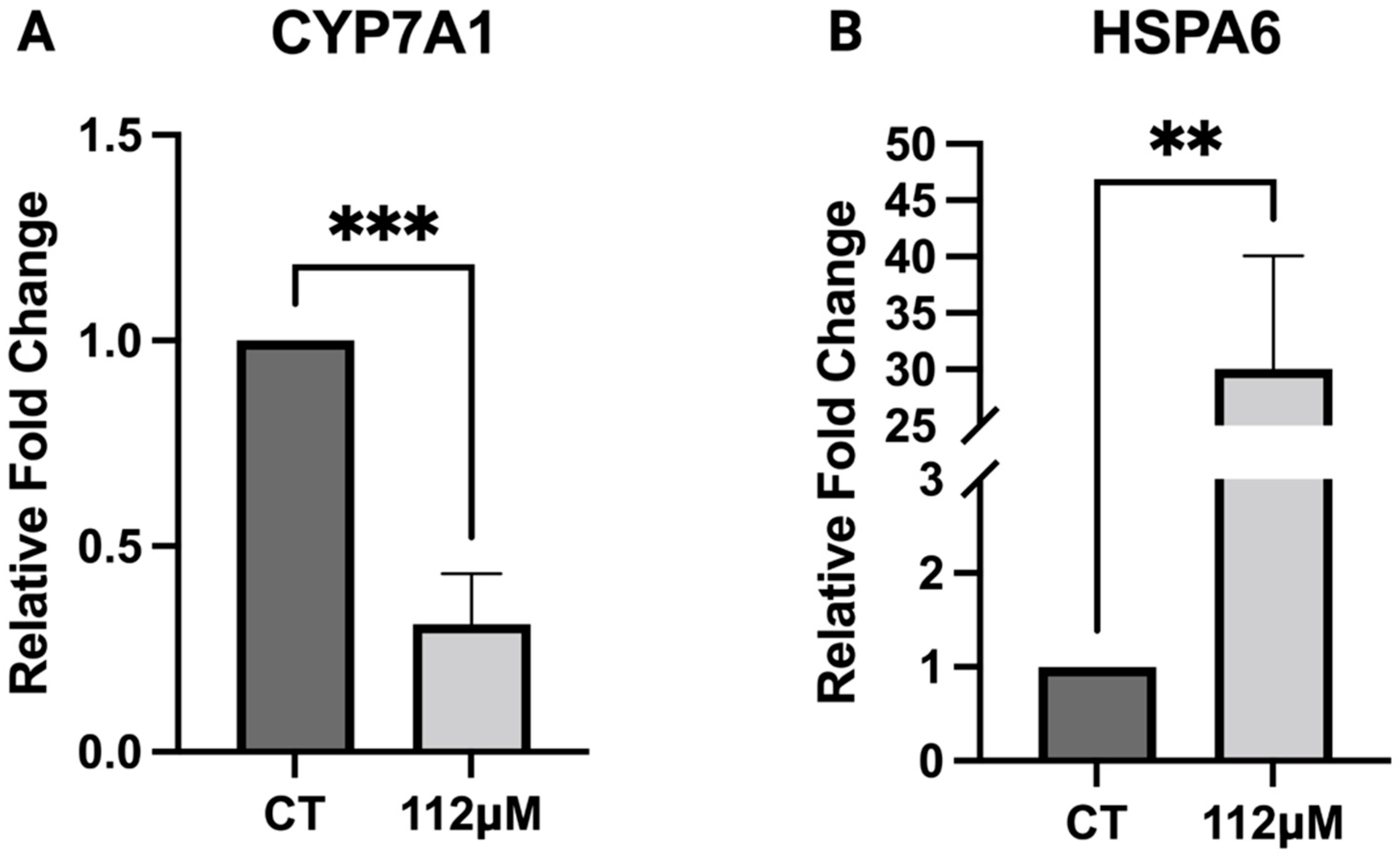
3.5.4. RT-qPCR
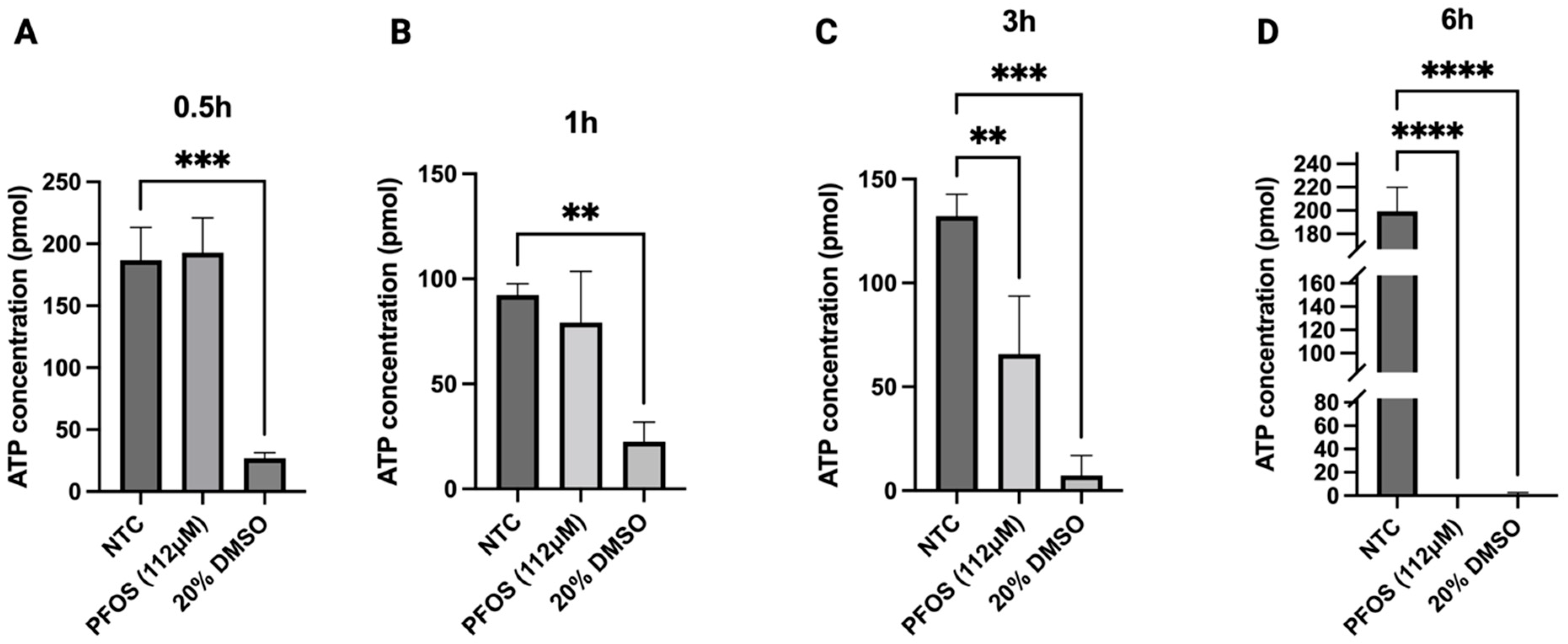
3.5.5. ATP Levels Are Significantly Reduced After 3 h Exposure to PFOS
4. Discussion
Supplementary Materials
Author Contributions
Funding
Institutional Review Board Statement
Informed Consent Statement
Data Availability Statement
Acknowledgments
Conflicts of Interest
References
- Buck, R.C.; Franklin, J.; Berger, U.; Conder, J.M.; Cousins, I.T.; de Voogt, P.; Jensen, A.A.; Kannan, K.; Mabury, S.A.; van Leeuwen, S.P. Perfluoroalkyl and polyfluoroalkyl substances in the environment: Terminology, classification, and origins. Integr. Environ. Assess. Manag. 2011, 7, 513–541. [Google Scholar] [CrossRef]
- Gaber, N.; Bero, L.; Woodruff, T.J. The Devil they Knew: Chemical Documents Analysis of Industry Influence on PFAS Science. Ann. Glob. Health 2023, 89, 37. [Google Scholar] [CrossRef] [PubMed]
- 3M. Sulfonated Perfluorochemicals in the Environment: Sources, Dispersion, Fate and Effects; 3M: Maplewood, MN, USA, 2000. [Google Scholar]
- MacKay, N. A Chemical History of 3M: 1933–1990; The 3M Chemical, Film & Allied Products Group: Maplewood, MN, USA, 1991. [Google Scholar]
- Kissa, E. Fluorinated Surfactants and Repellents; Surfactant Science Series; Marcel Dekker, Inc.: New York, NY, USA, 2001; Volume 97. [Google Scholar]
- Kim, S.K.; Kannan, K. Perfluorinated acids in air, rain, snow, surface runoff, and lakes: Relative importance of pathways to contamination of urban lakes. Environ. Sci. Technol. 2007, 41, 8328–8334. [Google Scholar] [CrossRef]
- C8 Health Panel. Available online: http://www.c8sciencepanel.org/index.html (accessed on 14 March 2026).
- Schymanski, E.L.; Zhang, J.; Thiessen, P.A.; Chirsir, P.; Kondic, T.; Bolton, E.E. Per- and Polyfluoroalkyl Substances (PFAS) in PubChem: 7 Million and Growing. Environ. Sci. Technol. 2023, 57, 16918–16928. [Google Scholar] [CrossRef]
- Sunderland, E.M.; Hu, X.C.; Dassuncao, C.; Tokranov, A.K.; Wagner, C.C.; Allen, J.G. A review of the pathways of human exposure to poly- and perfluoroalkyl substances (PFASs) and present understanding of health effects. J. Expo. Sci. Environ. Epidemiol. 2019, 29, 131–147. [Google Scholar] [CrossRef]
- Polychronidou, V.; Nag, R. Human health risk assessment of Per- and polyfluoroalkyl substances (PFAS). Sci. Total Environ. 2025, 1000, 180428. [Google Scholar] [CrossRef]
- EPA. EPA and 3M Announce Phase Out of PFOS. 2000. Available online: https://www.epa.gov/archive/epapages/newsroom_archive/newsreleases/33aa946e6cb11f35852568e1005246b4.html (accessed on 14 March 2026).
- Tullo, A. 3M to stop making PFAS by 2025. CEN Glob. Enterp. 2023, 101, 4. [Google Scholar] [CrossRef]
- Pascu, L.F.; Petre, V.A.; Cimpean, I.A.; Paun, I.; Pirvu, F.; Chiriac, F.L. Managing PFAS in Sewage Sludge: Exposure Pathways, Impacts, and Treatment Innovations. J. Xenobiotics 2025, 15, 135. [Google Scholar] [CrossRef]
- Wee, S.Y.; Aris, A.Z. Environmental impacts, exposure pathways, and health effects of PFOA and PFOS. Ecotoxicol. Environ. Saf. 2023, 267, 115663. [Google Scholar] [CrossRef] [PubMed]
- Ji, C.; Pavuk, M.; Ruiz, P. Global Serum Per- and Polyfluoroalkyl Substances Exposures and Their Correlation with Lipids: A Systematic Review and Meta-Analysis. Environ. Sci. Technol. 2025, 59, 19611–19629. [Google Scholar] [CrossRef] [PubMed]
- Blake, B.E.; Fenton, S.E. Early life exposure to per- and polyfluoroalkyl substances (PFAS) and latent health outcomes: A review including the placenta as a target tissue and possible driver of peri- and postnatal effects. Toxicology 2020, 443, 152565. [Google Scholar] [CrossRef]
- Gützkow, K.B.; Haug, L.S.; Thomsen, C.; Sabaredzovic, A.; Becher, G.; Brunborg, G. Placental transfer of perfluorinated compounds is selective—A Norwegian Mother and Child sub-cohort study. Int. J. Hyg. Environ. Health 2012, 215, 216–219. [Google Scholar] [CrossRef]
- Wang, Y.; Han, W.; Wang, C.; Zhou, Y.; Shi, R.; Bonefeld-Jørgensen, E.C.; Yao, Q.; Yuan, T.; Gao, Y.; Zhang, J.; et al. Efficiency of maternal-fetal transfer of perfluoroalkyl and polyfluoroalkyl substances. Environ. Sci. Pollut. Res. 2019, 26, 2691–2698. [Google Scholar] [CrossRef] [PubMed]
- Tang, L.; Zhu, J.; Zhuge, S.; Yu, J.; Jiang, G. Perfluorooctane sulfonate induces hepatotoxicity through promoting inflammation, cell death and autophagy in a rat model. J. Toxicol. Sci. 2025, 50, 45–55. [Google Scholar] [CrossRef] [PubMed]
- Qin, Y.; Gu, T.; Ling, J.; Luo, J.; Zhao, J.; Hu, B.; Hua, L.; Wan, C.; Jiang, S. PFOS facilitates liver inflammation and steatosis: An involvement of NLRP3 inflammasome-mediated hepatocyte pyroptosis. J. Appl. Toxicol. 2022, 42, 806–817. [Google Scholar] [CrossRef] [PubMed]
- Davidsen, N.; Ramhøj, L.; Lykkebo, C.A.; Kugathas, I.; Poulsen, R.; Rosenmai, A.K.; Evrard, B.; Darde, T.A.; Axelstad, M.; Bahl, M.I.; et al. PFOS-induced thyroid hormone system disrupted rats display organ-specific changes in their transcriptomes. Environ. Pollut. 2022, 305, 119340. [Google Scholar] [CrossRef] [PubMed]
- Owen, R.; de Macedo, G.; Nerlich, J.; Scharkin, I.; Bartmann, K.; Döbler, J.; Engelmann, B.; Rolle-Kampczyk, U.E.; Leuthold, D.; Gutsfeld, S.; et al. Perfluorooctanesulfonic acid (PFOS) antagonizes gamma-aminobutyric acid (GABA) receptors in larval zebrafish and mammalian models. Toxicol. Sci. 2025, 207, 449–466. [Google Scholar] [CrossRef]
- Hamed, M.; Vats, A.; Lim, I.E.; Sapkota, B.; Abdelmoneim, A. Effects of developmental exposure to individual and combined PFAS on development and behavioral stress responses in larval zebrafish. Environ. Pollut. 2024, 349, 123912. [Google Scholar] [CrossRef]
- Van de Vijver, K.I.; Hoff, P.; Das, K.; Brasseur, S.; Van Dongen, W.; Esmans, E.; Reijnders, P.; Blust, R.; De Coen, W. Tissue distribution of perfluorinated chemicals in harbor seals (Phoca vitulina) from the Dutch Wadden Sea. Environ. Sci. Technol. 2005, 39, 6978–6984. [Google Scholar] [CrossRef]
- Tang, L.; Hao, G.; Zhou, D.; Fan, Y.; Wei, Z.; Li, D.; Shen, Y.; Fang, H.; Lin, F.; Zhao, M.; et al. Hepatotoxicity in Carp (Carassius auratus) Exposed to Perfluorooctane Sulfonate (PFOS): Integrative Histopathology and Transcriptomics Analysis. Animals 2025, 15, 610. [Google Scholar] [CrossRef]
- Elcombe, C.R.; Elcombe, B.M.; Foster, J.R.; Farrar, D.G.; Jung, R.; Chang, S.C.; Kennedy, G.L.; Butenhoff, J.L. Hepatocellular hypertrophy and cell proliferation in Sprague-Dawley rats following dietary exposure to ammonium perfluorooctanoate occurs through increased activation of the xenosensor nuclear receptors PPARα and CAR/PXR. Arch. Toxicol. 2010, 84, 787–798. [Google Scholar] [CrossRef]
- Lin, H.; Wu, H.; Liu, F.; Yang, H.; Shen, L.; Chen, J.; Zhang, X.; Zhong, Y.; Zhang, H.; Liu, Z. Assessing the hepatotoxicity of PFOA, PFOS, and 6:2 Cl-PFESA in black-spotted frogs (Rana nigromaculata) and elucidating potential association with gut microbiota. Environ. Pollut. 2022, 312, 120029. [Google Scholar] [CrossRef]
- Zhu, Y.; Yang, D.; Duan, X.; Zhang, Y.; Chen, D.; Gong, Z.; Liu, C. Perfluorooctane sulfonate promotes doxycycline-induced liver tumor progression in male Kras(v12) transgenic zebrafish. Environ. Res. 2021, 196, 110962. [Google Scholar] [CrossRef]
- Gallo, V.; Leonardi, G.; Genser, B.; Lopez-Espinosa, M.J.; Frisbee, S.J.; Karlsson, L.; Ducatman, A.M.; Fletcher, T. Serum perfluorooctanoate (PFOA) and perfluorooctane sulfonate (PFOS) concentrations and liver function biomarkers in a population with elevated PFOA exposure. Environ. Health Perspect. 2012, 120, 655–660. [Google Scholar] [CrossRef]
- Salihovic, S.; Stubleski, J.; Kärrman, A.; Larsson, A.; Fall, T.; Lind, L.; Lind, P.M. Changes in markers of liver function in relation to changes in perfluoroalkyl substances—A longitudinal study. Environ. Int. 2018, 117, 196–203. [Google Scholar] [CrossRef]
- Nian, M.; Li, Q.-Q.; Bloom, M.; Qian, Z.; Syberg, K.M.; Vaughn, M.G.; Wang, S.-Q.; Wei, Q.; Zeeshan, M.; Gurram, N.; et al. Liver function biomarkers disorder is associated with exposure to perfluoroalkyl acids in adults: Isomers of C8 Health Project in China. Environ. Res. 2019, 172, 81–88. [Google Scholar] [CrossRef] [PubMed]
- Olsen, G.W.; Burris, J.M.; Mandel, J.H.; Zobel, L.R. Serum Perfluorooctane Sulfonate and Hepatic and Lipid Clinical Chemistry Tests in Fluorochemical Production Employees. J. Occup. Environ. Med. 1999, 41, 799–806. [Google Scholar] [CrossRef]
- You, Y.; Guan, X.; Zhao, H.; Wu, T.; Wang, C.; Xiao, Y.; Zhou, Y.; Hong, S.; Fu, Y.; He, M.; et al. Associations of PFOA and PFOS exposure with liver injury: Evidence from Two Population Studies and integrative adverse outcome pathway analysis. Environ. Pollut. 2025, 385, 127059. [Google Scholar] [CrossRef] [PubMed]
- Goodrich, J.A.; Walker, D.; Lin, X.; Wang, H.; Lim, T.; McConnell, R.; Conti, D.V.; Chatzi, L.; Setiawan, V.W. Exposure to perfluoroalkyl substances and risk of hepatocellular carcinoma in a multiethnic cohort. JHEP Rep. 2022, 4, 100550. [Google Scholar] [CrossRef] [PubMed]
- Ling, J.; Hua, L.; Qin, Y.; Gu, T.; Jiang, S.; Zhao, J. Perfluorooctane sulfonate promotes hepatic lipid accumulation and steatosis in high-fat diet mice through AMP-activated protein kinase/acetyl-CoA carboxylase (AMPK/ACC) pathway. J. Appl. Toxicol. 2023, 43, 312–322. [Google Scholar] [CrossRef] [PubMed]
- Exhibit 1199: State of Minnesota v. 3M Co. FC-95, FC-143, FC-3422—90 Days Subacute Toxicity Studies. 1979. Available online: https://www.ag.state.mn.us/Office/Cases/3M/docs/PTX/PTX1199.pdf (accessed on 14 March 2026).
- Wan, C.; Han, R.; Liu, L.; Zhang, F.; Li, F.; Xiang, M.; Ding, W. Role of miR-155 in fluorooctane sulfonate-induced oxidative hepatic damage via the Nrf2-dependent pathway. Toxicol. Appl. Pharmacol. 2016, 295, 85–93. [Google Scholar] [CrossRef]
- Amstutz, V.H.; Cengo, A.; Gehres, F.; Sijm, D.; Vrolijk, M.F. Investigating the cytotoxicity of per- and polyfluoroalkyl substances in HepG2 cells: A structure-activity relationship approach. Toxicology 2022, 480, 153312. [Google Scholar] [CrossRef]
- Eriksen, K.T.; Raaschou-Nielsen, O.; Sørensen, M.; Roursgaard, M.; Loft, S.; Møller, P. Genotoxic potential of the perfluorinated chemicals PFOA, PFOS, PFBS, PFNA and PFHxA in human HepG2 cells. Mutat. Res. 2010, 700, 39–43. [Google Scholar] [CrossRef]
- Yang, W.; Ling, X.; He, S.; Cui, H.; Yang, Z.; An, H.; Wang, L.; Zou, P.; Chen, Q.; Liu, J.; et al. PPARα/ACOX1 as a novel target for hepatic lipid metabolism disorders induced by per- and polyfluoroalkyl substances: An integrated approach. Environ. Int. 2023, 178, 108138. [Google Scholar] [CrossRef] [PubMed]
- Gou, X.; Tian, M.; Yan, L.; Xia, P.; Ji, H.; Tan, H.; Shi, W.; Yu, H.; Zhang, X. A novel molecular pathway of lipid accumulation in human hepatocytes caused by PFOA and PFOS. Environ. Int. 2024, 191, 108962. [Google Scholar] [CrossRef]
- Arzumanian, V.A.; Kiseleva, O.I.; Poverennaya, E.V. The Curious Case of the HepG2 Cell Line: 40 Years of Expertise. Int. J. Mol. Sci. 2021, 22, 13135. [Google Scholar] [CrossRef] [PubMed]
- Pfeifer, A.M.; Cole, K.E.; Smoot, D.T.; Weston, A.; Groopman, J.D.; Shields, P.G.; Vignaud, J.M.; Juillerat, M.; Lipsky, M.M.; Trump, B.F.; et al. Simian virus 40 large tumor antigen-immortalized normal human liver epithelial cells express hepatocyte characteristics and metabolize chemical carcinogens. Proc. Natl. Acad. Sci. USA 1993, 90, 5123–5127. [Google Scholar] [CrossRef] [PubMed]
- Rao, X.; Huang, X.; Zhou, Z.; Lin, X. An improvement of the 2^(-delta delta CT) method for quantitative real-time polymerase chain reaction data analysis. Biostat. Bioinforma. Biomath. 2013, 3, 71–85. [Google Scholar]
- Hu, X.-Z.; Hu, D.-C. Effects of perfluorooctanoate and perfluorooctane sulfonate exposure on hepatoma Hep G2 cells. Arch. Toxicol. 2009, 83, 851–861. [Google Scholar] [CrossRef]
- Wang, P.; Li, J.; Wei, Q. Understanding the interplay between cell force and cell adhesion processes. Eng. Regen. 2023, 4, 277–288. [Google Scholar] [CrossRef]
- Zhang, L.; Huang, X.; Meng, Z.; Dong, B.; Shiah, S.; Moore, D.D.; Huang, W. Significance and mechanism of CYP7a1 gene regulation during the acute phase of liver regeneration. Mol. Endocrinol. 2009, 23, 137–145. [Google Scholar] [CrossRef]
- Chiang, J.Y.L.; Ferrell, J.M. Bile Acid Biology, Pathophysiology, and Therapeutics. Clin. Liver Dis. 2020, 15, 91–94. [Google Scholar] [CrossRef]
- Song, B.; Shen, S.; Fu, S.; Fu, J. HSPA6 and its role in cancers and other diseases. Mol. Biol. Rep. 2022, 49, 10565–10577. [Google Scholar] [CrossRef]
- Wentink, A.; Rosenzweig, R.; Kampinga, H.; Bukau, B. Mechanisms and regulation of the Hsp70 chaperone network. Nat. Rev. Mol. Cell Biol. 2025, 27, 110–128. [Google Scholar] [CrossRef] [PubMed]
- Ježek, J.; Cooper, K.F.; Strich, R. Reactive Oxygen Species and Mitochondrial Dynamics: The Yin and Yang of Mitochondrial Dysfunction and Cancer Progression. Antioxidants 2018, 7, 13. [Google Scholar] [CrossRef] [PubMed]
- Fujii, Y.; Harada, K.H. Per- and polyfluoroalkyl substances: Toxicokinetics, exposure and health risks. J. Toxicol. Sci. 2025, 50, 97–104. [Google Scholar] [CrossRef]
- Ojo, A.F.; Peng, C.; Ng, J.C. Combined effects and toxicological interactions of perfluoroalkyl and polyfluoroalkyl substances mixtures in human liver cells (HepG2). Environ. Pollut. 2020, 263, 114182. [Google Scholar] [CrossRef]
- Sen, P.; Qadri, S.; Luukkonen, P.K.; Ragnarsdottir, O.; McGlinchey, A.; Jäntti, S.; Juuti, A.; Arola, J.; Schlezinger, J.J.; Webster, T.F.; et al. Exposure to environmental contaminants is associated with altered hepatic lipid metabolism in non-alcoholic fatty liver disease. J. Hepatol. 2022, 76, 283–293. [Google Scholar] [CrossRef]
- Kalra, A.; Yetiskul, E.; Wehrle, C.J.; Tuma, F. Physiology, Liver. In StatPearls; StatPearls Publishing LLC.: Treasure Island, FL, USA, 2025. [Google Scholar]
- Han, R.; Hu, M.; Zhong, Q.; Wan, C.; Liu, L.; Li, F.; Zhang, F.; Ding, W. Perfluorooctane sulphonate induces oxidative hepatic damage via mitochondria-dependent and NF-κB/TNF-α-mediated pathway. Chemosphere 2018, 191, 1056–1064. [Google Scholar] [CrossRef] [PubMed]
- Zeng, H.C.; Zhu, B.Q.; Wang, Y.Q.; He, Q.Z. ROS-Triggered Autophagy Is Involved in PFOS-Induced Apoptosis of Human Embryo Liver L-02 Cells. Biomed Res. Int. 2021, 2021, 6625952. [Google Scholar] [CrossRef]
- Liu, C.; Yu, K.; Shi, X.; Wang, J.; Lam, P.K.; Wu, R.S.; Zhou, B. Induction of oxidative stress and apoptosis by PFOS and PFOA in primary cultured hepatocytes of freshwater tilapia (Oreochromis niloticus). Aquat. Toxicol. 2007, 82, 135–143. [Google Scholar] [CrossRef]
- Khalili, A.A.; Ahmad, M.R. A Review of Cell Adhesion Studies for Biomedical and Biological Applications. Int. J. Mol. Sci. 2015, 16, 18149–18184. [Google Scholar] [CrossRef]
- Huang, S.; Ingber, D.E. The structural and mechanical complexity of cell-growth control. Nat. Cell Biol. 1999, 1, E131–E138. [Google Scholar] [CrossRef]
- Martin, I.M.; Nava, M.M.; Wickström, S.A.; Gräter, F. ATP allosterically stabilizes integrin-linked kinase for efficient force generation. Proc. Natl. Acad. Sci. USA 2022, 119, e2106098119. [Google Scholar] [CrossRef] [PubMed]
- Mei, J.; Jiang, J.; Li, Z.; Pan, Y.; Xu, K.; Gao, X.; Yuan, J.; Li, L.; Wang, Y.; Wang, L.; et al. Increased perfluorooctanoic acid accumulation facilitates the migration and invasion of lung cancer cells via remodeling cell mechanics. Proc. Natl. Acad. Sci. USA 2024, 121, e2408575121. [Google Scholar] [CrossRef] [PubMed]
- Yang, S.; Lian, G. ROS and diseases: Role in metabolism and energy supply. Mol. Cell. Biochem. 2020, 467, 1–12. [Google Scholar] [CrossRef]
- de Almeida, A.; de Oliveira, J.; da Silva Pontes, L.V.; de Souza Júnior, J.F.; Gonçalves, T.A.F.; Dantas, S.H.; de Almeida Feitosa, M.S.; Silva, A.O.; de Medeiros, I.A. ROS: Basic Concepts, Sources, Cellular Signaling, and its Implications in Aging Pathways. Oxidative Med. Cell. Longev. 2022, 2022, 1225578. [Google Scholar] [CrossRef]
- Wielsøe, M.; Long, M.; Ghisari, M.; Bonefeld-Jørgensen, E.C. Perfluoroalkylated substances (PFAS) affect oxidative stress biomarkers in vitro. Chemosphere 2015, 129, 239–245. [Google Scholar] [CrossRef] [PubMed]
- Amstutz, V.H.; Mircheva, A.; Cengo, A.; Dubois, L.J.; Sijm, D.T.H.M.; Vrolijk, M.F. A subcellular study on reactive oxygen species generation by PFAS in HepG2 cells. Sci. Rep. 2025, 15, 21914. [Google Scholar] [CrossRef]
- Li, X.; Jing, K.; He, L.; Song, P.; Yu, J. Impact of per- and polyfluoroalkyl substances structure on oxidative stress and lipid metabolism disruption in HepG2 cells. Toxicology 2025, 517, 154218. [Google Scholar] [CrossRef] [PubMed]
- Sies, H.; Belousov, V.V.; Chandel, N.S.; Davies, M.J.; Jones, D.P.; Mann, G.E.; Murphy, M.P.; Yamamoto, M.; Winterbourn, C. Defining roles of specific reactive oxygen species (ROS) in cell biology and physiology. Nat. Rev. Mol. Cell Biol. 2022, 23, 499–515. [Google Scholar] [CrossRef] [PubMed]
- Paital, B.; Samanta, L. A comparative study of hepatic mitochondrial oxygen consumption in four vertebrates by using Clark-type electrode. Acta Biol. Hung. 2013, 64, 152–160. [Google Scholar] [CrossRef]
- Protasoni, M.; Zeviani, M. Mitochondrial Structure and Bioenergetics in Normal and Disease Conditions. Int. J. Mol. Sci. 2021, 22, 586. [Google Scholar] [CrossRef]
- Palma, F.R.; Gantner, B.N.; Sakiyama, M.J.; Kayzuka, C.; Shukla, S.; Lacchini, R.; Cunniff, B.; Bonini, M.G. ROS production by mitochondria: Function or dysfunction? Oncogene 2024, 43, 295–303. [Google Scholar] [CrossRef]
- Redza-Dutordoir, M.; Averill-Bates, D.A. Activation of apoptosis signalling pathways by reactive oxygen species. Biochim. Biophys. Acta 2016, 1863, 2977–2992. [Google Scholar] [CrossRef] [PubMed]
- Elmore, S. Apoptosis: A review of programmed cell death. Toxicol. Pathol. 2007, 35, 495–516. [Google Scholar] [CrossRef] [PubMed]
- Arur, S.; Uche, U.E.; Rezaul, K.; Fong, M.; Scranton, V.; Cowan, A.E.; Mohler, W.; Han, D.K. Annexin I is an endogenous ligand that mediates apoptotic cell engulfment. Dev. Cell 2003, 4, 587–598. [Google Scholar] [CrossRef] [PubMed]
- Kerr, J.F.; Wyllie, A.H.; Currie, A.R. Apoptosis: A basic biological phenomenon with wide-ranging implications in tissue kinetics. Br. J. Cancer 1972, 26, 239–257. [Google Scholar] [CrossRef]
- Yao, X.; Sha, S.; Wang, Y.; Sun, X.; Cao, J.; Kang, J.; Jiang, L.; Chen, M.; Ma, Y. Perfluorooctane Sulfonate Induces Autophagy-Dependent Apoptosis through Spinster 1-Mediated lysosomal-Mitochondrial Axis and Impaired Mitophagy. Toxicol. Sci. 2016, 153, 198–211. [Google Scholar] [CrossRef]
- Behr, A.C.; Kwiatkowski, A.; Ståhlman, M.; Schmidt, F.F.; Luckert, C.; Braeuning, A.; Buhrke, T. Impairment of bile acid metabolism by perfluorooctanoic acid (PFOA) and perfluorooctanesulfonic acid (PFOS) in human HepaRG hepatoma cells. Arch. Toxicol. 2020, 94, 1673–1686. [Google Scholar] [CrossRef]
- Beggs, K.M.; McGreal, S.R.; McCarthy, A.; Gunewardena, S.; Lampe, J.N.; Lau, C.; Apte, U. The role of hepatocyte nuclear factor 4-alpha in perfluorooctanoic acid- and perfluorooctanesulfonic acid-induced hepatocellular dysfunction. Toxicol. Appl. Pharmacol. 2016, 304, 18–29. [Google Scholar] [CrossRef] [PubMed]
- Yang, Z.; Zhuang, L.; Szatmary, P.; Wen, L.; Sun, H.; Lu, Y.; Xu, Q.; Chen, X. Upregulation of heat shock proteins (HSPA12A, HSP90B1, HSPA4, HSPA5 and HSPA6) in tumour tissues is associated with poor outcomes from HBV-related early-stage hepatocellular carcinoma. Int. J. Med. Sci. 2015, 12, 256–263. [Google Scholar] [CrossRef] [PubMed]
- Radons, J. The human HSP70 family of chaperones: Where do we stand? Cell Stress Chaperones 2016, 21, 379–404. [Google Scholar] [CrossRef] [PubMed]





| Cell Lines | Values (μM) | Values (μM) |
|---|---|---|
| HepG2 | 2.28 | 1.46 |
| THLE-2 | 0.57 | 4.70 |
| GeneCards Symbol/Gene Names | Gene Descriptions | Fold Change | |
|---|---|---|---|
| Complex I | MT-ND3/ND3 | Mitochondrially Encoded NADH:Ubiquinone Oxidoreductase Core Subunit 3 | −2.11 |
| MT-ND5/ND5 | Mitochondrially Encoded NADH:Ubiquinone Oxidoreductase Core Subunit 5 | −2.21 | |
| MT-ND6/ND6 | Mitochondrially Encoded NADH:Ubiquinone Oxidoreductase Core Subunit 6 | −2.97 | |
| MT-ND4/ND4 | Mitochondrially Encoded NADH:Ubiquinone Oxidoreductase Core Subunit 4 | −1.69 | |
| Complex III | MT-CYB/CYTB | Mitochondrially Encoded Cytochrome B | −2.01 |
| Complex IV | MT-CO1/COX1 | Mitochondrially Encoded Cytochrome C Oxidase I | −3.01 |
| MT-CO2/COX2 | Mitochondrially Encoded Cytochrome C Oxidase II | −2.04 | |
| MT-CO3/COX3 | Mitochondrially Encoded Cytochrome C Oxidase III | −2.06 | |
| ATP synthase | MT-ATP6/ATP6 | Mitochondrially Encoded ATP Synthase Membrane Subunit 6 | −1.77 |
| MT-ATP8/ATP8 | Mitochondrially Encoded ATP Synthase Membrane Subunit 8 | −1.85 |
| Adhesion Types | Gene Names | Gene Description | Key Roles | Fold Change |
|---|---|---|---|---|
| Cell–cell Adhesion | CDH6 | Cadherin 6 | Cell differentiation, morphogenesis | 11.11 |
| CDH17 | Cadherin 17 | Morphological organization of liver | 47.38 | |
| CDH12 | Cadherin 12 | Neuronal development | −14.34 | |
| CDH1 | Cadherin 1 | Proliferation, invasion, metastasis | −1.09 | |
| CDH18 | Cadherin 18 | Synaptic adhesion, axon outgrowth and guidance | −8.09 | |
| CDHR2 | Cadherin Related Family Member 2 | Microvilli and epithelial brush border differentiation | −1.23 | |
| PCDHGB1 | Protocadherin Gamma Subfamily B,1 | Establishment and function of specific cell–cell connections in the brain | −2.49 | |
| PCDHB16 | Protocadherin Beta 16 | Cell–cell connections | −3.57 | |
| PCDHB14 | Protocadherin Beta 14 | Cell–cell connections | −2.03 | |
| PCDHGA4 | Protocadherin Gamma Subfamily A,4 | Cell–cell connections | −3.09 | |
| PCDHB9 | Protocadherin Beta 9 | Cell–cell connections | −3.54 | |
| PCDHB3 | Protocadherin Beta 3 | Cell–cell connections | −2.57 | |
| CLDN19 | Claudin 19 | Tight junction association | −2.84 | |
| KIRREL2 | Kirre-Like Nephrin Family Adhesion Molecule 2 | Adhere junction association | −2.32 | |
| ALCAM | Activated Leukocyte Cell Adhesion Molecule | Cell migration | −2.06 | |
| Cell–ECM Adhesion | ITGA10 | Integrin Subunit Alpha 10 | Cell surface-mediated signaling | 4.80 |
| ITGA5 | Integrin Subunit Alpha 5 | Cell surface-mediated signaling | 2.32 | |
| ITGA2 | Integrin Subunit Alpha 2 | Adhesion of platelets to the ECM | 2.16 | |
| ITGAX | Integrin Subunit Alpha X | Adherence of neutrophils and monocytes mediation | 2.97 | |
| ITGA11 | Integrin Subunit Alpha 11 | Adhesion of muscle tissue to the ECM | 5.31 |
| Gene Names | Primers |
|---|---|
| CYP7A1 | Forward Sequence: 5′-TAC CAT AAG GTG TTG TGC CAC G-3′ |
| Reverse Sequence: 5′-CTT CTG TGC CCA AAT GCC TTC-3′ | |
| HSPA6 | Forward Sequence: 5′-TGC TCA GAC CTC TTC CGC AG-3′ |
| Reverse Sequence: 5′-GCC TTG TCC AGC TTG GCA TC-3′ | |
| SDHA | Forward Sequence: 5′-AAC ACG GAC CTG GTG GAG AC-3′ |
| Reverse Sequence: 5′-TGG TGA GAA GGC CCA CCT TG-3′ |
Disclaimer/Publisher’s Note: The statements, opinions and data contained in all publications are solely those of the individual author(s) and contributor(s) and not of MDPI and/or the editor(s). MDPI and/or the editor(s) disclaim responsibility for any injury to people or property resulting from any ideas, methods, instructions or products referred to in the content. |
© 2026 by the authors. Licensee MDPI, Basel, Switzerland. This article is an open access article distributed under the terms and conditions of the Creative Commons Attribution (CC BY) license.
Share and Cite
Tran, P.D.; Kim, K. Perfluorooctane Sulfonate (PFOS) Disrupts Mitochondrial Activity and Cell Adhesion in Liver Cells. J. Xenobiot. 2026, 16, 65. https://doi.org/10.3390/jox16020065
Tran PD, Kim K. Perfluorooctane Sulfonate (PFOS) Disrupts Mitochondrial Activity and Cell Adhesion in Liver Cells. Journal of Xenobiotics. 2026; 16(2):65. https://doi.org/10.3390/jox16020065
Chicago/Turabian StyleTran, Phuong D., and Kyoungtae Kim. 2026. "Perfluorooctane Sulfonate (PFOS) Disrupts Mitochondrial Activity and Cell Adhesion in Liver Cells" Journal of Xenobiotics 16, no. 2: 65. https://doi.org/10.3390/jox16020065
APA StyleTran, P. D., & Kim, K. (2026). Perfluorooctane Sulfonate (PFOS) Disrupts Mitochondrial Activity and Cell Adhesion in Liver Cells. Journal of Xenobiotics, 16(2), 65. https://doi.org/10.3390/jox16020065