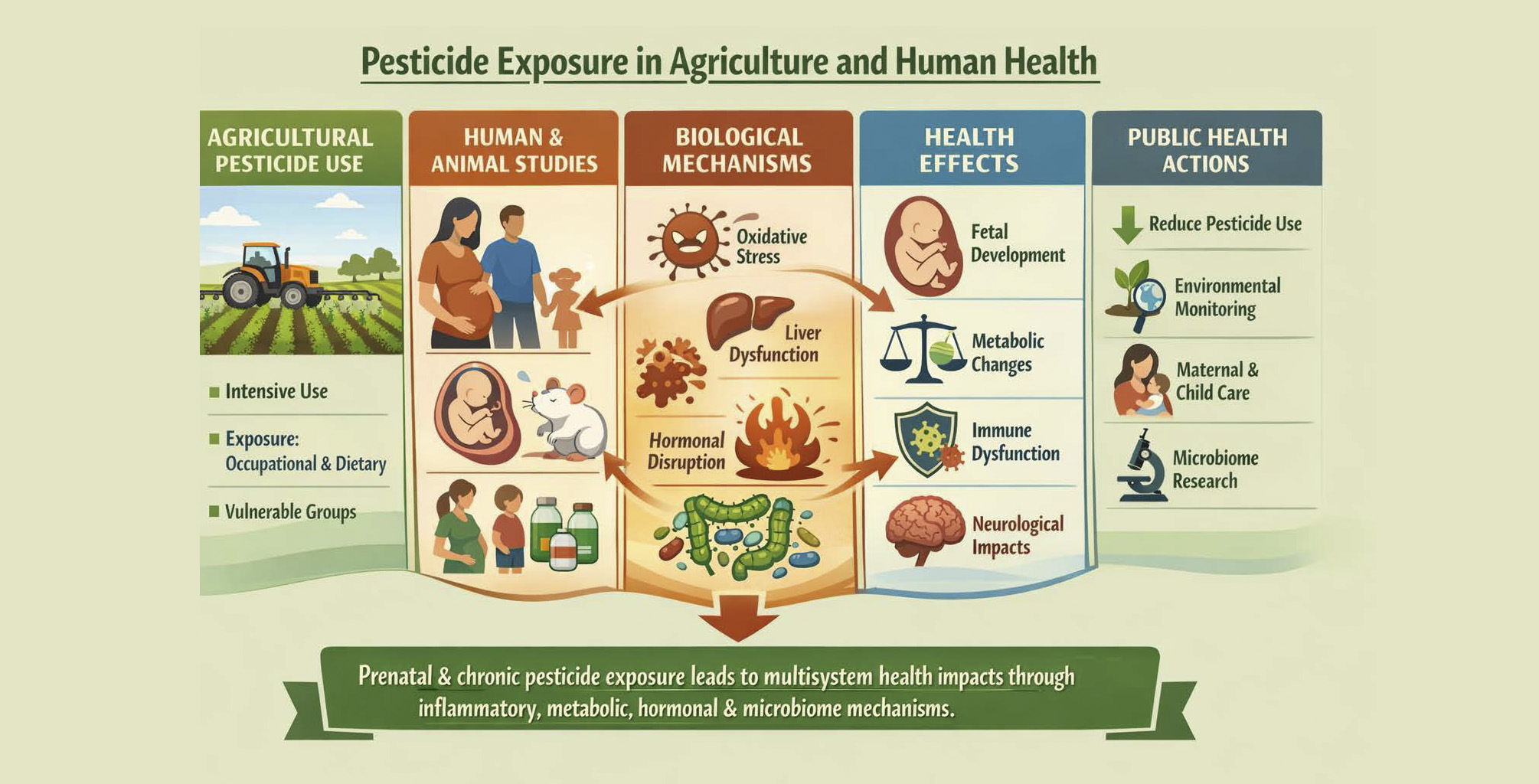

Impact of Pesticide Use on Gut Microbiota and Health: A Systematic Review of Findings in Both Humans and Animal Models



Abstract
1. Introduction
2. Methods
2.1. Research Design
2.2. Search Strategy
2.3. Eligibility Criteria
2.4. Article Selection
2.5. Data Extraction
3. Results
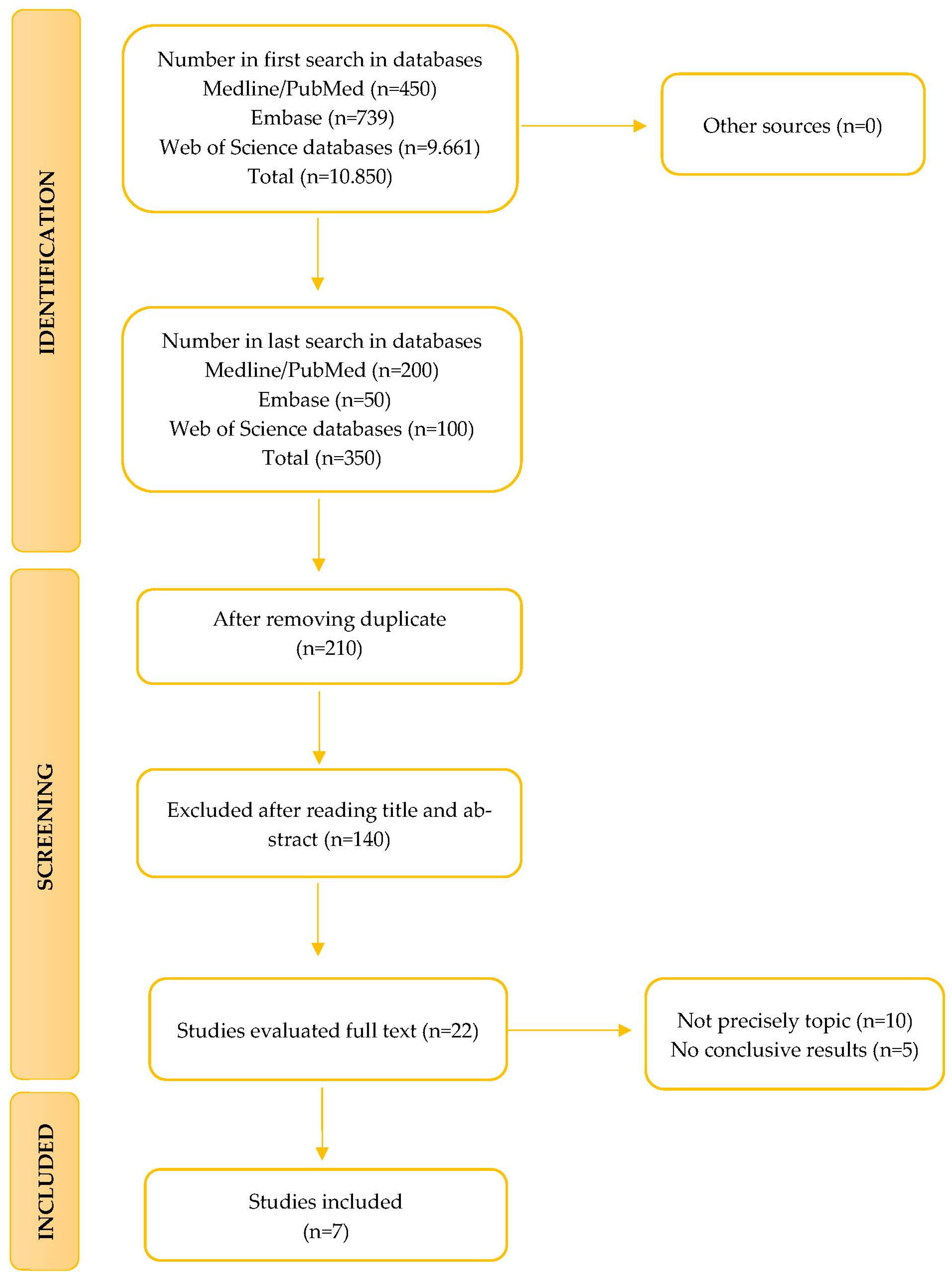
3.1. Results of the Study Selection
3.2. Results of the Effects of Pesticide Exposure in Humans
3.3. Results of the Effects of Pesticide Exposure in Animal Models
3.3.1. Effects of Exposure in Rats
3.3.2. Effects of Gestational Exposure to Pesticides on Rat Offspring
3.3.3. Effects of Exposure on Mice
4. Discussion
5. Conclusions
Author Contributions
Funding
Institutional Review Board Statement
Informed Consent Statement
Data Availability Statement
Conflicts of Interest
References
- Kaur, R.; Choudhary, D.; Bali, S.; Singh Bandral, S.; Singh, V.; Ahmad, A.; Rani, N.; Gurjeet Singh, T.; Chandrasekaran, B. Pesticides: An alarming detrimental to health and environment. Sci. Total Environ. 2024, 915, 170113. [Google Scholar] [CrossRef] [Scilit]
- Damalas, C.A.; Eleftherohorinos, I.G. Pesticide exposure, safety issues, and risk assessment indicators. Int. J. Environ. Res. Public Health 2011, 8, 1402–1419. [Google Scholar] [CrossRef] [Scilit]
- Kim, K.H.; Kabir, E.; Jahan, S.A. Exposure to pesticides and the associated human health effects. Sci. Total Environ. 2017, 575, 525–535. [Google Scholar] [CrossRef] [Scilit] [PubMed]
- Mansour, S.A. Environmental impact of pesticides in Egypt. Rev. Environ. Contam. Toxicol. 2008, 196, 1–51. [Google Scholar] [CrossRef] [Scilit] [PubMed]
- Mostafalou, S.; Abdollahi, M. Pesticides: An update of human exposure and toxicity. Arch. Toxicol. 2017, 91, 549–599. [Google Scholar] [CrossRef] [Scilit] [PubMed]
- Arab, A.; Mostafalou, S. Neurotoxicity of pesticides in the context of CNS chronic diseases. Int. J. Environ. Health Res. 2022, 32, 2718–2755. [Google Scholar] [CrossRef] [Scilit]
- Roberts, J.R.; Karr, C.J. Council On Environmental Health. Pesticide exposure in children. Pediatrics 2012, 130, e1765–e1788. [Google Scholar] [CrossRef] [Scilit]
- Burns, C.J.; McIntosh, L.J.; Mink, P.J.; Jurek, A.M.; Li, A.A. Pesticide exposure and neurodevelopmental outcomes: Review of the epidemiologic and animal studies. J. Toxicol. Environ. Health B Crit. Rev. 2013, 16, 127–283. [Google Scholar] [CrossRef] [Scilit]
- Vehovszky, Á.; Farkas, A.; Ács, A.; Stoliar, O.; Székács, U.; Mörtl, M.; Gyóri, J. Neonicotinoid insecticides inhibit cholinergic neurotransmission in a molluscan (Lymnaea stagnalis) nervous system. Aquat. Toxicol. 2015, 167, 172–179. [Google Scholar] [CrossRef] [Scilit]
- Cavallaro, M.C.; Morrissey, C.A.; Headley, J.V.; Peru, K.M.; Liber, K. Comparative chronic toxicity of imidacloprid, clothianidin, and thiamethoxam to Chironomus dilutus and estimation of toxic equivalency factors. Environ. Toxicol. Chem. 2017, 36, 372–382. [Google Scholar] [CrossRef] [Scilit]
- Czarnywojtek, A.; Jaz, K.; Ochmańska, A.; Zgorzalewicz-Stachowiak, M.; Czarnocka, B.; Sawicka-Gutaj, N.; Ziółkowska, P.; Krela-Kaźmierczak, Y.; Intestino, P.; Florek, E.; et al. The effect of endocrine disruptors on the reproductive system—Current knowledge. Eur. Rev. Med. Pharmacol. Sci. 2021, 25, 4930–4940. [Google Scholar] [CrossRef] [Scilit] [PubMed]
- Wan, M.L.Y.; Co, V.A.; El-Nezami, H. Endocrine disrupting chemicals and breast cancer: A systematic review of epidemiological studies. Crit. Rev. Food Sci. Nutr. 2022, 62, 6549–6576. [Google Scholar] [CrossRef] [Scilit] [PubMed]
- Fuller, R.; Landrigan, P.J.; Balakrishnan, K.; Bathan, G.; Bose-O’Reilly, S.; Brauer, S.; Caravanos, J.; Chiles, T.; Cohen, A.; Corra, L.; et al. Pollution and health: A progress update. Lancet Planet. Health 2022, 6, e535–e547. [Google Scholar] [CrossRef] [Scilit] [PubMed]
- Rajilić-Stojanović, M.; de Vos, W.M. The first 1000 cultured species of the human gastrointestinal microbiota. FEMS Microbiol. Rev. 2014, 38, 996–1047. [Google Scholar] [CrossRef] [Scilit]
- Lagier, J.C.; Million, M.; Hugon, P.; Armougom, F.; Raoult, D. Human gut microbiota: Repertoire and variations. Front. Cell. Infect. Microbiol. 2012, 2, 136. [Google Scholar] [CrossRef] [Scilit]
- Sommer, F.; Bäckhed, F. The gut microbiota—masters of host development and physiology. Nat. Rev. Microbiol. 2013, 11, 227–238. [Google Scholar] [CrossRef] [Scilit]
- Wu, H.J.; Wu, E. The role of gut microbiota in immune homeostasis and autoimmunity. Gut Microbes 2012, 3, 4–14. [Google Scholar] [CrossRef] [Scilit]
- Álvarez, J.; Fernández Real, J.M.; Guarner, F.; Gueimonde, M.; Rodríguez, J.M.; Saenz de Pipaon, M.; Sanz, Y. Gut microbes and health. Gastroenterol. Hepatol. 2021, 44, 519–535. [Google Scholar] [CrossRef] [Scilit]
- Parker, A.; Fonseca, S.; Carding, S.R. Gut microbes and metabolites as modulators of blood-brain barrier integrity and brain health. Gut Microbes 2020, 11, 135–157. [Google Scholar] [CrossRef] [Scilit]
- Mukherjee, A.; Lordan, C.; Ross, R.P.; Cotter, P.D. Gut microbes from the phylogenetically diverse genus Eubacterium and their various contributions to gut health. Gut Microbes 2020, 12, 1802866. [Google Scholar] [CrossRef] [Scilit]
- Wang, J.; Hou, Y.; Mu, L.; Yang, M.; Ai, X. Gut microbiota contributes to the intestinal and extraintestinal immune homeostasis by balancing Th17/Treg cells. Int. Immunopharmacol. 2024, 143, 113570. [Google Scholar] [CrossRef] [Scilit] [PubMed]
- Thursby, E.; Juge, N. Introduction to the human gut microbiota. Biochem. J. 2017, 474, 1823–1836. [Google Scholar] [CrossRef] [Scilit] [PubMed]
- Marchesi, J.R.; Adams, D.H.; Fava, F.; Hermes, G.D.A.; Hirschfield, G.M.; Hold, G.; Quraishi, M.N.; Kinross, J.; Smidt, H.; Tuohy, K.M.; et al. The gut microbiota and host health: A new clinical frontier. Gut 2016, 65, 330–339. [Google Scholar] [CrossRef] [Scilit] [PubMed]
- Zhao, G.P.; Wang, X.Y.; Li, J.W.; Wang, R.; Ren, F.Z.; Pang, G.R.; Li, Y.X. Imidacloprid increases intestinal permeability by disrupting tight junctions. Ecotoxicol. Environ. Saf. 2021, 222, 112476. [Google Scholar] [CrossRef] [Scilit]
- Gomaa, E.Z. Human gut microbiota/microbiome in health and diseases: A review. Antonie Leeuwenhoek 2020, 113, 2019–2040. [Google Scholar] [CrossRef] [Scilit]
- Qiu, P.; Ishimoto, T.; Fu, L.; Zhang, J.; Zhang, Z.; Liu, Y. The Gut Microbiota in Inflammatory Bowel Disease. Front. Cell. Infect. Microbiol. 2022, 12, 733992. [Google Scholar] [CrossRef] [Scilit]
- Nishida, A.; Inoue, R.; Inatomi, O.; Bamba, S.; Naito, Y.; Andoh, A. Gut microbiota in the pathogenesis of inflammatory bowel disease. Clin. J. Gastroenterol. 2018, 11, 1–10. [Google Scholar] [CrossRef] [Scilit]
- Cani, P.D.; Jordan, B.F. Gut microbiota-mediated inflammation in obesity: A link with gastrointestinal cancer. Nat. Rev. Gastroenterol. Hepatol. 2018, 15, 671–682. [Google Scholar] [CrossRef] [Scilit]
- Fan, Y.; Pedersen, O. Gut microbiota in human metabolic health and disease. Nat. Rev. Microbiol. 2021, 19, 55–71. [Google Scholar] [CrossRef] [Scilit]
- Wang, Z.; Zhao, Y. Gut microbiota derived metabolites in cardiovascular health and disease. Protein Cell 2018, 9, 416–431. [Google Scholar] [CrossRef] [Scilit]
- Zuo, K.; Li, J.; Wang, P.; Liu, Y.; Liu, Z.; Ying, X.; Liu, X.; Yang, Y. Duration of Persistent Atrial Fibrillation Is Associated with Alterations in Human Gut Microbiota and Metabolic Phenotypes. mSystems 2019, 4, e00422-19. [Google Scholar] [CrossRef] [Scilit] [PubMed]
- Quigley, E.M.M. Microbiota-Brain-Gut Axis and Neurodegenerative Diseases. Curr. Neurol. Neurosci. Rep. 2017, 17, 94. [Google Scholar] [CrossRef] [Scilit] [PubMed]
- Goldbaum, A.A.; Bowers, L.W.; Cox, A.D.; Gillig, M.; Clapp Organski, A.; Cross, T.L. The Role of Diet and the Gut Microbiota in the Obesity-Colorectal Cancer Link. Nutr. Cancer 2025, 77, 626–639. [Google Scholar] [CrossRef] [Scilit]
- Wong, C.C.; Yu, J. Gut microbiota in colorectal cancer development and therapy. Nat. Rev. Clin. Oncol. 2023, 20, 429–452. [Google Scholar] [CrossRef] [Scilit]
- Chen, A.S.; Liu, D.H.; Hou, H.N.; Yao, J.N.; Xiao, S.C.; Ma, X.R.; Li, P.Z.; Cao, Q.; Liu, X.K.; Zhou, Z.Q.; et al. Dietary pattern interfered with the impacts of pesticide exposure by regulating the bioavailability and gut microbiota. Sci. Total Environ. 2023, 858, 159936. [Google Scholar] [CrossRef] [Scilit] [PubMed]
- Réquilé, M.; Gonzàlez Alvarez, D.O.; Delanaud, S.; Rhazi, L.; Bach, V.; Depeint, F.; Khorsi-Cauet, H. Use of a combination of in vitro models to investigate the impact of chlorpyrifos and inulin on the intestinal microbiota and the permeability of the intestinal mucosa. Environ. Sci. Pollut. Res. Int. 2018, 25, 22529–22540. [Google Scholar] [CrossRef] [Scilit]
- Li, J.W.; Fang, B.; Pang, G.F.; Zhang, M.; Ren, F.Z. Age- and diet-specific effects of chronic exposure to chlorpyrifos on hormones, inflammation and gut microbiota in rats. Pestic. Biochem. Physiol. 2019, 159, 68–79. [Google Scholar] [CrossRef] [Scilit] [PubMed]
- Zhang, K.; Paul, K.; Jacobs, J.P.; Cockburn, M.G.; Bronstein, J.M.; Del Rosario, I.; Ritz, B. Ambient long-term exposure to organophosphorus pesticides and the human gut microbiome: An observational study. Environ. Health 2024, 23, 41. [Google Scholar] [CrossRef] [Scilit]
- Giambò, F.; Teodoro, M.; Costa, C.; Fenga, C. Toxicology and Microbiota: How Do Pesticides Influence Gut Microbiota? A Review. Int. J. Environ. Res. Public Health 2021, 18, 5510. [Google Scholar] [CrossRef] [Scilit]
- Djekkoun, N.; Lalau, J.D.; Bach, V.; Depeint, F.; Khorsi-Cauet, H. Chronic oral exposure to pesticides and their consequences on metabolic regulation: Role of the microbiota. Eur. J. Nutr. 2021, 60, 4131–4149. [Google Scholar] [CrossRef] [Scilit]
- Sharma, T.; Sirpu Natesh, N.; Pothuraju, R.; Batra, S.K.; Rachagani, S. Gut microbiota: A non-target victim of pesticide-induced toxicity. Gut Microbes 2023, 15, 2187578. [Google Scholar] [CrossRef] [Scilit] [PubMed]
- Khan, M.N.; Bilal, H.; Khan, S.; Shafiq, M.; Xiaoyang, J. Collateral damage of neonicotinoid insecticides: Unintended effects on gut microbiota of non-target organisms. Comp. Biochem. Physiol. C Toxicol. Pharmacol. 2025, 298, 110330. [Google Scholar] [CrossRef] [Scilit] [PubMed]
- Rivi, V.; Pele, G.; Yakubets, K.; Batabyal, A.; Dominici, R.; Blom, J.M.C.; Tascedda, F.; Benatti, C.; Lukowiak, K. Effects of neonicotinoid and diamide-contaminated agricultural runoff on Lymnaea stagnalis: Insights into stress, neurotoxicity, and antioxidant response. Aquat. Toxicol. 2025, 287, 107535. [Google Scholar] [CrossRef] [Scilit] [PubMed]
- Roman, P.; Cardona, D.; Sempere, L.; Carvajal, F. Microbiota and organophosphates. Neurotoxicology 2019, 75, 200–208. [Google Scholar] [CrossRef] [Scilit]
- Xu, S.; Li, X.; Zhang, S.; Qi, C.; Zhang, Z.; Ma, R.; Xiang, L.; Chen, L.; Zhu, Y.; Tang, C.; et al. Oxidative stress gene expression, DNA methylation, and gut microbiota interaction trigger Crohn’s disease: A multi-omics Mendelian randomization study. BMC Med. 2023, 21, 179. [Google Scholar] [CrossRef] [Scilit]
- Alula, K.M.; Dowdell, A.S.; LeBere, B.; Lee, J.S.; Levens, C.L.; Kuhn, K.A.; Kaipparettu, B.A.; Thompson, W.E.; Blunberg, R.S.; Colgan, S.P.; et al. Interplay of gut microbiota and host epithelial mitochondrial dysfunction is necessary for the development of spontaneous intestinal inflammation in mice. Microbiome 2023, 11, 256. [Google Scholar] [CrossRef] [Scilit]
- Liang, Y.; Zhan, J.; Liu, D.; Luo, M.; Han, J.; Liu, X.; Liu, C.; Cheng, Z.; Zhou, Z.; Wang, P. Organophosphorus pesticide chlorpyrifos intake promotes obesity and insulin resistance through impacting gut and gut microbiota. Microbiome 2019, 7, 19. [Google Scholar] [CrossRef] [Scilit]
- Abou Diwan, M.; Djekkoun, N.; Boucau, M.C.; Dehouck, L.; Biendo, M.; Gosselet, F.; Bach, V.; Cnadela, P.; Khorsi-Cauet, H. Maternal exposure to pesticides induces perturbations in the gut microbiota and blood-brain barrier of dams and the progeny, prevented by a prebiotic. Environ. Sci. Pollut. Res. Int. 2024, 31, 58957–58972. [Google Scholar] [CrossRef] [Scilit]
- Bennett, D.; Bellinger, D.C.; Birnbaum, L.S.; Bradman, A.; Chen, A.; Cory-Slechta, D.A.; Engel, S.M.; Fallin, S.D.; Halladay, A.; Hauser, R.; et al. Project TENDR: Targeting Environmental Neuro-Developmental Risks The TENDR Consensus Statement. Environ. Health Perspect. 2016, 124, A118–A122. [Google Scholar] [CrossRef] [Scilit]
- World Health Organization. Public Health Impact of Pesticides Used in Agriculture. 2020. Available online: https://www.who.int (accessed on 15 November 2025).
- Reyna, M.V.S.; del Toro, A.V.; Vincent, N.A.M.; Amado, F.R.; Salazar, M.O.G.; González, A.M.B.; Ávila, J.M.J. Revisión sistemática: El más alto nivel de evidencia. Orthotips AMOT 2021, 17, 217–221. [Google Scholar]
- Galarza, C.R.; Cruz, P.G. Guía para realizar estudios de revisión sistemática cuantitativa. CienciAmérica 2024, 13, 1–6. [Google Scholar] [CrossRef] [Scilit]
- Davidoff, F.; Haynes, B.; Sackett, D.; Smith, R. Evidence based medicine. BMJ (Clin. Res. Ed.) 1995, 310, 1085–1086. [Google Scholar] [CrossRef] [Scilit] [PubMed]
- Yue, Y.; Sun, X.; Tian, S.; Yan, S.; Sun, W.; Miao, J.; Huang, S.; Diao, J.; Zhou, Z.; Zhu, W. Multi-omics and gut microbiome: Unveiling the pathogenic mechanisms of early-life pesticide exposure. Pestic. Biochem. Physiol. 2024, 199, 105770. [Google Scholar] [CrossRef] [Scilit] [PubMed]
- Yang, Y.; Zhou, S.; Xing, Y.; Yang, G.; You, M. Impact of pesticides exposure during neurodevelopmental period on autism spectrum disorders—A focus on gut microbiota. Ecotoxicol. Environ. Saf. 2023, 260, 115079. [Google Scholar] [CrossRef] [Scilit] [PubMed]
- Utembe, W.; Kamng’ona, A.W. Gut microbiota-mediated pesticide toxicity in humans: Methodological issues and challenges in the risk assessment of pesticides. Chemosphere 2021, 271, 129817. [Google Scholar] [CrossRef] [Scilit]
- Yuan, X.; Pan, Z.; Jin, C.; Ni, Y.; Fu, Z.; Jin, Y. Gut microbiota: An underestimated and unintended recipient for pesticide-induced toxicity. Chemosphere 2019, 227, 425–434. [Google Scholar] [CrossRef] [Scilit]
- Gambarte, P.C.K.; Wolansky, M.J. The gut microbiota as a biomarker for realistic exposures to pesticides: A critical consideration. Neurotoxicol. Teratol. 2022, 91, 107074. [Google Scholar] [CrossRef] [Scilit]
- Meng, Z.; Liu, L.; Yan, S.; Sun, W.; Jia, M.; Tian, S.; Huang, S.; Zhou, Z.; Zhu, W. Gut Microbiota: A Key Factor in the Host Health Effects Induced by Pesticide Exposure? J. Agric. Food Chem. 2020, 68, 10517–10531. [Google Scholar] [CrossRef] [Scilit]
- Cummings, J.H.; Pomare, E.W.; Branch, W.J.; Naylor, C.P.; Macfarlane, G.T. Short chain fatty acids in human large intestine, portal, hepatic and venous blood. Gut 1987, 28, 1221–1227. [Google Scholar] [CrossRef] [Scilit]
- Flint, H.J.; Scott, K.P.; Louis, P.; Duncan, S.H. The role of the gut microbiota in nutrition and health. Nat. Rev. Gastroenterol. Hepatol. 2012, 9, 577–589. [Google Scholar] [CrossRef] [Scilit]
- Dong, T.; Guan, Q.; Hu, W.; Zhang, M.; Zhang, Y.; Chen, M.; Wang, X.; Xia, Y. Prenatal exposure to glufosinate ammonium disturbs gut microbiome and induces behavioral abnormalities in mice. J. Hazard. Mater. 2020, 389, 122152. [Google Scholar] [CrossRef] [Scilit]


| Database | Search Terms | Results |
|---|---|---|
| Medline/PubMed | (“pesticides”) AND (“disease” OR “illness”) AND (“gut microbiota”) (“pesticides”) AND (“gut microbiota”) | 450 200 |
| Embase | (“pesticides”) AND (“disease” OR “illness”) AND (“gut microbiota”) (“pesticides”) AND (“gut microbiota”) | 739 50 |
| Web of Science | (“pesticides”) AND (“disease” OR “illness”) AND (“gut microbiota”) (“pesticides”) AND (“gut microbiota”). | 8.880 100 |
| Author Year | Pesticide | Sample and/or Type of Study | Results | Conclusions |
|---|---|---|---|---|
| FINDINGS IN HUMANS | ||||
| Yue, Y. et al., 2024 [54] | Insecticide (β-HCH) | Human mothers | Weight loss in offspring. | This study concludes that prenatal exposure to pesticides is associated with alterations in gut microbiota, generating a state of dysbiosis that can negatively affect the development, metabolic health, and behaviour of human offspring. These microbial modifications appear to influence key metabolic pathways related to energy regulation and body growth. Low body weight and modifications in bacterial genes associated with carbohydrate and lipid metabolism have been identified, as well as behavioural abnormalities in offspring. These findings highlight the importance of investigating the effects of pesticides on the microbiome and their role in the development of metabolic and neurological diseases. |
| Insecticide (Mecarbam) | Human mothers | Weight loss in offspring. | ||
| Yang, Y. et al., 2023 [55] | Glyphosate | Case–control study of pregnant women | Increased risk of autism spectrum disorder in offspring of pregnant women living less than 2000 m from places where herbicides are used. | This study establishes a link between alterations in the gut microbiome and autism spectrum disorder. Exposure to pesticides causes dysbiosis in gut microbiota and neurodevelopment, contributing to neurological defects and behavioural alterations. In summary, dysbiosis of the gut microbiome is a crucial factor in the symptoms of autism spectrum disorder related to pesticide exposure. |
| Chlorpyrifos | Case–control study of pregnant women | Exposure in mothers positively correlates with autism spectrum disorder in offspring. | ||
| Cohort study pregnant women | Inverse association between prenatal exposure and domain-specific neuropsychological development in children at 12 months. | |||
| Cohort study pregnant women | Increased autistic traits in 11-year-old children with prenatal exposure. | |||
| Case–control study of pregnant women | Increased risk of autism spectrum disorder in offspring of mothers exposed during the second or third trimester of pregnancy. | |||
| Case–control study of pregnant women | Higher risk of autism spectrum disorder with greater exposure during pregnancy. | |||
| Pyrethroids | Case–control study of pregnant women | Exposure during the third trimester was associated with an increased likelihood of presenting symptoms of autism spectrum disorder. | ||
| Cross-sectional study of pregnant women | Higher levels of pyrethroids in urine were associated with an increased risk of autism spectrum disorder in offspring. | |||
| Case–control study pregnant women | Prenatal exposure was associated with an increased risk of autism spectrum disorder. | |||
| Imidacloprid | Case–control study pregnant women | Increased risk of autism spectrum disorder in offspring in 30% of cases. | ||
| Utembe, W.; Kamng’ona, A.W. 2021 [56] | Glyphosate. Chlorpyrifos. Pyrethroids. Imidacloprid. Diazinon. Ammonium glufosinate. | Case–control studies in humans. Cohort studies in humans. | This study confirms the presence of cognitive deficits, stress-related hyper-mobility, social interaction dysfunction, reduced responsiveness to social novelty in adults and short-term memory impairment. Acetylcholinesterase activity was altered, implying enzyme inhibition and hypo- or hypersensitisation of cholinergic and GABAergic systems. There is also increased oxidative stress, which promotes ageing and chronic diseases. | |
| Yuan, X. et al., 2019 [57] | Glyphosate. Chlorpyrifos. Monochrotophos. Pyrethroids. Imidacloprid. Diazinon. Glufosinate ammonium. Propamocarb. | Human body fluids. Pregnant women. Double-blind, placebo-controlled, randomised study in patients with type 2 diabetes. Case–control study in humans. | A decrease in the number of beneficial bacteria (Bifidobacterium and Lactobacillus), accompanied by an increase in the number of Enterococcus and Bacteroides. This can change the pH and affect the production of short-chain fatty acids in the intestine, facilitating the colonisation of potentially pathogenic bacteria. In addition, the intestinal barrier is affected, leading to the release of the chemokine IL-8 and causing inflammation. | This article suggests that changes in the gut microbiome and metabolites can cause adverse effects in the host, in the transduction of extracellular signals from the plasma membrane to the cell and along the intracellular chain to stimulate the cellular response. Different bile acids can bind to different receptors, which can lead to atherosclerosis, hepatic lipid metabolism disorders, and dysbiosis due to fat accumulation. The alteration of the intestinal microbiome balance and increased intestinal permeability due to pesticide absorption are potential risk factors for increasing the entry of molecules with higher molecular weight, leading to an inflammatory response and, ultimately, low-grade inflammation. Innate immune cells activated by endotoxic bacteria can release various pro-inflammatory cytokines, inducing low-grade inflammation and even neuronal inflammation. In short, pesticides can act on intestinal microbes, affect their metabolites, and destroy the mucosa and intestinal cells. These changes cause pathological changes by acting on receptor sites in different tissues and organs. |
| FINDINGS IN ANIMAL MODELS | ||||
| Yue, Y. et al., 2024 [54] | Herbicide (Ammonium glufosinate) | Father mice | Behavioural abnormalities. | This study concludes that, in animal models, exposure to environmental disruptors and/or adverse experimental conditions during the prenatal and early stages of development, induces lasting systemic effects that affect metabolism, the nervous system, the endocrine system and the gut microbiota in a coordinated manner. These effects vary according to sex and developmental stage. Metabolically, exposed offspring presented consistent alterations in energy regulation, including obesity, hyperlipidaemia, and glycaemic disorders (hyperglycaemia and hypoglycaemia in females), accompanied by persistent changes in body weight into adulthood. These effects were associated with disruptions in the gut microbiota, characterized by early dysbiosis and profound alterations to the cecal microbiome, and evidence of bacterial translocation to the liver and spleen. This suggests a loss of intestinal barrier integrity and a systemic pro-inflammatory state. Changes were also observed in genes related to inflammation and oxidative stress in the cortex and cerebellum, indicating the central nervous system’s vulnerability to the altered metabolic environment. In the behavioural sphere, exposed animals exhibited behavioural abnormalities, particularly in response to novel situations, along with alterations in glutamatergic function and GABAergic signalling in the amygdala. These findings suggest disruption of neuronal development, leading to neuro behavioural deficits and abnormal neurodevelopment throughout life, with effects that were often sex-specific or more pronounced in one sex. Furthermore, neurodevelopmental defects were documented in males, accompanied by progressive auditory alterations, reinforcing the concept of chronic neurosensory impairment. From an endocrine and reproductive perspective, exposure was found to alter multiple hormonal axes. This was evidenced by increased LH levels, morphological changes to the uterus (such as increased intrauterine weight and luminal epithelial height), modifications to gene transcription in the male external genitalia, and a reduced sperm count. These changes were associated with an increased risk of reproductive and systemic pathologies, including prostate, ovarian and kidney diseases, congenital anomalies, and reduced birth rates. These findings emphasise the importance of investigating the effects of pesticides on the microbiome and their role in the development of chronic diseases. |
| Insecticide (Combination of Boscalid, Captan, Chlorpyrifos, Thiacloprid, Thiophanate, and Ziram) | Father mice | Obesity and metabolic disorders. | ||
| Insecticide (Chlorpyrifos) | Rat offspring | Hyperlipidaemia and hyperglycaemia in female offspring. Changes in rat behaviour when faced with new situations. Changes in glutamine function and GABA signaling in the amygdala. | ||
| Mouse offspring | Interference with developing neurons. | |||
| Insecticide (Nitenpyram) | Parent mice | Decrease in serum glucose in female offspring. | ||
| Fungicide (Procymidone) | Progenitor rats | Metabolic disorders. Neurological impairments throughout life. | ||
| Parent mice | Metabolic disorders. Neurodevelopmental disorders in sex-dependent offspring. | |||
| Insecticide (Fenvalerate) | Parent mice | Increased intrauterine wet weight. Increased height of luminal epithelial cells. Increased LH. | ||
| Insecticide (Dichlorodiphenyltrichloroethane) | Parent mice | Neurodevelopmental defects in male mice. | ||
| Insecticide (Cypermethrin) | Parent mice | Hearing impairments that develop slowly over time. | ||
| Fungicide (Triticonazole) | Progenitor rats | Alteration of endocrine effects. Changes in the genome transcription of the external genitalia of the male foetus. | ||
| Fungicide (Flusilazole) | Progenitor rats | Alteration of endocrine effects. | ||
| Insecticide (Chlordecone) | Parent mice | Defects and reduction in sperm count. | ||
| Herbicide (Glyphosate) | Progenitor rats | Prostate disease, obesity, kidney disease, ovarian disease, and birth abnormalities. Changes related to inflammation and oxidative stress genes in the cortex and cerebellum of offspring. | ||
| Herbicide (paraquat) | Baby mice | Increased weight in adults among descendants. | ||
| Herbicide (ammonium glufosinate) | Parent mice | Abnormal behaviour. | ||
| Insecticide (permethrin) | Baby mouse | Negative impact on gut microbiota | ||
| Insecticide (endosulfan) | Parent mice | Metabolic disorders. Obesity. | ||
| Insecticide (chlorpyrifos) | Parent rats | Bacterial translocation in the liver and spleen. Lower birth rate. Negative impact on gut microbiota. Profound changes in the microbiome of the caecum | ||
| Mouse offspring | Negative impact on gut microbiota. Dysbiosis at an early age in the intestinal membrane. | |||
| Rat offspring | Microbiome modifications. Hyperlipidaemia in female offspring. Hypoglycaemic alterations in female offspring. Alterations in rat behaviour in new situations. Reduced immune response in females. Asthma. | |||
| Insecticide (Nitenpyram) | Parent mice | Decrease in blood glucose in female offspring. | ||
| Yang, Y. et al., 2023 [55] | Glyphosate | Sprague-Dawley rats | Changes in maternal behaviour. Changes in neural plasticity. Changes in neural plasticity. Perinatal exposure leads to changes in the behaviour of rat offspring. | This study shows that pesticide exposure, especially during the prenatal and perinatal periods, alters the gut microbiota (dysbiosis) and neurobiological development, contributing to neurological and behavioural deficits similar to those observed in autism spectrum disorders. In behavioural terms, early exposure was associated with persistent deficits in social interaction, communication and exploration of novelty, alongside repetitive behaviours, hyper-mobility, increased stress reactivity, as well as cognitive and motor impairment. At the neurobiological level, changes in neuronal plasticity, morphological alterations in glial cells, neural and systemic inflammation, loss of dopaminergic neurons, and dysregulation of the GABAergic and cholinergic systems were observed, suggesting an excitation-inhibition imbalance. Changes in blood–brain barrier permeability and pituitary hormone release, were also detected, indicating disruption of the neuroendocrine axis. In addition, exposure affected maternal behaviour, which may have enhanced the negative effects on the socio-emotional development of the offspring. |
| ddY mice | Cognitive impairment. Social interaction impairment. Behavioural abnormalities like autism spectrum disorder in the offspring of male mice. | |||
| Swiss mice | Deficit in social interaction. Repetitive stereotypical behaviour. Morphological changes in glial cells residing in the brain. Reduction in blood–brain barrier permeability. Alteration in acetylcholinesterase activity. | |||
| Chlorpyrifos | Sprague-Dawley rats | Existence of behaviours typical of autism spectrum disorder phenotypes (impaired social communication and confined and repetitive behaviour). | ||
| BTBR mice | Exposure during prenatal development promotes the existence of behavioural traits typical of autism spectrum disorder, including impairments in social and communication domains (alterations in ultrasonic vocalization and high levels of repetitive behaviours). | |||
| Wistar rats | Hypermobility and stress-related hypermobility. Hypo- or hypersensitisation of the cholinergic and GABAergic systems. Increased transcription of the GABA-A-A2 subunit and M2 receptor genes. Inhibition of acetylcholinesterase activity. Stimulation of pituitary hormone release. Systemic inflammation (TNFR). Decreased responsiveness to social novelty in adulthood. Communication deficits similar to those seen in autism spectrum disorder. | |||
| C57BL/6 mice | Exposure during prenatal development is associated with long-term negative effects on social behaviour and decreased exploration of unfamiliar items. | |||
| C57BL/6 mice | Exposure during prenatal development caused impairments in social behaviour and excitatory-inhibitory balance. | |||
| Fmr1-KO rats | Exposure during development led to exacerbation of a phenotype like autism spectrum disorder. | |||
| Pyrethroids | Wistar rats | Loss of dopaminergic neurons in the substantia nigra. | ||
| C57BL/6 mice | Neuronal inflammation. | |||
| Diazinon | C57BL/6 mice | Decreased regulation of neurotransmitters. | ||
| Glufosinate ammonium | ICR mice | Impaired motor activity. Behaviour similar to autism spectrum disorder. Impaired short-term memory formation. | ||
| Gambarte, P. C.K.; Wolansky, M. J. 2022 [58] | Organophosphate insecticides (Chlorpyrifos) | Kunming male mice | Alterations to microbiota composition and metabolic pathways. | This study confirmed the existence of alterations in the gut microbiome that led to a reduction in beneficial bacteria and an increase in harmful bacteria, causing intestinal dysbiosis. Obesity, diabetes, alterations in the inflammatory response, genomic changes and morphological and functional changes in the intestine, have been identified as a consequence of pesticide use. Alterations in gene expression related to metabolic pathways, glucose intolerance, and pesticide biotransformation have also been demonstrated. |
| Male Wistar rats | Alterations to microbiota composition. Increase in the abundance of opportunistic pathogens. Microbiota alterations are associated with obesity, diabetes phenotypes, and alterations in pancreatic islet cells. Alteration of the mechanism responsible for controlling the inflammatory response. Micro and macro structural alterations in the right intestine. | |||
| Organophosphate insecticides (Diazinon) | C57BL/6 mice | Changes in the composition of the gut microbiome. Changes in the functional metagenome and metabolic pathways. Differences are observed depending on the sex of the mouse. | ||
| Organophosphate insecticides (Monochrotophos) | Rats, CFT-Wistar | Changes in the composition of the gut microbiome. Functional and morphological changes in the intestine. | ||
| Mice, BALB/c | Changes in the composition of the gut microbiome. Changes in the expression of genes related to metabolic pathways, glucose intolerance and pesticide biotransformation. | |||
| Carbamate insecticide (Aldicarb) | C57BL/6 mice | Alterations to microbiota composition. Specific changes in the microbiome for each genus of bacteria during exposure. | ||
| Pyrethroid insecticide (Permethrin) | Male Wistar rats and lactating offspring | Alterations to microbiota composition. Reduction in beneficial bacterial genera and increase in non-beneficial bacterial genera compared to the control. | ||
| Systemic fungicide (Propamocarb) | ICR male mice | Changes in the composition of the gut microbiome 7 days after the start of oral exposure. | ||
| Fungicide Carbamate benzimidazole (Carbendazim) | ICR male mice | Alteration of the microbiome composition after 7 days. Increase in harmful bacteria and decrease in beneficial bacteria. | ||
| Male C57BL/6 mice | Alteration of the microbiome composition after 7 days. Increases and decreases in relative abundance depending on bacterial genus (beneficial or harmful). | |||
| Fungicide Triazole compounds (Epoxiconazole) | Female Sprague- Dawley rats | Alteration of the microbiome composition. Increases and decreases in relative abundance, depending on bacterial genus. | ||
| Herbicide Organophosphate (Glyphosate) | Sprague-Dawley rats | Gut microbiota dysbiosis and sex-dependent effects at all doses studied. | ||
| Herbicide Phenoxyacetic acid (2,4 D) | Male C57BL/6 mice | Increase and decrease in relative microbial abundance based on bacterial genus. | ||
| Djekkoun, N. et al., 2021 [40] | Organophosphates (Chlorpyrifos) | Rats | Higher number of harmful bacteria. Lower number of beneficial bacteria. Increase in potentially pathogenic flora. Decrease in beneficial flora. No impact or increase in body weight in adults. Low body mass and short body length at birth. Changes in plasma glucose levels and lipid profile. Significant difference in body weight. | This study has shown that exposure to pesticides modulates bacterial populations, impacting the health of the host. Intestinal dysbiosis induced by these compounds is associated with alterations similar to those observed in metabolic syndrome, where bacterial translocation, increased intestinal permeability and microbial dysmetabolism generate low-grade inflammation. These mechanisms contribute to imbalances in energy homeostasis and increase the risk of developing chronic inflammatory diseases. It has been demonstrated that various pesticides can induce endotoxaemia, mucosal permeability, and pro-inflammatory activation, leading to systemic inflammatory responses. Alterations in microbial substrates in the intestine have also been observed, leading to changes in short-chain fatty acid profiles and altering energy collection through targeted dysbiosis, reinforcing their role in metabolic disruption and the development of chronic inflammatory pathologies. Pesticides alter the gut microbiome, influence energy metabolism and promote low-grade inflammation. They also impact on metabolic health and the development of chronic diseases. |
| Mice | Increase in potentially pathogenic flora. Decrease in beneficial flora. Abnormal permeability. | |||
| Organophosphates (Diazinon) | Mice | Altered microbiome composition. Impaired energy metabolism. Male animals are more susceptible to abnormal translocation. Reduced body weight gain. | ||
| C57BL/6 mice | Increase in potentially pathogenic flora. Decrease in beneficial flora. Significant increase in body, liver and epididymal fat. Increase in serum TG and glucose levels. | |||
| Organophosphates (MCP) | Mice | Increase in potentially pathogenic flora. Increased blood sugar levels. Glucose intolerance. | ||
| Organochlorines (TCDF) | Rats | Decrease in beneficial flora. Inflammation and hepatic lipogenesis, gluconeogenesis, and glycogenolysis alterations. | ||
| Organochlorines (DDT) | Rats | Increase in potentially pathogenic flora. Decrease in beneficial flora. | ||
| Organochlorines (PCP) | Female mice | Increase in potentially pathogenic flora. Decrease in beneficial flora. Reduction in body weight. | ||
| Benzimidazoles (CBZ) | Mice | Increase in potentially pathogenic flora. Decrease in beneficial flora. Accumulation of liver lipids. Increase in TG, cholesterol, HDL, and LDL. | ||
| Utembe, W.; Kamng’ona, A. W. 2021 [56] | Glyphosate. Chlorpyrifos. Pyrethroids. Imidacloprid. Diazinon. Glufosinate ammonium | Rats. Mice. | Alterations in maternal behaviour and repetitive, stereotypical behaviours consistent with autism spectrum disorder. Alterations in neuronal plasticity; morphological changes in glial cells; loss of dopaminergic neurons in the substantia nigra; neuronal inflammation. Decreased permeability of the blood–brain barrier. Alterations in brain levels of short-chain fatty acids, negative regulation of neurotransmitters and inhibition of acetylcholinesterase. Hypo- or hypersensitisation of the cholinergic and GABAergic systems, and increased transcription of the GABA_A_A2 subunit and M2 receptor. Stimulation of the release of pituitary hormones and inflammatory mediators (TNF-α). Increased oxidative stress is associated with ageing and chronic diseases. | This study demonstrates that exposure to pesticides along with gut microbiota alterations and dysbiosis, lead to significant alterations at multiple biological and functional levels. The effects observed encompass behavioural, neuroplastic and neuroanatomical dimensions, as well as changes blood–brain barrier integrity, providing evidence of a widespread impact on the central nervous system. Alterations in neurochemical regulation and neurotransmission systems were also identified, indicating disrupted neuronal communication. Furthermore, the findings reveal activation of neuroendocrine and inflammatory pathways, together with increased oxidative stress, suggesting the involvement of pathophysiological processes linked to chronic inflammation and ageing. As a whole, these alterations reflect an integrated and systemic impact that could contribute to the development of neurological and neurobehavioural disorders, reinforcing the importance of addressing these effects from both mechanistic and multidisciplinary perspectives. |
| Meng, Z. et al., 2020 [59] | Organophosphate insecticide (Malathion) | Mice | Gut microbiota composition disorders. Altered genes involved in quorum sensing, increased motility, pathogenicity, and genes related to cell wall components. | This study demonstrates that exposure to pesticides can alter the composition of the gut microbiome, which, in turn, affects the production and function of its key metabolites. The affected metabolites include acetate, propionate, and butyrate—the principal short-chain fatty acids produced by the gut microbiota—which regulate microbiota function and host–microbiota interactions through several key mechanisms. Firstly, these short-chain fatty acids are primarily produced in the caecum and proximal colon, where they reach their highest concentrations. From there, they act not only locally in the intestine but can also enter the peripheral circulation via the portal vein, allowing them to exert systemic effects on various host tissues. This demonstrates that the metabolic activity of the gut microbiota has a direct impact beyond the intestine. Metabolic disorders, including insulin resistance and obesity, have been identified. Exposure to these substances can adversely affect health, especially the digestive system and metabolism. Evidence indicates that early disruption of digestive tract maturation impairs nutrient absorption and promotes weight gain and lipid accumulation. This imbalance in lipid metabolism generates inflammation, which interferes with bile acid metabolism and can cause enterohepatic disorders, increasing the risk of cardiovascular disease. In addition, chronic colon inflammation and liver toxicity aggravate overall health, reflecting metabolic disorders and alterations in digestive function. These effects highlight the importance of understanding the interactions between the gut microbiome, metabolism and environmental factors in the development of chronic diseases. |
| Organophosphate insecticide (Diazinon) | Mice | Alterations to the gut microbiota. Metabolic profile disorders. | ||
| Organophosphate insecticide (Chlorpyrifos) Organophosphate insecticide (Chlorpyrifos) | Mice | Intestinal inflammation and abnormal permeability. Insulin resistance and obesity. | ||
| Rats | Delayed maturation of the digestive tract. | |||
| Organophosphate insecticide (Dichloro- diphenyltrichloroethane) | Rats | Weight gain and lipid accumulation. | ||
| Pyrethroid insecticide (Permethrin) | Baby rats | Dyskinesia and intestinal disease. | ||
| Benzimidazole fungicide (Carbendazim) | Mice | Intestinal microbiota disorders. Lipid metabolism disorder and inflammation. | ||
| Systemic fungicide (Propamocarb) | Mice | Lipid and bile acid metabolism disorders. Enterohepatic metabolism disorders and possible cardiovascular disease. | ||
| Systemic fungicide that inhibits Ergosterol (Imazalil) | Mice | Colon inflammation. | ||
| Systemic fungicide containing Triazole compounds (Epoxiconazole) | Rats | Hepatic toxicity. | ||
| Systemic fungicide composed of Triazole (Penconazole and its enantiomers) | Mice | Intestinal microbiota disorders. Metabolic profile disorders. | ||
| Yuan, X. et al., 2019 [57] | Glyphosate. Chlorpyrifos. Monochrotophos. Pyrethroids. Imidacloprid. Diazinon. Glufosinate ammonium. Propamocarb. | Mice. NOD mice. Adult male C57BL/6 mice. Sprague-Dawley rats. Randomized study in rats. Prospective randomized study, mother-baby pairs. | A decrease in the number of beneficial bacteria (Bifidobacterium and Lactobacillus), accompanied by an increase in the number of Enterococcus and Bacteroides. This can change the pH and affect the production of short-chain fatty acids in the intestine, facilitating the colonisation of potentially pathogenic bacteria. In addition, the intestinal barrier is affected, leading to the release of the chemokine IL-8 and causing inflammation. | This paper leads us to conclude that pesticides can alter the composition of the gut microbiome and its metabolites. Different bile acids can bind to different receptors, which can lead to atherosclerosis, hepatic lipid metabolism disorders, and dysbiosis due to fat accumulation. Short-chain fatty acids derived from microbial fermentation of fibre can inhibit histone deacetylases and serve as energy substrates by directly activating G protein-coupled receptors. The action of short-chain fatty acids on the GPR receptor in fat cells can cause dysbiosis due to fat accumulation. In addition, innate immune cells activated by endotoxic bacteria can release various pro-inflammatory cytokines, inducing low-grade inflammation and even neuronal inflammation. The alteration of the intestinal microbiome balance and increased intestinal permeability due to pesticide absorption are potential risk factors for increasing the entry of molecules with higher molecular weight, leading to an inflammatory response and, ultimately, low-grade inflammation. Furthermore, the action of short-chain fatty acids in the brain can affect appetite and is therefore associated with obesity and diabetes. In short, pesticides can act on intestinal microbes, affect their metabolites, and destroy the mucosa and intestinal cells. These changes cause pathological changes by acting on receptor sites in different tissues and organs. |
Disclaimer/Publisher’s Note: The statements, opinions and data contained in all publications are solely those of the individual author(s) and contributor(s) and not of MDPI and/or the editor(s). MDPI and/or the editor(s) disclaim responsibility for any injury to people or property resulting from any ideas, methods, instructions or products referred to in the content. |
© 2026 by the authors. Licensee MDPI, Basel, Switzerland. This article is an open access article distributed under the terms and conditions of the Creative Commons Attribution (CC BY) license.
Share and Cite
Osa-Subtil, I.; Romero-Rosales, T.; Dios-Duarte, M.J. Impact of Pesticide Use on Gut Microbiota and Health: A Systematic Review of Findings in Both Humans and Animal Models. J. Xenobiotics 2026, 16, 41. https://doi.org/10.3390/jox16020041
Osa-Subtil I, Romero-Rosales T, Dios-Duarte MJ. Impact of Pesticide Use on Gut Microbiota and Health: A Systematic Review of Findings in Both Humans and Animal Models. Journal of Xenobiotics. 2026; 16(2):41. https://doi.org/10.3390/jox16020041
Chicago/Turabian StyleOsa-Subtil, Iria, Teolincacihuatl Romero-Rosales, and María José Dios-Duarte. 2026. "Impact of Pesticide Use on Gut Microbiota and Health: A Systematic Review of Findings in Both Humans and Animal Models" Journal of Xenobiotics 16, no. 2: 41. https://doi.org/10.3390/jox16020041
APA StyleOsa-Subtil, I., Romero-Rosales, T., & Dios-Duarte, M. J. (2026). Impact of Pesticide Use on Gut Microbiota and Health: A Systematic Review of Findings in Both Humans and Animal Models. Journal of Xenobiotics, 16(2), 41. https://doi.org/10.3390/jox16020041