Article

Assessment of the In Vitro Phosphatidylinositol Glycan Class A (PIG-A) Gene Mutation Assay Using Human TK6 and Mouse Hepa1c1c7 Cell Lines


1
Department of Environmental Health Sciences, School of Public Health and Tropical Medicine, Tulane University, New Orleans, LA 70112, USA
2
Chemical Insights Research Institute of Underwriters Laboratories Research Institutes, Marietta, GA 30067, USA
*
Author to whom correspondence should be addressed.
J. Xenobiotics 2024, 14(3), 1293-1311; https://doi.org/10.3390/jox14030073
Submission received: 31 July 2024 / Revised: 8 September 2024 / Accepted: 13 September 2024 / Published: 19 September 2024

Abstract

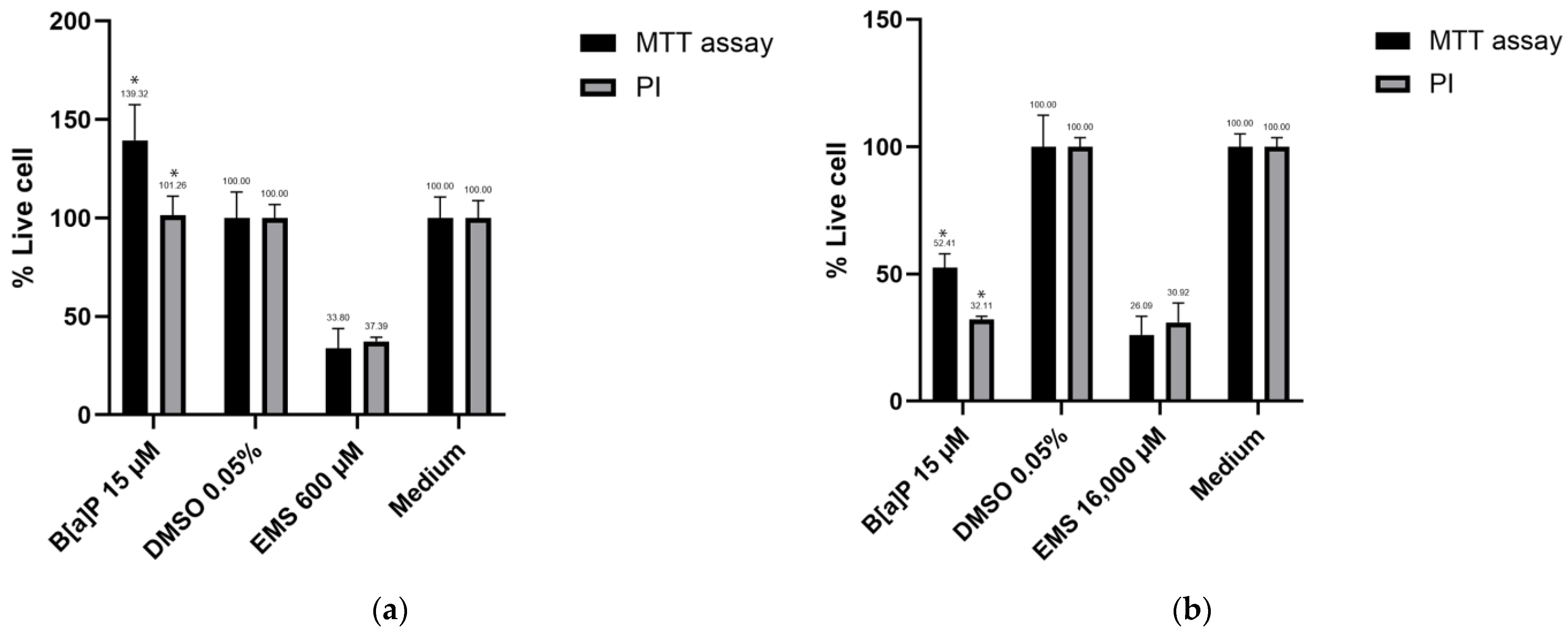
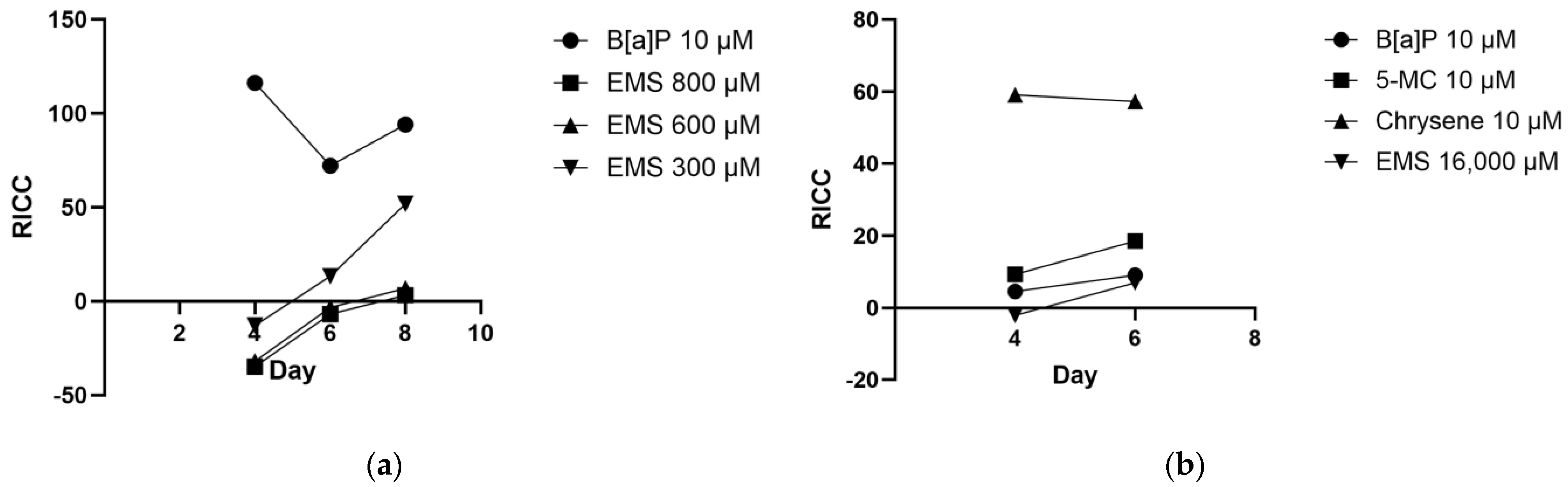
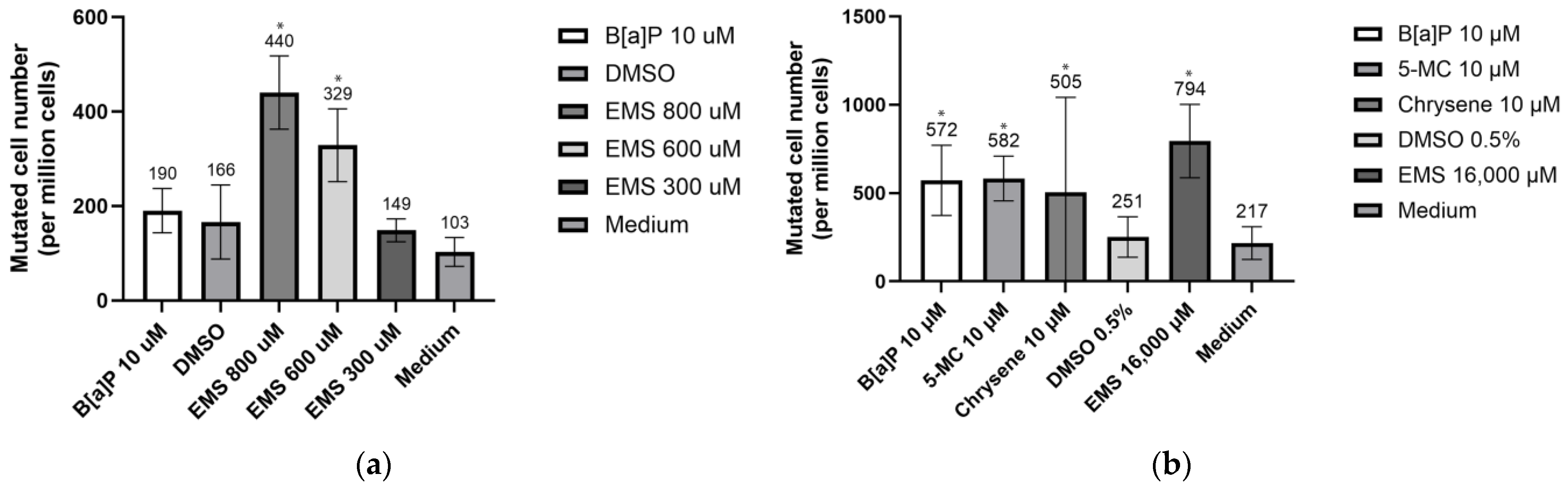
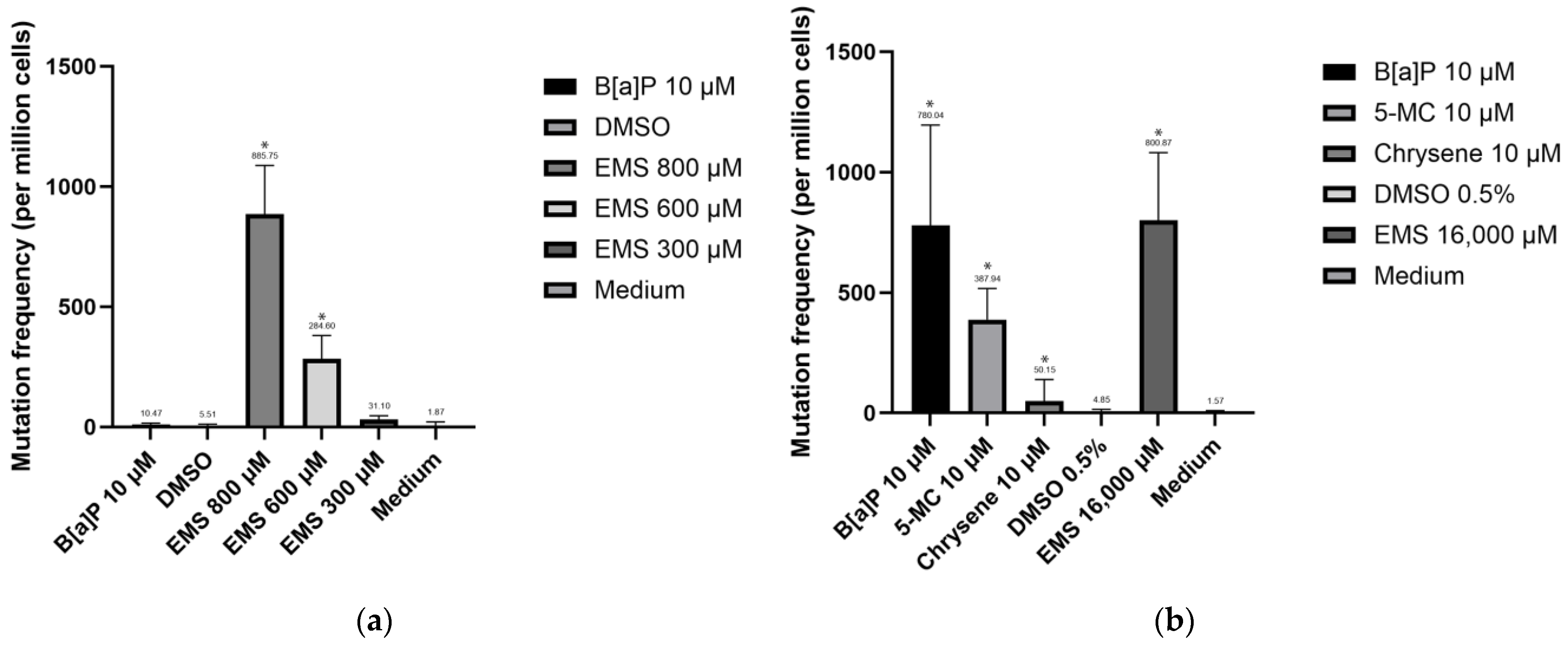
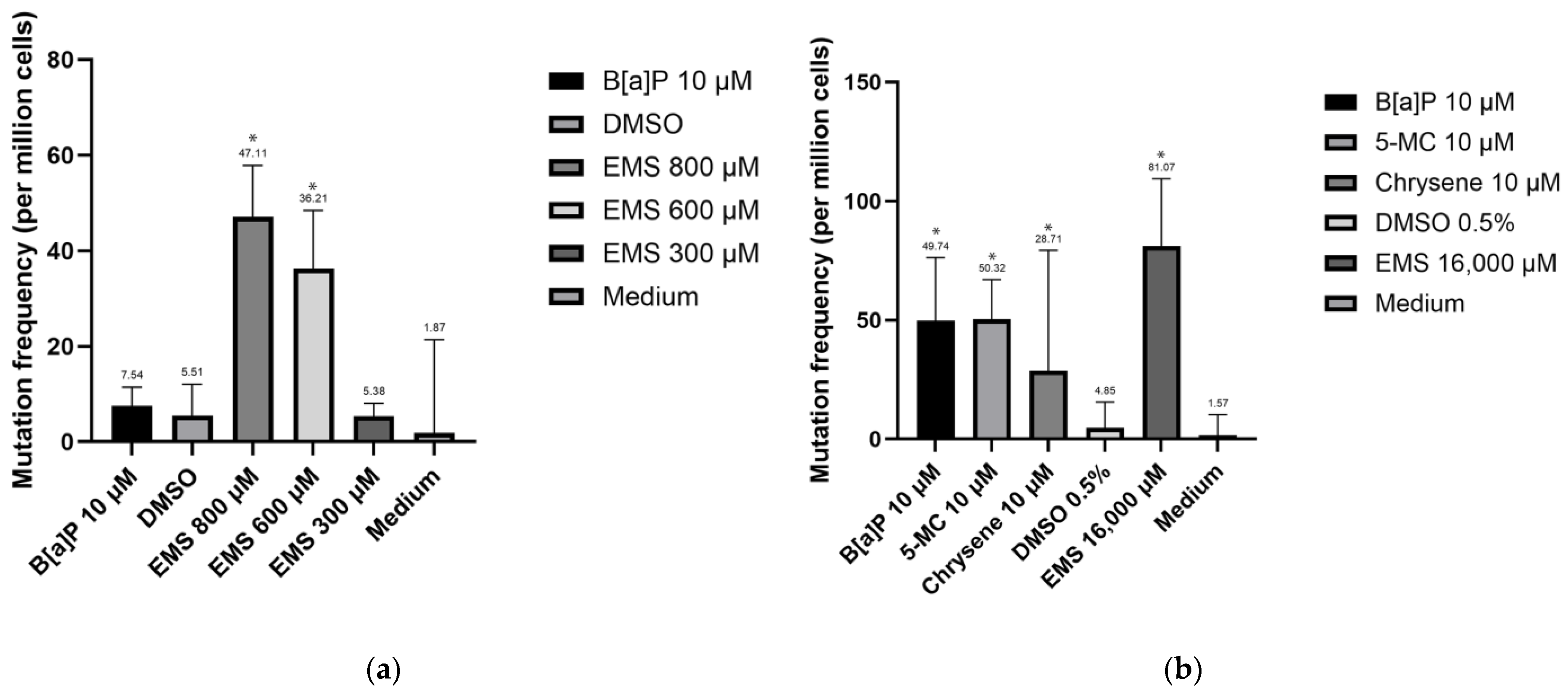
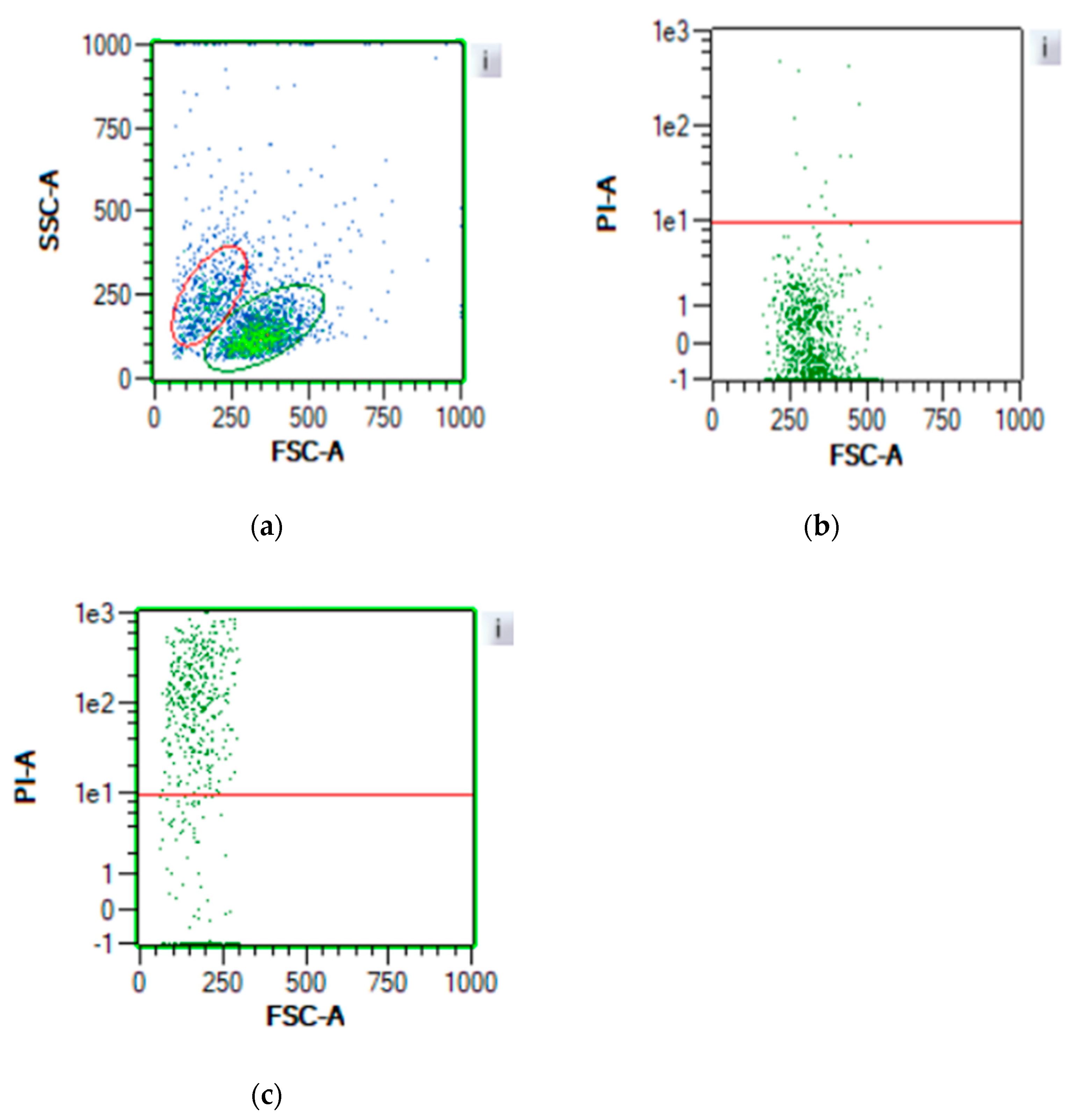
Gene mutations linked to diseases like cancer may be caused by exposure to environmental chemicals. The X-linked phosphatidylinositol glycan class A (PIG-A) gene, required for glycosylphosphatidylinositol (GPI) anchor biosynthesis, is a key target locus for in vitro genetic toxicity assays. Various organisms and cell lines may respond differently to genotoxic agents. Here, we compared the mutagenic potential of directly genotoxic ethyl methane sulfonate (EMS) to metabolically activated pro-mutagenic polycyclic aromatic hydrocarbons (PAHs). The two classes of mutagens were compared in an in vitro PIG-A gene mutation test using the metabolically active murine hepatoma Hepa1c1c7 cell line and the human TK6 cell line, which has limited metabolic capability. Determination of cell viability is required for quantifying mutagenicity. Two common cell viability tests, the MTT assay and propidium iodide (PI) staining measured by flow cytometry, were evaluated. The MTT assay overestimated cell viability in adherent cells at high benzo[a]pyrene (B[a]P) exposure concentrations, so PI-based cytotoxicity was used in calculations. The spontaneous mutation rates for TK6 and Hepa1c1c7 cells were 1.87 and 1.57 per million cells per cell cycle, respectively. TK6 cells exposed to 600 µM and 800 µM EMS showed significantly higher mutation frequencies (36 and 47 per million cells per cell cycle, respectively). Exposure to the pro-mutagen benzo[a]pyrene (B[a]P, 10 µM) did not increase mutation frequency in TK6 cells. In Hepa1c1c7 cells, mutation frequencies varied across exposure groups (50, 50, 29, and 81 per million cells per cell cycle when exposed to 10 µM B[a]P, 5-methylcholanthrene (5-MC), chrysene, or 16,000 µM EMS, respectively). We demonstrate that the choice of cytotoxicity assay and cell line can determine the outcome of the Pig-A mutagenesis assay when assessing a specific mutagen.
Keywords: gene mutation; in vitro PIG-A gene mutation assay; ethyl methane sulfonate (EMS); polycyclic aromatic hydrocarbons (PAHs) gene mutation; in vitro PIG-A gene mutation assay; ethyl methane sulfonate (EMS); polycyclic aromatic hydrocarbons (PAHs)