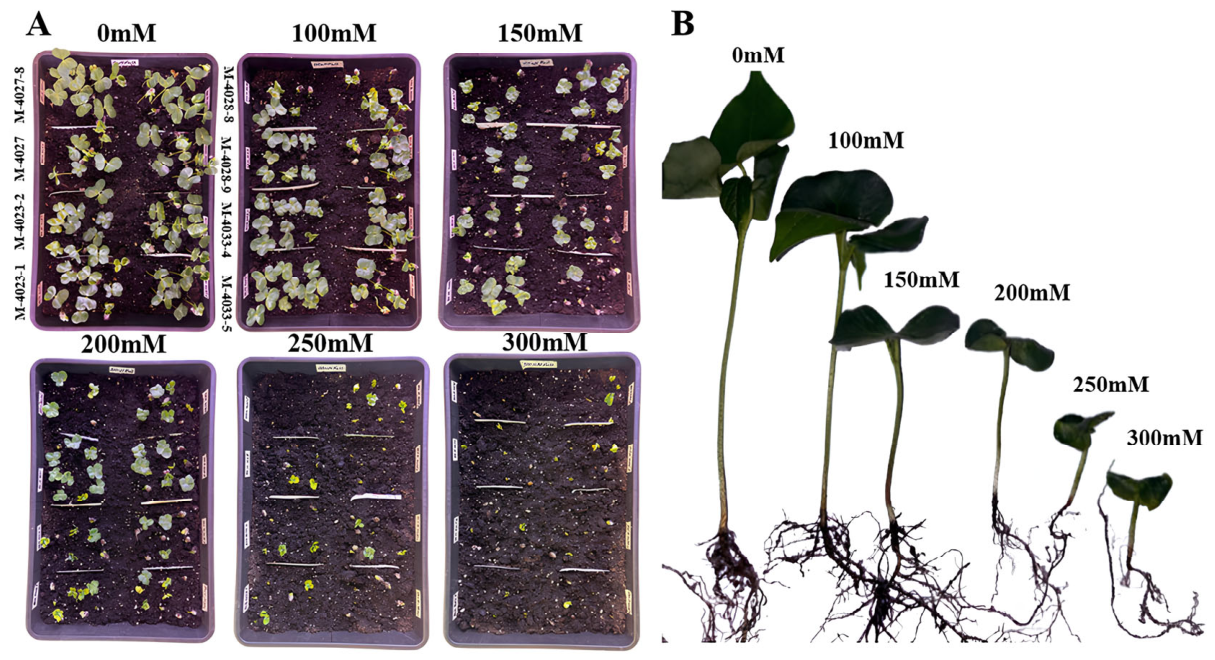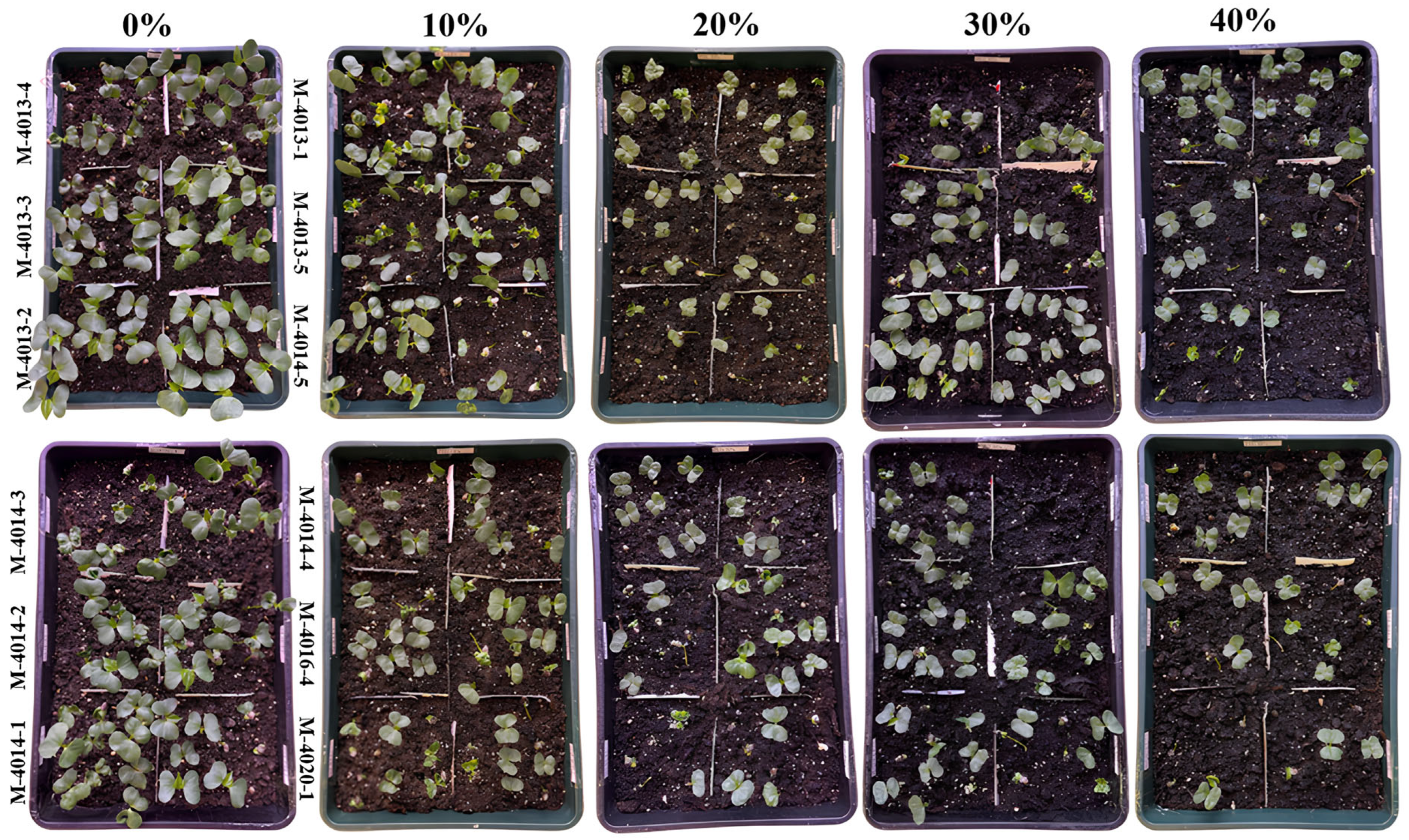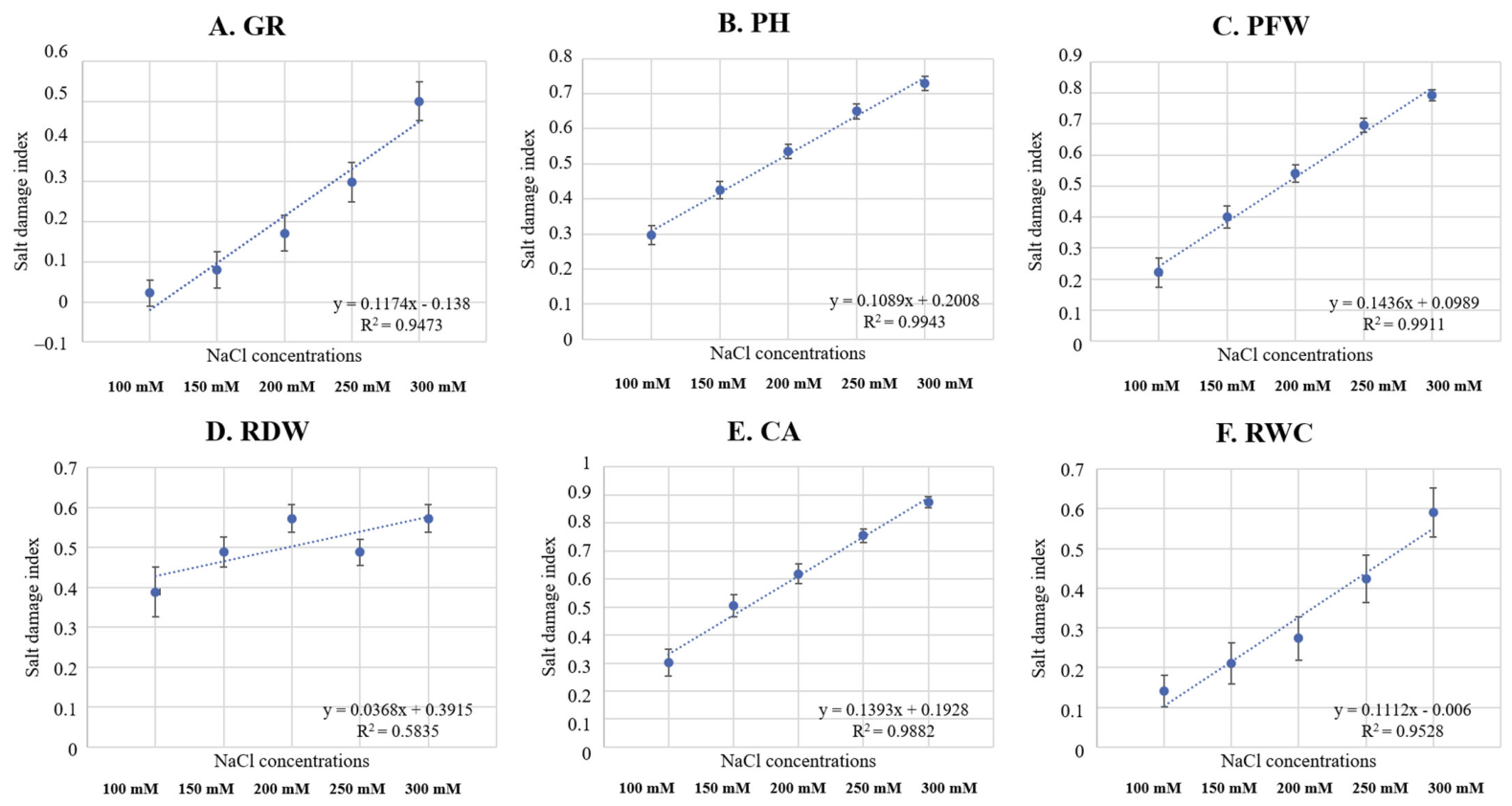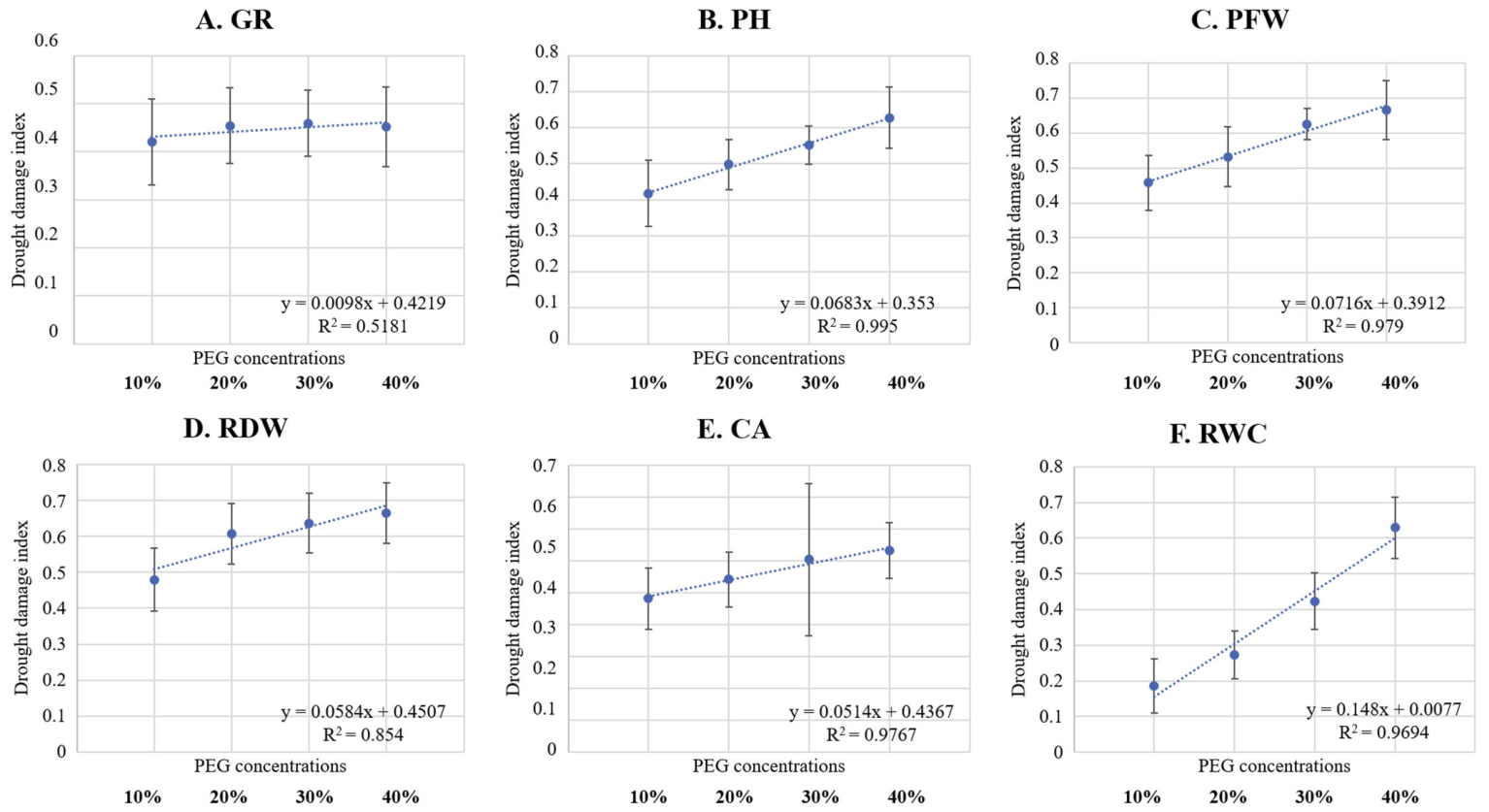
Development of Salt and Drought Tolerance Classification in the Kazakhstan Cotton Collection Using Optimal Phenotypic Traits

 , , ,
, , , 
Abstract
Share and Cite
Orken, A.; Zhumabay, N.; Amangeldyeva, N.; Ramazanova, M.; Makhmadjanov, S.; Tokhetova, L.; Manabayeva, S.; Tussipkan, D. Development of Salt and Drought Tolerance Classification in the Kazakhstan Cotton Collection Using Optimal Phenotypic Traits. Int. J. Plant Biol. 2026, 17, 65. https://doi.org/10.3390/ijpb17080065
Orken A, Zhumabay N, Amangeldyeva N, Ramazanova M, Makhmadjanov S, Tokhetova L, Manabayeva S, Tussipkan D. Development of Salt and Drought Tolerance Classification in the Kazakhstan Cotton Collection Using Optimal Phenotypic Traits. International Journal of Plant Biology. 2026; 17(8):65. https://doi.org/10.3390/ijpb17080065
Chicago/Turabian StyleOrken, Aisulu, Nurbek Zhumabay, Nazerke Amangeldyeva, Malika Ramazanova, Sabir Makhmadjanov, Laura Tokhetova, Shuga Manabayeva, and Dilnur Tussipkan. 2026. "Development of Salt and Drought Tolerance Classification in the Kazakhstan Cotton Collection Using Optimal Phenotypic Traits" International Journal of Plant Biology 17, no. 8: 65. https://doi.org/10.3390/ijpb17080065
APA StyleOrken, A., Zhumabay, N., Amangeldyeva, N., Ramazanova, M., Makhmadjanov, S., Tokhetova, L., Manabayeva, S., & Tussipkan, D. (2026). Development of Salt and Drought Tolerance Classification in the Kazakhstan Cotton Collection Using Optimal Phenotypic Traits. International Journal of Plant Biology, 17(8), 65. https://doi.org/10.3390/ijpb17080065