1. Introduction
The cacao tree (
Theobroma cacao L.) is a crop of high economic, social, and ecological relevance in tropical regions, playing a central role in income generation, biodiversity conservation, and the sustainability of agroforestry systems [
1]. Despite advances in genetic improvement and crop management, the nursery phase remains a critical bottleneck in cacao production, as seedlings frequently exhibit low physiological vigor, limited photosynthetic performance, and high sensitivity to environmental stresses, which can compromise their establishment and performance in the field [
2,
3,
4].
In cacao propagation systems, seedling quality is particularly important because these plants are widely used as rootstocks in clonal grafting procedures. Rootstocks play a fundamental role in the establishment, vigor, and physiological performance of grafted plants, directly influencing water and nutrient uptake, root development, adaptation to soil conditions, and tolerance to biotic and abiotic stresses. In perennial crops, rootstock selection may significantly affect vegetative growth, productivity, and long-term field performance, being considered a key factor for the success of commercial orchards [
5]. In cacao, although grafting is extensively used for clonal propagation and the establishment of more uniform plantations, the morphophysiological quality of seedlings destined for rootstock use remains an important limiting factor during the nursery phase. Furthermore, recent studies suggest that different rootstock–scion combinations may influence physiological and nutritional characteristics in cacao, reinforcing the importance of rootstock management beyond simple graft compatibility [
6]. Therefore, strategies capable of improving root system development and physiological balance during seedling production may contribute directly to grafting success and early field establishment.
In recent years, plant biostimulants have gained increasing attention as sustainable tools to enhance plant growth and physiological efficiency, potentially reducing the reliance on conventional fertilizers [
7,
8,
9]. These products act through complex mechanisms involving metabolic, hormonal, and redox regulation, influencing photosynthesis, nutrient uptake, and root system development [
10,
11]. Unlike mineral fertilizers, biostimulants do not act solely by nutrient supply, but also by biochemical signaling that modulates specific growth and stress-related pathways [
12,
13].
Among the different categories of biostimulants, protein hydrolysates stand out due to their broad applicability and reported physiological efficiency. These products are obtained through enzymatic or chemical hydrolysis of proteins of plant or animal origin, resulting in mixtures of free amino acids and short bioactive peptides [
11,
14]. Protein hydrolysates and amino acid-based biostimulants have been extensively investigated in recent years, with reported effects on plant growth, nutrient use efficiency, photosynthetic performance, and stress tolerance across different crops, as summarized in recent reviews [
11,
15].
Recent studies conducted in woody and perennial crops have demonstrated that protein hydrolysate-based biostimulants may improve root development, chlorophyll accumulation, nutrient assimilation, and photosynthetic performance during early plant establishment. Positive responses have been reported in coffee seedlings, grapevine, citrus and horticultural species, where these products promoted greater vegetative growth, improved biomass allocation, and enhanced physiological performance under nursery and field conditions [
16,
17,
18,
19,
20]. In several cases, chlorophyll fluorescence parameters have also been used to evaluate the effects of protein hydrolysates on photosystem II (PSII) functionality and photochemical regulation [
17,
18,
19,
20,
21], reinforcing the relevance of integrated physiological approaches for understanding plant responses to biostimulant application. Despite these advances, studies evaluating dose-dependent morphophysiological and photochemical responses to protein hydrolysates in cacao seedlings remain scarce, particularly considering genotype-specific behavior and the nursery phase used for rootstock production.
The organomineral biostimulant Terrativa®, formulated from animal-derived protein hydrolysate and containing complexed phosphorus and free amino acids (0.54%), represents an input with combined nutritional and physiological functions. In this formulation, amino acids may act as metabolic and signaling molecules, while phosphorus contributes to energy metabolism and cellular homeostasis. However, as with other protein hydrolysate-based products, the physiological responses to Terrativa® are expected to be strongly dose-dependent.
Despite the growing body of literature on protein hydrolysates, important gaps remain regarding their physiological mode of action in cacao seedlings. Most available studies focus on isolated growth parameters or general performance indicators, whereas integrated analyses linking dose-dependent morphological responses with PSII functional performance are still limited, particularly during the nursery phase and in seedlings used as rootstocks [
4,
15,
17,
18,
22]. In addition, comparative evaluations among cacao genotypes with distinct physiological backgrounds are scarce, restricting a broader understanding of genotype-specific responses to this class of biostimulants.
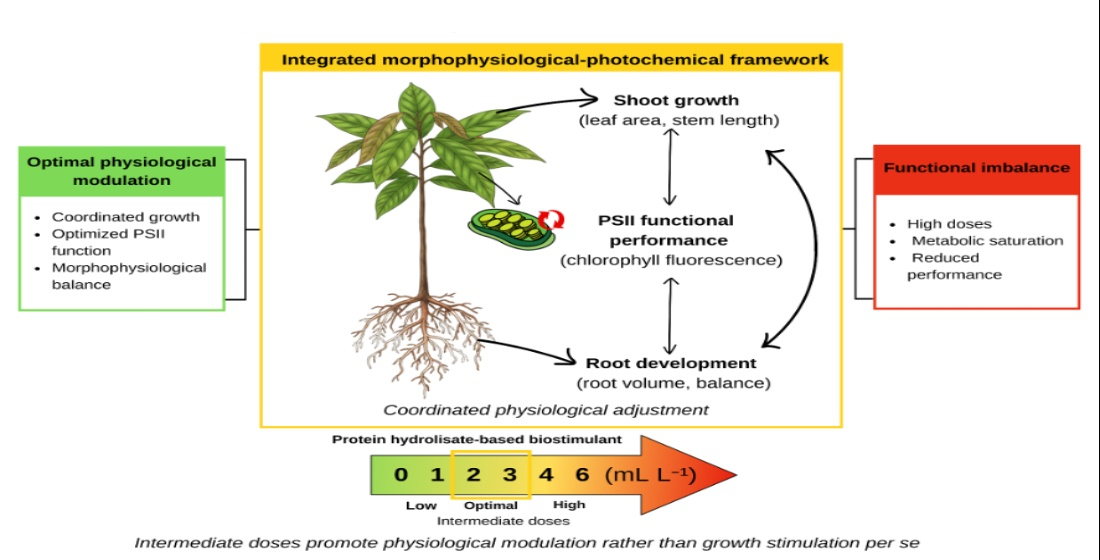
Although protein hydrolysate-based biostimulants have been widely investigated and their dose-dependent effects on plant growth and photosynthetic traits are well documented, relevant uncertainties remain regarding the integrated physiological interpretation of these responses, particularly in perennial crops during the nursery phase. Most available studies focus on isolated growth parameters or general performance indicators, providing limited insight into how morphological development, root system architecture, and photosystem II (PSII) functional performance are coordinated across different biostimulant doses. This limitation is especially relevant for cacao seedlings used as rootstocks, where morphophysiological balance directly influences grafting success and early field establishment. Therefore, rather than aiming to demonstrate growth stimulation per se, this study seeks to advance current knowledge by providing an integrated morphophysiological–photochemical framework to interpret dose-dependent responses of two T. cacao genotypes to a protein hydrolysate-based biostimulant. By jointly analyzing growth traits, root development, chlorophyll indices, and PSII fluorescence parameters, we hypothesize that intermediate doses promote coordinated physiological adjustment, whereas higher concentrations may lead to functional imbalance during the nursery phase.
2. Materials and Methods
2.1. Experimental Location and Plant Material
The experiment was conducted in a commercial nursery located in the municipality of Linhares, Espírito Santo, Brazil (19°27′28″ S; 39°52′44″ W; 38 m altitude). The altitude was determined based on the SRTM digital elevation model [
23], with topographic validation from IBGE [
24]. The area is located in a traditional cacao growing region in the state of Espírito Santo, with agroclimatic suitability for the development of
T. cacao [
25].
The local climate is classified as Aw, according to Köppen, with a rainy season in summer and a relatively dry period in winter [
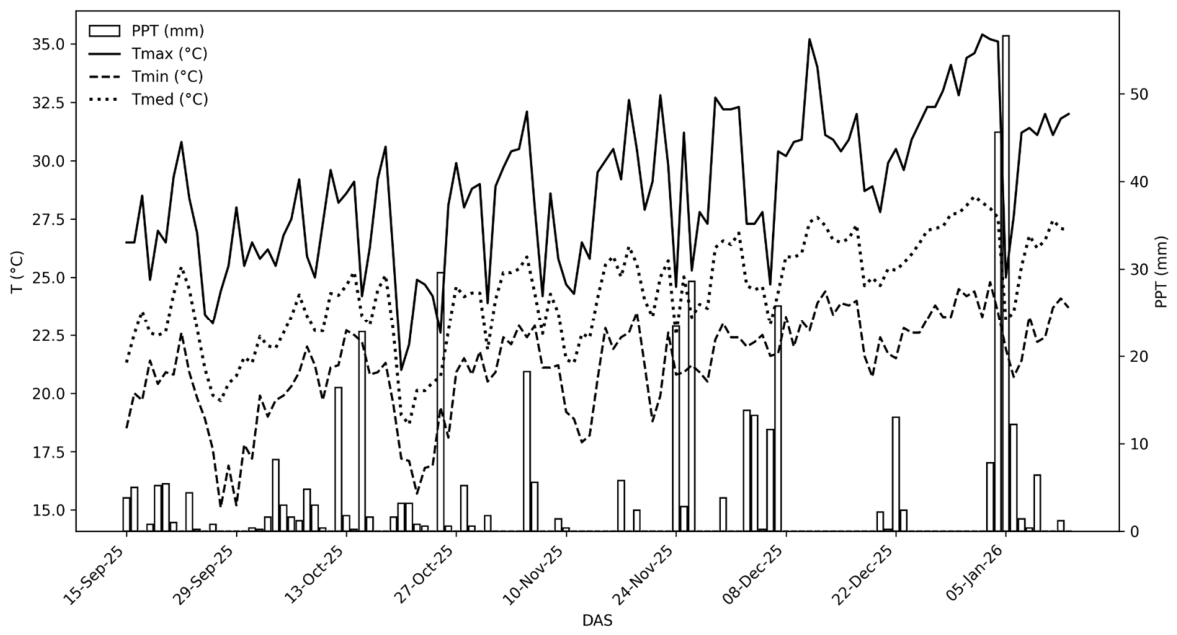
26]. The experimental period extended from 15 September 2025 to 13 January 2026. Meteorological data were obtained from the Linhares Automatic Meteorological Station (INMET, Code A614) [
27]. The average air temperature during the period was 24.3 °C, with minimum and maximum values of 15.1 °C and 35.4 °C, respectively (
Figure 1). The accumulated precipitation totaled 447.4 mm. The average relative humidity was estimated at approximately 84%, based on INMET climatological normals [
28].
The plant material consisted of seedlings of two
T. cacao cultivars, Catongo and TSH1188, used as rootstocks in clonal propagation systems. The Catongo cultivar belongs to the Forastero (Amazonian) genetic group and is recognized for having light-colored seeds, associated with spontaneous mutations in traditional cacao populations, as well as morphophysiological characteristics related to vegetative vigor and adaptation to tropical conditions [
29]. While the TSH1188 cultivar belongs to the Trinitario group, resulting from the cross between Forastero and Criollo genotypes, and presents morphophysiological characteristics associated with balanced growth and greater physiological stability, reflecting the genetic and adaptive diversity of the cacao tree [
29,
30].
2.2. Experimental Design and Treatments
The experiment was conducted in a randomized block design, in a 2 × 6 factorial scheme, with the first factor consisting of two cultivars of T. cacao, Catongo and TSH1188, and the second factor consisting of six doses of the biostimulant Terrativa® (0, 1, 2, 3, 4 and 6 mL L−1). Each treatment consisted of four replications, with 10 plants per plot, totaling 480 plants evaluated. The treatments were randomly distributed within each block, in order to minimize the effects of spatial variability in the growing environment.
Terrativa
® biostimulant is a Class A organic organomineral fertilizer, based on hydrolyzed animal protein, containing macronutrients and free amino acids. The chemical composition and physicochemical characteristics of the biostimulant were obtained from the information declared on the product label [
31], as shown in
Table 1.
Laboratory analysis indicated a total free amino acid content of 0.54%, with a predominance of glutamic acid, valine, proline, aspartic acid, and leucine, as per an independent analytical report [
32]. The detailed free amino acid profile is presented in
Table 2.
The biostimulant doses corresponded to solution concentrations ranging from 0 to 6 mL of product per liter of water (0, 1, 2, 3, 4, and 6 mL L
−1). For each treatment, the solutions were prepared in advance by withdrawing the required aliquot of Terrativa
® and subsequently adding distilled water to complete 1 L of final solution at the desired concentration. No surfactant or spreading agent was added to the spray solution. The pH determinations of the samples were performed at the Instituto Federal do Espírito Santo (IFES) using a pH meter (MPA-210 model, Tecnopon
®, Piracicaba, São Paulo, Brazil). The instrument was previously calibrated with standard buffer solutions at pH 7.0 and pH 4.0, according to the manufacturer’s recommendations, ensuring analytical reliability of the measurements. For each evaluated dosage, readings were carried out in triplicate (
Table 3).
The biostimulant applications were carried out via foliar application, in the morning, weekly during the first month and subsequently, bi-weekly, starting 25 days after sowing (DAS). For each dose, 1 L of solution was prepared and applied uniformly to the plants using a manual pre-pressure sprayer. The volume of solution applied was approximately 25 mL per plant−1, considering the application of 1 L for every 40 plants. Thus, although the spray volume per plant was constant (≈25 mL plant−1), the effective amount of biostimulant delivered varied proportionally according to the solution concentration (0–6 mL L−1).
2.3. Growing Conditions and Cultural Practices
The seedlings were kept in a nursery covered with 50% shade cloth, under micro-sprinkler irrigation carried out three times a day, with two 30 min irrigations and one supplementary 10 min irrigation. Water management was conducted based on substrate moisture, with adjustments according to climatic conditions and the stage of seedling development, avoiding both water deficit and waterlogging.
The plants were grown in polyethylene plastic bags (nursery bags), measuring 15 × 28 × 10 cm and with an approximate useful volume between 2.8 and 3.5 L, filled with Produx Dreno commercial substrate (MAPA SP 81755), composed of pine bark, vermiculite, charcoal, and mineral amendments. The substrate had a pH of 6.2 (±0.5), an electrical conductivity of 0.6 ± 0.3 mS cm−1, and an apparent density of 267 kg m−3, characteristics favorable to the development of the root system of cacao seedlings.
Maintenance fertilization was carried out in a balanced and fractionated manner, using sources of macronutrients and micronutrients, according to technical recommendations for the production of cacao seedlings. No synthetic stimulants or seaweed extracts were applied to the experimental plot in order to avoid interference with the effects of the evaluated biostimulant.
Phytosanitary management was conducted in a preventive and corrective manner, with chemical and biological applications according to phytosanitary monitoring. Throughout the experimental period, no severe incidences of pests or diseases were observed, indicating the efficiency of the management adopted.
2.4. Evaluation of Growth and Development
Evaluations were carried out 120 days after sowing (DAS), considering representative plants from each experimental plot.
Shoot growth was characterized by the number of leaves (NL), total leaf area (LA), stem length (SL), and stem diameter (SD). Leaf area was determined using an LI-3100C electronic leaf area meter (LI-COR Biosciences, Lincoln, NE, USA) [
33]. Stem length was measured from the collar to the apical bud with a graduated ruler, and stem diameter was measured at the collar region with a precision digital caliper.
The root system was evaluated by measuring the length of the longest root (LR) and the root volume (RV), determined by the water displacement method in a graduated cylinder [
34,
35].
From these variables, morphophysiological indices were calculated, including the robustness index, obtained by the ratio between the length and diameter of the stem (SL/SD) [
35], the ratio between the length of the stem and the length of the longest root (SL/LR), used as an indicator of the morphophysiological balance of the seedlings.
2.5. Determination of Chlorophyll Indices and Fluorescence
Chlorophyll indices were determined 120 days after sowing (DAS) using the ClorofiLOG CFL 1030 electronic chlorophyll meter (Falker Automação Agrícola, Porto Alegre, Brazil). Measurements were taken on all plants in each experimental plot, evaluating two fully expanded leaves per plant, located in the middle portion of the aerial part. Relative indices of chlorophyll a, chlorophyll b, and total chlorophyll were obtained according to the methodology proposed by the manufacturer [
36].
The transient fluorescence of chlorophyll a was evaluated using the Pocket PEA portable fluorometer (Hansatech Instruments, Norfolk, United Kingdom) [
37]. Measurements were taken in the morning, between 08:00 and 11:00 h, on three randomly selected plants within each experimental plot, evaluating two fully expanded leaves per plant. For all seedlings, chlorophyll fluorescence measurements were performed on the same fully expanded leaf, in the middle portion of the leaf blade and avoiding the central vein, to minimize experimental variability and ensure data comparability among treatments. The leaves were previously dark-adapted for 30 min using leaf clips to ensure complete opening of the photosystem II (PSII) reaction centers. Subsequently, a saturating light pulse of 3000 μmol m
−2 s
−1 photons was applied for a duration of 1 s.
The following fluorescence parameters were determined: initial fluorescence (Fo), variable fluorescence (Fv), maximum fluorescence (Fm), energy absorbed per reaction center (ABS/RC), energy transferred for electron transport (TRO/RC), and absorption-based photochemical performance index (PI abs). The chlorophyll a fluorescence transient (OJIP) was analyzed according to the JIP-test theory, which allows the evaluation of energy absorption, trapping, and electron transport within PSII reaction centers, as described by Strasser et al. [
38].
2.6. Statistical Analysis
The data were subjected to statistical analysis using R software (version 4.5.1) [
39]. Initially, the data were subjected to the Shapiro–Wilk normality test to assess the distribution of variables. Analysis of variance was performed in a 2 × 6 factorial scheme, considering the effects of cultivars, biostimulant doses, and the interaction between the factors, adopting a randomized block design.
When the interaction between the factors was not significant by the F test (p ≤ 0.05), the main effects of cultivars and doses were evaluated. For the quantitative factor (biostimulant doses), the data were subjected to polynomial regression analysis, and the models were selected based on the significance of the coefficients. In cases where there was a significant fit to the quadratic model, the maximum or minimum points were estimated by the derivative of the function. For the qualitative factor (cultivars), the means were compared using Tukey’s test at a 5% probability level (p ≤ 0.05).
3. Results
Treatments with the biostimulant Terrativa® promoted significant changes in vegetative growth, root development, and physiological performance of T. cacao seedlings, with dose- and genotype-dependent responses. A predominance of quadratic adjustments was observed for most morphological and physiological variables, indicating greater efficiency at intermediate doses and reduced performance at higher concentrations.
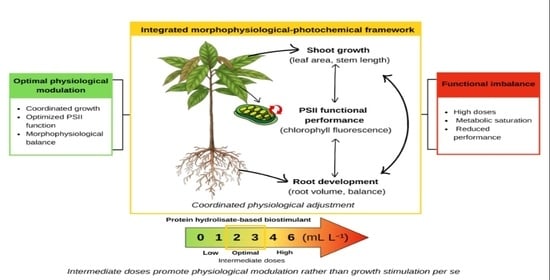
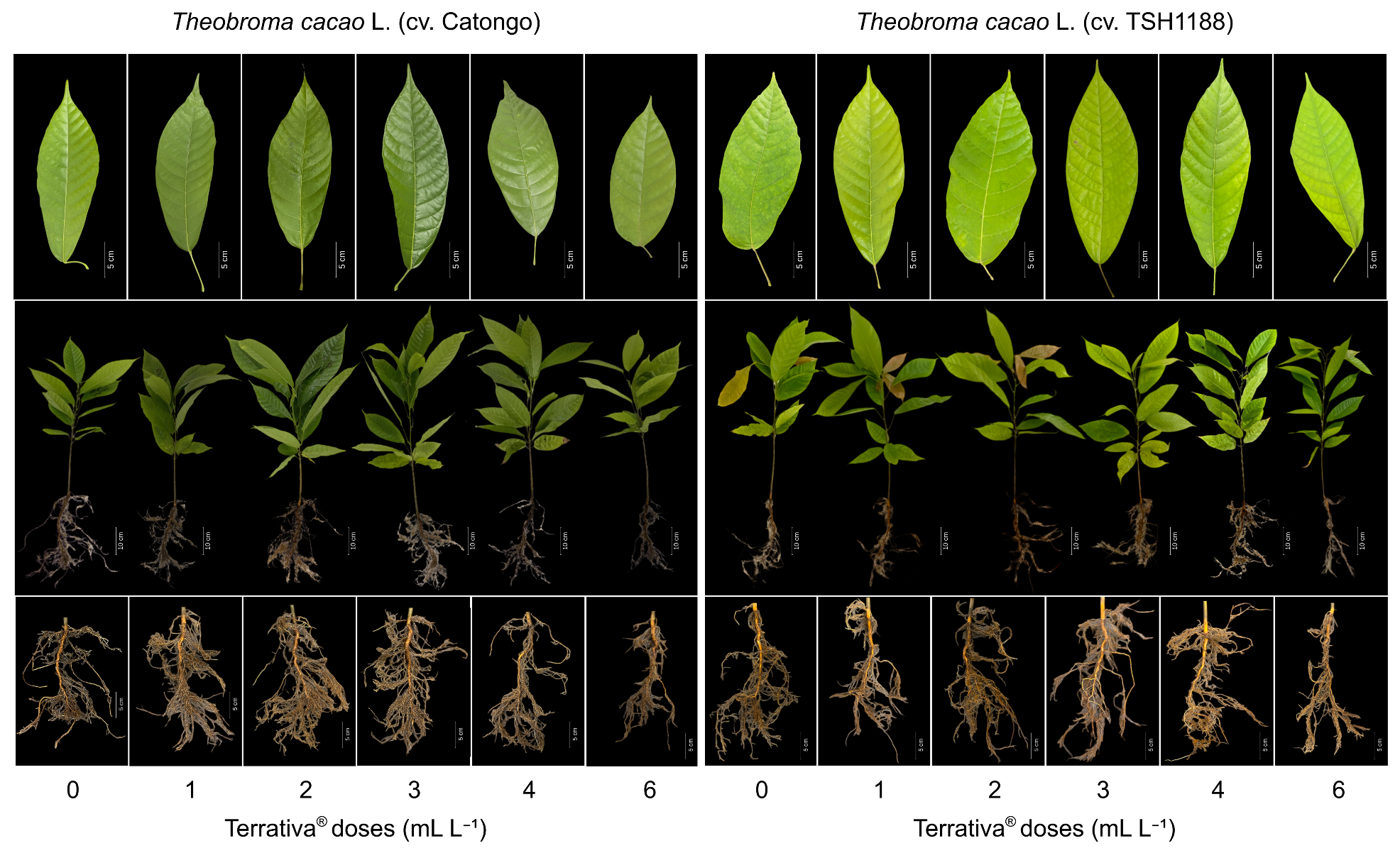
Figure 2 summarizes the morphophysiological response pattern of
T. cacao seedlings to Terrativa
® doses, showing greater vegetative vigor and root development at intermediate doses, as well as reduced performance at higher doses, characterizing a typical dose-dependent response behavior.
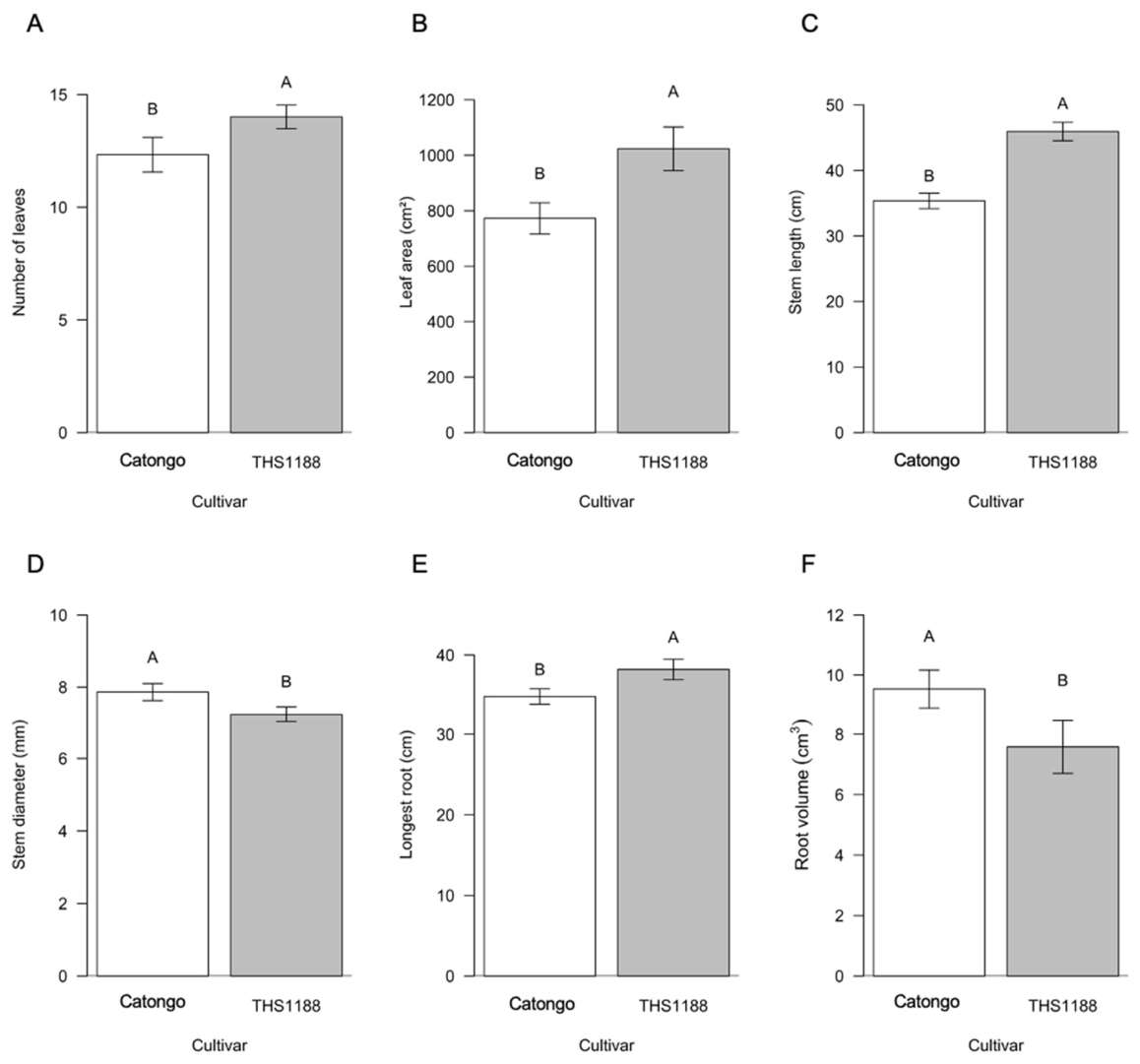
In terms of vegetative growth, there was no interaction between the cultivars and the Terrativa
® dosage (
Table A1). The TSH1188 cultivar showed statistically superior averages for the number of leaves, leaf area, stem length, and longest root (
Figure A1). The Catongo cultivar showed superior averages for stem diameter and root volume (
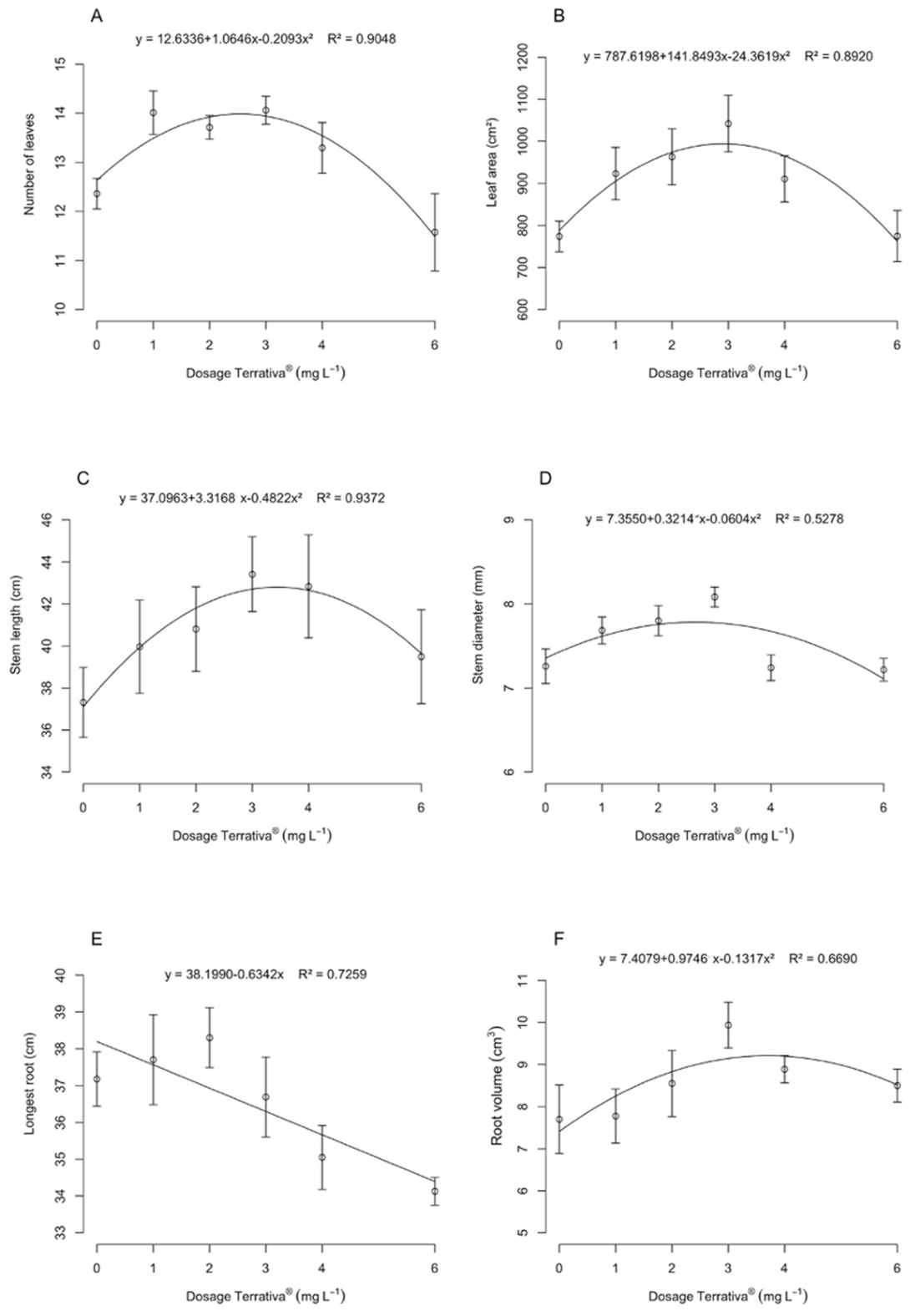
Figure A1). Regarding Terrativa
® dosages, doses between 2.50 and 3.70 mL L
−1 provided better vegetative growth for both the TSH1188 and Catongo cultivars (
Figure 3). These dosages resulted in an increase of more than 25% in the leaf area and root volume of the cocoa seedlings.
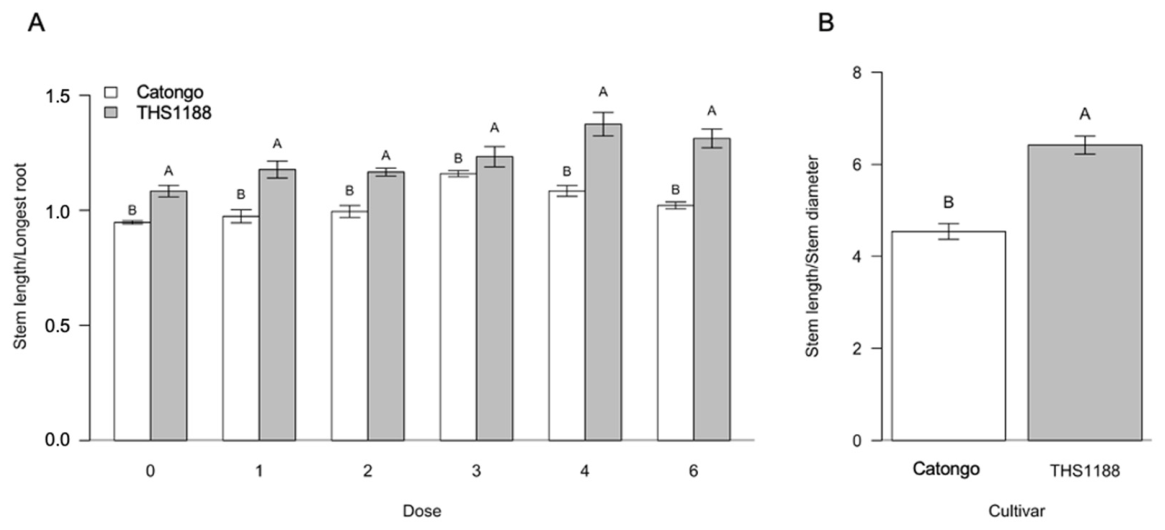
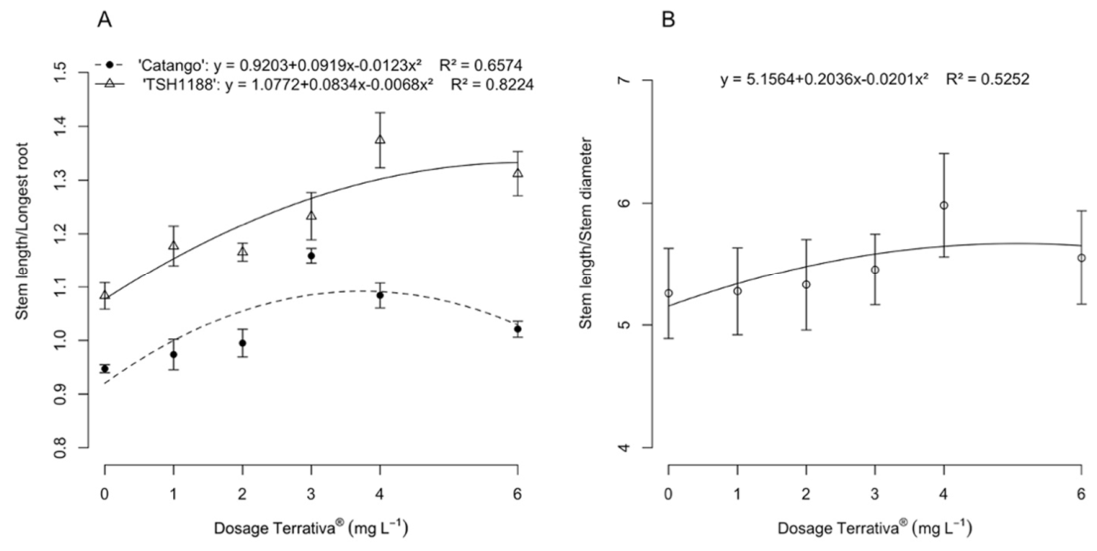
Regarding quality characteristics (
Table A1,
Figure A2 and
Figure A3), the stem length/longest root showed a significant interaction between the factors, with the Catongo cultivar showing the highest average at a dosage of 3 mL L
−1 and the TSH1188 cultivar showing the highest averages at Terrativa
® dosages of 0, 1, 2, 4, and 6 mL L
−1. In the equation adjustments, the Catongo cultivar presented the highest stem length/longest root values of 1.09 at a Terrativa
® dosage of 3.73 mL L
−1. On the other hand, the highest stem length/longest root value of 1.33 in the TSH1188 cultivar was observed at a Terrativa
® dosage of 6.13 mL L
−1. For stem length/stem diameter, there was no significant interaction between the factors, with the TSH1188 cultivar being statistically superior to the Catongo cultivar. Regarding the regression analysis, a second-degree linear model was fitted with a maximum stem length/stem diameter value of 5.67 at a dosage of 5.06 mL L
−1 of Terrativa
®.
For photosynthetic pigments (
Table A2,
Figure A4 and
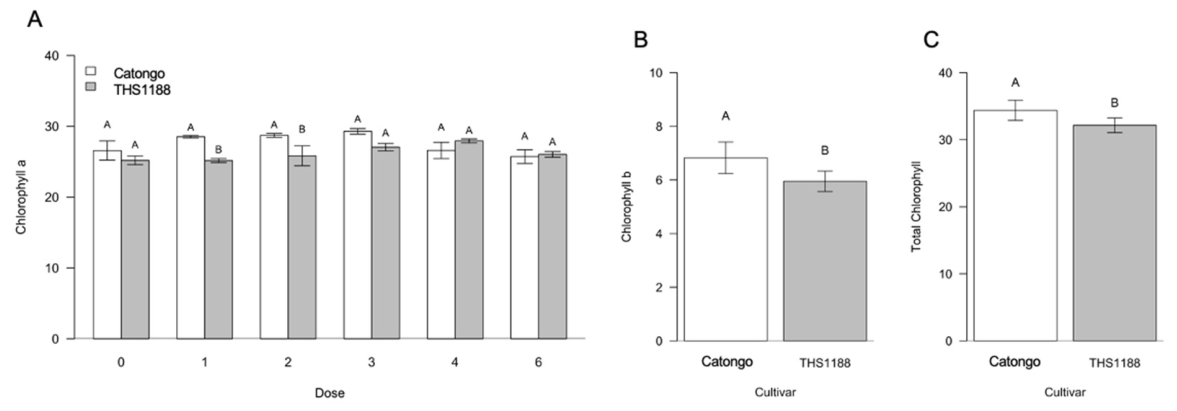
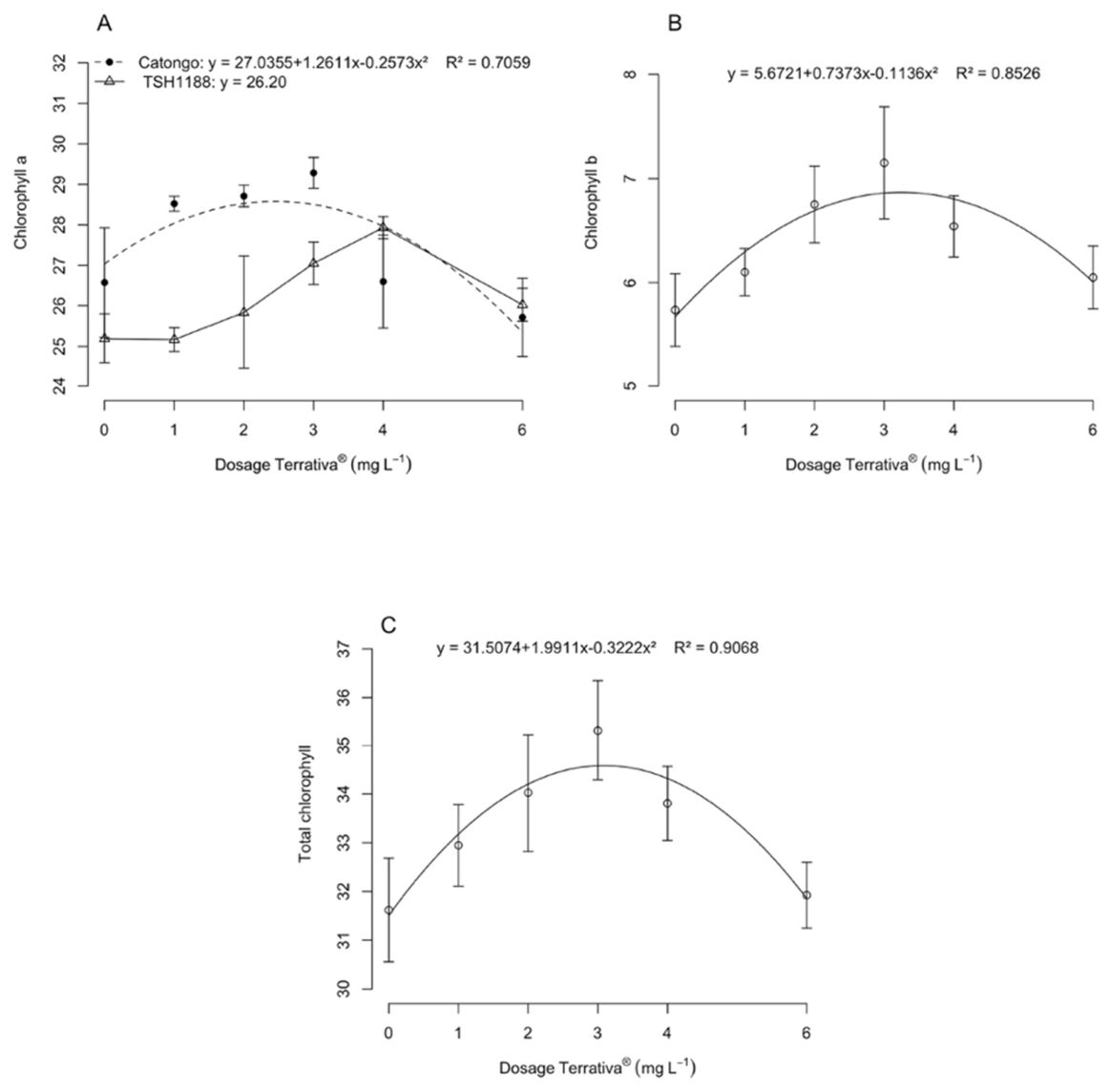
Figure 4), a significant interaction was observed between the cultivar and the dosage of the biostimulant Terrativa
® for chlorophyll a, where the Catongo cultivar was statistically superior at dosages of 1 and 2 mL L
−1. For chlorophyll b and total chlorophyll, no interaction was observed between the factors, with statistical superiority of the Catongo cultivar for both characteristics. Chlorophyll a, in the Catongo cultivar, showed quadratic behavior with a maximum point of 28.58 at a dosage of 2.45 mL L
−1 of Terrativa
® and an R
2 of 0.7059; however, for the TSH1188 cultivar, no statistical differences were observed between the dosages of Terrativa
® applied for chlorophyll a, with an average of 26.20 in all dosages. The levels of chlorophyll b and total chlorophyll showed a quadratic effect with maximum points of 6.86 and 34.58, at Terrativa
® biostimulant dosages of 3.24 and 3.08 mL L
−1.
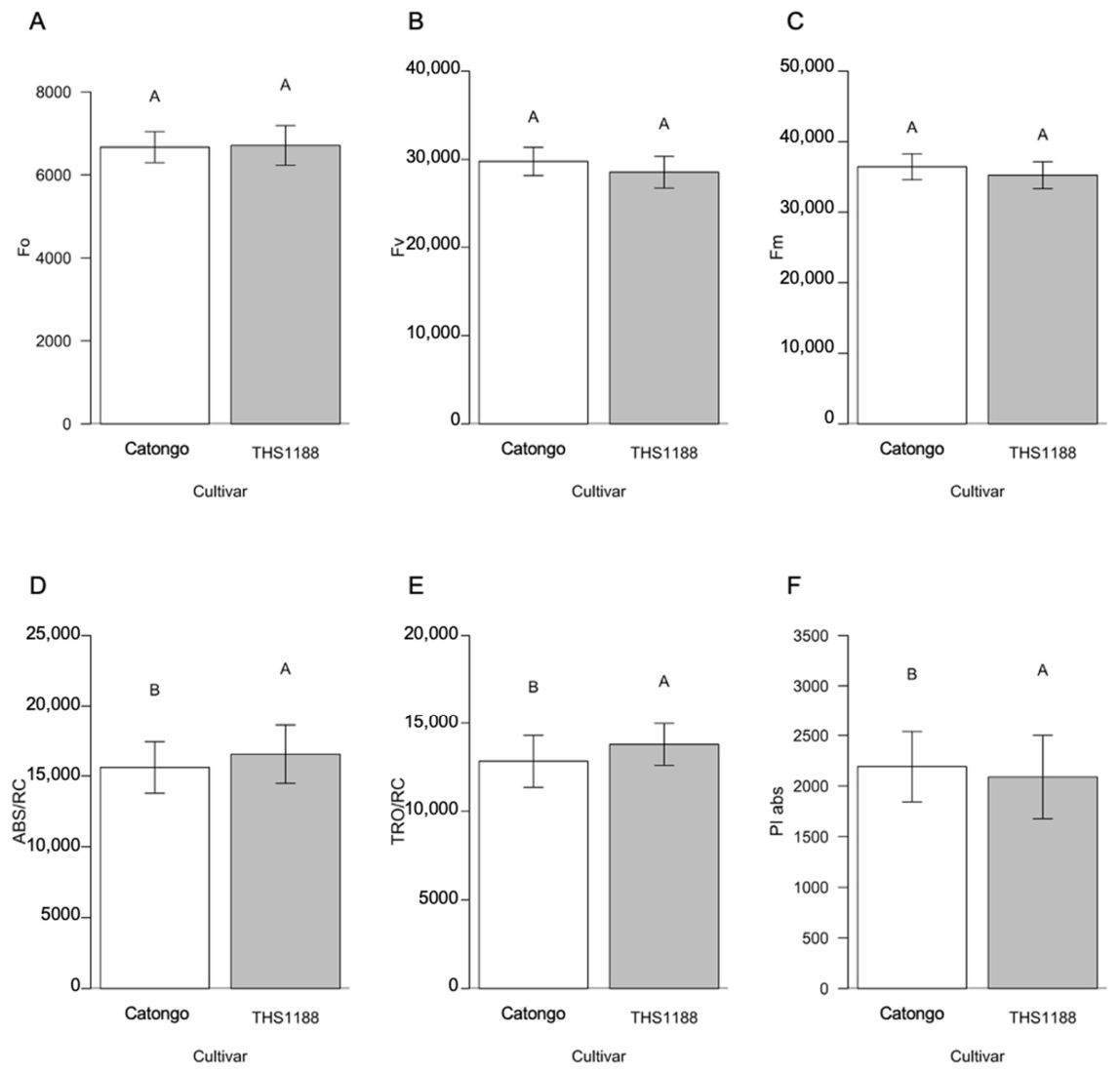
Regarding chlorophyll fluorescence characteristics, there was no significant interaction between the Catongo and THS1188 cultivars and the dosage of the Terrativa
® biostimulant applied (
Table A3). For Fo, Fm, and Fv, there were no differences between the cultivars (
Figure A5). However, for the ABS/RC and Tro/RC characteristics, the THS1188 cultivar showed higher averages (
Figure A5). On the other hand, for Pi abs, the Catongo cultivar showed statistically higher averages (
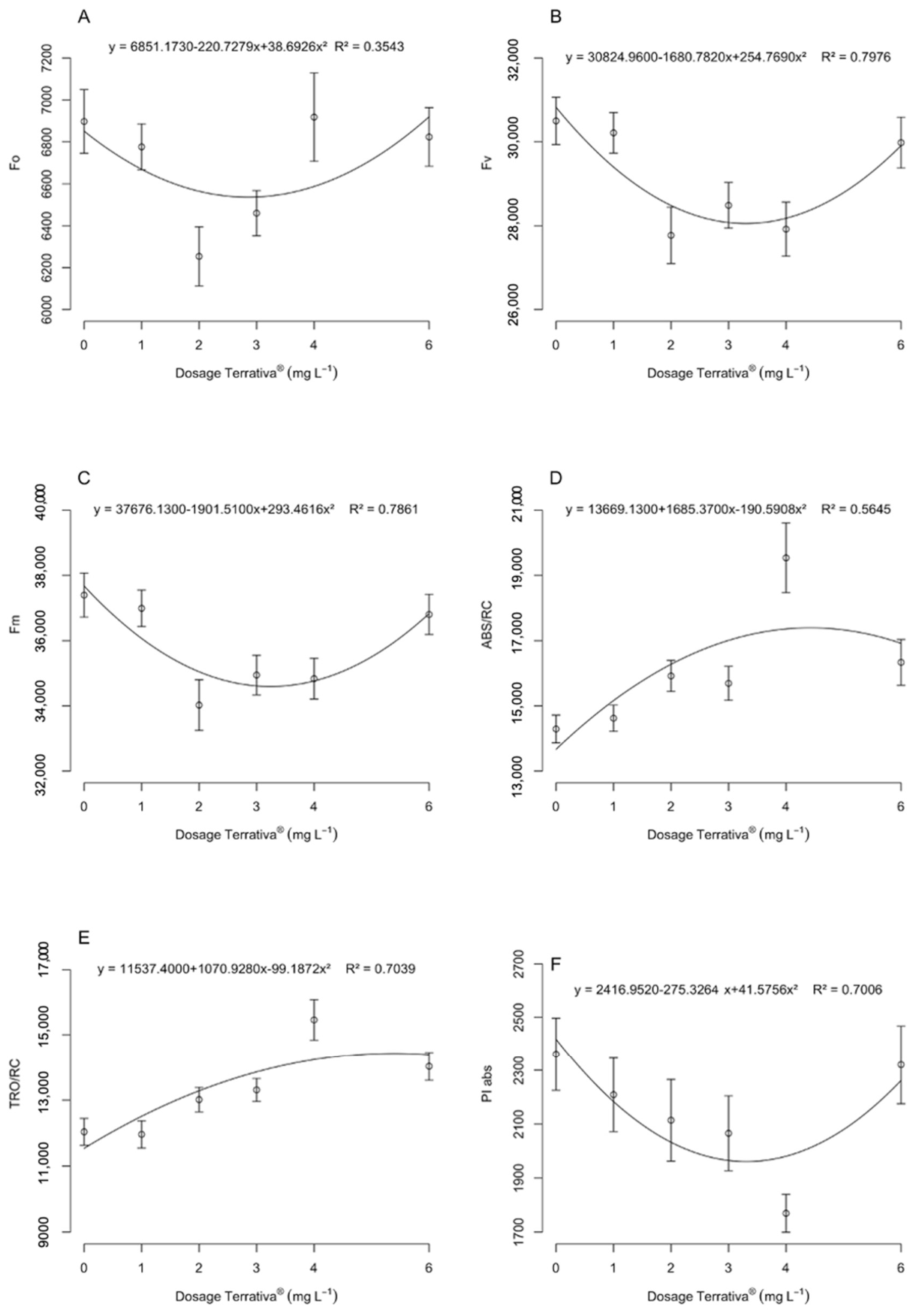
Figure A5). Regarding the regression curves of the characteristics as a function of the dosage of the Terrativa
® biostimulant applied, a quadratic fit was observed in all cases. The lowest values for Fo, Fv, Fm, and PI abs were found between dosages of 2.85 and 3.31 mL L
−1, with a reduction of up to 18.85% in these parameters (
Figure 5).
4. Discussion
Consistent with the integrated morphophysiological and photochemical responses observed in this study, protein hydrolysate application influenced cacao seedling performance according to the applied concentration. The effects were not restricted to vegetative growth, but also involved root development, chlorophyll accumulation, and changes in PSII-associated parameters, indicating coordinated physiological adjustments across different metabolic processes. Similar responses have been widely reported for plant biostimulants, especially those acting through metabolic regulation and signaling pathways rather than exclusively through nutritional effects [
7,
8,
9,
10].
Intermediate concentrations promoted greater leaf expansion, stem elongation, and root volume, suggesting a more balanced integration between shoot growth and root system development. This response is particularly relevant during nursery stages, when coordinated biomass allocation directly affects seedling vigor and establishment capacity. Comparable results were reported in cacao seedlings treated with intermediate biostimulant doses, which promoted increases in vegetative growth, leaf expansion, and nutrient use efficiency, whereas higher concentrations produced less pronounced gains for some growth variables [
2]. Together, these findings suggest that moderate metabolic stimulation tends to favor cacao seedling development, while excessive concentrations may compromise physiological balance.
Protein hydrolysates are known to act not only as nutrient sources, but also as signaling compounds capable of influencing nitrogen metabolism, hormonal regulation, and carbon assimilation pathways [
11,
20,
40]. In addition, amino acids and small peptide fractions may participate in enzymatic activation and metabolic regulation associated with plant growth and stress responses. The superior performance observed approximately between 2.50 and 3.70 mL L
−1 may reflect a condition in which amino acid availability supports biosynthetic activity and cellular expansion without exceeding the metabolic assimilation capacity of the seedlings. Excessive biostimulant application may lead to neutral or even inhibitory responses due to metabolic saturation or imbalances in endogenous regulatory pathways [
41]. In the present study, the reductions observed at higher concentrations may therefore be associated with limitations in assimilate utilization or changes in source–sink relationships rather than direct phytotoxic effects, as previously discussed for other protein hydrolysate-based products [
11,
13].
The responses observed in the root system reinforce this interpretation. Increased root volume under intermediate doses suggests greater allocation of photoassimilates to belowground structures, which may contribute to improved nutrient uptake efficiency, water acquisition, and overall seedling robustness. Root development is especially important in cacao nursery systems because rootstock vigor strongly influences graft establishment and early field adaptation. However, since the formulation also contains phosphorus and organic carbon compounds, the contribution of these components to the observed responses cannot be disregarded. Phosphorus is directly involved in ATP synthesis and energy transfer, while organic carbon compounds may affect rhizosphere interactions and metabolic activity [
12,
13,
14]. Thus, the responses observed here likely result from the combined influence of nutritional supply and metabolic signaling rather than from amino acid effects alone.
Chlorophyll indices also responded to the applied concentrations, with maximum values observed at intermediate doses. Increased chlorophyll content is commonly associated with improved light interception and greater photosynthetic potential, particularly during early seedling development. Previous studies have shown that protein hydrolysates may stimulate chlorophyll biosynthesis and nitrogen assimilation pathways [
11,
14], contributing to improved physiological performance in young plants. In horticultural and perennial species, increases in chlorophyll accumulation following protein hydrolysate application have frequently been associated with greater photosynthetic efficiency and improved metabolic activity [
20,
40]. In the present study, the increases observed in chlorophyll a, chlorophyll b, and total chlorophyll suggest enhanced pigment accumulation and improved functional organization of the photosynthetic apparatus under moderate doses. Nevertheless, these results should be interpreted as indirect indicators of photosynthetic potential, since gas exchange and carbon assimilation rates were not directly measured.
Chlorophyll fluorescence measurements provided additional information regarding the functional state of the photosynthetic apparatus. The responses observed for Fo, Fv, Fm, ABS/RC, TRO/RC, and PIabs indicate that PSII functioning was affected by protein hydrolysate application.
Variations in Fo may reflect changes in the proportion of active reaction centers. Lower Fo values, as found at the 2.85 mL L
−1 dose, are associated with energy capture efficiency for photosystem II, indicating the health and physiological vigor of cocoa seedlings, without protein denaturation or thylakoid damage. The increase in PIabs observed in TSH1188 is particularly relevant because this parameter integrates different aspects of PSII performance and is considered a sensitive indicator of photochemical functionality. At the same time, chlorophyll fluorescence parameters should be interpreted with caution, as they represent functional indicators of energy distribution and PSII activity, rather than direct measures of biochemical activation or structural stability of the photosynthetic apparatus [
21,
38,
42].
Although the observed dose–response curves resemble patterns commonly described in hormesis models [
43,
44], the present study did not include analyses of oxidative stress markers, antioxidant enzyme activity, or redox homeostasis capable of confirming stress-induced adaptive responses. For this reason, the results are more appropriately interpreted as concentration-dependent physiological modulation rather than definitive evidence of hormesis. The decline in performance observed at higher concentrations may reflect metabolic imbalance, excessive energetic demand, or altered energy dissipation dynamics caused by overstimulation of physiological pathways.
The differences observed between Catongo and TSH1188 reinforce the importance of genotype-specific physiological regulation in cacao responses to biostimulants. While Catongo showed greater chlorophyll accumulation, TSH1188 presented higher ABS/RC, TRO/RC, and PIabs values, suggesting distinct strategies of energy capture and photochemical energy utilization between the genotypes. Previous studies have also reported substantial variation among cacao genotypes in chlorophyll fluorescence dynamics, pigment composition, and photosynthetic regulation [
45,
46]. This variability reflects the broad ecophysiological diversity within
Theobroma cacao germplasm and indicates that the intrinsic physiological background of each genotype may strongly influence responsiveness to metabolic stimulation.
These responses are particularly relevant for rootstock production. In cacao propagation systems, rootstock quality directly affects graft compatibility, vascular reconnection, nutrient transport, and early field establishment. Previous studies demonstrated that cacao rootstocks may substantially influence chlorophyll fluorescence, pigment composition, biomass accumulation, and stress resilience, indicating that physiological traits are closely associated with rootstock functional performance [
6,
46]. In addition, vigorous and physiologically balanced rootstocks have been associated with greater graft establishment success and more efficient water and nutrient transport during early developmental stages [
6]. In this context, the coordinated improvements observed in root development, chlorophyll content, photochemical performance, and vegetative growth under intermediate protein hydrolysate doses suggest potential benefits for the production of more vigorous and physiologically functional cacao rootstocks.
Overall, the combined evaluation of morphometric traits and chlorophyll fluorescence parameters indicates that intermediate protein hydrolysate doses favor both structural growth and photochemical functioning in cacao seedlings. These findings support the idea that protein hydrolysates act as physiological modulators capable of influencing multiple metabolic processes simultaneously [
40]. However, the absence of molecular analyses, antioxidant metabolism markers, or transcriptomic approaches limits a more detailed mechanistic interpretation of the observed responses. Future studies integrating metabolomic, transcriptomic, and redox analyses may help clarify the biochemical pathways involved in these concentration-dependent responses.
From an applied perspective, the observed improvements in vegetative growth, chlorophyll accumulation, and photochemical performance may contribute to the production of more vigorous and physiologically balanced cacao seedlings during nursery production. Under the experimental conditions of this study, Terrativa® concentrations between 2.54 and 3.70 mL L−1 were associated with the most balanced morphophysiological and photochemical responses, representing a potentially suitable range for cacao seedling production during nursery stages. Nevertheless, genotype-specific responses should be considered when defining management strategies for commercial propagation systems.
5. Conclusions
Within the proposed integrated morphophysiological–photochemical framework, current results suggest that an organomineral biostimulant based on protein hydrolysate promotes dose- and genotype-dependent physiological modulation in Theobroma cacao seedlings, characterized by coordinated adjustments between morphological growth, root development, and functional performance of photosystem II.
Thus, we indicate that the intermediate dose of the biostimulant Terrativa®, between 2.50 and 3.70 mL L−1, positively influenced the growth and development of the aerial part, root system, and photosynthetic pigments of ‘Catongo’ and ‘THS1188’ cacao seedlings. The higher morphophysiological efficiency observed under the experimental conditions was associated with the simultaneous optimization of vegetative growth and functional performance of PSII, as evidenced by the lower initial fluorescence (Fo) values at the 2.85 mL L−1 dose. These lower values are associated with energy uptake efficiency, reinforcing the interpretation of dose-dependent physiological modulation rather than a simple growth stimulation effect.
The observed increases in chlorophyll indices and chlorophyll fluorescence parameters indicate improved photosynthetic potential and functional balance of PSII at moderate concentrations, while higher doses were associated with reduced vegetative growth in cocoa seedlings. These findings contribute to a more physiologically grounded understanding of the dose-dependent action of biostimulants on cocoa seedlings during the nursery phase.
Although the most responsive dose ranges were identified within the experimental framework, their interpretation should consider genotype-specific behavior and environmental conditions. Future research should incorporate molecular, redox, and enzymatic analyses, as well as evaluating grafting performance and field establishment, to further elucidate the physiological mechanisms underlying dose-dependent responses to protein hydrolysate-based biostimulants.




 ,
,