Article

Resistance Patterns in Gram-Negative Bacilli Isolated in a Secondary Care Hospital: A Therapeutic Challenge in Western Mexico


by
César Ricardo Cortez-Álvarez
1,
Benjamín de Jesús Gutiérrez-García
1,
Pablo Ulises Romero-Mendoza
1,
María del Rosario Cabral-Medina
1,
Monserratt Abud-Gonzalez
1,
Susana Olivia Guerra-Martínez
1,
Livier Amalia Gutiérrez-Morales
1,
María Luisa Muñoz-Almaguer
1,
Santiago José Guevara-Martínez
1,
Daniel Osmar Suárez-Rico
2,
Marco Pérez-Cisneros
3 and
Martin Zermeño-Ruiz
1,*
1
Departamento de Farmacobiología, Centro Universitario de Ciencias Exactas e Ingenierías, Universidad de Guadalajara, Blvd. Marcelino García Barragán #1421, Guadalajara 44430, Jalisco, Mexico
2
Instituto de Terapéutica Experimental y Clínica (INTEC), Centro Universitario de Ciencias de la Salud, Universidad de Guadalajara, Sierra Mojada 950, Col. Independencia, Guadalajara 44340, Jalisco, Mexico
3
Departamento de Electrofotonica, Centro Universitario de Ciencias Exactas e Ingenierías, Universidad de Guadalajara, Blvd. Marcelino García Barragán #1421, Guadalajara 44430, Jalisco, Mexico
*
Author to whom correspondence should be addressed.
Microbiol. Res. 2026, 17(1), 17; https://doi.org/10.3390/microbiolres17010017
Submission received: 17 November 2025 / Revised: 3 December 2025 / Accepted: 5 December 2025 / Published: 10 January 2026

Abstract

Antimicrobial resistance (AMR) continues to represent a significant global public health concern. Gram-negative bacilli (GNB) are the primary causative agents of severe nosocomial infections and possess a notable capacity to develop resistance mechanisms that restrict therapeutic options. The objective of this study was to characterize the antimicrobial susceptibility profiles of GNB isolated at a secondary-level hospital in Guadalajara, Mexico, with the aim of identifying predominant resistance patterns and the most effective therapeutic alternatives. A descriptive, retrospective, cross-sectional study was conducted using clinical isolates of Acinetobacter spp., Pseudomonas spp., Escherichia coli, Klebsiella spp., Morganella morganii, Proteus spp., and Enterobacter spp. collected during 2024. The identification and susceptibility testing were carried out using the VITEK® 2 automated system, and the results were interpreted in accordance with CLSI guidelines. High resistance rates were observed in Acinetobacter spp. and Pseudomonas spp., particularly to carbapenems (>50% and >40%, respectively). Escherichia coli and Klebsiella spp. demonstrated resistance to third-generation cephalosporins and trimethoprim/sulfamethoxazole, exhibiting high susceptibility to amikacin and carbapenems (>90%). New-generation β-lactam/β-lactamase inhibitor combinations, such as ceftazidime/avibactam and ceftolozane/tazobactam, have demonstrated high efficacy against resistant strains. Overall, GNB isolates in this secondary-level hospital demonstrated elevated resistance levels, particularly to β-lactams and carbapenems, which pose a significant therapeutic challenge. Nevertheless, amikacin, carbapenems, and new-generation β-lactams persist as valuable therapeutic options. In order to contain the spread of multidrug-resistant organisms, it is imperative to strengthen local surveillance, optimize antibiotic stewardship, and reinforce infection control measures.

1. Introduction

Antimicrobial resistance (AMR) remains one of the most pressing global public health challenges of the 21st century. The misuse and overuse of antibiotics, coupled with the horizontal transfer of resistance genes, have accelerated the emergence of multidrug-resistant organisms that compromise the effectiveness of treatments for common infections, resulting in increased morbidity, mortality, and healthcare costs [1,2].
Within this global context, Gram-negative bacilli (GNB) represent a critical clinical threat. Pathogens such as Acinetobacter baumannii, Pseudomonas aeruginosa, and members of the Enterobacterales family (Escherichia coli (E. coli), Klebsiella pneumoniae) are frequently associated with severe nosocomial infections, including ventilator-associated pneumonia, bloodstream infections, and urinary tract infections [3,4,5]. Their success as opportunistic pathogens lies in their remarkable genetic adaptability and the acquisition of multiple resistance mechanisms, including the production of extended-spectrum β-lactamases (ESBLs), AmpC enzymes, and carbapenemases [6].
Particularly alarming is the growing resistance to carbapenems, which are considered last-line agents for the treatment of severe infections caused by multidrug-resistant GNB. The global dissemination of isolates exhibiting extensively drug-resistant (XDR) and pan-drug-resistant (PDR) profiles has severely restricted therapeutic options, often forcing clinicians to resort to toxic alternatives such as colistin or to rely on new β-lactam/β-lactamase inhibitor combinations like ceftazidime/avibactam and ceftolozane/tazobactam [7,8,9].
In Mexico, national surveillance networks such as INVIFAR have reported high prevalence rates of carbapenemase-producing Enterobacterales and non-fermenting GNB, particularly those harboring blaNDM and blaOXA48, confirming the critical need for continuous hospital-level monitoring [10]. Similarly, the SMART study reported ESBL production in more than 55% of E. coli and 40% of Klebsiella pneumoniae isolates from intra-abdominal and urinary infections in Mexican hospitals [11].
Recent environmental studies have also identified carbapenemase-producing Klebsiella and Acinetobacter species in hospital and municipal wastewater, suggesting potential environmental dissemination routes that may contribute to the persistence of resistance [12,13]. Therefore, local epidemiological surveillance is essential to guide empirical therapy and strengthen antimicrobial stewardship strategies [14]. In Mexico, available data indicate a rising prevalence of ESBL-producing and carbapenem-resistant Enterobacterales and non-fermenting GNB, but continuous hospital-level surveillance remains scarce [15,16]. In this context, the present study aimed to characterize the antimicrobial susceptibility profiles of Gram-negative bacilli isolated from patients in a secondary-level hospital in Guadalajara, Mexico. By determining the prevalence of ESBL production, carbapenem resistance, and multidrug resistance (MDR/XDR/PDR) patterns, this study seeks to provide updated evidence on local resistance trends and to identify the most effective therapeutic alternatives for clinical management.

2. Materials and Methods

2.1. Study Design and Population

A descriptive, retrospective, cross-sectional study was conducted in which 525 clinical records were analyzed, from which 743 bacterial cultures were obtained from various clinical secretions, including blood cultures, urine cultures, respiratory secretions, and wound exudates. The study was conducted at a second-level hospital located in Guadalajara, Jalisco, during the period between January and December 2024. For the purposes of analysis, only bacterial isolates that were identified as Gram-negative bacilli were considered.

2.2. Bacterial Identification and Antimicrobial Susceptibility Testing

Bacterial species identification and antimicrobial susceptibility testing were performed using the VITEK® 2 automated system (bioMérieux, Marcy-l’Étoile, France). The corresponding identification and susceptibility cards for Gram-negative bacilli (AST-N233 and AST-N234) were used, always following the manufacturer’s recommendations.
The antibiotics evaluated included a wide range of families, such as penicillins, cephalosporins (first to fourth generation), carbapenems (imipenem, meropenem), aminoglycosides (amikacin, gentamicin), fluoroquinolones (ciprofloxacin, levofloxacin), as well as combinations with beta-lactamase inhibitors (piperacillin/tazobactam, ceftolozane/tazobactam, ceftazidime/avibactam) and other agent such as trimethoprim/sulfamethoxazole.

2.3. Data Analysis and Interpretation of Results

The minimum inhibitory concentration (MIC) results obtained by the VITEK® 2 system were interpreted as susceptible (S), intermediate (I), or resistant (R) according to the cut-off points established by the Clinical and Laboratory Standards Institute (CLSI) in its M100 guideline, in force during the study period [17].
The classification of the isolates was conducted in accordance with their resistance profile, employing definitions that are consistent with international standards.
The term “multidrug-resistant” (MDR) refers to bacterial isolates that are non-susceptible to at least one agent in at least three categories of antimicrobials.
Extensively drug-resistant (XDR) isolates are susceptible to agents in only one or two categories of antibiotics.
Pan-drug-resistant (PDR) isolates are non-susceptible to all agents in all antimicrobial categories tested [18].
The analysis of the data was conducted through the implementation of descriptive statistics, which entailed the calculation of the frequencies and percentages of resistance for each microorganism-antibiotic combination.

3. Results

3.1. Cross-Species High-Level Resistance Phenotypes

Across Enterobacterales, ESBL positivity was highest in E. coli (59.4%, 95% CI 49.4–68.7; χ2 p = 0.013) and substantial in Klebsiella pneumoniae (45.1%, 95% CI 35.2–55.3; p = 0.176), while Klebsiella oxytoca showed a markedly lower rate (10.0%, 95% CI 1.8–40.4; p = 0.009 vs. all other Enterobacterales), see Table 1.
Carbapenem non-susceptibility (meropenem) remained low in E. coli (4.6%, 95% CI 2.2–11.6; p < 0.001) and moderate in K. pneumoniae (13.3%, 95% CI 7.0–20.6; p = 0.034), but was significantly higher in non-fermenters—Pseudomonas aeruginosa (41.1%, 95% CI 31.4–52.3; p < 0.001) and Acinetobacter baumannii complex (64.3%, 95% CI 49.2–77.0; p < 0.001), see Table 2.
When resistance phenotypes were collapsed to MDR/XDR/PDR, resistant categories predominated in E. coli (76.3%, p < 0.001) and A. baumannii complex (66.7%, p = 0.015), while P. aeruginosa showed 32.5% (p = 0.002); smaller series such as Morganella morganii (90.0%, n = 10; p = 0.008) and Serratia marcescens (0%, n = 6; p = 0.036) should be interpreted with caution (Table 3). Collectively, these comparative estimates with 95% confidence intervals and χ2 p-values complement the species-specific antibiograms by quantifying between-species differences relevant for empirical therapy and stewardship.

3.2. Acinetobacter spp.

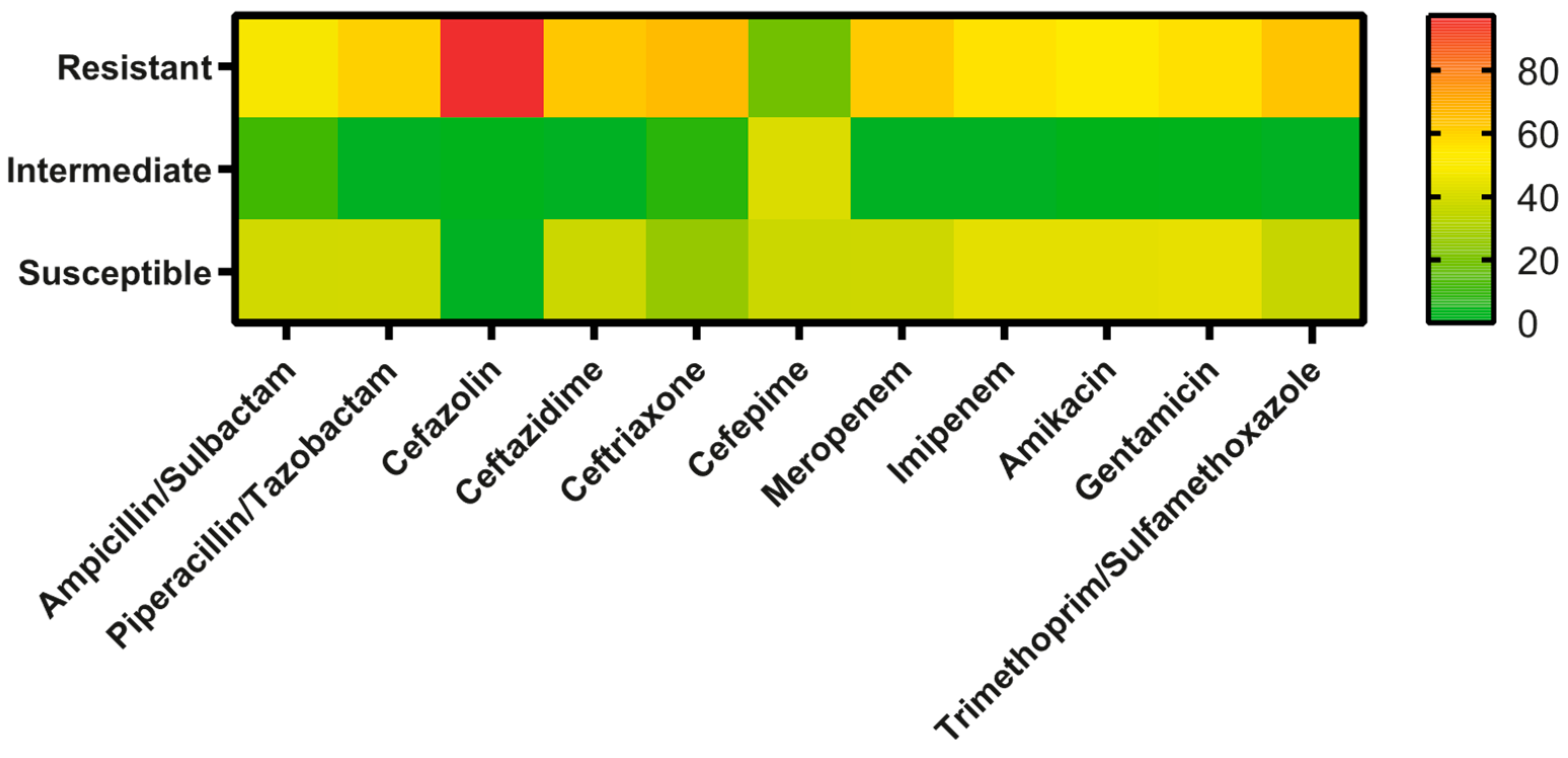
Antimicrobial susceptibility testing of Acinetobacter spp. revealed a widespread pattern of high resistance to multiple clinically used antibiotics. Resistance to cefazolin was nearly universal (97.4%), confirming its minimal efficacy against this pathogen. Piperacillin/tazobactam and third-generation cephalosporins (ceftazidime and ceftriaxone) had high resistance rates (>60%), while cefepime was notable for its lower resistance (20%) but with a high percentage of intermediate results (42.2%), which may limit its clinical use. The carbapenems, Meropenem and Imipenem, had resistance rates exceeding 50%, with a significant proportion of susceptible isolates, indicating a potential role in targeted therapy, contingent upon sensitivity testing. Aminoglycosides (amikacin and gentamicin) had resistance rates exceeding 50%, while trimethoprim/sulfamethoxazole exhibited a high resistance rate of 62.9% (Figure 1).

3.3. Pseudomonas spp.

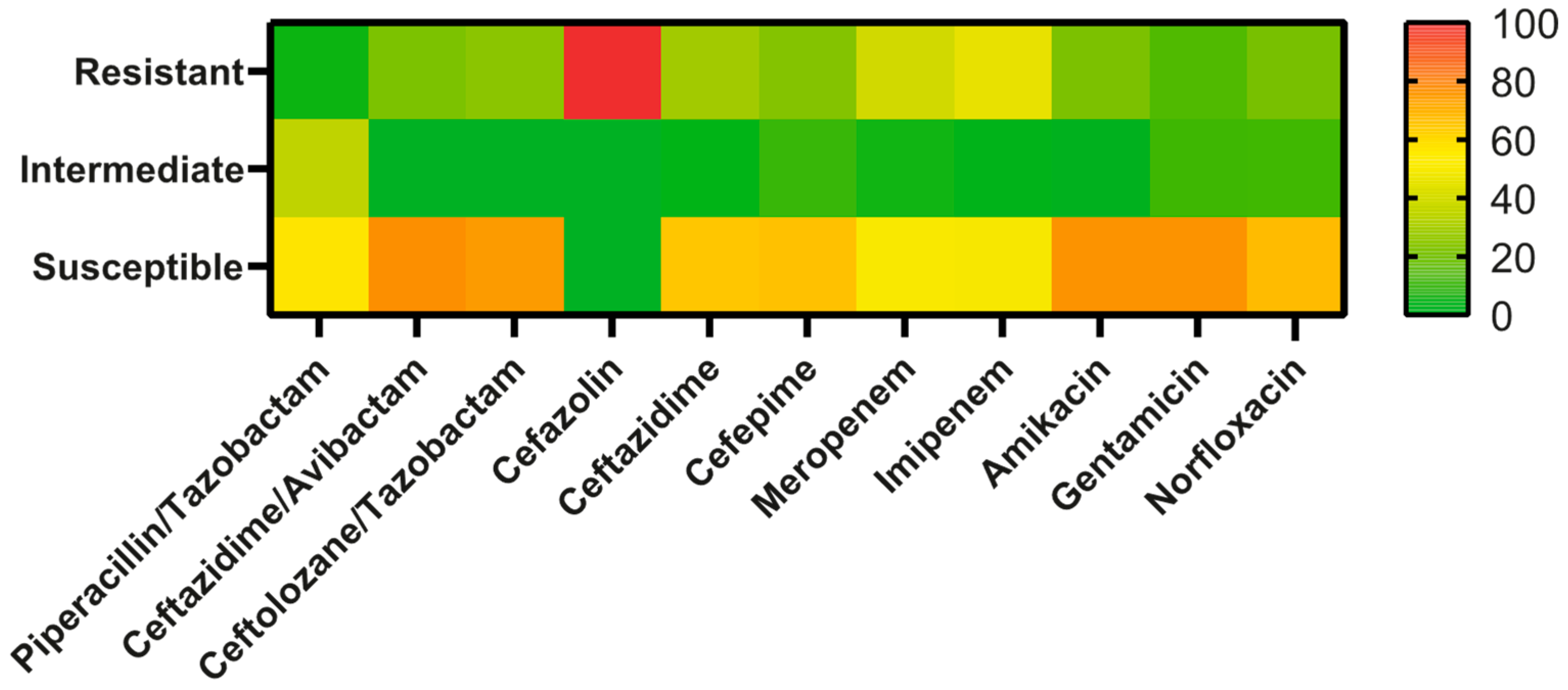
The susceptibility profile of Pseudomonas spp. exhibited variability in its resistance to the antibiotics evaluated. Cefazolin exhibited complete resistance, thereby confirming its ineffectiveness against this particular pathogen. The new-generation combination of inhibitors, Ceftazidime/Avibactam and Ceftolozane/Tazobactam, demonstrated high efficacy, with more than 74% of isolates being susceptible, reflecting their clinical usefulness against strains resistant to other β-lactams. Among conventional cephalosporins, Ceftazidime and Cefepime showed moderate resistance rates (30.2% and 24.1%, respectively), with a minimal percentage of intermediates, suggesting partial activity. The carbapenems had resistance rates exceeding 40% (Imipenem 46.3%, Meropenem 40.7%), with approximately half of the isolates exhibiting susceptibility, indicating a constrained therapeutic role contingent on sensitivity testing. The aminoglycosides, Amikacin and Gentamicin, exhibited low resistance rates of 22.4% and 14.0%, respectively, and high susceptibility (>76%), thereby underscoring their promise as therapeutic alternatives. Norfloxacin exhibited a comparable trend, with 21.4% resistance and 66.7% susceptible isolates (Figure 2).

3.4. Escherichia coli

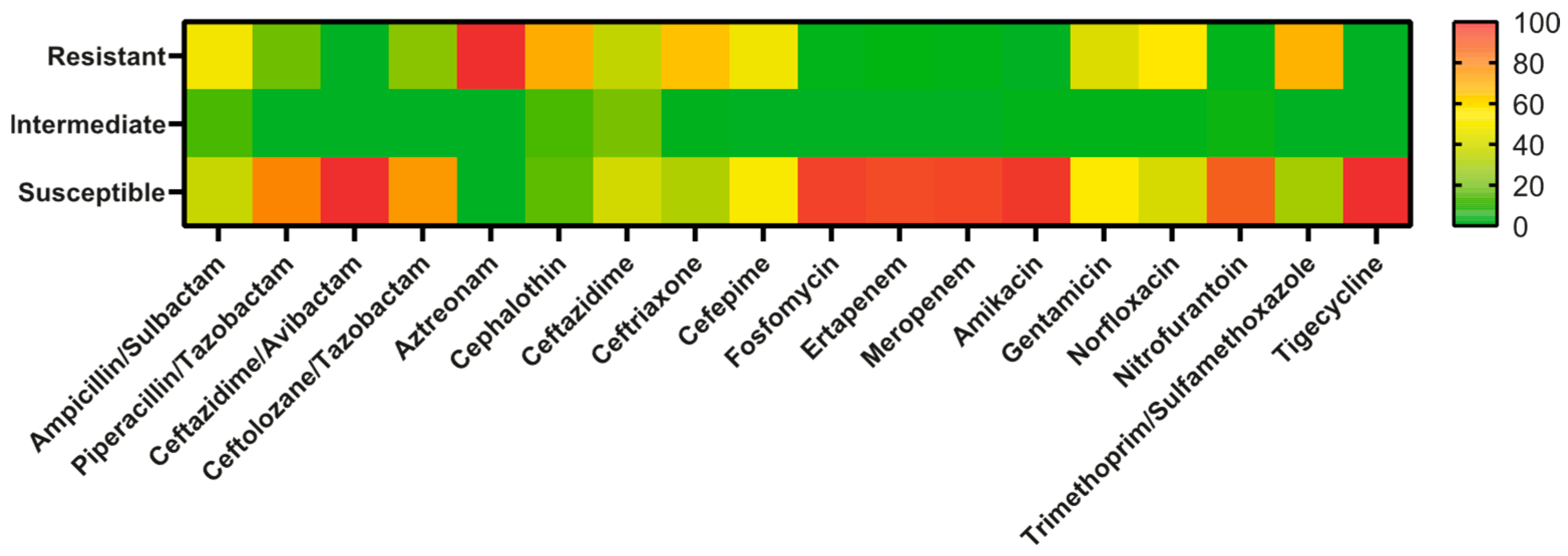
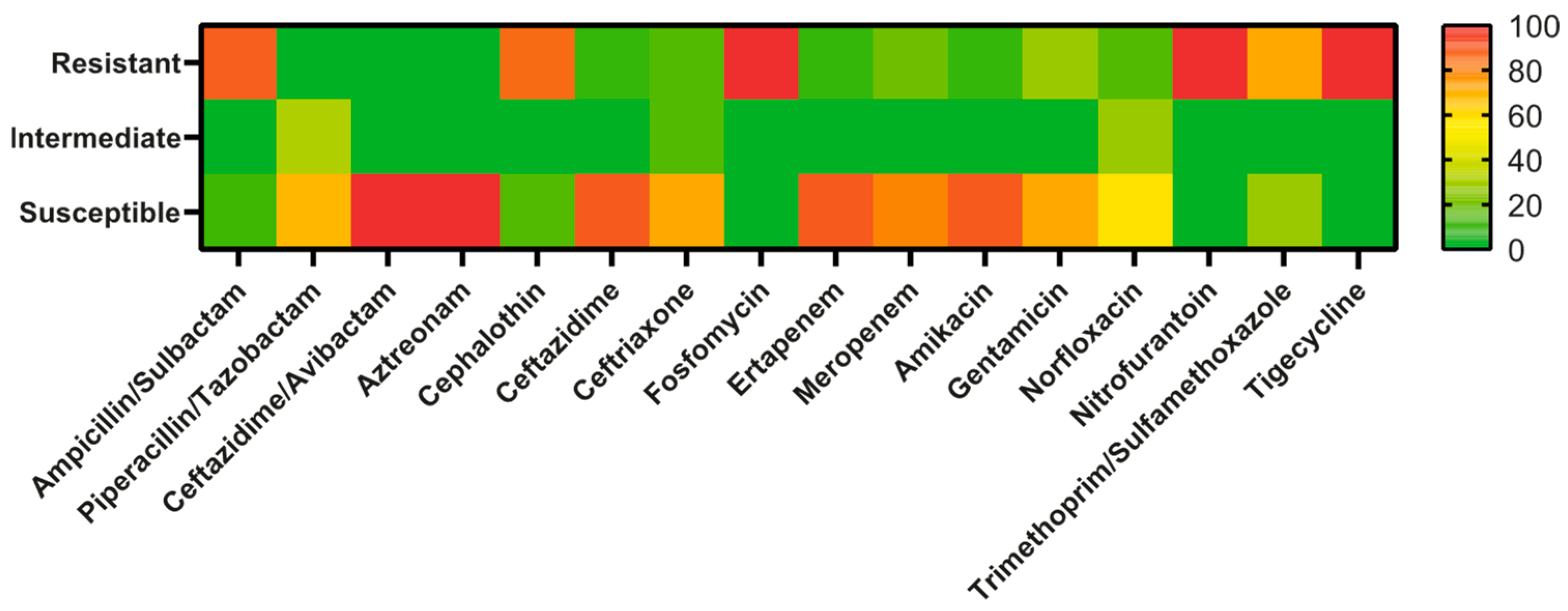
Antimicrobial susceptibility testing of E. coli revealed a heterogeneous profile, characterized by high rates of resistance to multiple β-lactams. In contrast, the activity of last-line antibiotics was found to be highly effective. Ampicillin/Sulbactam demonstrated 49% resistance, with 12.5% intermediate results and only 38.5% susceptible isolates. In contrast, Piperacillin/Tazobactam exhibited 80% susceptibility, indicating a more effective response to the antibiotic challenge. Among the new-generation β-lactam inhibitors, both Ceftazidime/Avibactam and Tigecycline exhibited optimal activity, with 100% sensitivity. Conversely, aztreonam and cefalotin exhibited elevated levels of resistance (100% and 70.7%, respectively), thereby constraining their clinical efficacy. Among third-generation cephalosporins, Ceftazidime and Ceftriaxone had resistance rates of 37.1% and 65.5%, respectively, while Cefepime exhibited an intermediate profile with 48.5% resistance and 51.5% susceptibility. Among the carbapenems, Meropenem and Ertapenem exhibited high efficacy, with susceptibility rates of 94.8% and 93.8%, respectively. Fosfomycin and Nitrofurantoin also demonstrated high efficacy, with susceptibility rates exceeding 89%. Among the aminoglycosides, Amikacin had remarkable activity, with a 97.9% susceptibility rate, while Gentamicin exhibited more constrained efficacy, with a 54.3% susceptibility rate. Norfloxacin and Trimethoprim/Sulfamethoxazole exhibited elevated levels of resistance, with 56% and 68.9% of isolates demonstrating resistance, respectively (Figure 3).

3.5. Klebsiella spp.

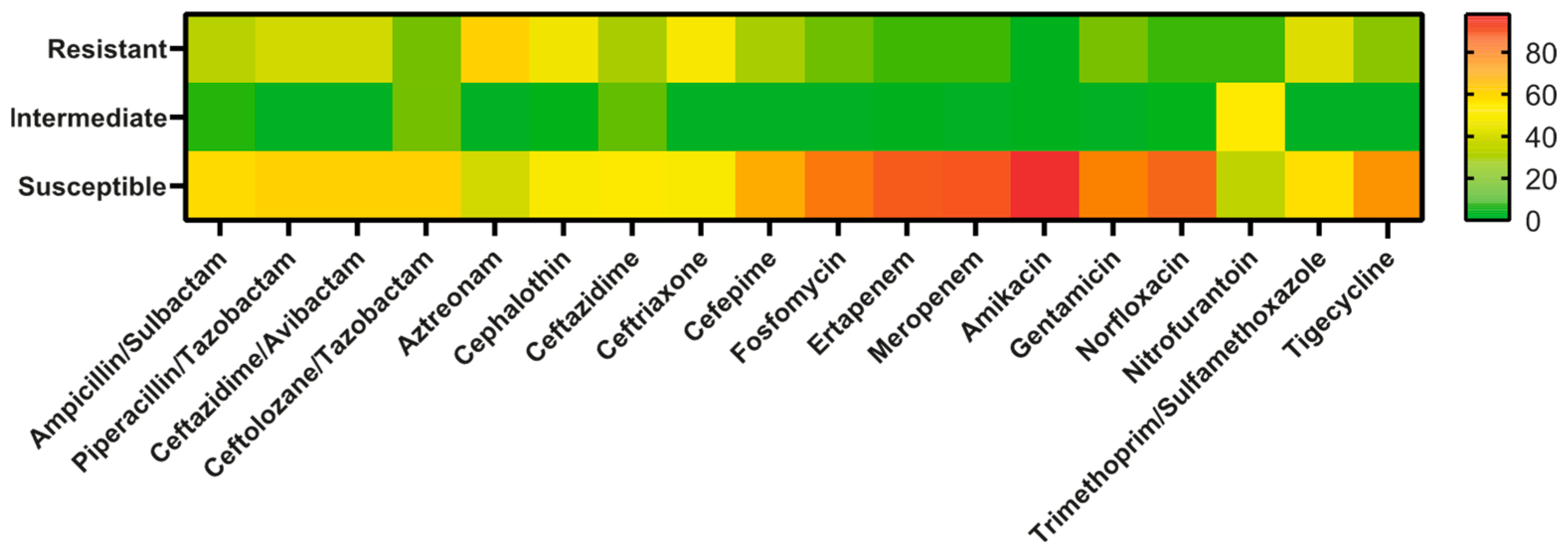
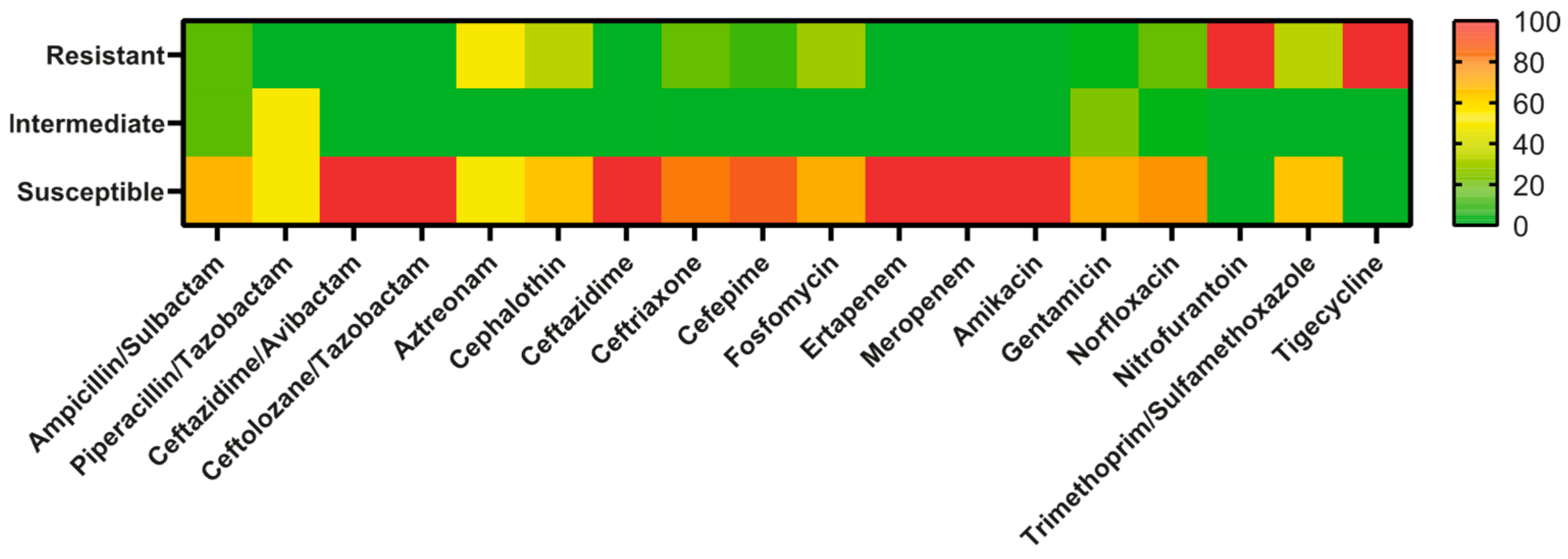
The resistance profile of Klebsiella spp. exhibited significant variability among the various antibiotic families that were examined. A study of traditional β-lactams revealed that Ampicillin/Sulbactam and Piperacillin/Tazobactam exhibited moderate susceptibility rates of 58% and 60%, respectively. In contrast, aztreonam and cephalothin had high levels of resistance, with percentages of 60% and 47.4%, respectively. Among third- and fourth-generation cephalosporins, Ceftazidime, Ceftriaxone, and Cefepime demonstrated a susceptibility range of 51% to 69%, with a notable proportion of resistant isolates, indicating limited efficacy. Conversely, fosfomycin exhibited high activity (81.1% susceptibility), a performance matched by the carbapenems ertapenem and meropenem, which had sustained efficacy with 88% susceptibility each. Among the aminoglycosides, Amikacin demonstrated the highest level of efficacy, with 98% susceptibility, while Gentamicin exhibited slightly lower effectiveness, with 78.9% susceptibility. Norfloxacin demonstrated consistent activity, with 85.3% of isolates exhibiting susceptibility. Conversely, nitrofurantoin exhibited an unfavorable profile, with more than half of the isolates classified as intermediate and only 35.8% demonstrating susceptibility. Trimethoprim/sulfamethoxazole had high-level resistance (43.2%), with only 56.8% susceptibility. Tigecycline had intermediate activity, with 75% of the isolates exhibiting sensitivity (Figure 4).

3.6. Morganella morganii

The antimicrobial susceptibility profile of Morganella morganii exhibited elevated resistance to multiple conventional β-lactams. Ampicillin/Sulbactam and Cefalotin had resistance rates of 89.9% and 85.7%, respectively, with low susceptibility rates of 11.1% and 14.3%. Conversely, combinations of new-generation β-lactamase inhibitors, such as Ceftazidime/Avibactam and Aztreonam, demonstrated optimal activity with 100% sensitive isolates. Among third-generation cephalosporins, ceftazidime and ceftriaxone demonstrated partial efficacy, exhibiting 90% and 71.4% susceptibility, respectively. The activity of carbapenems had variability, exhibiting 90% susceptibility to Ertapenem and 80% to Meropenem. Among the aminoglycosides, amikacin demonstrated high efficacy (90% susceptibility), while gentamicin exhibited reduced effectiveness (71.4%). In the quinolone group, Norfloxacin had intermediate performance, exhibiting 57.1% sensitivity and 28.6% intermediate isolates. With regard to alternative antimicrobials, fosfomycin, nitrofurantoin, and tigecycline were found to be completely ineffective, exhibiting 100% resistance. Finally, trimethoprim/sulfamethoxazole showed notable resistance, with 71.4% of isolates exhibiting resistance, while only 28.6% were susceptible (Figure 5).

3.7. Proteus spp.

The susceptibility testing of Proteus spp. demonstrated the high efficacy of several antimicrobials that are currently in clinical use. The most recent generation of β-lactamase inhibitors, including Ceftazidime/Avibactam and Ceftolozano/Tazobactam, demonstrated optimal activity with 100% susceptibility, as did carbapenems (Ertapenem and Meropenem) and Amikacin. Among the cephalosporins, Ceftazidime demonstrated an exceptional profile, exhibiting 100% susceptibility. Conversely, Ceftriaxone and Cefepime exhibited high sensitivity rates of 82.4% and 89.5%, respectively. Piperacillin/tazobactam and aztreonam demonstrated moderate activity, with 50% of isolates being susceptible in both cases. In contrast, ampicillin/sulbactam and cephalothin exhibited limited efficacy, with 68.4% and 64.7% susceptibility, respectively. Among the aminoglycosides, Gentamicin and Amikacin demonstrated divergent patterns of activity: while Amikacin exhibited 100% activity, Gentamicin achieved only 70.6% susceptibility, with a notable proportion of intermediate isolates (23.5%). Among the fluoroquinolones, norfloxacin demonstrated a favorable level of efficacy, exhibiting 76.5% susceptibility. Conversely, Nitrofurantoin and Tigecycline exhibited complete ineffectiveness, exhibiting 100% resistance. Trimethoprim/sulfamethoxazole and fosfomycin demonstrated intermediate activity, with 64.7% and 70.6% of isolates exhibiting sensitivity, respectively (Figure 6).

3.8. Enterobacter spp.

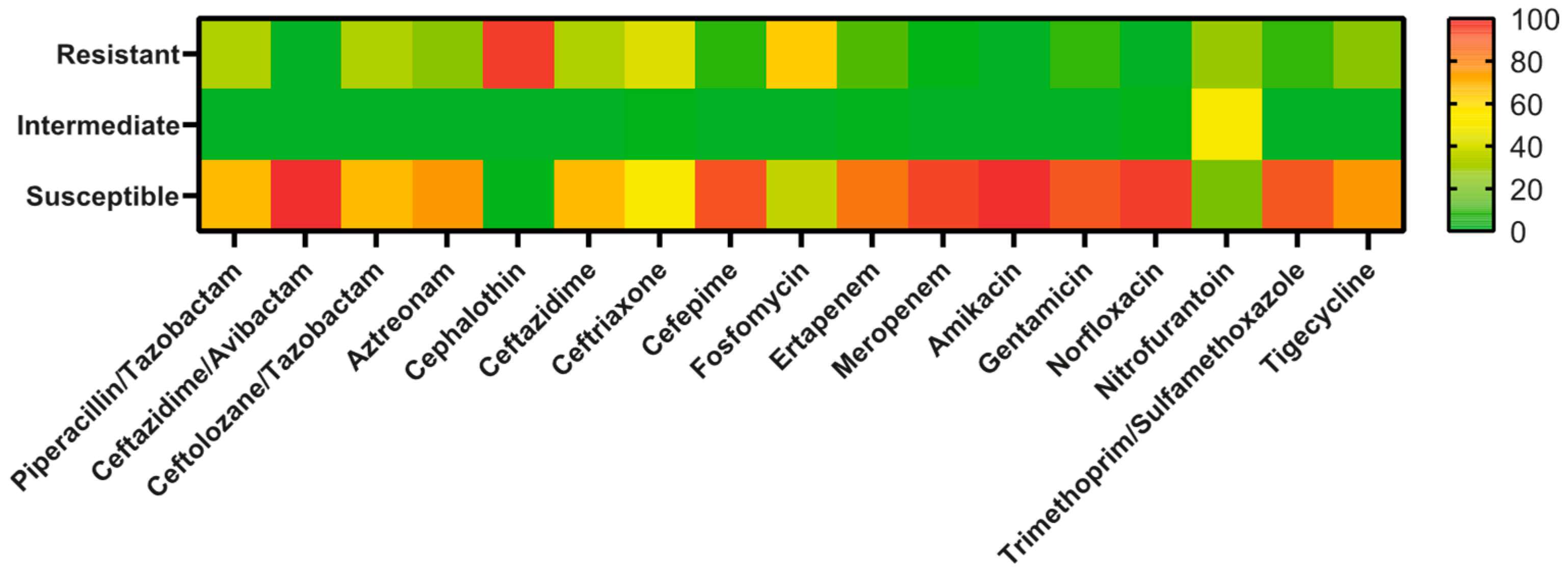
The susceptibility profile of Enterobacter spp. exhibited significant variability among the various antibiotic families evaluated. First- and third-generation cephalosporins, including Cefalotin and Ceftriaxone, exhibited high levels of resistance, with percentages of 96.1% and 43.8%, respectively. These findings indicate that these medications have limited efficacy against this species. In contrast, Cefepime, a fourth-generation cephalosporin, exhibited high activity against 91.7% of susceptible isolates, a figure matched by Ceftazidime and Ceftolozane/Tazobactam, with 66.7% and 66.6% sensitivity, respectively. Carbapenems demonstrated remarkable efficacy, particularly Meropenem, which exhibited 94.8% susceptibility, and to a lesser extent, Ertapenem, with 83.3% susceptibility. Among the aminoglycosides, Amikacin demonstrated complete efficacy (100% of susceptible isolates), while Gentamicin exhibited high activity (90.6%). Norfloxacin demonstrated notable efficacy among the fluoroquinolones, exhibiting 96.8% susceptibility, thereby establishing its position as a promising therapeutic alternative. Conversely, Nitrofurantoin exhibited only marginal effectiveness, yielding intermediate results in 50% of cases and demonstrating susceptibility in a mere 21.9% of cases. Trimethoprim/sulfamethoxazole exhibited remarkable activity, with a 90.6% sensitivity rate, while fosfomycin and tigecycline had moderate susceptibility rates of 37.5% and 75%, respectively (Figure 7).

3.9. Cross-Species Analysis of Predictors of Drug Resistance

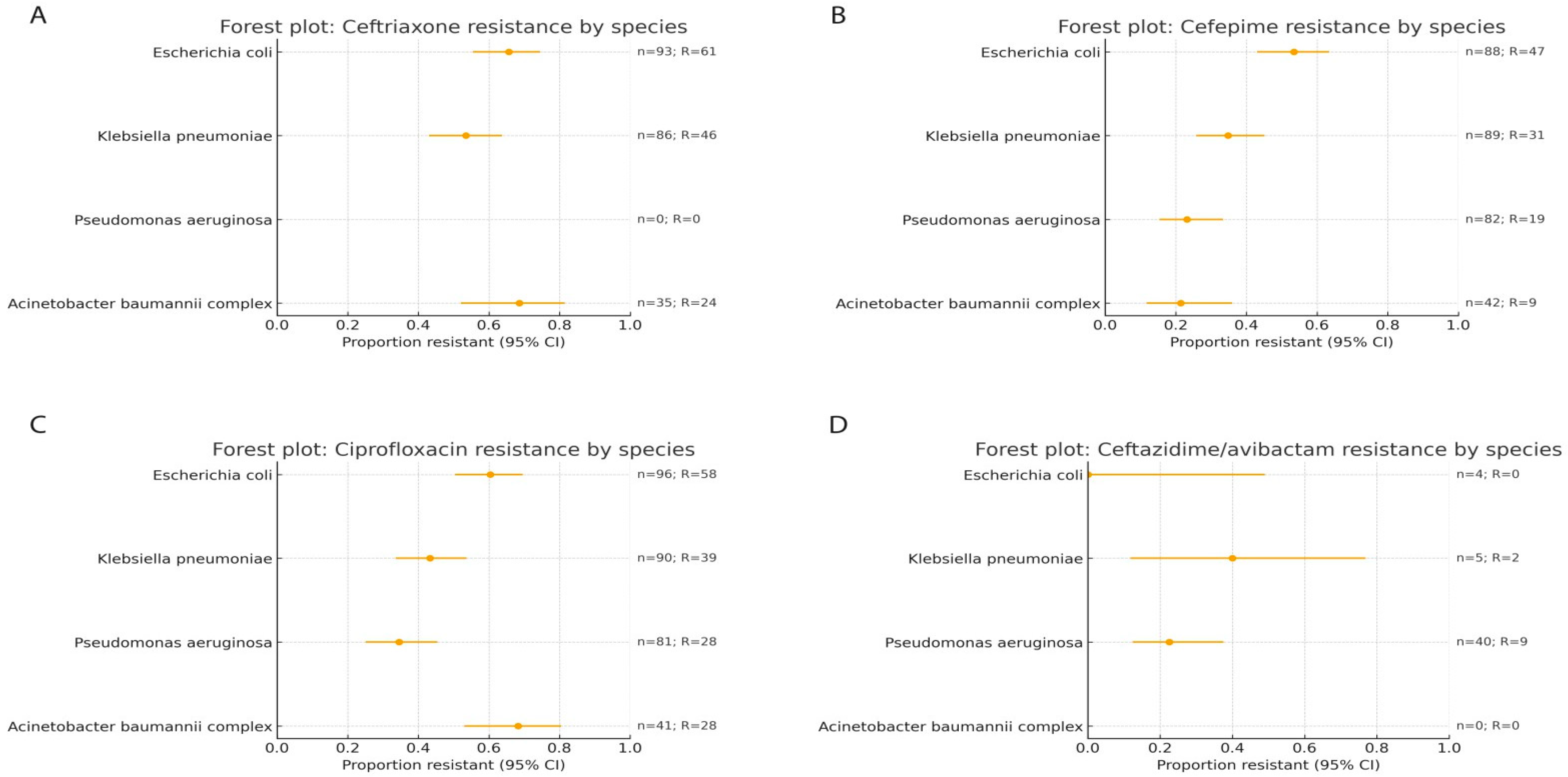
In the cross-species forest plots (Figure 8A–D), ceftriaxone resistance exceeded one-half of isolates in both E. coli and K. pneumoniae and was highest in the A. baumannii complex; as expected, P. aeruginosa was not tested for ceftriaxone (Figure 8A). For cefepime (Figure 8B), resistance proportions were lower across species than for ceftriaxone, with intermediate values in K. pneumoniae and P. aeruginosa and the lowest estimates in A. baumannii. Fluoroquinolone resistance remained substantial (Figure 8C), approaching ~60% in E. coli and ~65% in A. baumannii, with intermediate levels in K. pneumoniae and P. aeruginosa. Ceftazidime/avibactam retained activity against P. aeruginosa (Figure 8D; resistance ≲25%), whereas Enterobacterales were tested only in small numbers (n ≤ 5 per species) and A. baumannii was not tested; these latter estimates should be interpreted cautiously. Exact counts (R/n) and 95% CIs are annotated in each panel, and species-wise p-values (χ2) are provided in Table 2.

4. Discussion

The findings of this study reveal a concerning scenario of antimicrobial resistance among Gram-negative bacilli (GNB) isolated at a second-level hospital which is consistent with national and international trends [19,20,21]. High resistance rates to β-lactams and carbapenems were observed in Acinetobacter spp. and Pseudomonas spp., confirming their role as predominant pathogens in nosocomial infections that are increasingly difficult to treat. [19,20].
The detection of carbapenem resistance exceeding 60% in Acinetobacter spp. and above 40% in Pseudomonas aeruginosa parallels reports from tertiary care centers in Mexico and Latin America, where OXA-type and NDM-type carbapenemases have been identified as major contributors to resistance [21,22,23,24]. This pattern significantly limits treatment options and frequently necessitates the use of last-resort agents such as colistin, which carry risks of nephrotoxicity and pharmacokinetic challenges [24]. The persistence of XDR and PDR phenotypes in A. baumannii corresponds with the recent identification of DTR (difficult-to-treat resistance) profiles in ESKAPE pathogens isolated in Mexican tertiary hospitals [25]. These findings underscore the rapid evolution of resistance determinants in clinical settings subjected to high antibiotic pressure.
In Pseudomonas spp., resistance heterogeneity reflects both its intrinsic versatility and hospital selection pressures. The preserved susceptibility (>74%) observed for new β-lactam/β-lactamase inhibitor combinations—ceftazidime/avibactam and ceftolozane/tazobactam—highlights their therapeutic potential against multidrug-resistant isolates [26]. However, resistance rates above 40% to carbapenems emphasize the ongoing need for targeted use and strict surveillance of these agents [19,20].
Among the Enterobacterales, E. coli exhibited the highest ESBL positivity (59.4%), followed by K. pneumoniae (45.1%), consistent with reports describing ESBL dissemination as one of the leading causes of β-lactam treatment failure in hospital settings [21,23]. The significant proportion of MDR isolates (76.3%) among E. coli reflects the accumulation of resistance determinants to β-lactams, fluoroquinolones, and trimethoprim/sulfamethoxazole. In contrast, carbapenem resistance remained low (<5%), supporting the continued utility of these agents, alongside amikacin and fosfomycin, for severe and urinary tract infections, respectively.
Klebsiella spp. demonstrated moderate susceptibility to β-lactam/β-lactamase inhibitors and high activity to amikacin (98%) and carbapenems (88–90%), suggesting that these drugs retain efficacy for empiric therapy in severe infections when guided by local antibiograms. Nonetheless, the co-existence of ESBL production and carbapenem resistance in a subset of isolates raises concerns about the possible emergence of carbapenemase-producing Klebsiella strains in the region [27].
For Morganella morganii and Proteus spp., marked resistance to nitrofurantoin and tigecycline was observed, which aligns with their known intrinsic resistance mechanisms. Nevertheless, high susceptibility to carbapenems and amikacin (≥90%) provides reliable therapeutic options. The Enterobacter cloacae complex displayed broad susceptibility to fourth-generation cephalosporins and carbapenems (>90%), but continuous monitoring remains essential given its potential to develop AmpC- and ESBL-mediated resistance [23,24].
Among the Enterobacterales, the predominance of ESBL-positive E. coli and Klebsiella pneumoniae (59.4% and 45.1%, respectively) mirrors nationwide surveillance trends reported by ReLAVRA and INVIFAR, which show consistent increases in ESBL-producing strains across multiple regions of Mexico [19,20,21,28].
The high efficacy observed with amikacin, carbapenems, and new-generation β-lactams suggests that, although useful therapeutic options still exist, their use should be based strictly on susceptibility results and institutional antimicrobial optimization policies [19,22]. The sustained efficacy of amikacin, carbapenems, and new-generation β-lactams against a subset of isolates indicates that, although viable treatment options remain, their use must be guided by susceptibility testing and strict adherence to antimicrobial stewardship protocols. Reinforcing infection control policies, optimizing antibiotic prescribing, and expanding local surveillance programs are critical to curbing the spread of multidrug-resistant organisms [28].
Finally, the emergence of plasmid-mediated colistin resistance (mcr-1 gene) reported in Mexican clinical isolates of E. coli and Klebsiella highlights an additional therapeutic concern, particularly for XDR isolates in which colistin remains one of the few remaining options [29].
In summary, the present study provides updated local evidence on the resistance landscape of Gram-negative bacilli in a secondary hospital in Guadalajara. The identification of high ESBL rates and increasing carbapenem resistance in Acinetobacter and Pseudomonas highlights the urgency of implementing preventive and containment strategies. Incorporating these findings into regional and national surveillance frameworks will be essential to inform clinical decision-making, evaluate intervention effectiveness, and preserve the utility of available antimicrobials in Mexico.

5. Conclusions

The present study demonstrates that Gram-negative bacilli isolated in a tertiary hospital in Guadalajara exhibit elevated levels of resistance to multiple families of antibiotics, particularly among Acinetobacter spp. and Pseudomonas spp., where resistance to carbapenems poses a substantial therapeutic challenge. Similarly, enterobacteria, specifically E. coli and Klebsiella spp., exhibited a high prevalence of phenotypes that are compatible with the production of extended-spectrum beta-lactamases. This phenomenon limits the utilization of broad-spectrum cephalosporins and fluoroquinolones.
Despite this unfavorable outlook, the results demonstrate that certain agents, including amikacin, carbapenems, and combinations of beta-lactams with new-generation beta-lactamase inhibitors, maintain clinical effectiveness against multidrug-resistant strains, thereby positioning them as reserve therapeutic options.
It is imperative to acknowledge the limitations of this study when interpreting the results. Firstly, the retrospective, descriptive, single-centre design of the study limits the generalizability of the findings, given that resistance patterns may differ between regions and levels of care. Furthermore, the identification of bacteria and the assessment of their susceptibility to antimicrobials were conducted exclusively using the VITEK® 2 system, without the implementation of additional confirmatory methodologies. This approach has the potential to result in discrepancies in the categorization of certain antimicrobials. Moreover, molecular characterization of resistance mechanisms was not performed, which prevented the identification of specific genes or the determination of the possible clonal spread of resistant strains.
These findings underscore the urgent need to strengthen institutional microbiological surveillance programs, implement effective policies for the rational use of antimicrobials, and promote comprehensive strategies for controlling hospital infections. It is imperative to recognize that the containment of the spread of multidrug-resistant strains and the preservation of the efficacy of available antibiotics will only be possible through coordinated and sustained action.

Author Contributions

Conceptualization, C.R.C.-Á. and M.Z.-R.; methodology, B.d.J.G.-G., P.U.R.-M., M.A.-G., S.O.G.-M., M.L.M.-A. and D.O.S.-R.; software, M.P.-C.; validation, M.A.-G., L.A.G.-M. and M.P.-C.; formal analysis, S.J.G.-M. and M.Z.-R.; investigation, C.R.C.-Á., L.A.G.-M., D.O.S.-R. and M.Z.-R.; resources, M.d.R.C.-M., M.L.M.-A., S.J.G.-M. and M.P.-C.; data curation, C.R.C.-Á., B.d.J.G.-G., P.U.R.-M., M.d.R.C.-M., S.O.G.-M., S.J.G.-M. and M.P.-C.; writing—original draft preparation, C.R.C.-Á., M.A.-G., S.O.G.-M., L.A.G.-M., D.O.S.-R. and M.Z.-R.; writing—review and editing, D.O.S.-R. and M.Z.-R.; visualization, M.Z.-R.; supervision, L.A.G.-M., D.O.S.-R. and M.Z.-R.; project administration, S.J.G.-M. and D.O.S.-R.; funding acquisition, M.P.-C. All authors have read and agreed to the published version of the manuscript.

Funding

This research received no external funding.

Institutional Review Board Statement

This work was conducted exclusively using aggregated, fully anonymized antimicrobial resistance data routinely generated by the clinical microbiology laboratory of a secondary-level hospital. According to Mexican national regulations (Reglamento de la Ley General de Salud en Materia de Investigación para la Salud, Article 17), research that uses existing, anonymized data without any intervention or interaction with human subjects is classified as “investigación sin riesgo” (minimal/no-risk research) and does not require Ethics Committee or IRB approval, nor informed consent. Furthermore, because the study relied solely on previously collected, de-identified laboratory data, it aligns with international standards (including CIOMS and the Declaration of Helsinki) regarding the secondary use of anonymized information.

Informed Consent Statement

No personal identifiers or patient-related information (either direct or indirect) were collected, accessed, or analyzed at any point. Because the dataset consists solely of non-identifiable laboratory results, and no interaction or intervention with human participants occurred, individual informed consent is not applicable. This is consistent with Mexican national regulations (Reglamento de la Ley General de Salud en Materia de Investigación para la Salud, Article 17), which classify the use of existing anonymized data as “investigación sin riesgo” and do not require informed consent.

Data Availability Statement

The original contributions presented in this study are included in the article. Further inquiries can be directed to the corresponding author.

Conflicts of Interest

The authors declare no conflicts of interest.

References

  1. Bertagnolio, S.; Dobreva, Z.; Centner, C.M.; Olaru, I.D.; Dona, D.; Burzo, S.; Huttner, B.D.; Chaillon, A.; Gebreselassie, N.; Wi, T.; et al. WHO global research priorities for antimicrobial resistance in human health. Lancet Microbe 2024, 5, 100902. [Google Scholar] [CrossRef]
  2. Christaki, E.; Marcou, M.; Tofarides, A. Antimicrobial Resistance in Bacteria: Mechanisms, Evolution, and Persistence. J. Mol. Evol. 2020, 88, 26–40. [Google Scholar] [CrossRef]
  3. Di Bonaventura, I.; Baeriswyl, S.; Capecchi, A.; Gan, B.H.; Jin, X.; Siriwardena, T.N.; He, R.; Kohler, T.; Pompilio, A.; Di Bonaventura, G.; et al. An antimicrobial bicyclic peptide from chemical space against multidrug resistant Gram-negative bacteria. Chem. Commun. 2018, 54, 5130–5133. [Google Scholar] [CrossRef]
  4. Retamar-Gentil, P.; Canton, R.; Abril Lopez de Medrano, V.; Barberan, J.; Canut Blasco, A.; Duenas Gutierrez, C.; Garcia-Vidal, C.; Larrosa Escartin, N.; Lora-Tamayo, J.; Martinez Marcos, F.J.; et al. Antimicrobial resistance in Gram-negative bacilli in Spain: An experts’ view. Rev. Esp. Quimioter. 2023, 36, 65–81. [Google Scholar] [CrossRef]
  5. DeMars, Z.; Biswas, S.; Amachawadi, R.G.; Renter, D.G.; Volkova, V.V. Antimicrobial Susceptibility of Enteric Gram Negative Facultative Anaerobe Bacilli in Aerobic versus Anaerobic Conditions. PLoS ONE 2016, 11, e0155599. [Google Scholar] [CrossRef]
  6. Sawa, T.; Kooguchi, K.; Moriyama, K. Molecular diversity of extended-spectrum beta-lactamases and carbapenemases, and antimicrobial resistance. J. Intensive Care 2020, 8, 13. [Google Scholar] [CrossRef]
  7. Gheorghe, I.; Barbu, I.C.; Surleac, M.; Sarbu, I.; Popa, L.I.; Paraschiv, S.; Feng, Y.; Lazar, V.; Chifiriuc, M.C.; Otelea, D.; et al. Subtypes, resistance and virulence platforms in extended-drug resistant Acinetobacter baumannii Romanian isolates. Sci. Rep. 2021, 11, 13288. [Google Scholar] [CrossRef] [PubMed]
  8. Dan, M.O.; Talapan, D. Friends or foes? Novel antimicrobials tackling MDR/XDR Gram-negative bacteria: A systematic review. Front. Microbiol. 2024, 15, 1385475. [Google Scholar] [CrossRef] [PubMed]
  9. Soliman, S.; Abdalla, S.; Zedan, A.; Enany, S. Genomic profiling of pan-drug resistant proteus mirabilis Isolates reveals antimicrobial resistance and virulence gene landscape. Funct. Integr. Genom. 2024, 24, 154. [Google Scholar] [CrossRef]
  10. Rojas-Larios, F.; Martínez-Guerra, B.A.; López-Jácome, L.E.; Bolado-Martínez, E.; Vázquez-Larios, M.d.R.; Velázquez-Acosta, M.d.C.; Romero-Romero, D.; Mireles-Dávalos, C.D.; Quintana-Ponce, S.; Feliciano-Guzmán, J.M.; et al. Active Surveillance of Antimicrobial Resistance and Carbapenemase-Encoding Genes According to Sites of Care and Age Groups in Mexico: Results from the INVIFAR Network. Pathogens 2023, 12, 1144. [Google Scholar] [CrossRef] [PubMed]
  11. Ponce-de-Leon, A.; Rodriguez-Noriega, E.; Morfin-Otero, R.; Cornejo-Juarez, D.P.; Tinoco, J.C.; Martinez-Gamboa, A.; Gaona-Tapia, C.J.; Guerrero-Almeida, M.L.; Martin-Onraet, A.; Vallejo Cervantes, J.L.; et al. Antimicrobial susceptibility of gram-negative bacilli isolated from intra-abdominal and urinary-tract infections in Mexico from 2009 to 2015: Results from the Study for Monitoring Antimicrobial Resistance Trends (SMART). PLoS ONE 2018, 13, e0198621. [Google Scholar] [CrossRef]
  12. Urzua-Abad, M.M.; Aquino-Andrade, A.; Castelan-Vega, J.A.; Merida-Vieyra, J.; Ribas-Aparicio, R.M.; Belmont-Monroy, L.; Jimenez-Alberto, A.; Aparicio-Ozores, G. Detection of carbapenemases in Enterobacterales and other Gram-negative bacilli recovered from hospital and municipal wastewater in Mexico City. Sci. Rep. 2024, 14, 26576. [Google Scholar] [CrossRef]
  13. Galarde-López, M.; Velazquez-Meza, M.E.; Bobadilla-Del-Valle, M.; Carrillo-Quiroz, B.A.; Cornejo-Juárez, P.; Ponce-De-León, A.; Sassoé-González, A.; Alpuche-Aranda, C.M. Surveillance of Antimicrobial Resistance in Hospital Wastewater: Identification of Carbapenemase-Producing Klebsiella spp. Antibiotics 2022, 11, 288. [Google Scholar] [CrossRef]
  14. Muthuirulandi Sethuvel, D.P.; Devanga Ragupathi, N.K.; Bakthavatchalam, Y.D.; Vijayakumar, S.; Varghese, R.; Shankar, C.; Jacob, J.J.; Vasudevan, K.; Elangovan, D.; Balaji, V. Current strategy for local- to global-level molecular epidemiological characterisation of global antimicrobial resistance surveillance system pathogens. Indian J. Med. Microbiol. 2019, 37, 147–162. [Google Scholar] [CrossRef]
  15. Zumaya-Estrada, F.A.; Ponce-de-Leon-Garduno, A.; Ortiz-Brizuela, E.; Tinoco-Favila, J.C.; Cornejo-Juarez, P.; Vilar-Compte, D.; Sassoe-Gonzalez, A.; Saturno-Hernandez, P.J.; Alpuche-Aranda, C.M. Point Prevalence Survey of Antimicrobial Use in Four Tertiary Care Hospitals in Mexico. Infect. Drug Resist. 2021, 14, 4553–4566. [Google Scholar] [CrossRef]
  16. Miranda-Novales, M.G.; Flores-Moreno, K.; Lopez-Vidal, Y.; Rodriguez-Alvarez, M.; Solorzano-Santos, F.; Soto-Hernandez, J.L.; Ponce de Leon-Rosales, S.; UNCAR Network. Antimicrobial resistance and antibiotic consumption in Mexican hospitals. Salud Publica Mex. 2020, 62, 42–49. [Google Scholar] [CrossRef]
  17. CLSI. M100 Performance Standards for Antimicrobial Susceptibility Testing; CLSI: Wayne, PA, USA, 2023; p. 416. [Google Scholar]
  18. Magiorakos, A.P.; Srinivasan, A.; Carey, R.B.; Carmeli, Y.; Falagas, M.E.; Giske, C.G.; Harbarth, S.; Hindler, J.F.; Kahlmeter, G.; Olsson-Liljequist, B.; et al. Multidrug-resistant, extensively drug-resistant and pandrug-resistant bacteria: An international expert proposal for interim standard definitions for acquired resistance. Clin. Microbiol. Infect. 2012, 18, 268–281. [Google Scholar] [CrossRef] [PubMed]
  19. Labarca, J.A.; Salles, M.J.; Seas, C.; Guzman-Blanco, M. Carbapenem resistance in Pseudomonas aeruginosa and Acinetobacter baumannii in the nosocomial setting in Latin America. Crit. Rev. Microbiol. 2016, 42, 276–292. [Google Scholar] [CrossRef]
  20. Uc-Cachon, A.H.; Gracida-Osorno, C.; Luna-Chi, I.G.; Jimenez-Guillermo, J.G.; Molina-Salinas, G.M. High Prevalence of Antimicrobial Resistance Among Gram-Negative Isolated Bacilli in Intensive Care Units at a Tertiary-Care Hospital in Yucatan Mexico. Medicina 2019, 55, 588. [Google Scholar] [CrossRef] [PubMed]
  21. Garza-Gonzalez, E.; Morfin-Otero, R.; Mendoza-Olazaran, S.; Bocanegra-Ibarias, P.; Flores-Trevino, S.; Rodriguez-Noriega, E.; Ponce-de-Leon, A.; Sanchez-Francia, D.; Franco-Cendejas, R.; Arroyo-Escalante, S.; et al. A snapshot of antimicrobial resistance in Mexico. Results from 47 centers from 20 states during a six-month period. PLoS ONE 2019, 14, e0209865. [Google Scholar] [CrossRef] [PubMed]
  22. Garza-Gonzalez, E.; Bocanegra-Ibarias, P.; Bobadilla-Del-Valle, M.; Ponce-de-Leon-Garduno, L.A.; Esteban-Kenel, V.; Silva-Sanchez, J.; Garza-Ramos, U.; Barrios-Camacho, H.; Lopez-Jacome, L.E.; Colin-Castro, C.A.; et al. Drug resistance phenotypes and genotypes in Mexico in representative gram-negative species: Results from the infivar network. PLoS ONE 2021, 16, e0248614. [Google Scholar] [CrossRef] [PubMed]
  23. Nieto-Saucedo, J.R.; Lopez-Jacome, L.E.; Franco-Cendejas, R.; Colin-Castro, C.A.; Hernandez-Duran, M.; Rivera-Garay, L.R.; Zamarripa-Martinez, K.S.; Mosqueda-Gomez, J.L. Carbapenem-Resistant Gram-Negative Bacilli Characterization in a Tertiary Care Center from El Bajio, Mexico. Antibiotics 2023, 12, 1295. [Google Scholar] [CrossRef] [PubMed]
  24. Garcia-Betancur, J.C.; Appel, T.M.; Esparza, G.; Gales, A.C.; Levy-Hara, G.; Cornistein, W.; Vega, S.; Nunez, D.; Cuellar, L.; Bavestrello, L.; et al. Update on the epidemiology of carbapenemases in Latin America and the Caribbean. Expert Rev. Anti-Infect. Ther. 2021, 19, 197–213. [Google Scholar] [CrossRef] [PubMed]
  25. Camacho-Ortiz, A.; Flores-Trevino, S.; Bocanegra-Ibarias, P. Prevalence of difficult-to-treat resistance in ESKAPE pathogens in a third level hospital in Mexico. Infect. Prev. Pract. 2025, 7, 100426. [Google Scholar] [CrossRef]
  26. van Duin, D.; Bonomo, R.A. Ceftazidime/Avibactam and Ceftolozane/Tazobactam: Second-generation beta-Lactam/beta-Lactamase Inhibitor Combinations. Clin. Infect. Dis. 2016, 63, 234–241. [Google Scholar] [CrossRef]
  27. Cortes-Ortiz, I.A.; Cortes-Malagon, E.M.; Garcia-Moncada, E.; Acosta-Altamirano, G.; Pineda-Migranas, J.A.; Garcia-Prudencio, K.L.; Mendieta-Condado, E.; Araiza-Rodriguez, A.; Bonilla-Cortes, A.Y.; Sierra-Martinez, M.; et al. Clonal Dissemination of Pandrug-Resistant Klebsiella pneumoniae ST392KL27 in a Tertiary Care Hospital in Mexico. Int. J. Mol. Sci. 2025, 26, 8047. [Google Scholar] [CrossRef]
  28. Pan American Health Organization. Magnitude and Trends of Antimicrobial Resistance in Latin America. ReLAVRA 2014, 2015, 2016. Available online: https://www.paho.org/sites/default/files/2021-01/2020-cde-magnitude-amr-relavra-report-en-act-oct20-logo.pdf (accessed on 29 October 2025).
  29. Galindo-Mendez, M.; Navarrete-Salazar, H.; Pacheco-Vasquez, R.; Quintas-de la Paz, D.; Baltazar-Jimenez, I.; Santiago-Luna, J.D.; Guadarrama-Monroy, L. Detection of Plasmid-Mediated Resistance against Colistin in Multi-Drug-Resistant Gram-Negative Bacilli Isolated from a Tertiary Hospital. Microorganisms 2023, 11, 1996. [Google Scholar] [CrossRef]
Figure 1. Heatmap of the susceptibility profile of Acinetobacter spp. across commonly tested agents. Columns indicate antibiotics (ampicillin/sulbactam, piperacillin/tazobactam, cefazolin, ceftazidime, ceftriaxone, cefepime, meropenem, imipenem, amikacin, gentamicin, trimethoprim/sulfamethoxazole); rows represent interpretation categories (Resistant, Intermediate, Susceptible). Cell color encodes the percentage of isolates in each category (0–100%, right legend). Susceptibility testing was performed with VITEK® 2 and interpreted according to CLSI M100 breakpoints. Note: cefazolin is shown for completeness but is not clinically recommended for Acinetobacter; interpret with caution.
Microbiolres 17 00017 g001
Figure 2. Heatmap of the susceptibility profile of Pseudomonas spp. across antipseudomonal agents. Columns: piperacillin/tazobactam, ceftazidime/avibactam, ceftolozane/tazobactam, cefazolin, ceftazidime, cefepime, meropenem, imipenem, amikacin, gentamicin, norfloxacin. Rows show categorical interpretations (Resistant, Intermediate, Susceptible). Cell color encodes the percentage of isolates in each category (0–100%, right scale). Testing was performed with VITEK® 2 and interpreted using CLSI M100 breakpoints. Note: cefazolin is intrinsically inactive against Pseudomonas and is shown only for completeness; norfloxacin has limited clinical utility—interpret with caution.
Microbiolres 17 00017 g002
Figure 3. Heatmap of the susceptibility profile of E. coli isolates. Columns represent antibiotic classes tested, including β-lactam/β-lactamase inhibitor combinations, cephalosporins, aztreonam, carbapenems, aminoglycosides, fluoroquinolones, nitrofurantoin, trimethoprim/sulfamethoxazole, and tigecycline. Rows correspond to interpretive categories (Resistant, Intermediate, Susceptible), with cell color indicating the percentage of isolates in each category (0–100%, right scale). Testing was performed using VITEK® 2 and interpreted per CLSI M100 breakpoints. The figure illustrates high resistance to third-generation cephalosporins and fluoroquinolones, with preserved susceptibility to carbapenems, aminoglycosides, and tigecycline.
Microbiolres 17 00017 g003
Figure 4. Heatmap of the susceptibility profile of Klebsiella spp. isolates. Columns display the main antimicrobial agents tested, including β-lactam/β-lactamase inhibitor combinations, cephalosporins, aztreonam, carbapenems, aminoglycosides, fluoroquinolones, nitrofurantoin, trimethoprim/sulfamethoxazole, and tigecycline. Rows represent interpretive categories (Resistant, Intermediate, Susceptible), while cell color indicates the proportion of isolates in each category (0–100%, right scale). Testing was performed using VITEK® 2 and interpreted following CLSI M100 standards. The figure highlights widespread resistance to third-generation cephalosporins and ampicillin/sulbactam, with comparatively lower resistance to carbapenems, aminoglycosides, and tigecycline.
Microbiolres 17 00017 g004
Figure 5. Heatmap of the susceptibility profile of Morganella morganii isolates. Columns represent the antibiotics tested, including β-lactam/β-lactamase inhibitor combinations, cephalosporins, aztreonam, carbapenems, aminoglycosides, fluoroquinolones, nitrofurantoin, trimethoprim/sulfamethoxazole, and tigecycline. Rows indicate interpretation categories (Resistant, Intermediate, Susceptible), and color intensity reflects the percentage of isolates in each category (0–100%, right scale). Data was obtained using VITEK® 2 and interpreted following CLSI M100 guidelines. The figure shows elevated resistance to ampicillin/sulbactam and third-generation cephalosporins, while maintaining high susceptibility to carbapenems and aminoglycosides.
Microbiolres 17 00017 g005
Figure 6. Heatmap of the susceptibility profile of Proteus spp. isolates. Columns list the antibiotics tested, spanning β-lactam/β-lactamase inhibitor combinations, cephalosporins, aztreonam, carbapenems, aminoglycosides, fluoroquinolones, nitrofurantoin, trimethoprim/sulfamethoxazole, and tigecycline. Rows denote interpretive categories (Resistant, Intermediate, Susceptible), while color intensity corresponds to the percentage of isolates in each category (0–100%, right scale). Susceptibility testing was performed using VITEK® 2 and interpreted per CLSI M100 breakpoints. The figure indicates moderate resistance to third-generation cephalosporins and fluoroquinolones, with preserved activity of carbapenems, aminoglycosides, and tigecycline.
Microbiolres 17 00017 g006
Figure 7. Heatmap of the susceptibility profile of Enterobacter spp. isolates. Columns display antibiotics grouped by class, including β-lactam/β-lactamase inhibitor combinations, cephalosporins, aztreonam, carbapenems, aminoglycosides, fluoroquinolones, trimethoprim/sulfamethoxazole, and tigecycline. Rows indicate interpretation categories (Resistant, Intermediate, Susceptible), with color gradients representing the proportion of isolates per category (0–100%, right scale). Data was obtained using VITEK® 2 and interpreted according to CLSI M100 standards. The figure shows moderate to high-level resistance to extended-spectrum cephalosporins and fluoroquinolones, with carbapenems, aminoglycosides, and tigecycline maintaining higher efficacy.
Microbiolres 17 00017 g007
Figure 8. Forest plots of species-specific resistance proportions for four key agents: (A) ceftriaxone, (B) cefepime, (C) ciprofloxacin, and (D) ceftazidime/avibactam. Points represent the proportion of resistant isolates (R/n) for each species; horizontal bars indicate 95% confidence intervals (Wilson). Numbers on the right denote the total number tested (n) and the number resistant (R). Susceptibility testing was performed with VITEK® 2 and interpreted per CLSI M100 breakpoints. Note that ceftazidime/avibactam (D) was tested in a subset of isolates only; results should be interpreted with caution due to smaller sample sizes. Abbreviations: CI, confidence interval.
Microbiolres 17 00017 g008
Table 1. Extended-Spectrum β-Lactamase (ESBL) in Enterobacterales. The table below shows ESBL-positive isolates among selected Enterobacterales species. Proportions and confidence intervals are calculated for each species. The p-value column indicates whether the ESBL positivity rate for a given species differs significantly from the combined rate among all other species.
SpeciesBLEE PositiveTotal TestedProportion PositiveCI95 LowCI95 Uppp Value
Escherichia coli579659.449.468.70.013
Klebsiella oxytoca11010.01.840.40.009
Klebsiella pneumoniae419145.135.255.30.176
Table 2. Carbapenem Resistance (Meropenem). Resistance to meropenem was assessed for common Gram-negative bacilli. The “Resistant” column counts isolates with an interpretation of “Resistant” for meropenem; “Non-resistant” aggregates intermediate and susceptible interpretations. The p-value column tests whether the resistance rate of a species differs from that of the remaining species.
Speciesn TestedR CountNon R CountR PropCI95 LowCI95 Uppp Value
Escherichiacoli965915.22.211.6p < 0.001
Klebsiellapneumoniae90117912.27.020.60.034
Enterobactercloacae332316.11.719.60.035
Proteushauseri3030.00.056.10.799
Proteusmirabilis150150.00.020.40.089
Morganellamorganii102820.05.751.00.988
Serratiamarcescens6060.00.039.00.421
Citrobacterfreundii31233.36.179.20.569
Citrobacteramalonaticus1010.00.079.30.691
Pseudomonasaeruginosa82344841.531.452.3p < 0.001
AcinetobacterbaumanniiComplex42271564.349.277.0p < 0.001
Table 3. Multi-Drug Resistance (MDR/XDR/PDR). Isolates were classified as non-MDR, MDR, XDR or PDR following Magiorakos et al. [18]. To enable statistical comparison, categories MDR/XDR/PDR were aggregated as “Resistant” against “Non-MDR.” The table lists counts of each original category, the overall resistant proportion, and a p-value comparing each species’ resistant proportion against the remainder of the dataset.
SpeciesTotalNon MDR CountMDR CountXDR CountPDR CountResist Propp Value
Escherichia coli9723713076.3p < 0.001
Klebsiella pneumoniae9148366147.30.797
Enterobacter cloacae3316170051.50.725
Proteus hauseri330000.00.199
Proteus mirabilis15870046.70.885
Morganella morganii10190090.00.008
Serratia marcescens660000.00.036
Citrobacter freundii3210033.30.598
Citrobacter amalonaticus110000.00.709
Pseudomonas aeruginosa8356931532.50.002
Acinetobacter baumannii Complex4214052366.70.015
Disclaimer/Publisher’s Note: The statements, opinions and data contained in all publications are solely those of the individual author(s) and contributor(s) and not of MDPI and/or the editor(s). MDPI and/or the editor(s) disclaim responsibility for any injury to people or property resulting from any ideas, methods, instructions or products referred to in the content.