Article

Novel Gene-Informed Regional Brain Targets for Clinical Screening for Major Depression

Brain-Behaviour Research Group, University of New England, Armidale, NSW 2351, Australia
*
Author to whom correspondence should be addressed.
Neurol. Int. 2025, 17(6), 96; https://doi.org/10.3390/neurolint17060096

Submission received: 23 May 2025 / Revised: 14 June 2025 / Accepted: 17 June 2025 / Published: 19 June 2025
(This article belongs to the Section Movement Disorders and Neurodegenerative Diseases)

Abstract

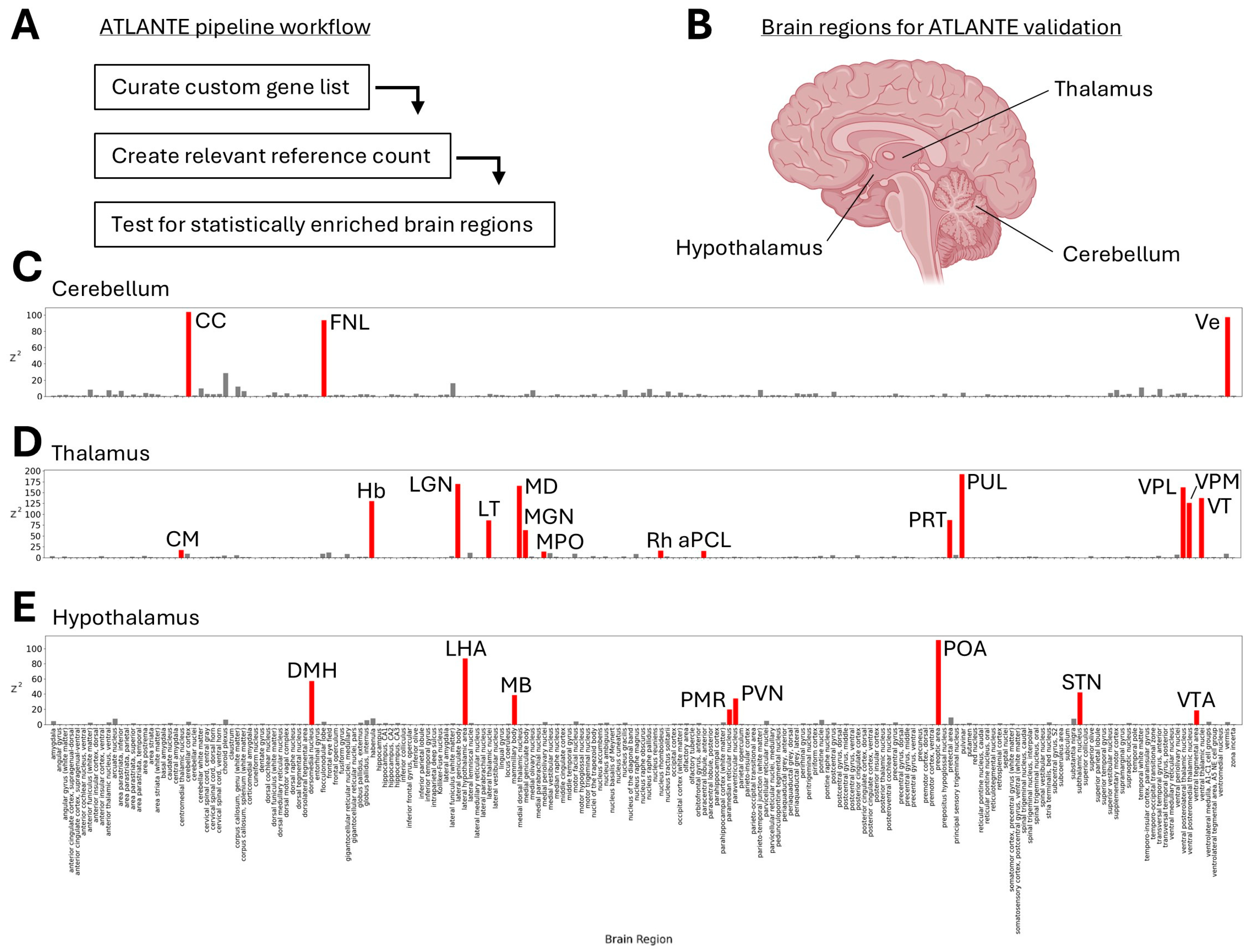
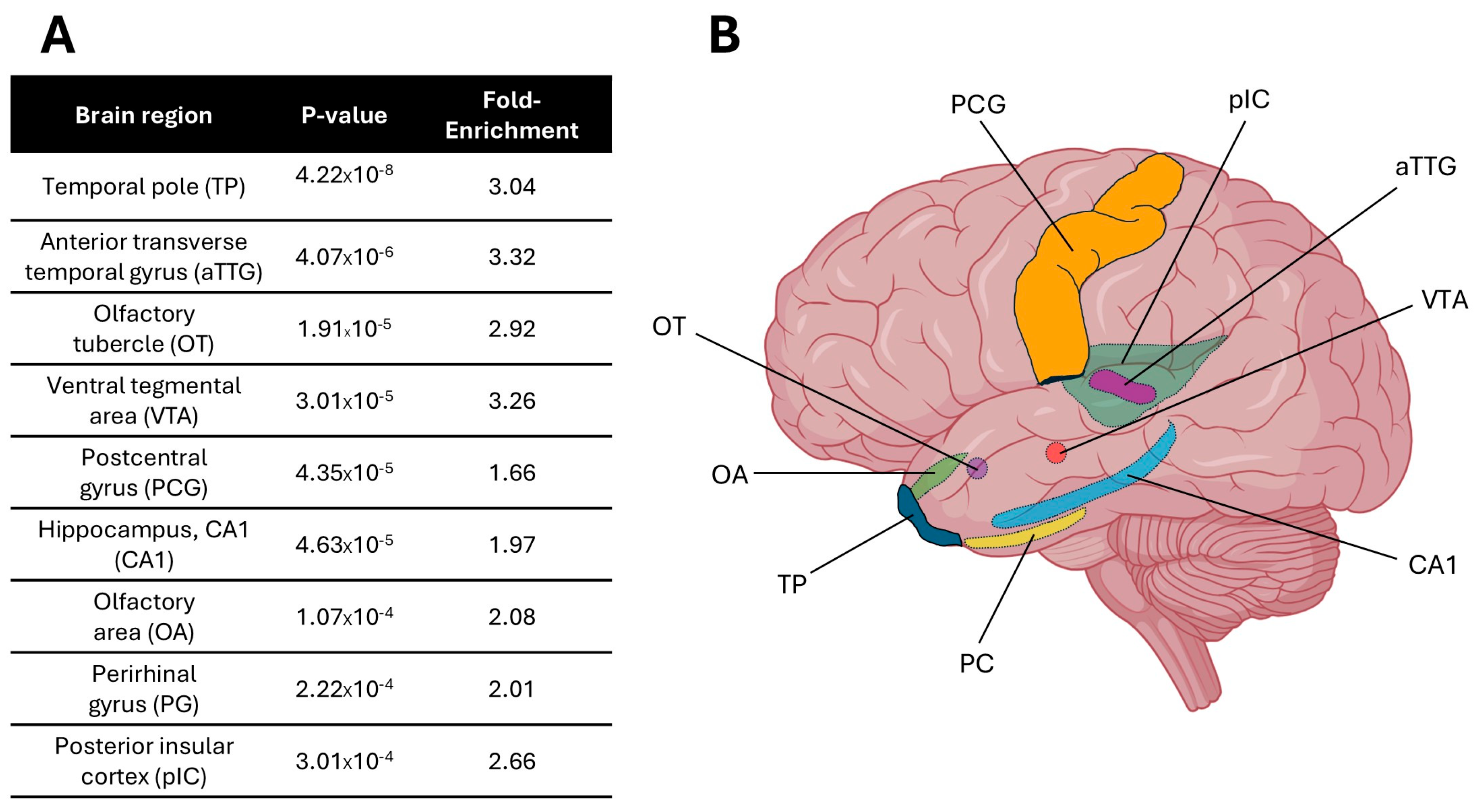
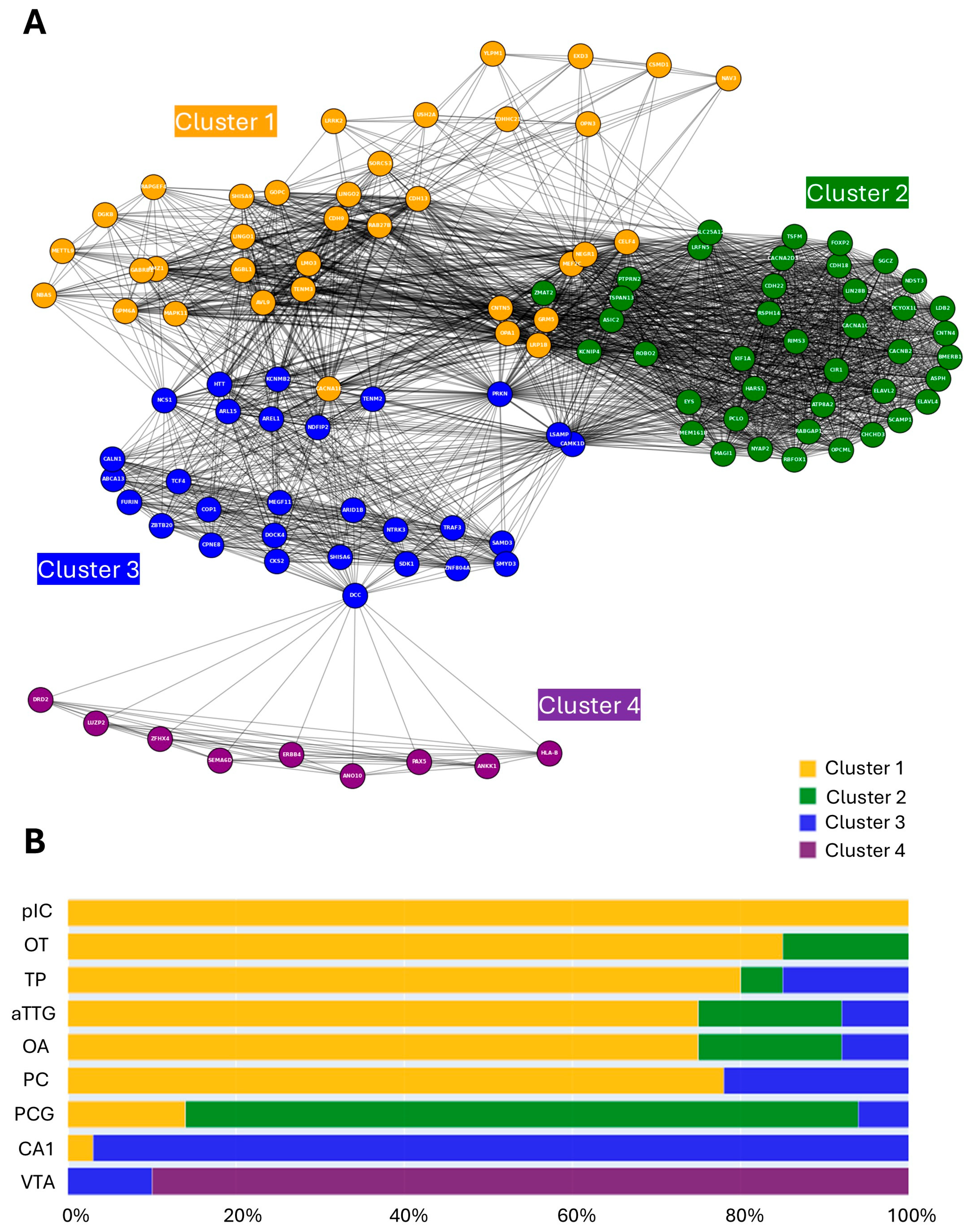
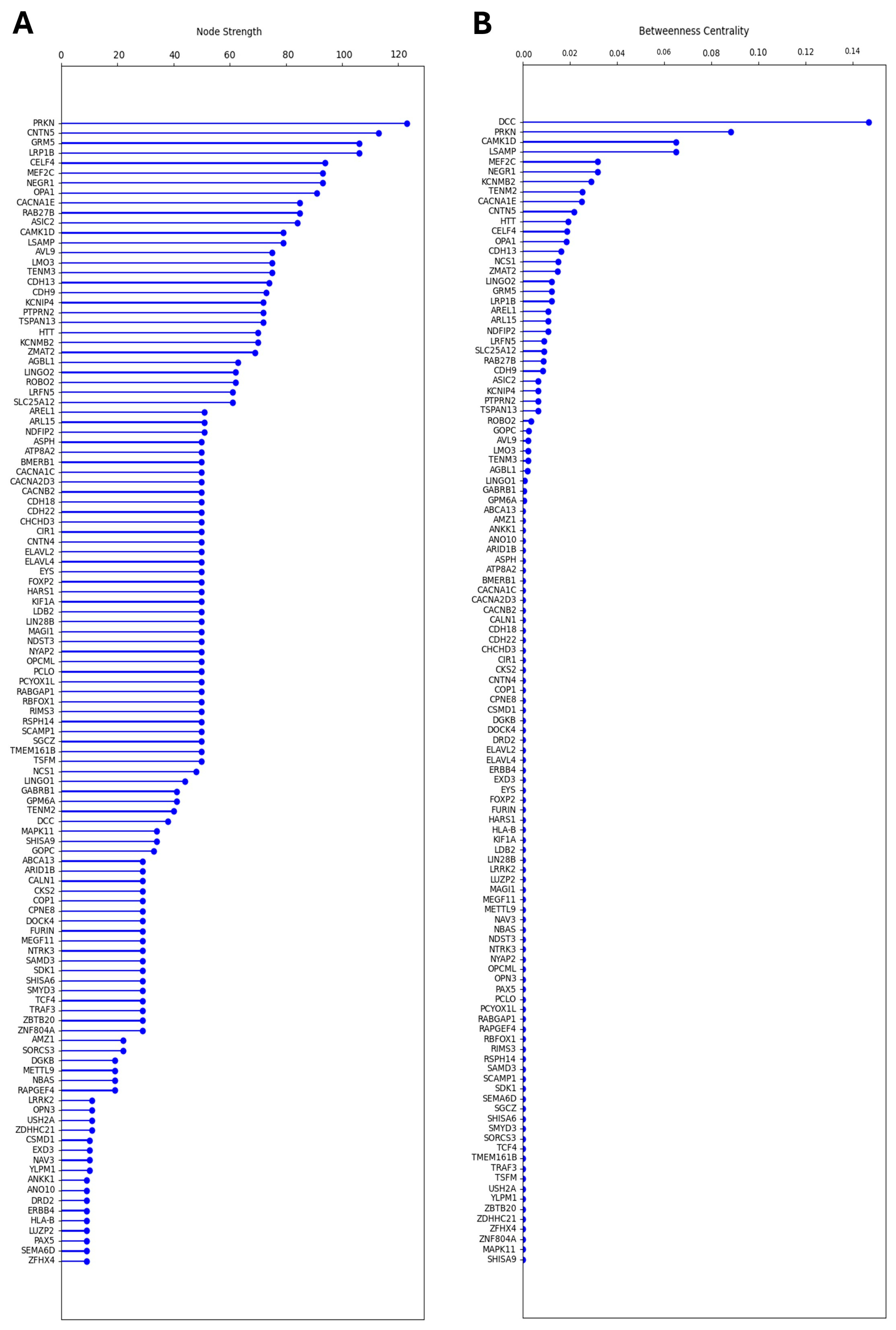
Background/Objectives: Major Depression (MD) is a common disorder that has significant social and economic impacts. Approximately 30% of all MD patients are refractory to common treatments, representing a major obstacle to managing the impacts of depression. One potential explanation for the incomplete treatment efficacy in MD is a substantial divergence in the mechanisms and brain networks involved in different subtypes of the disorder. The aim of this study was to identify novel brain regional targets for MD clinical screening using a gene-informed approach. Methods: A new analysis pipeline, called “Analysis Tool for Local Association of Neuronal Transcript Expression” (ATLANTE), was generated and validated. The pipeline identifies brain regions based on the shared high expression of user-generated gene lists; in this study, the pipeline was applied to discover brain regions that may be significant to MD. Results: Nine discrete brain regions of interest to MD were identified, including the temporal pole, anterior transverse temporal gyrus (Heschl’s gyrus), olfactory tubercle, ventral tegmental area, postcentral gyrus, CA1 of the hippocampus, olfactory area, perirhinal gyrus, and posterior insular cortex. The application of network and clustering analyses identified genes of special importance, including, most notably, PRKN. Conclusions: This study provides two major insights. The first is that several brain regions have unique MD-associated genetic architectures, indicating a potential explanation for subtype-specific dysfunction. The second insight is that the PRKN gene, which is strongly associated with Parkinson’s disease, is a key player amongst the MD-associated genes. These findings reveal novel targets for the clinical screening of depression and reinforce a mechanistic connection between MD and Parkinson’s disease.
Keywords: depression; Parkinson’s disease; temporal pole; Heschl’s gyrus; hippocampus; perirhinal gyrus; ventral tegmental area; postcentral gyrus; olfactory tubercle; insular cortex depression; Parkinson’s disease; temporal pole; Heschl’s gyrus; hippocampus; perirhinal gyrus; ventral tegmental area; postcentral gyrus; olfactory tubercle; insular cortex