
Review

Non-Lysosomal Glycogen Storage Cardiomyopathy with Hypertrophic Phenotype Due to PRKAG2 c.905G>A (p.Arg302Gln): Case Report and Narrative Review

Cardiology Unit, Department of Clinical and Experimental Medicine, University of Messina, 98122 Messina, Italy
*
Author to whom correspondence should be addressed.
Cardiogenetics 2026, 16(1), 2; https://doi.org/10.3390/cardiogenetics16010002

Submission received: 30 October 2025 / Revised: 15 January 2026 / Accepted: 29 January 2026 / Published: 21 February 2026
(This article belongs to the Section Rare Disease-Genetic Syndromes)

Abstract

Background: PRKAG2 cardiac syndrome is a rare autosomal dominant glycogen-storage cardiomyopathy that mimics sarcomeric hypertrophic cardiomyopathy (HCM) but features ventricular pre-excitation, progressive conduction disease and concentric hypertrophy due to intracellular glycogen accumulation. The c.905G>A (p.Arg302Gln) variant is one of the most frequently reported pathogenic substitutions. Case summary: We describe a three-generation family carrying the heterozygous PRKAG2 p.Arg302Gln variant. The proband, a 41-year-old man, presented with paroxysmal atrial fibrillation, short PR interval and abnormal intraventricular conduction associated with concentric left ventricular hypertrophy and preserved ejection fraction. Holter monitoring disclosed episodes of high-grade atrioventricular block, prompting implantation of a primary-prevention dual-chamber ICD. Two gene-positive brothers exhibited milder hypertrophy but shared sinus bradycardia, ventricular pre-excitation and supraventricular arrhythmias; one underwent catheter ablation of a posteroseptal accessory pathway. The affected mother displayed a hypertrophic phenotype complicated by sick sinus syndrome and permanent atypical atrial flutter requiring pacemaker implantation. No relevant extracardiac involvement was detected in any family member. Review and novelty: Using this family as a starting point, we provide a concise narrative review of PRKAG2 syndrome with emphasis on the Arg302Gln genotype, molecular mechanisms and emerging treatment strategies. We highlight key multimodality imaging and tissue-characterization features that help distinguish diffuse, concentric glycogen-storage hypertrophy from the often-asymmetric pattern of sarcomeric HCM. Integration of our findings with published Arg302Gln cohorts illustrates the broad phenotypic variability in conduction disease, pre-excitation and atrial arrhythmias. Conclusions: PRKAG2 p.Arg302Gln-related cardiomyopathy should be suspected in patients with otherwise unexplained left ventricular hypertrophy associated with short PR interval, pre-excitation or early brady–tachy arrhythmias. Early recognition of red-flag features, systematic genetic testing, family screening and tailored arrhythmia/device management are crucial, while emerging gene- and pathway-targeted therapies may offer future disease-modifying potential.

1. Introduction

Hypertrophic cardiomyopathy (HCM) is a relatively common, often inherited myocardial disease, with an estimated prevalence of 1:200–1:500 individuals [1]. It is typically caused by pathogenic variants in genes encoding sarcomeric proteins, leading to myocyte hypertrophy, myofibrillar disarray and interstitial fibrosis. In recent years, a growing number of non-sarcomeric conditions with left ventricular hypertrophy (LVH) have been recognized as phenocopies of sarcomeric HCM, including lysosomal storage diseases (e.g., Fabry and Danon disease), classical glycogenosis, and other metabolic or syndromic disorders [2]. Among patients with an HCM phenotype and ventricular pre-excitation, a significant minority harbor metabolic storage diseases [3]. In a histopathological series of 150 HCM patients with ventricular pre-excitation, 12% were attributed to known storage disorders, including Pompe, Fabry and Danon diseases, as well as type III and type IV glycogenosis. Within this group, PRKAG2 cardiac syndrome represents a unique non-lysosomal glycogen storage cardiomyopathy, distinct from both sarcomeric HCM and systemic glycogenosis [4]. PRKAG2 syndrome is an autosomal dominant metabolic heart disease characterized by LVH, ventricular pre-excitation and progressive conduction system disease. Although rare in the general population, PRKAG2 variants are found in up to approximately 0.2–1% of individuals evaluated for suspected HCM. First described two decades ago, this syndrome is now recognized as a crucial differential diagnosis of early-onset HCM, especially when associated with Wolff–Parkinson–White pattern or high-grade atrioventricular (AV) block [5]. Several comprehensive reviews of PRKAG2 syndrome have been published, including recent case-based overviews [6]. However, data focusing on individual genotypes and their real-world expression in families remain limited. In particular, the c.905G>A (p.Arg302Gln) variant is one of the most frequently reported pathogenic substitutions and offers a useful model to explore the interplay between genotype, conduction disease and glycogen storage hypertrophy.
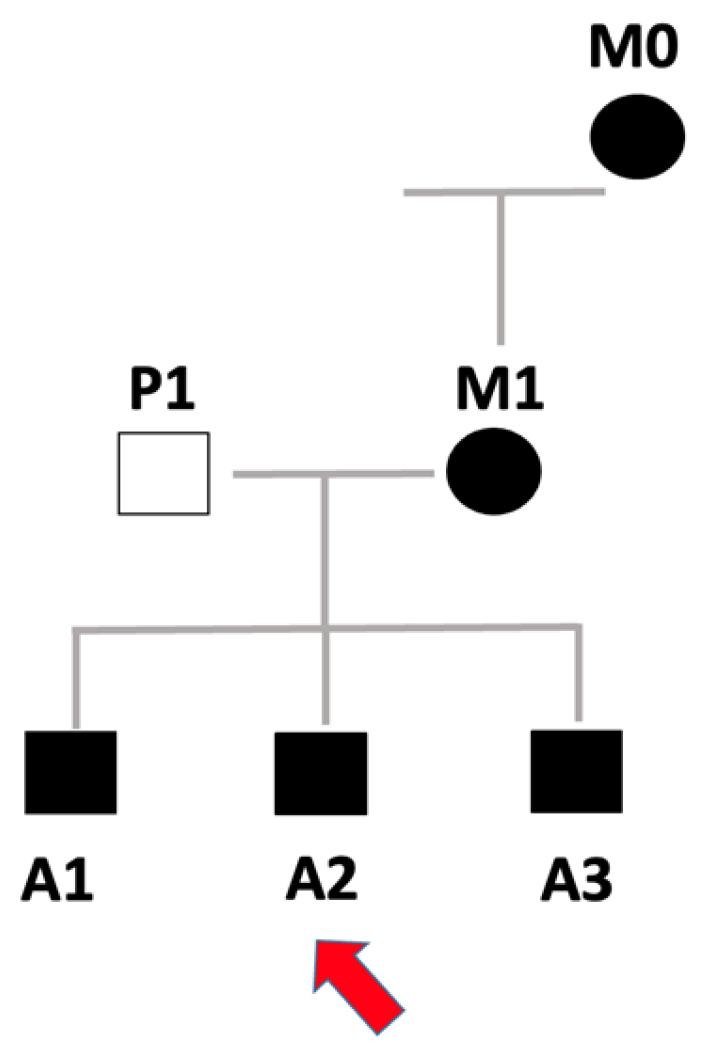
The objective of this work is therefore two-fold: to describe in detail a three-generation family carrying the PRKAG2 c.905G>A (p.Arg302Gln) variant, illustrating the spectrum of electrical and structural manifestations within a single pedigree (Figure 1); and to integrate this case with a focused narrative review addressing genotype-specific aspects, diagnostic red flags [2,7] and emerging therapeutic implications of PRKAG2 cardiac syndrome.

2. Case Presentation

2.1. Clinical Presentation of the Proband

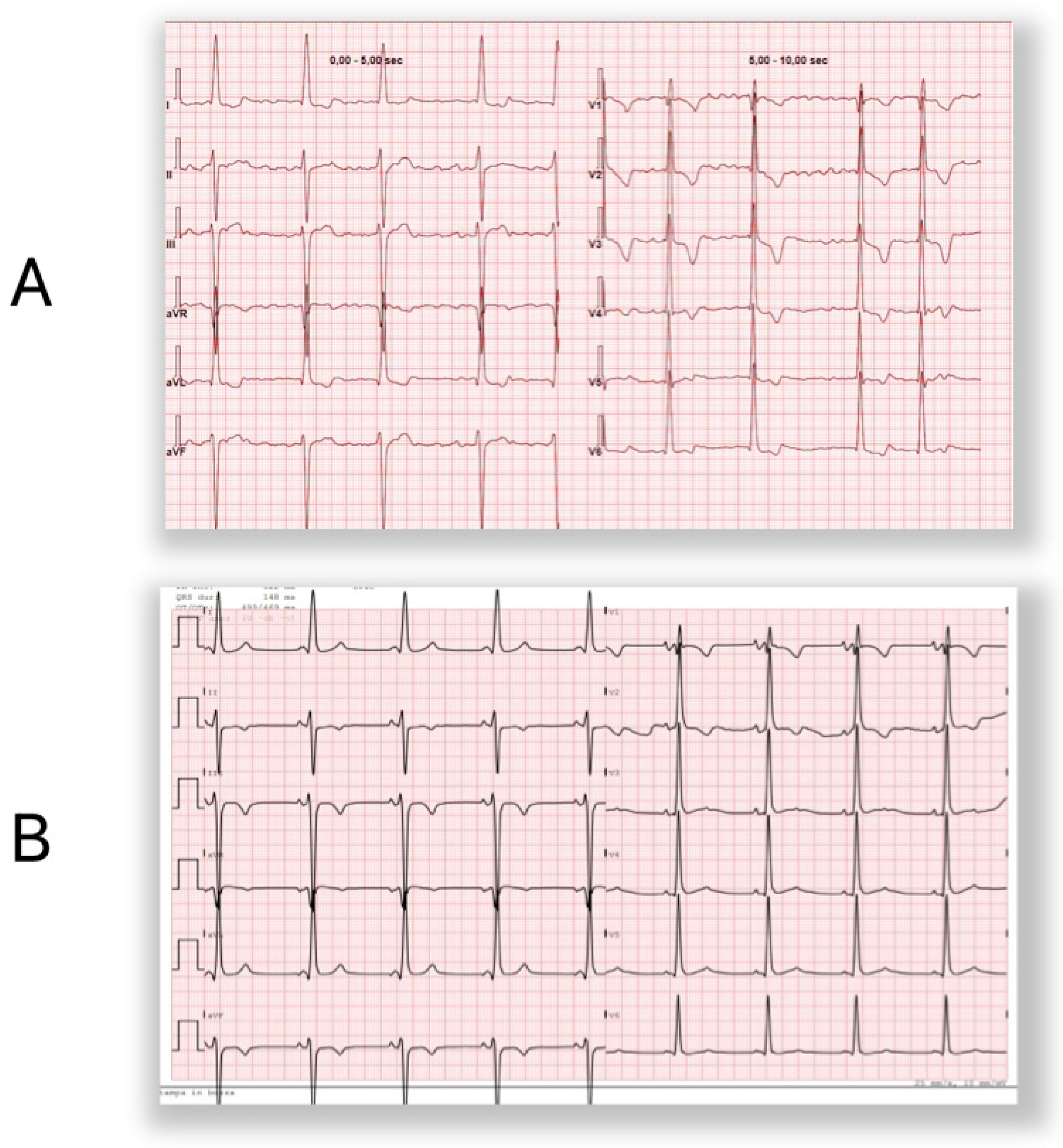
The proband (A2) is a 41-year-old man referred to our center for evaluation of recurrent palpitations and a history of paroxysmal atrial fibrillation (AF) since early adulthood. A resting 12-lead electrocardiogram (ECG) in sinus rhythm showed a short PR interval and abnormal intraventricular conduction with a wide QRS complex, compatible with possible ventricular pre-excitation. During documented AF (Figure 2A), no narrow or fully pre-excited QRS complexes were observed, and QRS morphology remained similar to sinus rhythm (Figure 2B), making a classical Kent-type accessory pathway unlikely and suggesting either delayed intrinsic deflection due to LVH or a nodofascicular/atypical pathway.
Twenty-four-hour Holter monitoring revealed frequent atrial premature beats, short runs of supraventricular tachycardia, and intermittent second-degree AV block (Mobitz I and 2:1 AV conduction). A single episode of advanced second-degree block with a 2.9 s pause was recorded. Given the coexistence of conduction disease, supraventricular arrhythmias and the suspicion of a glycogen storage cardiomyopathy [8], genetic testing was undertaken.
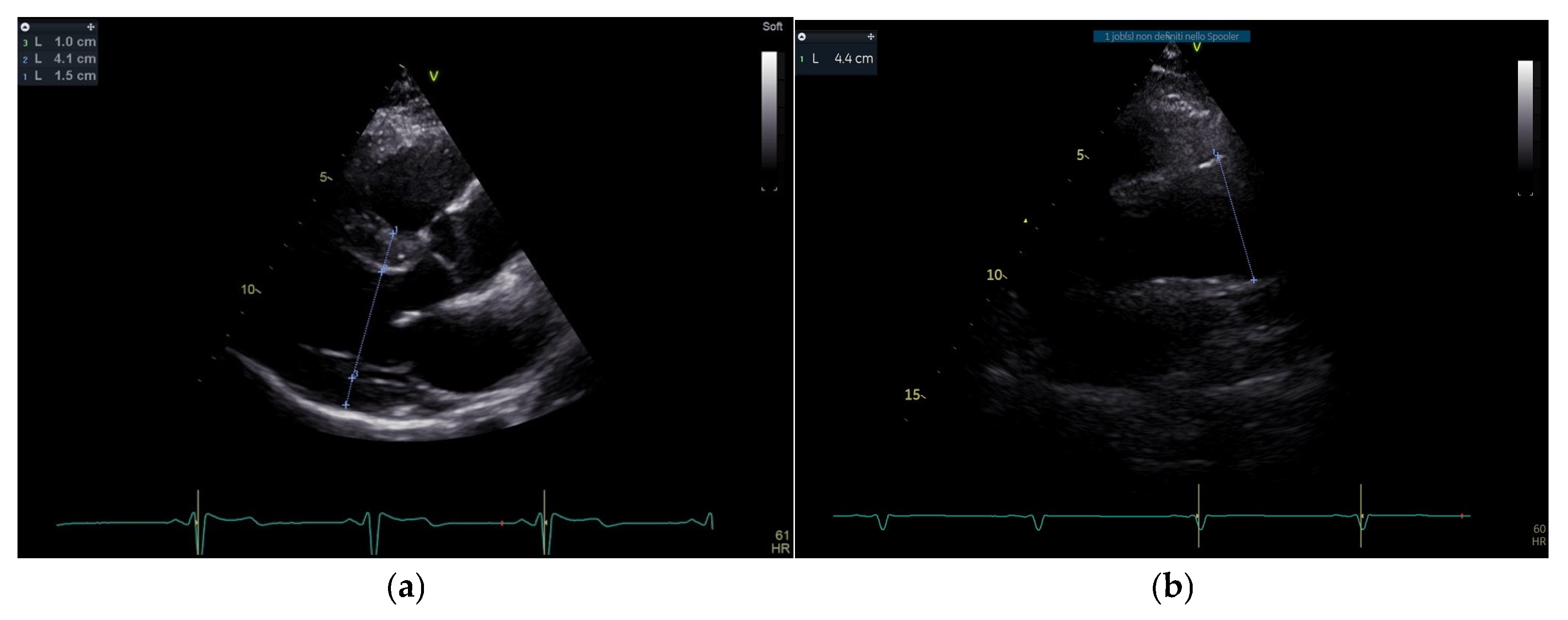
Transthoracic echocardiography demonstrated concentric LVH with an interventricular septal thickness of 15 mm, normal left ventricular end-diastolic diameter and preserved systolic function (left ventricular ejection fraction 60%). Biatrial enlargement was present, without significant valvular disease or pulmonary hypertension. LVH appeared diffuse and homogeneous rather than asymmetric, a pattern more typical of storage cardiomyopathies than of classic sarcomeric HCM. Representative images are shown in Figure 3. In view of documented high-grade AV block in conjunction with supraventricular arrhythmias and the subsequent confirmation of a pathogenic PRKAG2 variant, a dual-chamber ICD was implanted for primary prevention of sudden cardiac death.

2.2. Genetic Testing and Family Screening

Genomic DNA was extracted from peripheral blood leukocytes using standard procedures. Next-generation sequencing (NGS) was performed using a targeted cardiomyopathy and arrhythmia gene panel that included PRKAG2 and major sarcomeric and conduction system genes [9,10]. Library preparation and sequencing were carried out according to the manufacturer’s instructions, with an average coverage > 100× for all targeted exons. Sequence variants were filtered based on allele frequency, predicted functional impact and concordance with the clinical phenotype, and classified according to current ACMG/AMP criteria. In the proband, we identified a heterozygous missense variant in PRKAG2, c.905G>A (p.Arg302Gln, rs121908987), previously reported as pathogenic in association with autosomal dominant non-lysosomal cardiac glycogenosis. No additional pathogenic or likely pathogenic variants in sarcomeric or metabolic genes were detected. Only common benign polymorphisms were observed. Cascade genetic testing was offered to first-degree relatives. The same heterozygous PRKAG2 c.905G>A (p.Arg302Gln) variant was documented in the proband’s mother (M1), eldest brother (A1) and youngest brother (A3). The father (P1) tested negative, consistent with a maternal transmission pattern. The available information on the maternal grandmother (M0), who reportedly had advanced heart failure, was compatible with an affected status, though genetic confirmation was not possible. All clinically evaluated relatives provided written informed consent for genetic testing and publication of anonymized clinical data, in accordance with institutional policies and the Declaration of Helsinki.

2.3. Phenotype of Affected Relatives and Intrafamilial Spectrum

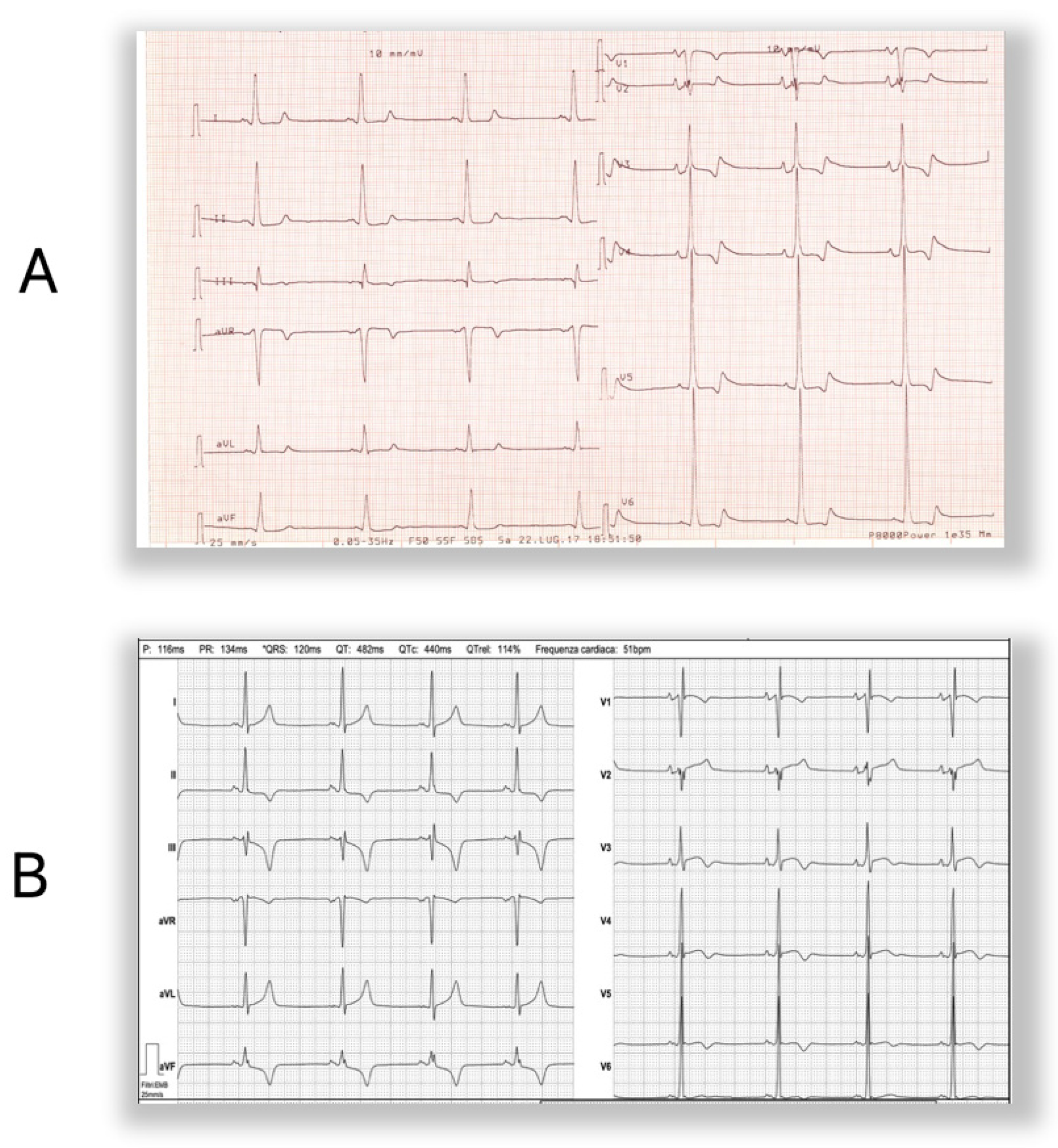
The eldest brother (A1), in his late thirties, reported palpitations and irregular heart beats detected by a wearable device. Holter monitoring documented frequent atrial ectopic beats, often in bigeminy and occasionally non-conducted, in addition to paroxysmal AF and a brady–tachy profile. He declined both electrophysiological study and device implantation; therefore, an implantable loop recorder was chosen for rhythm surveillance. Echocardiography revealed mild concentric LVH with preserved systolic function and biatrial enlargement. The baseline ECG (Figure 4A) showed sinus bradycardia, a short PR interval, incomplete right bundle branch block and possible ventricular pre-excitation.
The youngest brother (A3) experienced paroxysmal supraventricular tachycardia at age 18, due to a posteroseptal accessory pathway that was successfully ablated. He later developed a single episode of typical counterclockwise atrial flutter. Current follow-up shows a mild bradycardic phenotype [11] with sinus bradycardia and normal AV conduction after ablation. Echocardiography demonstrated mild septal hypertrophy and normal global LV function. A representative ECG after ablation is shown in Figure 4B.
The mother (M1, 68 years) has autoimmune thyroiditis and a hypertrophic cardiomyopathy phenotype. She developed a tachy–brady syndrome combining sick sinus syndrome with recurrent atrial flutter and AF, leading to permanent atypical atrial flutter and pacemaker implantation. Echocardiography showed LVH with preserved ejection fraction, marked biatrial enlargement and no relevant valvular disease or pulmonary hypertension. She is on guideline-directed medical therapy for heart failure and rhythm control. The maternal grandmother (M0) reportedly suffered from advanced heart failure in later life, although detailed records and imaging are not available. Based on the family history, she is considered an obligate carrier of the PRKAG2 variant. Table 1 summarizes the arrhythmic manifestations, structural cardiac findings and management strategies in affected carriers within the family. Genetic testing using next-generation sequencing (NGS) revealed heterozygosity for the pathogenic missense variant PRKAG2 c.905G>A (p.Arg302Gln, rs121908987), known to cause non-lysosomal cardiac glycogenosis with autosomal dominant inheritance and full penetrance. The observed familial distribution was therefore compatible with an autosomal dominant inheritance pattern.

3. Discussion

3.1. Genetic and Molecular Insights with Focus on Arg302Gln

The PRKAG2 gene encodes the γ2 regulatory subunit of AMPK, a central enzyme involved in energy homeostasis through regulation of glucose uptake and glycogen metabolism [12]. Pathogenic variants in PRKAG2 alter AMPK activity, leading to glycogen accumulation in cardiomyocytes and subsequent cardiac hypertrophy. Unlike sarcomeric HCM, which is characterized by myocyte hypertrophy and disarray, PRKAG2 syndrome is defined by vacuolated myocytes with glycogen deposits, minimal fibrosis, and absence of sarcomeric disarray. Commonly reported variants include Arg302Gln and Arg531Gly, with variable penetrance and phenotypic expression. Intrafamilial variability has been frequently observed, suggesting a strong influence of modifier genes and environmental factors [13,14].
The PRKAG2 gene, located on chromosome 7q36, encodes the γ2 regulatory subunit of AMP-activated protein kinase (AMPK). AMPK is a heterotrimeric enzyme, involved in energy homeostasis through regulation of glucose uptake and glycogen metabolism and it consists of a catalytic α subunit and regulatory β and γ subunits [15]. The γ2 subunit contains four cystathionine β-synthase (CBS) domains that bind adenine nucleotides (AMP, ATP), regulating the activity of the kinase in response to changes in cellular energy status [16].
During acute low-energy states, activation of AMPK leads to the suppression of ATP-consuming anabolic pathways—such as glycogen, cholesterol, and fatty acid synthesis—while concurrently promoting catabolic processes aimed at restoring cellular energy balance [17]. At the same time, AMPK activates ATP-producing pathways such as fatty acid oxidation, and it increases glucose uptake in cells. However, the precise biological mechanism by which PRKAG2 mutations lead to impaired glucose metabolism and excess glycogen storage in human cells is still unclear [15,18].
The gamma 2 subunit of the AMPK, most abundantly expressed in the heart, may contribute to cardiac development and specifically to the atrioventricular (AV) annulus fibrosus development [4,19]. The disruption of the annulus fibrosus by glycogen-filled myocytes interferes with the normal atrioventricular septation and may cause ventricular pre-excitation and reciprocating arrhythmias. Pathogenic variants in PRKAG2 typically involve missense mutations within conserved regions of the CBS domains, resulting in altered AMPK activity [20,21]. As reported by Xu et al. (2017), de novo mutations in the PRKAG2 gene—arising spontaneously and not inherited from either parent—can occur and are associated with early-onset clinical manifestations [16].
The glycogen accumulation in cardiomyocytes, with frequent intracellular vacuoles, due to AMPK dysfunction, is responsible for the development of ventricular hypertrophy without sarcomeric disarray [22]. This contrasts with sarcomeric gene mutations, which are characterized by myofibrillar hypertrophy and disarray on microscopy.
Several mutations have been identified, the most reported mutation were C.905G>A (Arg302Gln) and c.1463A>T (Asn488Ile), with variable penetrance, expressivity and age of onset. Intrafamilial variability has been frequently observed, suggesting a strong influence of modifier genes and environmental factors.
Other less common variants have been reported in the literature, Val336Leu, K475E, His530Arg, Phe293Leu. Some variants may also activate the mTOR signaling pathway, suggesting a potential role for targeted therapies in the future. For example, the K475E mutation was associated with activation of the mTOR/p70S6K/4E-BP1 cascade in cellular models. Treatment with rapamycin, an mTOR inhibitor, partially reversed hypertrophy in vitro, highlighting a potential pathway for targeted therapy in selected patients [16].
Among the numerous variants described, c.905G>A (p.Arg302Gln) is one of the most frequently reported and has been identified in several familial and sporadic cases. Previous series have shown that Arg302Gln carriers typically present with LVH of variable degree, short PR interval, ventricular pre-excitation and progressive AV conduction disease. Our family confirms this pattern: all genotyped carriers had electrical abnormalities consistent with PRKAG2 syndrome, while the severity of LVH ranged from mild to moderate and systolic function remained preserved.

3.2. Clinical Spectrum of PRKAG2 Syndrome

The phenotype includes left ventricular hypertrophy (LVH), pre-excitation, atrial and ventricular arrhythmias, and conduction abnormalities such as atrioventricular block requiring pacemaker implantation. In a large European cohort of 90 patients, Lopez-Sainz et al. reported LVH in 71%, atrial fibrillation in 29%, pacemaker requirement in 21%, heart failure hospitalization in 14%, and sudden cardiac death or equivalent events in 8% over a median follow-up of 6 years. Notably, severe hypertrophy and pre-excitation are not universally present, which may delay diagnosis or lead to misclassification as sarcomeric HCM [2].
PRKAG2 syndrome is characterized by the interplay of electrical, structural, and metabolic alterations that produce a distinctive clinical phenotype [23]. One of the earliest and most striking manifestations is ventricular pre-excitation, usually evident as a Wolff–Parkinson–White pattern [24]. The prevalence of this finding varies across series: while the largest multicentric cohort reported pre-excitation in approximately one third of carriers [25], higher rates—up to 77%—have been documented in selected familial cohorts [26], and earlier reviews consistently emphasized its role as a key early feature of the disease [20].
Progressive conduction disease represents another defining hallmark [7]. In a large study by Lopez-Sainz et al., nearly one in five patients had a pacemaker at baseline and a further 21% required de novo implantation during follow-up, with a median age of 37 years [25]. Similarly, in a South Asian cohort, more than one third of patients underwent pacing during seven years of follow-up [26]. Particularly striking are the data from Sternick et al., who showed that more than 50% of patients with fasciculoventricular pathways—a characteristic marker of PRKAG2—progressed to complete atrioventricular block [27].
Atrial arrhythmias are frequent complications, with atrial fibrillation developing in almost one third of patients in the largest available series [25], and cumulative rates approaching 40% in pooled analyses [28]. Ventricular arrhythmias, although less common, are clinically relevant: Lopez-Sainz et al. reported life-threatening events such as sustained ventricular tachycardia, ventricular fibrillation, or sudden cardiac death in about 8% of carriers [25]; similar observations have been described in smaller cohorts, including a 27% event rate in the South Asian cohort [26] and a case of sustained ventricular tachycardia in long-term follow-up [28].
Structurally, left ventricular hypertrophy (LVH) is almost universal in affected individuals, although the reported prevalence again varies by cohort, ranging from two thirds of patients in multicenter studies [25] to more than 80% in smaller familial series [26]. Importantly, this hypertrophy mimics sarcomeric hypertrophic cardiomyopathy on imaging but it is driven indeed by glycogen accumulation within cardiomyocytes rather than myocyte disarray [29]. Systolic function is typically preserved in the early stages, while progressive remodeling, diastolic dysfunction, and atrial enlargement emerge over time [20,25,26,28]. The clinical spectrum is therefore broad: some carriers remain asymptomatic with isolated electrocardiographic abnormalities, whereas others develop severe arrhythmias, marked hypertrophy, or advanced conduction disease at a young age [20,25,26].
Despite being classified as a glycogen storage disease, PRKAG2 cardiac syndrome is predominantly confined to the heart. Unlike systemic glycogenosis such as Pompe disease or some forms of classical glycogen storage cardiomyopathy, significant skeletal muscle weakness or overt myopathy has not been a consistent feature in published PRKAG2 cohorts. Our family is in line with this observation, as none of the carriers displayed clinically evident skeletal muscle involvement. This relative cardiac restriction represents a useful element in the differential diagnosis with other glycogen storage disorders.

3.3. Diagnosis and Differential Diagnosis

The diagnosis of PRKAG2 syndrome should be suspected in patients with unexplained LVH coexisting with ventricular pre-excitation, conduction system disease, or early-onset atrial fibrillation [30]. Cardiac magnetic resonance often reveals hypertrophy with preserved tissue characteristics, without late gadolinium enhancement, contrasting with sarcomeric HCM. Genetic testing is essential for confirmation and for family screening [31]. Differential diagnoses include sarcomeric HCM, Danon disease, Fabry disease, and Pompe disease, all of which can mimic hypertrophy in young individuals. Recognition of PRKAG2 syndrome relies on the integration of distinctive electrical and structural findings. On the electrocardiogram, a short PR interval with ventricular pre-excitation is the most common clue [7]. The disproportionate presence of fasciculoventricular pathways in these patients provides an additional diagnostic marker, not only because such pathways are rare in other forms of left ventricular hypertrophy but also because they often herald progression to high-grade atrioventricular block [27,32].
Imaging further refines the differential diagnosis. Echocardiography typically shows concentric or homogeneous hypertrophy, in contrast to the asymmetric septal thickening and systolic anterior motion that typify sarcomeric hypertrophic cardiomyopathy [20]. Cardiac magnetic resonance has become central in characterizing this phenotype: PRKAG2-associated hypertrophy is frequently diffuse [33], accompanied in the early stages by little or no late gadolinium enhancement, and it is distinguished by reduced native T1 values that reflect intracellular glycogen accumulation [34].
Such tissue characterization allows a meaningful comparison with the major phenocopies of hypertrophic cardiomyopathy. In Danon disease, hypertrophy is accompanied by globally elevated T1 values [35], whereas in Fabry disease the opposite occurs, with reduced T1 but a characteristic inferolateral basal pattern of fibrosis [36,37]. Histology, though rarely required in clinical practice, confirms the diagnosis by demonstrating cardiomyocyte vacuolization with glycogen inclusions, in contrast to the myofibrillar disarray that defines sarcomeric HCM [29,38,39,40]. Ultimately, genetic testing remains the definitive diagnostic tool, but the combined assessment of electrocardiographic markers, imaging features, and tissue signatures provides a powerful framework to differentiate PRKAG2 syndrome from other causes of left ventricular hypertrophy [20,41].
Endomyocardial biopsy is not routinely required when a pathogenic PRKAG2 variant is identified but may be informative when the diagnosis remains uncertain. Histology showing vacuolated myocytes with glycogen inclusions and minimal fibrosis, without sarcomeric disarray, supports a glycogen storage cardiomyopathy. This contrasts with the myofibrillar disarray of sarcomeric HCM and the lysosomal inclusions typical of Danon or Fabry disease. In our family, biopsy was unnecessary because the electrical phenotype and the known pathogenic variant provided a definitive diagnosis.
Differential diagnoses include sarcomeric HCM, Danon disease, Fabry disease and other storage disorders; multimodality imaging and targeted genetic testing remain essential [7].
Our pedigree shows a typical Arg302Gln pattern of early electrical disease with mild-to-moderate LVH. All carriers exhibited sinus bradycardia and supraventricular arrhythmias but differed in severity of conduction disease and timing of device implantation. Rather than marked variability, the family reflects a shared core phenotype modulated by age and possible modifiers, consistent with previous Arg302Gln reports. Notably, conduction disease and atrial arrhythmias—rather than severe hypertrophy—appear to drive risk, supporting early rhythm surveillance and timely device therapy in affected carriers.

3.4. Management and Prognosis

Management of patients with PRKAG2 gene-related cardiomyopathy requires a comprehensive approach tailored to both the cardiac manifestations and the risk of arrhythmias, though there are currently no approved disease-modifying therapies. Main management remains focused on arrhythmia control and pacemaker implantation when advanced AV block occurs. Recommendations for pacing or cardiac resynchronization therapy (CRT) follow current cardiology guidelines [42,43].
Catheter ablation of accessory pathways may be considered, but arrhythmias often recur due to the diffuse substrate [44].
If heart failure with reduced ejection fraction develops, standard treatments are applied (guideline-directed HFrEF pharmacotherapy, ICD/CRT evaluation when indicated, and, in end-stage cases, consideration for transplantation) [45].
Prognosis of HCM phenocopies associated with defects in glycogen metabolism is generally worse than that of sarcomeric HCM [4,25].
Also, genetic testing for detection of PRKAG2 variants does not predict prognosis because no differences were noted in adverse disease-related events among different PRKAG2 variants, as reported by Barry J. Maron et al. [46].

3.5. Future Directions

Further research is needed to better understand the pathophysiology of PRKAG2 syndrome, identify genotype–phenotype correlations, and develop targeted therapies. Potential therapeutic approaches may include modulation of AMPK activity, metabolic reprogramming, or gene therapy [47]. Large registries and international collaborations are necessary to refine risk stratification, improve management strategies, and prevent life-threatening arrhythmic events.
There are some interesting new developments, but it is important to distinguish established clinical practice from preclinical or experimental approaches. In this direction, Avidity Biosciences Company has expanded beyond rare skeletal muscle disorders into a new therapeutic field targeting the root cause of rare genetic cardiomyopathies. The company is advancing its AOC 1072 (Antibody Oligonucleotide Conjugate 1072) for PRKAG2 syndrome. Specifically, AOC 1072 is an antibody oligonucleotide conjugate designed to deliver small interfering RNA (siRNA) directly to the heart muscle to reduce the expression PRKAG2 genes [48]. Treatment in mice and monkeys produced robust PRKAG2 knockdown, reversed skeletal muscle glycogen accumulation, improved diastolic function in a PRKAG2 disease model, and was well-tolerated in non-human primates after a single dose. This approach is promising but not yet a clinical therapy. Preclinical data on AOC 1072 were presented at the American Heart Association (AHA) Scientific Sessions on 16 November 2024, in Chicago, IL, USA.
With regard to gene editing, the H530R mutation in PRKAG2 was identified in patients with familial Wolff–Parkinson–White syndrome. Thus, experimental studies with transgenic and knock-in H530R PRKAG2 mice reproduced human symptoms, including cardiac hypertrophy and glycogen accumulation, confirming the causal relationship. Particularly, researchers combined adeno-associated virus 9 (AAV9) with the CRISPR/Cas9 editing system to selectively disrupt the mutant PRKAG2 allele encoding H530R while leaving the wild-type allele intact. A single systemic injection of AAV9-Cas9/sgRNA at either day 4 or day 42 postnatally substantially restored heart morphology and function in these mice. Overall, the work suggests that in vivo CRISPR/Cas9 genome editing is an effective strategy for treating PRKAG2 cardiac syndrome and other dominant inherited heart diseases, by selectively eliminating disease-causing mutations [49].
Also, in vitro experiments confirmed that β-blockers correct PRKAG2 R302Q-induced hypertrophy and glycogen accumulation by affecting the AKT-mTOR pathway, which regulates metabolism, proliferation, and protein synthesis. In the heart muscle, mTOR—activated by AKT—stimulates cardiomyocyte enlargement via p70S6K and 4EBP1, key protein-synthesis regulators. β-blockers are known to have cardioprotective effects (anti-ischemic, antihypertensive, antiarrhythmic, ventricular function improvement). In PRKAG2 R302Q-induced hypertrophic cardiomyopathy, metoprolol showed therapeutic benefit, consistent with the detrimental role of chronic β1-AR activation, which promotes remodeling, hypertrophy, and heart failure [50].
However, randomized controlled trials, imaging data, and supportive animal models are lacking. Future studies using induced pluripotent stem cells, transgenic mice, and clinical follow-up are planned. Metoprolol thus emerges as a potential first-line drug for PRKAG2 cardiac syndrome, but further clinical confirmation is needed.

4. Conclusions

PRKAG2 cardiac syndrome is a rare but clinically important cause of HCM phenotype, characterized by diffuse glycogen storage hypertrophy, early-onset conduction disease and ventricular pre-excitation. The c.905G>A (p.Arg302Gln) variant is among the most frequently encountered pathogenic substitutions and provides a useful model to understand the intersection of metabolic, electrical and structural remodeling in the heart. Clinical practice guidelines increasingly emphasize the systematic search for disease-specific ‘red flags’ in patients with HCM phenotypes, to identify phenocopies that may require different management [2]. In this context, PRKAG2 syndrome represents a paradigmatic example in which careful integration of electrical, structural and genetic information can dramatically change the diagnostic label, family counseling and therapeutic strategy.

Author Contributions

Conceptualization, P.C., G.D. and G.D.B.; investigation, M.C.P., L.C. and R.L., writing—original draft preparation, A.M., F.C., G.A., M.N., C.R. and I.S.; writing—review and editing, A.M., L.T., P.C. and G.D.; visualization, G.D. and G.D.B.; supervision P.C., G.D. and G.D.B. All authors have read and agreed to the published version of the manuscript.

Funding

This research received no external funding.

Institutional Review Board Statement

The study was conducted in accordance with the Declaration of Helsinki, and approved by the local Ethics Committee prior to initiation of Comitato Etico Area Vasta Sicilia Orientale–Policlinico Universitario di Messina (protocol code: CEAV-SO/PRKAG2/2023-117 and date of approval: 15 March 2023).

Informed Consent Statement

Informed consent was obtained from all subjects involved in the study.

Data Availability Statement

The original contributions presented in this study are included in the article. Further inquiries can be directed to the corresponding author.

Conflicts of Interest

The authors declare no conflicts of interest.

Abbreviations

The following abbreviations are used in this manuscript:
ICDImplantable Cardioverter–Defibrillator
CRTCardiac Resynchronization Therapy
HFrEFHeart Failure with Reduced Ejection Fraction
WPWWolff–Parkinson–White Syndrome
PRKAG2Protein Kinase AMP-Activated Non-Catalytic Subunit Gamma 2
AMPKAMP-activated protein kinase
HCMHypertrophic cardiomyopathy

References

  1. Maron, B.J.; Desai, M.Y.; Nishimura, R.A.; Spirito, P.; Rakowski, H.; Towbin, J.A.; Rowin, E.J.; Maron, M.S.; Sherrid, M.V. Diagnosis and Evaluation of Hypertrophic Cardiomyopathy: JACC State-of-the-Art Review. J. Am. Coll. Cardiol. 2022, 79, 372–389. [Google Scholar] [CrossRef]
  2. Arbelo, E.; Protonotarios, A.; Gimeno, J.R.; Arbustini, E.; Barriales-Villa, R.; Basso, C.; Bezzina, C.R.; Biagini, E.; Blom, N.A.; de Boer, R.A.; et al. 2023 ESC Guidelines for the management of cardiomyopathies. Eur. Heart J. 2023, 44, 3503–3626. [Google Scholar] [CrossRef] [PubMed]
  3. Gollob, M.H.; Seger, J.J.; Gollob, T.N.; Tapscott, T.; Gonzales, O.; Bachinski, L.; Roberts, R. PRKAG2 mutation responsible for the genetic syndrome of ventricular preexcitation and conduction system disease with childhood onset and absence of cardiac hypertrophy. Circulation 2001, 104, 3030–3033. [Google Scholar] [CrossRef] [PubMed]
  4. Thevenon, J.; Laurent, G.; Ader, F.; Laforêt, P.; Klug, D.; Duva Pentiah, A.; Gouya, L.; Maurage, C.A.; Kacet, S.; Eicher, J.C.; et al. High prevalence of arrhythmic and myocardial complications in patients with cardiac glycogenosis due to PRKAG2 mutations. Europace 2017, 19, 651–659. [Google Scholar] [CrossRef] [PubMed]
  5. Caiazza, M.; Monda, E.; Loffredo, F.; Bussani, R.; Fico, V.; Bobbio, E.; Cirillo, C.; Murredda, A.; Viscovo, I.; Scatteia, A.; et al. Integrating Genetic, Clinical, and Histopathological Data for Definitive Diagnosis of PRKAG2-Related Disease. Cardiogenetics 2025, 15, 30. [Google Scholar] [CrossRef]
  6. Micaglio, E.; Tondi, L.; Benedetti, S.; Schiavo, M.A.; Camporeale, A.; Disabato, G.; Attanasio, A.; Guida, G.; Carrafiello, G.; Piepoli, M.; et al. When Paying Attention Pays Back: Missense Mutation c.1006G>A p. (Val336Ile) in PRKAG2 Gene Causing Left Ventricular Hypertrophy and Conduction Abnormalities in a Caucasian Patient: Case Report and Literature Review. Int. J. Mol. Sci. 2024, 25, 9171. [Google Scholar] [CrossRef]
  7. Maurizi, N.; Monda, E.; Biagini, E.; Field, E.; Passantino, S.; Dall’Aglio, G.; Fumagalli, C.; Antiochos, P.; Skalidis, I.; Pieroni, M.; et al. Hypertrophic cardiomyopathy: Prevalence of disease-specific red flags. Eur. Heart J. 2025, 46, 3082–3094. [Google Scholar] [CrossRef]
  8. Gollob, M.H. Glycogen storage disease as a unifying mechanism of disease in the PRKAG2 cardiac syndrome. Biochem. Soc. Trans. 2003, 31, 228–231. [Google Scholar] [CrossRef]
  9. Wilde, A.A.M.; Semsarian, C.; Márquez, M.F.; Sepehri Shamloo, A.; Ackerman, M.J.; Ashley, E.A.; Back Sternick, E.; Barajas-Martinez, H.; Behr, E.R.; Bezzina, C.R.; et al. European Heart Rhythm Association (EHRA)/Heart Rhythm Society (HRS)/Asia Pacific Heart Rhythm Society (APHRS)/Latin American Heart Rhythm Society (LAHRS) Expert Consensus Statement on the state of genetic testing for cardiac diseases. Europace 2022, 24, 1307–1367. [Google Scholar] [CrossRef]
  10. Zhao, Y.; Feng, Y.; Ding, X.; Dong, S.; Zhang, H.; Ding, J.; Xia, X. Identification of a novel hypertrophic cardiomyopathy-associated mutation using targeted next-generation sequencing. Int. J. Mol. Med. 2017, 40, 121–129. [Google Scholar] [CrossRef]
  11. Sternick, E.B.; Oliva, A.; Magalhães, L.P.; Gerken, L.M.; Hong, K.; Santana, O.; Brugada, P.; Brugada, J.; Brugada, R. Familial pseudo-Wolff-Parkinson-White syndrome. J. Cardiovasc. Electrophysiol. 2006, 17, 724–732. [Google Scholar] [CrossRef]
  12. Nagata, D.; Hirata, Y. The role of AMP-activated protein kinase in the cardiovascular system. Hypertens. Res. 2009, 33, 22–28. [Google Scholar] [CrossRef] [PubMed]
  13. Marcu, A.S.; Vătăşescu, R.; Onciul, S.; Rădoi, V.; Jurcuţ, R. Intrafamilial Phenotypical Variability Linked to PRKAG2 Mutation-Family Case Report and Review of the Literature. Life 2022, 12, 2136. [Google Scholar] [CrossRef] [PubMed]
  14. Müllertz, K.M.; Jensen, H.K. Variable primary phenotypic manifestations in a rare familial form of Wolff–Parkinson–White syndrome and hypertrophic cardiomyopathy. Europace 2016, 18, 397. [Google Scholar] [CrossRef]
  15. Banankhah, P.; Fishbein, G.A.; Dota, A.; Ardehali, R. Cardiac manifestations of PRKAG2 mutation. BMC Med. Genet. 2018, 19, 1. [Google Scholar] [CrossRef] [PubMed]
  16. Xu, Y.; Gray, A.; Hardie, D.G.; Uzun, A.; Shaw, S.; Padbury, J.; Phornphutkul, C.; Tseng, Y.-T. A novel, de novo mutation in the PRKAG2 gene: Infantile-onset phenotype and the signaling pathway involved. Am. J. Physiol. Heart Circ. Physiol. 2017, 313, H283–H292. [Google Scholar] [CrossRef]
  17. Blair, E.; Redwood, C.; Ashrafian, H.; Oliveira, M.; Broxholme, J.; Kerr, B.; Salmon, A.; Ostman-Smith, I.; Watkins, H. Mutations in the gamma(2) subunit of AMP-activated protein kinase cause familial hypertrophic cardiomyopathy: Evidence for the central role of energy compromise in disease pathogenesis. Hum. Mol. Genet. 2001, 10, 1215–1220. [Google Scholar] [CrossRef]
  18. Wolf, C.M.; Arad, M.; Ahmad, F.; Sanbe, A.; Bernstein, S.A.; Toka, O.; Konno, T.; Morley, G.; Robbins, J.; Seidman, J.G.; et al. Reversibility of PRKAG2 glycogen-storage cardiomyopathy and electrophysiological manifestations. Circulation 2008, 117, 144–154. [Google Scholar] [CrossRef]
  19. Hawley, S.A.; Ross, F.A.; Chevtzoff, C.; Green, K.A.; Evans, A.; Fogarty, S.; Towler, M.C.; Brown, L.J.; Ogunbayo, O.A.; Evans, A.M.; et al. Use of cells expressing gamma subunit variants to identify diverse mechanisms of AMPK activation. Cell Metab. 2010, 11, 554–565. [Google Scholar] [CrossRef]
  20. Porto, A.G.; Brun, F.; Severini, G.M.; Losurdo, P.; Fabris, E.; Taylor, M.R.G.; Mestroni, L.; Sinagra, G. Clinical Spectrum of PRKAG2 Syndrome. Circ. Arrhythm. Electrophysiol. 2016, 9, e003121. [Google Scholar] [CrossRef]
  21. Komurcu-Bayrak, E.; Kalkan, M.A.; Coban, N.; Ozsait-Selcuk, B.; Bayrak, F. Identification of the pathogenic effects of missense variants causing PRKAG2 cardiomyopathy. Arch. Biochem. Biophys. 2022, 727, 109340. [Google Scholar] [CrossRef] [PubMed]
  22. Murphy, R.T.; Mogensen, J.; McGarry, K.; Bahl, A.; Evans, A.; Osman, E.; Syrris, P.; Gorman, G.; Farrell, M.; Holton, J.L.; et al. Adenosine monophosphate-activated protein kinase disease mimicks hypertrophic cardiomyopathy and Wolff-Parkinson-White syndrom: Natural history. J. Am. Coll. Cardiol. 2005, 45, 922–930. [Google Scholar] [CrossRef] [PubMed]
  23. Hu, J.; Tang, B.; Wang, J.; Huang, K.; Wang, Y.; Lu, S.; Gowreesunkur, H.B.; Wang, Y.; Wu, D.; Mayala, H.A.; et al. Familial Atrial Enlargement, Conduction Disorder and Symmetric Cardiac Hypertrophy Are Early Signs of PRKAG2 R302Q. Curr. Med. Sci. 2020, 40, 486–492. [Google Scholar] [CrossRef] [PubMed]
  24. Arad, M.; Moskowitz, I.P.; Patel, V.V.; Ahmad, F.; Perez-Atayde, A.R.; Sawyer, D.B.; Walter, M.; Li, G.H.; Burgon, P.G.; Maguire, C.T.; et al. Transgenic mice overexpressing mutant PRKAG2 define the cause of Wolff-Parkinson-White syndrome in glycogen storage cardiomyopathy. Circulation 2003, 107, 2850–2856. [Google Scholar] [CrossRef]
  25. Lopez-Sainz, A.; Dominguez, F.; Rocha Lopes, L.; Ochoa, J.P.; Barriales-Villa, R.; Climent, V.; Linschoten, M.; Tiron, C.; Chiriatti, C.; Marques, N.; et al. Clinical Features and Natural History of PRKAG2 Variant Cardiac Glycogenosis. J. Am. Coll. Cardiol. 2020, 76, 186–197. [Google Scholar] [CrossRef]
  26. Ahamed, H.; Balegadde, A.V.; Menon, S.; Menon, R.; Ramachandran, A.; Mathew, N.; Natarajan, K.U.; Ramachandran Nair, I.; Kannan, R.; Shankar, M.; et al. Phenotypic expression and clinical outcomes in a South Asian PRKAG2 cardiomyopathy cohort. Sci. Rep. 2020, 10, 20610. [Google Scholar] [CrossRef]
  27. Sternick, E.B.; Oliva, A.; Gerken, L.M.; Magalhães, L.; Scarpelli, R.; Soares Correia, F.; Rego, S.; Santana, O.; Brugada, R.; Wellens, H.J. Clinical, electrocardiographic, and electrophysiologic characteristics of patients with a fasciculoventricular pathway: The role of PRKAG2 mutation. Heart Rhythm. 2011, 8, 58–64. [Google Scholar] [CrossRef]
  28. Sudomir, M.; Chmielewski, P.; Truszkowska, G.; Kłopotowski, M.; Śpiewak, M.; Legatowicz-Koprowska, M.; Gawor-Prokopczyk, M.; Szczygieł, J.; Zakrzewska-Koperska, J.; Kruk, M.; et al. PRKAG2 Syndrome: Clinical Features, Imaging Findings and Cardiac Events. Biomedicines 2025, 13, 751. [Google Scholar] [CrossRef]
  29. Arad, M.; Benson, D.W.; Perez-Atayde, A.R.; McKenna, W.J.; Sparks, E.A.; Kanter, R.J.; McGarry, K.; Seidman, J.G.; Seidman, C.E. Constitutively active AMP kinase mutations cause glycogen storage disease mimicking hypertrophic cardiomyopathy. J. Clin. Investig. 2002, 109, 357–362. [Google Scholar] [CrossRef]
  30. Coban-Akdemir, Z.H.; Charng, W.-L.; Azamian, M.; Paine, I.S.; Punetha, J.; Grochowski, C.M.; Gambin, T.; Valdes, S.O.; Cannon, B.; Zapata, G.; et al. Wolff-Parkinson-White syndrome: De novo variants and evidence for mutational burden in genes associated with atrial fibrillation. Am. J. Med. Genet. A 2020, 182, 1387–1399. [Google Scholar] [CrossRef]
  31. Scheffold, T.; Waldmüller, S.; Borisov, K. A case of familial hypertrophic cardiomyopathy emphasizes the importance of parallel screening of multiple disease genes. Clin. Res. Cardiol. 2011, 100, 627–628. [Google Scholar] [CrossRef] [PubMed]
  32. Lev, M.; Leffler, W.B.; Langendorf, R.; Pick, A. Anatomic findings in a case of ventricular pre-excitation (WPW) terminating in complete atrioventricular block. Circulation 1966, 34, 718–733. [Google Scholar] [CrossRef] [PubMed]
  33. Fang, T.; Wang, J.; Kang, Y.; Yang, F.; Xu, Y.; Wan, K.; Sun, J.; Han, Y.; Chen, Y. The Value of Cardiac Magnetic Resonance Imaging in Identification of Rare Diseases Mimicking Hypertrophic Cardiomyopathy. J. Clin. Med. 2021, 10, 3339. [Google Scholar] [CrossRef] [PubMed]
  34. Pöyhönen, P.; Hiippala, A.; Ollila, L.; Kaasalainen, T.; Hänninen, H.; Heliö, T.; Tallila, J.; Vasilescu, C.; Kivistö, S.; Ojala, T.; et al. Cardiovascular magnetic resonance findings in patients with PRKAG2 gene mutations. J. Cardiovasc. Magn. Reson. 2015, 17, 89. [Google Scholar] [CrossRef]
  35. Liu, X.; Zhai, N.; Wang, X.; Wang, J.; Jiang, M.; Sun, Z.; Chen, Y.; Xu, J.; Cui, Y.; Li, L. Cardiovascular magnetic resonance findings in Danon disease: A case series of a family. Front. Cardiovasc. Med. 2023, 10, 1159576. [Google Scholar] [CrossRef]
  36. Azevedo, O.; Cordeiro, F.; Fernandes Gago, M.; Miltenberger-Miltenyi, G.; Ferreira, C.; Sousa, N.; Cunha, D. Fabry Disease and the Heart: A Comprehensive Review. Int. J. Mol. Sci. 2021, 22, 4434. [Google Scholar] [CrossRef]
  37. Camporeale, A.; Diano, A.; Tondi, L.; Pica, S.; Pasqualin, G.; Ciabatti, M.; Graziani, F.; Pieroni, M.; Lombardi, M. Cardiac Magnetic Resonance Features of Fabry Disease: From Early Diagnosis to Prognostic Stratification. Rev. Cardiovasc. Med. 2022, 23, 177. [Google Scholar] [CrossRef]
  38. Arad, M.; Maron, B.J.; Gorham, J.M.; Johnson, W.H., Jr.; Saul, J.P.; Perez-Atayde, A.R.; Spirito, P.; Wright, G.B.; Kanter, R.J.; Seidman, C.E.; et al. Glycogen storage diseases presenting as hypertrophic cardiomyopathy. N. Engl. J. Med. 2005, 352, 631–636. [Google Scholar] [CrossRef]
  39. López-Sainz, Á.; Salazar-Mendiguchía, J.; García-Álvarez, A.; Campuzano Larrea, O.; López-Garrido, M.Á.; García-Guereta, L.; Fuentes Cañamero, M.E.; Climent Payá, V.; Peña-Peña, M.L.; Zorio-Grima, E.; et al. Clinical Findings and Prognosis of Danon Disease. An Analysis of the Spanish Multicenter Danon Registry. Rev. Esp. Cardiol. (Engl. Ed.) 2019, 72, 479–486. [Google Scholar] [CrossRef]
  40. Hata, Y.; Ichimata, S.; Yamaguchi, Y.; Hirono, K.; Oku, Y.; Ichida, F.; Nishida, N. Clinicopathological and Genetic Profiles of Cases with Myocytes Disarray-Investigation for Establishing the Autopsy Diagnostic Criteria for Hypertrophic Cardiomyopathy. J. Clin. Med. 2019, 8, 463. [Google Scholar] [CrossRef]
  41. Hoss, S.; Habib, M.; Silver, J.; Care, M.; Chan, R.H.; Hanneman, K.; Morel, C.F.; Iwanochko, R.M.; Gollob, M.H.; Rakowski, H.; et al. Genetic Testing for Diagnosis of Hypertrophic Cardiomyopathy Mimics: Yield and Clinical Significance. Circ. Genom. Precis. Med. 2020, 13, E002748. [Google Scholar] [CrossRef] [PubMed]
  42. Maass, A.H.; Tuinenburg, A.; Mairuhu, G.; Faes, M.C.; Klinkenberg, T.J.; Ruigrok, S.; Koster, M.; Stegeman, B.H.; Luermans, J.G.L.M. 2021 European Society of Cardiology guidelines on cardiac pacing and cardiac resynchronisation therapy: Statement of endorsement by the NVVC. Neth. Heart J. 2025, 33, 38–45. [Google Scholar] [CrossRef] [PubMed]
  43. Grasso, M.; Bondavalli, D.; Vilardo, V.; Cavaliere, C.; Gatti, I.; Di Toro, A.; Giuliani, L.; Urtis, M.; Ferrari, M.; Cattadori, B.; et al. The new 2023 ESC guidelines for the management of cardiomyopathies: A guiding path for cardiologist decisions. Eur. Heart J. Suppl. 2024, 26, i1–i5. [Google Scholar] [CrossRef] [PubMed]
  44. Aggarwal, V.; Dobrolet, N.; Fishberger, S.; Zablah, J.; Jayakar, P.; Ammous, Z. PRKAG2 mutation: An easily missed cardiac specific non-lysosomal glycogenosis. Ann. Pediatr. Cardiol. 2015, 8, 153–156. [Google Scholar] [CrossRef]
  45. Russo, A.M.; Desai, M.Y.; Do, M.M.; Butler, J.; Chung, M.K.; Epstein, A.E.; Guglin, M.E.; Levy, W.C.; Piccini, J.P.; Bhave, N.M.; et al. ACC/AHA/ASE/HFSA/HRS/SCAI/SCCT/SCMR 2025 Appropriate Use Criteria for Implantable Cardioverter-Defibrillators, Cardiac Resynchronization Therapy, and Pacing. J. Am. Coll. Cardiol. 2025, 85, 1213–1285. [Google Scholar] [CrossRef]
  46. Maron, B.J.; Maron, M.S. PRKAG2 Glycogen Storage Disease Cardiomyopathy: Out of the Darkness and Into the Light. J. Am. Coll. Cardiol. 2020, 76, 198–200. [Google Scholar] [CrossRef]
  47. Austin, S.L.; Chiou, A.; Sun, B.; Case, L.E.; Govendrageloo, K.; Hansen, P.; Kishnani, P.S. Alglucosidase alfa enzyme replacement therapy as a therapeutic approach for a patient presenting with a PRKAG2 mutation. Mol. Genet. Metab. 2017, 120, 96–100. [Google Scholar] [CrossRef]
  48. Precision Cardiology | Avidity Biosciences. Available online: https://www.aviditybiosciences.com/pipeline/precision-cardiology (accessed on 28 September 2025).
  49. Xie, C.; Zhang, Y.-P.; Song, L.; Luo, J.; Qi, W.; Hu, J.; Lu, D.; Yang, Z.; Zhang, J.; Xiao, J.; et al. Genome editing with CRISPR/Cas9 in postnatal mice corrects PRKAG2 cardiac syndrome. Cell Res. 2016, 26, 1099–1111. [Google Scholar] [CrossRef]
  50. Zhuo, J.; Geng, H.; Wu, X.; Fan, M.; Sheng, H.; Yao, J. AKT-mTOR signaling-mediated rescue of PRKAG2 R302Q mutant-induced familial hypertrophic cardiomyopathy by treatment with β-adrenergic receptor (β-AR) blocker metoprolol. Cardiovasc. Diagn. Ther. 2022, 12, 360–369. [Google Scholar] [CrossRef]
Figure 1. Pedigree of the family carrying the pathogenic PRKAG2 c.905G>A (p.Arg302Gln) variant. Squares indicate males, circles indicate females, slashed symbols indicate deceased individuals, and filled symbols represent clinically affected subjects. The proband (index case) is indicated by an arrow. The diagram shows clustering of affected individuals along the maternal lineage, consistent with an autosomal dominant inheritance pattern. A2: PROBAND (red arrow); M0: maternal grandmother, affected; M1: mother, affected; P1: father, unaffected; A1: first-born brother, affected; A3: third-born brother, affected.
Cardiogenetics 16 00002 g001
Figure 2. (A) Twelve-lead ECG of the proband (A2) showing atrial fibrillation. No narrow QRS complexes or purely pre-excited morphologies documented. (B) Twelve-lead baseline ECG of the proband (A2) showing sinus rhythm with a short PR interval and abnormal intraventricular conduction, consistent with possible ventricular pre-excitation.
Cardiogenetics 16 00002 g002
Figure 3. Echocardiographic findings of our proband (A2). (a) Parasternal Long Axis Left ventricular View (b) Ascending aorta.
Cardiogenetics 16 00002 g003
Figure 4. (A) Twelve-lead baseline ECG of the first-born brother (A1) showing sinus bradycardia with a short PR interval, incomplete right bundle branch block with possible ventricular pre-excitation, left ventricular hypertrophy. (B) Twelve-lead baseline ECG of the third-born brother (A3) obtained after ablation of a posteroseptal pre-excitation showing sinus bradycardia with normal AV conduction and left ventricular hypertrophy.
Cardiogenetics 16 00002 g004
Table 1. Summary of arrhythmia profiles, structural cardiac findings and management.
A1 (first-born brother) 28 y Sinus bradycardia, paroxysmal AF, accessory pathway Mild septal hypertrophy Electrical cardioversion, loop recorder implantation
A2 (proband) 36 y Sinus bradycardia, paroxysmal AF, II degree AV block, accessory pathway Left ventricular hypertrophy, mild aortic root dilation, biatrial enlargement Pharmacological and electrical cardioversion; dual chamber ICD implantation
A3 (third-born brother) 32 y Sinus bradycardia, accessory pathway with documented AVRT, paroxysmal counterclockwise atrial flutter Mild left ventricular septal hypertrophy, apical trabeculation EPS and accessory pathway ablation. Strict FUP
M1 (mother) 68 y Permanent atypical atrial flutter, sick sinus syndrome Left ventricular hypertrophy Pacemaker implantation
Disclaimer/Publisher’s Note: The statements, opinions and data contained in all publications are solely those of the individual author(s) and contributor(s) and not of MDPI and/or the editor(s). MDPI and/or the editor(s) disclaim responsibility for any injury to people or property resulting from any ideas, methods, instructions or products referred to in the content.