1. Introduction
As core transport equipment in large-scale open-pit mines, mining dump trucks operate for extended periods under severe working conditions characterized by unstructured terrain and high-impact roads. Frequent and intense road excitations are transmitted to the vehicle body through the suspension system, significantly threatening ride comfort, handling stability, and the structural reliability of key components [
1,
2,
3,
4,
5]. Therefore, developing a suspension system capable of effectively absorbing impacts and suppressing vibrations is essential for ensuring the comprehensive performance of the vehicle, enhancing operational efficiency, and improving safety [
6,
7,
8,
9,
10,
11].
Compared with traditional passive suspension systems, hydro-pneumatic suspension has become an ideal choice for heavy-duty engineering vehicles due to its unique oil–gas composite structure, which combines nonlinear stiffness with adjustable damping, offering excellent vibration isolation and load-bearing performance within limited space [
12,
13,
14]. The output characteristics of a hydro-pneumatic suspension are determined by its key structural parameters, such as the damping orifice diameter, check valve seat hole diameter, and initial gas pressure. Therefore, coordinating its stiffness and damping properties through parameter optimization represents a key pathway to enhancing vehicle dynamic performance.
In recent years, scholars worldwide have conducted extensive research on the modeling and optimization of hydro-pneumatic suspensions [
15,
16,
17,
18,
19]. Regarding modeling, efforts have primarily focused on establishing accurate valve system fluid dynamics models and gas polytropic process models to capture their strongly nonlinear force output characteristics [
20]. Lv et al. [
21] developed a mathematical model for hydro-pneumatic suspension that includes a fractional-order differential term, aiming to describe its nonlinear essence more precisely. By utilizing a modified Oustaloup filter algorithm to perform the fractional-order calculations, the model can reflect the system characteristics with higher accuracy. In addressing the limitation of traditional hydro-pneumatic suspension systems whose damping cannot be adjusted in real time, Jiang et al. [
22] introduced a shear-valve magnetorheological hydro-pneumatic spring. They validated this configuration through multiphysics coupling simulations and mechanical tests and further established a nonlinear dynamic model based on the experimental results. In the field of parameter optimization, most research adopts single-objective optimization or experience-based trial-and-error methods, focusing on improving a single performance metric such as ride comfort or wheel grounding performance [
23,
24]. However, ride comfort and wheel grounding performance are inherently characterized by a trade-off relationship, making it difficult for a single optimization objective to achieve the optimal balance of overall vehicle performance. In contrast, Yang et al. [
25] proposed a multi-objective optimization method for hydro-pneumatic hybrid suspensions in articulated dump trucks based on the NLPQL algorithm. They established a comprehensive model integrating vehicle dynamics, steering, and tire systems, effectively coordinating the conflicts among body acceleration, roll angle, and pitch angle. Meanwhile, Kwon et al. [
26] introduced a multi-objective optimization approach for hydro-pneumatic hybrid suspensions in heavy-duty vehicles using the NSGA-II algorithm combined with a surrogate model, achieving comprehensive improvements in both ride comfort and roll stability. Although multi-objective optimization algorithms provide an effective framework for addressing such trade-off problems, their application in the coordinated design of hydro-pneumatic suspension parameters remain insufficient. Moreover, existing algorithms often face challenges such as slow convergence, a tendency to fall into local optima, and uneven distribution of the Pareto front when dealing with highly nonlinear engineering optimization problems [
27,
28,
29].
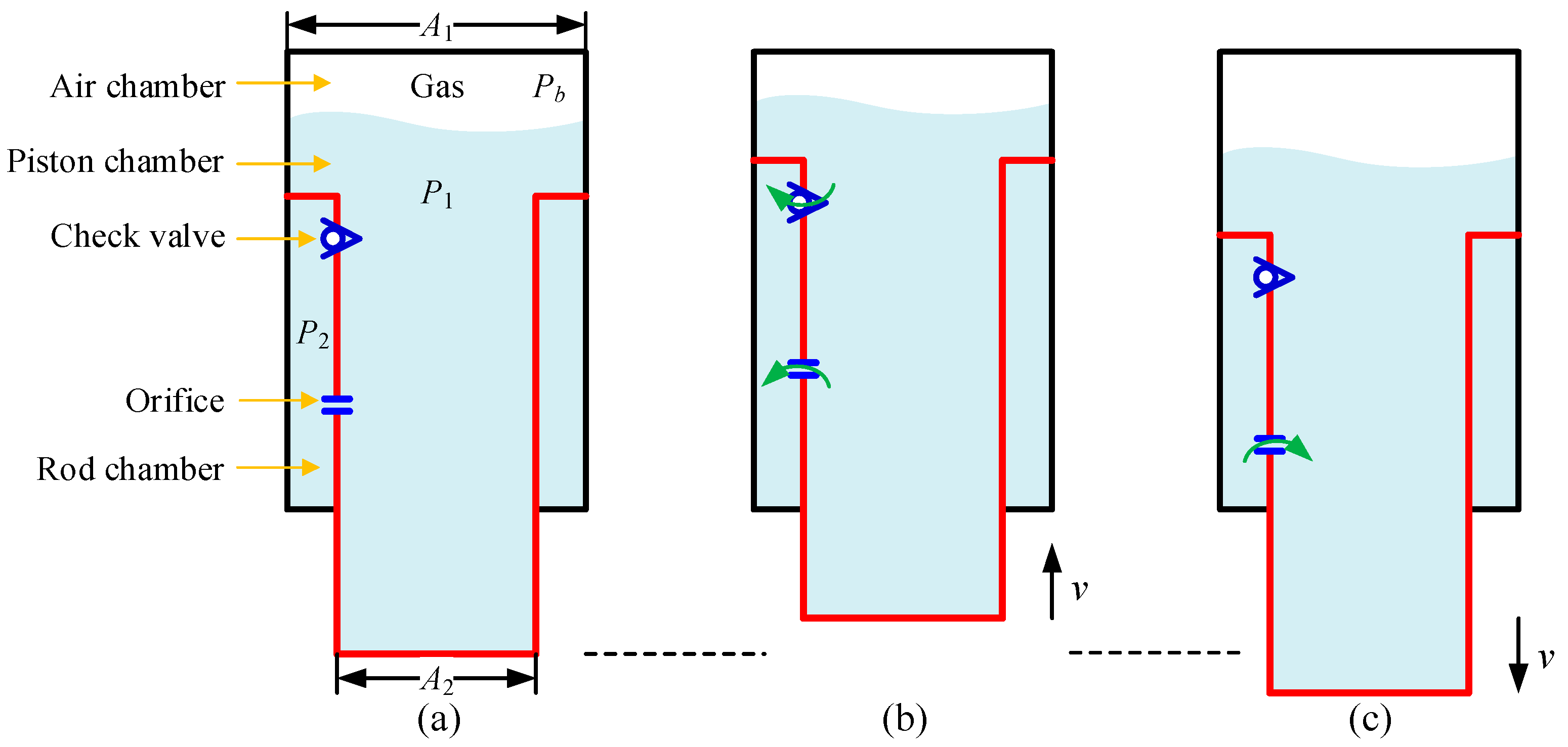
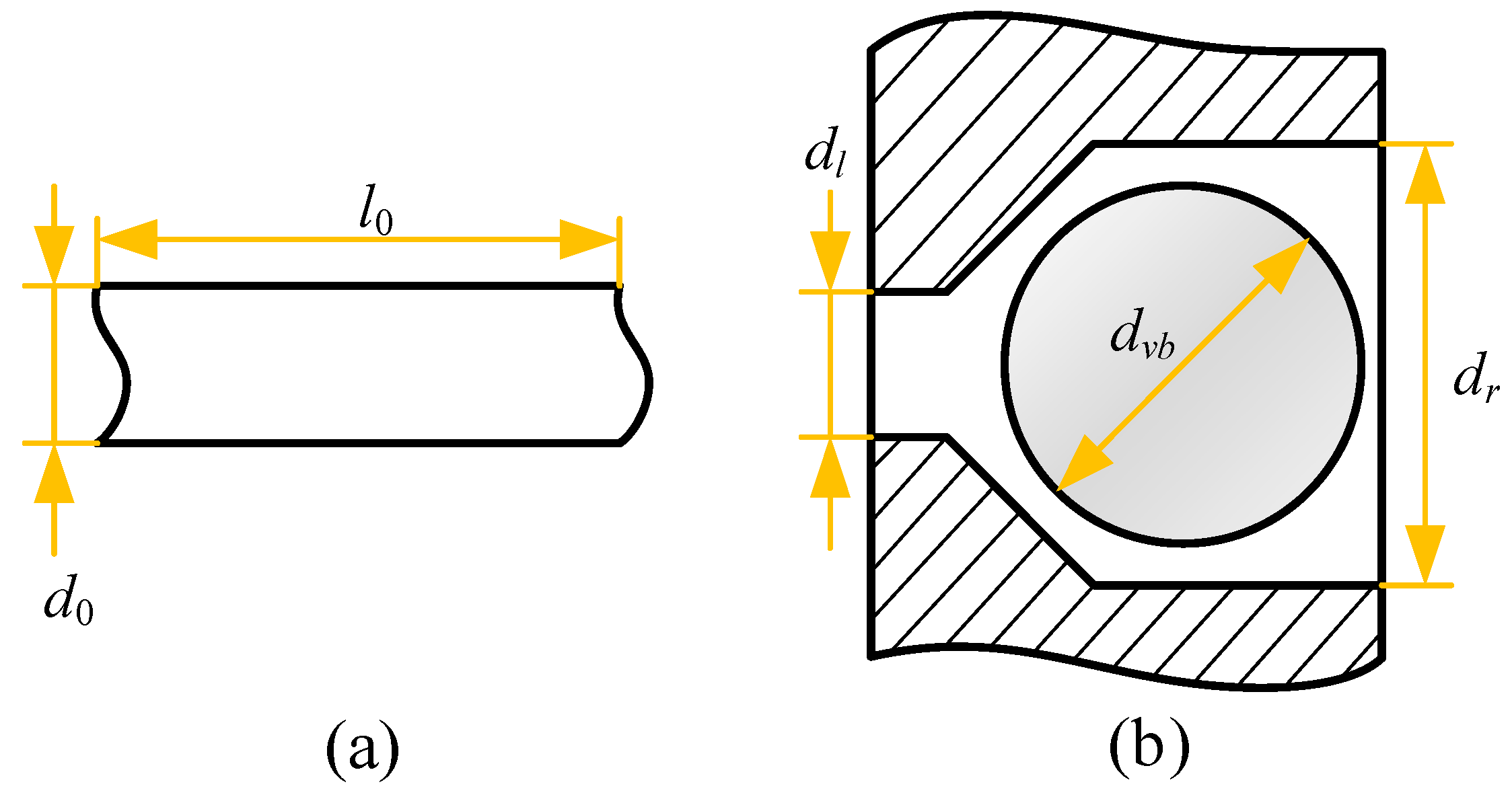
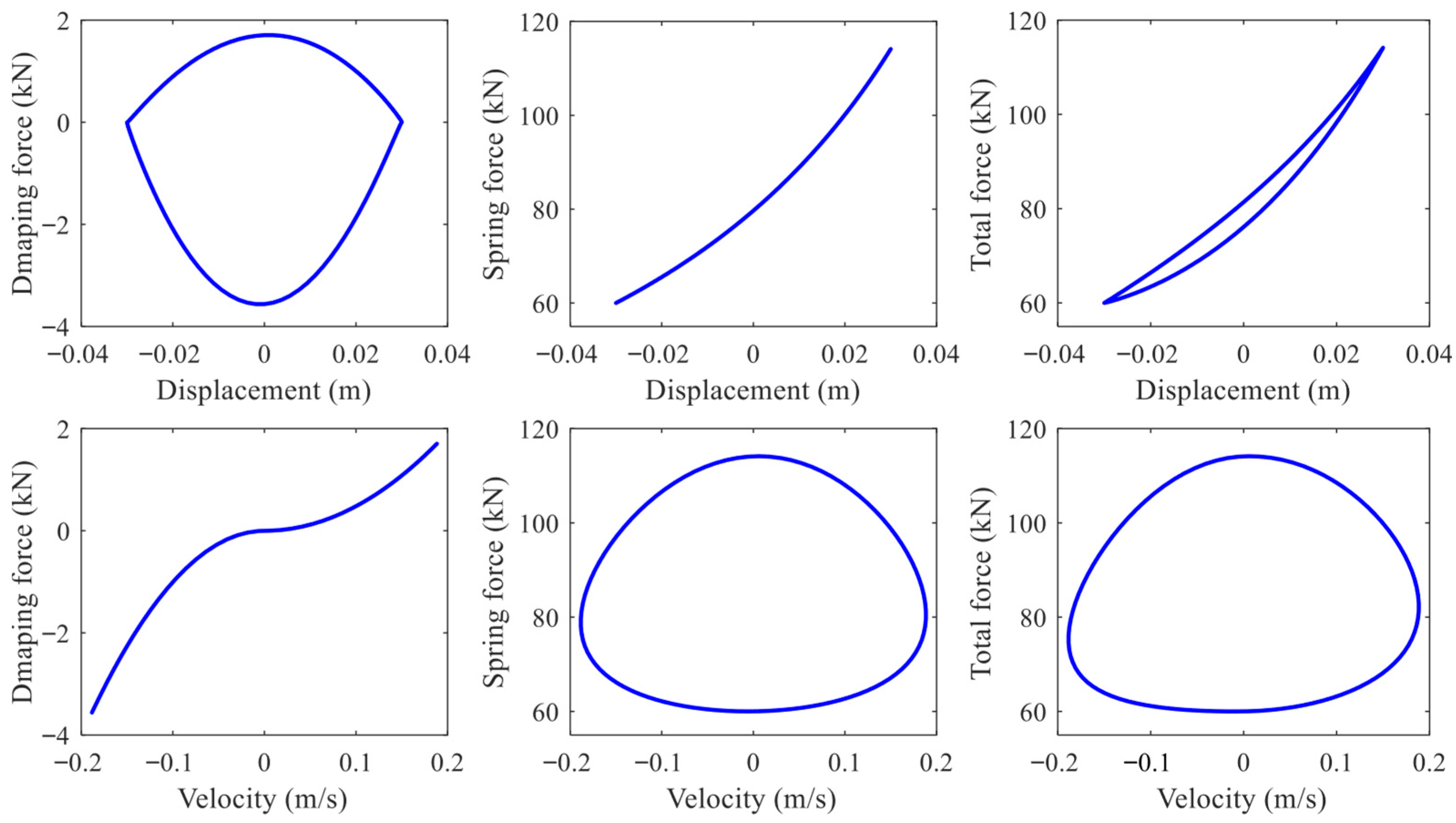
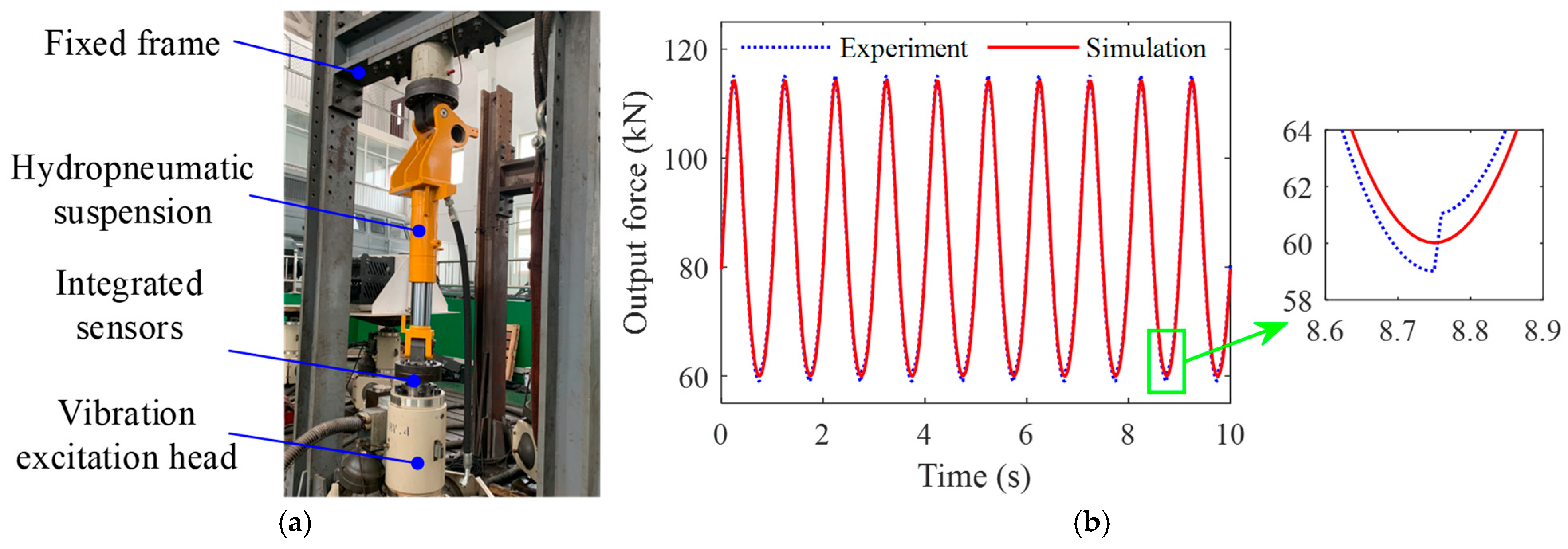
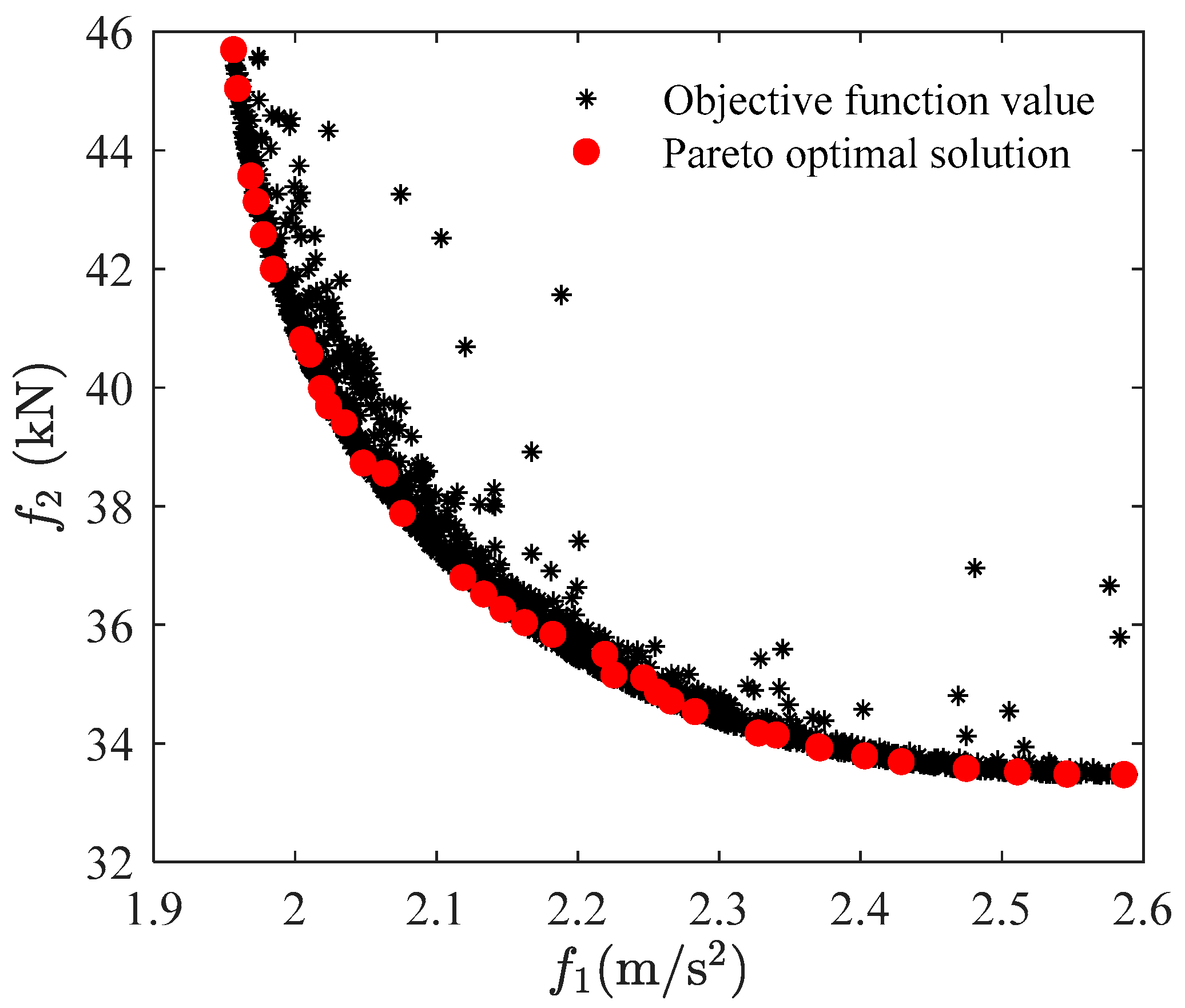
To overcome the aforementioned limitations, this study aims to enhance the comprehensive dynamic performance of mining dump trucks by conducting multi-objective cooperative optimization research on hydro-pneumatic suspension parameters. First, a dynamic model of the hydro-pneumatic suspension incorporating a nonlinear valve system model with gas–liquid coupling is established, and its accuracy is verified through bench tests. Subsequently, based on a quarter-vehicle model, the influence patterns of key structural parameters on vehicle vertical dynamic performance are systematically analyzed. On this basis, a multi-objective optimization problem for the suspension parameters is formulated, aiming to minimize the RMS values of both the sprung mass acceleration and the dynamic tire load. To address the shortcomings of the traditional MOPSO algorithm, this paper proposes an IMOPSO algorithm that integrates adaptive inertia weight, dynamic flight parameter update, and an enhanced mutation strategy, thereby improving the algorithm convergence and the distribution quality of the solution set. Finally, simulation comparisons under steady-state random road excitations and transient bump road excitations are conducted to comprehensively validate the effectiveness of the optimized suspension in improving vehicle ride comfort, wheel grounding performance, and driving safety. The main contributions of this study include the following:
- (1)
A high-fidelity and experimentally validated nonlinear coupled dynamic model of the hydro-pneumatic suspension is established.
- (2)
An improved multi-objective particle swarm optimization (IMOPSO) algorithm integrating multiple enhancement strategies is proposed.
- (3)
Multi-objective cooperative optimization of key suspension parameters is achieved, effectively balancing the ride comfort and wheel grounding performance of mining dump trucks.
The remainder of this paper is organized as follows.
Section 2 establishes the mathematical model of the hydro-pneumatic suspension and provides experimental validation.
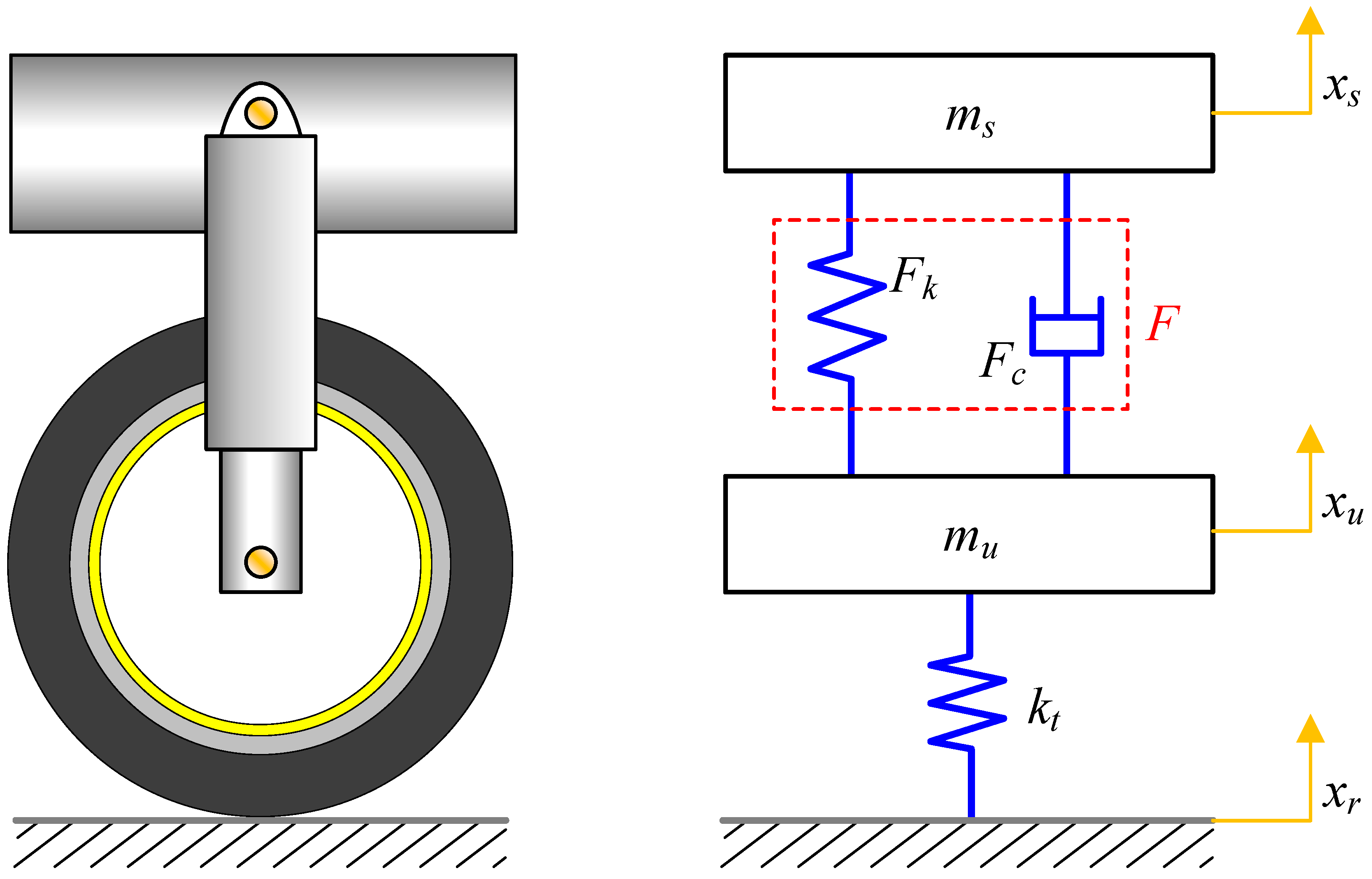
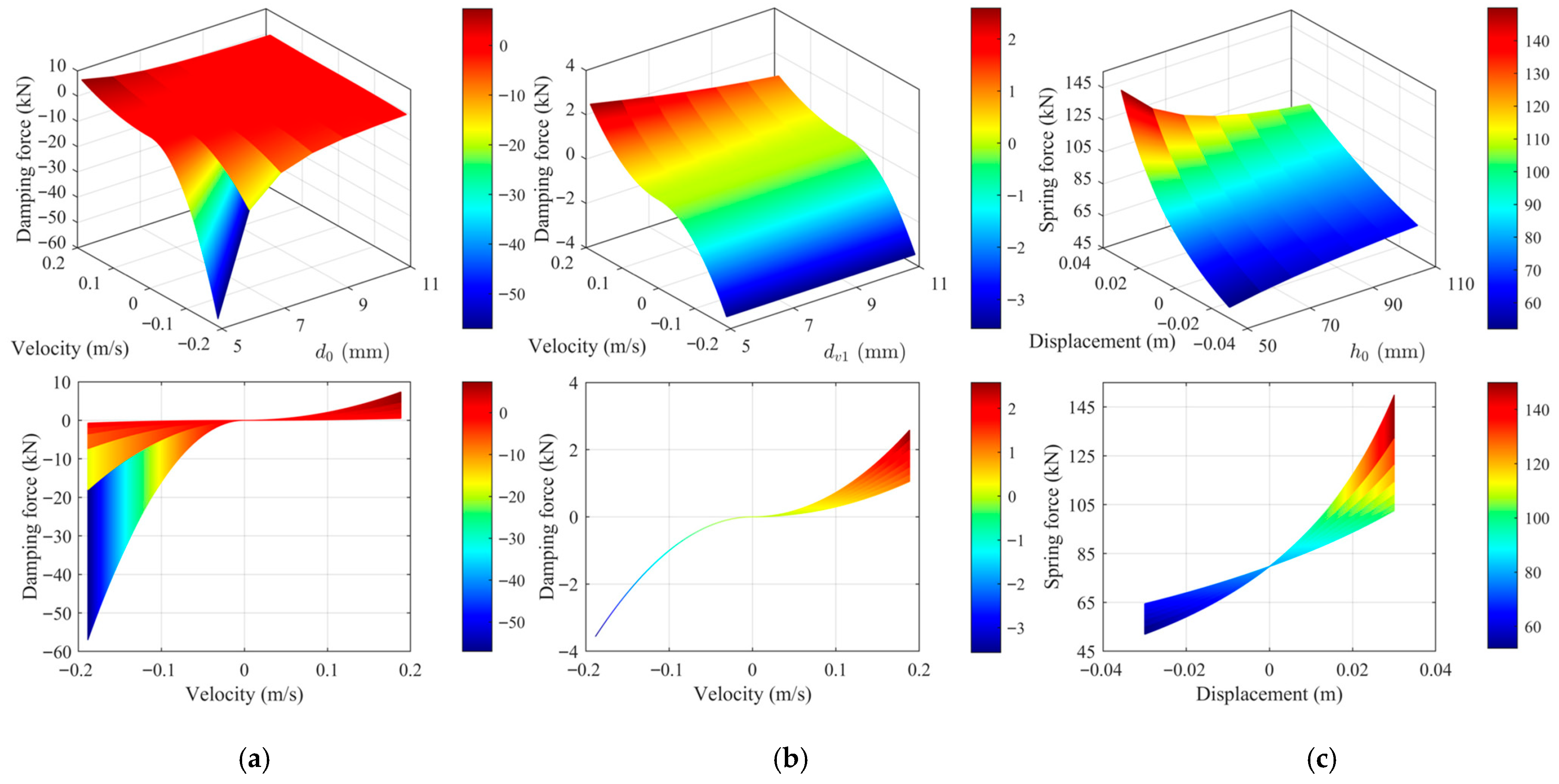
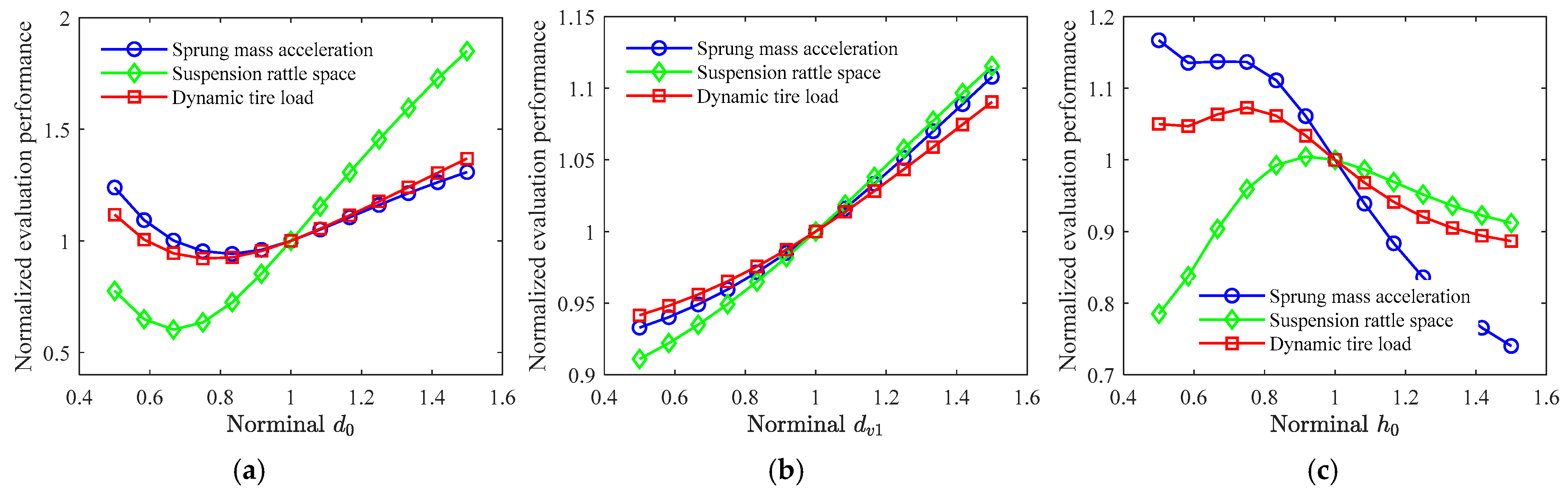
Section 3 constructs a quarter-vehicle model and analyzes the influence patterns of key parameters.
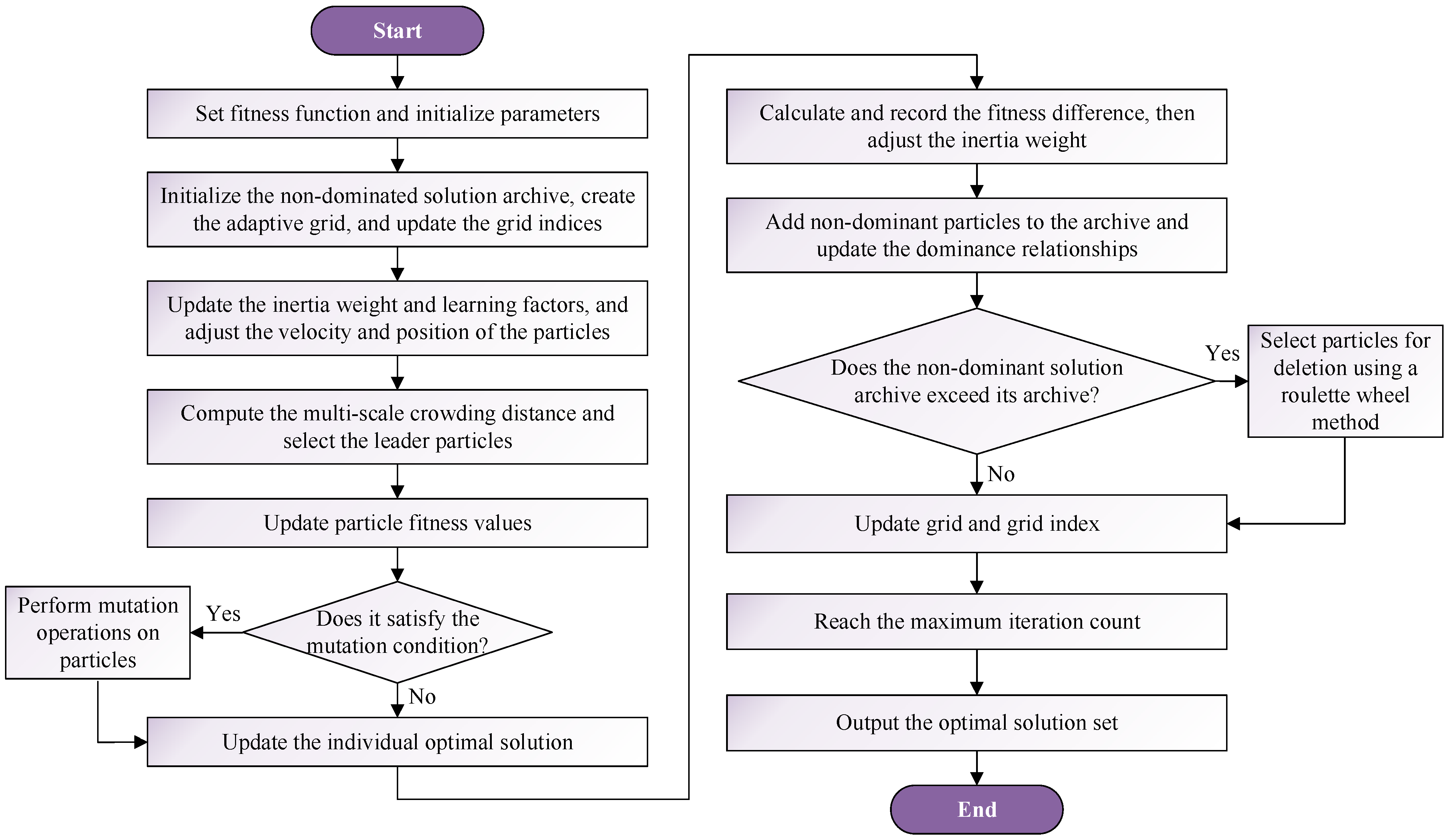
Section 4 details the formulation of multi-objective optimization problem and the design of IMOPSO algorithm.
Section 5 presents an analysis of the optimization results and their verification under multiple operating conditions. Finally,
Section 6 summarizes the main research conclusions.
6. Conclusions
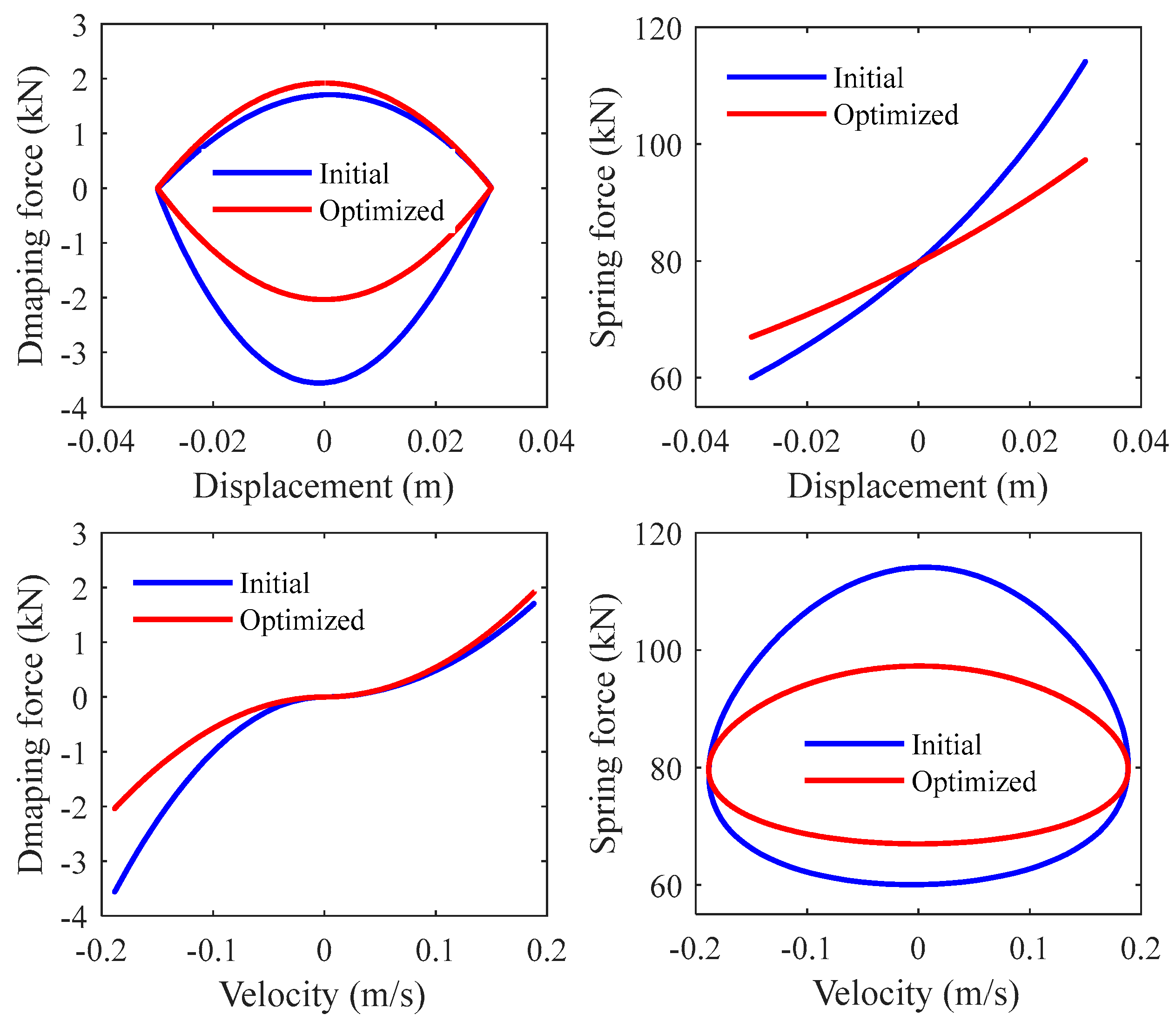
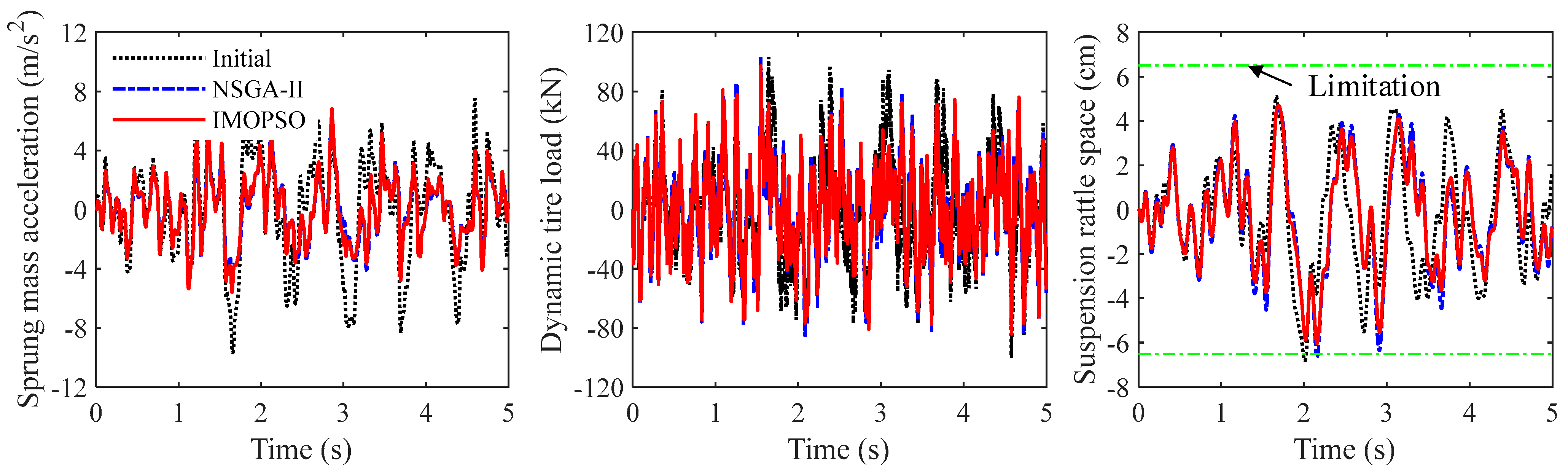
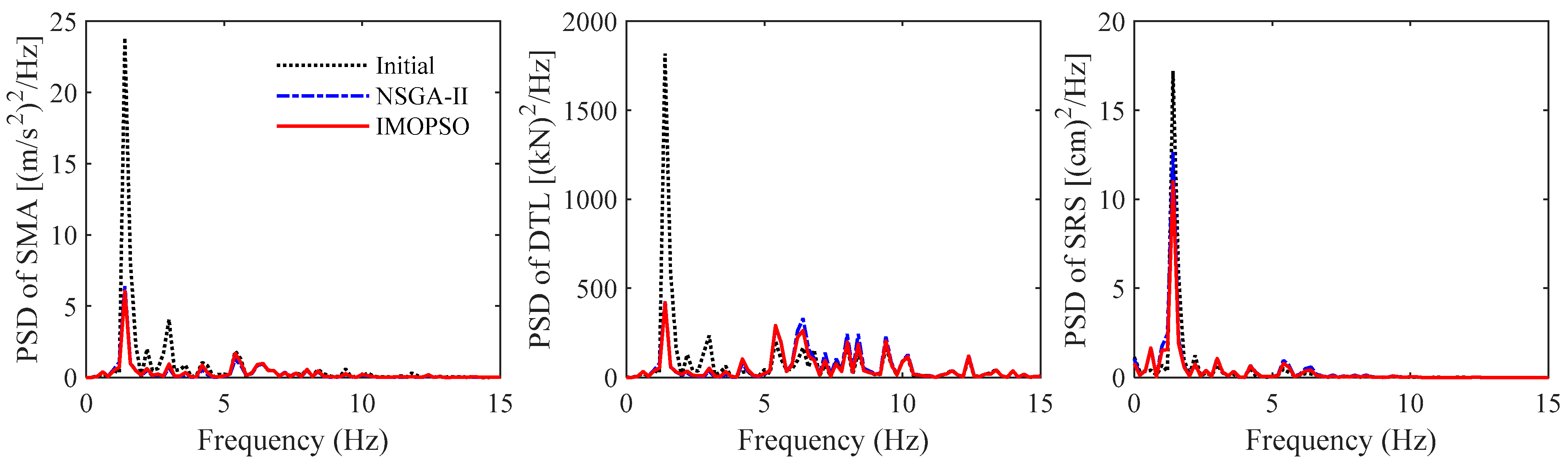
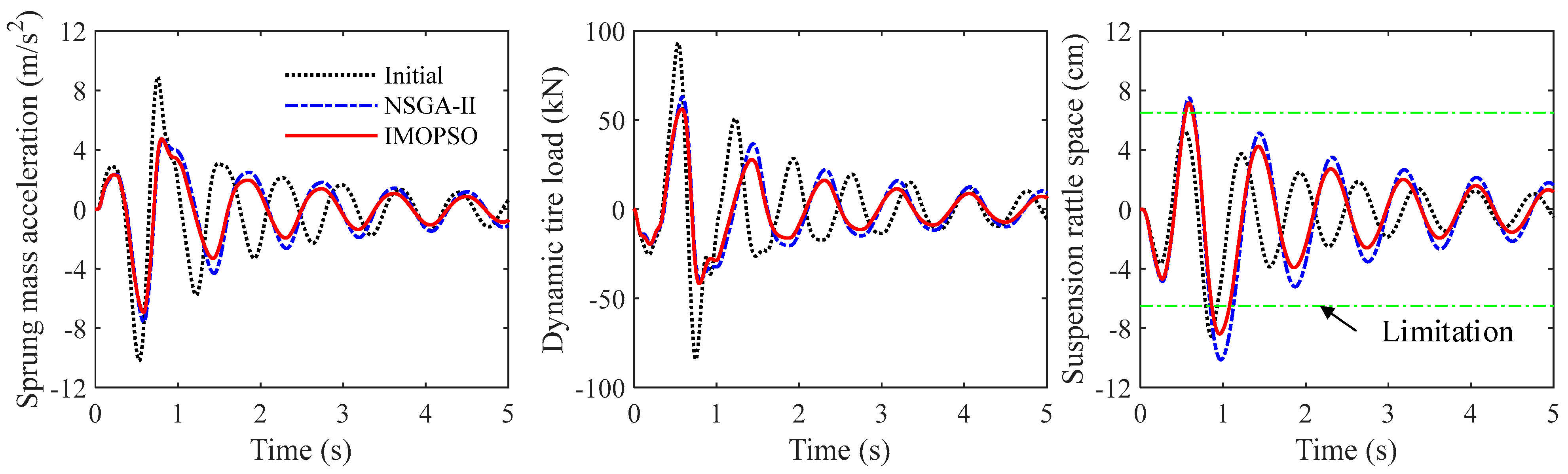
This study addresses the multi-objective optimization problem of hydro-pneumatic suspension parameters for mining dump trucks. An accurate gas–liquid coupled dynamic model was established, and a multi-strategy improved multi-objective particle swarm optimization algorithm was proposed. The optimization results demonstrate that under class-C random road excitation, the optimized suspension significantly reduces the RMS values of the sprung mass acceleration and the dynamic tire load by 37.6% and 15.8%, respectively, while also decreasing the suspension rattle space by 10.2%. These improvements systematically enhance ride comfort, wheel grounding performance, and driving safety. Under transient bump road excitation, the Pk-Pk values of the sprung mass acceleration and the dynamic tire load are also reduced by 38.9% and 44.9%, respectively. Although the suspension rattle space increases by 12.4% under this condition, a trade-off analysis indicates that prioritizing ride comfort and wheel grounding performance in transient impact scenarios is more critical, and this performance compromise is deemed reasonable from an engineering perspective. In summary, the optimization method proposed in this study can effectively reconcile the conflicting relationships among multiple performance aspects of hydro-pneumatic suspensions, providing theoretical and methodological support for the refined design of suspension systems in engineering vehicles.
It should be noted that the current study primarily focuses on a deterministic optimization framework under nominal operating conditions. While the proposed method demonstrates significant performance improvements in the considered scenarios, its robustness under probabilistic parameter variations, extreme operational variability, and unmodeled external disturbances has not been systematically evaluated. Furthermore, the validation was conducted using a quarter-vehicle model and two representative road excitations, which may not capture all real-world driving conditions. Future work will extend the present framework to incorporate uncertainty quantification and robust design optimization, consider full-vehicle dynamics and a wider range of operational environments, and validate the approach through physical prototype testing.