4.1. Analysis of the Influence of Single-Parameter Variations on Cogging Torque
4.1.1. Impact of Auxiliary Slot Quantity on Cogging Torque
The introduction of auxiliary slots can effectively reduce cogging torque, and its mechanism primarily involves two aspects. On one hand, the incorporation of auxiliary slots effectively increases the fundamental periodicity of the cogging torque. The newly generated cogging torque waveform can counteract that produced by the original slot openings, thereby reducing the amplitude of the total cogging torque. On the other hand, adding auxiliary slots in the teeth increases the equivalent air gap length, which further contributes to the suppression of cogging torque.
As mentioned earlier, for an 8-pole 12-slot motor, the number of auxiliary slots
Nn should avoid the following parameters:
In the formula: denotes the number of fundamental cogging torque cycles per slot pitch; denotes the number of auxiliary slots, .
Otherwise, cogging torque may actually increase due to the addition of auxiliary slots.
In the formula: denotes the number of slots per pole per phase, representing an irreducible fraction; denotes the numerator of the simplified fraction; denotes the denominator of the simplified fraction; denotes the number of phases in the motor; denotes the greatest common divisor of and .
Therefore, for this motor, the fundamental cogging torque cycle count averaged per slot pitch is = 2. Substituting into formula 6, the number of auxiliary slots should avoid values of 1, 3, 5…, constrained by the stator tooth space. The number of auxiliary slots is set to 2.
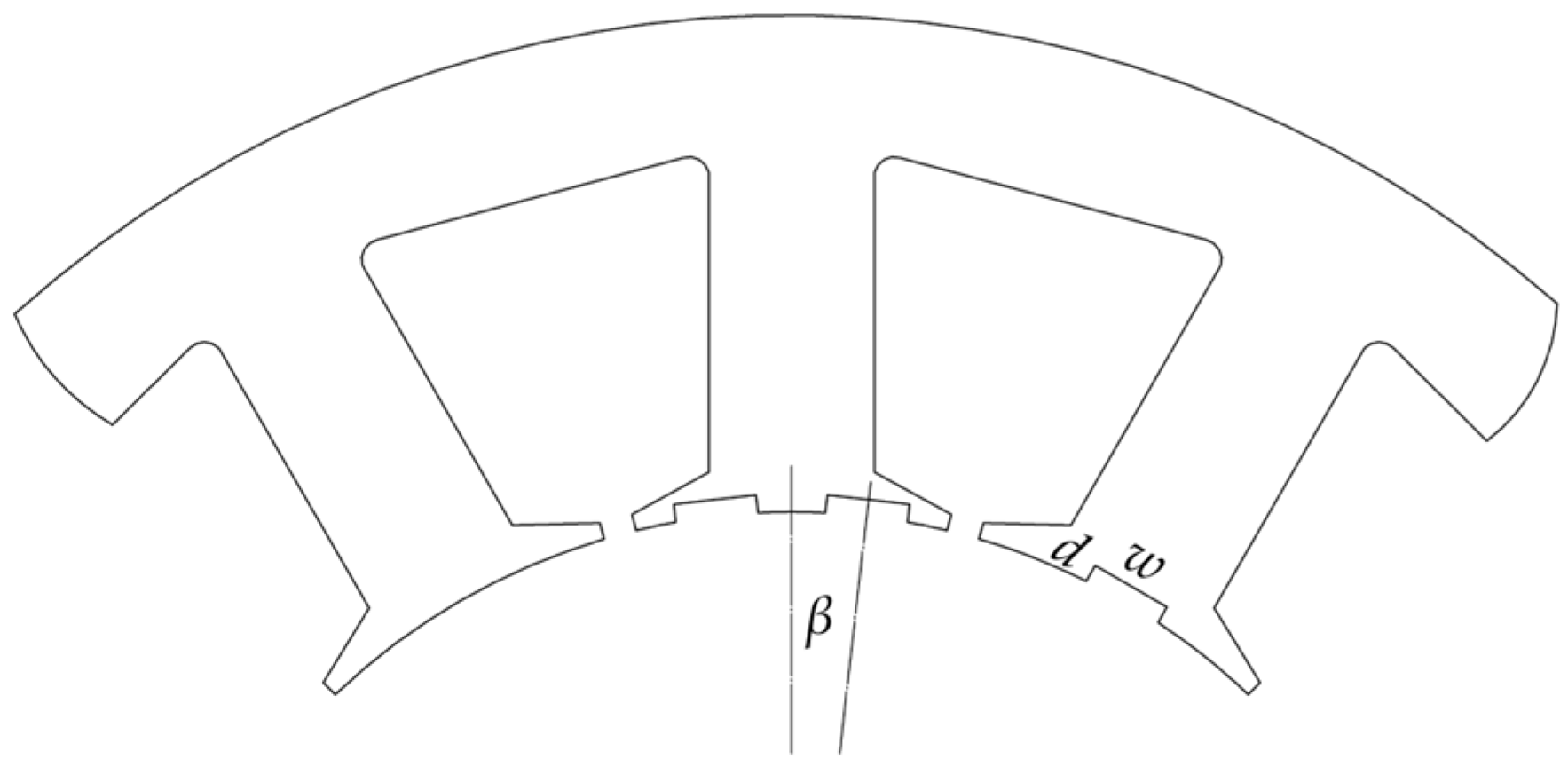
Initial settings: Two auxiliary slots are opened, with auxiliary slot position angle β = 5°, auxiliary slot width w = 2.6 mm, and auxiliary slot depth d = 0.5 mm. A single-variable control experiment investigates the effects of slot position angle, slot width, and slot depth on the cogging torque of the motor.
4.1.2. Influence of Auxiliary Slot Position Angle on Cogging Torque
Considering the spatial constraints on the motor stator teeth, cutting auxiliary slots would compromise their mechanical strength. Therefore, the position angle
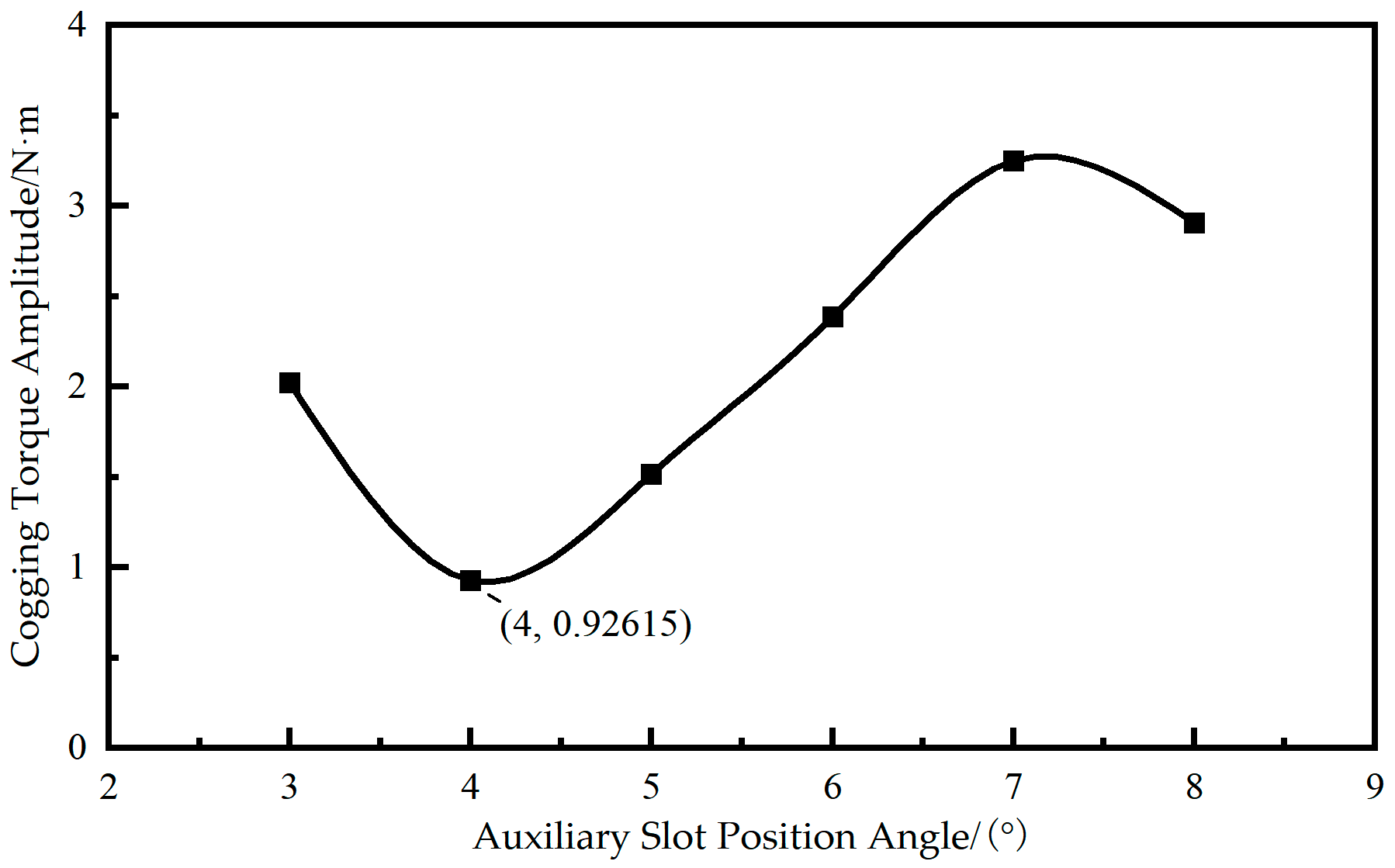
β of the auxiliary slots was set within the range of 3° to 8°, with the cogging torque calculated at 1° intervals. The variation trend of the cogging torque amplitude with
β is shown in
Figure 5. It can be observed that as
β increases from 3° to 4°, the cogging torque amplitude decreases correspondingly, reaching a minimum value of 0.92 N·m at
β = 4°. Subsequently, as
β continues to increase, the cogging torque amplitude gradually rises, peaking at 7°, before declining again.
4.1.3. Influence of Auxiliary Slot Width on Cogging Torque
The auxiliary slot depth
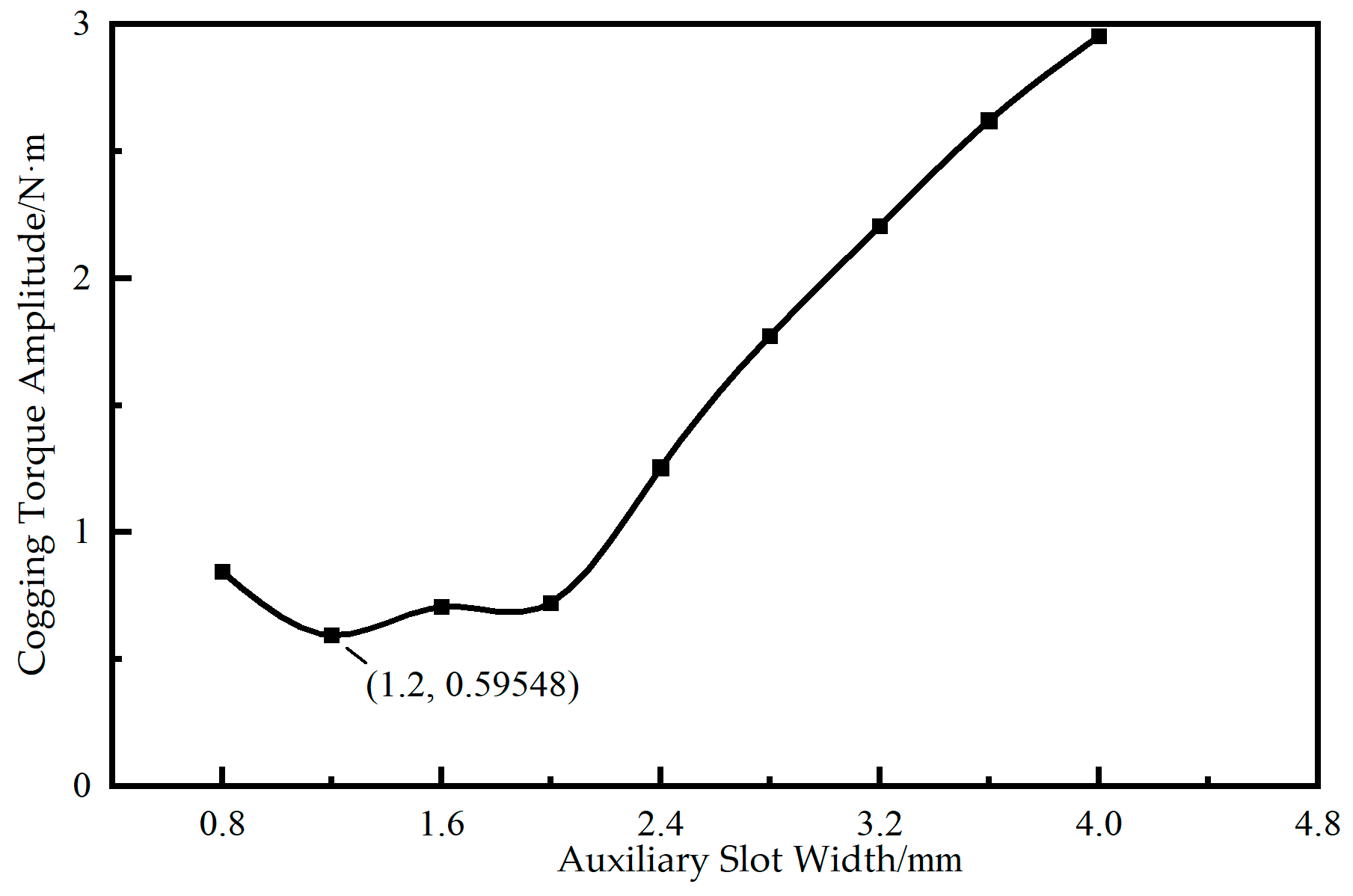
w was varied from 0.8 mm to 4 mm in 0.4 mm increments to calculate the cogging torque of the motor. The variation trend of the cogging torque amplitude with respect to
w is shown in
Figure 6. It can be observed that when
w is within the range of 0.8 mm to 2 mm, the amplitude of cogging torque shows no significant change, reaching a minimum value of 0.6 N·m at
w = 1.2 mm. As
w continues to increase beyond 2 mm, the amplitude of cogging torque rises markedly.
4.1.4. Influence of Auxiliary Slot Depth on Cogging Torque
The range of auxiliary slot depth
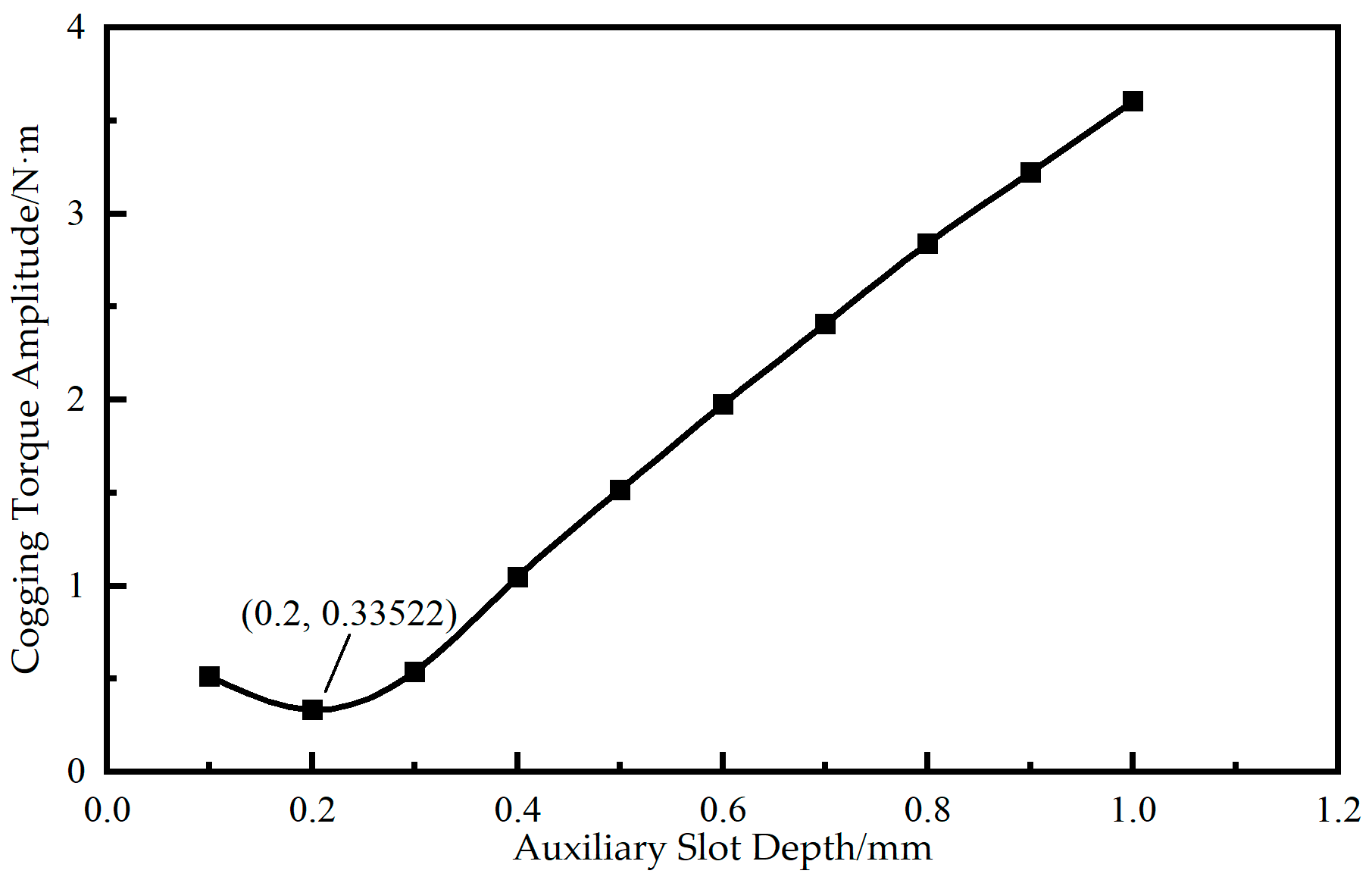
d is set from 0.1 mm to 1 mm, with cogging torque calculated at 0.1 mm intervals. The variation trend of cogging torque amplitude with
d is shown in
Figure 7. It can be observed that as
d gradually increases from 0.1 mm, the cogging torque amplitude correspondingly decreases, reaching a minimum value of 0.34 N·m at
d = 0.2 mm. When
d continues to increase beyond 0.2 mm, the cogging torque amplitude then rises significantly.
Based on the results of the parametric analysis of the auxiliary slot position angle β, slot depth d, and slot width w, the values corresponding to the minimum cogging torque amplitude for each parameter were selected. This determines a set of structural parameter combinations for the motor stator auxiliary slots, namely Combination 1: (β = 4°, w = 1.2 mm, d = 0.2 mm). It should be noted that Combination 1 is solely based on results obtained through single-parameter scanning and does not account for potential coupling effects on cogging torque arising from interactions among multiple parameters.
4.2. System Analysis and Preliminary Optimization of Multi-Parameter Interactions
Considering both manufacturing feasibility and the mechanical strength of the stator teeth, the auxiliary slot parameters were set as follows: Number of auxiliary slots: 2; Slot position angle
β: 3° to 8°, with 1° increments; Slot width
w: 0.8 mm to 4 mm, with 0.4 mm increments; Slot depth
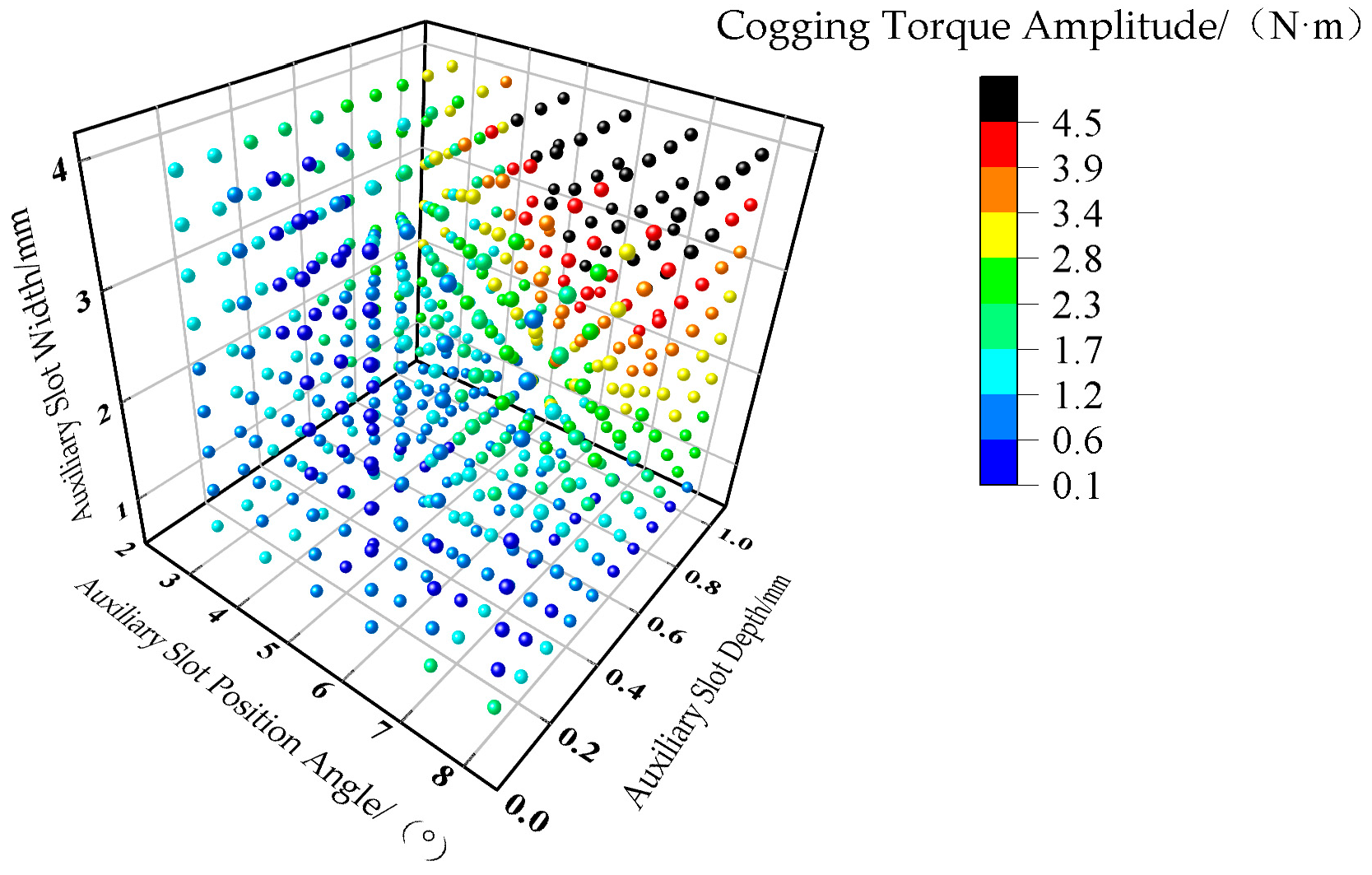
d: 0.1 mm to 1 mm, with 0.1 mm increments This generated a total of 540 parameter combinations. Leveraging the parametric sweep capability of Maxwell, batch finite element calculations were performed for all combinations. Through systematic analysis of these 540 sets of simulation data, the patterns and trends of cogging torque amplitude variation with
β,
w, and
d were obtained, as shown in
Figure 8.
Parameter combinations yielding cogging torque amplitudes below 0.8 N·m are primarily concentrated within the range of slot position angles 3–6°, slot widths 3–4 mm, and slot depths 0.2–0.4 mm. Simulation results indicate that when the auxiliary slot parameters are set as follows: (β = 4°, w = 3.6 mm, d = 0.3 mm), the cogging torque amplitude reaches its minimum. This is designated as Combination 2.
4.3. Multi-Parameter Cooperative Optimization Based on Response Surface Methodology
4.3.1. Determination of Response Surface Experiment Factors
- (1)
Experimental Factors
To effectively suppress the cogging torque of the motor, this study adopts the approach of opening rectangular auxiliary slots in the stator teeth and selects the auxiliary slot position angle β, slot width w, and slot depth d as the optimization design variables. This selection is based on the following considerations:
These three geometric parameters are the most fundamental elements defining the shape and position of the auxiliary slots, together constituting its complete geometric definition, each being indispensable. They directly affect the distribution path of magnetic flux lines in the teeth and the local magnetic reluctance: the β determines the relative phase between the slot and the main magnetic field, influencing the cancellation effect of torque harmonics; The w and d collectively determine the cross-sectional area of the slot, controlling the intensity of magnetic flux diversion and magnetic field modulation.
Adjusting any one of these parameters will directly and significantly alter the amplitude and waveform of the cogging torque. Therefore, it is essential to systematically and collaboratively optimize β, w, and d to fully exploit the potential of auxiliary slots in suppressing cogging torque.
In addition to the aforementioned three parameters, factors such as the shape of the auxiliary slot and the chamfer angle of the slot edges may also influence cogging torque and noise. However, this study focuses on optimizing the basic dimensions of rectangular slots. Future research may build upon this foundation to conduct further optimization.
- (2)
Experimental Center Point and Ranges
As indicated in
Section 4.2, the results of the global parameter scan show that parameter combinations with cogging torque amplitudes below 0.8 N·m are primarily concentrated in the following region:
β ranging from 3° to 6°,
w from 3 to 4 mm, and
d from 0.2 to 0.4 mm. To achieve finer parameter optimization, this study adopts the following strategy:
First, the point with the lowest cogging torque within this region (β = 4°, w = 3.6 mm, d = 0.3 mm) is selected as the center point for the response surface design. This ensures that the optimization starts from a region of high performance.
Subsequently, based on the principles of the Box-Behnken experimental design, three key influencing factors—auxiliary slot position angle (
X1), auxiliary slot width (
X2), and auxiliary slot depth (
X3)—were set at three levels within their adjacent ranges as shown in
Table 4. This design not only covers the high-performance parameter regions identified in the preliminary screening but also accurately captures the parameter interaction effects within the local range. As a result, it ensures both the predictive accuracy and optimization effectiveness of the model while significantly improving design efficiency.
4.3.2. Selection of the Optimization Objective for Response Surface Methodology
In this study, the suppression of cogging torque is selected as the primary optimization objective, mainly based on the following three considerations:
Cogging torque is the direct source of electromagnetic vibration. In highly integrated electromechanical systems such as motor-pumps, the periodic torque fluctuations caused by cogging torque are directly transmitted to the hydraulic pump body through rigid connection structures, becoming the main excitation source for system vibration and noise. At the electromagnetic design stage, directly suppressing this excitation source is more efficient compared to mitigating the final noise through structural or acoustic means.
There exists a strong correlation, albeit nonlinear, between cogging torque and noise. In the field of motor design and NVH optimization, using key electromagnetic indicators such as cogging torque and radial electromagnetic force as proxy objectives for noise is a widely validated engineering practice.
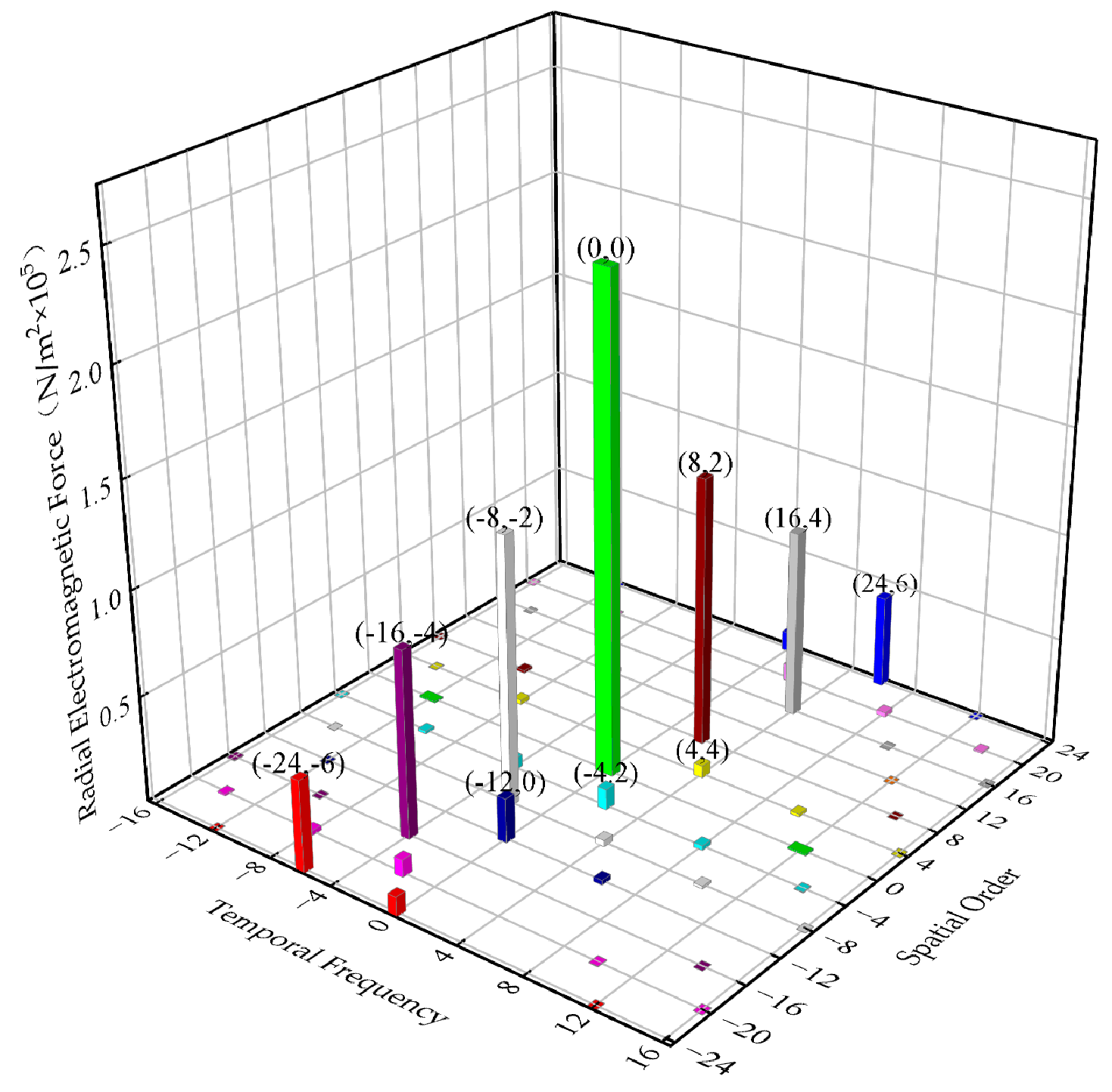
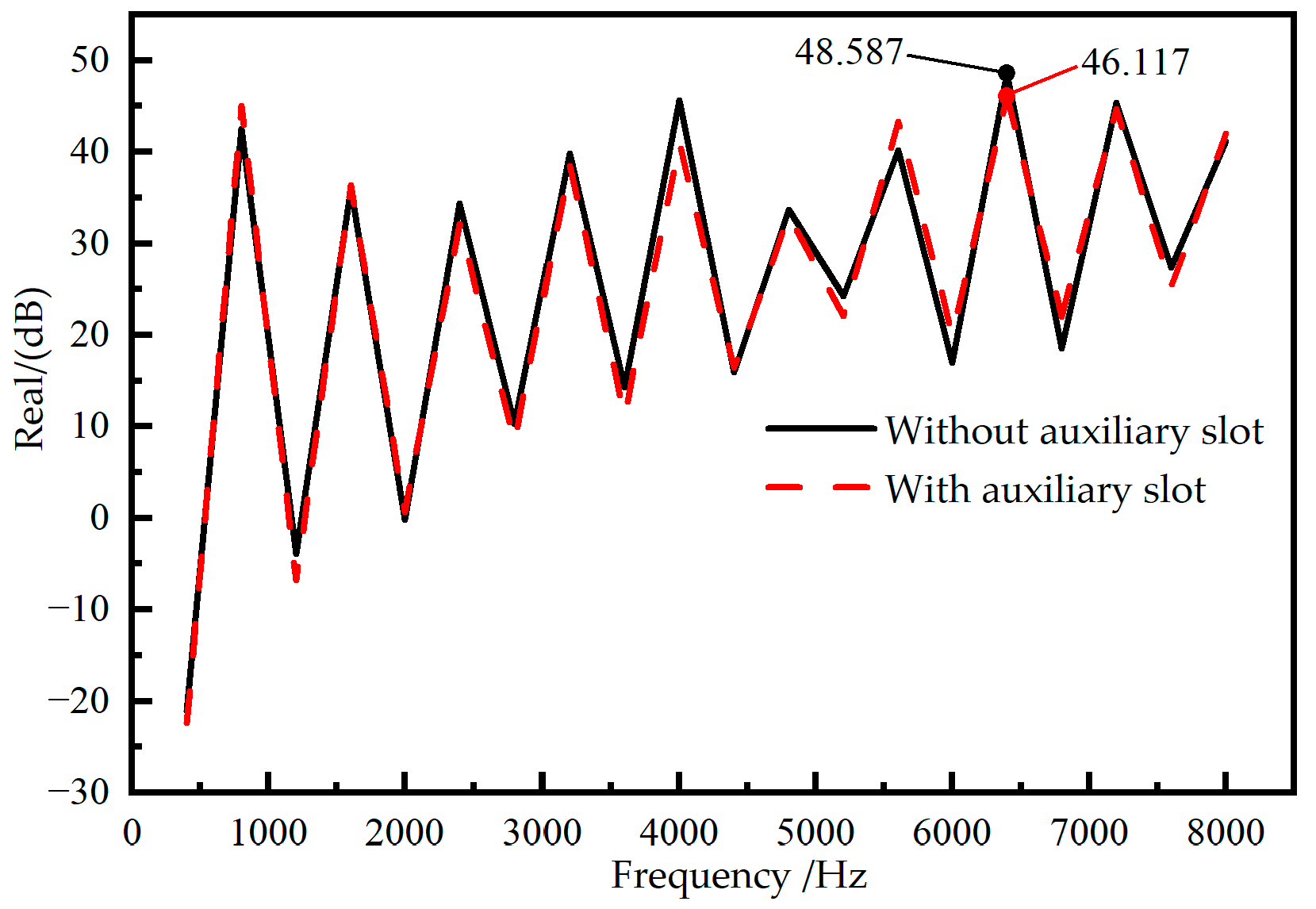
The “segmented optimization-systematic verification” strategy adopted in this study: After determining the optimal electromagnetic parameters, a systematic verification is conducted to assess the actual improvement effects of the proposed solution on radial electromagnetic force harmonics, structural vibration, and final sound pressure level, thereby ensuring the practical contribution of the optimization results to the system’s NVH objectives.
If sound pressure level were directly used as an optimization objective, a more complex model would need to be established, significantly increasing computational costs. Moreover, the reliability of such a model would heavily depend on the accuracy and sample size of multi-physics simulations. In future work, we will consider simultaneously using cogging torque and sound pressure level as objective functions to provide more comprehensive parameter design guidance for low-noise motor-pump systems.
4.3.3. Regression Model Building and Significance Testing
Based on the response surface design scheme outlined in the table, a total of 17 experimental points were conducted, including 5 central points. The response surface design and results are presented in
Table 5.
Using Design-Expert 13.0 software, a second-order multiple regression analysis was performed on the data in the table, yielding the regression model equation shown below. A significance analysis was conducted on the model, with the results shown in
Table 6.
The
p-value of the regression model is less than 0.01, confirming that the model is highly statistically significant. Lack of fit is not paramount as it is desired [
17]. The model’s goodness of fit is evaluated using the coefficient of determination, where R
2 = 0.9721 and the adjusted R
2adj = 0.9362. This indicates that the regression equation adequately explains the variation in cogging torque, demonstrating excellent fitting performance.
The F-values for each factor in the regression model indicate the strength of influence on the cogging torque amplitude. A higher F-value signifies a stronger impact. Therefore, the order of influence of individual factors on the cogging torque amplitude is: auxiliary slot depth (d) > auxiliary slot position angle (β) > auxiliary slot width (w).
4.3.4. Response Surface Interaction Analysis
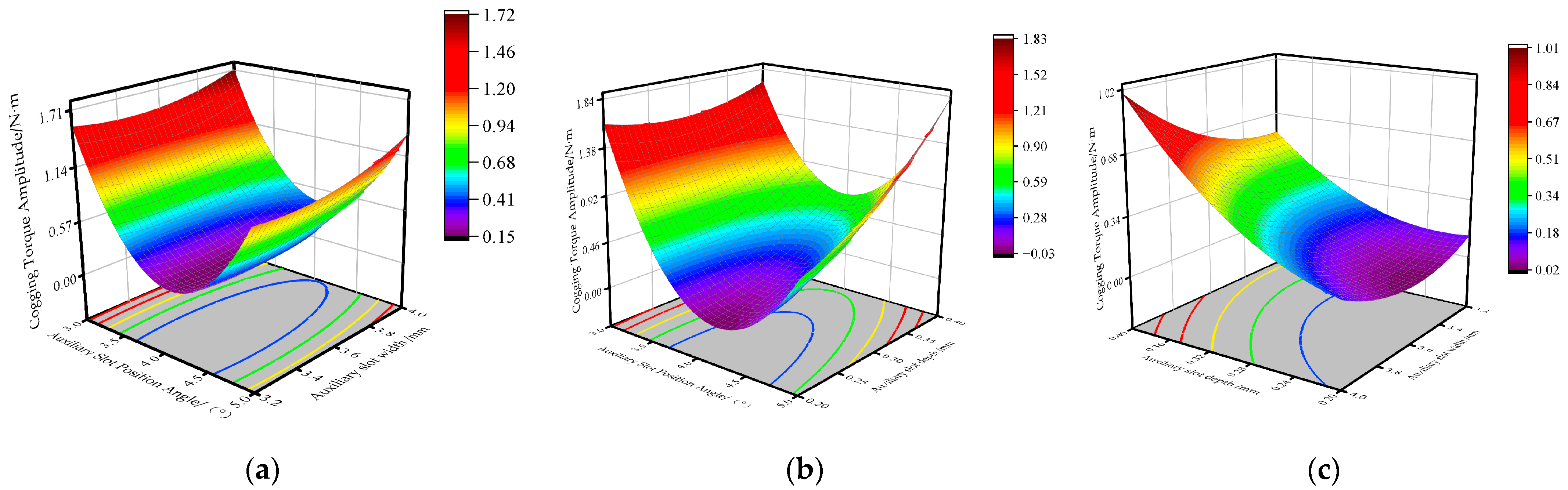
Response surfaces were generated to analyze the effects of slot position angle (
X1), slot width (
X2), and slot depth (
X3) on the amplitude of the cogging torque. The results are shown in
Figure 9.
The steeper the slope of the response surface, the greater the influence of that factor on the amplitude of the cogging torque. Within the test range, the interaction between the slot position angle and slot depth exerts a more significant effect on the cogging torque.
Using Design-Expert 13.0 software to solve the above quadratic regression equation, the optimal auxiliary slot combination for minimizing the cogging torque amplitude is determined as: (β = 4.24098°, w = 3.64939 mm, d = 0.206267 mm). This combination is designated as Combination 3, with the software predicting a cogging torque amplitude of 0.0185 N·m.
Simulation verification of this parameter combination using Maxwell software yielded yielding a cogging torque amplitude of 0.03 N·m. The predicted amplitude closely matches the simulated result, indicating the model’s strong predictive capability and reliability. This confirms the feasibility of the established cogging torque amplitude regression model.
4.3.5. Computational Burden and Efficiency Analysis
- (1)
Computational Burden of the Proposed Method
The proposed method consists of two stages: Stage 1: Multi-Parameter Scanning. Three key parameters—slot position angle β, slot width w, and slot depth d—were discretized within reasonable ranges, generating a total of 540 parameter combinations. Stage 2: Response surface optimization based on the Box-Behnken design, three factors and three levels were selected to construct a response surface model, requiring 17 simulations.
In total, 557 sets of finite element simulations were performed using batch processing in ANSYS Maxwell. Each simulation took approximately 2 min. By utilizing the software’s parallel computing capability on the workstation used in this study (supporting up to 8 concurrent simulation tasks), the tasks were executed in parallel, effectively reducing the overall computational cycle. Statistically, the total time required to complete all simulations was approximately 2 h.
- (2)
Comparison with Benchmark Search Strategies
To validate the efficiency of the proposed method, it was compared with two traditional strategies:
Single-Parameter Scanning Method: Parameters are optimized sequentially while ignoring coupling effects among them. If each parameter is sampled at 10 levels, 30 simulations would be required, with a total time of about 10 min. However, this approach is prone to falling into local optima.
Full Factorial Search Method: If each of the three parameters is sampled at 10 levels, 1000 simulations would be needed, with a total time of about 4 h. Although theoretically exhaustive, this method incurs significantly higher computational costs than the proposed approach and lacks the refined modeling and precise optimization capabilities offered by the response surface methodology.
The proposed method first roughly locates the optimal region through multi-parameter scanning and then performs precise optimization using a response surface model. This approach not only ensures global search capability but also significantly reduces computational burden. Compared with the full factorial search, the computation time is reduced by approximately 50%, while avoiding the local optimum issue commonly associated with traditional single-parameter optimization methods
4.4. Comparison of Results from Different Optimization Schemes
4.4.1. Comparison of Cogging Torque Results
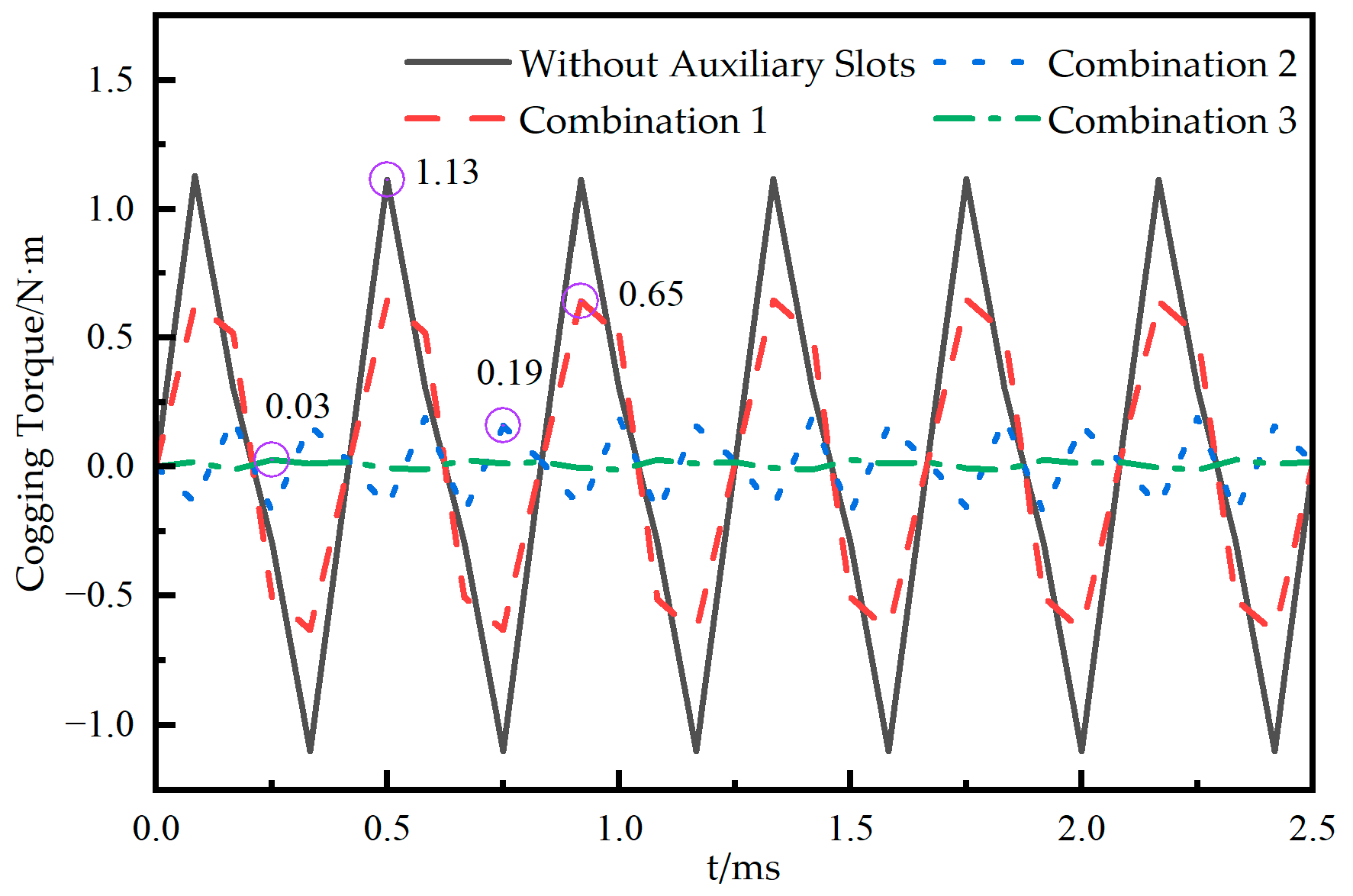
Based on the analysis results above, comparing the cogging torque waveforms of the three optimized schemes with the motor without auxiliary slots reveals: As shown in
Figure 10, without auxiliary slots, the cogging torque amplitude is 1.13 N·m. After adopting Combination 1 auxiliary slots, the amplitude decreases to 0.65 N·m, representing a reduction of 42.5%. With Combination 2 auxiliary slots, the cogging torque further decreased to 0.19 N·m, representing an 83.2% reduction; With Combination 3 auxiliary slots, the cogging torque amplitude decreased to 0.03 N·m, achieving an overall reduction of 97.3%.
The findings indicate that when employing stator slotting technology to suppress cogging torque, optimizing only a single or a few parameters often leads to local optima, making it difficult to achieve the system’s global optimum solution. To address this, this paper proposes a multi-parameter-response surface collaborative optimization strategy. By conducting multi-parameter global optimization to preliminarily locate the optimal solution region and constructing an accurate model based on the response surface method for precise solution, it effectively overcomes the limitations of traditional methods. This approach comprehensively accounts for complex parameter interactions, enabling accurate and efficient acquisition of the global optimum. It provides a reliable pathway for determining the optimal auxiliary slot parameters for cogging torque suppression.
Although Combination 3 theoretically achieves the minimum cogging torque amplitude of 0.03 N·m, the corresponding parameter values (β = 4.24098°, w = 3.64939 mm, d = 0.206267 mm) present substantial manufacturing challenges in practical engineering applications. Specifically:
Manufacturability constraints: The required precision exceeds the typical capabilities of conventional machining processes, imposing excessively high demands on equipment and process control.
Production cost: Such high-precision parameters are difficult to maintain consistently in mass production, resulting in low feasibility for industrialization.
Therefore, based on considerations of engineering feasibility and production economics, the parameters were rounded to values that are easy to machine and measure. The final combination is: β = 4.2°, w = 3.6 mm, d = 0.2 mm. Simulation verification shows that this solution still significantly reduces the cogging torque amplitude to 0.10 N·m (a reduction of 91.2%). With minimal performance loss (compared to Combination 3), this approach greatly enhances the manufacturability and overall cost-effectiveness of the design.
4.4.2. Comparative Analysis of Major Electromagnetic Properties
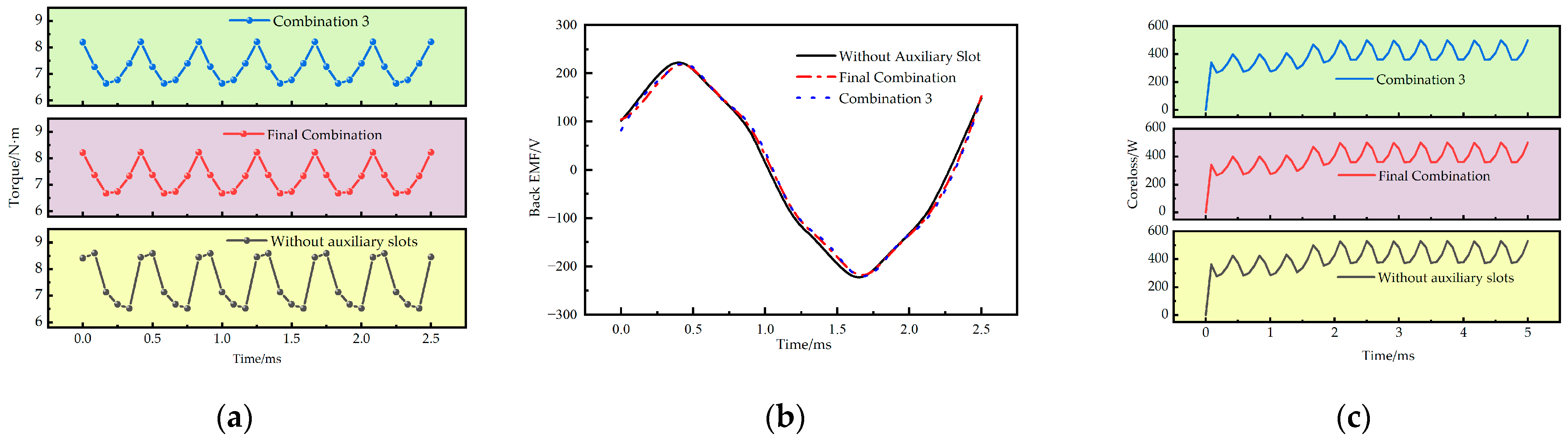
To analyze whether the stator auxiliary slots would affect other motor performance characteristics, key electromagnetic performance indicators of three configurations—without auxiliary slots, Combination 3 (theoretical optimum), and the final combination—were compared and analyzed under rated operating conditions. The simulation results are summarized in
Table 7, and the relevant waveform comparisons are shown in
Figure 11.
As shown in
Table 7: Torque: Compared to the configuration without auxiliary slots, the average torque of both auxiliary slot structures decreased by approximately 0.2 N·m, representing a reduction of only about 2.8%, which is within an acceptable range. However, the torque ripple ratio decreased by 12% compared to the configuration without auxiliary slots, indicating that the auxiliary slots not only suppress no-load cogging torque but also contribute to smoother operation under load.
Back EMF: The amplitudes of the no-load back electromotive force (back EMF) are essentially consistent across all three configurations.
Losses: The total losses for Combination 3 and the final rounded combination are 415.5 W and 417.4 W, respectively, representing reductions of approximately 5.1% and 4.7% compared to the loss of 438.2 W for the configuration without auxiliary slots. This indicates an improvement in overall system efficiency.
After introducing stator auxiliary slots, the motor maintains its average torque and back EMF performance while reducing torque ripple and total system losses. This demonstrates that the auxiliary slots do not adversely affect the motor’s core performance. Instead, they achieve comprehensive performance optimization while preserving output capability. Furthermore, the final rounded combination exhibits highly consistent performance with Combination 3 across all key indicators, validating the rationality of the parameter rounding. Therefore, the final combination: β = 4.2°, w = 3.6 mm, d = 0.2 mm—not only fully inherits the benefits of the theoretical optimization but also offers greater manufacturability and practical application value.
4.4.3. Comparative Analysis with Pole Arc Coefficient Optimization Method
To comprehensively evaluate the superiority of the multi-parameter-response surface collaborative optimization method proposed in this paper, a comparative analysis was conducted using a widely applied cogging torque suppression method—pole arc coefficient optimization—based on the same 8-pole 12-slot BLDCM model. To ensure fairness and consistency in the comparison, all simulations were performed using the same Maxwell 2D motor model and adhered to the meshing strategy and mesh independence verification criteria described in
Section 3.2.
In the pole arc coefficient optimization method, the pole arc coefficient α was varied from 0.7 to 1 with a step size of 0.01, resulting in a total of 31 parametric finite element simulations to identify the minimum cogging torque amplitude. The simulation results indicated that the minimum cogging torque amplitude of 0.613 N·m was achieved at α = 0.83, representing a 45.8% reduction compared to the unoptimized baseline value of 1.13 N·m. In contrast, with the final parameter combination proposed in this study, the cogging torque amplitude was further reduced to 0.10 N·m, achieving an overall reduction of 91.2%.
The pole arc coefficient optimization method, due to its single-variable nature, offers a clear advantage in computational efficiency, requiring approximately 10 min for simulations. However, its suppression effect on cogging torque is significantly lower than that achieved by the multi-parameter collaborative optimization method proposed in this study. This highlights the inherent limitations of single-parameter optimization when addressing complex electromagnetic–structural coupling problems. Although the proposed method consumes more computational resources, requiring approximately 2 h for simulations, the two-stage strategy of “global parameter scanning for region identification + response surface modeling for precise optimization” systematically explores multiple design variables and their interactions, ultimately yielding a globally superior solution.
Furthermore, as indicated in Reference [
8], rotor skewing, while capable of substantially reducing cogging torque, introduces issues such as increased process complexity, higher manufacturing costs, and the introduction of axial magnetic pull. Considering all factors, stator slotting technology demonstrates more significant effectiveness in suppressing cogging torque and offers greater engineering practicality and comprehensive advantages. Therefore, it is more suitable for adoption in practical design applications.
4.5. Robustness and Sensitivity Analysis
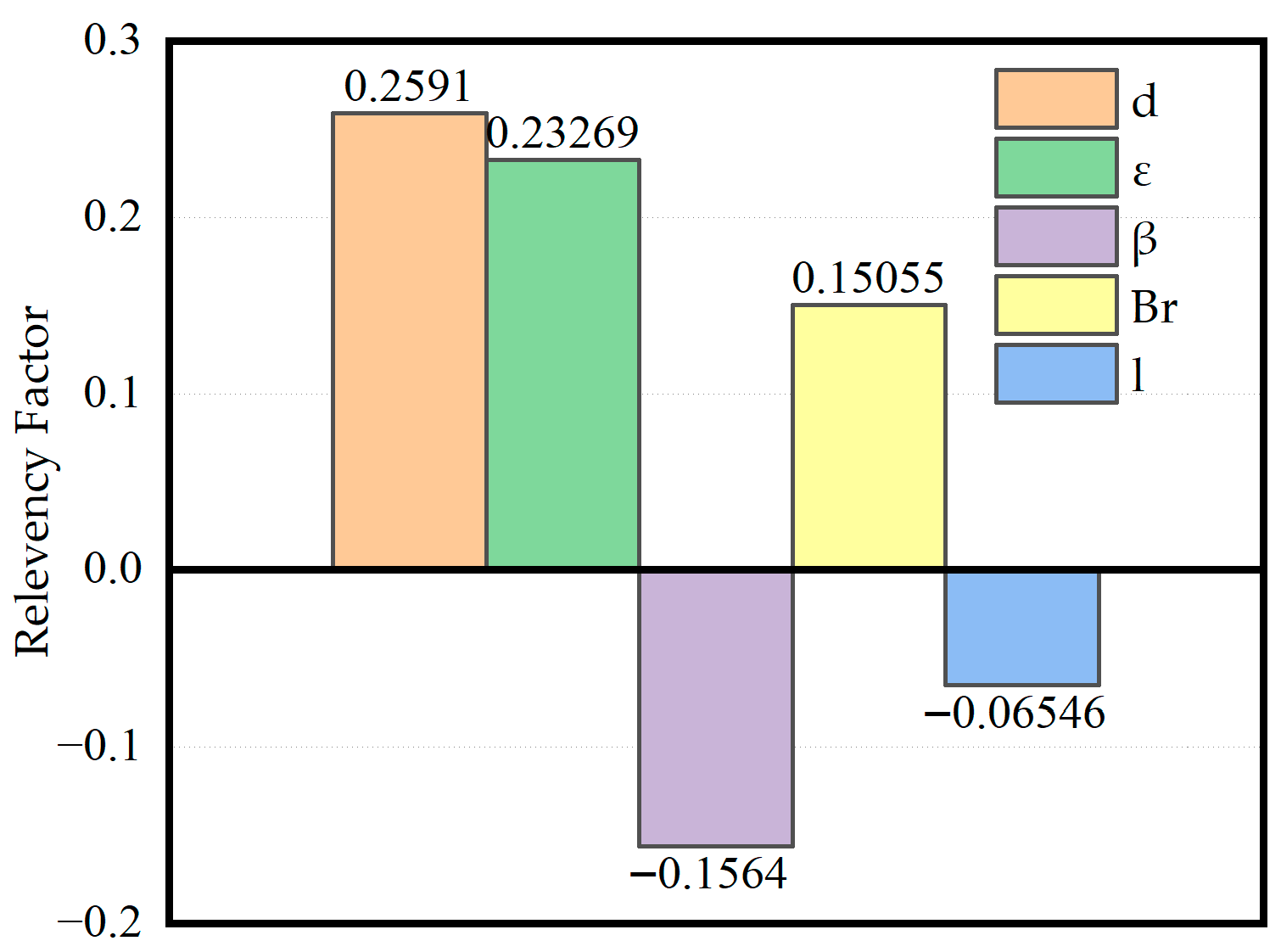
This study conducted optimization design and performance analysis based on finite element simulations. Considering that manufacturing tolerances, eccentricity, and material variability in actual production and assembly may affect motor performance, this section provides a preliminary discussion on related uncertainty factors. The discussion focuses on five key variables: slot position angle β, slot width w, slot depth d, rotor static eccentricity ε, and permanent magnet remanence Br. The impact of fluctuations in these variables within a certain range on motor performance is analyzed.
In Maxwell, variables such as β, w, d, ε, and Br were set as input variables, with maximum cogging torque defined as the output. Using the initial values β = 4.2°, w = 3.6 mm, d = 0.2 mm, ε = 0, and Br =1.09978, as the baseline, each parameter was independently varied within a ±5% range. Subsequently, a sensitivity analysis component was added in Workbench 2022 R2 via the optiSLang 2022 R2 module, employing an advanced Latin Hypercube Sampling method with a sample size of 200.
The sensitivity coefficients for the resulting cogging torque amplitude are shown in
Figure 12. A positive value indicates a positive correlation between the parameter and the cogging torque, while a negative value indicates a negative correlation. The analysis reveals the following order of influence (from highest to lowest):slot depth
d > rotor static eccentricity
ε > slot position angle
β > permanent magnet remanence
Br > slot width
w.
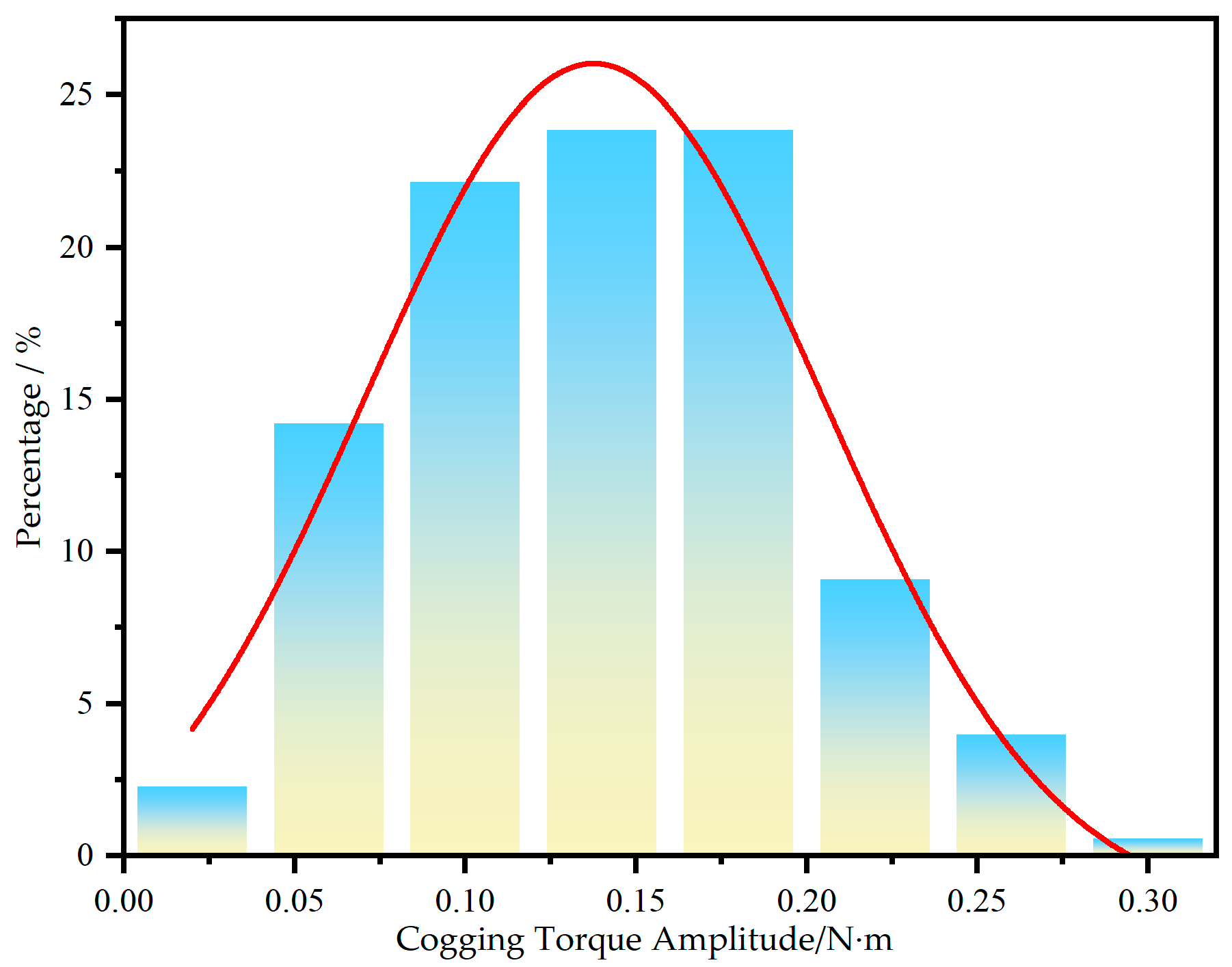
Figure 13 illustrates the influence of fluctuations in key parameters within a ±5% range on the distribution of cogging torque amplitude, with the horizontal axis representing the cogging torque amplitude and the vertical axis representing the probability density.
Under independent random variations of the aforementioned parameters, there is an 87% probability that the cogging torque amplitude remains below 0.2 N·m. This indicates that even when accounting for manufacturing tolerances, assembly eccentricities, and material parameter variations, the optimized auxiliary slot structure can maintain a relatively low cogging torque amplitude. Although experimental measurement data are not yet available in this study, the robustness analysis has preliminarily validated the engineering feasibility of the proposed optimization solution.