1. Introduction
The literature shows a tension between platforms oriented to professional preparation in Industry 4.0 and those designed for educational contexts with limited resources. However, this difference is mainly due to the educational level and learning objectives [
1]. Platforms based on industrial equipment, such as UR10 collaborative robots and Siemens PLCs, integrate protocols such as PROFINET, MODBUS, and Ethernet/IP and are aimed at university engineering programs where industrial realism justifies the greater cost and complexity [
2]. In contrast, low-cost platforms (less than USD 100) based on Arduino or ESP32 [
3] are oriented towards technical or introductory education, prioritizing the understanding of robotics principles over industrial fidelity [
4]. In this context, both approaches are valid: accessible platforms contribute to reducing the digital divide in technological education [
5], while industrial platforms facilitate training aligned with real production environments.
The performance metrics reported in the literature show wide variability, from industrial repeatability of ±0.02 mm [
6] to educational accuracies of ±2° or errors of 1–2°. This difference reflects different validation criteria, depending on the educational purpose [
7]. Validation in educational settings can focus on learning outcomes rather than mechanical metrics [
8]; for didactic purposes, pedagogical effectiveness can be a more relevant indicator than industrial accuracy.
The depth of technological integration is usually correlated with the pedagogical approach adopted. Systems that combine robotics, computer vision, PLCs, and industrial protocols are associated with problem-based learning methodologies, allowing students to solve realistic industrial automation scenarios [
9]. These platforms offer direct experience with Industry 4.0 technologies, strengthening the skills required in production environments. There are simpler platforms such as those that combine Arduino with MATLAB 2025 or educational servomotors [
10,
11], which allow fundamental content such as kinematics, motion control, and mechatronic programming to be addressed with less technological complexity [
12]. Some advanced labs incorporate remote access, video streaming, and multi-user management, facilitating collaborative experiences between institutions, while more basic platforms often do without these functionalities due to infrastructure limitations.
Educational platform costs range from approximately USD 15 to full industrial systems, reflecting different institutional needs. Very low-cost platforms (USD 15–100) use accessible materials such as acrylic, PLA or recycled components, with load capacities between 20 and 150 g and accuracies in the order of ±2°, which are sufficient for educational demonstrations [
13]. At an intermediate level, commercial kit-based platforms such as Lego Mindstorms or educational robotic arms such as xArm-1s offer a balance between cost and functionality for university teaching of kinematics and control [
14]. Finally, platforms based on industrial robots and PLCs prioritize professional preparation over economic accessibility. As an alternative to improve resource efficiency, some studies propose distributed laboratories with remote access, where expensive industrial equipment can be shared among multiple universities, increasing the use of equipment and encouraging academic collaboration [
15].
1.1. Research Gaps
Existing educational robotic platforms lack integrated structural validation.
Many low-cost robotic systems do not experimentally validate repeatability and precision.
Existing educational platforms rarely combine web monitoring, robotic manipulation, and statistical validation.
1.2. Main Contributions
Development of a low-cost 5-DOF educational robotic platform.
Structural validation through FEM analysis.
Experimental statistical validation using RMSE, confidence interval, and repeatability metrics.
Integration of web-based monitoring and machine vision.
Scalable architecture for automation teaching laboratories
2. Materials and Methods
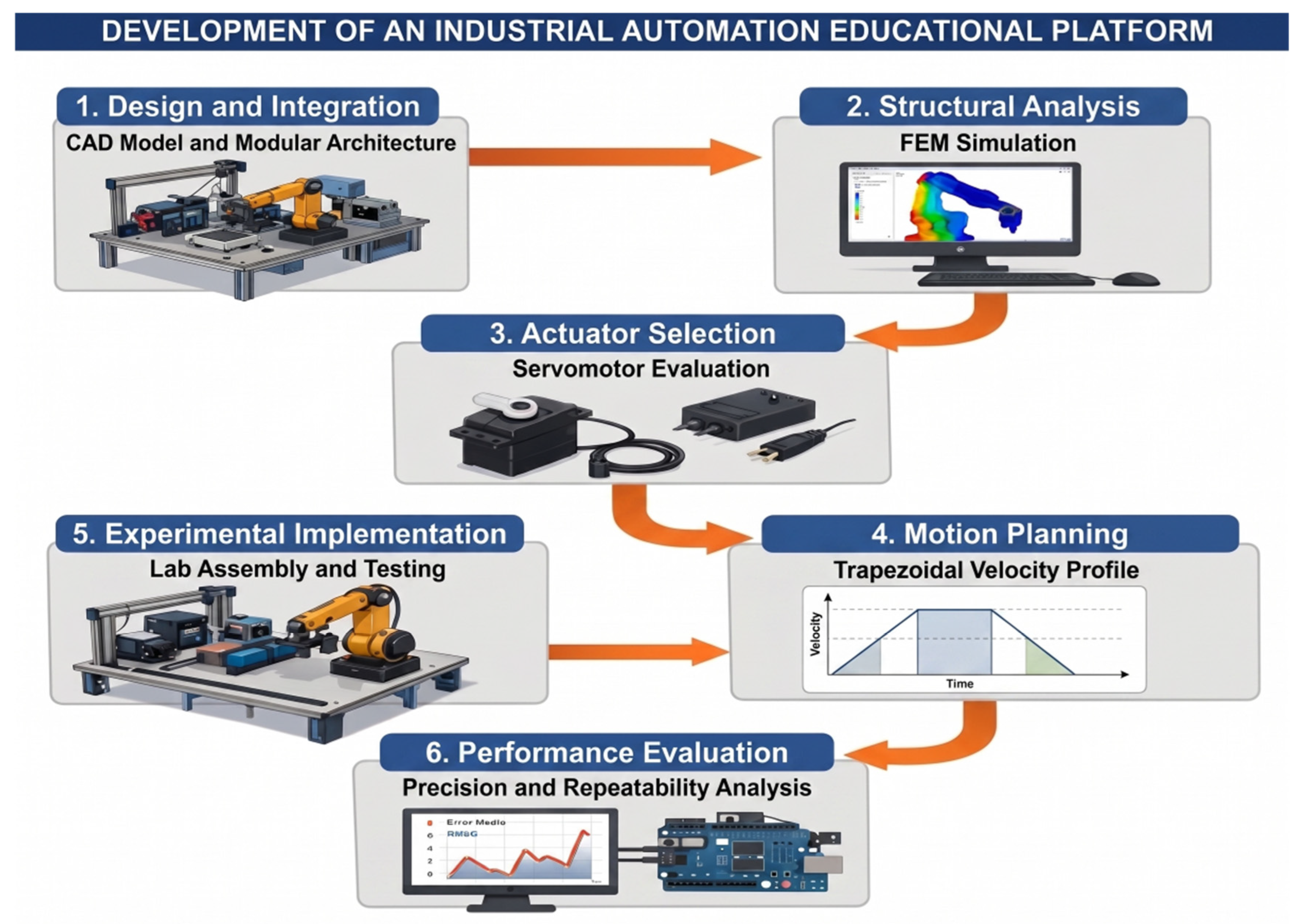
The methodology presented in
Figure 1 is structured as a sequential and iterative process for the development of an industrial automation educational platform. In the first stage, the design and integration are carried out through CAD modeling and the definition of a modular architecture that facilitates the scalability of the system. Subsequently, the structural analysis is carried out using finite element simulations (FEM) [
16] in order to validate the strength and mechanical behavior of the components. In the third phase, the actuators are selected from the evaluation of servomotors, considering performance and compatibility criteria. Then, the movement planning is developed using trapezoidal speed profiles, optimizing the dynamics of the system. The fifth stage corresponds to the experimental implementation, where the assembly of the system and laboratory tests are carried out. Finally, the performance evaluation is carried out, focused on the analysis of accuracy and repeatability, allowing the validation of the functionality of the system and feedback on the design process [
17].
2.1. System Architecture
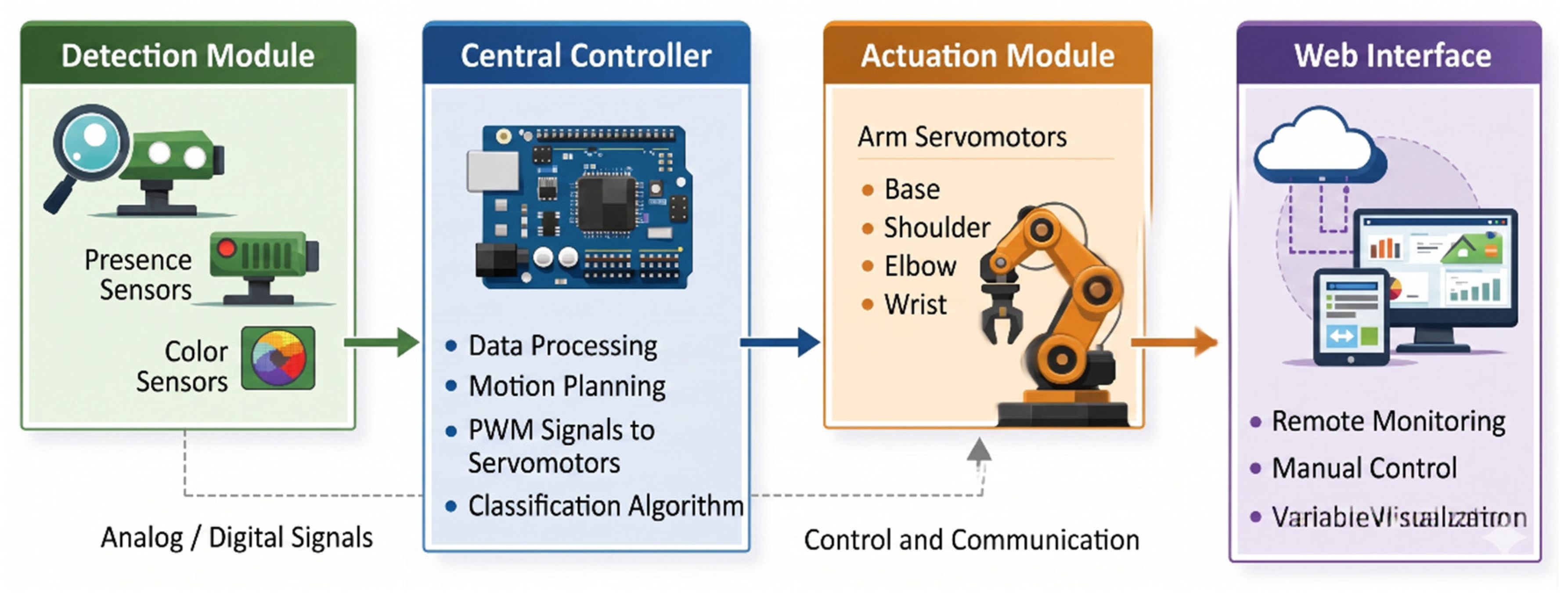
The proposed system was designed with a modular architecture aimed at ensuring functional integration, ease of maintenance, and technological scalability. The overall structure consists of four main subsystems: a detection module, a central controller, an actuation module, and a web interface for remote monitoring and control [
18].
Figure 2 illustrates the architecture of the educational robotics platform.
The detection module classifies objects according to color and shape, and the sensors provide the central controller with digital and analog signals [
19], which activates the classification algorithm and executes the predefined trajectory for movements [
20]. The acquired signals are processed in real time to determine the object’s proper target position within the automated process [
21].
Signal acquisition from sensors is managed by the microcontroller and executes motion planning, communication with the web interface, and PWM control signals for servomotors [
22]. A trapezoidal speed profile, which ensures precise positioning and smooth movement, was also implemented to reduce mechanical vibrations and minimize positional errors during robotic handling tasks [
23].
The actuators are made up of servomotors, which provide controlled mobility of the joints of the robotic arm [
24]. According to Grübler’s law [
25] each point of attachment between the links corresponds to a degree of freedom to provide mobility in the wrist, elbow, shoulder, and base of the robot. The independent control of each actuator allows the execution of interpolated trajectories and the precise position of objects [
26].
Finally, a web interface was integrated to enable system digitization and remote monitoring [
27]. This interface allows users to monitor the status of the system, manually trigger robotic movements, visualize operational variables, and interact with the platform within Industry 4.0 educational environments [
28]. This architecture improves interoperability and extends the use of the platform to hybrid learning scenarios that combine face-to-face and remote experimentation [
29].
2.2. Mechanical Design
The mechanical design of the robotic arm was developed using 3D CAD modeling, considering criteria of structural stability [
30], load distribution, operational range, and compatibility with light object classification tasks.
2.2.1. Geometric Configuration
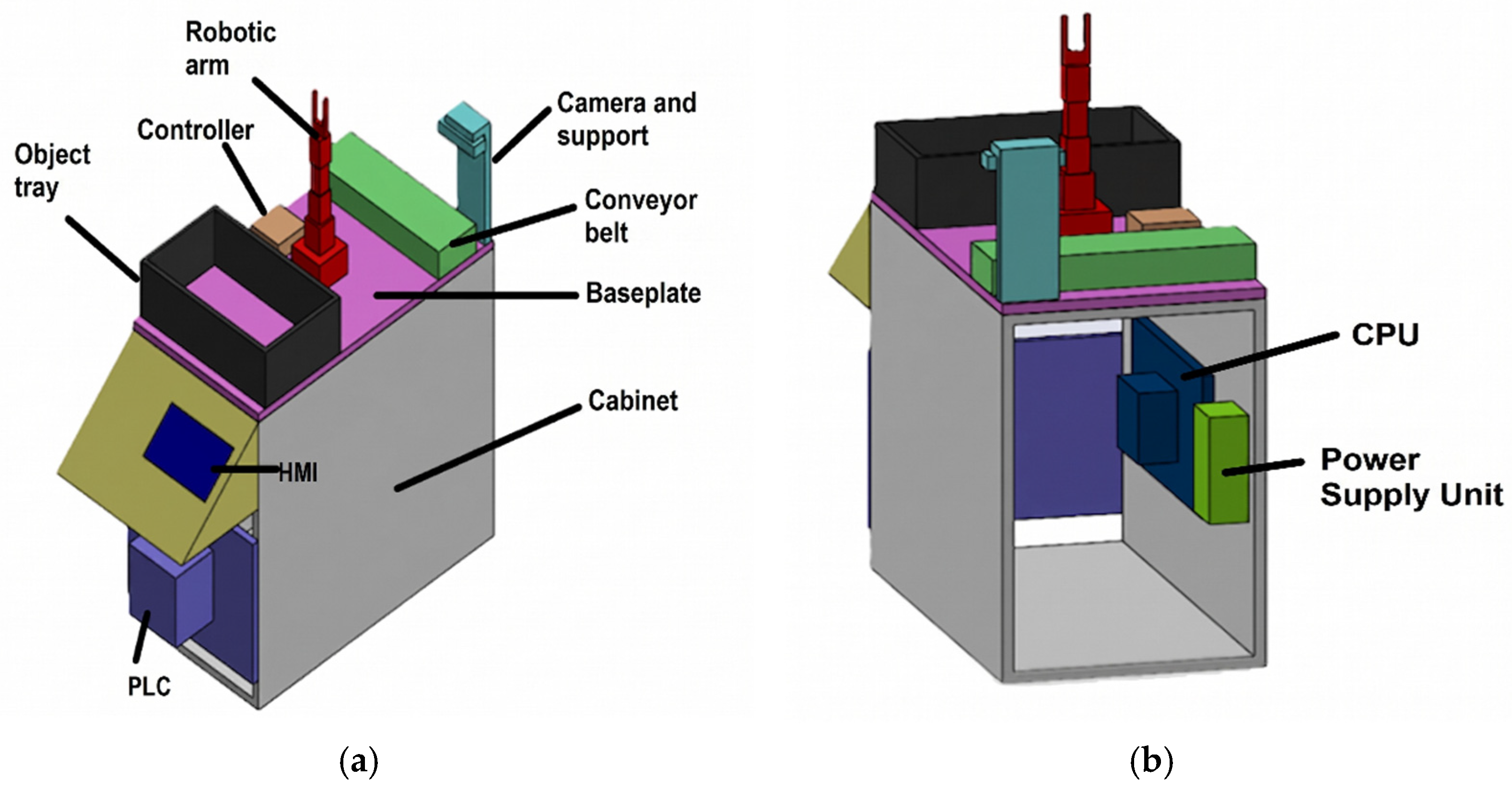
Once all the elements that will be placed in the didactic module have been defined to meet the requirements of the laboratory, it is necessary to make an initial arrangement of all the elements to correctly size the didactic module and thus avoid possible future dimension problems [
31].
Figure 3 shows a front and rear isometric view of the approximate arrangement of the elements. This view shows where and how the main and secondary elements of the module will be arranged.
2.2.2. Sizing of the Didactic Module
According to the dimensions, technical characteristics of the robot, and its applications for educational robotic platforms, the dimensions were considered, according to
Table 1.
Then the most suitable dimensions for the module are 37.1 cm (width) × 71.4 cm (length) × 69.5 cm (height).
2.2.3. Robotic Arm Design
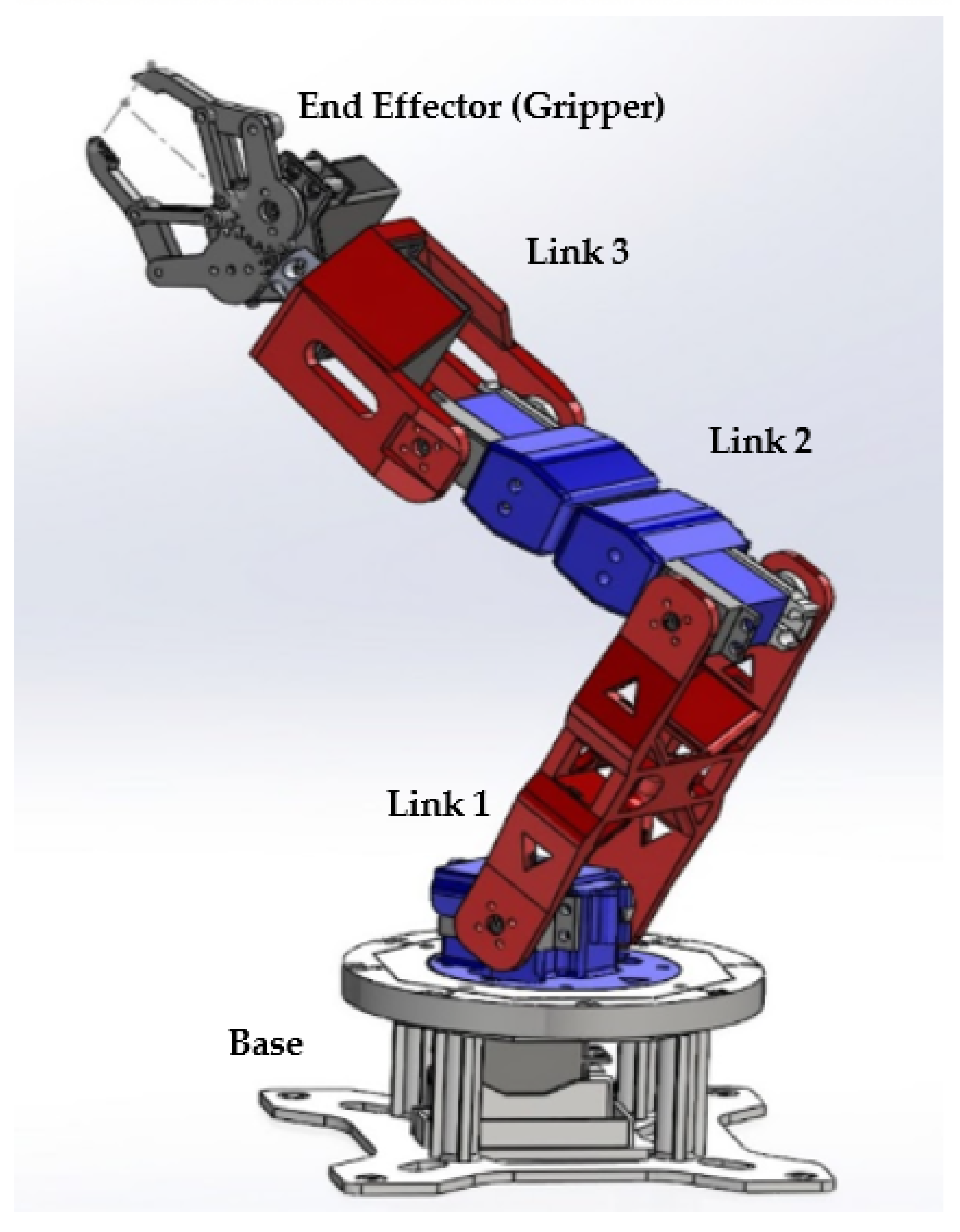
Table 2 details the technical specifications of the robotic arm, and
Figure 4 presents a simulated schematic of how the robotic arm will look once built. The robotic platform was equipped with an Arm 1S x-Bus Servo Controller, LX-15D and LX-225 intelligent bus servos, and the associated PC and mobile application software (Hiwonder, Shenzhen, China).
2.2.4. Robotic Arm Dimensions
To cover most of the space of the workbench, it is necessary to define the lengths of each link of the robotic arm [
32]; for this, it is taken into account that it will be located right in the middle of the table, so therefore, the minimum length of the sum of all the links of the robotic arm (except the base) will be
In this way, the lengths of each link are defined in
Table 3.
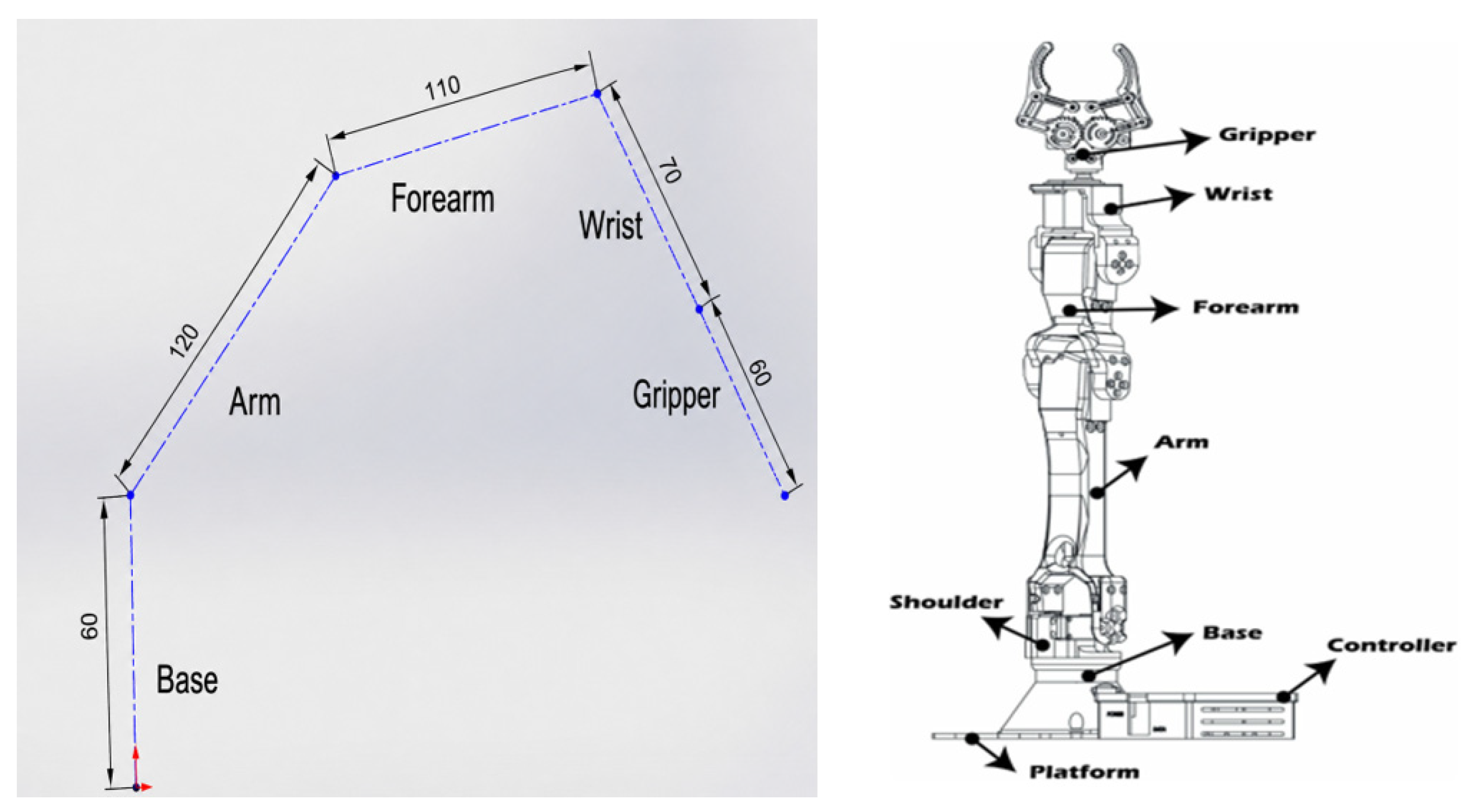
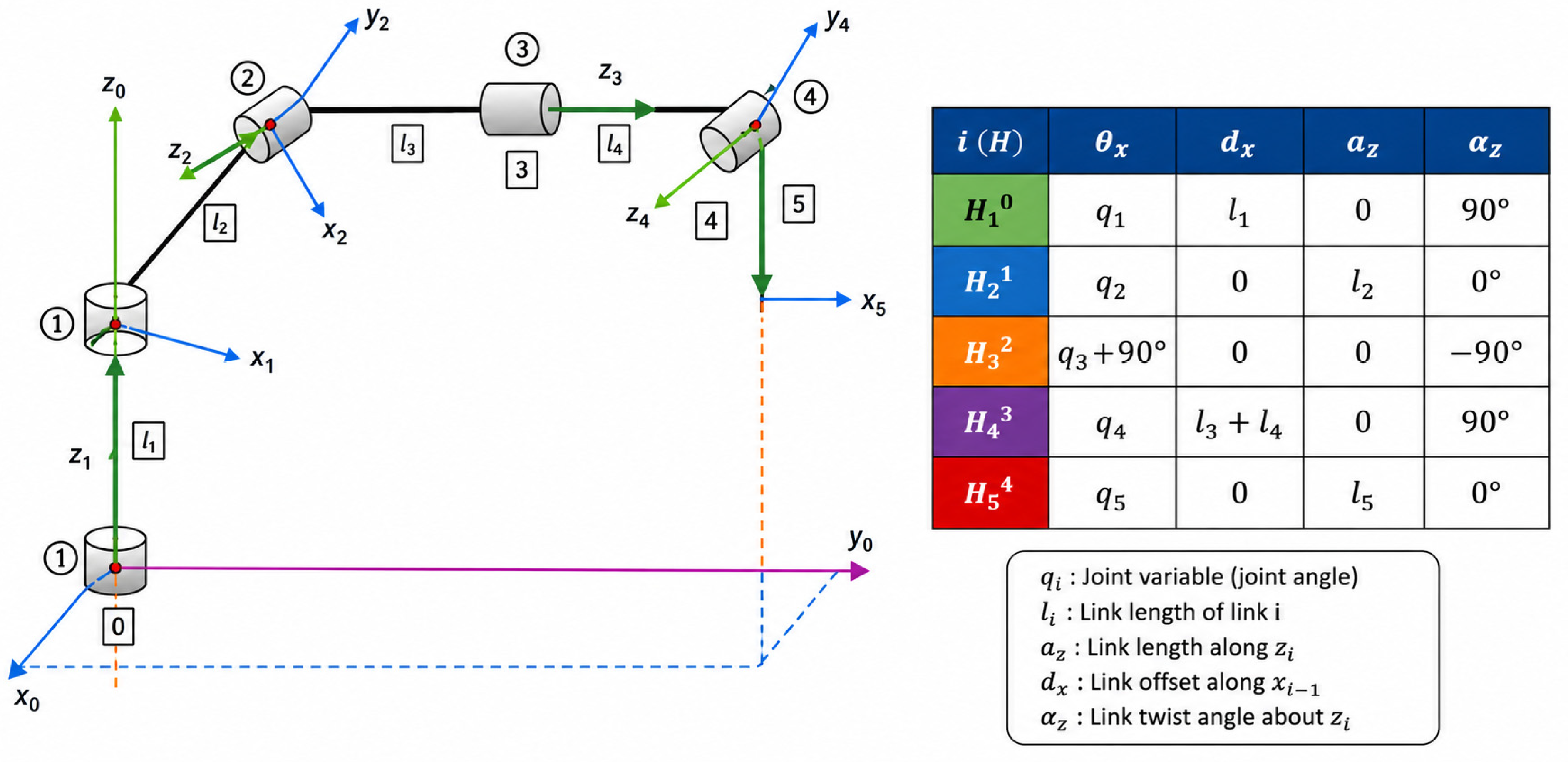
The arm morphology and geometric dimensions of the system are illustrated in
Figure 5, including the link lengths and angles of operation [
33]. These dimensions determine the manipulator’s workspace and its ability to perform sorting tasks within the bounded area.
The geometric design was optimized to ensure balance between maximum reach and structural rigidity [
34], minimizing excessive bending moments in the robot’s articulation.
2.3. Actuator Selection
The selection of actuators was made by considering the following:
Torque required, depending on the moment generated by the weight of the links;
Angular velocity needed to meet the cycle times;
Power consumption compatible with the available power supply.
Table 4 presents the characteristics of the servo motors used in the robotic arm, including their function, weight, dimensions, and length
The first servomotor is one of the most critical because it is responsible for moving the base of the arm [
35] and will carry the entire weight of the arm in addition to the element being loaded. To this end, the following data are collected:
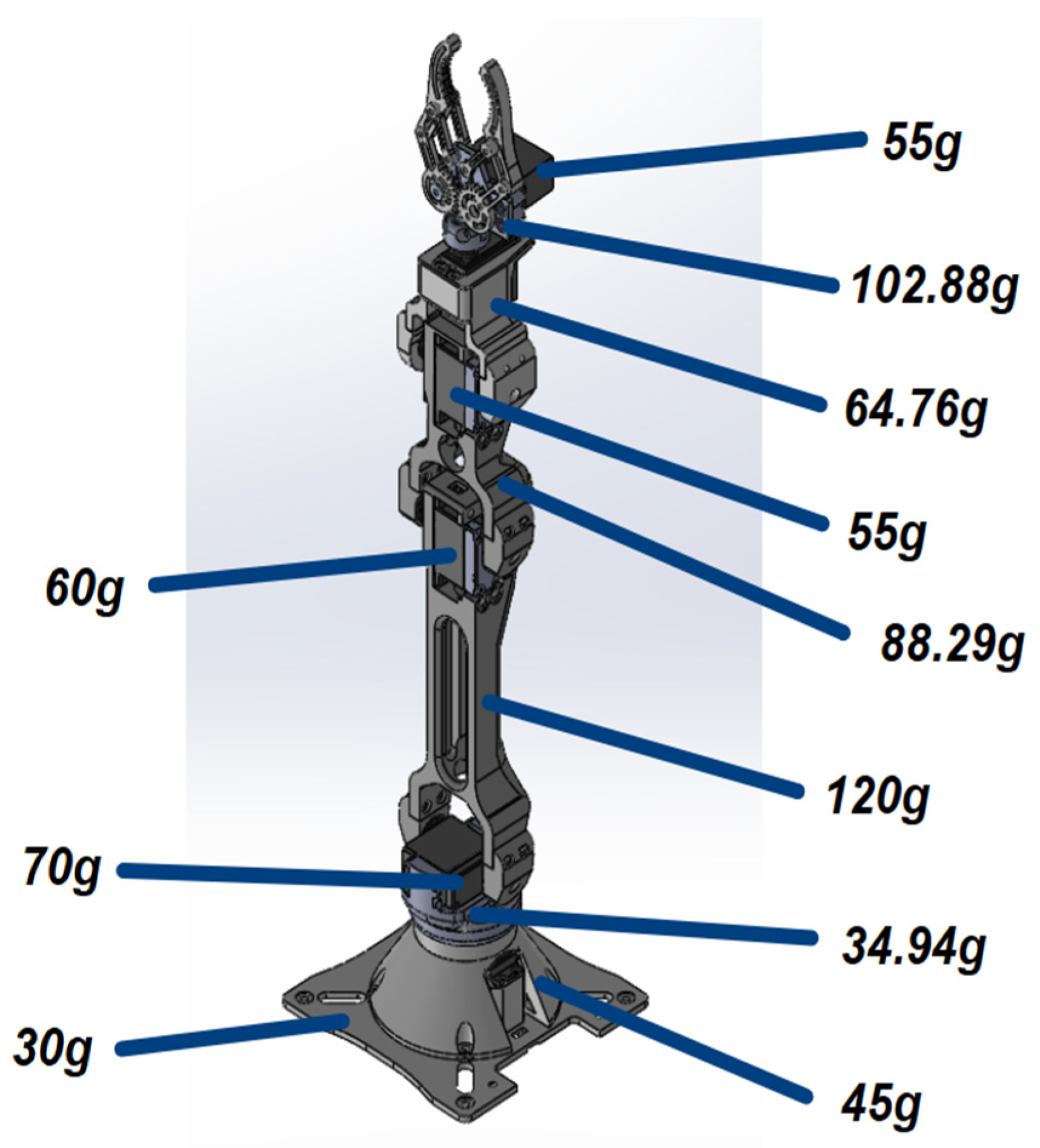
Total mass of all elements on base: 707.7 g = 0.708 kg.
The minimum torque that the servomotor must have to be able to easily move all the weight.
Figure 6 illustrates the mass distribution of the robotic arm components used for actuator selection and torque calculations. These values were considered in the estimation of the load supported by each servo motor.
2.4. Structural Validation
To verify the mechanical integrity of the system, a static structural analysis was performed using finite element-based simulation (FEM) tools [
36,
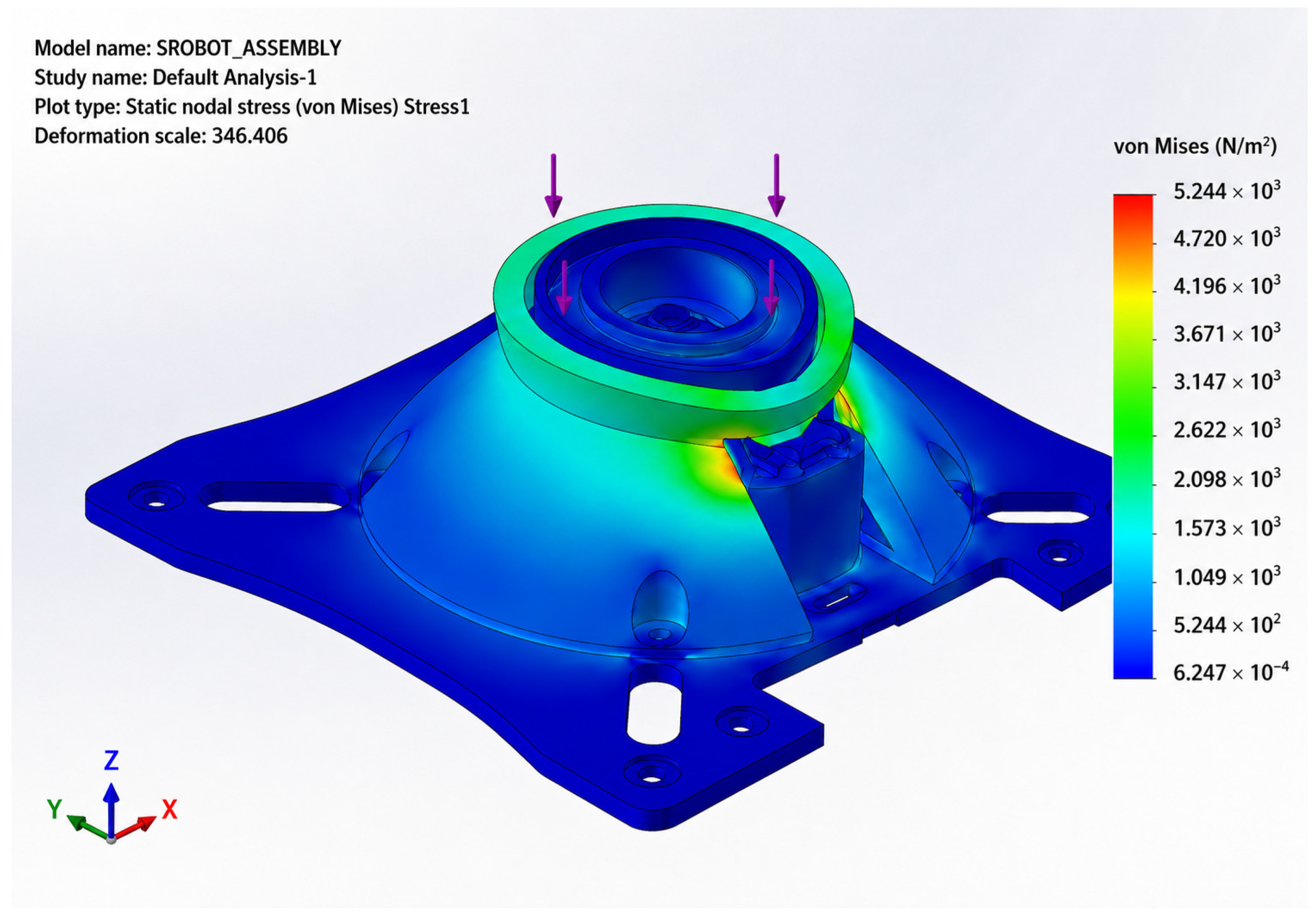
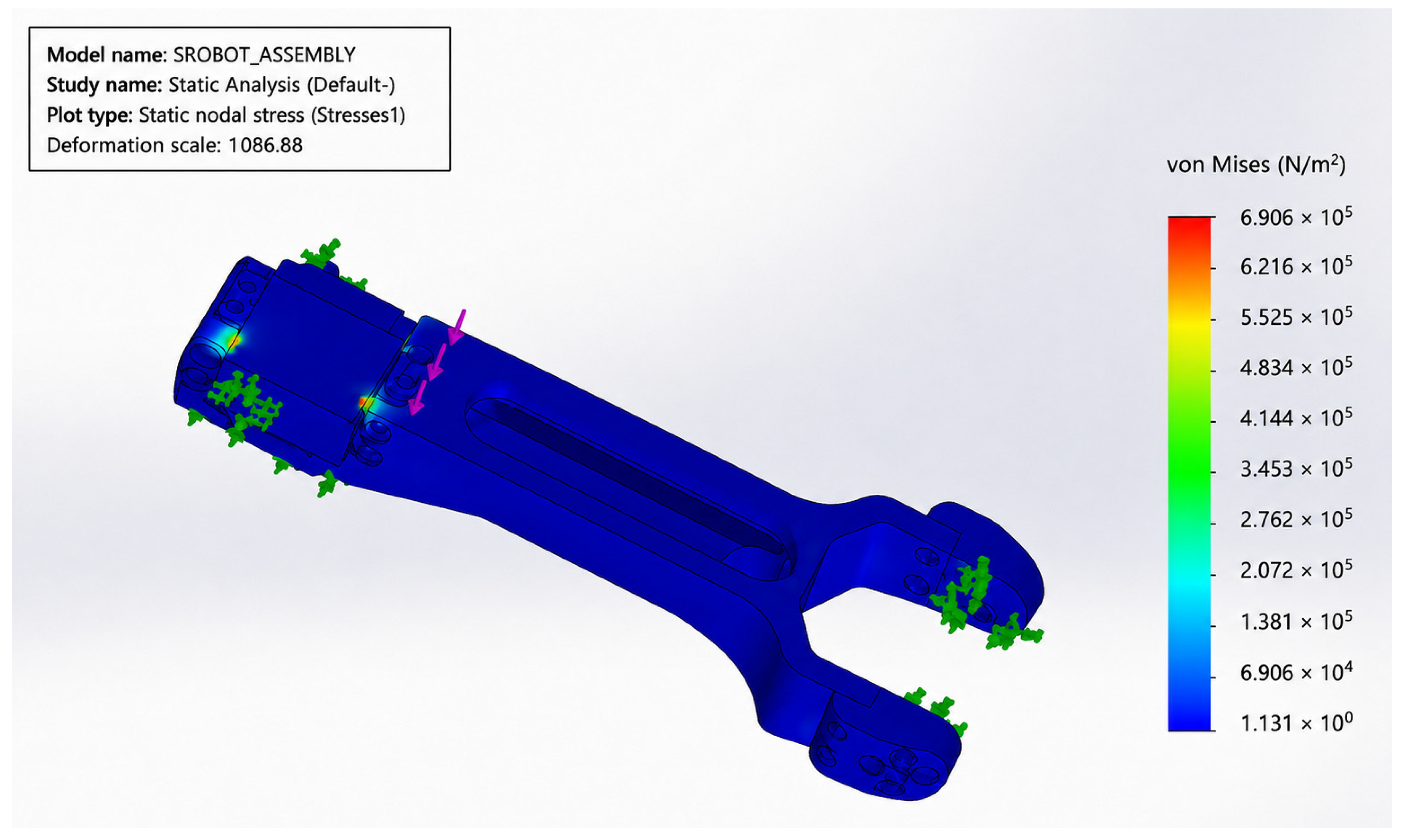
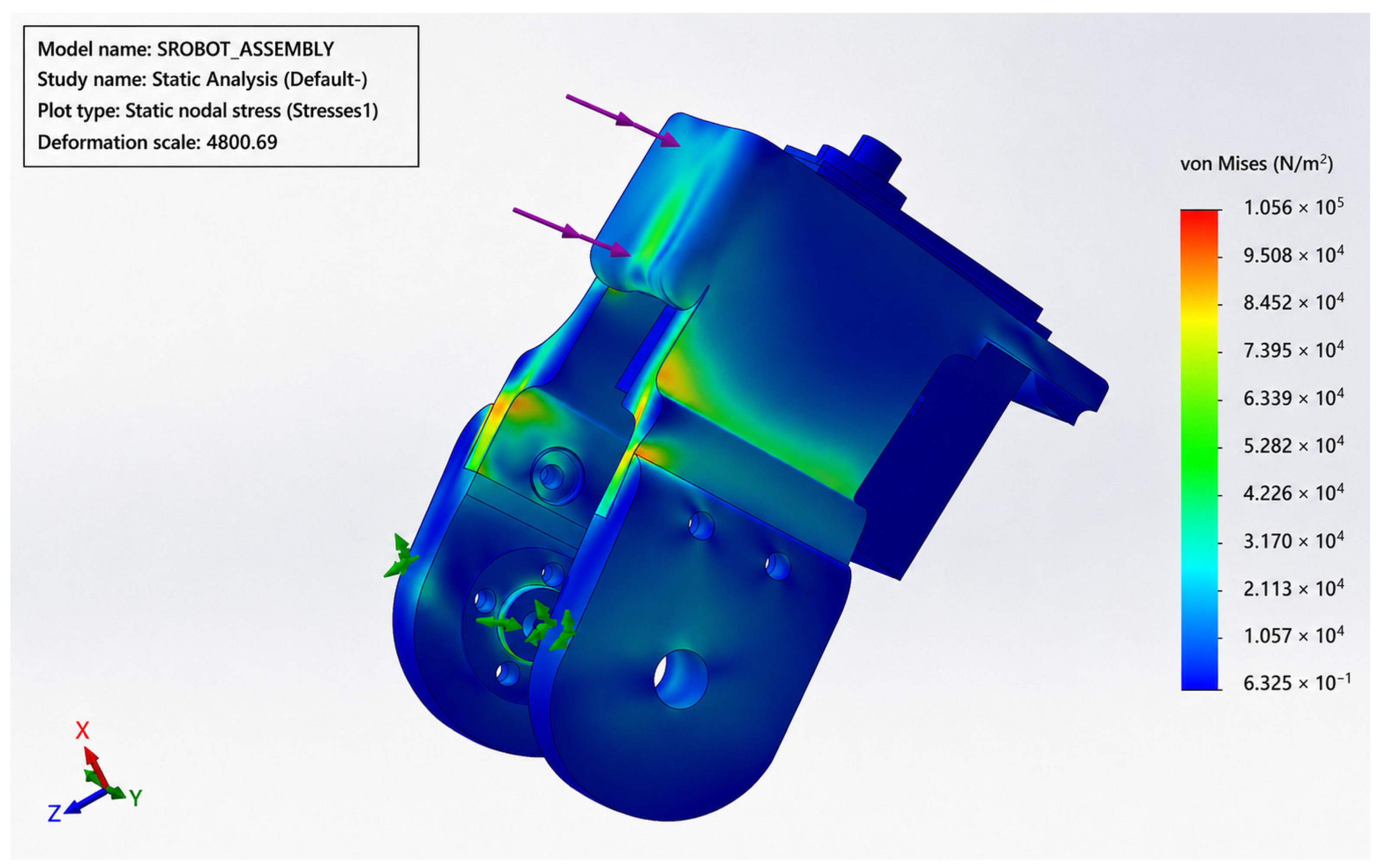
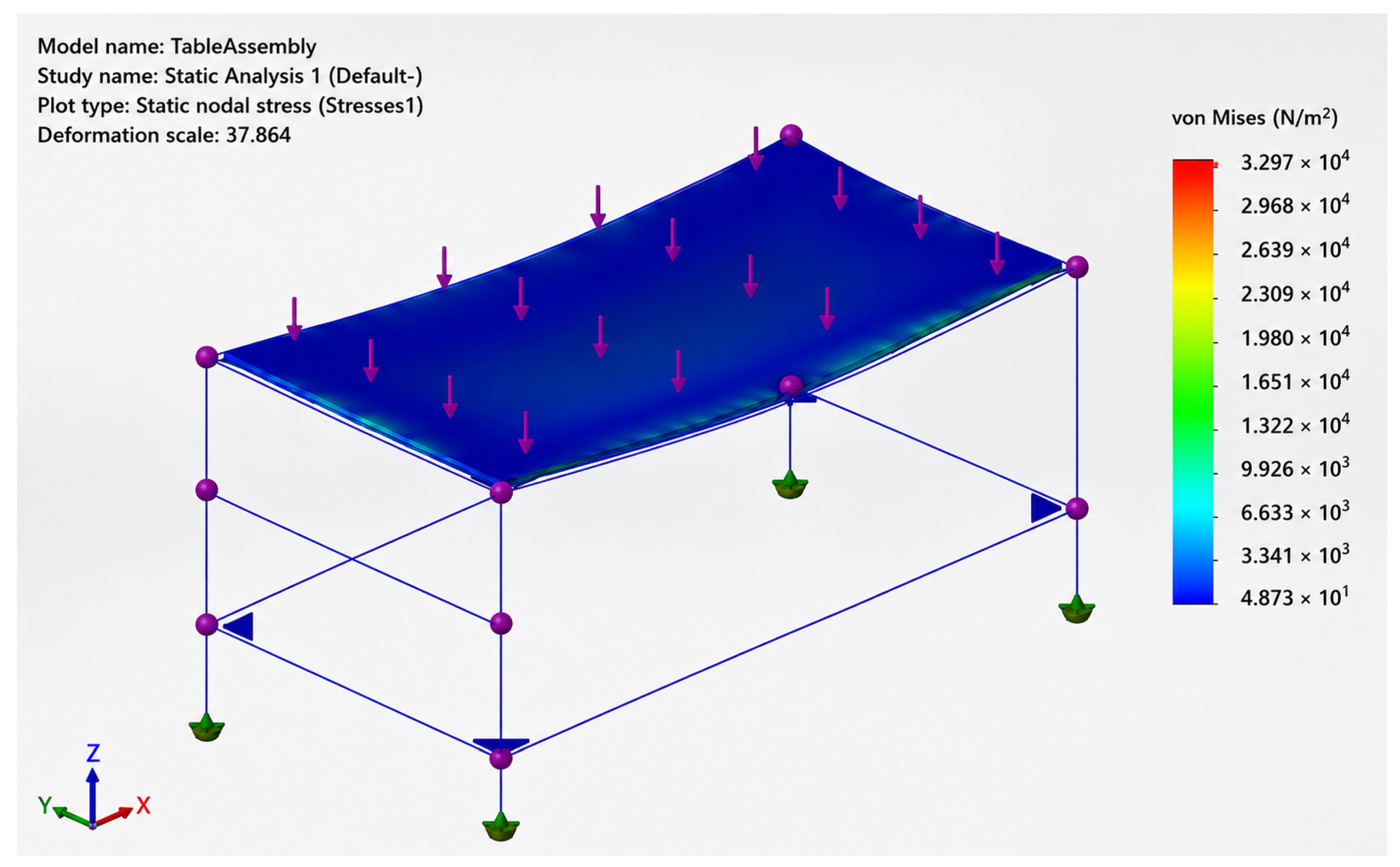
37]. Load conditions equivalent to the weight of the links and maximum load handled were applied. The results obtained from this validation are detailed in
Figure 7,
Figure 8,
Figure 9,
Figure 10 and
Figure 11 and in
Table 5,
Table 6,
Table 7 and
Table 8 [
38].
From the structural analysis, it is seen that the maximum stress, the maximum strain, and the safety factor [
39] remain within acceptable values for didactic applications, guaranteeing structural stability during the repetitive operation of the system [
40].
2.5. Interpretation of Non-Compliant Structural Results
Although some displacement values exceeded the conservative reference limits established during the preliminary structural analysis, the experimental operation of the robotic arm demonstrated stable mechanical behavior under nominal working conditions. The observed deformations did not generate structural failure, trajectory instability, or significant positioning inaccuracies during repetitive laboratory tests.
The components marked as “Not Compliant” correspond mainly to displacement criteria associated with educational low-cost structures manufactured using lightweight materials such as PLA. However, the obtained safety factors remained above the minimum acceptable threshold (FS ≥ 1.2), ensuring adequate mechanical reliability for didactic applications.
The “Not Compliant” label refers only to the conservative displacement criteria defined during the preliminary simulation stage, not to material failure or unsafe operation. In all cases, the von Mises stress values remained below the material strength limits, and the safety factors were above the minimum required threshold. Therefore, the components were considered to be mechanically acceptable for low-load educational use, although they would require redesign or reinforcement for industrial or high-load applications.
Therefore, the structural validation was considered acceptable for educational and experimental use, where moderate elastic deformation does not compromise the system’s functionality or operational safety.
2.6. Motion Planning Strategy
The robotic arm’s motion planning was designed with the goal of ensuring smooth trajectories, reduced mechanical vibrations, and minimized positioning error [
41]. To this end, a trapezoidal velocity profile [
42] was implemented, widely used in manipulator control systems for its balance between computational simplicity and dynamic stability.
The trapezoidal profile divides the movement into three phases:
Acceleration phase;
Constant speed phase;
Deceleration phase.
Keystone Speed Profile
Angular velocity as a function of time is defined as
where:
Calculation of times:
Acceleration is defined as
The total angular displacement is obtained by integrating the velocity
Solving by sections, we have
In the symmetrical case, we have
where
is the constant speed time.
Controller Implementation
The algorithm was implemented in the microcontroller by:
This made it possible to:
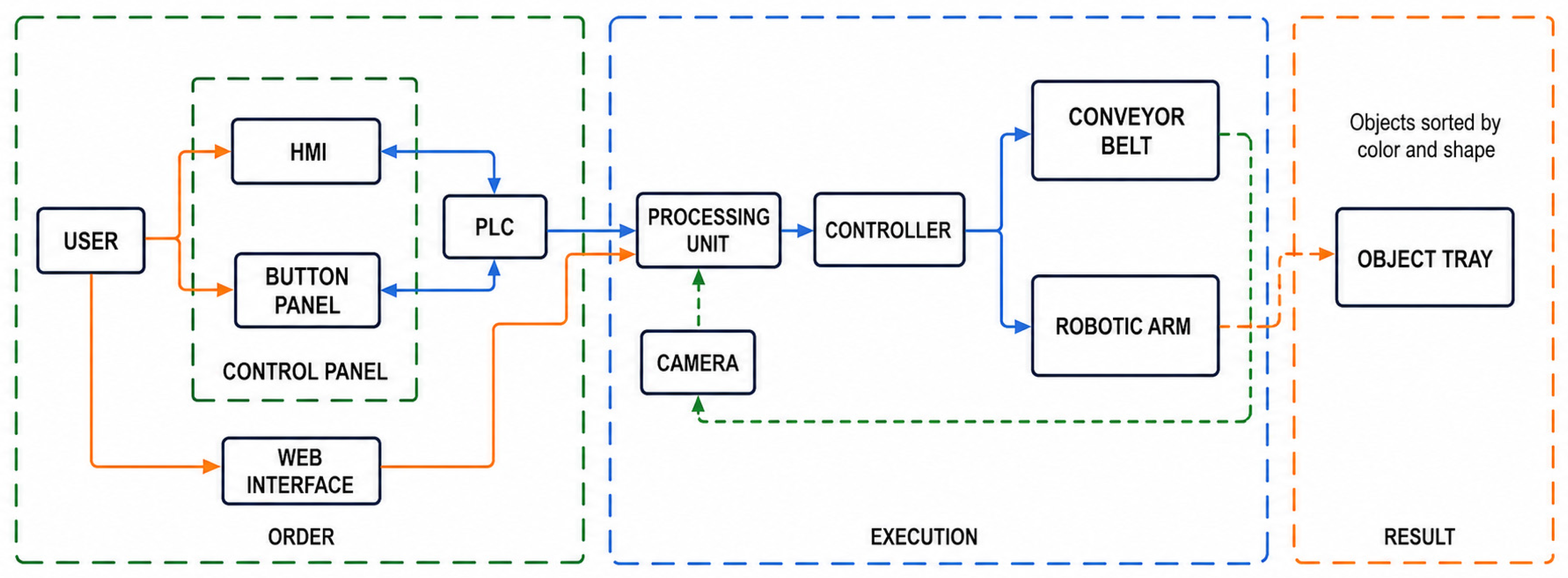
Figure 12 shows the functional block diagram of the didactic module.
3. Results
The implementation of the didactic module for the selection of objects by color and morphology in the electronics laboratory is presented, as well as the tests and results carried out to evaluate the performance of the system and thus validate the hypothesis raised in this project, which is to facilitate the learning of advanced control techniques in the laboratory through the development of a didactic module for the selection of objects by color and morphology using a robotic arm and machine vision.
The evaluation of the performance of the module corresponds to the repeatability and accuracy tests of the robotic arm to evaluate the movements programmed for the handling and placement of the parts.
3.1. Experimental Set-Up
Laboratory Deployment
The robotic module was physically built and installed in the institution’s electronics and automation laboratory. The system includes:
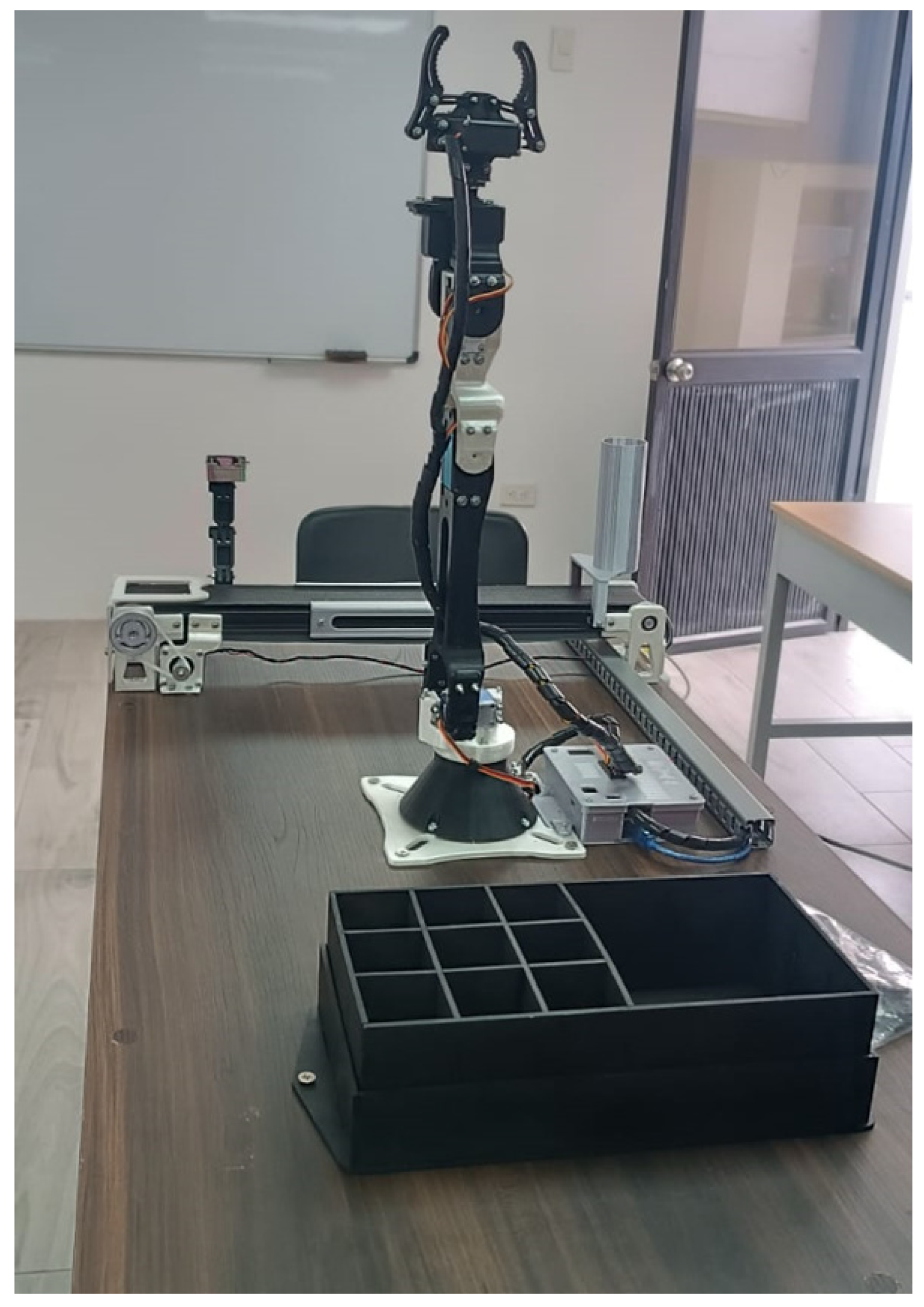
The complete experimental setup of the proposed educational robotic platform is shown in
Figure 13. The system integrates a robotic arm, a conveyor belt, a machine vision module, and an object sorting workstation to perform automated classification and handling tasks in a controlled laboratory environment.
3.2. IoT and Web-Based Interface Integration
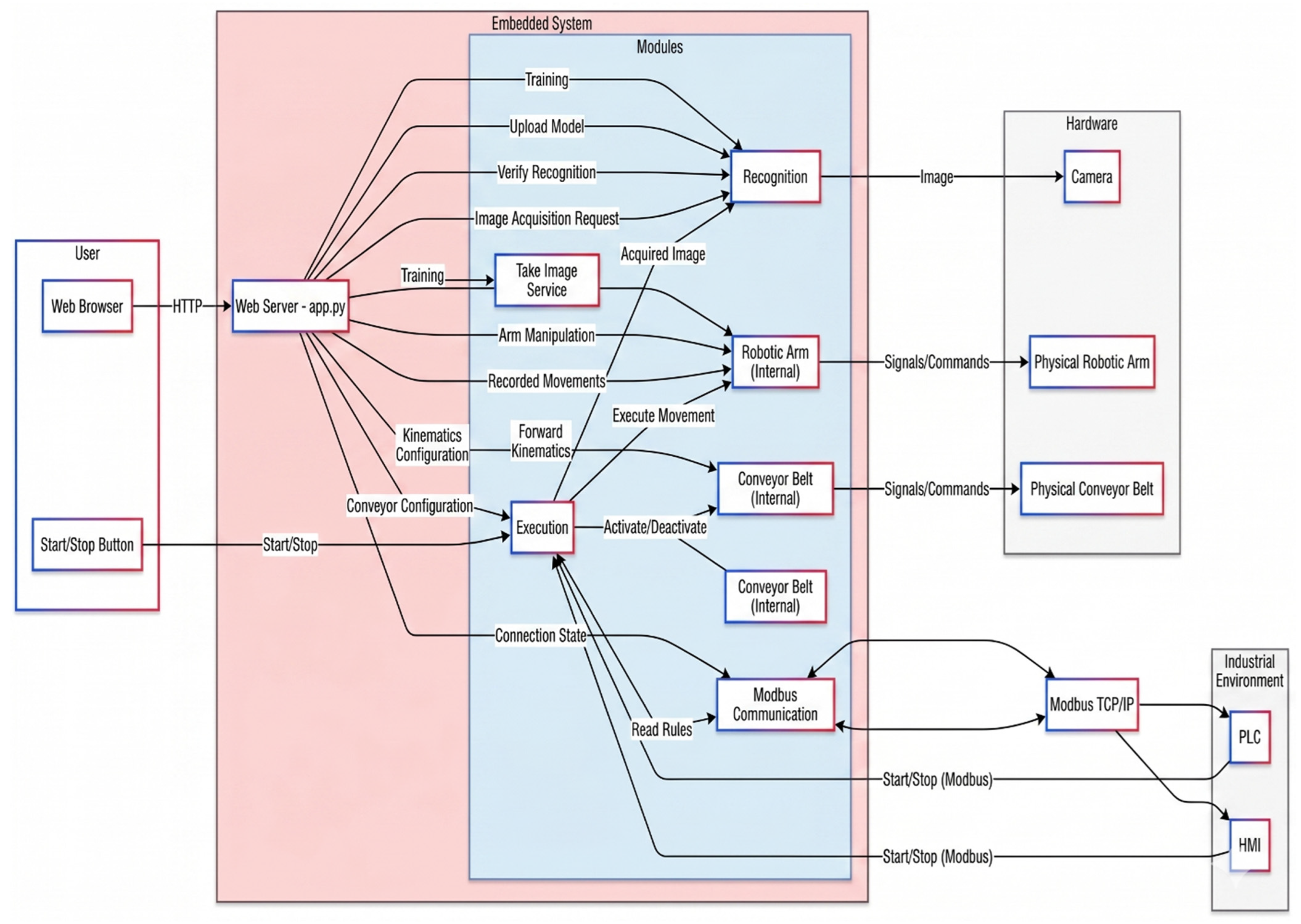
To enable remote monitoring and alignment with Industry 4.0 principles, a web interface was developed that operates on top of the local HTTP protocol.
The digital architecture includes:
Figure 14 illustrates the communication architecture among the user, local network, and robotic module.
To support remote monitoring and interaction within educational automation environments, a web-based interface and IoT communication architecture were integrated into the proposed robotic platform. The objective of this subsystem was to enable remote supervision, real-time interaction, and digital accessibility of the robotic arm through standard wireless communication technologies aligned with Industry 4.0 educational concepts.
The communication architecture was implemented using a client–server model based on a local Wi-Fi network. The robotic platform incorporates an embedded microcontroller with integrated wireless communication capabilities, acting simultaneously as a motion controller and a web server. The controller receives information from the sensors, processes classification routines, and exchanges operational data with the web interface through the HTTP protocol.
The implemented architecture allows bidirectional communication between the user and the robotic platform. From the web interface, users can remotely execute commands such as:
Robotic arm activation;
Conveyor belt start/stop;
Manual positioning of joints;
Execution of automatic sorting routines;
Monitoring of operational states.
Similarly, the robotic platform continuously transmits process variables and system status information to the interface, including:
Figure 14 illustrates the communication structure implemented among the user interface, wireless network, embedded controller, and robotic platform components.
To minimize costs, a web interface with HTTP communication was developed that is compatible with low-cost embedded systems without the need for external cloud infrastructure. Students can access the system from the computers or mobile devices connected to the local network.
The communication performance was evaluated with experimental tests under controlled laboratory conditions with the local Wi-Fi network. In total, 25 remote activation cycles were executed to measure the communication protocols and the response latency in each command transmission, test cycles and the execution of the platform.
Table 9 summarizes the results obtained.
The current IoT implementation was designed as an educational web-based monitoring layer rather than a full industrial IoT architecture. The system operates through HTTP communication over a local Wi-Fi network, allowing basic bidirectional exchange of commands and status data between the web interface and the robotic platform. This implementation supports remote supervision and student interaction in laboratory environments; however, cloud storage, cybersecurity mechanisms, MQTT/OPC UA interoperability, and large-scale industrial networking were not included in this stage.
According to the latency values obtained, there is evidence of stable communication performance in the application, industrial restrictions in real time were not critical, and there were no communication interruptions or packet losses during execution. Although the system does not implement industrial communication standards such as OPC UA or MQTT, the developed infrastructure establishes a scalable basis for future integration with Industry 4.0 communication technologies.
From an educational perspective, the integration of web-based monitoring allows students to interact with robotic systems beyond conventional local operation, facilitating the understanding of concepts related to industrial networking, remote supervision, cyber–physical systems, and intelligent automation environments.
3.3. Experimental Protocol
In order to evaluate the performance of the system, an experimental protocol was established structured under quantitative criteria.
Number of repetitions
N = 30 complete cycles per trajectory were executed.
Multiple target positions were evaluated.
Each measurement was recorded individually.
Error Measurement
Angular measurements were obtained using a digital protractor with ±0.1° resolution placed at the corresponding joint axis after trajectory execution
where:
The following were determined.
Test conditions
Objective of the protocol
The objective was to evaluate:
Positioning accuracy;
Angular repeatability;
Stability under repetitive operation;
Dynamic behavior under the keystone profile.
3.4. Sequential Process of the Robotic Arm on the Automated Line
The machine vision subsystem was implemented using a modified Logitech C920 HD Pro 1080p Webcam (Logitech International S.A., Lausanne, Switzerland) with a 3D printed housing to reduce its size and weight. It was placed on the conveyor belt to detect the pieces.
For the recognition of shapes and figures, the system, through its interface, allows the camera to be used to take a burst of images which can be named and downloaded in .Zipp to the user’s computer. The next step is to upload the images to Google’s Teachable Machine tool (Version 2.0, Google LLC, Mountain View, CA, USA), which allows you to label the sets of images and train the model that must be downloaded in TFLite format. Through this process, the training of two models must be carried out, one for shapes and the other for figures; both models can be loaded into the interface of the developed system to be used. This approach to work was designed to facilitate the rapid training of new objects that are required in the future.
By default, the system comes loaded with recognition models for three colors (red, blue, and green) and three shapes (triangle, square, circle).
With these models, the classification tests were carried out on a total of 30 varied parts with the nine possible color and shape configurations. The system correctly classified 29 out of 30 objects, achieving a classification accuracy of 96.7%. A sorting error occurred due to lighting variations during image acquisition. These results demonstrate the feasibility of the vision system proposed for educational applications of object classification.
It should be noted that the machine vision validation was performed as a preliminary functional test under controlled laboratory conditions. Although 30 objects provide an initial verification of the sorting process, this sample size is limited and does not represent a full-scale industrial validation. Future work will include a larger dataset, different lighting conditions, additional object geometries, and more extensive classification metrics.
The selected sample size of 30 objects was considered sufficient for an initial educational validation because the primary objective of the vision subsystem was to verify the correct operation of the classification workflow within a teaching environment rather than to perform a statistically exhaustive industrial assessment. The experiment included all available combinations of colors and geometric shapes used during laboratory activities, allowing students to evaluate the complete classification process under controlled conditions.
3.4.1. Robotic Arm in Resting Position
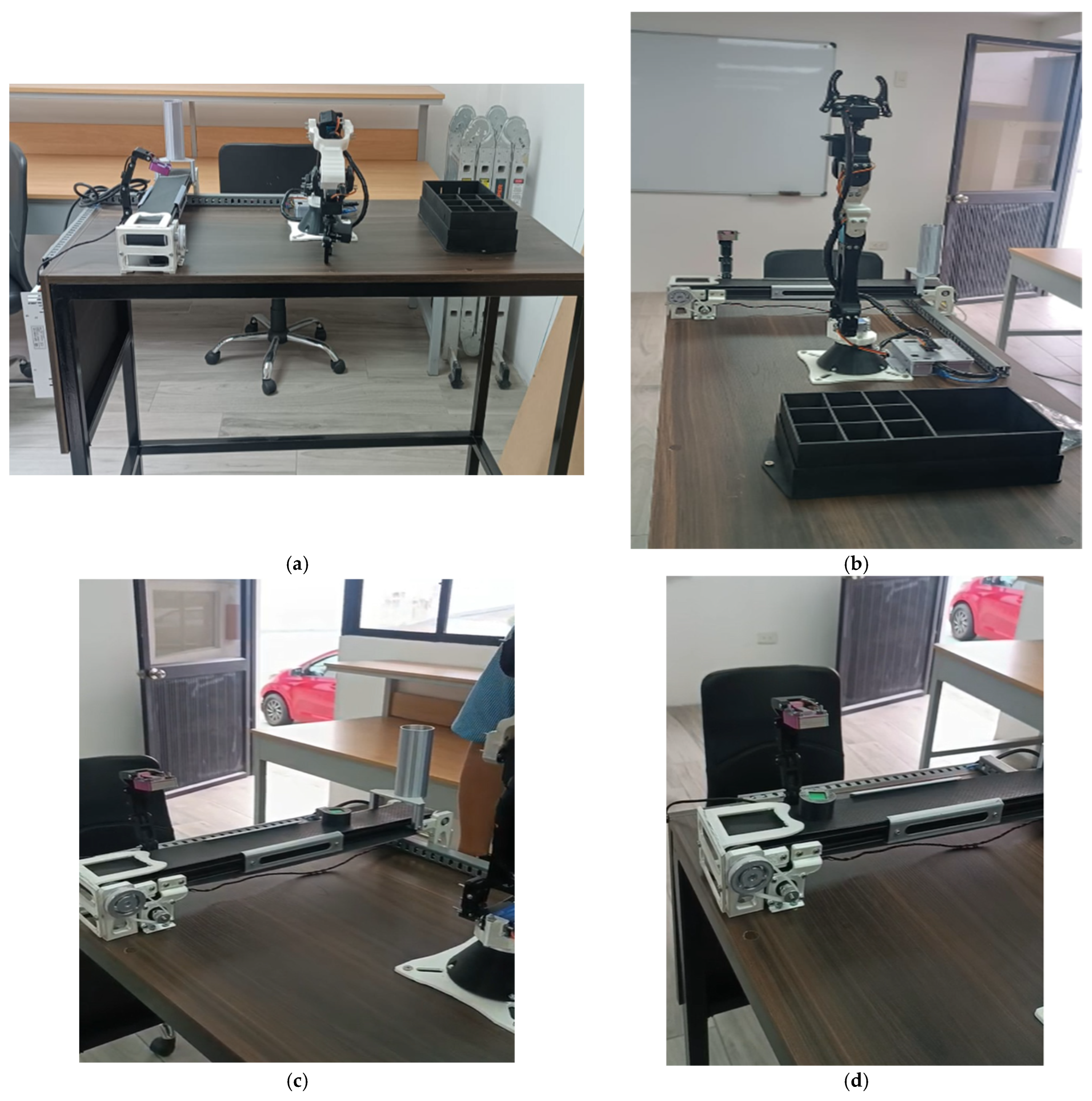
Figure 15 shows the sequential work of the robotic arm. In the first stage, the robotic arm is observed in its initial position or resting state, which corresponds to the condition of the system immediately after turning on the controller. At this stage, all manipulator actuators are in a calibrated or reference position, predefined during the system’s setup process.
This initial position fulfills several important functions within the automated system.
It ensures a known spatial reference for all subsequent manipulator movements.
It allows you to verify that the servomotors and joints are in a steady state.
It prevents unexpected movements during system initialization.
It facilitates synchronization with the rest of the subsystems, such as the conveyor belt and the vision system.
During this phase, the central controller executes a system initialization procedure, where the electronic modules are activated, communication with sensors and actuators is verified, and the control algorithm is prepared to start the operational cycle.
3.4.2. The Part Falls onto the Conveyor Belt
At this stage of the process, a part is deposited on the conveyor belt of the automated system, initiating the sorting workflow.
The conveyor belt has the function of moving the parts from the feeding area to the handling area, where the robotic arm will perform the taking operation. During this movement, the part advances until it reaches a predetermined position close to the manipulator’s work area.
When the part reaches the end of the belt, the system detects its presence using sensors (proximity sensors, optical sensors, or machine vision). This signal is sent to the central controller, which activates the next phase of the process.
In response to this signal, the following occur.
The robotic arm moves from its standby position.
It gradually approximates the position of the piece.
It prepares to execute the grab operation or pick operation.
This process ensures precise coordination between the conveyor system and the robotic manipulator, optimizing the workflow of the automated system.
3.4.3. Workpiece Clamping and Recognition Using Machine Vision
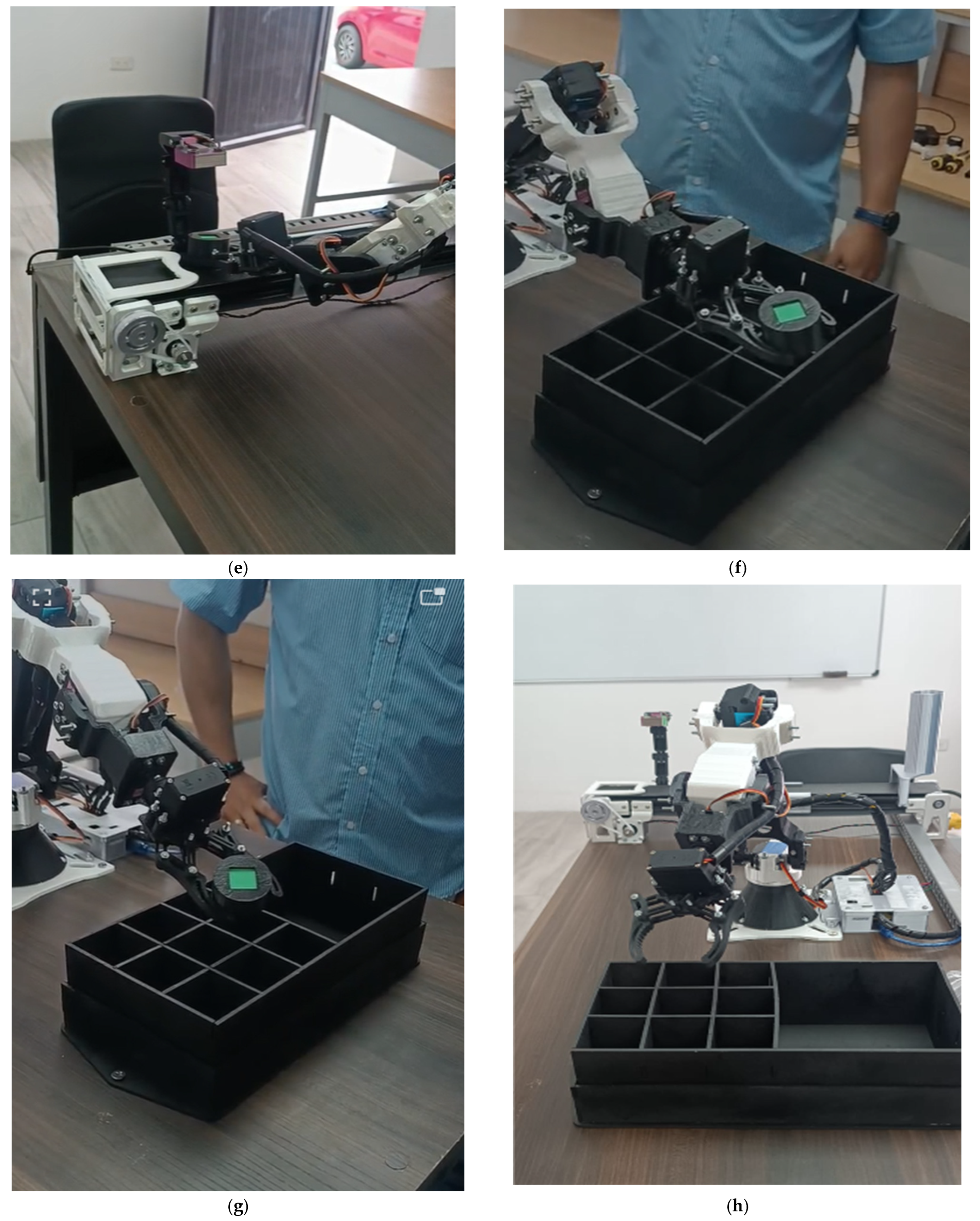
In this phase, the robotic arm executes the operation of clamping the part using its gripper system. The manipulator positions its end effector on the workpiece and activates the clamping mechanism to secure it correctly.
Once the piece has been taken, the artificial vision system comes into operation, which is composed of a camera that captures images of the manipulated piece.
The vision system performs an identification and classification process, which considers visual characteristics such as:
Part color;
Geometric shape;
Object type.
To do this, image processing algorithms are applied to extract relevant characteristics from the part. Based on this information, the system determines the category to which the object belongs.
The result of the analysis is sent to the robot controller, which calculates the corresponding target position within the sorting system. Subsequently, the arm is oriented towards the cell where the piece must be deposited.
3.4.4. Sorting the Part in the Corresponding Cell
In the last stage of the process, the robotic arm carries out the transport and deposition movement of the part in the corresponding cell, according to the classification previously carried out by the artificial vision system.
The manipulator executes a controlled trajectory that takes it from the reconnaissance area to the target compartment. During this journey, the following occur:
The arm adjusts the orientation of the joints.
It tilts the manipulator to the specific location.
It controls the speed and position to avoid placement errors.
Once the target position is reached, the system activates the gripper opening mechanism, allowing the part to be deposited in the corresponding sorting cell.
This procedure allows parts to be automatically organized according to their characteristics, constituting an automated robotic classification system, widely used in intelligent manufacturing environments, automated logistics, and Industry 4.0 didactic systems.
After completing the operation, the arm returns to its initial or waiting position, ready to start a new work cycle.
3.5. Global Precision and Repeatability Evaluation
A total of 30 experimental cycles were executed for each trajectory under controlled laboratory conditions in order to evaluate the angular positioning error of the main robotic joints. Angular measurements were obtained using a digital goniometer with a resolution of ±0.1°, positioned at the corresponding joint after trajectory execution. The angular error was calculated as the difference between the programmed target position and the position physically measured by the instrument. This procedure allowed the repeatability and positioning accuracy of the robotic platform to be quantitatively evaluated.
Table 10 presents the global precision and repeatability metrics calculated from the 30 experimental repetitions performed with the robotic arm.
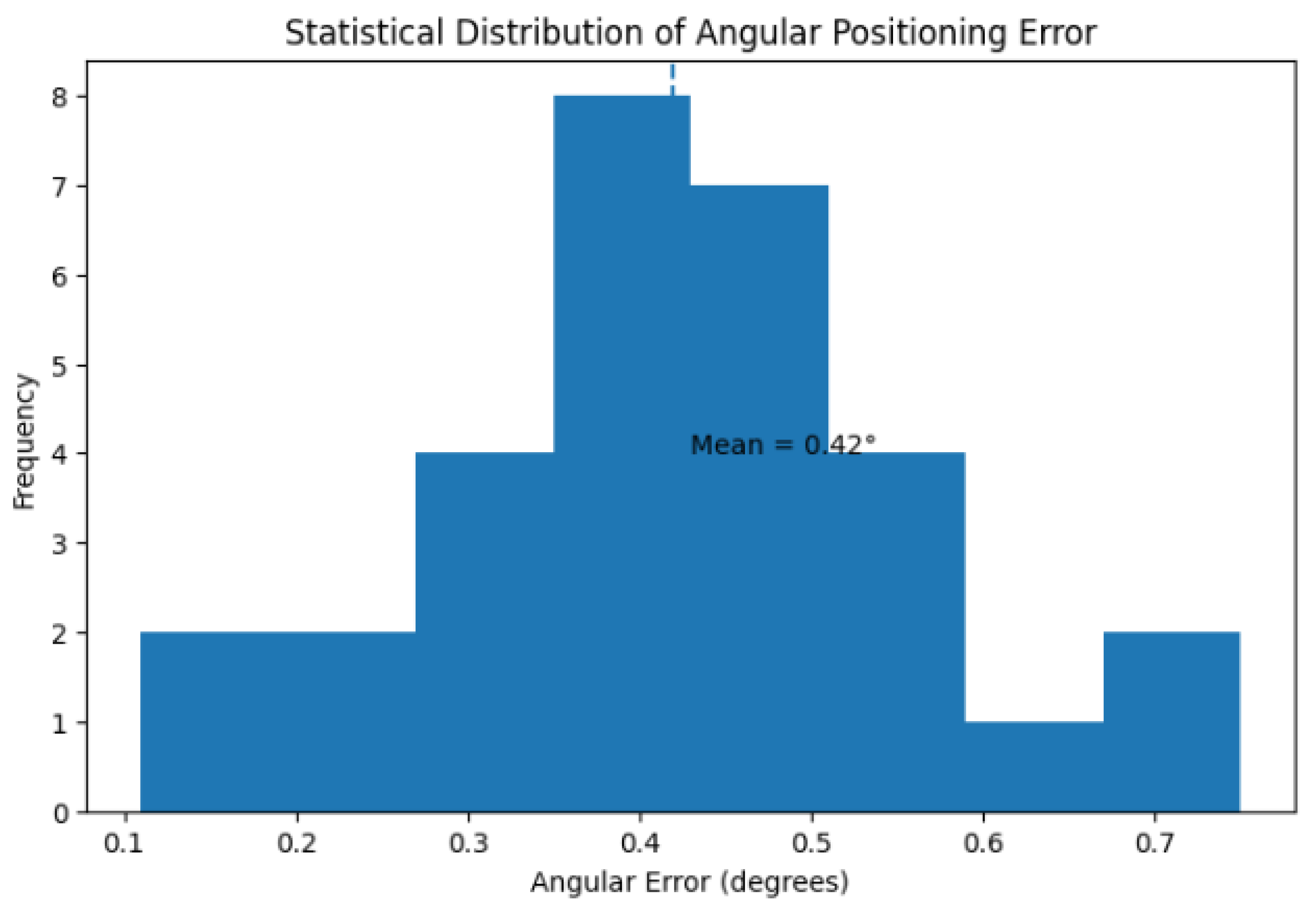
Figure 16 presents the statistical distribution of the angular positioning errors obtained during the 30 experimental cycles. The histogram shows an approximately normal distribution centered around the mean error value, indicating stable system behavior during repetitive operation.
Additionally, the boxplot illustrates low dispersion and the absence of significant outliers, while the error bars confirm consistency between the average error and the standard deviation values obtained experimentally.
The graphical analysis supports the repeatability and stability of the developed robotic platform under controlled laboratory conditions.
The average error of 0.42° indicates a low angular deviation from the programmed reference.
The standard deviation of 0.18° shows low data dispersion.
The RMSE of 0.46° confirms stability over multiple cycles.
The 95% confidence interval shows consistency in measurement.
These results are consistent with didactic systems based on commercial servomotors, where the typical error is between 0.3° and 1°.
3.6. Joint-Specific Accuracy Analysis
Individual analysis was carried out by articulation, to identify differences in positioning accuracy among the robotic arm joints, a joint-specific analysis was performed. The corresponding precision indicators are summarized in
Table 11.
The shoulder joint has a higher average error, due to the following:
However, all joints maintain errors below 0.5°, which is suitable for training applications.
3.7. Error Distribution Analysis
The distribution analysis showed approximately normal behavior.
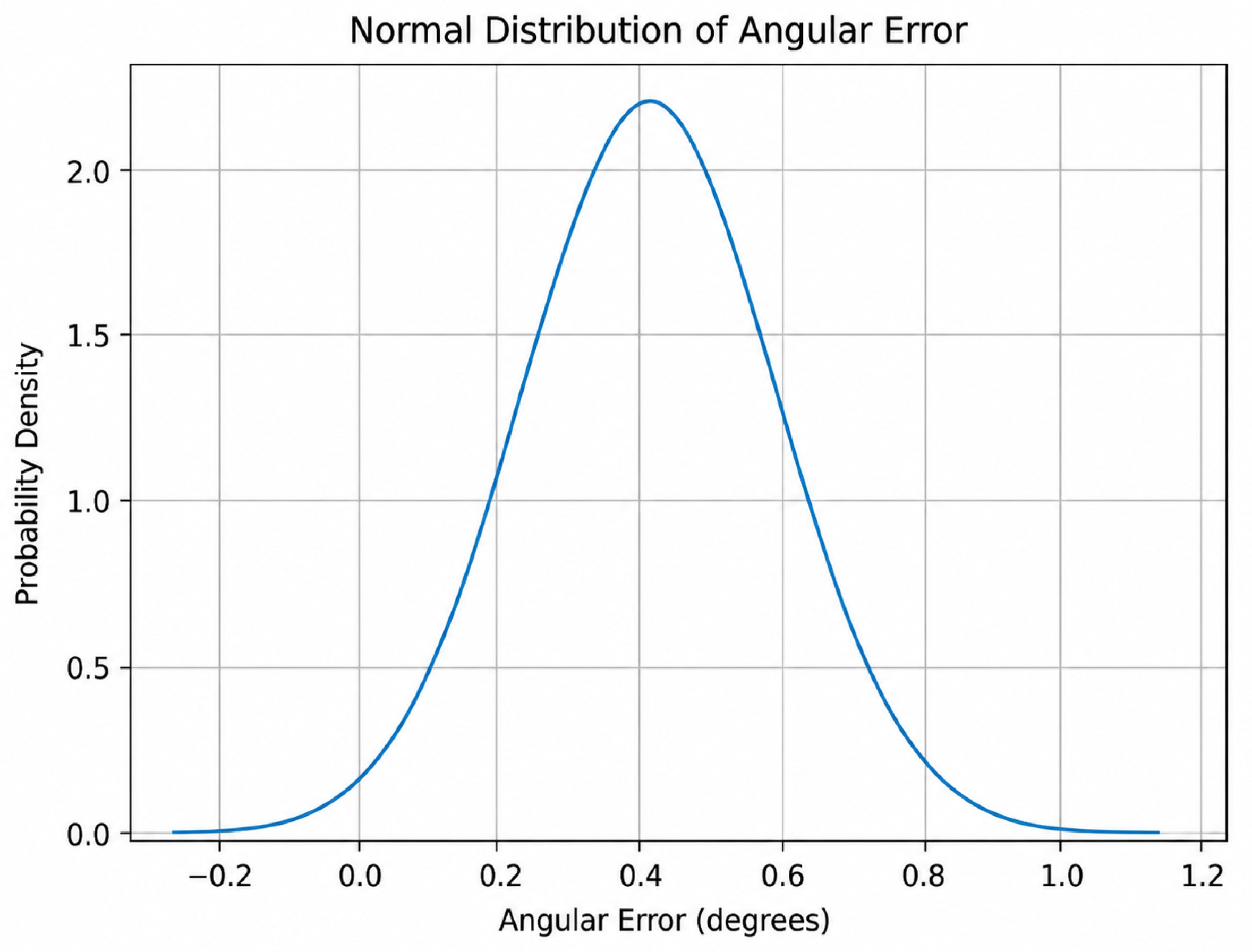
Figure 17 represents the statistical distribution of positioning errors obtained during the 30 experimental cycles. The curve corresponds to a normal (Gaussian) distribution centered on the observed mean error.
The Shapiro–Wilk normality test was applied: p = 0.31 > 0.05.
The hypothesis of normality was not rejected.
3.8. Hypothesis Testing
The following hypothesis was proposed:
H0: The average error ≥ 1°.
H1: The average error < 1°.
T-test of a sample:
where
The obtained p-value was , indicating high statistical significance. Therefore, H0 was rejected.
3.9. Repeatability Index
Repeatability was estimated as:
This indicates that 99.7% of the measurements are within ±0.54°.
3.10. Comparative Discussion
Compared with the values reported for low-cost educational manipulators, the obtained average error of 0.42° is within the range commonly reported in the literature. This result indicates that the proposed platform achieves a positioning performance comparable with other educational robotic systems while maintaining a low-cost architecture. The experimental results also demonstrate stable repeatability during repetitive operation under controlled laboratory conditions.
The overall performance indicators obtained from the experimental validation are summarized in
Table 12.
The experimental results show that the system:
Maintains low and consistent angular errors;
Presents statistically stable behavior;
Mets the appropriate criteria for educational applications;
Behaves in a manner consistent with validated teaching module standards.
The distribution is symmetrical, indicating the absence of significant systematic bias in the system.
Approximately 68% of the measurements are within
The 95% confidence range is
This confirms stability in the repeatability of the system.
The narrowness of the curve demonstrates good mechanical consistency and correct implementation of the trapezoidal profile.
The approximately normal behavior of the errors indicates that:
There are no major systematic disturbances;
The system exhibits stable stochastic behavior;
It is valid to apply parametric metrics (mean, t-test, confidence interval).
3.11. Educational Evaluation
Usability tests of the system were carried out to ensure that the application is easy to understand and use for students. A pilot test with 30 engineering students who interacted with the system by manipulating the robot, classifying objects, and conducting remote monitoring tasks, which resulted in the values presented in
Table 13.
The results indicate positive student perceptions regarding the usability and educational contribution of the platform. Students reported improved understanding of robotic manipulation, motion control, and automation concepts through direct interaction with the experimental system.
4. Discussion
The results obtained show that the developed didactic robotic arm has a mean positioning error of 0.42° and an RMSE of 0.46°, values that are within the range reported in the literature for low-cost educational manipulators, where the typical error ranges between 0.3° and 1.2°. Compared with academic platforms based on 3D printing or standard servomotors, the proposed system is positioned in the lower error range, which suggests an adequate integration of mechanical design, actuator selection, and a motion planning strategy.
While commercial industrial robots achieve significantly higher levels of repeatability (on the order of ±0.02 mm or less), such systems operate with high-precision industrial servomotors, absolute encoders, and high-rigidity metal structures, implying considerably higher costs. In contrast, the developed module offers a functionally stable solution at a fraction of the cost of an industrial manipulator, while maintaining adequate performance metrics for training purposes.
Table 14 presents a comparative analysis between the proposed platform and other educational robotic systems commonly used in academic environments.
Analysis of the cost and performance of the robotic arm shows that the system achieves a favorable balance by integrating structural validation through static analysis and formal statistical evaluation of error, elements that are not always present in commercial educational modules. By incorporating a trapezoidal speed profile, it is possible to reduce vibrations and improve dynamic stability; this is reflected in the low dispersion of the experimental results.
When deployed for student use, this module allows them to interact directly with the robotic arm, allowing them to analyze real accuracy metrics and understand the relationship between theoretical modeling and experimental behavior. In addition, the development of the web interface gives the possibility for it to be used in hybrid and remote environments, strengthening the transition to smart laboratories.
The system has inherent limitations to its didactic nature, such as the absence of high-resolution encoders, the reliance on servomotors with limited internal control, and the lack of complete dynamic modeling of the manipulator. The experimental evaluation was carried out under controlled laboratory conditions, without considering external disturbances or significant load variations. These limitations open up opportunities for future improvements aimed at increasing accuracy and robustness.
Consequently, the reported accuracy and repeatability values should not be generalized to uncontrolled or industrial environments without further testing. Future validation should include variable loads, longer operating periods, different environmental conditions, and external disturbances to assess the robustness of the platform beyond the laboratory setup.
5. Conclusions
The present study allowed the design, structural validation, and experimental implementation of a five-degree-of-freedom educational robotic arm oriented to object classification applications in automation and robotics teaching environments. The developed platform integrated mechanical design, motion control, and experimental evaluation criteria that made it possible to have a didactic tool for academic practices of industrial automation.
The experimental evaluation showed a mean positioning error of 0.42°, a low standard deviation, and stable repeatability behavior over 30 cycles performed under controlled laboratory conditions. These results show that the developed platform has adequate performance for practical teaching activities in robotics and industrial automation, allowing experimentation and validation processes to be carried out with an acceptable level of precision for educational applications.
For mechanical design, the finite element method used in the structural analysis is a very important mathematical computer tool, which allows one to validate metrics such as the safety factor, the integrity of the design of the robotic arm, the von Mises stress, and the displacements, these indicators guarantee that the materials and structural components work within the acceptable limits within their normal functionality, supporting the platform’s suitability in low-load educational applications.
In order to obtain the smooth, stable, and controlled movement of the designed and implemented robotic arm, the trapezoidal speed profile was used as a movement control strategy, improving the smoothness of the trajectories and the sudden movements in repetitive operations. The web monitoring interface allowed remote interaction with the robotic platform, facilitating its use in hybrid experimentation scenarios, which allows adequate technological integration in academic laboratories oriented to automation and educational robotics.
One of the main purposes of the low-cost educational robotics platform was to contribute to the strengthening of the teaching–learning process in areas related to automation and robotics. The practical interaction with the system allowed us to generate learning experiences oriented toward experimental analysis, programming, and control of robotic manipulators, favoring the development of technical skills in engineering students.
The results obtained in this study should be interpreted within the scope of educational and laboratory-scale applications. Although the platform incorporates concepts commonly associated with Industry 4.0, such as machine vision, remote monitoring, and digital connectivity, the validation performed in this work was limited to controlled laboratory conditions. Therefore, the reported results should be interpreted as evidence of educational applicability rather than direct industrial deployment.




 ,
,