Article

Structure-Guided Identification of Phytochemical OCT2 Inhibitors and Their Functional Relevance to Cisplatin-Induced Cytotoxicity

1
College of Pharmacy, Woosuk University, Wanju 55338, Republic of Korea
2
Laboratory Animal Resource Center, Korea Research Institute of Bioscience and Biotechnology, Cheongju 28116, Republic of Korea
3
Department of Bioengineering, University of Science and Technology, Daejeon 34113, Republic of Korea
4
Department of Pharmacology, College of Medicine, Konyang University, Daejeon 35365, Republic of Korea
*
Author to whom correspondence should be addressed.
These authors contributed equally to this work.
Pharmaceutics 2026, 18(4), 486; https://doi.org/10.3390/pharmaceutics18040486

Submission received: 19 March 2026 / Revised: 8 April 2026 / Accepted: 10 April 2026 / Published: 15 April 2026

Abstract

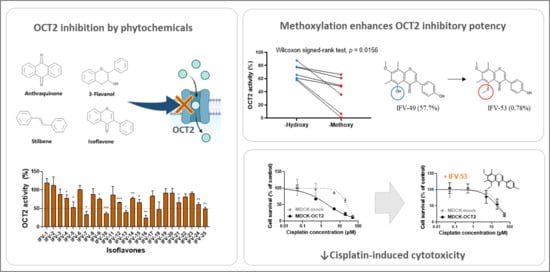
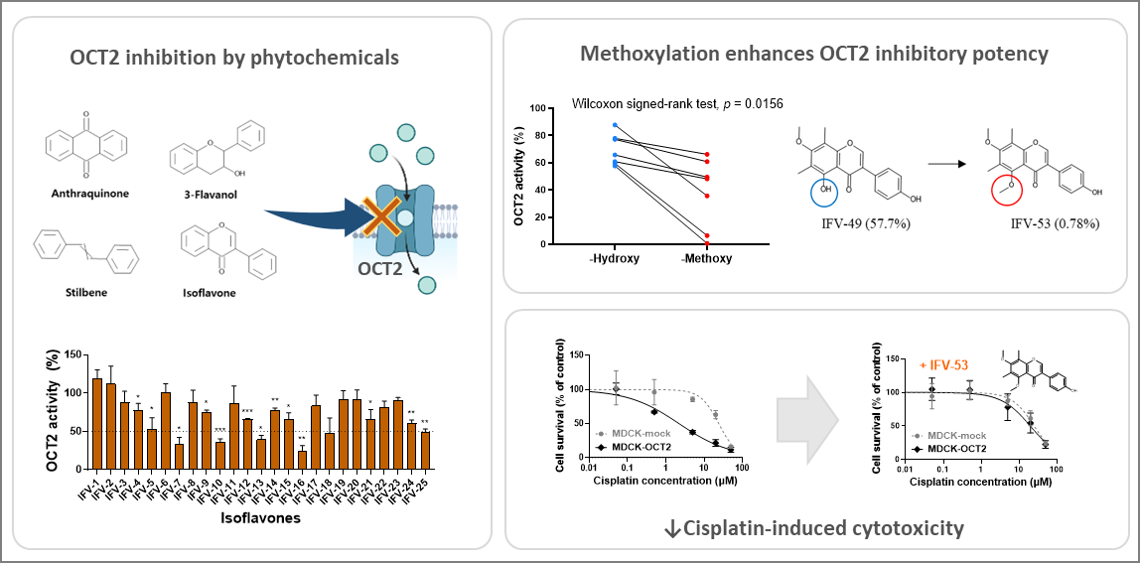
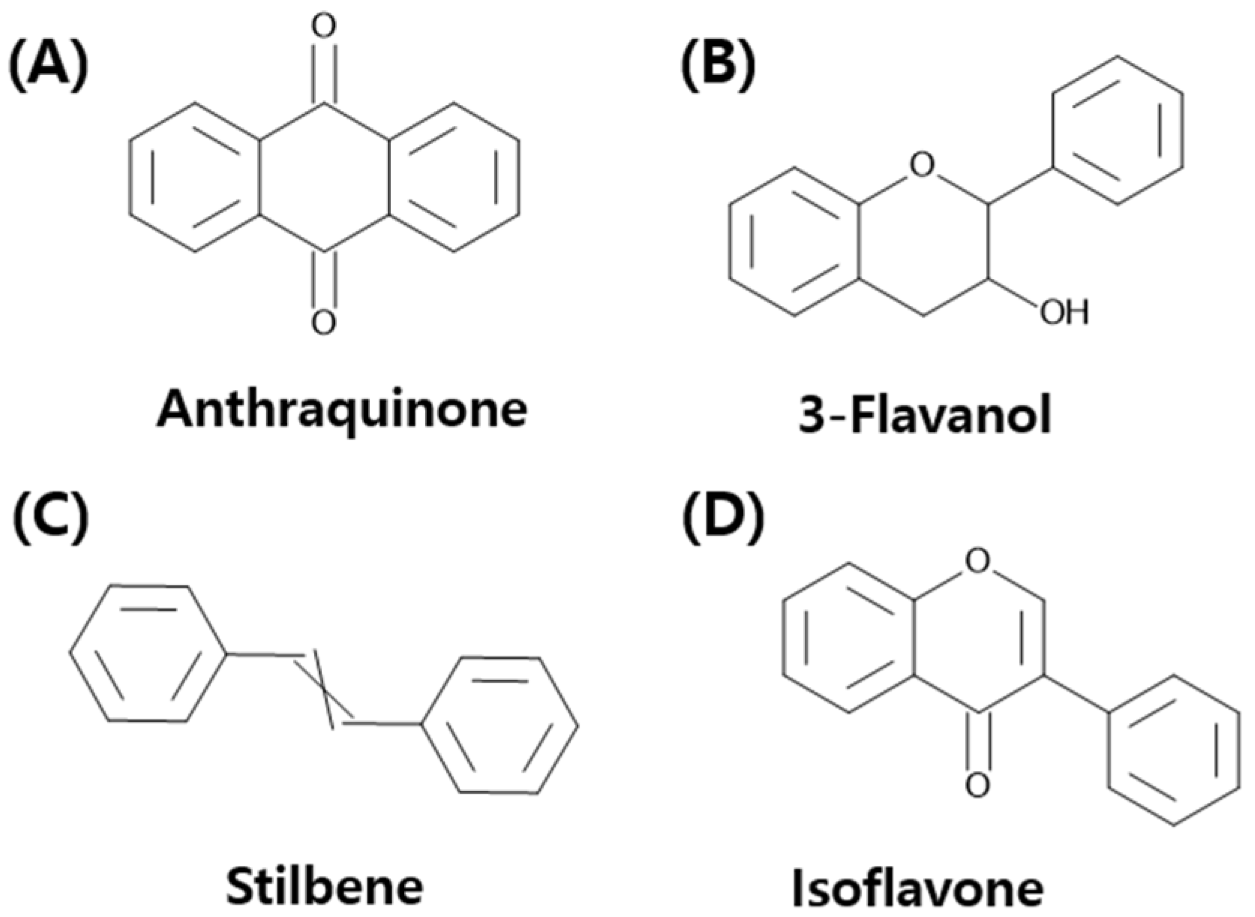
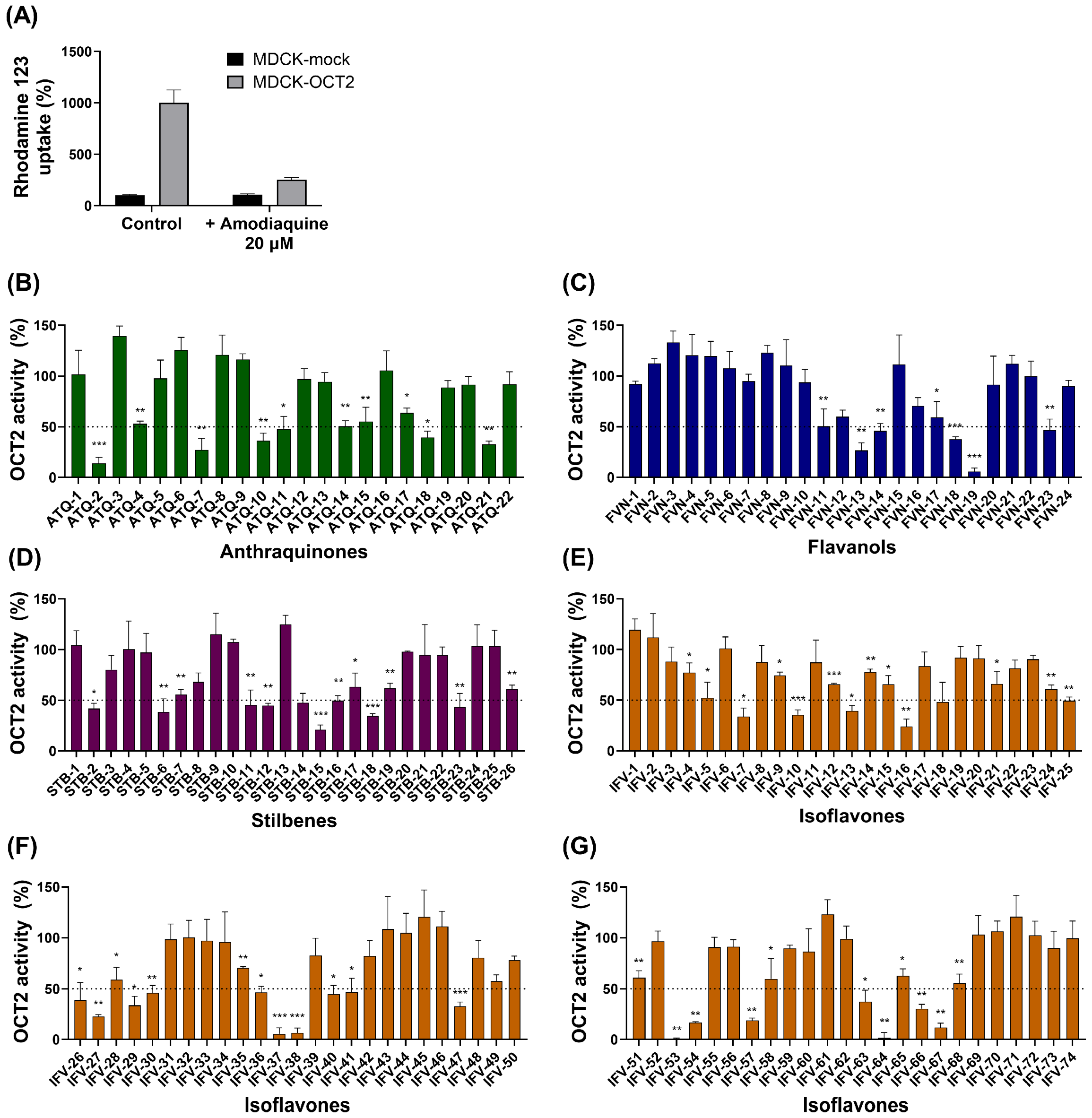
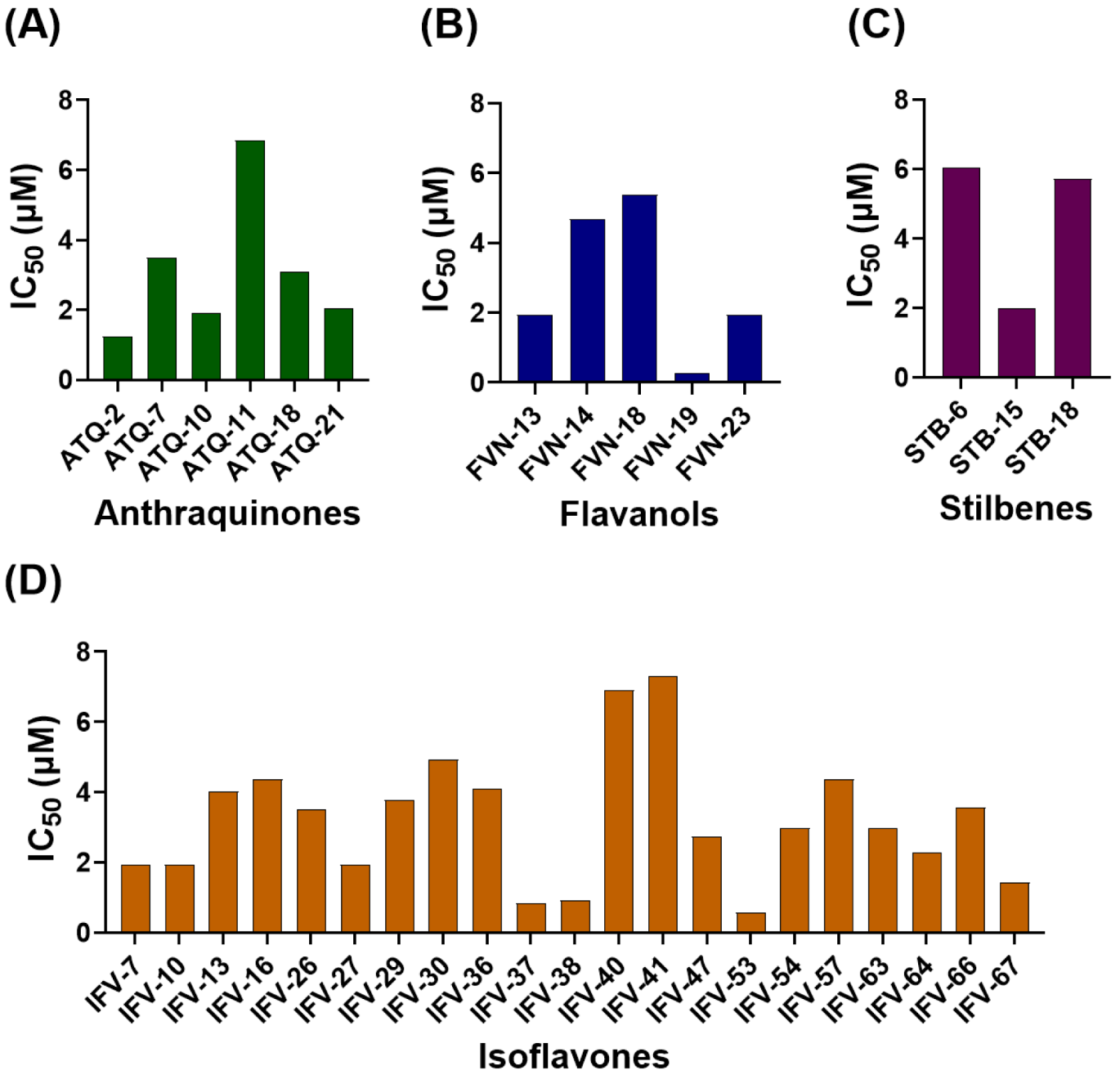
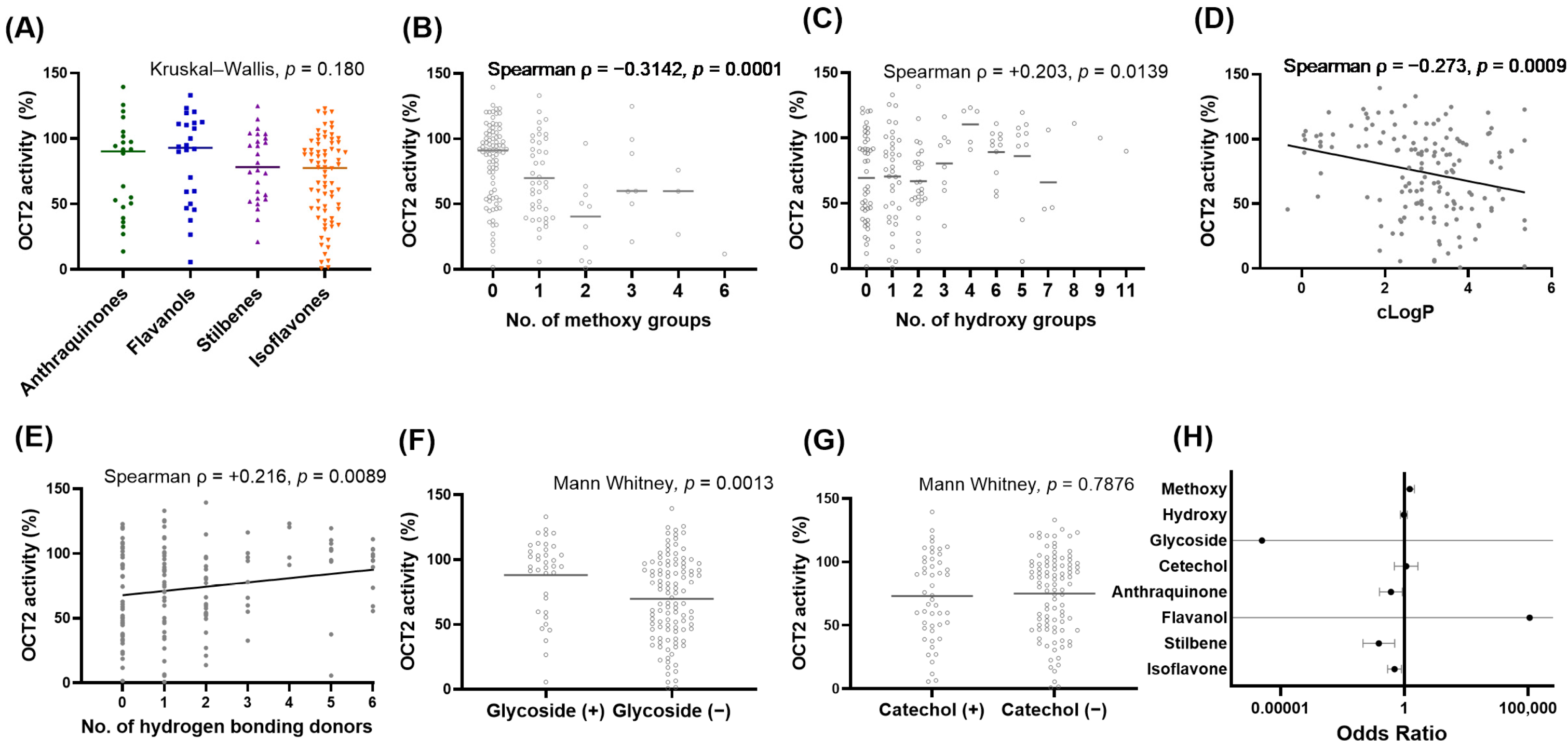
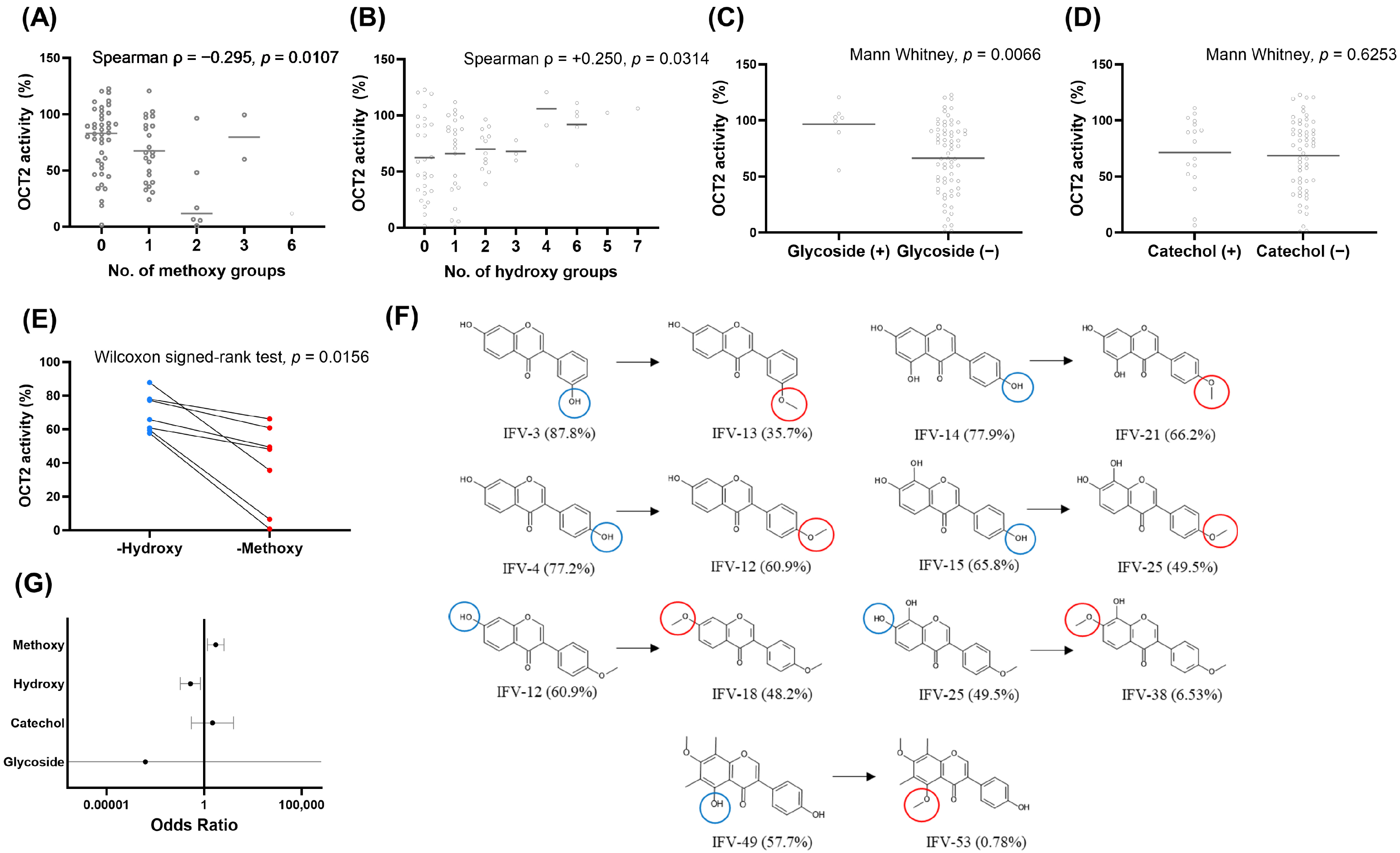
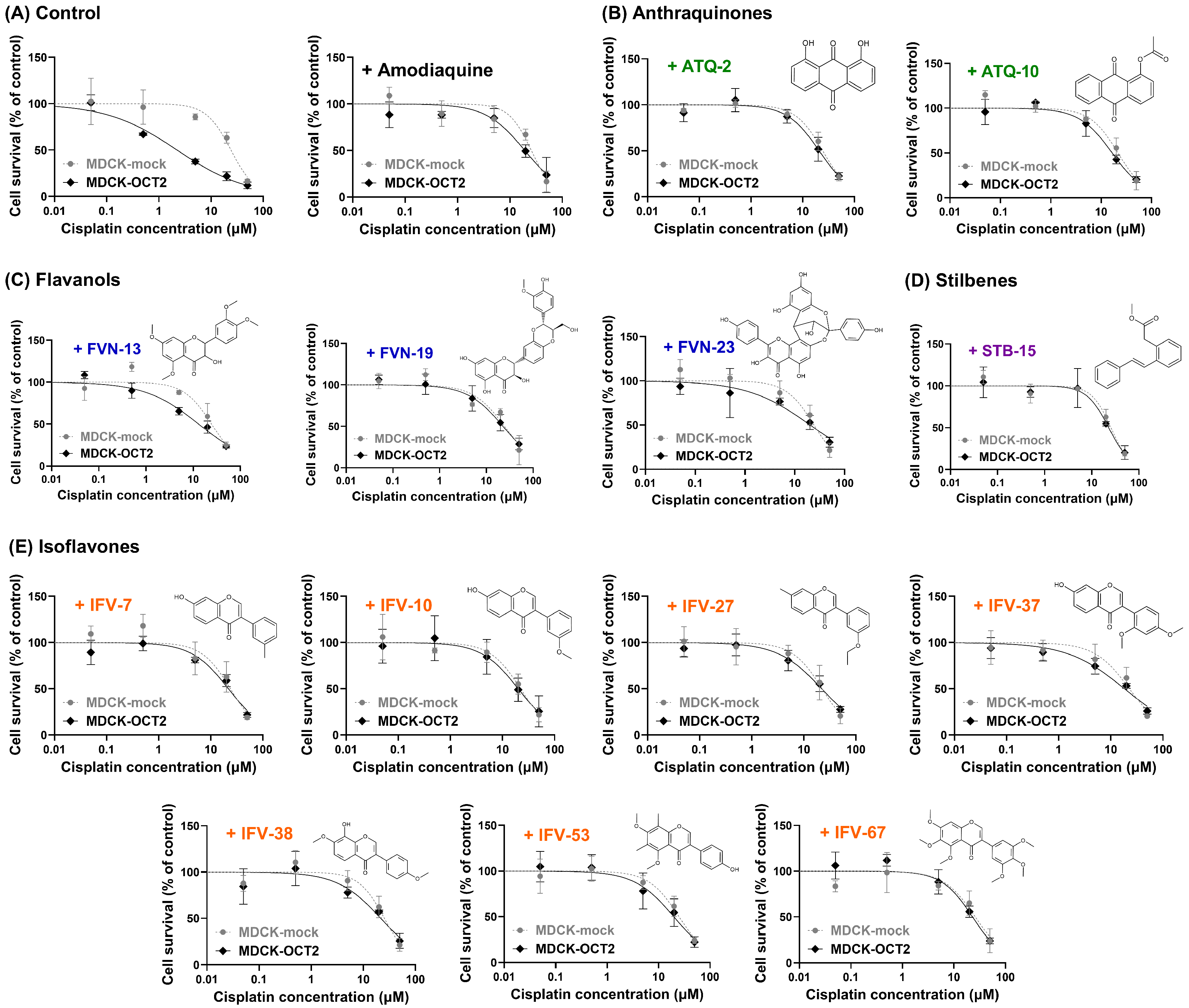
Background: Organic cation transporter 2 (OCT2) mediates the renal uptake of cisplatin and is a principal contributor to its dose-limiting nephrotoxicity. Despite reports of OCT2 inhibition by various phytochemicals, the structure–activity relationships (SARs) governing inhibition and their functional implications remain poorly understood. Methods: We systematically evaluated OCT2 inhibitory activity across a structurally diverse library of 146 phytochemicals, including anthraquinones, flavanols, stilbenes, and isoflavones, using Madin–Darby canine kidney (MDCK) cells stably overexpressing OCT2. Structure–activity relationships were analyzed using non-parametric statistics and multivariate logistic regression, and functional relevance was assessed via cisplatin-induced cytotoxicity assays. Results: Inhibitory activity varied widely across the library, with potent inhibitors identified across multiple chemical scaffolds. Non-parametric statistical analyses revealed no significant differences in overall activity distributions among scaffold classes. Notably, chemical substituent patterns, rather than core scaffold identity, were the primary drivers of OCT2 inhibitory potency. Methoxylation was consistently associated with enhanced OCT2 inhibition, particularly within isoflavones, although its impact varied across structural scaffolds. The selected OCT2 inhibitors markedly reduced cisplatin-mediated cell death in OCT2-expressing cells but not in mock-transfected controls, confirming an OCT2-dependent mechanism of protection. Conclusions: This study establishes a structure-guided framework linking phytochemical OCT2 inhibition to nephroprotective potential and identifies methoxylation as a major determinant of OCT2-targeted intervention strategies.
Keywords: organic cation transporter 2; phytochemicals; structure–activity relationship; methoxylation; cisplatin-induced nephrotoxicity organic cation transporter 2; phytochemicals; structure–activity relationship; methoxylation; cisplatin-induced nephrotoxicity
Graphical Abstract