Quality by Design-Based Formulation Development of an Oral Semaglutide Tablet

Abstract
1. Introduction
2. Materials and Methods
2.1. Materials
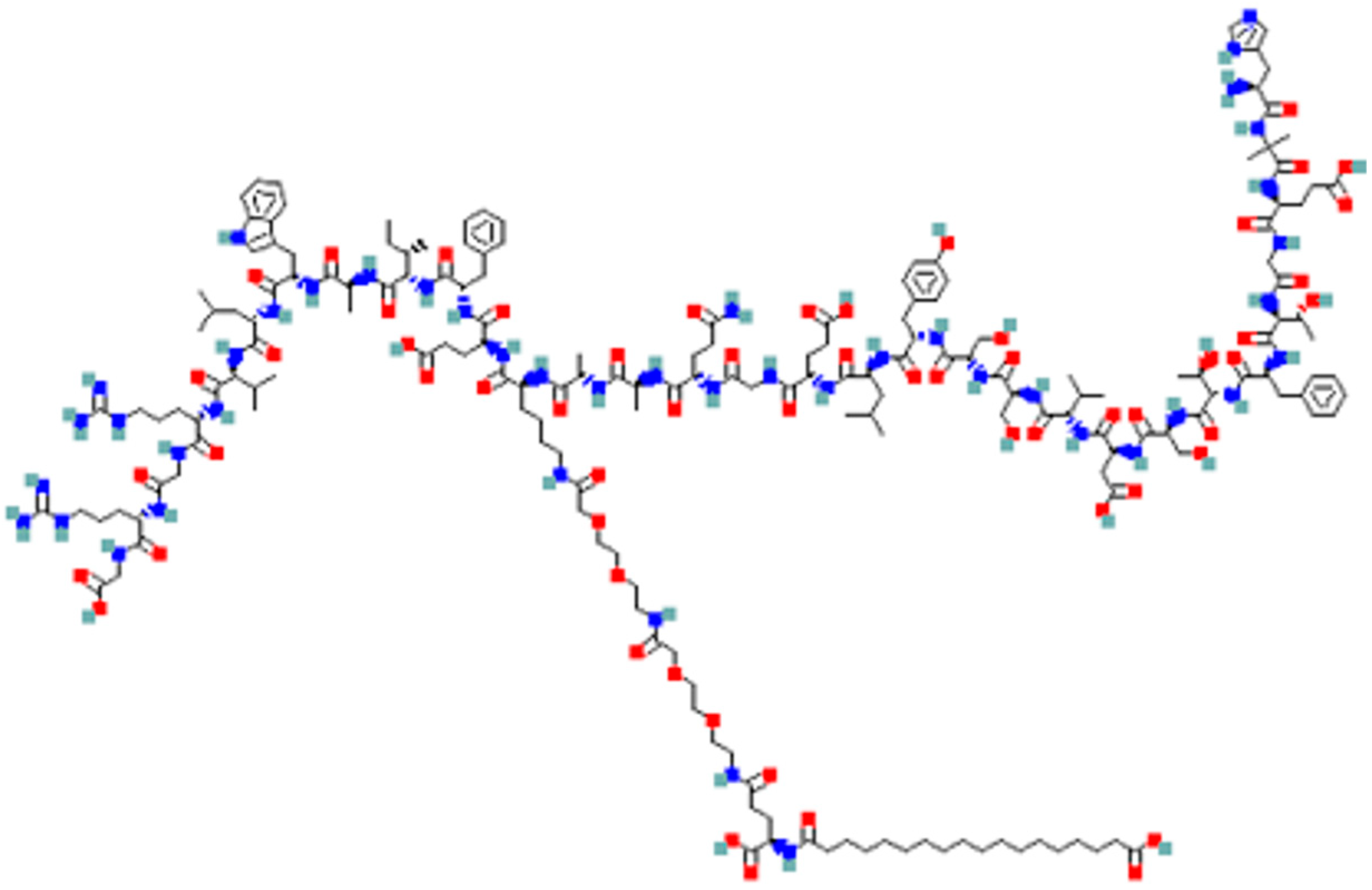
2.2. Physicochemical Properties of Active Pharmaceutical Ingredient
2.3. Compatibility Study Between Active Pharmaceutical Ingredient and Excipients
2.4. In Vivo Pharmacokinetic Evaluation of C10-Enabled Oral Semaglutide Formulations in Sprague–Dawley Rats
2.5. Quality Target Product Profile, Critical Quality Attribute, and Risk Assessment of Critical Material Attribute (Preliminary Hazard Analysis, Failure Mode and Effects Analysis)
2.6. Formulation Studies of Semaglutide Tablets
2.6.1. Composition of Semaglutide Tablets
2.6.2. Manufacturing Process of Semaglutide Tablets
2.7. Characteristics Evaluation of Semaglutide Tablets
2.7.1. Hardness
2.7.2. Disintegration
2.7.3. Friability
2.7.4. Assay (High-Performance Liquid Chromatography)
2.7.5. Content Uniformity
2.7.6. In Vitro Dissolution
3. Results and Discussion
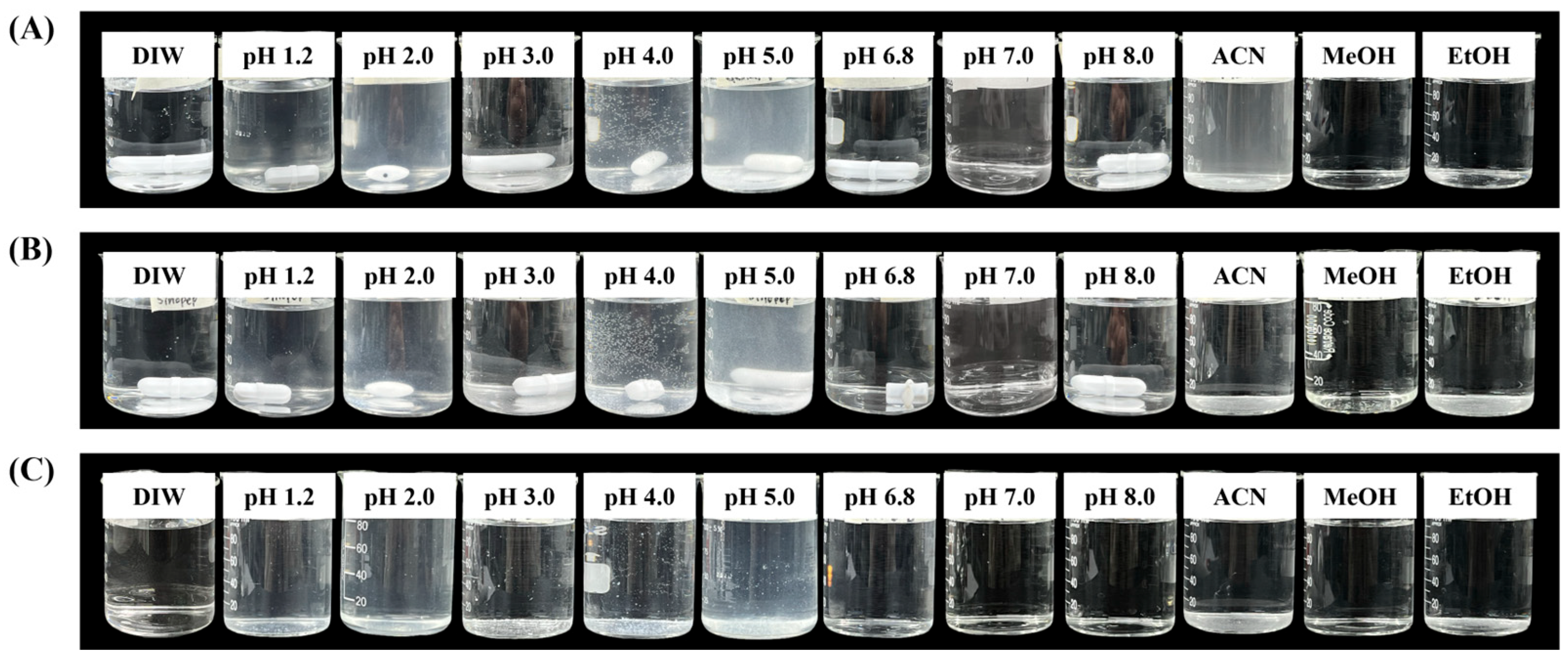
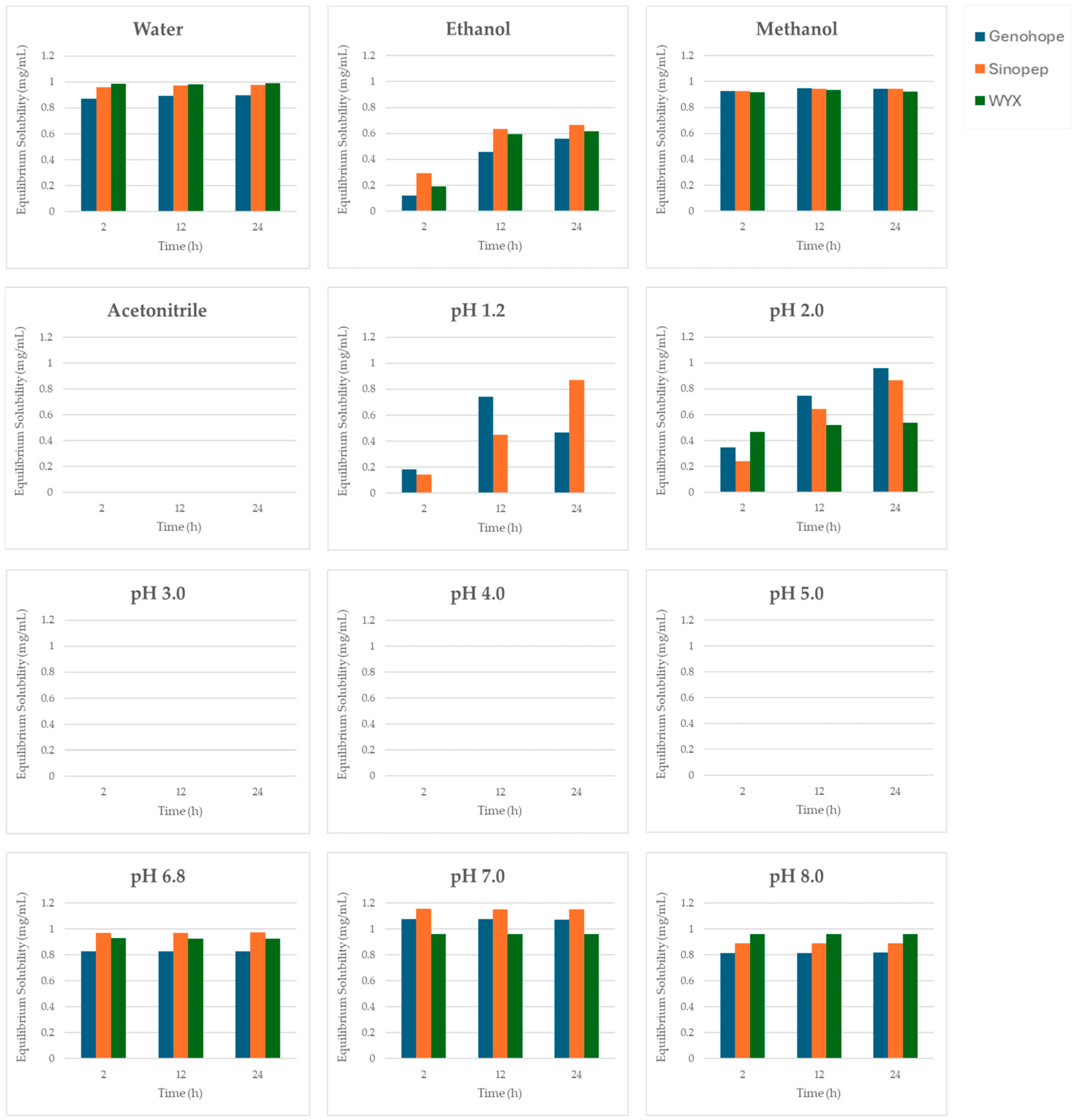
3.1. Physicochemical Properties of the Active Pharmaceutical Ingredient
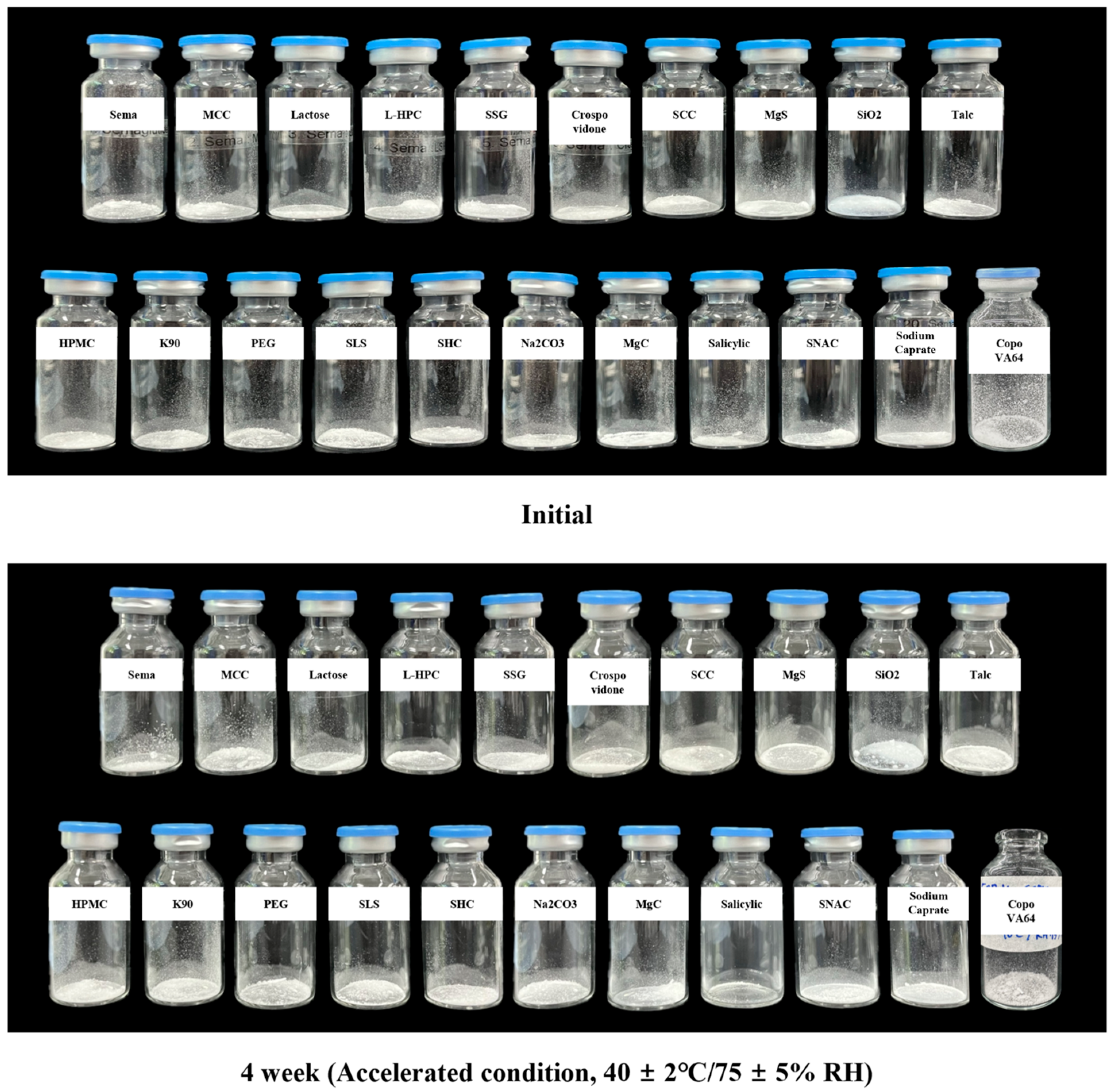
3.2. Compatibility Study Between Active Pharmaceutical Ingredient and Excipients
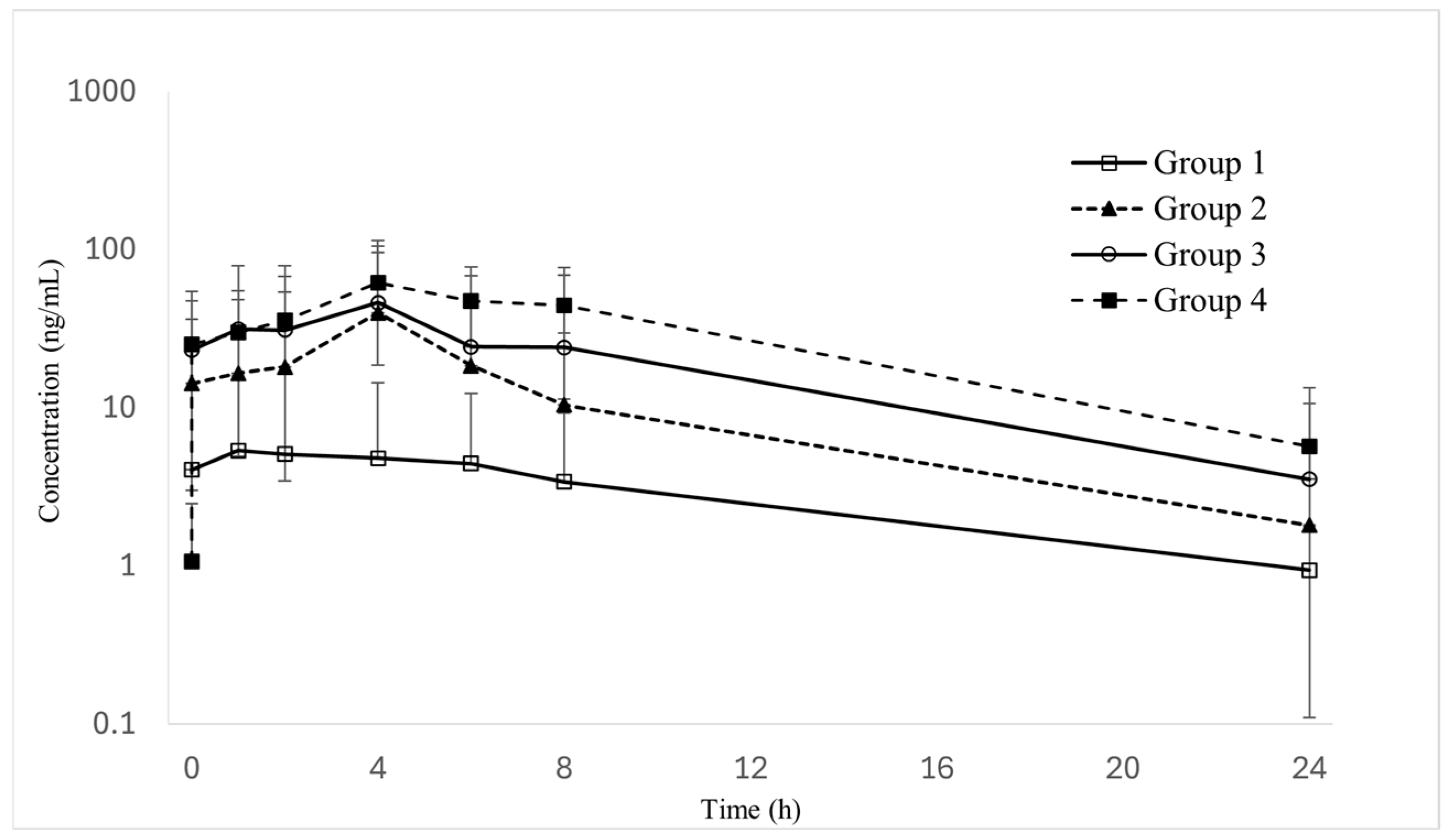
3.3. Pharmacokinetic Evaluation of Oral Semaglutide in Sprague–Dawley Rats
3.4. Quality Target Product Profile, Critical Quality Attributes, and Risk Assessment of Critical Material Attributes Using Preliminary Hazard Analysis and Failure Mode and Effects Analysis
3.5. Characteristic Evaluation of Optimized Semaglutide Tablets
3.6. In Vitro Dissolution Comparison with Reference Product
4. Conclusions
Author Contributions
Funding
Institutional Review Board Statement
Informed Consent Statement
Data Availability Statement
Conflicts of Interest
Abbreviations
| API | Active pharmaceutical ingredient |
| AV | Acceptance value |
| CCD | Central composite design |
| CMA | Critical material attribute |
| CQA | Critical quality attribute |
| C10 | Sodium caprate |
| DoE | Design of experiments |
| FMEA | Failure mode and effects analysis |
| GLP-1 | Glucagon-like peptide-1 |
| GLP-1 RA | Glucagon-like peptide-1 receptor agonist |
| HPLC | High-performance liquid chromatography |
| HPMC | Hypromellose |
| L-HPC | L-hydroxypropyl cellulose |
| MAs | Material attributes |
| MCC | Microcrystalline cellulose |
| Mg.C | Magnesium carbonate |
| Mg.S | Magnesium stearate |
| PHA | Preliminary hazard analysis |
| PEG 80 | Polyethylene glycol 80 |
| QbD | Quality by design |
| QTPP | Quality target product profile |
| RPN | Risk priority number |
| RSD | Relative standard deviation |
| CCS | Croscarmellose sodium |
| Sema | Semaglutide |
| SLS | Sodium lauryl sulfate |
| SNAC | Sodium N-[8-(2-hydroxybenzoyl)amino]caprylate |
| SSG | Sodium starch glycolate |
| SD | Standard deviation |
| USP | United States Pharmacopeia |
| f2 | Similarity factor |
| kp | Kilopond |
References
- Tibbitt, M.W.; Dahlman, J.E.; Langer, R. Emerging Frontiers in Drug Delivery. J. Am. Chem. Soc. 2016, 138, 704–717. [Google Scholar] [CrossRef]
- Zizzari, A.T.; Pliatsika, D.; Gall, F.M.; Fischer, T.; Riedl, R. New perspectives in oral peptide delivery. Drug Discov. Today 2021, 26, 1097–1105. [Google Scholar] [CrossRef]
- Weiss, T.; Carr, R.D.; Pal, S.; Yang, L.; Sawhney, B.; Boggs, R.; Rajpathak, S.; Iglay, K. Real-world adherence and discontinuation of glucagon-like peptide-1 receptor agonists therapy in type 2 diabetes mellitus patients in the United States. Patient Prefer. Adherence 2020, 14, 2337–2345. [Google Scholar] [CrossRef]
- Brayden, D.J.; Hill, T.A.; Fairlie, D.P.; Maher, S.; Mrsny, R.J. Systemic delivery of peptides by the oral route: Formulation and medicinal chemistry approaches. Adv. Drug Deliv. Rev. 2020, 157, 2–36. [Google Scholar] [CrossRef] [PubMed]
- Kim, D.-H.; Kim, J.-E. Recent advances and trends in oral absorption enhancements of GLP-1 receptor agonist formulations. J. Pharm. Investig. 2025. [Google Scholar] [CrossRef]
- Aroda, V.R.; Rosenstock, J.; Terauchi, Y.; Altuntas, Y.; Lalic, N.M.; Morales Villegas, E.C.; Jeppesen, O.K.; Christiansen, E.; Hertz, C.L.; Haluzík, M.; et al. PIONEER 1: Randomized Clinical Trial of the Efficacy and Safety of Oral Semaglutide Monotherapy in Comparison with Placebo in Patients with Type 2 Diabetes. Diabetes Care 2019, 42, 1724–1732. [Google Scholar] [CrossRef] [PubMed]
- Drucker, D.J. Advances in oral peptide therapeutics. Nat. Rev. Drug Discov. 2020, 19, 277–289. [Google Scholar] [CrossRef] [PubMed]
- Maher, S.; Mrsny, R.J.; Brayden, D.J. Intestinal permeation enhancers for oral peptide delivery. Adv. Drug Deliv. Rev. 2016, 106, 277–319. [Google Scholar] [CrossRef]
- Durán-Lobato, M.; Niu, Z.; Alonso, M.J. Oral Delivery of Biologics for Precision Medicine. Adv. Mater. 2020, 32, e1901935. [Google Scholar] [CrossRef]
- Tran, H.; Dogra, M.; Huang, S.; Aihara, E.; ElSayed, M.; Aburub, A. Development and evaluation of C10 and SNAC erodible tablets for gastric delivery of a GIP/GLP1 peptide in monkeys. Int. J. Pharm. 2024, 650, 123680. [Google Scholar] [CrossRef]
- Lee, S.-H.; Kim, J.-E. Quality by Design Applied Development of Immediate-Release Rabeprazole Sodium Dry-Coated Tablet. Pharmaceutics 2021, 13, 259. [Google Scholar] [CrossRef] [PubMed]
- Jeon, C.-W.; Yoon, J.-H.; Kim, J.-E. QbD-Based Formulation Development of Amiodarone Hydrochloride Tablet. Pharmaceutics 2026, 18, 264. [Google Scholar] [CrossRef]
- Kim, J.-E.; Park, Y.-J. QbD Consideration for Developing a Double-Layered Tablet into a Single-Layered Tablet with Telmisartan and Amlodipine. Pharmaceutics 2022, 14, 377. [Google Scholar] [CrossRef] [PubMed]
- Son, J.-W.; Kim, H.C.; Kim, D.-H.; Ahn, J.-Y.; Park, Y.-J.; Kim, J.-E. Quality-by-design applied development of tianeptine sodium sustained-release once-a-day dosing tablet. J. Pharm. Investig. 2025, 55, 497–519. [Google Scholar] [CrossRef]
- Kang, S.J.; Kim, J.E. Development of Clinically Optimized Sitagliptin and Dapagliflozin Complex Tablets: Pre-Formulation, Formulation, and Human Bioequivalence Studies. Pharmaceutics 2023, 15, 1246. [Google Scholar] [CrossRef]
- Lee, S.-H.; Kim, J.-K.; Jee, J.-P.; Jang, D.-J.; Park, Y.-J.; Kim, J.-E. Quality by Design (QbD) application for the pharmaceutical development process. J. Pharm. Investig. 2022, 52, 649–682. [Google Scholar] [CrossRef]
- Kim, H.-A.; Kim, J.-E. Development of Nafamostat Mesylate Immediate-Release Tablet by Drug Repositioning Using Quality-by-Design Approach. Pharmaceutics 2022, 14, 1219. [Google Scholar] [CrossRef]
- Kim, H.S.; Kim, C.M.; Jo, A.N.; Kim, J.E. Studies on Preformulation and Formulation of JIN-001 Liquisolid Tablet with Enhanced Solubility. Pharmaceuticals 2022, 15, 412. [Google Scholar] [CrossRef]
- Lee, M.-W.; Kim, D.-H.; Ju, H.; Kim, J.-E. A Strategic Shift from Batch to Continuous Flow for Modernizing Tianeptine Sustained-Release Tablet Process. Processes 2026, 14, 272. [Google Scholar] [CrossRef]
- Lee, Y.-J.; Kim, J.-E. In Vitro–In Vivo Correlation of Tianeptine Sodium Sustained-Release Dual-Layer Tablets. Molecules 2022, 27, 2828. [Google Scholar] [CrossRef]
- United States Pharmacopeial Convention. Tablet Friability <1216>. 2016. Available online: https://www.usp.org/harmonization-standards/pdg/excipients/tablet-friability (accessed on 28 January 2026).
- United States Pharmacopeial Convention. Uniformity of Dosage Units <905>. 2023. Available online: https://www.usp.org/harmonization-standards/pdg/excipients/uniformity-of-dosage-units (accessed on 28 January 2026).
- United States Pharmacopeial Convention. Dissolution <711>. 2011. Available online: https://www.usp.org/harmonization-standards/pdg/general-methods/dissolution (accessed on 28 January 2026).
- Ministry of Food and Drug Safety. Korean Pharmacopoeia. 2023. Available online: https://www.mfds.go.kr (accessed on 28 January 2026).
- International Council for Harmonisation of Technical Requirements for Pharmaceuticals for Human Use (ICH). Q1A(R2) Stability Testing of New Drug Substances and Products. 2003. Available online: https://database.ich.org/sites/default/files/Q1A%28R2%29%20Guideline.pdf (accessed on 28 January 2026).
- International Council for Harmonisation of Technical Requirements for Pharmaceuticals for Human Use (ICH). Q6A Specifications: Test Procedures and Acceptance Criteria for New Drug Substances and New Drug Products. 1999. Available online: https://database.ich.org/sites/default/files/Q6A%20Guideline.pdf (accessed on 28 January 2026).
- Otzen, D. Protein–surfactant interactions: A tale of many states. Biochim. Biophys Acta 2011, 1814, 562–591. [Google Scholar] [CrossRef]



| QTPP | Target | Risk | Justification |
|---|---|---|---|
| Indication | Type 2 diabetes | Yes | This formulation functions as a GLP-1 receptor agonist and is intended to enhance glycemic control in patients with type 2 diabetes. Clearly defining the therapeutic indication ensures alignment between clinical application and pharmacological activity, thereby reducing the potential for inappropriate or off-label use. |
| Dosage form | Immediate- release uncoated tablet | Yes | This dosage form is designed to rapidly disintegrate in the stomach and release the drug for timely transit to the upper intestine, where C10 enhances absorption. Since C10 primarily acts in the drug absorption in the small intestine, prompt gastric disintegration is critical to ensure effective exposure at the intended absorption site. Any delay in disintegration or prolonged release could compromise absorption efficiency and reduce overall bioavailability. |
| Route of administration | Oral administration | No | Oral delivery is one of the most preferred administration routes owing to improved patient convenience and adherence compared with parenteral injectable formulations. |
| Dosage strength | 14 mg once daily | No | A fixed dosage strength equivalent to the reference product (Rybelsus® 14 mg) is selected to support therapeutic equivalence and ensure consistent systemic exposure. |
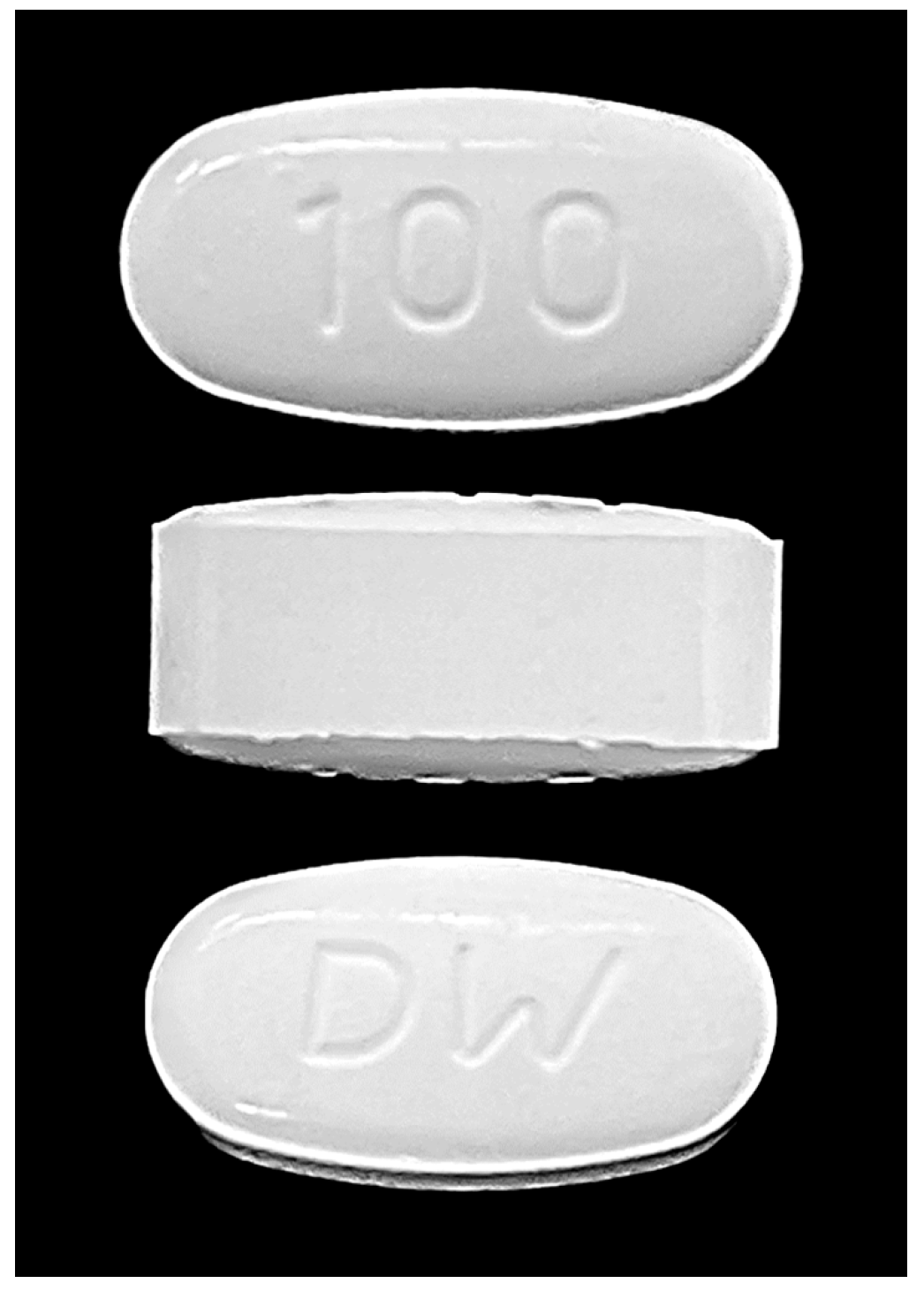
| Appearance | White to light yellow, oblong tablets | No | Tablet shape and color are important for product recognition; however, they do not directly affect safety or therapeutic performance, and thus represent a low-risk attribute. |
| Identification | Equivalent requirement for peak dwell time | No | Identification testing does not directly affect product safety or therapeutic efficacy, and it does not pose a critical risk provided that the purity of the API is consistently ensured. |
| Assay | 90.0–110.0% (semaglutide) | Yes | Peptides are high-potency, low-dose therapeutics; therefore, even small deviations in assay content can influence therapeutic performance. Excessive drug content may increase the risk of adverse effects, whereas insufficient content may lead to inadequate pharmacological response. Consequently, precise control of assay content is essential to ensure consistent product quality and reliable therapeutic outcomes. |
| Content uniformity | Complies with USP <905> (AV ≤ 15) | Yes | Content uniformity is essential for dosing accuracy and patient safety, as non-uniform distribution can lead to dose variability, thereby affecting safety and therapeutic efficacy. In peptide formulations containing absorption enhancers, achieving uniform distribution is particularly challenging. Therefore, rigorous control of blending uniformity and compression parameters during dry granulation is essential to ensure consistent product quality. |
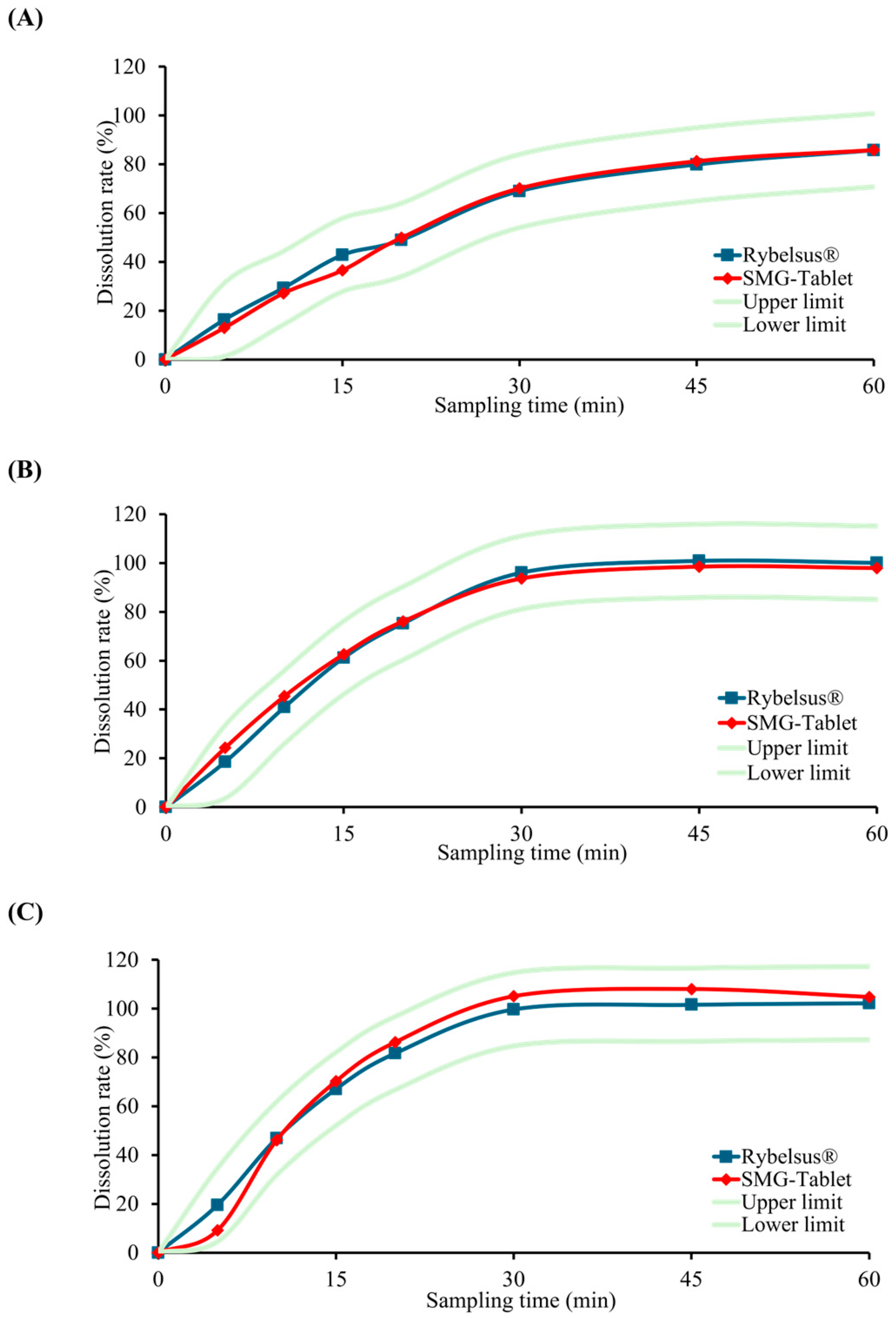
| Dissolution | Dissolution performance is targeted to be comparable to the reference product when tested under USP Apparatus II conditions across three dissolution media (pH 1.2, 4.0, and 6.8). Final comparative dissolution is evaluated using similarity criteria, with an f2 value ≥ 50, to demonstrate in vitro equivalence. | Yes | While this formulation was developed as a generic product, achieving dissolution behavior comparable to the reference product was established as a key quality objective. Therefore, comparative dissolution testing was conducted in three dissolution media—pH 1.2, 4.0, and 6.8—under USP Apparatus II. Dissolution similarity to the reference product—defined by f2 ≥ 50—was set as the acceptance criterion to support the demonstration of in vitro equivalence and ensure consistent dissolution performance of the final product. |
| Disintegration | Rapid disintegration suitable for immediate-release tablet | Yes | Rapid disintegration is required to enable timely drug release and ensure drug availability for intestinal absorption in the presence of C10. |
| Tablet mechanical integrity | Adequate hardness with low friability | Yes | Mechanical robustness is necessary to maintain tablet integrity during manufacturing, packaging, and handling. |
| QAs of the Immediate -Release Tablet | Objective | CQA | Justification |
|---|---|---|---|
| Appearance | The tablet should have a convenient shape, color and size to support patient compliance and facilitate ease of administration. | No | Tablet color and appearance may influence patient adherence; however, they do not directly influence drug safety or therapeutic efficacy and are therefore not considered CQAs. |
| Identification | APIs should be identifiable based on their equivalent peak retention time | No | Identification testing is essential for confirming product safety and therapeutic efficacy; however, it is readily controlled and monitored during routine quality control. Thus, formulation and process parameters have a limited influence on this attribute. |
| Assay | 90.0–110.0% (semaglutide) | Yes | Variations in drug content can influence product safety and therapeutic performance. Because assay variability directly affects dose accuracy and overall product quality, the assay is designated as a CQA and requires strict control during formulation and process development. |
| Content uniformity | 90.0–110.0% of label claim; AV ≤ 15.0%; RSD ≤ 5.0% | Yes | Variability in content uniformity can directly affect product safety and therapeutic performance. Since this attribute may be affected by formulation design and manufacturing parameters, it must be systematically monitored and controlled throughout formulation development and process optimization. |
| Dissolution | Dissolution profiles should be comparable to the reference product using USP <711> Apparatus II (paddle, 50 rpm), across three media (pH 1.2, 4.0, and 6.8). Similarity is assessed using the f2 criterion (f2 ≥ 50) for each medium. | Yes | Since this formulation was developed as a generic product, dissolution similarity with the reference product is a CQA for demonstrating in vitro equivalence. Comparative dissolution testing across multiple pH conditions (1.2, 4.0, and 6.8) ensures consistent drug release under physiologically relevant conditions. Dissolution similarity, defined as an f2 value ≥ 50 in each medium, was established as a key criterion to meet regulatory expectations and confirm consistent product quality. |
| Ingredient | Function | Amount (mg/Tablet) |
|---|---|---|
| Semaglutide | Active pharmaceutical ingredient (API) | 14 |
| Lactose monohydrate | Filler | 300 |
| Sodium caprate (C10) | Absorption enhancer | 300 |
| Croscarmellose sodium | Disintegrant | 17 |
| Copovidone | Binder | 13 |
| Magnesium stearate | Lubricant | 8 |
| Total weight | 652 mg |
| Sample (1:1, w/w) | Initial (%) | RT | AC | ||
|---|---|---|---|---|---|
| 2 w | 4 w | 2 w | 4 w | ||
| Sema | 99.5 | 97.2 | 97.7 | 98.7 | 97.5 |
| Sema:MCC | 99.9 | 99.9 | 101.0 | 98.7 | 98.9 |
| Sema:Lactose | 98.9 | 97.9 | 99.2 | 97.1 | 97.7 |
| Sema:L-HPC | 98.8 | 96.9 | 101.1 | 99.6 | 98.6 |
| Sema:SSG | 99.5 | 103.0 | 101.2 | 101.3 | 100.1 |
| Sema:Crospovidone | 99.0 | 101.3 | 101.5 | 98.8 | 97.9 |
| Sema:CCS | 99.4 | 101.5 | 102.6 | 100.5 | 101.6 |
| Sema:Mg.S | 97.3 | 98.7 | 97.7 | 98.4 | 96.4 |
| Sema:Aerosil | 97.7 | 98.0 | 98.7 | 97.1 | 96.9 |
| Sema:Talc | 96.6 | 98.8 | 96.7 | 99.7 | 99.3 |
| Sema:HPMC | 98.6 | 97.4 | 101.4 | 97.8 | 97.5 |
| Sema:Povidone K90 | 98.8 | 99.8 | 101.0 | 98.4 | 97.9 |
| Sema:Copovidone VA64 fine | 100.1 | 102.1 | 99.7 | 98.1 | 98.9 |
| Sema:PEG | 98.1 | 97.4 | 99.9 | 96.9 | 97.5 |
| Sema:SLS | 90.9 | 97.1 | 0.2 | 91.8 | 0.2 |
| Sema:Sodium hydrogen carbonate | 98.3 | 96.1 | 98.8 | 96.8 | 97.6 |
| Sema:Sodium carbonate | 99.5 | 98.8 | 100.3 | 99.6 | 101.5 |
| Sema:Mg.C | 96.8 | 98.3 | 96.9 | 96.6 | 97.5 |
| Sema:Salicylic acid | 0.0 | 0.0 | 0.0 | 0.0 | 0.0 |
| Sema:SNAC | 101.0 | 98.4 | 98.6 | 98.3 | 98.7 |
| Sema:C10 | 99.3 | 99.5 | 100.5 | 99.8 | 99.3 |
| PK Parameter | PK Parameter (Mean ± SD) | |||
|---|---|---|---|---|
| Group 1 | Group 2 | Group 3 | Group 4 | |
| Semaglutide | Semaglutide + C10 100 mg/kg | Semaglutide + C10 200 mg/kg | Semaglutide + SNAC 200 mg/kg | |
| tmax (h) | 3.0 ± 2.7 | 1.3 ± 0.9 | 1.8 ±1.4 | 1.5 ± 1.5 |
| Cmax (ng/mL) | 9.9 ± 13.4 | 23.3 ± 39.1 | 30.4 ± 53.2 | 43.5 ± 44.4 |
| AUClast (ng·h/mL) | 58.9 ± 76.4 | 230.5 ± 431.6 | 346.9 ± 719.8 | 503.1 ± 586.3 |
| AUCinf (ng·h/mL) | 211.6 | 482.0 ± 652.8 | 630.5 ± 981.9 | 939.6 ± 618.3 |
| t1/2 (h) | 4.4 | 4.7 ± 2.3 | 4.1 ± 2.2 | 7.2 ± 0.7 |
| (A) | ||||||||
| CQA | Semaglutide | Absorption Enhancer | Filler | Binder | Disintegrant | Lubricant | ||
| Identification | Low | Low | Low | Low | Low | Low | ||
| Assay | Low | Low | Low | Low | Low | Low | ||
| Uniformity | Low | Medium | Low | Low | Low | Low | ||
| Dissolution | Medium | High | High | High | Medium | Low | ||
| (B) | ||||||||
| Unit Operation | CMAs | Failure Mode (Critical Event) | Justification of Failure Mode | P | S | D | RPN | |
| API property | Solubility | Different salt | It may influence tablet release behavior; however, its impact is considered relatively limited under fixed API form and formulation conditions applied in this study. | 2 | 2 | 1 | 4 | |
| Filler | Proportion of filler | Higher than optimum | Excessive lactose increases water-soluble content, which can accelerate the dissolution rate. This may deviate from the target dissolution profile, potentially affecting drug efficacy and bioavailability. | 3 | 4 | 4 | 48 | |
| Lower than optimum | Insufficient lactose content increases the relative absorption enhancer, leading to a more hydrophobic microenvironment. This may delay dissolution. | 3 | 3 | 5 | 45 | |||
| Binder | Proportion of binder | Higher than optimum | Excess binder increases hardness, which can delay disintegration/ dissolution, ultimately reducing dissolution rate and delaying drug release, potentially affecting in vitro performance relative to the reference product. | 4 | 3 | 4 | 48 | |
| Lower than optimum | Insufficient binder reduces interparticle bonding strength, making the tablet more prone to cracking or breaking. This may affect disintegration and dissolution reproducibility, resulting in deviation from the target dissolution profile and reduced mechanical integrity of the tablet. | 4 | 4 | 3 | 48 | |||
| Disintegrant | Proportion of disintegrant | Higher than optimum | Too fast drug release may result in a deviate from reference dissolution and a decrease in hardness, which may compromise overall product quality and dissolution similarity. | 4 | 3 | 2 | 24 | |
| Lower than optimum | Delayed disintegration may prevent the target dissolution profile, potentially resulting in deviation from the target dissolution behavior. | 3 | 3 | 3 | 27 | |||
| Absorption enhancer | Proportion of absorption enhancer | Higher than optimum | Excess levels may alter the local microenvironment, resulting in a deviation from the intended absorption profile, potentially affecting absorption performance. | 2 | 4 | 2 | 16 | |
| Lower than optimum | Insufficient levels may reduce intestinal drug permeability, potentially resulting in inadequate absorption. | 3 | 5 | 1 | 15 | |||
| Lubricant | Proportion of lubricant | Lower than optimum | Picking and sticking during compression may damage the quality. | 3 | 2 | 3 | 18 | |
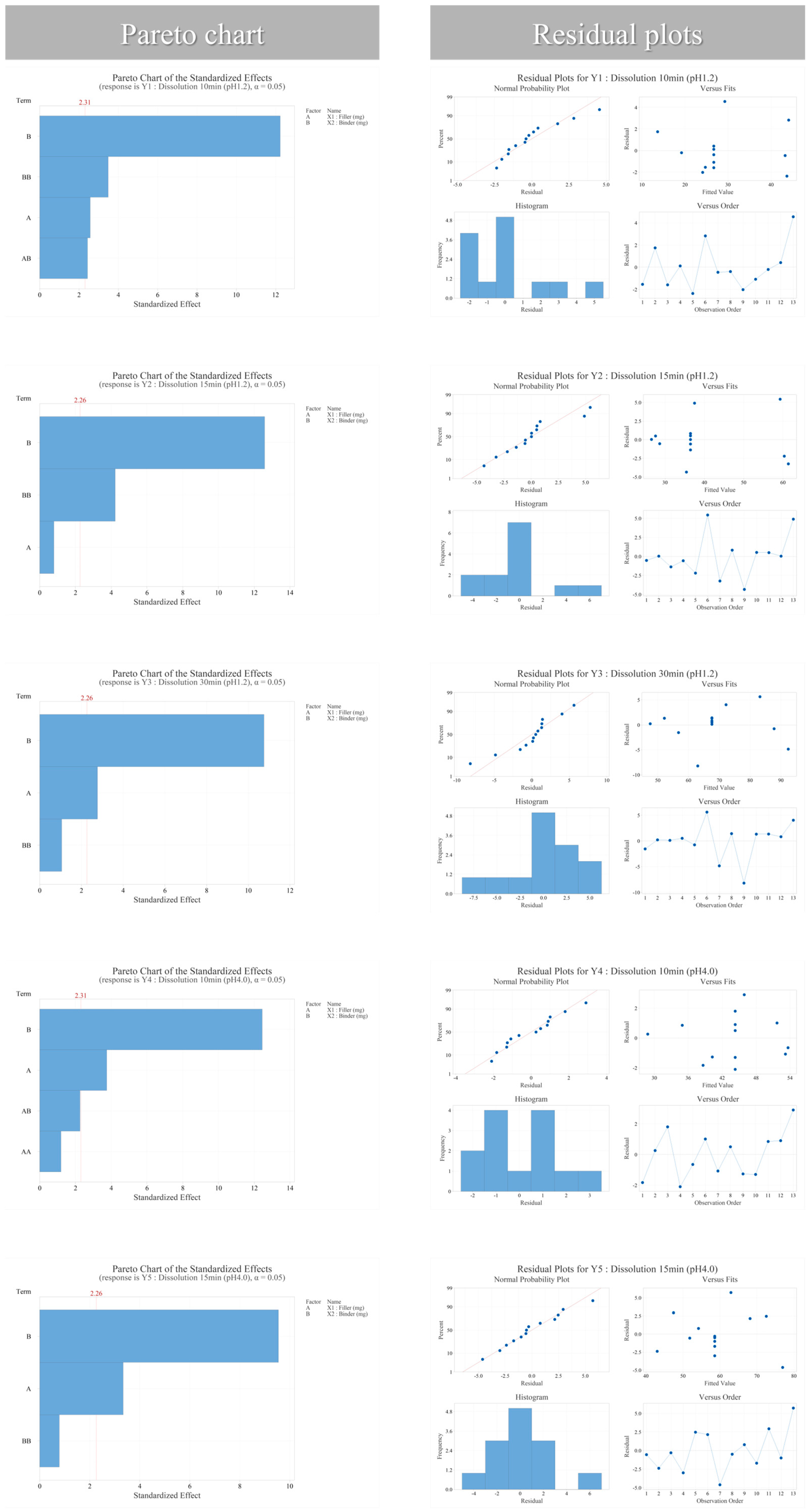
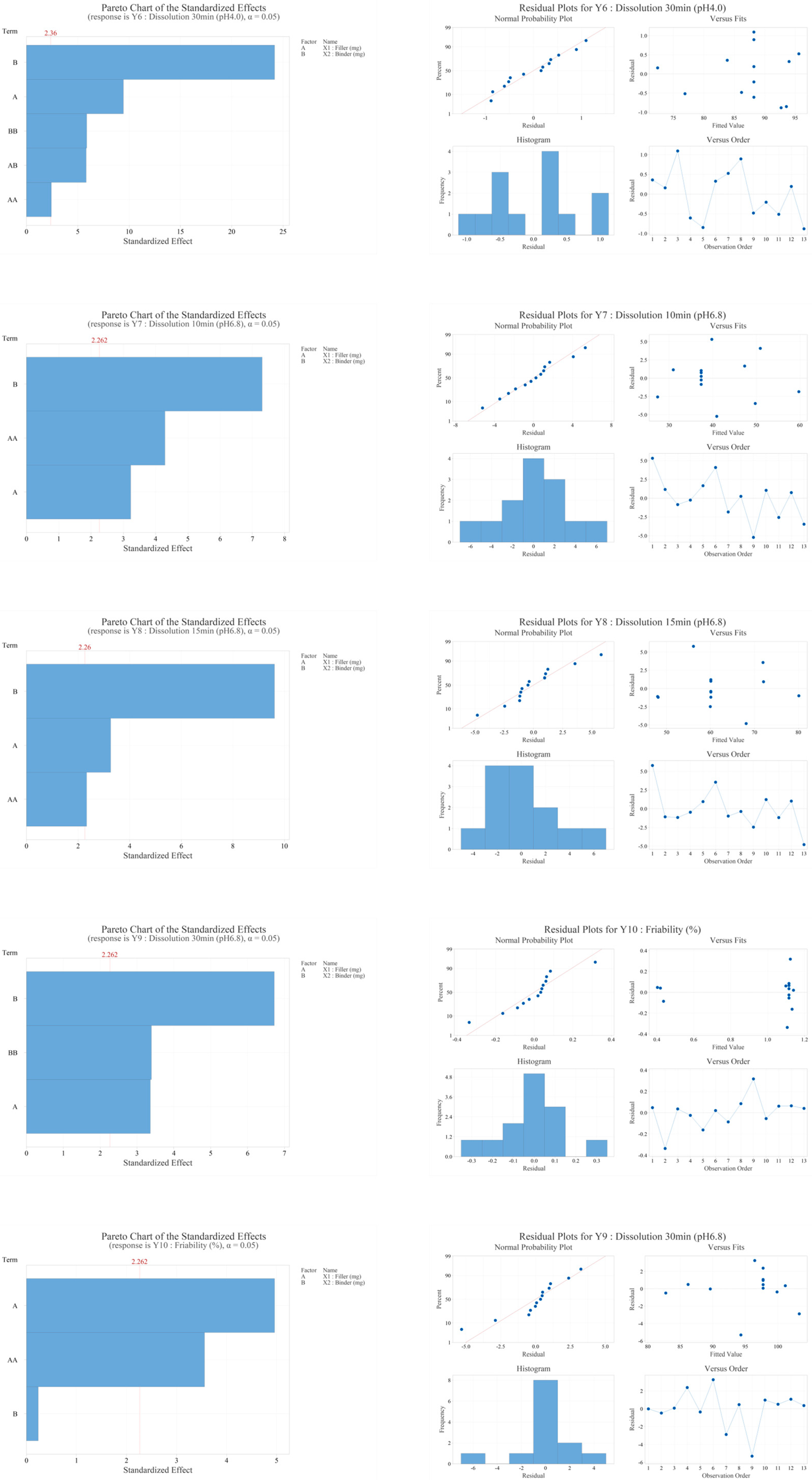
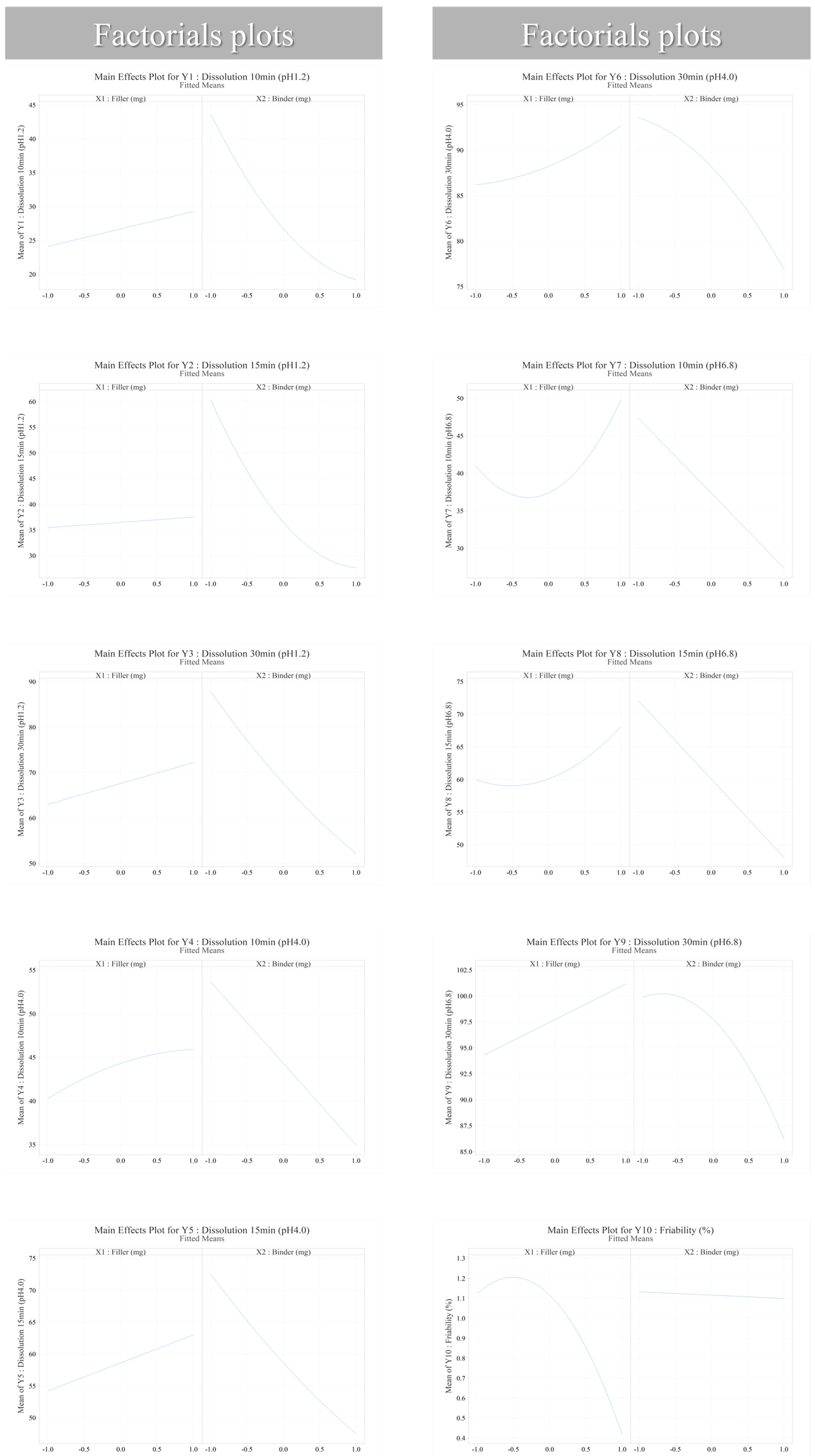
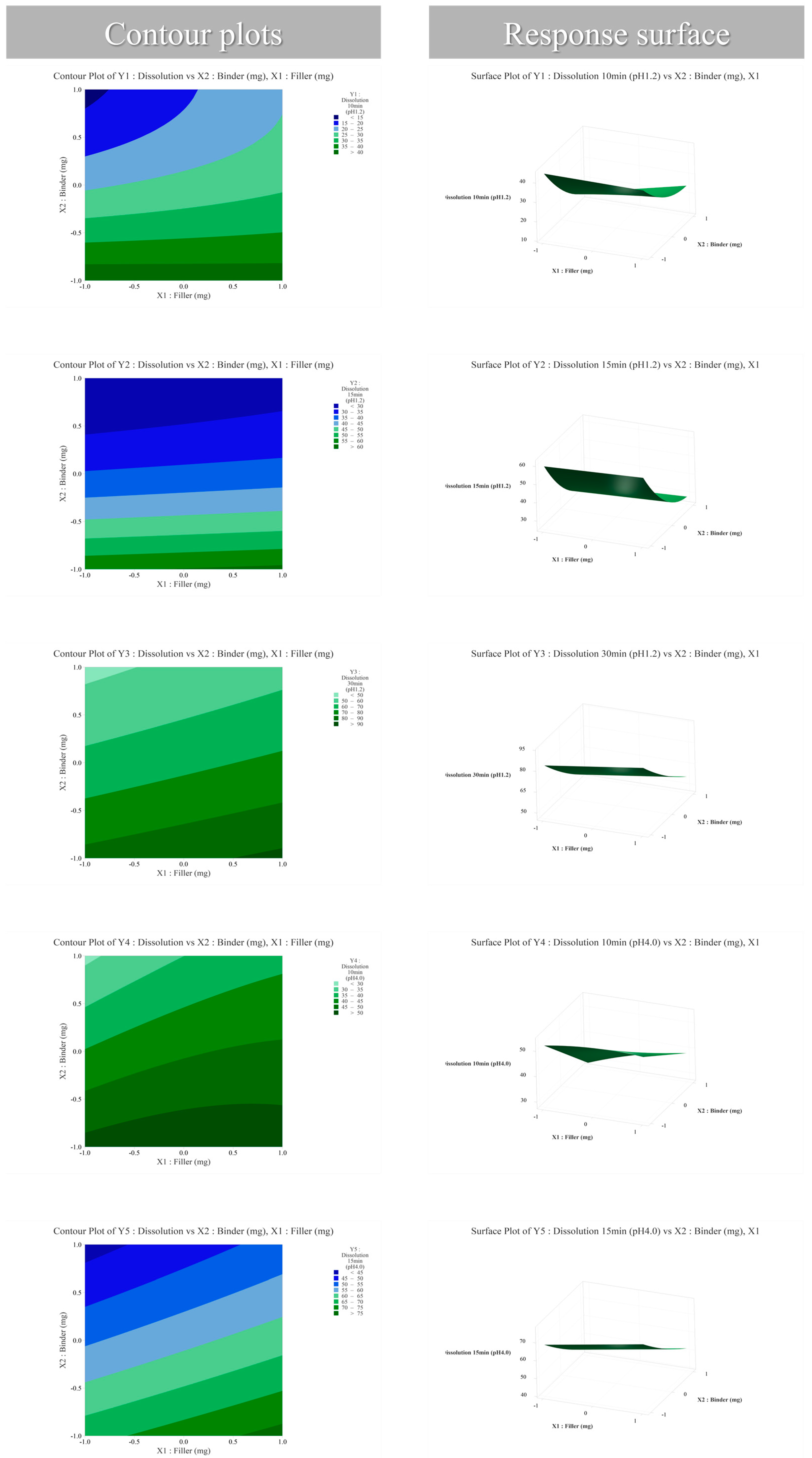
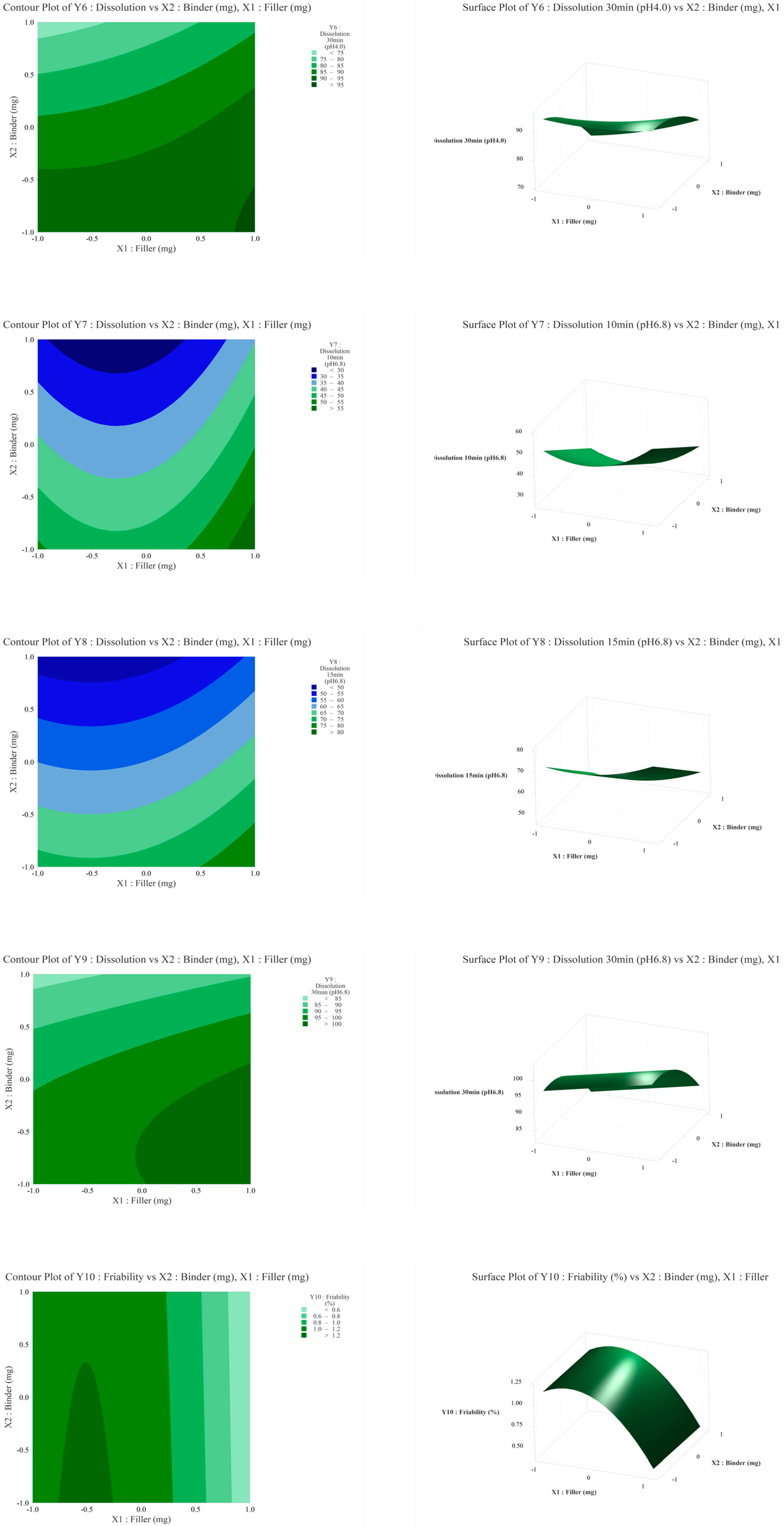
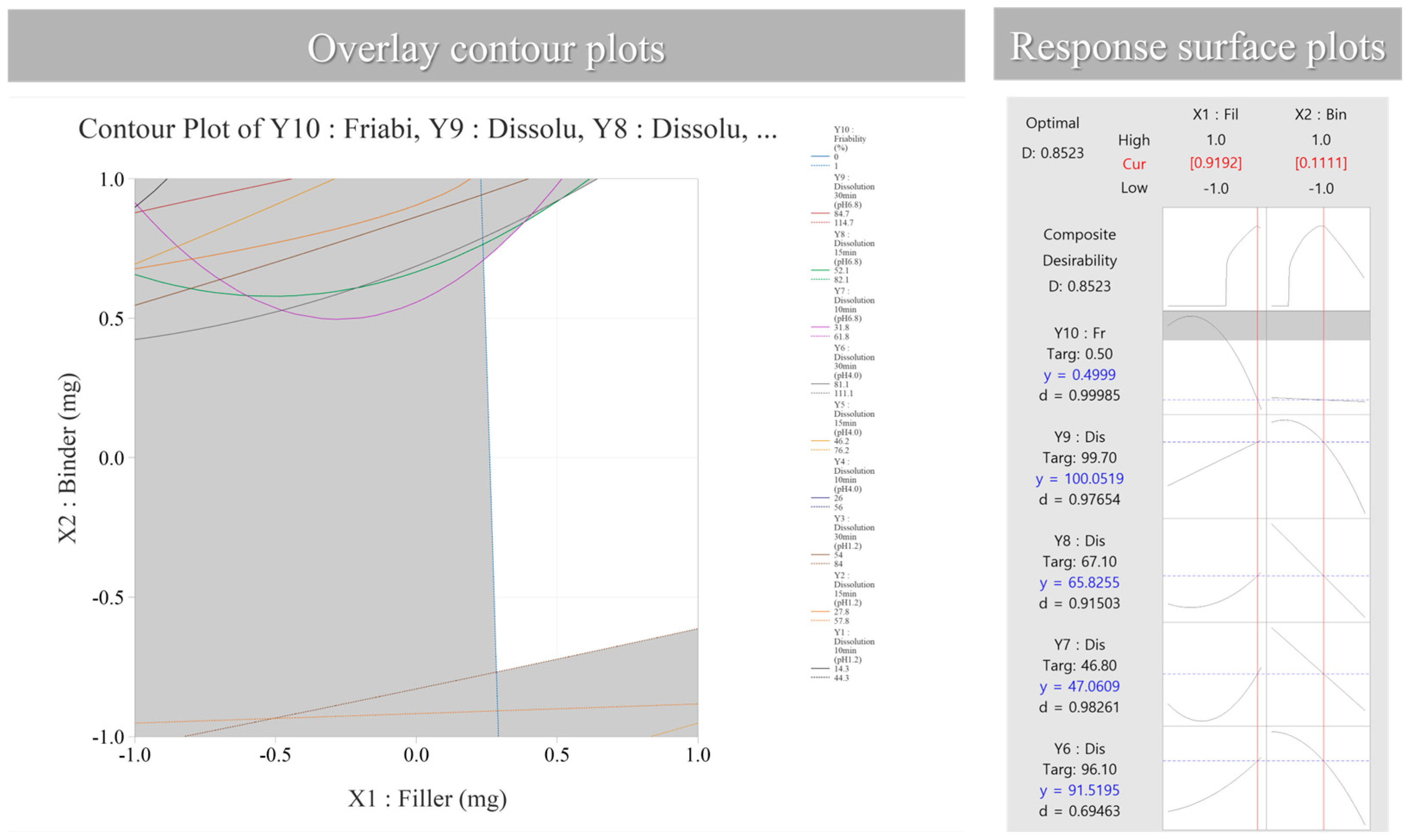
| Run | aCMA | bCQAs | ||||||||||
|---|---|---|---|---|---|---|---|---|---|---|---|---|
| X1 | X2 | Y1 | Y2 | Y3 | Y4 | Y5 | Y6 | Y7 | Y8 | Y9 | Y10 | |
| 1 | −1 | −1 | 46.9 | 64.7 | 88.8 | 52.7 | 70.3 | 94.3 | 55.0 | 75.5 | 99.7 | 1.16 |
| 2 | +1 | −1 | 42.8 | 58.1 | 87.5 | 52.1 | 72.3 | 96.1 | 57.9 | 79.1 | 100.0 | 0.35 |
| 3 | −1 | +1 | 15.4 | 26.6 | 47.8 | 29.1 | 40.7 | 72.6 | 32.1 | 46.9 | 82.3 | 0.77 |
| 4 | +1 | +1 | 23.2 | 28.1 | 55.2 | 36.8 | 51.3 | 84.2 | 45.1 | 61.9 | 89.6 | 0.45 |
| 5 | −1 | 0 | 22.1 | 31.1 | 54.8 | 39.0 | 55.0 | 85.7 | 35.7 | 57.5 | 89.0 | 1.44 |
| 6 | +1 | 0 | 33.8 | 42.4 | 76.2 | 48.8 | 68.7 | 91.8 | 46.3 | 63.3 | 101.0 | 0.46 |
| 7 | 0 | −1 | 41.3 | 58.1 | 87.0 | 53.0 | 75.0 | 92.7 | 49.0 | 73.0 | 99.5 | 0.97 |
| 8 | 0 | +1 | 19.0 | 28.1 | 53.5 | 35.8 | 50.4 | 76.4 | 24.8 | 46.9 | 86.7 | 1.16 |
| 9 | 0 | 0 | 26.3 | 37.3 | 69.0 | 44.8 | 58.1 | 89.1 | 37.6 | 59.7 | 98.2 | 1.2 |
| 10 | 0 | 0 | 27.1 | 36.5 | 68.4 | 45.2 | 57.6 | 88.4 | 38.1 | 61.1 | 98.8 | 1.18 |
| 11 | 0 | 0 | 25.6 | 37.0 | 68.9 | 43.0 | 56.9 | 88.0 | 38.4 | 61.3 | 98.7 | 1.06 |
| 12 | 0 | 0 | 25.1 | 35.1 | 67.7 | 46.1 | 58.3 | 89.3 | 36.5 | 58.9 | 97.8 | 1.15 |
| 13 | 0 | 0 | 26.8 | 35.9 | 68.1 | 42.2 | 55.6 | 87.6 | 37.1 | 59.6 | 100.0 | 1.09 |
| Quality Attribute | Method/Condition | Acceptance Criteria | Result (Mean ± SD) | n |
|---|---|---|---|---|
| Hardness (kp) | Digital hardness tester | 7–9 kp | 7.8 ± 0.4 | 6 |
| Friability (%) | USP <1216> | ≤1.0% | 0.57 | 10 |
| Disintegration time | Purified water, 37 ± 0.5 °C | ≤20 min | 14.2 ± 1.1 min | 6 |
| Assay (%) | HPLC | 90–110% | 98.3 ± 1.2 | 6 |
| Content uniformity | USP <905> | AV ≤ 15.0 | Pass (AV = 6.8) | 10 |
Disclaimer/Publisher’s Note: The statements, opinions and data contained in all publications are solely those of the individual author(s) and contributor(s) and not of MDPI and/or the editor(s). MDPI and/or the editor(s) disclaim responsibility for any injury to people or property resulting from any ideas, methods, instructions or products referred to in the content. |
© 2026 by the authors. Licensee MDPI, Basel, Switzerland. This article is an open access article distributed under the terms and conditions of the Creative Commons Attribution (CC BY) license.
Share and Cite
Yoon, J.-H.; Kim, D.-H.; Kim, J.-E. Quality by Design-Based Formulation Development of an Oral Semaglutide Tablet. Pharmaceutics 2026, 18, 440. https://doi.org/10.3390/pharmaceutics18040440
Yoon J-H, Kim D-H, Kim J-E. Quality by Design-Based Formulation Development of an Oral Semaglutide Tablet. Pharmaceutics. 2026; 18(4):440. https://doi.org/10.3390/pharmaceutics18040440
Chicago/Turabian StyleYoon, Ji-Hyeon, Do-Hyub Kim, and Joo-Eun Kim. 2026. "Quality by Design-Based Formulation Development of an Oral Semaglutide Tablet" Pharmaceutics 18, no. 4: 440. https://doi.org/10.3390/pharmaceutics18040440
APA StyleYoon, J.-H., Kim, D.-H., & Kim, J.-E. (2026). Quality by Design-Based Formulation Development of an Oral Semaglutide Tablet. Pharmaceutics, 18(4), 440. https://doi.org/10.3390/pharmaceutics18040440