Article

Direct Inhibition of RNAse T2 Expression by the HTLV-1 Viral Protein Tax

Department of Microbiology and Immunology, Brody School of Medicine, East Carolina University, 600 Moye Boulevard, Greenville, NC 27834, USA
*
Authors to whom correspondence should be addressed.
Viruses 2011, 3(8), 1485-1500; https://doi.org/10.3390/v3081485
Submission received: 4 August 2011 / Accepted: 10 August 2011 / Published: 18 August 2011
(This article belongs to the Special Issue Recent Developments in HTLV Research)

Abstract

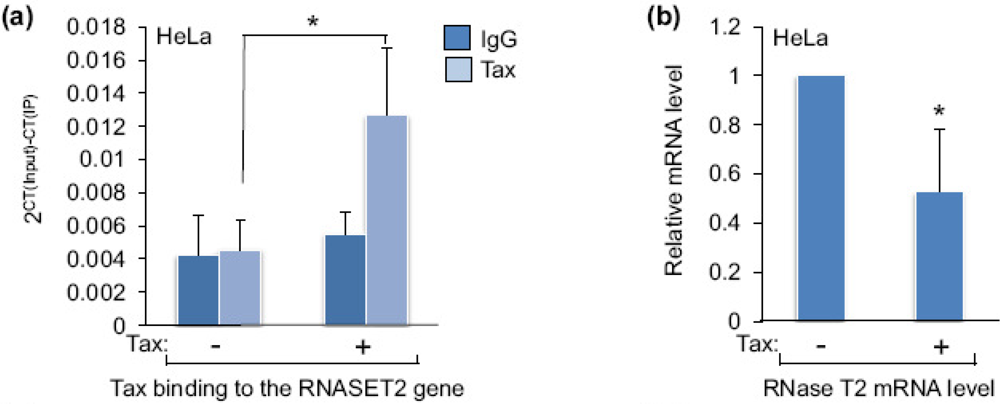
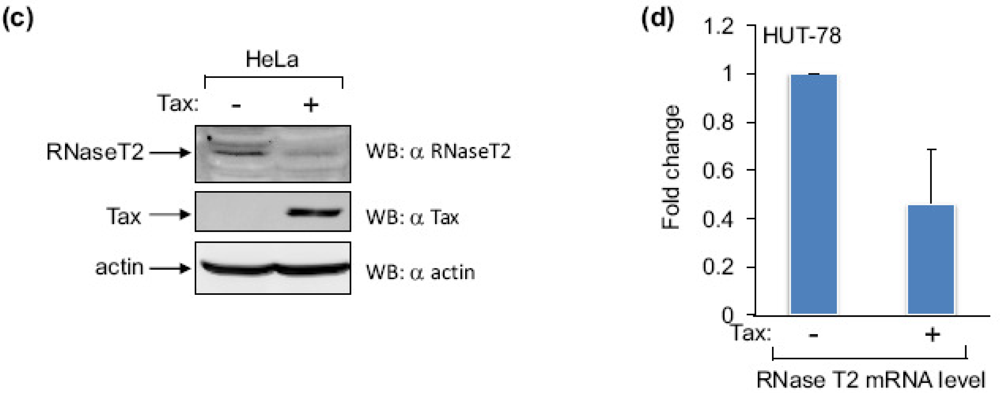
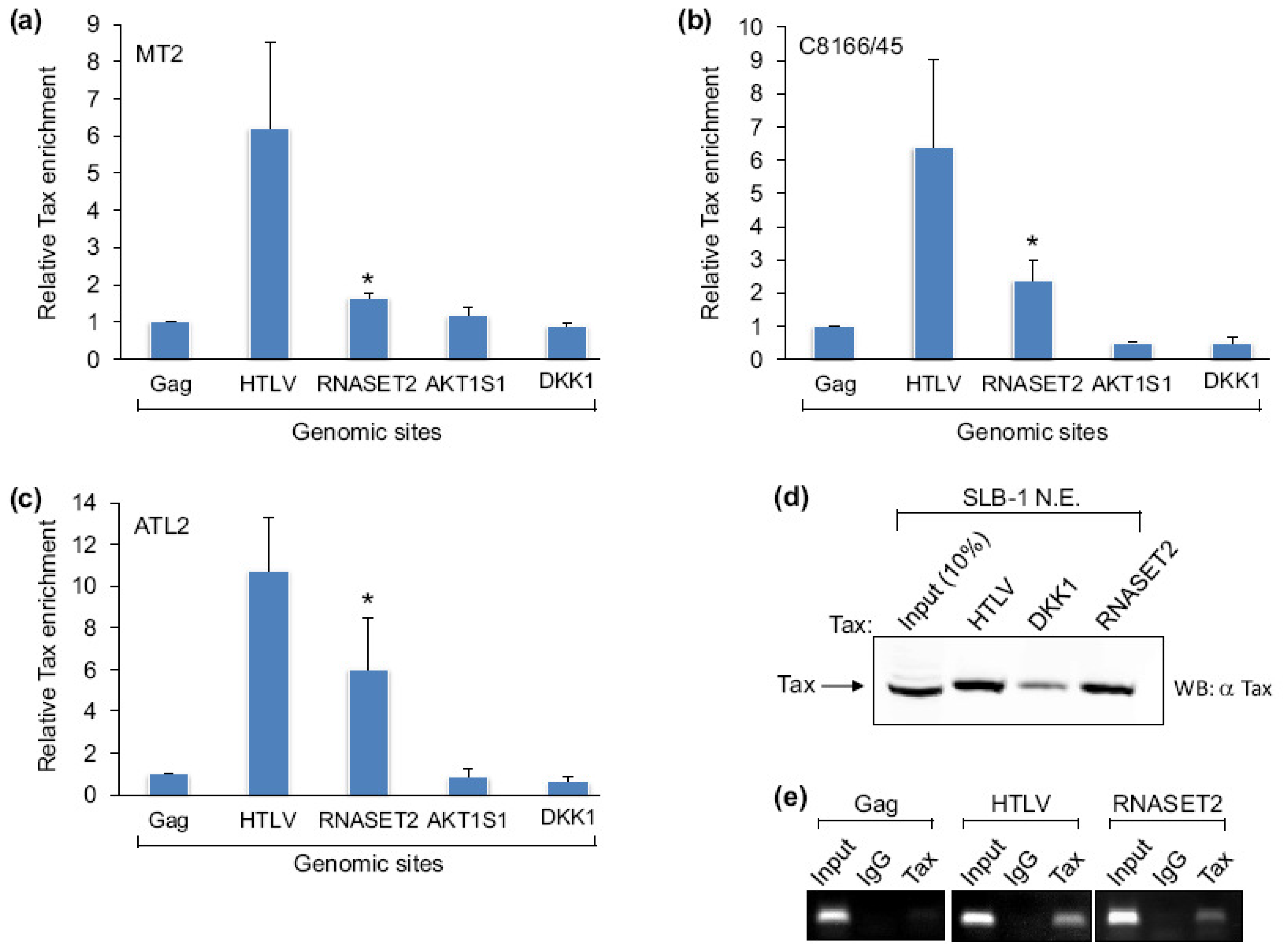
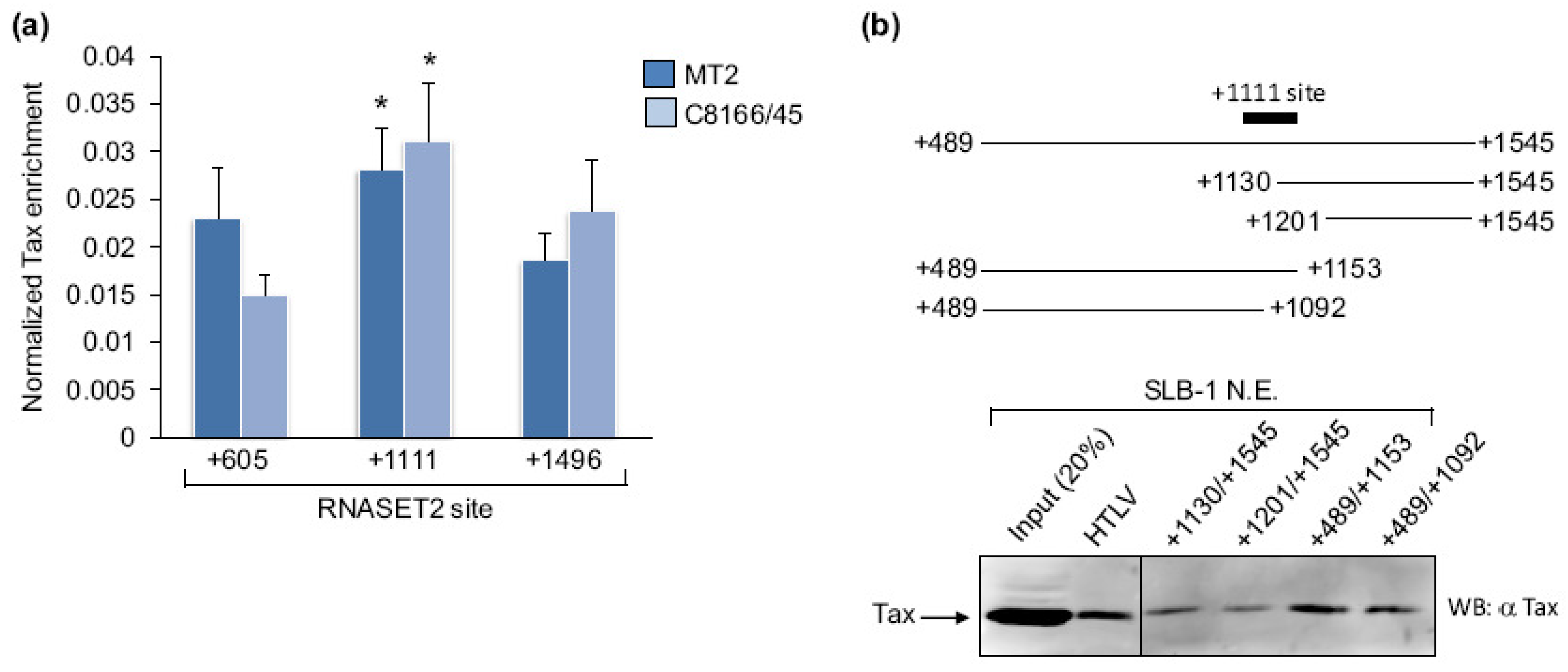
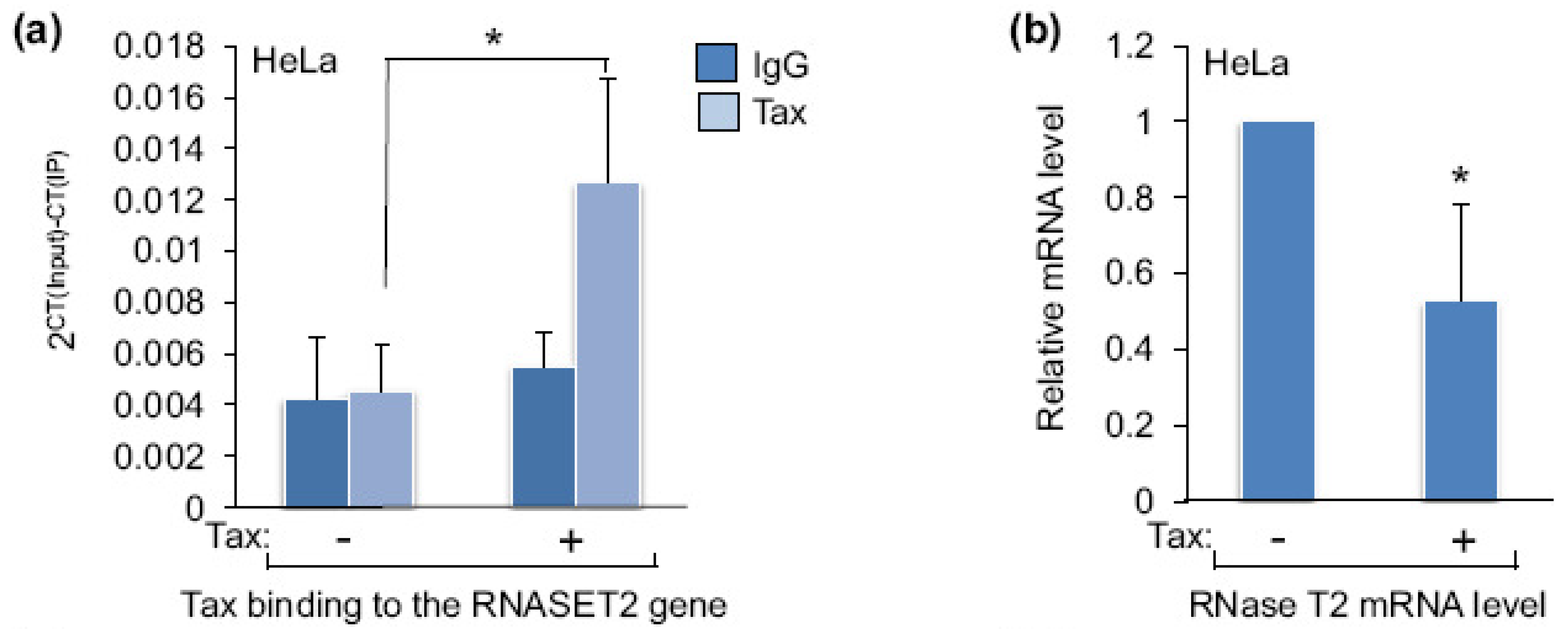
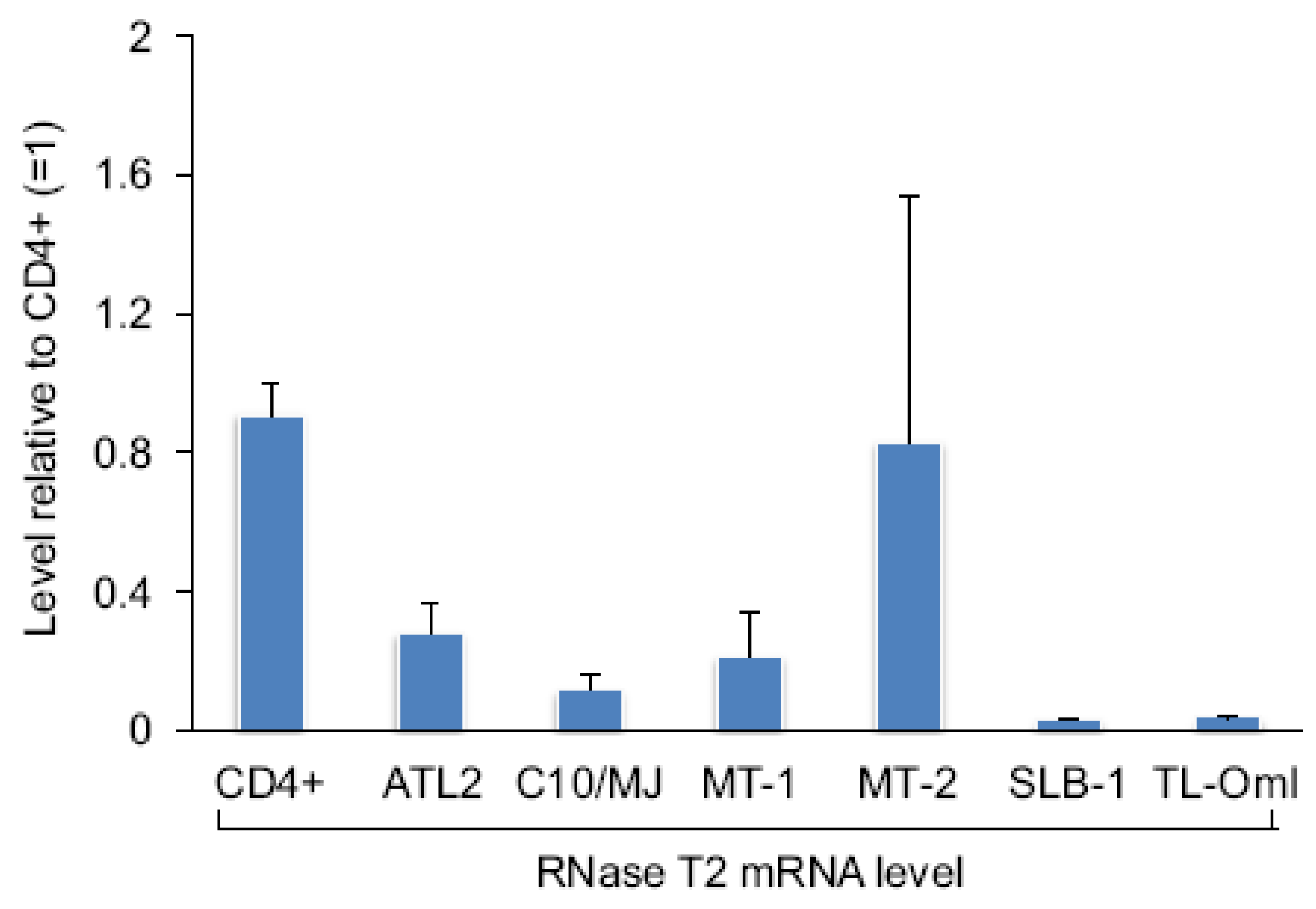
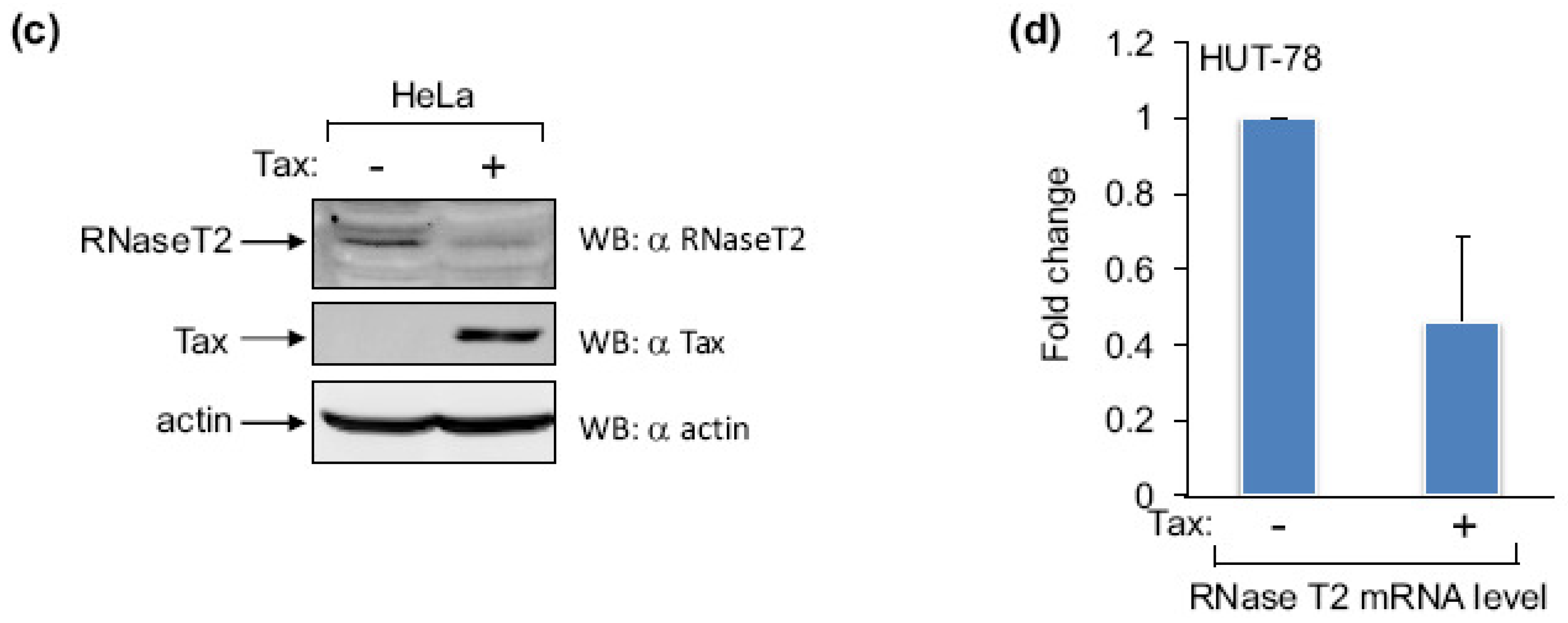
Adult T-cell leukemia (ATL) is one of the primary diseases caused by Human T-cell Leukemia Virus type 1 (HTLV-1) infection. The virally-encoded Tax protein is believed to initiate early events in the development of this disease, as it is able to promote immortalization of T-cells and transformation of other cell types. These processes may be aided by the ability of the viral protein to directly deregulate expression of specific cellular genes through interactions with numerous transcriptional regulators. To identify gene promoters where Tax is localized, we isolated Tax-DNA complexes from an HTLV-1-infected T-cell line through a chromatin immunoprecipitation (ChIP) assay and used the DNA to probe a CpG island microarray. A site within the RNASET2 gene was found to be occupied by Tax. Real-time PCR analysis confirmed this result, and transient expression of Tax in uninfected cells led to the recruitment of the viral protein to the promoter. This event correlated with a decrease in the level of RNase T2 mRNA and protein, suggesting that Tax represses expression of this gene. Loss of RNase T2 expression occurs in certain hematological malignancies and other forms of cancer, and RNase T2 was recently reported to function as a tumor suppressor. Consequently, a reduction in the level of RNase T2 by Tax may play a role in ATL development.
Keywords: HTLV-1; Tax; RNase T2; repression; transcription HTLV-1; Tax; RNase T2; repression; transcription