Article

Identifying Putative Resistance Genes for Barley Yellow Dwarf Virus-PAV in Wheat and Barley

by
Glenda Alquicer
1,
Emad Ibrahim
1,
Midatharahally N. Maruthi
2 and
Jiban Kumar Kundu
1,3,*
1
Plant Virus and Vector Interactions-Centre for Plant Virus Research, Crop Research Institute, Drnovská 507, 161 06 Prague, Czech Republic
2
Agriculture, Health and Environment Department, Natural Resources Institute, University of Greenwich, Medway Campus, Chatham, Kent ME4 4TB, UK
3
Laboratory of Virology-Centre for Plant Virus Research, Institute of Experimental Botany of the Czech Academy of Sciences, Rozvojová 263, 165 02 Prague, Czech Republic
*
Author to whom correspondence should be addressed.
Viruses 2023, 15(3), 716; https://doi.org/10.3390/v15030716
Submission received: 7 February 2023 / Revised: 5 March 2023 / Accepted: 6 March 2023 / Published: 9 March 2023
(This article belongs to the Section Viruses of Plants, Fungi and Protozoa)

Abstract

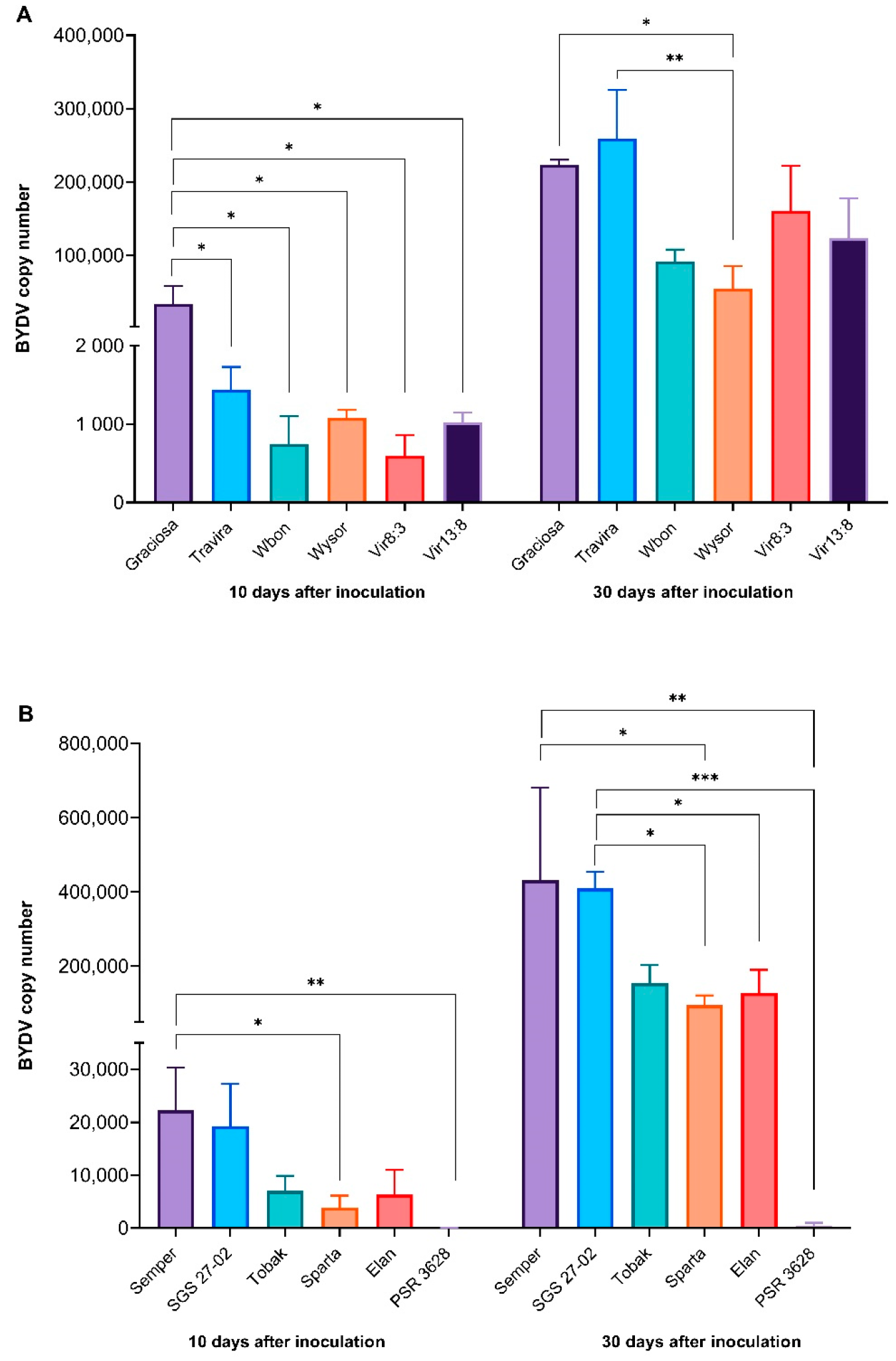
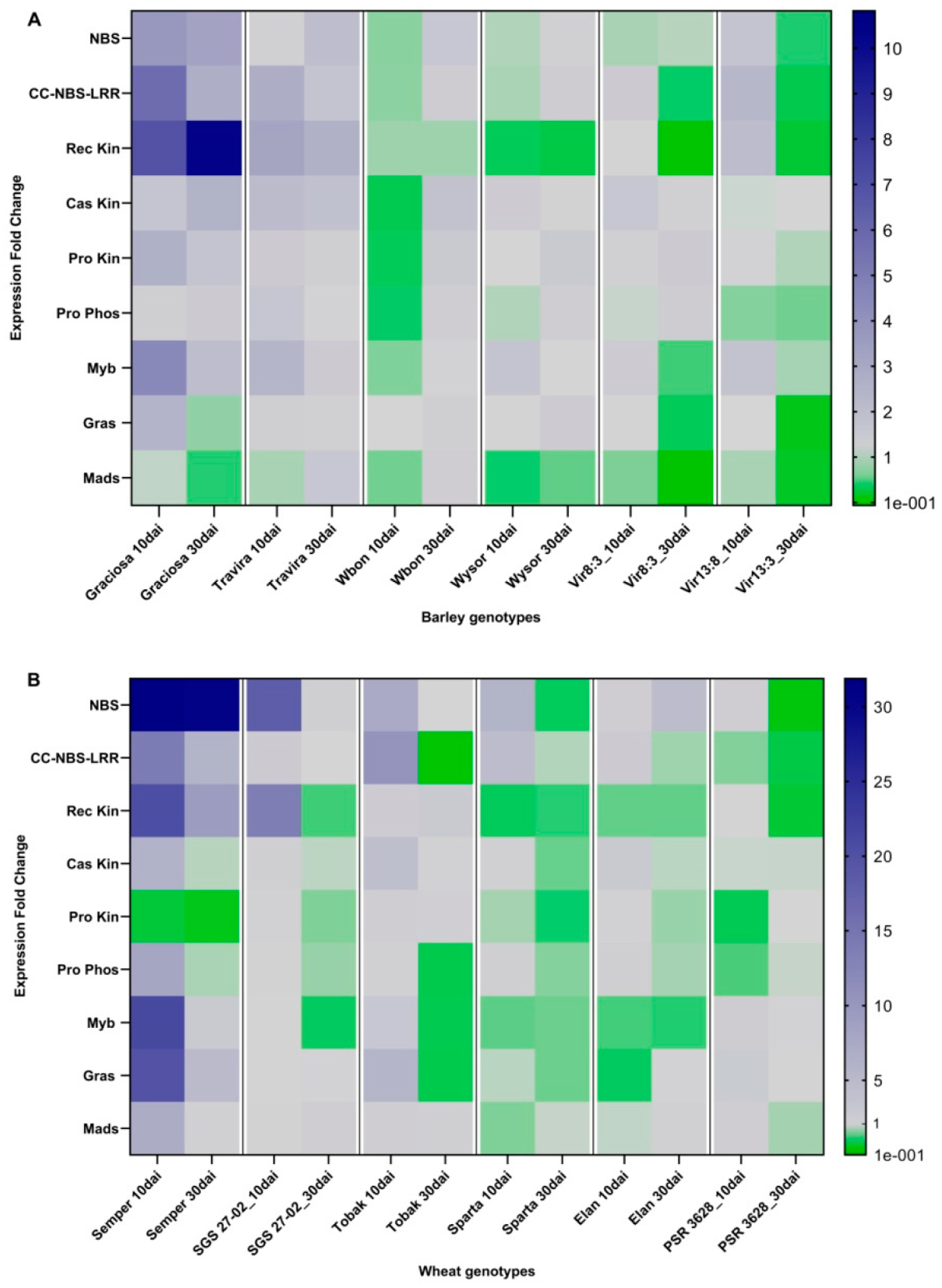
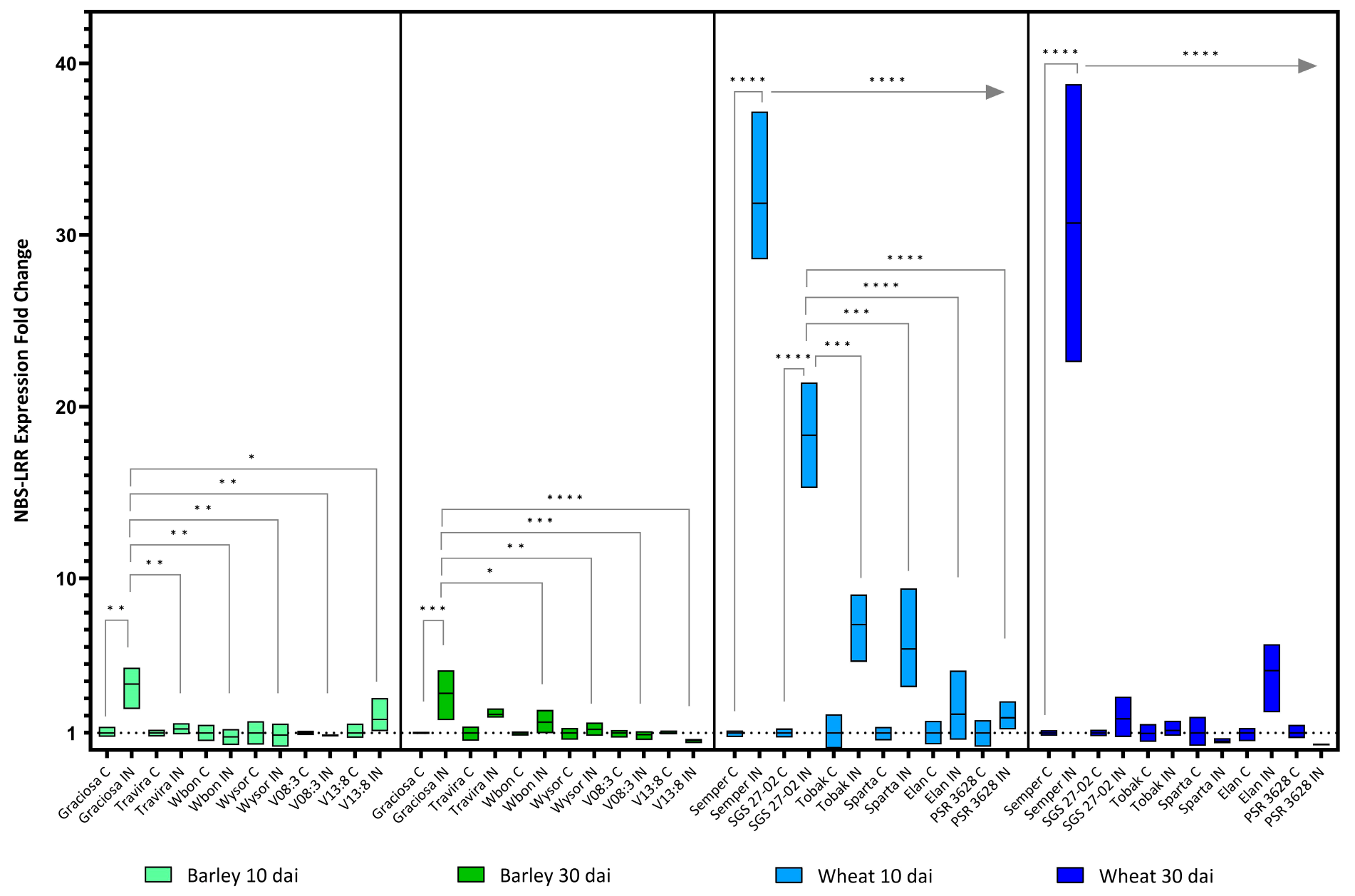
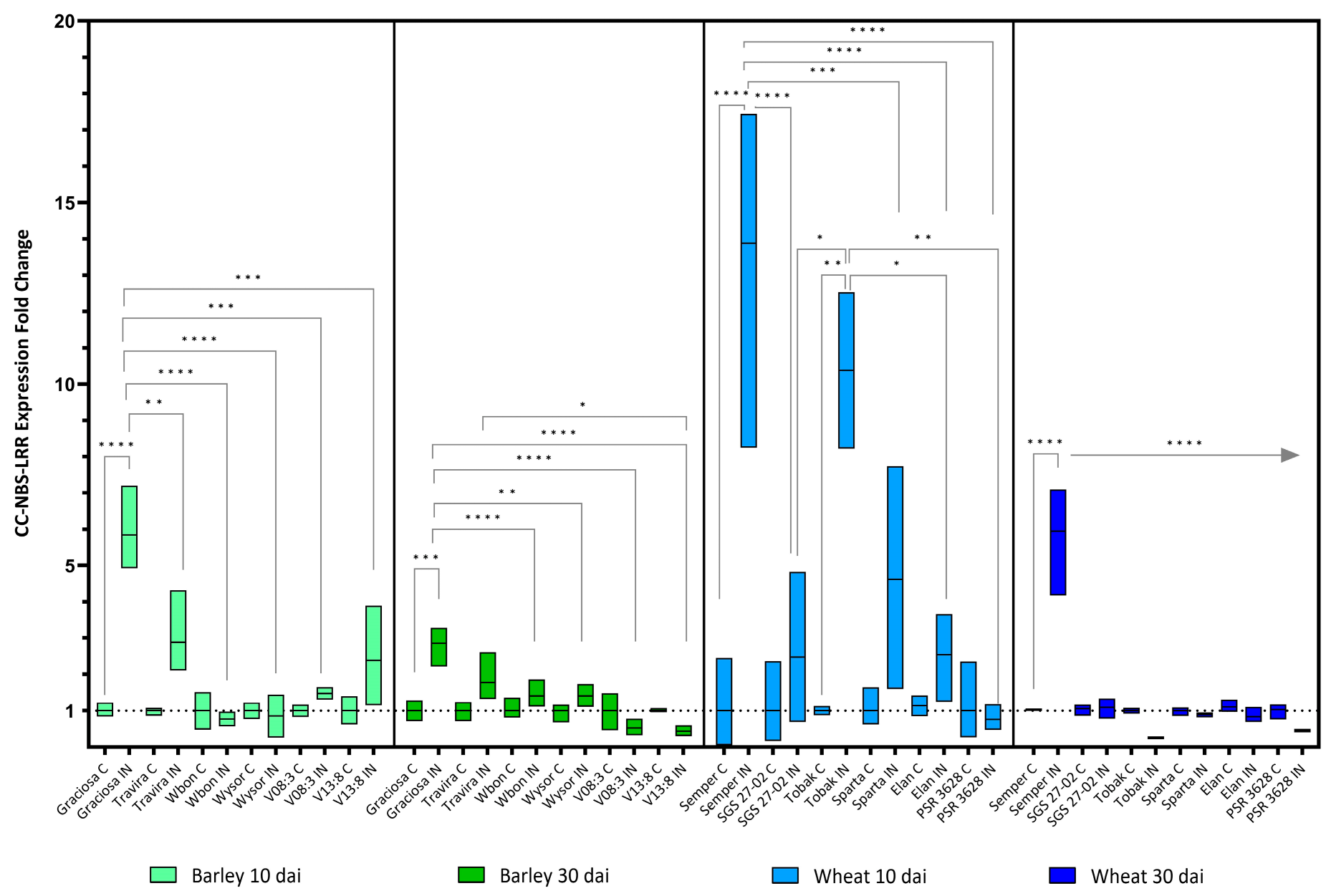
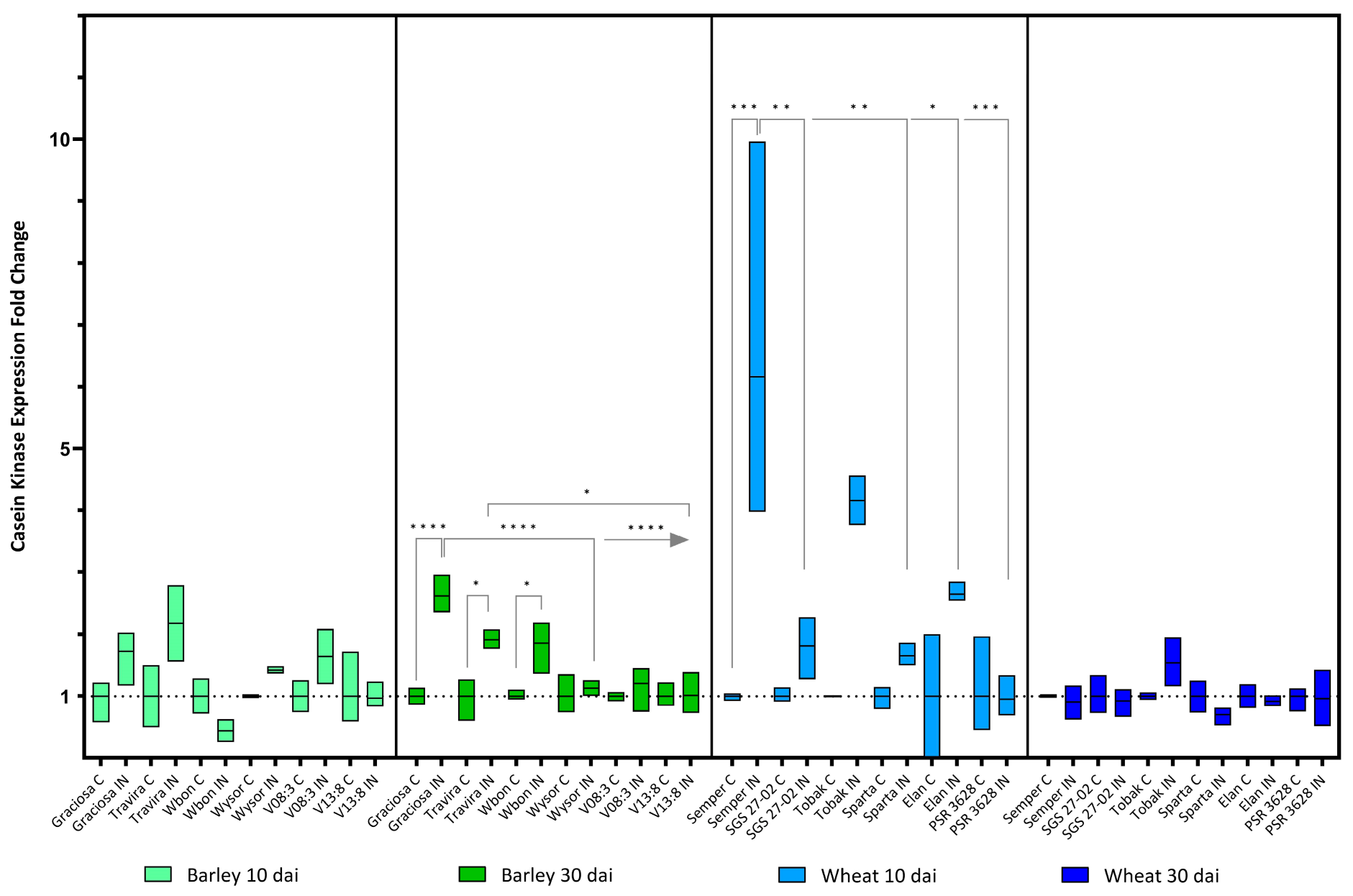
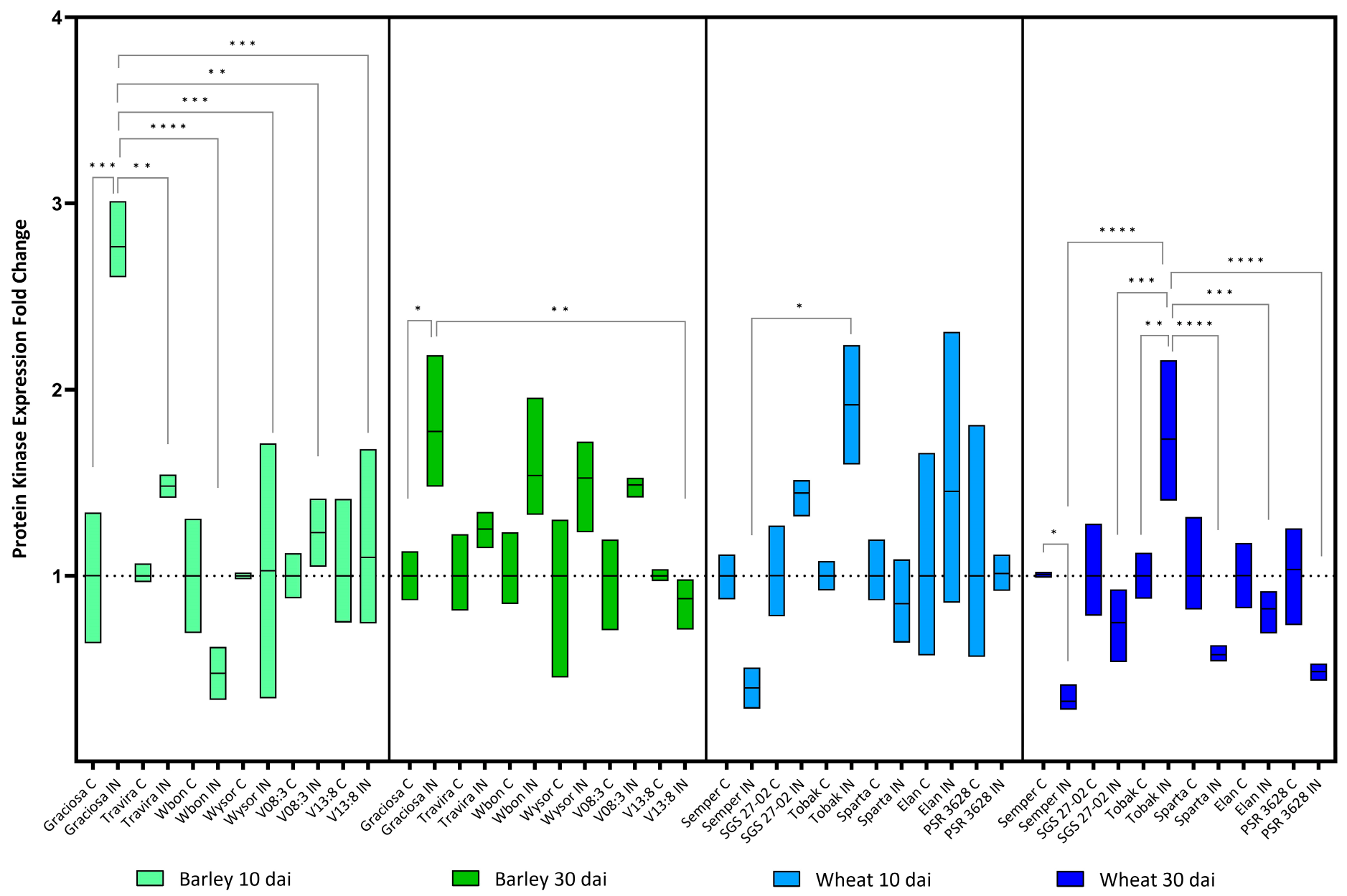
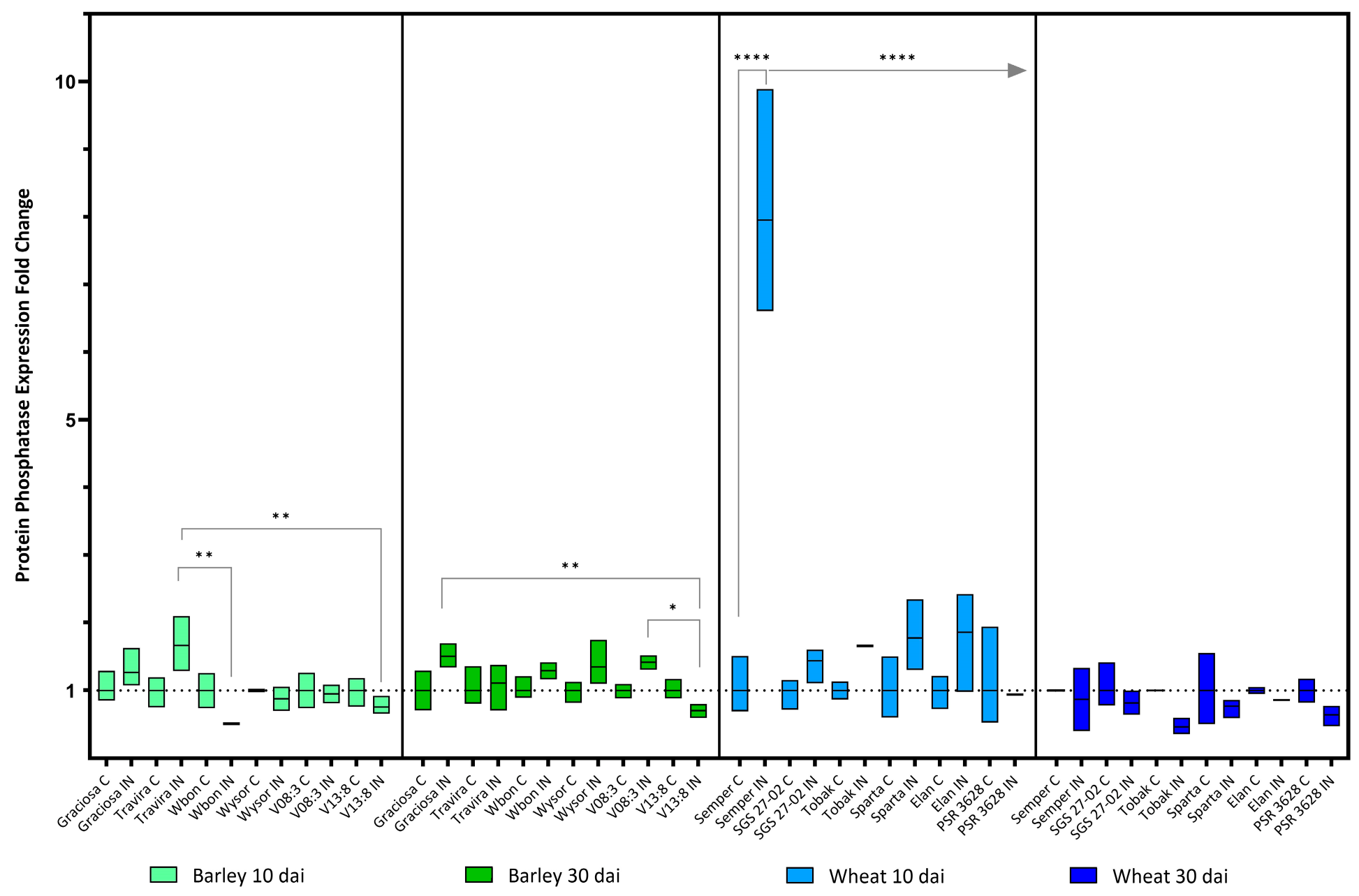
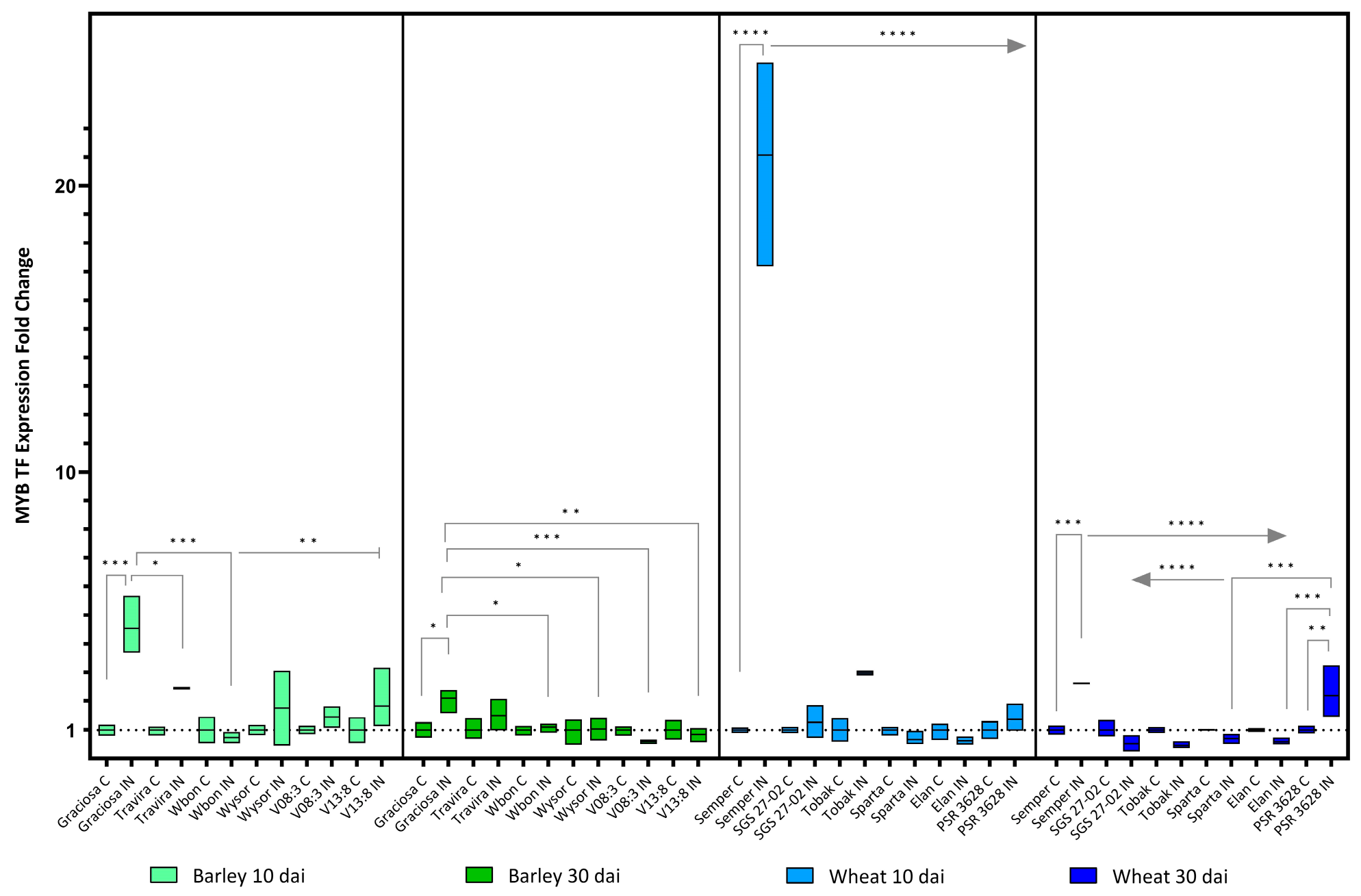
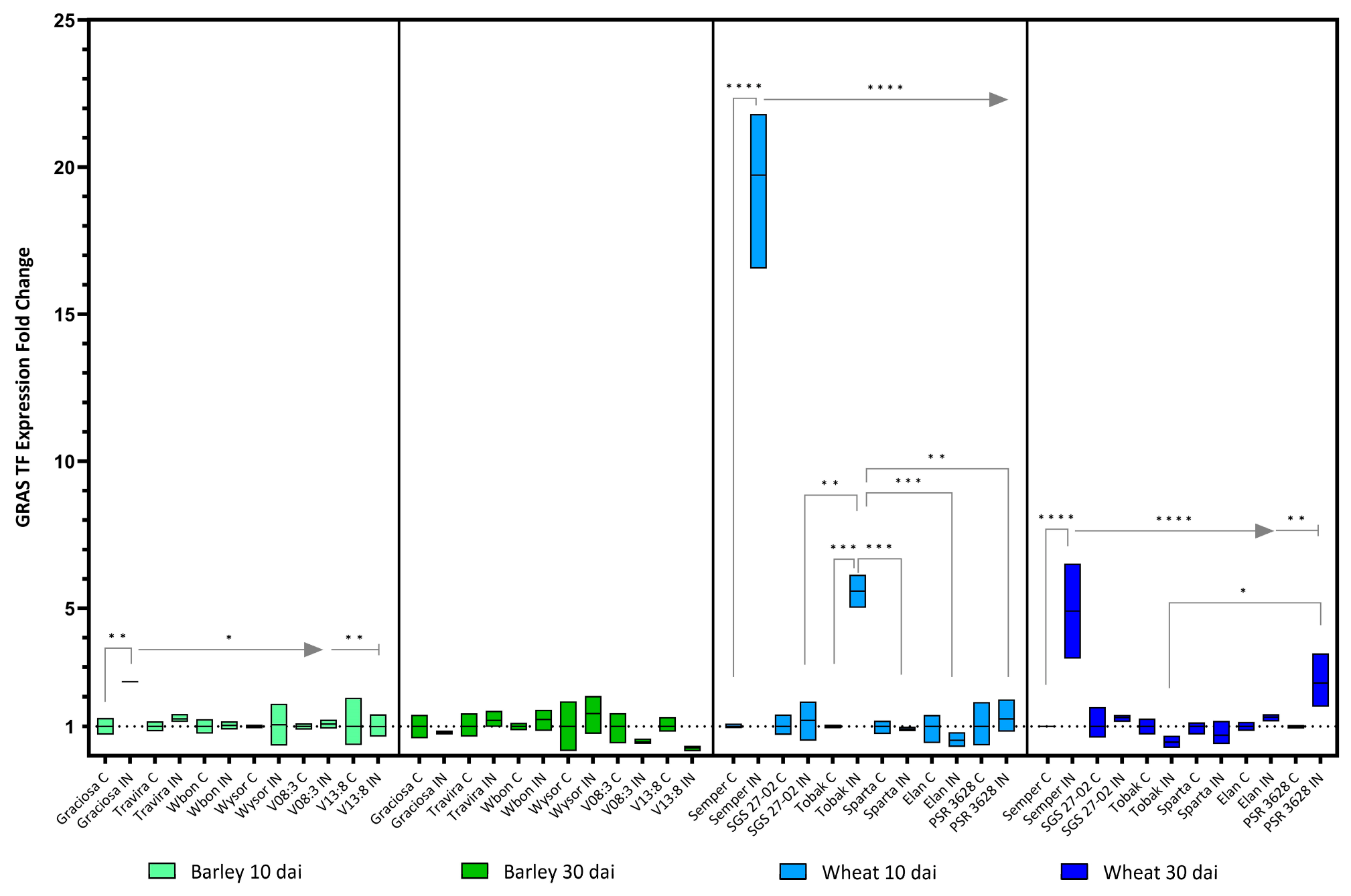
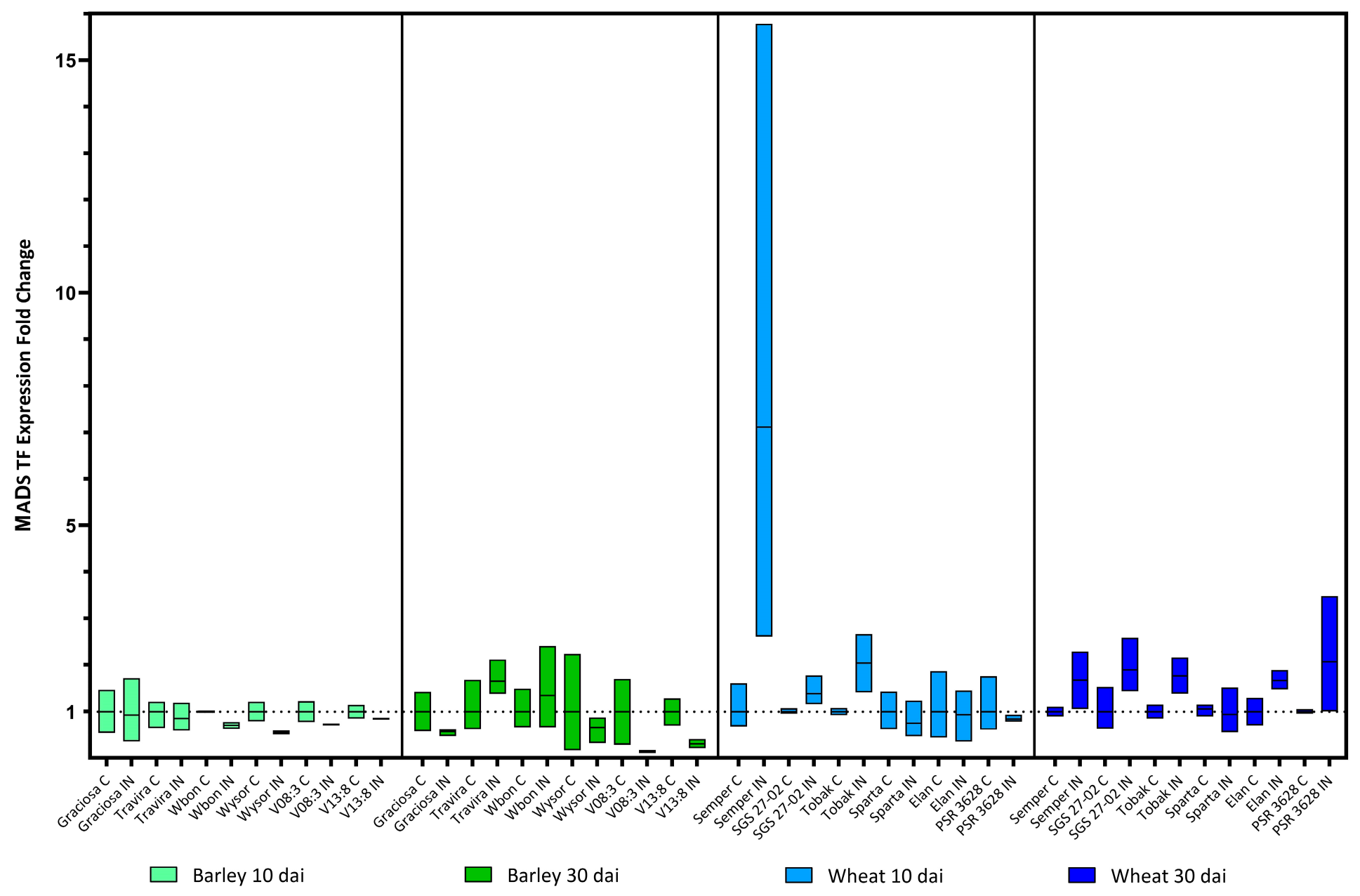
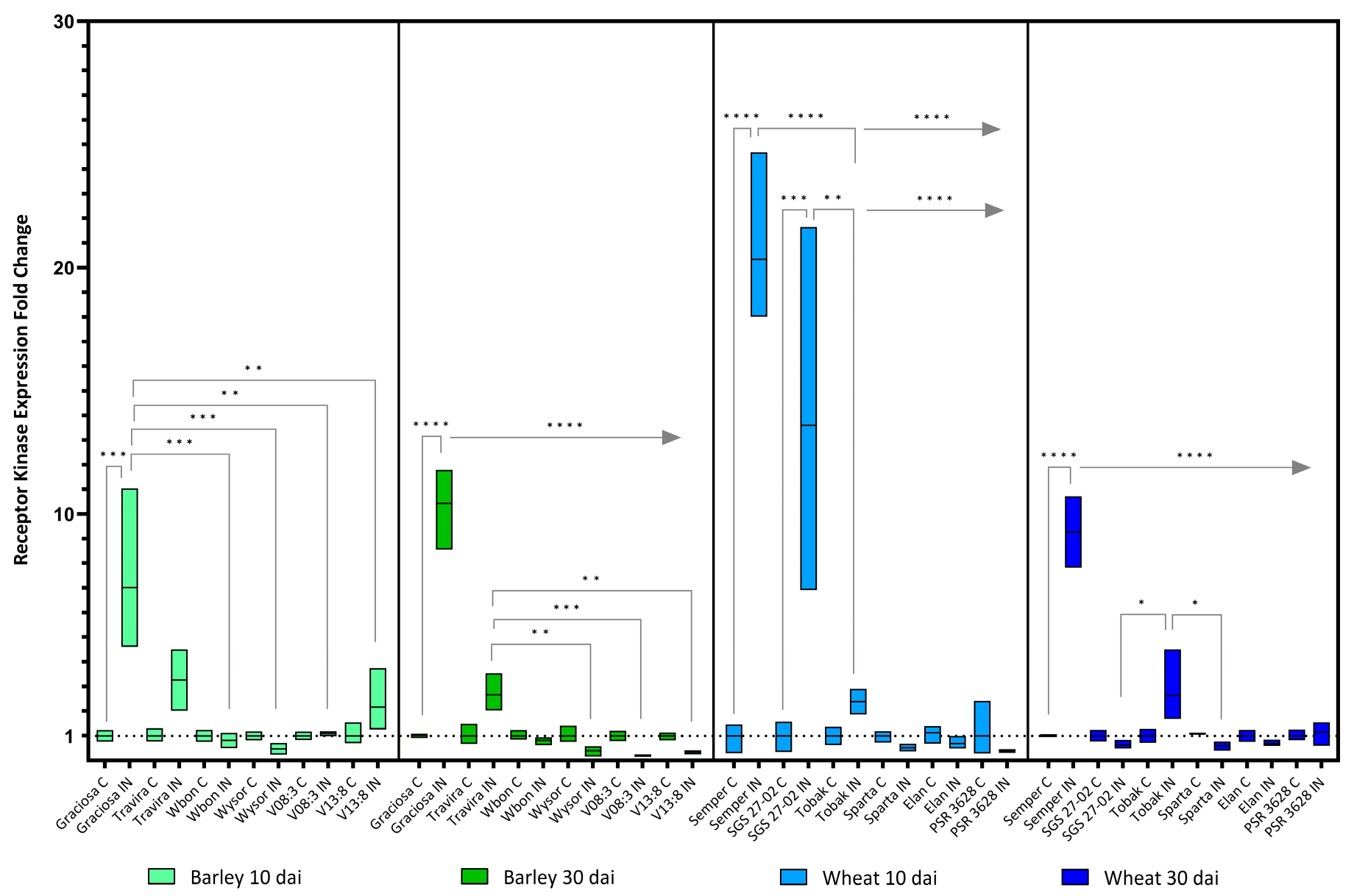
Barley yellow dwarf viruses (BYDVs) are one of the most widespread and economically important plant viruses affecting many cereal crops. Growing resistant varieties remains the most promising approach to reduce the impact of BYDVs. A Recent RNA sequencing analysis has revealed potential genes that respond to BYDV infection in resistant barley genotypes. Together with a comprehensive review of the current knowledge on disease resistance in plants, we selected nine putative barley and wheat genes to investigate their involvement in resistance to BYDV-PAV infection. The target classes of genes were (i) nucleotide binding site (NBS) leucine-rich repeat (LRR), (ii) coiled-coil nucleotide-binding leucine-rich repeat (CC-NB-LRR), (iii) LRR receptor-like kinase (RLK), (iv) casein kinase, (v) protein kinase, (vi) protein phosphatase subunits and the transcription factors (TF) (vii) MYB TF, (viii) GRAS (gibberellic acid-insensitive (GAI), repressor of GAI (RGA) and scarecrow (SCR)), and (ix) the MADS-box TF family. Expression of genes was analysed for six genotypes with different levels of resistance. As in previous reports, the highest BYDV-PAV titre was found in the susceptible genotypes Graciosa in barley and Semper and SGS 27-02 in wheat, which contrast with the resistant genotypes PRS-3628 and Wysor of wheat and barley, respectively. Statistically significant changes in wheat show up-regulation of NBS-LRR, CC-NBS-LRR and RLK in the susceptible genotypes and down-regulation in the resistant genotypes in response to BYDV-PAV. Similar up-regulation of NBS-LRR, CC-NBS-LRR, RLK and MYB TF in response to BYDV-PAV was also observed in the susceptible barley genotypes. However, no significant changes in the expression of these genes were generally observed in the resistant barley genotypes, except for the down-regulation of RLK. Casein kinase and Protein phosphatase were up-regulated early, 10 days after inoculation (dai) in the susceptible wheat genotypes, while the latter was down-regulated at 30 dai in resistant genotypes. Protein kinase was down-regulated both earlier (10 dai) and later (30 dai) in the susceptible wheat genotypes, but only in the later dai in the resistant genotypes. In contrast, GRAS TF and MYB TF were up-regulated in the susceptible wheat genotypes while no significant differences in MADS TF expression was observed. Protein kinase, Casein kinase (30 dai), MYB TF and GRAS TF (10 dai) were all up-regulated in the susceptible barley genotypes. However, no significant differences were found between the resistant and susceptible barley genotypes for the Protein phosphatase and MADS FT genes. Overall, our results showed a clear differentiation of gene expression patterns in both resistant and susceptible genotypes of wheat and barley. Therefore, further research on RLK, NBS-LRR, CC-NBS-LRR, GRAS TF and MYB TF can lead to BYDV-PAV resistance in cereals.
Keywords: BYDV-PAV; wheat; barley; gene expression; RT-qPCR; resistance BYDV-PAV; wheat; barley; gene expression; RT-qPCR; resistance