Article

Development of an In Situ SEM Bending Testing Instrument for Multi-Scale Mechanical Characterization of Bamboo


by
Yanan Rong
1,*,
He Shao
2,
Yu Shi
2,
Mengqi Liu
1,3 and
Changyi Liu
3
1
Jilin Engineering Normal University, Changchun 130052, China
2
School of Mechanical and Aerospace Engineering, Jilin University, Changchun 130025, China
3
Key Laboratory of Bionic Engineering, Ministry of Education, Jilin University, Changchun 130025, China
*
Author to whom correspondence should be addressed.
Forests 2026, 17(8), 870; https://doi.org/10.3390/f17080870
Submission received: 26 June 2026 / Revised: 19 July 2026 / Accepted: 24 July 2026 / Published: 26 July 2026
(This article belongs to the Special Issue Wood Testing, Processing and Modification—Second Edition)

Abstract

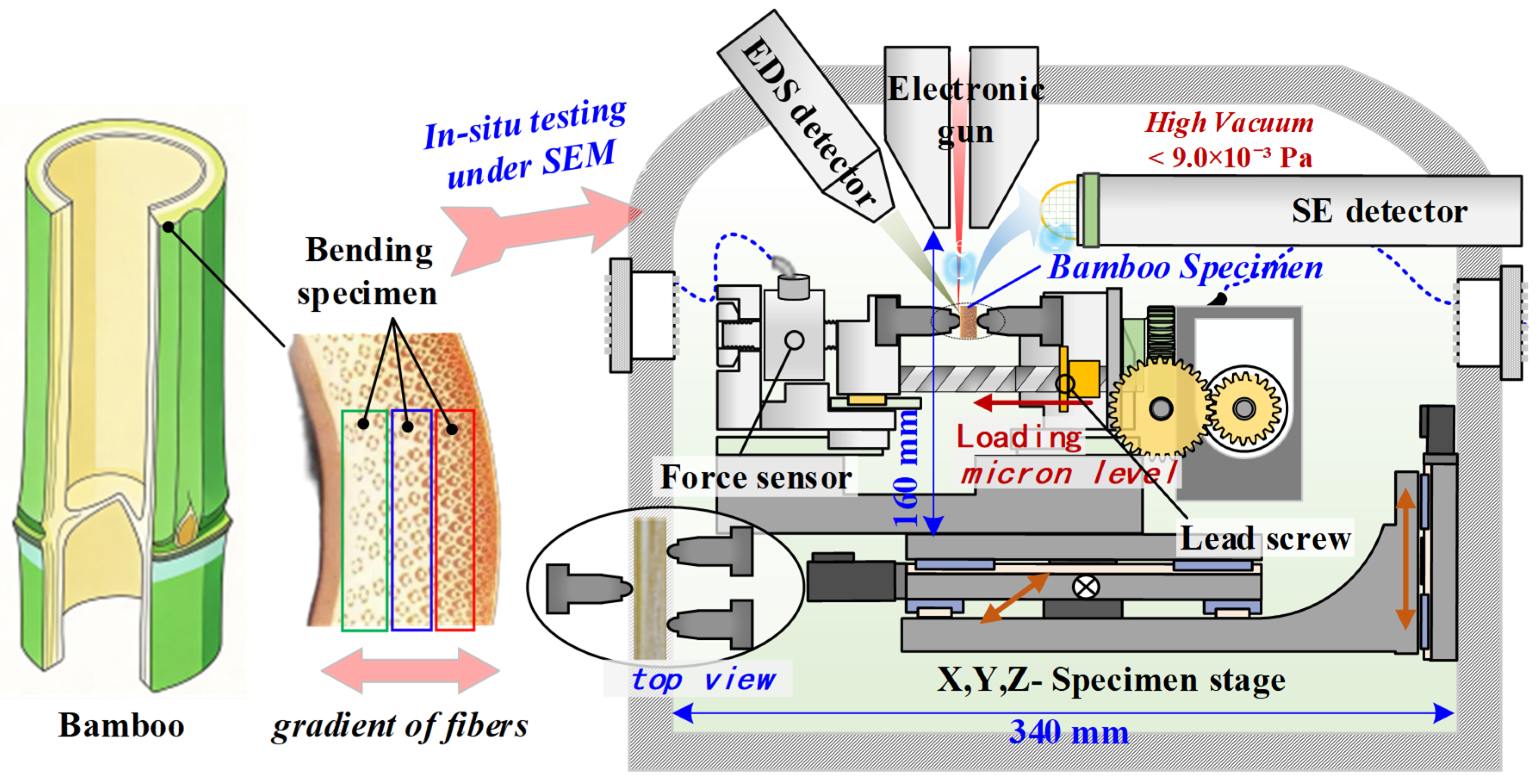
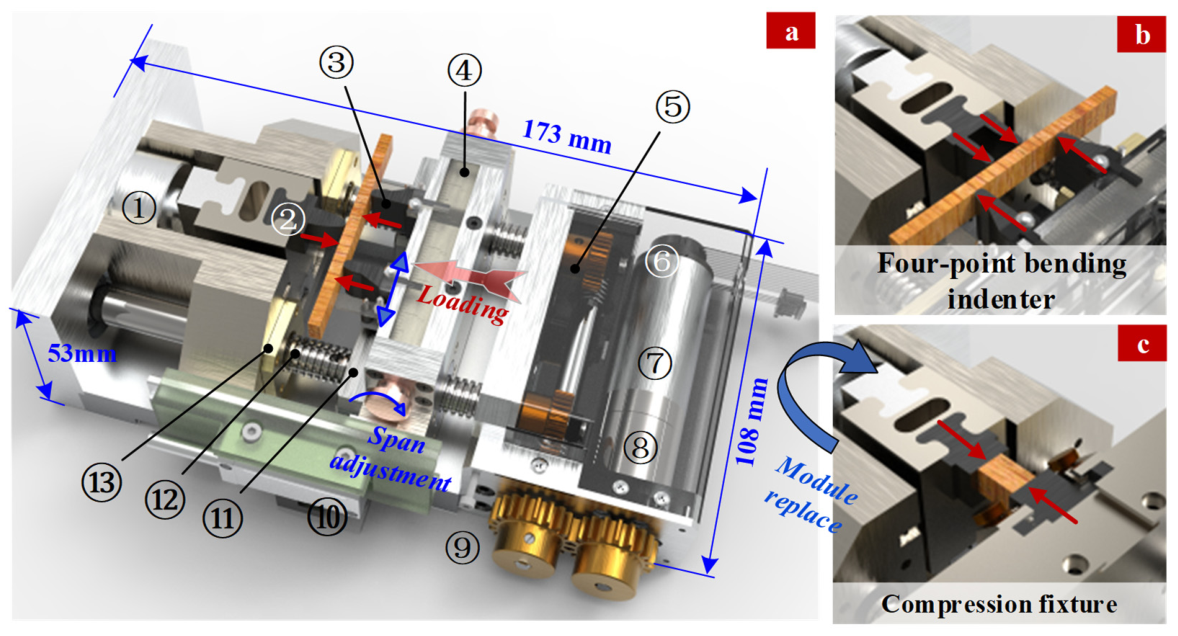
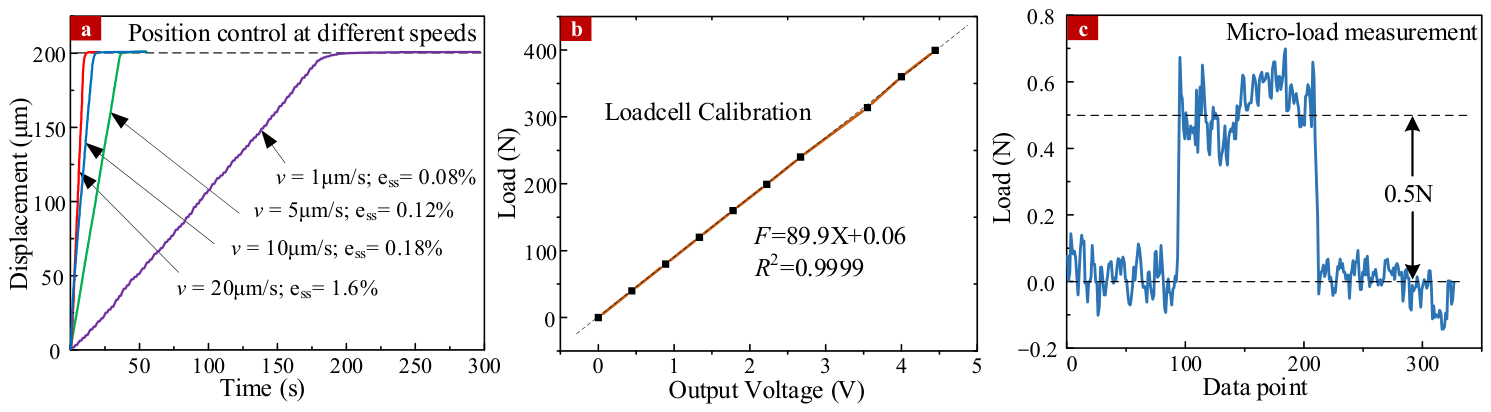
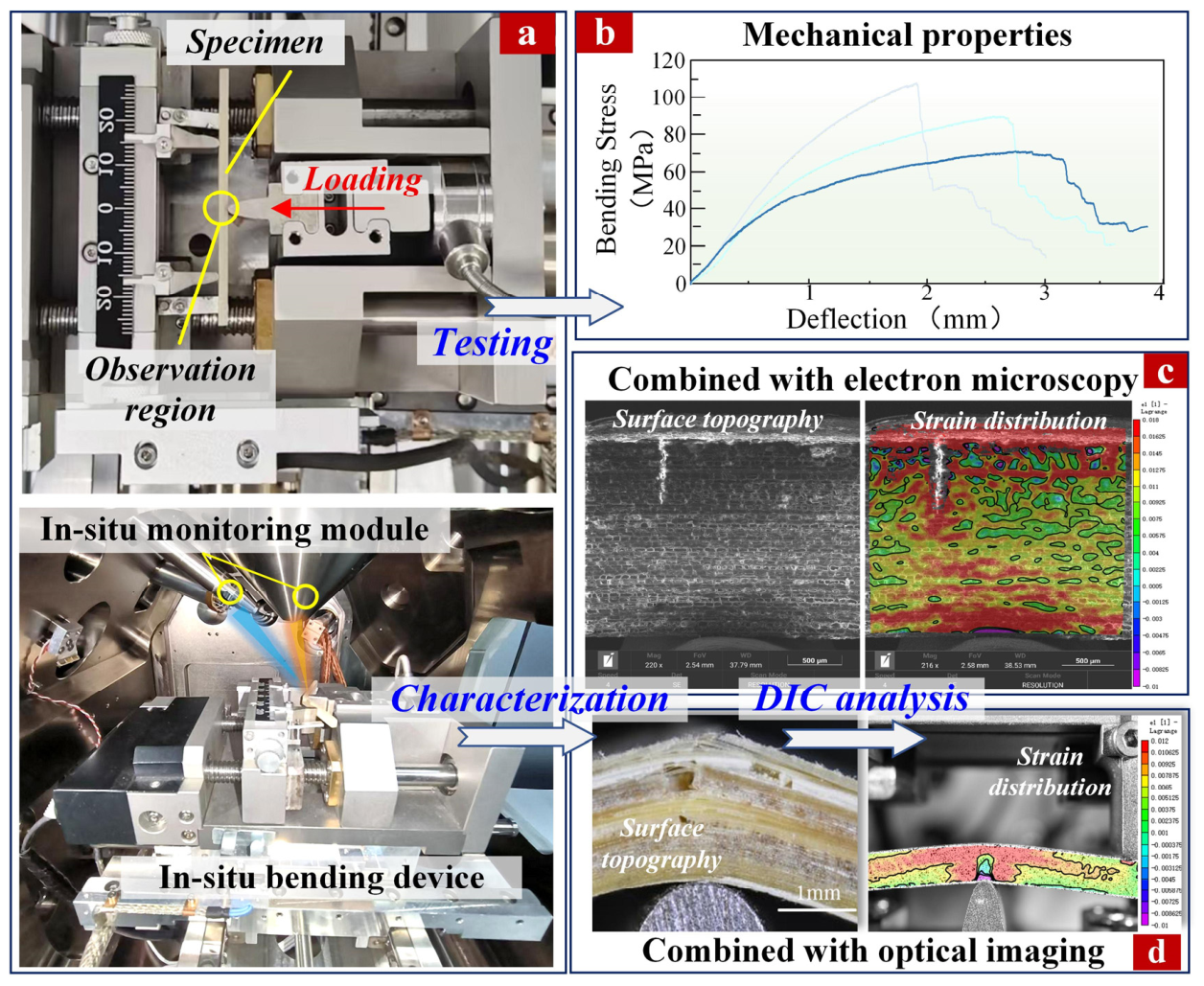
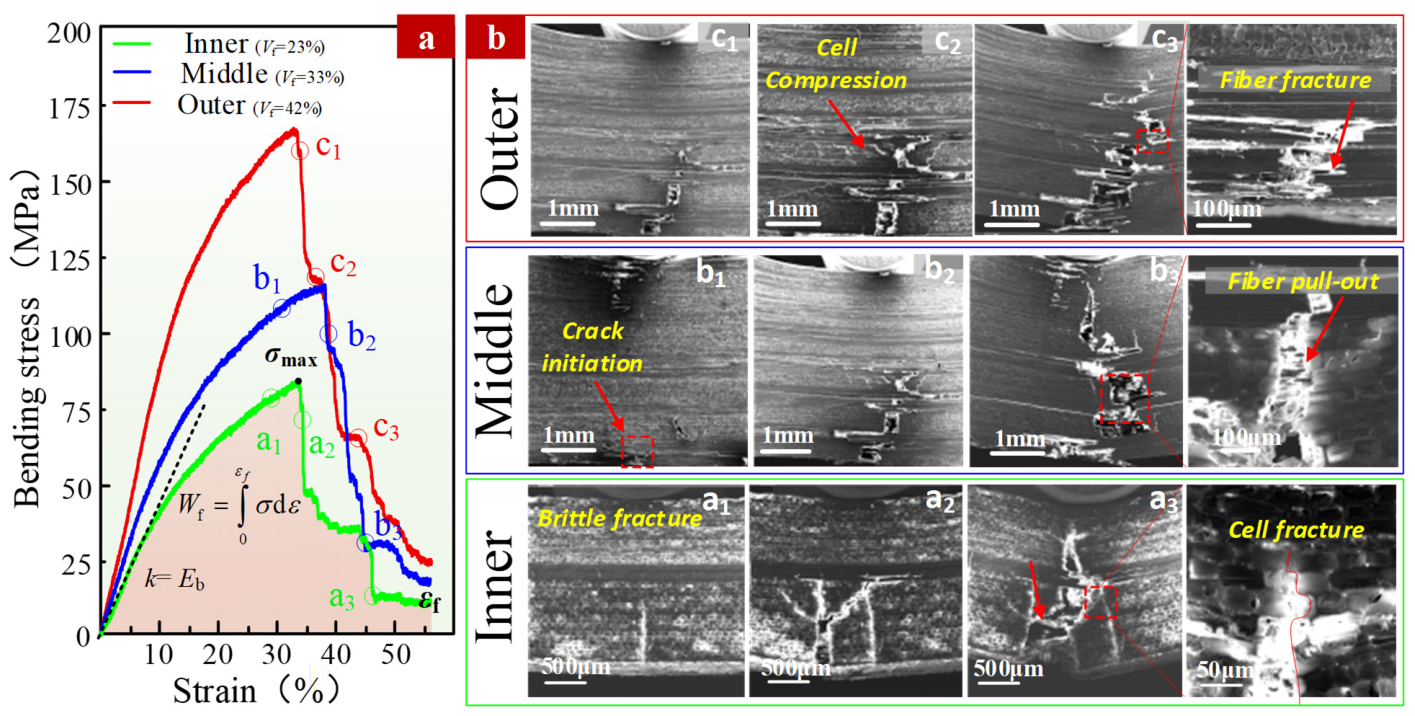
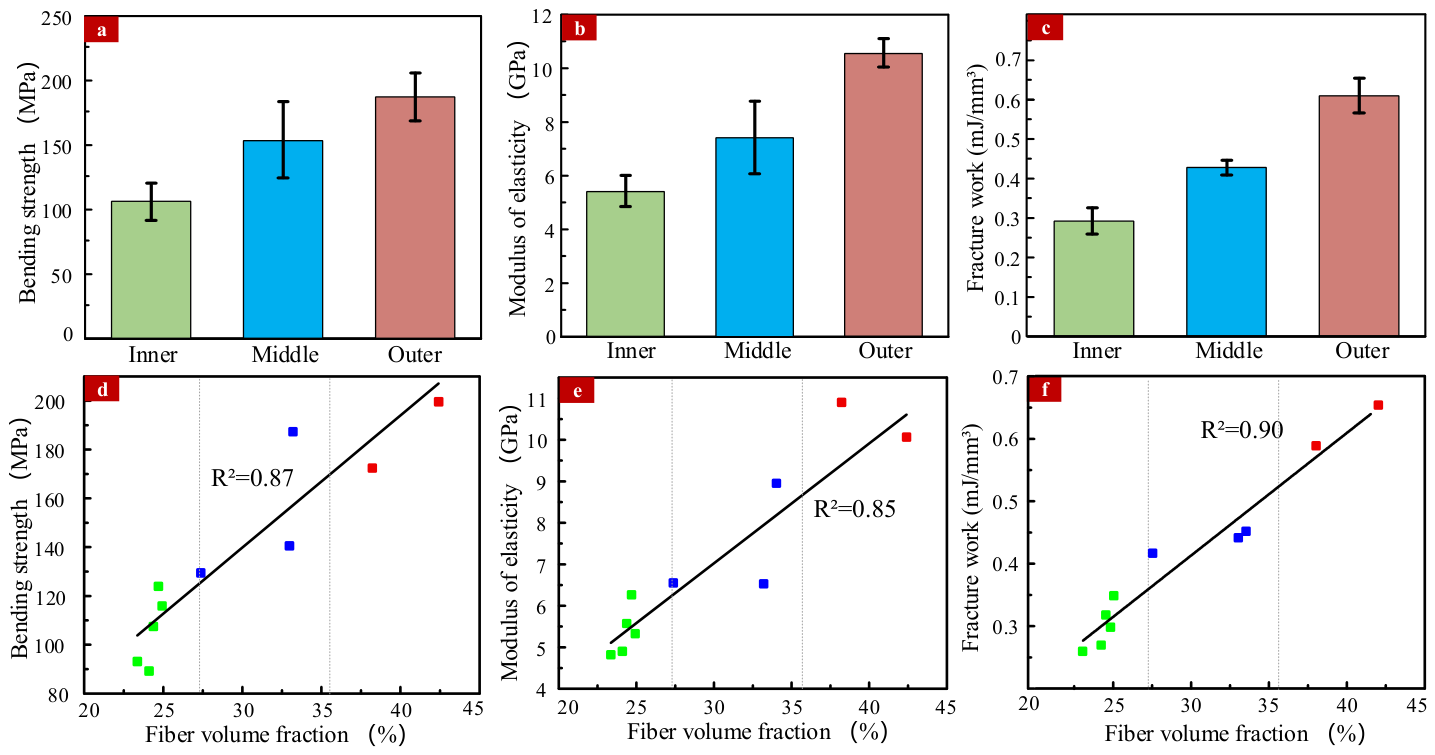
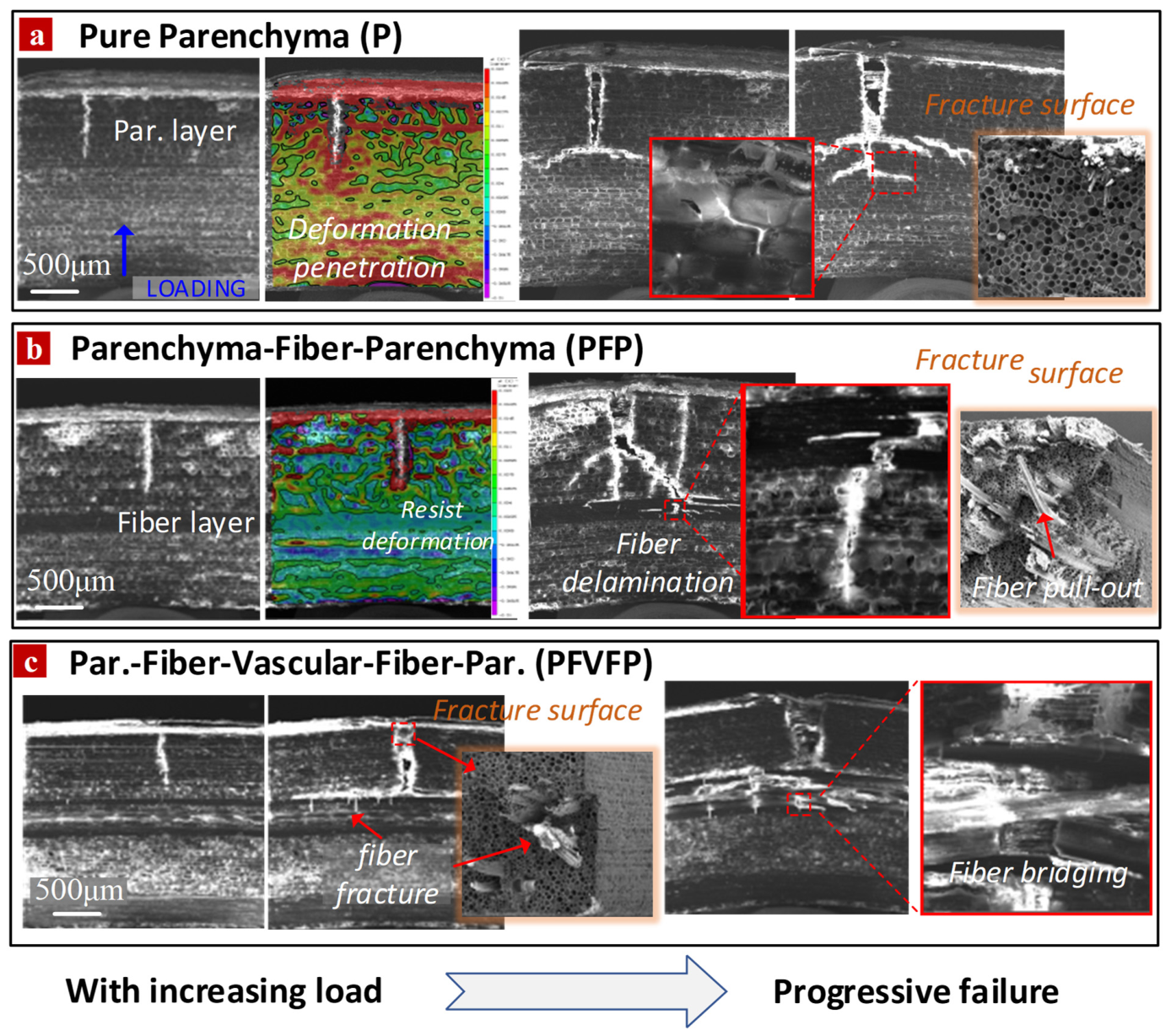
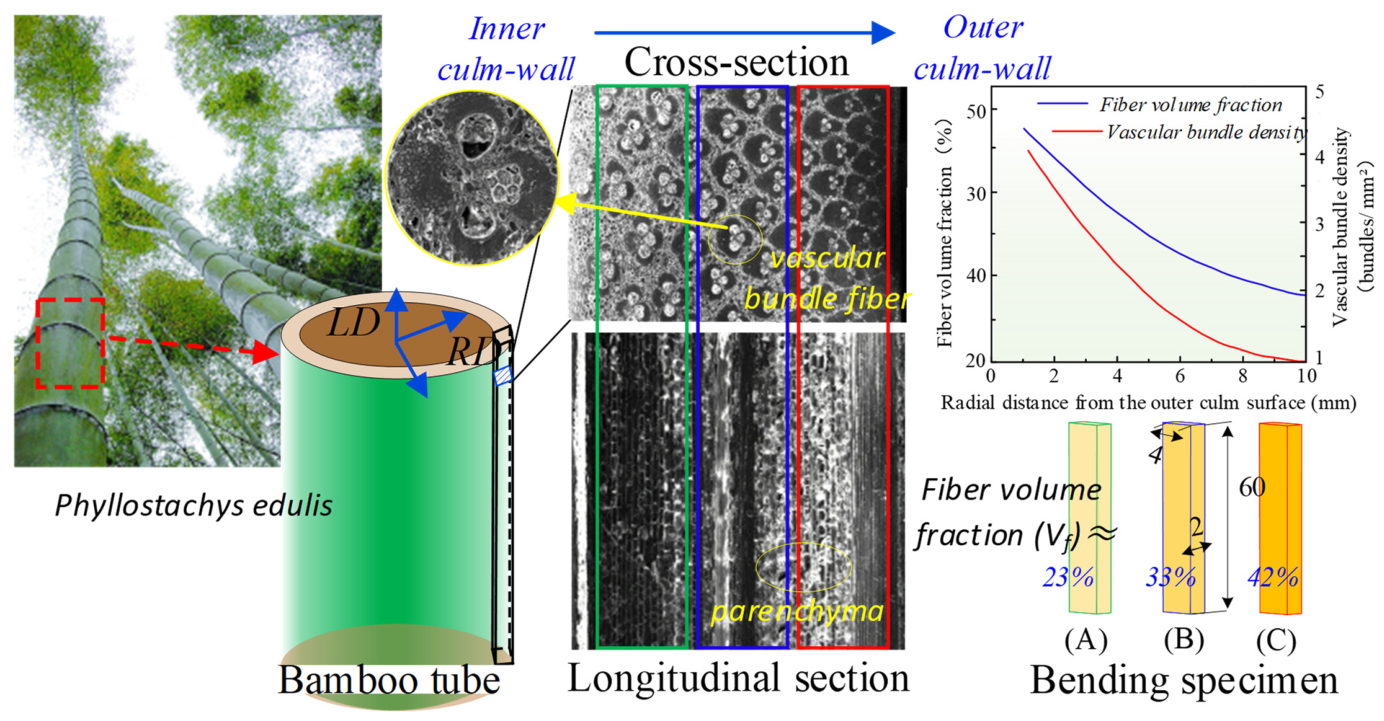
Bamboo is a natural fiber-reinforced composite whose macroscopic mechanical properties depend on the microscale synergistic deformation of fibers and parenchyma. However, existing in situ SEM testing techniques are mainly designed for metallic tensile testing and are unsuitable for analyzing bamboo’s meso-scale behavior. To address this, we developed an in situ SEM three-point bending instrument specifically for natural fiber materials. The instrument keeps the region of interest (ROI) stably centered in the SEM field of view through a stationary central indenter and symmetrically moving supports. It offers a 0–450 N load range, 0.5N force resolution, 1 μm displacement resolution, and is compatible with a Tescan Vega 4 SEM chamber. Using this instrument, in situ bending tests were performed on Moso bamboo (Phyllostachys edulis) with fiber volume fractions of 23%–42%, combined with digital image correlation for full-field strain measurement. Results show that flexural modulus, strength, and fracture work all increase significantly with fiber content. A microstructural failure classification framework was established based on in situ SEM observations, categorizing the observed failure modes according to the local arrangement of fibers and parenchyma. The proportions of these failure modes were found to be closely associated with the gradient distribution of strength and toughness across the culm wall. Three extrinsic toughening mechanisms were identified: fiber-induced crack deflection, parenchyma cell collapse densification, and fiber–parenchyma interfacial debonding. The developed instrument and analysis method offer a promising experimental platform for multi-scale mechanical characterization of natural composites.
Keywords: scanning electron microscopy; in situ bending; bamboo; microscopic mechanical behavior scanning electron microscopy; in situ bending; bamboo; microscopic mechanical behavior