Article

Satellite-Based Evidence of Shorter-Term Lagged Drought Driving High-Intensity Wildfires in Subtropical China

1
School of Economics and Management, Central South University of Forestry and Technology, Changsha 410004, China
2
Faculty of Business, City University of Macau, Macau 999078, China
3
National Virtual Simulation Experiment Center for Forest Fire Prevention, Central South University of Forestry and Technology, Changsha 410004, China
*
Author to whom correspondence should be addressed.
Forests 2026, 17(8), 868; https://doi.org/10.3390/f17080868
Submission received: 13 June 2026 / Revised: 17 July 2026 / Accepted: 23 July 2026 / Published: 25 July 2026
(This article belongs to the Section Natural Hazards and Risk Management)

Abstract

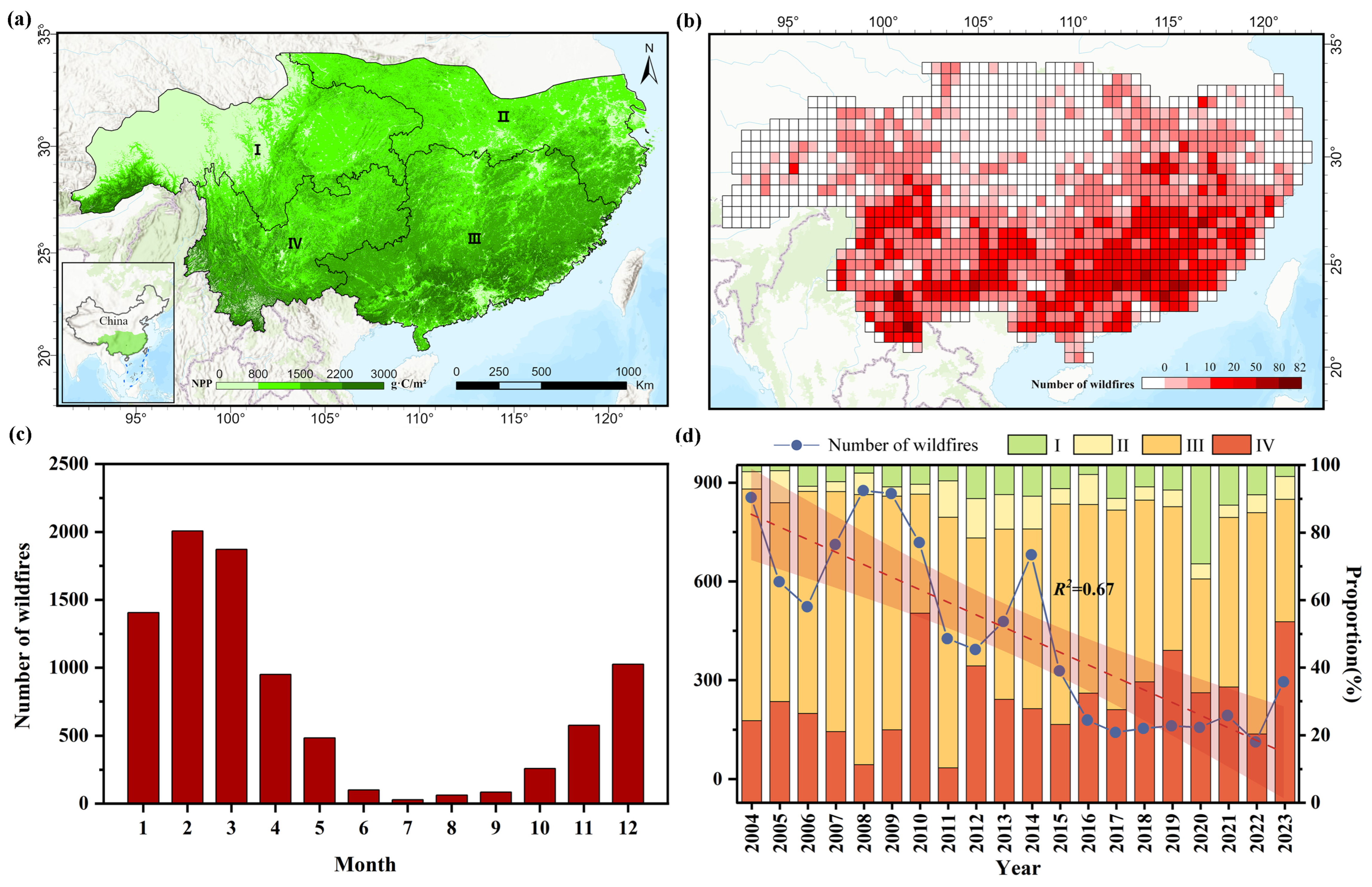
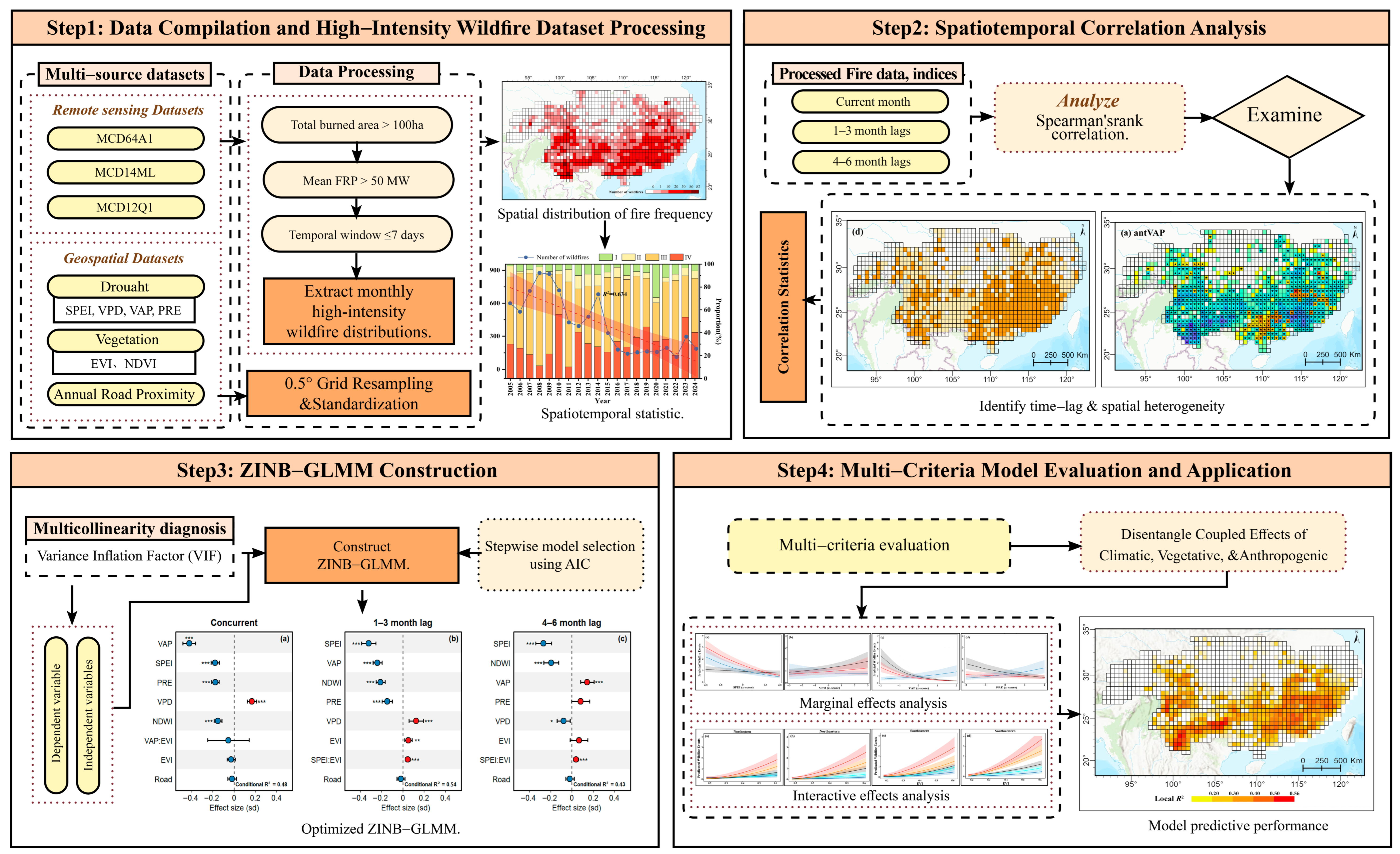
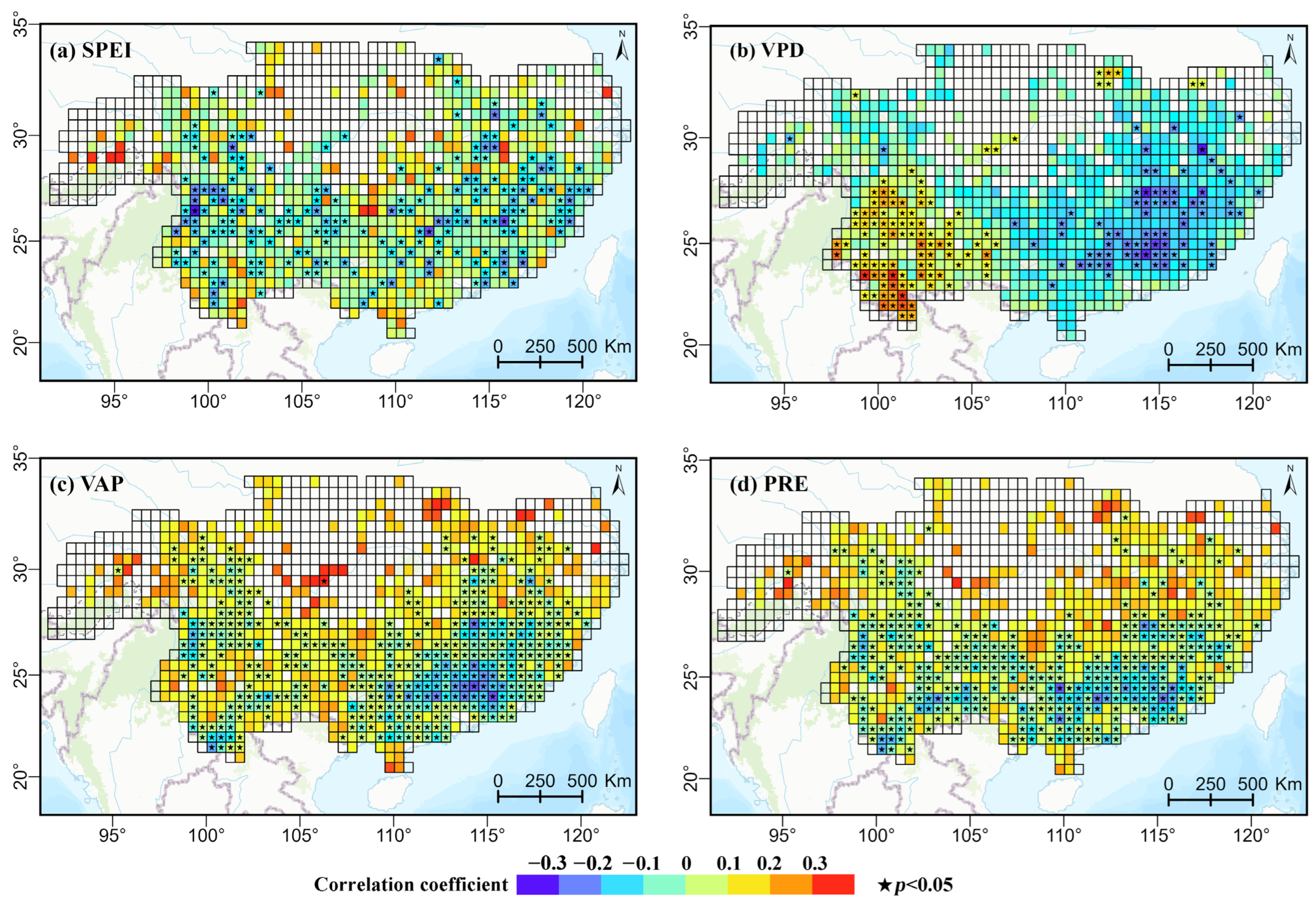
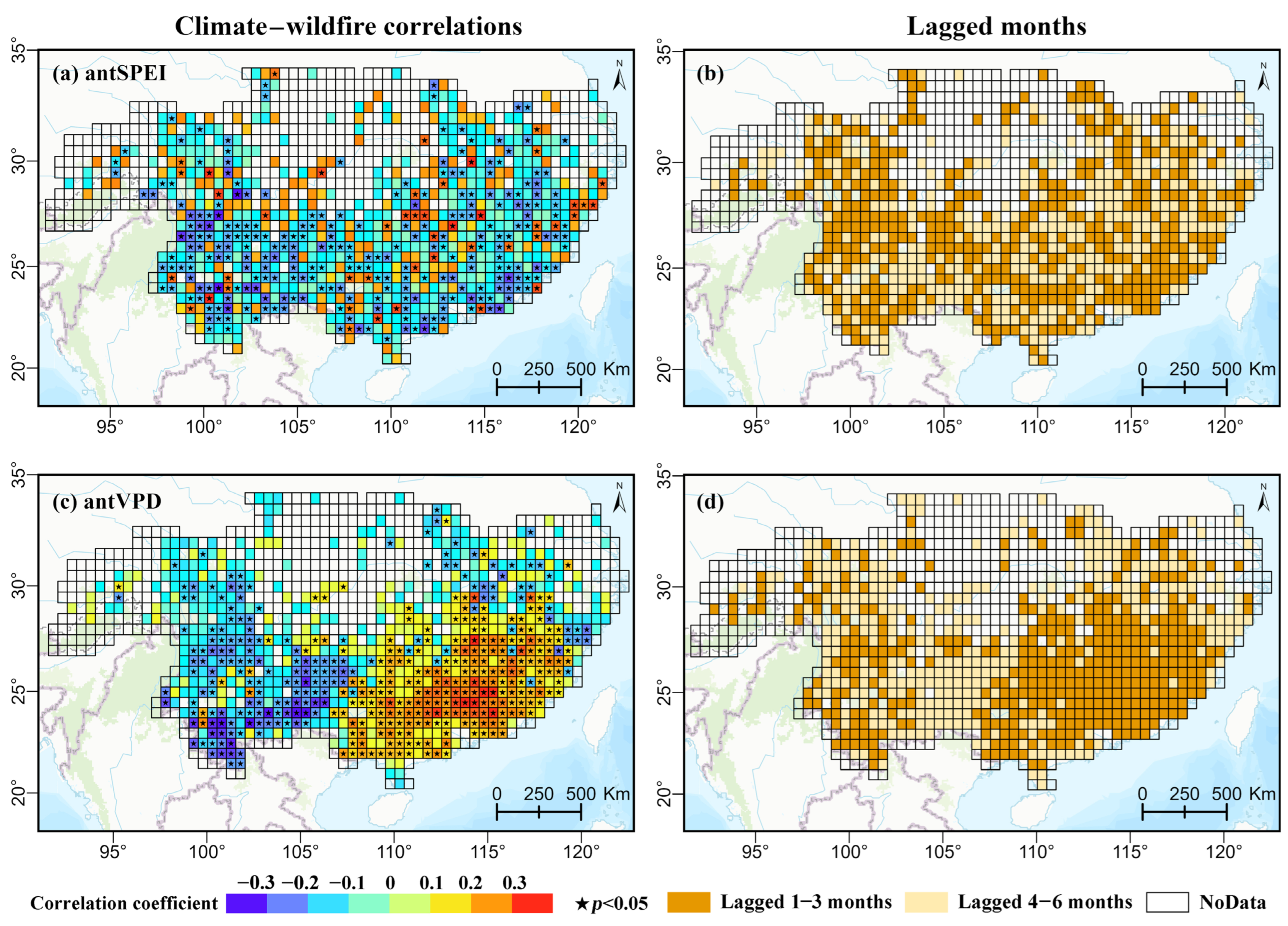
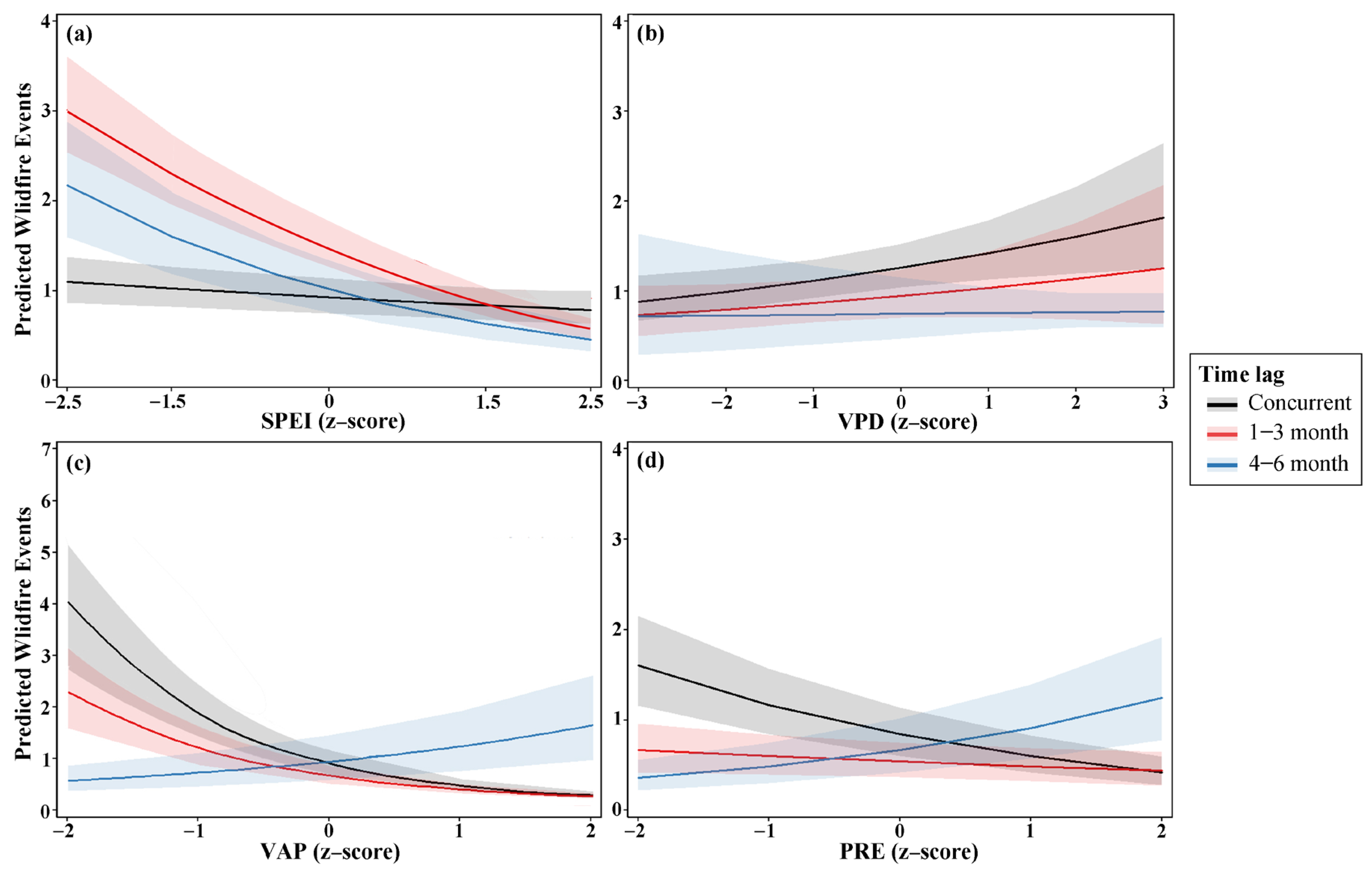
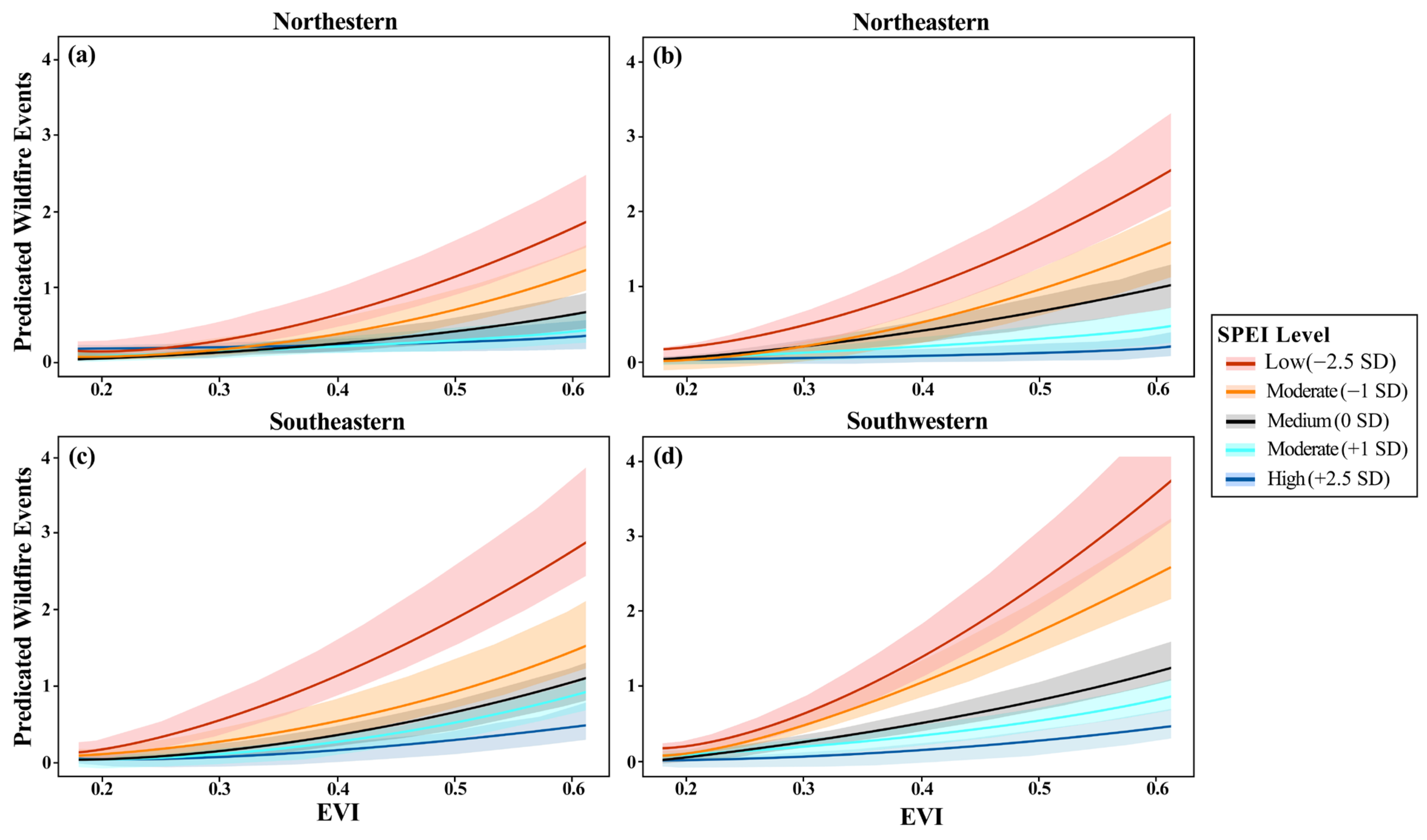
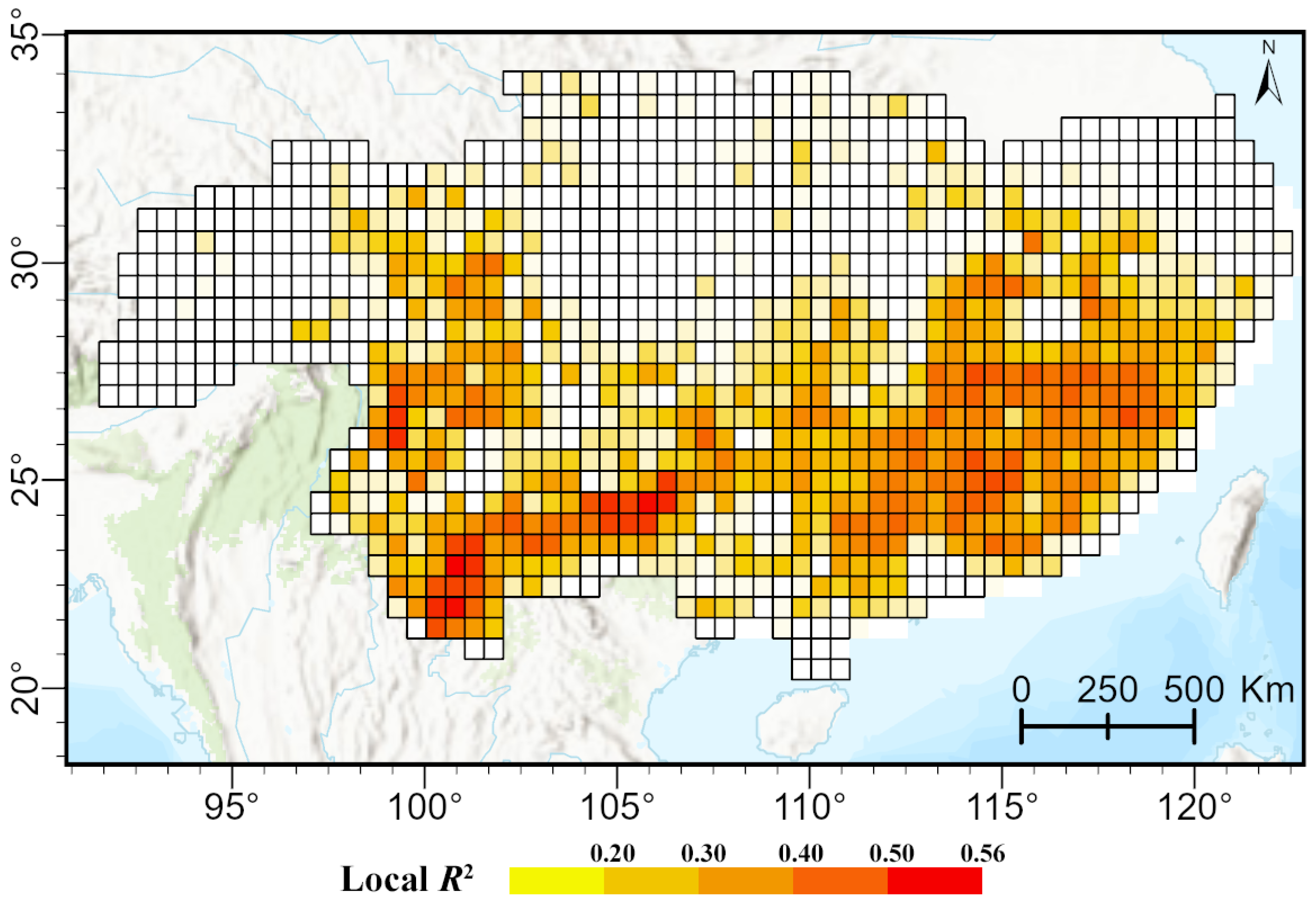
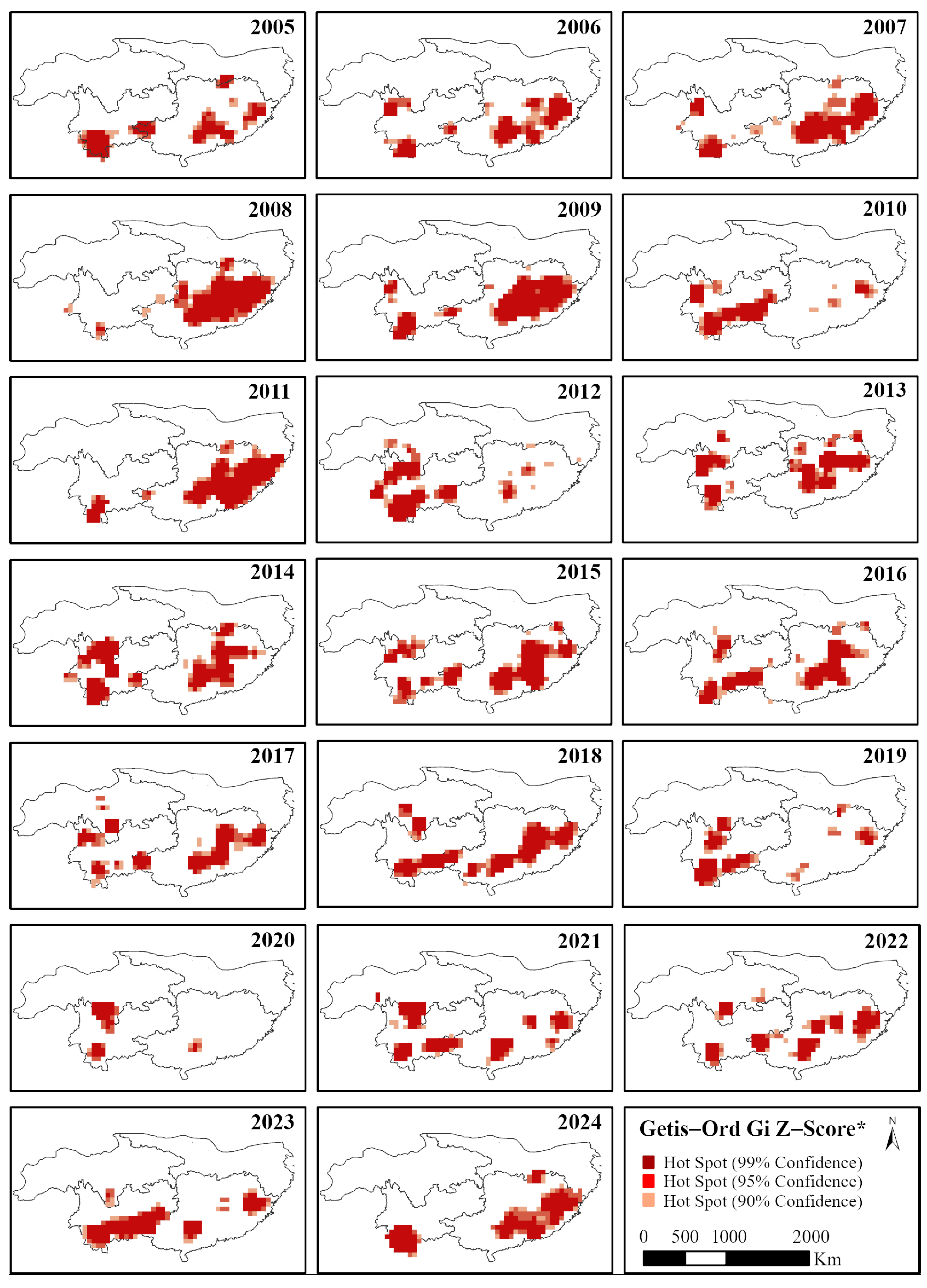
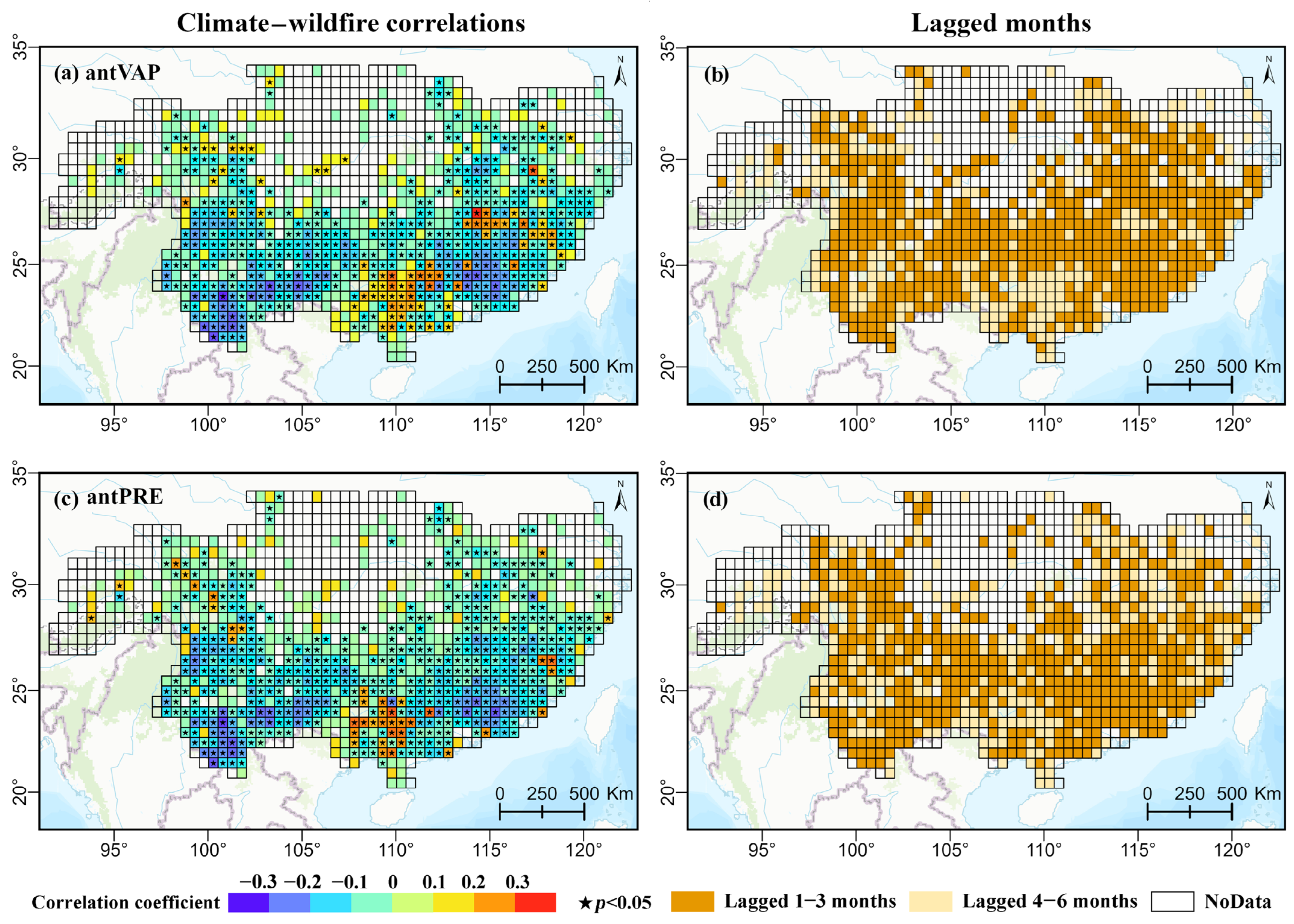
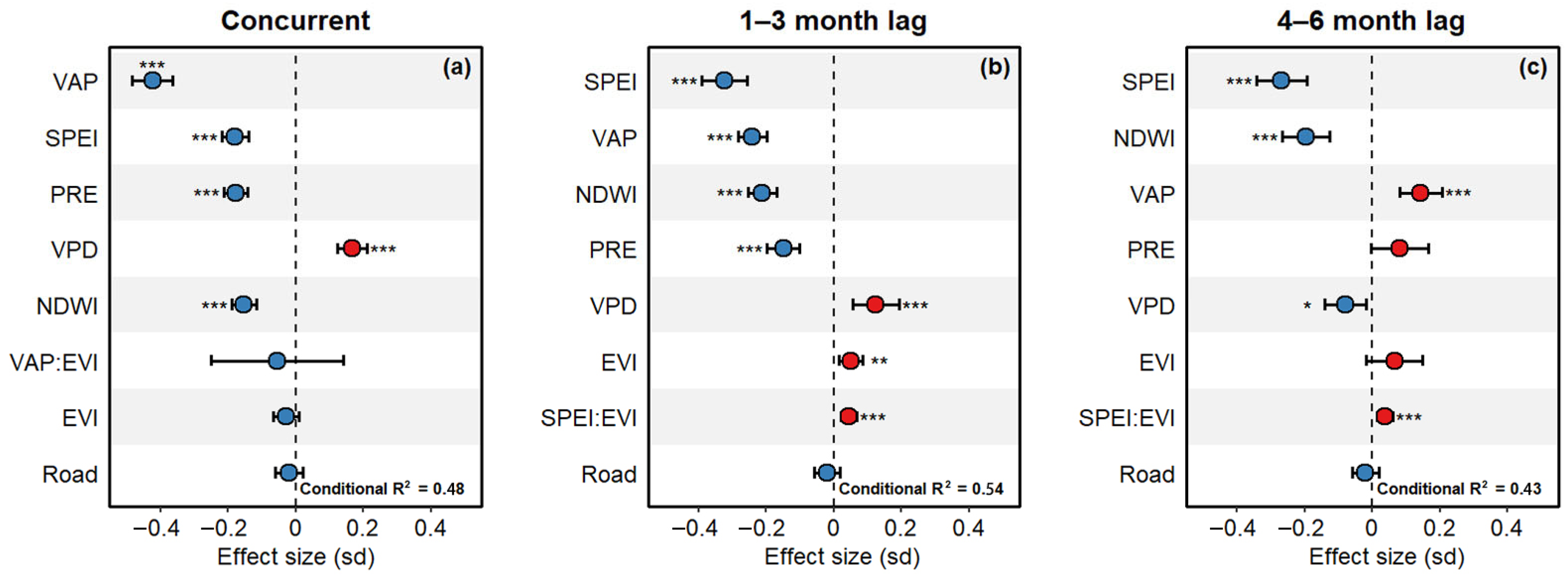
Climatic drought shapes wildfire regimes, yet the multi-timescale lagged responses of high-intensity wildfires to drought and their spatial heterogeneity remain unclear in subtropical monsoon forests. We integrated long-term MODIS satellite observations and monthly drought metrics (SPEI, VPD, VAP, and precipitation) across subtropical China during 2005–2024. We used Spearman rank correlation to identify multi-scale drought–wildfire relationships and constructed zero-inflated negative binomial generalized linear mixed models (ZINB-GLMM) to quantify multi-temporal drought, vegetation, and anthropogenic effects. Our results showed that 64.7% of 0.5° grid cells experienced high-intensity wildfires, with 77.8% of events occurring in the cold dry season (November–March). Concurrent dry conditions (low SPEI, VAP, precipitation) generally increased fire susceptibility, while atmospheric aridity (high VPD) showed spatially dipolar effects. The 1–3-month lagged model had the highest explanatory power (R2 = 0.54), identifying antecedent moisture deficit as the dominant driver. Dense vegetation amplified drought–fire synergies, especially in southeastern and southwestern China. Model predictive performance was strong overall, but lower accuracy in northern areas suggests additional local factors modulate wildfire risk there. This study provides a satellite-based spatiotemporal modeling framework that may serve as a methodological reference for ecological informatics-based wildfire early warning and climate-adaptive management in subtropical and analogous monsoon regions.
Keywords: high-intensity wildfires; drought; spatiotemporal modeling; time-lagged effect; vegetation–drought interaction high-intensity wildfires; drought; spatiotemporal modeling; time-lagged effect; vegetation–drought interaction