This is an early access version, the complete PDF, HTML, and XML versions will be available soon.
Article

Transfer-Function Modeling and Modal Characterization of Wooden Beam Specimens Based on Frequency Response Functions


College of Materials Science and Engineering, Nanjing Forestry University, Nanjing 210037, China
*
Author to whom correspondence should be addressed.
Forests 2026, 17(5), 623; https://doi.org/10.3390/f17050623
Submission received: 13 April 2026 / Revised: 14 May 2026 / Accepted: 20 May 2026 / Published: 21 May 2026
(This article belongs to the Section Wood Science and Forest Products)

Abstract

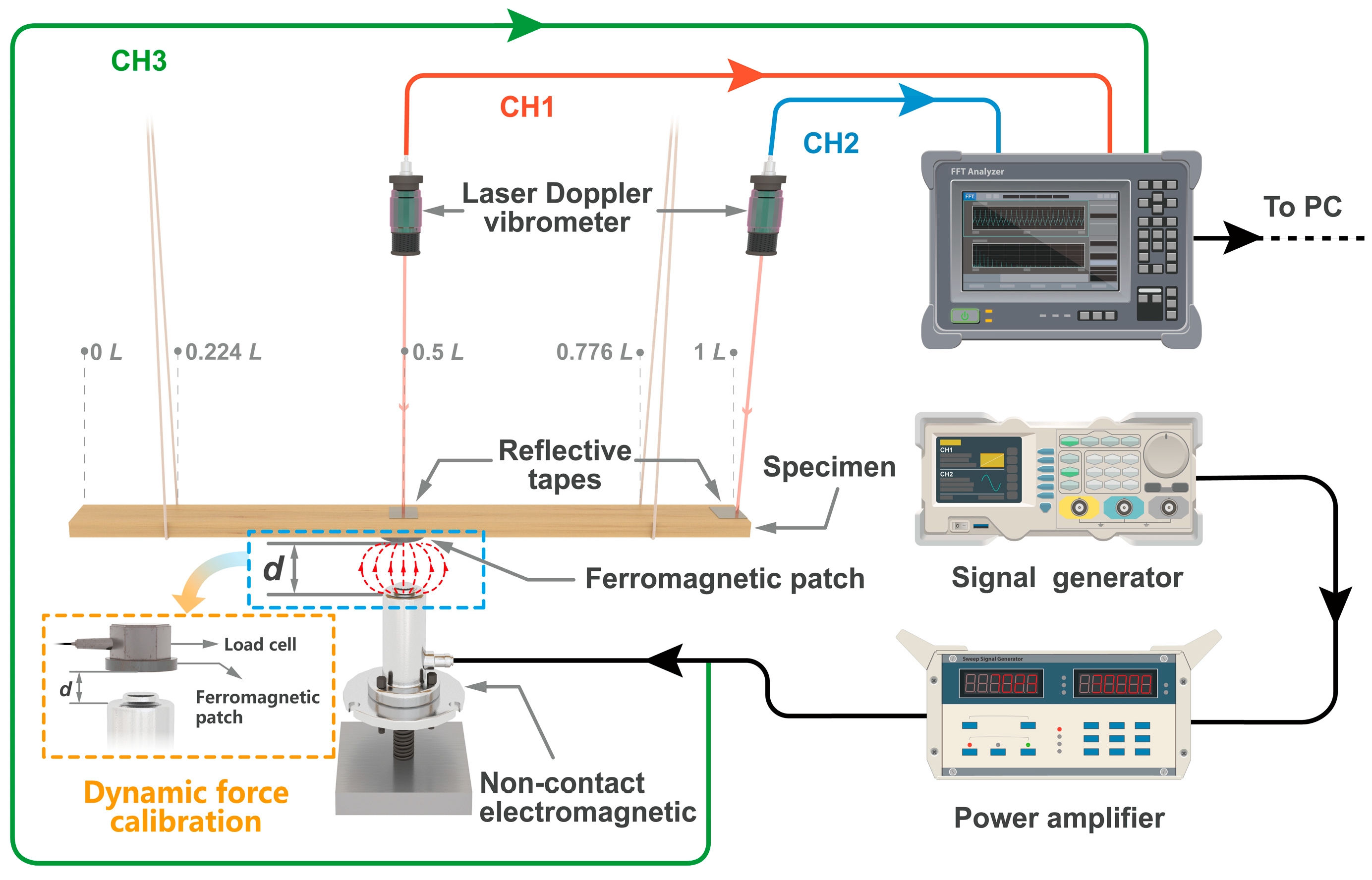
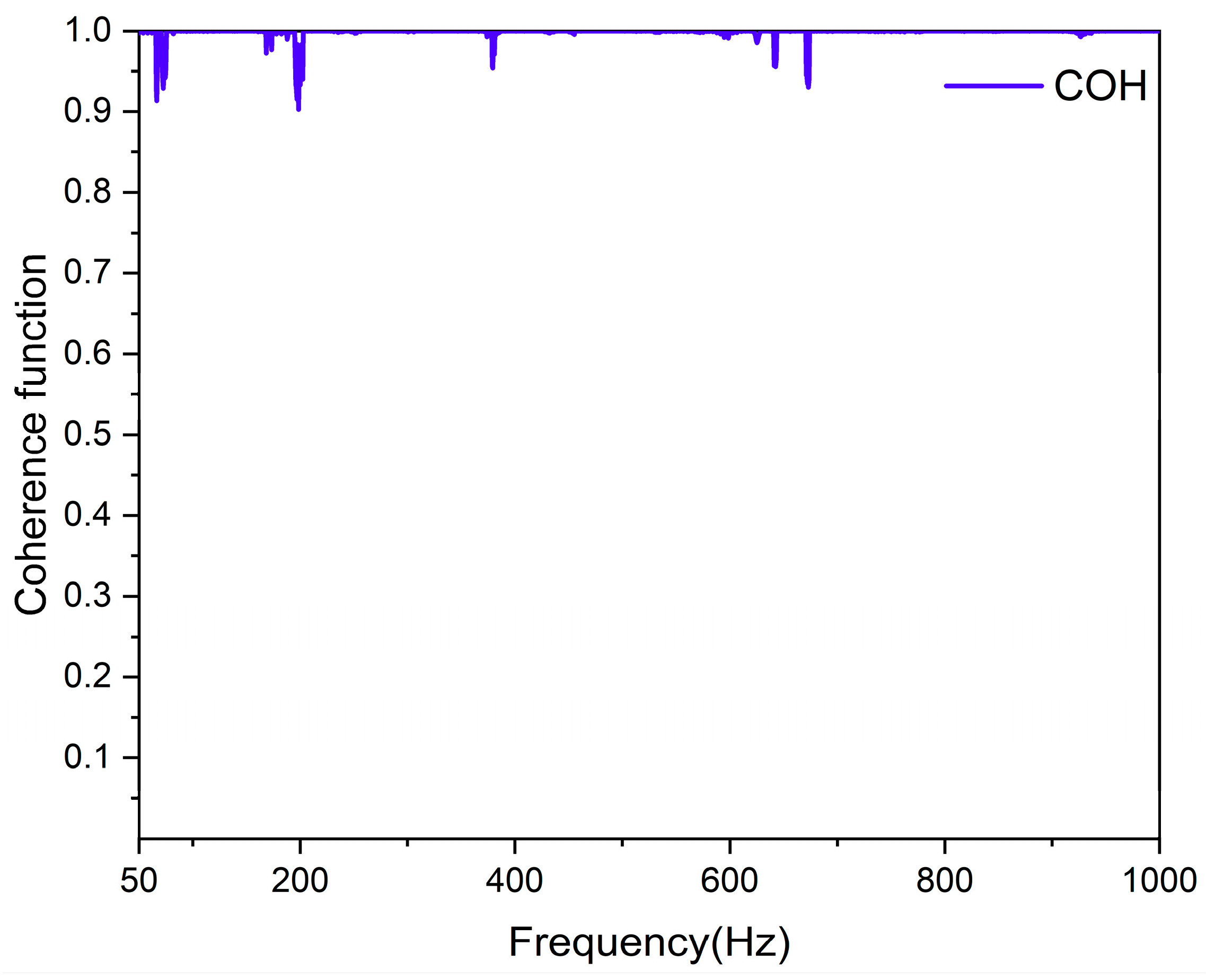
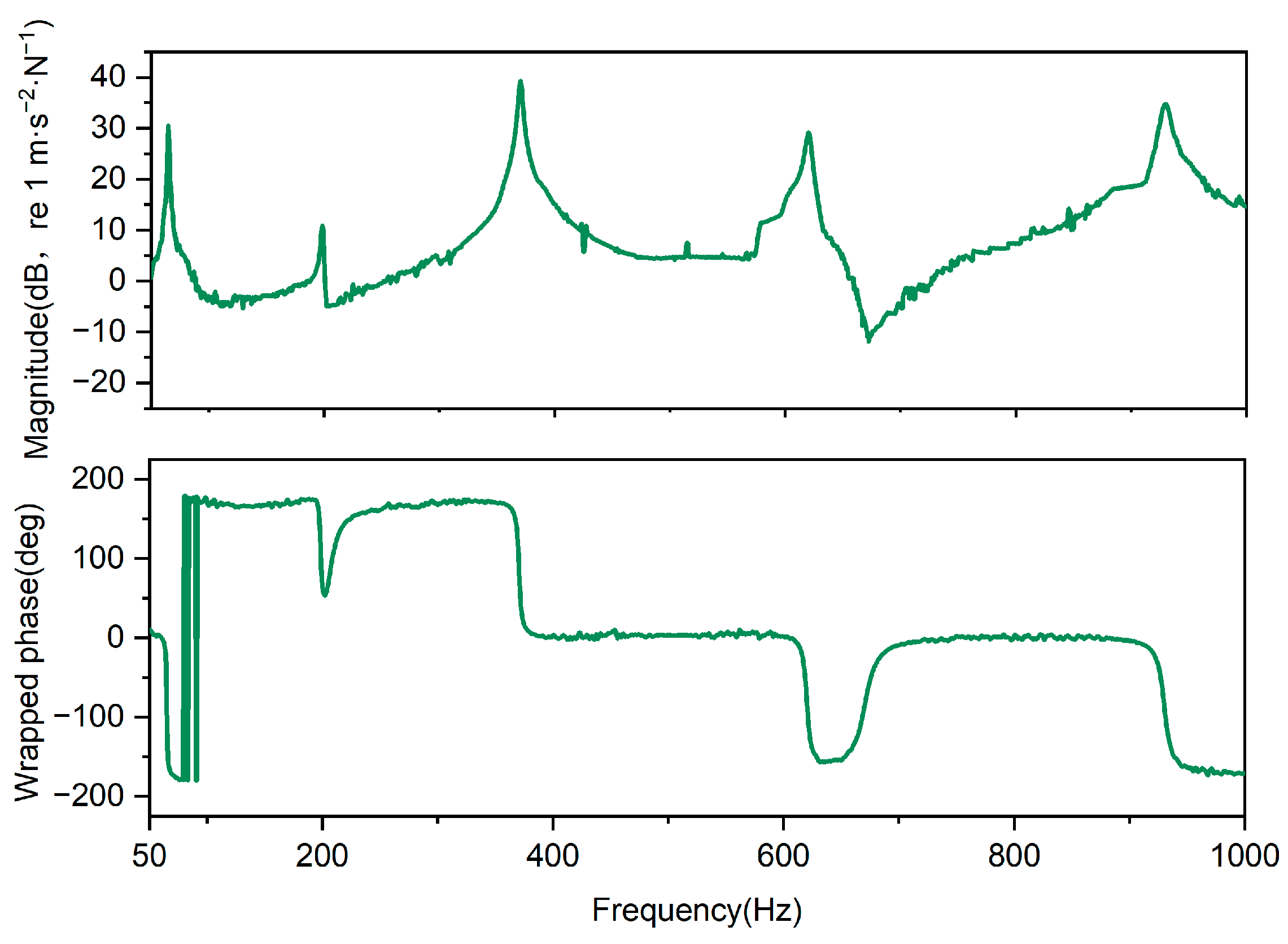
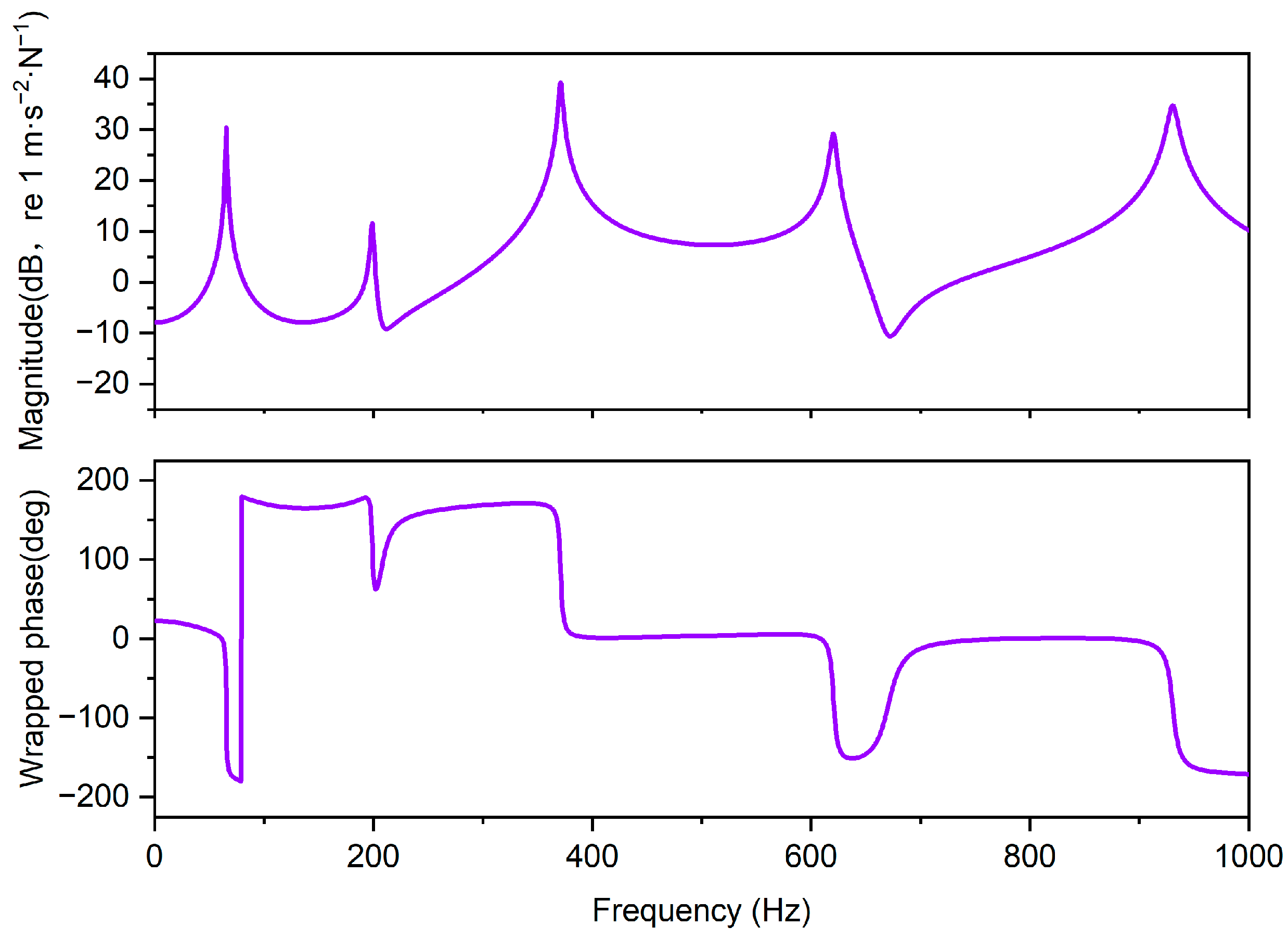
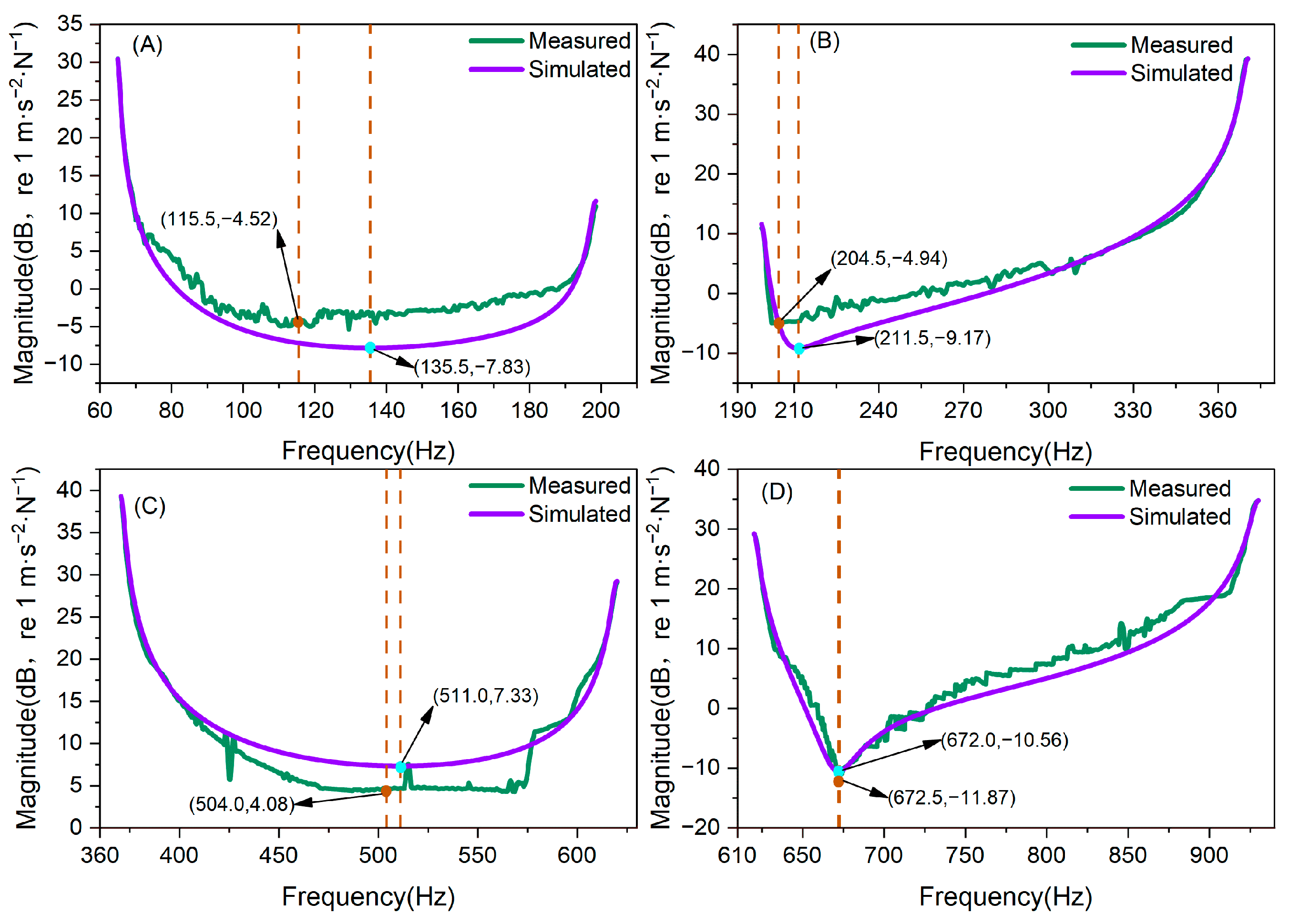
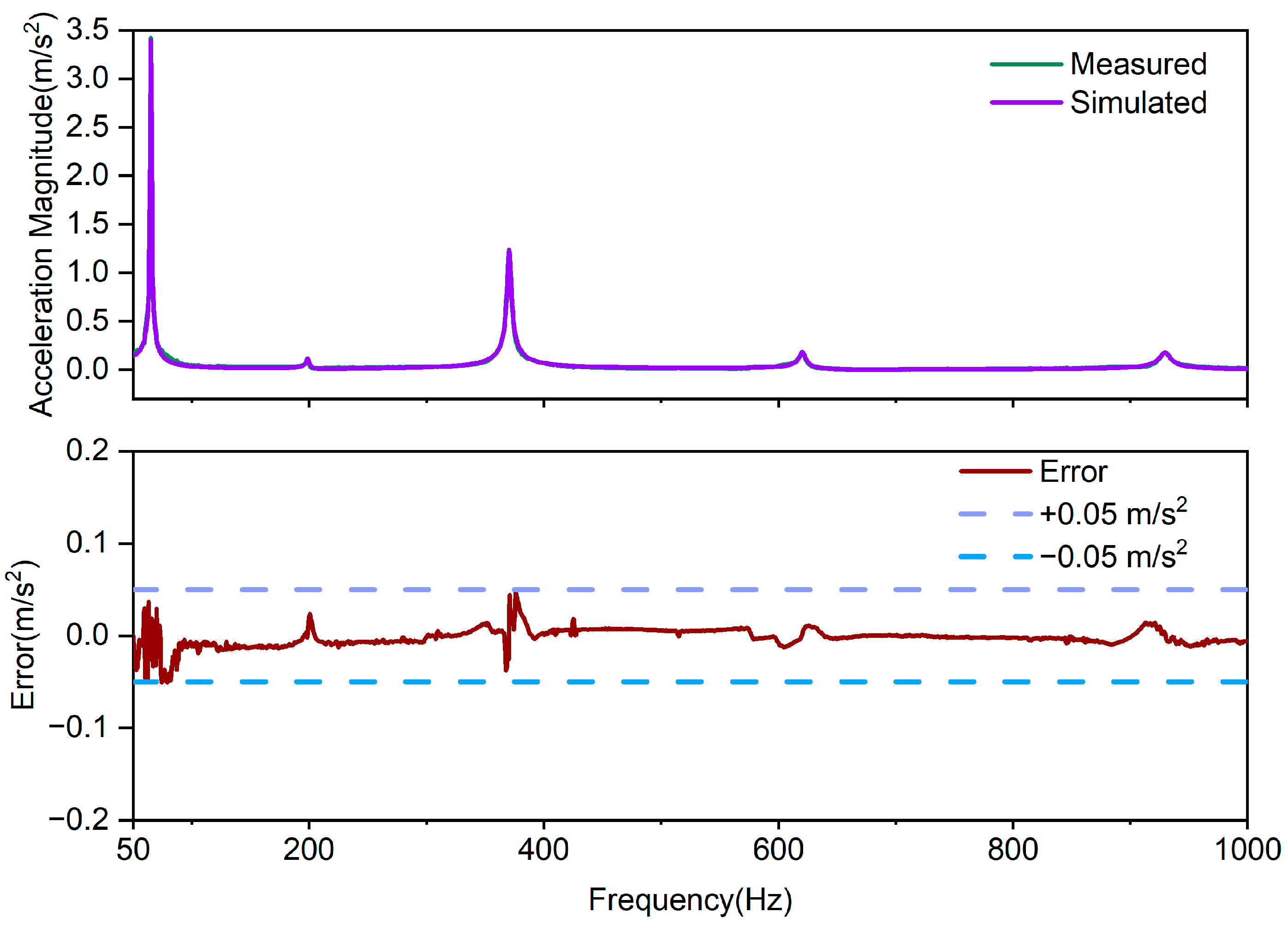
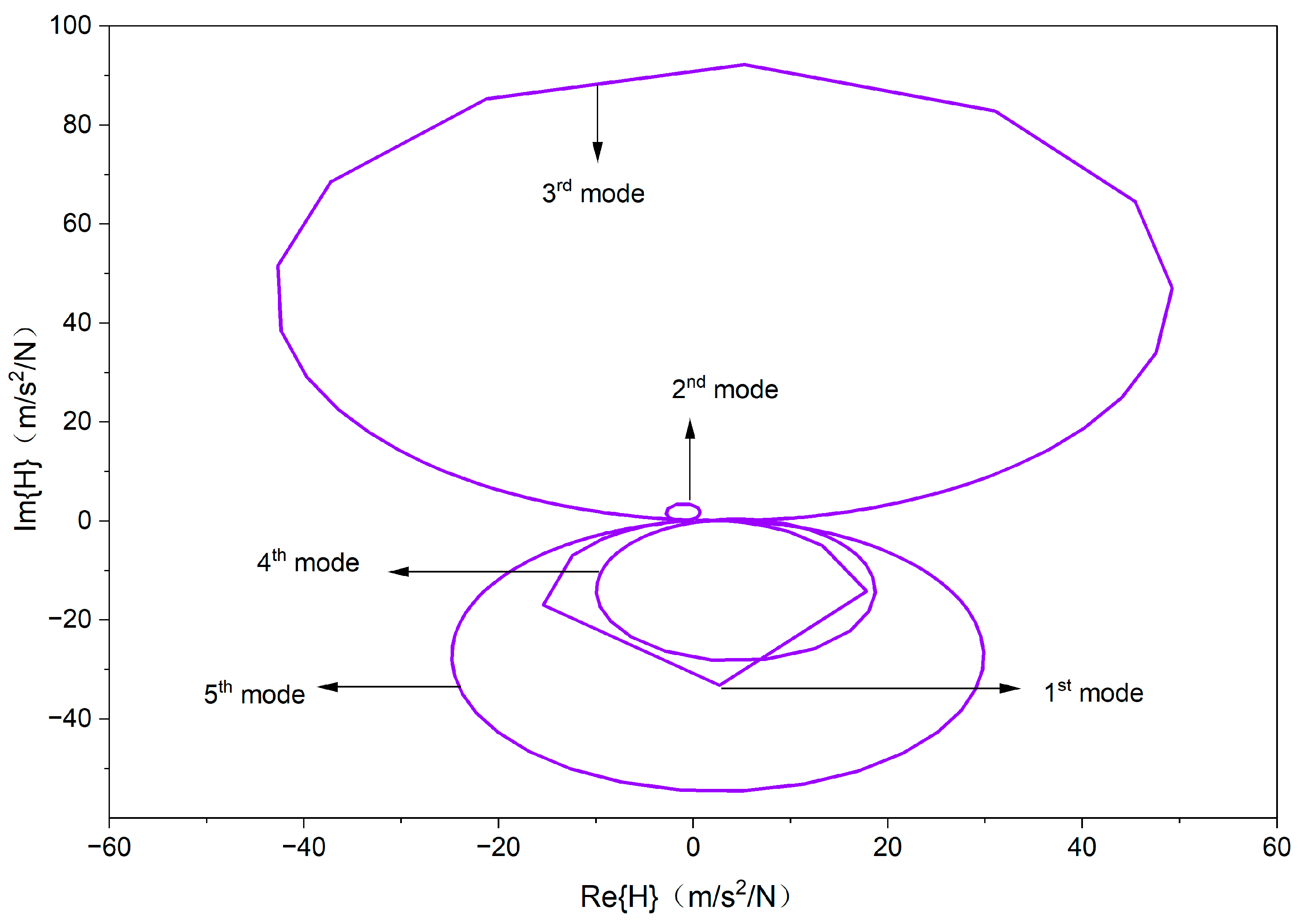
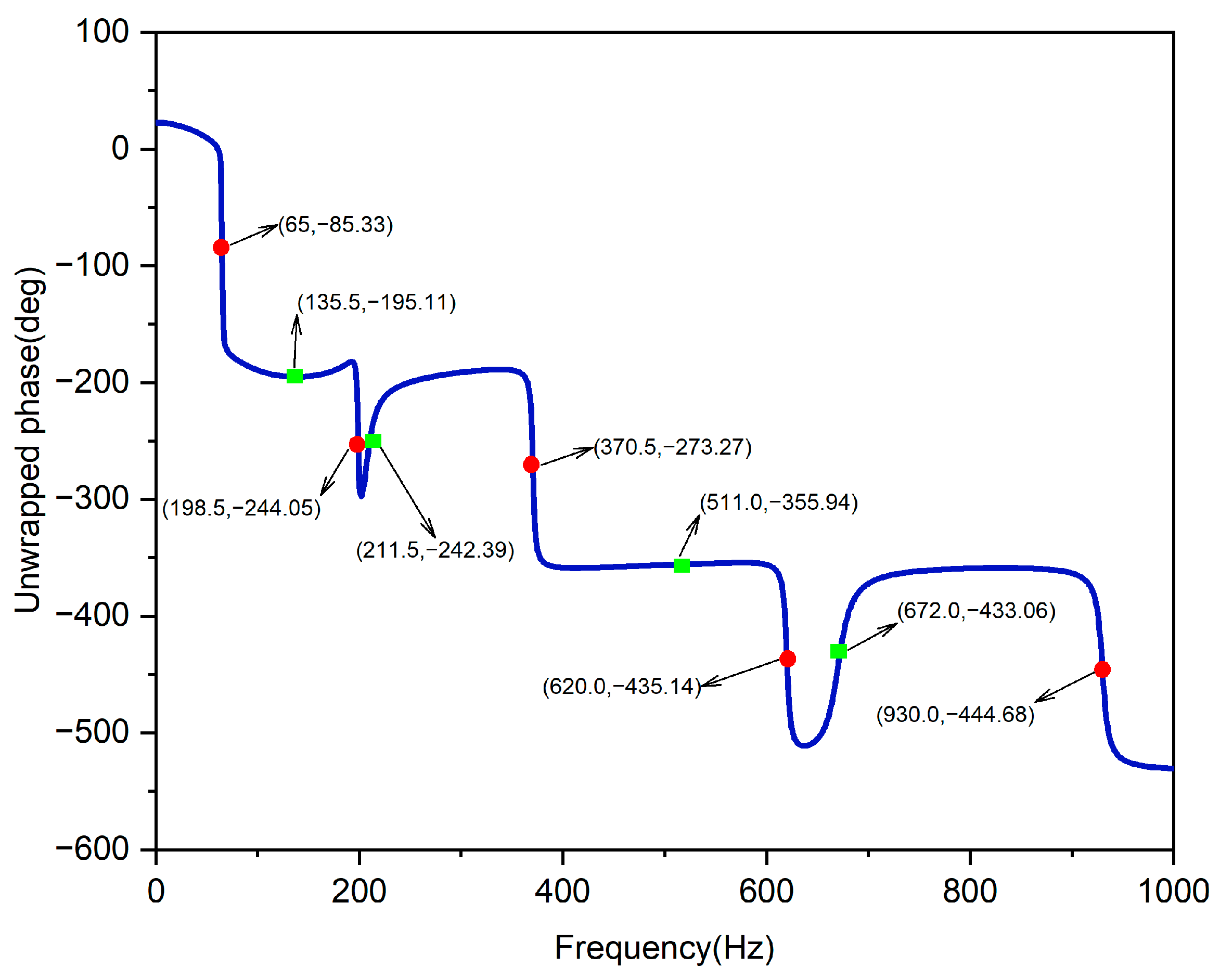
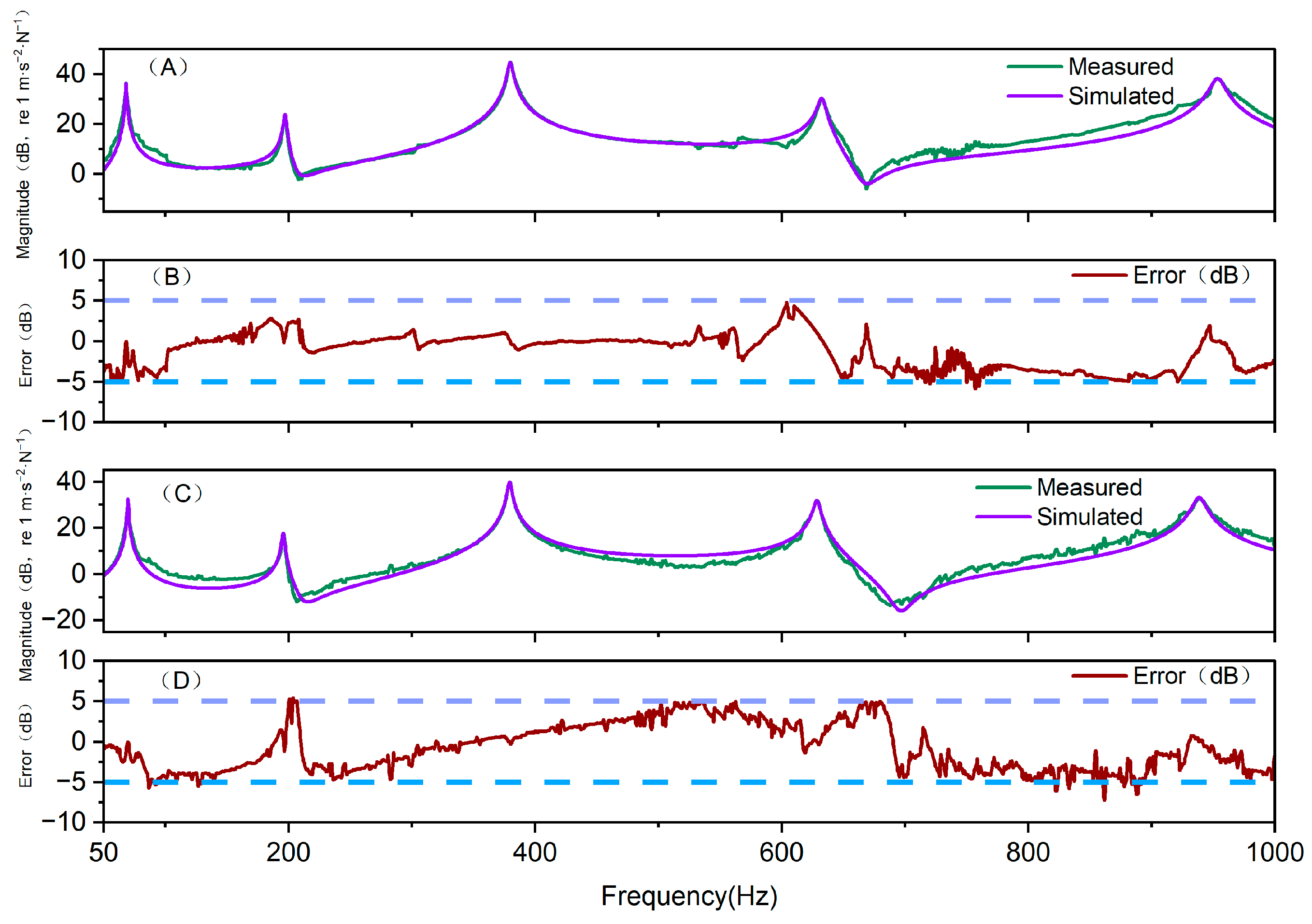
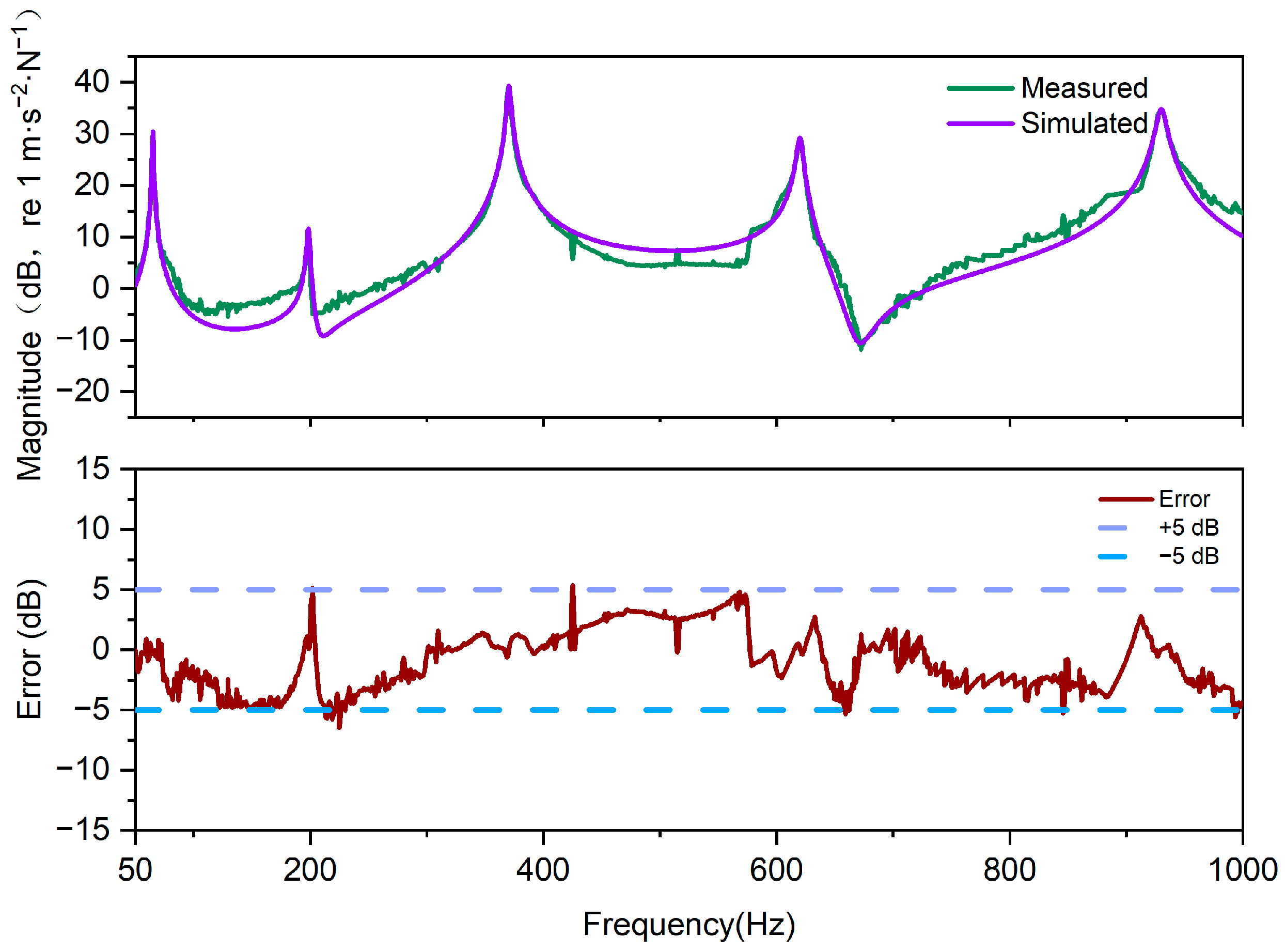
This study utilized three controlled Sitika spruce beam specimens and established a parameterized transfer-function model based on force–acceleration frequency response functions (FRFs) to characterize and reconstruct the frequency-domain modal response of beam specimens. The specimens were tested using non-contact magnetic swept-sine excitation, laser Doppler vibration measurement, and synchronous FFT analysis methods under free–free boundary conditions. In the experiment, one specimen was used for modeling and the other two specimens were used for consistency verification. Based on the measured complex FRF, a 1st–5th order modal transfer-function model was established in the frequency range of 0–1000 Hz. The experiment identified five resonance frequencies of the specimen, which were 65.0, 198.5, 370.5, 620.0, and 930.0 Hz, respectively. The model can reconstruct the measured magnitude and phase responses, with magnitude residuals within ±5 dB, resonance-peak magnitude errors of 0.03–0.73 dB, and wrapped-phase deviation around the poles of 0.20–5.08°. The Nyquist trajectory was continuous and smooth, with all poles located in the left half-plane, indicating that the model has stable pole behavior. The research results support the specimen vibration response as an approximate linear time-invariant system under small-magnitude and controlled testing conditions. The model can provide a physically interpretable and reconstructable modal-parameter expression for evaluating frequency-domain vibration responses of controlled wooden beam specimens.
Keywords: wooden beam specimen; frequency response function; transfer function model; modal identification wooden beam specimen; frequency response function; transfer function model; modal identification