1. Introduction
Zelkova schneideriana Hand.-Mazz. is a rare native tree species belonging to the genus
Zelkova in the family Ulmaceae [
1,
2,
3,
4]. As an endangered broad-leaved tree distributed mainly in subtropical mountainous regions of China, it occupies important ecological niches in mixed forest communities and contributes to soil and water conservation, ecological restoration, and habitat stability. It also possesses considerable economic and cultural value. Economically,
Z. schneideriana is regarded as a high-quality timber species because of its desirable wood properties, which make it suitable for furniture, interior decoration, and other wood products. In addition, its ornamental characteristics and environmental adaptability also make it a promising species for urban landscaping and greening. Therefore, efficient propagation and seedling production of this species are of considerable practical importance. However, owing to long-term anthropogenic disturbance, limited natural regeneration capacity [
5,
6], and low reproductive efficiency, wild populations of
Z. schneideriana have continuously declined. As a result, this species has been listed as a nationally protected plant, highlighting the urgent need for efficient artificial propagation technologies to support its conservation and sustainable utilization.
Seed propagation is the primary approach for large-scale seedling production and germplasm multiplication of
Z. schneideriana. However, its seeds are commonly characterized by a high proportion of empty shells, low germination rates, and asynchronous germination, which severely restrict seedling establishment and production efficiency [
7,
8]. Previous studies have suggested that seed germination in woody plants is often affected by seed coat constraints, dormancy type, endogenous hormone balance, stratification conditions, and exogenous growth regulators [
9,
10,
11,
12,
13,
14]. For
Z. schneideriana, recent work has provided useful information on seed germination and seedling establishment based on integrated metabolomic and transcriptomic analyses [
5]. These studies provide an important basis for understanding the germination limitations of this species. However, systematic comparisons of different exogenous phytohormones and the physiological and transcriptomic responses associated with the most effective hormone treatment remain insufficiently understood.
Among plant hormones, gibberellins, auxins, cytokinins, and abscisic acid are widely recognized as key regulators of seed dormancy release and germination processes [
9,
10,
11]. In addition to these classical hormones, brassinosteroids (BRs), a class of steroidal phytohormones, have emerged as important regulators of plant growth and development. Accumulating evidence indicates that BRs not only promote cell elongation and enhance stress tolerance, but also regulate seed germination [
12,
13,
14]. Previous studies have also shown that seed germination is often controlled by hormonal crosstalk, such as interactions among ABA, GA, auxin, cytokinin, and BR-related signaling pathways [
15,
16,
17,
18,
19,
20]. Therefore, combined hormone treatments may theoretically produce additive, synergistic, or antagonistic effects during seed germination. However, because the response of
Z. schneideriana seeds to individual exogenous phytohormones remains insufficiently understood, it is necessary to first compare the effects of single-hormone treatments before further evaluating combined hormone applications.
With the rapid development of high-throughput sequencing technologies, transcriptome analysis has become an important approach for elucidating molecular responses during seed germination [
15,
16,
17]. Previous studies in different plant species have shown that genes involved in cell wall remodeling, energy metabolism, hormone signal transduction, and redox regulation are commonly associated with germination. For
Z. schneideriana, previous work has provided useful information on seed germination and seedling establishment [
5], and related studies have also described germination constraints and dormancy characteristics in woody plant seeds [
7,
8,
9,
10,
11]. However, it remains unclear which exogenous phytohormone is most effective in promoting seed germination of this species and how the most effective treatment is associated with physiological and transcriptomic responses. This knowledge gap forms the basis for the assumptions and experimental design of the present study.
Based on the above research background, this study aimed to further clarify the effects of exogenous phytohormones on seed germination of Z. schneideriana and to identify the hormone treatment with the strongest promotive effect. Five commonly used exogenous phytohormones, namely 6-benzylaminopurine (6-BA), gibberellic acid (GA3), indole-3-acetic acid (IAA), brassinolide (BR), and abscisic acid (ABA), were compared. Because previous studies have shown that different phytohormones play distinct roles in seed dormancy release and germination regulation, and that BRs can promote seed germination and early seedling development through interactions with hormone signaling, redox regulation, and metabolic processes, we expected that the tested hormones would exert different effects on seed germination and that BR treatment would show a relatively strong promotive effect. Therefore, after identifying BR10 as the most effective treatment, we further analyzed transcriptomic changes, antioxidant enzyme activities, and endogenous hormone profiles under CK and BR10 treatments. Compared with previous studies that mainly described germination constraints, dormancy-related traits, or seedling establishment in Z. schneideriana, the present study demonstrates the comparative effects of different exogenous hormones and provides preliminary physiological and molecular evidence for BR-promoted germination in this species. Although combined hormone treatments were not included in the present experimental design, the results of single-hormone screening provide a necessary basis for future studies evaluating possible additive or synergistic effects of combined BR, GA, or other hormone treatments.
3. Results
3.1. Effects of Different Exogenous Phytohormone Treatments on the Germination Rate of Zelkova schneideriana Seeds
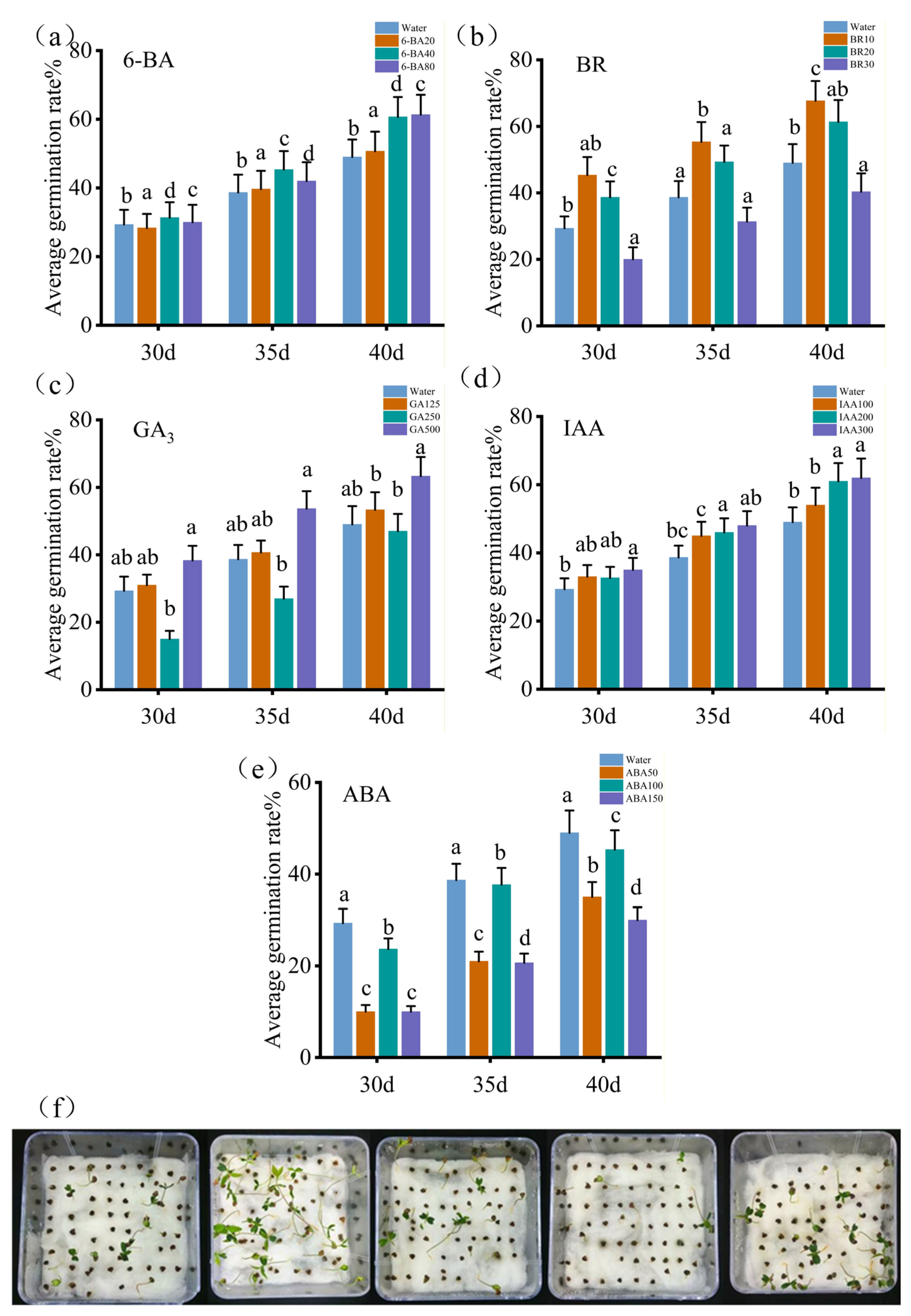
The effects of different exogenous phytohormone treatments on the germination rate of
Z. schneideriana seeds are shown in
Figure 1. In general, germination rates increased from 30 to 40 d in all treatments, but clear differences were observed among hormone types and concentrations.
The 6-BA treatments showed a moderate promotive effect on seed germination. At 30 d, germination rates remained low under all 6-BA treatments, and no clear significant advantage was observed among the tested 6-BA concentrations. At 35 and 40 d, germination rates increased further. Among the 6-BA treatments, 6-BA40 generally showed a stronger effect than 6-BA80 and produced significantly higher germination rates than the control at some incubation times, whereas 6-BA80 showed a weaker or non-significant effect compared with the control.
Among all hormone treatments, BR showed the strongest promotive effect on seed germination. At 30 d, both BR10 and BR20 significantly increased germination rates compared with the control, whereas BR30 showed a weaker effect. At 35 and 40 d, BR10 consistently produced the highest germination rates among all BR treatments. In contrast, BR30 resulted in lower germination rates than BR10 and BR20, and at some time points was even lower than the control, indicating a clear concentration-dependent effect of BR.
GA treatments also promoted seed germination, although their effects were weaker than those of BR treatments. At 30 d, GA500 showed a higher germination rate than the lower GA concentrations, with significant differences among some GA treatments. At 35 and 40 d, germination rates increased further in all GA treatments, and GA500 produced significantly higher germination rates than the control at some incubation times. However, the differences among GA concentrations were less distinct than those observed among BR treatments.
IAA treatments showed limited promotive effects on seed germination. At 30 d, germination rates under IAA100, IAA200, and IAA300 were not significantly different from the control. At 35 and 40 d, germination rates increased gradually, and some IAA treatments showed higher germination rates than the control; however, the differences among IAA concentrations were generally not significant. These results indicate that IAA had a limited and mostly non-significant promotive effect compared with BR.
In contrast, ABA significantly inhibited seed germination throughout the incubation period. At 30 d, germination rates under ABA50, ABA100, and ABA150 were all significantly lower than those of the control and decreased with increasing ABA concentration. At 35 and 40 d, germination rates increased in all groups, but the ABA-treated seeds still remained significantly lower than the control. Among them, ABA150 showed the strongest inhibitory effect.
Overall, the five exogenous phytohormones showed distinct regulatory effects on seed germination. BR10 produced the strongest and statistically significant promotive effect, whereas ABA150 showed the strongest and statistically significant inhibitory effect. GA and 6-BA produced moderate promotive effects at some concentrations or incubation times, while IAA showed limited and mostly non-significant promotive effects compared with BR.
3.2. Quality Assessment of Transcriptome Sequencing Data
The transcriptome sequencing data showed high quality across all samples, with low error rates, high Q20 and Q30 values, stable GC contents, and mapping ratios above 89% (
Table 2), indicating that the data were suitable for subsequent analyses.
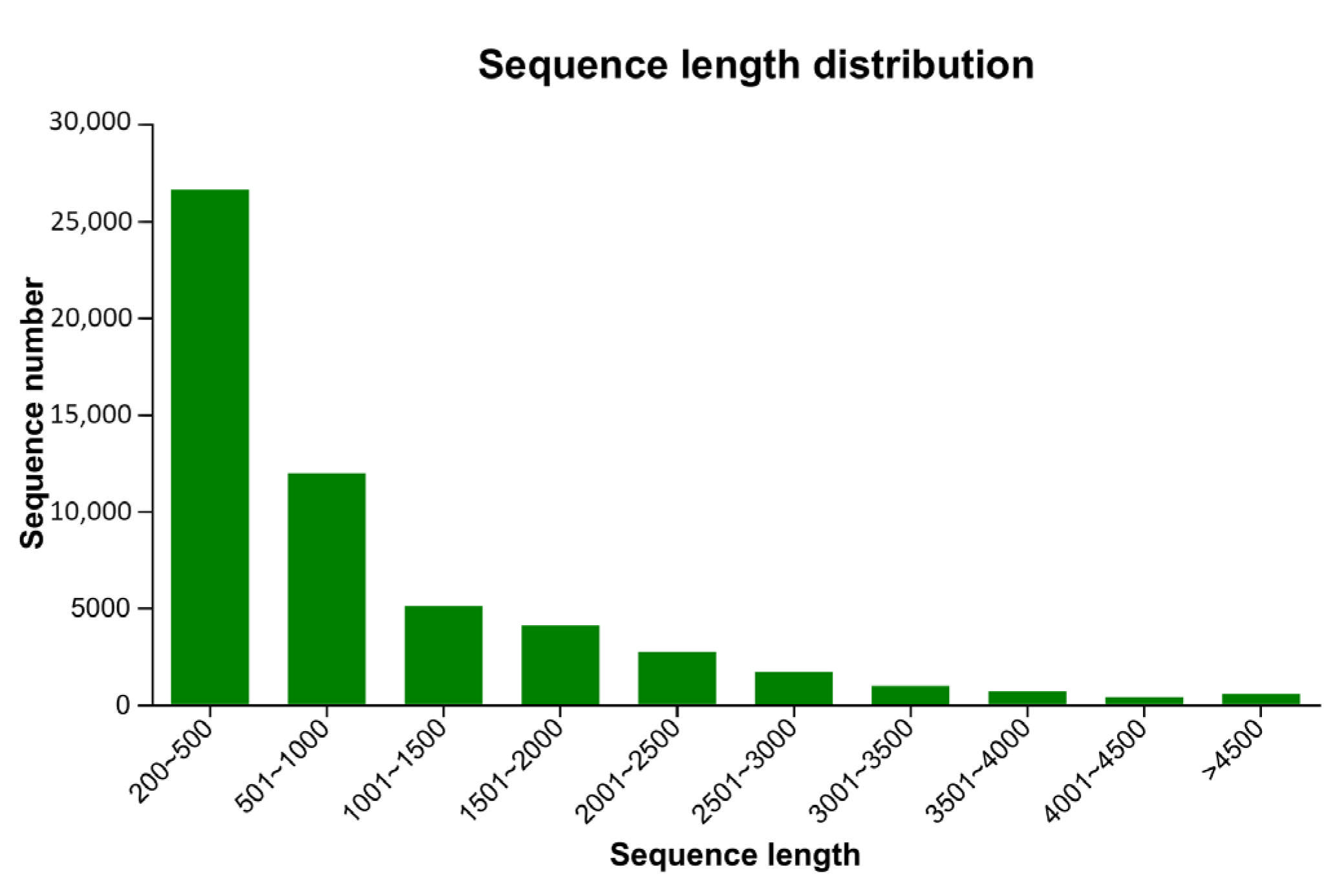
The assembled transcripts were mainly concentrated in the 200–500 bp range, with transcript numbers decreasing as sequence length increased (
Figure 2), suggesting an acceptable assembly profile for downstream annotation.
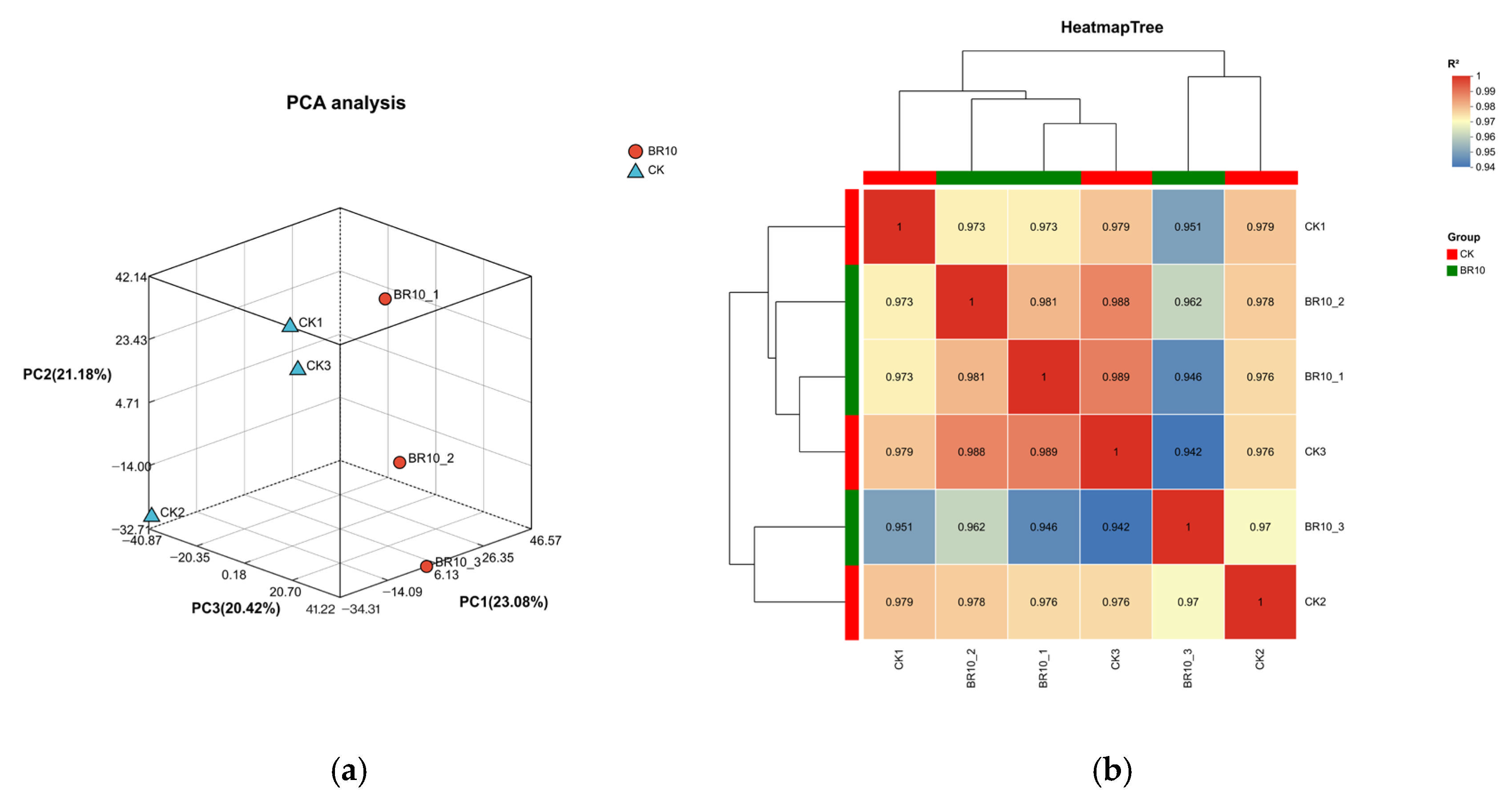
PCA clearly separated the CK and BR10 groups, while biological replicates within each treatment clustered closely together (
Figure 3a). Pearson correlation analysis showed high correlations among replicates, with coefficients above 0.95 (
Figure 3b), indicating good biological reproducibility and reliable transcriptomic differences between CK and BR10.
3.3. Functional Annotation of Expressed Genes
A total of 53,541 unigenes and 95,970 transcripts were obtained, of which 30,137 unigenes and 62,374 transcripts were annotated in at least one public database (
Table 3). Among the six databases, NR showed the highest annotation coverage, followed by GO and eggNOG, providing a basis for subsequent functional analysis.
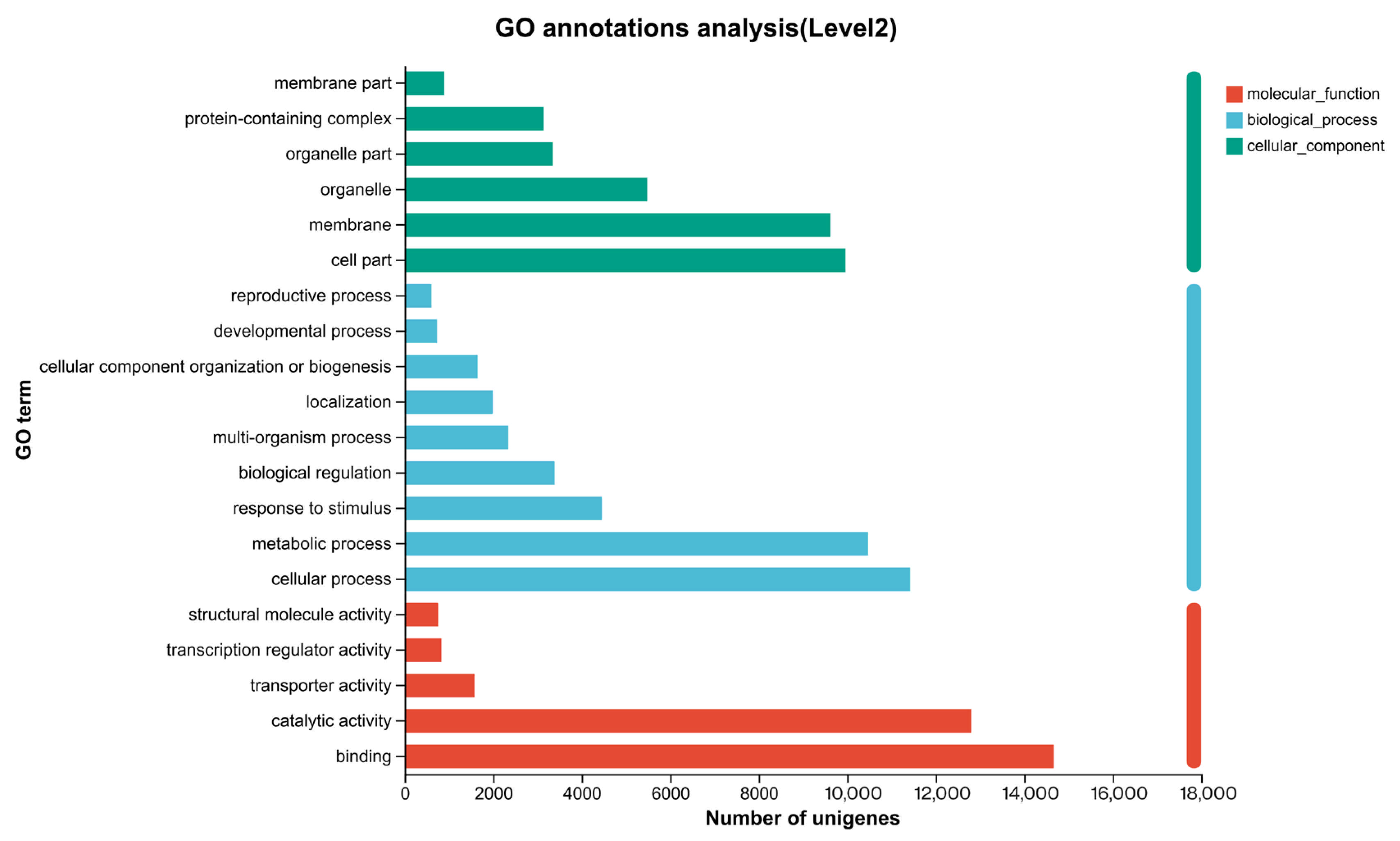
GO classification showed that annotated genes were mainly assigned to the categories of biological process, cellular component, and molecular function (
Figure 4), Within these categories, genes related to cellular and metabolic processes, membrane-associated components, and binding or catalytic activities were highly represented, suggesting active metabolic and cellular regulation during seed germination.
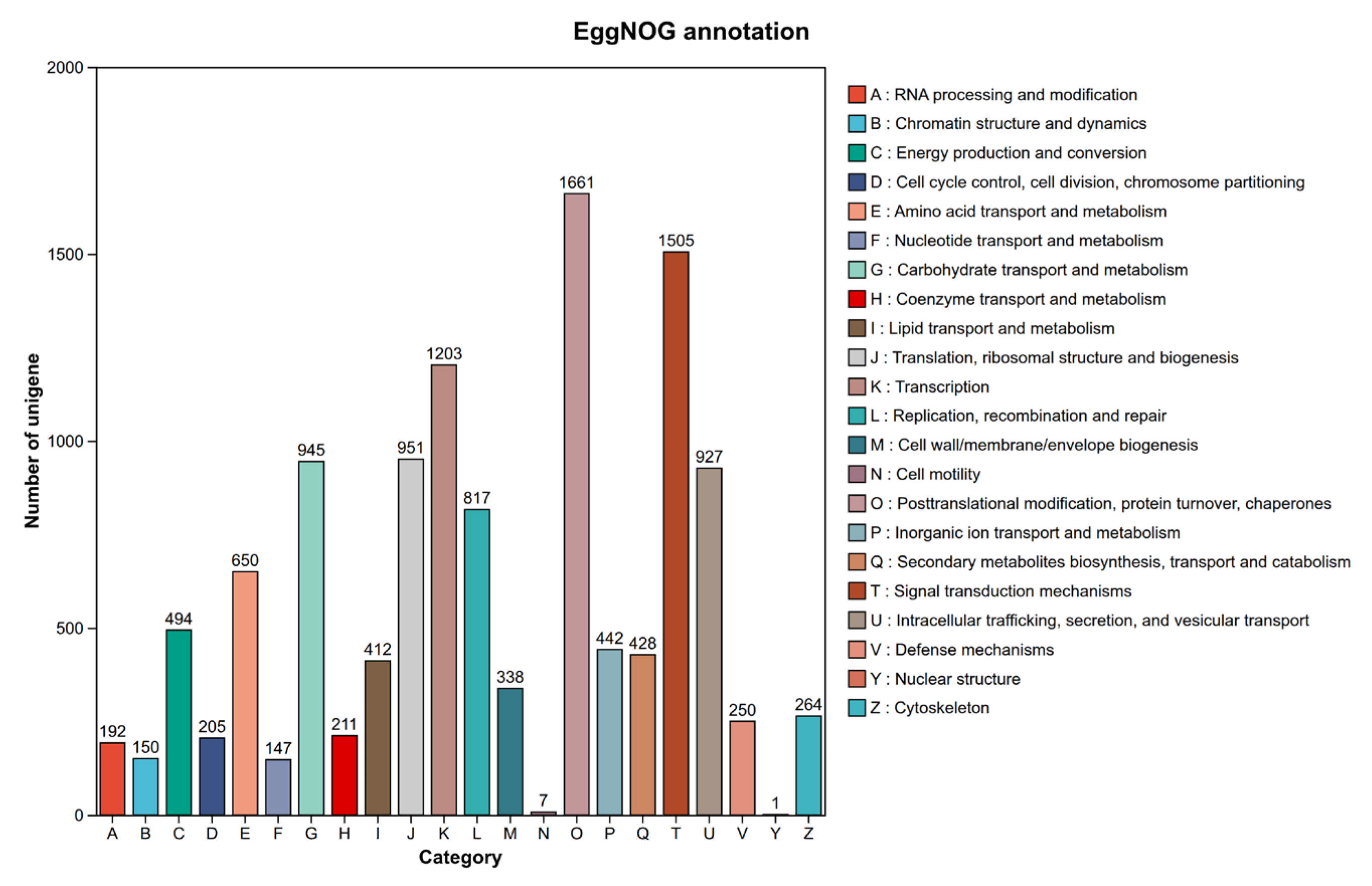
eggNOG classification further indicated that the annotated genes were widely involved in transcription, translation, signal transduction, substance transport, and metabolism (
Figure 5). In particular, categories related to transcription, post-translational modification and protein turnover, energy production and conversion, and carbohydrate metabolism were well represented.
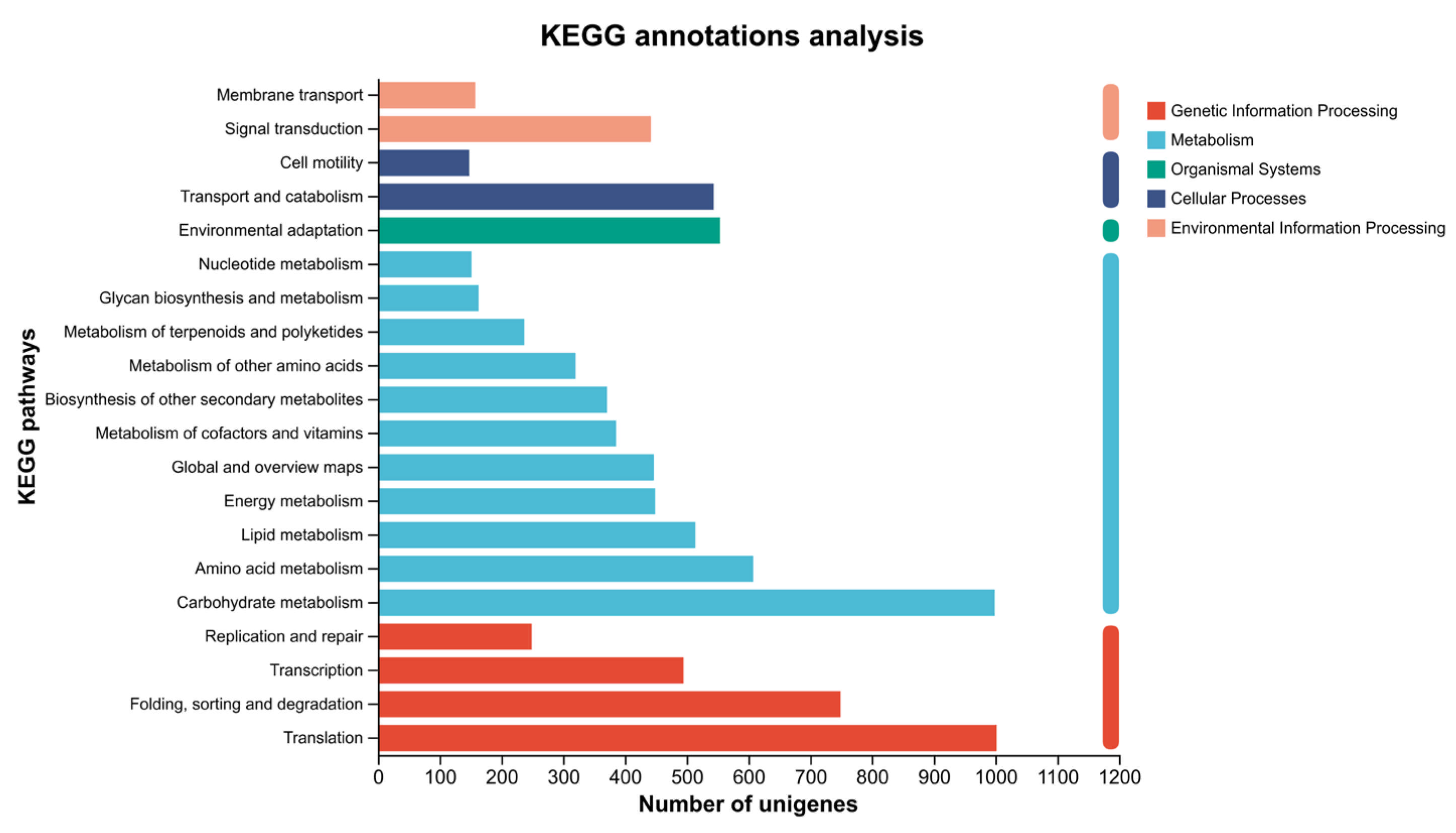
KEGG classification showed that annotated genes were mainly enriched in metabolic pathways, followed by pathways associated with genetic information processing and environmental information processing (
Figure 6). Together, these results indicate that the
Z. schneideriana transcriptome covers a broad range of biological functions related to seed germination and early development.
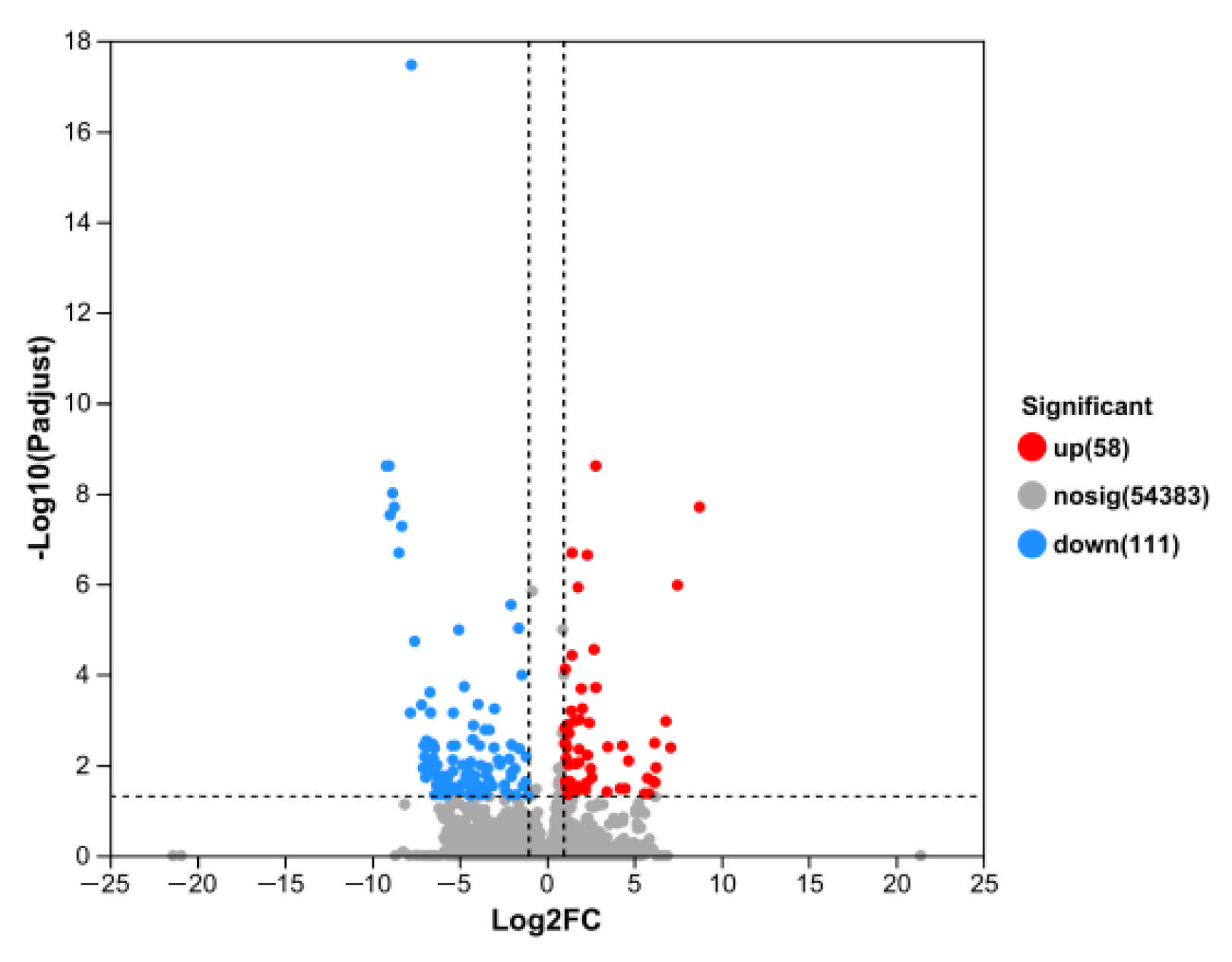
Comparative transcriptomic analysis identified clear differences in gene expression between CK and BR10, with a set of differentially expressed genes (DEGs) detected between the two groups (
Figure 7). These DEGs provided the basis for subsequent enrichment analysis of BR-responsive pathways in
Z. schneideriana.
3.4. GO and KEGG Enrichment Analyses
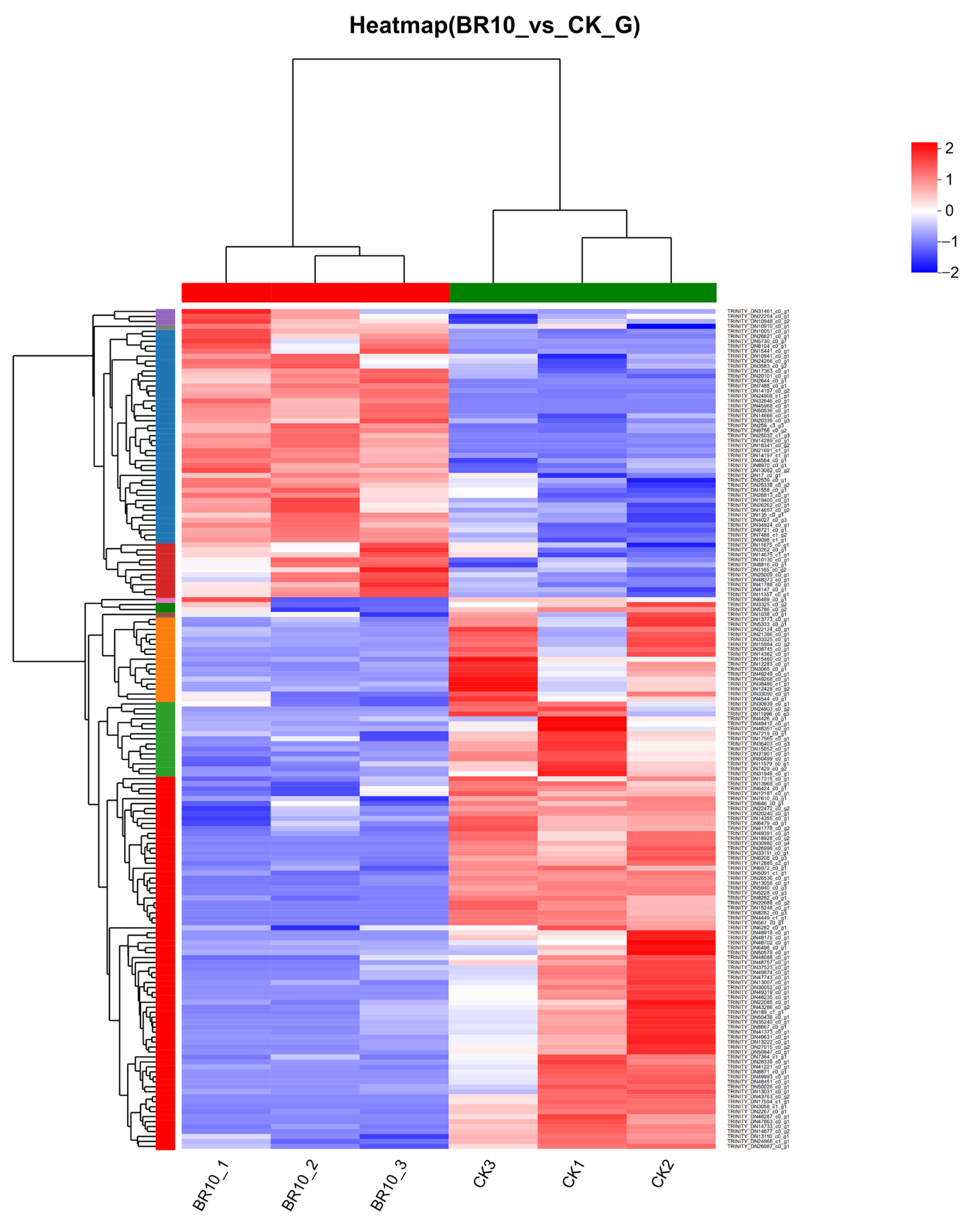
To clarify the biological significance of BR-responsive transcriptional changes, GO and KEGG enrichment analyses were performed using DEGs identified between CK and BR10. DEG clustering further showed distinct expression patterns between the two groups, while biological replicates within each treatment remained highly similar (
Figure 8).
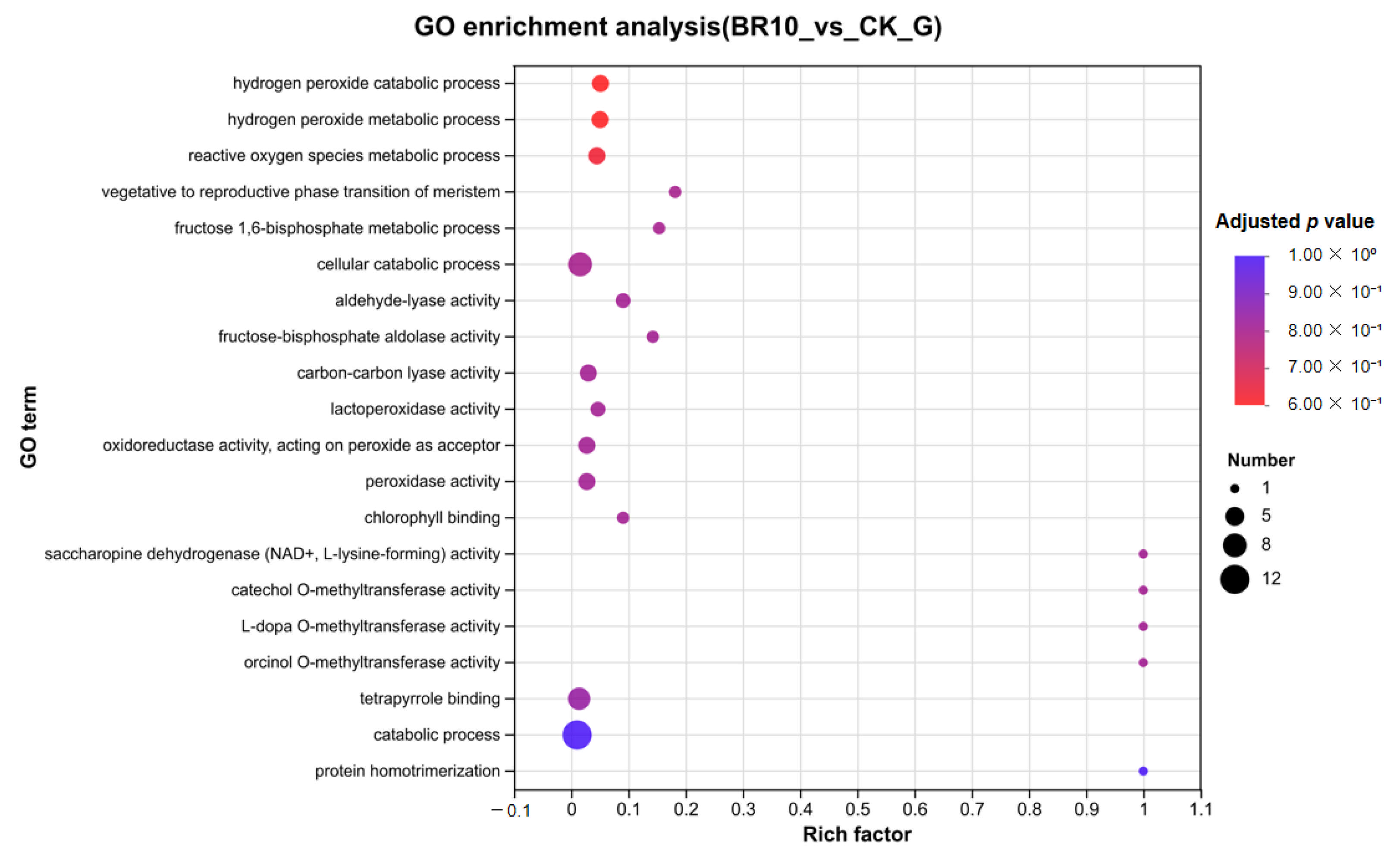
GO enrichment analysis showed that the DEGs were mainly enriched in terms related to redox regulation, including hydrogen peroxide metabolism, reactive oxygen species metabolism, peroxidase activity, and oxidoreductase activity (
Figure 9), suggesting that BR10 may affect redox homeostasis during germination.
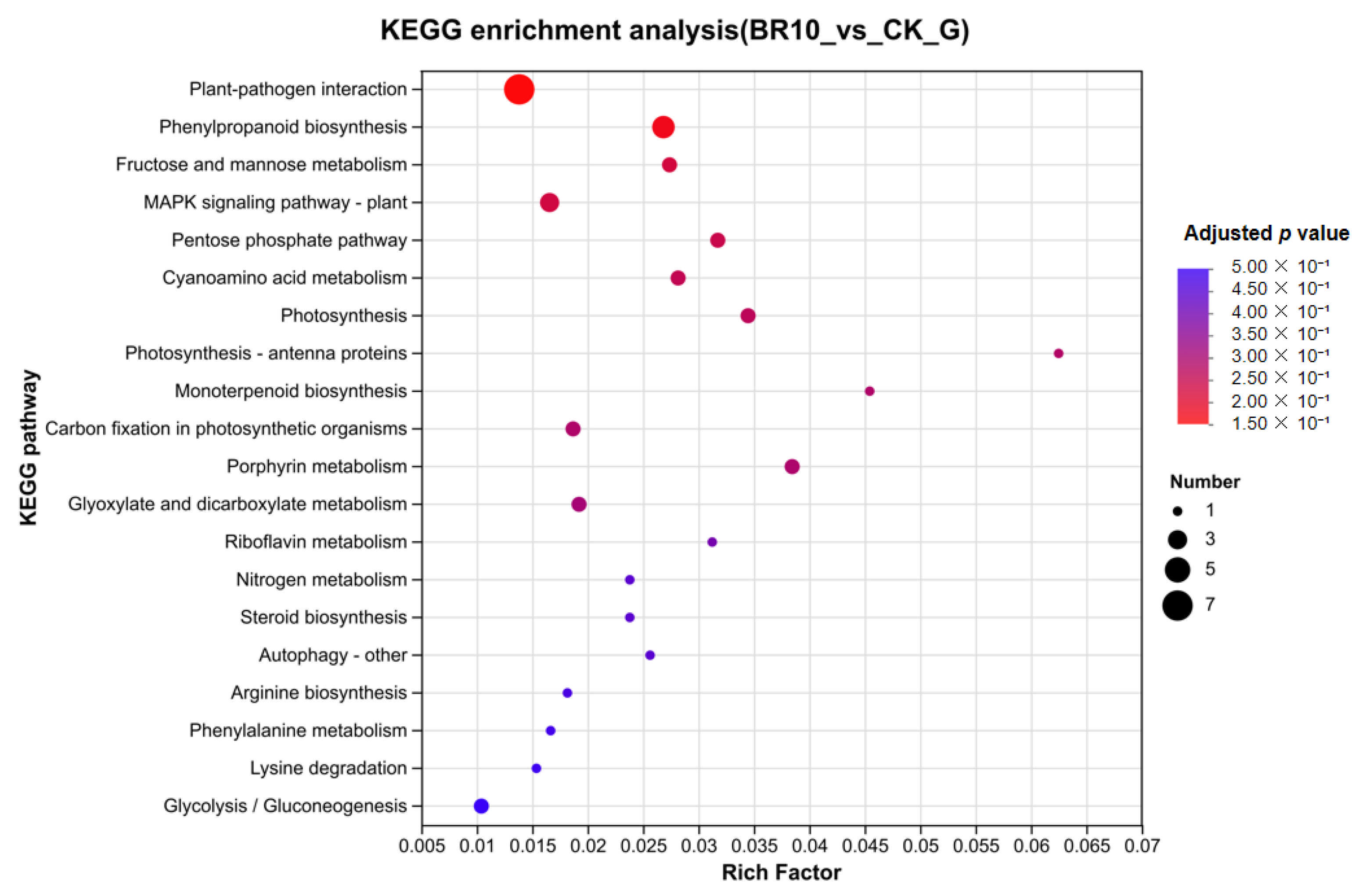
KEGG enrichment analysis showed that the DEGs were mainly involved in metabolism- and signal transduction-related pathways, including secondary metabolism, carbohydrate metabolism, amino acid metabolism, plant hormone signal transduction, and MAPK signaling (
Figure 10). Together, these results suggest that BR10-responsive DEGs are associated with redox regulation, metabolic activity, and hormone- and MAPK-related signaling during seed germination in
Z. schneideriana. To provide more specific information beyond pathway-level enrichment, we further examined representative DEGs associated with redox metabolism and hormone-related signaling. Several DEGs were annotated as peroxidase-, oxidoreductase-, glutathione-related, and ROS metabolism-related genes, which were consistent with the enrichment of hydrogen peroxide metabolism, reactive oxygen species metabolism, peroxidase activity, and oxidoreductase activity. In addition, DEGs associated with plant hormone signal transduction and MAPK signaling were also identified, suggesting that BR10 treatment may affect both redox-related processes and hormone-mediated signaling responses. Although these candidate genes were not validated by qRT-PCR in the present study, they provide useful targets for future validation and functional analysis.
To provide more specific examples from the DEG dataset, representative DEGs related to redox metabolism and hormone-related signaling were further selected and summarized in
Table 4. These genes were mainly annotated as peroxidase-, catalase-peroxidase-, glutathione metabolism-, oxidoreductase-, ethylene-responsive-, salicylate-related-, calcium signaling-, and WRKY transcription factor-related genes.
3.5. Changes in Antioxidant Enzyme Activities Under CK and BR10 Treatments
As shown in
Table 5, significant differences in antioxidant enzyme activities were observed in the bud tissues of
Zelkova schneideriana under CK and BR10 treatments at the end of the 40-day incubation period after hormone treatment. Compared with the CK, BR10 significantly decreased the activities of SOD, CAT, APX, and GR, while significantly increasing POD activity (
p < 0.05). Specifically, SOD activity decreased from 146.06 ± 5.01 U·g
−1 to 119.97 ± 7.26 U·g
−1, CAT activity decreased from 0.662 ± 0.001 U·g
−1 to 0.356 ± 0.001 U·g
−1, APX activity decreased from 0.562 ± 0.014 U·g
−1 to 0.478 ± 0.016 U·g
−1, and GR activity decreased from 0.602 ± 0.036 U·g
−1 to 0.204 ± 0.006 U·g
−1. In contrast, POD activity increased significantly from 0.340 ± 0.014 U·g
−1 to 0.486 ± 0.021 U·g
−1. These results indicate that BR10 markedly altered the antioxidant enzyme activity pattern in bud tissues and had a pronounced effect on the antioxidant defense system of
Z. schneideriana.
3.6. Changes in Endogenous Hormones and Hormone-Related Metabolites Under CK and BR10 Treatments
As shown in
Table 6, the contents of representative endogenous hormones and hormone-related metabolites in the bud tissues of
Zelkova schneideriana changed significantly under CK and BR10 treatments at the end of the 40-day incubation period after hormone treatment. Compared with the CK, BR10 treatment significantly increased BL content from 348.37 ± 23.46 nmol·L
−1 to 23,215.08 ± 522.59 nmol·L
−1 (
p < 0.05). In contrast, no significant difference was observed in ABA content between the two treatments, with values of 66.26 ± 1.85 nmol·L
−1 and 65.99 ± 1.21 nmol·L
−1 under CK and BR10, respectively. In addition to BL, BR10 significantly reduced the levels of several hormones, hormone precursors, or signaling-related metabolites, including ACC, GA
3, GA
4, IAA, JA, and SA (
p < 0.05). Specifically, ACC decreased from 3434.54 ± 223.11 nmol·L
−1 to 1806.64 ± 33.90 nmol·L
−1, GA
3 decreased from 14.68 ± 0.84 nmol·L
−1 to 7.98 ± 0.36 nmol·L
−1, GA
4 decreased from 16.36 ± 0.19 nmol·L
−1 to 9.92 ± 0.32 nmol·L
−1, IAA decreased from 86.82 ± 3.10 nmol·L
−1 to 60.60 ± 2.93 nmol·L
−1, JA decreased from 311.54 ± 9.17 nmol·L
−1 to 96.01 ± 1.15 nmol·L
−1, and SA decreased from 3870.95 ± 194.36 nmol·L
−1 to 2439.40 ± 94.72 nmol·L
−1. Overall, BR10 treatment markedly reshaped the endogenous hormone-related metabolic profile in bud tissues, characterized by a dramatic accumulation of BL and significant reductions in several hormones, hormone precursors, and signaling-related metabolites associated with growth regulation and stress responses.
4. Discussion
4.1. Differential Effects of Exogenous Phytohormones on Seed Germination of Zelkova schneideriana
Seed germination is regulated by a complex hormonal network, and exogenous phytohormone application can either promote or inhibit this process depending on hormone type, concentration, and seed physiological status [
36]. In the present study, BR10 showed the strongest promotive effect on
Z. schneideriana seed germination, whereas ABA150 showed the strongest inhibitory effect. GA and 6-BA produced moderate promotive effects at some concentrations or incubation times, while IAA showed limited and mostly non-significant promotive effects compared with BR. These results indicate that
Z. schneideriana seeds respond differently to distinct hormone classes.
The strong promotive effect of BR observed in this study is consistent with reports on cotton, where brassinosteroid seed priming promoted germination and seedling growth [
37]. However, BR effects are not universally positive or linear. In Scots pine, brassinosteroid application showed condition-dependent effects on seed germination, especially under standard and heat-stress conditions [
38]. This agrees with our observation that BR30 was less effective than BR10, suggesting that BR-mediated germination promotion depends on an appropriate concentration range. In contrast, GA has been reported to effectively promote seed germination and transcriptomic responses in
Lomatogonium rotatum [
39], whereas in our study GA promoted germination but was weaker than BR. These comparisons suggest that the most effective hormone treatment differs among plant species and may depend on seed dormancy type, physiological status, and treatment concentration.
The weaker effects of 6-BA and IAA in the present study may also reflect species- and stage-dependent hormonal sensitivity. Previous studies have shown that auxin and cytokinin treatments can affect seed germination in kaffir lime, while hormone interactions involving ABA, GA, and auxin have been reported in
Arabidopsis seed germination [
40].
By contrast, the inhibitory effect of ABA in our study is consistent with its established role in dormancy maintenance and germination suppression, as also reported in studies of seed and bud dormancy regulation [
41]. Overall, these comparisons indicate that BR was the most effective stimulant under our experimental conditions, but this pattern should not be generalized to all species. Future studies should further compare single and combined hormone treatments across developmental stages and seed batches of
Z. schneideriana.
4.2. Regulatory Effects of Exogenous BR10 on the Antioxidant Defense System
GO enrichment analysis showed that the BR-responsive differentially expressed genes (DEGs) were predominantly associated with functional terms related to hydrogen peroxide metabolism, hydrogen peroxide catabolism, and reactive oxygen species (ROS) metabolism. Previous research has indicated that a temporary increase in ROS levels commonly occurs during the early phase of seed germination [
42], where moderate ROS levels act as signaling molecules to promote radicle protrusion, cell elongation, and cell wall loosening, whereas excessive ROS accumulation may lead to membrane lipid peroxidation and reduced cellular viability [
43]. This framework provides a plausible explanation for the phenomenon observed in this study, namely that BR promoted seed germination within an optimal concentration range but exhibited a threshold effect at higher concentrations. Similar dose-dependent effects of BR have also been reported in previous studies [
44]. When BR treatment enhances metabolic activity and signaling processes, the balance between ROS production and scavenging may become a critical limiting factor determining germination performance.
At the mechanistic level, accumulating evidence suggests that BRs participate in the maintenance of ROS homeostasis by regulating the expression of antioxidant-related genes or modulating enzymatic pathways such as peroxidases and the ascorbate–glutathione cycle [
45,
46]. Consistent with this notion, DEGs identified in this study were significantly enriched in molecular function categories including peroxidase activity and oxidoreductase activity. In addition, representative DEGs annotated as peroxidase-, oxidoreductase-, glutathione-related, and ROS metabolism-related genes were identified from the DEG dataset, providing more specific candidate genes that may be involved in BR10-responsive redox adjustment. These transcriptomic patterns were consistent with the antioxidant enzyme assays, in which BR10 significantly increased POD activity while decreasing SOD, CAT, APX, and GR activities in bud tissues. This result further supports the involvement of redox regulation in BR-mediated germination responses, although these measurements more likely reflect sustained redox adjustment during early seedling establishment rather than immediate redox events at radicle protrusion. [
47]. These physiological results suggest that BR10 did not simply enhance the overall antioxidant capacity, but rather selectively reshaped the antioxidant defense system. In particular, the marked increase in POD activity, together with the enrichment of peroxidase-related functions, indicates that BR10 may preferentially regulate specific enzymatic branches involved in redox adjustment. Because these measurements were obtained at a relatively late post-germination stage, they likely reflect sustained redox reprogramming during early seedling establishment rather than the transient oxidative burst that occurs immediately during germination.
It has also been reported that the ROS regulatory threshold varies among species and among seeds with different physiological states [
48], leading to either promotive or inhibitory effects of the same hormone depending on its concentration. Therefore, the reduced or even inhibitory effects observed under high BR concentrations in this study may be attributed not only to excessive hormonal stimulation itself but also to disruption of ROS dynamic equilibrium. Similar concentration-dependent responses have been reported in studies concerning hormone-mediated redox regulation [
49]. In this sense, the promotive effect of BR on
Z. schneideriana germination may depend on its ability to maintain an appropriate balance between ROS generation and detoxification during the transition from dormancy to active growth. The present antioxidant enzyme data further support this view, suggesting that the beneficial effect of BR10 is associated with selective modulation of the antioxidant network rather than a uniform increase in all enzyme activities.
In addition, the enrichment of GO terms related to chlorophyll binding and tetrapyrrole binding in the present study suggests that BR treatment may influence metabolic preparation for the transition from heterotrophic to autotrophic growth during the later stages of germination. Previous studies have shown that chlorophyll- and tetrapyrrole-related processes are closely associated with early seedling establishment and photosynthetic development [
50]. Although sampling in this study was restricted to germinated individuals with relatively short hypocotyls, the possibility that BR accelerates the activation of metabolic processes associated with the germination–seedling establishment transition cannot be excluded. Future studies integrating ROS-specific staining, temporal sampling at multiple germination stages, and quantitative PCR validation of key genes will help to further clarify the causal relationship between BR-regulated ROS homeostasis and its germination-promoting effects.
4.3. Exogenous BR Promotes Seed Germination by Reshaping Endogenous Hormone-Related Balance
KEGG pathway analysis indicated that the BR-responsive differentially expressed genes (DEGs) were significantly enriched in pathways related to plant hormone signal transduction and the plant MAPK signaling pathway. These results suggest that BR-promoted germination in
Zelkova schneideriana is associated with extensive hormonal crosstalk rather than a single linear regulatory route, which is consistent with previous evidence that BR signaling interacts with multiple hormone-related pathways [
51]. The endogenous hormone-related metabolite measurements further support this interpretation. At 40 days after germination, BR10 treatment caused a dramatic accumulation of BL, whereas ABA content remained unchanged, and the levels of ACC, GA
3, GA
4, IAA, JA, and SA were all significantly reduced. Because ACC is the direct precursor of ethylene rather than a hormone itself, these compounds are collectively referred to here as hormones, hormone precursors, and signaling-related metabolites. These results indicate that BR10 markedly reshaped the endogenous hormone-related profile in bud tissues and that its promotive effect was accompanied by coordinated reprogramming of multiple hormone-related pathways.
Among these changes, the strong increase in BL provides direct physiological evidence that exogenous BR10 altered endogenous BR homeostasis. Previous studies have also shown that exogenous BR application can affect endogenous BR-related status and downstream signaling responses [
52]. BRs are known to regulate seed germination and early seedling development not only through their own signaling pathway, but also through extensive interactions with other hormonal networks. Therefore, the pronounced BL accumulation observed in this study is broadly consistent with the transcriptomic enrichment of hormone-related pathways and suggests that BR10 may reinforce BR-dependent regulatory processes during the transition from germination to early seedling establishment. By contrast, ABA content did not differ significantly between the CK and BR10 treatments, implying that the promotive effect of BR10 in
Z. schneideriana may not primarily depend on reducing ABA abundance at this sampling stage. Instead, BR-mediated promotion may involve changes in hormone sensitivity, signaling efficiency, or crosstalk with other pathways, rather than a simple decrease in ABA level alone. This interpretation is consistent with previous reports that BR and ABA may interact at the signaling level during seed germination and stress responses [
53].
The decreases in ACC, JA, and SA under BR10 are also noteworthy. Previous studies have shown that ethylene-, jasmonate-, and salicylate-related signals are closely associated with stress responses and developmental regulation in plants [
54]. ACC is the direct precursor of ethylene, whereas JA and SA are commonly associated with stress- and defense-related signaling. Their reduced levels suggest that BR10 may shift post-germination tissues toward a physiological state less dominated by stress-related hormonal signals and more favorable for coordinated growth establishment. At the same time, the significant decreases in GA
3, GA
4, and IAA indicate that the hormone profile under BR10 was not characterized by a uniform increase in all growth-promoting hormones. Because these measurements were performed at 40 days after germination rather than at the onset of radicle protrusion, the lower GA and IAA contents should be interpreted cautiously. They may reflect feedback regulation, altered hormone turnover, or developmental-stage differences associated with accelerated germination and subsequent seedling establishment under BR10, rather than a reduced importance of these hormones per se. Similar feedback interactions among BR, GA, and auxin pathways have been reported in other plant systems [
55].
Taken together, the combined transcriptomic and hormonal evidence suggests that the promotive effect of BR10 on
Z. schneideriana is closely associated with multi-hormone coordination. Rather than acting through a single pathway, BR10 appears to reshape endogenous BR status while simultaneously modifying the balance among ethylene-related, auxin-related, gibberellin-related, and stress-associated hormonal signals. This integrative regulatory pattern is consistent with current views that seed germination and early seedling growth are governed by dynamic hormonal networks. Nevertheless, because hormone measurements in this study were obtained from bud tissues at a relatively late post-germination stage, they more likely reflect the sustained physiological consequences of BR10 treatment during seedling establishment than the immediate hormonal triggers of germination initiation. Future studies integrating time-course hormone profiling, validation of hormone-related genes, and signaling analyses will help to further clarify how BR interacts with other endogenous hormones to regulate germination and early seedling development in
Z. schneideriana [
56].
4.4. Coordinated Regulation of Energy Metabolism and Signal Transduction Pathways by Exogenous BR
KEGG pathway analysis showed that the identified differentially expressed genes (DEGs) were mainly associated with energy and substance metabolism, including glycolysis/gluconeogenesis, starch and sucrose metabolism, and amino acid metabolism, as well as plant hormone signal transduction and the plant MAPK signaling pathway. Previous studies have shown that these metabolic pathways are closely related to seed reserve mobilization and germination performance [
57]. Seed germination requires the coordinated mobilization of stored reserves, activation of multiple metabolic routes, and sufficient energy supply to support radicle emergence and early growth [
58,
59]. Classical studies in seed physiology have demonstrated that the efficiency of starch and soluble sugar conversion [
60], as well as the intensity of respiratory metabolism, are closely associated with germination speed and vigor. Accordingly, the promotive effects of BR on germination rate and early seedling growth observed at the phenotypic level in this study are consistent with the enrichment of carbohydrate and energy metabolism pathways at the transcriptomic level, suggesting that BR may facilitate radicle elongation by enhancing energy supply and metabolite transport efficiency.
Consistent with our findings, previous studies in various plant systems have reported that BR participates in the regulation of genes associated with cell elongation and development, often in coordination with sugar metabolism and cell wall remodeling processes [
61]. This agrees with the enrichment of pathways related to carbohydrate, lipid, and amino acid metabolism observed in the present KEGG analysis. These findings suggest that BR-mediated promotion of germination is unlikely to rely on a single regulatory step, but rather on an integrated metabolism–growth regulatory network, as also proposed in previous studies [
62,
63]. It should be noted that metabolic reprogramming during germination exhibits species-specific characteristics, and woody plant seeds often display more complex dormancy release and reserve utilization strategies than herbaceous model species [
64]. Consequently, the optimal concentration and effective time window of BR may differ between woody and herbaceous plants.
At the signaling level, enrichment of the plant hormone signal transduction and MAPK signaling pathway categories suggests that BR treatment may coordinate metabolic and developmental processes through integrated signaling networks. Similar roles of hormone and MAPK signaling pathways in coordinating plant growth and stress-related responses have been reported previously [
65]. Extensive evidence indicates that BR signaling interacts with other phytohormone pathways, such as abscisic acid (ABA) and gibberellin (GA), through synergistic or antagonistic effects, and modulates downstream transcriptional regulation via key phosphorylation events [
66]. Meanwhile, MAPK cascades are recognized as central hubs linking hormonal signals, stress responses, and growth regulation, playing crucial roles in modulating gene expression and metabolic status during seed germination and seedling establishment [
67]. In the present study, endogenous hormone measurements further showed that BR10 markedly reshaped the hormone profile in bud tissues, whereas antioxidant enzyme assays indicated selective modulation of the antioxidant defense system. Combined with the enrichment of energy metabolism-related and signaling-related pathways, these results imply that BR may not only directly promote growth, but also coordinate the balance among redox adjustment, metabolic preparation, and hormone-mediated developmental regulation.
Taken together, the transcriptomic results suggest that BR-promoted germination in
Z. schneideriana may involve coordinated regulation of redox homeostasis, reserve mobilization, primary and secondary metabolism, and multiple signaling pathways. The integrated physiological and hormonal data further support this interpretation by showing that BR10 treatment was associated with selective changes in antioxidant enzyme activities and substantial reshaping of endogenous hormone status. Based on these results, we propose that BR10 may promote seed germination and early seedling establishment mainly through three interconnected processes: regulation of ROS-related redox balance, activation of energy and substance metabolism, and coordination of hormone- and MAPK-related signaling pathways [
68].
However, another possible interpretation is that BR10 may accelerate the developmental progression of germinating seeds rather than inducing entirely BR-specific transcriptional changes. In this scenario, the transcriptomic profile of BR10-treated seeds may partly resemble that of untreated seeds at a later germination stage, because the treated seeds reach this developmental state earlier. Previous time-course transcriptomic studies during seed germination have shown that gene expression patterns change dynamically across germination stages, especially for genes involved in reserve mobilization, energy metabolism, cell wall remodeling, hormone signaling, and stress or redox regulation [
22,
23,
24]. A recent study on
Z. schneideriana also indicated that seed germination and seedling establishment are accompanied by coordinated metabolic and transcriptional changes [
5]. Therefore, the transcriptional differences observed between CK and BR10 in the present study may reflect both BR-related regulatory effects and differences in developmental progression caused by accelerated germination.
It should also be noted that the present study provides preliminary mechanistic clues rather than a complete molecular mechanism for BR-mediated germination regulation. Transcriptome enrichment analysis mainly indicates potentially involved pathways, whereas the key regulatory genes, upstream signaling components, and causal relationships remain to be further confirmed. In addition, the RNA-seq results were not validated by independent methods such as RT-PCR or qRT-PCR in the present study. In particular, key genes involved in the BR signaling pathway, such as
BRI1 and
BZR1, should be prioritized for future validation because they may play important roles in BR perception and downstream transcriptional regulation. Future studies should combine qRT-PCR validation, time-course or stage-matched sampling, and functional characterization of candidate genes to clarify whether BR mainly accelerates the normal germination program or activates specific regulatory pathways in
Z. schneideriana [
69,
70].
Although antioxidant enzyme activities and related gene expression patterns were compared between CK and BR10 at the end of the 40-day incubation period, these data should be interpreted with caution. Seed germination of Z. schneideriana was asynchronous, and the molecular and biochemical samples were collected from germinated seedlings rather than from seeds precisely at the onset of radicle protrusion. Therefore, the enzyme activity and transcriptomic results are more likely to reflect the physiological status of early seedling establishment after germination, rather than the immediate redox events that trigger radicle emergence. To reduce developmental heterogeneity, only normally germinated seedlings with comparable early morphology were used for sampling. Nevertheless, future studies should include stage-matched sampling at defined germination phases, such as imbibition, pre-radicle protrusion, radicle protrusion, and early seedling establishment, to more precisely distinguish BR-induced germination initiation from post-germination developmental effects.
4.5. Practical Implications for Seed Propagation and Conservation of Z. schneideriana
From an applied perspective, the present findings suggest that BR treatment, particularly at 10 mg·L
−1, has potential value as a practical seed pretreatment strategy for improving the germination performance of
Z. schneideriana [
71]. Compared with more complex dormancy-breaking or seed enhancement methods, exogenous hormone soaking is relatively simple to operate and can be more easily incorporated into routine nursery practices. For a rare woody species with low germination efficiency, such an approach may contribute to improving seedling production, facilitating germplasm conservation, and supporting restoration-oriented propagation programs [
72].
The practical significance of this result is particularly noteworthy because Z. schneideriana is not only an ecologically important native tree species but also a valuable timber resource with potential applications in high-quality wood production, ornamental planting, and ecological restoration. Therefore, improving seed germination efficiency is directly relevant to nursery propagation and the sustainable utilization of this species. In this context, BR pretreatment may serve as a feasible technical option for improving the availability of seedlings needed for conservation planting and artificial propagation.
In addition, the operational feasibility of BR application is relatively favorable because the treatment used in this study involved only short-term seed soaking and did not require specialized equipment. This makes the method potentially adaptable to routine nursery operations or small-scale propagation programs. However, before large-scale application in nursery production or conservation practice, further studies are still needed to evaluate treatment cost, dosage optimization, seed batch stability, and consistency under different environmental conditions. It will also be important to determine whether the promotive effect of BR remains stable across seed lots with different physiological quality or dormancy status.
Although BR10 showed the strongest promotive effect on seed germination in the present study, seedling growth traits such as plant height, leaf size, root length, and root number were not quantitatively measured. Therefore, the present results mainly demonstrate the effect of BR10 on germination performance and related physiological and transcriptomic responses, rather than providing a complete evaluation of post-germination seedling growth. Future studies should include quantitative measurements of seedling morphological traits to determine whether BR treatment also promotes subsequent seedling growth and root development in Z. schneideriana.
Overall, BR10 treatment may serve as a useful candidate seed pretreatment for Z. schneideriana, but its practical application still requires nursery-scale validation, dosage optimization, and evaluation across seed batches with different physiological quality.
5. Conclusions
In this study, Z. schneideriana seeds were used as experimental materials to systematically evaluate the effects of different exogenous phytohormones on seed germination and to explore the possible molecular basis underlying BR-mediated promotion of germination through transcriptome sequencing. The results demonstrated that exogenous phytohormones exerted significantly different regulatory effects on Z. schneideriana seed germination. Among them, BR treatment at an appropriate concentration showed the most pronounced promotive effects on germination rate, germination potential, and germination index, whereas high BR concentrations exhibited inhibitory effects, indicating a typical concentration-dependent response.
Transcriptomic profiling demonstrated that BR treatment induced substantial changes in gene expression during seed germination, as reflected by pronounced differences in differentially expressed genes (DEGs) between the treated and control groups, together with strong consistency among biological replicates. Functional enrichment analyses based on GO and KEGG further showed that these DEGs were primarily associated with processes related to reactive oxygen species metabolism and redox regulation, energy and substance metabolism, as well as plant hormone signaling and MAPK-mediated pathways.
Antioxidant enzyme assays further showed that BR10 treatment significantly increased POD activity while decreasing SOD, CAT, APX, and GR activities, indicating that BR10 selectively reshaped the antioxidant defense system rather than uniformly enhancing all antioxidant enzyme activities. In addition, endogenous hormone-related metabolite measurements revealed that BR10 treatment caused a dramatic accumulation of BL, while significantly reducing the levels of ACC, GA3, GA4, IAA, JA, and SA, with no significant change in ABA. These findings indicate that BR-promoted germination and early seedling establishment in Z. schneideriana are accompanied by substantial reprogramming of antioxidant regulation and endogenous hormone status.
By integrating phenotypic performance with transcriptomic, physiological, and hormonal evidence, the results suggest that exogenous BR facilitates seed germination and early seedling development of Z. schneideriana through the regulation of redox balance, promotion of reserve mobilization and energy availability, and coordination of multiple signaling networks. Although the present study does not fully resolve the complete molecular mechanism of BR-mediated germination regulation, it provides preliminary evidence that BR-promoted seed germination in Z. schneideriana is associated with redox regulation, metabolic activation, and hormone-related signaling networks. These findings offer a theoretical framework for improving hormone-based strategies in seed propagation and seedling cultivation of Z. schneideriana and highlight the need for future investigations focusing on key regulatory genes and their functional validation.