Article

The Mixedwood Free-to-Grow Dilemma in Northeast British Columbia: A Case Study

by
Christopher Hawkins
*,
Christopher Maundrell
and
Jeffrey Beale
Association of Peace River Woodlots, P.O. Box 293, Charlie Lake, BC V0C 1H0, Canada
*
Author to whom correspondence should be addressed.
Forests 2026, 17(5), 600; https://doi.org/10.3390/f17050600
Submission received: 15 April 2026 / Revised: 13 May 2026 / Accepted: 14 May 2026 / Published: 15 May 2026
(This article belongs to the Section Forest Ecology and Management)

Abstract

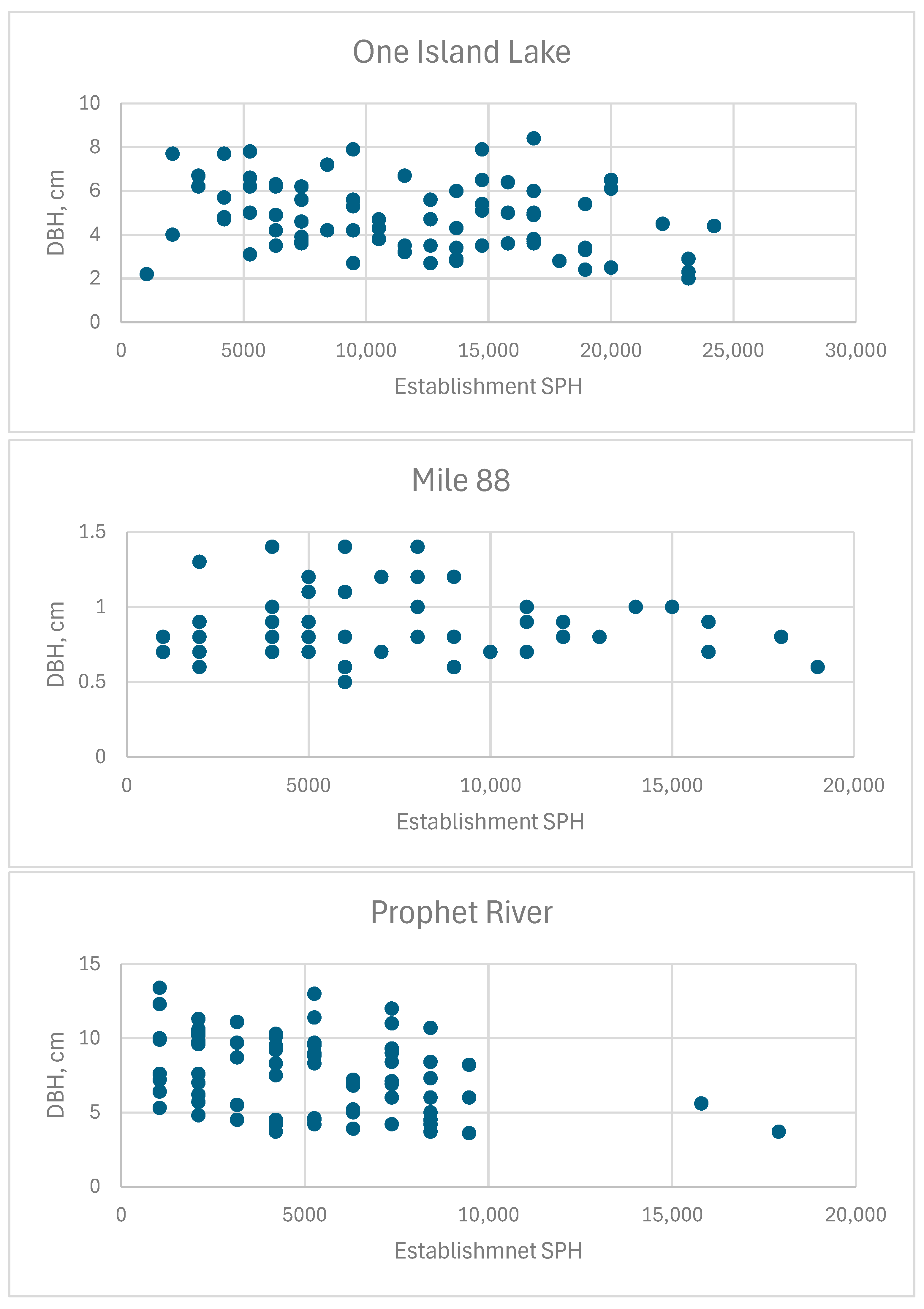
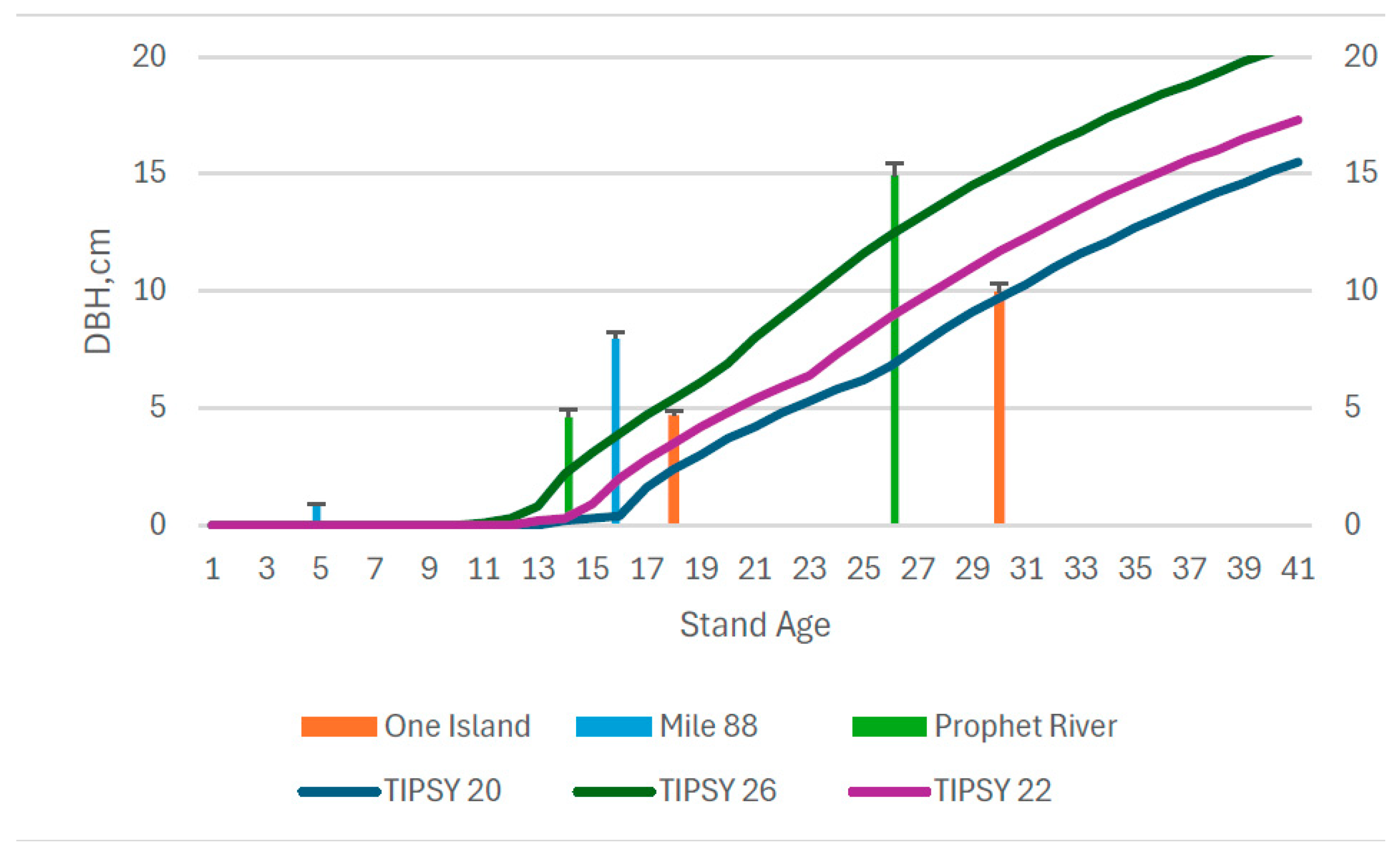
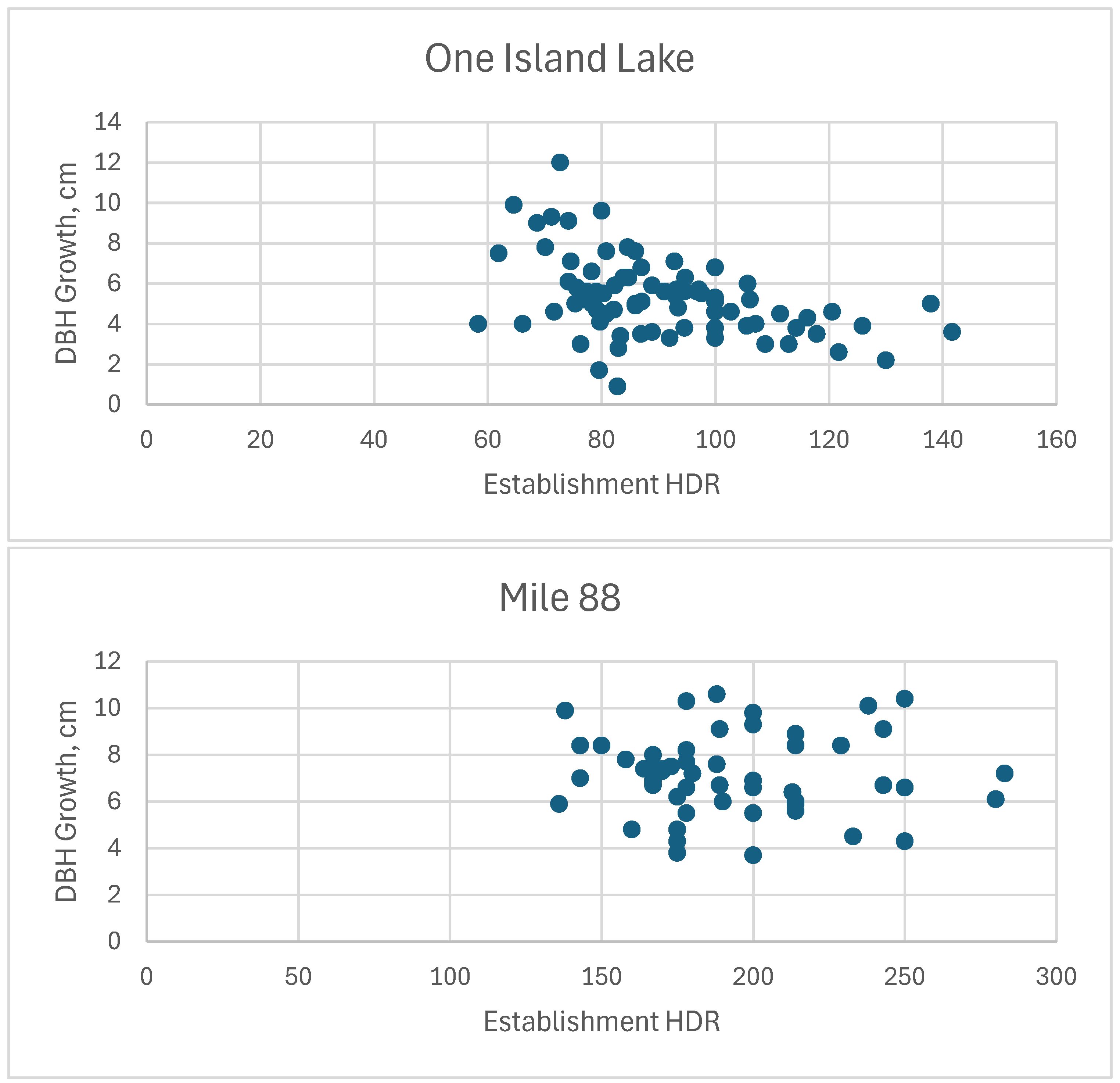
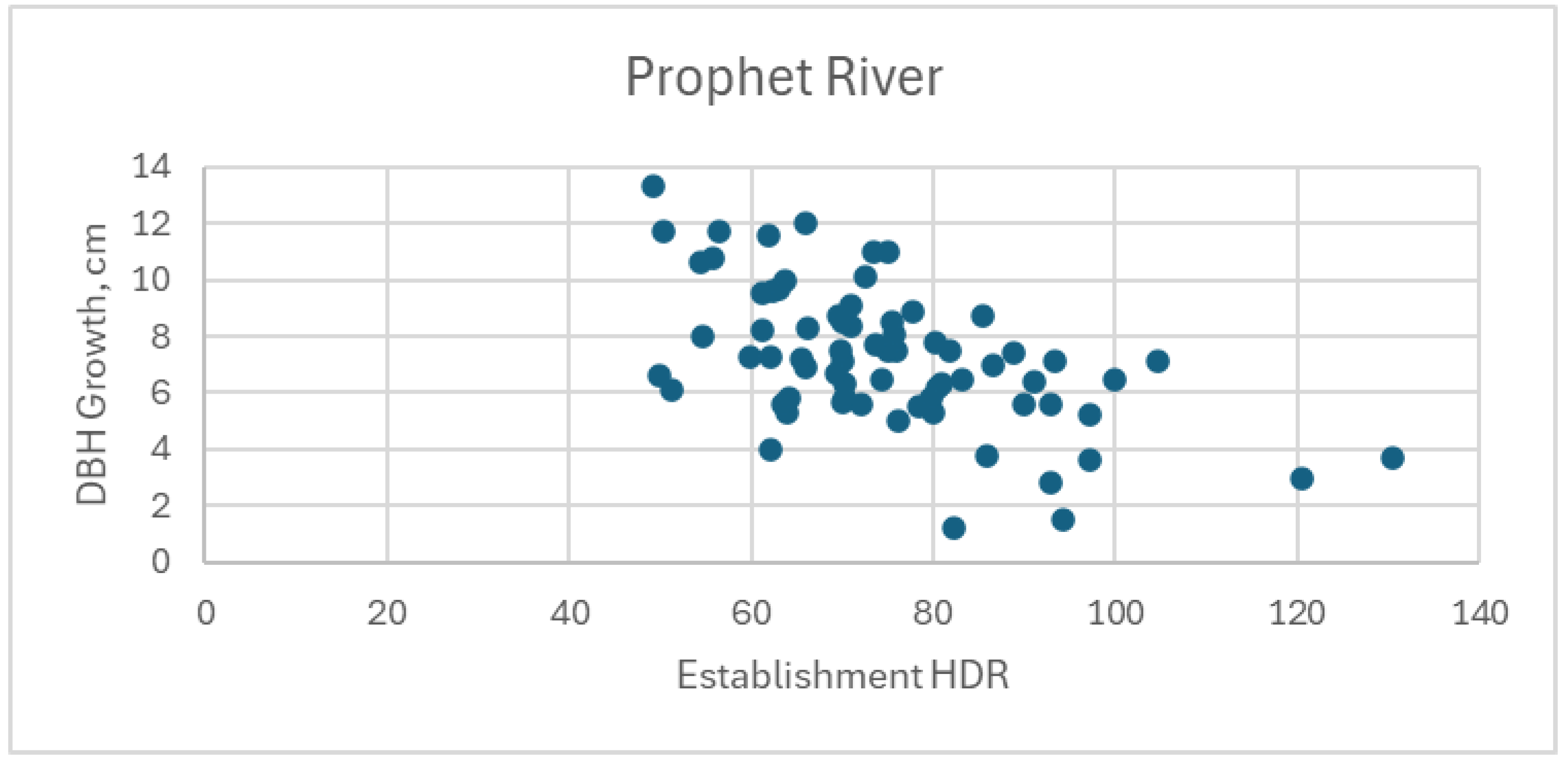
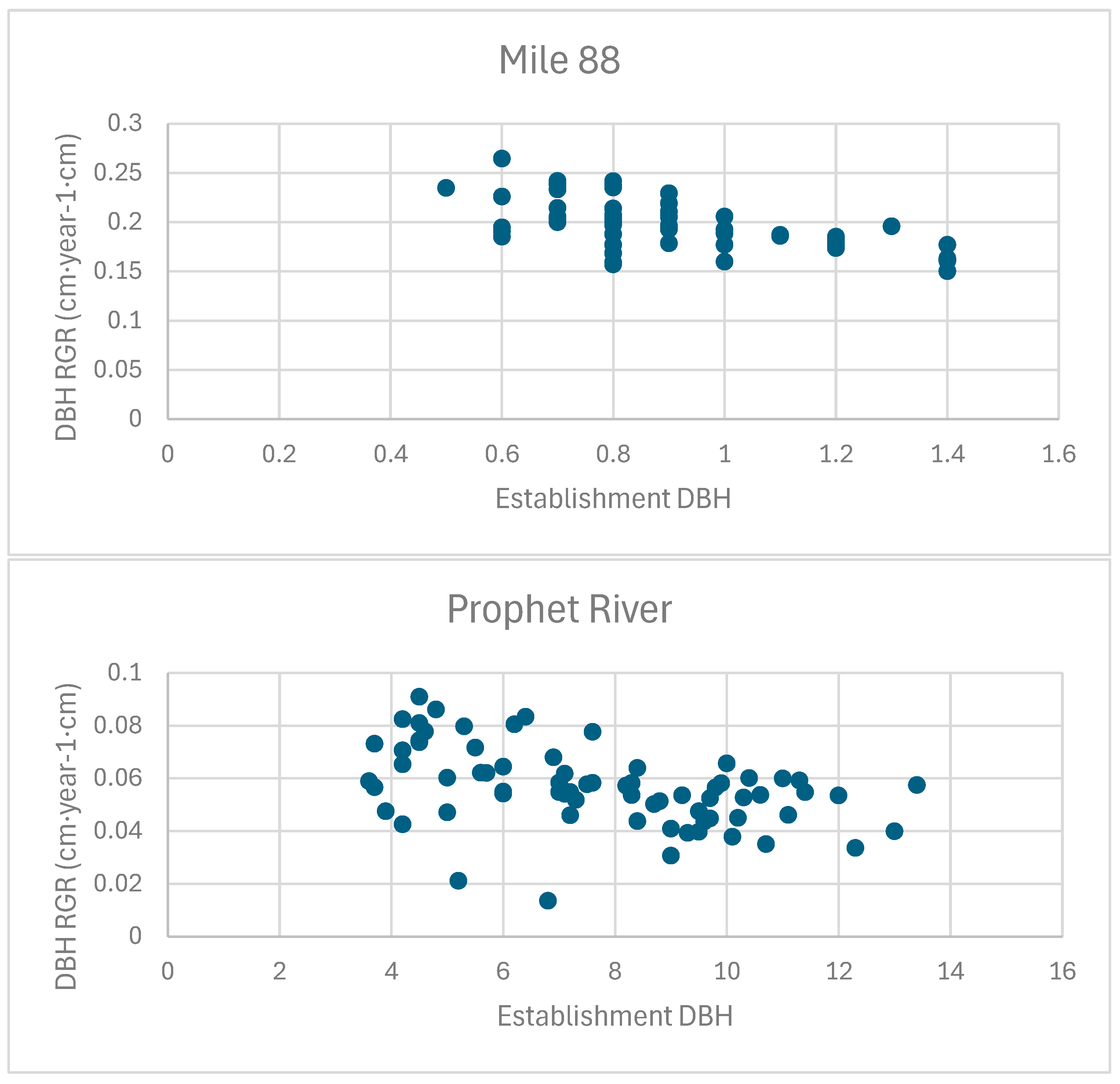
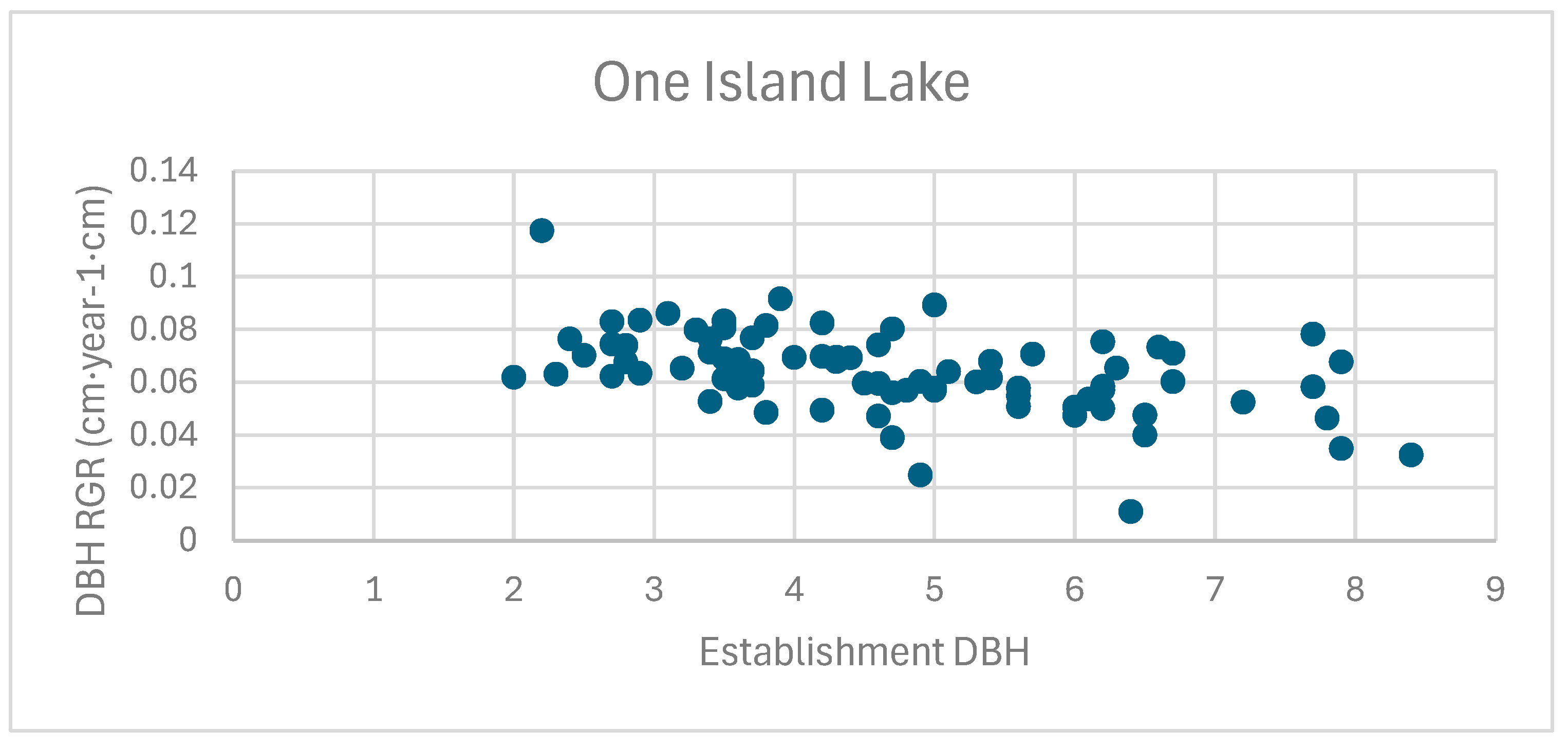
In northeast British Columbia (BC), Canada, industrial forestry is gradually converting 10+ M ha of broadleaf–conifer (mixedwood) boreal forest to conifer plantations. This is due in part to governmental free-to-grow (FTG) regulations, which specify a minimum competition-free radius around conifer crop trees. FTG implementation is a poor investment; it reduces stand biodiversity and productivity and infringes on Indigenous Treaty Rights. Trials were established on three geographically separated boreal sites with no stand management (brushing) since planting. The goal was to determine the effect of FTG criteria on conifer growth in mixedwoods compared to growth of pure conifer stands using the BC Government growth model TIPSY (Table Interpolation Program of Stand Yield) projections. At trial establishment, less than a third of trees were FTG. The number of FTG trees increased at the last measurement but only reached 50 percent on one site. After a decade, conifer DBH (diameter at breast height) growth and stand productivity met or exceeded the model projection regardless of the initial FTG status. The DBH relative growth rate (RGR) indicated that spruce DBH growth was not impacted by competitors. These observations suggest that brushing on similar sites to meet timber objectives is likely unnecessary. Maintaining mixedwood stands supports greater biodiversity and carbon storage, and this approach better aligns with an Indigenous world view and Treaty Rights. There is an opportunity in northeast BC to shift forest management from conifer-based performance metrics to prioritizing ecological resilience and long-term forest health and productivity.
Keywords: stand management; spruce; competition; biodiversity; broadleaves stand management; spruce; competition; biodiversity; broadleaves