
Review

Medicinal Potential and Bioactive Phytochemicals with Pharmacological Relevance of a Mexican Oyamel, Abies religiosa (Kunth) Schltdl. et Cham., Forest: A Review

by
Diana Perla Fuentes-Pérez
1,
Natalia Mendez-Arreola
1,
Candy Anzaldo-Reyes
1,
María del Carmen Arista-Álvarez
1,
Aurelio Nieto-Trujillo
2,
Gabriel Alfonso Gutiérrez-Rebolledo
3,
Alicia Monserrat Vazquez-Marquez
1,
María Guadalupe González-Pedroza
1,
Armando Sunny
4,
Angélica Román-Guerrero
5,
Carmen Zepeda-Gómez
1,* and
María Elena Estrada-Zúñiga
2,*
1
Facultad de Ciencias, Universidad Autónoma del Estado de México, Campus El Cerrillo, Piedras Blancas, Carretera Toluca-Ixtlahuaca km. 15.5, Toluca 50200, State of Mexico, Mexico
2
Centro de Investigación en Recursos Bióticos, Facultad de Ciencias, Universidad Autónoma del Estado de México, Carretera Toluca-Ixtlahuaca km 14.5, San Cayetano, Toluca 50295, State of Mexico, Mexico
3
Escuela Nacional de Ciencias Biológicas, Instituto Politécnico Nacional, Unidad Profesional Adolfo López Mateos Zacatenco, Av. Wilfrido Massieu Esq. Cda. Miguel Stampa S/N, Gustavo A. Madero, Mexico City 07738, Mexico
4
Centro de Investigación en Ciencias Biológicas Aplicadas, Facultad de Ciencias, Universidad Autónoma del Estado de México, Carretera Toluca-Ixtlahuaca km 14.5, San Cayetano, Toluca 50295, State of Mexico, Mexico
5
Departamento de Biotecnología, Universidad Autónoma Metropolitana-Unidad Iztapalapa, Av. Ferrocarril San Rafael Atlixco No 186, Leyes de Reforma 1ra Sección, Iztapalapa, Mexico City 09310, Mexico
*
Authors to whom correspondence should be addressed.
Forests 2026, 17(3), 396; https://doi.org/10.3390/f17030396
Submission received: 31 January 2026 / Revised: 13 March 2026 / Accepted: 17 March 2026 / Published: 23 March 2026
(This article belongs to the Special Issue Medicinal and Edible Uses of Non-Timber Forest Resources)

Abstract

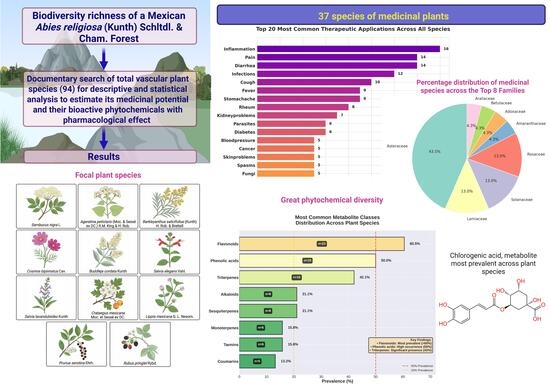
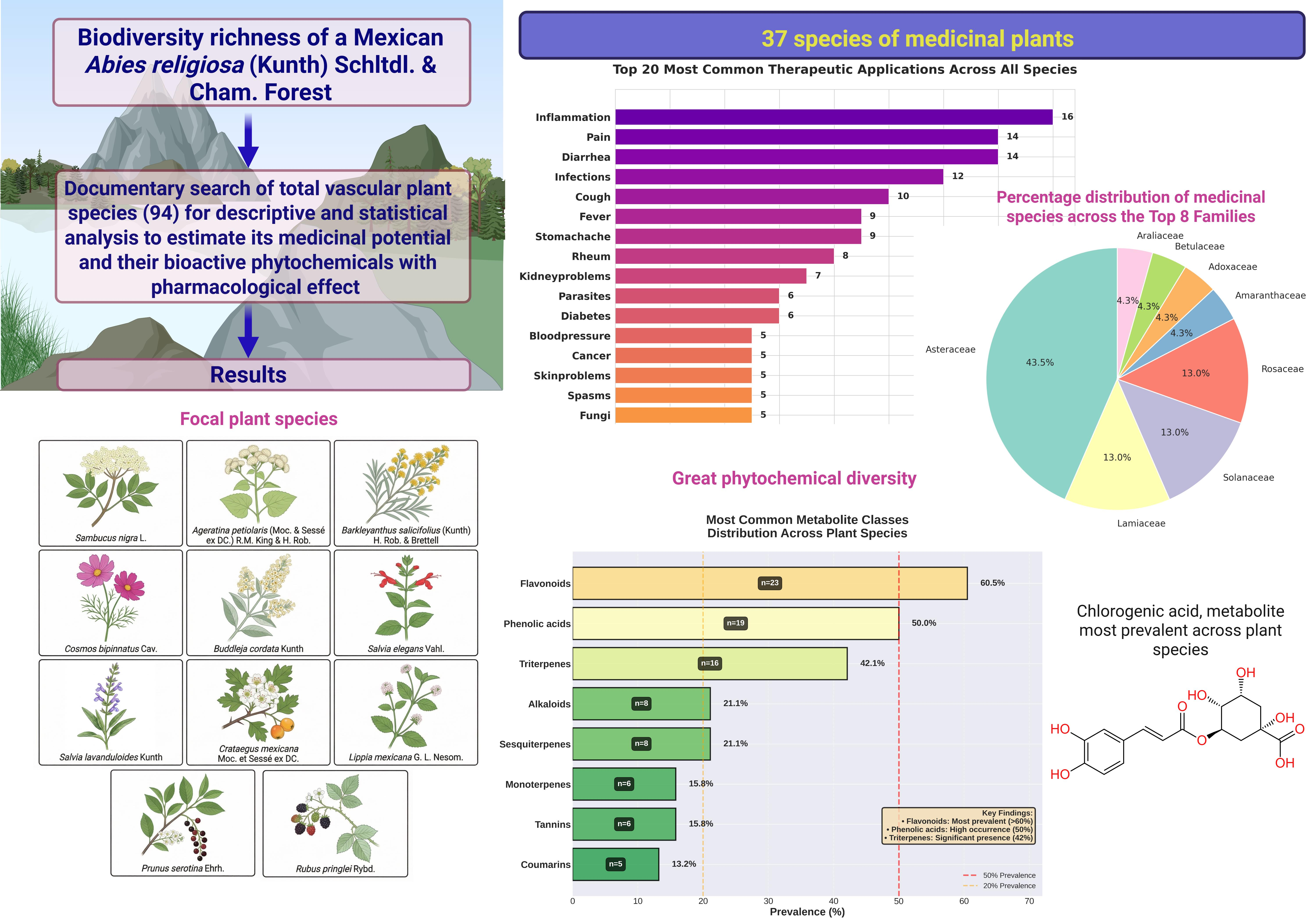
Oyamel forest, Abies religiosa (Kunth) Schltdl. et Cham., is a high-mountain ecosystem that contains abundant biodiversity, contributes to supporting traditional medicine, and represents a reservoir of medicinal plants. Despite this medicinal relevance, the potential of the flora of the Mexican Oyamel forest from Santuario del Agua Presa Corral de Piedra (SAPCP), Mexico, has been scarcely studied. This review focused on identifying the flora of the SAPCP which has been reported as medicinal resource in the literature through the recovery of ethnomedicinal uses and their proven pharmacological effects. In addition, phytochemical reports of the SAPCP medicinal flora and their pharmacological activities were integrated and analyzed to estimate their medicinal potential. The results showed that the SAPCP forest represents an important source of medicinal plants, with 39% of the total species reporting at least one ethnomedicinal use belonging to different taxonomic families, but mainly included Asteraceae, Lamiaceae, Rosaceae, and Solanaceae. The most commonly observed ethnomedicinal uses among all the species were against inflammation, infections, diarrhea, and diabetes, while antioxidant, antidiabetic, and anti-inflammatory effects were predominantly proven as pharmacological effects. The phytochemical results revealed a great diversity of secondary metabolites, although flavonoids, phenolic acids, and triterpenes were observed in a major number of species, many of which have been proven to exert anti-inflammatory, antidiabetic, and antibacterial effects through several action mechanisms. In conclusion, these results highlight the importance of sustainable management and the conservation of forest species, as they provide a reservoir of medicinal species that produce bioactive metabolites.

Graphical Abstract

1. Introduction

Since ancient societies, plants have been fundamental to human development because of their diversity and nutritional and medicinal value [1]. Herbal medicine, which relies on plants, their organs, tissues, and extracts, for therapeutic purposes, is the oldest form of healthcare [2]. The knowledge and practices associated with herbal medicine within traditional medicine constitute a dynamic framework of knowledge generation and application specific to each culture. This knowledge has been transmitted across generations mainly through oral tradition, forming part of collective memory and representing an essential component of biocultural heritage [3]. Traditional knowledge of the flora held by indigenous and rural communities has been crucial in guiding scientific research aimed at understanding and validating the therapeutic uses of medicinal plants [1]. In several countries, the use of medicinal plant extracts has encouraged studies of various plant sources to scientifically corroborate their phytochemical composition and biofunctional effects in humans [4]. Currently, plants are recognized as important sources of a vast array of phytochemicals with significant potential for pharmaceutical applications [5].
Medicinal plants are widely used worldwide, especially in developing countries, for the management of a wide range of diseases and for the promotion of human health [5]. The therapeutic properties of these plants are largely attributed to their phytochemical constituents, many of which are classified as secondary metabolites. These low-molecular-weight compounds can exhibit diverse pharmacological activities, such as anti-inflammatory, antibacterial, antifungal, hypoglycemic, insecticidal, and anticancer effects [6,7]. In plants, secondary metabolites play different roles, such as participating in growth and developmental processes and mediating interactions with the environment, e.g., defending against pathogens, herbivores, and pests. These compounds are commonly classified according to their biosynthetic pathways into three main groups: terpenes, phenolics, and nitrogen-containing compounds. Terpenes can also be categorized into monoterpenes, sesquiterpenes, diterpenes, triterpenes, tetraterpenes, polyterpenes, saponins, steroids, essential oils, and terpenoids, while phenolic compounds include phenolic acids, flavonoids, anthocyanidins, tannins, lignans, coumarins, stilbenes, and quinones [6,8]. Due to their structural diversity and their different types and modes of action, these molecules have generated great interest in the pharmacological and nutraceutical applications of plants.
Mexico is a country characterized by remarkable biodiversity and rich knowledge of traditional Mexican medicine (TMM), which is strongly supported by medicinal plants [4]. Currently, indigenous cultures continue to rely on medicinal plants for the treatment of a wide variety of diseases and illnesses [3]. Due to the abundance of medicinal flora throughout Mexico, there has been increasing scientific interest in investigating the phytochemical composition and pharmacological potential of native plant species. Forest ecosystems exhibit high levels of biodiversity, which might be related to genetic and metabolomic diversity and, consequently, to the richness of bioactive phytochemicals [9]. Oyamel forest, Abies religiosa (Kunth) Schltdl. et Cham., is a high mountain ecosystem that contains abundant biodiversity, regulates water and the local climate, and provides key ecosystem services for humans and other organisms, such as the monarch butterfly [9,10,11]. Its biodiversity contributes to supporting local traditional medicine and represents a reservoir of medicinal plants [9,10,11]. Despite this medicinal relevance, the potential of the flora of the Mexican Oyamel forest from Santuario del Agua Presa Corral de Piedra (SAPCP), Mexico, which is reported to harbor high biodiversity [10], has been scarcely studied. Thus, in this work, through documentary research, the flora of the SAPCP Oyamel forest was studied to identify those species reported as medicinal resources, emphasizing their therapeutic uses for addressing health problems. In addition, phytochemical data reported on the SAPCP medicinal flora and their pharmacological activities were integrated and analyzed to estimate the medicinal potential of this forest.

2. Materials and Methods

2.1. Methods

The relevant literature published up to January 2026 was collected from several databases, including SciFinder (https://scifinder.cas.org/scifinder/login accessed on 4 May 2025), PubMed (http://www.ncbi.nlm.nih.gov/pubmed/ accessed on 4 May 2025), the Web of Knowledge (http://www.webofknowledge.com accessed on 4 May 2025), and Google Scholar (https://scholar.google.com/ accessed on 4 May 2025). The literature search included the following keywords: pathogenic bacteria, antidiabetic, anti-inflammatory, secondary metabolite, ethnopharmacology, endemic Mexican flora, Abies’ forest, and oyamel fir forest, Abies religiosa (Kunth) Schltdl. et Cham.
The search focused on studies related to the specific geographic area within our national territory (Santuario del Agua Presa Corral de Piedra), a high-mountain ecosystem that contains a great deal of biodiversity [11]. When information specific to the SAPCP was unavailable, the search was expanded to include global data using the same keywords in relation to “Abiesforest”, “fir forest”, Abies religiosa (Kunth) Schltdl. et Cham., and associated species worldwide.
Ethnomedicinal information was compiled from the published literature reporting traditional medicinal uses of plant species. The characteristics of each plant species were recorded along with the medicinal uses reported in ethnobotanical studies. These uses were categorized into standardized therapeutic categories (e.g., infections, inflammation, diabetes, wound healing) to allow comparison across sources. All the compiled information was summarized and analyzed by frequency across SAPCP species and taxonomic families. In addition, pharmacological information was obtained from published experimental studies evaluating the biological activity of the same plant species. Pharmacological activities were classified into functional categories (e.g., antibacterial, anti-inflammatory, antidiabetic, and antioxidant). Only activities supported by experimental evidence reported in the peer-reviewed literature were considered. The final dataset included 37 plant species, 89 ethnomedicinal use categories, and 37 pharmacological activity categories.
The therapeutic uses most frequently observed among species were selected for further analysis to assess their medicinal importance through understanding the diseases or ailments involved, including allopathic and medicinal plants used to counteract their symptoms. The results showed that inflammation, diabetes, and infections caused by bacteria are the most frequently observed therapeutic uses among medicinal species in SAPCP forests. Afterwards, phytochemical information (types of metabolites and their names) from those species that were found to be medicinal was compiled, summarized, and analyzed according to the frequency observed; those metabolites identified in at least three species were selected for further investigation of reported pharmacological activities (anti-inflammatory, antidiabetic, and antibacterial) and their action mechanisms. All analyses and resulting graphics were performed in R statistical software (version 4.4.2; R Core Team, 2024). A Venn diagram was constructed online at http://www.interactivenn.net/, accessed on 15 December 2025; the type of format was edited in Canva. Finally, all the data found were used to discuss the importance of promoting the conservation and sustainable use of these natural plant resources as reservoirs of medicinal plants able to produce bioactive metabolites proven to exert pharmacological effects, and the necessity of carrying out a scientific validation of the medicinal potential of those highlighted species.

2.1.1. Ethnomedicinal and Pharmacological Data Compilation

Two binary matrices were constructed: (1) an ethnomedicinal matrix indicating the presence or absence of each traditional use per species and (2) a pharmacological matrix indicating the presence or absence of each experimentally reported pharmacological activity per species. To quantify the agreement between traditional medicinal uses and pharmacological evidence, an ethnopharmacological validation analysis was conducted. Traditional uses were matched with corresponding pharmacological activities based on functional equivalence (e.g., infections–antibacterial/antimicrobial, inflammation–anti-inflammatory, diabetes–hypoglycemic). For each therapeutic category, the number of coincident reports between ethnomedicinal uses and pharmacological activities was recorded. The overall ethnopharmacological validation rate was calculated as follows:
V a l i d a t i o n = N u m b e r   o f   c o i n c i d e n t   u s e s T o t a l   n u m b e r   o f   e t h n o m e d i c i n a l   u s e s
This metric provides an estimate of the proportion of traditional medicinal uses supported by experimental pharmacological evidence. All analyses and resulting graphics were performed in R statistical software (version 4.4.2; R Core Team, 2024).

2.1.2. Statistical Analysis of Use–Activity Associations

To evaluate whether traditional uses were significantly associated with corresponding pharmacological activities, Fisher’s exact tests were performed for each therapeutic category. This test assesses whether the frequency of coincidence between ethnomedicinal uses and pharmacological activities is greater than expected by chance. For each category, contingency tables were constructed using the following variables: number of ethnomedicinal reports, number of pharmacological reports, and number of coincident records. The statistical significance was evaluated at α = 0.05. All analyses and resulting graphics were performed in R statistical software (version 4.4.2; R Core Team, 2024).

2.1.3. Correlation Analysis Between Ethnomedicinal Uses and Pharmacological Activities

To explore the relationships between traditional uses and pharmacological activities across species, Spearman rank correlation analyses were performed between all ethnomedicinal use categories and pharmacological activity categories. Binary vectors representing the presence or absence of each use and activity across species were correlated using Spearman’s rank correlation coefficient. This approach generated 3293 pairwise correlations (89 ethnomedicinal uses × 37 pharmacological activities). Correlation coefficients were ranked to identify the strongest associations between traditional uses and experimentally reported pharmacological activities. All analyses and resulting graphics were performed in R statistical software (version 4.4.2; R Core Team, 2024).

2.1.4. Matrix Similarity Analysis

To evaluate whether the overall patterns of ethnomedicinal uses corresponded to the patterns of pharmacological activities across species, a Mantel test was conducted. Distance matrices were calculated for the ethnomedicinal and pharmacological datasets using Jaccard dissimilarity, which is appropriate for binary presence–absence data. The Mantel test was used to assess the correlation between these matrices using Spearman’s rank correlation coefficient with 9999 permutations to determine statistical significance. All the statistical analyses and resulting graphics were conducted using R statistical software (version 4.4.2; R Core Team, 2024) with binary presence–absence data derived from ethnobotanical and pharmacological records.

2.2. Forest Importance

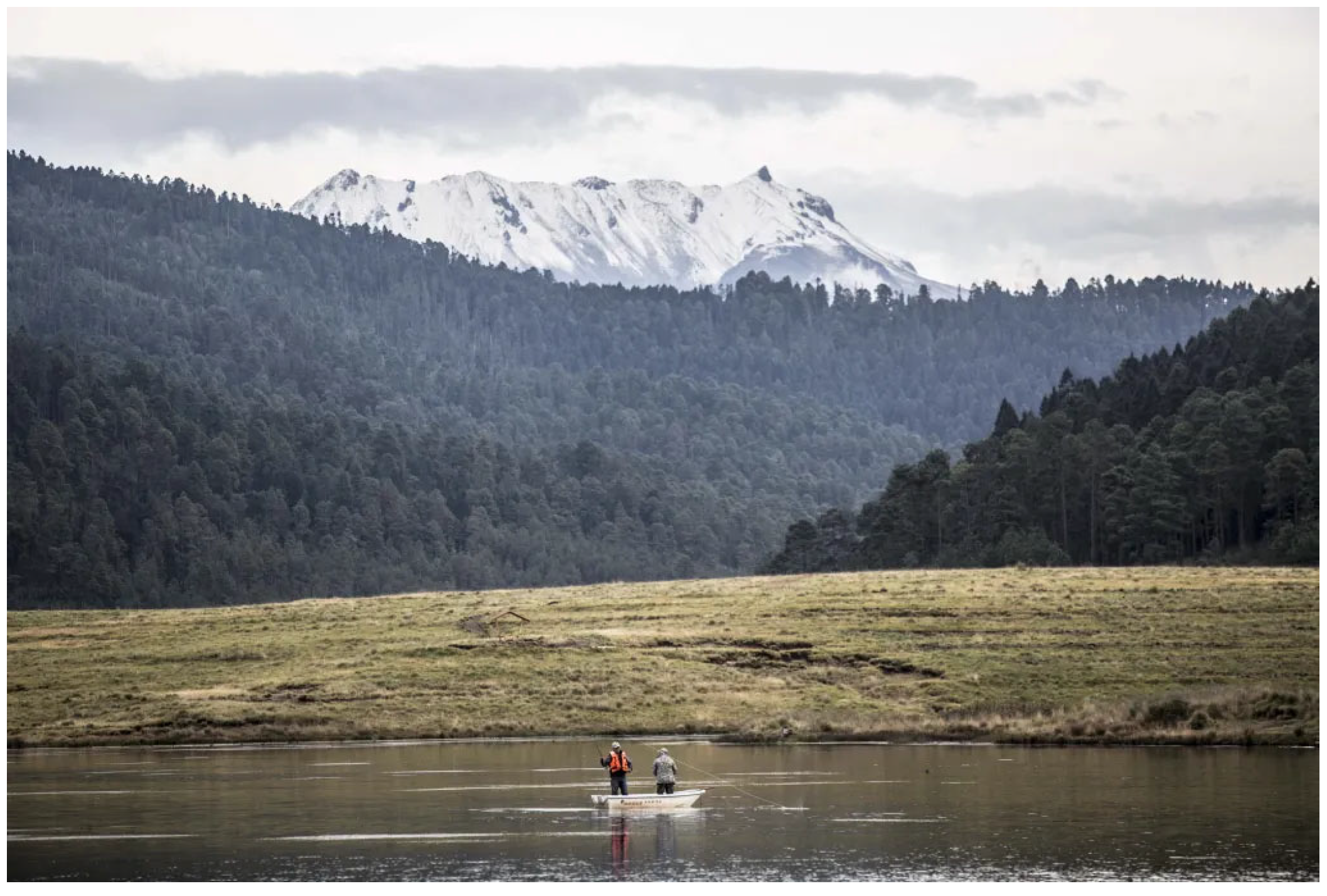
The SAPCP forest (Figure 1) is located in the Amanalco-Valle de Bravo hydrological microbasin, which is located southwest of the State of Mexico, Mexico. It is an important water recharge area that supplies water to the region and to the metropolitan area of Mexico City. In 2003, the SAPCP was declared a protected natural area for strategic protection, conservation, sustainable utilization, and restoration of natural resources while ensuring aquifer recharge and a continuous supply of water to the surrounding population [11].
As a reserve, the SAPCP harbors considerable botanical biodiversity, comprising 94 species distributed across 76 genera and 44 families. Approximately two-thirds of these florae belong to 13 families, with Asteraceae, Lamiaceae, Pinaceae, Poaceae, Solanaceae, and Rosaceae being the most notable [10]. Additionally, the forest contains a variety of tree species, such as Abies religiosa (Kunth) Schltdl. et Cham., which serve as the overwintering habitat of the monarch butterfly (Danaus plexippus) [10]. The floral diversity reported for the SAPCP is similar to that described for other A. religiosa forests in central Mexico [10], supporting its potential suitability as a representative case study for this type of forest ecosystem.

3. Results and Discussion

3.1. The Flora of the SAPCP Forest Has a Great Diversity of Medicinal Plants

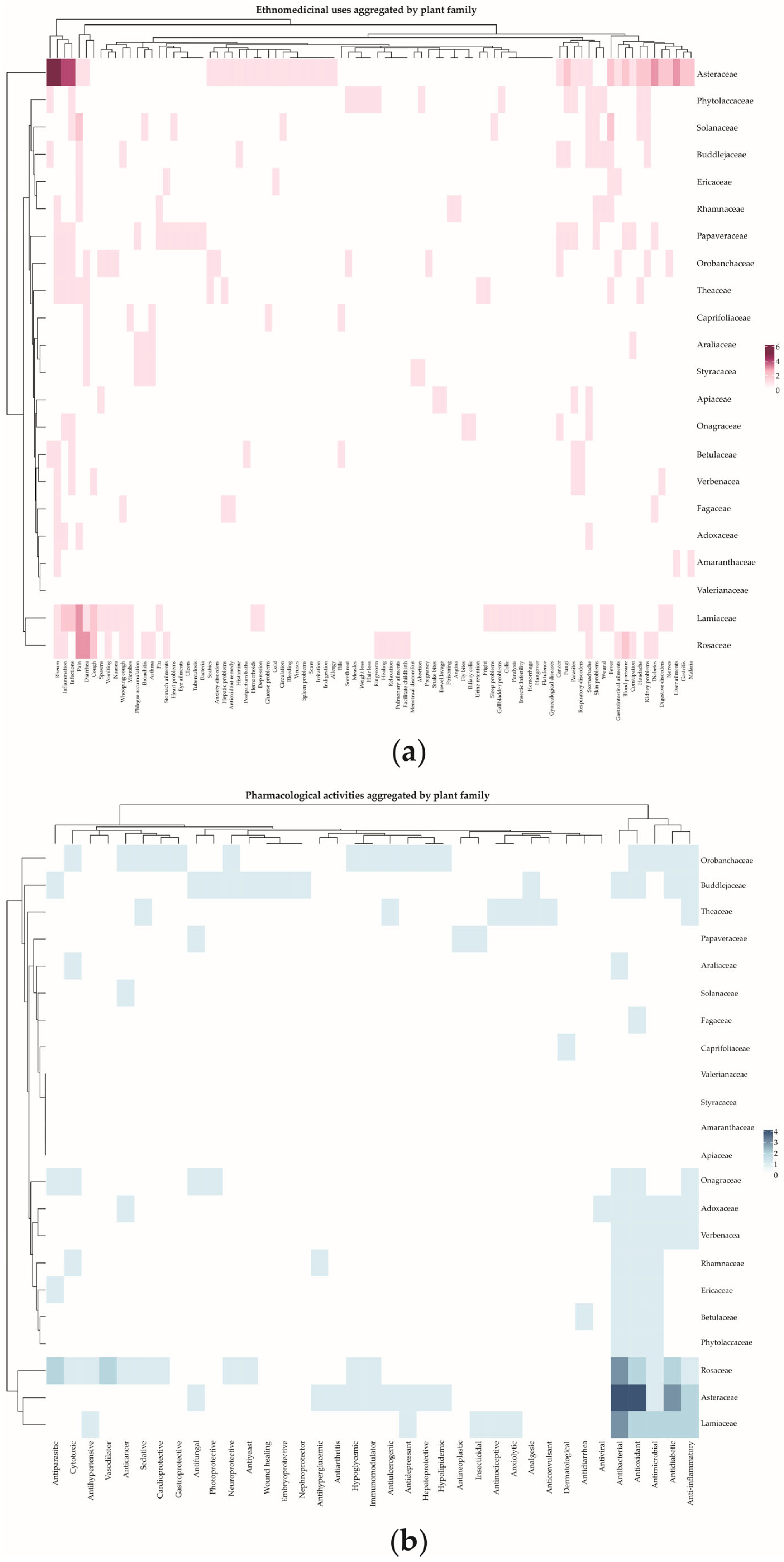
According to the documentary research, the SAPCP flora represents a rich source of medicinal plants, as 37 (Figure S1) out of the 94 recorded species (39%), distributed in 22 families, have been reported to possess at least one therapeutic use in the TMM (Figure 2a, Table S1). Within these families, four had three or ten species described as medicinal with therapeutic uses: Asteraceae (with 10 species), Lamiaceae, Rosaceae, and Solanaceae (all of which have 3 species) (Table S1).
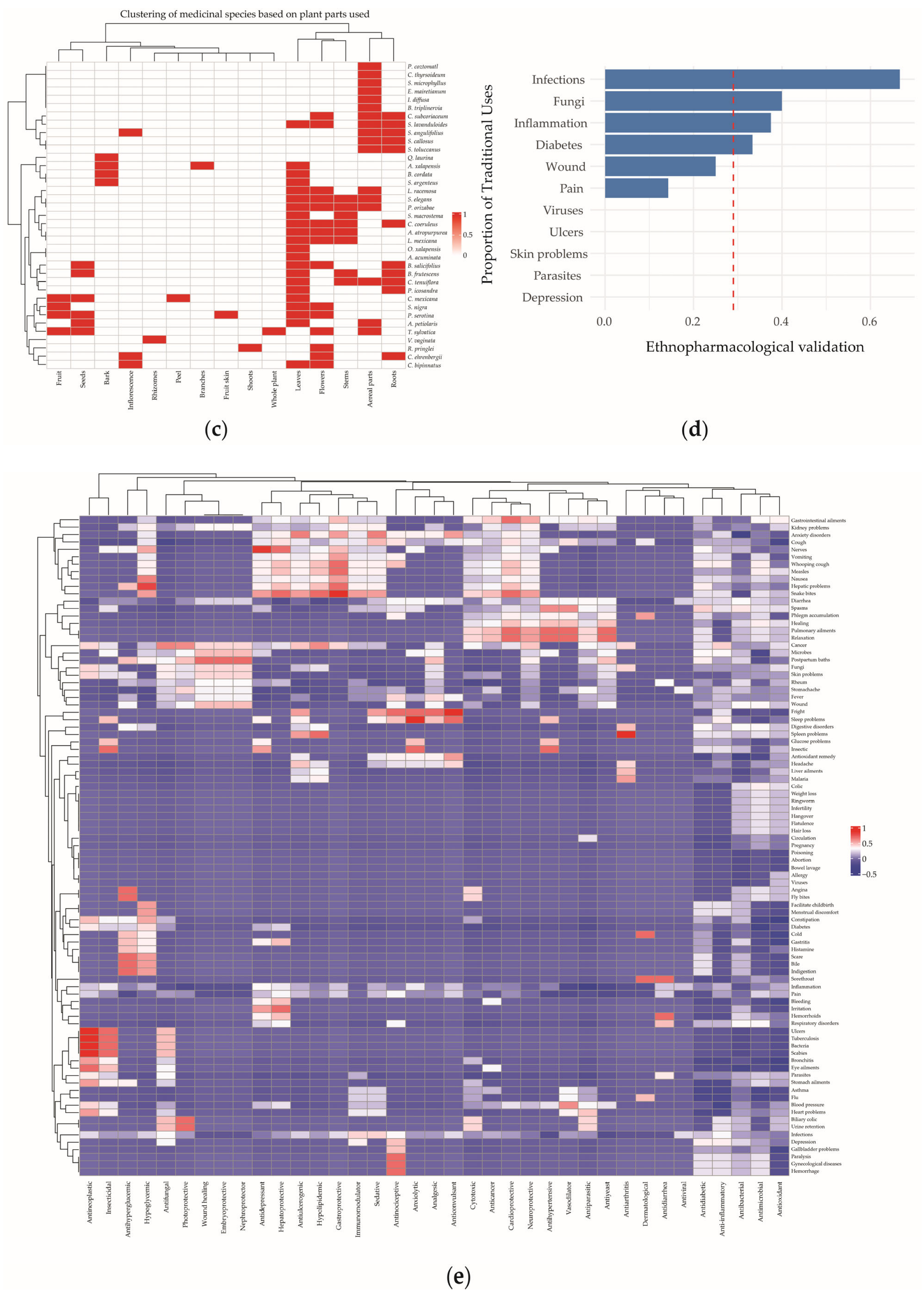
Across the studied species, a total of 72 ethnomedicinal use reports were identified within the therapeutic categories analyzed for validation. When these medicinal species were analyzed according to their number of ethnomedicinal uses, three plant families had the highest frequencies: Asteraceae, Rosaceae and Lamiaceae, with 40, 19 and 16 ethnomedicinal uses, respectively (Figure 2a, Table S1). The most frequent ethnomedicinal uses included counteracting rheum, inflammation, infections, pain, diarrhea, cough, and diabetes (Figure 2a, Table S1). According to pharmacological evidence, the most frequently reported activities among medicinal species were antibacterial, antioxidant, antidiabetic and anti-inflammatory (Figure 2b, Table S1). Among those medicinal species, leaves were the most frequently utilized plant part for medicinal purposes, although the use of leaves may vary among botanical families (Figure 2c, Table S1).

3.1.1. Ethnomedicinal Uses and Pharmacological Activities Dataset

A comparison between traditional medicinal uses and pharmacological evidence generated 3293 pairwise correlations between ethnobotanical and pharmacological variables. Among the 72 ethnomedicinal uses evaluated, 21 exhibited correspondence with experimentally reported pharmacological activities, resulting in an overall ethnopharmacological validation rate of 29.17% (Figure 2d). Validation rates varied among therapeutic categories. The highest level of correspondence between ethnomedicinal uses and pharmacological activities was observed for infections, with eight coincident records out of 12 ethnomedicinal reports, corresponding to a validation proportion of 66.7%. Moderate validation was observed for fungal infections (two coincidences out of five uses; 40%) and inflammation-related uses (six coincidences out of 16 uses; 37.5%). Uses related to diabetes showed two coincidences out of six uses (33.3%), while wound healing uses presented one coincidence out of four reports (25%). Traditional uses associated with pain showed two coincidences out of 14 reports (14.3%). In contrast, no pharmacological correspondence was detected for traditional uses related to parasites (0/6), viruses (0/1), ulcers (0/1), depression (0/2), or skin problems (0/5).

3.1.2. Statistical Associations Between Traditional Uses and Pharmacological Activities

Fisher’s exact tests were also conducted to evaluate whether the observed coincidences between the ethnomedicinal uses and corresponding pharmacological effects were greater than expected by chance. The results indicated that none of the evaluated therapeutic categories exhibited statistically significant associations (all p > 0.05). For instance, the relationship between pain-related traditional uses and analgesic or antinociceptive pharmacological activities was validated for a proportion of 0.14 (two coincidences out of 14 ethnomedicinal reports), with a Fisher’s exact test result of p = 0.544 (R2 = 0.020). Similarly, among 12 ethnomedicinal reports, eight had the association between infections and antimicrobial activities (proportion = 0.67), with a non-significant Fisher’s exact test (p = 0.319; R2 = 0.115).
A comparison between fungal infections and antifungal activities revealed two coincidences out of five reports (proportion = 0.40), which approached statistical significance but remained above the significance threshold (p = 0.080; R2 = 0.160). The relationship between traditional inflammation-related uses and anti-inflammatory pharmacological activities showed six coincidences out of 16 ethnomedicinal reports (proportion = 0.38), with Fisher’s exact test result of p = 0.475 (R2 = 0.141). Similarly, out of the six reports, two had diabetes-related traditional uses (proportion = 0.33) compared with hypoglycemic or antihyperglycemic pharmacological activities, resulting in p = 1.000 (R2 = 0.111). Traditional use related to wound healing was common in four reports (proportion = 0.25; p = 0.108; R2 = 0.063). In contrast, no pharmacological correspondence was detected for traditional uses related to parasites (0/6 reports; p = 0.567), viruses (0/1 reports; p = 1.000), ulcers (0/1 reports; p = 1.000), depression (0/2 reports; p = 1.000), or skin problems (0/5 reports; p = 1.000). Overall, these results indicate that although several ethnomedicinal uses of those medicinal species coincide with their experimentally reported pharmacological activities, the observed associations are not significantly stronger than expected by chance.
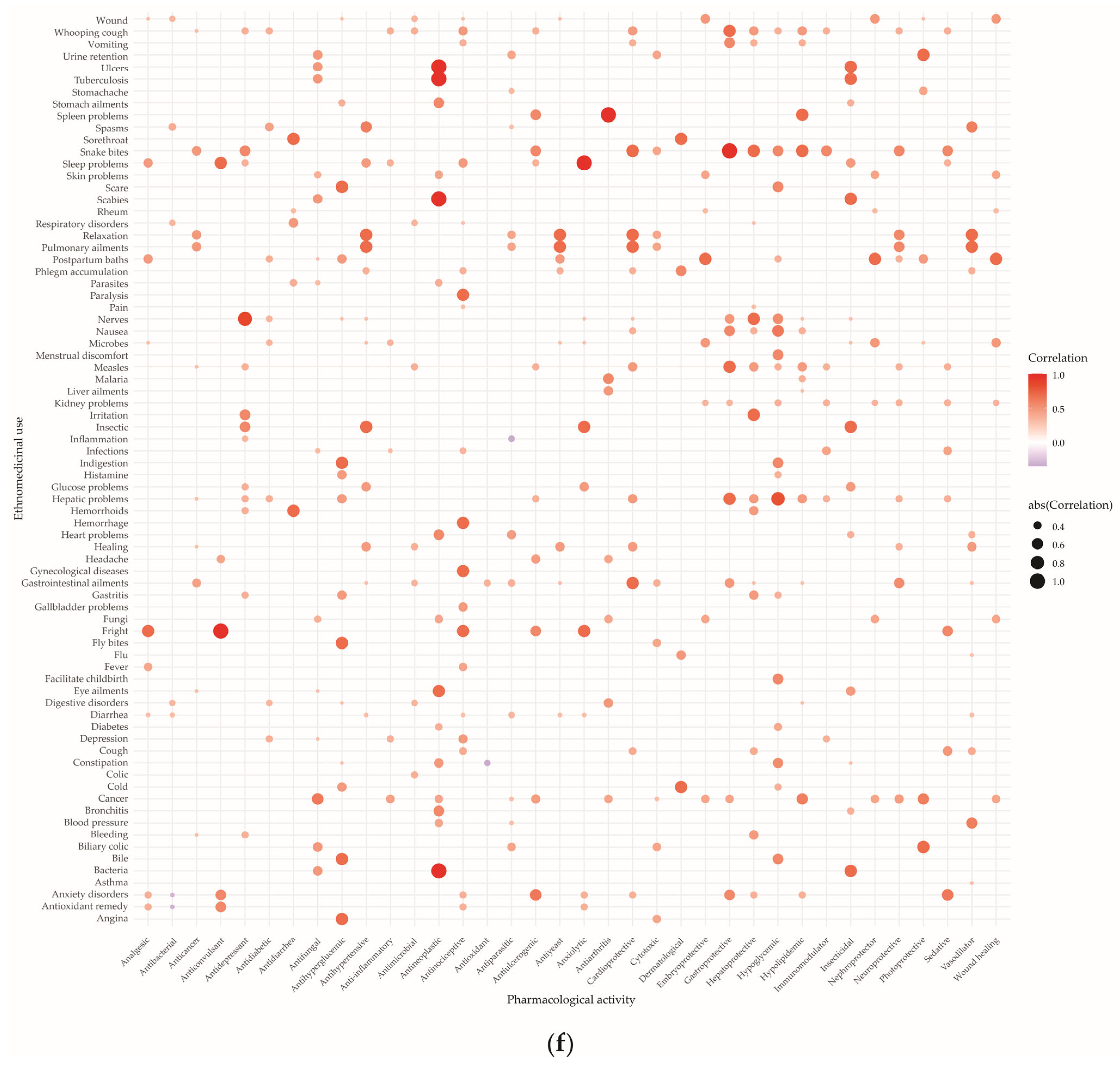
Spearman correlation analyses were further conducted to explore potential relationships between ethnobotanical uses and pharmacological activities across the dataset, producing a total of 3293 pairwise correlations (89 ethnobotanical use categories × 37 pharmacological activity categories). Several strong positive correlations were identified between specific ethnomedicinal uses and pharmacological activities. Perfect correlations (ρ = 1.00; R2 = 1.00) were observed between traditional uses related to fright and anticonvulsant activity, bacteria-related uses and antineoplastic activity, scabies-related uses and antineoplastic activity, and tuberculosis-related uses and antineoplastic activity (Figure 2e,f). Among the correlations, the strongest relationships included nervous system disorders and antidepressant activity (ρ = 0.853; R2 = 0.728), hepatic problems and hypoglycemic activity (ρ = 0.805; R2 = 0.648), fright-related uses and analgesic activity (ρ = 0.697; R2 = 0.486), sleep disorders and anticonvulsant activity (ρ = 0.697; R2 = 0.486), and hemorrhoids and antidiarrheal activity (ρ = 0.697; R2 = 0.486). These correlations highlight potential functional relationships between traditional medicinal knowledge and experimentally reported pharmacological properties, although the strength and distribution of these correlations varied considerably across ethnomedicinal categories (Figure 2e,f).

3.1.3. Matrix Similarity Between Ethnobotanical and Pharmacological Data

To evaluate whether the overall similarity patterns among plant species based on ethnomedicinal uses corresponded to the similarity patterns based on their pharmacological activities, a Mantel test was performed using Jaccard distance matrices derived from the ethnomedicinal and pharmacological binary datasets. The Mantel test revealed a very weak and nonsignificant correlation between the two matrices (Mantel r = 0.0166, p = 0.418; 9999 permutations). These results indicate that the overall similarity of structures among species based on traditional medicinal uses does not correspond closely to the similarity of structures based on experimentally reported pharmacological activities. These correlations should therefore be interpreted cautiously, as they may also reflect shared patterns in the available literature rather than direct causal relationships. A comparison between traditional medicinal knowledge and experimentally reported pharmacological activity revealed a moderate level of ethnopharmacological validation, with 21 coincident uses out of 72 ethnomedicinal reports, corresponding to a validation rate of 29.17%.
This level of agreement suggests that a substantial proportion of traditional medicinal uses reported for the studied plant species may be supported by pharmacological evidence. However, this correspondence may also reflect the complexity of traditional medical systems. For example, the phytochemical composition and their concentrations in vegetal material are often used without controlled quality of the dose–effect relationship. In contrast, pharmacological tests are conducted under control of the dose–effect relationship, where the concentration of the extract or its chemical composition is systematically evaluated. However, relatively high validation rates were observed for infections (66.7%), followed by fungal infections (40%), inflammation-related uses (37.5%), and diabetes-related uses (33.3%).
Overall, the results of this study highlight the partial but meaningful correspondence between traditional medicinal knowledge and pharmacological research while also emphasizing the considerable gaps that remain in the pharmacological evaluation of traditionally used plant species. Expanding pharmacological research to include a broader diversity of plant species and therapeutic targets may help to better understand the biological basis of traditional medicinal practices and contribute to the discovery of novel bioactive compounds derived from forest plant resources. Ethnopharmacology research has shown that many modern drugs originate from traditional remedies, indicating a substantial correspondence between traditional knowledge and pharmacological activity [12]. Classic examples include morphine from Papaver somniferum L., artemisinin from Artemisia annua L. and paclitaxel from Taxus spp. [13,14]. A World Health Organization-linked survey of 122 plant-derived drugs revealed that approximately 80% of the active compounds had uses consistent with their folk medicinal indications [15].
Taken together, these results suggest that the SAPCP Mexican Oyamel forest, Abies religiosa (Kunth) Schltdl. et Cham., is a rich source of plants for a variety of medicinal uses based on traditional medicine, and some of these plants exhibit several medicinal properties, indicating the potential for multipurpose therapeutic applications. Research on traditional medicine can lead us to the discovery of new drugs; thus, scientific validation has led to the conversion of herbal treatments into proper therapies, where phytochemicals have become indispensable for researching new alternative drugs [16]. Several studies have highlighted that the combination of medicinal plants and allopathic antibiotics against pathogenic bacteria has been studied extensively in recent years [17].
The biodiversity of SAPCP Oyamel forests has been reported, where two-thirds of the flora belong to 13 families, with Asteraceae, Lamiaceae, Pinaceae, Poaceae, Solanaceae, and Rosaceae being the most notable [10]. In this work, the Asteraceae, Rosaceae and Lamiaceae exhibited a high number of therapeutic uses, highlighting that this biodiversity is also related to the medicinal importance of the species.

3.2. Potential of the Medicinal Flora of the SAPCP for Counteracting Inflammation

3.2.1. Inflammation

Inflammation is a normal physiological response of the innate immune system to a variety of physical, chemical, or infectious stressors [18,19]. It is a defense mechanism that generally is temporary and provides localized protection [18]. It is characterized by redness, heat, pain, swelling, and disruption of normal local physiological functions [20]. Inflammation can be categorized as acute or chronic [21]. Acute inflammation is a localized, short-term, and self-regulated defense response that can lead to chronic inflammation and damage the host body, under repeated or prolonged stimulation of ineffective regulation, and can contribute to the development of various chronic degenerative diseases [18,19,20].
A chronic inflammatory environment is closely linked to cancer and influences cell transformation, promotion, survival, proliferation, invasion, angiogenesis, and metastasis [18]. Chronic inflammation increases the production of reactive oxygen species (ROS) and nitric oxide (NO•) through the oxidative pathway (phagocyte respiratory burst), which causes DNA damage and genomic instability [21]. Prolonged inflammation also disrupts normal tissue repair processes, weakening the epithelial barrier and allowing microbial components and toxins to penetrate and exacerbate inflammation [21].
The inflammatory pathway consists of four parts: inducers, sensors, mediators and effectors [22]. During the inflammatory response, various mediators are synthesized and secreted and can be divided into two main categories: pro-inflammatory and anti-inflammatory [23]. Some mediators, such as the interleukin (IL) cytokine family (IL-12, IL-23, IL-27, and IL-35), can act in both categories [24].
The tumor necrosis factor (TNF-α) is an important pro-inflammatory IL secreted by macrophages and monocytes during acute inflammation that exerts numerous cellular effects [17,24]. IL-1 cytokines, such as IL-1α and IL-1β, also exert significant pro-inflammatory activity during the acute phase; however, in chronic inflammation, they play a central role in various human auto-inflammatory diseases [18]. In contrast, IL-10 is a potent anti-inflammatory cytokine, and its activity inhibits the action of numerous pro-inflammatory mediators [22,24], as previously described.
Regarding the inflammatory enzymatic pathway, cyclooxygenase (COX) has two isoforms, gastric endothelial (COX1) and induced (COX2), which are related to inflammatory processes, and lipoxygenase (LOX) which is the main enzyme that catalyzes the first step of arachidonic acid (AA) biotransformation to prostaglandins (PGs), leukotrienes (LTs), and thromboxane (TX) [23,24]. Another enzyme highly associated with inflammatory conditions is nitric oxide synthase (NOS), which has two isoforms, vascular endothelial and inducible, related to inflammatory processes [24]. Likewise, the transcription factor nuclear factor kappa B (NF-κB) and its corresponding nuclear and intracellular signaling pathways are effective at mediating inflammation and suppressing apoptosis [18,24]. Continuous release of PGs/LTs/TX, ILs, and ROS plays a fundamental role in acute inflammation progression to chronic phases and even contributes to the development of autoimmune disorders [21].

3.2.2. Medicinal Plants Against Inflammation

Currently, 41,878 species of plants with ethnomedicinal use have been documented worldwide [25], and several studies have reported that the Lamiaceae, Malvaceae, Asteraceae and Euphorbiaceae taxonomic families contain the highest number of species with anti-inflammatory activity according to scientific evidence [26,27,28].
In Mexico, the Comisión Nacional para el Conocimiento y Uso de la Biodiversidad EncicloVida has registered 1098 species of native plants with medicinal uses [29], while the Atlas of Plants of Traditional Mexican Medicine recorded 3103 species [30]. Using computational methods, Barrera-Vázquez et al. [31] identified 196 species with anti-inflammatory activity, highlighting the taxonomic families Asteraceae, Fabaceae, Euphorbiaceae, and Malvaceae.

3.2.3. Anti-Inflammatory Potential of Medicinal Species from the SAPCP Forest

The SAPCP forest represents an important source of medicinal species with anti-inflammatory potential. A total of 21 species were reported to counteract inflammatory symptoms (Figure 2a, Table S1), among which were Alnus acuminata Kunth, Barkleyanthus salicifolius (Kunth) H. Rob. & Brettell, Bidens triplinervia Kunth, Bocconia frutescens L., Buddleja cordata Kunth, Castilleja tenuiflora Benth., Ceanothus coeruleus Lag., Cirsium ehrenbergii Sch. Bip., Cirsium subcoriaceum (Less.) Sch. Bip., Cosmos bipinnatus Cav., Iresine diffusa Humb. & Bonpl. ex Willd., Lippia mexicana G. L. Nesom., Lopezia racemosa Cav., Quercus laurina Humb. et Bonpl., Rubus pringlei Rydb., Salvia elegans Vahl., Salvia lavanduloides Kunth, Sambucus nigra L. var. canadensis (L.) Bolli., Senecio angulifolius DC., Senecio callosus Sch. Bip, and Ternstroemia sylvatica Schltdl. et Cham.

3.3. Potential of the Medicinal Flora of the SAPCP as Antibacterial Agents

3.3.1. Infectious Diseases Caused by Bacteria

Several ailments traditionally treated with medicinal plants, such as infections, stomachaches, and diarrhea, are caused by pathogenic bacteria; thus, this section focuses on the analysis of the potential of the SAPCP flora as a source of antibacterial agents.
For decades, bacteria have been recognized as major causes of human health problems, leading to high rates of morbidity and mortality, mainly in low-income countries, due to the increase in the number of multidrug-resistant (MDR) bacteria and the scarcity of new classes of antibiotics [32]. MDR is defined as reduced susceptibility to three or more classes of antibiotics [33]. Infections caused by MDR bacteria are potentially deadly and economically burdensome due to the failure of treatment with traditional antibiotics. These infections are difficult or impossible to treat, coupled with the low number of antibiotics approved in the last two decades and only a few innovative structures, increasing the risk of disease spread, severe illness, disability, and death [33,34]. Furthermore, the severity of these infections is influenced by additional factors, such as the virulence of the bacteria and their occurrence in immunocompromised patients, which complicates their treatment [35].
A report of the Global Antimicrobial Resistance and Use Surveillance System of the World Health Organization from 2022 highlights alarming resistance rates among common bacterial pathogens [34]. The median rates reported in 76 countries were 42% for third-generation cephalosporin-resistant Escherichia coli and 35% for methicillin-resistant Staphylococcus aureus (MRSA); moreover, carbapenem-resistant bacteria such as Klebsiella pneumoniae, Pseudomonas aeruginosa and Acinetobacter baumannii are the most important in clinical practice [36,37].

3.3.2. Medicinal Plants for Bacterial Pathogens

Medicinal and edible plants offer a promising alternative or complementary approach to conventional treatments; likewise, it has been proven that certain medicinal plants can be used in combination with antibiotics to enhance their effectiveness against certain bacterial infections [38].
Many plants are recognized for their ability to counteract infectious diseases caused by pathogenic microorganisms. Globally, the species that have demonstrated antimicrobial activity in vitro belong mainly to the taxonomic families Lamiaceae, Fabaceae, Asteraceae, Myrtaceae, Rubiaceae, Anacardiaceae and Apiaceae [39,40]. In Mexico, according to a study by Sharma et al. [41], the plant families Asteraceae, Fabaceae, Lamiaceae and Euphorbiaceae presented the highest number of species with antibacterial activity.

3.3.3. Antibacterial Potential of Medicinal Species from the SAPCP Forest

The SAPCP forest also represents a worthy source of medicinal species able to counteract symptoms related to gastrointestinal disorders, described as diarrhea, digestive disorders, stomach ailments, gastrointestinal disorders, and stomach aches, with 23 species reported with traditional use (Figure 2a, Table S1). Among those species are Ageratina petiolaris (Moc. & Sessé ex DC.) R.M. King & H. Rob., Alnus acuminata Kunth, Arbutus xalapensis Kunth, Arracacia atropurpurea (Lehm.) Benth. et Hook.f. ex Hemsl., Barkleyanthus salicifolius (Kunth) H. Rob. & Brettell, Bocconia frutescens L., Buddleja cordata Kunth, Castilleja tenuiflora Benth., Ceanothus coeruleus Lag., Cosmos bipinnatus Cav., Crataegus mexicana Moc. et Sessé ex DC., Eupatorium mairetianum DC., Lopezia racemosa Cav., Physalis coztomatl Moc. et Sessé ex Dunal, Physalis orizabae Dunal, Phytolacca icosandra L., Prunus serotina Ehrh., Rubus pringlei Rydb., Salvia elegans Vahl., Salvia lavanduloides Kunth, Sambucus nigra L. var. canadensis (L.) Bolli., Satureja macrostema (Benth) Briq, and Ternstroemia sylvatica Schltdl. et Cham.

3.4. Potential of the Medicinal Flora of the SAPCP for Counteracting Diabetes

3.4.1. Diabetes Mellitus

Diabetes mellitus (DM) is a growing global health concern and is currently regarded as an epidemic. It is a metabolic disorder affecting the metabolism of carbohydrates, lipids, and proteins and is characterized by hyperglycemia and dysfunctional insulin secretion or action [42,43]. According to statistics from 2021, approximately 537 million adults aged >20–79 years are living with DM worldwide [44]. It has been predicted that these numbers may reach 643 and 783 million by 2030 and 2045, respectively [44].
DM is a heterogeneous syndrome characterized by persistent hyperglycemia that is classified as type 1 (T1DM), type 2 (T2DM), specific types of diabetes, or gestational diabetes mellitus [45]. Genetic and environmental factors contribute significantly to the development of diabetes [46].
T1DM is typically classified as a genetic immune system disorder that destroys insulin-producing cells in the pancreas, while macrophages infiltrate and damage the pancreatic islets. Insulin deficiency leads to hyperglycemia [43]. T2DM is currently the most common type of diabetes worldwide since it is a complex multifactorial polygenetic disease that can be attributed to many risk factors and is characterized by insulin resistance and metabolic dysfunction syndrome. These conditions can lead to two major pathological defects: a poor insulin secretion capacity of pancreatic β-cells and impaired insulin action due to insulin resistance, causing hyperglycemia [42,43,45]. Moreover, persistent hyperglycemia can induce target organ damage, including macrovascular diseases and microvascular complications, such as chronic kidney disease, retinopathy, neuropathy, and diabetic foot ulcers [45].
DM pathophysiological conditions involve metabolic pathways that include hundreds of enzymes, proteins, and cofactors, as well as various cells, tissues, and multiple organ systems, especially the pancreas, liver, gut, muscle, adipose tissue, and kidney, leading to disability and premature death [43]. α-Glucosidase and α-amylase are the enzymes involved in carbohydrate digestion, and their inhibition can significantly reduce postprandial increases in blood glucose [47].

3.4.2. Medicinal Plants Against DM

Worldwide, many plants are recognized for their ability to counteract the symptoms of diabetes. Aumeeruddy et al. [48] reported a total of 2004 plant species belonging to 197 families that are traditionally used for the treatment of diabetes; these plants mostly belong to the Leguminosae (Fabaceae), Compositae (Asteraceae), and Lamiaceae families. In Mexico, Escandón-Rivera et al. [49] estimated the empirical use of at least 800 plant species for the treatment of diabetes. Ethnobotanical studies have reported the existence of 306 plant species with hypoglycemic effects belonging to 93 families [50] and 176 species with antidiabetic activity belonging to 68 families [51]. Among these, the most highly represented families are Asteraceae, Fabaceae, Cactaceae, Solanaceae, Euphorbiaceae, and Lamiaceae [50,51].

3.4.3. Antidiabetic Potential of Medicinal Species from the SAPCP Forest

The Forest of SAPCP represents a worthy source of medicinal species that possess antidiabetic effects, with eight species reported with traditional use to counteract diabetes symptoms (Figure 2a, Table S1). Among those species are Ageratina petiolaris (Moc. & Sessé ex DC.) R.M. King & H. Rob., Bidens triplinervia Kunth, Bocconia frutescens L., Cirsium ehrenbergii Sch. Bip., Cosmos bipinnatus Cav., Quercus laurina Humb. et Bonpl., Rubus pringlei Rydb., and Salvia elegans Vahl.
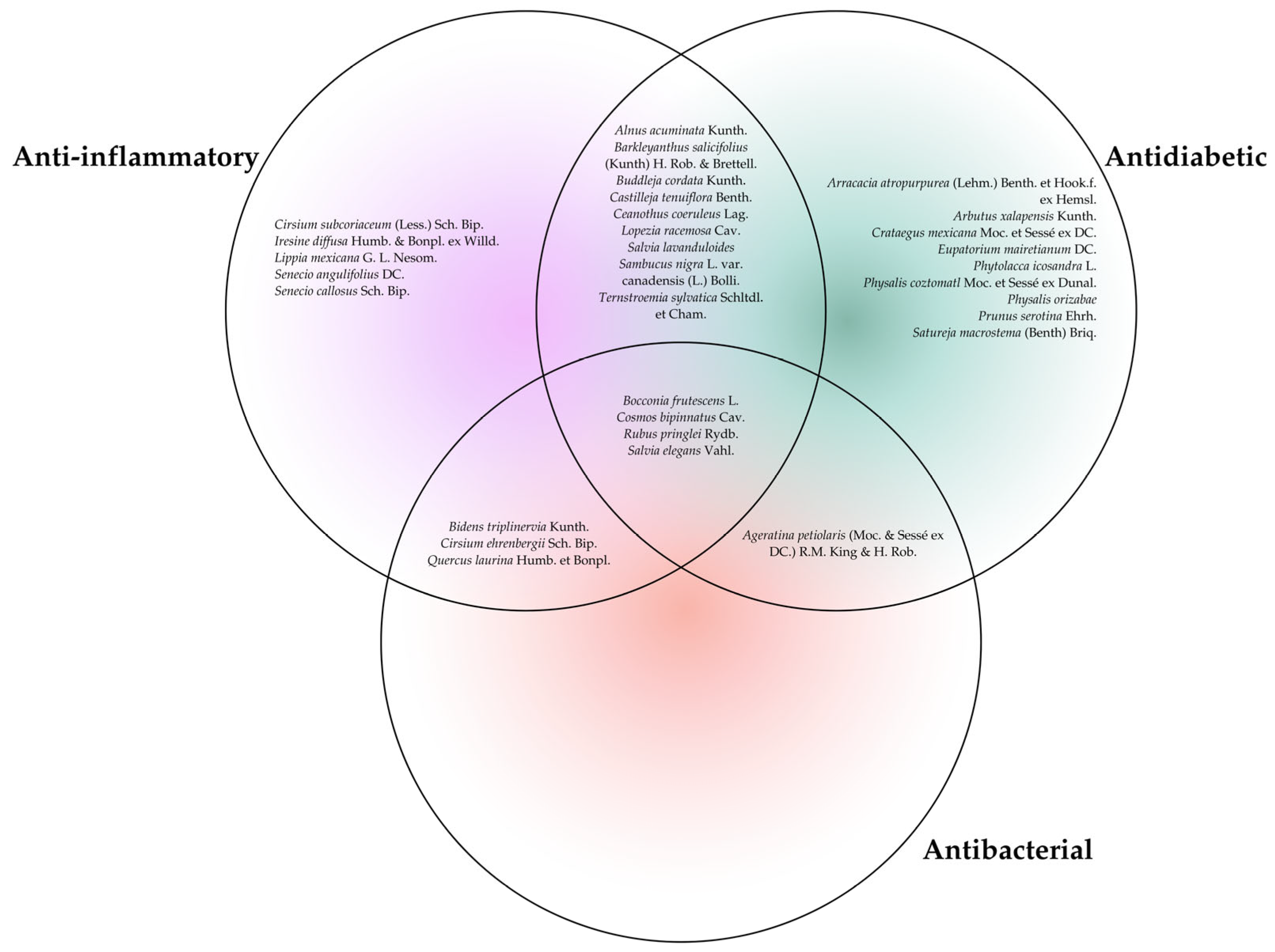
However, when all the species highlighted in Section 3.2.3, Section 3.3.3 and Section 3.4.3 were processed in a Venn diagram, it was observed that, from a total of 31 species, 13 (35%) had two effects (nine species for anti-inflammatory and DM; three species for anti-inflammatory and antibacterial effects; and one species for antibacterial and DM), while four species (Bocconia frutescens L., Cosmos bipinnatus Cav., Rubus pringlei Rydb. and Salvia elegans Vahl.) had three effects (Figure 3).

3.5. Phytochemicals That Exert Pharmacological Effects on Diseases Related to Inflammation, Bacterial Pathogens and DM

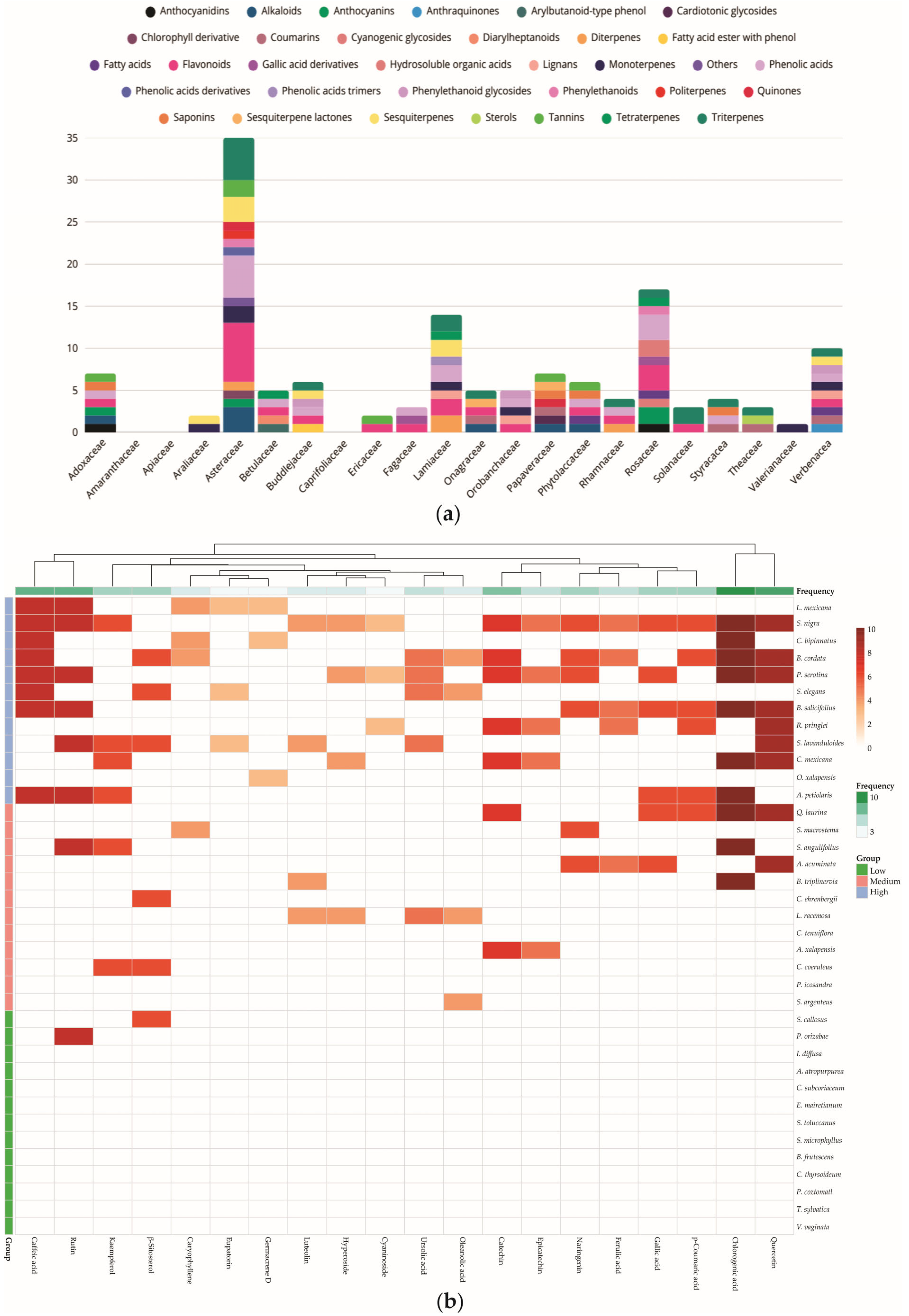
Phytochemical analysis of the medicinal plants from the SAPCP flora revealed wide diversity, such as alkaloids, terpenes, or phenolic secondary metabolites. These included different kinds of terpenes, such as monoterpenes, diterpenes, saponins, sesquiterpenes, sesquiterpene lactones, triterpenes, tetraterpenes, and polyterpenes, as well as phenolic compounds, such as anthocyanins, coumarins, flavonoids, lignans, phenolic acid trimers, quinones, and tannins (Figure 4a, Table S1). A comparison of the phytochemical classes revealed that flavonoids were present in the majority of the species, followed by phenolic acids and triterpenes (Table S1). A great variety of phytochemicals were found at the family level in Asteraceae, Lamiaceae, Rosaceae, and Verbenaceae. In contrast, no data was reported for medicinal species belonging to the Amaranthaceae, Apiaceae, or Caprifoliaceae families (Figure 4a, Table S1). Among the identified phytochemicals (487, Table S1), 64 were reported in at least two species, whereas 10 were found in at least six species: chlorogenic acid, quercetin, caffeic acid, rutin, catechin, gallic acid, kaempferol, naringenin, p-coumaric acid and β-sitosterol (Figure 4b). In addition, phytochemical analysis revealed a great diversity of compounds among the families, specifically for Asteraceae, Lamiaceae, Verbenaceae, Adoxaceae and Buddlejaceae. In contrast, no compounds were detected in the Amaranthaceae, Apiaceae, Caprifoliaceae, Papaveraceae, Theaceae or Valerianaceae families (Table S1).
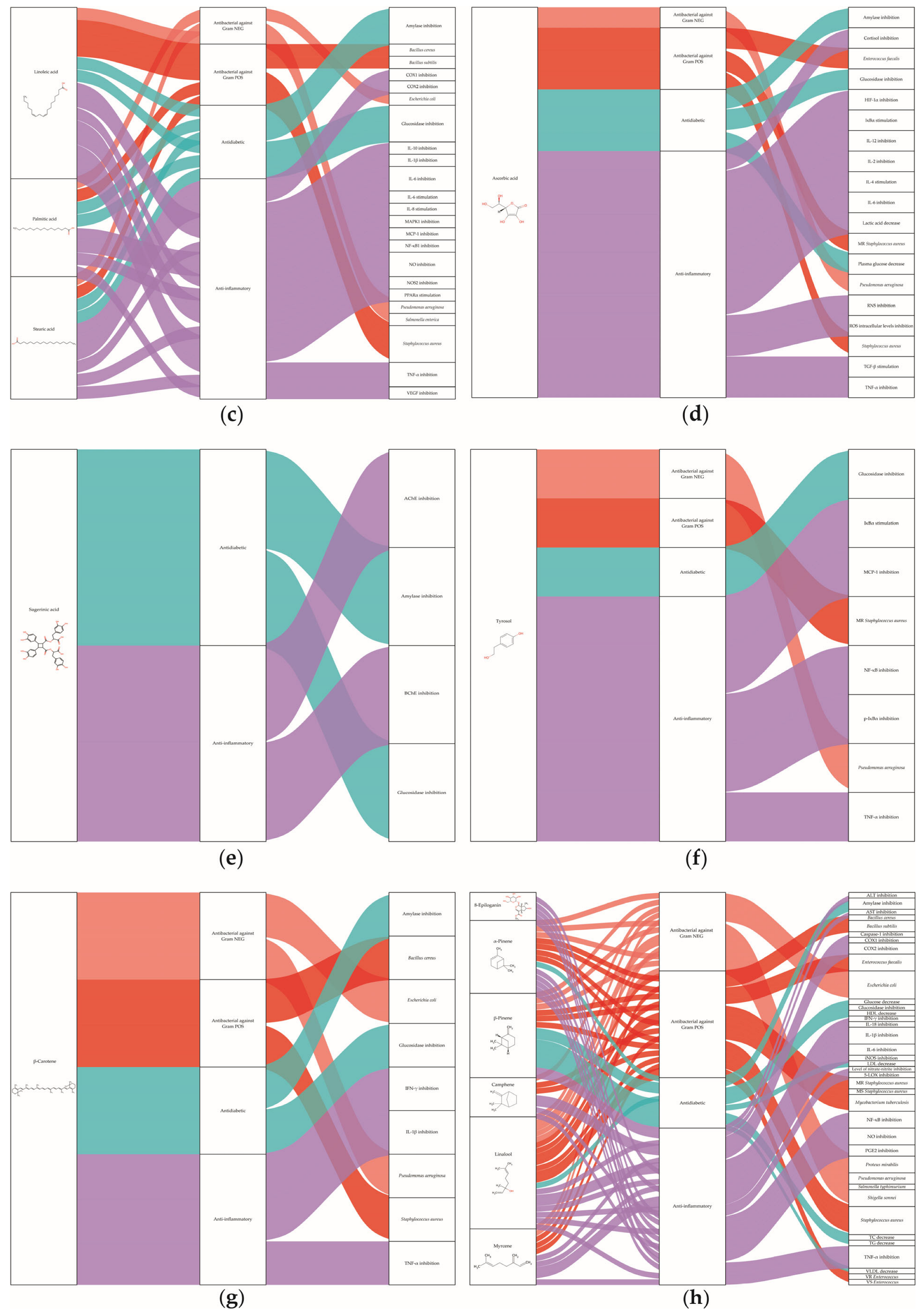
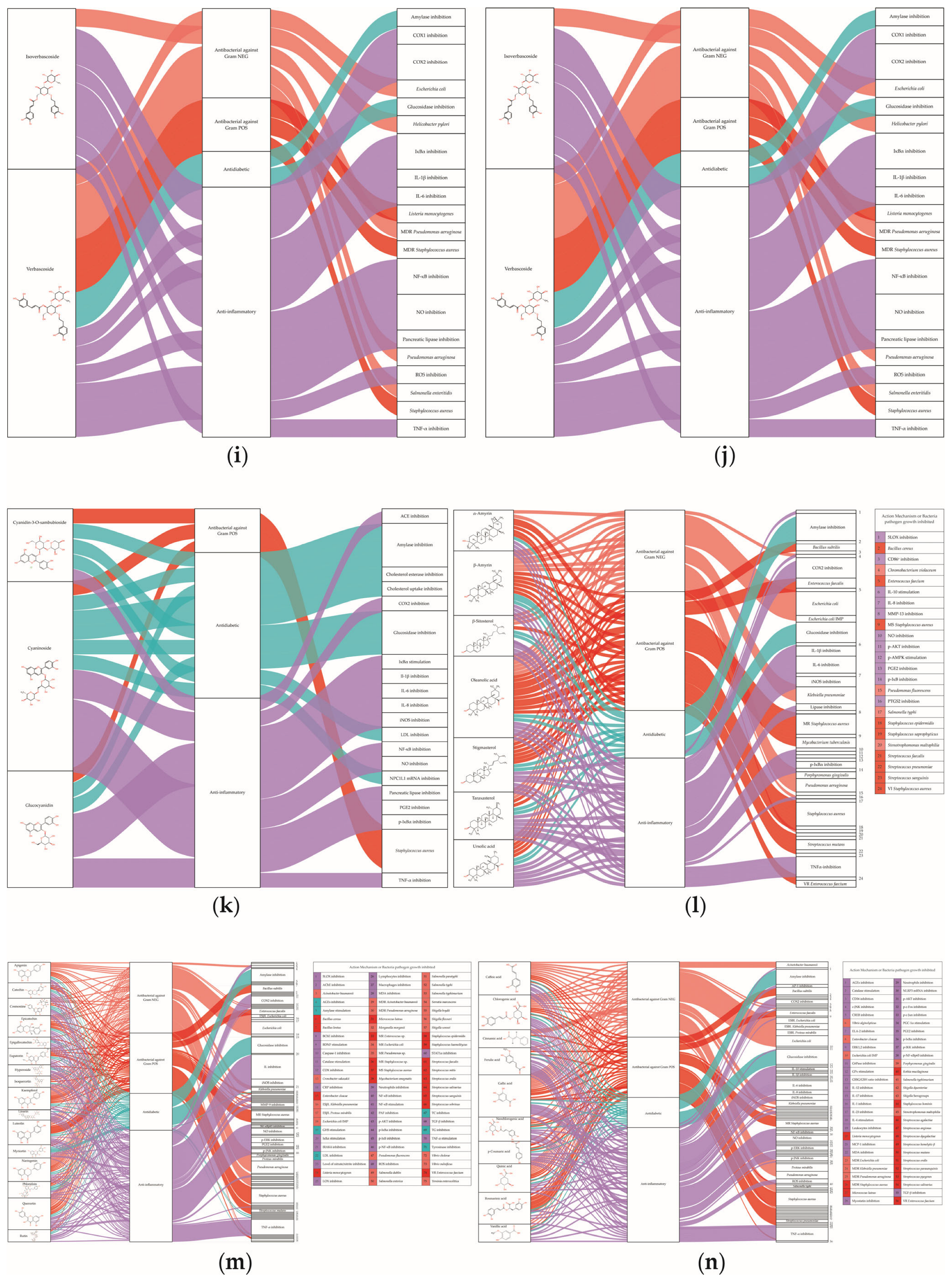
A thorough literature review of 59 metabolites reported in at least three medicinal species from the SAPCP forest revealed that almost all of these compounds have proven anti-inflammatory, antibacterial, and antidiabetic pharmacological activities. These metabolites included: ascorbic acid; fatty acids such as linoleic acid, palmitic acid, and stearic acid; secondary metabolites such as anthocyanins, including cyanidin 3-O-sambubioside, cyaninoside and glucocyanidin; flavonoids, such as apigenin, catechin, cosmosiine, epicatechin, epigallocatechin, eupatorine, hyperoside, isoquercetin, kaempferol, linarin, luteolin, myricetin, naringenin, phloridzin, quercetin, and rutin; and phenolic acids including caffeic acid, chlorogenic acid, cinnamic acid, ferulic acid, gallic acid, neochlorogenic acid, p-coumaric acid, quinic acid, rosmarinic acid, and vanillic acid. Other metabolites include: phenylethanoid glycosides: verbascoside and isoverbascoside; phenylethanoids: tyrosol; lignan: sagerinic acid; monoterpenes: α-pinene, β-myrcene, β-pinene, 8-epiloganin, camphene, and linalool; sesquiterpenes: α-cadinol, β-caryophyllene, β-elemene, γ-muurolene, δ-cadinene, caryophyllene, germacrene D, and nerolidol; triterpenes: α-amyrin, β-amyrin, β-sitosterol, oleanolic acid, stigmasterol, taraxasterol, and ursolic acid; and tetraterpene: β-carotene (Table S2; Figure 4c–n).
All these metabolites have proven antibacterial effects, and in many cases, a single metabolite can inhibit pathogens, including Gram-positive and Gram-negative bacteria. Among the Gram-positive bacteria, the affected genera included Bacillus, Enterococcus, Listeria, Micrococcus, Mycobacterium, Propionibacterium, Rothia, Staphylococcus and Streptococcus, while among the Gram-negative bacteria, the inhibited genera included Acinetobacter, Aggregatibacter, Chromobacterium, Cronobacter, Enterobacter, Escherichia, Fusobacterium, Helicobacter, Klebsiella, Morganella, Porphyromonas, Proteus, Pseudomonas, Salmonella, Serratia, Shigella, Stenotrophomonas, Vibrio and Yersinia. However, the bacterial species that were predominantly inhibited by several of those metabolites were Staphylococcus aureus (including the strain showing methicillin-resistance), Escherichia coli, Pseudomonas aeruginosa, Bacillus subtilis, Enterococcus faecalis, and Klebsiella pneumoniae (Table S2; Figure 4c–n). Among them, Escherichia coli, methicillin-resistant Staphylococcus aureus, Klebsiella pneumoniae, and Pseudomonas aeruginosa are considered the most important pathogenic bacteria in clinical practice [40,41].
In addition, many of those compounds credited with anti-inflammatory and antidiabetic effects have shown that these biological effects can be achieved through different action mechanisms (Figure 4c–n). Outstanding results were observed for almost all the anthocyanins, flavonoids, phenolic acids and triterpenes that were able to inhibit α-amylase and α-glucosidase, which are target enzymes related to DM. Regarding the action mechanisms related to inflammation, almost all the flavonoids inhibited TNF-α, followed by the inhibition of IL-6 and COX2; almost all the phenolic acids inhibited TNF-α, followed by IL-6 inhibition; and almost all the triterpenes inhibited TNF-α and COX2 (Figure 4c–n).
According to the results compiled in Figure 3 and Figure 4b, the species that may exhibit effects related to counteracting inflammation, diabetes mellitus, or bacterial pathogens, and produce metabolites proven to have some of the pharmacological activities related to those illnesses are Cosmos bipinnatus Cav., Rubus pringlei Rydb, Salvia elegans Vahl., Ageratina petiolaris (Moc. & Sessé ex DC.) R.M. King & H. Rob., Barkleyanthus salicifolius (Kunth) H. Rob. & Brettell, Buddleja cordata Kunth, Salvia lavanduloides Kunth, Sambucus nigra L. var. canadensis (L.) Bolli., Crataegus mexicana Moc. et Sessé ex DC., Lippia mexicana G. L. Nesom., and Prunus serotina Ehrh. Meanwhile, among the phytochemical compounds, chlorogenic acid can be represented as the most widespread compound, detected in 10 out of 37 species (27%), followed by caffeic acid (24.3%), rutin (21.6%) and catechin (18.9%). These results highlight that for future studies, these species might appear to be the most promising for pharmacological research; meanwhile, the most widespread compounds could be tested for drug development or ecological studies to enhance their production in the species.
Recent studies have reported that secondary metabolites, such as flavonoids, polyphenols, alkaloids, terpenes, natural pigments, volatile oils, quinones, lignans, tannins, coumarins, and saponins, are responsible for the therapeutic effects of plants [19,27,52]. Various plant metabolites have been proven to have pharmacological effects by acting as modulators of multiple signal transduction pathways and are capable of delivering several different mechanisms of action due to their multitarget regulatory pharmacological strategy [47]; moreover, it has been proven that alkaloids, phenolic compounds such as flavonoids, tannins, anthocyanins, and coumarins, terpenes such as carotenoids, and saponins from plants possess hypoglycemic activity both in vivo and in vitro. These kinds of secondary metabolites are frequently implicated in several targets, proteins, and enzymes related to diabetes [46,53]. Finally, flavonoids, polyphenols, and essential oils have demonstrated antimicrobial and antibiofilm properties, disrupting bacterial cell membranes and inhibiting key virulence factors [38].
Flavonoids are widely distributed in nature and have been proven to have anti-inflammatory activity because they inhibit the production of inflammatory mediators and the activity of enzymes (ATPase, prostaglandin, COX2, LOX, protein kinase, hydrolases, peroxidases, metallopeptidases, tyrosinases, and phospholipases) [27]. Plants traditionally used as antidiabetic agents offer a rich source of bioactive metabolites with potential antihyperglycemic effects. Compounds such as flavonoids, phenolic acids, terpenes, and alkaloids have been widely associated with the inhibition of carbohydrate-hydrolyzing enzymes and modulation of glucose metabolism pathways [54,55].
These results showed that the biodiversity of the SAPCP forest is also important for phytochemical richness. Although the SAPCP forests exhibit great phytochemical diversity, several compounds, such as flavonoids, phenolic acids and triterpenes, have been reported to be involved in different plant species, many of which have been proven to have anti-inflammatory, antidiabetic, and antibacterial effects. Specifically, the anti-inflammatory and antidiabetic effects of these metabolites can occur through several multitarget action mechanisms, which is consistent with the findings of published reports that emphasize the importance of bioactive secondary metabolites from plants [19,27,38,46,52,53].
In addition, the presence of similar compounds across different species may help maintain ecosystem functional stability. From an ecological perspective, the recurring presence of similar classes of secondary metabolites in several species from different taxonomic families suggests functional convergence in the production of bioactive compounds within the forest of the SAPCP. This may be associated with the concept of functional redundancy, in which different species contribute to similar chemical functions in response to similar environmental pressures [56,57].
Advancing research in this area will require interdisciplinary approaches that integrate phytochemistry, pharmacology, and clinical research to validate and optimize the medicinal potential of these plants for the treatment of the SAPCP flora. The antibacterial activity of numerous traditionally used plants has been documented in the literature, but a significant proportion of these reports are limited to crude extracts or preliminary screenings. Only a few species have undergone detailed biological evaluation via both in vitro and in vivo experiments [58], and even fewer have led to the identification and characterization of specific active compounds responsible for the observed antimicrobial effects [59]. This highlights a critical bottleneck in the transition from ethnobotanical knowledge to validated, plant-based therapeutic agents.
In addition, it is important to emphasize that the results of this work only highlight those species that have been described in the literature, where the biodiversity of medicinal species and their phytochemicals are found in Asteraceae, Lamiaceae, and Rosaceae families, which may be attributed to the fact that they have been reported as the families with the greatest number of reports for medicinal ethnobotany [60]. However, several medicinal species of the SAPCP forest have not been investigated for their pharmacological or phytochemical effects, which may also represent a valuable source of bioactive metabolites. Safeguarding the biocultural heritage associated with these species is critical not only for future drug discovery but also for sustaining functional and phytochemical diversity, as ecosystems with functional redundancy are better able to withstand environmental disturbances, maintaining the ecological and cultural resilience of indigenous and rural communities. Integrating scientific validation with local knowledge systems can strengthen conservation outcomes while promoting equitable benefit sharing and responsible use, in alignment with international frameworks such as the Nagoya Protocol on Access and Benefit Sharing; however, the transmission of traditional knowledge has been affected by accelerated degradation of vegetation and social, economic, and cultural changes [1], as well as deforestation, land use change, wildfires, pollution, and climate change that threaten forest preservation and proper use in Mexico [10].

4. Conclusions

The SAPCP Mexican Oyamel fir forest, Abies religiosa (Kunth) Schltdl. et Cham., is an ecosystem with a remarkable richness of multiple taxonomic families. Among these, Asteraceae, Rosaceae, and Lamiaceae stand out for containing more than two medicinal plant species each. The richness of this forest is largely attributed to the variety of secondary phytochemical metabolites produced by the flora. Notably, flavonoids such as quercetin, rutin, catechin, kaempferol, and naringenin, as well as phenolic acids such as chlorogenic, caffeic, gallic, and p-coumaric acids, are found across six different species. These compounds have demonstrated pharmacological activities, mainly characterized by anti-inflammatory, antidiabetic, and antibacterial effects, through multiple mechanisms. This review highlights the importance of the SAPCP Oyamel forest for medicinal biodiversity and highlights the presence of relevant phytochemicals with great potential for bioprospecting. Furthermore, further validation studies that contribute to the conservation of Abies religiosa (Kunth) Schltdl. et Cham. forests as sustainable reservoirs of bioactive compounds are needed.

Supplementary Materials

The following supporting information can be downloaded at: https://www.mdpi.com/article/10.3390/f17030396/s1, Figure S1: Flora of the SAPCP Oyamel forest reported with use in traditional medicine; Table S1: Flora of the SAPCP Oyamel forest reported with use in traditional medicine and their phytochemical composition; Table S2: Phytochemical constituents reported in at least three medicinal species of SAPCP Oyamel forest, their pharmacological effects, and their mechanism of action.

Author Contributions

Conceptualization, C.Z.-G. and M.E.E.-Z.; methodology, D.P.F.-P., N.M.-A., C.A.-R., M.d.C.A.-Á., A.N.-T., G.A.G.-R., M.G.G.-P., A.R.-G., C.Z.-G. and M.E.E.-Z.; software, D.P.F.-P., N.M.-A., C.A.-R., M.d.C.A.-Á., A.M.V.-M., A.S. and M.E.E.-Z.; validation, A.N.-T., G.A.G.-R., A.R.-G., C.Z.-G. and M.E.E.-Z.; formal analysis, D.P.F.-P., A.N.-T., M.G.G.-P., A.M.V.-M., A.S. and M.E.E.-Z.; investigation, D.P.F.-P., N.M.-A., C.A.-R. and M.d.C.A.-Á. All authors have read and agreed to the published version of the manuscript.

Funding

The authors thank the Universidad Autónoma del Estado de México for partially supporting this work through Project No. 6769/2022CIB: “Establecimiento de cultivos celulares de plantas medicinales en un biorreactor”.

Data Availability Statement

The data that support the findings of this study are available from the corresponding author on request.

Acknowledgments

The authors thank the Universidad Autónoma del Estado de México for partially supporting this work.

Conflicts of Interest

The authors declare no conflicts of interest.

Abbreviations

The following abbreviations are used in this manuscript:
AAArachidonic Acid
COXCyclooxygenase
DMDiabetes Mellitus
ILInterleukin
LOXLipoxygenase
LTLeukotrienes
MDRMultidrug-Resistant
MRSAMethicillin-Resistant Staphylococcus Aureus
NF-κBNuclear Factor Kappa B
NONitric Oxide
NOSNitric Oxide Synthase
NSAIDsNon-Steroidal Anti-Inflammatory Drugs
PGProstaglandins
ROSReactive Oxygen Species
SAPCPSantuario del Agua Presa Corral de Piedra
T1DMDiabetes Mellitus Type 1
T2DMDiabetes Mellitus Type 2
TMMTraditional Mexican Medicine
TNF-αTumor Necrosis Factor
TXThromboxanes

References

  1. Sotero-García, A.I.; Gheno-Heredia, Y.A.; Martínez-Campos, Á.R.; Arteaga-Reyes, T.T. Plantas medicinales usadas para las afecciones respiratorias en Loma Alta, Nevado de Toluca. Acta Bot. Mex. 2016, 114, 51–68. [Google Scholar] [CrossRef]
  2. Cilia-López, V.G.; Cariño-Cortés, R.; Zurita-Salinas, L.R. Ethnopharmacology of Asteraceae family in Mexico. Bot. Sci. 2021, 99, 455–486. [Google Scholar] [CrossRef]
  3. Cupido, M.; De-Nova, J.A.; Cilia-López, V.G. Aproximaciones evolutivas en etnobotánica de plantas medicinales y bioprospección. Bot. Sci. 2024, 102, 26–38. [Google Scholar] [CrossRef]
  4. Tolentino, J.E.C.; Salmerón, B.G.; de los Ángeles Gama Gálvez, M.; Ramos, G.G. Actividad antioxidante y antimicrobiana del Nurite (Satureja macrostema (Benth.), Briq). Cienc. Lat. 2023, 7, 425–444. [Google Scholar] [CrossRef]
  5. Pérez-Ochoa, M.; Vera-Guzmán, A.; Mondragón-Chaparro, D.; Sandoval-Torres, S.; Carrillo-Rodríguez, J.; Chávez-Servia, J. Effects of growth conditions on phenolic composition and antioxidant activity in the medicinal plant Ageratina petiolaris (Asteraceae). Diversity 2022, 14, 595. [Google Scholar] [CrossRef]
  6. Elshafie, H.S.; Camele, I.; Mohamed, A.A. A comprehensive review on the biological, agricultural and pharmaceutical properties of secondary metabolites based-plant origin. Int. J. Mol. Sci. 2023, 24, 3266. [Google Scholar] [CrossRef]
  7. Hilal, B.; Khan, M.; Fariduddin, Q. Recent advancements in deciphering the therapeutic properties of plant secondary metabolites: Phenolics, terpenes, and alkaloids. Plant Physiol. Biochem. 2024, 211, 108674. [Google Scholar] [CrossRef]
  8. Pang, Z.; Chen, J.; Wang, T.; Gao, C.; Li, Z.; Guo, L.; Xu, J.; Cheng, Y. Linking plant secondary metabolites and plant microbiomes: A review. Front. Plant Sci. 2021, 12, 621276. [Google Scholar] [CrossRef]
  9. Pascual-Mendoza, S.; Saynes-Vásquez, A.; Pérez-Herrera, A.; Meneses, M.E.; Coutiño-Hernández, D.; Sánchez-Medina, M.A. Nutritional composition and bioactive compounds of quelites consumed by indigenous communities in the municipality of Juquila Vijanos, Sierra Norte of Oaxaca, Mexico. Plant Foods Hum. Nutr. 2023, 78, 193–200. [Google Scholar] [CrossRef]
  10. Zepeda-Gómez, C.; Burrola-Aguilar, C.; Estrada-Zuñiga, M.E.; White-Olascoaga, L. Riqueza y afinidades geográficas de la flora de un bosque de Abies religiosa de la Faja Volcánica Transmexicana. Botánica 2018, 40, 54–70. [Google Scholar] [CrossRef]
  11. Secretaría del Medio Ambiente. Resumen ejecutivo del programa de manejo del Parque Estatal Santuario de Agua Presa Corral de Piedra. Gaceta de Gobierno 2007, No. 27, 8 February; Gobierno del Estado de México: Toluca, México. Available online: https://legislacion.edomex.gob.mx/node/6065 (accessed on 13 March 2026).
  12. Süntar, I. Importance of ethnopharmacological studies in drug discovery: Role of medicinal plants. Phytochem. Rev. 2019, 19, 1199–1209. [Google Scholar] [CrossRef]
  13. Singh, S.; Rai, V.; Kanojia, A.; Yadav, A. Natural products and traditional medicine: Investigating the role of natural products and traditional medicine in modern pharmacology. J. Res. Appl. Sci. Biotechnol. 2024, 3, 40–53. [Google Scholar] [CrossRef]
  14. Patwardhan, B. Ethnopharmacology and drug discovery. J. Ethnopharmacol. 2005, 100, 50–52. [Google Scholar] [CrossRef] [PubMed]
  15. Yuan, H.; Ma, Q.; Ye, L.; Piao, G. The traditional medicine and modern medicine from natural products. Molecules 2016, 21, 559. [Google Scholar] [CrossRef]
  16. Shah, P.; Banerjee, S.; Singh, A.; Kulhari, H.; Anand, S.V. From traditional to modern medicine: The role of herbs and phytoconstituents in pharmaceuticals, nutraceuticals, and cosmetics. In Formulating Pharma-, Nutra-, and Cosmeceuticals Products from Herbal Substances; Singh, A., Kulhari, H., Saharan, V.A., Eds.; John Wiley & Sons: Hoboken, NJ, USA, 2025; pp. 3–73. [Google Scholar] [CrossRef]
  17. El-Sakhawy, M. Combinational effects of selected medicinal plants and antibiotics against pathogenic bacteria. Pak. J. Biol. Sci. 2023, 26, 108–118. [Google Scholar] [CrossRef]
  18. Ma, Z.; Du, B.; Li, J.; Yang, Y.; Zhu, F. An insight into anti-inflammatory activities and inflammation related diseases of anthocyanins: A review of both in vivo and in vitro investigations. Int. J. Mol. Sci. 2021, 22, 11076. [Google Scholar] [CrossRef]
  19. Babbar, R.; Kaur, A.; Vanya, A.R.; Gupta, J.K.; Wal, P.; Tripathi, A.K.; Koparde, A.A.; Goyal, P.; Ramniwas, S.; Gulati, M.; et al. Impact of bioactive compounds in the management of various inflammatory diseases. Curr. Pharm. Des. 2024, 30, 1880–1893. [Google Scholar] [CrossRef]
  20. Borquaye, L.S.; Darko, G.; Laryea, M.K.; Roberts, V.; Boateng, R.; Gasu, E.N. Anti-inflammatory activities of extracts from Oliva sp., Patella rustica, and Littorina littorea collected from Ghana’s coastal. Cogent Biol. 2017, 3, 1364063. [Google Scholar] [CrossRef]
  21. Shahgoli, V.K.; Noorolyai, S.; Ahmadpour Youshanlui, M.; Saeidi, H.; Nasiri, H.; Mansoori, B.; Holmskov, U.; Baradaran, B. Inflammatory bowel disease, colitis, and cancer: Unmasking the chronic inflammation link. Int. J. Color. Dis. 2024, 39, 173. [Google Scholar] [CrossRef]
  22. Peng, Y.; Ao, M.; Dong, B.; Jiang, Y.; Yu, L.; Chen, Z.; Hu, C.; Xu, R. Anti-inflammatory effects of curcumin in the inflammatory diseases: Status, limitations and countermeasures. Drug Des. Dev. Ther. 2021, 15, 4503–4525. [Google Scholar] [CrossRef]
  23. Winand, L.; Sester, A.; Nett, M. Bioengineering of anti-inflammatory natural products. ChemMedChem 2021, 16, 767–776. [Google Scholar] [CrossRef] [PubMed]
  24. Miranda, R.S.; de Jesus, B.D.; da Silva Luiz, S.R.; Viana, C.B.; Adão Malafaia, C.R.; Figueiredo, F.S.; Carvalho, T.D.S.C.; Silva, M.L.; Londero, V.S.; da Costa-Silva, T.A.; et al. Antiinflammatory activity of natural triterpenes-an overview from 2006–2021. Phytother. Res. 2022, 36, 1459–1506. [Google Scholar] [CrossRef] [PubMed]
  25. Royal Botanic Gardens, Kew. Medicinal Plant Names Services (MNPS). Portal; Royal Botanic Gardens, Kew: London, UK. Available online: https://mpns.science.kew.org/mpns-portal/ (accessed on 13 March 2026).
  26. Akhlaq, M.; Alum, M.K.; Waleed, M. Anti-Inflammatory potential of some medicinal plants. Int. J. Clin. Case Rep. 2024, 3, 1–7. [Google Scholar] [CrossRef]
  27. Nunes, C.d.R.; Barreto, A.M.; Menezes de Faria, P.S.; Leandro da Cruz, L.; de Souza, P.M.; Pereira de Moraes, L.; Vieira, I.J.C.; Barros de Oliveira, D. Plants as sources of anti-inflammatory agents. Molecules 2020, 25, 3726. [Google Scholar] [CrossRef]
  28. Radovanović, K.; Gavarić, N.; Aćimović, M. Anti-inflammatory properties of plants from Serbian traditional medicine. Life 2023, 13, 874. [Google Scholar] [CrossRef]
  29. Comisión Nacional para el Conocimiento y Uso de la Biodiversidad (CONABIO). EncicloVida: Usos y Agrobiodiversidad; EncicloVida. Available online: https://enciclovida.mx (accessed on 13 March 2026).
  30. Argueta, A.; Vázquez, M.C.G. Atlas de las Plantas de la Medicina Tradicional Mexicana, Parte I; Instituto Nacional Indigenista: Mexico City, Mexico, 1994. [Google Scholar]
  31. Barrera-Vázquez, O.S.; Montenegro-Herrera, S.A.; Martínez-Enríquez, M.E.; Escobar-Ramírez, J.L.; Magos-Guerrero, G.A. Selection of Mexican medicinal plants by identification of potential phytochemicals with anti-aging, anti-inflammatory, and antioxidant properties through network analysis and chemoinformatic screening. Biomolecules 2023, 13, 1673. [Google Scholar] [CrossRef]
  32. Camacho-Corona, M.d.; García, A.; Mata-Cárdenas, B.D.; Garza-González, E.; Ibarra-Alvarado, C.; Rojas-Molina, A.; Rojas-Molina, I.; Bah, M.; Sanchez, M.; Gutierrez, S. Screening for antibacterial and antiprotozoal activities of crude extracts derived from Mexican medicinal plants. Afr. J. Tradit. Complement. Altern. Med. 2015, 12, 104–112. [Google Scholar] [CrossRef]
  33. Křížkovská, B.; Hoang, L.; Brdová, D.; Klementová, K.; Szemerédi, N.; Loučková, A.; Kronusová, O.; Spengler, G.; Kaštánek, P.; Hajšlová, J.; et al. Modulation of bacterial virulence and resistance by well-know European medicinal herbs. J. Ethnopharmacol. 2023, 312, 116484. [Google Scholar] [CrossRef]
  34. World Health Organization. Antimicrobial Resistance Fact Sheet. WHO 21 November 2023. Available online: https://www.who.int/news-room/fact-sheets/detail/antimicrobial-resistance (accessed on 26 July 2025).
  35. Spagnolo, A.M. Bacterial infections: Surveillance, prevention and control. Pathogens 2024, 13, 181. [Google Scholar] [CrossRef]
  36. World Health Organization. Global Antimicrobial Resistance and Use Surveillance System Report. WHO 9 December 2022. Available online: https://www.who.int/publications/i/item/9789240062702 (accessed on 26 July 2025).
  37. Pintado, V.; Ruiz-Garbajosa, P.; Aguilera-Alonso, D.; Baquero-Artigao, F.; Bou, G.; Cantón, R.; Grau, S.; Gutiérrez-Gutiérrez, B.; Larrosa, N.; Machuca, I.; et al. Executive summary of the consensus document of the Spanish Society of Infections Diseases and Clinical Microbilogy (SEIMC) on the diagnosis and antimicrobial treatment of infections due to carbapenem-resistant gram-negative bacteria. Enferm. Infecc. Microbiol. Clin. 2023, 41, 360–370. [Google Scholar] [CrossRef]
  38. Yang, C.; Lu, D.; Zhang, X.; Li, Y.; Zhao, M.; Yang, Y. Edible and herbal plants against Helicobacter pylori infections: From epidemiological, experimental studies to clinical perspectives. Microb. Pathog. 2025, 201, 107386. [Google Scholar] [CrossRef] [PubMed]
  39. Zouine, N.; Ghachtouli, N.E.; Abed, S.E.; Koraichi, S.I. A comprehensive review on medicinal plant extracts as antibacterial agents: Factors, mechanism insights and future prospects. Sci. Afr. 2024, 26, e02395. [Google Scholar] [CrossRef]
  40. Chassagne, F.; Samarakoon, T.; Porras, G.; Lyles, J.T.; Dettweiler, M.; Marquez, L.; Salam, A.M.; Shabih, S.; Farrokhi, D.R.; Quave, C.L. A systematic review of plants with antibacterial activities: A taxonomic and phylogenetic perspective. Front. Pharmacol. 2021, 11, 586548. [Google Scholar] [CrossRef]
  41. Sharma, A.; Flores-Vallejo, R.d.; Cardoso-Taketa, A.; Villarreal, M. Antibacterial activities of medicinal plants used in Mexican tradicional medicine. J. Ethnopharmacol. 2017, 208, 264–329. [Google Scholar] [CrossRef]
  42. Ononamadu, C.J.; Seidel, V. Exploring the antidiabetic potential of Salvia officinalis using network pharmacology, molecular docking and ADME/drug-likeness predictions. Plants 2024, 13, 2892. [Google Scholar] [CrossRef]
  43. Siam, N.H.; Snigdha, N.N.; Tabasumma, N.; Parvin, I. Diabetes mellitus and cardiovascular disease: Exploring epidemiology, phatology, and treatment strategies. Rev. Cardiovasc. Med. 2024, 25, 436. [Google Scholar] [CrossRef]
  44. Sun, H.; Saeedi, P.; Karuranga, S.; Pinkepank, M.; Ogurtsova, K.; Duncan, B.B.; Stein, C.; Basit, A.; Chan, J.C.; Mbanya, J.C.; et al. IDF diabetes atlas: Global, regional and country-level diabetes prevalence estimates for 2021 and projections for 2045. Diabetes Res. Clin. Pract. 2022, 183, 109119. [Google Scholar] [CrossRef]
  45. Lu, X.; Xie, Q.; Pan, X.; Zhang, R.; Zhang, X.; Peng, G.; Zhang, Y.; Shen, S.; Tong, N. Type 2 diabetes mellitus in adults: Pathogenesis, prevention and therapy. Signal Transduct. Target. Ther. 2024, 9, 262. [Google Scholar] [CrossRef] [PubMed]
  46. Salehi, B.; Ata, A.; Kumar, N.V.A.; Sharopov, F.; Ramírez-Alarcón, K.; Ruiz-Ortega, A.; Ayatollahi, S.A.; Fokou, P.V.T.; Kobarfard, F.; Zakaria, Z.A.; et al. Antidiabetic potential of medicinal plants and their active components. Biomolecules 2019, 9, 551. [Google Scholar] [CrossRef]
  47. Abd, R.A.; Rathi, D.-N.G. Bioactive components of Salvia and their potential antidiabetic properties: A review. Molecules 2021, 26, 3042. [Google Scholar] [CrossRef] [PubMed]
  48. Aumeeruddy, M.Z.; Mahomoodally, M.F. Ethnomedicinal plants for the management of diabetes worldwide: A systematic review. Curr. Med. Chem. 2021, 28, 4670–4693. [Google Scholar] [CrossRef] [PubMed]
  49. Escandón-Rivera, S.M.; Mata, R.; Andrade-Cetto, A. Molecules isolated from Mexican hypoglycemic plants: A review. Molecules 2020, 25, 4145. [Google Scholar] [CrossRef] [PubMed]
  50. Andrade-Cetto, A.; Heinrich, M. Mexican plants with hypoglycemic effects used to treat diabetes. J. Ethnopharmacol. 2005, 99, 325–348. [Google Scholar] [CrossRef] [PubMed]
  51. Aguilar, C.; Xolalpa, M. La herbolaria mexicana en el tratamiento de la diabetes. Ciencia 2002, 53, 24–35. [Google Scholar]
  52. Wu, S.; Pang, Y.; He, Y.; Zhang, X.; Peng, L.; Guo, J.; Zeng, J. A comprehensive review of natural products against atopic dermatitis: Flavonoids, alkaloids, terpenes, glycosides and other compounds. Biomed. Pharmacother. 2021, 140, 111741. [Google Scholar] [CrossRef]
  53. Popescu, M.; Radivojevic, K.; Trasca, D.-M.; Varut, R.M.; Enache, I.; Osman, A. Natural antidiabetic agents: Insights into Ericaceae-derived phenolics and their role in metabolic and oxidative modulation in diabetes. Pharmaceuticals 2025, 18, 682. [Google Scholar] [CrossRef]
  54. Tiwari, A.K.; Rao, J.M. Diabetes mellitus and multiple approaches of phytochemical: Present status and future prospects. Curr. Sci. 2002, 83, 30–38. [Google Scholar]
  55. Ali, H.; Houghton, P.J.; Soumyanath, A. α-Amylase inhibitory activity of some Malaysian plants used to treat diabetes; with particular reference to Phyllanthus amarus. J. Ethnopharmacol. 2006, 107, 449–455. [Google Scholar] [CrossRef]
  56. Wink, M. Evolution of secondary metabolites from an ecological and molecular phylogenetic perspective. Phytochemistry 2003, 64, 3–19. [Google Scholar] [CrossRef]
  57. Labarrere, B.; Prinzing, A.; Dorey, T.; Chesneau, E.; Hennion, F. Variations of secondary metabolites among natural populations of Sub-Antarctic Ranunculus species suggest functional redundancy and versatility. Plants 2019, 8, 234. [Google Scholar] [CrossRef]
  58. Gurtler, J.B.; Garner, C.M. A review of essential oils as antimicrobials in foods with special emphasis on fresh produce. J. Food Prot. 2022, 85, 1300–1319. [Google Scholar] [CrossRef]
  59. Gibbons, S. Anti-staphylococcal plant natural products. Nat. Prod. Rep. 2004, 21, 263–277. [Google Scholar] [CrossRef]
  60. Gras, A.; Hidalgo, O.; D’Ambrosio, U.; Parada, M.; Garnatje, T.; Vallès, J. The Role of Botanical Families in Medicinal Ethnobotany: A Phylogenetic Perspective. Plants 2021, 10, 163. [Google Scholar] [CrossRef]
Figure 1. The Santuario del Agua Presa Corral de Piedra (SAPCP), a Mexican Oyamel forest. Author Armando Sunny’s photograph.
Forests 17 00396 g001
Figure 2. Medicinal plants from the flora of the SAPCP Oyamel forest. (a) Heatmap of the ethnomedicinal uses by plant taxonomic family—the scale from 0 to 6 indicates the frequency of species showing an ethnomedicinal use; (b) heatmap of the pharmacological activities by plant taxonomic family—the scale from 0 to 4 indicates the frequency of species showing a pharmacological activity; (c) heatmap of the plant parts used for ethnomedicinal purposes by species—the scale from 0 to 1 indicates the frequency of species reported for a specific plant part used; (d) ethnopharmacological validation of traditional medicinal uses—the bars represent the proportion of traditional uses that show correspondence with pharmacological evidence for each category, and the dashed red vertical line indicates the overall ethnopharmacological validation rate (29.17%) calculated across all evaluated therapeutic categories; (e) heatmap of correlations between ethnomedicinal uses and pharmacological activities, hierarchical clustering heatmap showing Spearman correlations between ethnomedicinal use categories (rows) and pharmacological activities reported in the literature (columns), where the color intensity represents the strength and direction of the correlations, with red indicating positive associations and blue indicating negative correlations, while dendrograms illustrate similar patterns among ethnobotanical uses and pharmacological activities based on their correlation profiles; (f) bubble plot showing correlations between ethnobotanical uses and pharmacological activities, the bubble plot representing Spearman correlations between ethnomedicinal uses (y-axis) and pharmacological activities (x-axis), where bubble size represents the magnitude of the correlation coefficient. Meanwhile color intensity indicates the strength and direction of the correlation and larger and darker bubbles indicate stronger associations between traditional medicinal uses and experimentally reported pharmacological activities. All the graphs were created in R 4.4.2 software by the authors using the information collected from Table S1.
Forests 17 00396 g002aForests 17 00396 g002bForests 17 00396 g002c
Figure 3. Venn diagram of medicinal species from the SAPCP flora reported for their anti-inflammatory, antidiabetic, and antibacterial effects. This graph was constructed online at http://www.interactivenn.net/, and accessed on 15 December 2025; the type of format was edited in Canva.
Forests 17 00396 g003
Figure 4. Medicinal plants and their phytochemicals from the flora of the SAPCP Oyamel forest. (a) Bar graph of the frequency of metabolite types by taxonomic family; (b) heatmap of the 20 most frequent secondary metabolites across species, the species are grouped according to chemical richness (Low, Medium, High) and the top bar indicates the frequency of each compound across species, while color intensity represents the weighted occurrence of metabolites, with darker red indicating compounds shared by more species; Sankey diagrams showing the relation among metabolites reported in at least three medicinal species from the SAPCP forest and their type of metabolite (first column), pharmacological effect (Forests 17 00396 i001 anti-inflammatory, Forests 17 00396 i002 antidiabetic and antibacterial against Forests 17 00396 i003 gram-negative and Forests 17 00396 i004 gram-positive bacteria; second column), and their mechanism of action or specific pathogen bacteria growth inhibition (third column) for (c) fatty acids; (d) ascorbic acid; (e) lignans; (f) phenylethanoids; (g) tetraterpenes; (h) monoterpenes; (i) phenylethanoid glycosides; (j) sesquiterpenes; (k) anthocyanins; (l) triterpenes; (m) flavonoids; and (n) phenolic acids. The graphs were created in R 4.4.2 software by the authors using the information collected from Table S2.
Forests 17 00396 g004aForests 17 00396 g004bForests 17 00396 g004c
Disclaimer/Publisher’s Note: The statements, opinions and data contained in all publications are solely those of the individual author(s) and contributor(s) and not of MDPI and/or the editor(s). MDPI and/or the editor(s) disclaim responsibility for any injury to people or property resulting from any ideas, methods, instructions or products referred to in the content.