Skip to Content
ForestsForests
  • Article
  • Open Access

1 March 2026

Urbanisation Shapes the Diversity, Composition, and Functional Profile of Endophytic Bacteriome in Common Urban Tree Species

,
,
and
1
Department of Microbiology and Ecological Biotechnologies, Faculty of Plant Protection and Agroecology, Agricultural University of Plovdiv, 4000 Plovdiv, Bulgaria
2
Department of Ecology and Environmental Conservation, Faculty of Biology, Paisii Hilendarski University of Plovdiv, 4000 Plovdiv, Bulgaria
*
Author to whom correspondence should be addressed.
This article belongs to the Special Issue Ecosystem Services of Urban Forests—2nd Edition

Abstract

Urbanisation is a major driver of ecological change, altering the composition and functioning of ecosystems through land use conversion, pollution, and environmental fragmentation. Although some authors reported that air pollutants could be absorbed and detoxified by the endophytic microbiome of urban trees, the specific mechanisms by which urban air pollution shapes the endophytic microbiome and, consequently, the trees’ capacity for pollutant degradation, remain largely unexplored. The aim of the present study was to: (1) analyse the structure of endophytic bacteriome of the phyllosphere of three widely planted ornamental tree species—Tilia tomentosa, Fraxinus excelsior, and Pinus nigra, growing at four locations within the city of Plovdiv, Bulgaria, with different anthropogenic load; and (2) assess the effects of host species and urban environmental exposure on bacteriome diversity, taxonomic composition, and functional capacity. Functional profiling based on 16S rRNA gene sequencing revealed enrichment of the metabolic pathways associated with nitrogen cycling, carbon metabolism, and hydrocarbon degradation, particularly in samples originating from more urbanised or polluted locations. These predicted functional traits suggest that endophytic bacteria may actively contribute to detoxification processes within plant tissues. Tilia tomentosa and Fraxinus excelsior were enriched in nitrogen and carbon cycling pathways, including denitrification, methanol oxidation, and methanotrophy—functions associated with oxidative stress mitigation and nutrient regulation. In contrast, Pinus nigra showed higher relative abundance of chemoheterotrophy, ureolysis, and sulphur respiration, indicating a more conservative and stress-tolerant microbiome. Although the study involved only one settlement, these results suggest that endophytic communities may contribute to urban tree sustainability by supporting ecosystem functions under stress conditions. By integrating microbial ecology with urban environmental assessment, this research provides new insights into the adaptive potential of endophytic microbiota in urban forests and highlights their importance in the sustainable management of green infrastructure through microbiome-informed strategies.

1. Introduction

Urbanisation is a major driver of ecological change, altering the composition and functioning of ecosystems through land use conversion, pollution, and environmental fragmentation [1,2]. Trees are critical components of urban green infrastructure, providing various ecosystem services such as air purification, temperature regulation, carbon sequestration and biodiversity conservation [3]. However, urban trees are increasingly subjected to environmental stressors, including heavy metal deposition, particulate matter, and altered nutrient cycling, which can compromise their growth, health, and longevity [4,5].
The plant microbiome—particularly the endophytic microbial community residing asymptomatically within plant tissues—plays a pivotal role in mediating plant stress responses, nutrient acquisition, and pathogen resistance [6,7]. Endophytes can contribute to plant sustainability in polluted environments by stimulating nitrogen fixation, producing phytohormones, and degrading xenobiotic compounds [8]. Despite growing recognition of the microbiome’s importance in plant health, relatively little is known about how urban environmental conditions influence the diversity, composition, and function of tree-associated microbial communities, particularly endophytes. Air pollutants could be absorbed and detoxified by the endophytic urban plant microbiome. The one residing within tree leaves (foliar endophytes) is integral to tree health and broader ecosystem functioning within urban environments. Fungi, a significant component of these endophytic communities, possess mechanisms to degrade air pollutants through oxidation and contribute to carbon sequestration [9]. However, the specific mechanisms by which urban air pollution shapes the endophytic microbiome and, consequently, the trees’ capacity for pollutant degradation, remain largely unexplored [10].
Recent work has found that urban trees can selectively recruit microbial partners with traits that mitigate environmental stress, including pollutant degradation and oxidative stress resistance [11]. These results highlighted the impact of tree species identity and microhabitat properties on phyllosphere microbiome composition. Broadleaf and coniferous trees differ significantly in leaf morphology, secondary metabolites, and physiological traits, influencing microbial colonisation [12,13]. Moreover, site-specific conditions such as proximity to roads or industrial activity may further modulate endophyte community structure and function [14,15]. For instance, some authors proved the impact of traffic intensity and industrial emissions on endophytic fungal communities, with certain genera, such as Botryosphaeria and Phoma, demonstrating higher prevalence in such anthropogenic environments [16]. Furthermore, while various fungal groups respond distinctly to pollutants like nitrogen dioxide and ozone, the overarching impact on the fungal community’s structure remains largely underexplored [9].
The aim of the present study was to: (1) analyse the structure of endophytic bacteriome of the phyllosphere of three widely planted ornamental tree species—Tilia tomentosa, Fraxinus excelsior, and Pinus nigra, growing at four locations within the city of Plovdiv, Bulgaria, with different anthropogenic load; and (2) assess the effects of host species and urban environmental exposure on bacteriome diversity, taxonomic composition, and functional capacity. Our research hypothesis was that the urban environment shapes bacterial communities and influences plant development, thus showing the need for a deeper understanding of the potential of endophytic microbiota as a component of nature-based solutions for sustainable management of urban vegetation and related ecosystem services.

2. Materials and Methods

2.1. Study Area and Sampling Plots

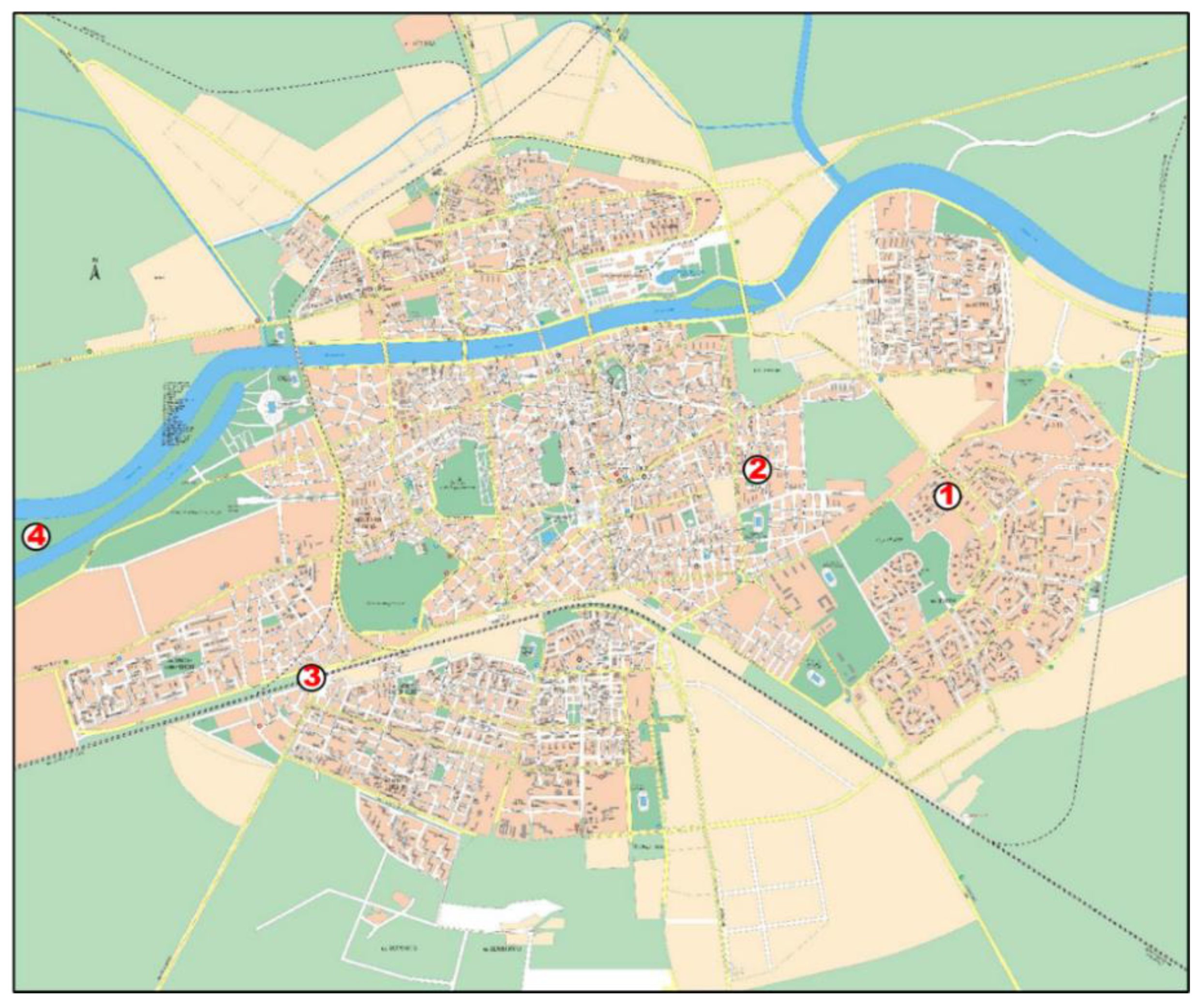
This research was carried out in the city of Plovdiv (42°9′ N 24°45′ E), Bulgaria, a significant urban hub subject to common ecological pressures such as air contamination, dense vehicular traffic, and local industrial emissions. Three widely planted tree species—Tilia tomentosa (Silver linden), Fraxinus excelsior (European ash), and Pinus nigra (European black pine)—were chosen due to their prevalence in urban greening efforts and their ecological relevance [17,18]. Plant material was gathered from four urban locations (Figure 1) characterised by different anthropogenic load assessed via the urbanisation intensity (Table 1) as described in our previous studies [19]. We used the ArcGis version 11 software to calculate the built-up area on 1 km2, in % [19]. Traffic volume was expressed by the number of cars [19], gathered in a series of field campaigns. The four plots could be arranged in the following decreasing order on the basis of the growing conditions for trees that they represent: Plot 4 (optimal, with low traffic and low level of urbanisation) > Plot 2 (favourable, moderate anthropogenic load) > Plot 1 (not favourable, high traffic intensity and urbanisation density) > Plot 3 (severe, very intense road and railroad traffic, combined with a high level of urbanisation). Additionally, one composite control leaf sample of Platanus sp. (PL_P) was included for comparative analysis.
Figure 1. Experimental plots within the urban territory.
Table 1. Assessment of the urbanisation intensity and classification of experimental plots.

2.2. Leaf Sampling and DNA Extraction

Leaf samples were taken in August 2024 using a telescopic tree pruner (Draper Tools Ltd., Hampshire, UK), using sterile gloves. At about of 20–30 fully developed leaves, comparable in size and shape were sampled per each tree. All leaves were placed in sterile containers and transported on ice to minimise contamination. To eliminate surface-residing microorganisms, samples underwent surface sterilisation following the protocol outlined by Hallmann et al. [20]. Genomic DNA was extracted from the sterilised tissues using the DNeasy PowerPlant Pro Kit (Qiagen, Hilden, Germany), after that a NanoDrop 2000 spectrophotometer (Thermo Fisher Scientific, Waltham, MA, USA) and electrophoresis were used for the analyses of its concentration and purity.

2.3. Amplicon Sequencing and Bioinformatics

Amplification of the 16S rRNA gene (V3–V4 region) was performed using the universal primer pair 341F (5′-CCTACGGGNGGCWGCAG-3′) and 785R (5′-GACTACHVGGGTATCTAATCC-3′) described by Klindworth et al. [21]. These primers target bacterial diversity broadly and are widely validated for Illumina-based microbiome profiling. Raw paired-end reads were processed using QIIME2 v2023.5 [22]. Sequence quality control, trimming, denoising, chimera removal, and inference of amplicon sequence variants (ASVs) were performed using the DADA2 plugin implemented in QIIME2, which models sequencing errors and resolves exact biological sequences [22,23]. Representative sequences were taxonomically classified using a Naïve Bayes classifier trained on the SILVA database release 138, trimmed to the V3–V4 region amplified in this study [24]. Feature tables were filtered to remove low-abundance and spurious ASVs prior to downstream analysis.

2.4. Alpha and Beta Diversity Analyses

Diversity metrics (alpha and beta diversity) were calculated within QIIME2 using Bray–Curtis dissimilarity, and community structure was visualised using non-metric multidimensional scaling (NMDS) in R (version 4.2.1) with the vegan package [25,26]. Differential abundance testing was conducted using metagenomeSeq (3.22) [27], while microbial biomarkers were identified using LEfSe [28]. Functional predictions were generated using FAPROTAX [29], which maps prokaryotic taxa to putative ecological functions based on curated literature-derived metabolic annotations. Differences between sample groups were statistically assessed via PERMANOVA.

2.5. Differential Abundance and Biomarker Analysis

T-tests and non-parametric tests (Wilcoxon, Kruskal–Wallis) were performed to identify genera with significant differences between tree species. MetagenomeSeq (3.22), a method specifically designed for zero-inflated microbiome data [27], was applied to distinguish the dominant taxa within groups. LEfSe (Linear Discriminant Analysis Effect Size) was applied to identify microbial biomarkers scoring with LDA >2.0 [28]. Analyses were performed using the Galaxy web platform and R.

2.6. Bioinformatic Processing

Amplicon sequencing was performed on the Illumina platform, aiming to obtain paired-end raw reads (Raw PE), which were further merged into Combined reads, and the last ones were then subjected to quality filtering to obtain Qualified tags. The final Effective tags (No chime) were obtained by removing the Chimeric sequences from the Qualified tags, and they were used for downstream analyses. Additionally, sequencing metrics such as total base count, average sequence length (Avglen), GC content, and quality scores (Q20 and Q30) were determined for each sample. Samples were derived from three tree species and a control plant, as follows: F—Fraxinus excelsior, T—Tilia tomentosa, P—Pinus nigra, and PL—Platanus sp. (control plant), from four different locations in the city of Plovdiv.
Merging Success Rate (Combined/Raw PE) was high across all samples (~98.7–99.6%), indicating efficient merging of paired-end reads. Quality Filtering Retention was also consistently high (~97.6–99%), showing that most reads passed quality control. More variable Effective Tags After Chimera Removal were found in T. tomentosa from Plot 2—T2.P (97.1%), followed by F. excelsior from Plot 4—F4.P (96.0%), while the lowest were detected in leaf samples from Plot 3—T. tomentosa—T3.P (62.1%) and F. excelsior F3.P (66.8%). These both lost a significant portion of reads due to chimeras, suggesting sample-specific issues. GC% ranges from 53.14% (F1.P) to 55.58% (T4.P), with minor differences observed, which may reflect microbial composition differences per host plant. Tilia (T) samples have slightly higher GC% than those of Fraxinus or Pinus. Q20 (>98.68%) and Q30 (>95.10%) are excellent across all samples, indicating high overall sequencing accuracy (Table 2).
Table 2. A summary of the sequencing data processing.

2.7. Functional Profiling

Functional predictions were conducted using the FAPROTAX [29] based on information on bacterial taxonomy. A z-score normalised heatmap of the top 35 most abundant functions was generated using R software version 4.2.1. Functional clustering was performed to elucidate ecological roles across samples, focusing on nitrogen cycling, carbon metabolism, and pollutant degradation.

2.8. Statistical Evaluation

The software package R version 4.2.1 and the packages ggplot2 (4.0.2), vegan, metagenomeSeq, and heatmap were used for the raw data processing ang and visualisation of the results [27,28,29]. Statistical evaluation was performed at p < 0.05.

3. Results

3.1. Taxonomic Diversity

3.1.1. Differences in Endophytic Richness Among Tree Species

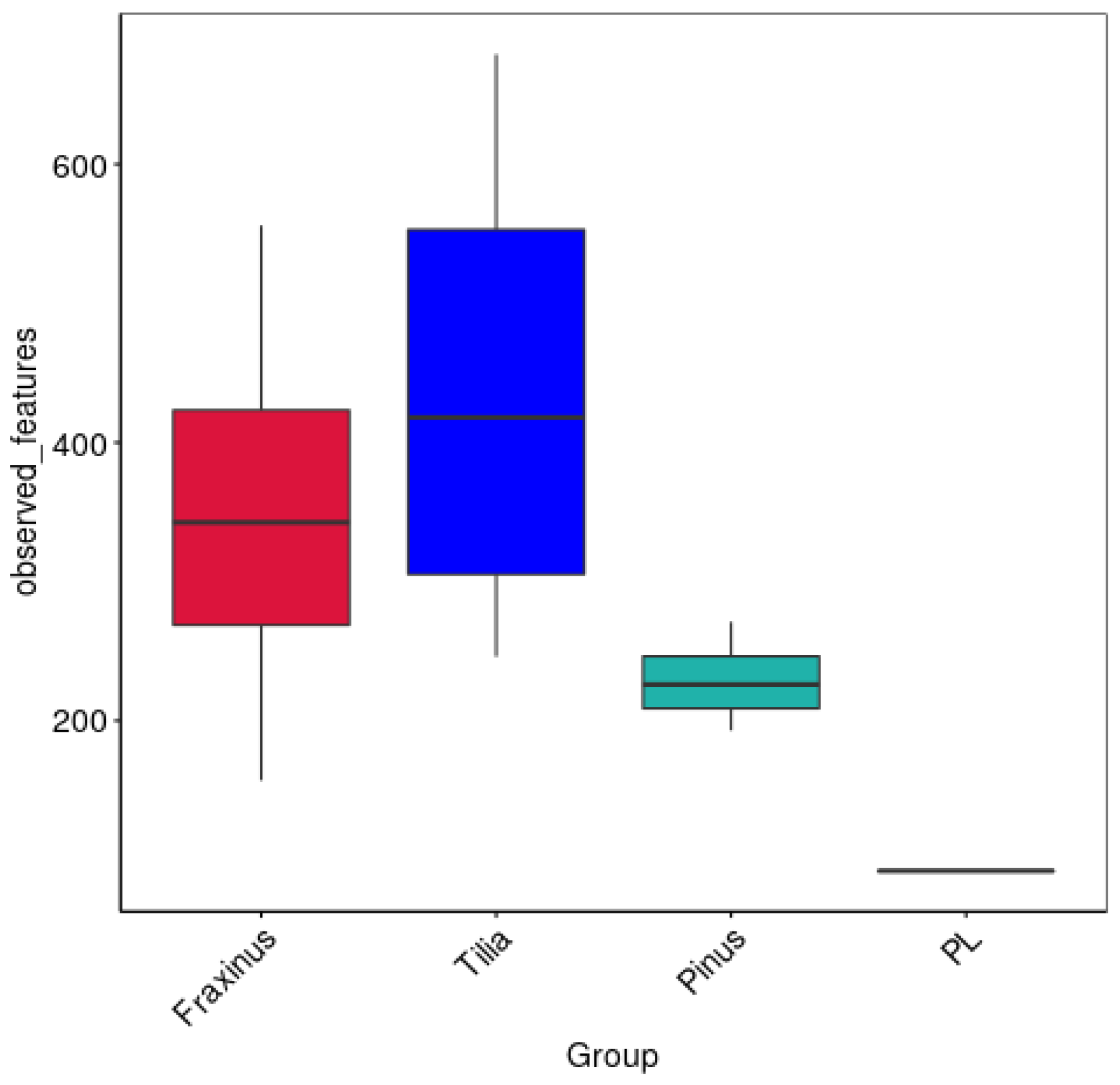
The observed bacterial richness across different tree species is visualised by the boxplots in Figure 2, based on the number of sequences per sample. Leaves from F. excelsior generally show higher richness, especially from Plot 1 (F1.P), which reaches around 680 observed features. T. tomentosa leaves exhibit moderate richness (~400–500 observed features). In contrast, P. nigra needles consistently displayed lower richness across all sites, mostly below 300 observed features. Data confirmed that the sequencing depth allowed for the recovery of the microbial diversity in the studied trees, thus suggesting adequate sequencing coverage. Rarefaction analysis demonstrated species-dependent and site-specific differences in endophytic richness. The variability among plots of the same species further indicates that local environmental conditions, potentially driven by urban pollution, influence endophytic community diversity.
Figure 2. Observed bacterial richness across different tree species. Boxplots represent the distribution of observed features for Fraxinus excelsior (red), Tilia tomentosa (blue), Pinus nigra (turquoise), and the pooled control sample (PL_P) collected at four experimental plots in the city of Plovdiv, Bulgaria.

3.1.2. Phylum Level—Endophytic Bacterial Community Composition

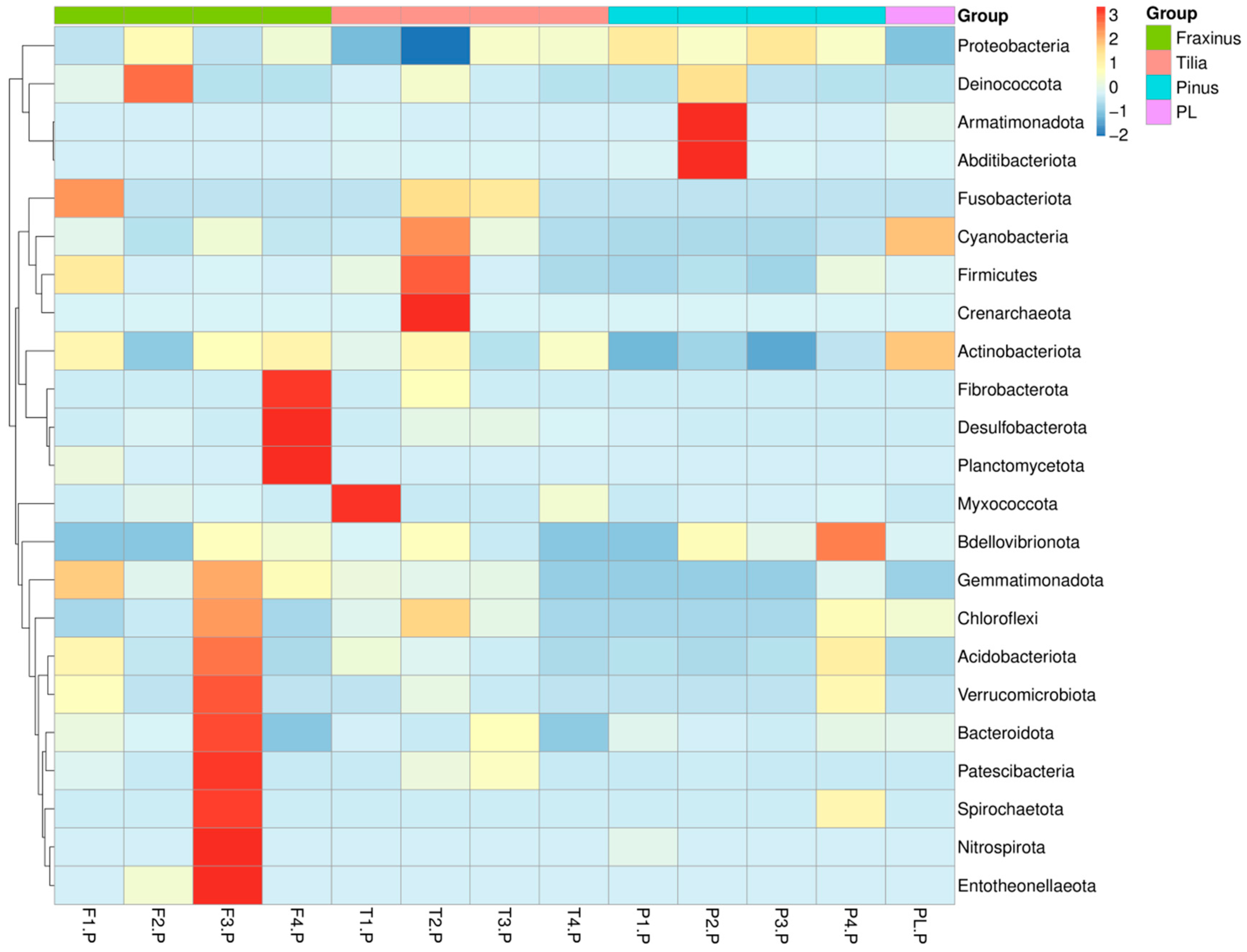
The relative abundance of major bacterial phyla, detected in endophytic communities from the studied three species (Fraxinus excelsior, Tilia tomentosa, Pinus nigra) collected across four urban sites with different anthropogenic load, was presented as a heatmap (Figure 3). Analysis of the heatmap depicting z-score normalised relative abundances of bacterial phyla revealed both host species- and site-specific patterns in endophytic microbiome composition. Proteobacteria emerged as the dominant phylum, most expressed in F. excelsior from Plot 3 (F3.P), T. tomentosa from Plot 1 (T1.P), and P. nigra from Plot 4 (P4.P), suggesting its leading role in the microbiome of these urban trees.
Figure 3. Heatmap of bacterial phyla composition in endophytic communities across three urban tree species in the city of Plovdiv, Bulgaria. Each column represents a tree sample (e.g., F1.P, T2.P, P3.P), while each row corresponds to a bacterial phylum. Colour intensity indicates relative abundance standardised across all samples, where red—higher and blue—lower abundance. The hierarchical clustering of phyla (rows) reveals taxonomic patterns influenced by tree species and site.
F. excelsior samples displayed pronounced microbial diversity, with sample F3.P (Plot 3, most polluted) particularly enriched in multiple phyla, including Firmicutes, Actinobacteriota, Fibrobacterota, and Desulfobacterota. This suggests a unique microbial community potentially shaped by site-specific environmental factors or pollution levels. In contrast, T. tomentosa samples exhibited a more moderate composition, with notable presence of Cyanobacteria, Planctomycetota, and Chloroflexi, particularly in Plot 2 (T2.P) and Plot 3 (T3.P). P. nigra samples generally harboured lower overall microbial richness, consistent with rarefaction analysis, but showed localised enrichment in phyla such as Bdellovibrionota, Gemmatimonadota, and Myxococcota. The pooled sample (PL.P) exhibited low abundance across most phyla, possibly reflecting an averaged or diluted microbial profile. These findings indicate that the structure of endophytic microbial communities is strongly influenced by both host species and environmental conditions at each sampling site. In particular, urban-associated stressors may drive significant variation in microbial community composition across trees growing in the same urban landscape.

3.1.3. Genus Level—Endophytic Community Composition

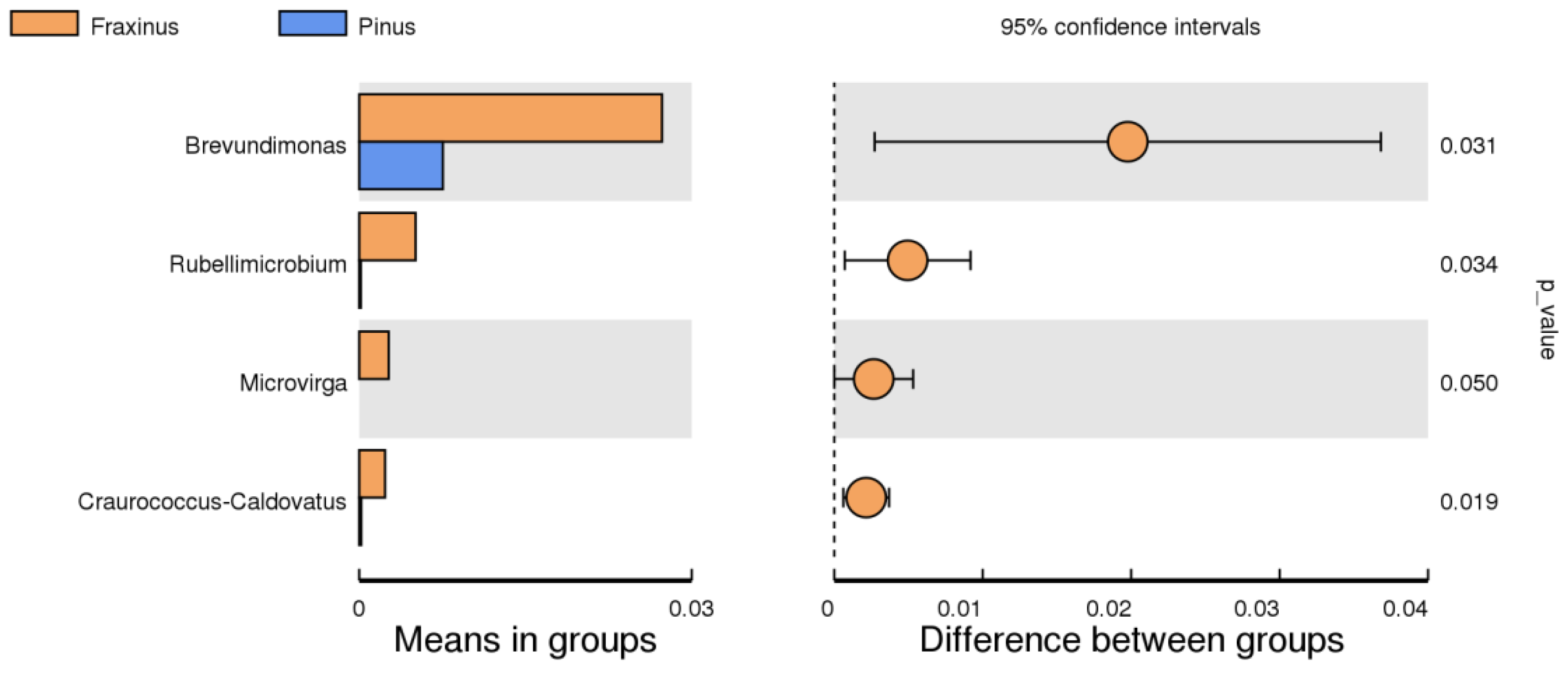
To identify key taxa driving the differences between tree species, a t-test was performed to compare the presented endophytic genera between Fraxinus excelsior and Pinus nigra (Figure 4). The results revealed four genera—Brevundimonas, Rubellimicrobium, Microvirga, and Craurococcus caldovatus—that were significantly more abundant in F. excelsior (p-values ranging from 0.019 to 0.050). Among them, Brevundimonas showed the greatest difference in relative abundance and statistical significance (p = 0.031). These genera are known to possess traits relevant to plant interaction, for example related to nitrogen and phosphate cycles, as well as to antioxidant production [30,31], suggesting that Fraxinus may preferentially select beneficial microbes under urban environmental conditions.
Figure 4. Differential abundance of bacterial genera between Fraxinus excelsior and Pinus nigra. Bar plot (left) and forest plot (right) show the mean relative abundance of the genus Brevundimonas, Rubellimicrobium, Microvirga, and Craurococcus caldovatus in F. excelsior (p-values ranging from 0.019 to 0.050). Among them, Brevundimonas showed the greatest difference in relative abundance and statistical significance (p = 0.031) with a mean difference below 0.02 and 95% confidence interval not crossing zero. These results suggest a host-specific enrichment pattern potentially linked to plant–microbe interactions or environmental filtering.
The presence of these differentially abundant genera supports earlier observations from diversity analyses that Fraxinus harbours a richer and functionally more complex microbial community compared to Pinus. This may be due to broader leaf surfaces, richer exudates, or greater microbial colonisation potential in broadleaf trees [13,32]. These findings strengthen the idea that host tree identity was a leading factor not only in shaping microbial structure but also in filtering functionally relevant microbial groups that may contribute to tree health and pollutant resilience in urban ecosystems.
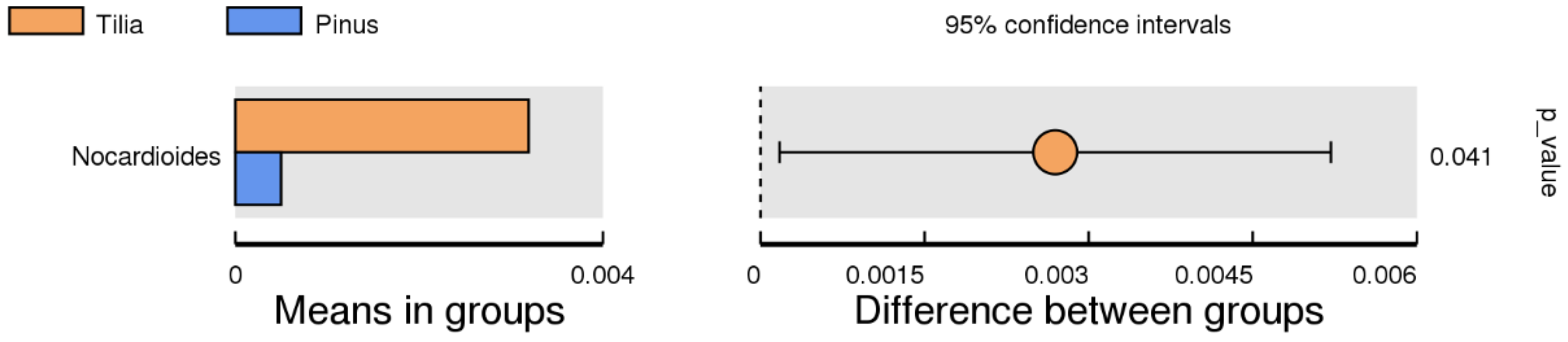
The left panel illustrates that Tilia samples showed a mean relative abundance of approximately 0.004, whereas Pinus samples had a markedly lower abundance. The right panel confirms the statistical difference with a confidence interval that does not cross zero and a p-value of 0.041, proving the enrichment of Nocardioides in Tilia (Figure 5). This finding suggests a species-specific compatibility between this bacterial genus and the host plant.
Figure 5. Differential abundance analysis of Nocardioides between Tilia tomentosa and Pinus nigra. Left panel: Mean relative abundance of Nocardioides in each tree group. Right panel: Effect size plot showing the estimated difference in abundance with 95% confidence intervals. The p-value indicates statistical significance (p = 0.041).
The observed differences in diversity and composition across plots in Figure 6 may be attributed to site-specific environmental conditions, including varying levels of urban pollution. Leaves of urban trees like F3.P and P2.P harboured unique and more complex microbial communities, possibly in response to local stressors such as heavy metal deposition or vehicular emissions. The presence of stress-tolerant genera such as Deinococcus and Bacillus supports the hypothesis that urban pollutants select for resilient microbial taxa capable of surviving oxidative, thermal, and chemical stress.
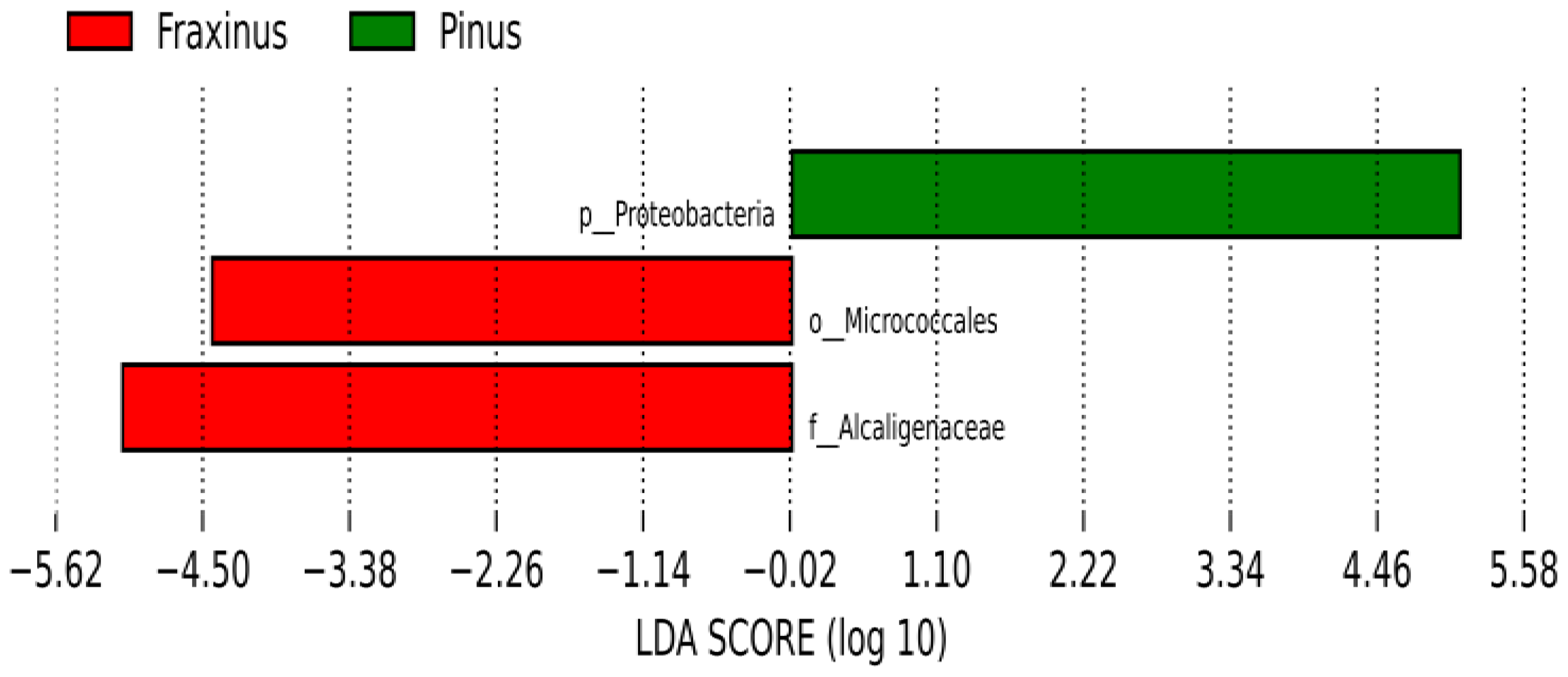
Figure 6. A histogram of linear discriminant analysis (LDA) scores from LEfSe identifying microbial taxa that significantly differentiate endophytic communities of Fraxinus excelsior (red) and Pinus nigra (green). Only taxa with a significant difference and LDA score >2.0 (log10) are shown. Taxa enriched in Pinus include the phylum Proteobacteria, while those enriched in Fraxinus include the order Micrococcales and the family Alcaligenaceae.

3.1.4. Species-Level Endophytic Community Composition

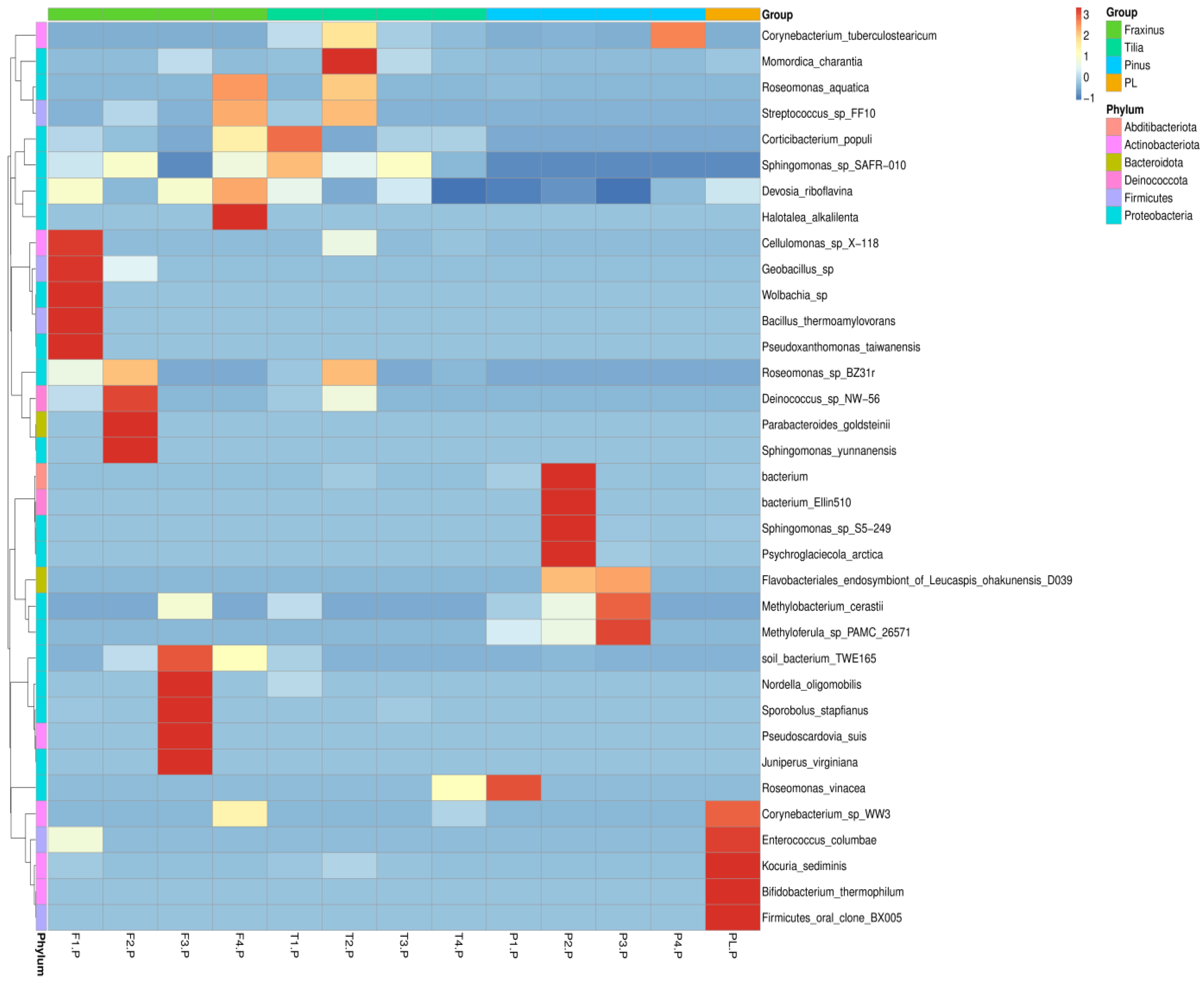
Species-level analysis of the endophytic microbiota (Figure 7) revealed distinct patterns associated with both host species and sampling sites. Samples from F. excelsior, particularly from Plot 3 (F3.P), exhibited a remarkably rich and unique microbial profile, with high relative abundances of Roseomonas aquatic, Corynebacterium tuberculostearicum, Bacillus thermoaerovorans, and Deinococcus sp. NW–56. These findings suggest a localised enrichment of specific taxa, potentially influenced by environmental conditions or pollution levels unique to Plot 3—cross-section of two railroads and four boulevards. In contrast, T. tomentosa samples displayed a more conserved microbiome, characterised by moderate but consistent representation of Sphingomonas spp., Devosia riboflavina, and Cellulomonas spp. These taxa may represent core endophytes within broadleaf deciduous trees and could contribute to host-specific functional traits related to nutrient acquisition or stress tolerance. P. nigra samples were generally associated with lower microbial diversity and sparser distribution of taxa, with occasional detection of Roseomonas vinacea and Juniperus virginiana-related sequences. The limited diversity in Pinus may reflect host-specific traits such as needle morphology, secondary metabolite production, or limited internal colonisation niches. The pooled reference sample (PL.P) was dominated by several Firmicutes species, including Enterococcus columbae, Kocuria sediminis, and Bifidobacterium thermophilum. The strong presence of these taxa may reflect processing or storage-related enrichment rather than natural endophytic composition. Overall, these results demonstrate that endophytic communities at the species level are influenced by both host identity and microhabitat properties. Specific bacterial taxa appear to exhibit host or region preference, underlining the complex interplay between plant physiology, urban environmental gradients, and microbiome assembly in urban trees.
Figure 7. Heatmap of dominant endophytic bacterial taxa (species-level) in three urban tree species across four sampling sites in the city of Plovdiv, Bulgaria. Each column represents an individual tree sample (e.g., F1.P, T2.P, P3.P), and each row corresponds to a bacterial taxon. The colour gradient reflected the abundance level, where red—higher and blue—lower relative abundance. The sidebar denotes the phylum-level classification of each species.

3.1.5. Host-Driven Structuring of the Endophytic Microbiome

Table 3 reveals a pronounced host-dependent differentiation of endophytic bacterial communities, indicating that tree species identity functions as a primary ecological filter shaping microbial assembly. Rather than reflecting random colonisation, the observed enrichment patterns suggest selective recruitment of microbial taxa with functional traits aligned to host physiology and environmental stress exposure. Both broadleaf species, Fraxinus excelsior and Tilia tomentosa, supported a markedly broader spectrum of plant-associated bacteria (Table 3A). Comparison between the two broadleaf species demonstrated pronounced enrichment of multiple bacterial genera in Tilia tomentosa. These included Staphylococcus, Additibacterium, Friedmanniella, Pseudolabrys, Arenimonas, Lawsonella, Fenollaria, and Variovorax, all of which differed significantly (p < 0.05), with Staphylococcus reaching p = 0.041. Many of these taxa are associated with plant interaction, nitrogen cycling, or environmental resilience as noted by other researchers [33,34,35], suggesting that Tilia supports a microbiome with strong functional capacity related to stress mitigation and metabolic versatility. In contrast, only a single genus, Thermicanus, showed relatively higher abundance in Fraxinus excelsior, indicating a narrower host-specific enrichment profile, while Variovorax, a well-known plant-growth-promoting taxon described by Flores-Duarte et al. [36], was found in both hosts but more abundantly in Tilia. This result suggests that although both hosts are deciduous broadleaf trees, Tilia tomentosa recruits a more functionally diverse bacterial consortium, whereas Fraxinus excelsior shows more limited but specific microbial enrichment.
Table 3. Host-specific differentially abundant bacterial genera detected between tree species using metagenomeSeq/LEfSe analysis. Comparisons include (A) Tilia tomentosa vs. Fraxinus excelsior, (B) Tilia tomentosa vs. Pinus nigra, and (C) Fraxinus excelsior vs. Pinus nigra. Statistically significant taxa (p < 0.05) are shown. Functional annotations are based on published ecological descriptions.
The comparison between Fraxinus excelsior and the coniferous species Pinus nigra revealed strong divergence in microbial composition (Table 3B). Fraxinus exhibited enrichment of numerous plant-associated and metabolically versatile genera, including Brevundimonas (p = 0.031), Microvirga, Rubellimicrobium, Craurococcus, Arthrobacter, Paenibacillus, Tumebacillus, and Enterococcus. These taxa are commonly known as plant growth promoters, involved in nitrogen fixation, nutrient cycling, and microbial stress tolerance, indicating that Fraxinus supports a microbiome oriented toward plant physiological support and biochemical activity. Pinus nigra was characterised by enrichment of Novosphingobium, Bacteroides, and Finegoldia, genera frequently associated with degradation of complex organic compounds, xenobiotic metabolism, and survival in chemically stressed environments. This pattern suggests a fundamental functional differentiation between deciduous and coniferous hosts, with Fraxinus favouring plant-supportive microbial consortia and Pinus harbouring more stress-adapted taxa.
A similar host-driven divergence was observed in the comparison between Tilia tomentosa and Pinus nigra (Table 3C). Tilia showed enrichment of several metabolically versatile and plant-associated genera, including Arthrobacter, Microvirga, Adhaeribacter, Enterococcus, and Blautia. These taxa are commonly involved in nutrient turnover, nitrogen metabolism, and organic matter transformation, suggesting an ecologically flexible and functionally diverse microbiome. Pinus nigra again displayed enrichment of stress-associated taxa, particularly Novosphingobium, together with Roseburia and lineage 1174-901-12. The recurrence of these taxa across independent comparisons indicates a consistent microbial signature associated with the coniferous host.

3.2. Alpha and Beta Diversity of Endophytic Microbiome

3.2.1. Alpha Diversity Indices

Alpha diversity metrics revealed substantial variation in microbial richness and diversity across tree species and sampling sites (Table 4). Richness estimates, based on Chao1 and observed features, were highest in T. tomentosa from Plot 2 (T2.P Chao1 = 686.63) and F. excelsior from Plot 1 (F1.P Chao1 = 560.00), indicating greater endophytic species abundance in these trees. Conversely, the pooled sample (PL.P) and F. excelsior from Plot 4 (F4.P) exhibited the lowest richness (Chao1 = 92.00 and 158.50, respectively).
Table 4. Alpha diversity indices of endophytic bacterial communities in three tree species from urban plots in the city of Plovdiv, Bulgaria.
In terms of evenness, P. nigra from Plot 2 (P2.P) displayed the most balanced microbial community (Pielou_e = 0.735), while samples such as Tilia (T4.P) and Fraxinus (F2.P) showed dominance by a few taxa. Shannon and Simpson diversity indices further confirmed that P. nigra from Plot 2 (P2.P) and F. excelsior from Plot 3 (F3.P) harboured the most diverse microbial assemblages, with Shannon values of 5.799 and 5.798, and Simpson indices of 0.961 and 0.911, respectively. These findings highlight the leading role of tree species and microenvironmental conditions on endophytic microbiome within urban ecosystems.

3.2.2. Comparison of Shannon Diversity Index Among Tree Species Groups and Pooled Sample

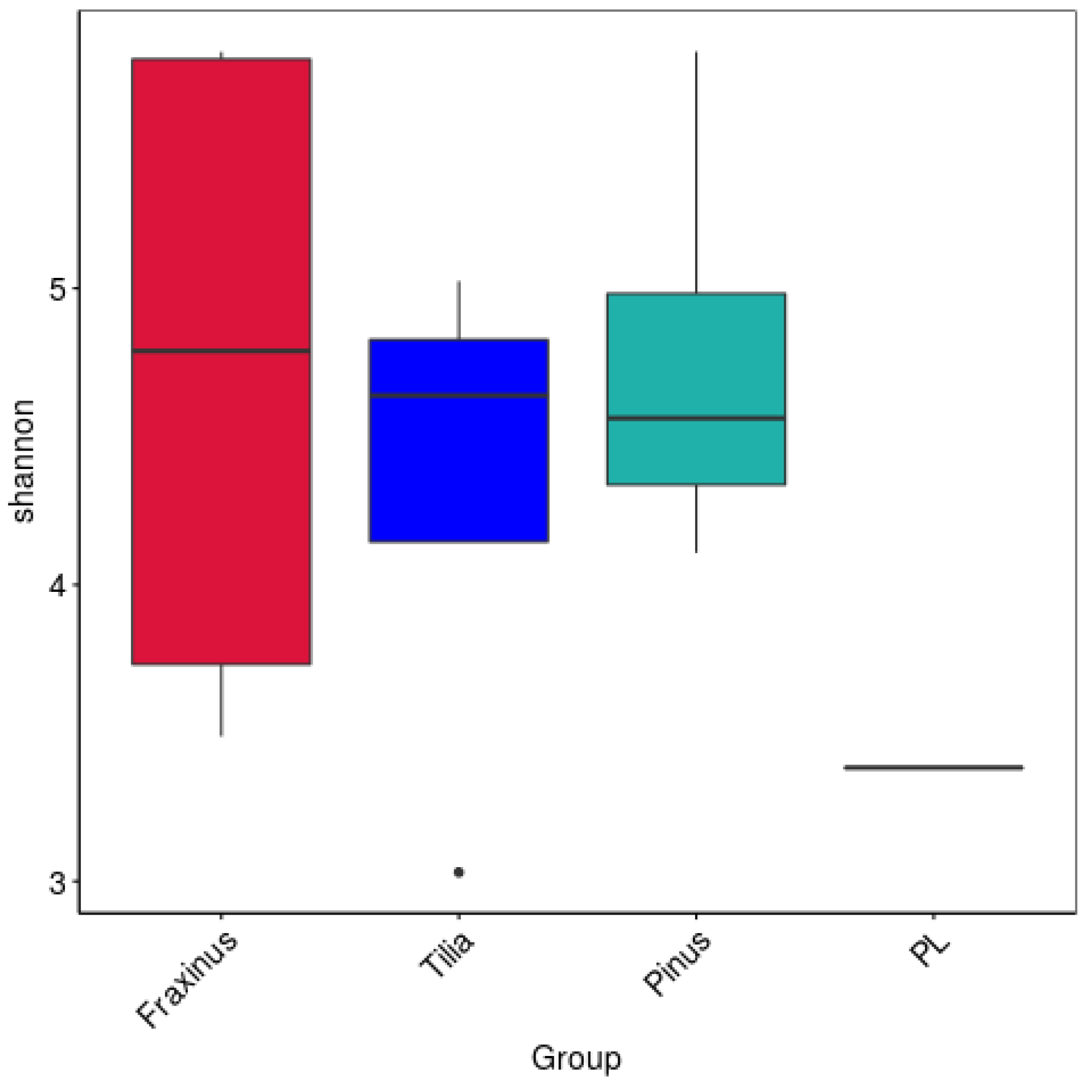
To assess differences in microbial diversity across tree species, Shannon diversity indices of the three endophytic microbiomes were compared using boxplots. As shown in Figure 8, microbial communities associated with F. excelsior exhibited the highest median diversity and widest range of Shannon values, reflecting a more heterogeneous and diverse endophytic assemblage. P. nigra and T. tomentosa showed intermediate diversity with relatively narrower interquartile ranges. The pooled sample (PL) displayed the lowest Shannon diversity, supporting previous findings from alpha diversity metrics. Statistical analysis (Kruskal–Wallis and Tukey’s post hoc test) also proved the microbial diversity differences between some tree species groups (p < 0.05), which confirmed the leading role of the host identity in shaping endophytic microbiota under urban conditions.
Figure 8. Boxplot comparing the Shannon diversity index of endophytic bacterial communities among three tree species (Fraxinus excelsior—red, Tilia tomentosa—blue, Pinus nigra—turquoise) and a pooled control sample (PL) collected in urban plots in Plovdiv, Bulgaria. The boxplots represent the distribution of Shannon index values, showing the median, interquartile range, and potential outliers. Statistical tests were used to assess significance between groups. Fraxinus samples showed the highest median diversity and variability, followed by Pinus and Tilia, while the pooled sample exhibited the lowest diversity.

3.2.3. Beta Diversity

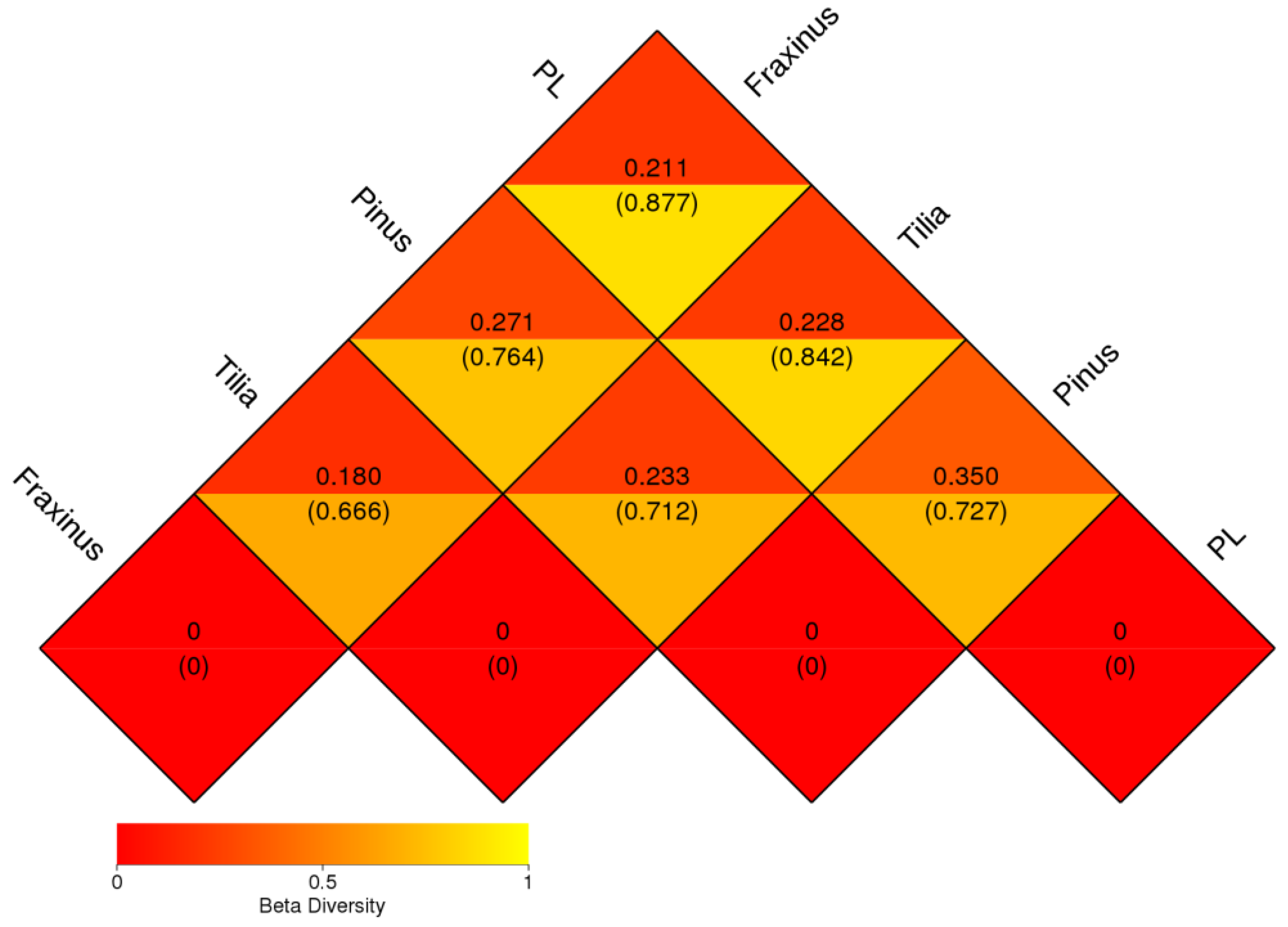
To assess the differences in endophytic microbiome between the studied tree species, we performed a beta diversity analysis (Figure 9). The highest dissimilarity was observed between P. nigra and the pooled sample (PL) (beta = 0.350), followed by T. tomentosa and P. nigra (beta = 0.233). Conversely, F. excelsior and T. tomentosa exhibited the lowest dissimilarity (beta = 0.180), suggesting more similar endophytic communities between these two broadleaf species. Although differences in beta diversity were visually apparent, they were not confirmed by the statistical evaluation (p > 0.05). This may be due to sample size limitations or intra-group variability. Nonetheless, the overall trend indicates that host species play a role in structuring endophytic microbial assemblages, with Pinus nigra harbouring more distinct communities compared to the other two species.
Figure 9. Heatmap of beta diversity values between groups of samples representing three tree species (Fraxinus excelsior, Tilia tomentosa, and Pinus nigra) and the pooled sample (PL) from urban plots in the city of Plovdiv, Bulgaria. The upper triangle shows pairwise beta diversity distances, and the lower triangle presents corresponding p-values. Colour shading indicates the magnitude of community dissimilarity, ranging from red (low) to yellow (high), based on a scaled colour gradient.

3.2.4. NMDS Analysis of Endophytic Bacterial Microbiome Associated with the Studied Urban Tree Species and a Pooled Sample PL

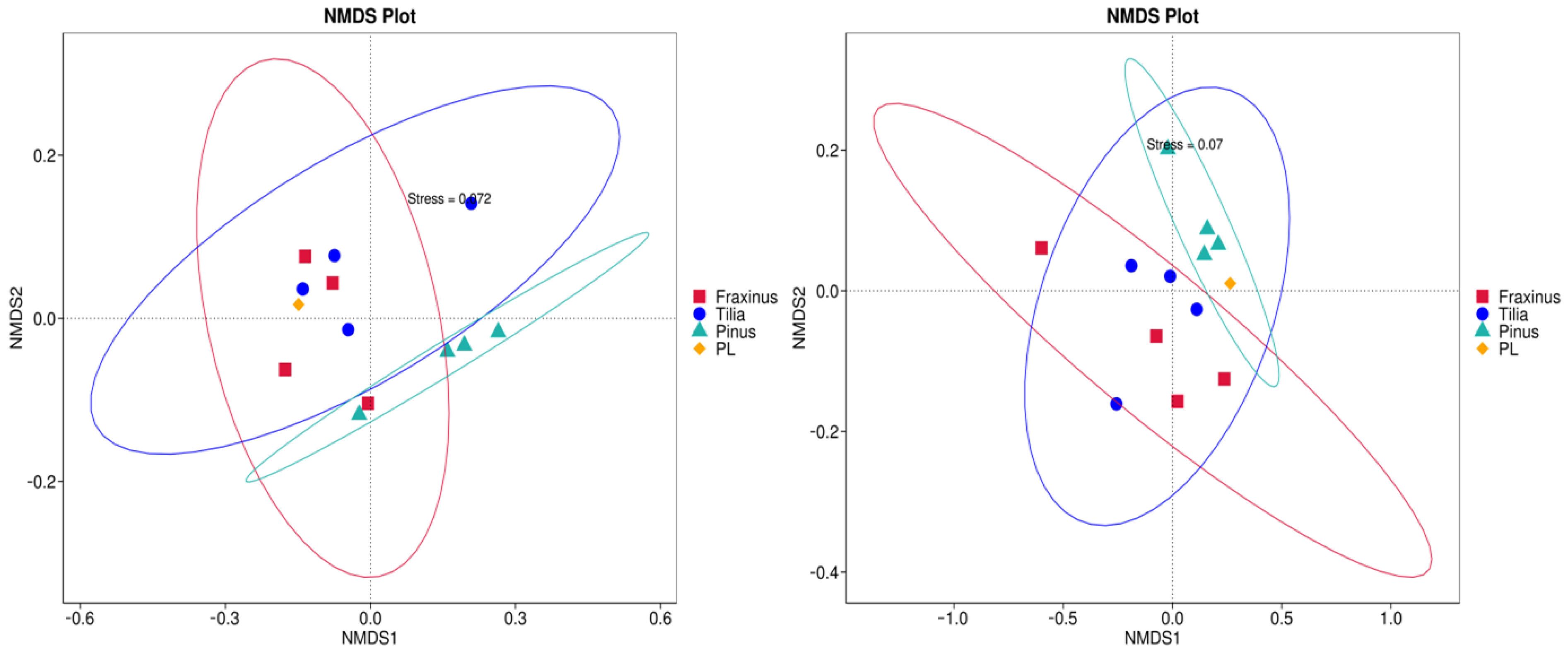
The structure of the endophytic microbiome was examined by NDMS analysis, performed based on Bray–Curtis dissimilarities (Figure 10). The NMDS ordination revealed clear grouping patterns among the three tree species. P. nigra samples formed a distinct cluster, while Fraxinus and Tilia samples exhibited partial overlap, suggesting differences in endophytic community structure between coniferous and broadleaf hosts. P. nigra samples clustered distinctly from those of F. excelsior and T. tomentosa, indicating a more compositionally unique endophytic community. In contrast, Fraxinus and Tilia showed partial overlap, suggesting shared microbial components among these broadleaf hosts. The low stress values (0.072 and 0.070) in both plots confirm that the two-dimensional representation accurately reflects the high-dimensional community structure. These findings align with beta diversity results and support the conclusion that host species significantly influence the composition of endophytic microbial assemblages in urban environments, with Pinus harbouring the most distinct community structure.
Figure 10. Non-metric multidimensional scaling (NMDS) plots based on OTU-level Bray–Curtis dissimilarity showing clustering of endophytic microbiomes from studied tree species (Fraxinus excelsior—red, Tilia tomentosa—blue, and Pinus nigra—turquoise) and a pooled reference sample (PL—yellow) collected in urban plots in the city of Plovdiv, Bulgaria. Points represented tree samples, ellipses indicated the 95% confidence intervals for group clustering. The stress values (0.072 and 0.070) indicate good representation of the data in two-dimensional space.

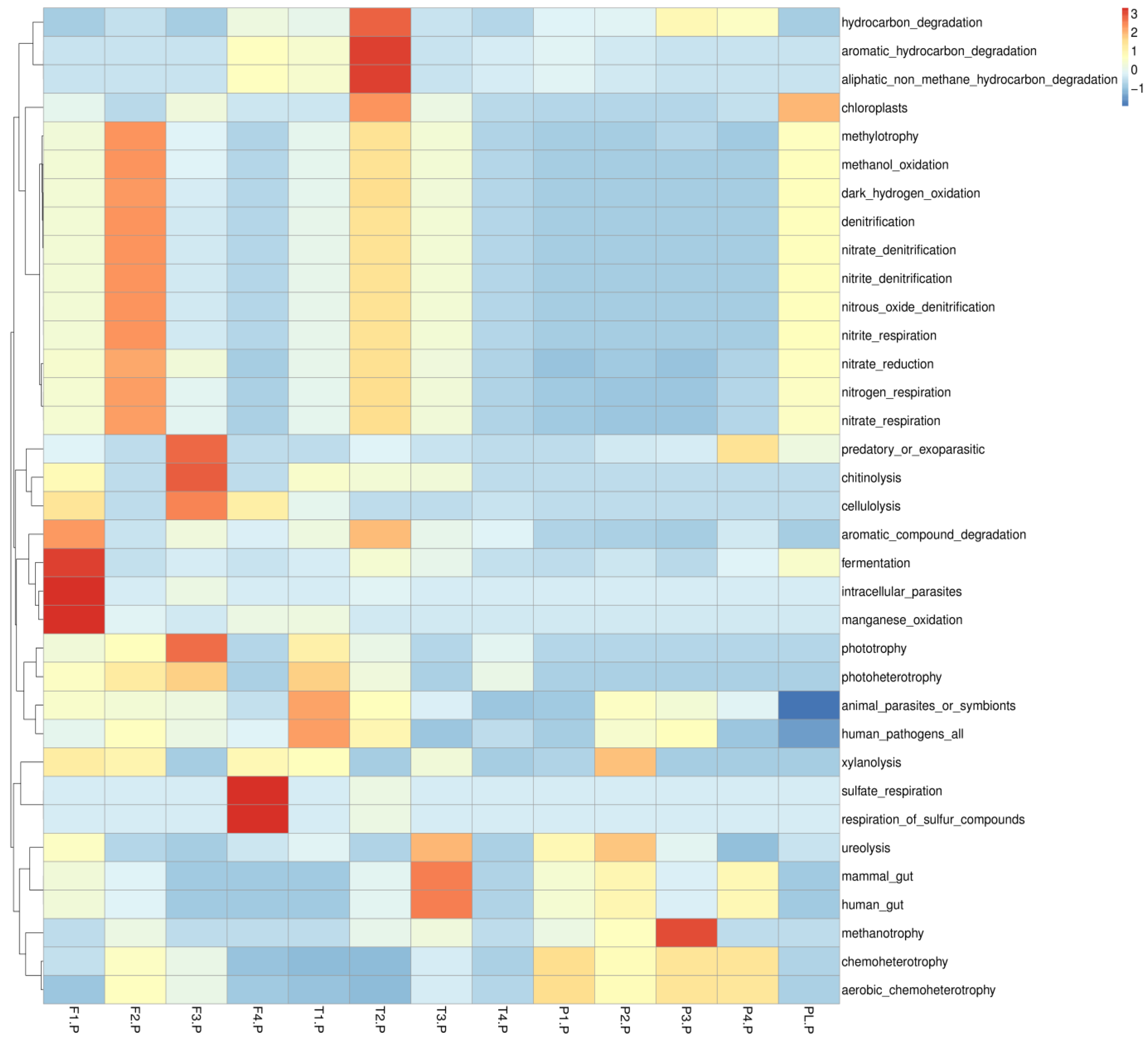
3.3. Functional Prediction

Functional prediction of endophytic communities revealed host- and site-specific metabolic traits (Figure 11). The clustering of both rows (functions) and columns (samples) indicates strong heterogeneity in functional potential among samples, suggesting that the bacterial communities differ not only taxonomically but also metabolically. Functions associated with carbon utilisation and organic compound degradation, including hydrocarbon degradation (aromatic and aliphatic), aromatic compound degradation, celulolysis, chitinolysis, and xylanolysis, were unevenly distributed among samples. Some individual trees exhibited markedly higher predicted capacities for degradation-related pathways, whereas these functions remained comparatively low in the majority of samples. A distinct cluster of nitrogen-cycle-related functions was detected, including processes such as nitrate reduction, denitrification, nitrate and/or nitrite respiration, and nitrous oxide production during denitrification. These functions showed moderate abundance in several samples but were reduced in others, indicating variability in the predicted nitrogen transformation potential among the bacterial communities. Functions linked to general metabolic activity, particularly chemoheterotrophy and aerobic chemoheterotrophy, were broadly represented across most samples, suggesting that heterotrophic metabolism constitutes the dominant predicted lifestyle of the tree-associated bacterial microbiomes. In contrast, phototrophy, photoheterotrophy, and sulphur-related respiration pathways exhibited more restricted distributions and appeared enriched only in selected samples. Several ecological interaction-related categories, including predatory or exoparasitic behaviour, intracellular parasites, and host-associated symbiotic or pathogenic traits, were detected at generally low relative levels and occurred sporadically across samples. Clustering of samples based on functional profiles demonstrated the presence of groups with similar predicted metabolic capacities, alongside several functionally distinct samples, indicating heterogeneity in bacterial functional structure among the investigated trees.
Figure 11. The heatmap shows the top 35 predicted bacterial functions across individual samples. Each column represents a tree sample (e.g., F1.P, T2.P, P3.P), while each row corresponds to a different function. Colour intensity indicates relative intensity standardised across all samples, with red representing higher and blue representing lower intensity.

4. Discussion

4.1. Endophytic Bacteriome Diversity Is Shaped by Host Species and Urban Site Conditions

Urban trees are exposed to a mosaic of environmental stressors that can profoundly shape the composition of their endophytic microbiomes [11,16]. Among the tree species examined, F. excelsior and T. tomentosa displayed the highest endophytic richness, with samples F1.P and T2.P reaching over 500 observed features, while P. nigra generally harboured fewer taxa (Table 3 and Table 4). Notably, F3.P and P2.P stood out for their particularly rich and complex communities.
Alpha diversity metrics further supported these observations. The highest Shannon diversity index values were recorded in F. excelsior (F3.P, 5.798) and P. nigra (P2.P, 5.799), while T. tomentosa (T4.P, 3.030) and the pooled sample (PL.P, 3.383) exhibited the lowest diversity. Pielou’s evenness revealed that the Pinus sample from Plot 2 (P2.P) had the most evenly distributed microbial community. These differences suggest that both tree species and localised site conditions influence not only richness but also the evenness of endophytic communities, consistent with findings in other urban environments [12,15].
Boxplot comparisons of Shannon indices confirmed species-specific differences. Fraxinus samples showed the widest diversity range and the highest median values, followed by Pinus and Tilia. The pooled sample had the lowest values, likely due to dilution or loss of rare taxa during sample aggregation, a pattern also reported in pooled root microbiomes [37].
The present study demonstrates that host tree species strongly influence the phyllosphere endophytic microbiome in urban environments. The observed differences between tree species (Figure 2; Table 3) indicate that microbiome assembly is not random but largely determined by host biological traits. Similar host-driven structuring of foliar microbiomes has been widely documented, where plant genotype, tissue chemistry, and physiological status act as primary ecological filters for microbial colonisation [8,12,38]. Both broadleaf species, Tilia tomentosa and Fraxinus excelsior, consistently supported higher microbial diversity compared with Pinus nigra. This pattern aligns with previous observations that deciduous trees often host more complex phyllosphere and endophytic communities due to their larger leaf surface area, higher stomatal density, and more dynamic carbon exchange processes, which collectively create more heterogeneous microbial habitats [6,35].

4.2. Distinct Taxonomic Signatures Among Tree Species

Proteobacteria was proved as the dominant phyla within all trees and experimental sites by the heatmap analysis. This is consistent with previous findings that Proteobacteria dominate in many plants’ endospheres due to their metabolic versatility and plant-associative traits [39]. However, community composition varied considerably by species and plot. F. excelsior, particularly from Plot 3 (F3.P, very heavy pollution), was enriched in Firmicutes, Actinobacteriota, and Desulfobacterota, while P. nigra samples showed higher relative abundances of Gemmatimonadota, Bdellovibrionota, and Myxococcota, all of which have been reported as environmentally responsive or pollutant-tolerant taxa [40]. The prevalence of these phyla suggests a potential adaptation to urban stressors, as certain members of Firmicutes and Actinobacteriota are known for their metabolic versatility and stress tolerance [41]. Conversely, Pinus nigra exhibited a higher relative abundance of Proteobacteria, a phylum frequently associated with a broad range of metabolic capabilities, including degradation of xenobiotics, which may confer a selective advantage in polluted environments [42]. These findings underscore the dynamic nature of urban tree microbiota and imply that both plant–microbe and microbe–microbe interactions play vital roles in structuring endophytic communities, potentially impacting the trees’ ability to mitigate atmospheric pollution [43]. Understanding the intricate host–microbe interactions within the phyllosphere is critical, as trees are considered crucial not only for urban green infrastructure, but also for providing a host of ecosystem services, including air quality improvement [11,44]. T. tomentosa hosted moderate levels of Cyanobacteria, Planctomycetota, and Chloroflexi, taxa often associated with biofilm formation and niche specialisation in the phyllosphere [38].
At the species level, Roseomonas aquatic, Bacillus thermoaerovorans, and Corynebacterium tuberculostearicum were found to be especially abundant in F. excelsior leaves from Plot 3 (F3.P). Sphingomonas and Cellulomonas spp. were widespread in T. tomentosa samples, suggesting their potential role as core endophytes in broadleaf trees, consistent with their frequent detection in leaves and stems of urban trees [7]. P. nigra needles displayed a less diverse taxonomic profile but featured sporadic enrichment of Roseomonas vinacea and Juniperus-associated species, possibly reflecting narrower ecological niches and stronger environmental filtering. The enrichment of Firmicutes and Actinobacteriota in highly polluted plots may reflect their well-documented resilience to environmental stress. Members of these phyla possess thick cell walls, efficient sporulation capacity (Firmicutes), and versatile secondary metabolism (Actinobacteriota), enabling survival under oxidative stress, toxic compounds, and nutrient limitation. Similar enrichment patterns have been reported in extreme environments, including fire-affected soils, where these taxa contribute to ecosystem recovery and organic matter turnover. Their dominance in heavily urbanised plots therefore likely represents microbial selection driven by pollution-induced environmental filtering.
Heatmap-based taxonomic comparisons (Figure 3 and Figure 7) revealed clear host-specific microbial signatures, confirming that each tree species supports a distinct endophytic assemblage. Such differentiation likely reflects differences in leaf morphology, internal tissue chemistry, and defensive metabolites. Conifer needles typically contain higher concentrations of resin acids, phenolic compounds, and antimicrobial secondary metabolites, which can restrict microbial colonisation and favour specialised taxa capable of tolerating chemically defensive environments [15,35]. This physiological filtering mechanism is further supported by the clustering patterns observed in NMDS analysis (Figure 10), where Pinus nigra formed a clearly separated microbial group, while Fraxinus and Tilia partially overlapped. Similar host-dependent microbial clustering has been reported across multiple plant species and ecosystems, demonstrating that host phylogeny and tissue chemistry strongly determine microbiome composition [13,45].

4.3. Bacterial Community Variation Driven by Host Identity

The genus Nocardioides was found to be more abundant in Tilia tomentosa when compared to Pinus nigra. Members of Nocardioides are frequently reported as beneficial endophytes with metabolic capabilities such as degradation of pollutants, nitrogen fixation, and indole-3-acetic acid (IAA) production [46,47]. These traits may offer adaptive advantages to host plants in urban environments characterised by abiotic stress. The elevated relative abundance of Nocardioides in Tilia could reflect a more favourable internal environment or differences in host-derived substrates that support colonisation and growth of specific microbial taxa. In contrast, the reduced abundance in P. nigra, a gymnosperm species, may be due to differences in tissue chemistry—such as resin content, pH, and phenolic compounds—which are known to influence microbial assemblages [48]. These results align with previous findings highlighting the strong filtering effect of plant genotype on endophytic bacterial communities [49,50]. Furthermore, Tilia species have been shown to host diverse endophytes with functional potential related to stress mitigation and pollutant degradation in urban ecosystems [33], underscoring their ecological importance in city greening strategies. The observed host-specific enrichment of Nocardioides in Tilia may point to an adaptive mutualism that contributes to plant resilience in polluted urban settings.

4.4. Beta Diversity and NMDS Confirm Tree-Specific Community Structures

Beta diversity analysis revealed clear compositional differences among tree species, with the greatest dissimilarity between P. nigra and the control sample (0.350), and the smallest between F. excelsior and T. tomentosa (0.180). Although visible clustering patterns were observed, statistical significance was not reached (p > 0.05), which could be explained by the small sample size or high within-group variability. NMDS ordination (stress = 0.072 and 0.070) indicated a distinct microbial community in Pinus, while Fraxinus and Tilia overlapped, reflecting closer community similarity among broadleaf species. This observation supports earlier findings by Bulgarelli et al. [35] and Laforest-Lapointe et al. [50], who emphasised host taxonomy and phylogenetic relatedness as key determinants of plant-associated microbial community structure.
Comparisons between Fraxinus and Pinus revealed distinct host-specific differences. Fraxinus was enriched in Arthrobacter, Microvirga, Paenibacillus, Tumebacillus, and Enterococcus—genera, known for their beneficial roles in nitrogen fixation, stress alleviation, and pathogen suppression [39,51]. In contrast, Pinus harboured higher levels of Novosphingobium, Bacteroides, and Finegoldia. The predominance of Novosphingobium, a genus well recognised for its capacity to degrade aromatic hydrocarbons and tolerate xenobiotics [52], suggests that the Pinus microbiome may be specialised for urban environmental resilience. This contrasts with broader understandings of forest microbiomes, where rhizosphere communities have historically received more research attention than phyllosphere communities. However, recent research increasingly emphasises the distinct ecological roles and community structures present within the phyllosphere, highlighting the need for more focused investigation into these aerial microbial habitats, particularly in urban settings [44].
In comparisons between Tilia and Pinus, Tilia was significantly enriched in Arthrobacter, Microvirga, Adhaeribacter, Enterococcus, and Blautia, all of which have been associated with functional benefits such as nutrient cycling and stress resistance [35,53]. Conversely, Pinus displayed increased abundance of Novosphingobium and 1174-901-12, genera adapted to chemical stress, along with a notable presence of Roseburia, potentially reflecting niche specialisation or stochastic colonisation. The predominance of Novosphingobium in Pinus samples is consistent with its frequent detection in contaminated and anthropogenically impacted environments. Species of this genus are well-known to degrade aromatic hydrocarbons, polycyclic substances, pesticides, and others, and they often become dominant in polluted soils, wastewater systems, and industrially impacted ecosystems. Previous studies have demonstrated that Novosphingobium populations increase in environments exposed to petroleum derivatives, urban runoff, and chemical pollutants, reflecting their specialised metabolic capacity for xenobiotic transformation and environmental detoxification [54,55,56,57]. Their enrichment in Pinus nigra therefore supports the hypothesis that urban pollution acts as a selective driver shaping stress-adapted endophytic communities.
These findings align with the concept of functional differentiation in microbial consortia driven by host traits and environmental filtering, as discussed by Vandenkoornhuyse et al. [45] and Kim et al. [52]. Overall, Tilia tomentosa appears to support a richer, functionally diverse microbiome, while Pinus nigra hosts a more specialised, stress-tolerant bacterial community.

4.5. Urban Pollution Modulates Endophytic Bacteriome Composition

To identify taxa with the greatest discriminatory power between tree species, LEfSe analysis was applied based on relative abundance profiles of the endophytic microbiota. This method integrates statistical significance with biological relevance using linear discriminant analysis (LDA) scores. The LEfSe analysis revealed three major taxonomic groups with statistically significant and biologically relevant differences in relative abundance between F excelsior and P. nigra. The phylum Proteobacteria was significantly enriched in Pinus samples and exhibited the highest LDA score (≈5.6), indicating its dominant contribution to the microbial profile of this coniferous species. This phylum includes numerous genera with known roles in environmental resilience, including xenobiotic degradation and stress tolerance [34,46]. These findings are consistent with the previously observed enrichment of Novosphingobium, a Proteobacteria genus, in Pinus.
Conversely, the order Micrococcales and the family Alcaligenaceae were more abundant in Fraxinus, highlighting the presence of a distinct microbial assemblage rich in Actinobacteria and Betaproteobacteria. These groups are frequently associated with plant-beneficial traits such as nutrient mobilisation, plant growth promotion, and tolerance to environmental fluctuations [36,39].
These taxonomic biomarkers support earlier findings from beta diversity and compositional analyses, reinforcing the conclusion that tree species exert selective pressure on microbial community structure. As shown in multiple plant–microbe studies, host identity plays a pivotal role in shaping endophytic communities, with implications for functional traits and ecological strategies of microbial consortia [45,50]. Thus, Fraxinus and Pinus appear to harbour distinct microbiome signatures that may reflect divergent evolutionary adaptations and environmental interactions in urban ecosystems.

4.6. Functional Implications of Predicted Microbial Metabolism

Functional predictions (Figure 11) further revealed enrichment of metabolic pathways associated with nitrogen cycling, carbon metabolism, and hydrocarbon degradation, particularly in samples originating from more urbanised or polluted locations. These predicted functional traits suggest that endophytic bacteria may actively contribute to detoxification processes within plant tissues. Microbial degradation of airborne pollutants and aromatic compounds has previously been reported as an important mechanism supporting plant survival in polluted environments [10,11]. Endophytes capable of transforming xenobiotics may reduce oxidative stress, enhance nutrient turnover, and stabilise plant physiological performance under chronic urban exposure. These findings imply that plant-associated microbiomes may represent an overlooked component of urban ecosystem services, potentially contributing to air pollutant removal and supporting long-term sustainability of urban green infrastructure. A consistent ecological pattern that emerged is that broadleaf species supported microbiomes enriched in nutrient-cycling and plant-supportive bacteria, whereas the coniferous host harboured a narrower but more specialised microbial consortium dominated by stress-adapted taxa. This divergence likely reflects fundamental differences in plant ecological strategies. Broadleaf trees typically exhibit higher metabolic turnover and flexible physiological responses, which may favour recruitment of diverse microbial partners. Conifers, in contrast, rely more heavily on structural defences and antimicrobial compounds, potentially restricting colonisation to specialised microbial taxa capable of tolerating chemically restrictive internal environments.
Several limitations should be acknowledged. First, functional predictions were derived from 16S rRNA-based taxonomic inference rather than direct metagenomic or transcriptomic sequencing; therefore, predicted metabolic functions represent ecological potential rather than experimentally confirmed activity. Second, the number of sampled trees per species and site was limited, which may reduce statistical sensitivity to environmental gradients. Finally, urban environments involve multiple interacting stress factors, including pollution, temperature variation, and microclimatic differences, which could not be fully disentangled in the present design. Despite these limitations, the present findings demonstrate that urban tree species differ not only in their physiological tolerance to environmental stress but also in their ability to recruit functionally distinct microbial consortia. These host-specific microbiomes likely represent an adaptive biological component supporting plant health, pollutant tolerance, and ecosystem stability within urban landscapes.

4.7. Ecological and Practical Implications

Urban green infrastructure is continuously exposed to a cocktail of various toxic substances, presented in the air, that could alter plant physiology. Plant response to urban pollution is expressed by a constant process of overcoming stress and/or adaptation, aiming to achieve optimal development [58]. Endophytic microorganisms contribute significantly to plant fitness by enhancing nutrient uptake, stress resilience, and pathogen defence [6,39]. Understanding their functional profiles under urban conditions may guide microbiome-informed strategies for tree health in cities [45]. Tilia tomentosa and Fraxinus excelsior were enriched in nitrogen and carbon cycling pathways, including denitrification, methanol oxidation, and methanotrophy—functions associated with oxidative stress mitigation and nutrient regulation [35]. In contrast, Pinus nigra showed higher relative abundance of chemoheterotrophy, ureolysis, and sulphur respiration, indicating a more conservative and stress-tolerant microbiome. These findings align with its lower microbial richness and dominance of Novosphingobium and Bacteroides, known for xenobiotic degradation [52]. Fraxinus samples F2.P and F3.P, along with Tilia sample T2.P, showed elevated potential for hydrocarbon and aromatic compound degradation, suggesting microbial adaptation to urban pollutants [33]. The pooled control sample (PL.P) exhibited lower functional diversity, while individual tree samples reflected richer and more relevant ecological functions. These results highlight the influence of host species and microhabitat in shaping endophytic function, with broadleaf trees supporting more versatile microbial communities that may enhance urban tree resilience.

5. Conclusions

This study presents data about the endophytic bacterial communities of three widely planted urban tree species—Tilia tomentosa, Fraxinus excelsior, and Pinus nigra. Leaves were sampled from four experimental sites within the city of Plovdiv, Bulgaria, characterised by different anthropogenic loads. Our findings show that broadleaf species (Tilia and Fraxinus) host more diverse and functionally enriched microbiomes than the coniferous one (Pinus), particularly in nitrogen cycling and pollutant degradation pathways. Although the study involved only one urban settlement, these results suggest that endophytic communities may contribute to urban tree sustainability by supporting ecosystem functions under stress conditions.
Functional profiling revealed an enrichment of endophytic microorganisms related to denitrification, methanotrophy, and hydrocarbon degradation, suggesting their involvement in air purification processes, the so-called phylloremediation. This tendency was most expressed in the two broadleaf species (Tilia and Fraxinus), as well as in the two highly urbanised plots (Plot 3 and Plot 1). Data obtained suggest that the endophytic phyllosphere microbiome was selectively shaped by the air pollutants present in the environment, thus leading to the enrichment of stress-resilient and metabolically versatile taxa. Furthermore, the functional capacity of these microbial communities favours the host tree development and adaptation to the harmful urban environment. Future research integrating shotgun metagenomics, metabolomics, and expanded spatial sampling would allow direct validation of microbial metabolic activity and provide a deeper mechanistic understanding of microbiome-mediated urban tree resilience.
Our findings also highlighted the crucial role of endophytic phyllosphere microbiomes in increasing urban tree resilience and adaptation while also enhancing their potential to provide ecosystem services. By integrating microbial ecology with urban environmental assessment, we can harness the adaptive potential of endophytic microbiota in urban trees for the sustainable management of green infrastructure through microbiome-informed strategies. Future studies should also focus on the possibility of inoculating urban trees with functional endophytic bacteria as an appropriate alternative to enhance their regulatory ecosystem services (air purification and phytoremediation).

Author Contributions

Conceptualisation, M.P., S.S., B.N. and S.P.; methodology, M.P., S.S. and S.P.; software, M.P.; validation, M.P., S.S., B.N. and S.P.; formal analysis, M.P.; investigation, B.N. and S.P.; resources, S.P.; data curation, S.S. and M.P.; writing—original draft preparation, M.P. and S.P.; writing—review and editing, S.S.; visualisation, M.P.; supervision, S.S.; project administration, S.P.; funding acquisition, S.P. All authors have read and agreed to the published version of the manuscript.

Funding

This research was funded by the Centre for Science Research, Technology Transfer, and Protection of Intellectual Property at the Agricultural University—Plovdiv, within the scope of Project 04-24.

Data Availability Statement

The sequencing data generated in this study are available in the NCBI database under BioProject accession number PRJNA1417362 (https://www.ncbi.nlm.nih.gov/bioproject/1417362, accessed on 5 January 2026). The raw sequencing reads have been deposited in the NCBI Sequence Read Archive (SRA) under accession numbers SRR37065515–SRR37065527. Associated BioSample accessions include SAMN54995105–SAMN54995114 (1 February 2026).

Acknowledgments

The authors gratefully acknowledge the support of the project BG16RFPR002-1.014-0012-C01 “Establishment and sustainable development of a Center of Competence AgriFood Systems and Bioeconomy”, financed by the European Regional Development Fund through the “Program for Research, Innovation and Digitalisation for Smart Transformation” (PRIDST). We are grateful to the Municipality of Plovdiv for its support during the field studies.

Conflicts of Interest

The authors declare no conflicts of interest.

References

  1. Grimm, N.B.; Faeth, S.H.; Golubiewski, N.E.; Redman, C.L.; Wu, J.; Bai, X.; Briggs, J.M. Global change and the ecology of cities. Science 2008, 319, 756–760. [Google Scholar] [CrossRef]
  2. McKinney, M.L. Effects of urbanization on species richness: A review of plants and animals. Urban Ecosyst. 2008, 11, 161–176. [Google Scholar] [CrossRef]
  3. Nowak, D.J.; Hirabayashi, S.; Bodine, A.; Greenfield, E. Tree and forest effects on air quality and human health in the United States. Environ. Pollut. 2014, 193, 119–129. [Google Scholar] [CrossRef]
  4. Sjöman, H.; Nielsen, A.B. Selecting trees for urban paved sites in Scandinavia—A review of information on stress tolerance and its relation to the requirements of tree planners. Urban For. Urban Green. 2010, 9, 281–293. [Google Scholar] [CrossRef]
  5. Calfapietra, C.; Fares, S.; Manes, F.; Morani, A.; Sgrigna, G.; Loreto, F. Role of Biogenic Volatile Organic Compounds (BVOCs) emitted by urban trees on ozone concentration in cities: A review. Environ. Pollut. 2013, 183, 71–80. [Google Scholar] [CrossRef] [PubMed]
  6. Compant, S.; Samad, A.; Faist, H.; Sessitsch, A. A review on the plant microbiome: Ecology, functions, and emerging trends in microbial application. J. Adv. Res. 2019, 19, 29–37. [Google Scholar] [CrossRef]
  7. Berg, G.; Rybakova, D.; Fischer, D.; Cernava, T.; Vergès, M.-C.; Charles, T.; Chen, X.; Cocolin, L.; Eversole, K.; Corral, G.H.; et al. Microbiome definition re-visited: Old concepts and new challenges. Microbiome 2020, 8, 103. [Google Scholar] [CrossRef] [PubMed]
  8. Liu, H.; Brettell, L.E.; Singh, B.K. Linking the phyllosphere microbiome to plant health. Trends Plant Sci. 2020, 25, 841–844. [Google Scholar] [CrossRef]
  9. Faticov, M.; Amorim, J.H.; Abdelfattah, A.; van Dijk, L.J.A.; Carvalho, A.C.; Laforest-Lapointe, I.; Tack, A.J.M. Local climate, air quality and leaf litter cover shape foliar fungal communities on an urban tree. AMBIO 2024, 53, 1673. [Google Scholar] [CrossRef]
  10. Espenshade, J.; Thijs, S.; Gawronski, S.W.; Bové, H.; Weyens, N.; Vangronsveld, J. Influence of Urbanization on Epiphytic Bacterial Communities of the Platanus × hispanica Tree Leaves in a Biennial Study. Front. Microbiol. 2019, 10, 675. [Google Scholar] [CrossRef]
  11. Gandolfi, I.; Canedoli, C.; Rosatelli, A.; Covino, S.; Cappelletti, D.; Sebastiani, B.; Tatangelo, V.; Corengia, D.; Pittino, F.; Padoa-Schioppa, E.; et al. Microbiomes of urban trees: Unveiling contributions to atmospheric pollution mitigation. Front. Microbiol. 2024, 15, 1470376. [Google Scholar] [CrossRef]
  12. Laforest-Lapointe, I.; Paquette, A.; Messier, C.; Kembel, S.W. Leaf bacterial diversity mediates plant diversity and ecosystem function relationships. Nature 2017, 546, 145–147. [Google Scholar] [CrossRef]
  13. Reinhold-Hurek, B.; Bünger, W.; Burbano, C.S.; Sabale, M.; Hurek, T. Roots shaping their microbiome: Global hotspots for microbial activity. Annu. Rev. Phytopathol. 2015, 53, 403–424. [Google Scholar] [CrossRef] [PubMed]
  14. Altaye, G.; Agete, A.; Talebi, E. Seasonal dynamics of endophytic fungal diversity Grevillea robusta (Silver oak) trees. Biotechnol. J. Environ. Microorg. (BJEM) 2023, 2, 223–232. [Google Scholar] [CrossRef]
  15. Cregger, M.A.; Veach, A.M.; Yang, Z.K.; Crouch, M.J.; Vilgalys, R.; Tuskan, G.A.; Schadt, C.W. The Populus holobiont: Dissecting the effects of plant niches and genotype on the microbiome. Microbiome 2018, 6, 31. [Google Scholar] [CrossRef]
  16. Xu, L.; Naylor, D.; Dong, Z.; Simmons, T.; Pierroz, G.; Hixson, K.K.; Kim, Y.M.; Zink, E.M.; Engbrecht, K.M.; Wang, Y.; et al. Drought delays development of the sorghum root microbiome and enriches for monoderm bacteria. Proc. Natl. Acad. Sci. USA 2018, 115, E4284–E4293. [Google Scholar] [CrossRef]
  17. Petrova, S. The added value of urban trees (Tilia tomentosa Moench, Fraxinus excelsior L. and Pinus nigra J.F. Arnold) in terms of air pollutants removal. Forests 2024, 15, 1034. [Google Scholar] [CrossRef]
  18. Petrova, S.; Velcheva, I.; Nikolov, B.; Vasileva, T.; Bivolarski, V. Antioxidant Responses and Adaptation Mechanisms of Tilia tomentosa Moench, Fraxinus excelsior L. and Pinus nigra J. F. Arnold towards Urban Air Pollution. Forests 2022, 13, 1689. [Google Scholar] [CrossRef]
  19. Petrova, S.; Petkova, M. Plant Traits of Tilia tomentosa Moench, Fraxinus excelsior L., and Pinus nigra J.F. Arnold as a Proxy of Urbanization. Forests 2023, 14, 800. [Google Scholar] [CrossRef]
  20. Hallmann, J.; Quadt-Hallmann, A.; Mahaffee, W.F.; Kloepper, J.W. Bacterial endophytes in agricultural crops. Can. J. Microbiol. 1997, 43, 895–914. [Google Scholar] [CrossRef]
  21. Klindworth, A.; Pruesse, E.; Schweer, T.; Peplies, J.; Quast, C.; Horn, M.; Glöckner, F.O. Evaluation of general 16S ribosomal RNA gene PCR primers for classical and next-generation sequencing-based diversity studies. Nucleic Acids Res. 2013, 41, e1. [Google Scholar] [CrossRef]
  22. Bolyen, E.; Rideout, J.R.; Dillon, M.R.; Bokulich, N.A.; Abnet, C.C.; Al-Ghalith, G.A.; Alexander, H.; Alm, E.J.; Arumugam, M.; Asnicar, F.; et al. Reproducible, interactive, scalable and extensible microbiome data science using QIIME 2. Nat. Biotechnol. 2019, 37, 852–857. [Google Scholar] [CrossRef]
  23. Callahan, B.J.; McMurdie, P.J.; Rosen, M.J.; Han, A.W.; Johnson, A.J.A.; Holmes, S.P. DADA2: High-resolution sample inference from Illumina amplicon data. Nat. Methods 2016, 13, 581–583. [Google Scholar] [CrossRef]
  24. Quast, C.; Pruesse, E.; Yilmaz, P.; Gerken, J.; Schweer, T.; Yarza, P.; Peplies, J.; Glöckner, F.O. The SILVA ribosomal RNA gene database project: Improved data processing and web-based tools. Nucleic Acids Res. 2013, 41, 590–596. [Google Scholar] [CrossRef]
  25. McMurdie, P.J.; Holmes, S. phyloseq: An R Package for Reproducible Interactive Analysis and Graphics of Microbiome Census Data. PLoS ONE 2013, 8, e61217. [Google Scholar] [CrossRef] [PubMed]
  26. Oksanen, J.; Simpson, G.; Blanchet, F.; Kindt, R.; Legendre, P.; Minchin, P.; O’Hara, R.; Solymos, P.; Stevens, M.; Szoecs, E.; et al. Vegan: Community Ecology Package. R Package Version 2.6-4, 2022. Available online: https://CRAN.R-project.org/package=vegan (accessed on 15 December 2025).
  27. Paulson, J.N.; Stine, O.C.; Bravo, H.C.; Pop, M. Differential abundance analysis for microbial marker-gene surveys. Nat. Methods 2013, 10, 1200–1202. [Google Scholar] [CrossRef]
  28. Segata, N.; Izard, J.; Waldron, L.; Gevers, D.; Miropolsky, L.; Garrett, W.S.; Huttenhower, C. Metagenomic biomarker discovery and explanation. Genome Biol. 2011, 12, R60. [Google Scholar] [CrossRef] [PubMed]
  29. Louca, S.; Parfrey, L.W.; Doebeli, M. Decoupling function and taxonomy in the global ocean microbiome. Science 2016, 353, 1272–1277. [Google Scholar] [CrossRef] [PubMed]
  30. Dahal, R.H.; Kim, J. Brevundimonas humi sp. nov., an alphaproteobacterium isolated from forest soil. Int. J. Syst. Evol. Microbiol. 2018, 68, 709–714. [Google Scholar] [CrossRef]
  31. Madhaiyan, M.; Poonguzhali, S.; Kwon, S.-W.; Sa, T.M. Bacillus methylotrophicus sp. nov., a methanol-utilizing, plant-growth-promoting bacterium isolated from rice rhizosphere soil. Int. J. Syst. Evol. Microbiol. 2010, 60, 2490–2495. [Google Scholar] [CrossRef]
  32. Baldrian, P. Forest microbiome: Diversity, complexity and dynamics. FEMS Microbiol. Rev. 2017, 41, 109–130. [Google Scholar] [CrossRef]
  33. Sazonova, O.I.; Ivanova, A.A.; Vetrova, A.A.; Zvonarev, A.N.; Streletskii, R.A.; Vasenev, V.I.; Myazin, V.A.; Makhinya, K.I.; Kozlova, E.V.; Korneykova, M.V. Impact of Anthropogenic Factors on the Diversity of Microbial Communities of PM10 Air and PM100 of Tilia L. Phylloplane in an Urban Ecosystem. Biology 2024, 13, 969. [Google Scholar] [CrossRef]
  34. Mendes, R.; Kruijt, M.; de Bruijn, I.; Dekkers, E.; van der Voort, M.; Schneider, J.H.; Piceno, Y.M.; DeSantis, T.Z.; Andersen, G.L.; Bakker, P.A.; et al. Deciphering the rhizosphere microbiome for disease-suppressive bacteria. Science 2011, 332, 1097–1100. [Google Scholar] [CrossRef]
  35. Bulgarelli, D.; Schlaeppi, K.; Spaepen, S.; van Themaat, E.V.L.; Schulze-Lefert, P. Structure and functions of the bacterial microbiota of plants. Annu. Rev. Plant Biol. 2013, 64, 807–838. [Google Scholar] [CrossRef]
  36. Flores-Duarte, N.J.; Pérez-Pérez, J.; Navarro-Torre, S.; Mateos-Naranjo, E.; Redondo-Gómez, S.; Pajuelo, E.; Rodríguez-Llorente, I.D. Improved Medicago sativa Nodulation under Stress Assisted by Variovorax sp. Endophytes. Plants 2022, 11, 1091. [Google Scholar] [CrossRef]
  37. McPherson, M.R.; Wang, P.; Marsh, E.L.; Mitchell, R.B.; Schachtman, D.P. Isolation and analysis of microbial communities in soil, rhizosphere, and roots in perennial grass experiments. J. Vis. Exp. 2018, 137, 57932. [Google Scholar] [CrossRef]
  38. Xu, N.; Zhao, Q.; Zhang, Z.; Zhang, Q.; Wang, Y.; Qin, G.; Ke, M.; Qiu, D.; Peijnenburg, W.J.G.M.; Lu, T.; et al. Phyllosphere Microorganisms: Sources, Drivers, and Their Interactions with Plant Hosts. J. Agric. Food Chem. 2022, 70, 4860–4870. [Google Scholar] [CrossRef]
  39. Santoyo, G.; Moreno-Hagelsieb, G.; del Carmen Orozco-Mosqueda, M.; Glick, B.R. Plant growth-promoting bacterial endophytes. Microbiol. Res. 2016, 183, 92–99. [Google Scholar] [CrossRef] [PubMed]
  40. Huang, Y.; Zhang, X.; Fu, S.; Zhang, W. Environmental Filtering Drives Local Soil Fungal Beta Diversity More Than Dispersal Limitation in Six Forest Types along a Latitudinal Gradient in Eastern China. Forests 2019, 10, 863. [Google Scholar] [CrossRef]
  41. Shen, S.Y.; Fulthorpe, R. Seasonal variation of bacterial endophytes in urban trees. Front. Microbiol. 2015, 6, 427. [Google Scholar] [CrossRef] [PubMed]
  42. Al Ashhab, A.; Meshner, S.; Alexander-Shani, R.; Dimerets, H.; Brandwein, M.; Bar-Lavan, Y.; Winters, G. Temporal and Spatial Changes in Phyllosphere Microbiome of Acacia Trees Growing in Arid Environments. Front. Microbiol. 2021, 12, 656269. [Google Scholar] [CrossRef] [PubMed]
  43. Arunrat, N.; Sansupa, C.; Sereenonchai, S.; Hatano, R. Stability of soil bacteria in undisturbed soil and continuous maize cultivation in Northern Thailand. Front. Microbiol. 2023, 14, 1285445. [Google Scholar] [CrossRef] [PubMed]
  44. Sangiorgio, D.; Cáliz, J.; Mattana, S.; Barceló, A.; De Cinti, B.; Elustondo, D.; Hellsten, S.; Magnani, F.; Matteucci, G.; Merilä, P.; et al. Host species and temperature drive beech and Scots pine phyllosphere microbiota across European forests. Commun. Earth Environ. 2024, 5, 747. [Google Scholar] [CrossRef]
  45. Vandenkoornhuyse, P.; Quaiser, A.; Duhamel, M.; Le Van, A.; Dufresne, A. The importance of the microbiome of the plant holobiont. New Phytol. 2015, 206, 1196–1206. [Google Scholar] [CrossRef]
  46. Han, F.; Ye, X.; Chen, Q.; Long, H.; Rao, Y. The oxidative degradation of diclofenac using the activation of peroxymonosulfate by BiFeO3 microspheres—Kinetics, role of visible light and decay pathways. Sep. Purif. Technol. 2020, 232, 115967. [Google Scholar] [CrossRef]
  47. Carro, L.; Golinska, P.; Nouioui, I.; Bull, A.T.; Igual, J.M.; Andrews, B.A.; Klenk, H.P.; Goodfellow, M. Micromonospora acroterricola sp. nov., a novel actinobacterium isolated from a high-altitude Atacama Desert soil. Int. J. Syst. Evol. Microbiol. 2019, 69, 3426–3436. [Google Scholar] [CrossRef]
  48. Jones, A.L.; Taylor, J.E.; Ennos, R.A. Foliar Fungal Endophyte Communities of Scottish Plantation Pines. J. Fungi 2025, 11, 148. [Google Scholar] [CrossRef]
  49. Liu-Xu, L.; Ma, L.; Farvardin, A.; García-Agustín, P.; Llorens, E. Exploring the impact of plant genotype and fungicide treatment on endophytic communities in tomato stems. Front. Microbiol. 2024, 15, 1453669. [Google Scholar] [CrossRef]
  50. Laforest-Lapointe, I.; Messier, C.; Kembel, S.W. Host species identity, site and time drive temperate tree phyllosphere bacterial community structure. Microbiome 2016, 4, 27. [Google Scholar] [CrossRef]
  51. Lugtenberg, B.; Kamilova, F. Plant-growth-promoting rhizobacteria. Annu. Rev. Microbiol. 2009, 63, 541–556. [Google Scholar] [CrossRef]
  52. Kim, S.J.; Kwon, K.K.; Kim, B.K.; Kim, J.F.; Lee, H.S. Genome sequence of Novosphingobium pentaromativorans US6-1T, a high-molecular-weight polycyclic aromatic hydrocarbon-degrading marine bacterium. J. Bacteriol. 2009, 191, 6224–6225. [Google Scholar] [CrossRef]
  53. Jia, X.; Hong, L.; Wang, Y.; Zhang, Q.; Wang, Y.; Jia, M.; Luo, Y.; Wang, T.; Ye, J.; Wang, H. Effect of microbial diversity and their functions on soil nutrient cycling in the rhizosphere zone of Dahongpao mother tree and cutting Dahongpao. Front. Plant Sci. 2025, 16, 1574020. [Google Scholar] [CrossRef]
  54. Gan, H.M.; Hudson, A.O.; Rahman, A.Y.A.; Chan, K.G. Comparative genomics reveals environmental adaptation of Novosphingobium. Microorganisms 2022, 10, 500. [Google Scholar] [CrossRef]
  55. Sohn, J.H.; Kwon, K.K.; Kang, J.H.; Jung, H.B.; Kim, S.J. Novosphingobium pentaromativorans sp. nov., a high-molecular-weight polycyclic aromatic hydrocarbon-degrading bacterium isolated from petroleum-contaminated sediment. Int. J. Syst. Evol. Microbiol. 2004, 54, 1483–1487. [Google Scholar] [CrossRef]
  56. Aylward, F.O.; McDonald, B.R.; Adams, S.M.; Valenzuela, A.; Schmidt, R.A.; Goodwin, L.A.; Woyke, T.; Currie, C.R. Comparison of 26 sphingomonad genomes reveals diverse environmental adaptations and biodegradative potential. Front. Microbiol. 2013, 4, 373. [Google Scholar] [CrossRef]
  57. Lyu, Y.; Zheng, W.; Zheng, T.; Tian, Y. Biodegradation of polycyclic aromatic hydrocarbons by Novosphingobium pentaromativorans US6-1. PLoS ONE 2014, 9, e101438. [Google Scholar] [CrossRef] [PubMed]
  58. Petrova, S.; Velcheva, I.; Nikolov, B. Nature-Based Solutions to Reduce Air Pollution: A Case Study from Plovdiv, Bulgaria, Using Trees, Herbs, Mosses and Lichens. Forests 2024, 15, 928. [Google Scholar] [CrossRef]
Disclaimer/Publisher’s Note: The statements, opinions and data contained in all publications are solely those of the individual author(s) and contributor(s) and not of MDPI and/or the editor(s). MDPI and/or the editor(s) disclaim responsibility for any injury to people or property resulting from any ideas, methods, instructions or products referred to in the content.

Article Metrics

Citations

Article Access Statistics

Multiple requests from the same IP address are counted as one view.