


Abstract
To clarify the spatial–temporal evolution patterns and climate-driven mechanisms of carbon sinks of forest ecosystems under climate change, we calculated the net ecosystem productivity (NEP) of forests in the Guangxi region using remote sensing and meteorological data from 2000 to 2023. By employing trend analysis, spatial clustering, the Hurst index, and climate contribution evaluation, we analyzed the spatial and temporal changes, sustainability, and the relative contribution of climate impacts on forest carbon sinks. The results are as follows: The carbon sink capacity of forests in Guangxi increased continuously from 2000 to 2023, at a rate of 3.57 g C·m−2·a−1, reaching 39.19% higher in 2023 than in 2000. The carbon sink capacity was higher in the southwest and lower in the northeast, with hotspots mainly located in evergreen/deciduous broad-leaved forest areas. The Hurst index indicates that 84.44% of regions are likely to maintain this increasing trend, suggesting stability in forest carbon sink function. The climate contribution rate to forest carbon sinks was moderate, with significant temporal fluctuations. Temperature governed annual variation in forest carbon sinks, influencing up to 36.37% of the area. The annual average contribution rate of climate change to forest carbon sinks was 30.28%, but there were temporal fluctuations and spatial heterogeneity. Over time, climate contributions had a positive driving impact; however, extreme climate events tended to produce a negative effect. The pattern of forest carbon sinks in Guangxi showed a “heat sink-coupling” phenomenon, with 16.23% of the hotspots of forest carbon sinks coinciding with temperature control zones, highlighting the enhancing effect of temperature rise on carbon sinks against a background of water and heat synergy. This study provides a scientific basis for the assessment of forest carbon sink potential and climate suitability management in Guangxi.
1. Introduction
In recent years, research on the carbon cycle of terrestrial ecosystems has become a focus of attention in the fields of ecology and climate change [1,2]. As the main body of terrestrial ecosystems, forests fix carbon dioxide in the atmosphere through photosynthesis, playing a key role in regulating the global carbon balance and mitigating climate change. However, against the backdrop of intensifying climate change, the frequent occurrence of extreme climate events poses a severe challenge to the stability of the carbon sink function of forests. Therefore, systematically revealing the spatial and temporal changes in carbon sinks of forest vegetation and quantitatively assessing their climate contribution is of great scientific significance for optimizing regional carbon sink management, enhancing ecological resilience, and supporting the goal of carbon neutrality.
At present, significant progress has been made in the research of forest carbon sinks, but there are still considerable differences in the estimation results of carbon sinks by different methods [3]. The mainstream methods include the sample plot inventory method [4,5,6], the eddy covariance method [7,8], the atmospheric inversion method [9,10], and the ecosystem model simulation method [11,12]. The results of the sample plot inventory method are reliable, but their spatial representativeness is limited. The eddy covariance method is applied to site observation and is difficult to extend to regions. The atmospheric inversion method has broad coverage but relatively low resolution. The model simulation method has the advantages of comprehensiveness and mechanisms, but it has problems such as parameter uncertainty and calibration complexity.
With the development of remote sensing technology, estimating net ecosystem productivity (NEP) by combining remote sensing data with ecosystem models has become an important means to assess regional carbon sink capacity [13]. In recent years, scholars have widely utilized NEP to study the spatial and temporal dynamics of ecosystem carbon sinks and their climate responses. For instance, Beamesderfer et al. [14] analyzed the impact of climate variability on carbon absorption in Canadian forests. Wang et al. [15] revealed the climate-driven mechanism of NEP extremes in China’s terrestrial ecosystems. Liu Yingshuai et al. [16], Weng Shengheng et al. [17], and Hao Lei et al. [18], respectively, explored the spatial and temporal variations in vegetation NEP and its climatic correlations in Hainan, Fujian, Inner Mongolia, and other places. Xu et al. [19] focused on the response of forest carbon sinks in northern China to drought and other climatic factors. Human activities profoundly influence the carbon sink capacity of forest ecosystems. Among them, global land use and cover change (LUCC) is an important source of carbon emissions and also one of the main anthropogenic driving factors for the increase in atmospheric CO2 concentration [20]. The dynamics and complexity of LUCC make the direction and extent of its impact on forest carbon sinks highly uncertain and increase the difficulty of carbon sink estimation [21]. Meanwhile, human activities aimed at restoring and protecting ecosystems, such as ecological migration, livestock reduction, and closing mountains for afforestation, have also had a significant impact on forest carbon sinks. The interaction between these ecological projects and land use changes jointly alters the composition of forests, landscape patterns and soil property, leads to spatial differences in carbon storage and carbon budget, and has become a key factor driving changes in the carbon cycle [22].
Although rich achievements have been made in related studies, the quantitative contribution mechanism of climate factors to changes in carbon sinks remains unclear. To clarify the relative effects of climate and human activities on changes in carbon sinks, scholars have developed various attribution methods, such as the residual analysis method [23], partial derivative approach [24], and scenario analysis method [25]. These methods have made certain progress in cases such as the Beijing–Tianjin–Hebei region [26], the Luoma Lake basin [27], and southwestern China [28], but they still have certain limitations. That is, the residual analysis method is easily affected by model errors, and the partial derivative approach ignores the interaction of factors, while the scenario analysis method may omit key processes during the setting of scenarios.
Furthermore, existing methods mostly ignore the temporal variation characteristics of driving factors, while the response of ecosystem carbon sinks to the environment is dynamic and interactive [29]. Therefore, how to separate the dynamic impact of climate change on forest carbon sinks in highly fragile ecological environment systems is an urgent scientific problem to be solved in this research field.
In response to the above issues, Zhou et al. [30] proposed the national standard Assessment Method for Climate Change Impact on Vegetation Ecological Quality, which provides a reference framework for the separation of the impact of climate and human activities and has been initially applied in the assessment of vegetation changes in Guangdong [31]. However, the application of this method in the research on the dynamic changes in forest carbon sinks is still relatively limited, and there is no systematic analysis of forest carbon sinks in karst areas.
The Guangxi region, as an essential ecological barrier in southern China, has a high forest coverage rate and superior water and heat conditions. However, karst landforms are widely distributed in this area, and the land has suffered severe rocky desertification. At the same time, it is threatened by frequent meteorological disasters such as drought and typhoons, and there is a potential risk to the stability of the carbon sink function of forests. At present, research on the long-term temporal and spatial evolution of forest carbon sinks in Guangxi and their climate-driven contribution remains relatively weak.
In this study, based on the data of long-term time series from 2000 to 2023, the temporal and spatial distribution, changing trend, and sustainability of forest NEP in Guangxi were systematically analyzed, and the response and impact of climate factors on changes in NEP were evaluated. Meanwhile, in accordance with the national standard, the climate contribution separation method was adopted to dynamically and quantitatively assess the climate contribution rate of changes in forest carbon sinks in Guangxi. The research results aim to reveal the dynamic mechanism of forest carbon sinks in Guangxi and provide a scientific basis for the management of regional carbon sinks and the formulation of climate adaptation strategies.
2. Materials and Methods
2.1. Study Area
Guangxi Zhuang Autonomous Region (104°28′–112°04′ E, 20°54′–26°24′ N) is located in southern China, borders the Beibu Gulf, and has a total area of around 237,600 km2. The terrain of the entire region is generally high in the northwest and low in the southeast. Many mountains surround it, and there are mostly plains and plateaus in the central and southern parts, so it is like a basin. In terms of landform, the region is predominantly mountainous, with hills accounting for approximately 76% of its total area. The karst landform is widely distributed and typically developed, making it a vital distribution area of karst landforms in China and globally.
Guangxi has a typical subtropical monsoon climate, and rainy and hot seasons occur simultaneously. The annual average temperature ranges from 16 to 23 °C, and the annual average precipitation exceeds 1500 mm, making it one of the provinces and autonomous regions with the richest precipitation in China.
The types of soil in Guangxi show obvious distribution patterns of latitudinal zonality and vertical zonality [32]. The soil is mainly composed of tropical and subtropical zonal soil. Zonal soils such as laterite, lateritic red soil, red soil, and yellow soil are distributed from south to north. Among them, lateritic red soil and red soil are the most widely distributed, and their area accounts for over 70% of the total soil area in the region. They are mainly concentrated in hilly and low mountain areas and serve as important substrates for the growth of major timber forests and economic forests such as pine, fir, and eucalyptus. In terms of soil texture, clay and loam are dominant, and the soil is generally heavy and sticky, which has a profound impact on its water retention, nutrient retention, and characteristics of vegetation growth. These superior water and heat conditions provide a unique environment for forest growth.
According to the latest census data on forest resources, the forest coverage rate in Guangxi reaches 62.55%, and the total standing timber volume exceeds 900 million m3. There are various types of forests, such as broad-leaved forests, coniferous forests, shrub forests, and bamboo forests, and their area accounts for 43.54%, 24.88%, 16.30%, and 2.92% of the total forest area, respectively. Among them, fast-growing and high-yielding forests such as eucalyptus, pine, and fir, respectively, make up 19.57%, 13.64%, and 11.24% of the total forest area, and they are important components of regional carbon sinks. As an important ecological security barrier and forest carbon sink area in southern China, Guangxi holds a prominent position in the national ecological security and “dual carbon” strategic pattern. The schematic diagram of the study area is shown in Figure 1.
Figure 1.
Schematic diagram of the study area.
2.2. Data Sources
2.2.1. Meteorological Data
The meteorological data, which are sourced from the Guangxi Meteorological Information Center, include the data of the daily average temperature, daily maximum (minimum) temperature, and daily precipitation in 91 meteorological stations within Guangxi from 2000 to 2023, and their monthly and annual averages were calculated. The reverse distance weight method was used to generate the raster data of meteorological elements (250 m × 250 m).
2.2.2. NDIV Data
NDVI data are derived from the MOD13Q1 dataset of NASA EOS/MODIS during 2000–2023, with a spatial resolution of 250 m and a temporal resolution of 16 d. The internationally common maximum value composites (MVC) method was adopted to transform the MO13Q1 product data into monthly NDVI data. The MODIS reprojection tool (MRT) was used to perform a series of preprocessing such as stitching and cropping on the images covering the study area to obtain the monthly NDVI data estimated by remote sensing in the forests of Guangxi. This tool was developed and supported by NASA. Based on monthly rainfall, average temperature, relative humidity, DEM (altitude), day length, and maximum stomatal conductance, the potential NDVI data were calculated based on the relationship between vegetation index and climate [33].
2.2.3. NPP Data
Based on the principle of light energy utilization by vegetation, the TEC model of carbon flux in terrestrial ecosystems [34], as well as actual NDVI data, potential NDVI data, and ground meteorological observation data, the actual and potential NPP data of forest vegetation in Guangxi with a spatial resolution of 250 m from 2000 to 2023 were calculated, respectively.
2.2.4. Types of Vegetation Ecosystems
The 1:1,000,000 data of types of vegetation ecosystems are derived from the Resources and Environment Data Center of the Chinese Academy of Sciences (http://www.resdc.cn) (accessed on 19 March 2024), with a spatial resolution of 1 km.
2.2.5. Basic Geographic Information Data
Basic geographic information data are sourced from the Guangxi Meteorological Information Center, mainly including 1:250,000 data on the administrative boundaries and administrative areas of Guangxi.
2.3. Methods
2.3.1. Method of NEP Estimation
Vegetation NEP, which is an important indicator for measuring vegetation carbon sources and carbon sinks in a region, can measure the size of carbon sinks [35]. Vegetation NEP is equal to the difference between vegetation NPP and carbon consumption through soil microbial respiration. The formula is as follows:
where NEP is the net ecosystem productivity of vegetation (g C·m−2); NPP represents the net primary productivity of vegetation (g C·m−2); and RH means the respiration rate of soil microorganisms (g C·m−2). NEP > 0 indicates that the carbon fixed by vegetation is more than the carbon emitted by soil respiration, and the carbon sequestration by vegetation is manifested as a carbon sink effect; conversely, it is a carbon source effect.
where GPP is the gross primary production, Rg is the growth respiration [36], and Rm is the maintenance respiration [37]. GPP was calculated following a remote sensing-based light use efficiency model developed by Yan et al. [34].
where ε* is the maximum light use efficiency with a value of 1.8 g·C·MJ−1; PAR is the incident photosynthetically active radiation (MJ·m−2); FPAR is the fraction of incident PAR absorbed by plants calculated from NDVI [38]; and Tε and EF account for effects of temperature stress and water stress on light use efficiency of ecosystems, respectively. PAR is assumed to be a 0.48 fraction of the incident global radiation Q that is calculated from sunshine hours based on the Food and Agriculture Organization (FAO) method [39]. E is actual evapotranspiration calculated from the ARTS E Model [40], and EPT is the Priestley and Taylor model [41] for potential evaporation. Ta is the air temperature (°C); Tmin, Tmax, and Topt are biome-specific minimum, maximum, and optimum temperatures for photosynthetic activity, respectively [42].
The empirical formula established by Pei Zhiyong [43] was adopted to calculate the carbon consumption of soil microbial respiration as below:
where RH stands for the carbon consumption of soil microbial respiration (g C·m−2·a−1); Ta is air temperature (°C); and R is precipitation (mm).
2.3.2. Clustering Analysis Method
To explore the spatial dependence and heterogeneity of the research objects at the local scale, Local Moran’s I algorithm was used for analysis. This algorithm, which was proposed by Anselin [44], is one of the standard tools for identifying local spatial correlations and outliers in the fields of spatial econometrics and geographic information systems [44]. Compared with other spatial autocorrelation measurement methods, Local Moran’s I can not only effectively identify high-value or low-value clusters but also simultaneously detect spatial outliers, thereby providing more comprehensive spatial pattern analysis [45]. Relevant studies have also confirmed that this method is highly sensitive to spatial autocorrelation [46].
The Local Moran’s I algorithm [47] was adopted to identify the clustering relationship of a certain point of forest vegetation and its surrounding points in a certain attribute, classify the spatial clustering types of forest carbon sinks, and determine the hot and cold spot regions of carbon sinks of forest vegetation.
Using the spatial analysis module of ArcGIS 10.8, the spatial clustering analysis of NEP was carried out to determine the statistically significant high- or low-value areas, where the high-high (HH) high-value area is the hotspot, indicating that the region and its surrounding adjacent unit NEP are both high, showing similar high-quality ecological characteristics; the low-low (LL) low-value area is the cold spot, indicating that the regional and its surrounding adjacent unit NEP are both low, which can be affected by adverse factors. Low-high (LH) indicates that the regional NEP is low, but its surrounding areas are high, showing a negative correlation; high-low (HL) indicates that the regional NEP is high, but its surrounding areas are low, forming an ecological island or significant difference with the surrounding areas; and non-significant (NS) indicates that the spatial autocorrelation of regional NEP is not significant.
2.3.3. Trend Analysis Method
A linear regression model was used to calculate the changing trend rate of NEP in forest vegetation in Guangxi from 2000 to 2023, and it represents the rate of an increase or decrease in vegetation NEP during this period. The formula is as below [48]:
where θslope means the trend rate; Xi is the annual average NEP of vegetation in the i year; and n is the number of evaluated years. θslope > 0 means that the vegetation NEP in the study area shows an increasing trend during a certain period; conversely, it tends to decrease.
The F test method [49] was used to test the significance of the changing trends. When the changing trends pass the significance test with a confidence level of 95.0% (p = 0.05), the trends are significant. Therefore, the changing trends are classified into four levels: not significant decrease (θslope < 0, p > 0.05), significant decrease (θslope < 0, p < 0.05), not significant decrease (θslope > 0, p > 0.05), and significant decrease (θslope > 0, p < 0.05).
2.3.4. Sustainability Analysis Method
The Hurst index was initiated by Hurst [50] and subsequently improved by Mandelbrot et al. [51]. The index has a correlation with the time series, can reflect the future changing trend of the series, has long-term memory related to time, and can be used to evaluate the persistence of changes in long-term series data. Currently, it has been widely applied to predict the future changing trends of time series.
By using the rescaled range analysis method, the difference in the time series of NEP was constructed, and the Hurst index was calculated to reveal the sustainability characteristics of the temporal changing trend of NEP. The Hurst index (H value) ranges from 0 to 1. The closer the H value is to 0, the stronger the anti-sustainability, indicating that the future changing trend is negatively correlated with the past trend. The closer it is to 1, the stronger its sustainability, meaning that the future trend is consistent with the past trend. The Hurst index is usually divided into four grades [52]: strong anti-sustainability (0 < H ≤ 0.35), weak anti-sustainability (0.35 < H ≤ 0.5), weak sustainability (0.5 < H ≤ 0.65), and strong sustainability (0.65 < H ≤ 1).
2.3.5. Evaluation Method of Climate Contribution
The Pearson correlation coefficient method was adopted to calculate the correlation coefficient between NEP and climatic factors pixel by pixel. The meteorological factor with the largest square of correlation coefficient in a pixel was taken as the key climatic factor affecting vegetation carbon sinks in the pixel [53], and the main climatic influencing factors of the changes in the carbon sinks of forest vegetation in Guangxi were analyzed. According to the national standard Assessment Method for Climate Change Impact on Vegetation Ecological Quality, an evaluation model for the contribution of climate to the carbon sinks of forest vegetation in Guangxi was established by using the ratio of the absolute values of the potential change in the carbon sinks of forest vegetation determined by climate to the actual change in the carbon sinks of forest vegetation. The formulas are as follows:
where fm is the contribution rate of climate to carbon sinks of forest vegetation; ΔCm means the potential change in carbon sinks of forest vegetation determined by climate; NEPm,i represents the carbon sinks of forest vegetation determined by the climate in the ith year and is equal to the difference between the potential NPP and the carbon consumed by soil microorganisms through respiration; ΔCa represents the actual change in the carbon sinks of forest vegetation; and NEPa,i is the actual carbon sinks of forest vegetation in the ith year, equal to the difference between the actual NPP and the carbon consumed by soil microorganisms through respiration.
The potential NPP was estimated using the Thornthwaite Memorial climatology model; the formula is as follows:
where PNPP is the potential NPP; V is the annual actual evapotranspiration (mm); R is the annual precipitation (mm); L is the annual potential evapotranspiration (mm); and T is the mean annual temperature (°C).
3. Results
3.1. Changing Characteristics of Carbon Sinks of Forest Ecosystems
3.1.1. Spatial and Temporal Distribution Characteristics of Changes in Forest NEP
From the perspective of spatial distribution (Figure 2), the annual average NEP in Guangxi had obvious spatial heterogeneity and gradually declined from the southwest to the northeast. During 2000–2023, 99.4% of the forests in Guangxi were carbon sinks (NEP > 0), while only 0.96% of the forests were carbon sources (NEP < 0). The annual average NEP was high mainly in the southwest and southeast, reaching more than 600 g C·m−2·a−1, and the area accounted for 10.76% of the total forest area. The main types of forest vegetation were evergreen broad-leaved forests and deciduous broad-leaved forests. The annual average NEP in the north was mainly between 400 and 600 g C·m−2·a−1, and the areal proportion was up to 56.01%. Its main type of forest vegetation was evergreen shrubbery. The annual average NEP was mainly below 400 g C·m−2·a−1 in the northeast, and the areal proportion was 32.36%. Its main forest vegetation was evergreen coniferous forest.
Figure 2.
Spatial distribution of the annual average NEP of forests in Guangxi from 2000 to 2023.
The spatial aggregation characteristics of high and low values of forest NEP in Guangxi are obvious (Figure 3 and Figure 4). Since 2000, the spatial aggregation positions of forest NEP in Guangxi were largely consistent, and high-high (HH) and low-low (LL) aggregation effects were significant. From 2000 to 2023, the proportion of areas with LL aggregation of forest NEP in Guangxi every five years was 34.55%, 42.22%, 38.40%, 30.4%, and 34.72%, respectively. They were mainly distributed in Laibin city, in the middle, and Liuzhou city and Guilin city in the northeast, which were cold spots with low forest carbon sinks. The proportion of hotspot areas with HH aggregation of forest NEP was 37.53%, 37.56%, 38.08%, 44.02%, and 36.56%, respectively. They were mainly concentrated in Yulin city in the southeast, Fangchenggang city in the south, and Baise city in the northwest, representing important regions for the carbon sequestration function of forests. During 2000–2023, the annual average proportion of hotspots with HH aggregation of forest NEP in Guangxi was 39.36%, and that of cold spots was 38.69%. Among them, the area of regions with HH aggregation generally showed an increasing trend, while that of LL aggregation generally presented a decreasing trend. It indicates that since 2000, the spatial aggregation effect of forest NEP in Guangxi generally strengthened or weakened, and the differences in forest NEP among different regions were significant.
Figure 3.
Spatial aggregation characteristics of forest NEP in Guangxi ((a): 2000; (b): 2005; (c): 2010; (d): 2015; (e): 2020; (f): 2000–2023).
Figure 4.
Statistics of area percentage with different spatial agglomeration characteristics in forest NEP in Guangxi.
3.1.2. Changing Characteristics of Forest NEP
From the perspective of temporal variation trends (Figure 5), the annual average NEP of forests in Guangxi from 2000 to 2023 showed a linear increasing trend, with an annual average increase of 3.57 g C·m−2, and the increasing trend was significant (p < 0.05). The annual average NEP of forests in Guangxi was 343.25 g C·m−2·a−1 in 2000 and rose to 477.78 g C·m−2·a−1 in 2023, reaching the maximum 528.44 g C·m−2·a−1 in 2016.
Figure 5.
Changes in the annual average NEP of forests in Guangxi from 2000 to 2023.
From the perspective of spatial variation trends (Figure 6), the carbon sink capacity of forest vegetation in 96.61% of areas in Guangxi tended to increase since 2000, in which 67.36% of the areas passed the significant increase test. Especially in the central, southern, and northern regions, it increased by more than 5 g C·m−2·a−1. It can be seen that the carbon sink effect of vegetation was obvious. Only in 3.39% of the regions, forest NEP presented a downward trend, in which 0.18% of the regions passed the significant reduction test, and they were sporadically distributed in the northeast.
Figure 6.
Changes in the annual average NEP of forests (a) and their significance (b) in Guangxi from 2000 to 2023.
Among different types of forests (Table 1), the NEP of broad-leaved forests increased most significantly, and the area of regions showing a significant increasing trend accounted for 32.41% of the total forest area. Among them, the proportion was 12.31% for eucalyptus, 2.53% for economic forests, and 9.10% for other broad-leaved forests. Secondly, the area of coniferous forests showing a significant increase trend accounted for 16.09%, among which fir accounted for 2.92% and pine accounted for 1.60%. A small area of bamboo forests showed a significant increasing trend in NEP, and the proportion was the lowest, only 1.42%. The NEP of broad-leaved forests and coniferous forests also presented a downward trend, but only a small area of the forests dropped significantly in NEP, accounting for 0.5%–0.8% of the total area.
Table 1.
Area proportion of the changes in forest NEP in Guangxi.
3.1.3. Sustainable Characteristics of Changes in Forest Carbon Sinks
From the perspective of future changing trends (Figure 7), the Hurst index of forest NEP in Guangxi averaged 0.74, with a maximum of 0.98 and a minimum of 0.30. The area proportion of future changing trends such as strong anti-sustainability, weak anti-sustainability, weak sustainability, and strong sustainability are 0.01%, 0.44%, 15.11%, and 84.44%, respectively. Overall, it shows a strongly sustainable trend. The superposition analysis results of the changing trend of NEP and Hurst index since 2000 reveal that the forest area in Guangxi where NEP will continue to increase in the future is the largest, and the proportion reaches 96.20%, among which the regions with a significant increase account for 67.04%, indicating that the carbon sink capacity of most forests in Guangxi will still show an upward trend in the future. Meanwhile, 0.46% of the regions have anti-sustainability in the future NEP, shifting from a decreasing trend to an increasing trend. In addition, 3.34% of the regions show a continuous decreasing trend in NEP in the future, indicating that among the regions where NEP was currently on a downward trend, the carbon sink capacity of a small number of areas may still mainly decline in the future, and they are scattered in the northeast.
Figure 7.
Hurst index of forest NEP in Guangxi from 2000 to 2023 (a) and future changing trends (b).
3.2. Evaluation of Climate Contribution of Carbon Sinks of Forest Vegetation
3.2.1. Climate Impact of NEP Changes
The correlations between various climatic factors and forest NEP were analyzed. The results show that temperature, precipitation, sunshine duration, and relative humidity were mainly positively correlated with forest NEP, but there were obvious differences in spatial distribution. Figure 8a shows that the proportions of areas with positive and negative correlations between temperature and forest NEP were 81.64% and 18.36%, respectively, in which the proportion of areas with significant positive correlations was 36.56%, and they were mainly located in Baise city in the northwest, Hechi city in the north, Laibin city in the middle, and Qinzhou city in the south. The areas with significant negative correlations accounted for only 1.22% and were mainly concentrated in Guilin city in the northeast.
Figure 8.
Correlations between forest NEP and climatic factors such as temperature (a), sunshine duration (b), precipitation (c), and relative humidity (d) in Guangxi during 2000–2023.
The areas with positive and negative correlations between sunshine duration and forest NEP accounted for 77.64% and 22.36%, respectively (Figure 8b). Among them, 28.46% of the areas had significant positive correlations and were mainly located in the north of Baise city, the north of Hechi city, and the northeast of Hezhou city. Only 1.64% of areas had significant negative correlations, and they were scattered in Guilin city, Liuzhou city, and Wuzhou city.
Figure 8c shows that the proportions of areas with positive and negative correlations between precipitation and forest NEP were 60.29% and 39.71%, respectively, but the areas with significant correlations were relatively small. The areas with significant positive correlations accounted for 12.01% and were mainly concentrated in the northwest of Baise city and Laibin city. A total of 7.52% of the areas had significant negative correlations and were mainly distributed in the west of Baise city, the north of Nanning city, the west of Guilin city, and the southwest of Hezhou city.
The areas with positive and negative correlations between relative humidity and forest NEP accounted for 57.49% and 42.51%, respectively (Figure 8d). Among them, the proportions of areas with significant positive correlations was 15.66%, and they were mainly located in Laibin city in the center and Hechi city in the north. The proportion of areas with significant negative correlations was 7.36%, and they were mainly distributed in Guilin city and Hezhou city in the northeast.
From the spatial distribution of key climatic factors (Figure 9), it can be seen that the areas with the largest coefficient of determination between temperature and forest NEP were the largest, accounting for 36.37% of the total forest area. The influence range of sunshine duration ranked second, accounting for 28.15% of the total forest area. The influence areas of relative humidity and precipitation were relatively the smallest, accounting for only 18.47% and 17.01%, respectively. Hence, temperature had a greater impact on the forest NEP in Guangxi than other meteorological factors, so it was the main climatic influencing factor for the annual variations in forest carbon sinks in Guangxi in the past 24 years.
Figure 9.
Spatial distribution of key climatic influencing factors of forest NEP in Guangxi.
By using GIS technology, the key climatic influencing factors of forest carbon sinks in Guangxi from 2000 to 2023 and the spatial clustering of forest NEP were superimposed and analyzed. As shown in Table 2, the proportion of HH aggregation areas for temperature in the forest NEP of Guangxi was the highest, reaching 16.23%. Sunshine duration ranked second, and the proportion of HH aggregation area was up to 11.23%. Relatively speaking, the proportions of HH areas for precipitation and relative humidity were relatively low, only 5.94% and 6.52%, respectively. The key temperature areas highly overlapped with the areas where forest carbon sinks were high (HH), indicating that a suitable temperature condition had a significant promoting effect on forest carbon sinks in Guangxi.
Table 2.
Area proportion of spatial clustering superposition between key climatic impact factors of forest carbon sinks and forest NEP in Guangxi from 2000 to 2023.
The proportion of areas with low forest carbon sinks (LL) was also relatively high (12.08%), revealing that excessively high or low temperatures might inhibit carbon sink capacity. The overlap between the key sunlight areas and the areas with high forest carbon sinks (HH) was also quite obvious, showing that sufficient sunlight was conducive to forest photosynthesis and carbon fixation. The proportion of areas with low forest carbon sinks (LL) was also relatively high (10.73%), showing that insufficient sunlight might limit the carbon sink capacity of forests.
The key precipitation areas overlapped less with the areas with high forest carbon sinks (HH), and the proportion was only 5.94%, indicating that precipitation was not the main factor restricting forest carbon sinks in Guangxi. The proportion of areas with low forest carbon sinks (LL) was 7.49%, suggesting that excessive precipitation might inhibit carbon sinks. The area proportions of all key climate factors with the high-low (HL) and low-high (LH) aggregation areas of forest carbon sinks were all less than 3%, revealing that the spatial heterogeneity was relatively small, and the spatial relationship between key climate factors and NEP was generally coordinated. However, there were insignificant regions (NS), and especially for temperature, the proportion of NS was the highest (3.92%). These regions might be strongly regulated by non-climatic factors such as soil characteristics, topography, composition of tree species, forest age structure, and interference of human activities. These non-climatic factors might, to some extent, mask or alter the influence signals of climatic factors, making the relationship between climate and forest carbon sinks complex and uncertain.
3.2.2. Quantitative Analysis of the Climate Contribution of NEP Changes
Compared with the carbon sink capacity of forest vegetation in Guangxi in 2000, the annual changes in the carbon sink capacity of forest vegetation from 2001 to 2023 were calculated (Figure 10). From the perspective of the time dimension, the impact of climate on the carbon sink changes in forest vegetation in Guangxi had a significant positive driving feature, and the annual average contribution rate reached 30.28%, indicating that climate change played a crucial role in the dynamic changes in forest carbon sinks in Guangxi.
Figure 10.
Changes in the climate contribution rate of forest carbon sinks in Guangxi from 2000 to 2023 ((a): overall trend; (b): spatial distribution).
However, this climate contribution was not evenly distributed and exhibited distinct phased characteristics. During 2001–2003, 2005–2008, and 2012–2023, there was a continuous positive increase in climate contribution rate, and annual average contribution rate was as high as 38.34%, significantly higher than the overall average level. This distribution characteristic of phased positive contribution implies that there may be certain threshold effects and adaptive mechanisms in the response of forest ecosystems in Guangxi to climate change. When climate conditions are within a specific range, forest vegetation can utilize environmental resources more effectively, thereby demonstrating stronger carbon sink capacity.
From a spatial perspective, climate contribution rate had significant regional heterogeneity. The regions with significant positive climate contribution were mainly located in Hechi city in the north, Hezhou city in the northeast, Wuzhou city and Yulin city in the east, as well as Fangchenggang city and Qinzhou city in the south. These areas had a common feature. That is, forest NEP was significantly positively correlated with temperature and sunshine duration, indicating that the suitable temperature condition and abundant light resources in these areas provided an excellent environmental basis for the photosynthesis of forest vegetation.
In contrast, the regions with significant negative climate contribution were mainly concentrated in Liuzhou city and Guilin city in the northeast, Laibin city in the center, and Baise city in the northwest. The forest NEP in these areas was significantly negatively correlated with temperature, precipitation, and relative humidity, reflecting that the climate change in these areas may have exceeded the optimal tolerance range of forest ecosystems and had an inhibitory effect on vegetation growth. The climatic characteristics of the years with negative contributions were further analyzed, and a common feature was found.
That is, complex climate anomaly events happened in these years [54]. In 2004, the climate in Guangxi was warm and dry, with the notable characteristics of “drought being more severe than flood and heat being more severe than cold”. Drought and rainstorms alternated throughout the year, and this rapid transformation of the climate pattern posed a severe test to the resilience of vegetation ecosystems.
In 2009, due to the “summer-winter-spring” consecutive drought event and high-temperature stress, a typical response chain of “drought-vulnerability-chain disaster” was formed, which not only directly affected the physiological activities of forest vegetation but also might have indirectly influenced the overall function of forest ecosystems by altering the structure of soil microbial communities and the nutrient cycling process.
In 2011, because of the abnormal climate characterized by “flood at the beginning and drought at the end, as well as a sudden shift from cold to hot”, as well as the interference of typhoons, a more complex ecological disturbance pattern with “sudden dry-wet change-stress superposition” was formed. The synergistic effect of multiple stresses had a significant negative impact on the ecological service function of forests.
In addition to these typical years with negative contribution, the decline in vegetation carbon sequestration caused by typhoons, rainstorms, and floods in 2007, 2015, and 2022 also highlighted the inhibitory effect of extreme climate events on the carbon sink capacity of forests. These extreme events can not only affect forest structure through direct physical damage but also have a continuous impact on the long-term carbon sink function of forest ecosystems through indirect pathways such as altering soil environment, nutrient availability, and microbial activity.
4. Discussion
4.1. Evolution Trends and Sustainability of the Spatial and Temporal Patterns of Forest Carbon Sinks in Guangxi
In this study, it is found that the carbon sink function of forests in Guangxi was powerful and continuously increased from 2000 to 2023. From the perspective of the spatial dimension, forest NEP was high in the southwest and low in the northeast, which was highly consistent with the terrain, distribution of water and heat conditions in Guangxi, and the spatial pattern of forest vegetation types. The high-value areas were mainly distributed in the southwestern and southeastern regions with superior water and heat conditions, and their dominant vegetation was evergreen broad-leaved forests and deciduous broad-leaved forests with higher photosynthetic efficiency, which was in line with ecological expectations. The low-value areas were mainly concentrated in the northeast, and their dominant vegetation was evergreen coniferous forests, whose carbon sink capacity was relatively low.
More importantly, the analysis of spatial aggregation reveals that the Matthew effect of “the strong getting stronger and the weak getting weaker” in carbon sink capacity initially emerged. The area of HH aggregation regions (hotspots) generally showed an increasing trend, and they were mainly located in key ecological protection areas such as the cities of Baise and Fangchenggang. This indicates that the forest ecosystems in these areas were healthy, and their carbon sequestration function was stable and prominent, making them the core carbon pools for Guangxi to achieve “dual carbon” goals. Although the area of LL aggregation regions (cold spots) generally presented a downward trend, they still stably existed in the center and in some northeastern regions, suggesting that the forests in these areas might have growth-limiting factors (such as human interference or specific climatic conditions), which require special attention. If the region has poor forest ecological performance, the existing coniferous forests have failed to realize their potential growth and carbon sequestration capability. The reasons might be overly dense forest stands, soil degradation, pests and diseases, or unreasonable artificial afforestation measures in the past. It is necessary to restore the functions of ecosystems by “improving forest quality” and other artificial interventions. If the region has the expected feature of slow natural growth, these “cold spots” reflect the normal state of coniferous forests under specific natural conditions (such as water and heat constraints). For instance, the northeastern part of Guangxi might be affected by the foehn wind from the Yunnan Plateau, resulting in a relatively dry and hot microclimate or poor soil, which has restricted the growth rate of coniferous forests. This implies that policies should “conform to nature” and focus on protection rather than forced transformation.
From the perspective of the time dimension, the annual average NEP of forests in Guangxi presented a significant linear increasing trend, and 96.61% of the regions had an increase in carbon sink capacity, fully demonstrating that the ecological protection and restoration projects in Guangxi achieved remarkable results in the past two decades. Among different types of forests, broad-leaved forests (especially eucalyptus) made the most prominent contribution to the increase in carbon sinks, and the proportion of their area with a significant increase was much higher than that of coniferous forests and bamboo forests. This might be attributed to two reasons: firstly, Guangxi has implemented large-scale projects for fast-growing and high-yielding forests (such as eucalyptus), and the regional carbon sink capacity has been enhanced due to their rapid growth; secondly, the biomass and carbon storage of the naturally restored broad-leaved forest ecosystems continue to accumulate along with the succession process. This discovery provides direct evidence for enhancing the regional carbon sink function by optimizing the stand structure.
For the sustainability of changes, the Hurst index indicates that the carbon sink function of forests in Guangxi has high sustainability, and 84.44% of the regions will maintain the inertia of increasing carbon sinks in the future, which is consistent with the conclusion of “carbon sink sustainability” in the southwest [55]. This reveals that the forests in Guangxi, as stable carbon sinks, will play a long-term and reliable role in the country’s carbon balance. However, 3.34% of the regions (mainly distributed in the northeast) still present a continuous decreasing trend in the future. Although they have a relatively small area, the long-term existence and solidification of these “carbon sink depressions” may lead to an unbalanced development of regional ecological service functions and affect the resilience of the overall carbon sink function. Hence, carrying out ecological restoration and precise improvement projects in these areas to enhance the resilience and sustainability of forest ecosystems should be one of the key focuses of forest management in the future.
From the perspective of ecological values, increasing forest carbon sinks in fragile karst areas is far more significant than merely growing carbon sequestration because it directly affects the stability of global carbon sinks, the resilience of ecosystems, and the sustainability of regional development. Compared with non-karst areas, karst ecosystems are more fragile, so the increase in NEP has unique ecological values. Global-scale analysis shows that from 1981 to 2019, the growth rate of NEP in karst areas was slightly higher than that in non-karst areas, and their carbon sink capacity is crucial in the global carbon cycle [56]. In the targeted management based on natural mechanisms, the fragile geological conditions in karst areas can be transformed into an active and coordinated carbon sink system to achieve significant carbon sequestration benefits and directly enhance the resilience of ecosystems in response to risks such as rocky desertification, thereby realizing the dual goals of responding to climate change and ecological security construction.
4.2. Climate Contribution of Forest Carbon Sinks in Guangxi and Their Regional Characteristics
This study reveals that temperature was the key climatic factor influencing the annual variation in forest carbon sinks in Guangxi and had the largest coefficient of determination. This conclusion is consistent with the common findings in subtropical forest ecosystems in China [57]. Further confirmation has been obtained in specialized studies on the karst areas of Guangxi and Southwest China. In studies on vegetation productivity in Guangxi by Zuo Liyuan et al. [58] and Wang Donghua et al. [59], it is clearly pointed out that temperature is a key natural factor. Liu Jinlong et al. [60] also found that monthly average temperature is the main influencing factor of monthly vegetation productivity in Guangxi. This is mainly due to the fact that Guangxi has a humid subtropical monsoon climate, and water condition is not the primary limiting factor in most years, while temperature becomes the key driving factor for the annual fluctuations of carbon sinks by regulating the duration of plant growing season and the rate of photosynthesis.
This study reveals the temporal volatility (such as negative contribution in 2004, 2009, and 2011) and spatial heterogeneity of the climate contribution of forest carbon sinks in Guangxi. Regions where temperature and sunshine were the key factors leading positive contribution could be found, while in another region, temperature, precipitation, and humidity might be the sources of negative contribution.
Therefore, the dynamic assessment results of climate contribution can provide precise spatial and temporal targeting for forest management and ecological protection and restoration in Guangxi. In this study, it is found that extreme climate events (such as drought, typhoons, and rainstorms) had a short-term negative impact on the carbon sink capacity of local areas. This is consistent with the conclusion of Yang Ningxin et al. [61] on extreme precipitation events in Lishui city, Zhejiang Province, indicating that extreme climate events were an important negative influence factor of regional carbon sink capacity.
The annual average contribution rate of climate to the changes in forest carbon sinks in Guangxi was 30.28%, which is significantly different from the research results of various regions. Zhu et al. [62] demonstrated that the carbon dioxide fertilization effect interpreted 70% of the observed greening trends, while the concentration rate of climate change was only 8%. Using the machine learning method, Chen et al. [63] pointed out that during 2001–2018, climate dominated the increase in the total primary productivity of vegetation in the arid regions of northern China, with the contribution rate of 62.6%–66.5%. Based on the context analysis method, Xu et al. [55] concluded that from 2000 to 2020, the relative contribution of climate change to forest land in the carbon sink area in southwestern China was 95.79% and that in the carbon source area was 18.13%.
The possible reasons for the differences in climate contribution are as below. First, there are differences in regional moisture constraints. In the arid areas of northern China, water restriction is dominant and temperature has significantly improved through the extension of the growing season and acceleration of snowmelt replenishment. Guangxi has a humid subtropical monsoon climate, with annual precipitation of over 1500 mm. There is abundant moisture, so its climate contribution is lower than that of arid areas.
Secondly, there is a difference between CO2 fertilization and nitrogen deposition baseline. The growth rate of nitrogen deposition in the northern farmland/grassland is high, and artificial fertilization leads to an increase in the proportion of non-climate-driving factors. In the karst mountainous areas with complex terrain in Guangxi, the application rate of nitrogen fertilizer is low, and the effect of CO2 fertilization is relatively weak, so the share of climate contribution is at a medium level.
Thirdly, there is a difference between forest age and interference baseline. The northern study area is mainly composed of middle-aged and old forests, and the interaction between forest age and climate is stable. For Guangxi, the potential contribution of changes in forest age structure to NEP was not considered, resulting in a decline in climate contribution. Moreover, the research period of this study (2000–2023) covers multiple extreme drought/typhoon years such as 2004, 2009, 2011, and 2022, and negative climate events lowered the long-term average contribution rate. Reichstein et al. [64] also pointed out that as the frequency of extreme climate events increases under the background of future climate change; disasters such as drought, typhoons, and floods will all reduce forest carbon sinks. These results indicate that the regional differences in the climate contribution rate of forest carbon sinks are related to the spatial redistribution of multi-dimensional constraint weights such as “climate-water-CO2-forest age-topography”. In future attribution, downscaled meteorological, forest age dynamic, and interference data should be introduced, and the variance decomposition of factors such as “climate-forest age-interference” should be adopted to enhance cross-regional comparability and attribution accuracy.
However, it is clearly recognized that “anthropogenic driving factors” (e.g., afforestation, species selection, and plantation management) are the main factors leading to the long-term upward trend of NEP rather than residual terms. In the karst areas of southwestern China, land use changes (mainly caused by ecological engineering) contribute as much as 53% to the growth of NEP [65].
Therefore, when the changing trend of forest NEP is assessed, it is crucial to coordinate the relationship between climatic factors and anthropogenic driving factors. The two are not independent contributors but jointly shape the carbon sink function of ecosystems and have complex interactions. The interaction between the two is usually shown in the following two core modes. The first one is synergistic efficiency enhancement. Under suitable climatic conditions, human intervention can greatly enhance the efficiency of carbon sinks. For example, if high-carbon-sequestration tree species are used for afforestation in areas with abundant precipitation, their carbon sink effect can be “amplified” under certain climatic conditions. In the eastern regions of China where water and heat conditions are well matched, the carbon sink effect of ecological engineering is more obvious than that in the arid and semi-arid areas of western China where water is restricted, which clearly demonstrates the dependence of the effect of human measures on the climate background [66]. The second one is weighing and offsetting. The goals of human activities and the direction of climate effects may be opposite, so that the gains from carbon sinks are partially offset or even reversed. Research has confirmed that human activities such as afforestation in arid areas, in combination with climate change, have had a profound impact on regional water resources [67]. This indicates that forced human intervention that ignores climate constraints will affect the long-term stability of carbon sinks.
4.3. “Heat Sink-Coupling” Phenomenon of Forest Carbon Sink Pattern in Guangxi
In this study, it is found that 16.23% of the hotspots precisely fell within the control zones of temperature (Baise, Hechi, Yulin, Qinzhou, and Fangchenggang cities), presenting the spatial coupling of “high-temperature area-high-sink area”. This reveals that within a specific temperature and moisture threshold, a temperature increase is no longer a stress factor for forest carbon sinks but instead becomes a synergistic factor driving the improvement of carbon sink capacity, forming a spatial synchronous pattern of “high-temperature area-high-sink area”. Traditionally, it is held that the growth rate of carbon sinks in tropical/subtropical forests has slowed down or even reached saturation [68]. However, the forests in Guangxi have shown a simultaneous upward trend of “heat and sink”, and there may be multiple underlying mechanisms. The first one is the suitability of mild warming and the physiological window period of tree species. The temperature increase (0.18 °C·10·a−1) observed in this study was still at the lower limit of the optimal temperature range for most subtropical tree species (such as pine and fir) and fast-growing artificial forest tree species. The current temperature rise has effectively prolonged the growing season and promoted photosynthase activity but has not yet reached the inflection point of high-temperature inhibition.
However, there is a crucial ecological inertia. Once the temperature rise exceeds the upper limit of the optimal temperature for tree species in the future or is accompanied by extreme drought events (such as El Nino events in 2004 and 2009), the current high carbon sink situation may be rapidly disintegrated. The second one is the synergy of hydrothermal factors. The abundant precipitation (annual average is over 1500 mm) and high levels of solar radiation in Guangxi provide sufficient raw materials and energy for the photosynthesis of forests. In this context where moisture is not restricted, temperature is no longer an isolated driving factor but forms a positive synergy with moisture and radiation. Under the condition of sufficient moisture, an increase in temperature significantly enhances the utilization efficiency of light energy by vegetation, thereby amplifying its promoting effect on carbon sinks.
The third one is the particularity of ecosystem structure and functions. In Guangxi, the proportion of young and middle-aged artificial forests and secondary forests mainly composed of eucalyptus trees is very high. The photosynthesis of these forests in the vigorous growth stage is more sensitive to an increase in temperature, showing stronger photosynthetic plasticity. This is clearly different from forests in the Amazon or the Congo Basin where aged forests dominate, and the latter may have been more constrained by nutrition and structural stability. Hence, under the RCP4.5 emission scenario, if global warming can be kept within ≤2 °C and the annual precipitation in Guangxi has no significant reduction, the forests in Guangxi are likely to continue to enjoy a sustained window period of “temperature dividend”. The characteristic of this period is that the enhanced effect of photosynthesis led by temperature rise still outperforms the subsequent increase in ecosystem respiration (especially heterotrophic respiration).
However, a nonlinear critical threshold for temperature rise must be guarded against. When temperature rise exceeds 2 °C or extreme drought occurs over several consecutive years, the ecosystem may undergo functional transformation. The results of this study show that the proportion of key temperature zones and forest low-carbon sink zones (LL) was also relatively high, indicating that excessively high or low temperatures may inhibit carbon sink capacity. Piao et al. [69] also pointed out that under high-temperature stress, photosynthesis was hindered while respiration continued to rise, which would lead to a sharp decline in net carbon sink capacity.
This is regulated by the core physiological and ecological mechanisms through which temperature affects NEP, and these mechanisms are asymmetric [70]. The first one is the inhibition of photosynthesis. Under conditions of high temperature and water stress, plants partially close their leaf stomata to reduce water evaporation, which simultaneously limits the absorption of carbon dioxide and leads to a decline in gross primary productivity (GPP). The second one is the promotion of respiration. An increase in temperature usually directly accelerates the metabolic activities of plants and soil microorganisms and enhances the respiration of ecosystems. Especially under drought conditions, respiration may be more sensitive to temperature. The third one is the reversal of carbon sink function. When the promoting effect of rising temperature on respiration exceeds that on photosynthesis, NEP will decline. Under extreme dry and heat stress, the difference between this “rise and fall” will be sharply magnified and eventually may lead to the transformation of the ecosystem from a carbon sink to a carbon source.
Although the overall carbon sink capacity of Guangxi continues to increase at present, forest vegetation, which is the main contributor to carbon sinks and sensitive to dry heat stress, is the most vulnerable in the system. The key to future risks does not lie in the rise in average temperature but in the “compound extreme events” with extreme high temperatures and seasonal drought occurring simultaneously. The risk of Guangxi’s forests transforming from carbon sinks to carbon sources can be regarded as a “systemic critical point” and may be triggered through the following paths. The first path is extreme climate events. The karst areas in Guangxi are sensitive to climate change. If temperature continues to rise, extreme high temperatures and drought fluctuation will intensify, which will frequently create a stress environment of “high temperature-water shortage”. The second one is the key ecological threshold. Research on the responses of carbon storage and carbon sequestration potential of forest vegetation near Yunnan Province to temperature rise reveals that when the increase in temperature exceeds 1.5–2 °C, the carbon sink potential of forests may experience a nonlinear sharp decrease [71]. The forests in Guangxi may face a similar threshold. The third path is the cascading amplification effect. If the carbon sequestration capacity of forests declines due to dry heat stress, the carbon compensation capacity of the entire terrestrial ecosystem will be weakened. At this point, the relatively limited carbon sequestration capacity of agriculture and karst systems may not be able to offset the impact of forest decline and the increase in their own emissions (e.g., agricultural respiration and soil carbon emissions), thereby driving the regional net carbon balance to shift from a positive to a negative effect.
In the future, the current period of “temperature dividend” should be fully utilized, and current carbon sinks should be maximized through sustainable forest management (such as optimizing tree species for afforestation and improving stand structure). Meanwhile, forest resilience should be enhanced to address future climate risks. In forestry planning and ecological restoration, tree species that can tolerate high temperatures and have strong drought resistance should be given priority to adapt to future climate scenarios. In addition, it is necessary to establish a dynamic monitoring and early warning system for forest carbon sinks based on remote sensing and ground observation, focus on the identified “heat sink-coupling” core areas, and closely monitor the transformation of their water and heat balance to take timely management intervention measures.
4.4. Research Deficiencies and Prospects
In this study, the spatial and temporal evolution patterns and climatic contribution characteristics of forest carbon sinks in Guangxi from 2000 to 2023 were systematically investigated. However, due to the limitations of data and methods, there are still some deficiencies. The first one is the indirectness and lack of verification in carbon sink estimation. In this study, forest carbon sinks were estimated mainly based on NPP data inverted by remote sensing and the TEC model. Although this is the mainstream method for large-scale assessment of carbon sinks, its results are uncertain. The reason is that the measured data from the observation tower of carbon flux in forest ecosystems (vorticity correlation method) has not been used for accuracy verification and deviation correction, and there is a lack of direct ground verification of NEP estimation results.
The second one is the insufficient quantification of anthropogenic driving factors. This study focuses on the role of climatic factors. However, the carbon sink capacity of forests in Guangxi, especially large-scale fast-growing eucalyptus plantations, is strongly influenced by intensive management measures such as rotation period, fertilization, and thinning. The dynamic contribution of climate to forest carbon sinks were pointed out, but the specific contribution of human management activities to the long-term trend of carbon sinks and the “heat sink-coupling” phenomenon was not effectively quantified. The management effect may be partially confused with the climate effect, resulting in certain deviations in the assessment of climate contribution rate.
The third one is insufficient consideration of the impact of compound meteorological disasters. Future climate change will not only be a slow increase in temperature but also an increase in the frequency and intensity of extreme climate events (such as severe drought, heat waves, and low-temperature frost damage). The impact of these complex events on forest carbon sinks may be nonlinear and disruptive.
In conclusion, there are multiple uncertainties in forest carbon sink modeling based on remote sensing and the TEC model, which may affect the accuracy of forest carbon sink estimation. Firstly, remote sensing data may be distorted because of interference [72]. Remote sensing data are susceptible to interference from clouds, aerosols, and terrain, resulting in signal distortion, and the scale transformation from discrete pixels to continuous model fields will smooth out the key spatial heterogeneity of ecosystems. Secondly, special hydrological processes are not taken into account [73]. In karst areas, due to the rapid infiltration of precipitation caused by shallow soil and developed karst fissures, vegetation is prone to “physiological drought”. However, the assumption of the standard evapotranspiration model (ARTS E) is usually based on homogeneous and water-holding soil and fails to characterize this particular hydrological process, thereby systematically overestimating soil water availability and water stress factors. As a result, the NPP calculated by the model is overestimated, ultimately leading to a systematic positive bias in the estimation of regional NEP. Thirdly, errors will occur when parameters are converted at the spatiotemporal scale [74]. Most of the model parameters are derived from site observation. As they are homogenized and applied to regional simulation, it is impossible to capture the inherent variations in tree species, forest age, and soil of forests. In particular, the static assumptions about dynamic physiological parameters will introduce significant errors during abnormal periods of climate. Fourthly, it simplifies the mechanism process of the soil respiration model and introduces additional deviations for regional suitability [75]. The model often oversimplifies complex soil respiration to temperature and precipitation functions and ignores key mechanisms such as microbial processes and substrate supply. In addition, the applicability of model parameters to cross-regional application has also become a significant source of deviation in the estimation of forest carbon sinks. Microorganisms in alpine ecosystems usually adapt to low-temperature environments, and the temperature sensitivity of their respiration has systematic differences from that of subtropical communities. The latter has a higher basal respiratory rate and a wider range of optimal temperature. Applying the coefficients of alpine regions may not accurately depict the nonlinear acceleration process of soil respiration with the increase in temperature in subtropical regions. The accumulation of the above-mentioned uncertainties may blur the early signals of the decline in forest carbon sink function and interfere with the judgment of the critical point of “carbon sinks-carbon sources”.
In the future, efforts should be made to actively promote the integration of multi-source data and ground three-dimensional verification. By using data from flux towers, liDAR, hyperspectral remote sensing, etc., an integrated “air-space-ground” monitoring and verification system of forest carbon sinks can be constructed to strictly verify and calibrate the NEP products retrieved by remote sensing. At the same time, it is needed to quantify human management activities and separate climate contributions. Based on detailed forestry management data (such as afforestation area, tree species, and rotation period), time series remote sensing technology is used to accurately identify logging sites and regrowth processes and to construct the “forest management intensity index”. Through the separation method of mathematical statistics or the scenario simulation of process models, the climate-driven carbon sink changes and the human-management-driven changes are separated to accurately assess their respective contribution rate to the long-term trend of forest carbon sinks and the “heat sink-coupling” phenomenon.
Ultimately, the early warning of comprehensive meteorological disaster risk and climate adaptability was studied. Under various scenarios such as RCP4.5/8.5, the potential impact of future hydrothermal combinations and extreme events on forest carbon sinks in Guangxi was simulated, and the impact of complex extreme climate events on carbon sinks was evaluated. Meanwhile, the zoning maps of the climate suitability of forest carbon sinks and meteorological disaster risk were drawn. For the identified “carbon sink lowlands”, precise ecological restoration, screening of highly stress-resistant tree species, optimization of stand structure, flexible rotation logging system, etc., were carried out to maximize the period of “temperature dividend” and enhance the stability, resilience, and sustainability of the carbon sink function of forests in Guangxi.
5. Conclusions
The carbon sink capacity of forests in Guangxi increased continuously from 2000 to 2023 and will continue to rise in the future. The forest NEP in Guangxi increased significantly at a rate of 3.57 g C·m−2·a−1, reaching 477.8 g C·m−2·a−1 in 2023, with an increase of 39.19% from 2000 to 2023. In terms of spatial distribution, it was high in the southwest and low in the northeast. The hotspots (HH) were mainly located in the evergreen/deciduous broad-leaved forest areas in the southwest and southeast, while the cold spots (LL) were concentrated in the evergreen coniferous forest areas in the northeast. In the future, 84.44% of the regions will maintain the inertia of increasing carbon sinks, among which there will be a continuously significant increase in 67.04% of the regions, revealing that the forests in Guangxi have the long-term potential for stable carbon sinks.
The climate contribution rate of forest carbon sinks in Guangxi was moderate, and the temporal differentiation was significant. Temperature dominated the annual fluctuation of forest carbon sinks in Guangxi, and its affecting area accounted for 36.37%. The annual average contribution rate of climate change to forest carbon sinks was 30.28%, but there were temporal fluctuations and spatial heterogeneity. In terms of time, climate contribution had a positive driving effect, but extreme climate events tended to produce a negative effect. Spatially, the areas with positive climate contribution were mainly distributed in the cities of Hechi, Hezhou, Wuzhou, and Yulin and the southern coastal areas, while the areas with negative contribution were scattered in Guilin, Liuzhou, Laibin, and parts of Baise city, reflecting the complexity of the regional ecosystem’s response mechanism to climate.
The pattern of forest carbon sinks in Guangxi showed a “heat sink-coupling” phenomenon. In Guangxi, 16.23% of the hotspots of forest carbon sinks were located in the control zones of temperature, presenting a spatial synchronous pattern of “high-temperature area-high-sink area”. This shows that within the current range of temperature rise, temperature and forest carbon sinks in Guangxi have formed a synergistic effect, revealing the promoting effect of temperature on carbon sinks against the background of positive water and heat synergy.
Author Contributions
Conceptualization, J.M. and H.Y.; methodology, J.M.; software, J.M.; validation, B.H., C.C. and X.Z.; formal analysis, J.M. and Y.C.; data curation, B.H., C.C. and X.Z.; writing—original draft preparation, J.M.; writing—review and editing, J.M., H.Y., B.H., C.C., X.Z. and Y.C.; project administration, J.M.; funding acquisition, J.M. and Y.C. All authors have read and agreed to the published version of the manuscript.
Funding
This research was funded by the Key Research and Development Planning Project of Guangxi (grant numbers: Guike AB23026052 and Guikenong AB2506910005).
Data Availability Statement
The data supporting the findings of this study were obtained from multiple public sources. The meteorological data was obtained from the National Meteorological Information Center (NMIC) of China (http://data.cma.cn) (accessed on 29 February 2024). The vegetation type data was obtained from the Resources and Environment Data Center of the Chinese Academy of Sciences (http://www.resdc.cn) (accessed on 19 March 2024). The MODIS NDVI data were obtained from the Level-1 and Atmosphere Archive & Distribution System Distributed Active Archive Center (LAADS DAAC) (https://ladsweb.modaps.eosdis.nasa.gov/archive/allData/61/MOD13Q1/) (accessed on 1 May 2024).
Conflicts of Interest
The authors declare no conflicts of interest.
References
- Dai, E.F.; Huang, Y.; Wu, Z.; Zhao, D.S. Spatial-temporal features of carbon source-sink and its relationship with climate factors in Inner Mongolia grassland ecosystem. J. Geogr. Sci. 2016, 26, 297–312. [Google Scholar] [CrossRef] [Scilit]
- Mao, F.; Du, H.; Zhou, G.; Zheng, J.; Li, X.; Xu, Y.; Huang, Z.; Yin, S. Simulated net ecosystem productivity of subtropical forests and its response to climate change in Zhejiang Province, China. Sci. Total Environ. 2022, 838, 155993. [Google Scholar] [CrossRef] [Scilit]
- Pu, S.L.; He, Y.; Wang, X.H.; Chen, F.H. Estimation of Carbon sinks in Terrestrial Ecosystems in China: Methods, progress and prospects. Sci. Sin. 2022, 52, 1010–1020. [Google Scholar]
- Fang, J.Y.; Chen, A.P.; Peng, C.H.; Zhao, S.Q.; Ci, L.J. Changes in forest biomass carbon storage in China between 1949 and 1998. Science 2001, 292, 2320–2322. [Google Scholar] [CrossRef] [Scilit] [PubMed]
- Piao, S.L.; Fang, J.Y.; Ciais, P.; Peylin, P.; Huang, Y.; Sitch, S.; Wang, T. The carbon balance of terrestrial ecosystems in China. Nature 2009, 458, 1009–1013. [Google Scholar] [CrossRef] [Scilit]
- Pan, Y.D.; Birdsey, R.A.; Fang, J.Y.; Houghton, R.; Kauppi, P.E.; Kurz, W.A.; Phillips, O.L.; Shvidenko, A.; Lewis, S.L.; Canadell, J.G. A large and persistent carbon sink in the world’s forests. Science 2011, 333, 988–993. [Google Scholar] [CrossRef] [Scilit]
- Jung, M.; Reichstein, M.; Margolis, H.A.; Cescatti, A.; Richardson, A.D.; Arain, M.A.; Arneth, A.; Bernhofer, C.; Bonal, D.; Chen, J. Global patterns of land-atmosphere fluxes of carbon dioxide, latent heat, and sensible heat derived from eddy covariance, satellite, and meteorological observations. J. Geophys. Res. 2011, 116, G00J07. [Google Scholar] [CrossRef] [Scilit]
- Yu, G.R.; Chen, Z.; Piao, S.L.; Peng, C.H.; Ciais, P.; Wang, Q.F.; Li, X.R.; Zhu, X.J. High carbon dioxide uptake by subtropical forest ecosystems in the East Asian monsoon region. Proc. Natl. Acad. Sci. USA 2014, 111, 4910–4915. [Google Scholar] [CrossRef] [Scilit] [PubMed]
- Bousquet, P.; Peylin, P.; Ciais, P.; Quéré, C.L.; Friedlingstein, P.; Tans, P.P. Regional changes in carbon dioxide fluxes of land and oceans since 1980. Science 2000, 290, 1342–1346. [Google Scholar] [CrossRef] [Scilit] [PubMed]
- Gurney, K.R.; Law, R.M.; Denning, A.S.; Rayner, P.J.; Baker, D.; Bousquet, P.; Bruhwiler, L.; Chen, Y.H.; Ciais, P.; Fan, S.; et al. Towards robust regional estimates of CO2 sources and sinks using atmospheric transport models. Nature 2002, 415, 626–630. [Google Scholar] [CrossRef] [Scilit]
- Piao, S.L.; Liu, Z.; Wang, T.; Peng, S.; Ciais, P.; Huang, M.; Ahlstrom, A.; Burkhart, J.F.; Chevallier, F.; Janssens, I.A.; et al. Weakening temperature control on the interannual variations of spring carbon uptake across northern lands. Nat. Clim. Change 2017, 7, 359–636. [Google Scholar] [CrossRef] [Scilit]
- Friedlingstein, P.; O’Sullivan, M.; Jones, M.W.; Andrew, R.M.; Hauck, J.; Olsen, A.; Peters, G.P.; Peters, W.; Pongratz, J.; Sitch, S.; et al. Global carbon budget 2020. Earth Syst. Sci. Data 2020, 12, 3269–3340. [Google Scholar] [CrossRef] [Scilit]
- Wang, Q.F.; Zheng, H.; Zhu, X.J.; Yu, G. Primary estimation of Chinese terrestrial carbon sequestration during 2001–2010. Sci. Bull. 2015, 60, 577–590. [Google Scholar] [CrossRef] [Scilit]
- Beamesderfer, E.R.; Arain, M.A.; Khomik, M.; Brodeur, J.J. The impact of seasonal and annual climate variations on the carbon uptake capacity of a deciduous forest within the Great Lakes Region of Canada. Geophys. Res. Biogeosciences 2020, 125, e2019JG005389. [Google Scholar] [CrossRef] [Scilit] [PubMed]
- Wang, M.M.; Zhao, J.; Wang, S.Q.; Chen, B.; Li, Z.P. Detection and attribution of positive net ecosystem productivity extremes in China’s terrestrial ecosystems during 2000–2016. Ecol. Indic. 2021, 132, 108323. [Google Scholar] [CrossRef] [Scilit]
- Liu, Y.S.; Yu, R.; Zheng, B.B.; Liu, J.H.; Song, Q.; Chen, R.H.; Yan, Z. Analysis of seasonal spatial and temporal variation patterns of forest vegetation NEP and climate drivers in Hainan Island. J. Trop. Crops 2022, 13, 166–176. [Google Scholar]
- Weng, S.H.; Zhang, Y.Q.; Jiang, D.X.; Pan, W.H.; Li, L.C.; Zhang, F.M. Spatio-temporal Changes and Attribution Analysis of Net Ecosystem Productivity in Forest Ecosystem in Fujian Province. Ecol. Environ. Sci. 2023, 32, 845–856. [Google Scholar]
- Hao, L.; Zhai, Y.G.; Qi, W.C.; Lan, Q.Q. Spatial-temporal Dynamics of Vegetation Carbon Sources/sinks in Inner Mongolia from 2001 to 2020 and Its Response to Climate Change. Ecol. Environ. Sci. 2023, 32, 825–834. [Google Scholar]
- Xu, L.; Gao, G.F.; Wang, X.F.; Chen, Y.Z.; Zhou, C.H.; Wang, K.; Fu, B.J. Quantifying the contributions of climate change and human activities to vegetation greening in the drylands of northern China. Acta Ecol. Sin. 2023, 43, 7274–7283. [Google Scholar]
- IPCC. Climate Change 2021: The physical science basis. In Contribution of Working Group l to the Sixth Assessment Report of the Intergovernmental Panel on Climate Change; Cambridge University Press: Cambridge, UK, 2021. [Google Scholar]
- Li, C.A.; Liu, L.; Qiu, B.; Nie, C.M.; Ning, L.L.; Li, Y.L.; Wang, H.; Liu, X.Y.; Yang, S.H. Spatial-temporal change and driving factors of land use/cover in Anhui Province. J. Nanjing For. Univ. Nat. Sci. Ed. 2023, 47, 213–223. [Google Scholar]
- Ma, Y.; Huang, L.; Li, J.H.; Cao, W.; Cai, Y.M. Carbon potential of China’s Grain to Green Program and its contribution to the carbon target. Resour. Conserv. Recycl. 2024, 200, 107272. [Google Scholar] [CrossRef] [Scilit]
- Evans, J.; Geerken, R. Discrimination between climate and human-induced dryland degradation. J. Arid. Environ. 2004, 57, 535–554. [Google Scholar] [CrossRef] [Scilit]
- Roderick, M.L.; Berry, S.L.; Saunders, A. The carbon balance of Australia: A partial derivative approach. Glob. Change Biol. 2007, 13, 1231–1240. [Google Scholar]
- Yang, Y.H.; Li, P.; Wang, Y. Scenario-based attribution of NEP changes in China. Environ. Res. Lett. 2021, 16, 034051. [Google Scholar]
- Pang, J.; Guo, X.Y.; Li, C.Y.; Huang, X.H.; Zhang, Y.W.; Shan, J.; Miao, Z.H.; Su, W.G.; Yan, F.; Chen, Y.H. Quantitative Analysis of the Drivers of Spatial and Temporal Evolution of Vegetation Cover in the Beijing-Tianjin-Hebei Ecological Barrier Area. Resour. Sci. 2025, 46, 4370–4381. [Google Scholar]
- Fang, X.F.; Gao, R.B.; Teng, G.; Chen, L.Q. Characterization of Spatial and Temporal Variability of Net Ecosystem Productivity and Driving Factors in the Luoma Lake Basin. Environ. Sci. 2025, 46, 7806–7818. [Google Scholar]
- Xu, Y.; Lu, Y.G.; Dai, Q.Y.; Zhao, C.; Huang, W.T.; Chen, T.W.; Zhang, Y. Assessment of the Relative Contribution of Climate Change and Land Use Change on Net Primary Productivity Variation in the Middle and Lower Reaches of the Yangtze River Basin. China Environ. Sci. 2023, 43, 4988–5000. [Google Scholar]
- Yu, Z.; Wu, G.Y.; Dong, Y.L.; Liu, S.R. Impacts of Climate Change on Forest Carbon Sink Assessment in China. Terr. Ecosyst. Conserv. 2024, 4, 42–48. [Google Scholar]
- GB/T 42961-2023; Assessment Method for Climate Change Impact on Vegetation Ecological Quality. China Standards Press: Beijing, China, 2023.
- He, M.Q.; Shi, Y.J.; Wang, C.X. Spatiotemporal Distribution Characteristics of Vegetation Ecology and Its Meteorological Contribution in Guangdong Province. Ecol. Environ. Sci. 2024, 33, 679–688. [Google Scholar]
- Cai, H.M. Vertical Soil Spectrum Distribution in the Guangxi Region. Acta Pedol. Sin. 1966, 14, 206–213. [Google Scholar]
- Zenbei, U. Climate and Vegetation; Tokyo Geographical Society: Tokyo, Japan, 2010. [Google Scholar]
- Yan, H.; Wang, S.Q.; Billesbach, D.; Oechel, W.; Bohrer, G.; Meyers, T.; Martin, T.A.; Matamala, R.; Phillips, R.P.; Rahman, F.; et al. Improved global simulations of gross primary product based on a new definition of water stress factor and a separate treatment of C3 and C4 plants. Ecol. Model. 2015, 297, 42–59. [Google Scholar] [CrossRef] [Scilit]
- Zhao, J.F.; Ma, J.Y.; Zhu, Y.J. Evaluating impacts of climate change on net ecosystem productivity (NEP) of global different fores t types based on an individual tree-based model FORCCHN and remote sensing. Glob. Planet. Change 2019, 182, 103010. [Google Scholar] [CrossRef] [Scilit]
- Zhao, M.; Running, S.W. Drought-induced reduction in global terrestrial net primary production from 2000 through 2009. Science 2010, 329, 940–943. [Google Scholar] [CrossRef] [Scilit] [PubMed]
- Goward, S.N.; Dye, D.G. Evaluating North-American net primary productivity with satellite observations. Adv. Space Res. 1987, 7, 165–174. [Google Scholar] [CrossRef] [Scilit]
- Sims, D.A.; Rahman, A.F.; Cordova, V.D.; El-Masri, B.Z.; Baldocchi, D.D.; Flanagan, L.B.; Goldstein, A.H.; Hollinger, D.Y.; Misson, L.; Monson, L.; et al. On the use of MODIS EVI to assess gross primary productivity of north American ecosystems. J. Geophys. Res. 2006, 111, G04015. [Google Scholar] [CrossRef] [Scilit]
- Allen, R.G.; Pereira, L.S.; Raes, D.; Smith, M. Crop Evapotranspiration: Guidelines for Computing Crop Water Requirements—FAO Irrigation and Drainage Paper 56; FAO: Rome, Italy, 1998; Volume 300, p. D05109. [Google Scholar]
- Yan, H.; Wang, S.Q.; Billesbach, D.; Zhang, J.H.; Meyers, T.; Martin, T.A.; Matamala, R.; Baldocchi, D.; Bohrer, G.; Dragoni, D.; et al. Global estimation of evapotranspiration using a leaf area index-based surface energy and water balance model. Remote Sens. Environ. 2012, 124, 581–595. [Google Scholar] [CrossRef] [Scilit]
- Priestley, C.H.B.; Taylor, R.J. On the Assessment of Surface Heat Flux and Evaporation Using Large-Scale Parameters. Mon. Weather Rev. 1972, 100, 81–92. [Google Scholar] [CrossRef] [Scilit]
- Melillo, J.M.; McGuire, A.D.; Kicklighter, D.W.; Moore, B.; Vorosmarty, C.J.; Schloss, A.L. Global climate change and terrestrial net primary production. Nature 1993, 363, 234–240. [Google Scholar] [CrossRef] [Scilit]
- Pei, Z.Y.; Hua, O.Y.; Zhou, C.P.; Xu, X.L. Carbon balance in an alpine steppe in the Qinghai-Tibet Plateau. J. Integr. Plant Biol. 2009, 51, 521–526. [Google Scholar] [CrossRef] [Scilit] [PubMed]
- Anselin, L. Local indicators of spatial association-LISA. Geogr. Anal. 1995, 27, 93–115. [Google Scholar] [CrossRef] [Scilit]
- Morteza, A.; Ilgin, G. Spatial analysis and evaluation of road traffic safety performance indexes across the provinces of Turkey from 2015 to 2019. Int. J. Inj. Control. Saf. Promot. 2021, 28, 309–324. [Google Scholar] [CrossRef] [Scilit]
- Liang, S.H. A Study of Methods for Detecting Spatial Inhomogeneity. Master’s Thesis, National Chengchi University, Taipei, Taiwan, 2022. [Google Scholar]
- Sun, B.F.; Zhao, H.; Lu, F.; Wang, X.K. Spatial and temporal patterns of carbon sequestration in the Northeastern Forest Regions and its impact factors analysis. Acta Ecol. Sin. 2018, 38, 4975–4983. [Google Scholar] [CrossRef] [Scilit]
- Cao, Y.; Sun, Y.L.; Jiang, Y.Q.; Wan, J. Analysis on temporal-spatial variations and driving factors of net ecosystem productivity in the Yellow River Basin. Ecol. Environ. Sci. 2022, 31, 2101–2110. [Google Scholar]
- Ohlson, J.A.; Kim, S. Linear valuation without OLS: The Theil-Sen estimation approach. Rev. Account. Stud. 2015, 20, 395–435. [Google Scholar] [CrossRef] [Scilit]
- Hurst, H.E. Long-term storage capacity of reservoirs. Trans. Am. Soc. Civil Eng. 1951, 116, 770–799. [Google Scholar] [CrossRef] [Scilit]
- Mandelbrot, B.B.; Wallis, J.R. Robustness of the rescaled range R/S in the measurement of noncyclic long-run statistical dependence. Water Resour. Res. 1969, 5, 967–988. [Google Scholar] [CrossRef] [Scilit]
- Xu, H.J.; Yang, T.B. Spatial-temporal variations of vegetation activities and its responses to climatic factors in the Qaidam Basin. J. Nat. Resour. 2014, 29, 398–409. [Google Scholar]
- Yuan, M.X.; Zou, L.; Lin, A.W.; Zhu, H.J. Analyzing dynamic vegetation change and response to climatic factors in Hubei Province, China. Acta Ecol. Sin. 2016, 36, 5315–5323. [Google Scholar] [CrossRef] [Scilit]
- Guangxi Meteorological Bureau; Forestry Department of Guangxi. Research on Adaptation to Climate Change in Guangxi; Meteorological Press: Beijing, China, 2022. [Google Scholar]
- Xu, Y.; Huang, W.T.; Guo, Z.D.; Zheng, Z.W.; Li, X.Y.; Pan, Y.C.; Dai, Y.Q. Spatio-temporal variation of vegetation net ecosystem productivity and relative contribution of driving forces in Southwest China from 2000 to 2020. Res. Environ. Sci. 2023, 36, 557–570. [Google Scholar]
- Li, C.; Zhang, S. Assessing and explaining rising global carbon sink capacity in karst ecosystems. J. Clean. Prod. 2024, 477, 143862. [Google Scholar] [CrossRef] [Scilit]
- Xu, X.F.; Tian, H.Q.; Wan, S.Q. Climate warming impacts on carbon cycling in terrestrial ecosystems. Chin. J. Plant Ecol. 2007, 31, 175–188. [Google Scholar]
- Zuo, L.Y.; Gao, J.B. Quantitative attribution analysis of NPP in karst peak cluster depression based on geographical detector. Ecol. Environ. Sci. 2020, 29, 686–694. [Google Scholar]
- Wang, D.H.; Tian, Y.C.; Zhang, Q.; Zhang, Y.L.; Lin, J.L.; Tao, J.; Huang, L.L. Evolution and attribution of net primary productivity of vegetation in the peak cluster depression basin of Southwest Guangxi from 2000 to 2021. Carsologica Sin. 2024, 43, 336–348. [Google Scholar]
- Liu, J.L.; Huang, J.; Ruan, Y.C.; Huang, Y.Q. Study on the seasonal change of NPP of Guangxi vegetation based on CASA model. J. Guangxi Acad. Sci. 2023, 39, 291–303. [Google Scholar]
- Yang, N.X.; Mao, F.J.; Du, H.Q.; Li, X.J.; Sun, J.Q.; Zhao, Y.Y.; Zheng, Z.D.; Teng, X.F.; Ye, F.F. Spatiotemporal evolution of forest carbon sink in Lishui City and its response to extreme precipitation. J. Zhejiang A F Univ. 2024, 41, 919–927. [Google Scholar]
- Zhu, Z.C.; Piao, S.L.; Myneni, R.B.; Huang, M.; Zeng, Z.; Canadell, J.G.; Ciais, P.; Sitch, S.; Friedlingstein, P.; Arneth, A.; et al. Greening of the earth and its drivers. Nat. Clim. Change 2016, 6, 791–795. [Google Scholar] [CrossRef] [Scilit]
- Chen, Y.Z.; Feng, X.M.; Tian, H.Q.; Wu, X.T.; Gao, Z.; Feng, Y.; Piao, S.L.; Lv, N.; Pan, N.q.; Fu, B.J. Accelerated increase in vegetation carbon sequestration in China after 2010: A turning point resulting from climate and human interaction. Glob. Change Biol. 2021, 27, 5848–5864. [Google Scholar] [CrossRef] [Scilit]
- Reichstein, M.; Bahn, M.; Ciais, P.; Frank, D.; Mahecha, M.D.; Seneviratne, S.I.; Zscheischler, J.; Beer, C.; Buchmann, N.; Frank, D.C.; et al. Climate extremes and the carbon cycle. Nature 2013, 500, 287–295. [Google Scholar] [CrossRef] [Scilit]
- Lv, Y.; Zhang, L.; Li, P.; He, H.; Ren, X.; Zhang, M. Ecological restoration projects enhanced terrestrial carbon sequestration in the karst region of Southwest China. Front. Ecol. Evol. 2023, 11, 1179608. [Google Scholar] [CrossRef] [Scilit]
- Zeng, J.; Zhou, T.; Tan, E.; Xu, Y.; Lin, Q.; Zhang, Y.; Wu, X.; Zhang, J.; Liu, X.; Zhang, Q. Evaluate the differences in carbon sink contribution of different ecological engineering projects. Carbon Res. 2024, 3, 10. [Google Scholar] [CrossRef] [Scilit]
- Zan, B.; Ge, J.; Mu, M.; Sun, Q.; Luo, X.; Wei, J. Spatiotemporal inequality in land water availability amplified by global tree restoration. Nat. Water 2024, 2, 863–874. [Google Scholar] [CrossRef] [Scilit]
- Hubau, W.; Lewis, S.L.; Phillips, O.L.; Affum-Baffoe, K.; Beeckman, H.; Cuní-Sanchez, A.; Daniels, A.K.; Ewango, C.E.N.; Fauset, S.; Mukinzi, J.M.; et al. Asynchronous carbon sink saturation in African and Amazonian tropical forests. Nature 2020, 579, 80–87. [Google Scholar] [CrossRef] [Scilit] [PubMed]
- Piao, S.; Wang, X.; Park, T.; Chen, C.; Lian, X.U.; He, Y.; Bjerke, J.W.; Chen, A.; Ciais, P.; Tømmervik, H.; et al. Characteristics, drivers and feedbacks of global greening. Nat. RevEarth Environ. 2020, 1, 14–27. [Google Scholar] [CrossRef] [Scilit]
- Li, X.; Zha, T.; Liu, P.; Jia, X.; Tian, Y.; Zhao, H.X.; Jian, J.S.; Deng, N. Contrasting temperature responses of photosynthesis and respiration amplify reduction in carbon sink under water stress conditions in a temperate semi-arid steppe. Agric. For. Meteorol. 2026, 377, 110961. [Google Scholar] [CrossRef] [Scilit]
- Zhou, R.; Li, W.; Zhang, Y.; Peng, M.; Wang, C.; Sha, L.; Liu, Y.; Song, Q.; Fei, X.; Jin, Y.; et al. Responses of the Carbon Storage and Sequestration Potential of Forest Vegetation to Temperature Increases in Yunnan Province, SW China. Forests 2018, 9, 227. [Google Scholar] [CrossRef] [Scilit]
- Xu, W.; Cheng, Y.; Luo, M.; Mai, X.; Wang, W.; Zhang, W.; Wang, Y. Progress and Limitations in Forest Carbon Stock Estimation Using Remote Sensing Technologies: A Comprehensive Review. Forests 2025, 16, 449. [Google Scholar] [CrossRef] [Scilit]
- Running, S.W.; Hunt, E.R., Jr. Oak Forest Carbon and Water Simulations: Model Intercomparisons and Evaluations against Independent Data. Ecol. Monogr. 2004, 74, 443–489. [Google Scholar] [CrossRef] [Scilit]
- Zhou, L.; Wang, S.Q.; Zhou, T.; Chi, Y.G.; Dai, M. Carbon dynamics of China’s forests during 1901–2010: The importance of forest age. China Sci. Bull. 2016, 61, 2064–2073. (In Chinese) [Google Scholar]
- Liu, T.; Peng, D.; Ye, S.; Yang, M.; Tan, Z.; Zhang, Y.; Guo, J. Effects of stand density regulation on soil carbon pools in different-aged Larix principis-rupprechtii plantations and soil respiration model enhancement. J. For. Res. 2025, 36, 141. [Google Scholar] [CrossRef] [Scilit]
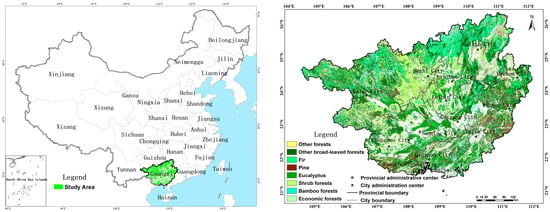
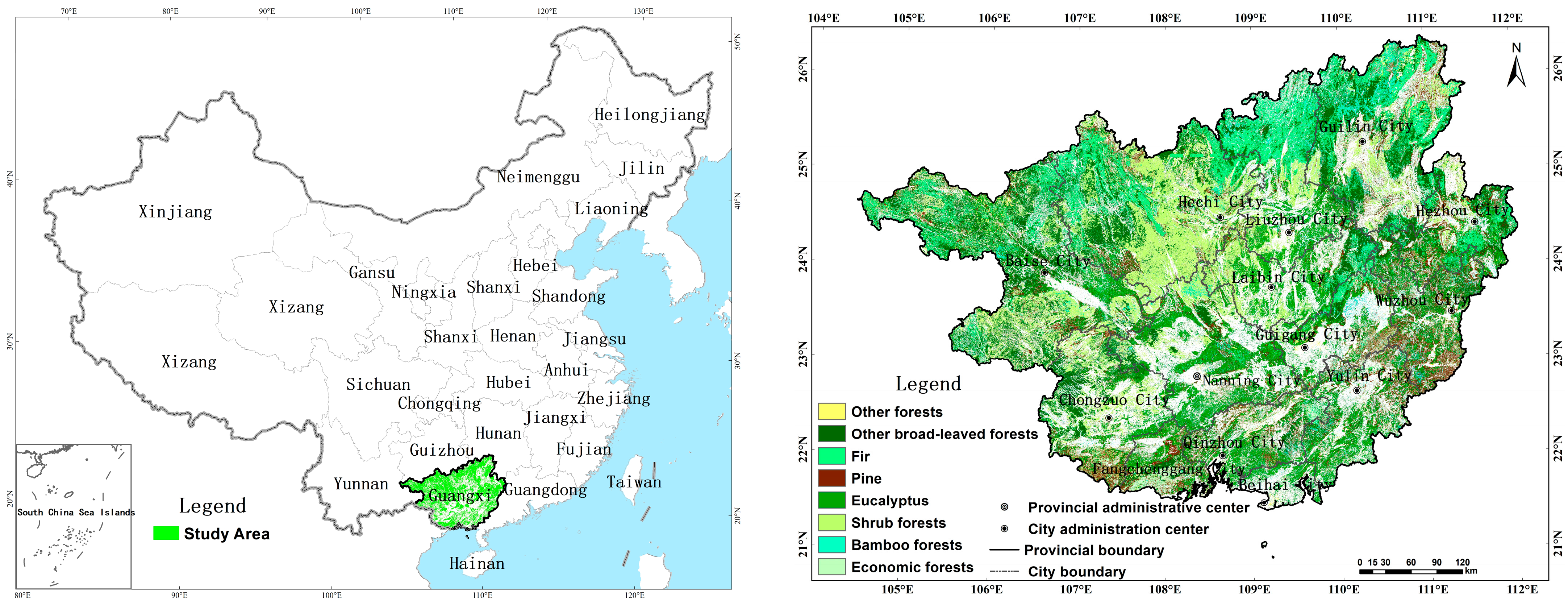
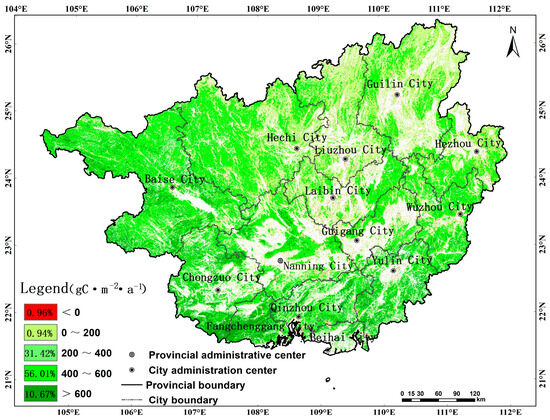
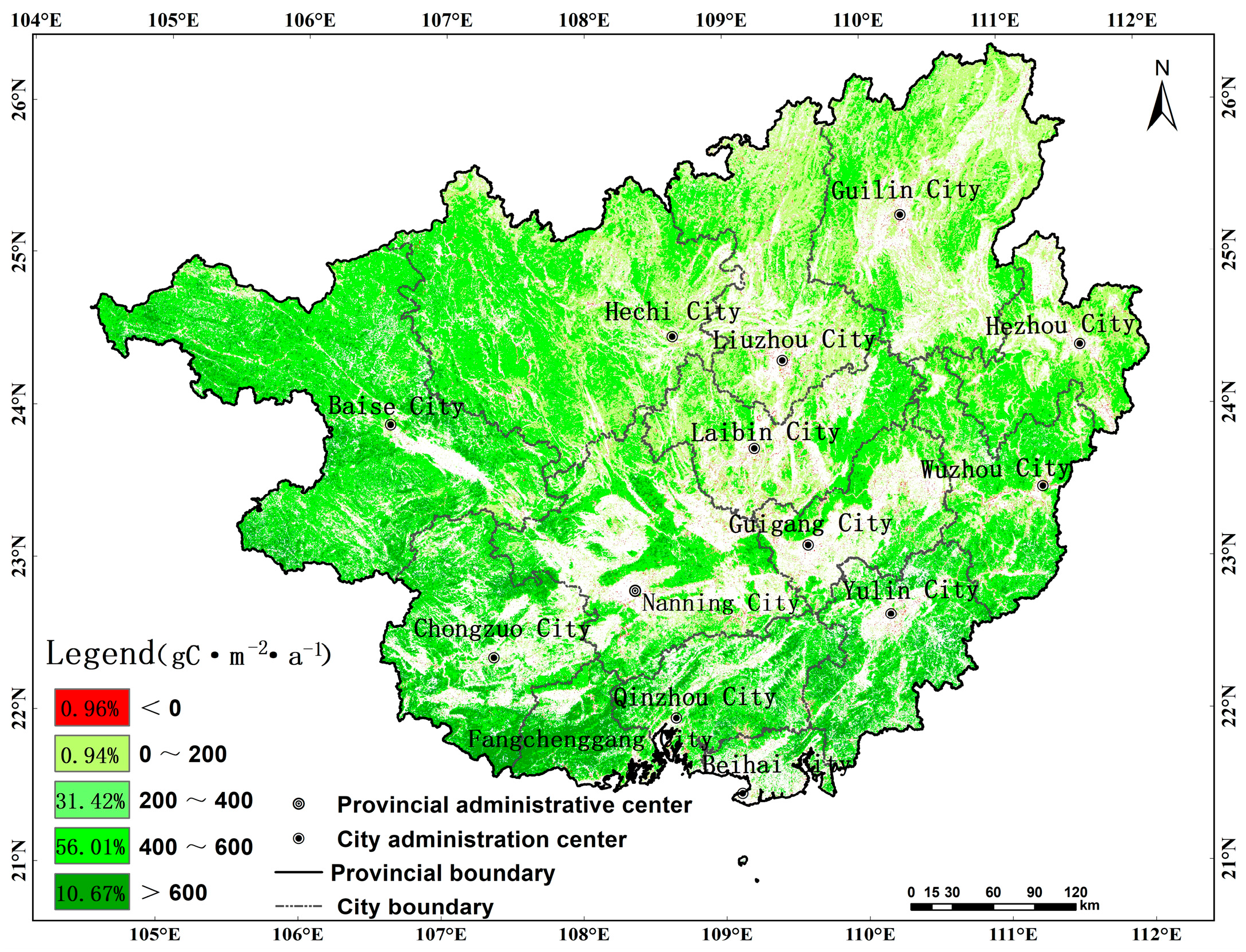
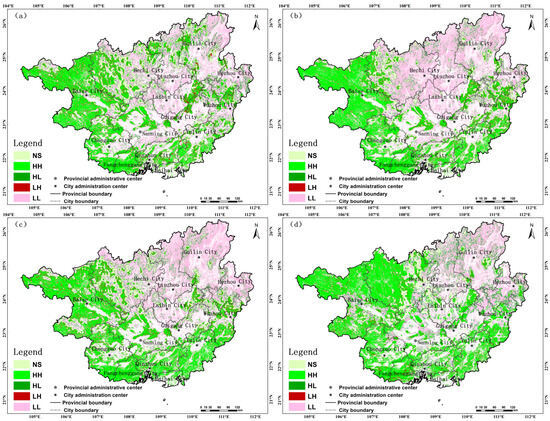
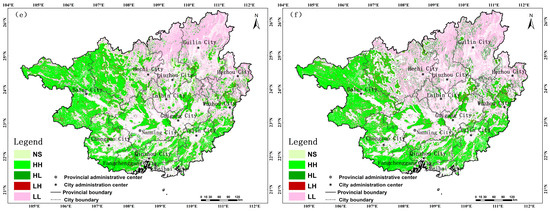
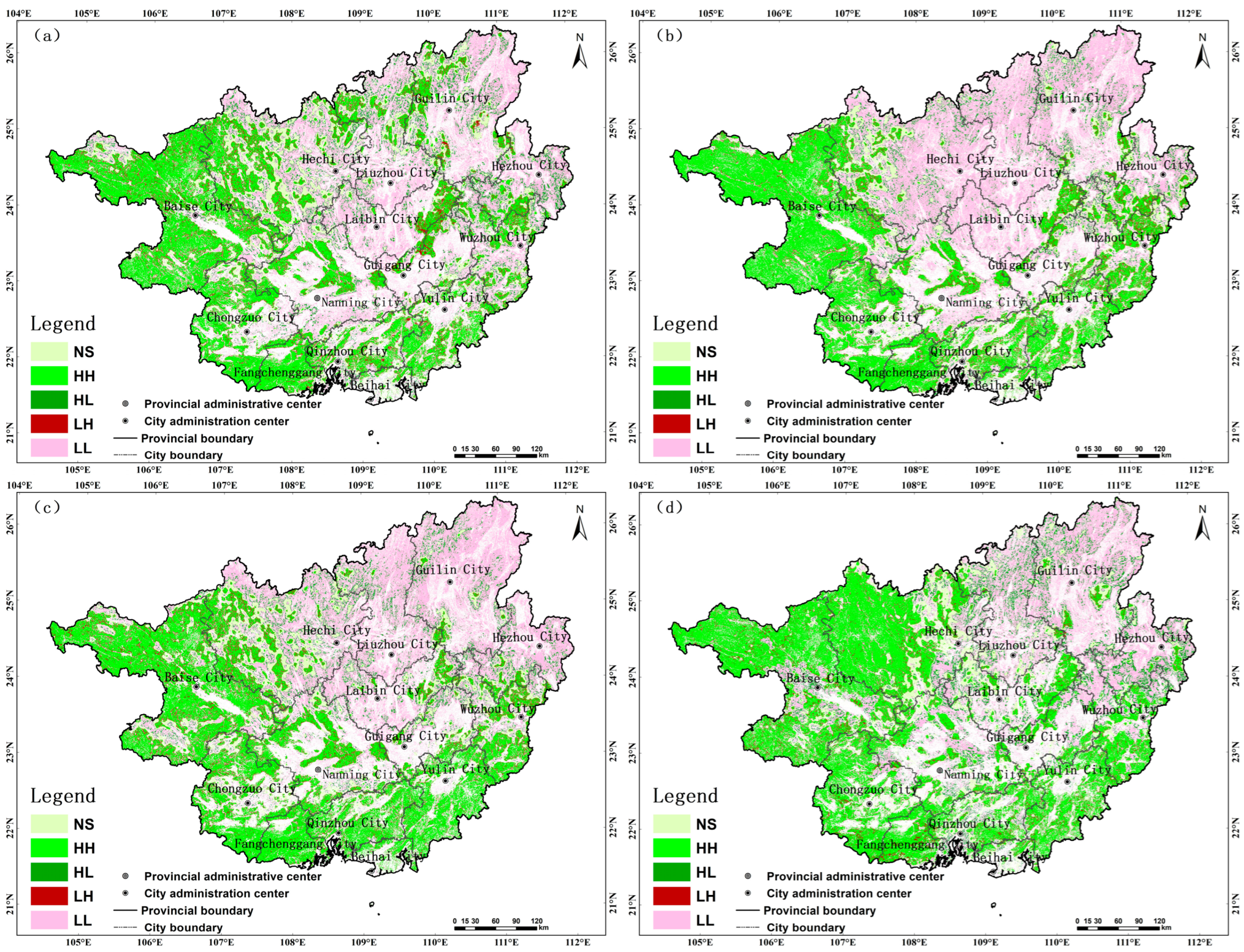
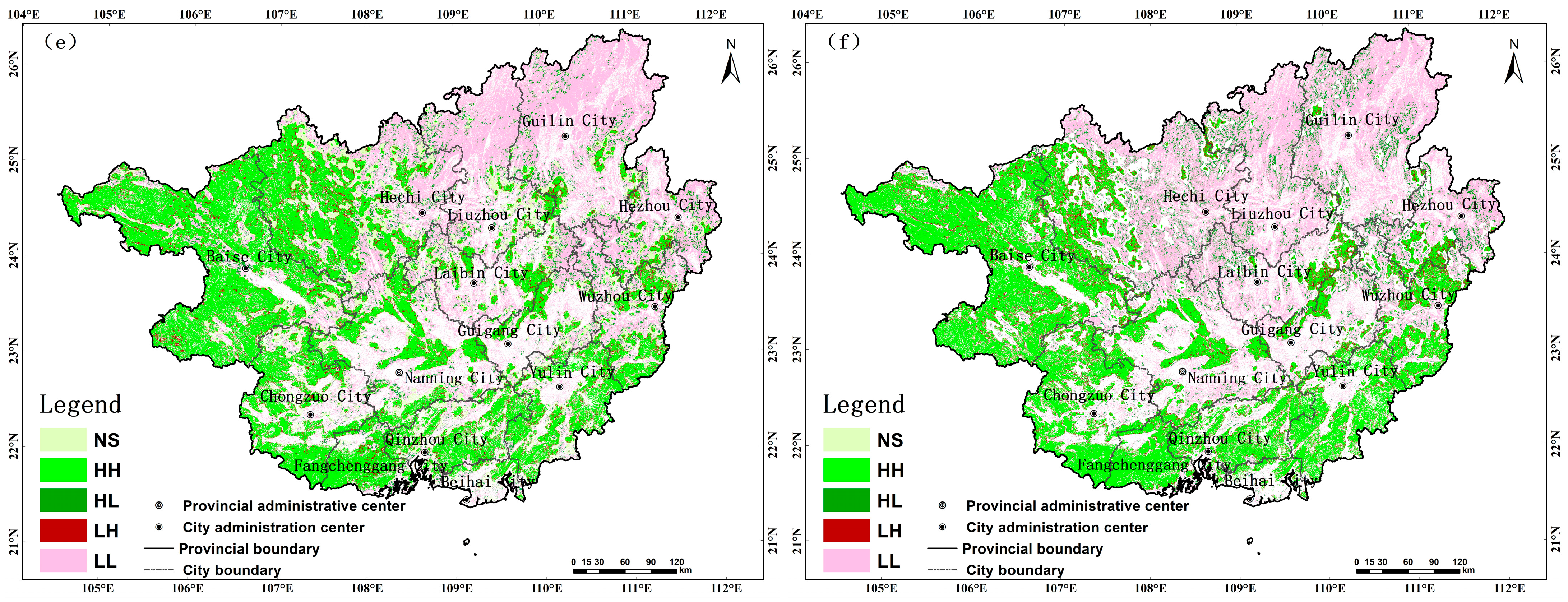
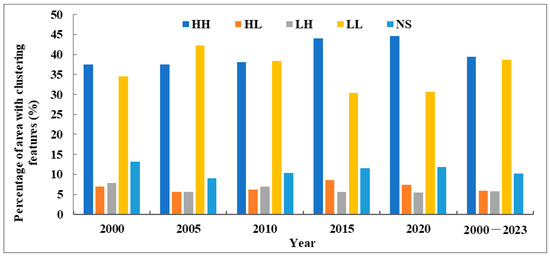
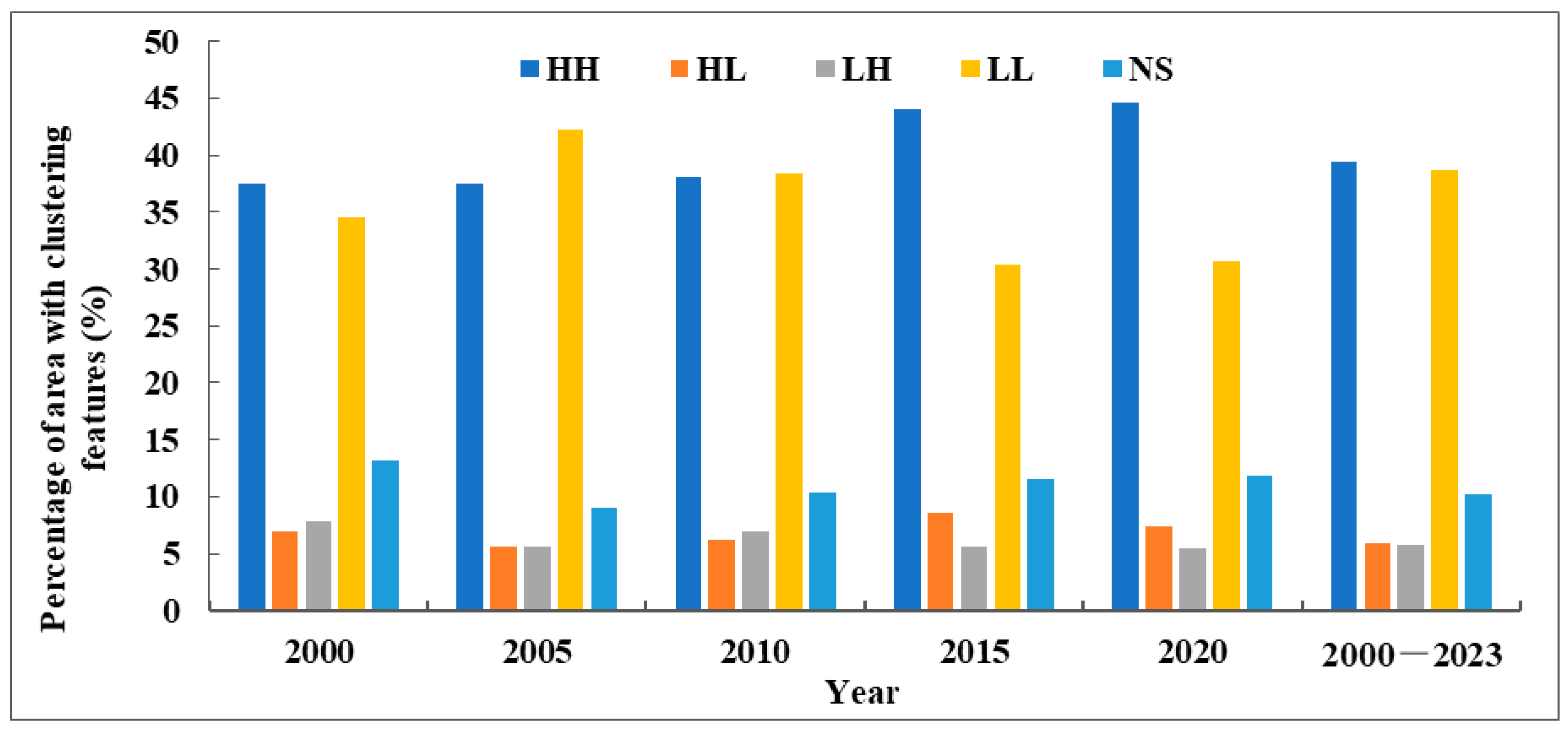
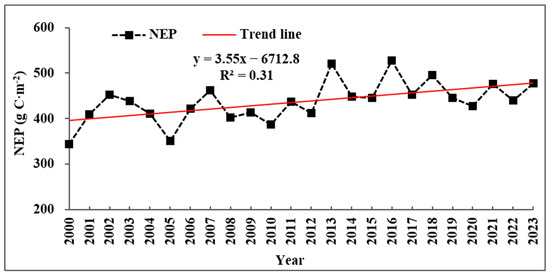
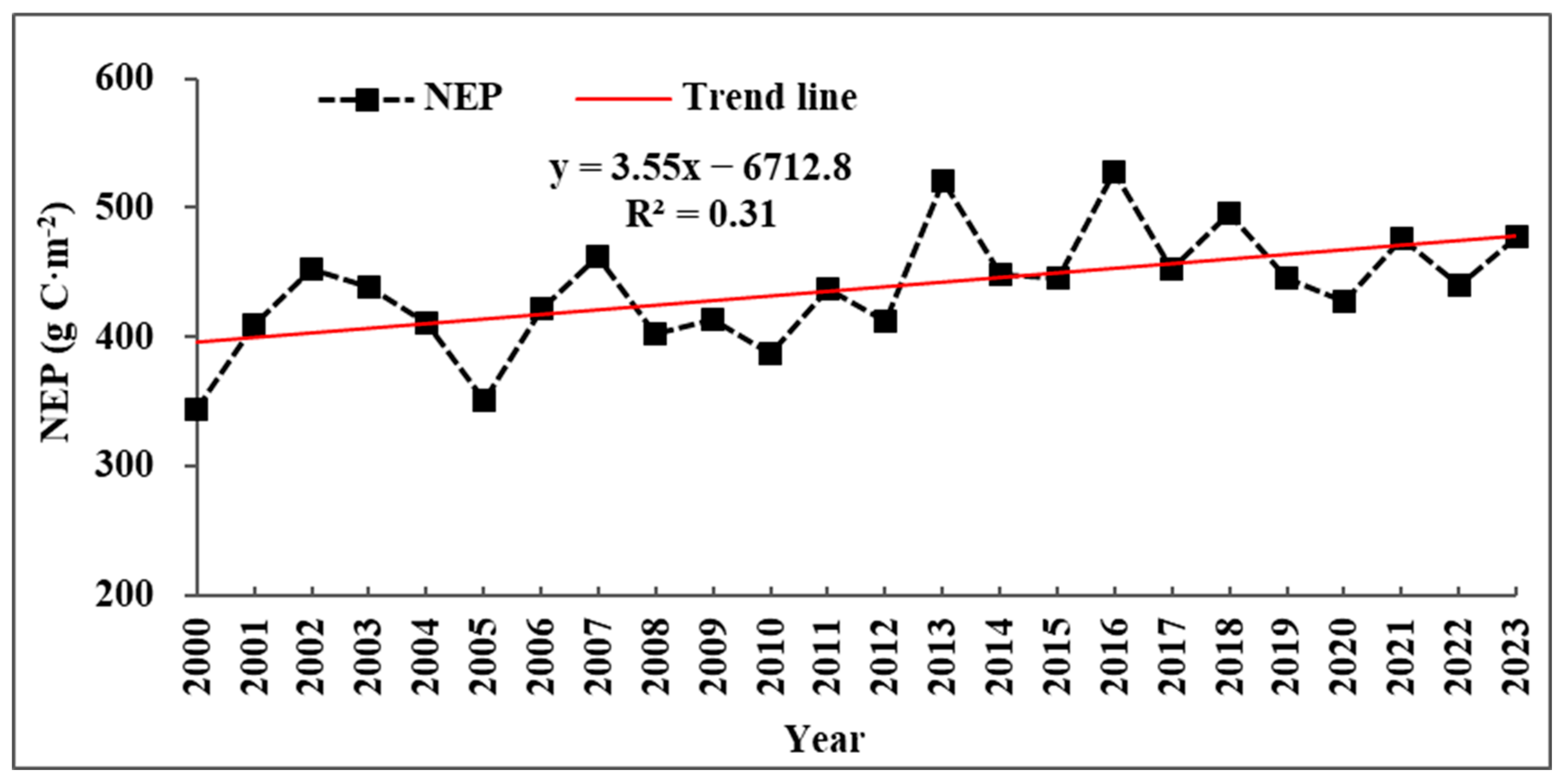
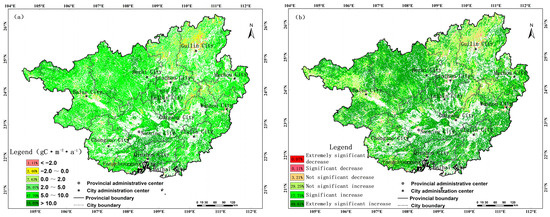
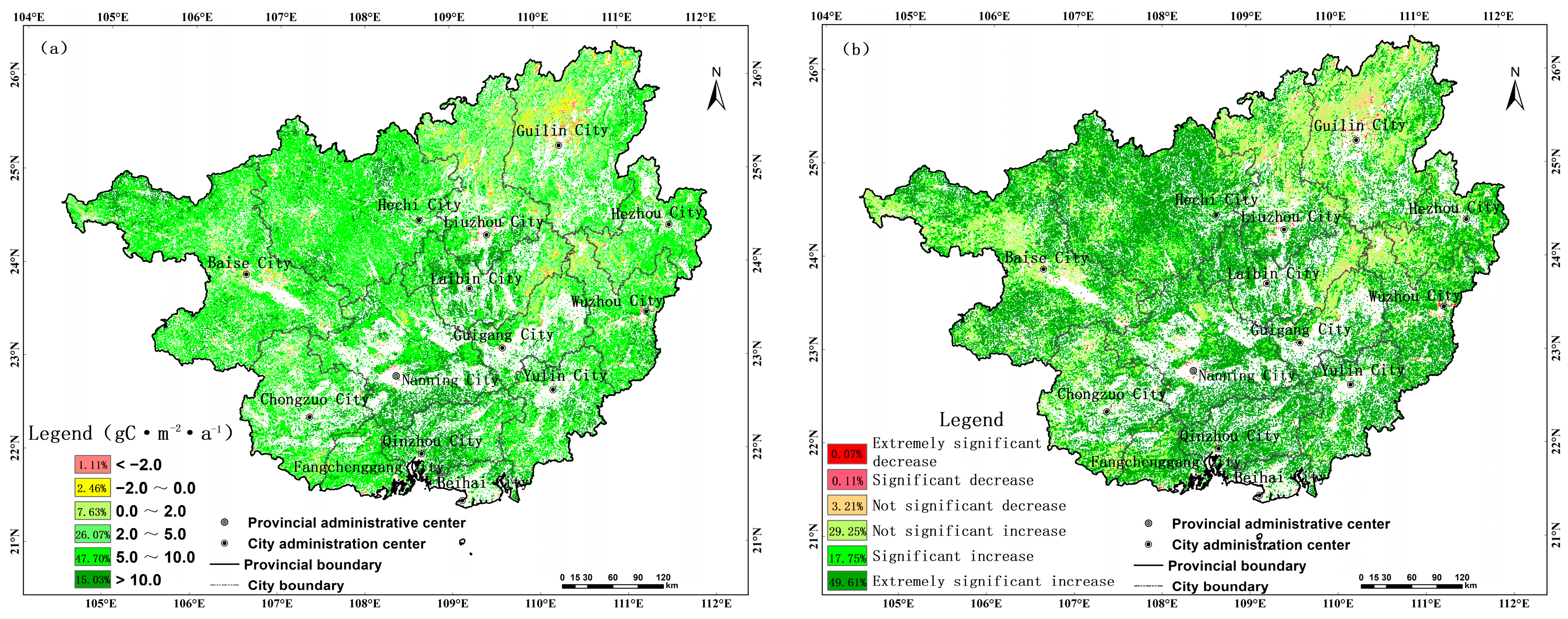
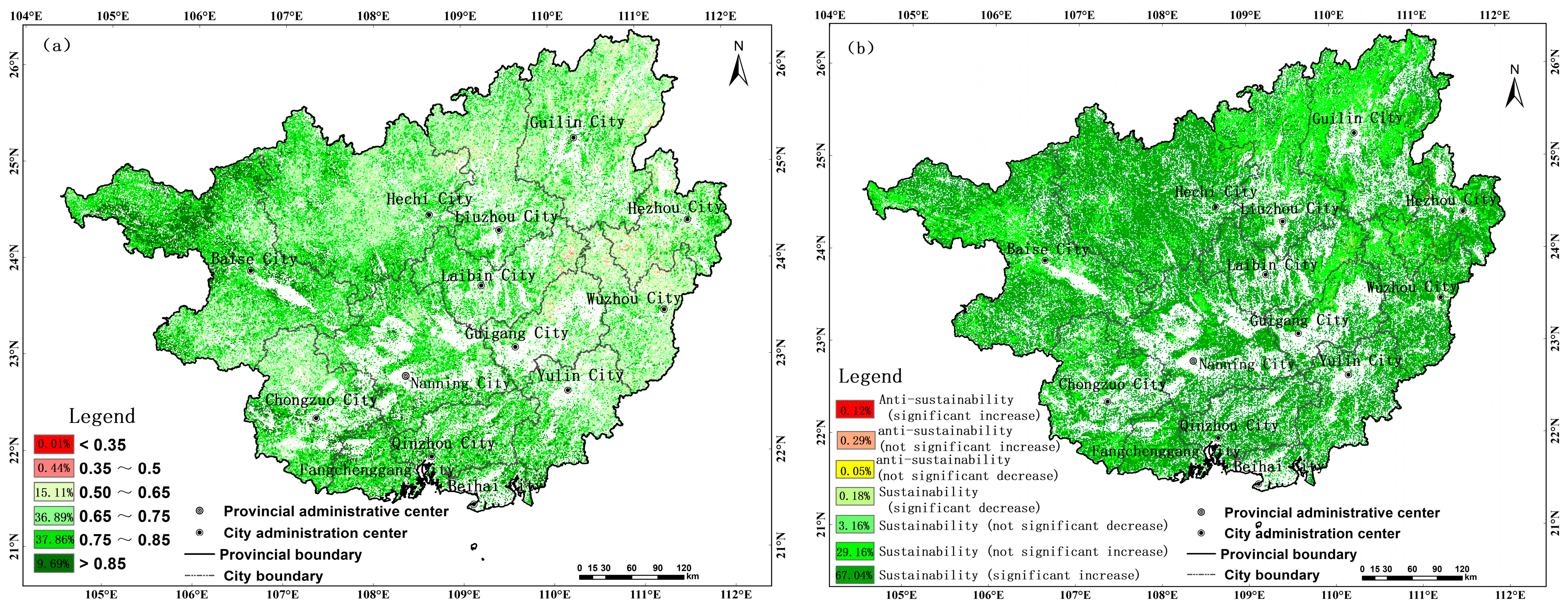
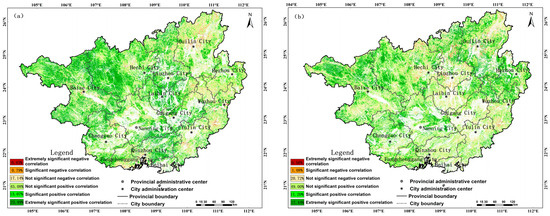
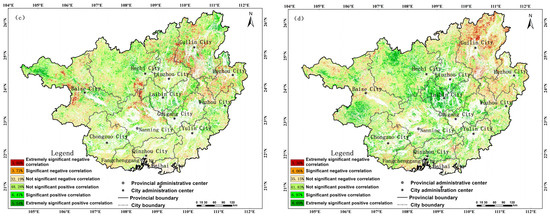
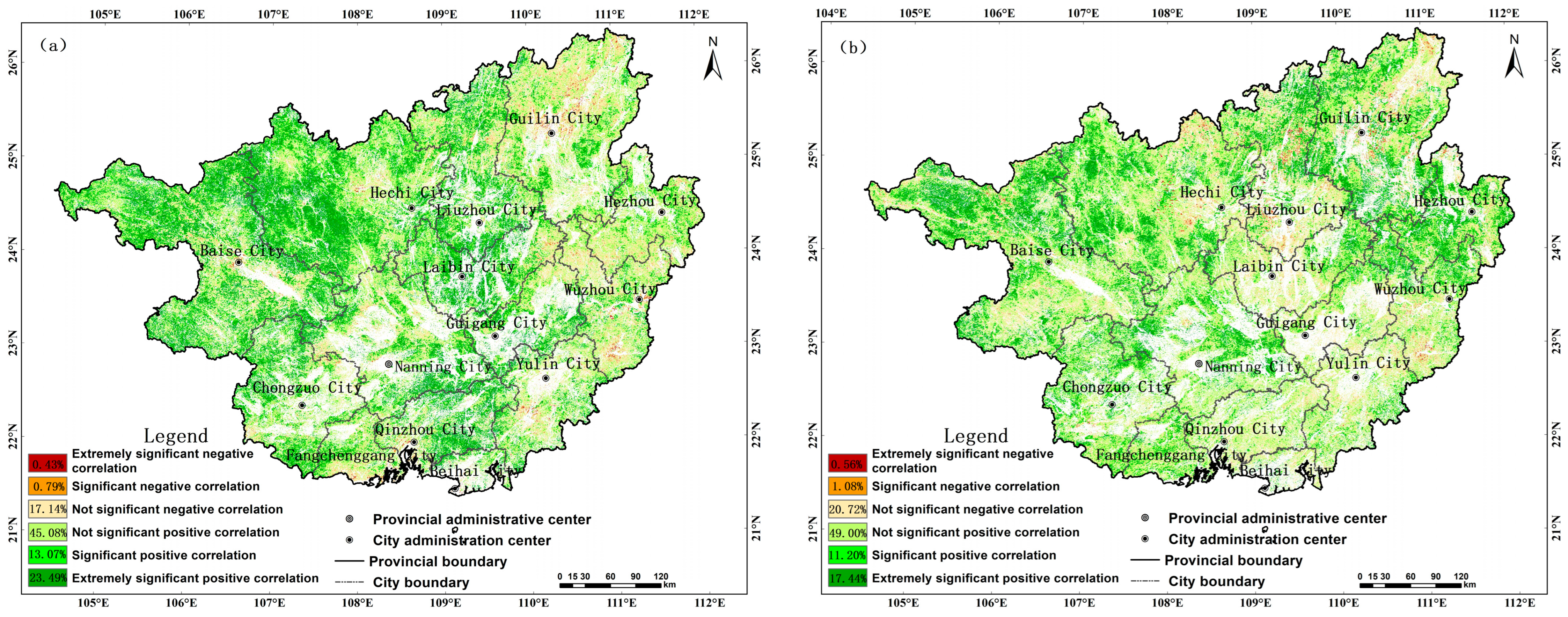
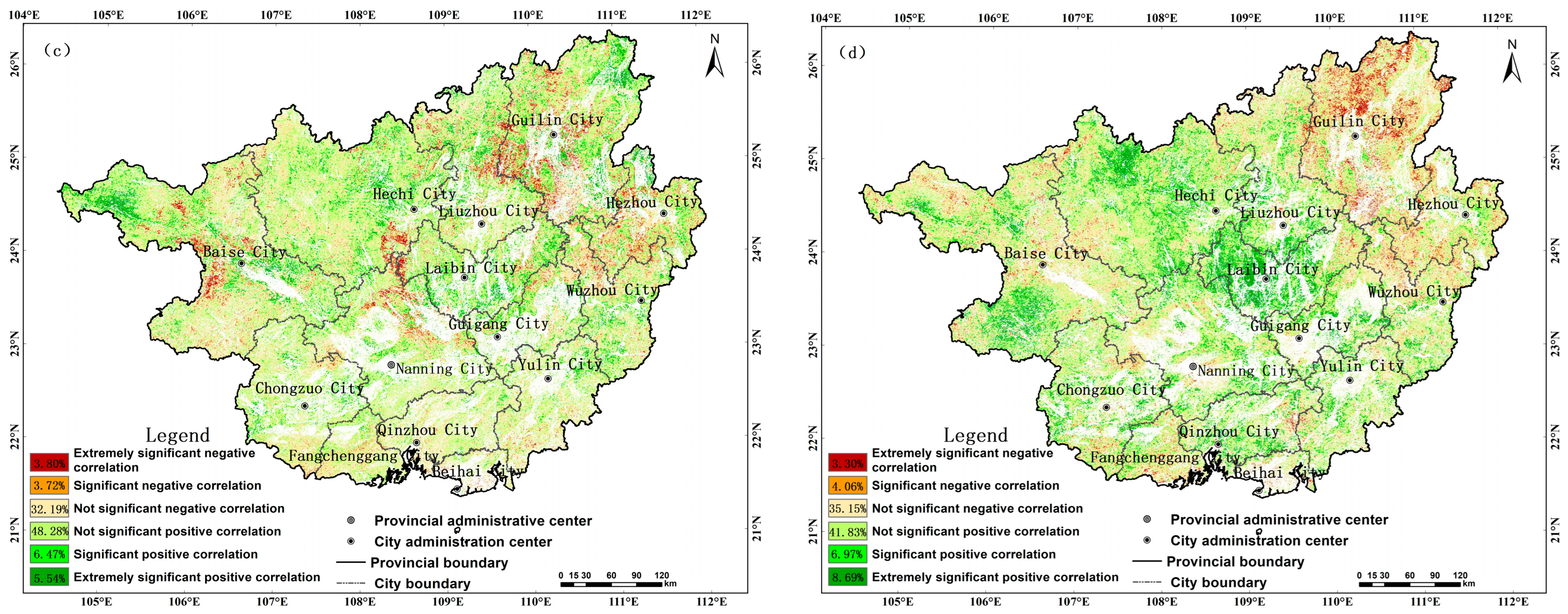
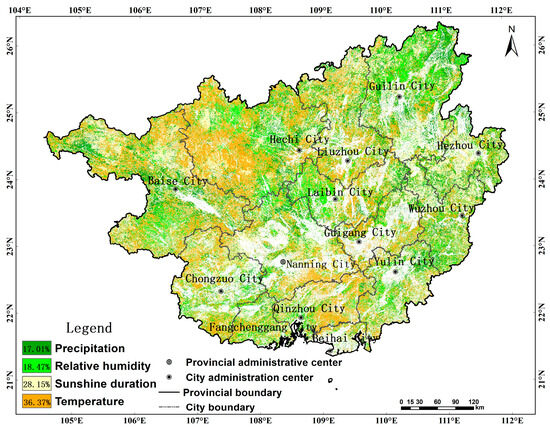
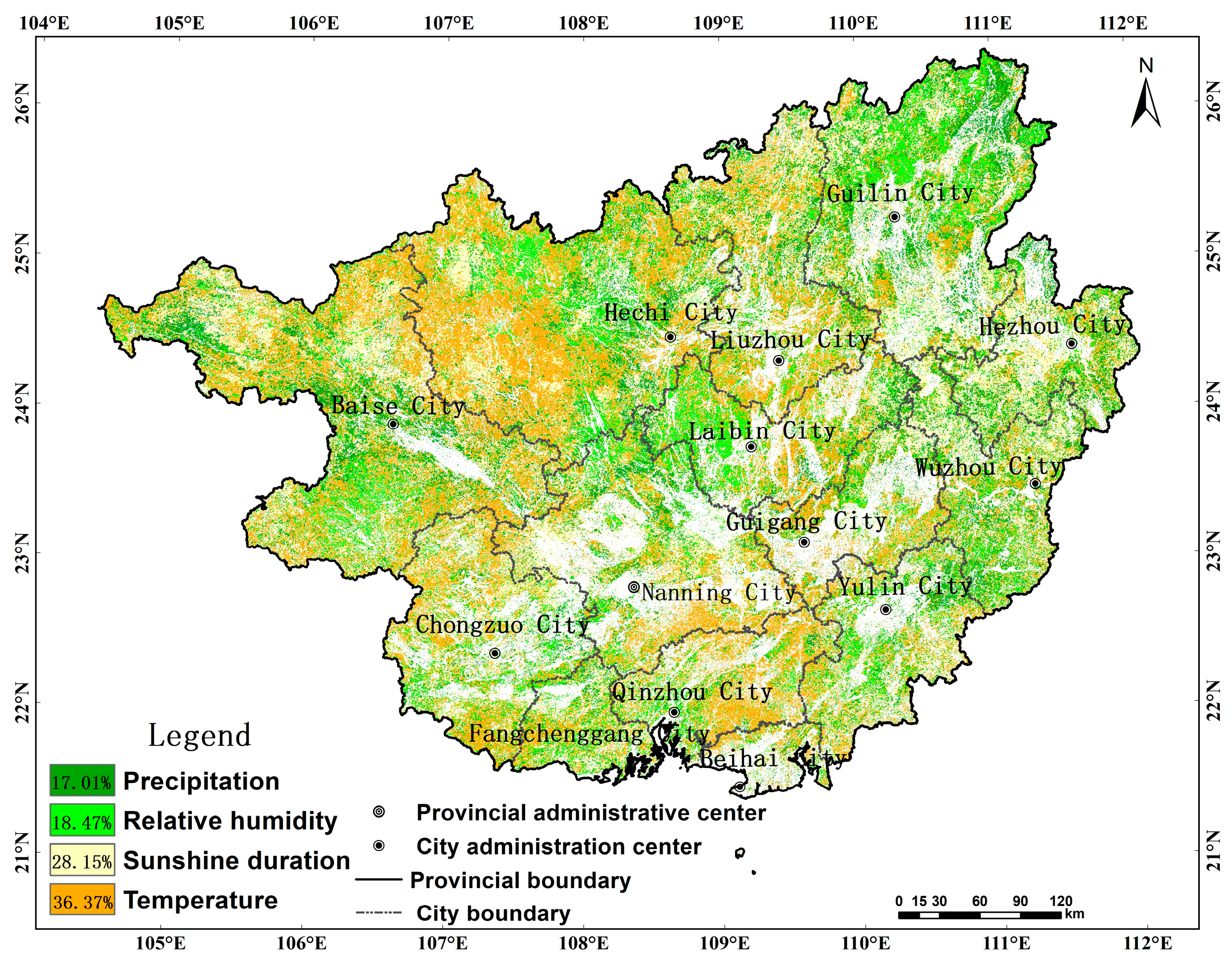
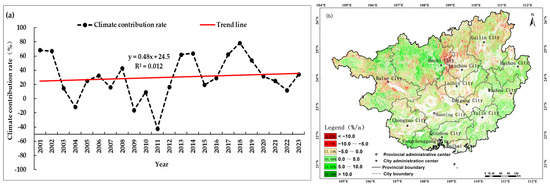
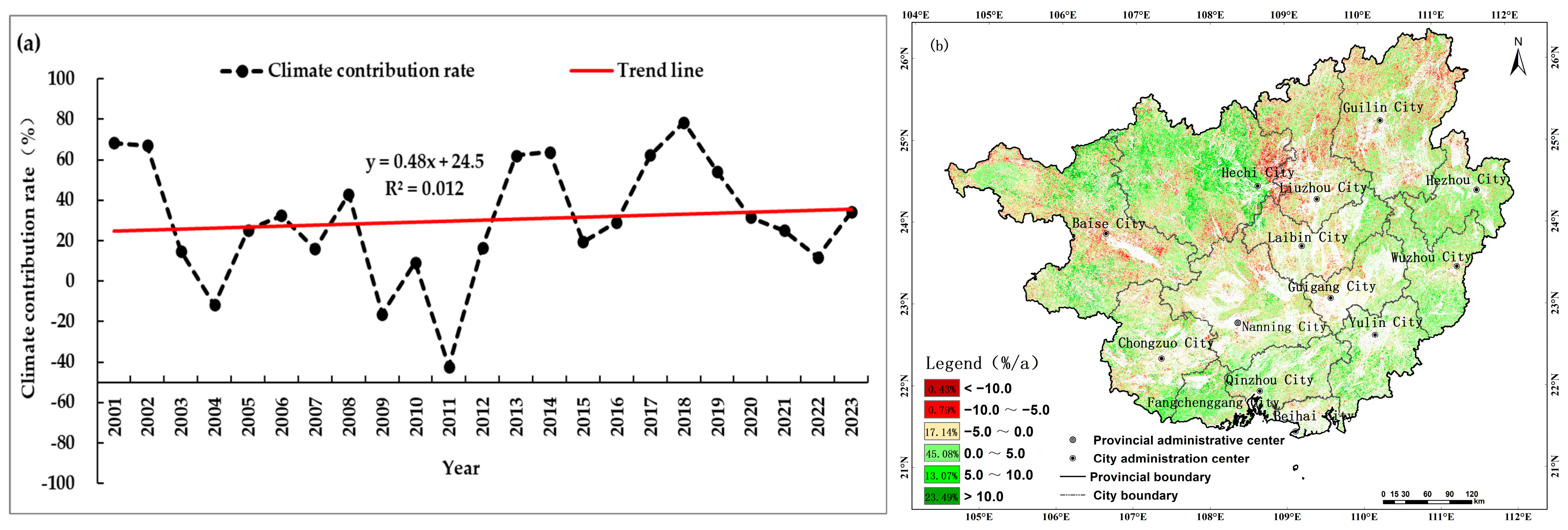

Disclaimer/Publisher’s Note: The statements, opinions and data contained in all publications are solely those of the individual author(s) and contributor(s) and not of MDPI and/or the editor(s). MDPI and/or the editor(s) disclaim responsibility for any injury to people or property resulting from any ideas, methods, instructions or products referred to in the content. |
© 2026 by the authors. Licensee MDPI, Basel, Switzerland. This article is an open access article distributed under the terms and conditions of the Creative Commons Attribution (CC BY) license.