Article

Genome-Wide Identification and Expression Analysis of the R2R3-MYB Gene Family in Rubber Trees

1
Key Laboratory of Biology and Genetic Resources of Rubber Tree, Ministry of Agriculture and Rural Affairs, State Key Laboratory Incubation Base for Cultivation & Physiology of Tropical Crops, Rubber Research Institute, Chinese Academy of Tropical Agricultural Sciences, Haikou 571101, China
2
Sanya Nanfan Research Institute, Hainan University, Sanya 572025, China
3
School of Plant Protection, Hainan University, Haikou 570228, China
*
Authors to whom correspondence should be addressed.
These authors contributed equally to this work.
Forests 2023, 14(4), 710; https://doi.org/10.3390/f14040710
Submission received: 7 February 2023 / Revised: 26 March 2023 / Accepted: 28 March 2023 / Published: 30 March 2023
(This article belongs to the Special Issue Genomics of Growth Traits and Stress Acclimation in Forest Trees)

Abstract

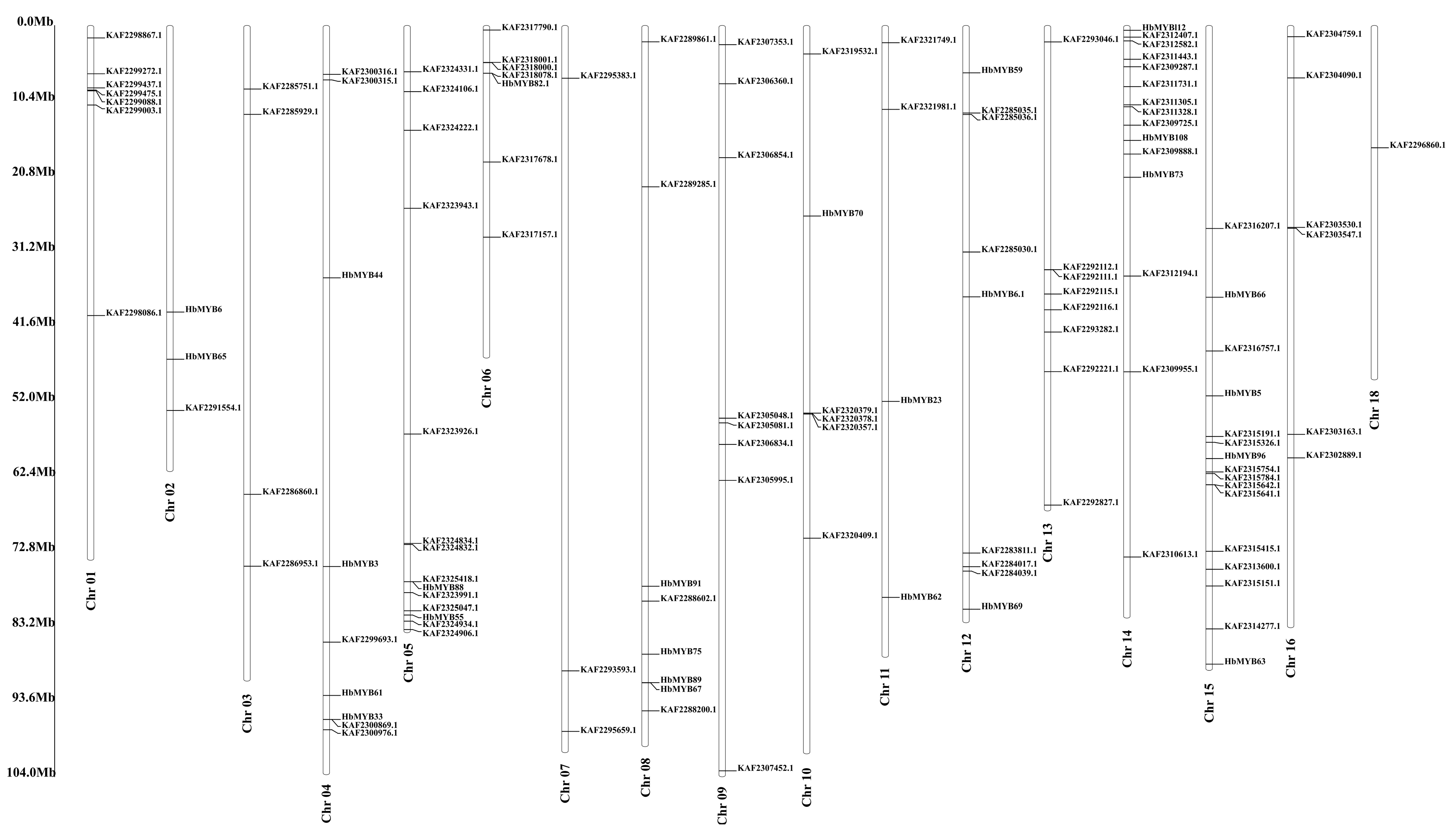
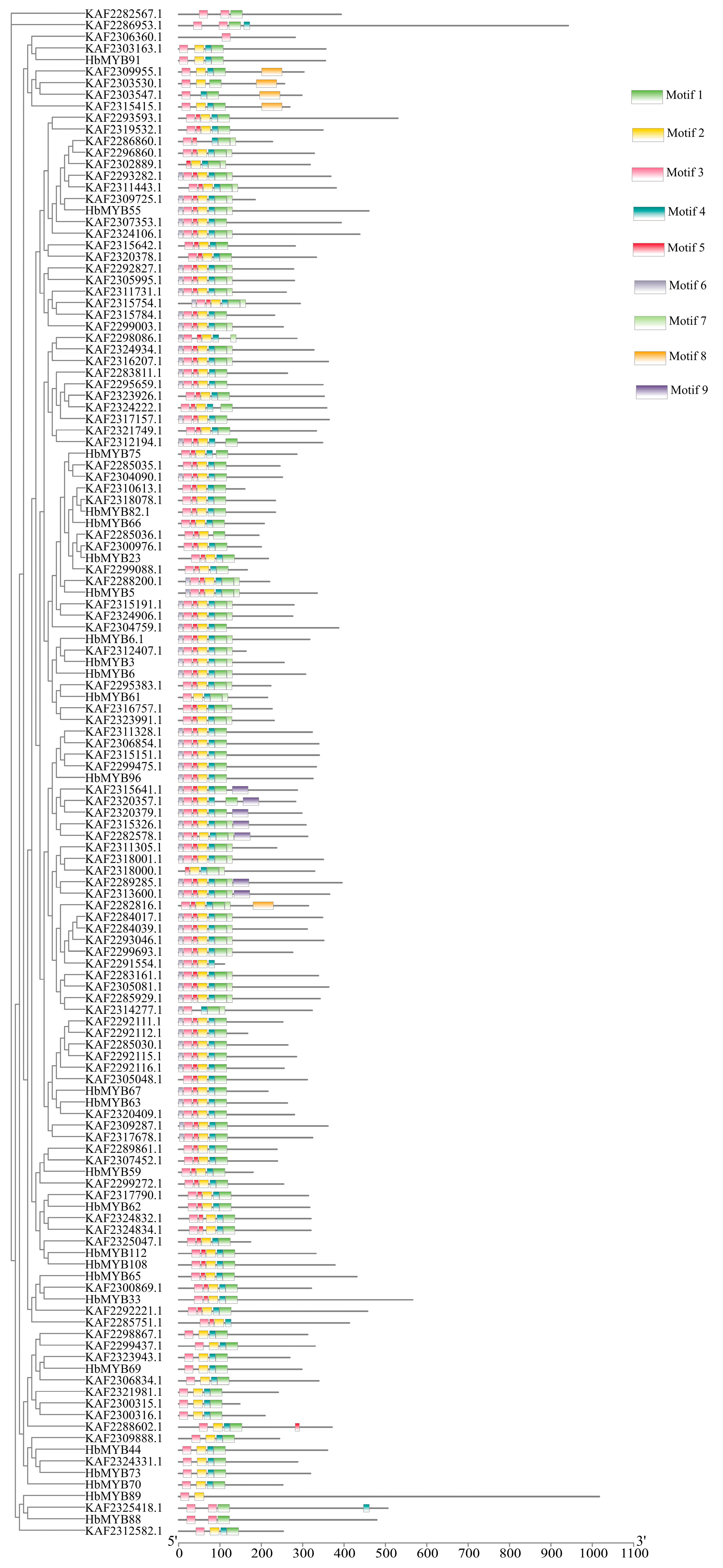
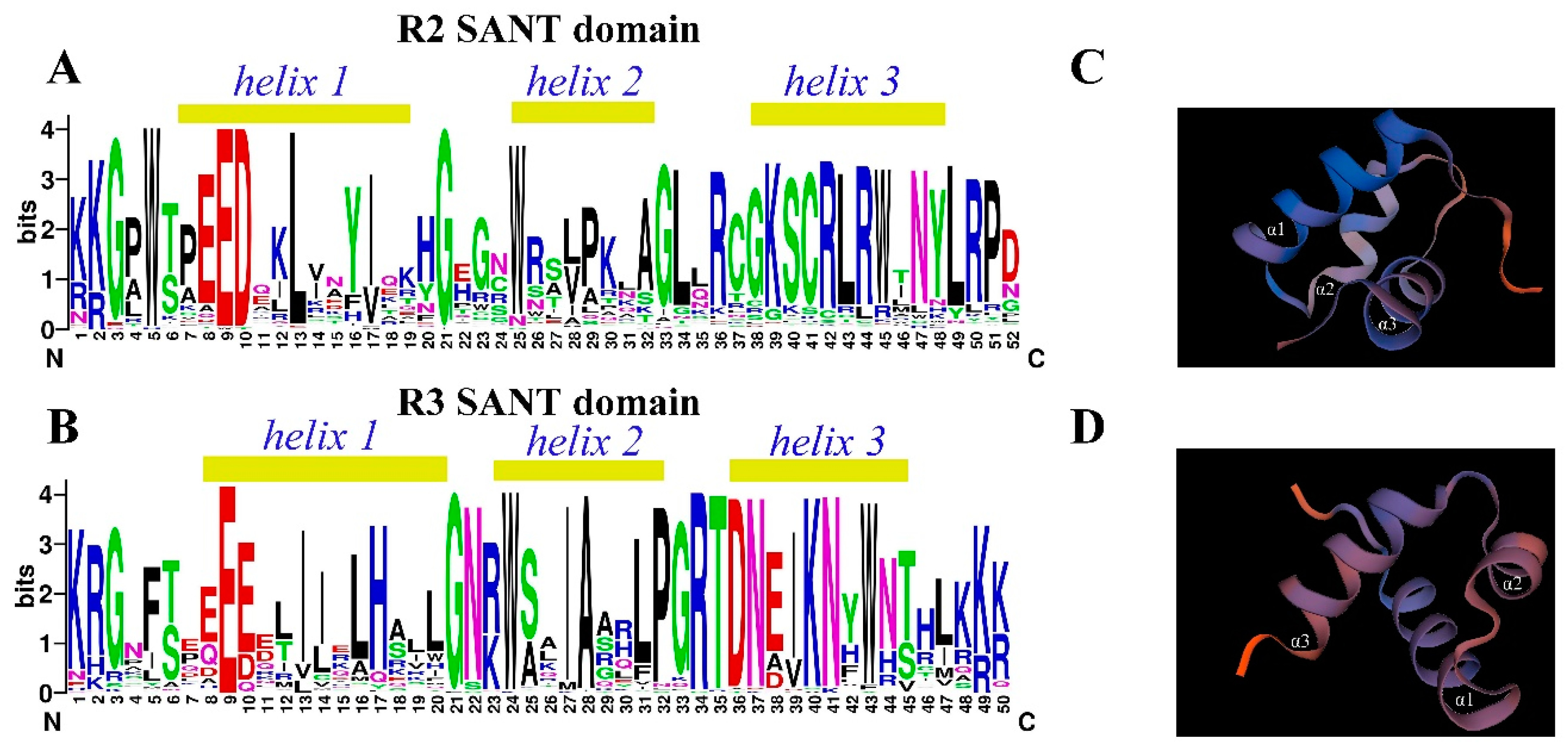
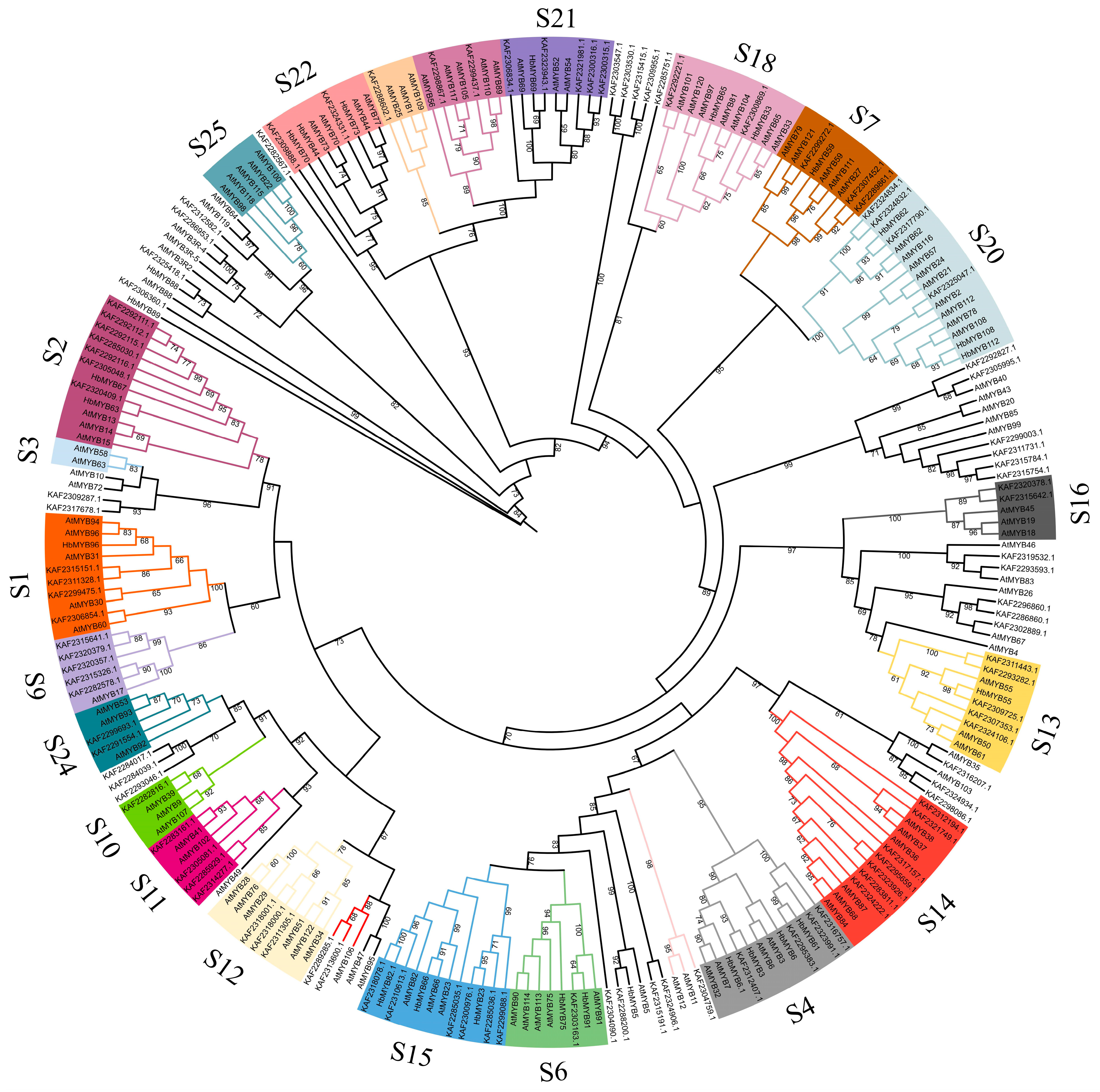
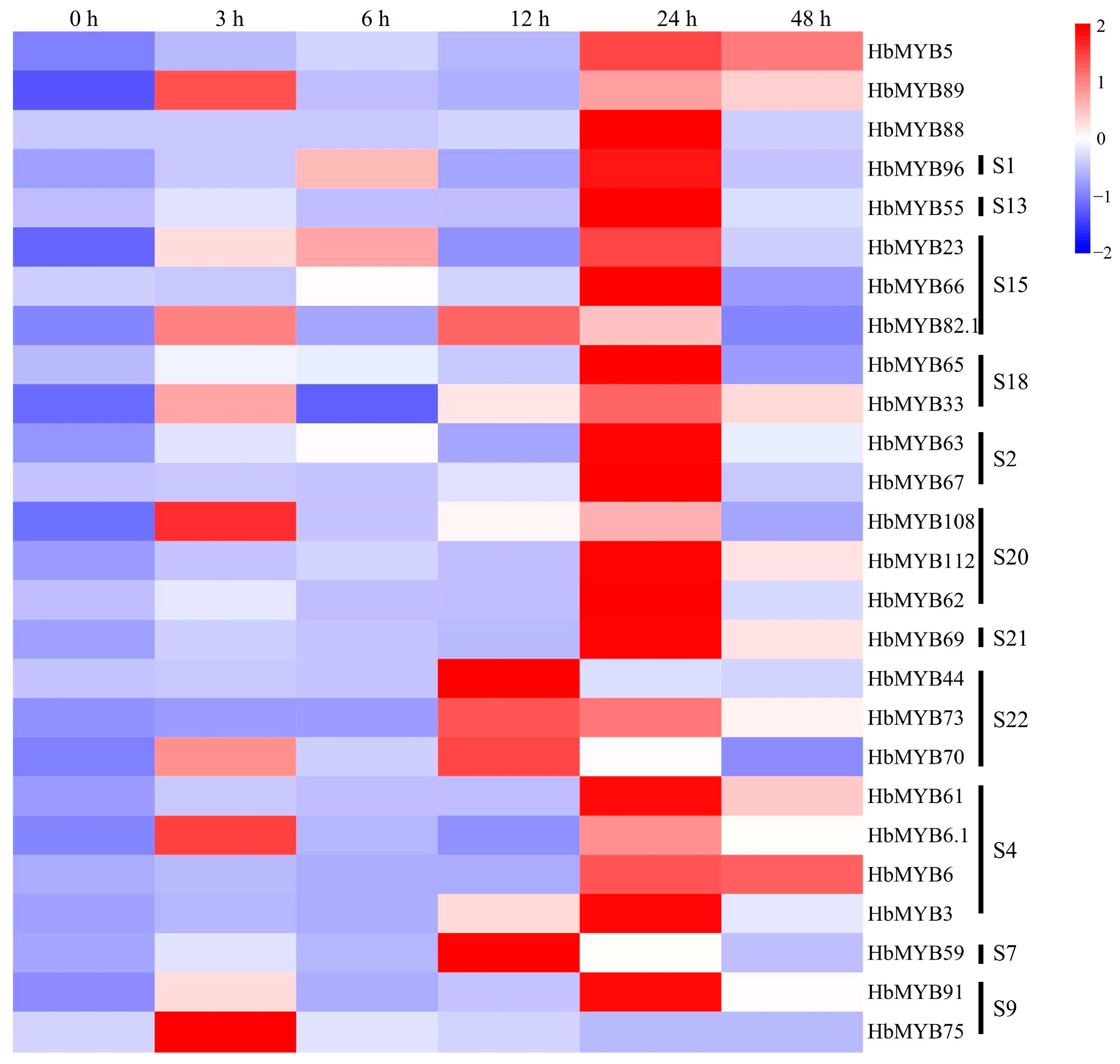
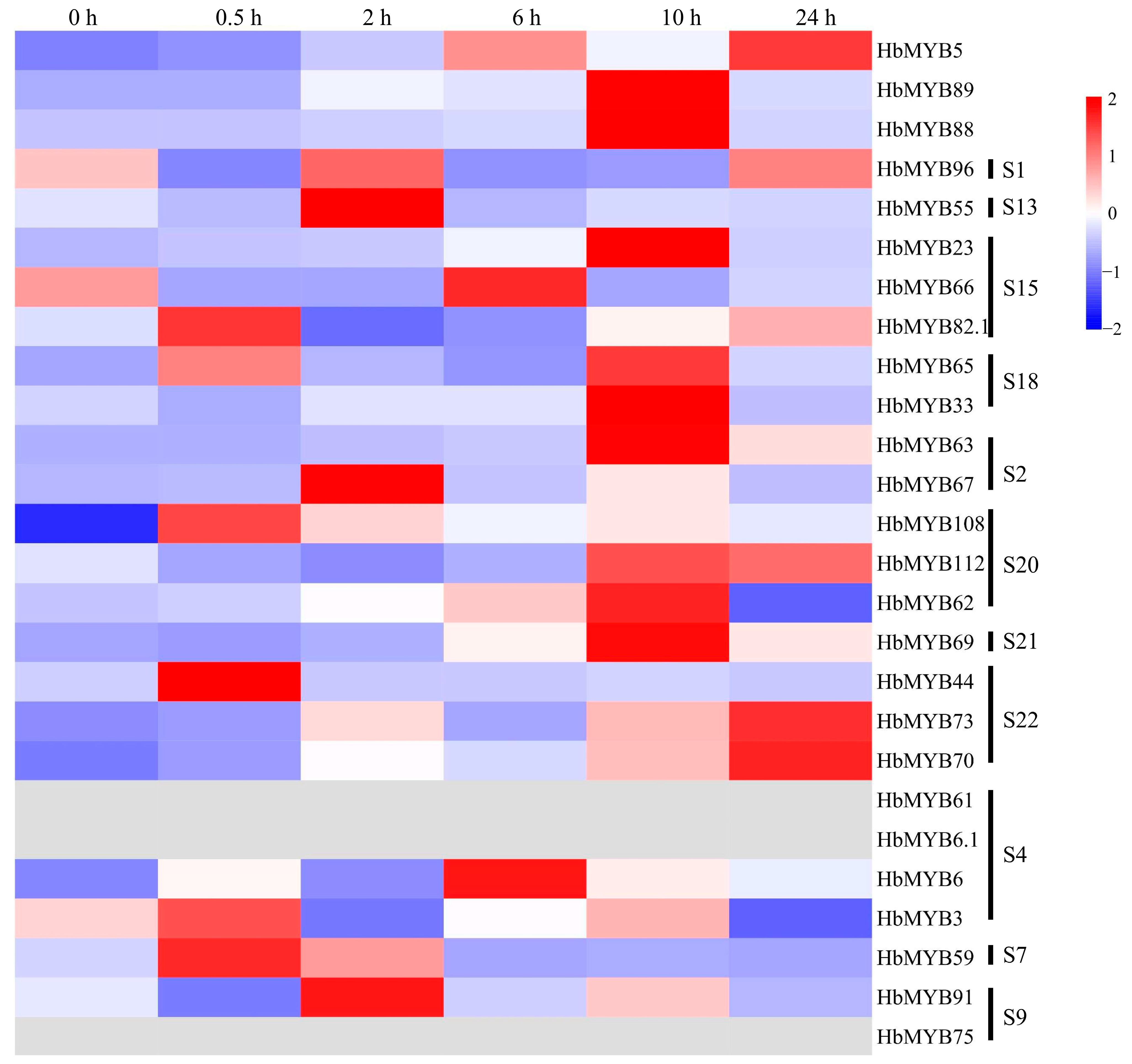
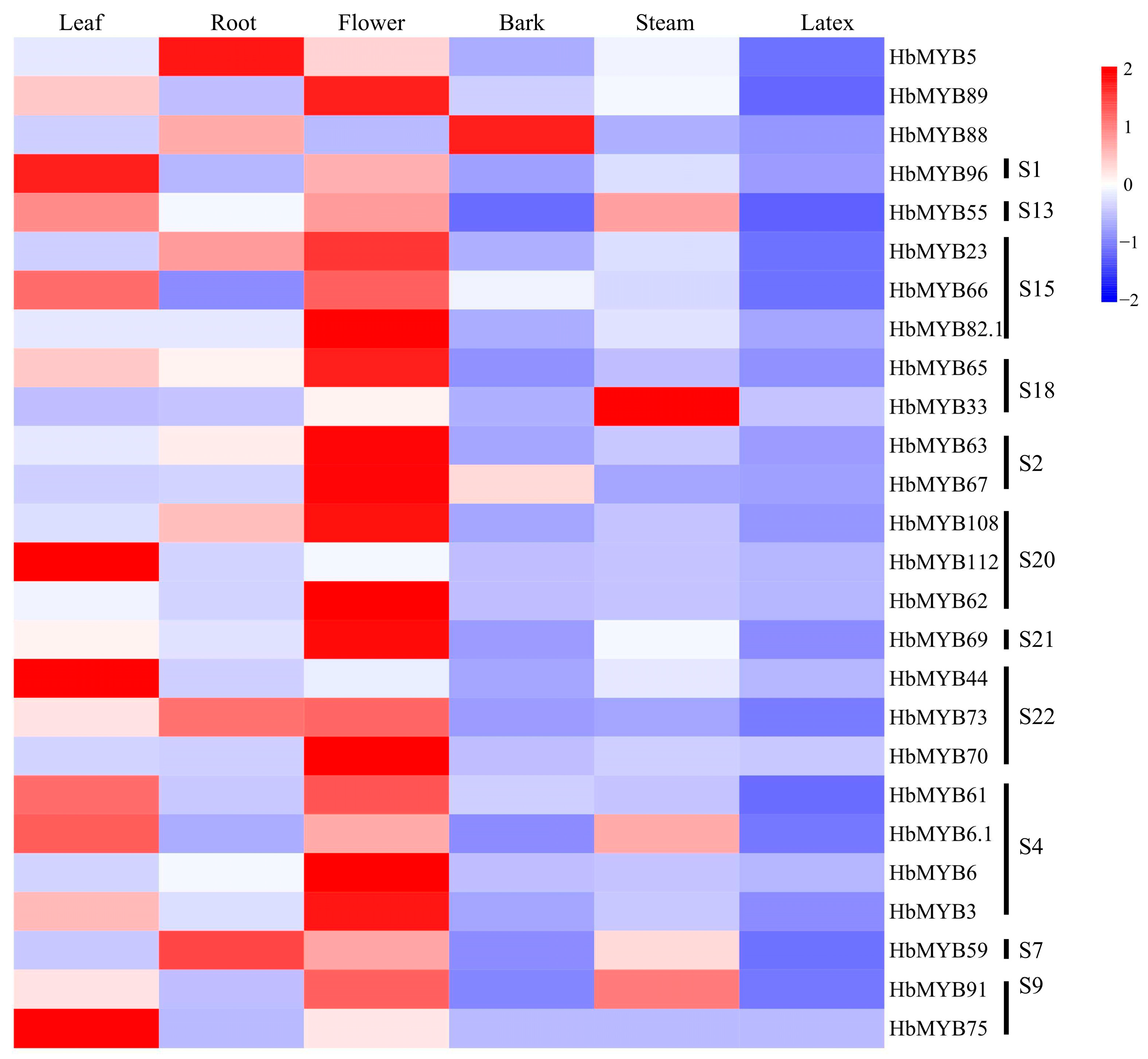
The plant MYB transcription factor family featured as highly conserved DNA-binding domains consisting of 1 to 4 imperfect repeats (R). Increasing evidence indicates that MYB genes participates in growth, differentiation, metabolism, and biotic and abiotic stress responses. However, the functions of MYB genes in the rubber tree remain to be deeply elucidated, especially R2R3-MYB gene family. In this study, molecular biology, bioinformatics, and qRT-PCR were used to identify and analyze HbR2R3-MYB gene family members in the rubber tree. A total of 132 members of the R2R3-MYB gene family were identified in the rubber tree based on genome-wide level. Most of the HbR2R3-MYBs were mapped to 17 rubber tree chromosomes except four genes. A phylogenetic analysis divided all the HbR2R3-MYBs into 20 subgroups with Arabidopsis thaliana. MEME analysis showed that the protein of HbR2R3-MYBs was characterized by 9 conserved motifs. Twenty-six representative R2R3 HbMYBs from different subgroups were selected for expression profiles analysis and the results revealed that the HbR2R3-MYBs members showed various expression patterns in different tissues, powdery mildew-infected and ethylene treatment, implying the diversity of their functions in rubber trees. These results provide fundamental knowledge for further studying the response of the HbR2R3-MYB family to stress and regulation latex flow in rubber tree.
Keywords: Hevea brasiliensis Muell. Arg.; HbMYB; powdery mildew; ethylene; phylogenetic analysis Hevea brasiliensis Muell. Arg.; HbMYB; powdery mildew; ethylene; phylogenetic analysis