Article

Physical and Acoustical Properties of Wavy Grain Sycamore Maple (Acer pseudoplatanus L.) Used for Musical Instruments


by
Florin Dinulica
1,
Adriana Savin
2,3 and
Mariana Domnica Stanciu
3,4,*
1
Department of Forest Engineering, Forest Management Planning and Terrestrial Measurements, Transilvania University of Brașov, 500123 Brașov, Romania
2
Institute of Research and Development for Technical Physics, B-dul Mangeron 47, 700050 Iasi, Romania
3
Department of Mechanical Engineering, Transilvania University of Brașov, B-dul Eroilor 29, 500036 Brașov, Romania
4
Russian Academy of Natural Sciences Sivtsev Vrazhek, 29/16, Moscow 119002, Russia
*
Author to whom correspondence should be addressed.
Forests 2023, 14(2), 197; https://doi.org/10.3390/f14020197
Submission received: 4 December 2022 / Revised: 2 January 2023 / Accepted: 17 January 2023 / Published: 20 January 2023
(This article belongs to the Special Issue Novelties in Wood Engineering and Forestry)

Abstract

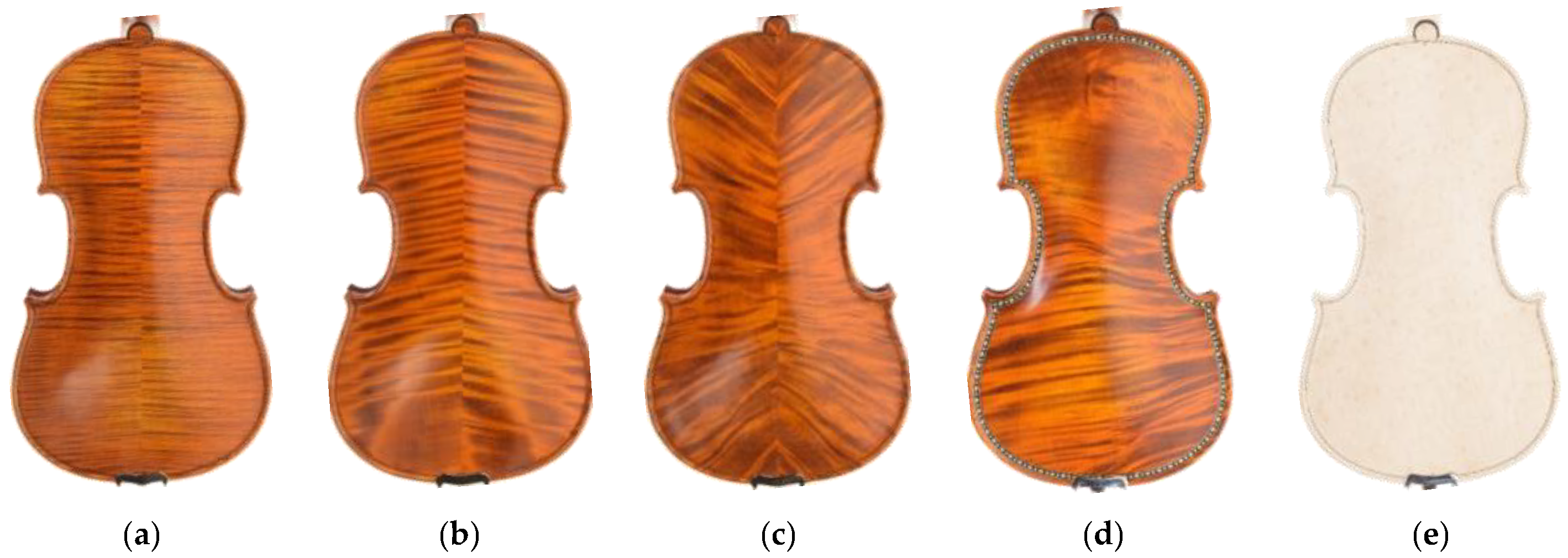
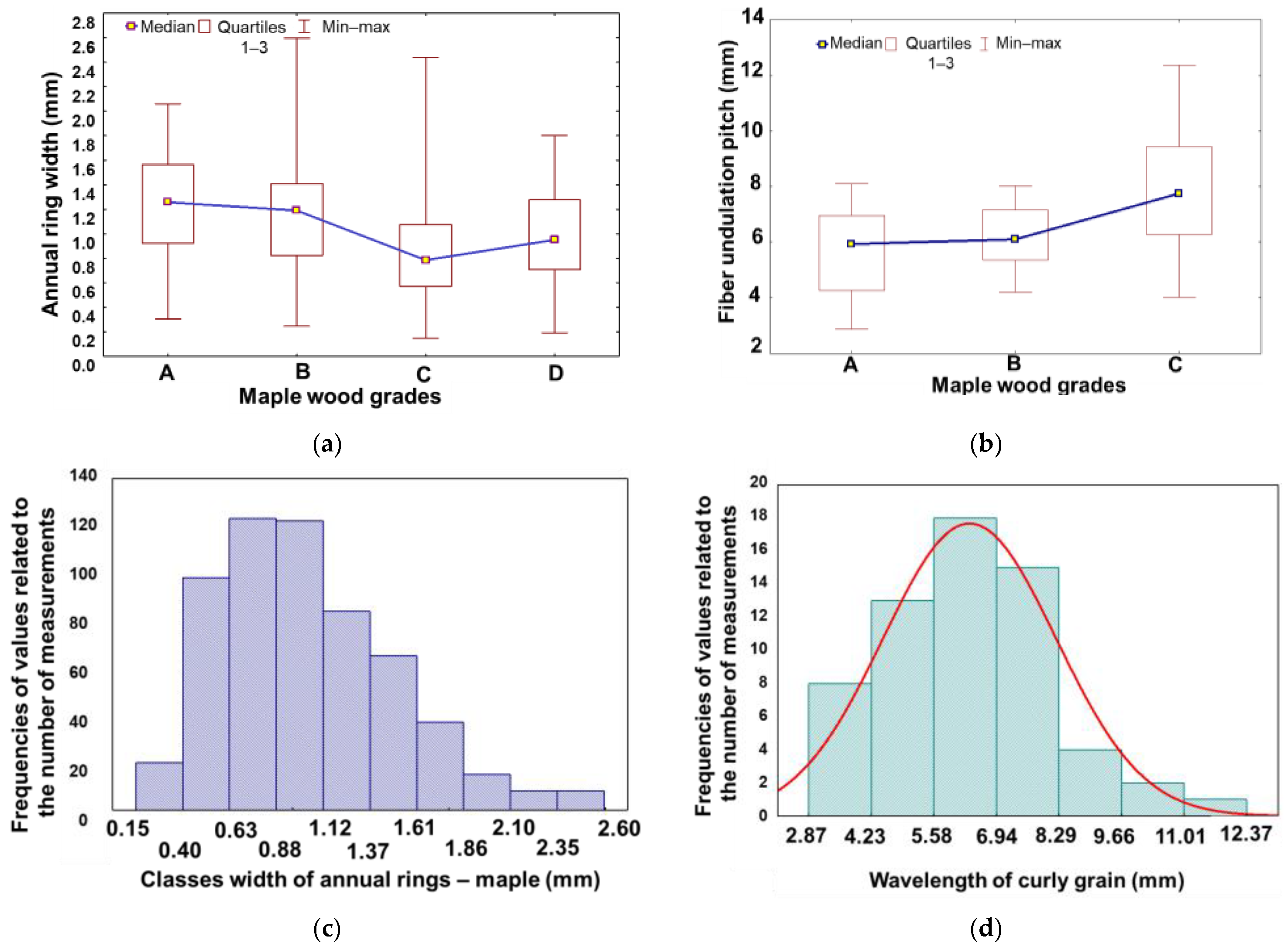
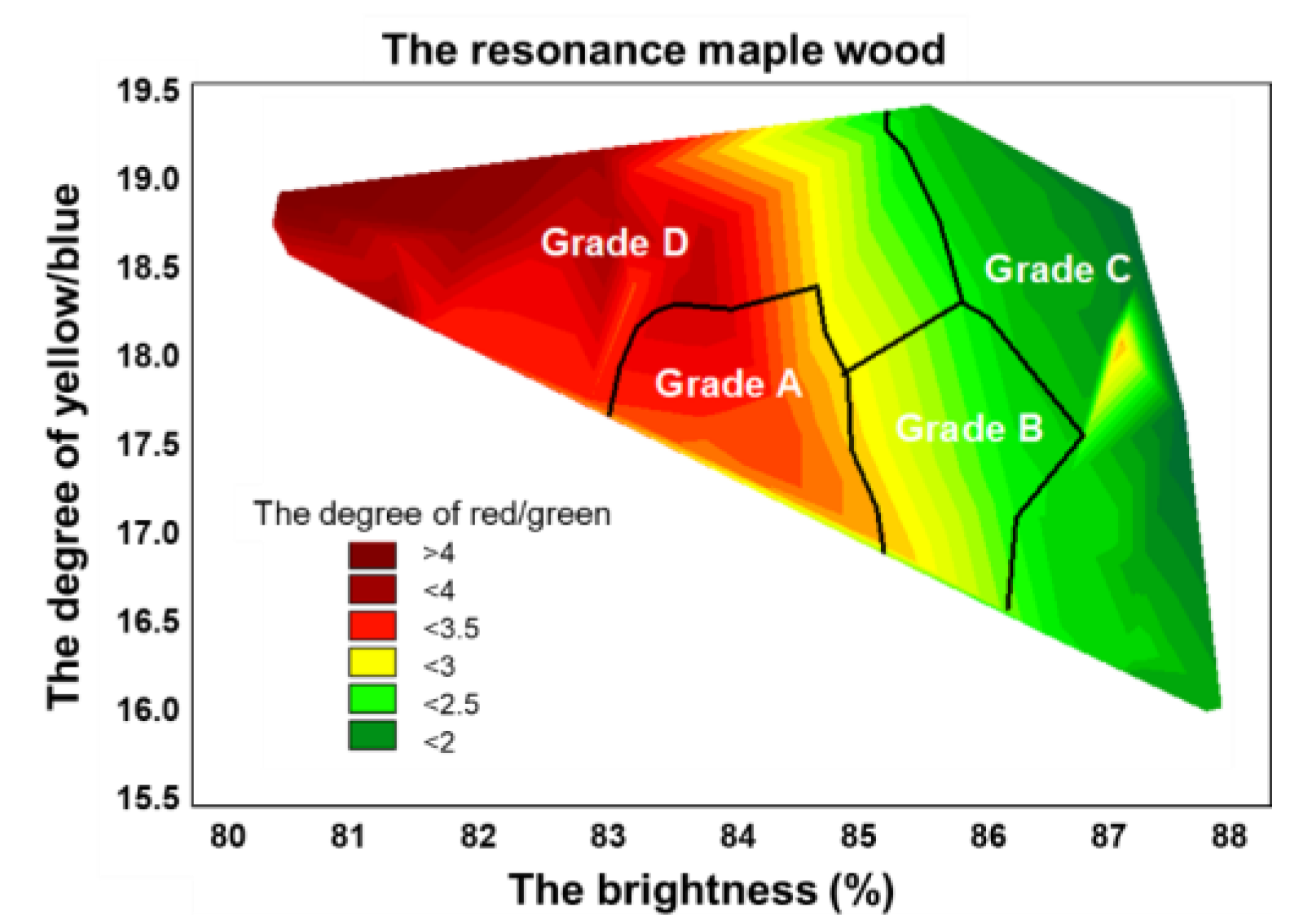
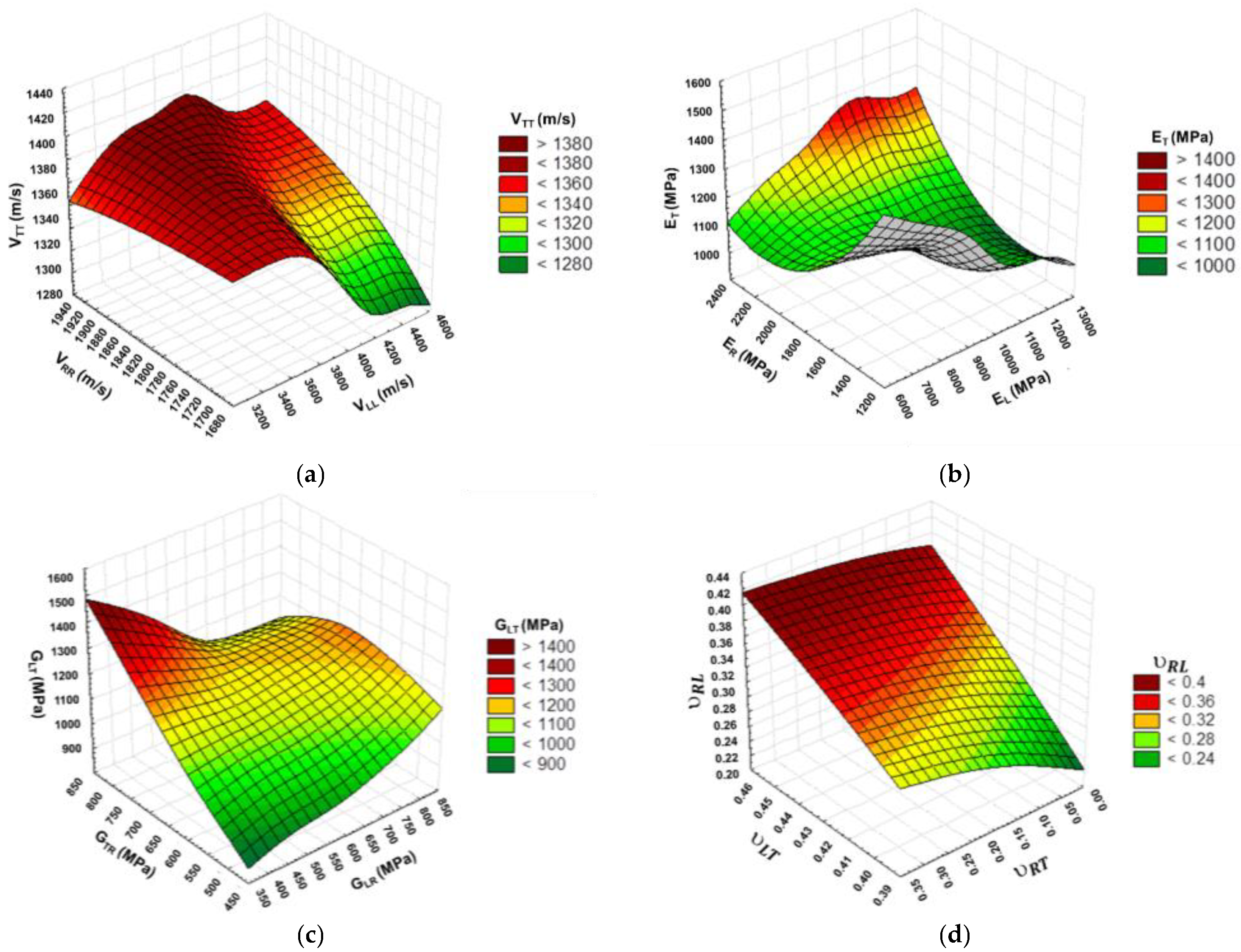
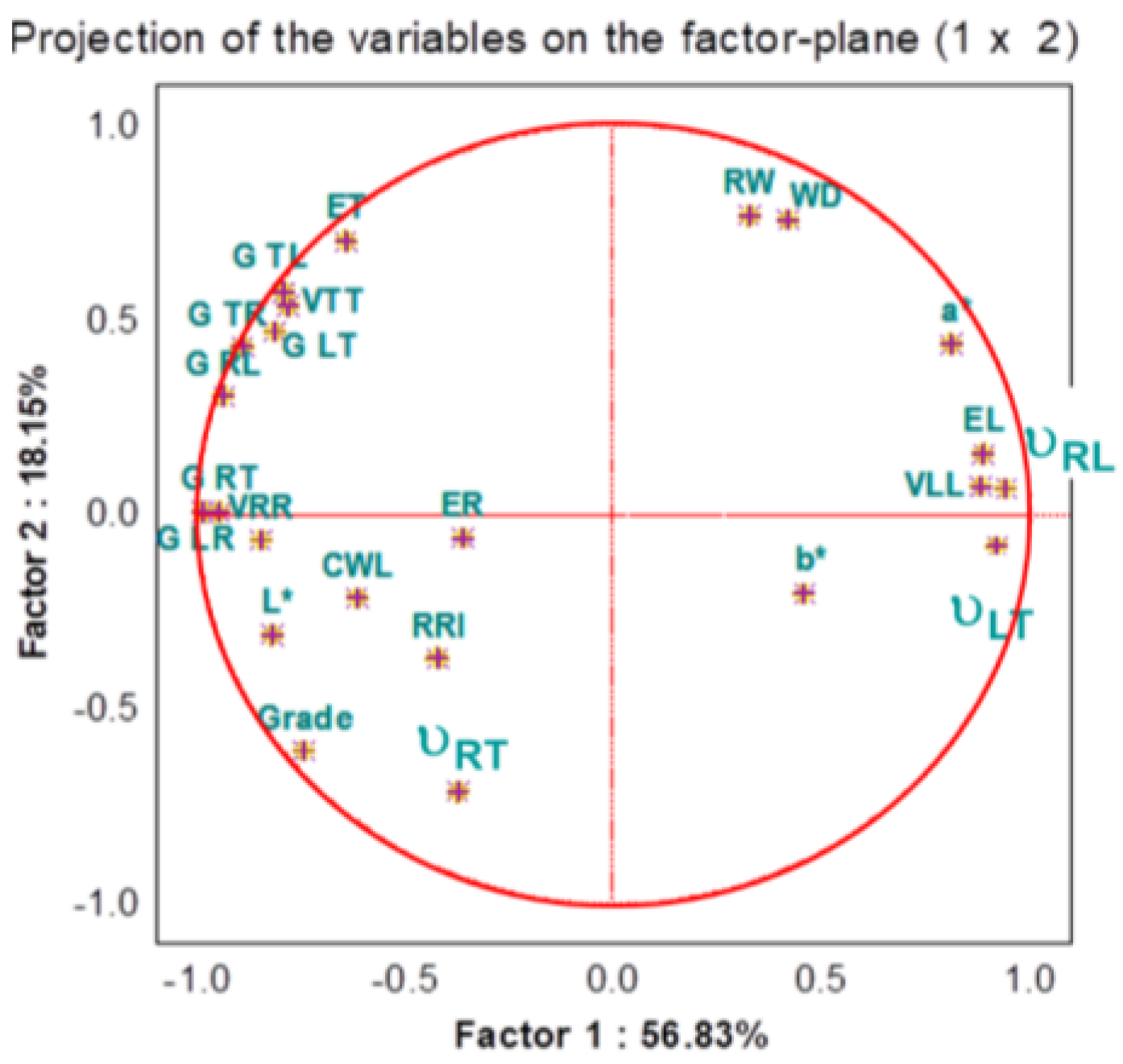
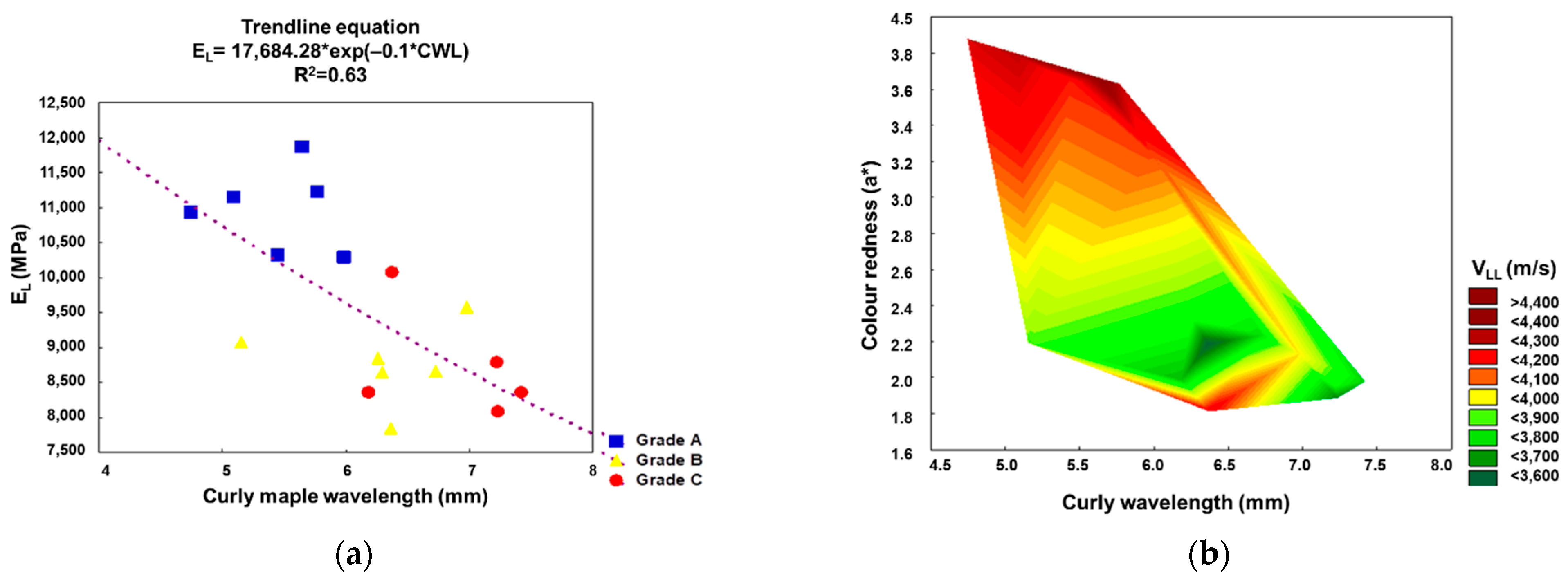
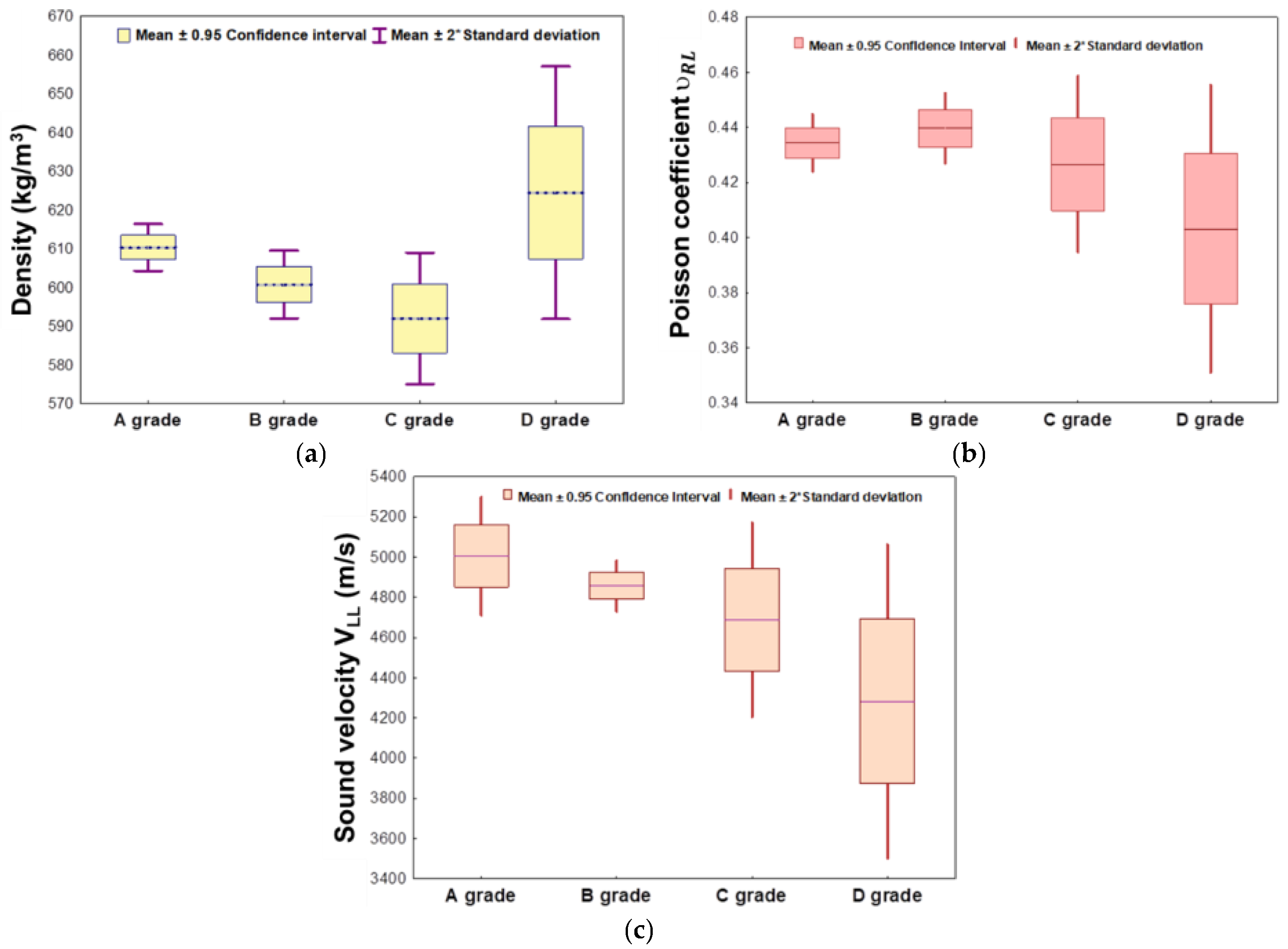
The wood used in the construction of musical instruments is carefully selected, being the best quality wood from the point of view of the wood structure. However, depending on the anatomical characteristics of the wood, the resonance of wood is classified into quality classes. For example, sycamore maple wood with curly grains is appreciated by luthiers for its three-dimensional optical effect. This study highlights the statistical correlations between the physical and anatomical characteristics of sycamore maple wood and its acoustic and elastic properties, compared to the types of wood historically used in violins. The methods used were based on the determination of the acoustic properties with the ultrasound method, the color of the wood with the three coordinates in the CIELab system and the statistical processing of the data. The sycamore maple wood samples were divided into anatomical quality classes in accordance with the selection made by the luthiers. The results emphasized the multiple correlations between density, brightness, degree of red, width of annual rings, acoustic and elastic properties, depending on the quality classes. In conclusion, the work provides a valuable database regarding the physical–acoustic and elastic properties of sycamore maple wood.
Keywords: wavy grain sycamore maple wood; anatomical descriptors; acoustic properties; statistical correlation; musical instruments wavy grain sycamore maple wood; anatomical descriptors; acoustic properties; statistical correlation; musical instruments