Mesoscale Modeling of Steel Fiber Reinforced Concrete Using Geometric Entity Expansion and Point–Line Topology

Highlights
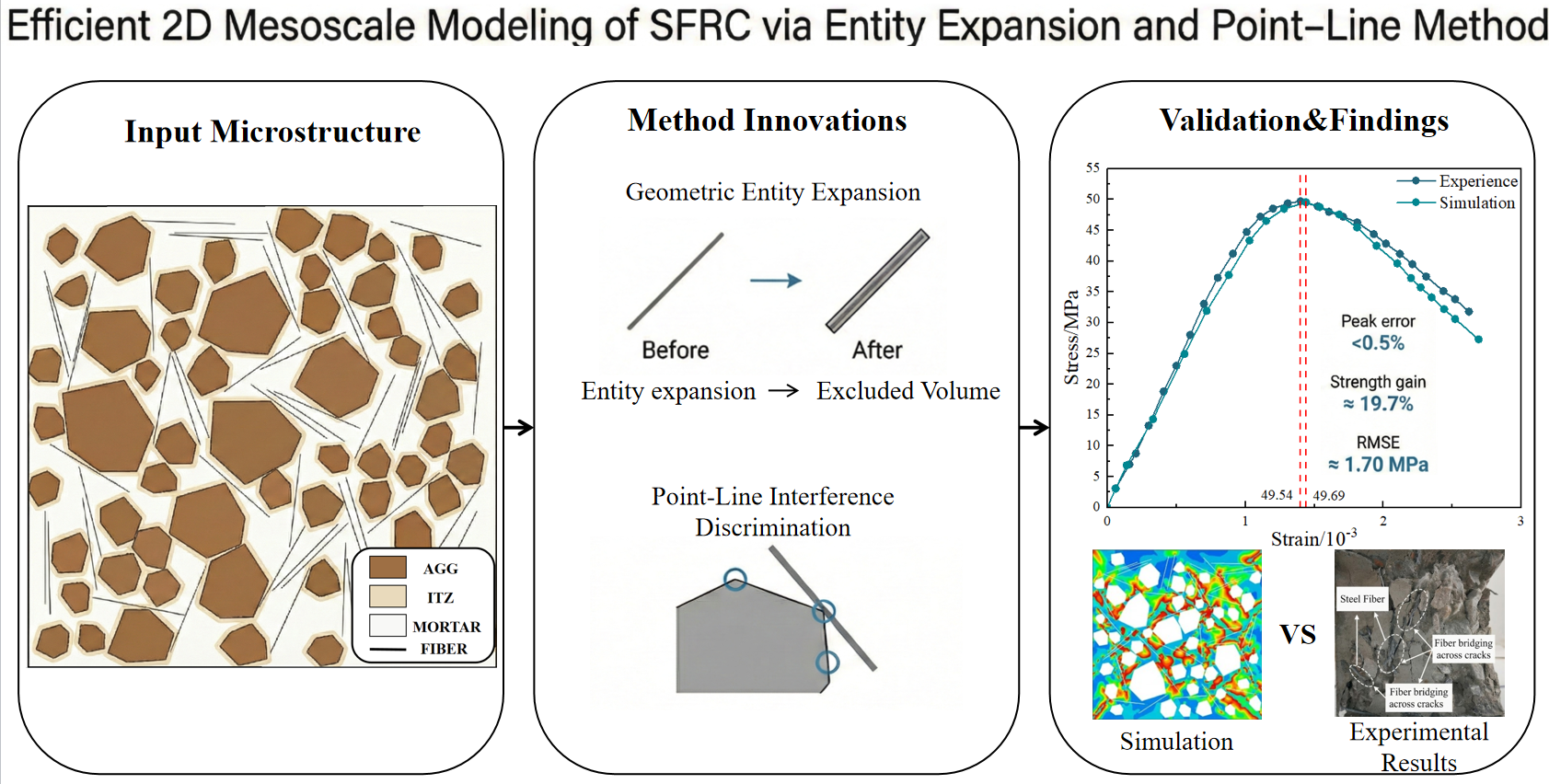
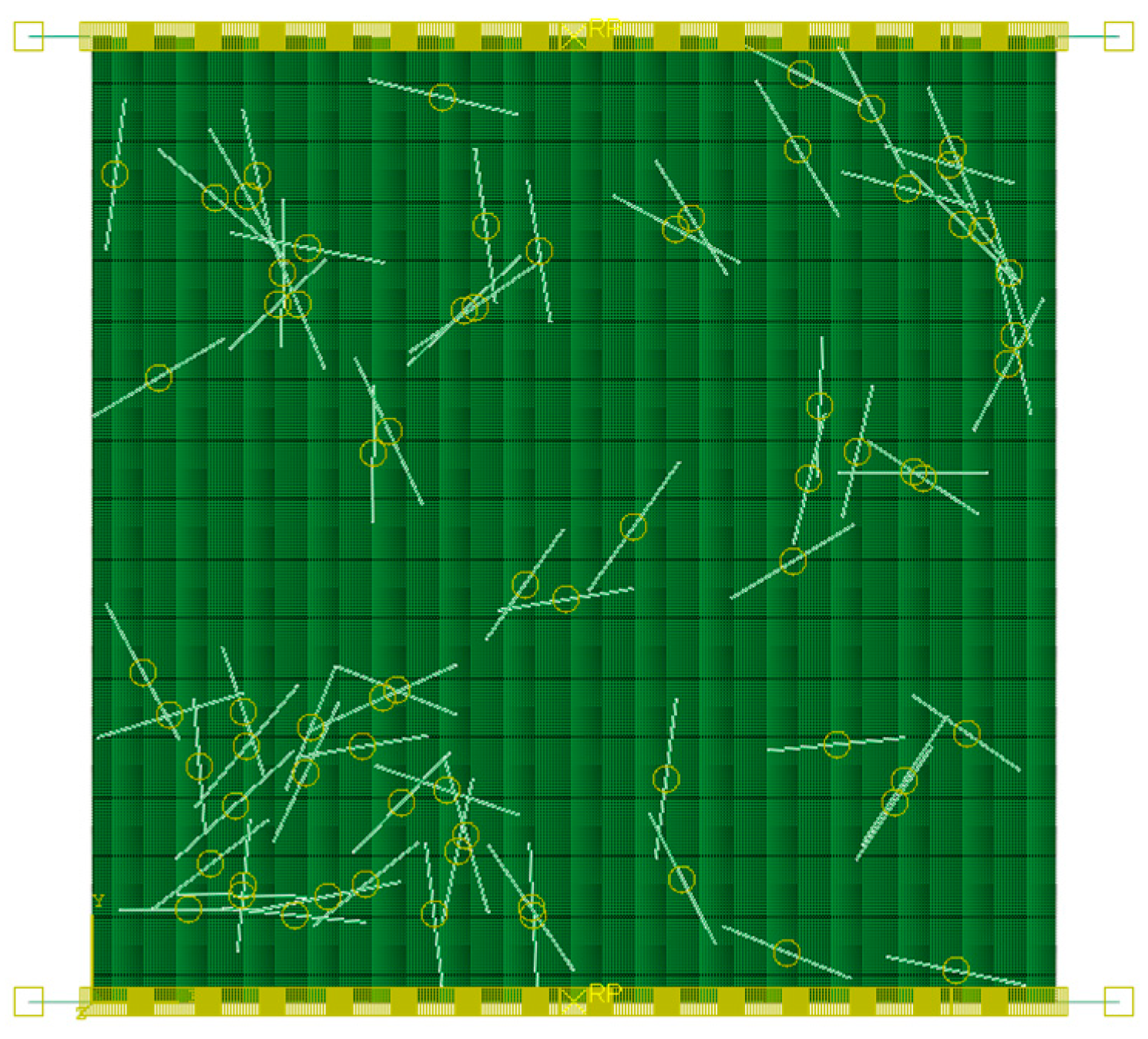
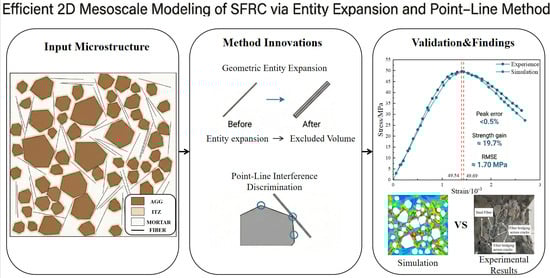
- A 2D SFRC mesoscale modeling workflow is developed via Python–Abaqus scripting for batch-reproducible specimen generation.
- A geometric entity expansion strategy prevents unrealistic fiber penetration by accounting for the excluded-volume effect during placement.
- A vector-cross-product Point–Line interference method improves discrimination of fiber–aggregate and fiber–fiber interactions compared with circumscribed-circle screening.
Abstract
1. Introduction
2. Generation Methodology and Algorithms for Random Mesoscale Structures
2.1. Random Aggregate Generation
2.1.1. Generation of Aggregate Feature Points
2.1.2. Convexity Check and Topological Correction
2.1.3. Geometric Regularity Control and Mesh Quality Optimization
- (1)
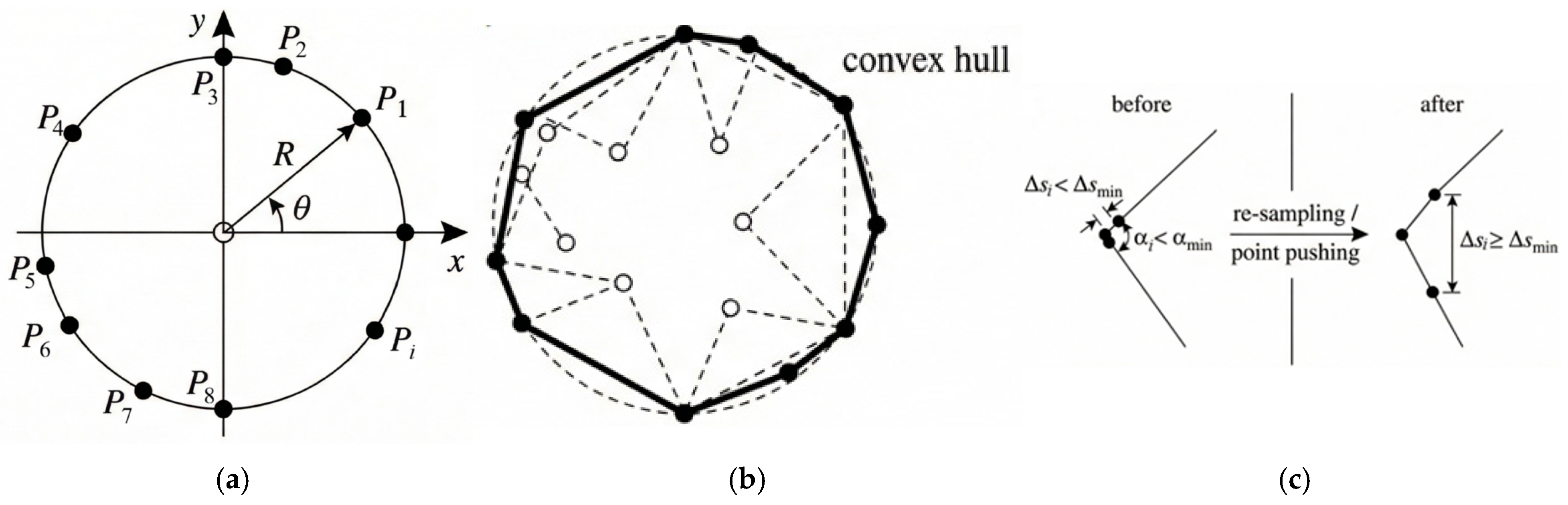
- Minimum edge-length constraint : The Euclidean distance between any two adjacent vertices and along the aggregate boundary is calculated. If , the vertices are considered excessively clustered locally. The algorithm then automatically performs re-sampling or vertex merging to increase the spacing until the constraint is satisfied. Here,
- (2)
- Minimum interior-angle constraint : To avoid sharp-corner effects, the interior angle at each vertex is evaluated. If , a small perturbation is applied to that vertex in either the radial or tangential direction to blunt the acute-angle feature.
- (3)
- Iterative optimization: The above correction procedures are implemented within an iterative loop. If the generated aggregate still fails to satisfy the geometric constraints after iterations, the sample is discarded and regenerated. This mechanism preserves aggregate randomness to the greatest extent possible while ensuring mesh quality from the geometric source, thereby markedly improving the convergence and stability of nonlinear simulations.
2.2. Random Generation of Steel Fibers
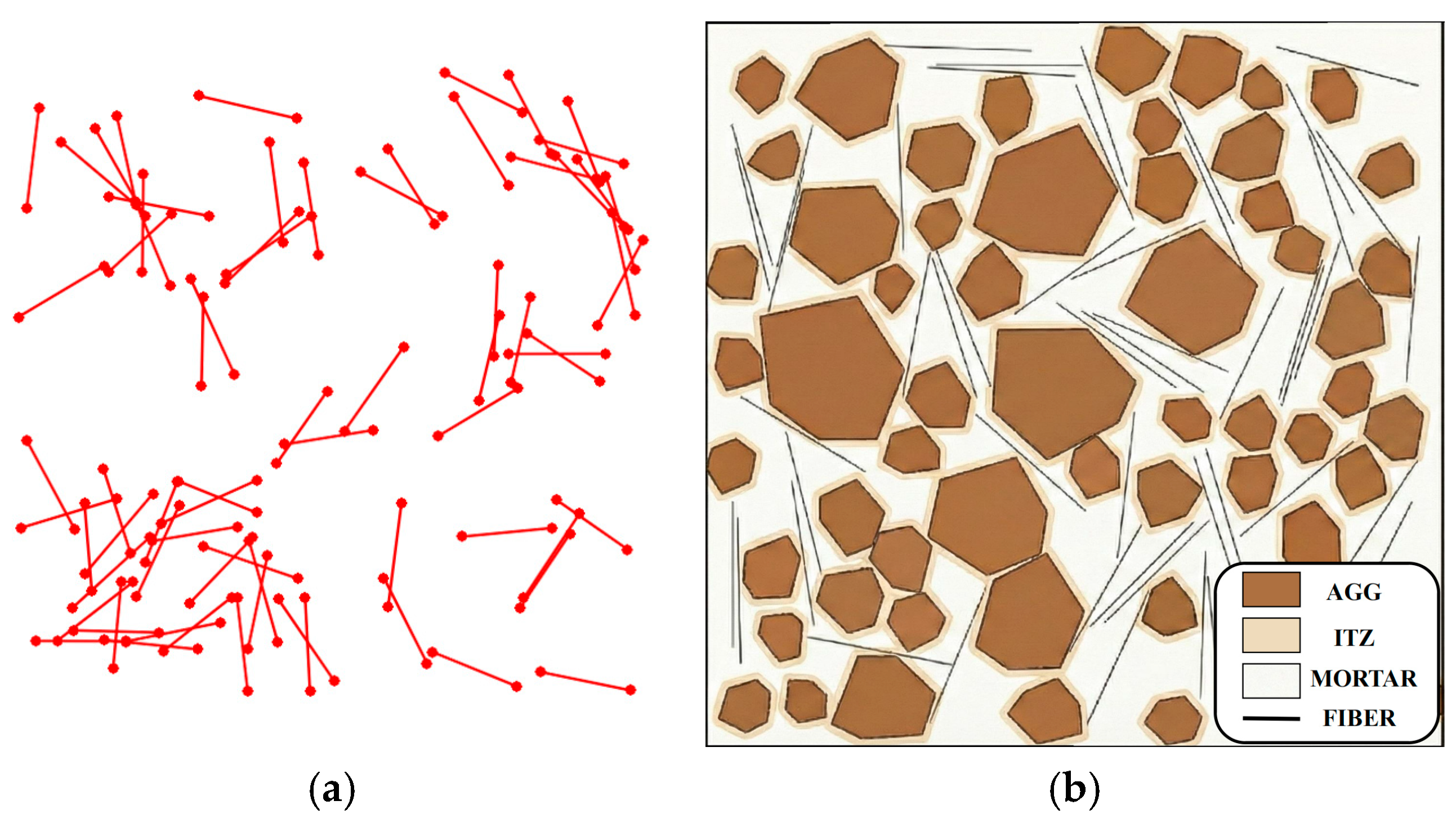
2.2.1. Random Parameterization of In-Plane Position
2.2.2. Geometric Entity Expansion Based on Rigid-Body Kinematics
2.2.3. Equivalent Mapping Mechanism for the Fiber Constitutive Model
2.3. Random Generation of Concrete Constituents
2.3.1. ITZ
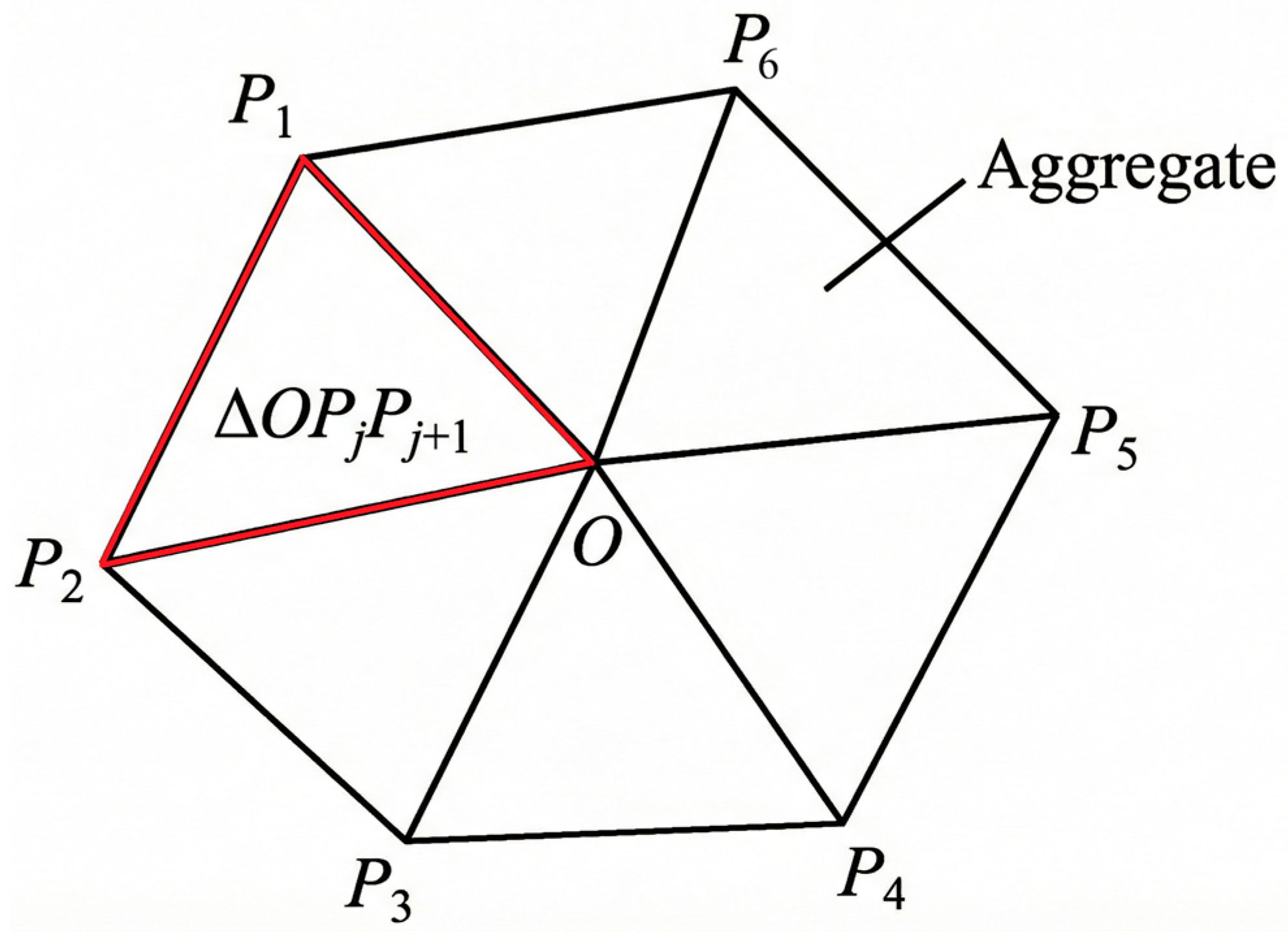
2.3.2. Aggregate Area
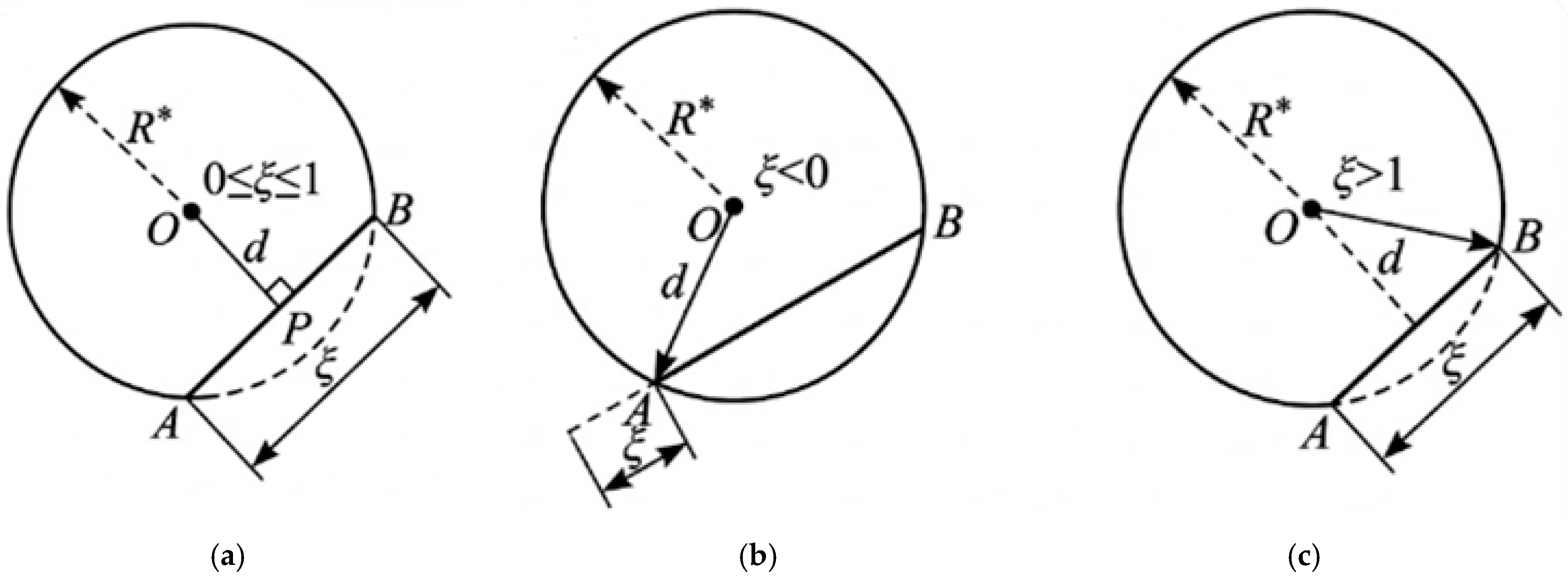
2.3.3. Fiber–Aggregate Contact Determination
- (1)
- When , the projection point lies within the segment, and the shortest distance is:
- (2)
- When , the shortest distance is determined by endpoint :
- (3)
- When , the shortest distance is determined by endpoint :
3. ABAQUS Model Development
3.1. Modeling Assumptions and Their Implications
3.2. Material Properties
3.2.1. Mortar
3.2.2. Interfacial Transition Zone
3.2.3. Aggregates
3.2.4. Steel Fibers
3.2.5. Parameter Determination and Calibration Strategy
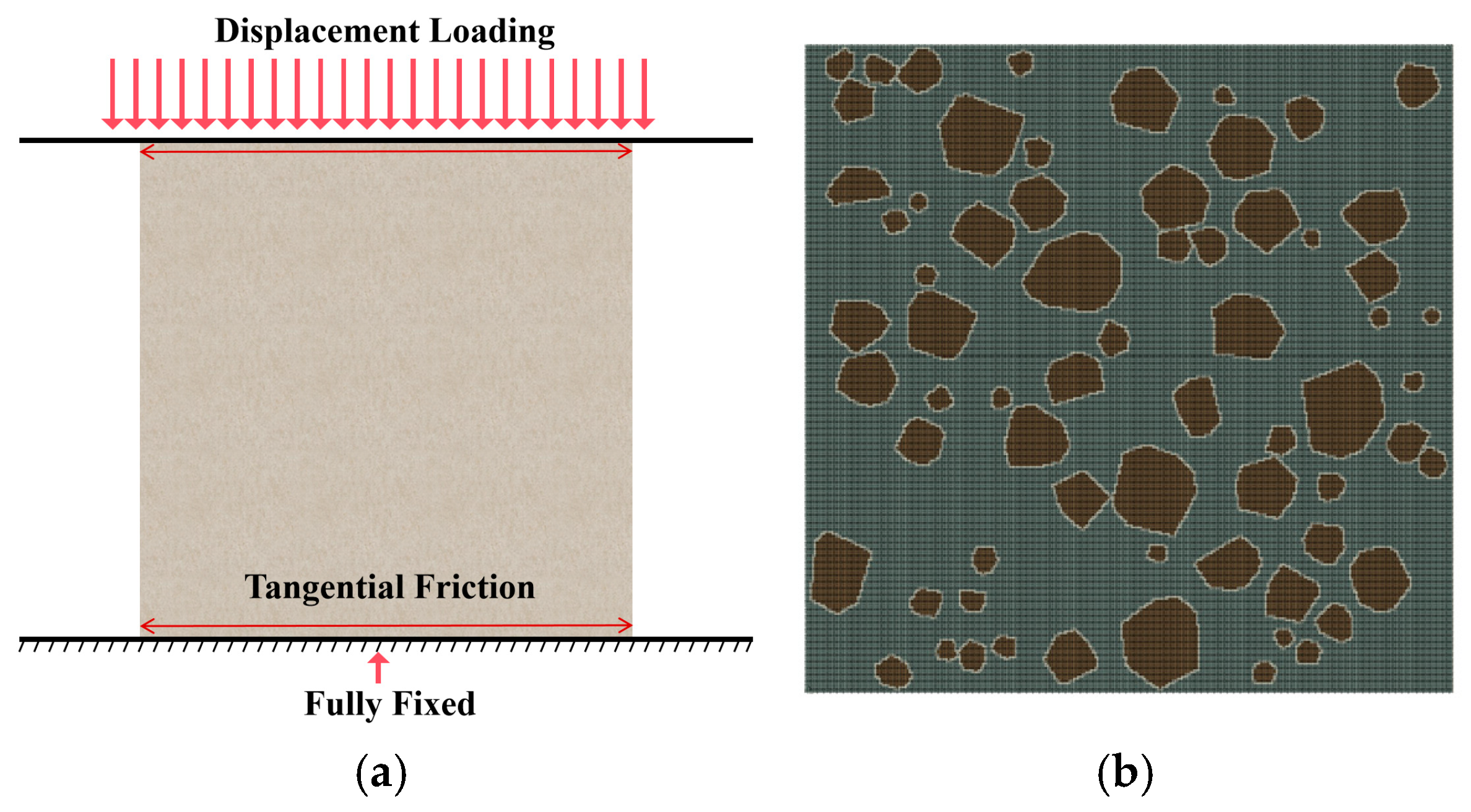
3.3. Boundary Conditions and Meshing
3.4. Contact Properties
4. Validation and Analysis of Numerical Results
4.1. Comparison of Macroscopic Load-Carrying Behavior
4.2. Error Analysis and Reliability Assessment
4.2.1. Definition of Evaluation Metrics
4.2.2. Comparison of Peak Characteristics
- (1)
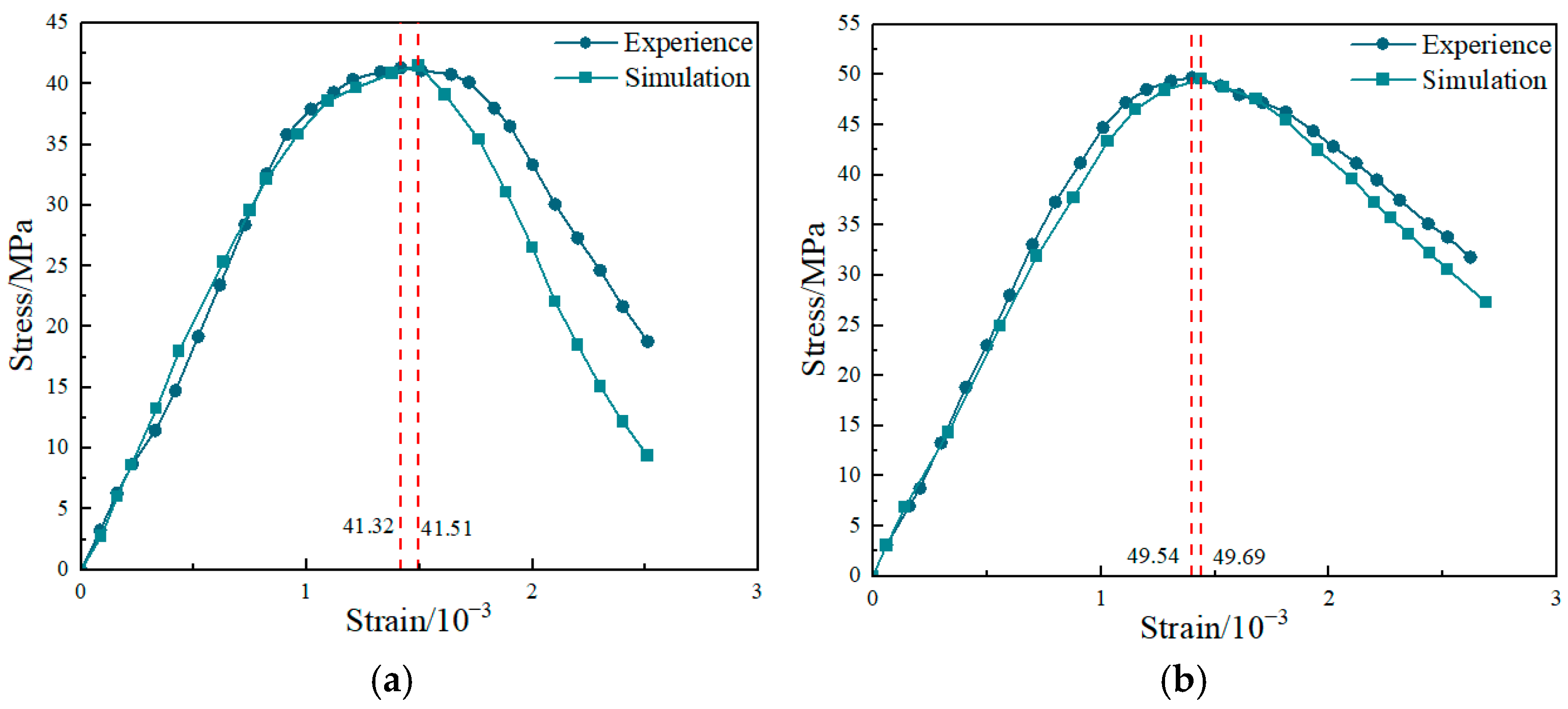
- Plain concrete (PC) control group: The experimentally measured mean peak stress was 41.51 MPa, while the numerical prediction was 41.32 MPa. The two values are in excellent agreement, with a relative error of only 0.46%. This confirms the accuracy of the polygonal aggregate generation algorithm and the calibration of the mortar/ITZ constitutive parameters, which together capture the initial load-bearing skeleton of the matrix.
- (2)
- SFRC group: With steel fiber incorporation, the experimental peak stress increased markedly to 49.69 MPa, indicating a clear strengthening effect. The numerical model captured this increase well, predicting a peak stress of 49.54 MPa, with an even smaller relative error of 0.31%.
4.2.3. Full-Curve Evolution and Damage Mechanism Analysis
- (1)
- Linear elastic and hardening stages
- (2)
- Post-peak softening and residual load-carrying stages
- (3)
- Physical interpretation of the remaining discrepancies
4.3. Limitations and Scope of the Proposed 2D Mesoscale Model
4.4. Practical Implications and Potential Applications
5. Conclusions
- (1)
- A new mesoscale modeling method for SFRC was proposed based on geometric entity expansion and point–line topology. To address the spurious intersections that can arise from conventional line-based fiber representations and the computational redundancy of circumscribed-circle screening, steel fibers were generated as solidified two-dimensional rectangular rigid bodies. In addition, a vector-cross-product-based Point–Line Method was developed to replace traditional distance-based criteria. The proposed algorithm effectively resolves interference checking for high-aspect-ratio steel fibers in confined spaces, eliminating fiber penetration and mutual interlocking. Moreover, it enables a maximum polygonal aggregate area fraction exceeding 70%, substantially improving both the physical realism and computational efficiency of mesoscale model generation.
- (2)
- A parametric modeling program following the workflow of “skeleton placement–entity generation–topological discrimination–mesh mapping” was developed. Using a Python scripting interface, an automated pipeline was implemented from geometric generation to finite element analysis. The proposed approach exhibits high geometric stability: with identical mix proportions and material parameters, the differences among the stress–strain responses of three random realizations were controlled within 1.5%. In addition, the generated random aggregate models accurately reproduce the initial stiffness of concrete, validating the effectiveness of the polygonal aggregate geometry-correction strategy.
- (3)
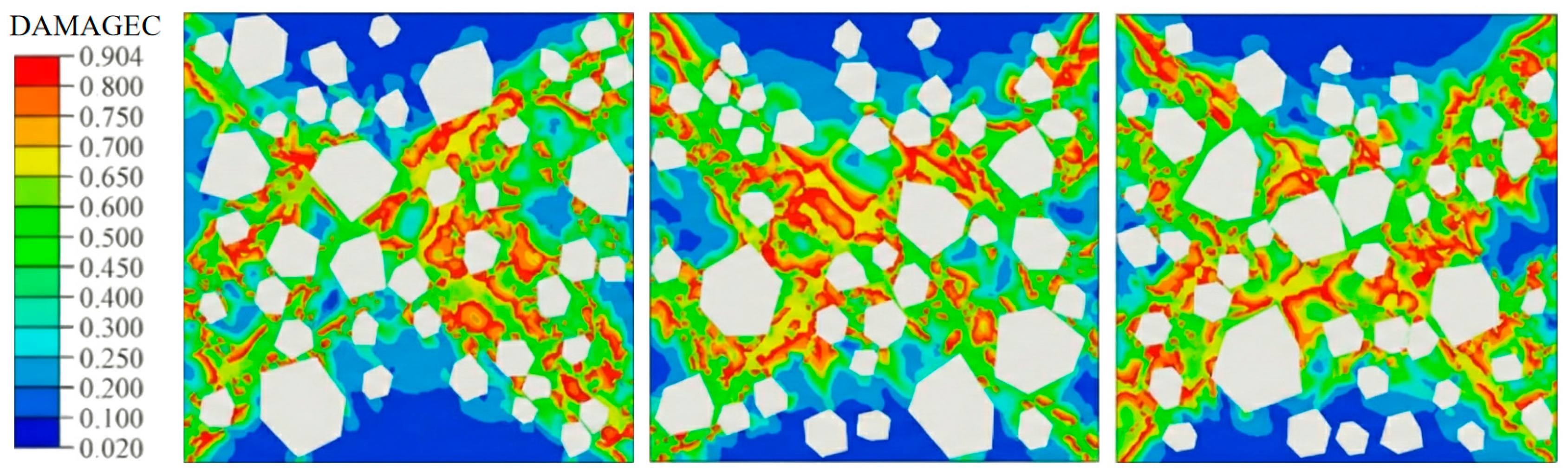
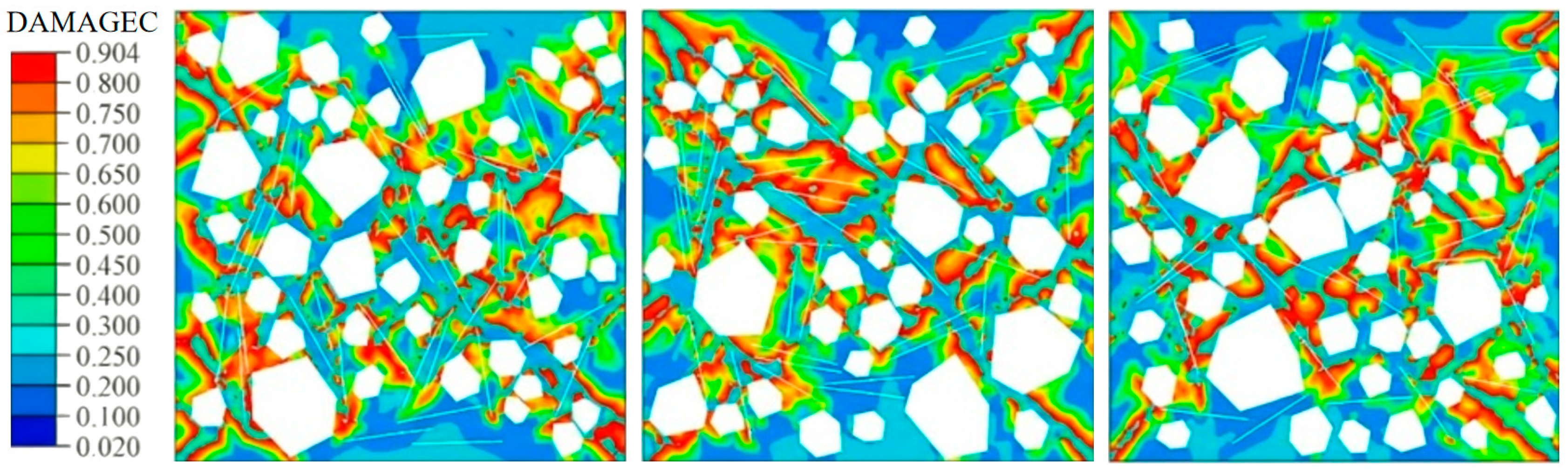
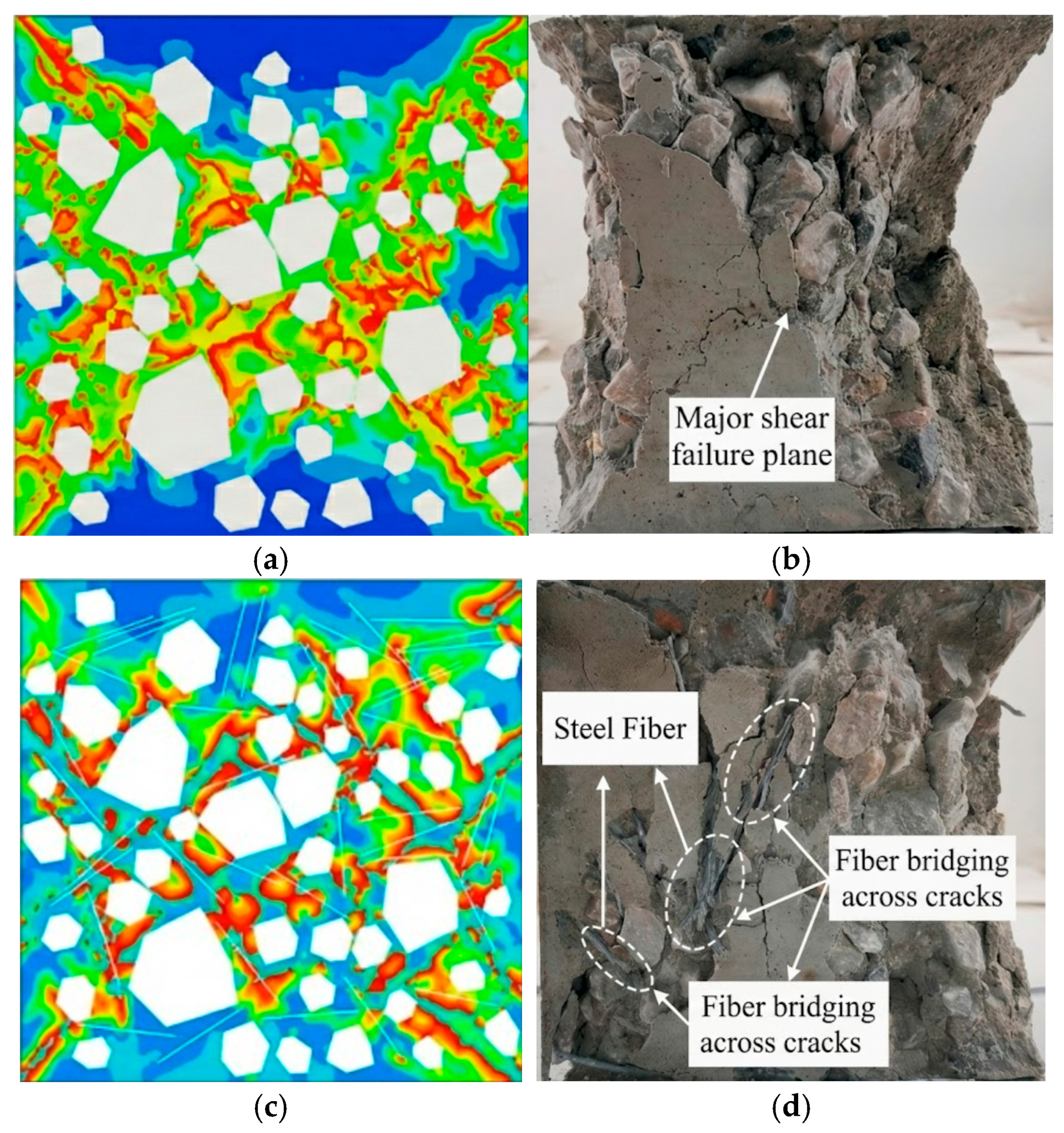
- The mesoscale strengthening mechanism of steel fibers in the damage evolution of concrete was elucidated. Damage contour comparisons show that plain concrete (PC) rapidly develops a through-going tangential shear band after the peak load, exhibiting pronounced brittle instability. In contrast, SFRC displays a more diffuse damage pattern, and the coalescence of the dominant crack is significantly delayed. At the mesoscale, fiber bridging between crack faces effectively suppresses damage localization, leading to a clear post-peak “plateau” response and higher residual strength. These observations confirm that the solidified fiber representation can capture the crack-arrest mechanisms associated with fiber bridging.
- (4)
- By comparing the mesoscale simulation results with experimental data for both plain concrete and SFRC, the proposed mesoscale model was shown to reproduce the uniaxial compression response reasonably well, with particularly accurate predictions of the load-carrying capacity of SFRC specimens.
Author Contributions
Funding
Informed Consent Statement
Data Availability Statement
Conflicts of Interest
References
- Xiong, W.; Wu, L.; Wang, L.; Zhou, C.; Lu, Y. A Finite Element Analysis Method for Random Fiber-Aggregate 3D Mesoscale Concrete Based on the Crack Bridging Law. J. Build. Eng. 2024, 96, 110674. [Google Scholar] [CrossRef]
- Liu, W.; Guo, Y.; Shao, Z.; Qiao, R.; Zhou, H. Mesoscopic Modelling Method and Mechanical Properties of Steel Fibre Reinforced Concrete. J. Appl. Mech. 2024, 41, 868–877. [Google Scholar]
- Salemi, M.; Wang, H. Image-Aided Random Aggregate Packing for Computational Modeling of Asphalt Concrete Microstructure. Constr. Build. Mater. 2018, 177, 467–476. [Google Scholar] [CrossRef]
- Zhang, J.; Wu, Z.; Yu, H.; Ma, H.; Da, B. Mesoscopic Modeling Approach and Application for Steel Fiber Reinforced Concrete under Dynamic Loading: A Review. Engineering 2022, 16, 220–238. [Google Scholar] [CrossRef]
- Pan, G.; Song, T.; Li, P.; Jia, W.; Deng, Y. Review on Finite Element Analysis of Meso-Structure Model of Concrete. J. Mater. Sci. 2025, 60, 32–62. [Google Scholar] [CrossRef]
- Sun, L.; Wang, X.; Zhang, C. Three-Dimensional High Fidelity Mesoscale Rapid Modelling Algorithm for Concrete. Structures 2024, 70, 107561. [Google Scholar] [CrossRef]
- Ramaniraka, M.; Rakotonarivo, S.; Payan, C.; Garnier, V. Effect of Interfacial Transition Zone on Diffuse Ultrasound in Thermally Damaged Concrete. Cem. Concr. Res. 2022, 152, 106680. [Google Scholar] [CrossRef]
- Maleki, M.; Rasoolan, I.; Khajehdezfuly, A.; Jivkov, A.P. On the Effect of ITZ Thickness in Meso-Scale Models of Concrete. Constr. Build. Mater. 2020, 258, 119639. [Google Scholar] [CrossRef]
- Xia, Y.; Wu, W.; Yang, Y.; Fu, X. Mesoscopic Study of Concrete with Random Aggregate Model Using Phase Field Method. Constr. Build. Mater. 2021, 310, 125199. [Google Scholar] [CrossRef]
- Wu, L.; Huang, D.; Wang, H.; Ma, Q.; Cai, X.; Guo, J. A Comparison Study on Numerical Analysis for Concrete Dynamic Failure Using Intermediately Homogenized Peridynamic Model and Meso-Scale Peridynamic Model. Int. J. Impact Eng. 2023, 179, 104657. [Google Scholar] [CrossRef]
- Su, H.; Zhu, Z.; Li, T.; Xiang, H. Experimental Studies and Numerical Analysis of the Dynamic Mechanical Properties of Concrete at Low Temperatures. Constr. Build. Mater. 2023, 404, 133221. [Google Scholar] [CrossRef]
- Xu, X.; Wu, T.; Qian, G.; Kang, F.; Patrick, G.E.; Shi, W. Numerical Modeling of Quasi-Brittle Materials Using a Phase-Field Regularized Cohesive Zone Model with Optimal Softening Law. Appl. Sci. 2022, 12, 12077. [Google Scholar] [CrossRef]
- Li, H.; Huang, Y.; Yang, Z.; Yu, K.; Li, Q.M. 3D Meso-Scale Fracture Modelling of Concrete with Random Aggregates Using a Phase-Field Regularized Cohesive Zone Model. Int. J. Solids Struct. 2022, 256, 111960. [Google Scholar] [CrossRef]
- Zhou, G.; Xu, Z. 3D Mesoscale Model of Steel Fiber Reinforced Concrete Based on Equivalent Failure of Steel Fibers. Constr. Build. Mater. 2024, 450, 138579. [Google Scholar] [CrossRef]
- Tang, Z.; Yin, Z.; Jin, Y.; Zhou, X. A Novel Mesoscale Modelling Method for Steel Fibre-Reinforced Concrete with the Combined Finite-Discrete Element Method. Cem. Concr. Compos. 2024, 149, 105479. [Google Scholar] [CrossRef]
- Naderi, S.; Zhang, M. 3D Meso-Scale Modelling of Tensile and Compressive Fracture Behaviour of Steel Fibre Reinforced Concrete. Compos. Struct. 2022, 291, 115690. [Google Scholar] [CrossRef]
- Peng, Y.; Wang, Q.; Ying, L.; Kamel, M.M.A.; Peng, H. Numerical Simulation of Dynamic Mechanical Properties of Concrete under Uniaxial Compression. Materials 2019, 12, 643. [Google Scholar] [CrossRef] [PubMed]
- Naija, A.; Miled, K. Numerical study of the influence of W/C ratio and aggregate shape and size on the ITZ volume fraction in concrete. Constr. Build. Mater. 2022, 351, 128950. [Google Scholar] [CrossRef]
- Liu, J.; Chen, X.; Rong, H.; Yu, A.; Ming, Y.; Li, K. Effect of Interface Transition Zone and Coarse Aggregate on Microscopic Diffusion Behavior of Chloride Ion. Materials 2022, 15, 4171. [Google Scholar] [CrossRef]
- Smith, M. ABAQUS/Standard User’s Manual, Version 6.9; Dassault Systèmes Simulia Corp.: Waltham, MA, USA, 2009. [Google Scholar]
- Chen, P.; Li, Y.; Tang, X.; Liu, N. 3D mesoscopic numerical investigation on the uniaxial compressive behavior of rock-filled concrete with different ITZ and aggregate properties. Sci. Rep. 2025, 15, 28588. [Google Scholar] [CrossRef] [PubMed]
- Lubliner, J.; Oliver, J.; Oller, S.; Oñate, E. A Plastic-Damage Model for Concrete. Int. J. Solids Struct. 1989, 25, 299–326. [Google Scholar] [CrossRef]
- Lee, J.; Fenves, G.L. Plastic-Damage Model for Cyclic Loading of Concrete Structures. J. Eng. Mech. 1998, 124, 892–900. [Google Scholar] [CrossRef]
- GB 50010-2010; Design Code for Concrete Structures. China Building Industry Press: Beijing, China, 2010.



| Type | Young’s Modulus/MPa | Poisson’s Ratio | Density/kg·m−3 | Dilation Angle/° | Viscosity Parameter | Scale Factor K | Strength/MPa |
|---|---|---|---|---|---|---|---|
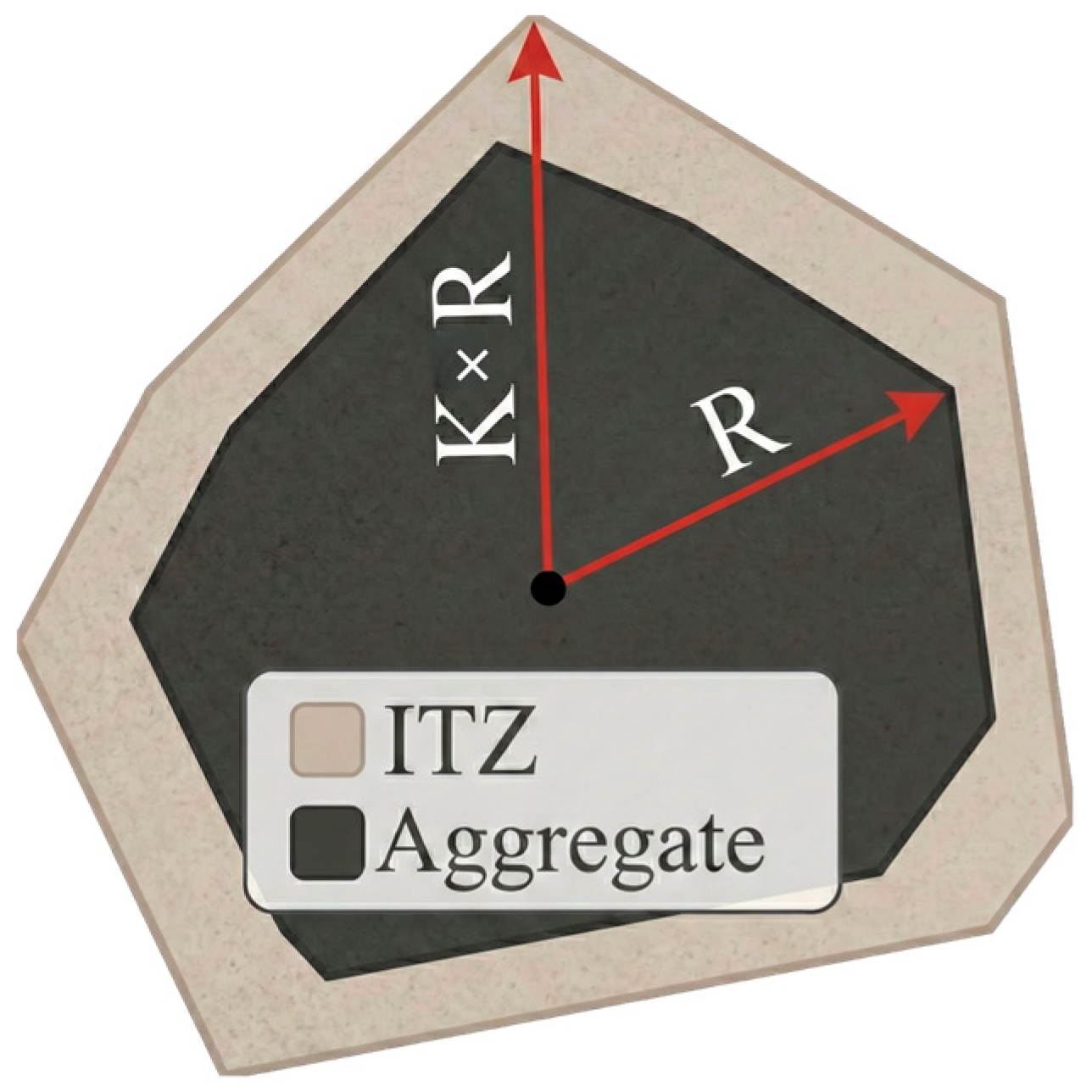
| Mortar | 31,000 | 0.2 | 2600 | 36 | 0.0005 | 1.06 | 50.09 |
| ITZ | 27,800 | 0.2 | 2600 | 32 | 0.0005 | 1.06 | 45.32 |
| AGG | 43,000 | 0.23 | 3500 | / | / | / | / |
| Fiber | 210,000 | 0.3 | 7850 | / | / | / | 1150 |
| Model | Method | Peak Stress/MPa | Peak Strain/10−3 | Relative Error of Peak Stress/% |
|---|---|---|---|---|
| Plain Concrete | Exp. | 41.51 | 1.21 | 0.46 |
| Sim. | 41.32 | 1.18 | ||
| Steel Fiber Reinforced Concrete | Exp. | 49.69 | 1.12 | 0.31 |
| Sim. | 49.54 | 1.15 |
Disclaimer/Publisher’s Note: The statements, opinions and data contained in all publications are solely those of the individual author(s) and contributor(s) and not of MDPI and/or the editor(s). MDPI and/or the editor(s) disclaim responsibility for any injury to people or property resulting from any ideas, methods, instructions or products referred to in the content. |
© 2026 by the authors. Licensee MDPI, Basel, Switzerland. This article is an open access article distributed under the terms and conditions of the Creative Commons Attribution (CC BY) license.
Share and Cite
Li, J.; Zhang, L.; Li, Y.; Sun, C. Mesoscale Modeling of Steel Fiber Reinforced Concrete Using Geometric Entity Expansion and Point–Line Topology. Materials 2026, 19, 1508. https://doi.org/10.3390/ma19081508
Li J, Zhang L, Li Y, Sun C. Mesoscale Modeling of Steel Fiber Reinforced Concrete Using Geometric Entity Expansion and Point–Line Topology. Materials. 2026; 19(8):1508. https://doi.org/10.3390/ma19081508
Chicago/Turabian StyleLi, Jutong, Lu Zhang, Youkai Li, and Chaoqun Sun. 2026. "Mesoscale Modeling of Steel Fiber Reinforced Concrete Using Geometric Entity Expansion and Point–Line Topology" Materials 19, no. 8: 1508. https://doi.org/10.3390/ma19081508
APA StyleLi, J., Zhang, L., Li, Y., & Sun, C. (2026). Mesoscale Modeling of Steel Fiber Reinforced Concrete Using Geometric Entity Expansion and Point–Line Topology. Materials, 19(8), 1508. https://doi.org/10.3390/ma19081508