Article

Evaluation of Interactive Effect of Anti-Skid Performance of Iron Tailings Sand Asphalt Mixture Under Coupling Effect

1
Department of Civil Engineering, Chengdu Technological University, Yibin 644000, China
2
School of Materials and Environmental Engineering, Chengdu Technological University, Chengdu 611730, China
*
Author to whom correspondence should be addressed.
Materials 2026, 19(7), 1378; https://doi.org/10.3390/ma19071378
Submission received: 9 February 2026 / Revised: 21 March 2026 / Accepted: 25 March 2026 / Published: 30 March 2026

Abstract

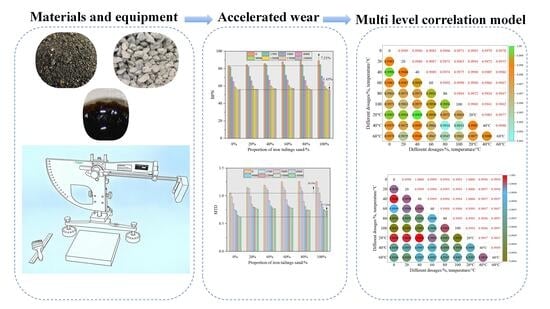
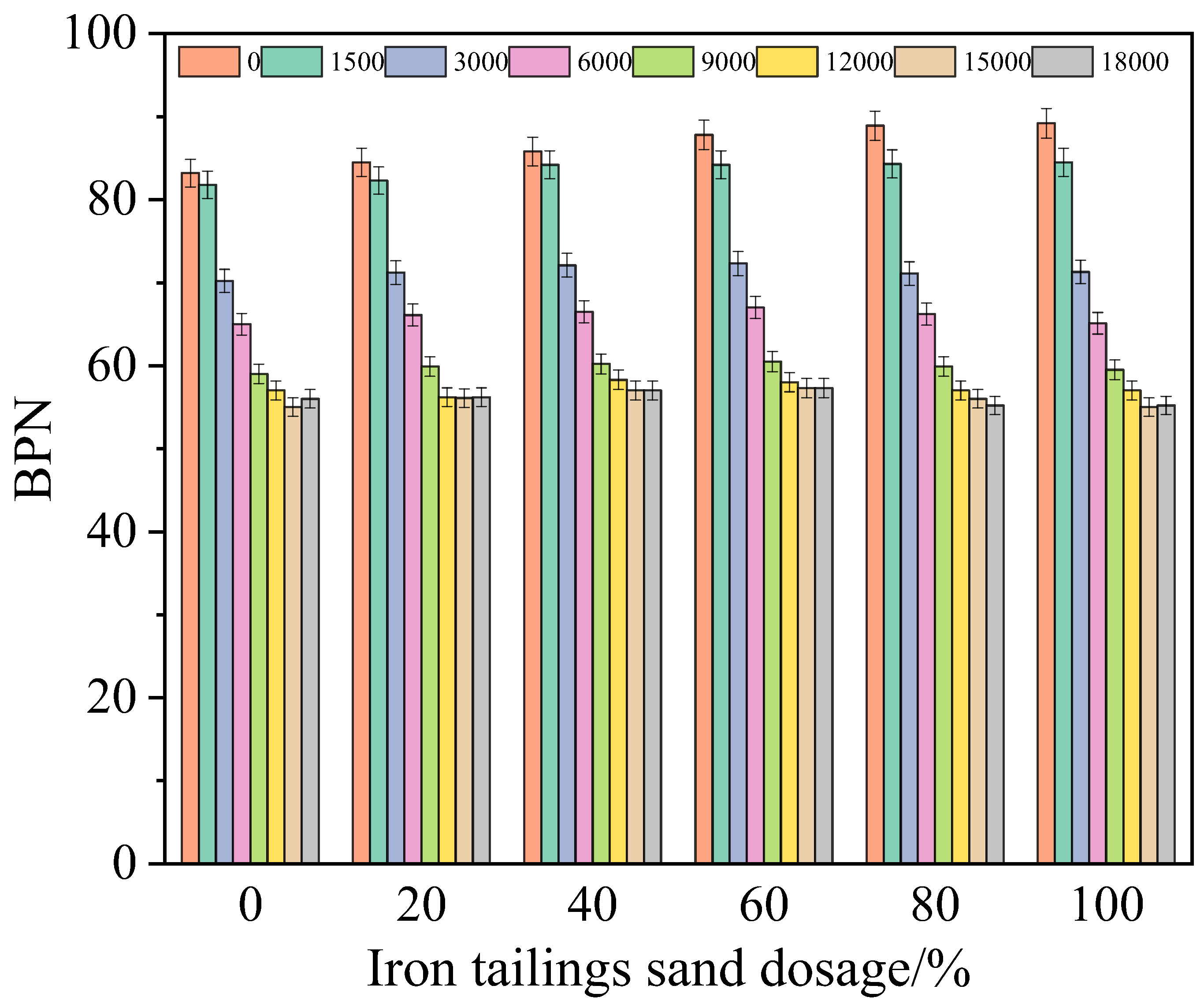
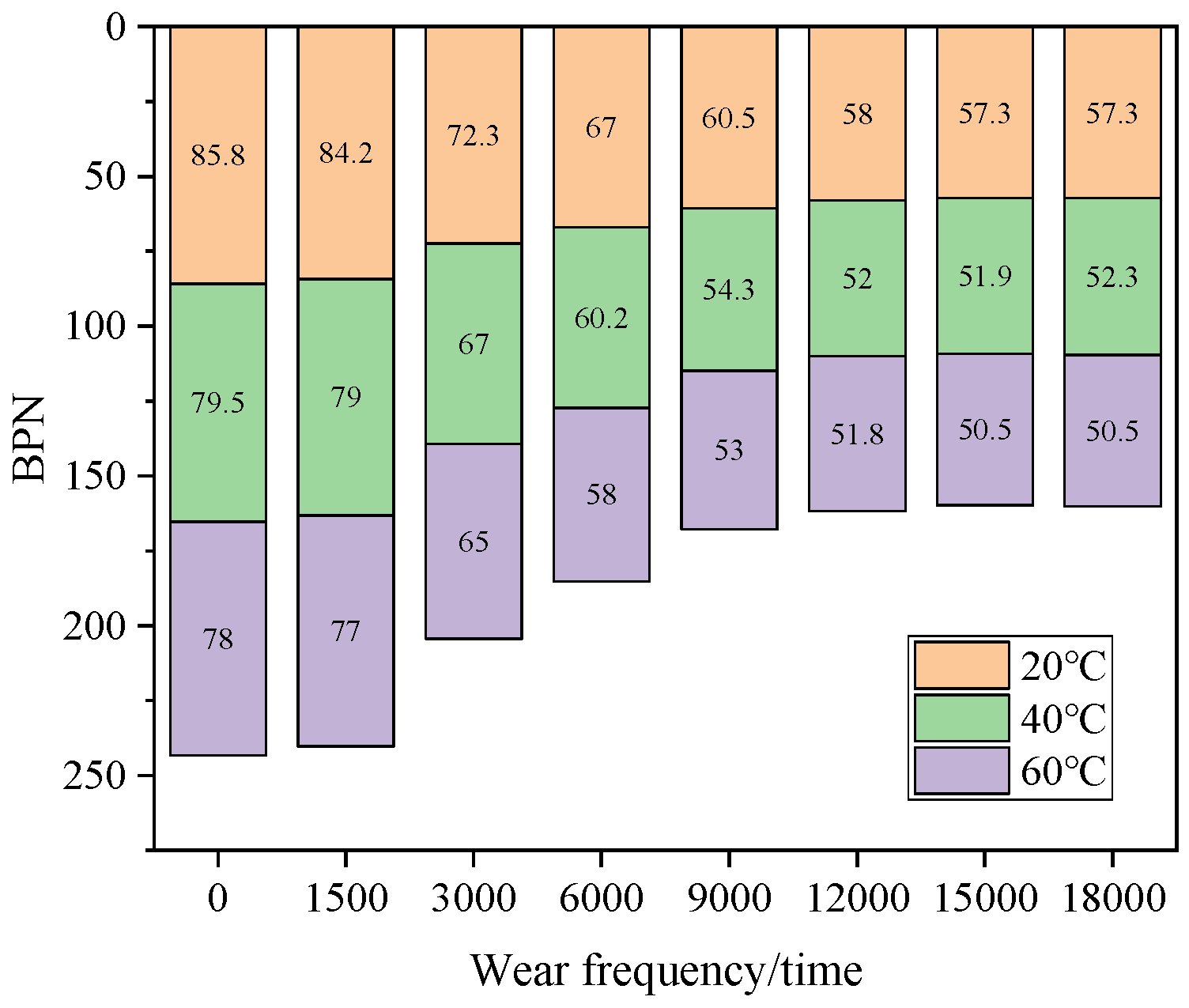
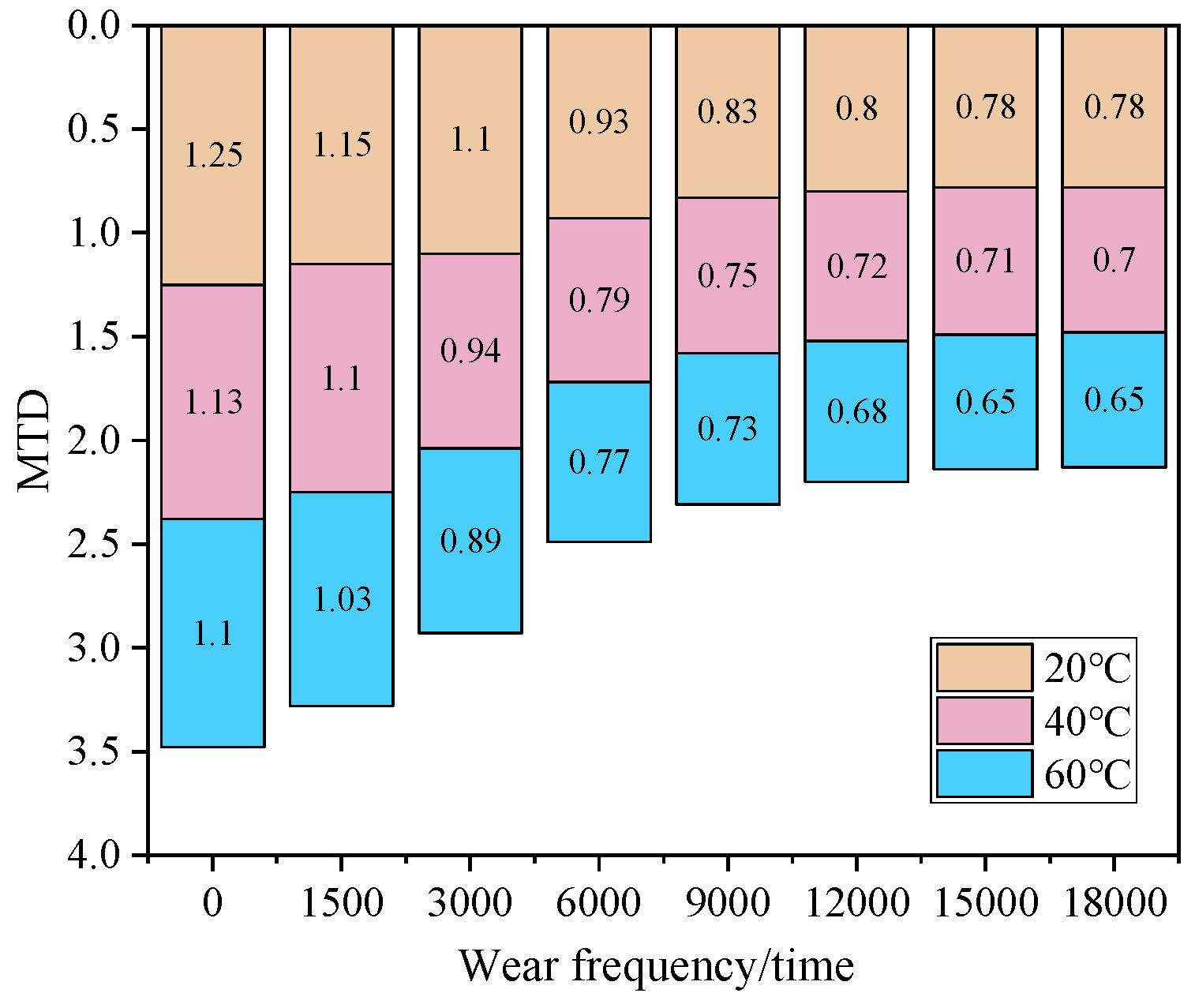
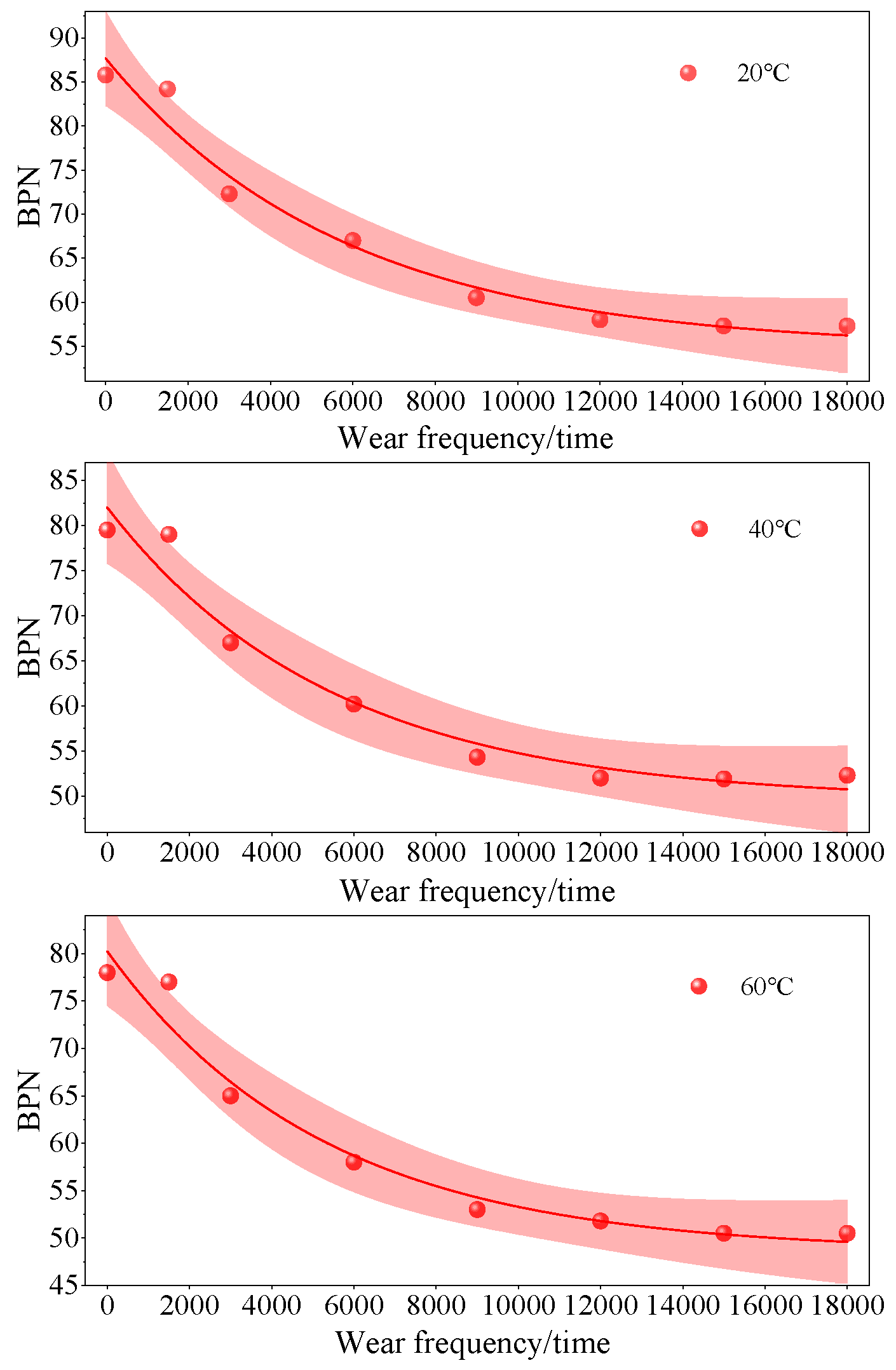
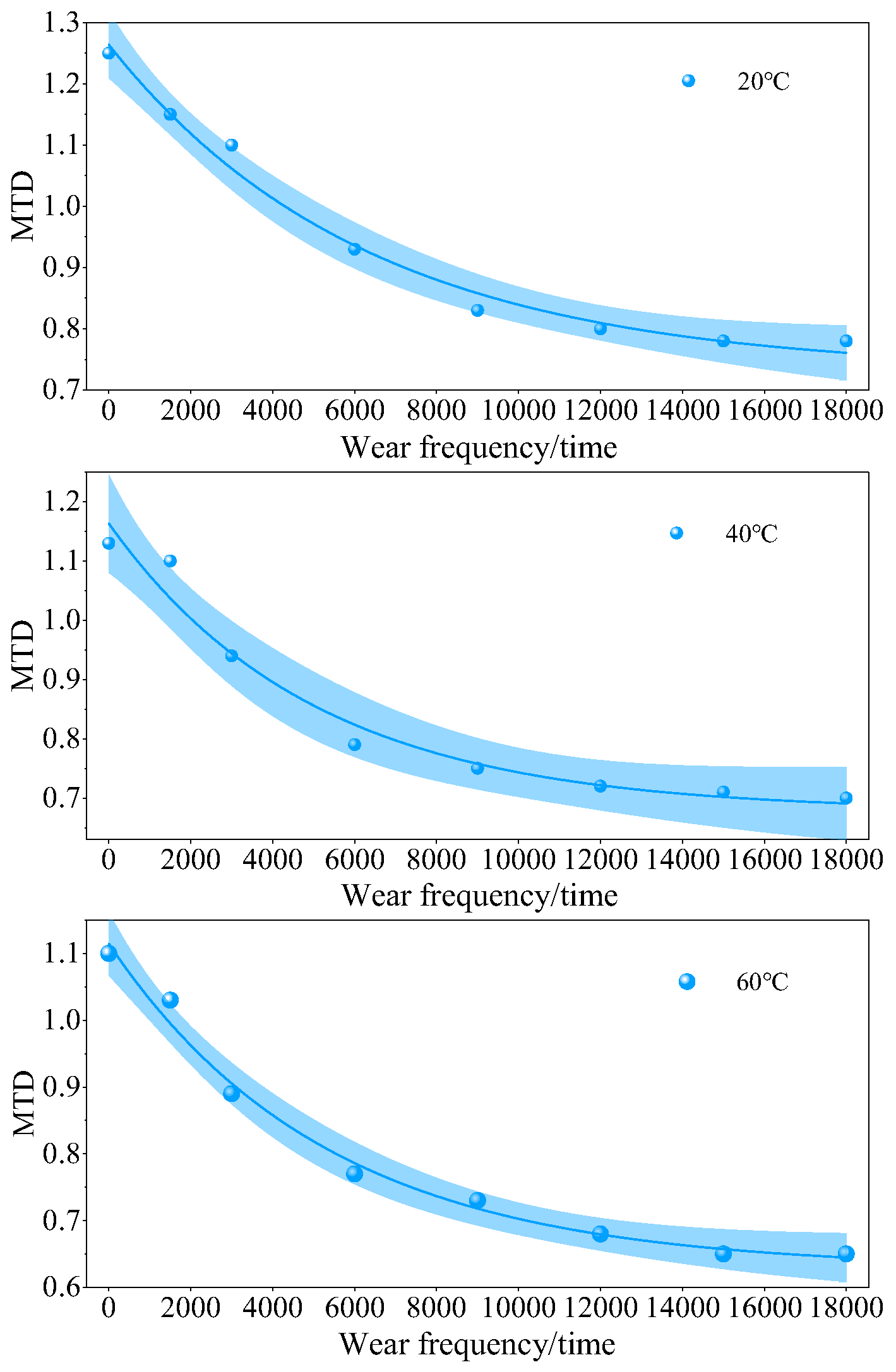
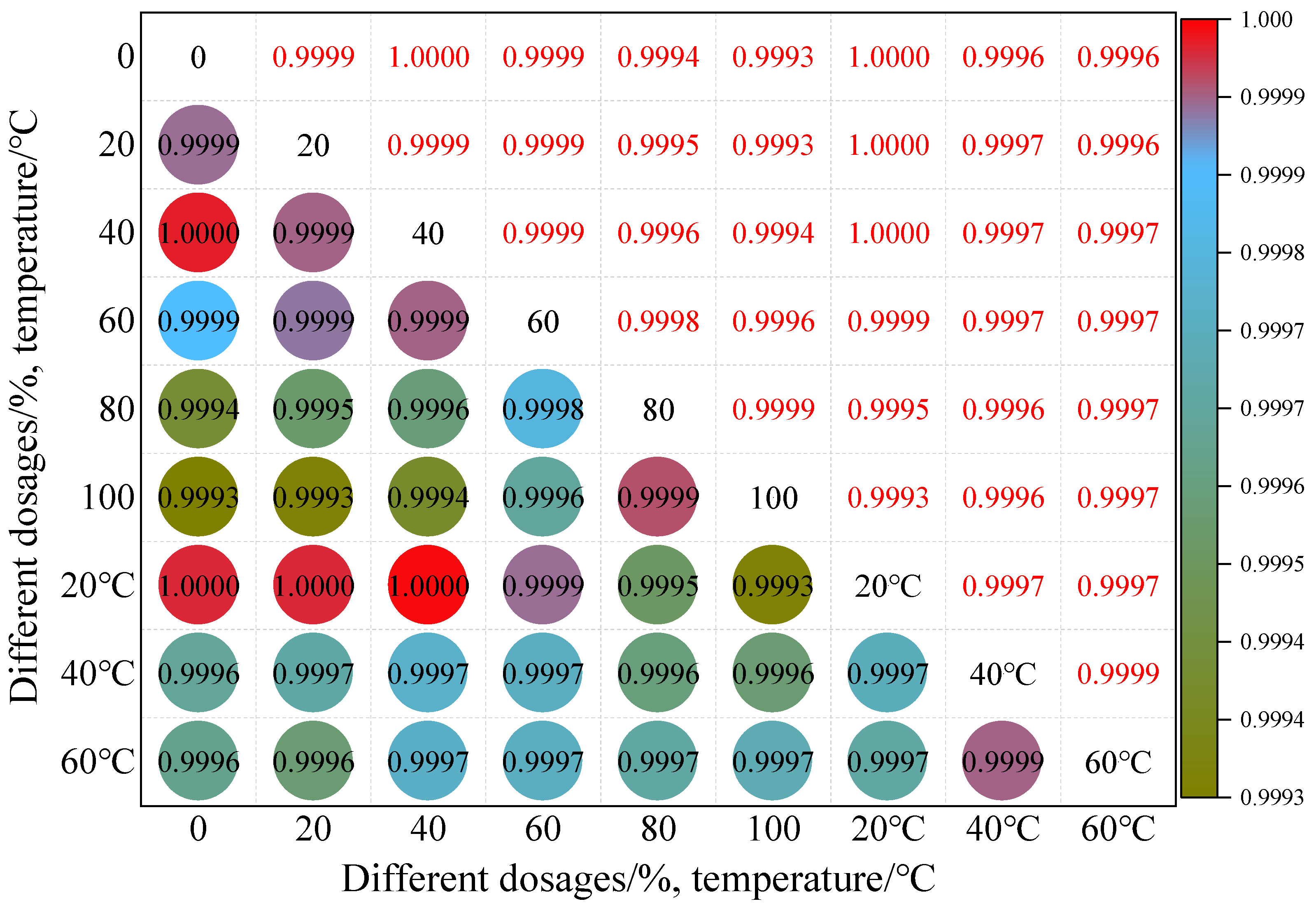
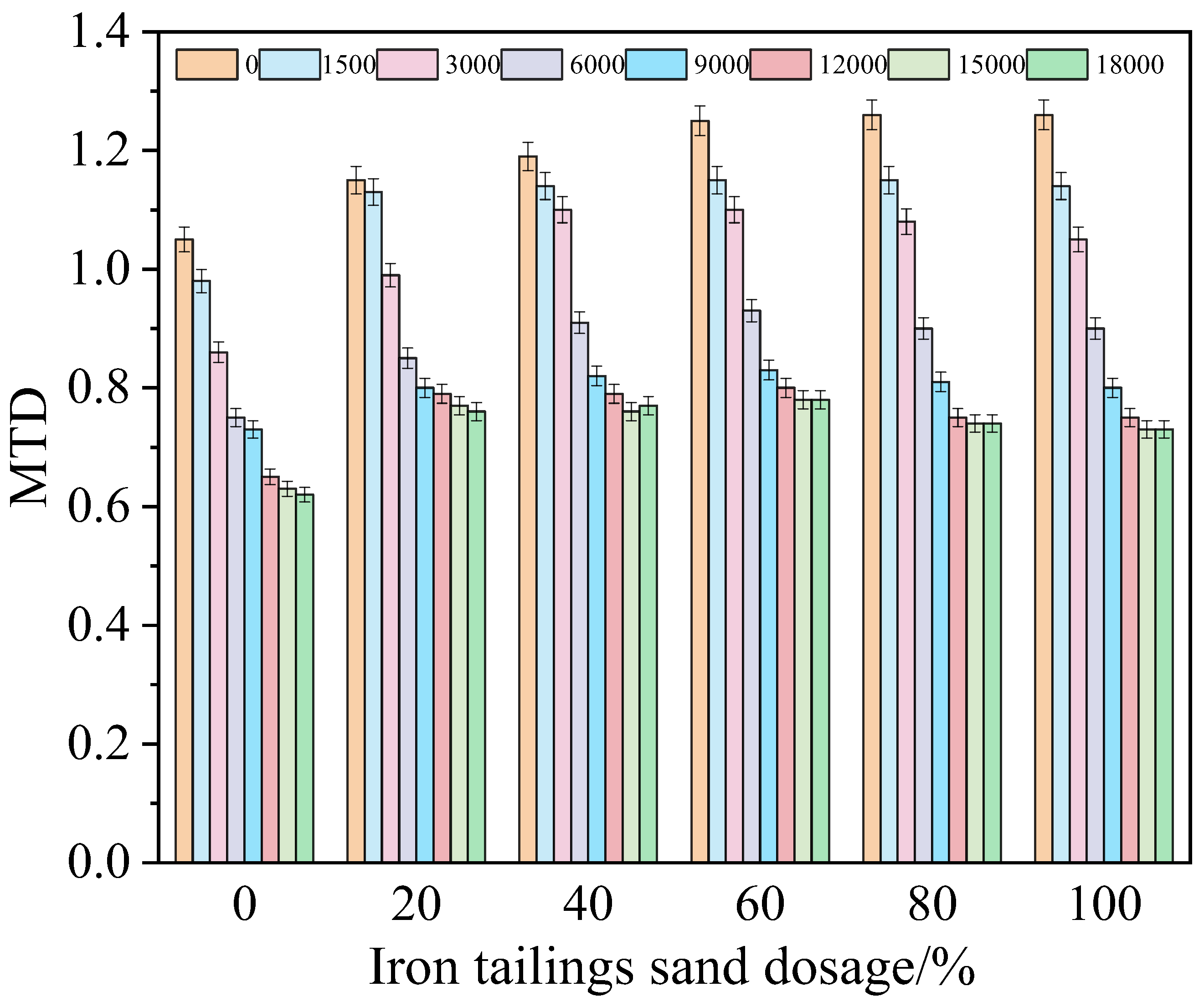
To achieve the resource utilization of iron tailings sand and improve the skid resistance of asphalt pavement, this study takes asphalt mixtures with different contents of iron tailings sand replacing partial fine aggregates as research objects. Through accelerated wear tests, the skid resistance performance was systematically evaluated under the coupled effects of iron tailings sand content, ambient temperature and wear cycles. The variation laws of the British Pendulum Number (BPN) and Mean Texture Depth (MTD) of the mixtures were investigated, and the mechanism and influence characteristics of various factors on skid resistance were further interpreted in combination with correlation heatmap analysis. The results show that the mixture with 60% iron tailings sand content maintains relatively high initial and final attenuation values of both BPN and MTD, which can effectively delay the degradation of skid resistance under long-term wear, thus representing the preferred content for engineering applications. Temperature is the core environmental factor affecting skid resistance: high temperature accelerates performance degradation, while the mixtures exhibit more stable skid resistance under medium- and low-temperature conditions. The coupling of high iron tailings content and high temperature produces adverse interaction effects, leading to performance differentiation. The relevant quantitative analysis and fitting models enable the long-term prediction of skid resistance, providing support for pavement maintenance decision making.
Keywords: iron tailings sand; asphalt mixture; anti-skid performance; correlation model; accelerated wear and tear iron tailings sand; asphalt mixture; anti-skid performance; correlation model; accelerated wear and tear
Graphical Abstract