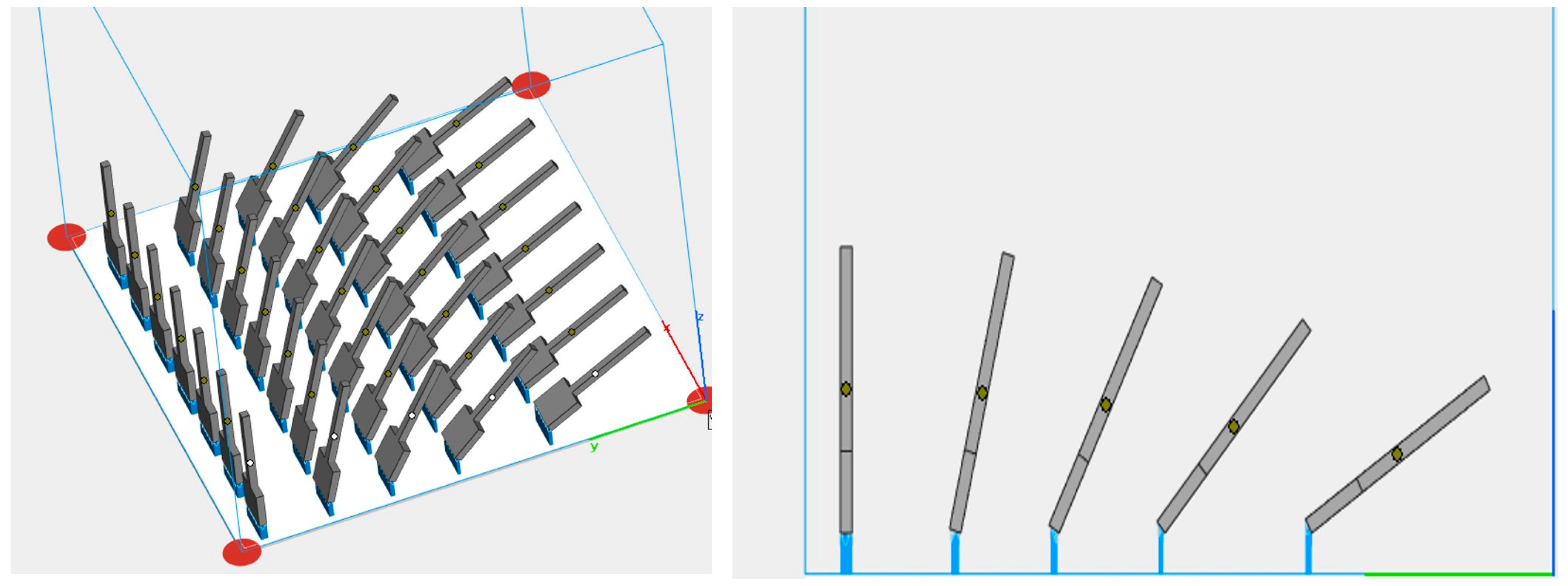
3.2. Potentiodynamic Polarization Measurements
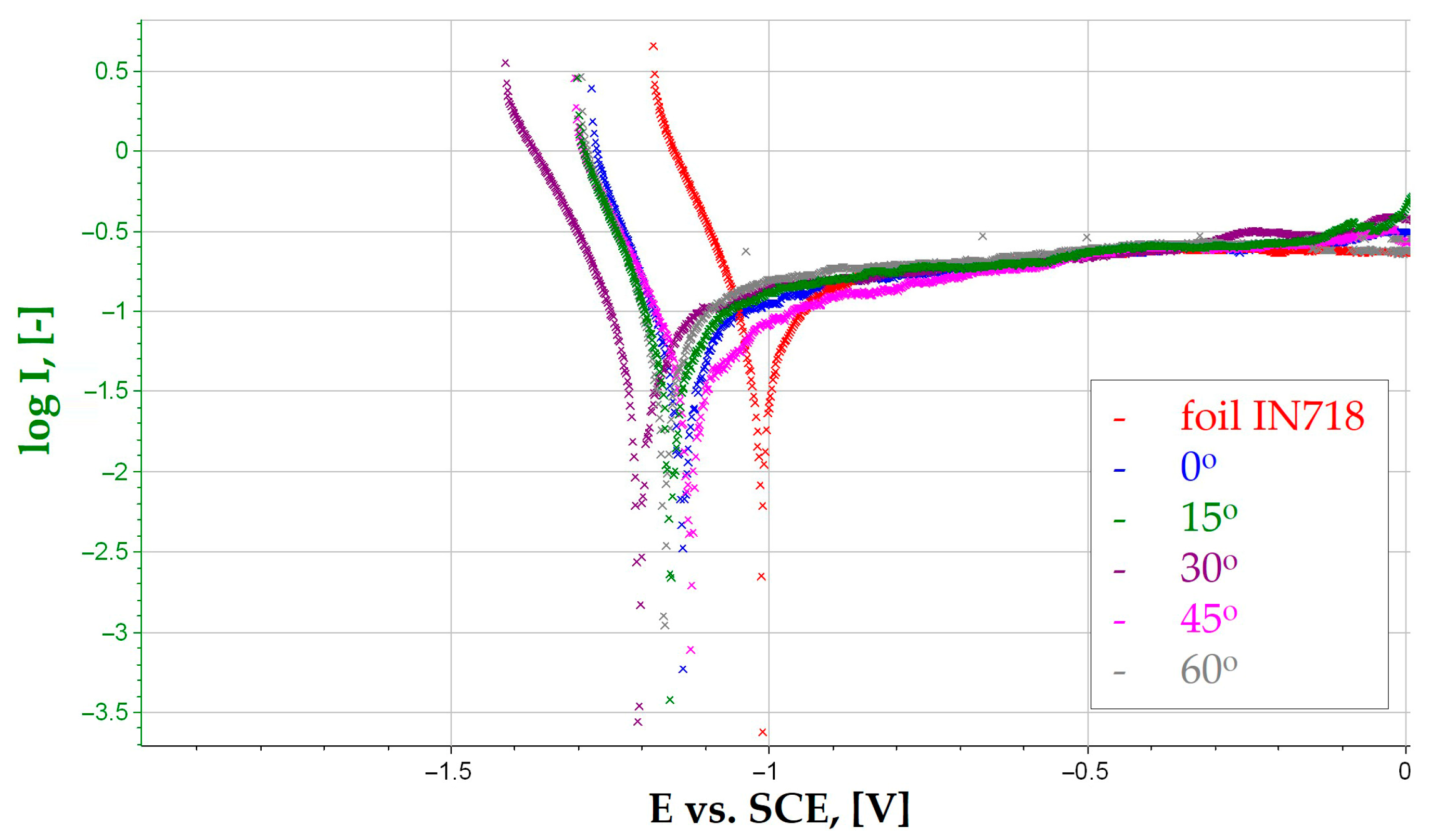
The polarization curves obtained for IN718 alloy samples, both produced by the PBF-LB/M method at different inclination angles, are presented in
Figure 5.
Analysis of the polarization curve shapes indicates the presence of distinct active solubility regions and a tendency toward limited behavior in the anodic potential range. All samples exhibit a lack of a stable passive range, which is typical for nickel alloys exposed to chloride environments, where Cl
− ions destabilize the passive layer and promote local pitting corrosion processes. Samples printed at higher inclination angles (45° and 60°) exhibit greater current fluctuations in the anodic range, which can be attributed to local breakdown of the passive layer and the initiation of local corrosion processes in areas of increased roughness and heterogeneous chemical composition. Comparison of the additive samples with the rolled sample clearly indicates that the manufacturing technology is crucial for the electrochemical behavior of the IN718 alloy. 3D printing using the PBF-LB/M method creates microstructures with increased anisotropy and heterogeneity, which is directly reflected in shifts in corrosion potential and changes in the intensity of corrosion currents. The results also show that the appropriate selection of printing orientation can limit the rate of corrosion processes, which has significant application implications in the context of designing components operating in aggressive environments. The curves presented in
Figure 5 provide the electrochemical parameter values Ecorr and Icorr (
Table 7). The corrosion potential (Ecorr) represents the thermodynamic equilibrium of the system at which the rates of anodic and cathodic reactions are equal, while the corrosion current density (Icorr) serves as a kinetic parameter directly proportional to the material’s degradation rate. These electrochemical parameters were determined by Tafel extrapolation of the polarization curves to assess the corrosion resistance of the studied samples.
Corrosion potential (Ecorr) is a measure of the thermodynamic tendency of a material to enter an active state in a given electrolytic environment. The highest value was recorded for the rolled sample (−1019 mV), indicating its relatively more noble character compared to the additive samples. This is a consequence of a more uniform microstructure and fewer surface and volumetric defects typical of materials obtained by conventional methods. Samples printed using the PBF-LB/M method are characterized by a shift in the Ecorr parameter towards more negative values, with the range being from −1124 mV (45°) to −1203 mV (30°). The most negative corrosion potential obtained for the sample printed at an angle of 30° indicates its highest thermodynamic susceptibility to the initiation of corrosion processes. This phenomenon can be attributed to local microstructural heterogeneity and an increased number of topographic discontinuities, which favor the formation of electrochemical microcells. The lack of a monotonic dependence on the inclination angle suggests that the electrochemical character of the surface is determined by a complex combination of factors, such as the geometry of the liquid metal pool, the direction of crystallization, local roughness, and the distribution of residual stresses, rather than solely by the sample orientation angle. Samples characterized by higher Icorr values (rolled sheet and the sample printed at an angle of 30°) simultaneously exhibited increased mass loss after 1000 h of exposure in NaCl solution, confirming that the intensification of anodic reactions leads to faster dissolution of the nickel matrix. This consistency confirms the correctness of the electrochemical prediction of corrosion rate based on parameters determined from polarization curves. In turn, the sample printed at 0°, which had the lowest Icorr value, also exhibited the lowest corrosion rate, Vc, which clearly indicates the more favorable corrosion resistance of this orientation variant. This means that in this case, anodic processes occur more slowly, and material degradation is more limited.
Samples printed using the PBF-LB/M method are characterized by a shift in the Ecorr parameter towards more negative values, with the range being from −1124 mV (45°) to −1203 mV (30°). The most negative corrosion potential obtained for the sample printed at an angle of 30° indicates its highest thermodynamic susceptibility to the initiation of corrosion processes. This phenomenon can be attributed to local microstructural heterogeneity and an increased number of topographic discontinuities, which favor the formation of electrochemical microcells. The lack of a monotonic dependence on the inclination angle suggests that the electrochemical character of the surface is determined by a complex combination of factors, such as the geometry of the liquid metal pool, the direction of crystallization, local roughness, and the distribution of residual stresses, rather than solely by the sample orientation angle. Samples characterized by higher Icorr values (rolled sheet and the sample printed at an angle of 30°) simultaneously exhibited increased mass loss after 1000 h of exposure in NaCl solution, confirming that the intensification of anodic reactions leads to faster dissolution of the nickel matrix. This consistency confirms the correctness of the electrochemical prediction of corrosion rate based on parameters determined from polarization curves. In turn, the sample printed at 0°, which had the lowest Icorr value, also exhibited the lowest corrosion rate, Vc, which clearly indicates the more favorable corrosion resistance of this orientation variant. This means that in this case, anodic processes occur more slowly and material degradation is more limited.
Corrosion current (Icorr) is a kinetic parameter directly related to the rate of electrochemical reactions and the intensity of material degradation. The lowest value (29 µA) was recorded for the sample printed at an angle of 0°, indicating the lowest rate of corrosion processes in this group of additive samples. This phenomenon can be interpreted as a result of more uniform melting of subsequent layers and a more favorable alignment of the scanning paths relative to the surface exposed to the electrolyte. The highest Icorr values were obtained for the rolled sample (57 µA) and the sample printed at an angle of 30° (59 µA). In the case of the rolled material, the increased corrosion current, despite the more positive Ecorr, may result from the nature of the passive layer, which is locally weakened in a chloride environment, leading to an increase in the intensity of anodic reactions. For the 30° sample, the high Icorr value indicates that surface and microstructural defects have a dominant influence, increasing the effective surface area for electrochemical reactions. The remaining additive samples (15°, 45°, and 60°) exhibit intermediate corrosion current values, suggesting moderate kinetics of corrosion processes and confirming the significant effect of print orientation on the intensity of electrochemical degradation. The corrosion potential Ecorr does not show a clear quantitative correlation with the corrosion rate. Ecorr reflects the thermodynamic tendency to initiate corrosion, while Icorr determines the kinetics of the process and thus the actual rate of material loss.
3.3. Surface and Chemical Characterization
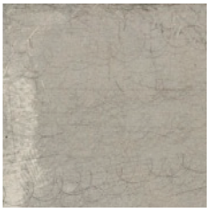
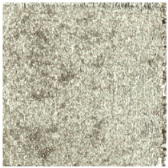
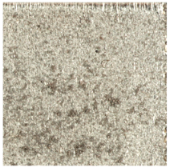
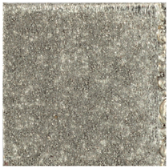
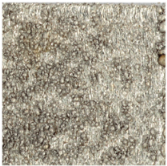
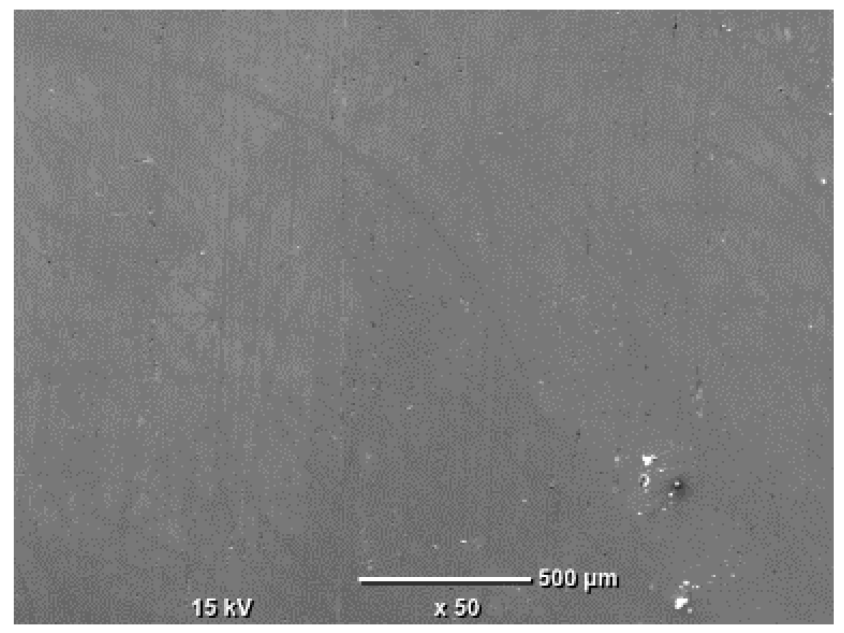
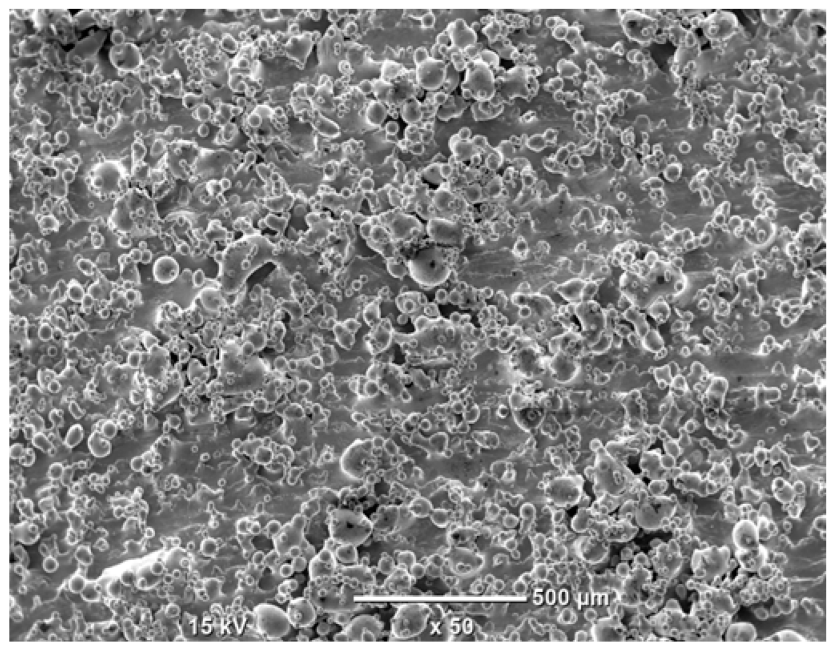
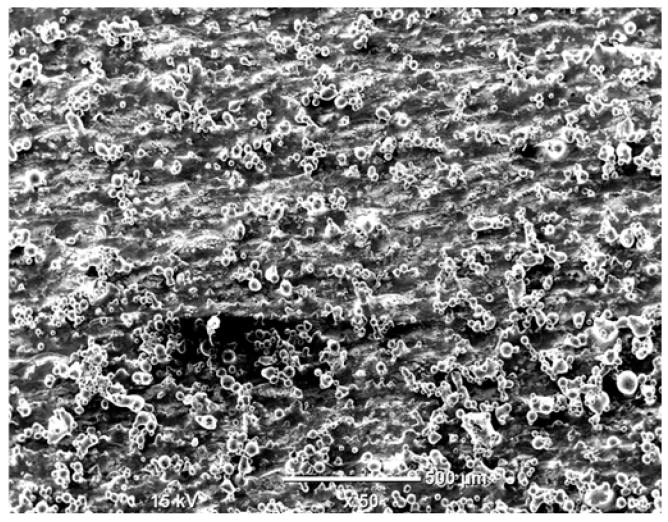
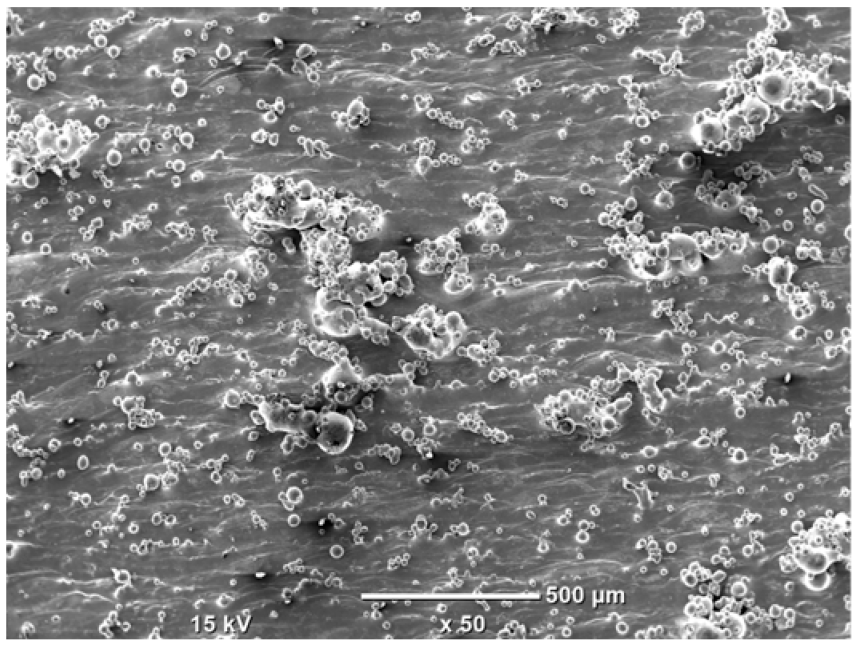
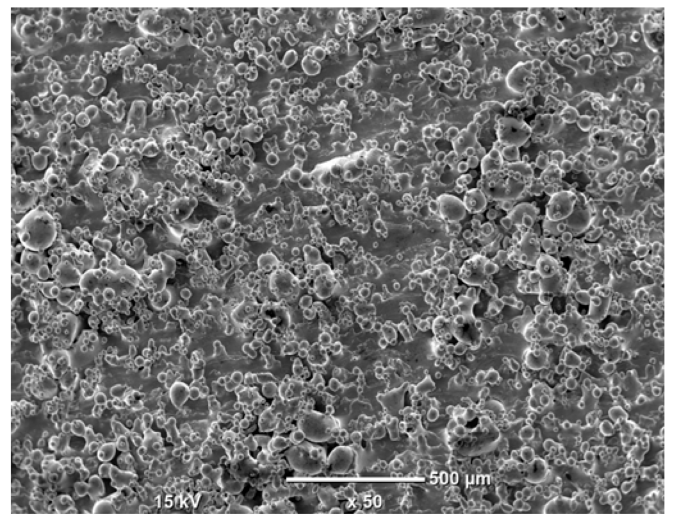
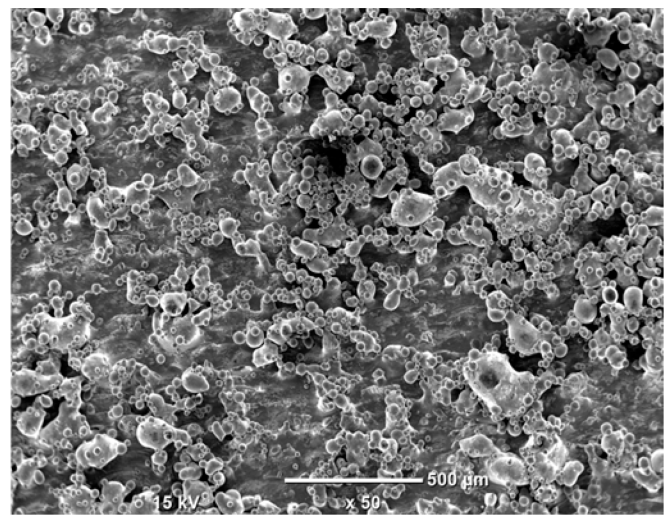
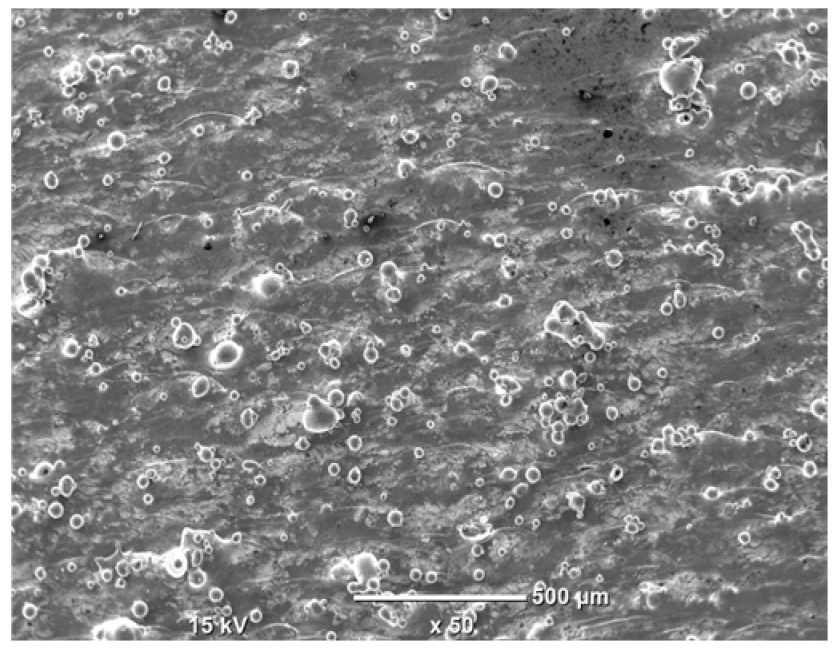
The morphology of the samples was analyzed before and after the corrosion test. Images are presented in
Table 8.
SEM images taken after the corrosion test revealed distinct differences in the nature of surface degradation depending on temperature and printing orientation. For the rolled sample, the SEM images did not reveal any significant pitting or extensive material loss after both 20 °C and 45 °C testing. At 20 °C, the 3D-printed samples exhibited surface changes, primarily involving the removal of loosely bound powder particles and rounding of sharp irregularities. No extensive areas of pitting corrosion were observed, confirming the stable nature of passivation under these conditions. At 45 °C, SEM images revealed local areas of intense degradation, particularly visible for the 45° and 60° inclination angles. In these areas, structures characteristic of localized corrosion were observed, including pitting and irregular material loss.
Chemical composition analyses were also performed using the EDS method (
Table 9).
EDS analysis of the sample surfaces before and after the corrosion test revealed clear changes in chemical composition resulting from the chloride environment and exposure temperature. Before the corrosion process, the oxygen content on the surface of all samples was similar, indicating a comparable state of the passive layer regardless of the manufacturing technology and inclination angle.
The main alloy component, nickel (Ni), exhibited a stable level of 41.7–42.6 atomic percent for all variants before corrosion. After 1000 h of exposure in 3.5% NaCl, the nickel content on the surface fluctuated slightly; at 45 °C, a decrease was observed for samples with high inclination angles (45° and 60°), suggesting more intense Ni2+ ion transfer into solution in areas of high roughness.
Chromium (Cr), responsible for passivation, exhibited a concentration of approximately 18.0–19.6 at.% before the test. for 3D prints and significantly lower (13.2 at.%) for the reference foil. After testing at 20 °C, the chromium content remains stable, confirming the durability of the passive layer. However, at 45 °C, a local decrease in chromium was observed for the 60 °C sample, which coincides with the occurrence of pitting corrosion. Iron (Fe) remains at 14.3–16.6 at.%, demonstrating the greatest stability in the foil and the 0° print, while in the 45° and 60° samples, its content dissipates after testing at 45 °C.
Niobium (Nb) and molybdenum (Mo) are key to local corrosion resistance. Niobium in the prints fluctuates around 2.7–3.0 at.%, and molybdenum around 1.4–1.6 at.%. It is worth noting that the foil has a lower niobium concentration (1.66 at.%) than the prints, which is due to differences in the technological process (rolling vs. PBF-LB/M). After corrosion at 45 °C, samples with 45° and 60° angles showed increased niobium concentrations in micro-regions, which may indicate selective dissolution of the nickel matrix and exposure of Nb-rich phases. Titanium (Ti) and aluminum (Al) are present in smaller amounts (Ti approximately 1.2 at.%, Al approximately 1.9–3.0 at.% in the prints). An increase in temperature to 45 °C did not cause rapid leaching of these elements, indicating their stable anchoring in the structure of the solid solution or precipitates. Carbon (C) shows the highest concentrations in the foil (18.3 at.%) and the 60° sample (13.3 at.%), which may be related to surface contamination or the presence of carbides, which, in the case of the 60° sample, may constitute additional corrosion initiation sites due to the high roughness of this surface.
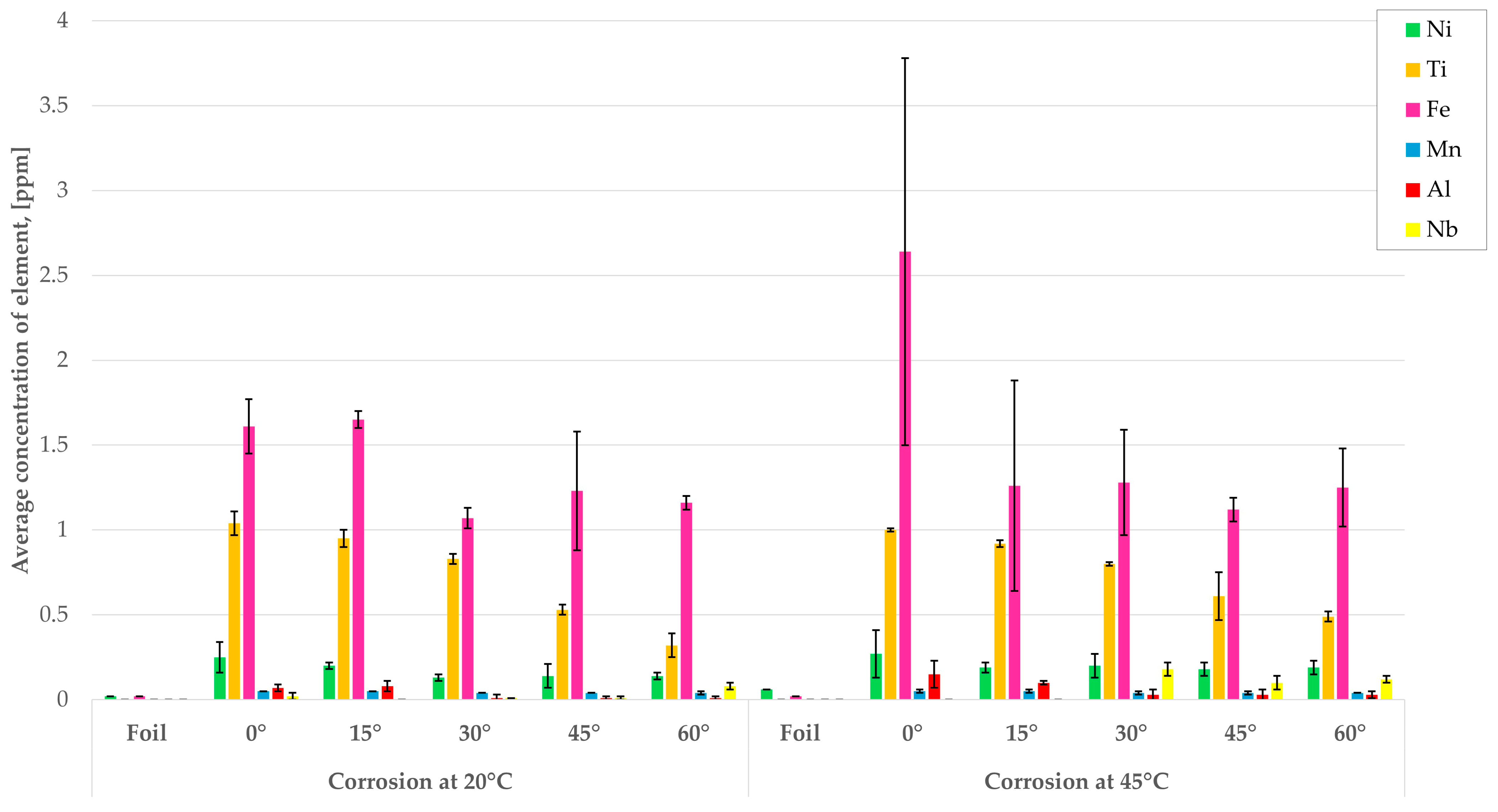
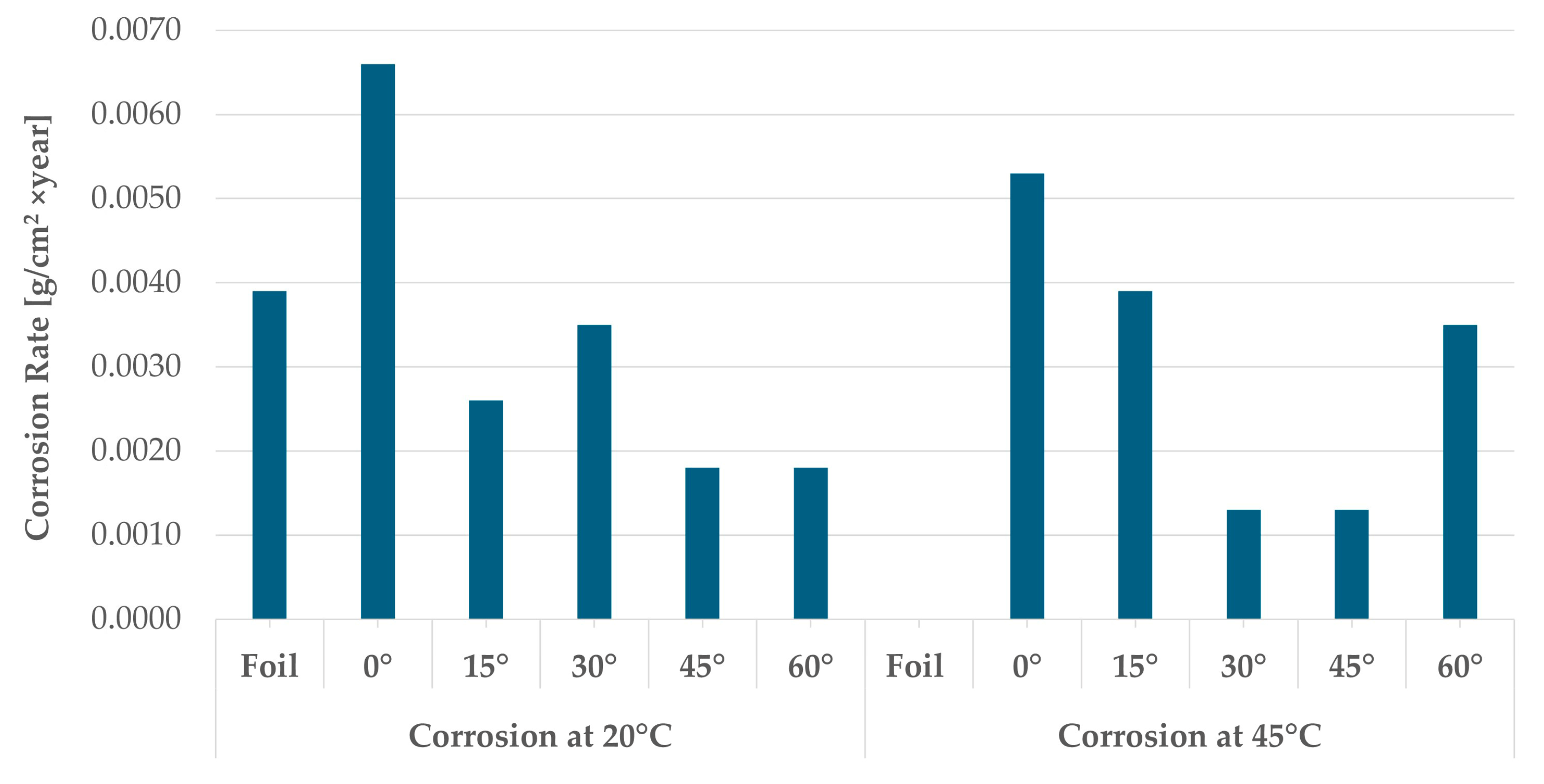
To control the dissolution of components of IN718, post-corrosion solutions were analyzed using the MP-AES technique. Results are summarized in
Figure 6.
Nickel is present in all post-corrosion solutions, with the highest concentration observed after tests of the sample printed at a 0° angle of inclination. No strong effect of applied temperature on its dissolution is observed. At the same time, the clear dependence between the angle of inclination and the average concentration of the element dissolved can be observed for Ti. Its amount decreases with the increase in the inclination angle. However, the application of higher temperature (45 °C) does not enhance its dissolution. The corrosion rate of Fe is the highest among all metals, especially at 0 °C and 45 °C. Manganese is always present in the post-corrosion solution, but its concentration is constant and irrelevant to applied angles and temperatures. Higher concentrations of Al are observed for samples printed with angles of 0° and 15°, but with no significant temperature effect. The largest amount of Nb dissolved was for the sample printed with 60° of inclination, with the enhancement in its corrosion rate at higher temperatures. Co, Cr, and Mo were not detected in the analyzed solutions. It can be concluded that Ni, Ti, and Fe are the main metals dissolving in 3.5% NaCl. However, applied temperature does not strongly affect the corrosion rate of IN718. Besides Nb, with lower values of inclination angles (mostly 0° and 15°), the concentration of elements in post-corrosion solutions. In the case of Inconel alloy 718 foil, only low concentrations of Ni and Fe were detected in the solutions. It means that the alloy in the form of 3D prints shows worse corrosion resistance than the bulk material.
The results of the analysis of the chemical composition of the post-reaction solutions closely correlate with the results of the EDS analysis of the sample surfaces. Increased concentrations of nickel, iron, and titanium in the solutions after the corrosion test, particularly at 45 °C, correspond to a decrease in the relative share of these elements in the material’s surface layer, confirming their selective dissolution during exposure to a chloride environment. For samples printed at higher inclination angles, higher concentrations of alloying elements in the solution and increased oxygen content were observed in EDS analyses, indicating the coexistence of two parallel mechanisms: metal dissolution and the accumulation of corrosion products on the material surface. This degradation pattern explains the apparent weight increase in the samples observed in the gravimetric tests. In turn, the lower concentrations of elements in the solutions for the rolled sheet and the smaller changes in surface composition confirm the greater stability of the passive layer of the material produced by the conventional method. The obtained results clearly indicate that the analysis of post-reaction solutions should be interpreted together with the EDS results to better understand the corrosion mechanism of nickel alloys under complex operating conditions.
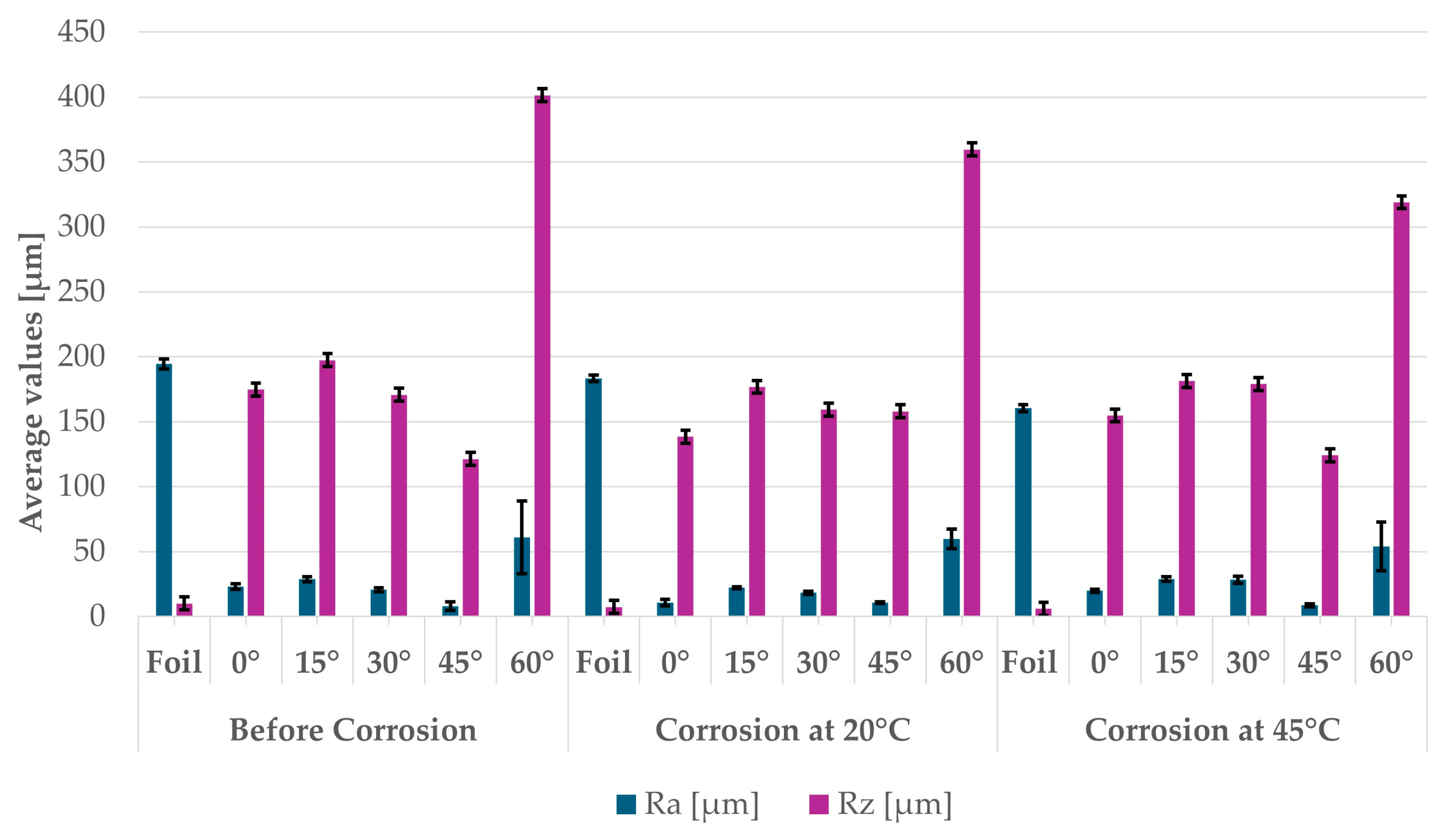
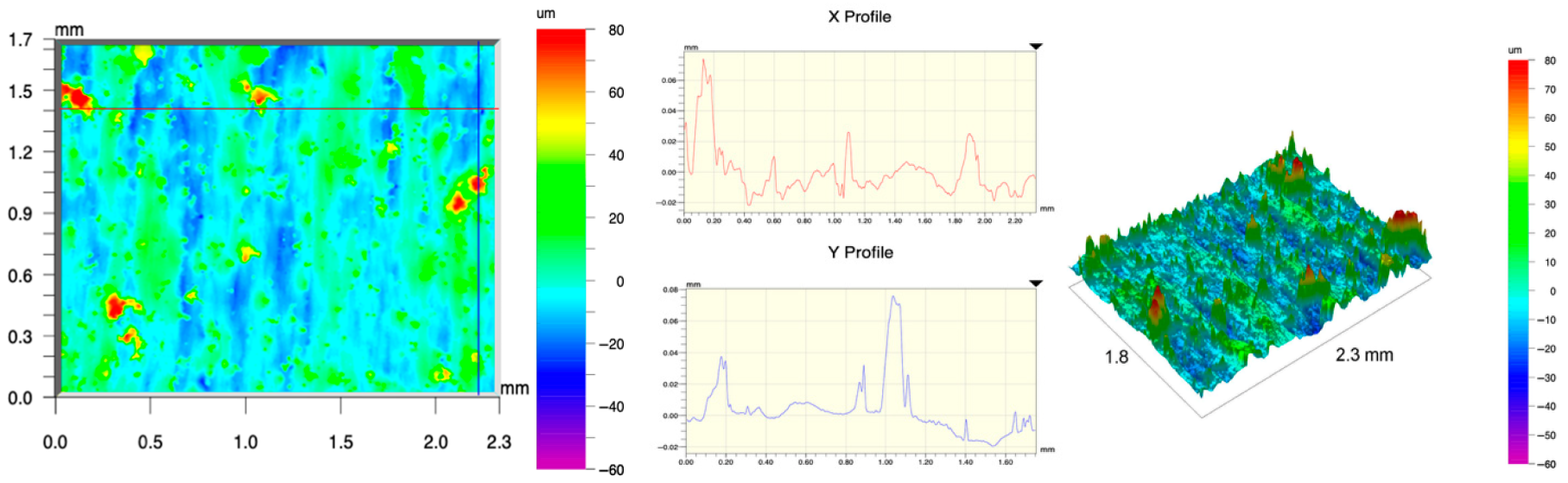
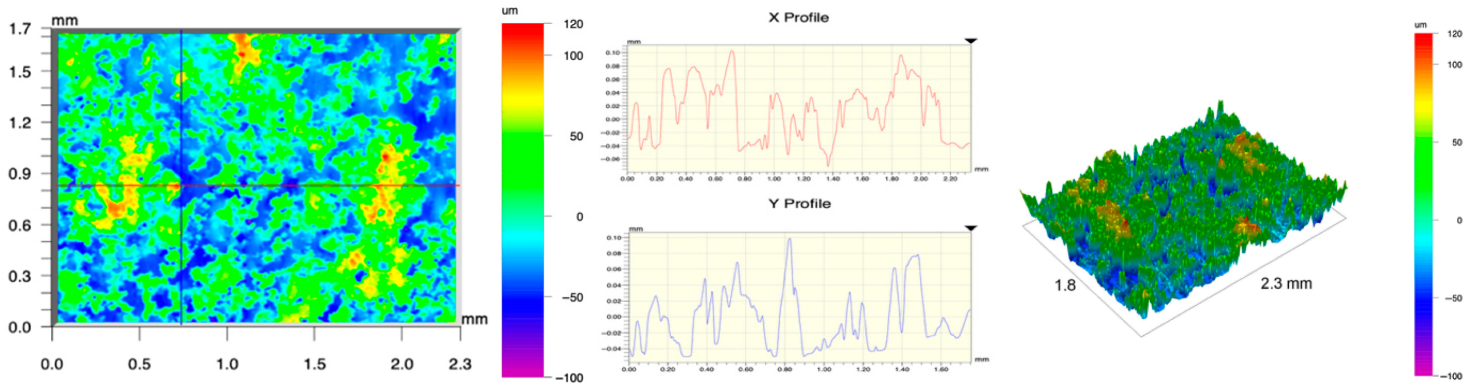
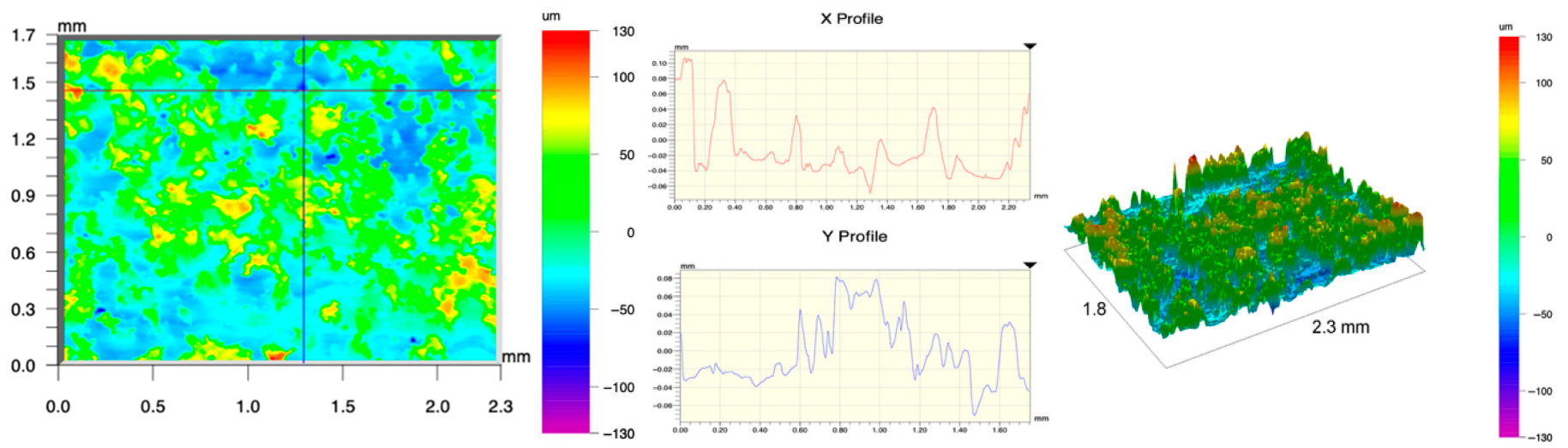
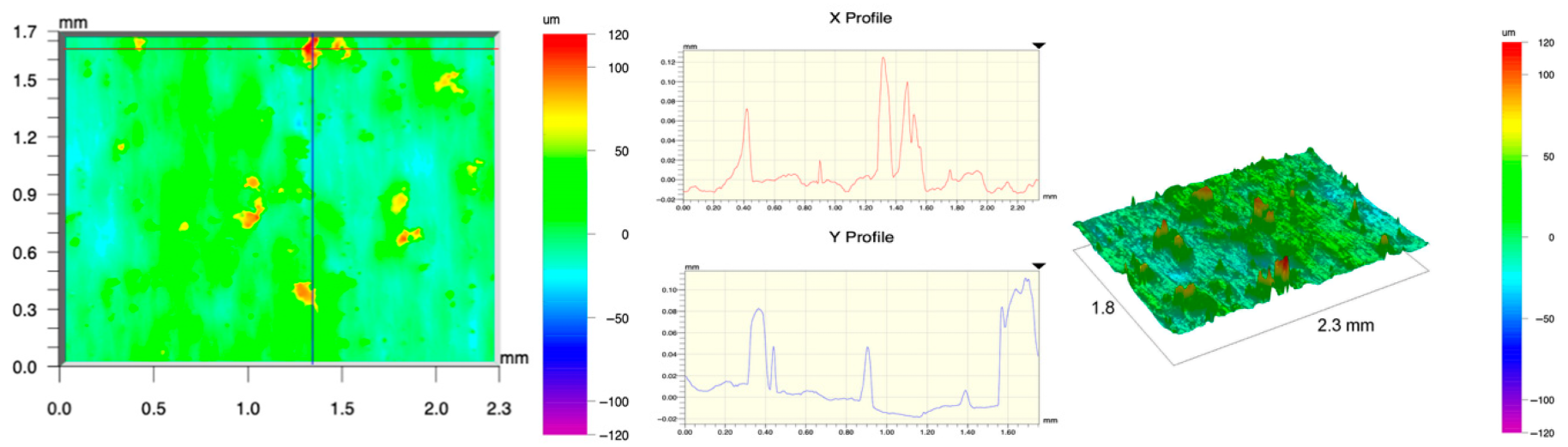
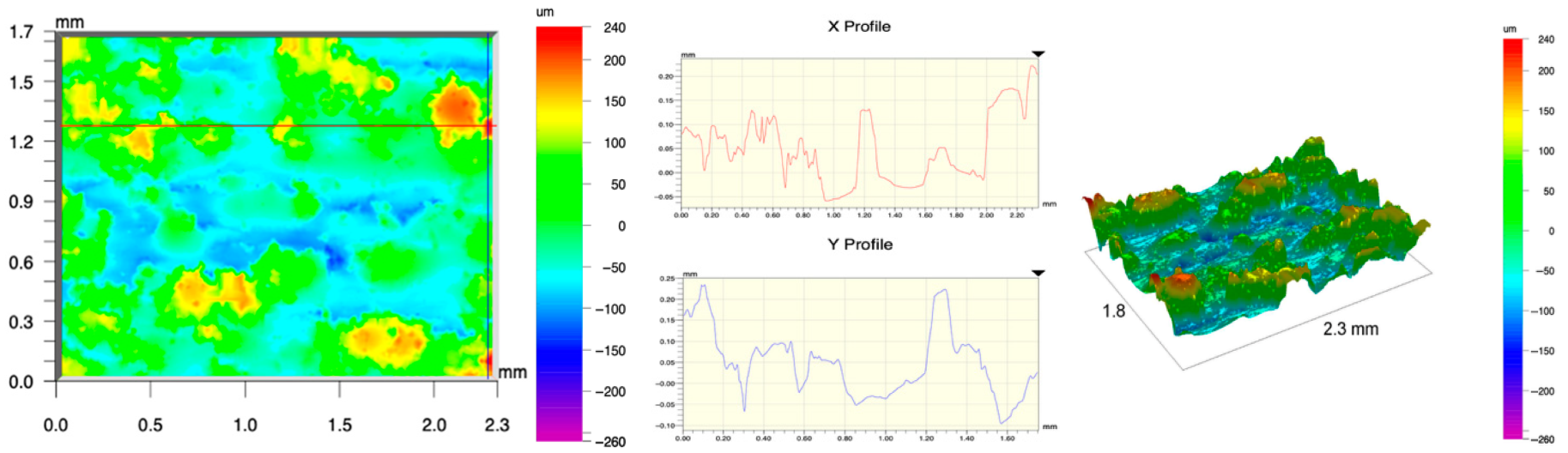
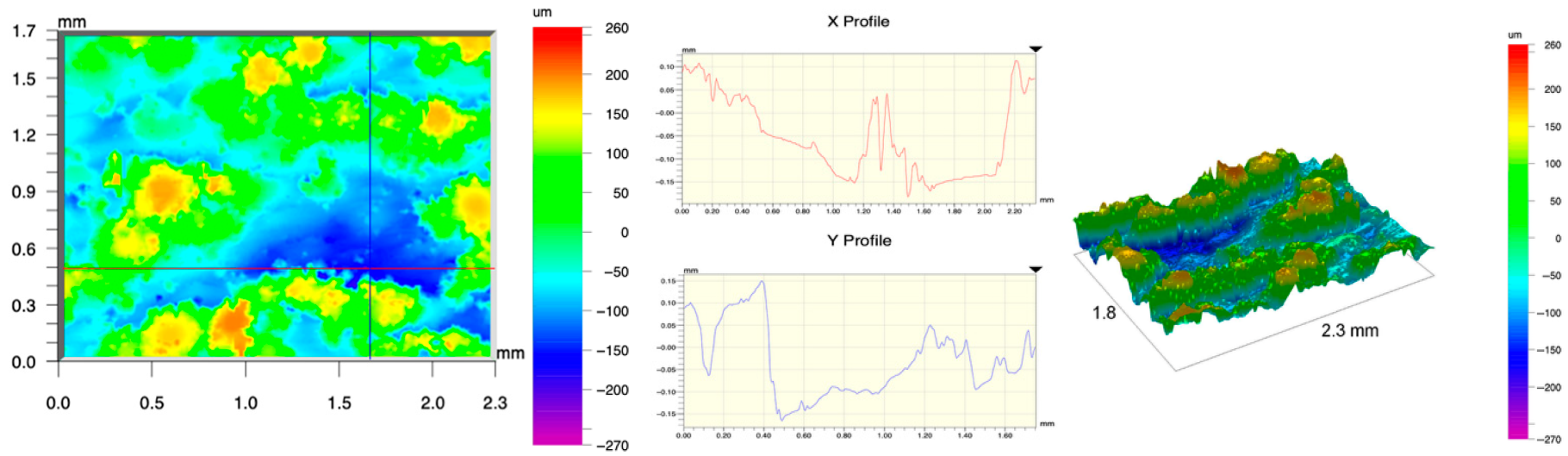
The surface topography of the samples was analyzed before and after the long-term corrosion exposure process (
Table 10,
Figure 7).
The observed changes are a direct result of the synergistic interaction of three key factors: the temperature of the corrosive environment, the anisotropic surface topography resulting from the PBF-LB/M technology specifications, and the characteristic microstructure of the Inconel 718 alloy immediately after printing. Unlike conventionally manufactured materials, PBF-LB/M printed parts are characterized by strong near-surface heterogeneity, the nature of which is largely determined by the element’s inclination angle relative to the build platform. A pronounced roughness anisotropy, characteristic of additive technologies, is also observed, resulting from the layered nature of the process, the stepping effect, the balling effect, and local disturbances in the stability of the liquid metal pool. Importantly, this type of topography is not merely a geometric feature but directly influences the corrosion behavior of the surface. Surfaces with high initial roughness are characterized by an increased effective contact surface with the electrolyte and numerous micro-cavities that promote local retention of the corrosive solution, leading to the initiation of local corrosion processes. The presence of residual stresses causes local variations in corrosion resistance in the subsurface layer.
The sample after the rolling process was characterized by significantly lower Rz values and a more uniform surface profile compared to the additive samples. At both 20 °C and 45 °C, changes in the Ra and Rz parameters were gentle, indicating gradual surface smoothing rather than the development of local degradation. This behavior confirms that low initial roughness limits the possibility of initiating corrosion processes and promotes the stability of the passive layer. Analysis of the initial state of samples produced by the PBF-LB/M method revealed a clear and significant correlation between the angle of geometric inclination relative to the build platform and the quality of the surface topography. Samples inclined at an angle of 45° had the lowest initial roughness, for which the mean values of the Ra and Rz parameters were 8.05 µm and 121.28 µm, respectively. This orientation favored obtaining a relatively homogeneous surface, which can be attributed to the reduced stepping effect and a more stable flow of the liquid metal pool during the PBF-LB/M process. As the inclination angle increased to 60°, a rapid degradation of the surface geometric parameters was noted, manifested by an increase in Ra to 60.85 µm and Rz to 401.39 µm. This phenomenon is associated with surface formation mechanisms typical of selective laser melting of powders, such as intense adhesion of incompletely melted powder particles, the presence of depressions, and local subsurface discontinuities.
Corrosion testing conducted at 20 °C for 1000 h resulted in significant changes in the surface morphology of the tested samples, with the nature of these changes closely dependent on the initial topography resulting from the print orientation. For samples printed at 0° and 30° angles, corrosion primarily affected the most protruding and energetically unfavorable surface areas. Sharp irregularities and loosely bound powder particles, which remain on the surface after the additive manufacturing process, were primarily removed. As a result, a significant reduction in surface roughness was noted, with the Ra parameter decreasing by over 50% for the 0° orientation. The impact of the corrosive environment at room temperature was moderate and did not lead to significant surface degradation. This effect can be attributed to the formation of a stable passive layer, which provided effective electrochemical protection and limited the development of pit corrosion. Under these conditions, material loss was concentrated primarily on the most prominent topographic features, leading to partial surface smoothing. A different behavior was observed for samples with high initial roughness, especially for the 60° orientation. High surface inhomogeneity, the presence of numerous microcavities, and adhering powder particles favored local electrolyte retention. This phenomenon limited the effectiveness of the smoothing process, resulting in very high Ra and Rz parameter values, even after 1000 h of exposure at 20 °C. These results indicate that, in the case of high initial roughness, the protection provided by the passive layer is not sufficient to significantly improve the quality of the surface topography.
A significant change in the surface degradation pattern was observed after increasing the corrosive environment temperature to 45 °C. The elevated temperature weakened the stability of the passive layer and accelerated ion transport in the near-surface layer. Under these conditions, corrosion ceased to be selective and began to develop locally. This phenomenon was particularly noticeable on surfaces containing numerous irregularities and geometric defects, typical of components printed at higher inclination angles, especially 45° and 60°. In the case of samples printed at an angle of 60°, the highly developed surface topography favored local differences in corrosion conditions. Combined with the elevated temperature, this led to a loss of the protective properties of the passive layer and the development of pitting corrosion. The result of these processes was an increase in the Ra and Rz parameters, indicating a further increase in surface irregularities and the formation of deep material defects. An additional factor influencing the degradation process was the heterogeneity of the near-surface layer, characteristic of components manufactured using the PBF-LB/M method, which favored localized corrosion, especially at elevated temperatures. Samples printed at an angle of 45°, characterized by a more uniform surface and fewer defects, exhibited fewer corrosion initiation sites. As a result, even at 45 °C, the increase in roughness for this orientation was limited. Images of surface topography for all samples are shown in
Table 11.
The obtained results show that the corrosion resistance of Inconel 718 additively manufactured components depends on the print orientation and corrosion temperature. The 45° orientation provided the highest topography stability within the analyzed temperature range, making it the most favorable for the durability of components operating in corrosive environments. At the same time, increasing the temperature significantly increased the material’s sensitivity to surface defects, making samples with high initial roughness, especially those printed at a 60° angle, the most susceptible to accelerated corrosion.
Analysis of the gravimetric test results allowed for a preliminary assessment of the intensity of corrosion processes depending on the sample inclination angle and ambient temperature. At 20 °C, printed samples, besides one with an inclination angle of 0°, exhibited small mass losses, but the lowest values were recorded for samples produced at a 45° angle, indicating their more favorable corrosion behavior at room temperature. At 45 °C, the gravimetric method revealed significant differences between the print orientations. However, analysis of the results in comparison to other test techniques indicates that samples with a 45° inclination angle exhibited a more stable corrosion process than samples printed at a 60° angle.
The electrochemical test results confirmed the significant effect of inclination angle on the kinetics of corrosion processes. At 20 °C, the lowest corrosion current densities and the most favorable electrochemical parameter values were obtained for samples produced at a 45° angle, indicating greater stability of the passive layer. At 45 °C, a general increase in electrochemical activity was observed, but samples printed at a 45° angle still exhibited a more controlled corrosion process compared to samples with a higher inclination angle.
SEM observations revealed distinct differences in the surface morphology of the samples after the corrosion test. At room temperature, the surface of samples printed at a 45° angle was relatively uniform, with a limited number of local degradation points. At 45 °C, the intensity of morphological changes increased, but samples printed at a 45° angle exhibited less advanced surface degradation compared to samples printed at a 60° angle, for which more developed corrosion product structures were observed.
EDS analysis provided significant information regarding the behavior of individual alloying elements during the corrosion process. Changes in nickel content indicate its active participation in the dissolution processes, particularly at 45 °C, with the smallest changes in Ni concentration observed for samples printed at a 45° angle. Chromium, the key element responsible for the alloy’s passivation, exhibited greater stability at 20 °C, while at elevated temperatures, partial surface depletion was observed, more pronounced for samples printed at 60°.
Iron tended to selectively dissolve at 45 °C, as evidenced by changes in its percentage on the surface of samples printed at higher inclination angles. Titanium and niobium, present in the alloy’s strengthening phases, exhibited less pronounced concentration changes, but their relative depletion in the 60° samples suggests local microstructural destabilization under more intense corrosion conditions.
Overall, EDS analysis indicates that samples printed at 45° had the most stable chemical composition of the surface layer at both 20 °C and 45 °C. The results of the gravimetric, electrochemical, microstructural, and EDS analyses clearly indicate that, among the additively printed samples analyzed, the best corrosion properties at 20 °C were exhibited by those produced at a 45° inclination angle. Also, at an elevated temperature of 45 °C, this print orientation provided the most stable corrosion behavior, with limited surface degradation and smaller changes in chemical composition compared to the other samples.




 ,
,